Interview with owner Mayumi Kusudo and manager Asami Yamamoto
In April 2022, Hashimaya changed its owner, shop name, and menu.
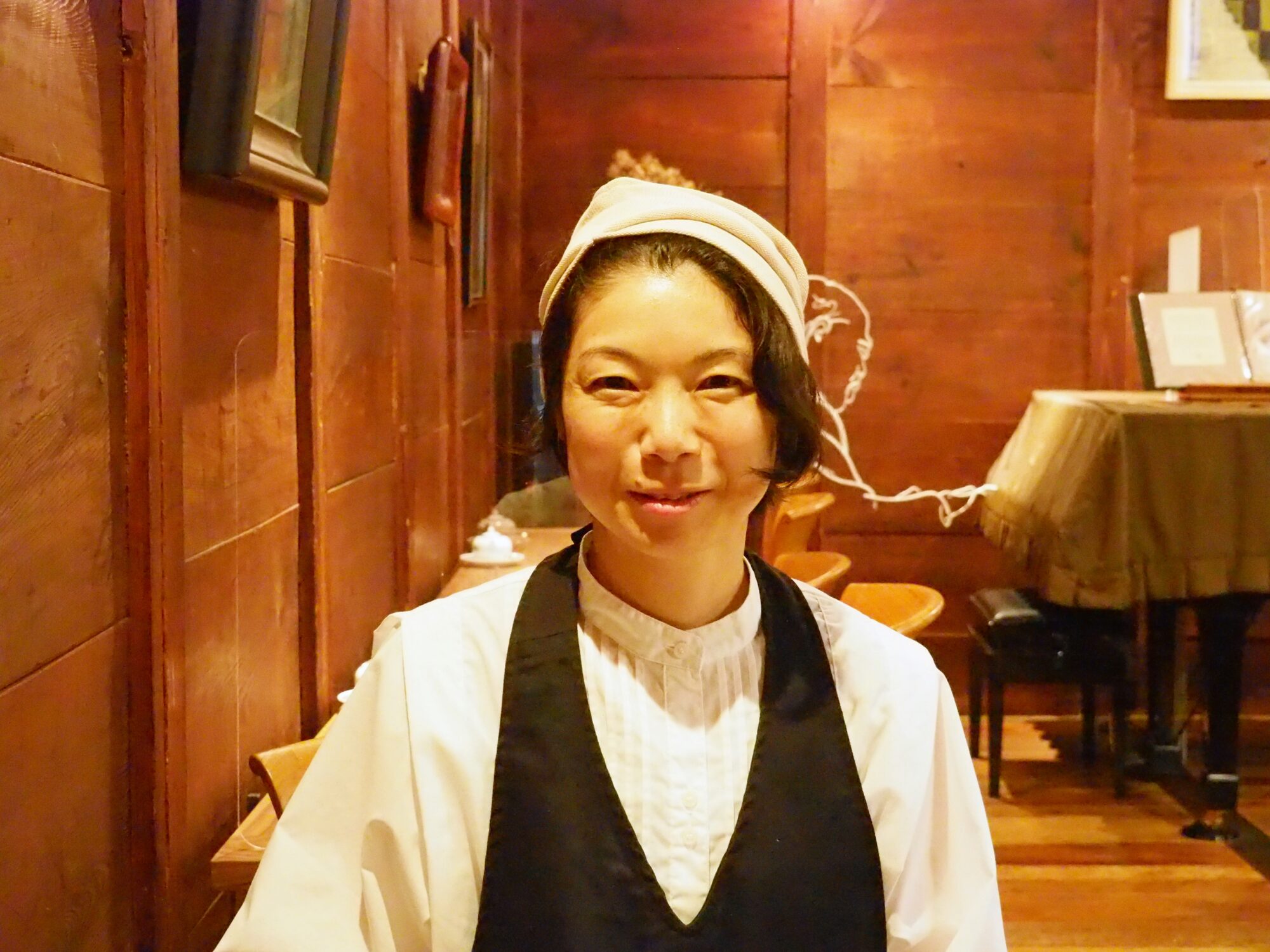
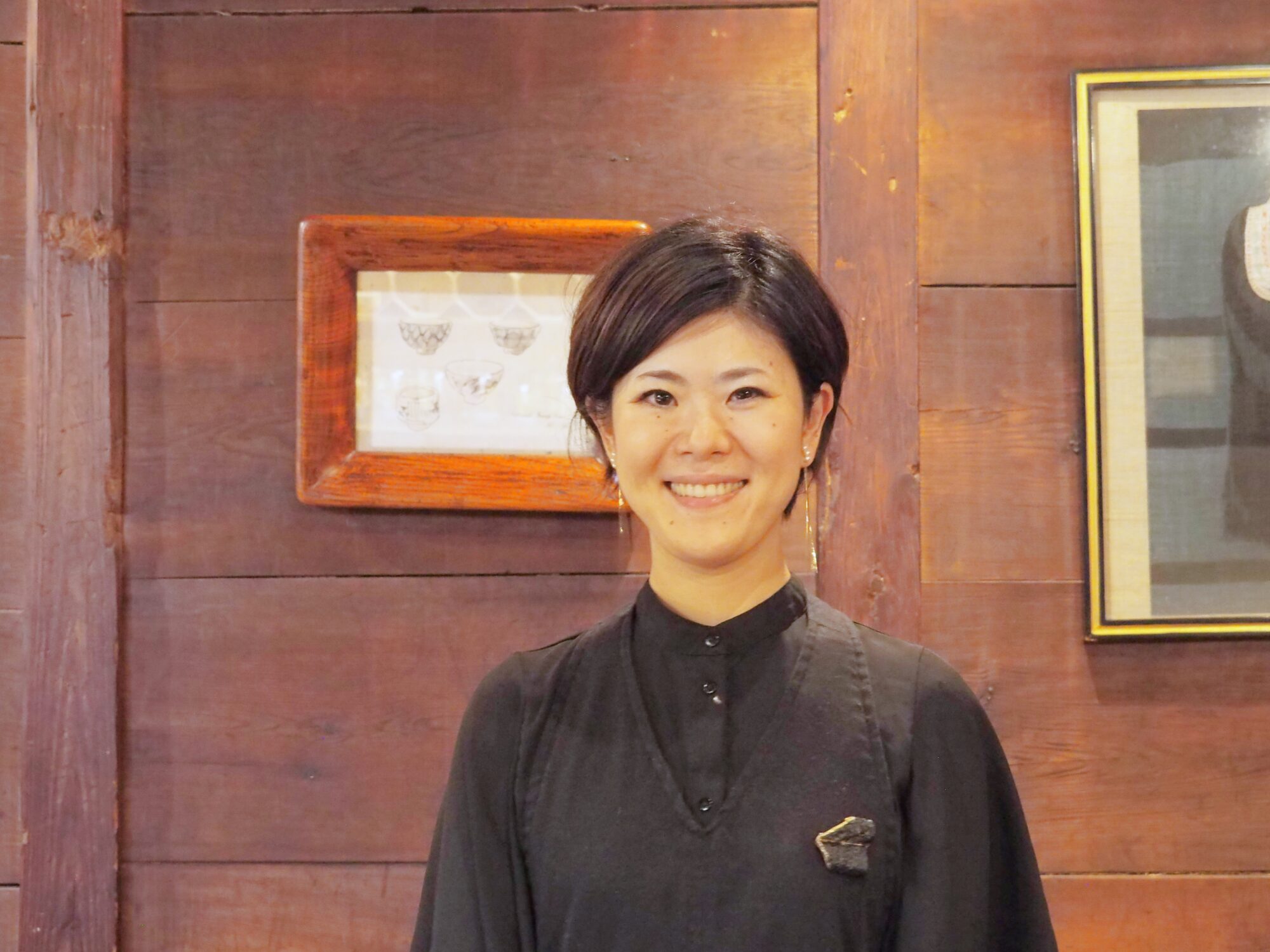
We spoke with owner Mayumi Kusudo and manager Asami Yamamoto about the new Hashimaya.
About the staff
Ms. Kusudo is the owner, and Ms. Yamamoto is the manager, right?
Yamamoto (honorific omitted)
Yes. Kusudo runs Hashimaya and Salon de Rix, a bar in the Bikan Historical Area.
I have worked here since it was Yume Kukan Hashimaya, its predecessor.
Keeping renovations to a minimum
Did you renovate the interior when you changed the shop's name?
Yamamoto
We renovated the kitchen at the back.
It used to be a gallery, but now it's a space for making pickles and cooking.
In the cafe, we changed the lighting and the side tables.
We kept using the main table in the middle.
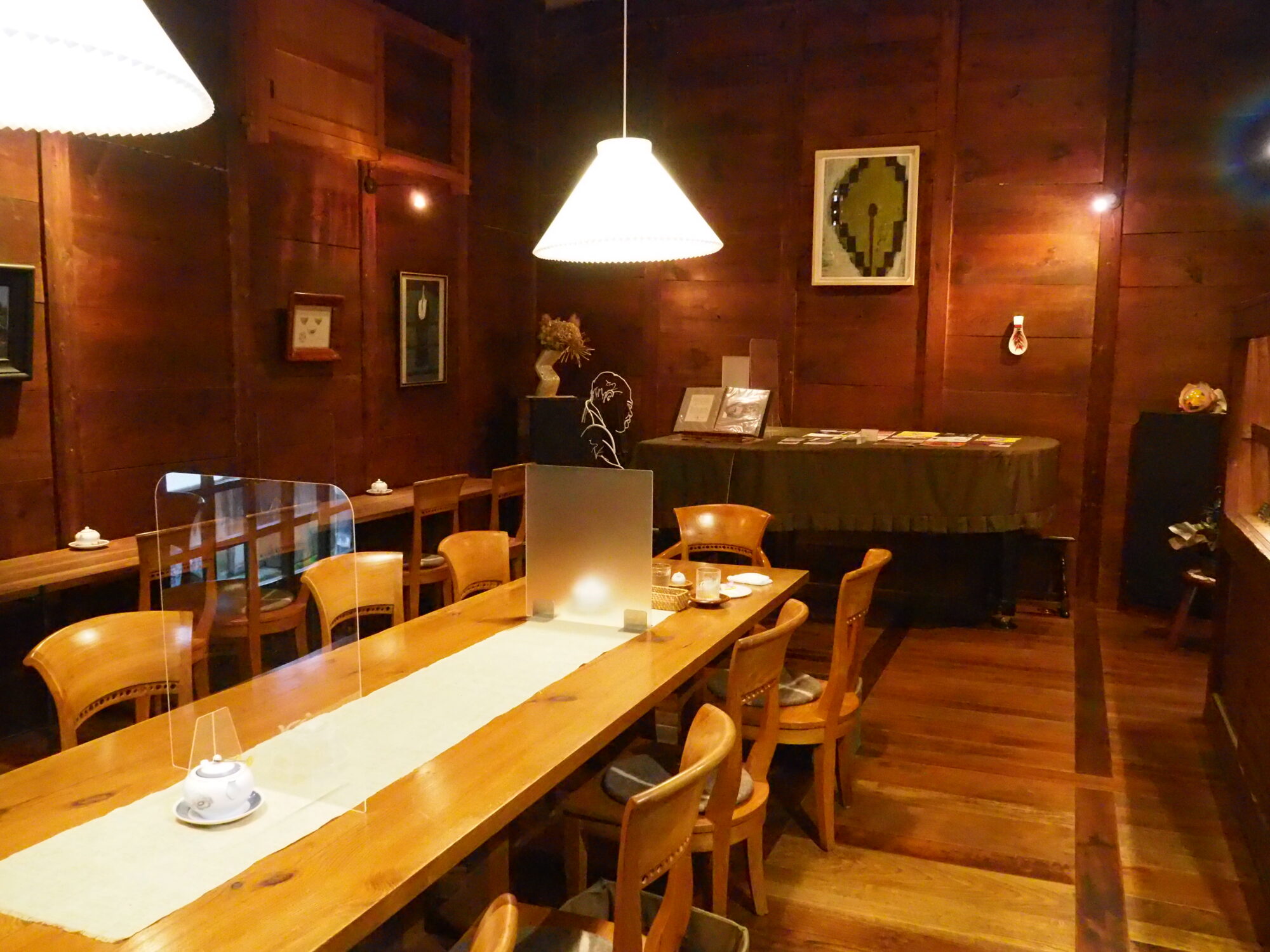
In the cafe, we limited changes to rearranging the furniture and similar things.
We wanted to avoid changing too much.
We wanted to preserve the charm of the storehouse, so we have hardly made any changes.
We had plans to make changes, but this space is lovely as it is.
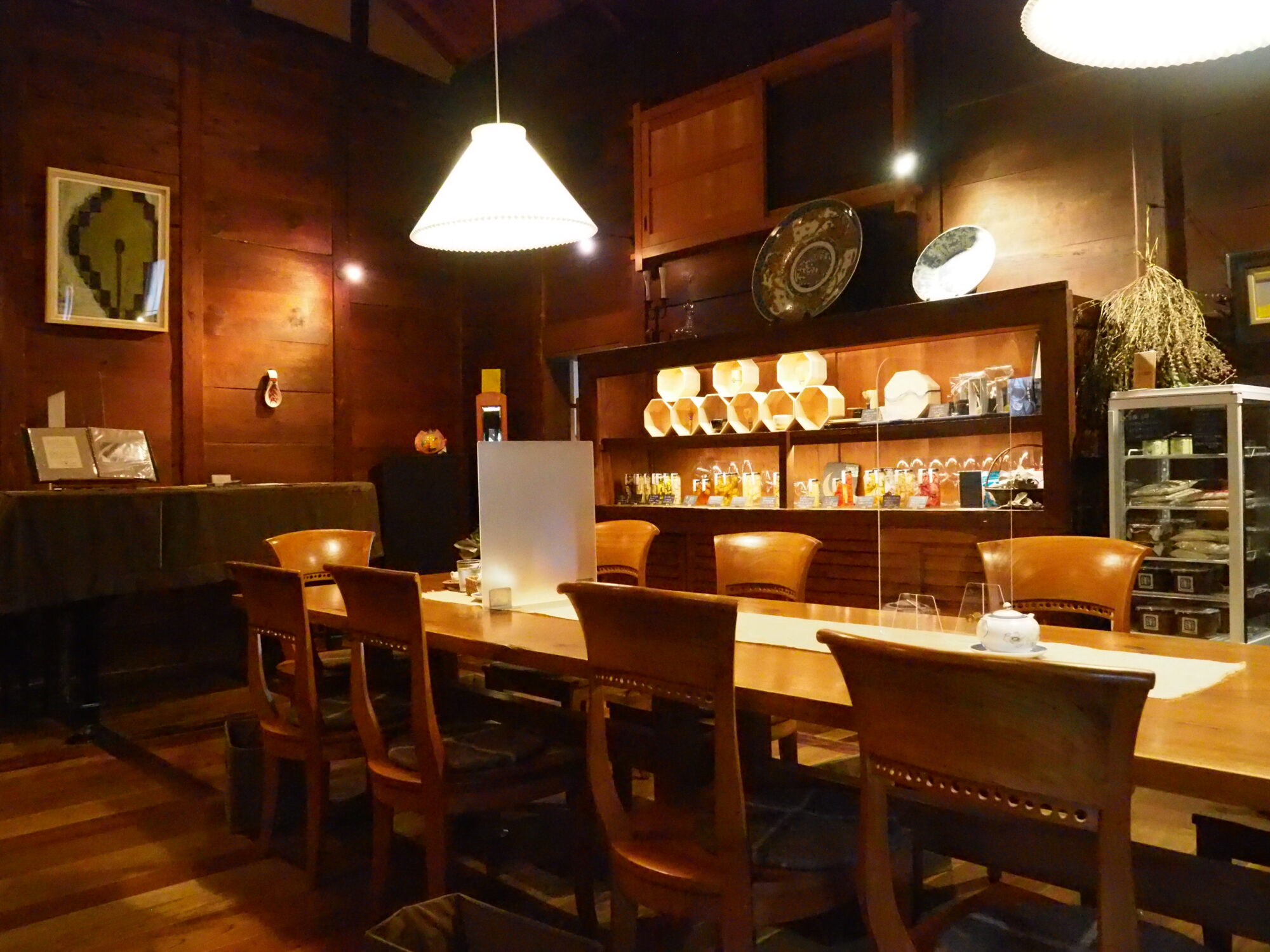
We want to cherish the “good things” about this historic building, which is registered as a Tangible Cultural Property.
There is a storehouse here, and the main family home of the kimono shop still has its traditional cooking hearth.
We want to preserve “good things” such as the storehouse and hearth, which were part of everyday life in the past.
Why did you include “atelier” in the shop name?
Kusudo (honorific omitted)
In our pickle storehouse, we ferment seasonings and make a variety of seasonal flavors every day.
We added “atelier” to the shop name to express the idea of “creating new flavors” through making and selling pickles using vinegar, including rice vinegar, as a fermented seasoning.
About the menu
Why do you serve pickles?
Yamamoto
We served them as a snack to go with drinks back when this was a bar.
Building on that, we now serve them as a main offering here.
Serving pickles and fermented foods was one of the things Kusudo wanted to do.
Kusudo
There is a storehouse here called the “pickle storehouse.”
It had been unused for some time, and one of the aims of this renovation was to restore it.
I have always liked pickles, but the idea of making modern “jars of vegetables that can be preserved” came from the existence of this pickle storehouse.
Vinegar is healthy but can be difficult to incorporate into meals, so we make these pickles to use it deliciously. We aim for a healthy, uplifting flavor that brings out the strength of vegetables grown in the Land of Sunshine.
When I want to bring a gift, I sometimes want to take something other than sweets, but there aren't many options. I thought there must be others like me looking for gifts besides sweets, and that was another reason I started offering pickles.
I hope people will choose them as gifts—something to bring that isn't sweets.
Yamamoto
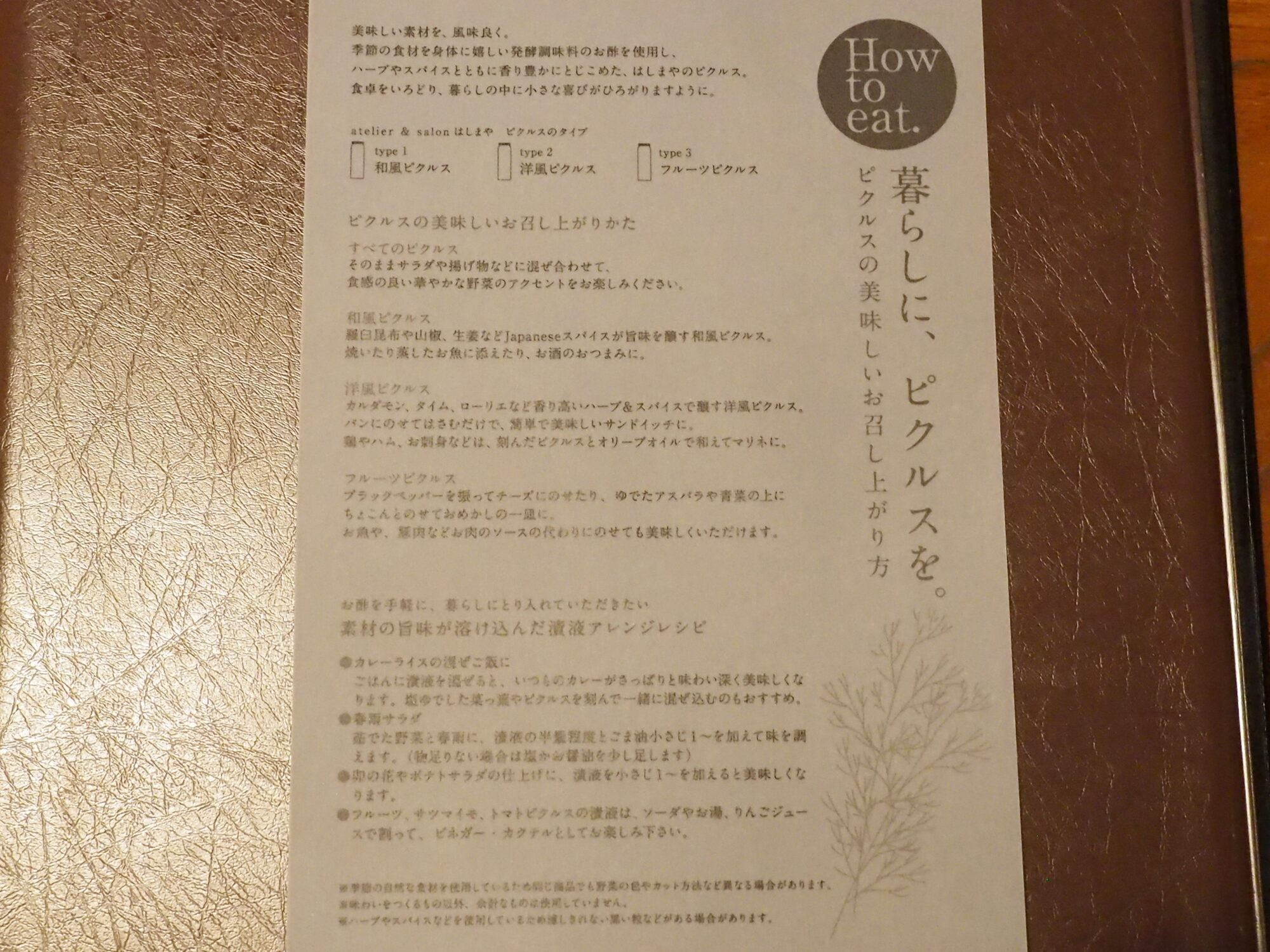
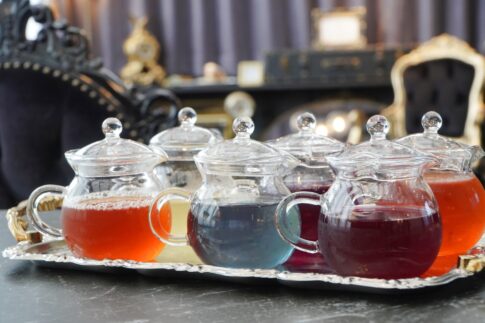
We hope you'll enjoy the ones made with fruit brine as a drink, like drinking vinegar. You can eat them, too.
The vegetables can be enjoyed as a snack or served with curry.
We also recommend finely chopping them and mixing them with mayonnaise to make a tartar sauce.
We give customers a sheet with ideas for using the pickles.
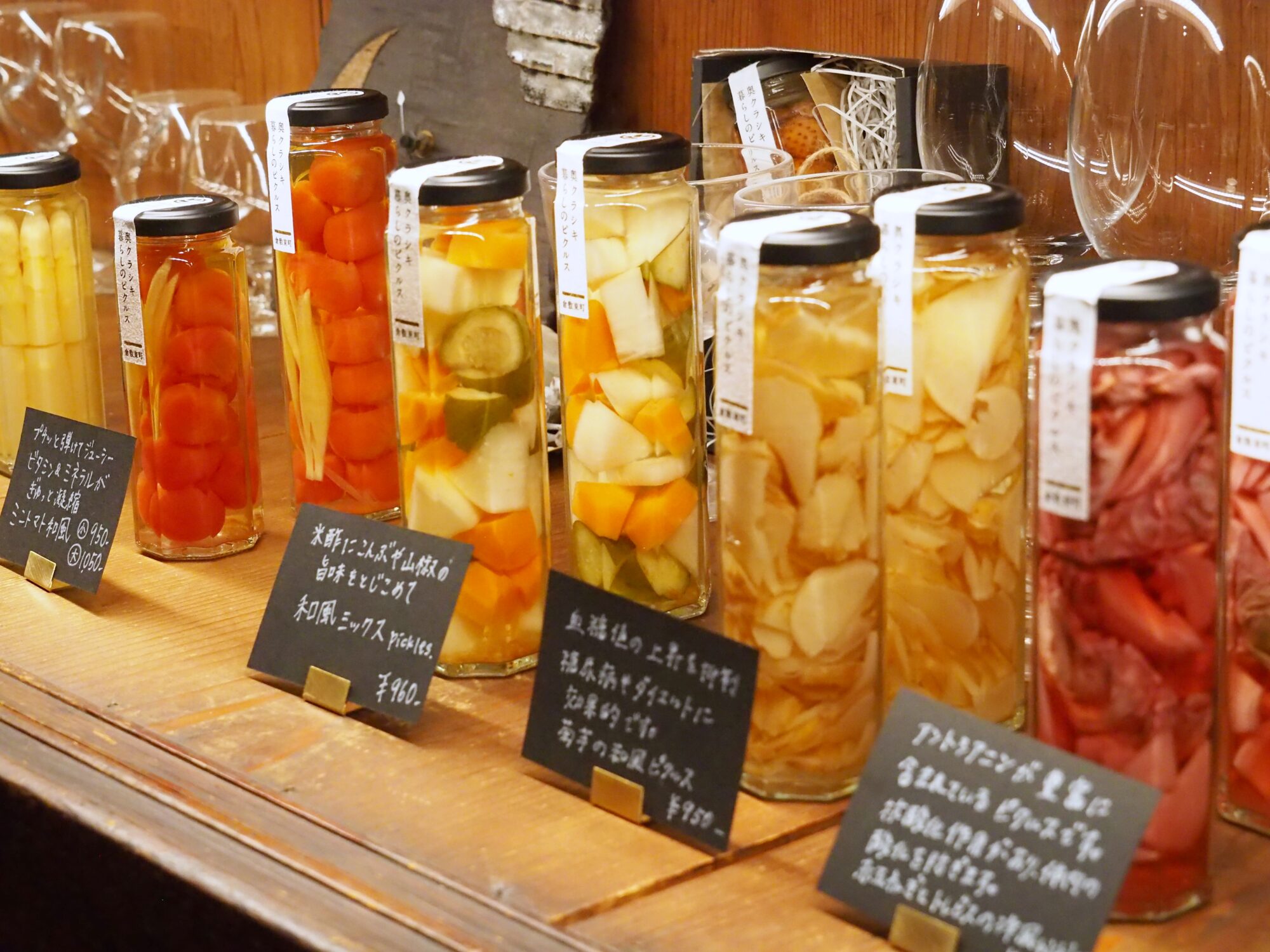
One seasonal offering is peach pickles.
You can eat the peaches as they are and dilute the brine with soda water to drink.
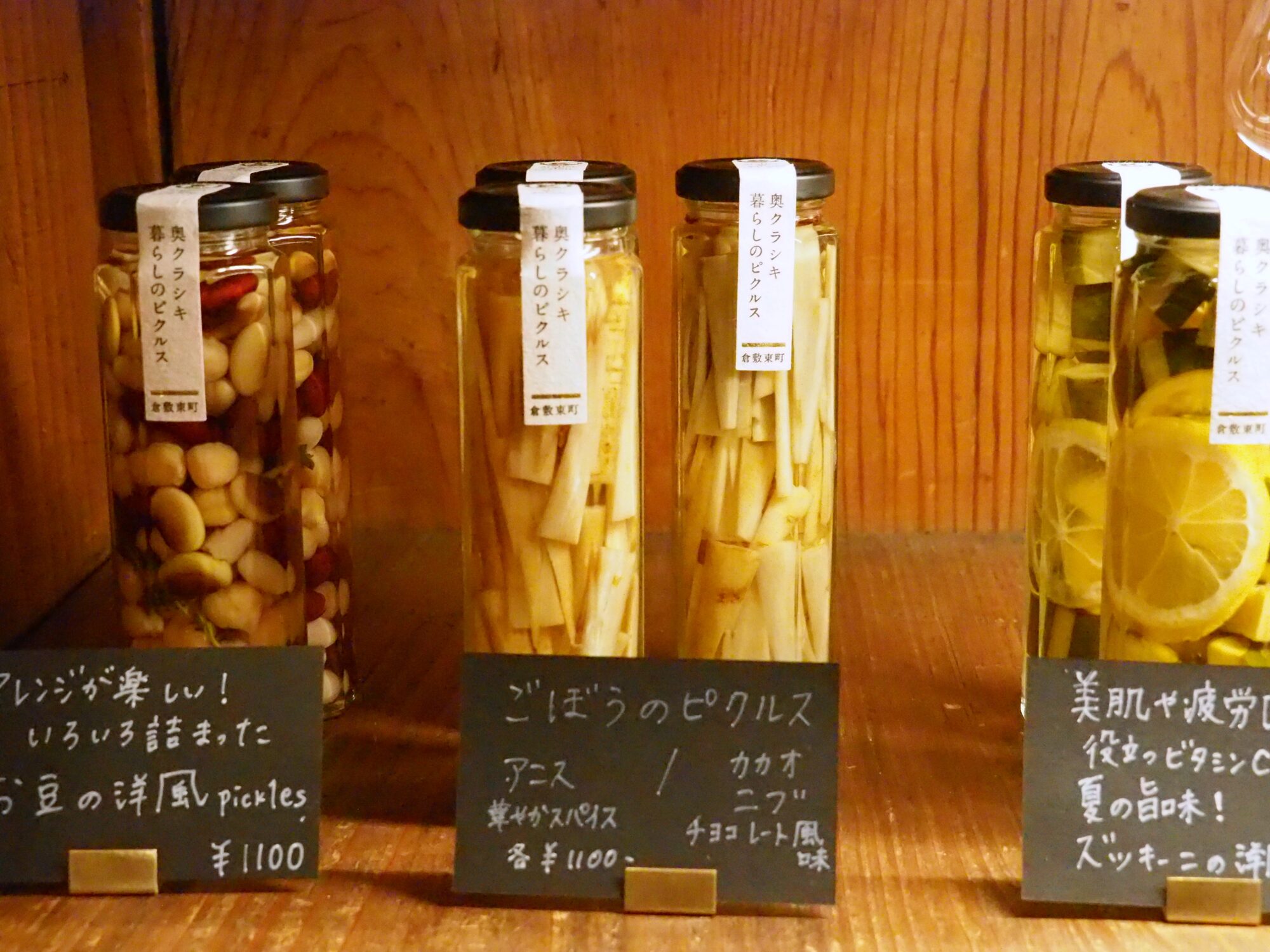
We also make unusual pickles, such as beans and burdock root.
We also have mixed vegetables, including onions and radicchio.
We add spices to the pickle brine.
Adding spices and herbs improves the flavor and aroma.
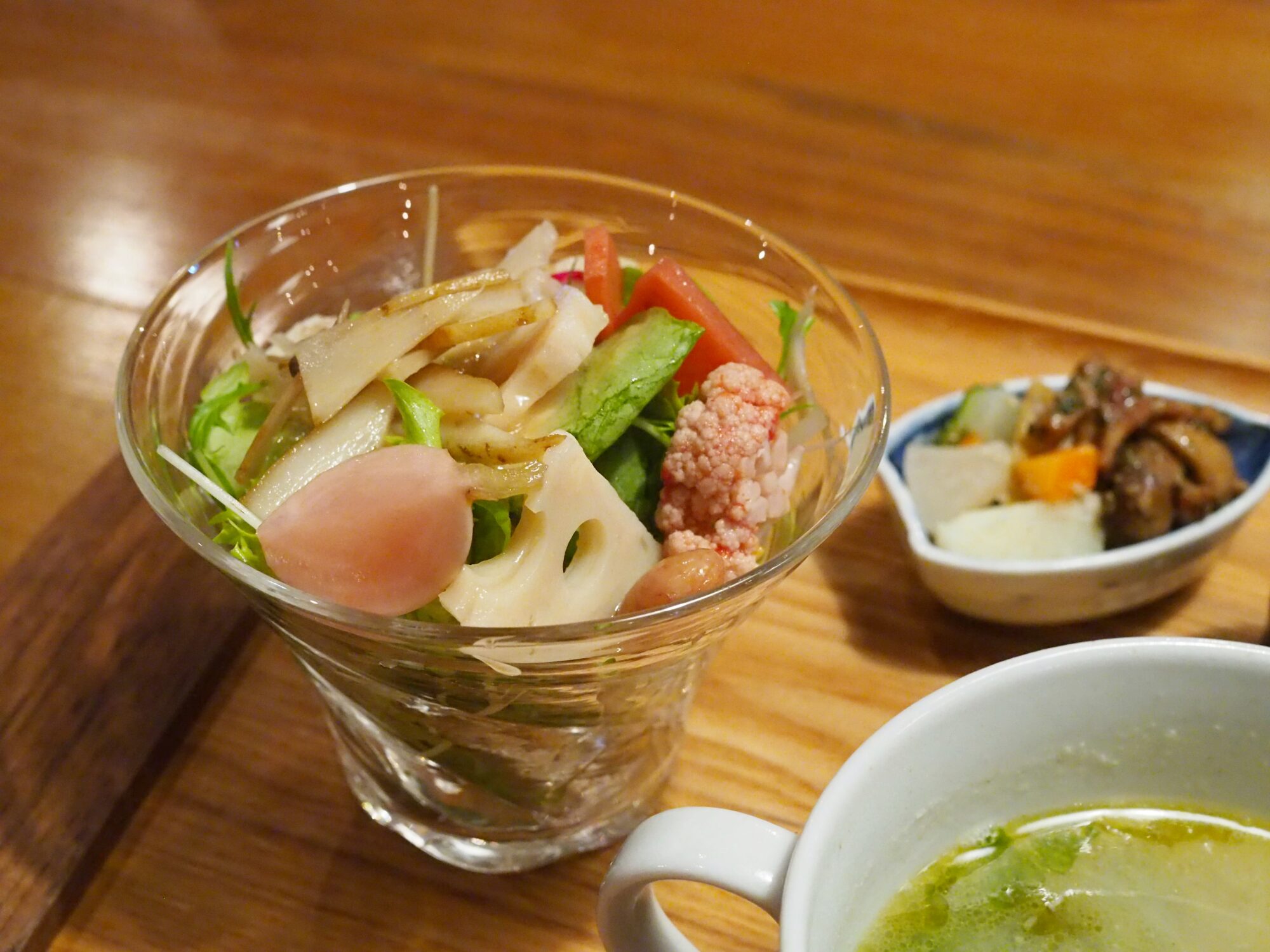
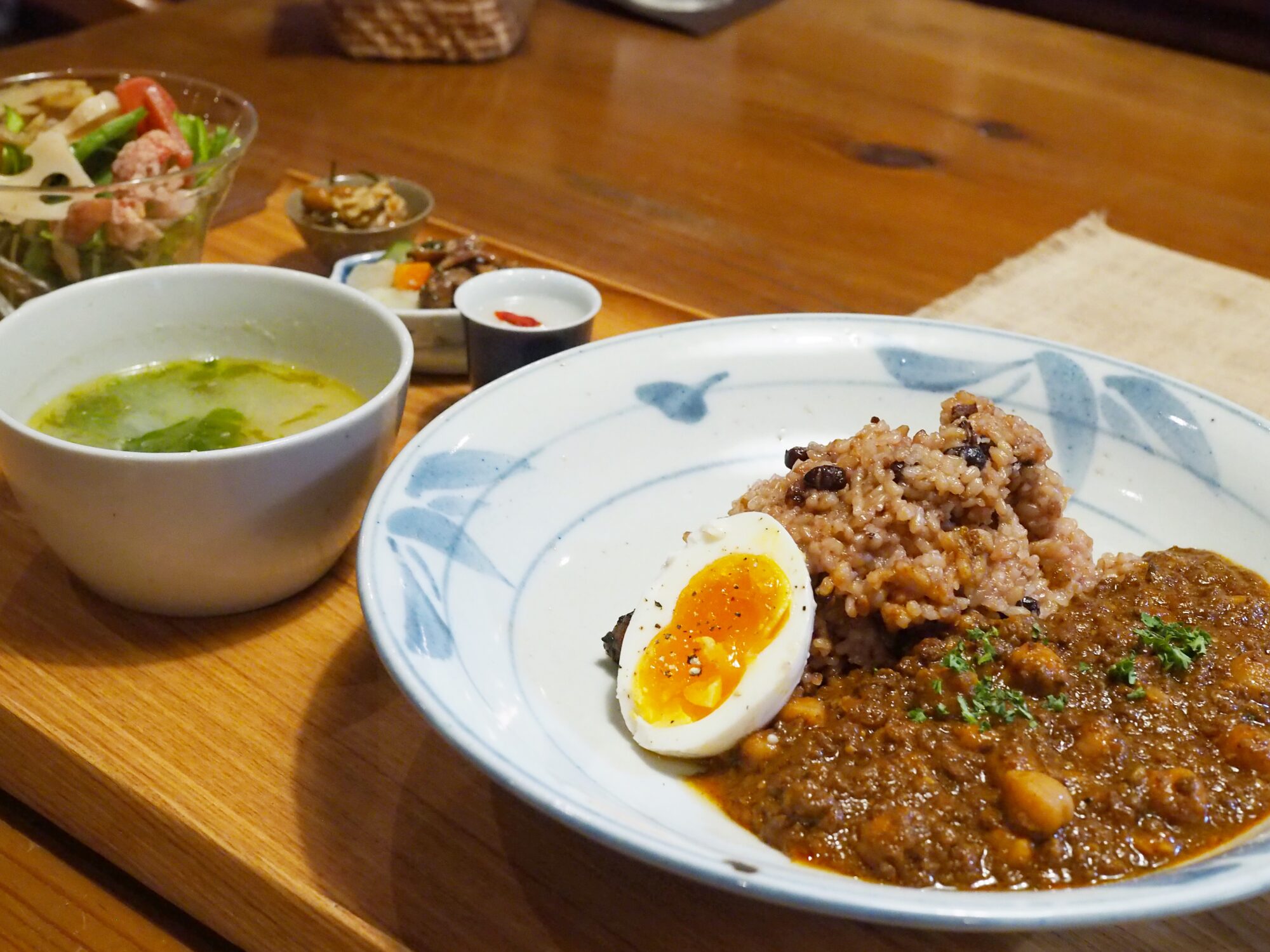
We serve pickles alongside the food on our menu.
Do you make the fermented foods used in your dishes here?
Yamamoto
Fermentation is called “kamosu,” and here we ferment koji with ingredients.
We make shio koji, barley koji, onion koji, tomato koji, mushroom koji, and more.
We use different types of koji depending on the dish.
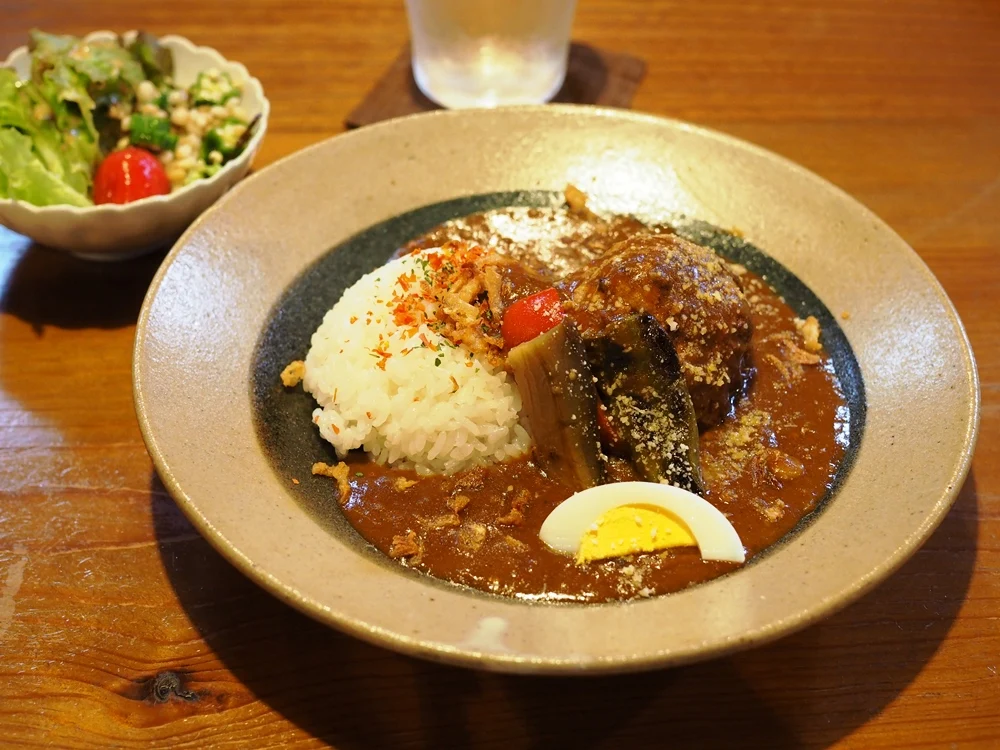
For example, our curry contains koji, as well as miso, spices, and pickle brine.
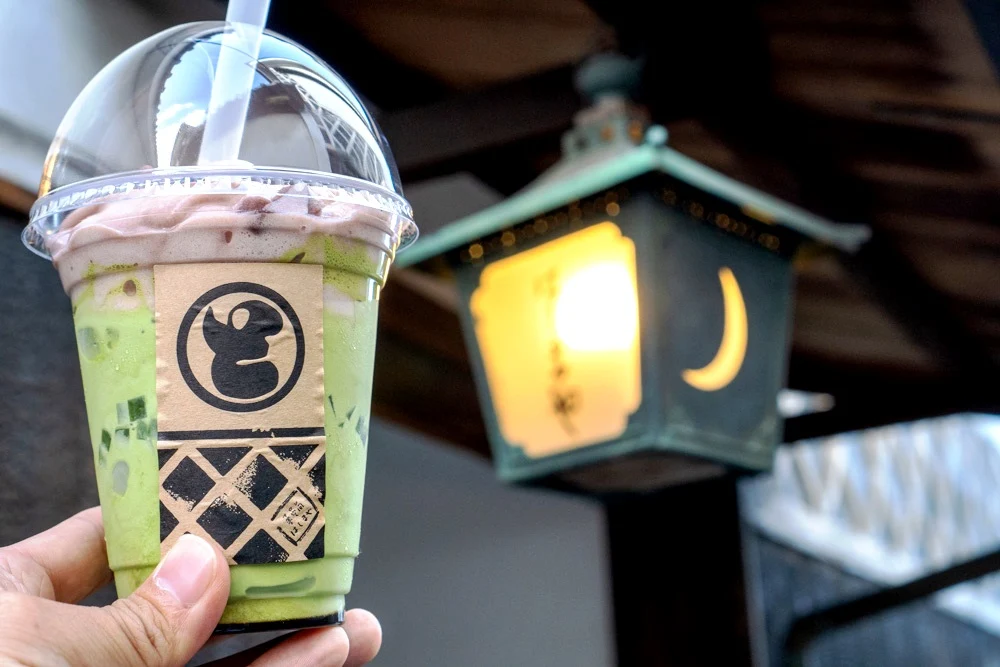
Our signature item is white koji amazake, made with white koji, and it is also handmade.
Customers who have tried it say they like its “tartness and lack of excessive sweetness.”
We want people to learn how it differs from regular amazake and about white koji itself.
It is easy to drink and so good for you that it is sometimes called a “drinkable IV drip.”
We hope it will help people become healthier from the inside out. We use it in a variety of drinks here.
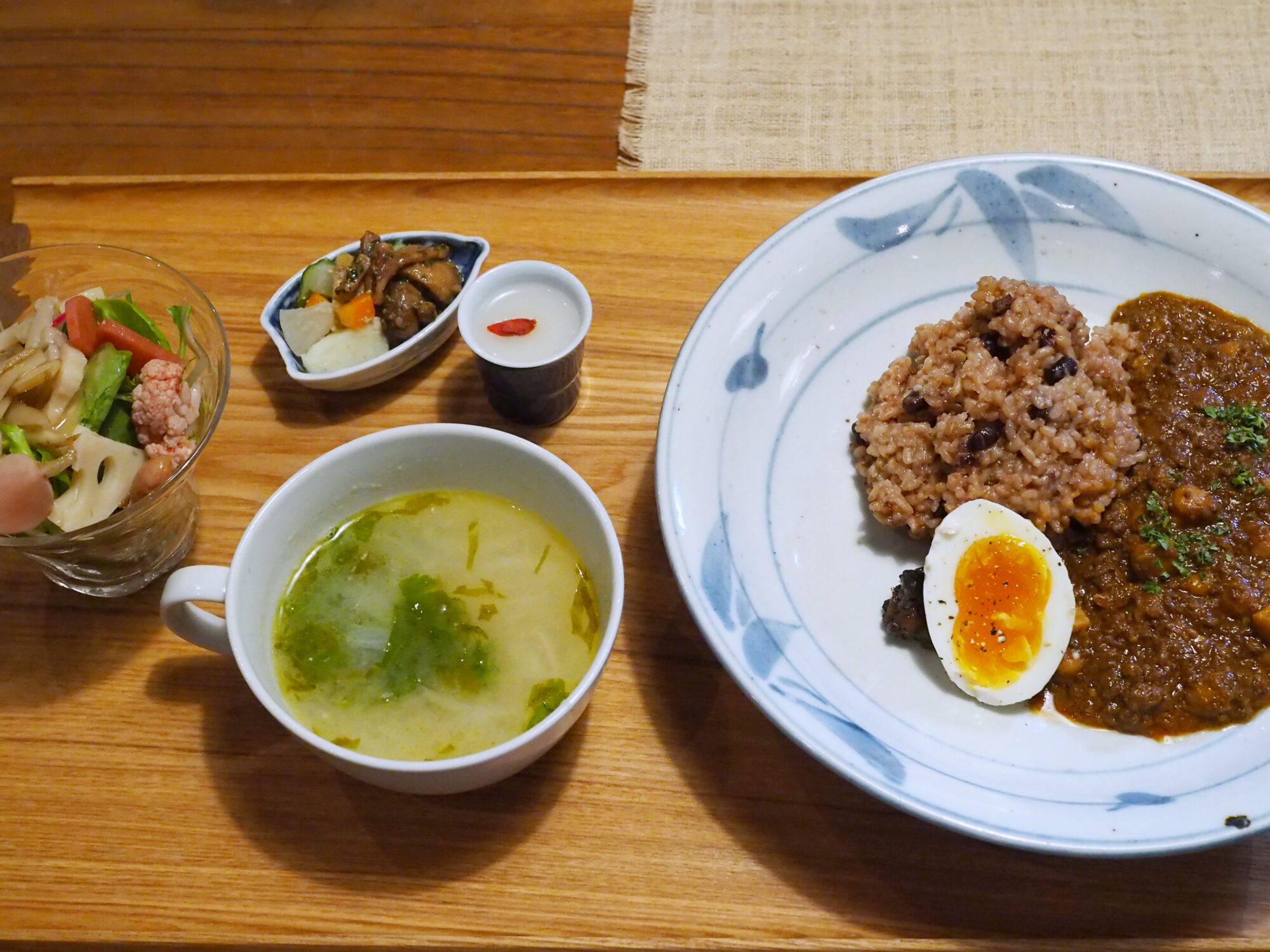
The eggs served with the dishes are marinated in shio koji or barley koji.
That gives them a crisp, savory flavor.
Marinating them in koji is also healthier than using salt.
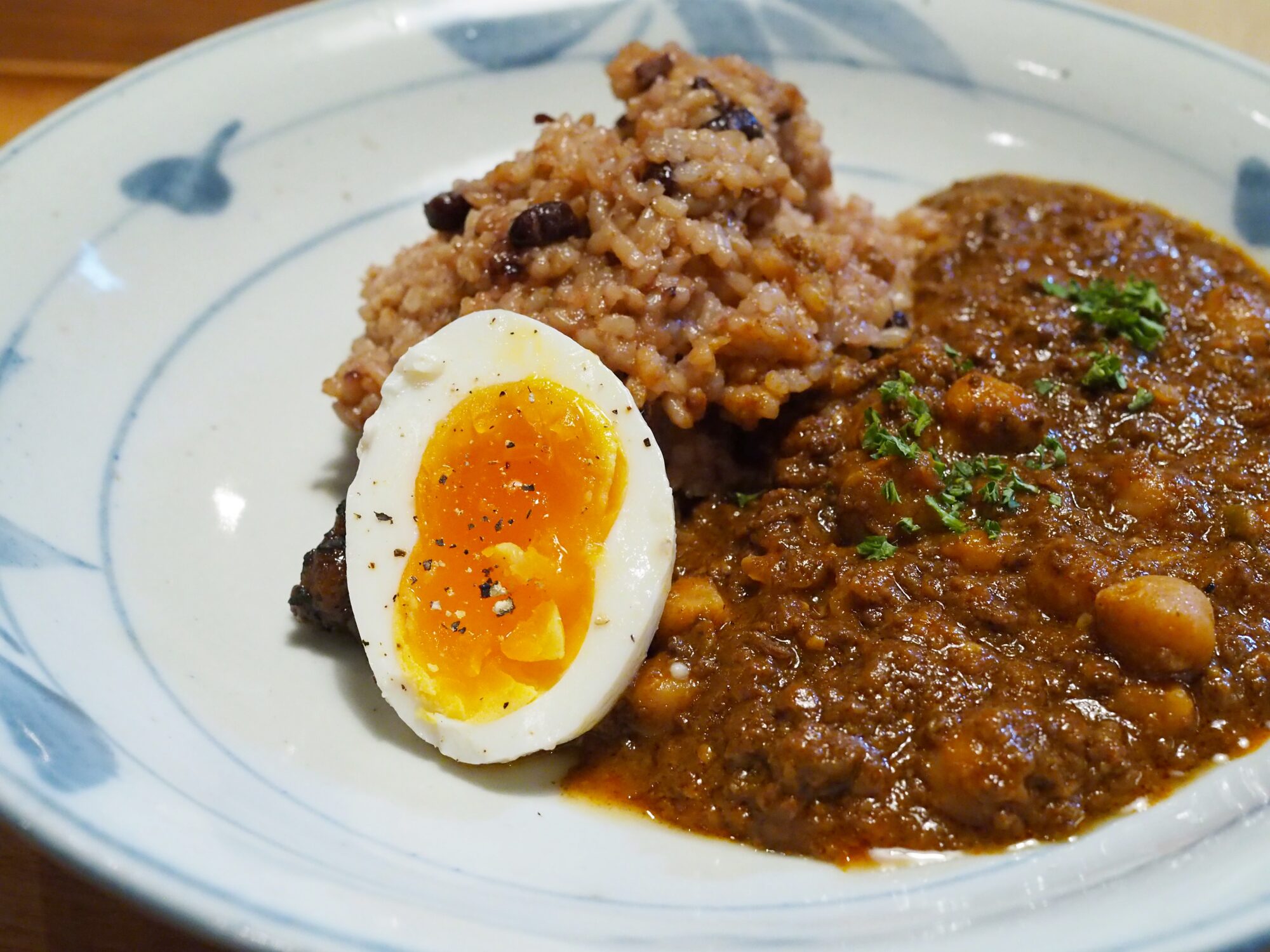
Especially during the COVID-19 pandemic, it’s important to boost your immune system.
I think fermented foods help boost immunity.
What made you decide to serve smorrebrod?
Yamamoto
I thought about what would be a good way to get people to eat lots of vegetables and pickles.
With a sandwich, you can’t see what’s inside, right?
With open-faced sandwiches, they look colorful, and you can eat them however you like.
You can put the toppings between the bread, eat them on top, or have them separately.
I chose smorrebrod because I thought people could arrange them however they liked.
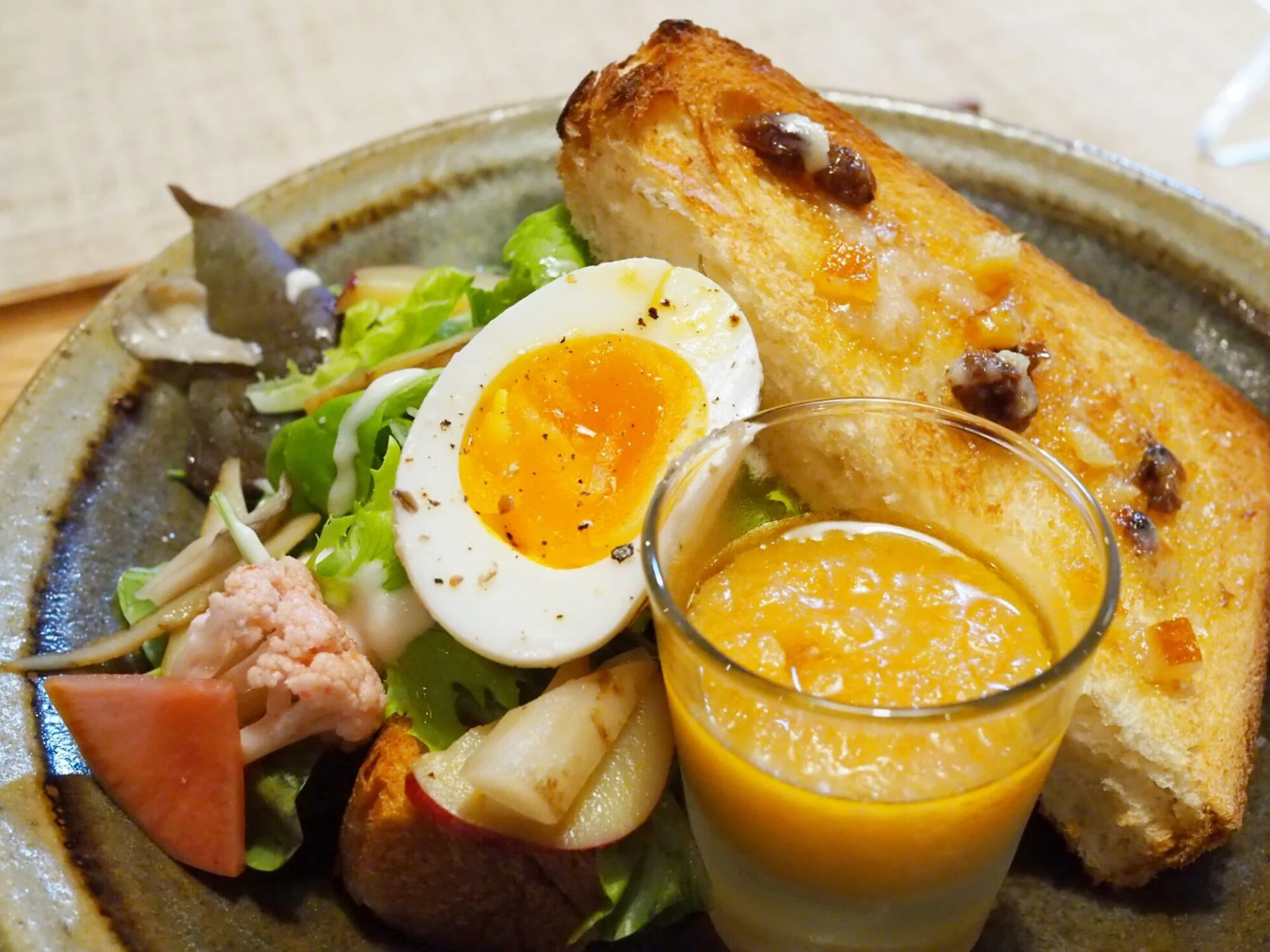
The butter in the raisin butter used for the banana smorrebrod is sweetened with mirin.
We also fry the banana and mix it with butter to make it sweet.
The flavors of raisin butter, fresh cream, banana, and cinnamon go perfectly together.
What’s next for the shop
Is there anything you’d like to do in the future?
Kusudo
Through our work with “fermentation,” we hope to share with everyone the joy of appreciating the value of things from the good old days.
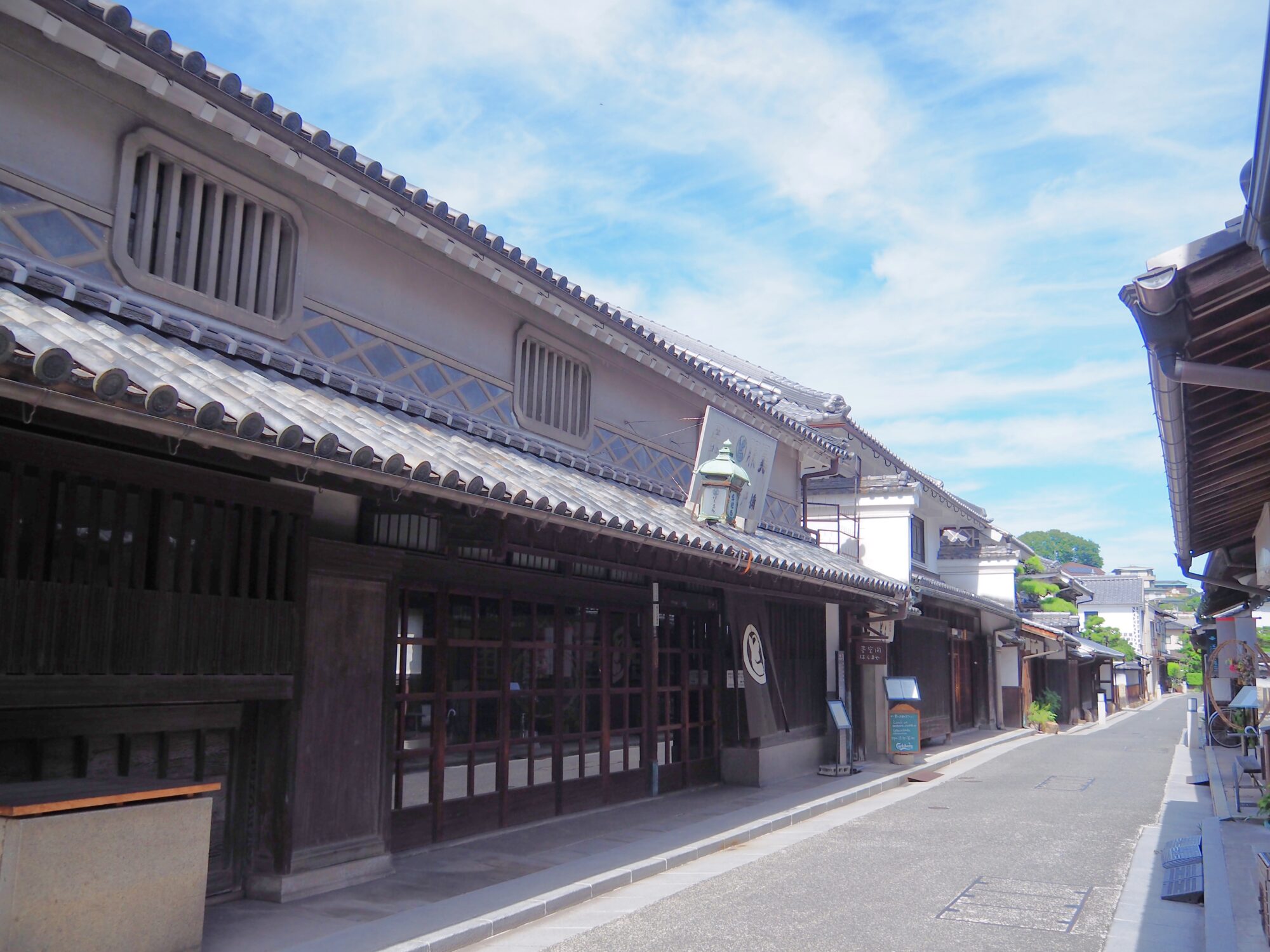
We would like to offer our hospitality in the hope that it will lead to moments of peace and reflection amid the atmosphere of Oku-Kurashiki.
This fall, we are planning the “Hashimaya Exhibition,” the first general opening of Kusudo House in several years, and a “White and Black Koji Tea Gathering” featuring generous use of rare white and black koji. We hope to hold these events every year.
Yamamoto
I’d like to sell pickles and other products online.
Pickles can be stored at room temperature.
I’d also like to offer amazake, but since it needs to be refrigerated, I’m researching whether we can sell it.
At our previous shop, Yume Kukan Hashimaya, people who loved this space held events such as jazz performances.
We’d like to hold events like that again.
We’re also thinking of holding workshops using the second-floor seating area.
There are many other things we’d like to do, and we’re making plans.
From the Writer
Hashimaya is located in Higashimachi, a neighborhood with a relaxed atmosphere.
Although the menu and concept have changed from the former Yume Kukan Hashimaya, the charm of the storehouse remains.
It’s a real luxury to enjoy dishes made with plenty of fermented foods that are good for your body and add depth of flavor, in a building that evokes Kurashiki’s history.
If you like the homemade pickles served with the dishes, you can buy some for yourself or as a gift.
Events are also in the works, so Hashimaya is definitely one to keep an eye on.
atelier&salon Hashimaya details

| Name | atelier&salon Hashimaya |
|---|---|
| Address | 1-20 Higashimachi, Kurashiki City, Okayama Prefecture |
| Contact | 086-451-1040 |
| Parking | None |
| Hours | 11:30 a.m.–4:00 p.m. |
| Closed | Tuesday |
| Payment methods |
|
| Reservations | Accepted |
| Seating | 29 seats: 5 counter seats, 10 long-table seats, 6 side-table seats, 8 seats on the second floor |
| Restroom | Western-style toilet |
| Website | Atelier & Salon Hashimaya Official Instagram |

What would you like to know about Kurashiki?
Enter a word to search articles on this site