The Bitchu area (western Okayama Prefecture), where Kurashiki is located, is apparently famous as a major azuki bean-producing region, alongside Hokkaido and Tamba.
I didn’t know it was a major azuki bean-producing region either, until I moved to Kurashiki.
As of March 2024, I heard that an event called “Bitchu An-Tabi 2” was being held, where you can enjoy anko sweets made with Bitchu azuki beans by taking part in a stamp rally. I decided to join and try some Japanese-Western fusion anko sweets.
The information presented here was accurate when this article was published in March 2024. Please note that it may differ from current information.
What is “Bitchu An-Tabi 2”?

Bitchu An-Tabi 2 is a stamp rally event held from January 20 to March 24, 2024. It is organized by the Kurashiki City Tourism Division, with the Japan Anko Association providing supervisory support.
Visit shops selling anko sweets made with Bitchu azuki beans, buy their products, and collect stamps to enter a drawing for fabulous prizes.
The event’s first edition, held in 2023, was apparently a huge success, with more than 300 people entering.
Thirty shops are taking part this time, offering a wide variety of anko sweets, from classic Japanese confections to new products developed especially for the event.
Check the brochure for the lineup of anko sweets featured in Bitchu An-Tabi 2.
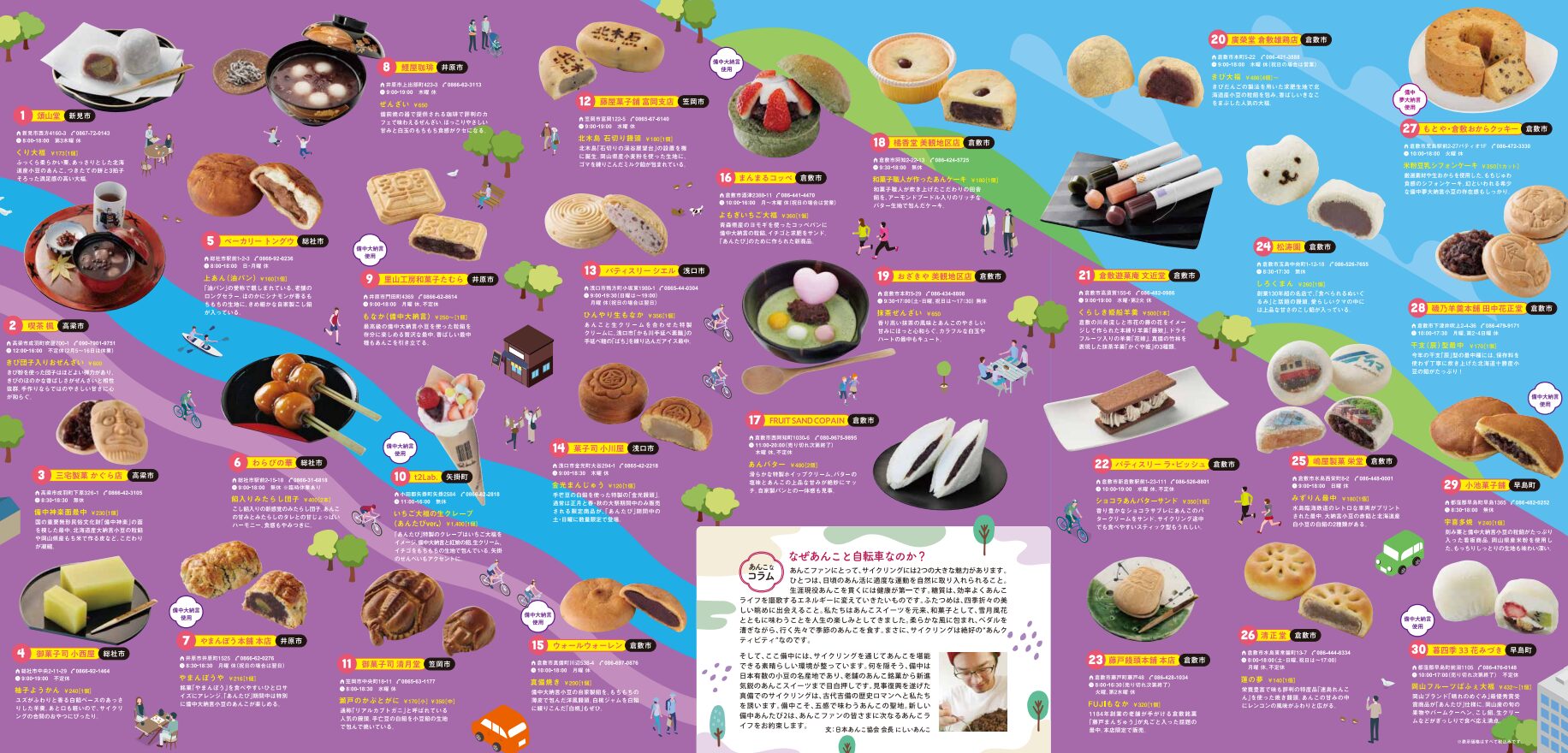
This year’s theme is “This year, it’s all about cycling. Get moving as much as you eat!” You can earn two points for cycling to make your purchases.
The prizes you can enter to win depend on how many points you earn, so try to collect enough for the prize you want.
The entry deadline is Monday, March 25, 2024.
Entries must be postmarked by the deadline.
▼Here’s information about the prizes and more.
- Earn 3 points: Japanese black tea that pairs well with anko — 30 winners
- Earn 10 points: Cozy tea-time set — 20 winners
- Earn 20 points: Bizen ware and a lovely tea-time set — 10 winners
- Earn 30 points: Anko and wine pairing set — 3 winners
- Top points prize: Garmin smartwatch — awarded to the top 3 participants
- Collect stamps from all 30 shops to receive a “Bitchu An-Bassador Certificate” from the Japan Anko Association (new version for fiscal 2024)
Winter is cold, and we tend to go out less and get less exercise, so being able to cycle around is good for your health, too.
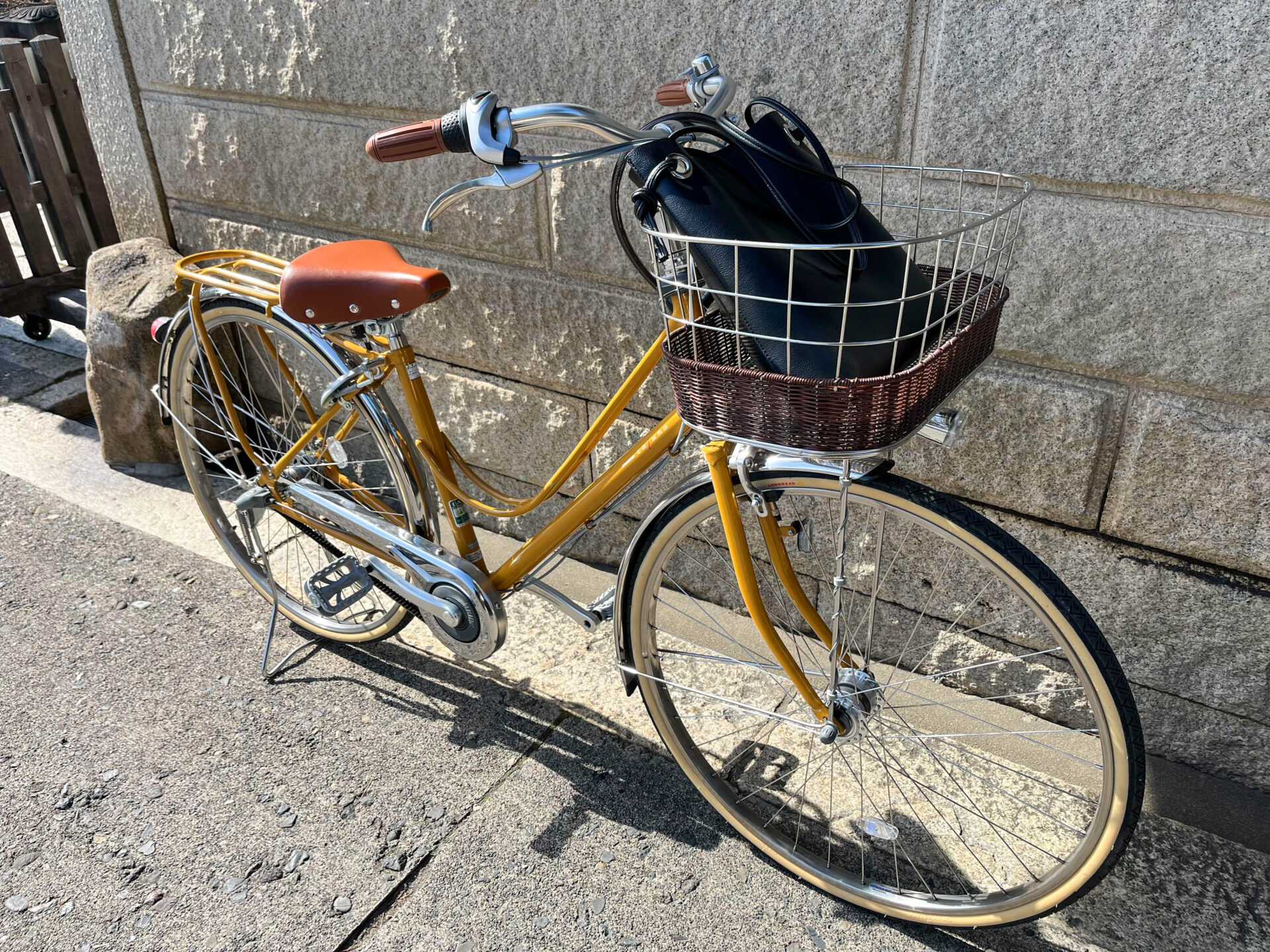
Since I was taking part anyway, I decided to collect stamps by bicycle as well.
I took part in the event
No advance registration is required for Bitchu An-Tabi 2.
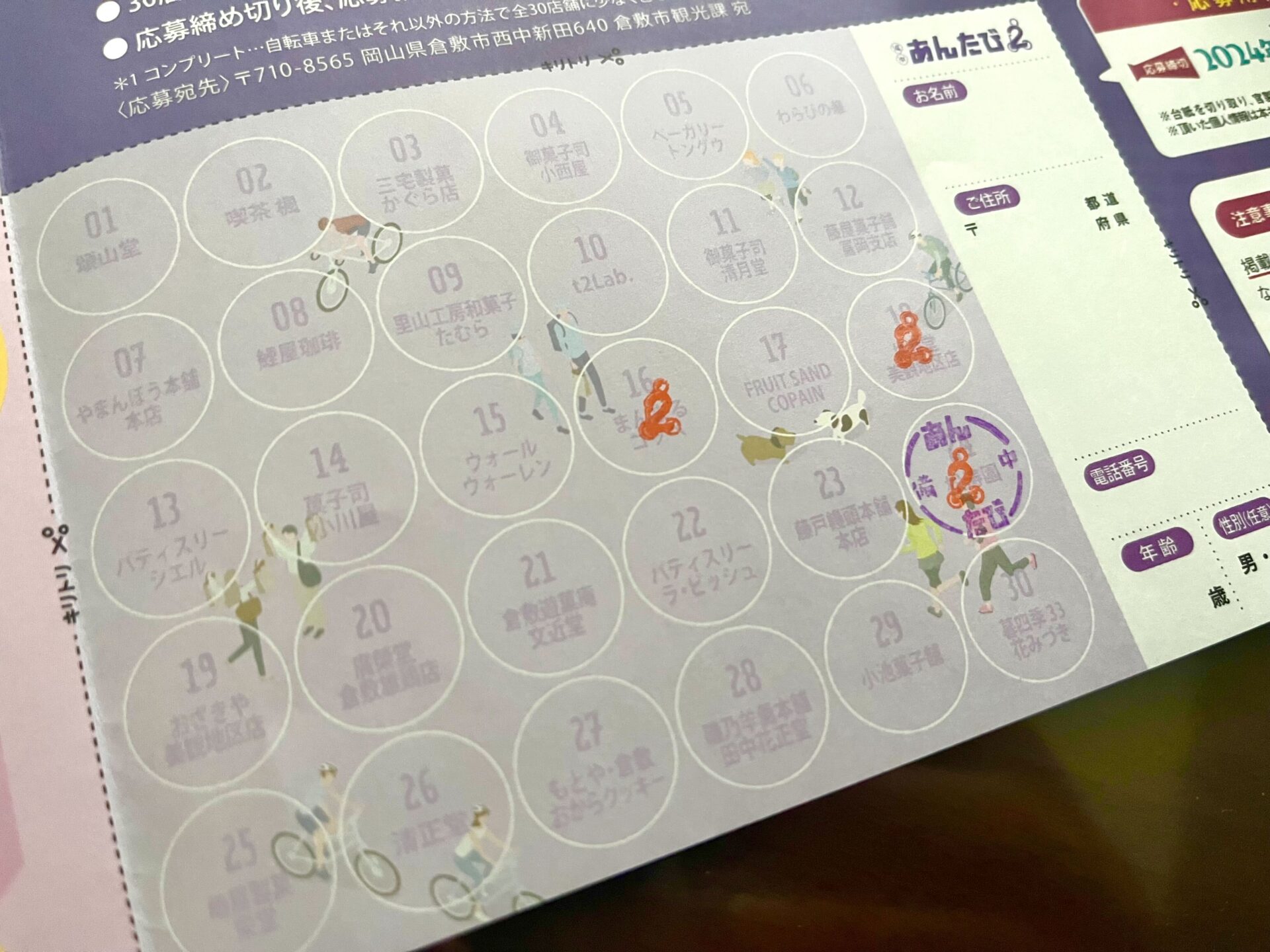
The stamp rally card is included in the brochure, so first decide which shops to visit to get a copy.
Deciding which anko sweets to try is an exciting and enjoyable part of the experience.
Once you’ve chosen a shop, it’s time to set off.
Okashidokoro Kikkodo: “Anko Cake”
My first stop was Okashidokoro Kikkodo in the Bikan Historical Area.
Kikkodo is a traditional Japanese confectionery shop that has been making “Murasuzume,” a famous Kurashiki confection, since it was founded in the Meiji era.
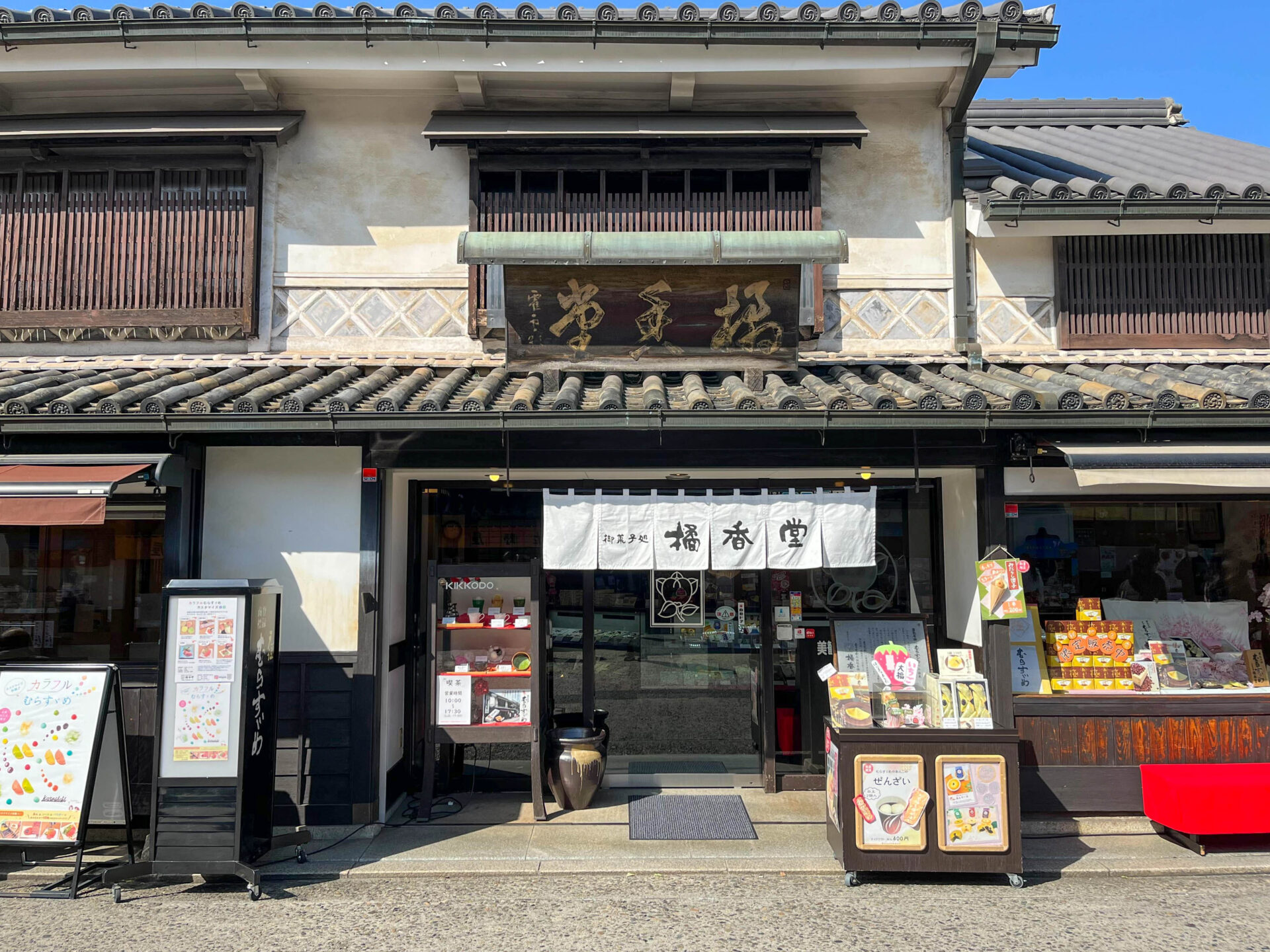
When I went inside, I saw a large display of “Anko Cake,” one of the products featured in An-Tabi, in a prominent spot.
I picked one up and headed straight to the register.
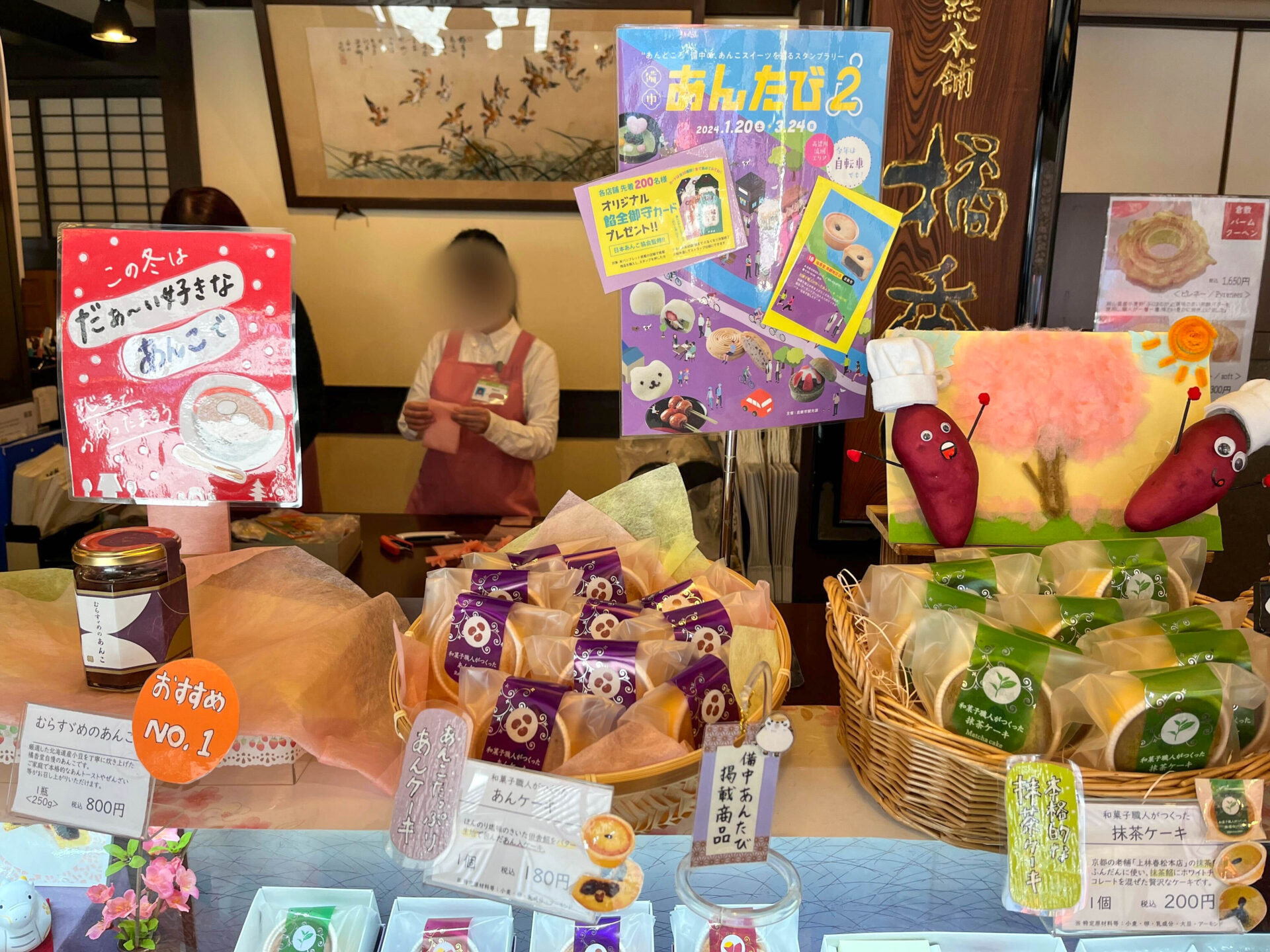
At the register, I told the staff that I was collecting stamps for Bitchu An-Tabi 2 and reminded them that I had come by bicycle.
They stamped my brochure and also gave me an Anzen Omamori card.
The Anzen Omamori card is apparently a bonus card given to the first 200 customers at each shop. I was lucky to get one.
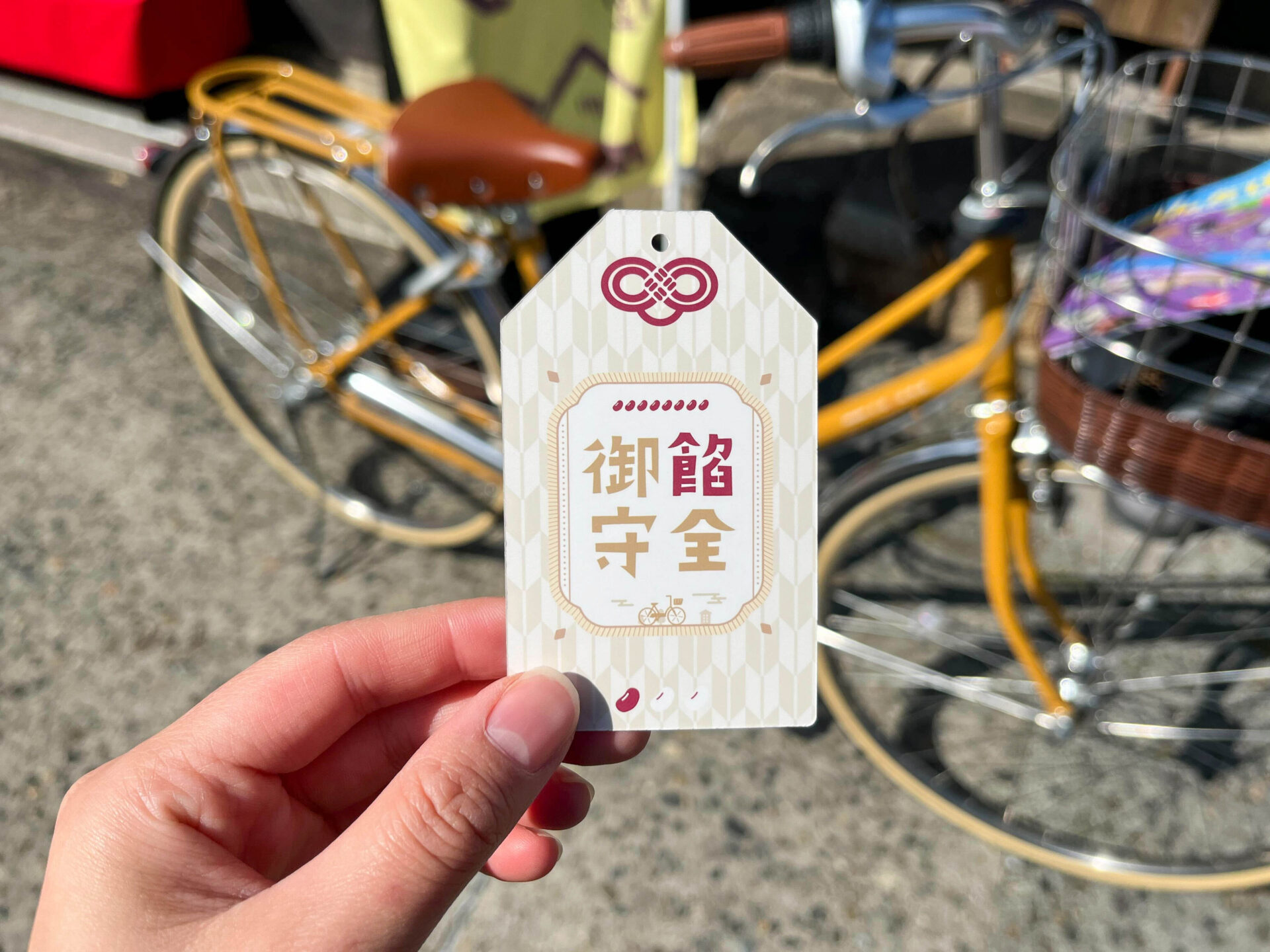
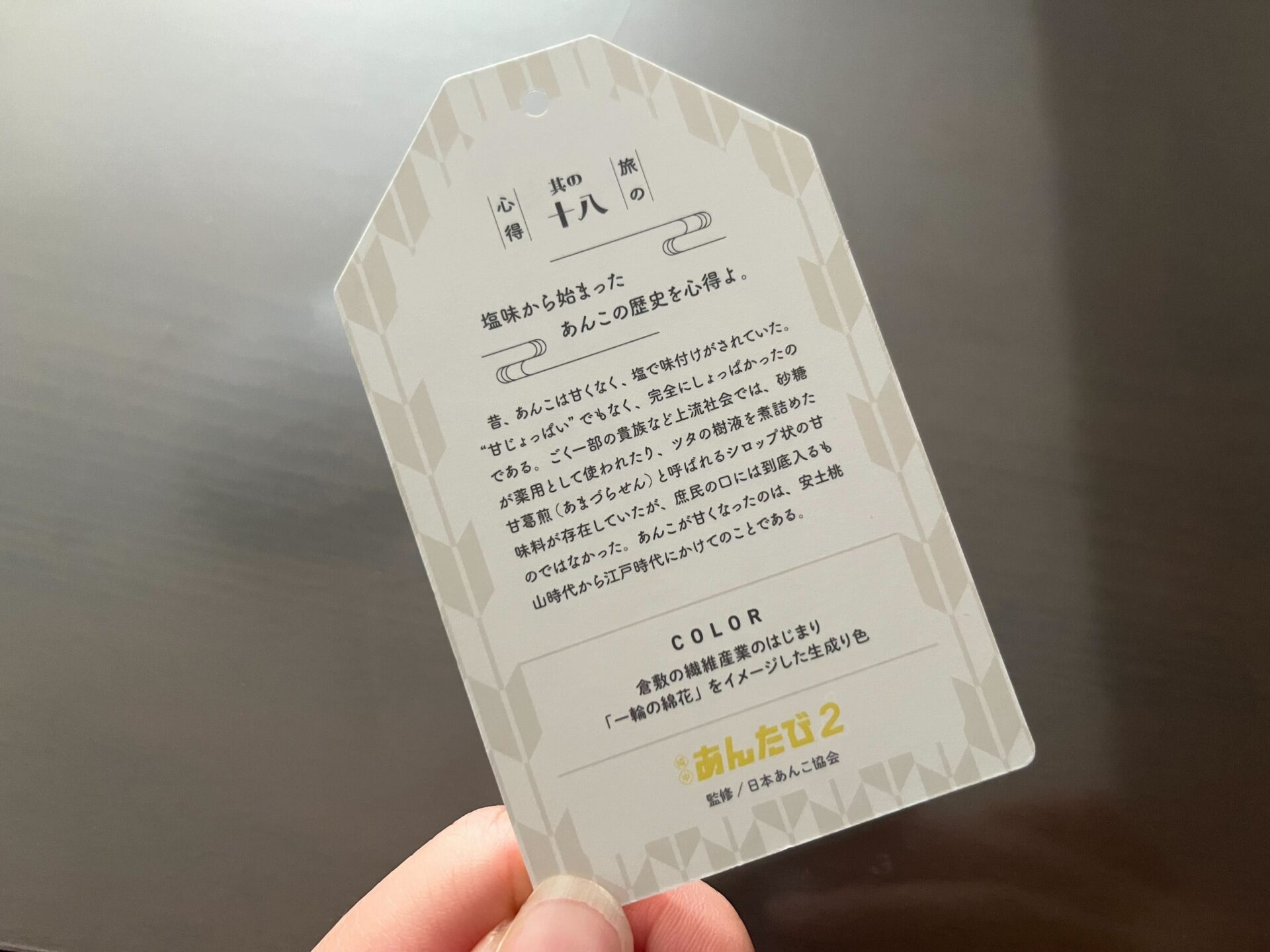
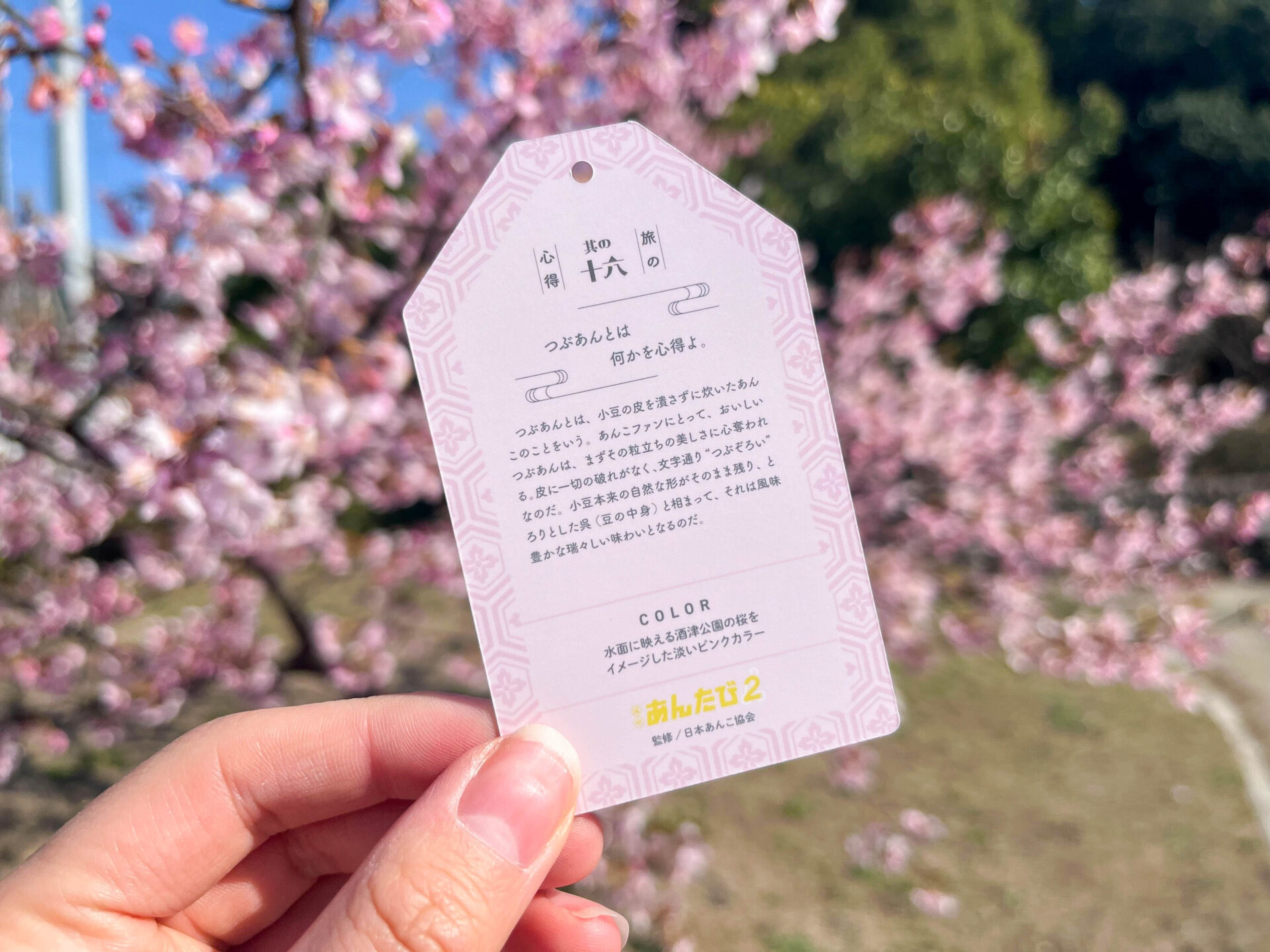
The back of the Anzen Omamori card explains travel tips related to anko and the meaning behind the card’s color scheme.
It looks stylish, too, and makes me want to collect cards from different shops.
I bought the Anko Cake featured in the brochure, but apparently you can get a stamp even if you buy a sweet that isn’t listed.
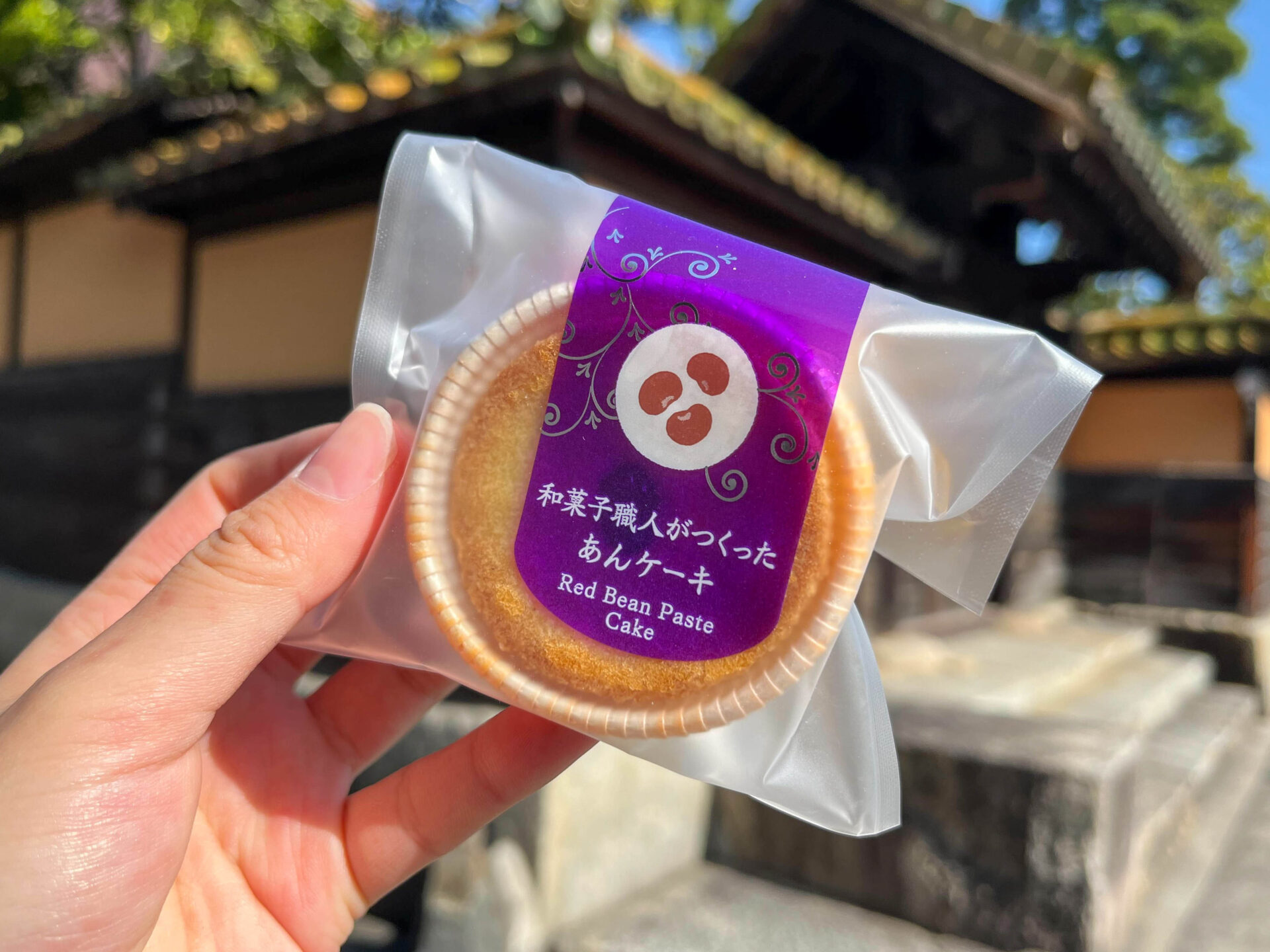
When I got home, I tried the Anko Cake.
It looks simple, but the rich buttery flavor of the moist cake pairs perfectly with the refined chunky anko, making for a wonderfully indulgent taste.
At an affordable 180 yen per piece (tax included), it was a delicious and satisfying anko sweet.
Manmaru Koppe: “Strawberry Daifuku”
My next stop was Manmaru Koppe, a specialty koppe-pan shop.
The brochure featured a “mugwort strawberry daifuku,” and I was curious what a strawberry daifuku made by a bakery would be like, so I decided to visit.
Be sure to bring the brochure with your stamps on it.
Manmaru Koppe is in a residential neighborhood, but it was easy to spot because a Bitchu An-Tabi 2 poster was displayed in the shop window.
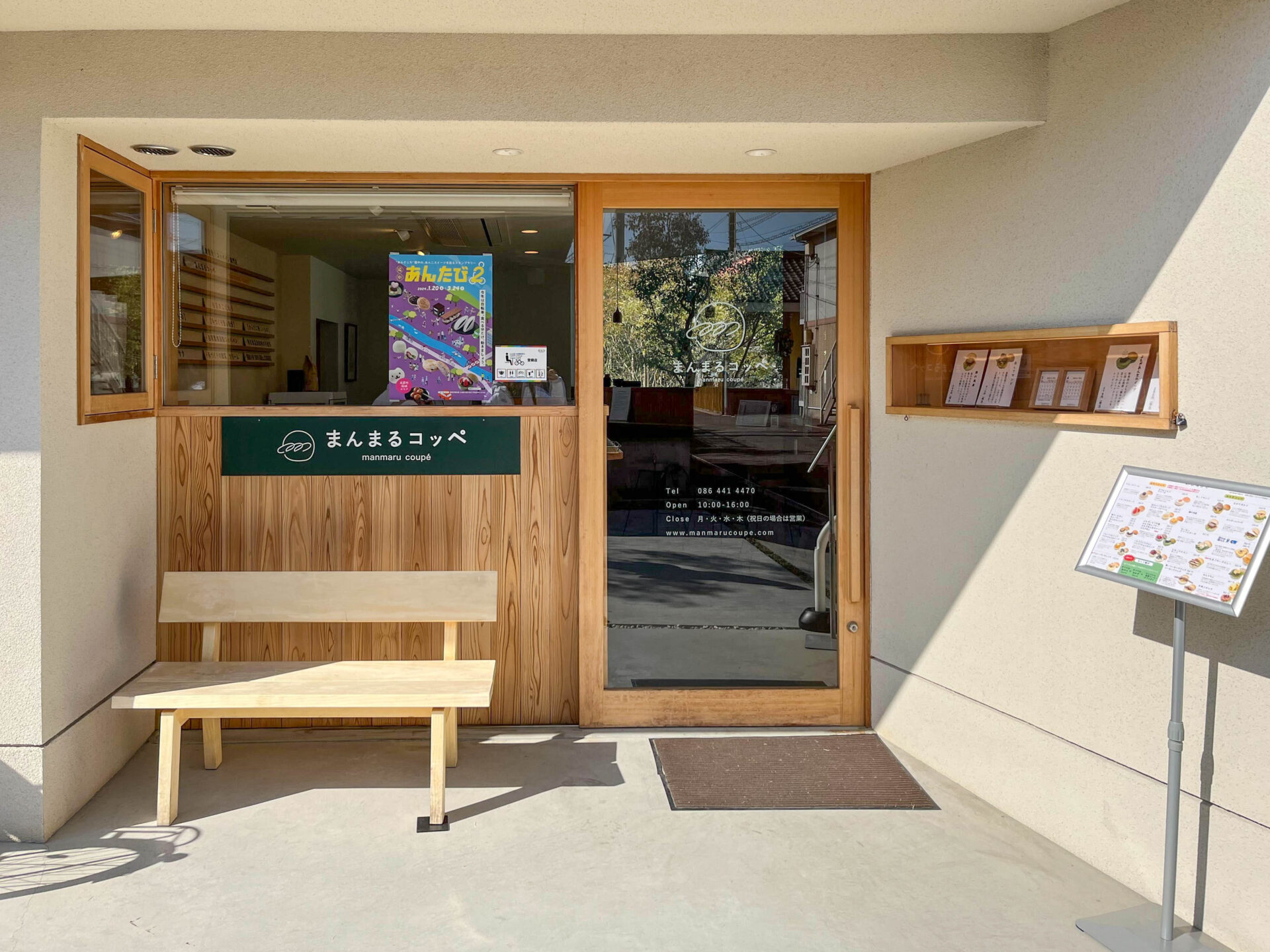
When I told the staff, “I’m collecting stamps for the Bitchu An-Tabi 2 stamp rally…,” they said, “We’ll make one for you now, so please wait a moment,” and made a strawberry daifuku right in front of me.
They piled a generous mound of anko onto a round koppe-pan, then topped it with a large strawberry and gyuhi (sweet rice dough).
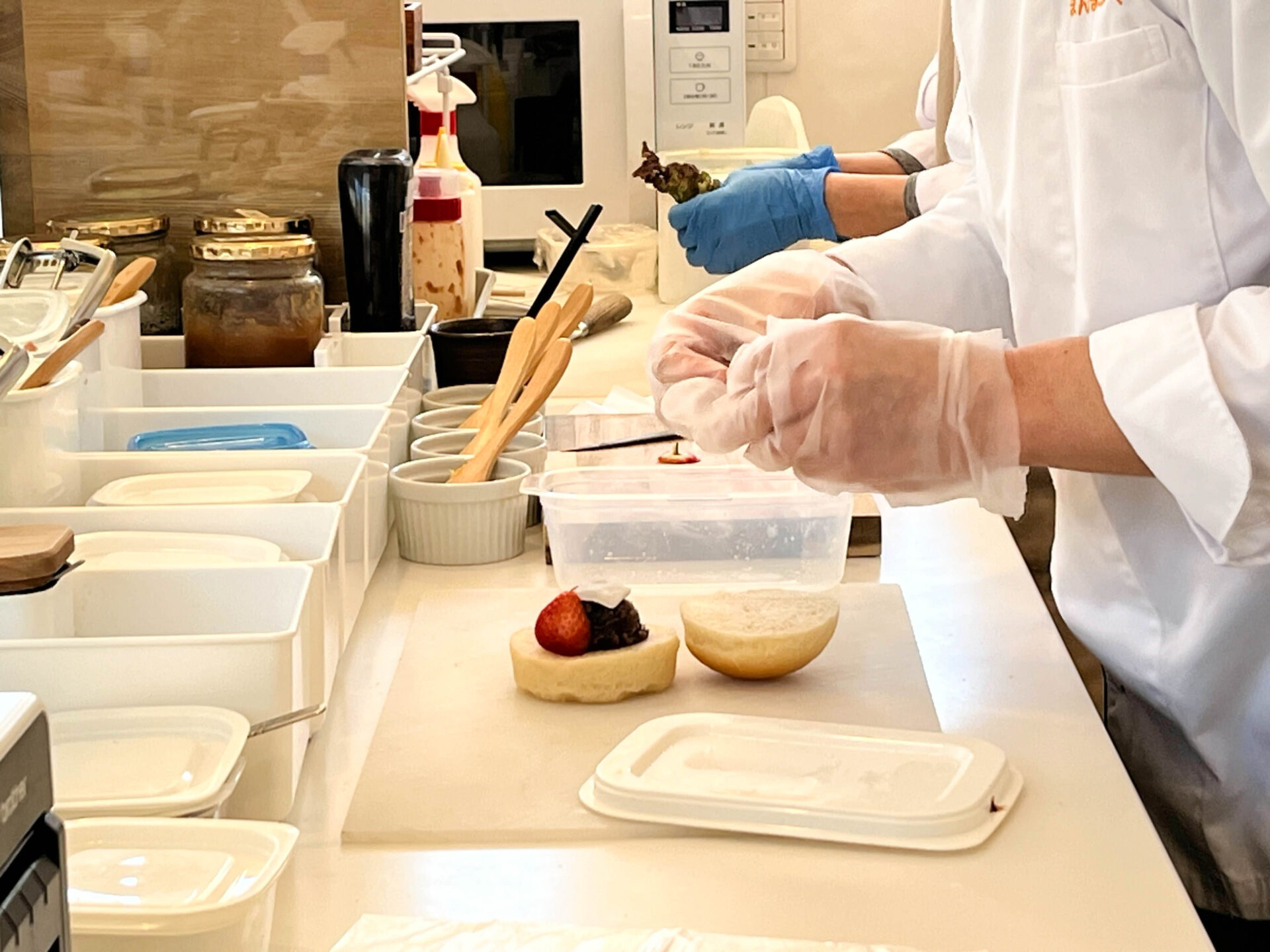
It’s nice to be able to enjoy one freshly made instead of one prepared in advance. The strawberry daifuku cost 350 yen each (tax included).
The brochure showed it made with mugwort koppe-pan, but when I visited, they were sold out, so regular koppe-pan was used.
At checkout, I’d completely forgotten to mention that I’d come by bicycle, but the staff member asked, “Did you come by bike today?” which was a relief. I appreciated them checking with me.
As I was about to leave with my brochure and Anzen Omamori card, a staff member shared a useful tidbit: “Apparently, our Anzen Omamori card’s color is inspired by the cherry blossoms at Sakazu Park.”
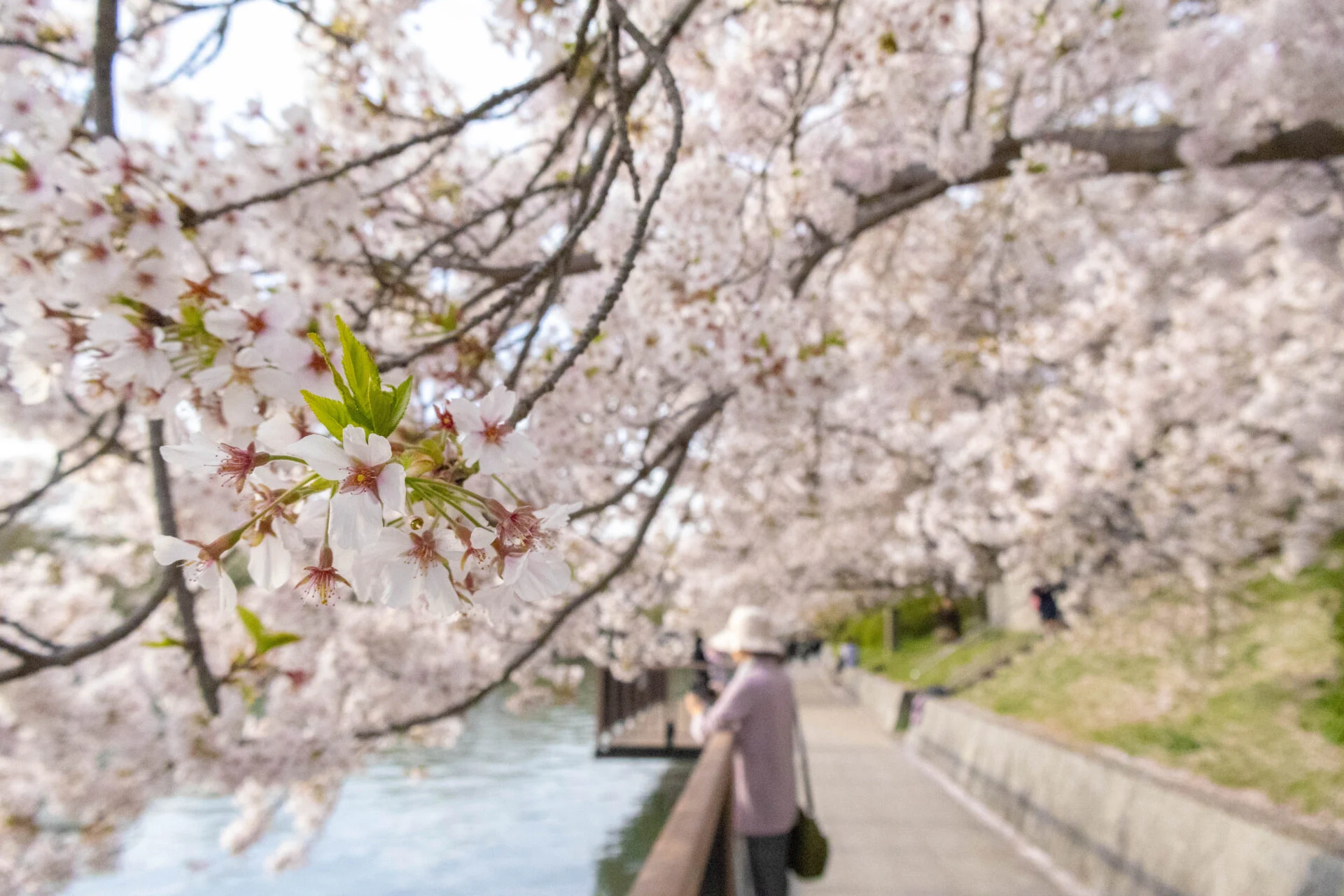
Sakazu Park, a large park, is very close to Manmaru Koppe, and I’d heard that the Kawazu cherry blossoms were in full bloom, so I decided to pedal over and take a little detour.
It’s nice being able to casually explore when you’re on a bicycle.
The Kawazu cherry blossoms at Sakazu Park were in full bloom, and their color was just like that of the Anzen Omamori card. They made me want to take a photo.
It might be fun to take a cycling trip in search of the colors on the Anzen Omamori cards.
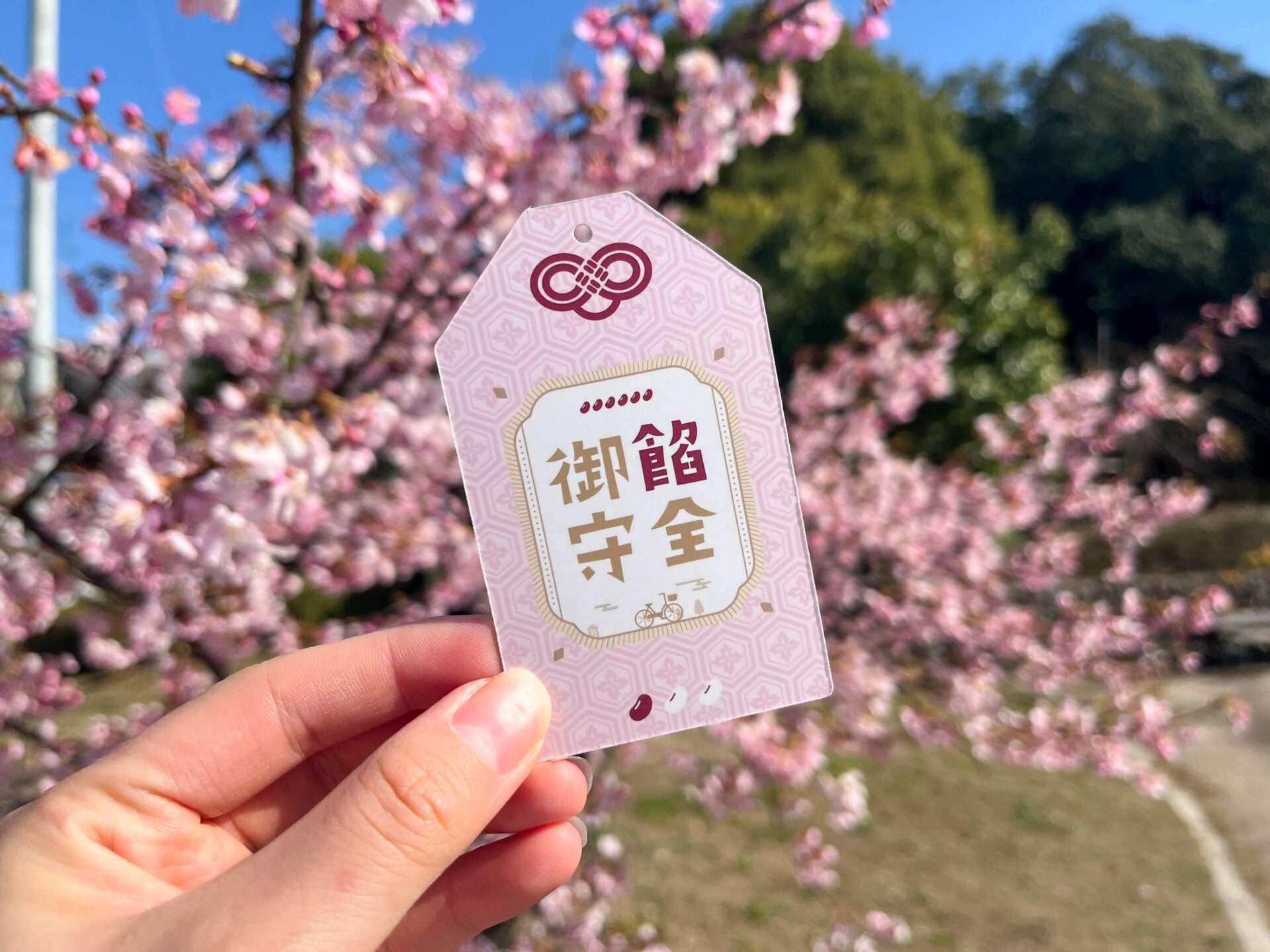
The weather was lovely that day, so I sat on a bench in a cherry-blossom-viewing mood and tried a strawberry daifuku.
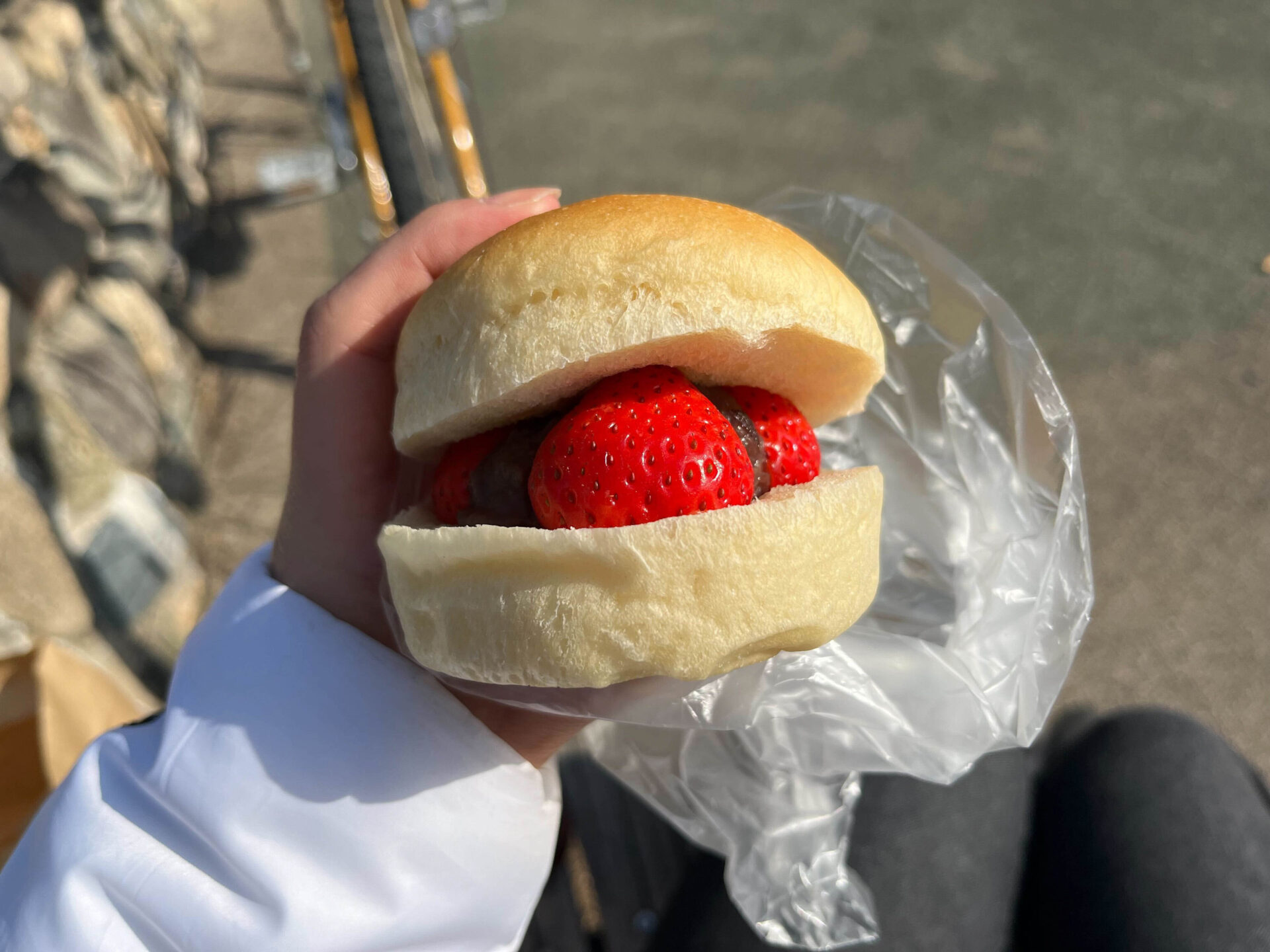
The koppe-pan was chewy and fluffy, and went perfectly with the gentle sweetness of the anko. The Japanese flavor of the gyuhi added a nice accent.
The strawberry was also quite large, and I couldn't decide whether to try to fit it into my mouth in one bite. Sweets made with seasonal fruit really make you feel that spring is here.
It was an anko sweet in just the right size for a snack when you get a little hungry.
If I get the chance to visit Sakazu Park again, I thought I'd go by bicycle and buy some bread at Manmaru Koppe. Thanks to Bitchu Antabi, I'm happy to have added a new favorite walking route.
From the Writer
I managed to collect stamps from five shops during this stamp rally.
Although I had the mishap of forgetting my pamphlet along the way, I enjoyed visiting various areas to eat anko sweets.
I moved here from Kanagawa and had little experience of “eating local food,” but I feel that Kurashiki, with its sweets event featuring locally sourced ingredients, is a lively and interesting city.
I encourage you to hop on a bicycle, look for signs of spring, and head out to enjoy some anko sweets. You might make a wonderful discovery.
Bitchu Antabi 2 Information
| Name | Bitchu Antabi 2 |
|---|---|
| Dates | ■Event period January 20 (Saturday) to March 24 (Sunday), 2024 |
| Location | Kurashiki City and the Bitchu region |
| Website | Kurashiki Tourism WEB: Bitchu Antabi 2 |




What would you like to know about Kurashiki?
Enter a search term to find articles on this site