Interview with Tetsuya Kataoka, representative of Takabayashi no Sukore
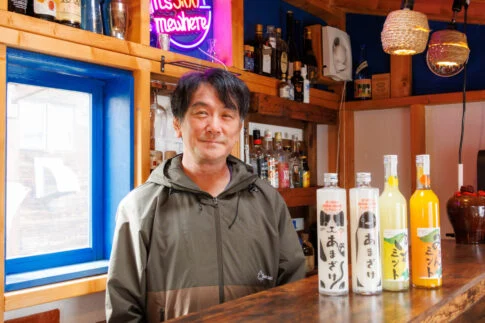
We spoke with Tetsuya Kataoka, the representative director of the Non-Profit Organization Kounosato, which operates Takabayashi no Sukore, about the motivation for opening the school and his thoughts on the activities.
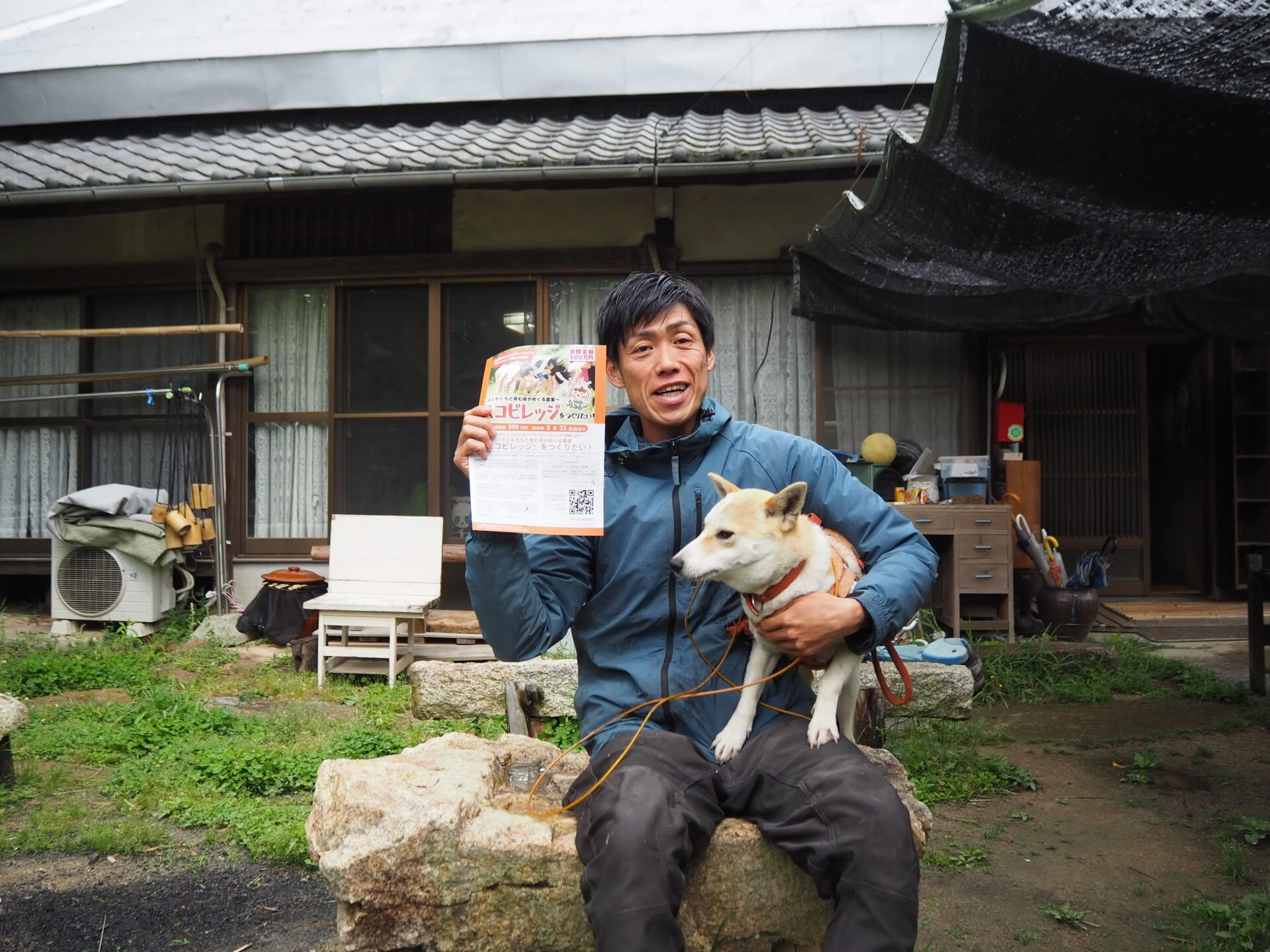
I wanted to create a place where we could laugh together in nature
Can you tell us about the motivation for starting Takabayashi no Sukore?
Kataoka
It was the beginning of growing vegetables using natural farming methods since 2021 at the Non-Profit Organization Kounosato. In this activity, we cultivated abandoned farmland to grow vegetables, distributed them to local pregnant and postpartum women, and recruited volunteers to help with the farming.
Mothers with small children often came to help, and we would plant seeds and cut grass together.
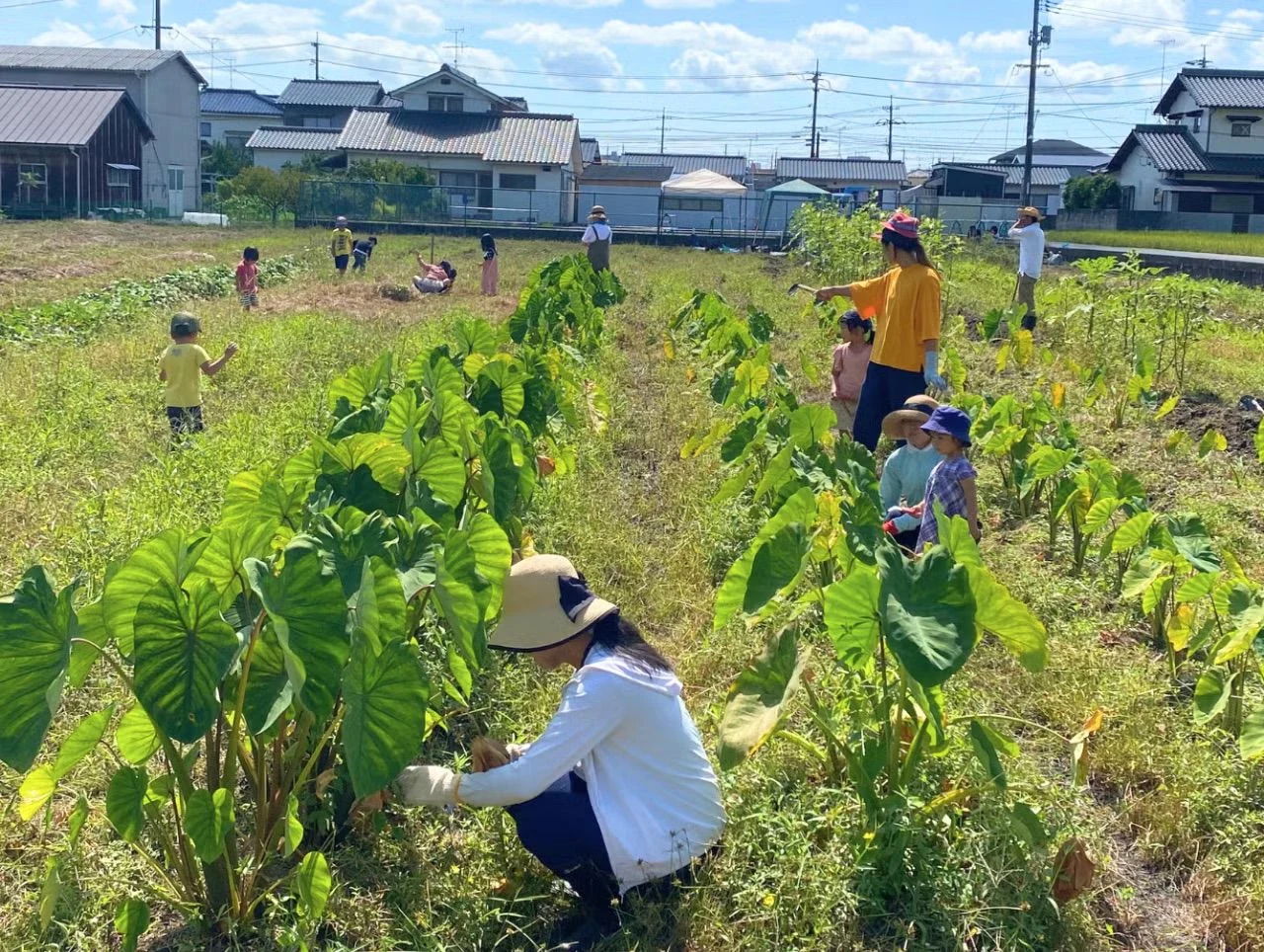
I had the opportunity to talk with children who came to help on weekdays, and I witnessed the current state of school education during the COVID-19 pandemic. There were children who could no longer go to school and whose smiles had decreased due to the ongoing situation of wearing masks, strict silent meals, and not being able to move freely during breaks.
As a nurse, I strongly felt that "to ensure children grow up healthy, they need a place where they can interact and laugh with friends in nature."
So, with the cooperation of a member who was a former elementary school teacher, I established Takabayashi no Sukore as a place to protect children's lives and learning.
The significance of alternative schools
What differences do you see between regular schools and alternative schools?
Kataoka
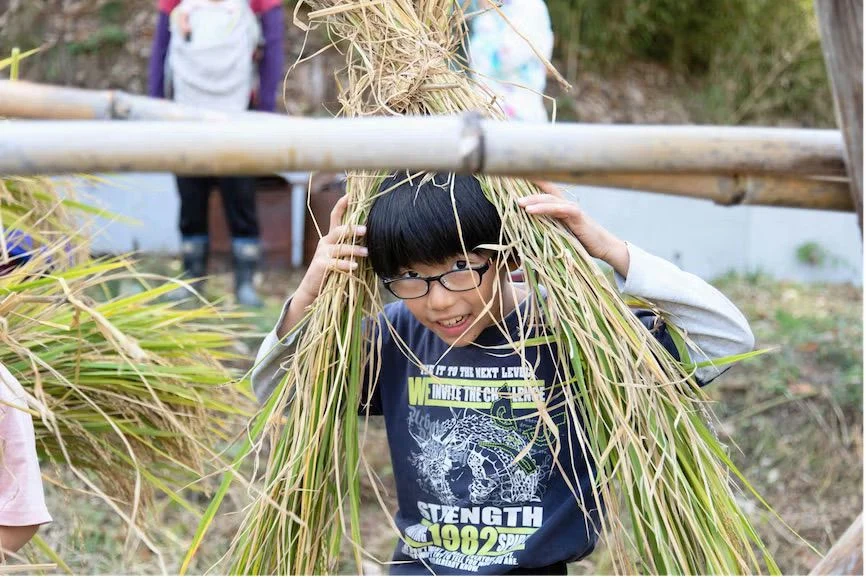
In regular schools, the style is centered around teachers saying, "Do this," and proceeding according to textbooks and examples. I think that is also an important part of learning.
On the other hand, it is difficult to find time to engage imagination or immerse oneself in personal interests, so at Takabayashi no Sukore, we prioritize such time.
However, after actually running a free school, I often feel the greatness and convenience of public school curriculums.
I believe it is not about which is better or worse, but rather a difference in style.
When you create from nothing, learning expands infinitely
What do you value at Takabayashi no Sukore?
Kataoka
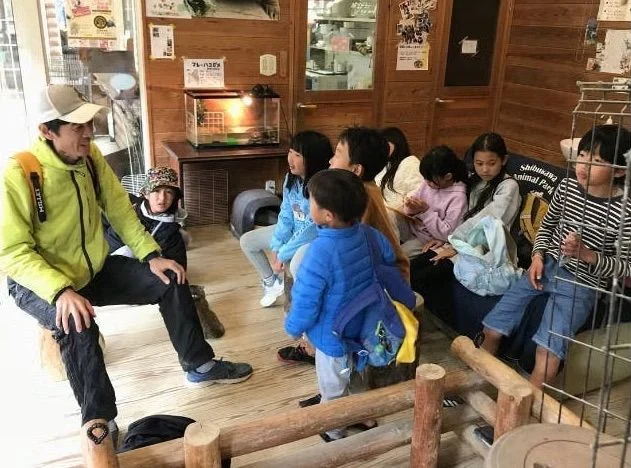
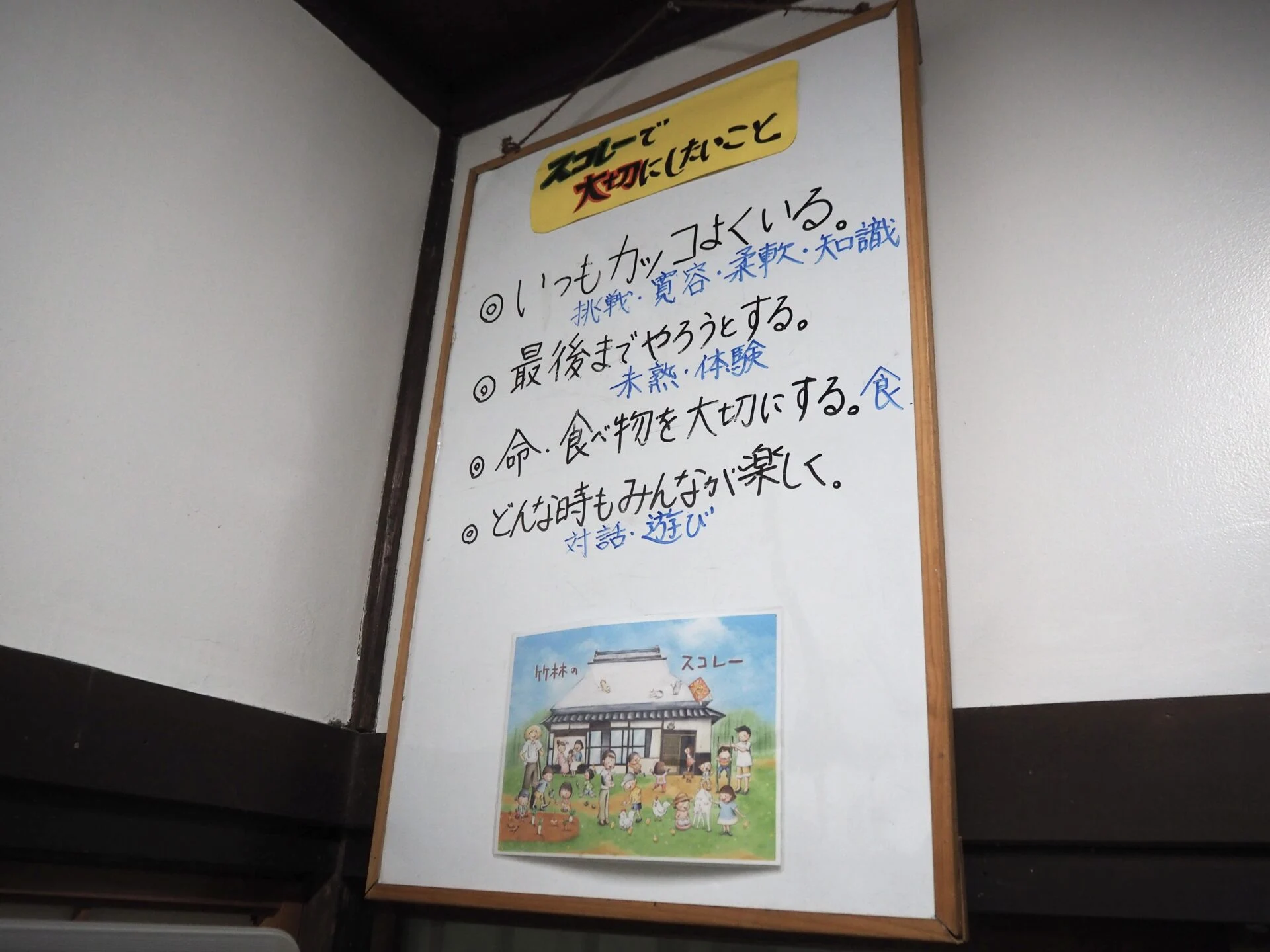
The concept we uphold is to nurture the ability to live in nature.
Among these, what we particularly value are "food," "experience," "space," and "tolerance."
First, please tell us about "food."
Kataoka
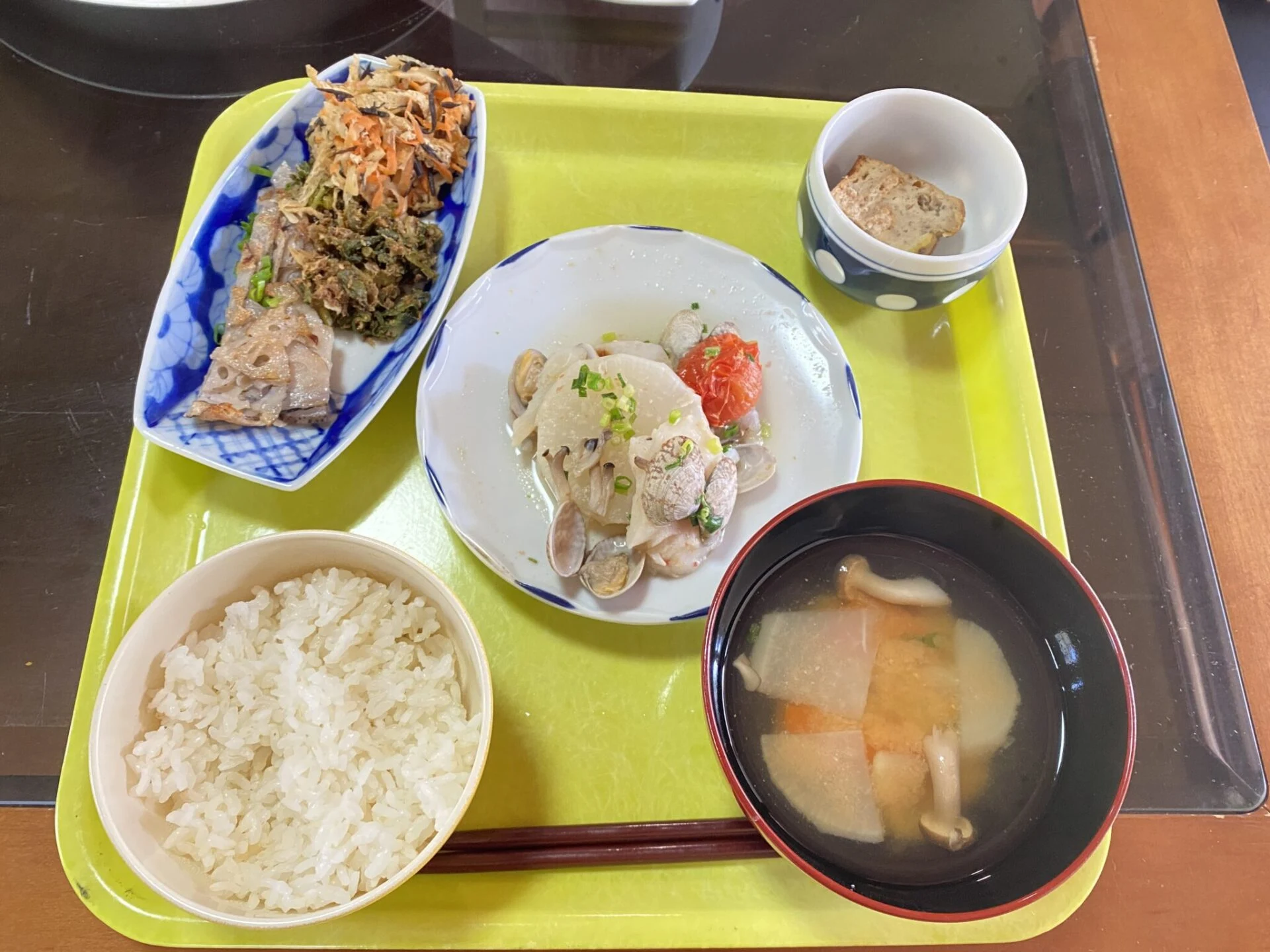
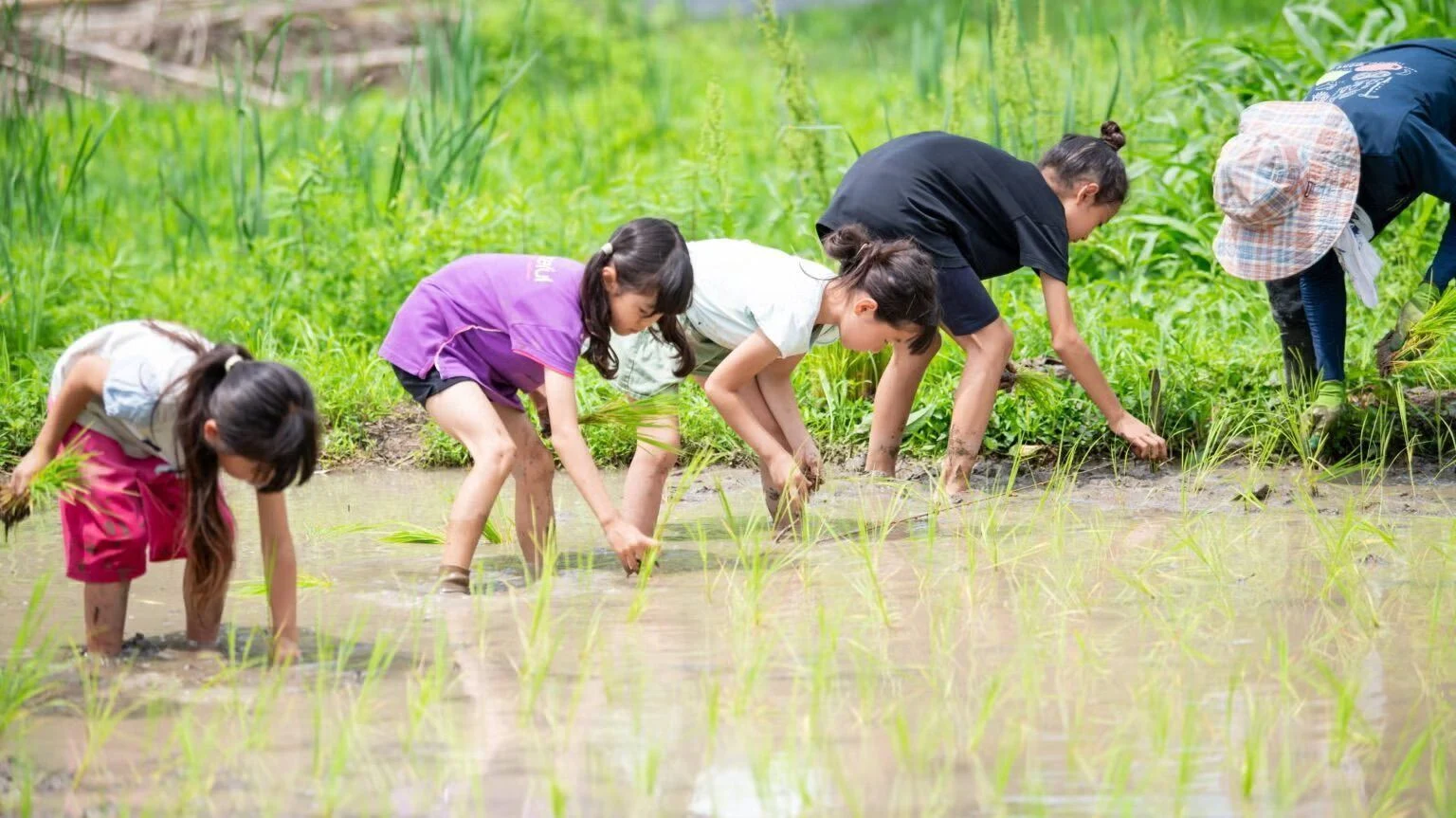
By eating the rice and vegetables we grow ourselves, I hope they learn about the roots of life.
In an era where food can be obtained by buying it, I want to create a place where they can feel the connection to nature and the cycle of life through the experience of "creating."
What do you emphasize regarding "experience"?
Kataoka
The experience of thinking and creating from nothing.
For example, in the handicraft team, there was a child who was good at knitting and said, "I want to try making it from thread." A staff member happened to have cotton seeds, so this led to activities of growing cotton, spinning thread, and knitting.
In the Japanese cuisine team, we are not only making steamed buns but also discussing "let's grow from azuki beans." We have also planted sugarcane, so it would be interesting if we could make homemade sugar.
Even just making thread expands learning in terms of agriculture, processing, and the background of the producing country, learning continues to broaden.
I believe that the experience of actually tilling the soil and learning while feeling the smells and textures has great value, beyond just reading texts.
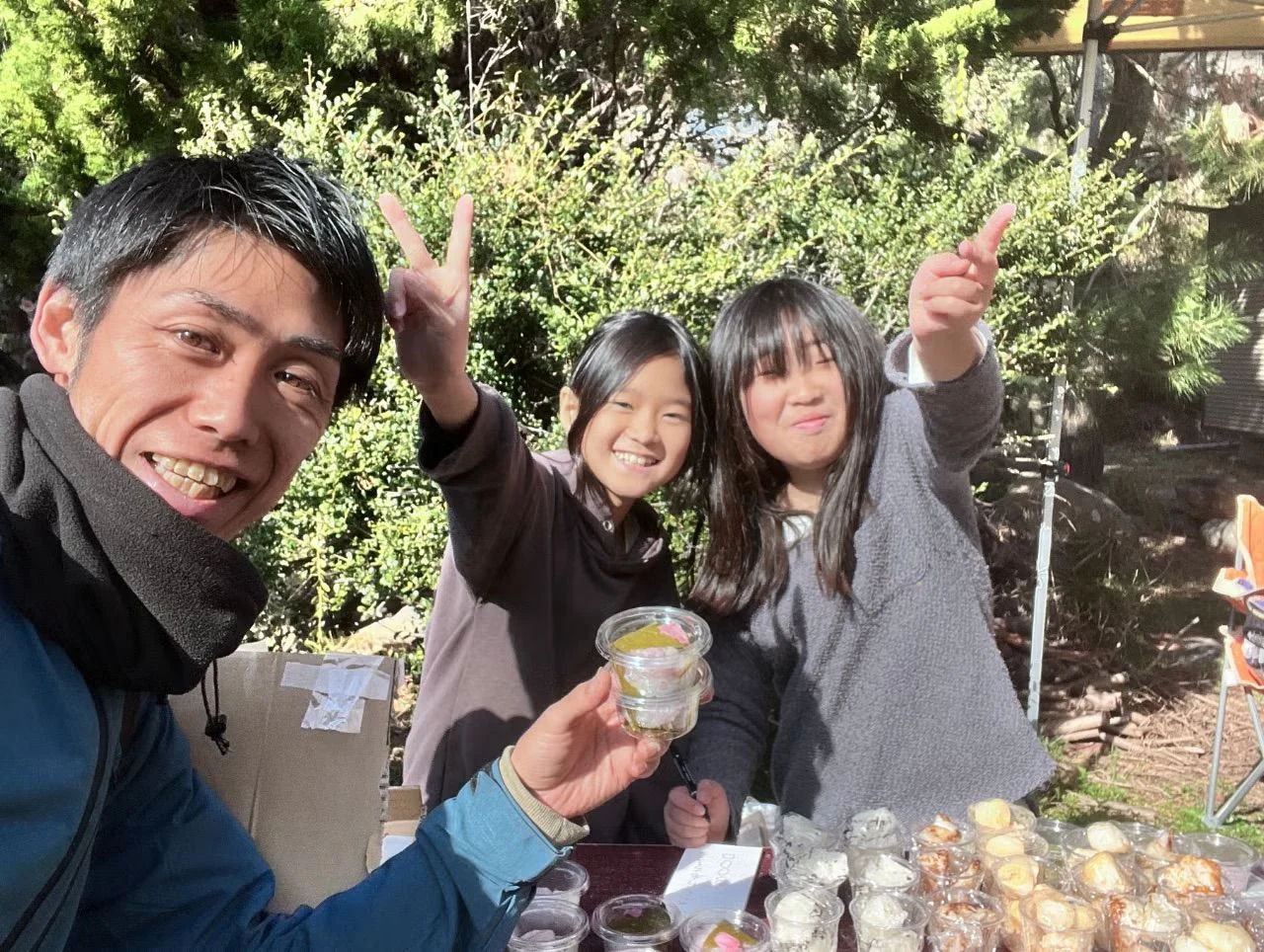
The term "space" is also impressive.
Kataoka
The name "Sukore" is derived from the Greek word "schole (leisure)."
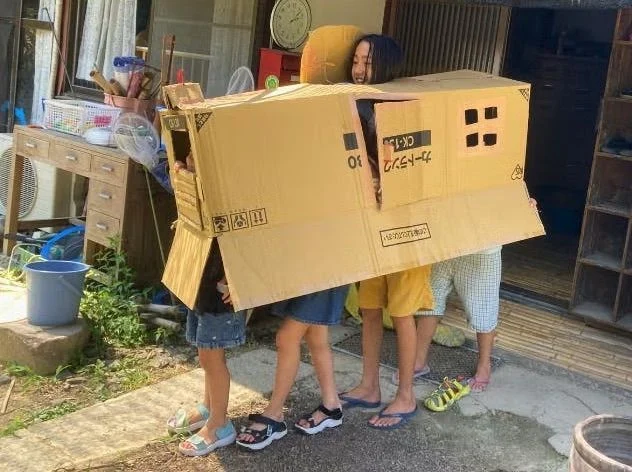
In the past, it is said that schools began as a gathering of people who had too much leisure, saying, "Let's teach each other interesting things" and "Let's try doing it together." I believe that the "space" that is born from a secure life is the soil that nurtures new learning and interests.
Even just realizing "this doesn't suit me" by trying something has value.
Finally, please tell us about "tolerance."
Kataoka
When you act proactively, there will naturally be conflicts. That is why what becomes important is the "tolerance" to recognize each other through dialogue.
I feel that schools today are increasingly adding rules, and one of the backgrounds to this is that connections between people are becoming weaker.
For example, in the past, an adult in the neighborhood could directly caution a child playing in the rice fields and resolve it by talking to the parents. But now, it seems that they often contact the school without saying anything directly, resulting in an increase in "prohibition rules."
In a society where communication is decreasing and dependence on systems is increasing, I feel that the "ambiguity" and "looseness" that exist based on mutual agreement are necessary in today's community.
I want to create a "Sukovillage"
Can you tell us about your future prospects?
Kataoka
A major goal for the future is to create a "Sukovillage."
Sukovillage is an initiative to create a base where both adults and children can practice "agriculture that circulates life" centered around Takabayashi no Sukore.
Support from the government for alternative schools has progressed compared to the past, but we still need to operate solely on our own financial resources. Therefore, I want to establish a revenue base through agriculture in Sukovillage and create a system that can operate without relying on public subsidies.
Additionally, by further developing and improving abandoned farmland, I want to increase opportunities for children's learning through agriculture. There are already initiatives underway, such as beekeeping with Japanese honeybees, and I want to create an environment where they can see, play, and challenge themselves.
Currently, we are also challenging crowdfunding until May 31, 2026, to realize Sukovillage.
I feel that Sukovillage, by becoming a place where not only children but also various adults gather, will provide children with opportunities to find their role models by observing adults.
Conclusion
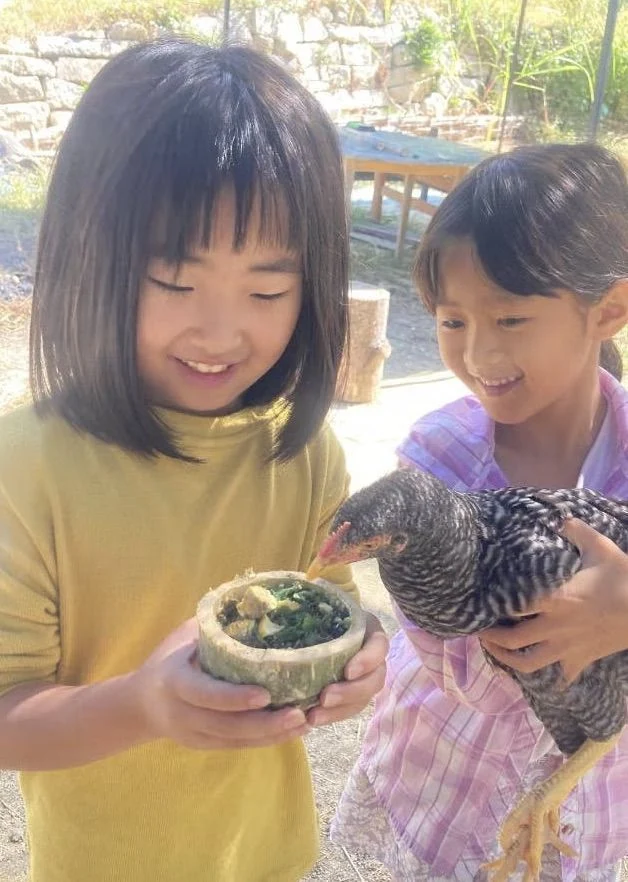
Kataoka says, "The children who come to Takabayashi no Sukore each show their unique personalities."
While respecting children's thoughts, how can we connect them to diverse experiences? This interview has prompted me to reconsider that question.
Living with nature and nurturing the ability to create food.
Takabayashi no Sukore continues to move forward as a place that nurtures the "ability to live in nature."
Data of the Non-Profit Organization Kono Sato
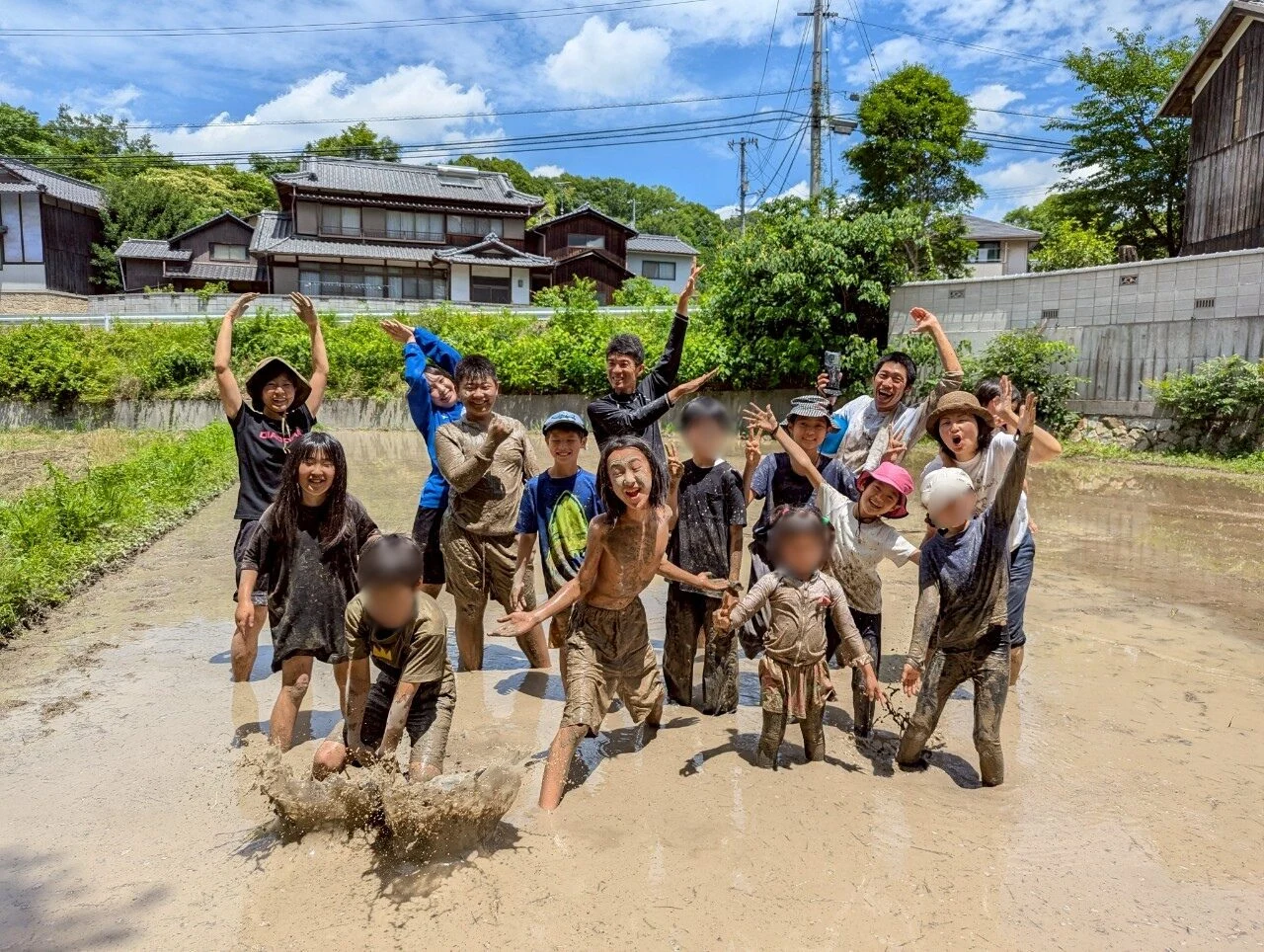
| Organization Name | Non-Profit Organization Kono Sato |
|---|---|
| Industry | Free School Business |
| Representative Name | Kataoka Tetsuya |
| Year Established | 2021 |
| Address | 2970 Tamashima To, Kurashiki City (Bamboo Grove Schole) |
| Contact | Email: info@konosato.org |
| Website | Bamboo Grove Schole |