Almost everyone may have had a time when they thought, “I don’t want to go to school today. Maybe I’ll take the day off.”
Taking time to rest at home can be necessary as a way to protect yourself from various factors and stress. But what if there are children for whom this goes on for a long time, making it difficult to return to school and leaving them feeling isolated?
Some high school students took on a difficult challenge because they wanted to be there for children like these.
They are students in the evening program at Kurashiki Municipal Tamashima High School.
Because they had experienced school refusal themselves and understood all too well the feelings and thoughts of these children, they wondered whether there was something they could do.
Students at Kurashiki Municipal Tamashima High School attend classes from 4 p.m. to 9 p.m. and study hard, while working part-time during the day at supermarkets and restaurants.
Here, we introduce why they decided to support children who have stopped attending school and what projects they carried out.
The information presented was current when this article was published in April 2024. Please note that it may differ from current information.
About Kurashiki Municipal Tamashima High School
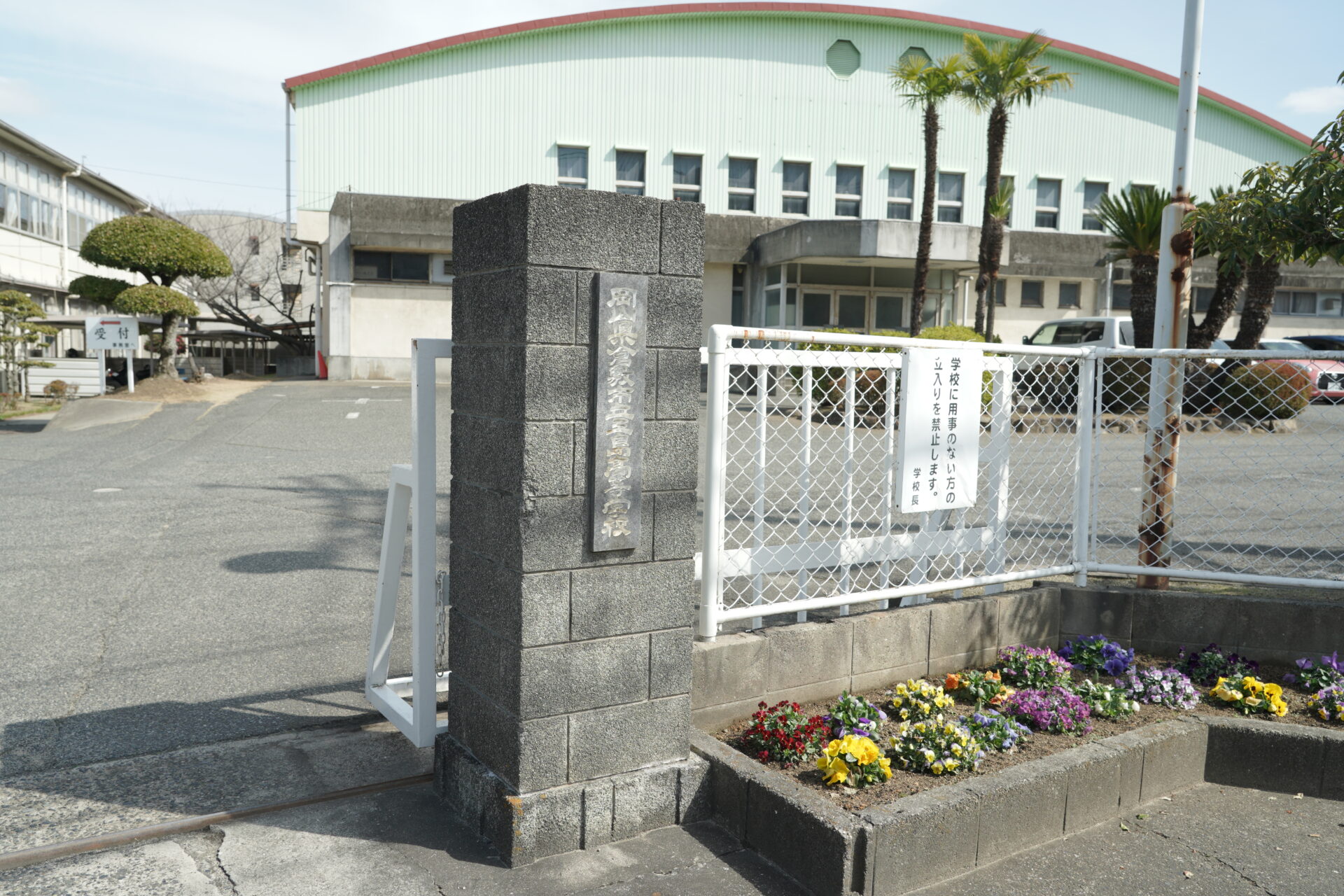
Kurashiki Municipal Tamashima High School was founded in 1948. It offers a day program with a general studies course and an evening program with a commercial studies course.
Due to declining student numbers, recruitment of new students was suspended after spring 2023, and the school will close at the end of the 2024 academic year.
From April 2025, it will merge with Kurashiki Municipal Seishi High School in Hachioji-cho, Kurashiki City.
What led Kurashiki Municipal Tamashima High School to support children who have stopped attending school
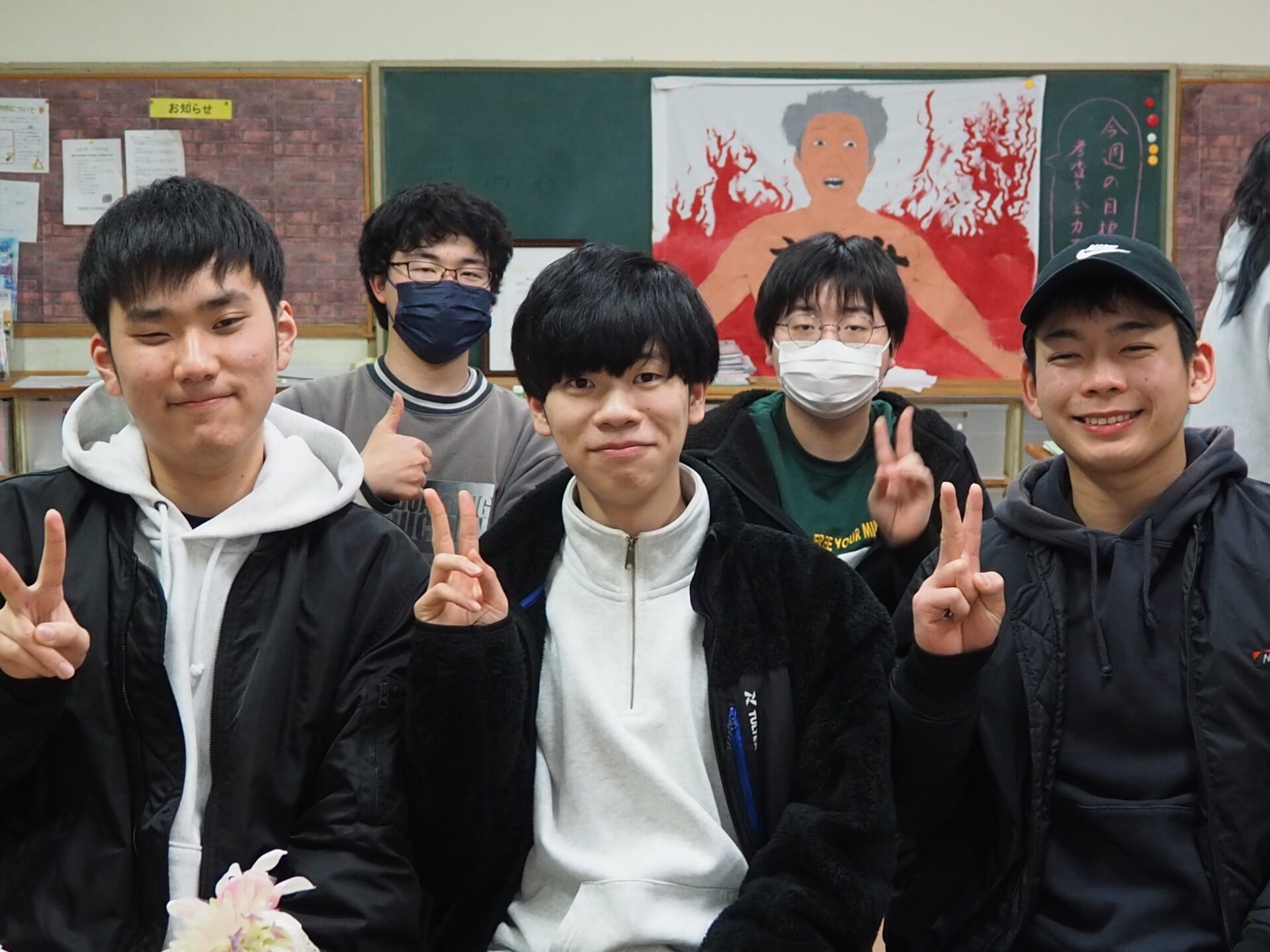
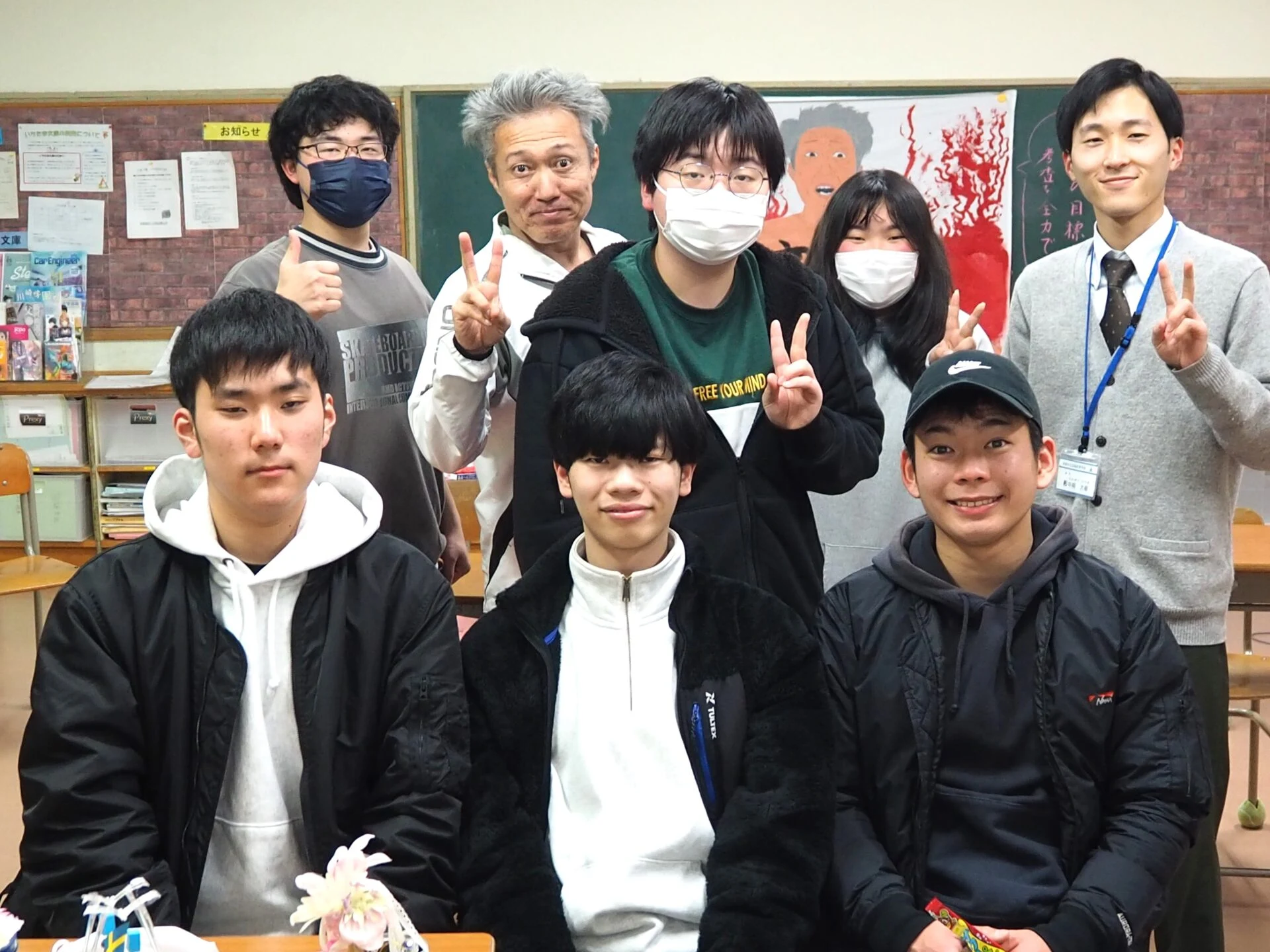
The students who worked on supporting children who had stopped attending school were 17 second-year students in the evening commercial studies course.
Some had experienced school refusal in elementary or junior high school, and even now, some find school life difficult or struggle to attend classes regularly.
Why, then, did they decide to support children who had stopped attending school?
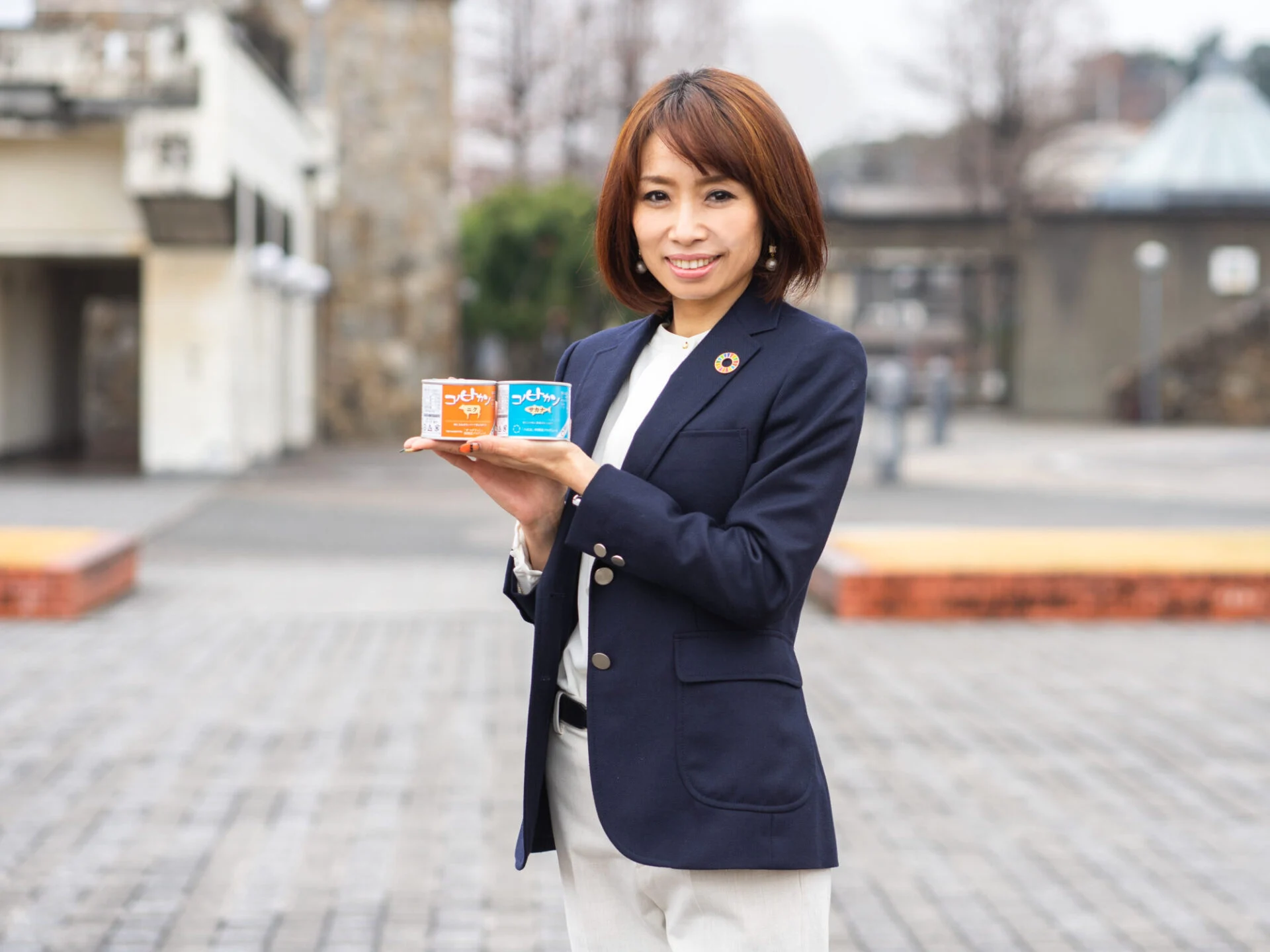
Meeting Chihiro Miyoshi, representative of Konohitokan
On May 2, 2023, Kurashiki Municipal Tamashima High School received a phone call.
The caller was Chihiro Miyoshi, representative of Konohitokan General Incorporated Association.
She called to ask whether the school would participate in the “2nd Konohitokan 1,000-Can Project Social Issues Resolution Contest,” organized by Konohitokan General Incorporated Association.
The call was answered by Hidemasa Okada, head of the evening commercial studies course. He asked Ms. Miyoshi to visit the school and speak directly to the students about her vision.
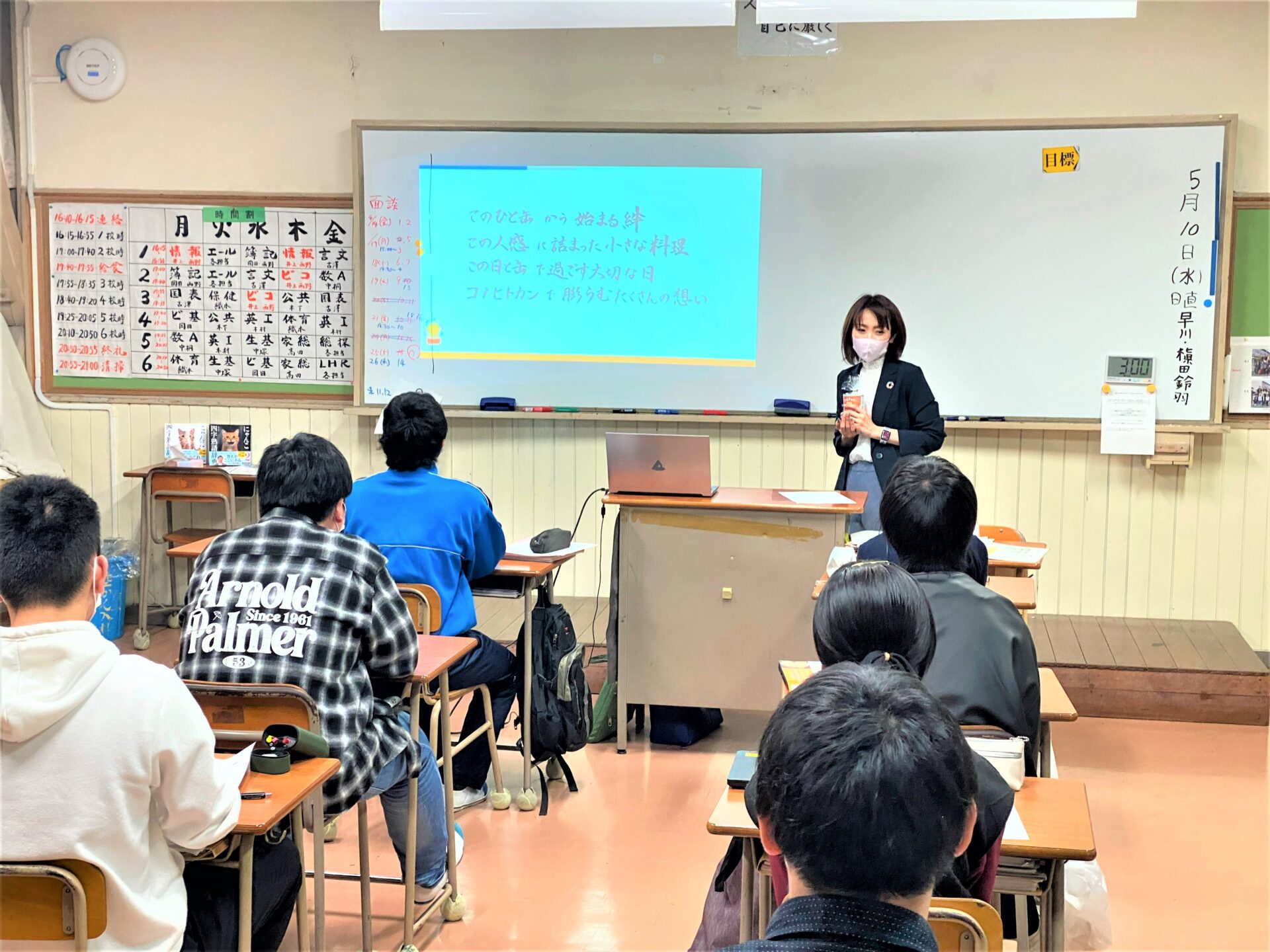
When Ms. Miyoshi visited an evening class at Kurashiki Municipal Tamashima High School, she spoke passionately to the 17 students about Konohitokan canned food, created to address food waste and poverty, and invited them to participate in the “Konohitokan 1,000-Can Project Social Issues Resolution Contest,” where high school students present ideas they have developed.
Inspired by Ms. Miyoshi’s words, one student raised his hand and said, “I’ll do it!”
That student was Ishii Hiromu, the leader of this project.
Hiromu’s initiative sparked a class-wide effort to tackle social issues.
Class discussion
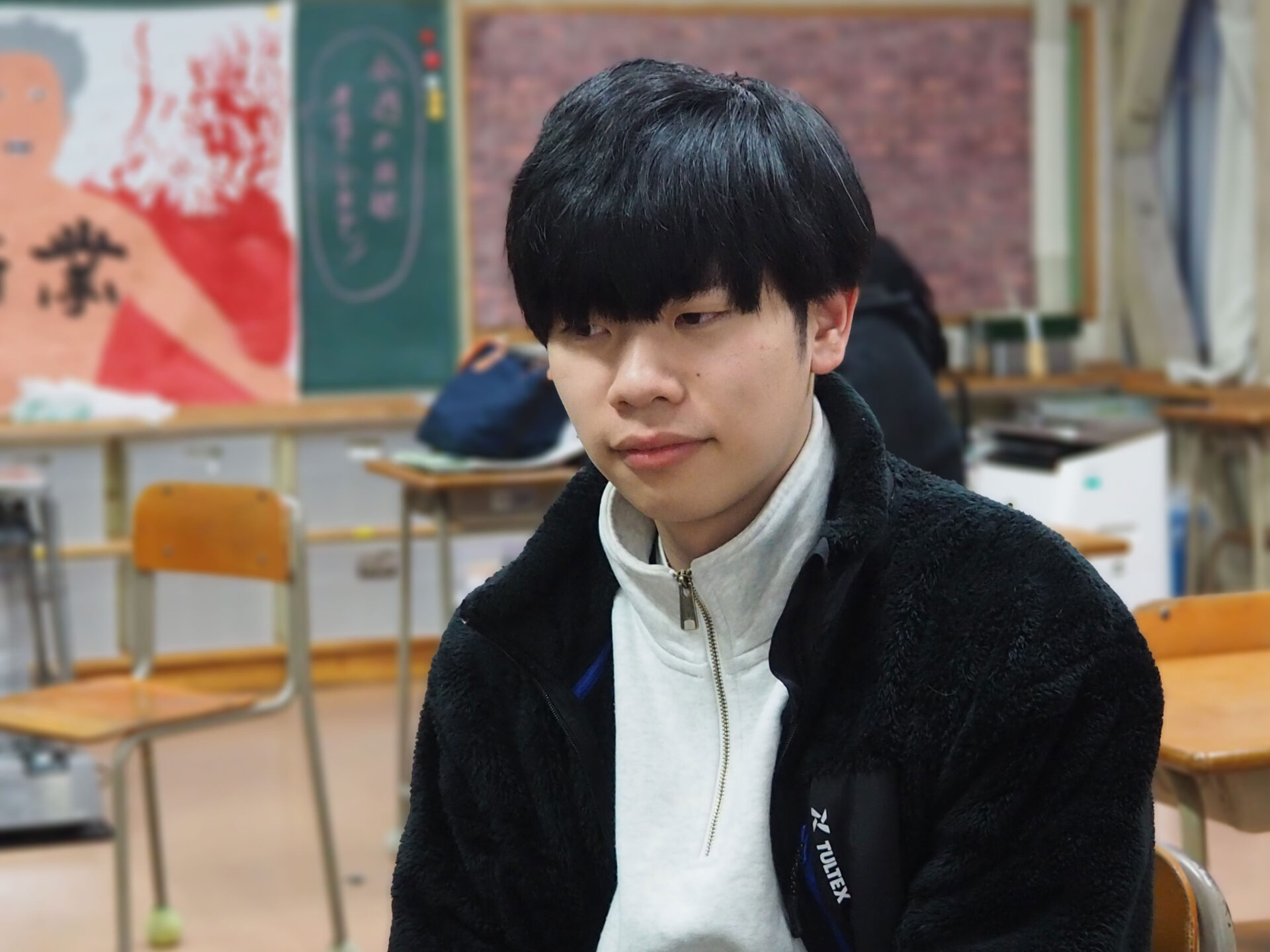
Hiromu, the leader, had something he wanted to say.
“There must be something we can do that only those of us who have experienced school refusal can do.”
The theme was support for children who have stopped attending school. But what should they do to make that happen?
Mr. Okada asked each student what they could do to encourage children who find it difficult to go to school to come and spend time with them, and to help them open up.
They came up with various ideas, and four projects were selected.
They decided to combine the four projects, enter them in the “Konohitokan 1,000-Can Project Social Issues Resolution Contest,” and present them.
The four projects were as follows:
- Canned food exchange
- Empty-can art
- Can-grabbing and nighttime hide-and-seek
- Meal gathering (bento distribution)
Presentation at the 1,000-Can Project Social Issues Resolution Contest
They decided to enter the contest, but their presentation had to be no longer than five minutes. They struggled to write a script that fit within the time limit.
Then a student who was often absent volunteered to coordinate the script. They came to school during summer vacation and revised it again and again, completing a script that was exactly five minutes long.
They also attended the contest and confidently delivered the script they had written.
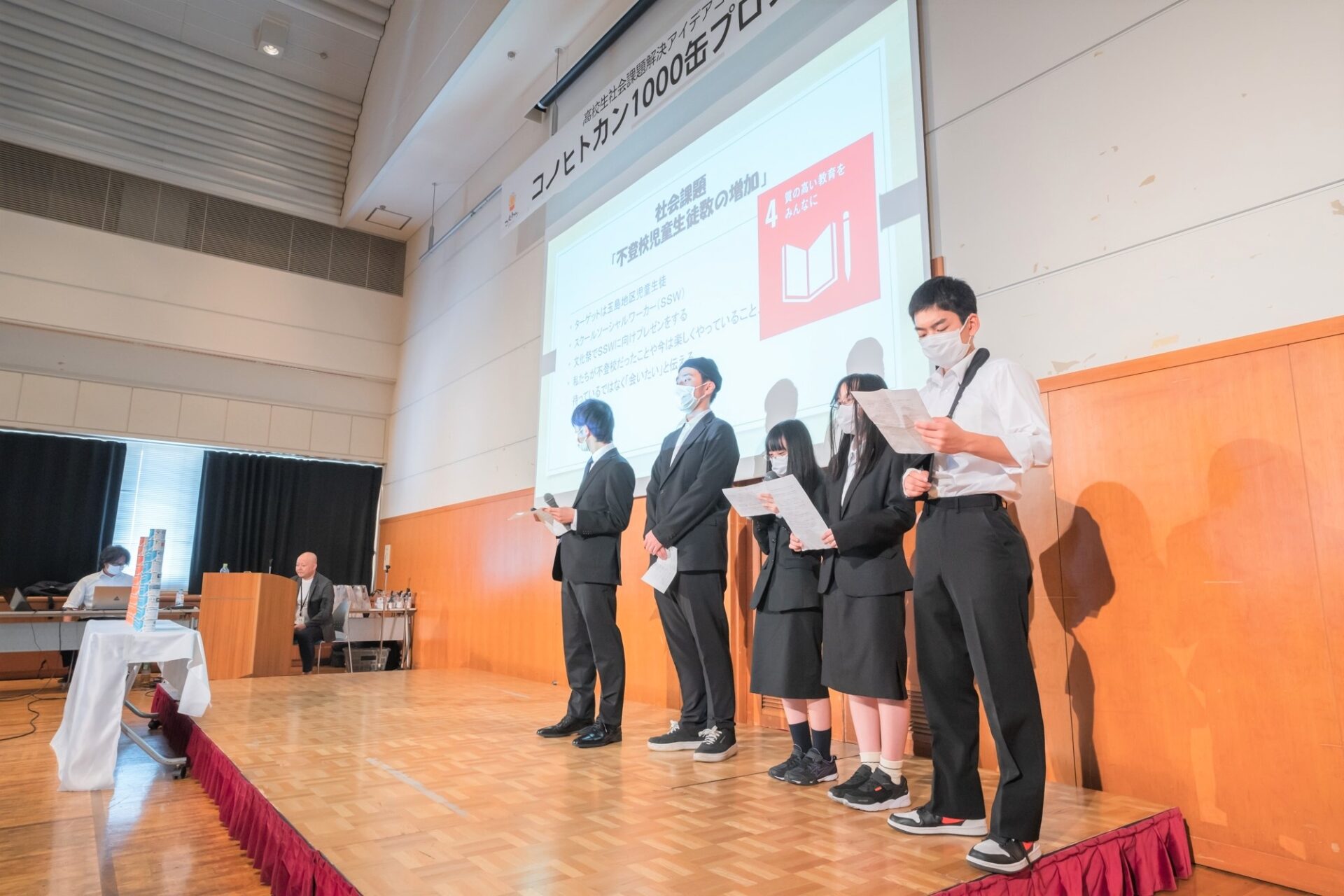
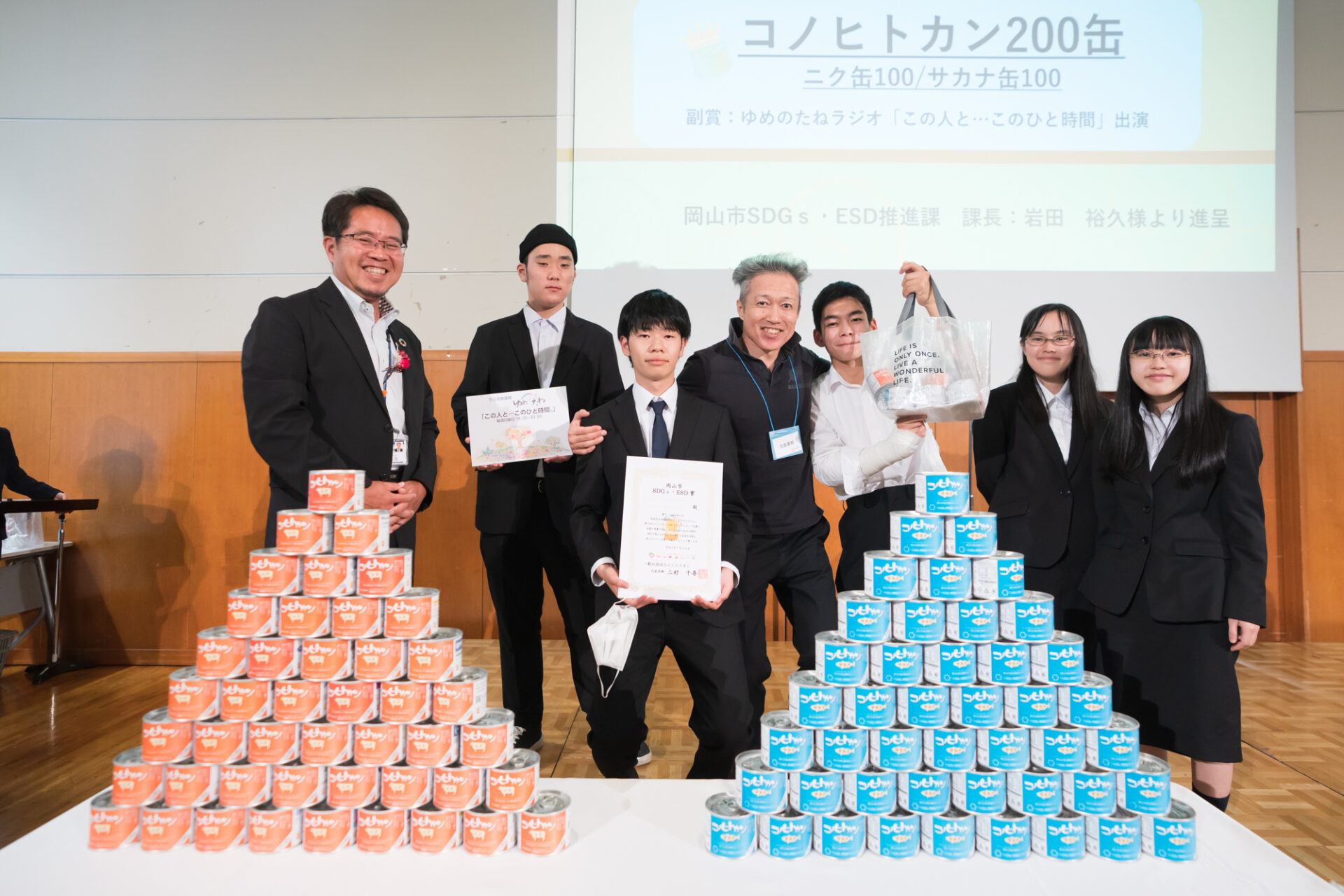
Receiving the Okayama City SDGs/ESD Award
They received the Okayama City SDGs/ESD Award. The students were reportedly surprised by this unexpected honor.
However, winning an award was not the end of the contest. Its purpose was for the students to take the activities they had devised out into the community and carry them out.
The students began preparing for each of the events they had planned.
Activities supporting children who have stopped attending school
First, Kurashiki Municipal Tamashima High School needed to let local residents and children who find it difficult to go to school know what kind of support it would provide.
So, on October 4, 2023, they invited local social workers and members of a school-refusal support group to an information session.
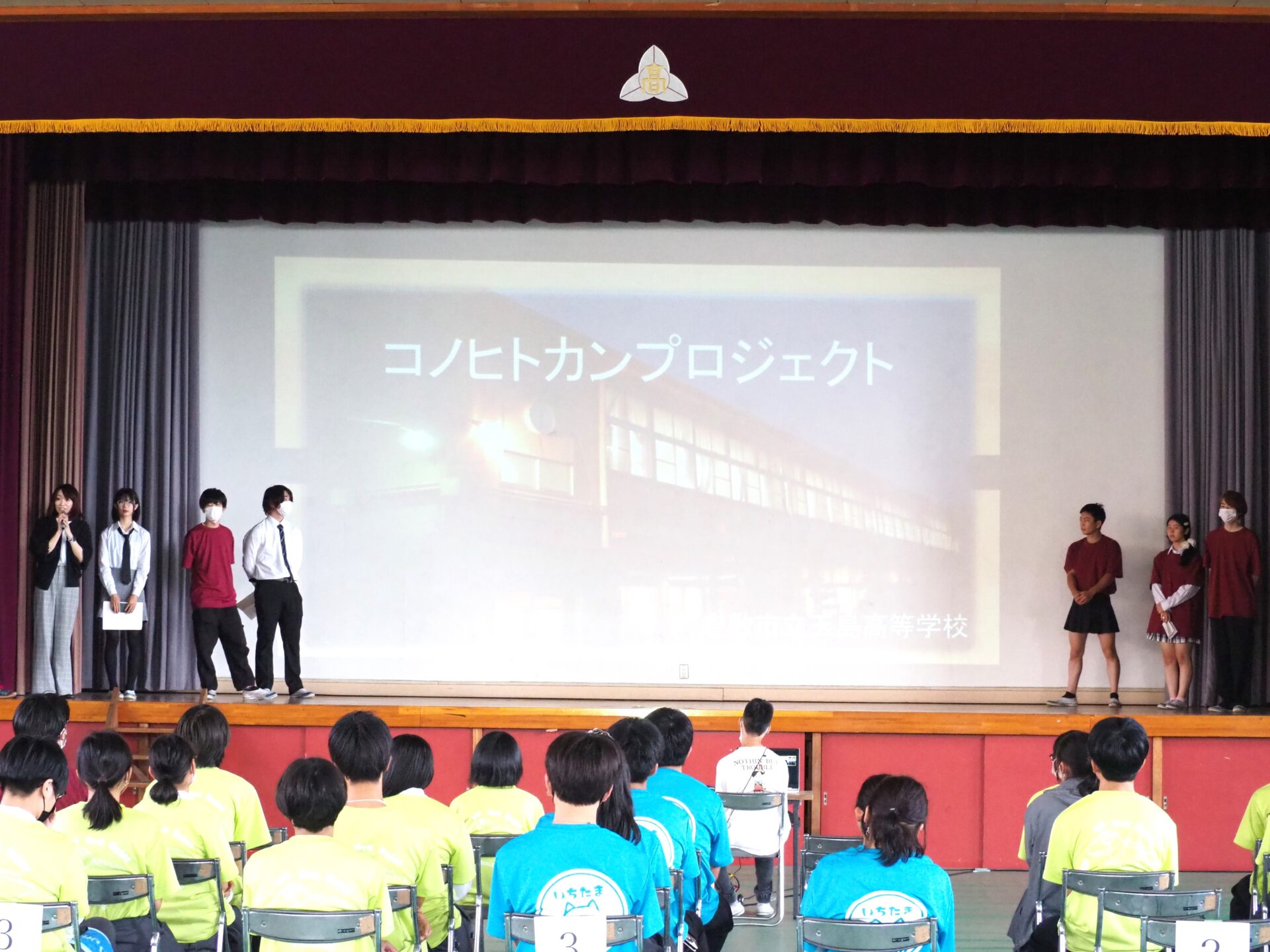
Many local residents attended the information session and listened to the students of Kurashiki Municipal Tamashima High School.
Now, let’s take a look at the projects carried out by the students of Kurashiki Municipal Tamashima High School, one by one.
Canned food exchange
The first event was an exchange of Konohitokan canned food for unwanted items.
It was held on October 21, 2023, in the Agemora Room at IDEA R LAB in Tamashima.
The idea came from Suzuha and Fuka.
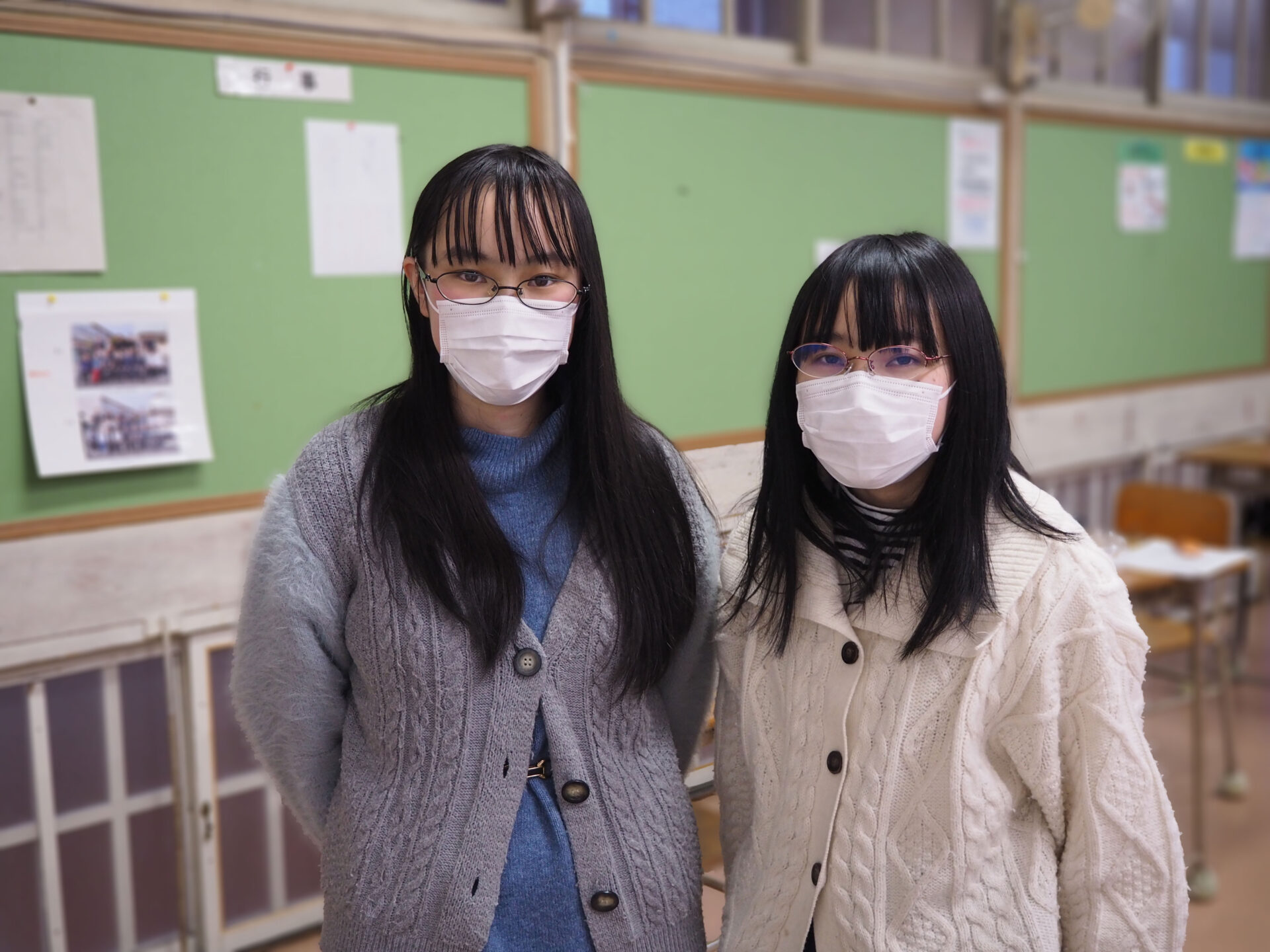
The idea was to give children who find it difficult to go to school a reason to leave home by letting them exchange unwanted items from home for Konohitokan canned food.
There was a reason they made it an “exchange” rather than simply handing out the cans.
Suzuha said they wanted to create an environment where both sides could say “thank you,” because they thought some children might feel bad about simply receiving canned food.
They also took care to hold the event discreetly, one-on-one, so no one else would see. It was a warm idea that involved exchanging not only things, but feelings as well.
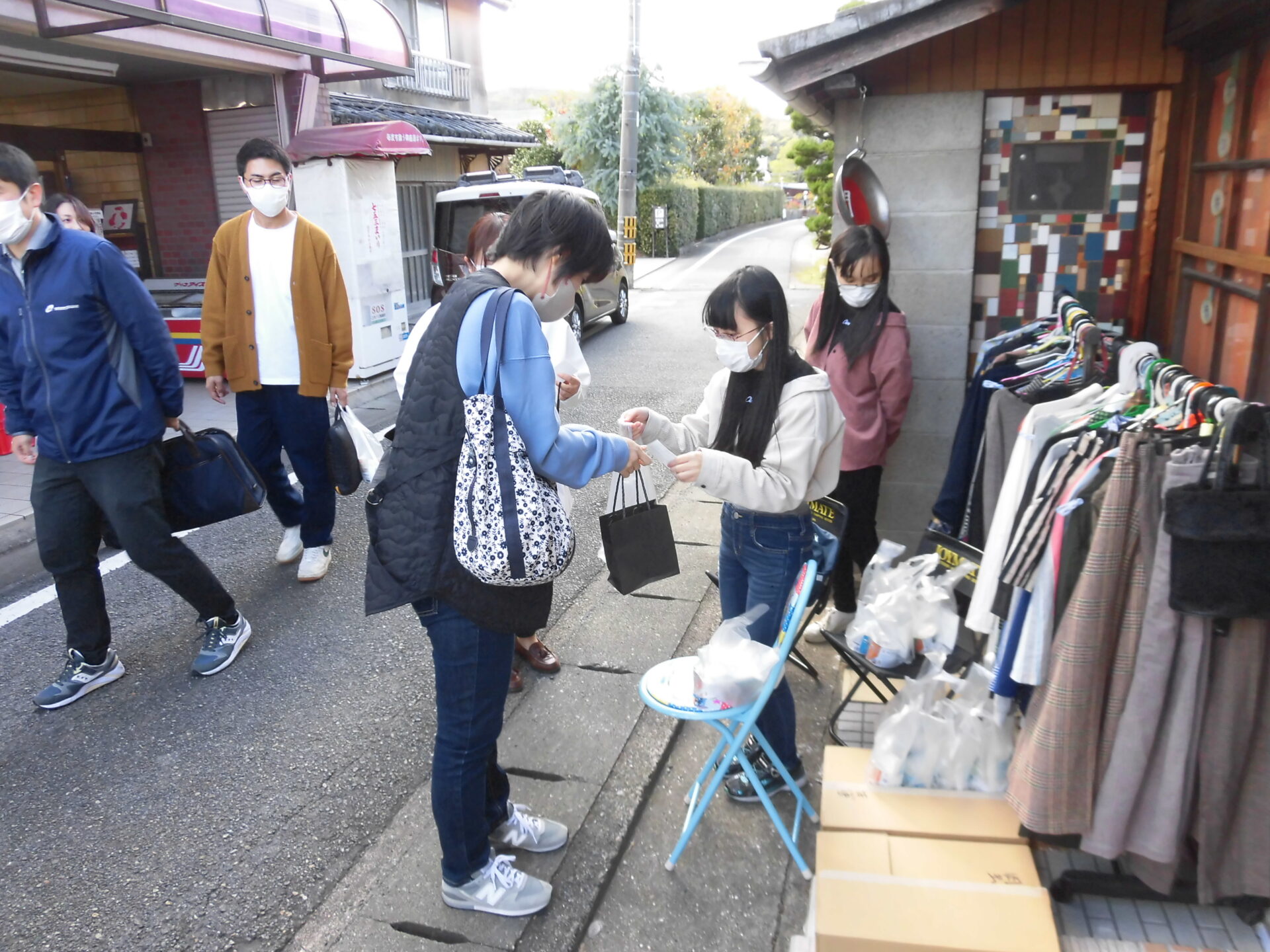
On the day of the event, many people, including local social workers and members of the school-refusal support group “Fuwasapo”, helped out. We distributed 75 sets of canned food (150 cans) with messages attached so they could be given to children who were unable to attend the event.
As expected, it was difficult to get the children to come out, and only a small number attended. However, parents expressed their gratitude for organizing the event, and the organizers said they truly felt it had been worth doing.
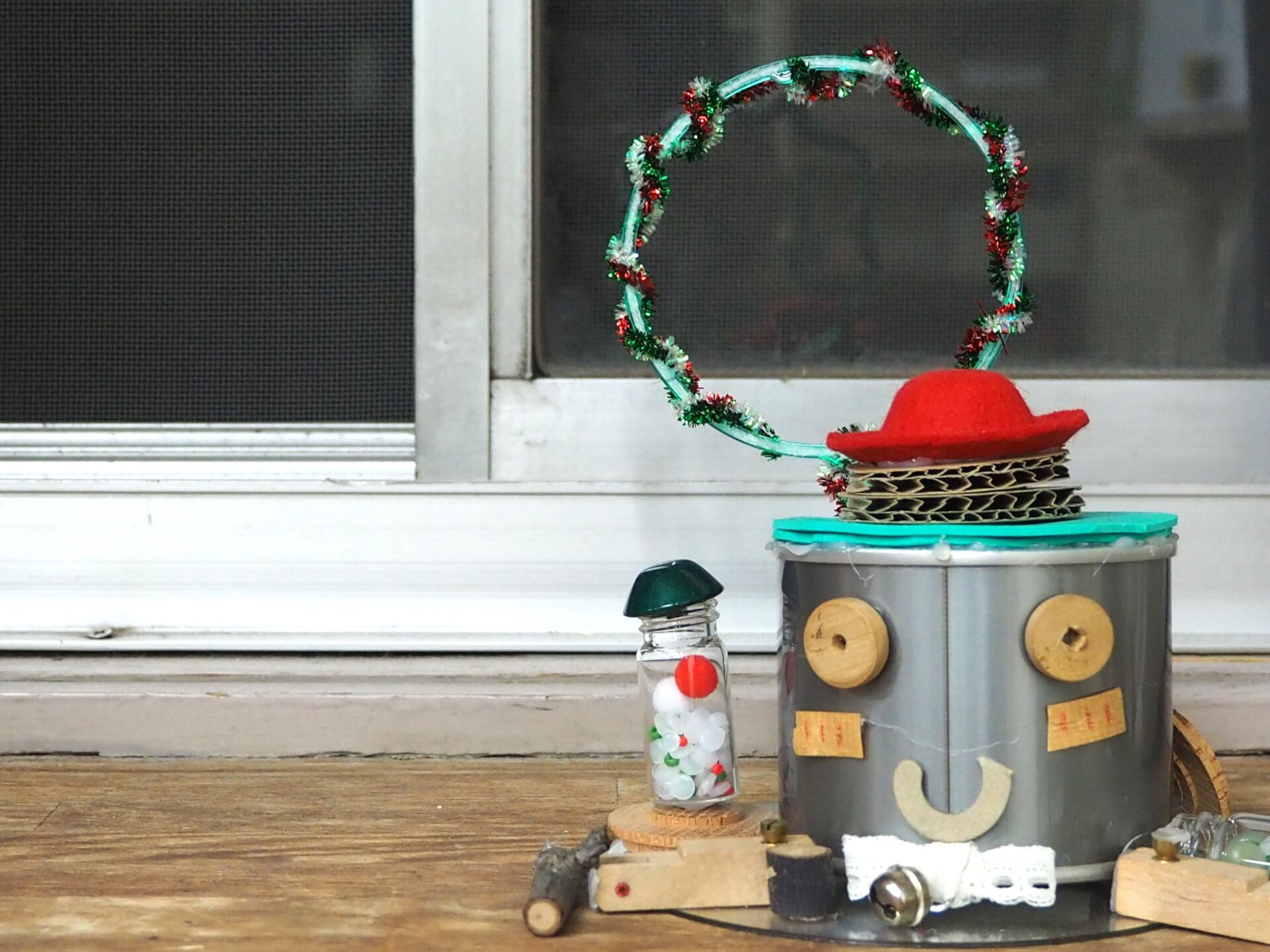
Empty Can Art
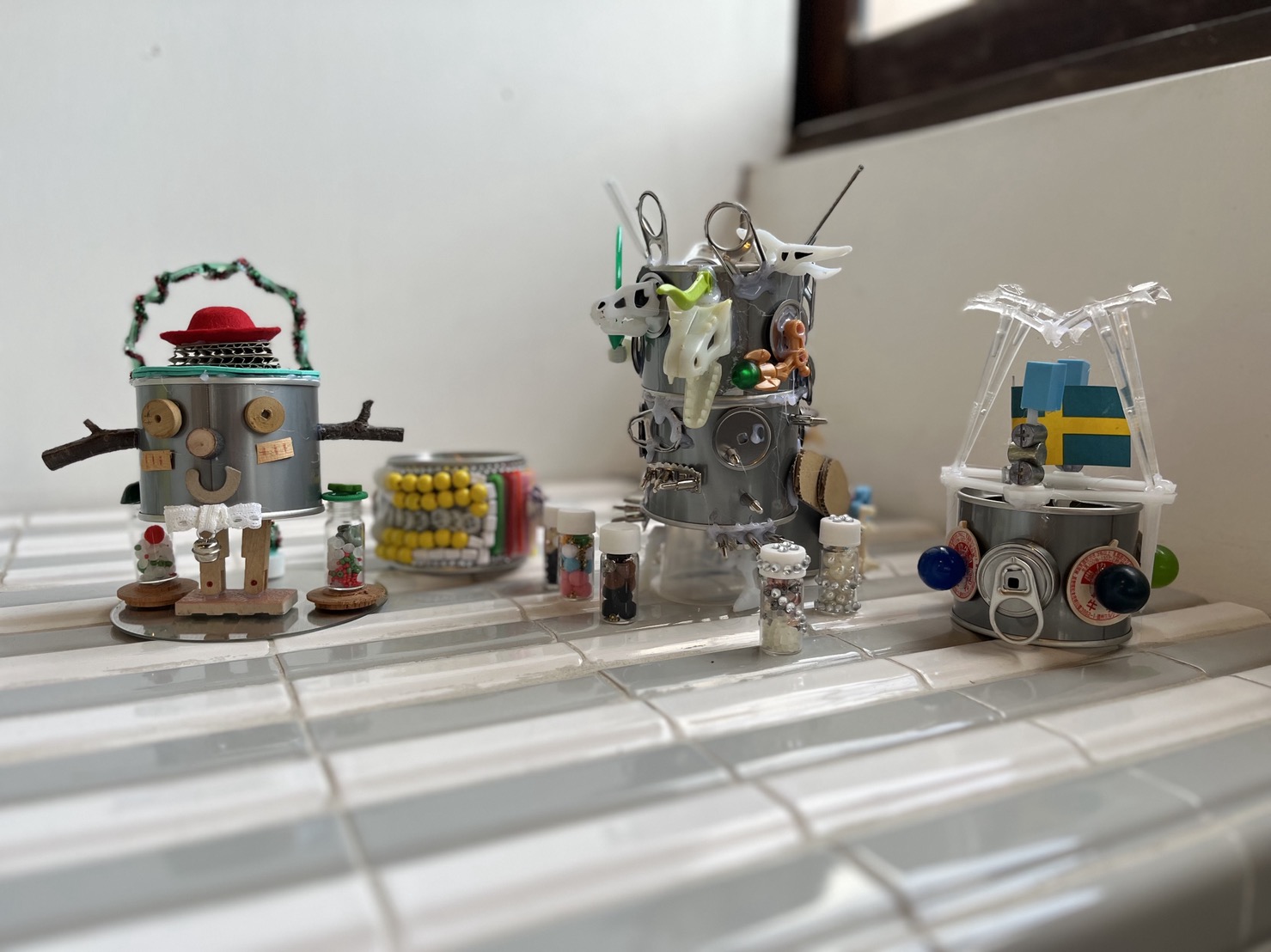
The event was organized by Takagawa Horo.
After eating the canned food (Konohitokan) distributed at the first event, the “canned food exchange,” participants were asked to wash and bring back the cans, then create their own works of art using the empty cans.
It was held on November 11, 2023, in a gallery called the Material Library at IDEA R LAB.
Horo had two reasons for wanting to organize this event.
- To create something that could be kept as an artwork made from empty cans
- To do something that children who are not good at sports could also take part in
The Material Library is a place where mountains of unwanted scrap and offcuts are collected. It contains all kinds of things, including buttons, scraps of wood, processed flower petals, and milk carton lids.
The children, who were visiting for the first time with their parents, were overwhelmed by the greater-than-expected variety of materials. They spent a long time experimenting and deciding what to make and what to choose.
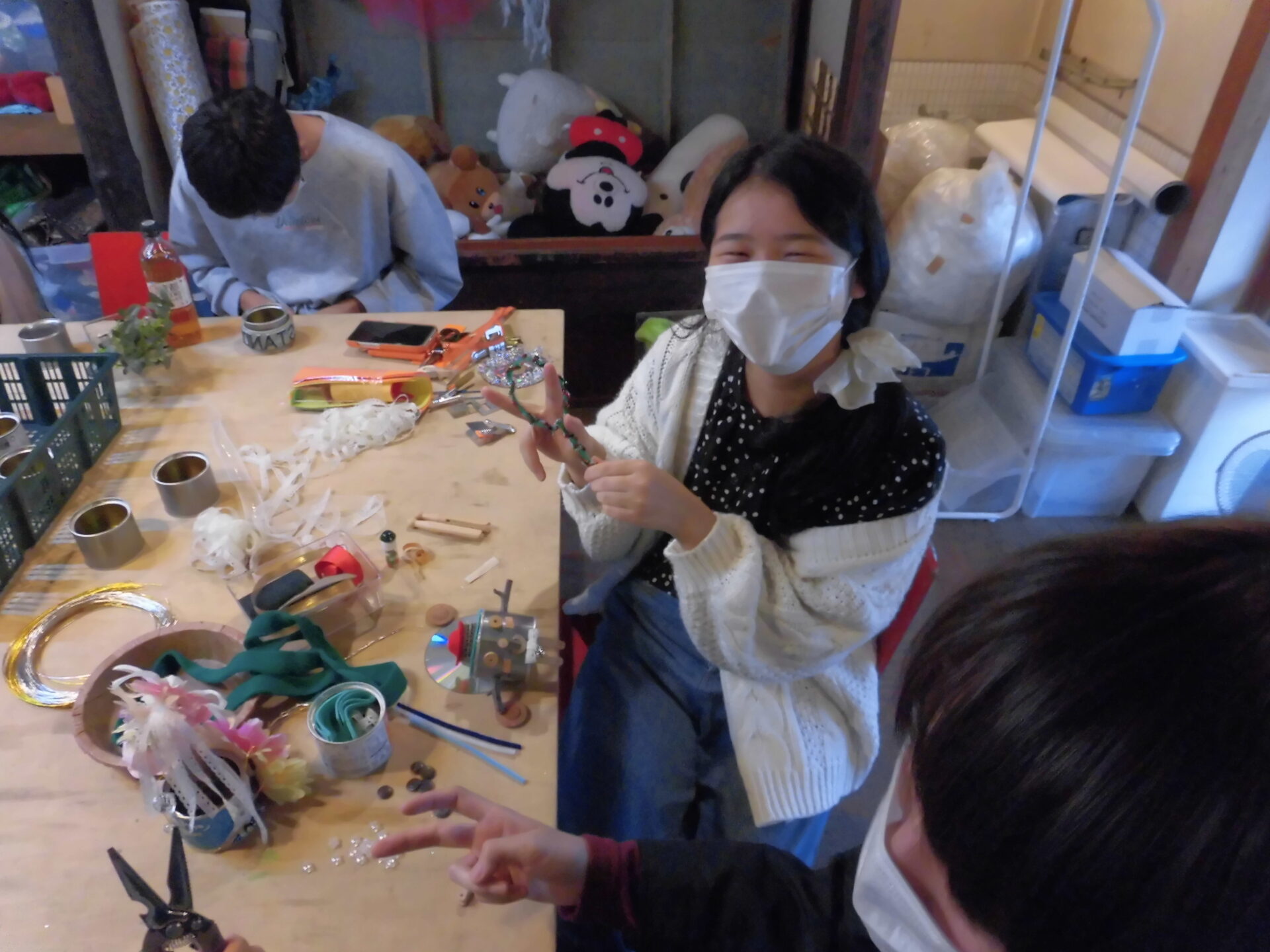
Imagining the works they were about to make, they each chose their own parts.
Horo worried that someone might get burned by the heat of a glue gun or cut a finger on something sharp. However, with parents and other adults keeping watch, the event was a success.
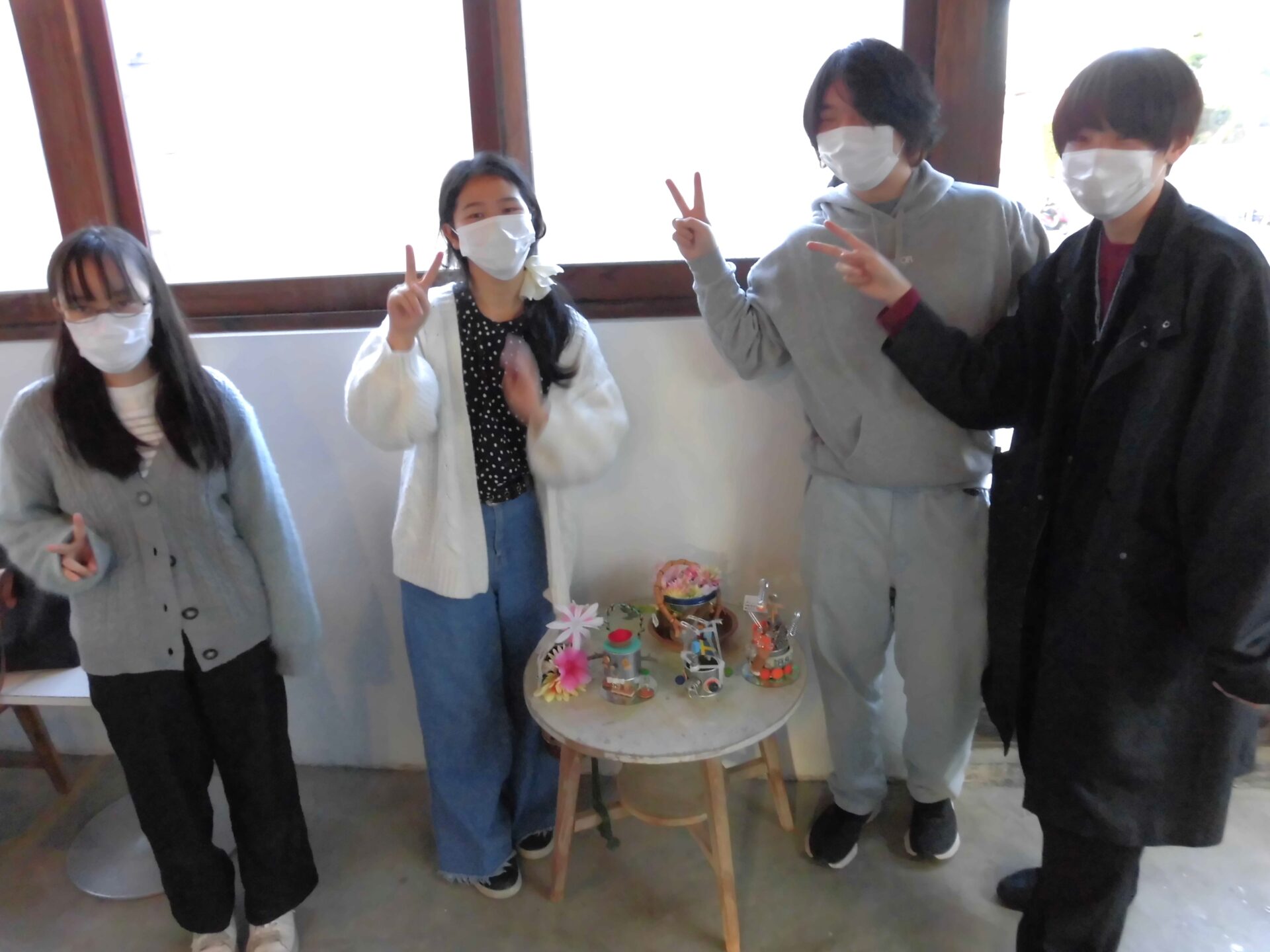
The children all seemed satisfied with their one-of-a-kind works of art.
A total of 14 children from elementary through junior high school, along with their parents, took part in the event.
Can Capture & Hide-and-Seek in the Dark
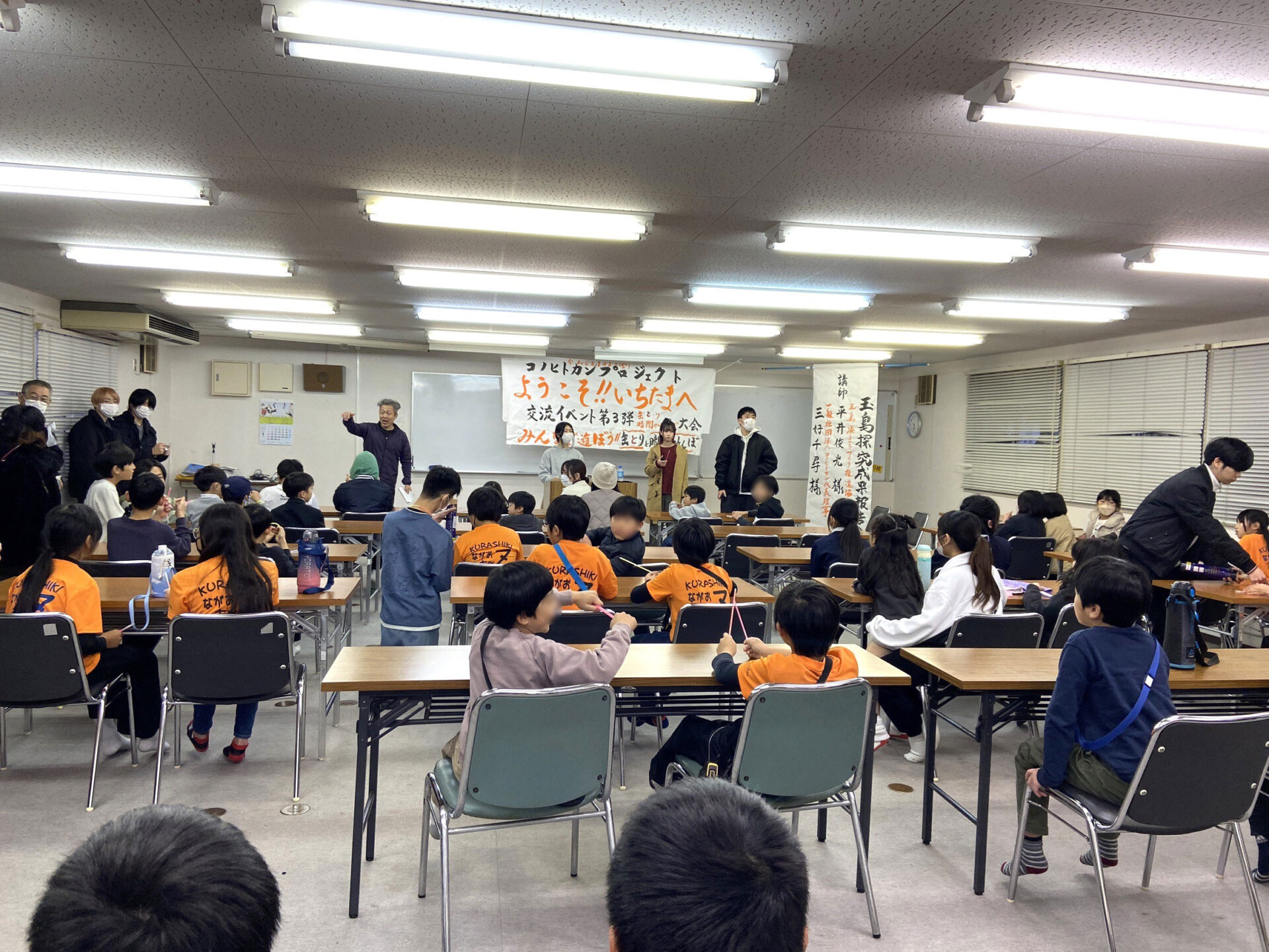
The third event was Can Capture & Hide-and-Seek in the Dark.
It was held on February 2, 2024, in the gymnasium and classrooms of Kurashiki Municipal Tamashima High School.
Not only children who found it difficult to go to school came, but also elementary school students from a local after-school club who had heard about the event. A total of 50 adults and children gathered.
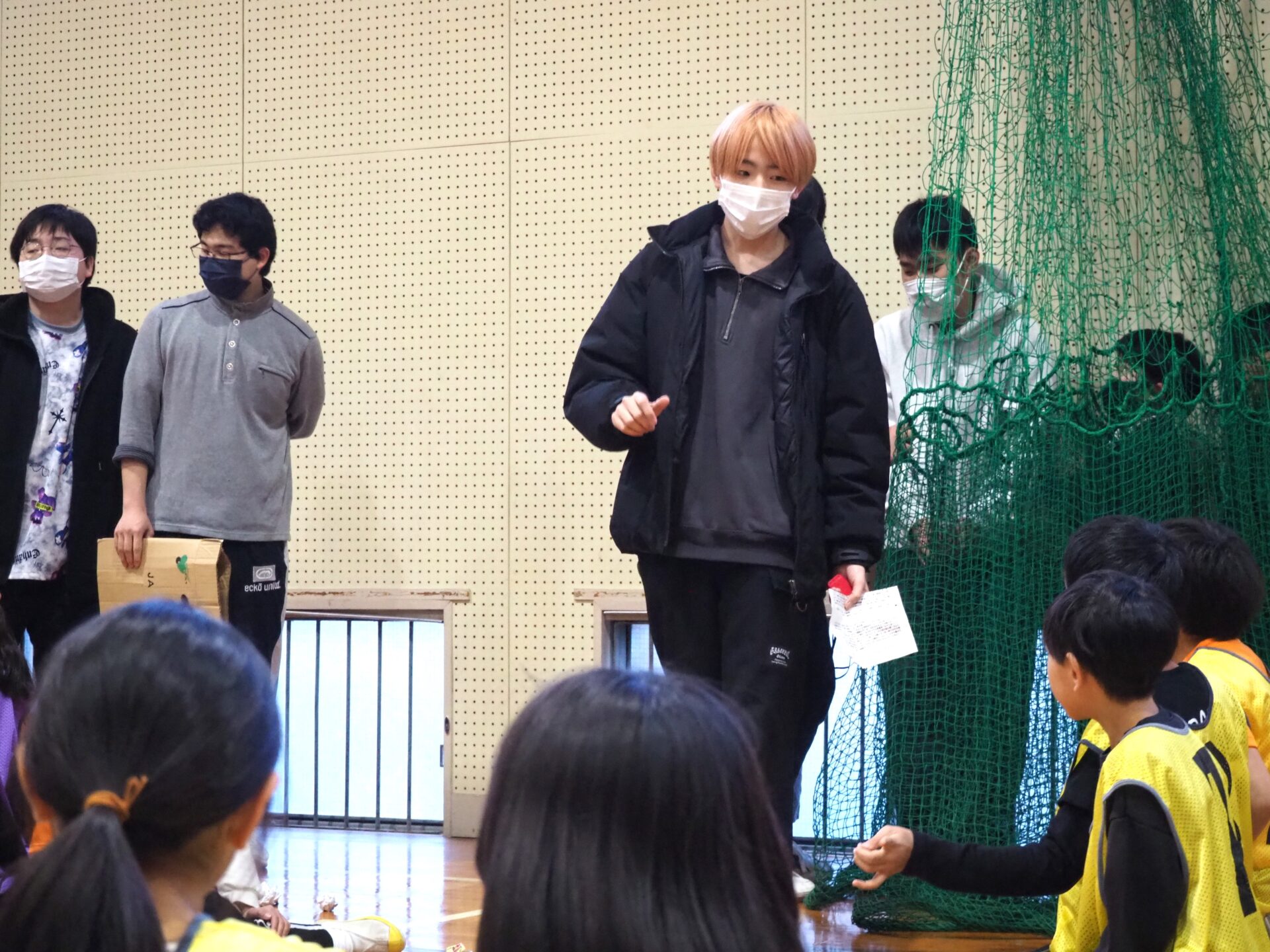
The leader who came up with the event was Yamamoto Daisuke.
Daisuke said, “I wanted to do something the children would enjoy while getting them moving.”
Can Capture
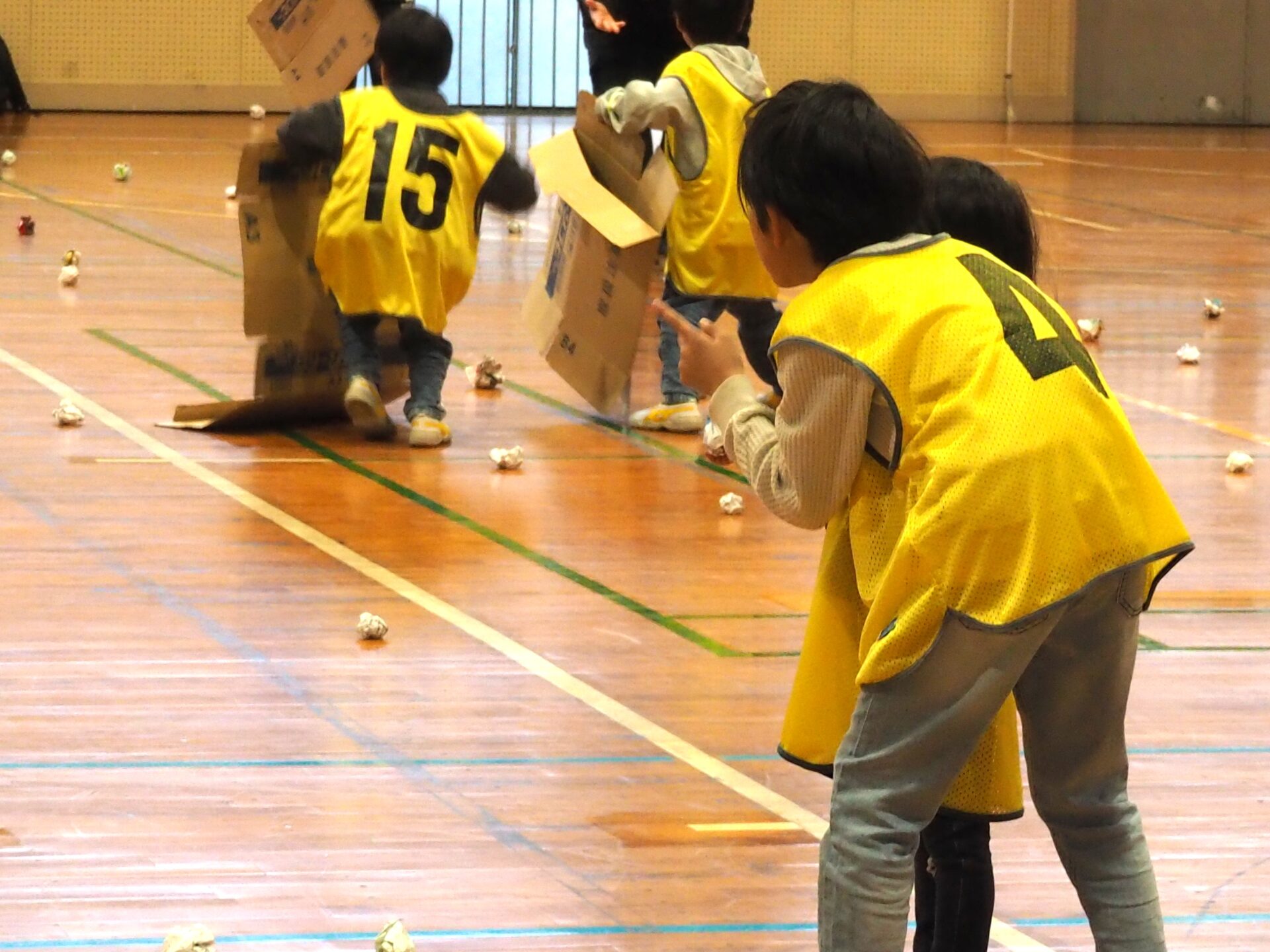
Can Capture was played in the gymnasium from 4 p.m.
The children split into a Meat Can Team and a Fish Can Team, and each team placed one of its cans in its territory. The rule was that a team lost if its can was taken.
They threw paper balls at each other, and anyone hit had to leave the playing area. Balls that hit the face or head did not count.
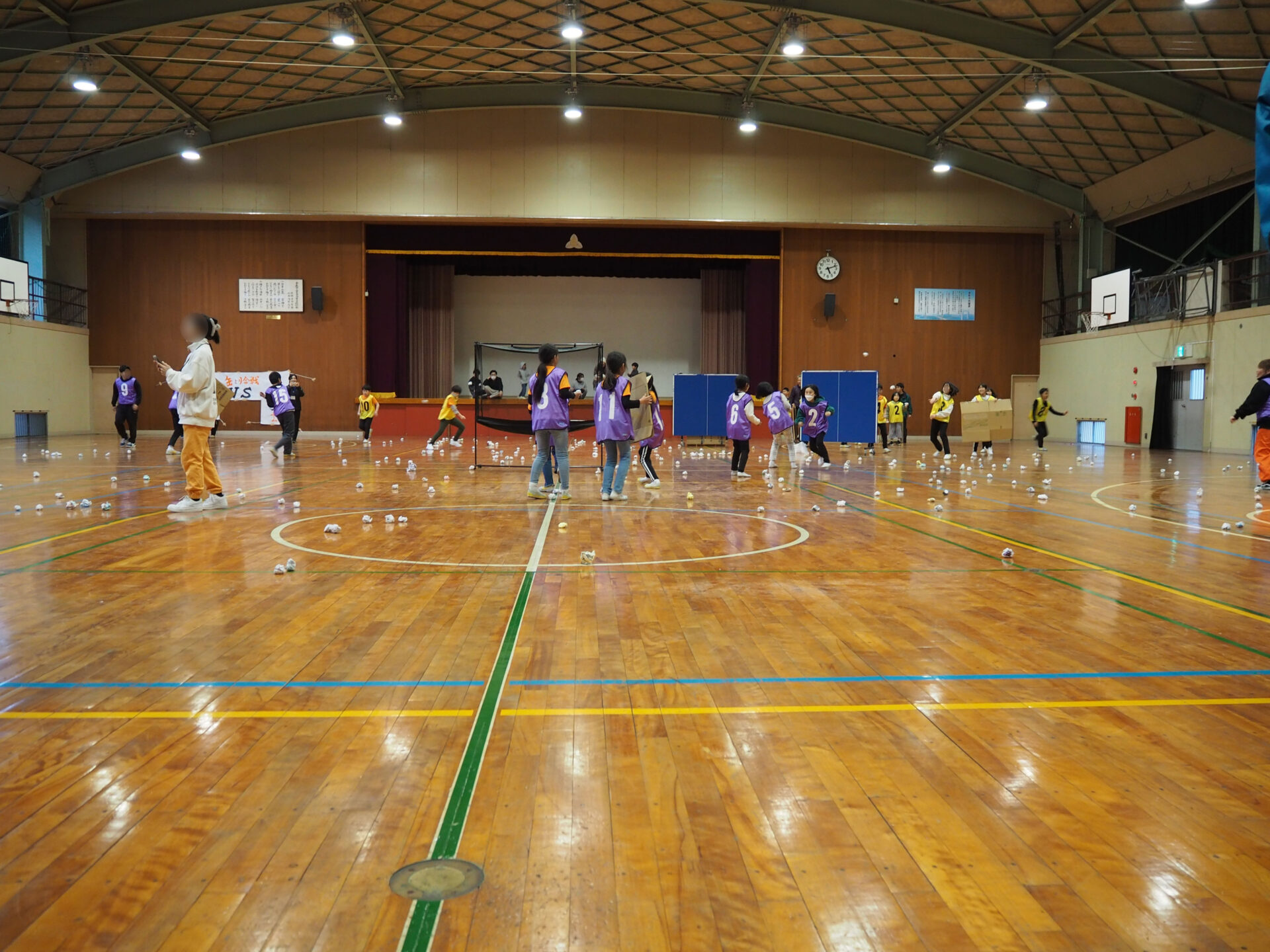
They advanced into the opposing team’s territory, dodging cardboard shields and movable obstacles (table tennis tables).
There were only two referees, so there were some things to reflect on regarding the win or loss. But they told us that the greatest achievement was that everyone had fun being active.
They also said that students from another grade had made the paper balls.
Hide-and-Seek in the Dark
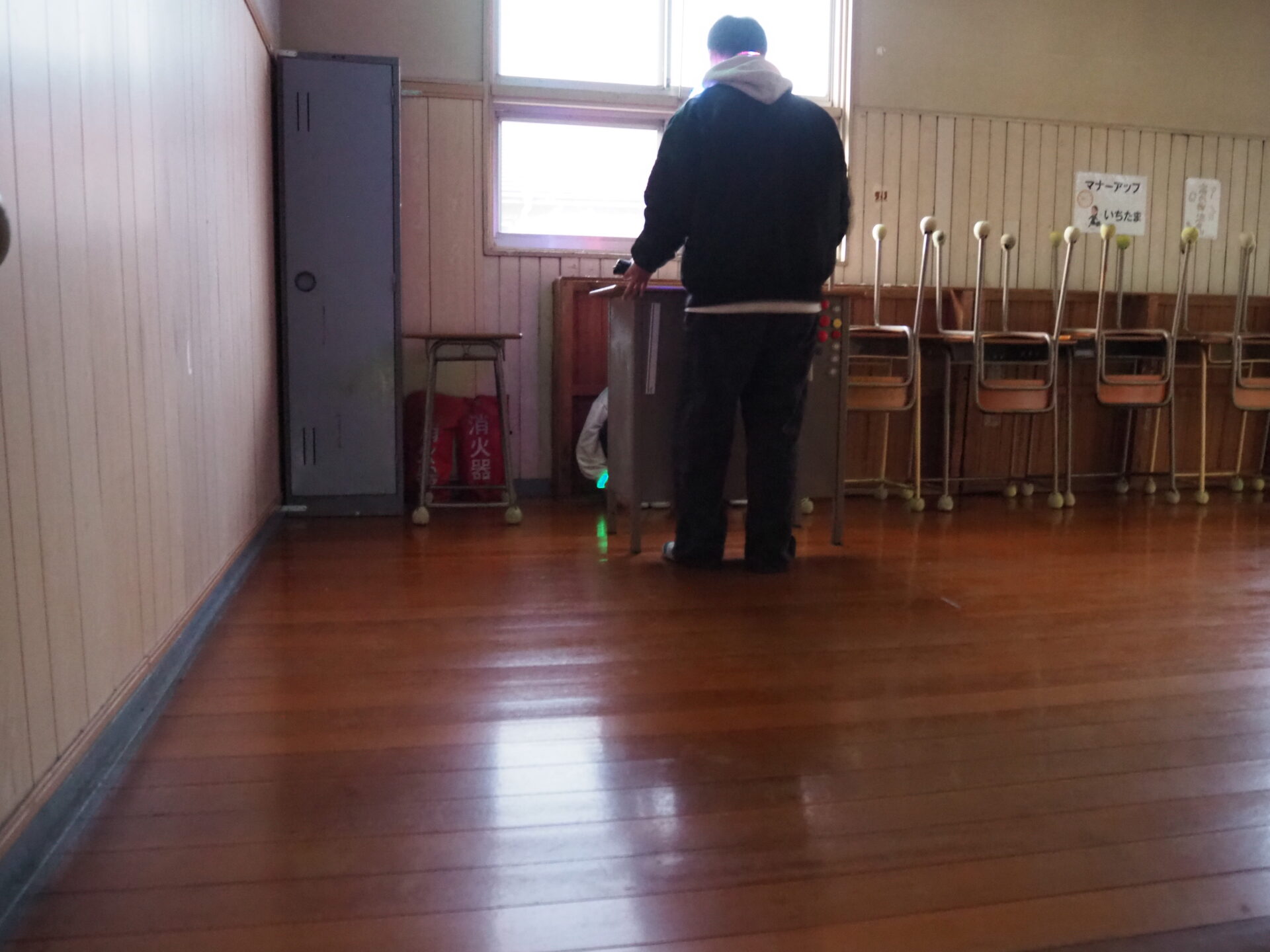
A nighttime game of hide-and-seek at a night high school—an activity unique to the school.
They decided which places, such as the music room, classrooms, and gymnasium, could be used for hiding, and put up handmade “No Entry” signs in off-limits areas such as the staff room and hallways.
At first, the high school students were “it” while the children hid. They had five minutes to hide, and the seekers had ten minutes to find them. Daisuke said it was difficult to find all the children hiding within the time limit.
Even the children who were found returned to the classroom shyly.
In response to the children’s request, “Next, we want to be it!”, the children took their turn as seekers.
They played hide-and-seek three times in all. The children’s eyes lit up as they enjoyed the unusual event of playing hide-and-seek at night in a school they normally couldn’t enter.
Bento Distribution at a Children’s Cafeteria
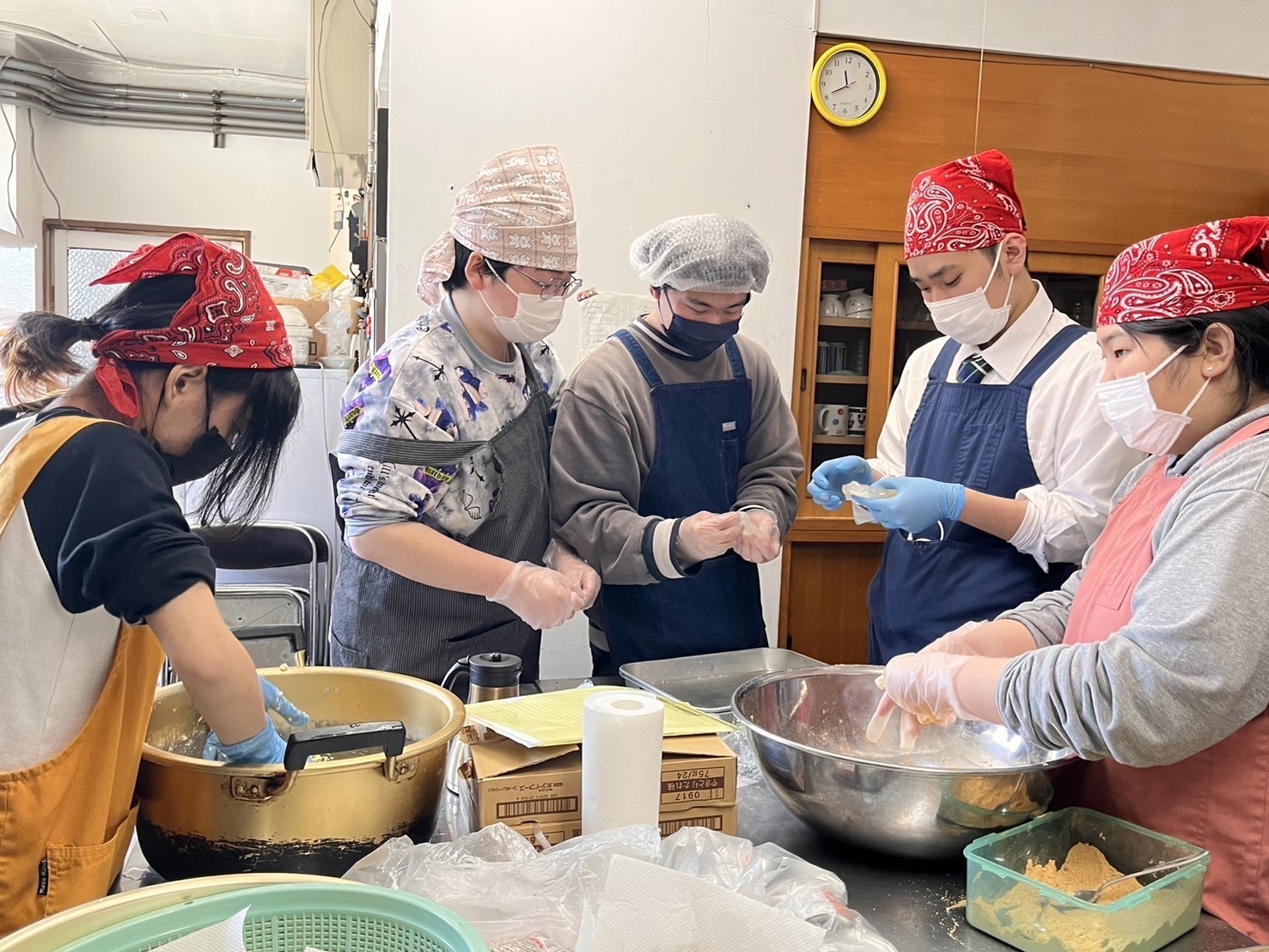
The final event was distributing bentos at a children’s cafeteria.
At the previous hide-and-seek event, the children had been given invitation tickets to receive bentos.
While looking for a local venue willing to help, members of the Tenrikyo Motae-no-Sato Branch Church, which holds a children’s cafeteria in Tamashima every month, kindly agreed to host the event and help prepare bentos for the children.
The event was held on March 3, 2024, at Children’s Cafeteria Aozora (Tenrikyo Motae-no-Sato Branch Church).
The event had three leaders: Miyake Takaaki, Matsuda Kaito, and Ide Toma.
The idea was originally proposed by many students, inspired by the desire to try eating a meal together made with Konohitokan canned food.
Starting at 10 a.m., the students divided up the work, preparing ingredients for the bentos and helping with the washing up.
Around 3 p.m., children accompanied by their parents came to pick up their bentos. Some of the children recognized the high school students and enjoyed chatting with them with smiles.
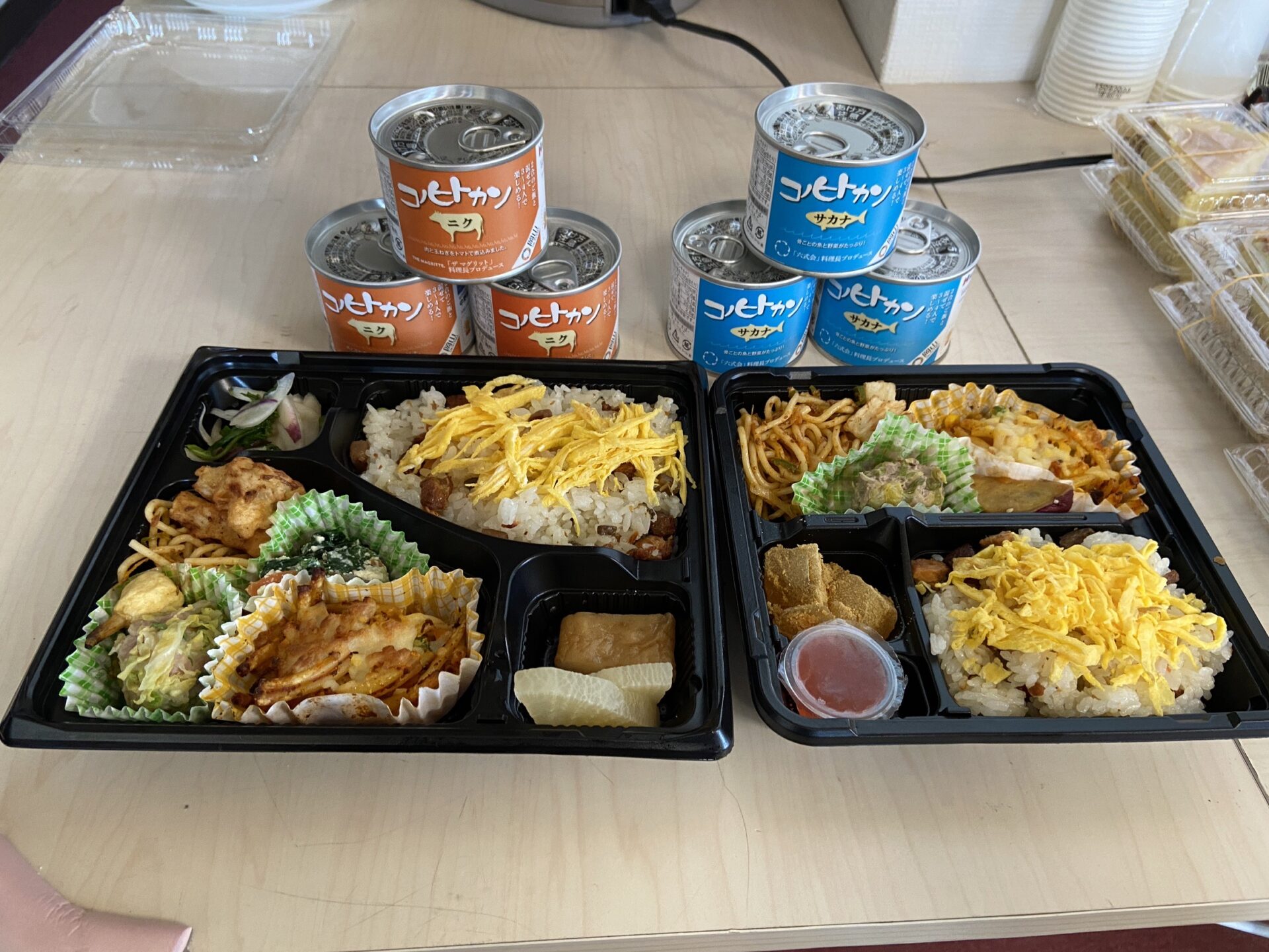
The students of Kurashiki Municipal Tamashima High School did everything they could, including holding Zoom meetings for children who found it difficult to leave home.
All these events were connected, and it even felt as if the students in the class were passing a baton from one to another.
The school-refusal support activities carried out by Kurashiki Municipal Tamashima High School over about six months came to a successful close.
What Each Person Felt
The students of Kurashiki Municipal Tamashima High School took on the challenging task of planning and carrying out school-refusal support activities.
We asked them how they felt about the project after it ended.
Leader Ishii Hiromu’s Thoughts
Please tell us how you feel now that the school-refusal support activities have ended.
Hiromu (surname omitted)
I started this thinking that perhaps there were things only those of us who had experienced school refusal could understand. But I hadn’t spent much time playing with children, so at first I was unsure how to talk to them.
But as I remembered what I was like as a child and interacted with them sincerely, we became friends.
Are there any school-refusal support activities you’d like to try in the future?
Hiromu
This time, the support activities focused heavily on play, but next time I’d like to spend more time interacting with the children and create an environment where they can learn while playing.
I’d like to play with them in a park, set aside plenty of free time, and hopefully build deeper relationships.
Deputy Leader Matsuo Satoru
Matsuo Satoru, the deputy leader who provided valuable support to the leader.
We asked Satoru about his thoughts.
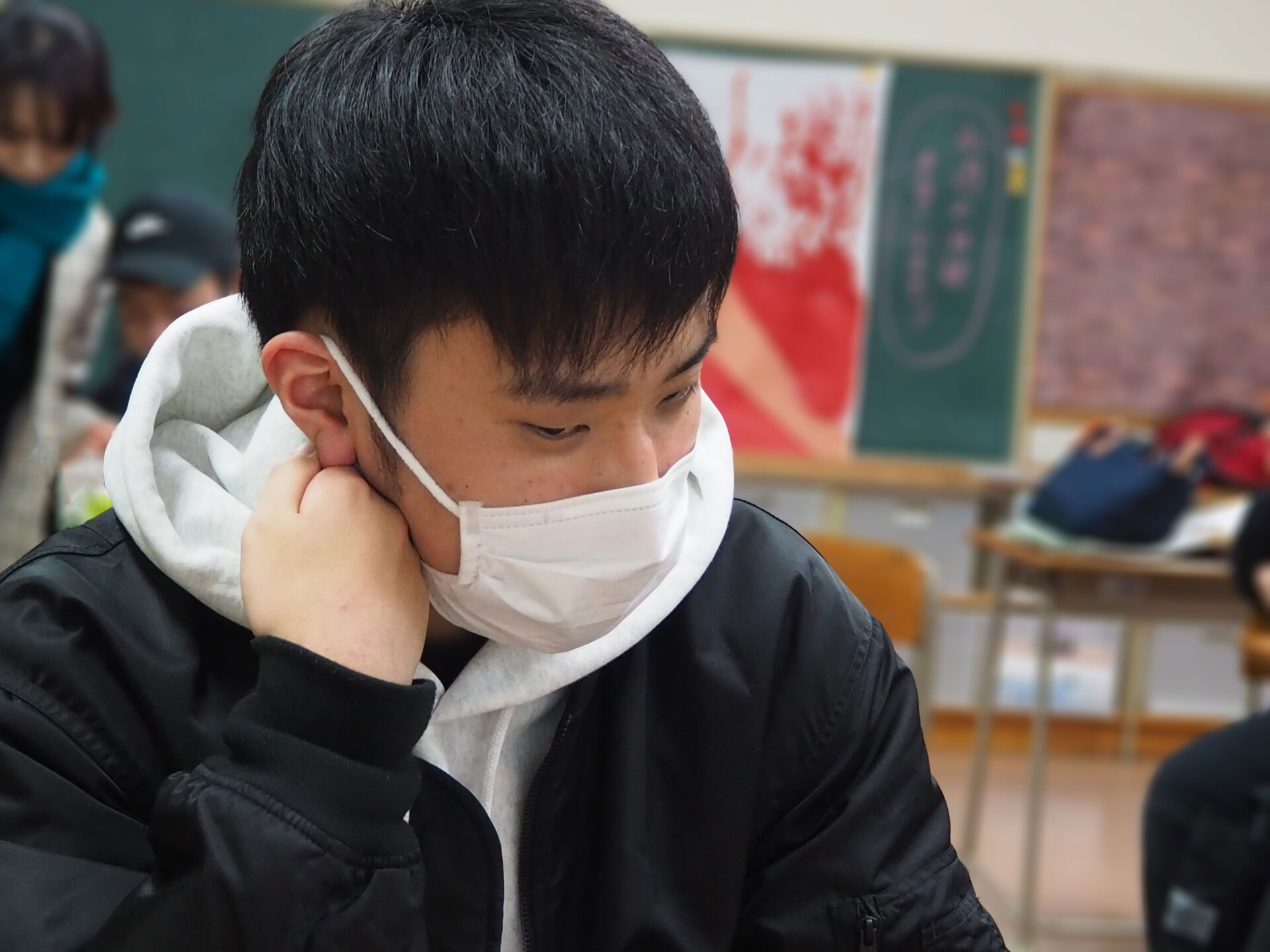
Please tell us how you feel about taking part in the school-refusal support activities.
Satoru (surname omitted)
I also stopped going to school when I was in junior high. When you’re not going to school, you feel very lonely. I thought it would be nice if I could do something for children going through that.
I think all the children who came to this event were brave. I wouldn’t have been able to go myself. I’d also like to thank all the adults who invited them.
Are there any school-refusal support activities you’d like to try in the future?
Satoru
Since many of this time’s activities were just one-day events, I’d like to try a long-term project.
If the children could spend a week attending classes at a high school, playing, and enjoying themselves for an extended period, I think they might come to feel that school is interesting.
Kurashiki Municipal Tamashima High School Teacher Okada Hidemasa
Finally, we asked Teacher Okada about his thoughts on this event.
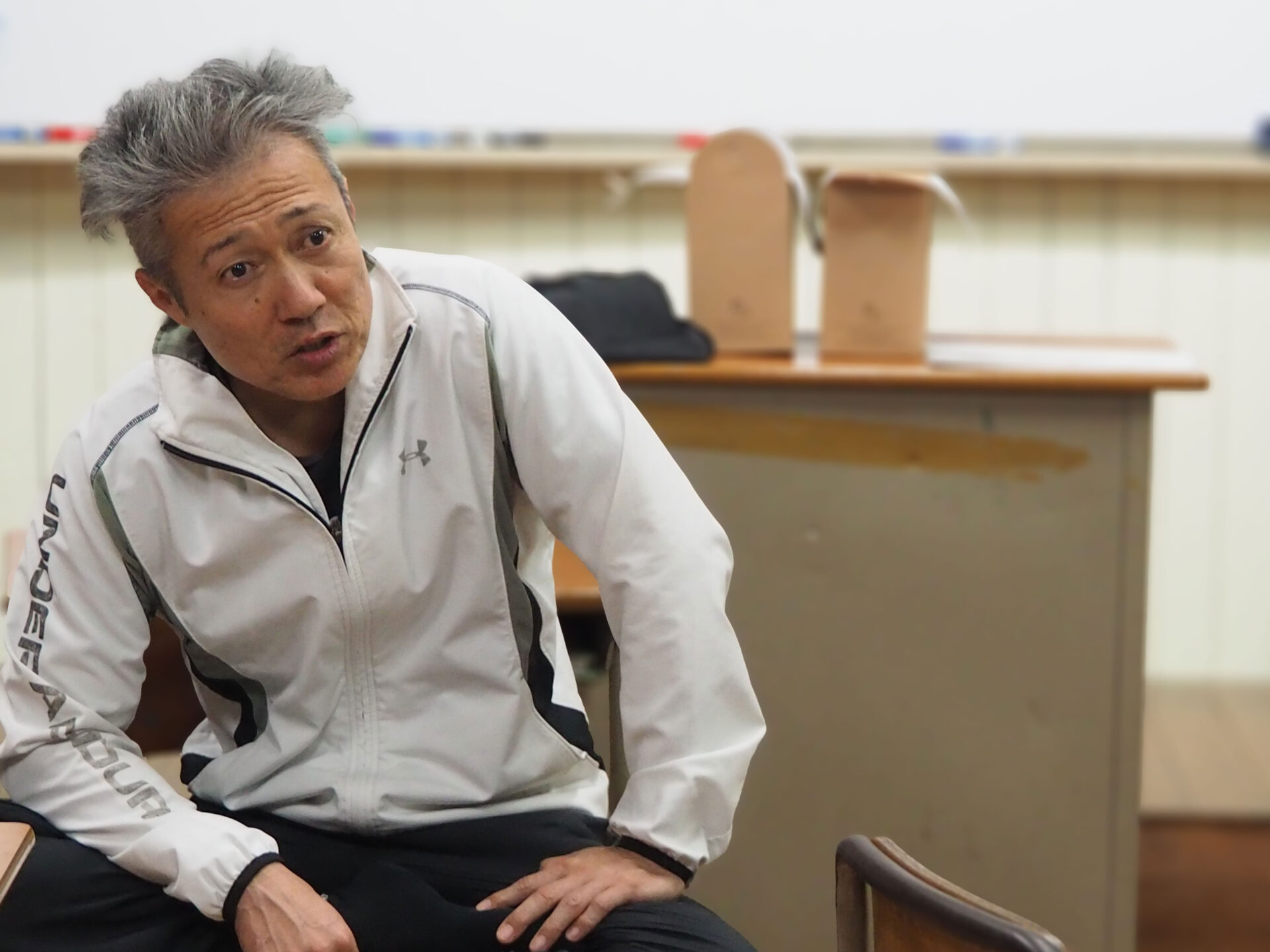
Why do you think the students were able to carry out these school-refusal support activities?
Okada (surname omitted)
This project wasn’t compulsory; the students planned it on their own initiative, so I think they were able to do things freely, the way they wanted.
It wasn’t a class, so there were no restrictions, and the teachers only offered help and support. I think that actually worked out well.
And this was a project that couldn’t have been done without the cooperation of local people.
I don’t think school-refusal support can be achieved through this project alone. The students must have experienced both good and bad things as they carried out the activities.
But it’s a fact that they were able to give canned food to many people, and by taking action themselves, the students realized that the future can change little by little.
And it has also inspired them to take action again.
It sounds like the students have changed through this activity. Finally, please tell us your thoughts.
Okada
One phone call from Miyoshi of the general incorporated association Konohitokan led to many miracles.
The 17 students who received the baton of passion from Miyoshi thought about what they could do and put it into action. Among the 17 were students who had overcome school refusal and were now attending school happily, as well as students who were still currently experiencing school refusal.
Perhaps because they are living their lives while struggling and suffering, they can understand other people’s pain.
The kindness the students shared with the children through this activity will surely reach other people in turn.
We teachers will do everything we can to support the students as they move forward one step at a time.
From the Writer
I also took part as a volunteer in the “2nd Konohitokan 1,000-Can Project Social Issues Resolution Contest,” so I had many opportunities to see the activities of students at Kurashiki Municipal Tamashima High School.
I was moved by seeing students who had struggled with presentations speak in front of everyone and put their thoughts into words, and work hard to attend school despite having often been absent, in order to make their dreams come true. They were steadily growing.
What I felt during the interviews was that many of the students are sensitive and kind-hearted.
But they spoke with lovely smiles, without hiding that they had stopped going to school, saying that there are things you can understand precisely because you’ve experienced school refusal, and things you can do, too.
Of course, some of this would not have been possible without the support of their teachers and the local people who watched over them with kind eyes.
Even so, it is wonderful that they were able to take action for themselves and with others in mind.
I, too, will continue to watch over the students’ bright future from the sidelines.
Kurashiki Municipal Tamashima High School Information
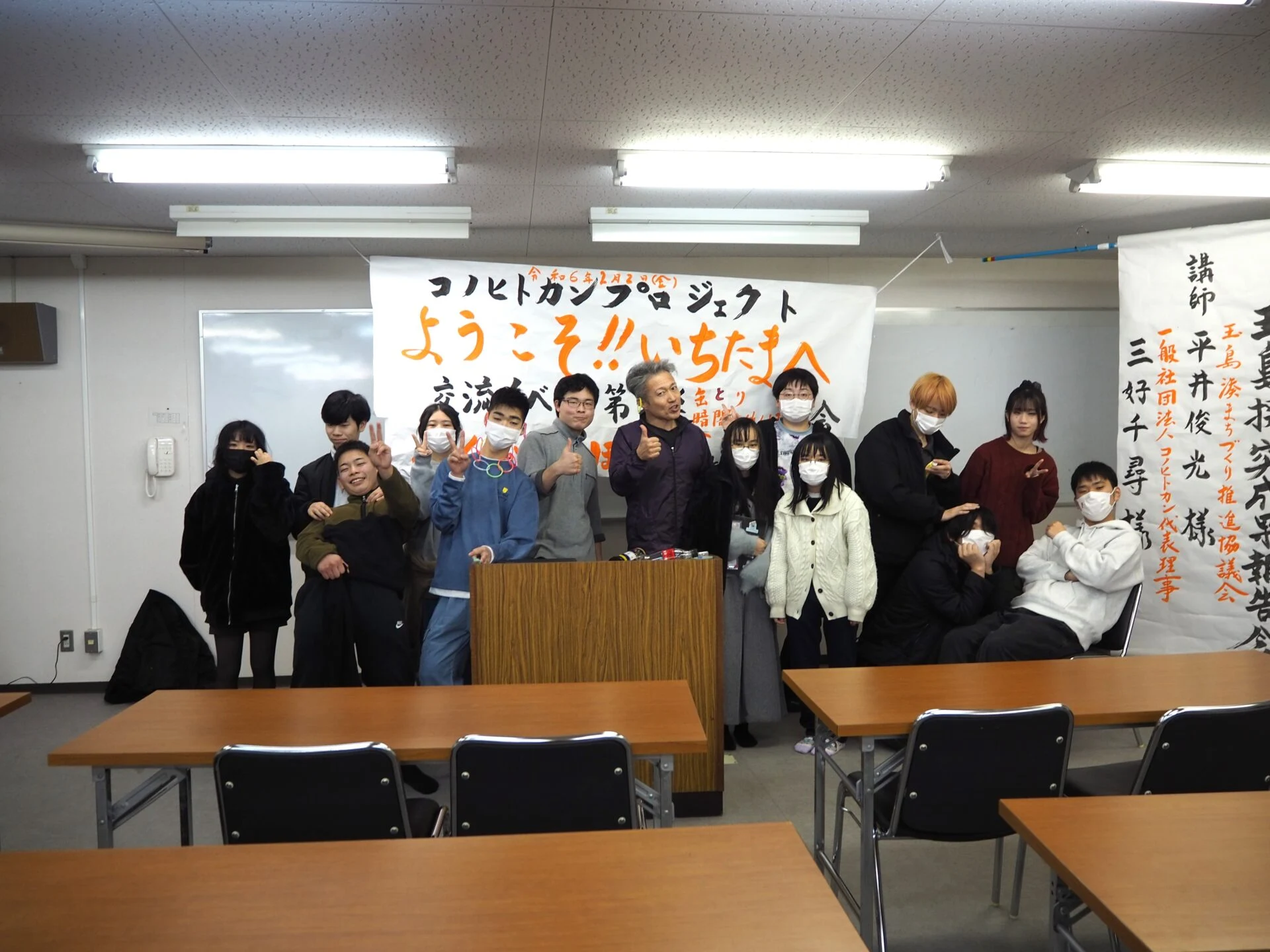
| Name | Kurashiki Municipal Tamashima High School |
|---|---|
| Location | 1-15-60 Tamashima, Kurashiki City |
| Website | Kurashiki Municipal Tamashima High School - Board of Education |



What would you like to know about Kurashiki?
Enter a word to search articles on this site