
Recently, I’ve heard that more high schools and universities are encouraging volunteer activities, and that some schools even award academic credit for them.
Some students may feel intimidated by volunteering, not know what they should do, or hesitate to take action.
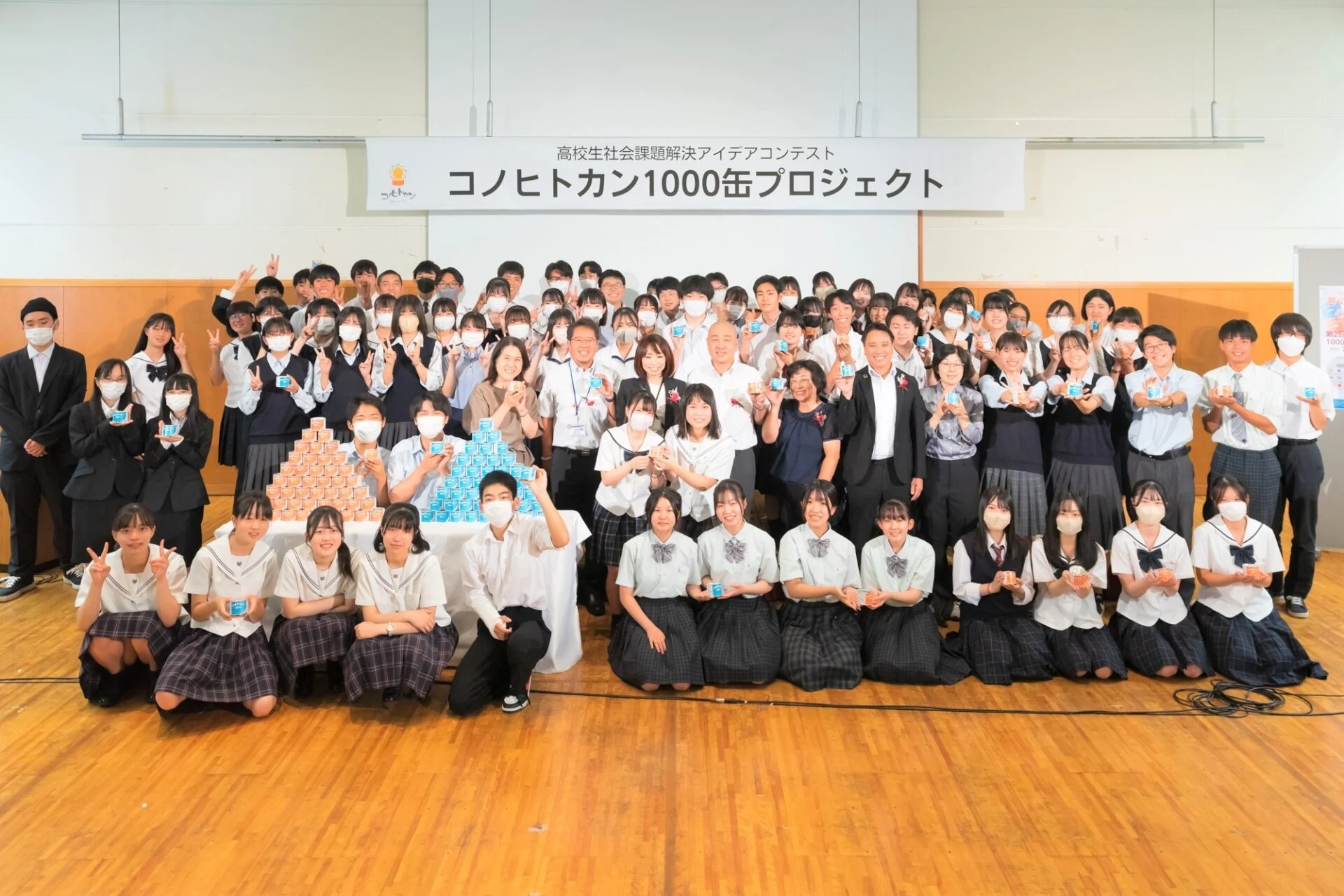
The “Konohitokan 1,000-Can Project” is a contest that invites high school students to submit and present ideas for solving social issues.
The project was conceived by Miyoshi Chihiro, representative of Konohitokan General Incorporated Association, who wanted to provide a place where high school students could shine.
It’s exciting to think that ideas we come up with ourselves could be put into practice in society.
What kinds of ideas did the high school students come up with and present?
Here’s a detailed look at the day of the “Konohitokan 1,000-Can Project Contest.”
The information presented was current when this article was published in August 2023. Please note that it may differ from current information.
What is Konohitokan?
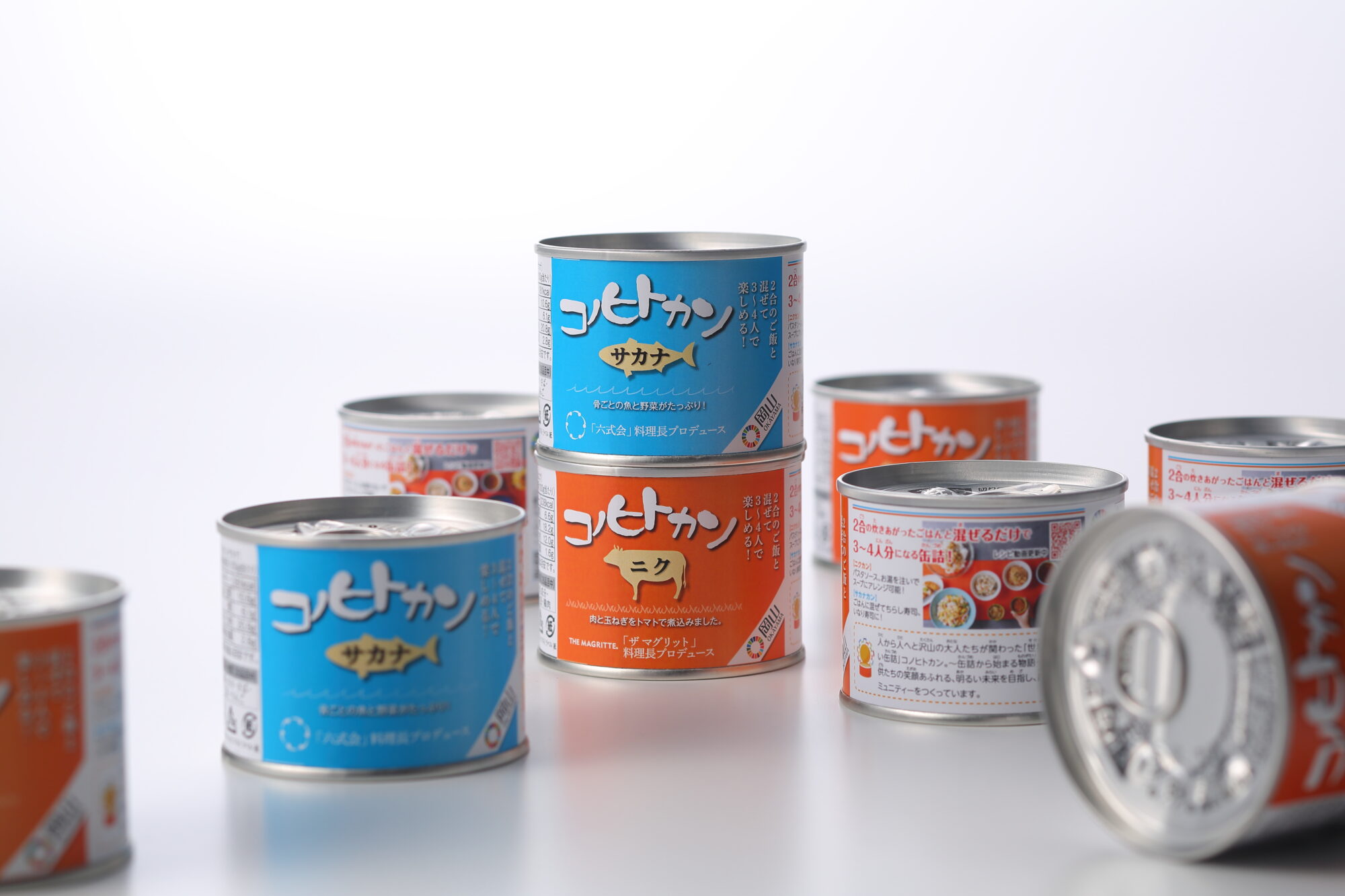
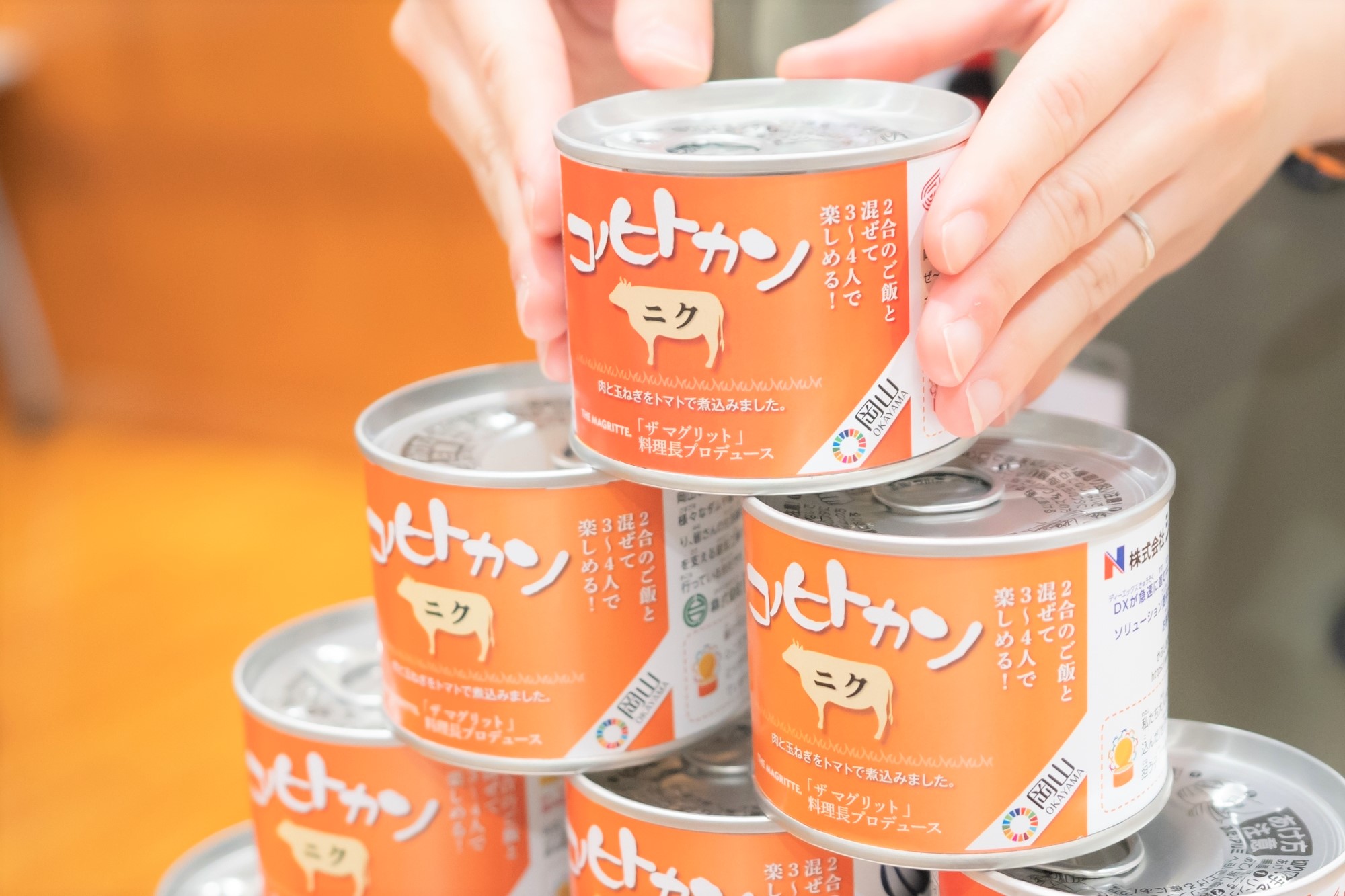
Konohitokan is the warmest canned food in the world, filled with the thoughts and feelings of many people.
Ingredients that are still edible but would otherwise be thrown away are put to good use and transformed into canned food under the supervision of head chefs in Okayama Prefecture.
There are two varieties, “Nikukan” and “Sakanakan.” Simply mix either one into freshly cooked rice to easily make a meal for three or four people.
With support from companies and individuals, the cans are distributed free of charge twice a year to children’s cafeterias and children’s homes through social welfare councils.
The project works to raise awareness of food loss and poverty, and to deliver warm thoughts to children through the connections between food and people.
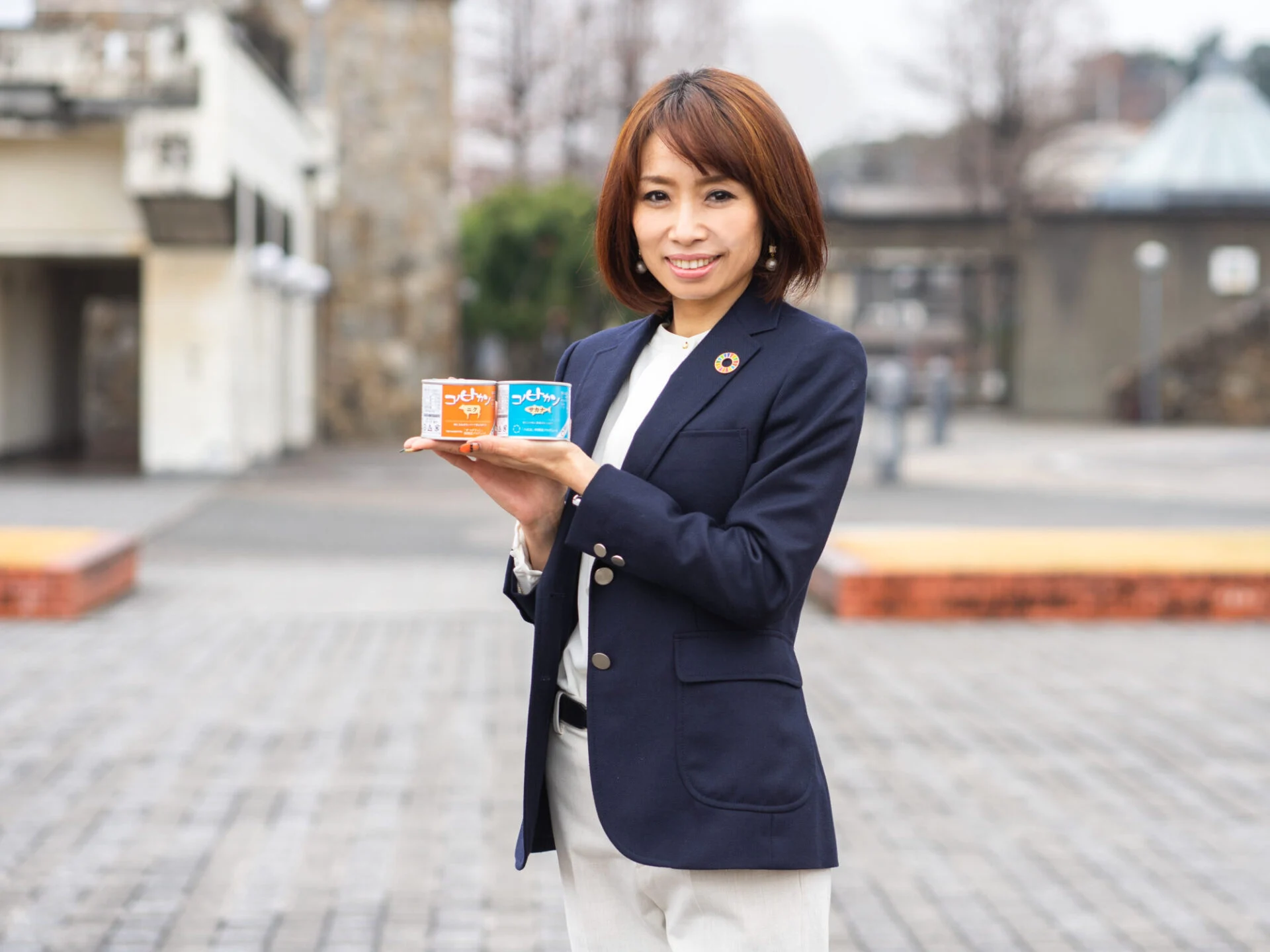
What is the Konohitokan 1,000-Can Project?
The Konohitokan 1,000-Can Project is a contest organized by Konohitokan General Incorporated Association. High school students in Okayama Prefecture use the canned food “Konohitokan” to develop and present ideas for solving social issues.
The winning teams put their ideas for solving social issues into practice after receiving their awards.
The high school students’ activities continue even after they win an award.
The second Konohitokan 1,000-Can Project gets underway
The first Konohitokan 1,000-Can Project was held on November 19, 2022.
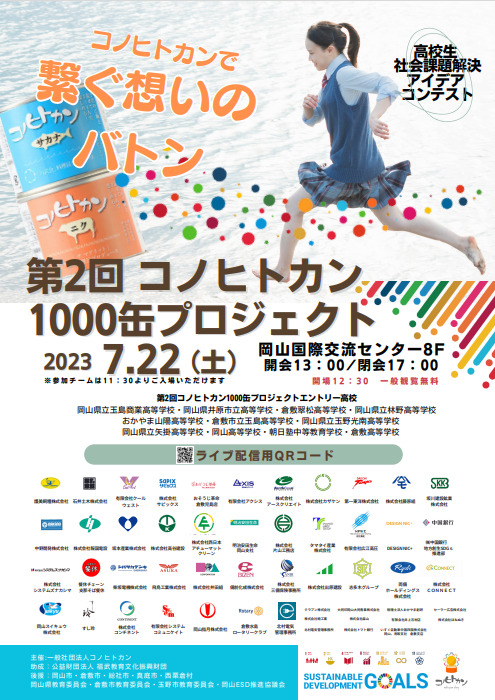
The second contest was scheduled for July 22, 2023, and when high schools were invited to participate, 55 teams from 11 schools applied.
Some high schools took part with entire grades or classes, as students across Okayama Prefecture used Konohitokan to think about how they could solve social issues themselves.
Representative Miyoshi says that during the first-round judging, some of the students’ ideas were projects adults would never have thought of, and she wished every team could have presented.
Finalist teams selected!
Twenty teams advanced to the final after making it through the first round of judging, which began with 55 teams.
The selected teams are listed below, in presentation order.
| High school | Team name | Title |
|---|---|---|
| Okayama Prefectural Tamashima Commercial High School | TEAM Tamasho ③ | “Making the community happy with Konohitokan” |
| Okayama Prefectural Ibara Municipal High School | Everyone’s School Lunch Room | “Everyone’s School Lunch Room PROJECT” |
| Okayama Prefectural Hayashino High School | Let’s delivery | “Delivering Konohitokan to older people” |
| Okayama Prefectural Tamano Konan High School | Team S | “Close-knit connections, cultural exchange, Konohitokan!” |
| Kurashiki High School | We can do it | “Konohitokan Project” |
| Okayama Prefectural Yakage High School | Yakage Inquiry Team | “Let’s take the initiative and get moving!” |
| Okayama Sanyo High School | Second-year Culinary Arts Students | “A society where we can enjoy food with those around us, starting from Sanyo” |
| Kurashiki Suisho High School | Association for Passing Down 800 Years of Shiraishi Odori | “Preparing for New Year’s on Shiraishi-jima Island” |
| Okayama Prefectural Tamashima Commercial High School | TEAM Tamasho ⑧ | “Revitalizing Tamasho—Satisfied with Konohitokan” |
| Okayama Prefectural Hayashino High School | The Team Back to the Future | “Spread far and wide, to the world! Bring a bright future!” |
| Okayama Prefectural Tamano Konan High School | Team D | “Mom’s Smile Project” |
| Kurashiki Municipal Tamashima High School | “The Kind-Hearted Straw Millionaire” in Tamashima | “School education that leaves no one behind” |
| Okayama Sanyo High School | Sanyo 1 | “Toward a society where people can live healthily through food and nutrition” |
| Okayama High School | Spiders, Class 4 | “The Konohitokan story, expanded through partnerships” |
| Kurashiki High School | Plant Can | “A breathing can: The relationship we should have with plants” |
| Okayama Prefectural Tamano Konan High School | Team G—Team Global | “Let’s all enjoy cooking” |
| Okayama Prefectural Tamashima Commercial High School | TEAM Tamasho ⑥ | “A healthy future filled with smiles through Konohitokan” |
| Okayama Prefectural Hayashino High School | Barley Girls? | “Energize Mimasaka with pearl barley and Konohitokan!” |
| Asahijuku Secondary School | Give Dream Food ASAHI | “A red light for children’s tears” |
| Okayama Prefectural Yakage High School | Yakage Studies Team | “Konohitokan for school lunches” |
Judging criteria
The judging criteria are as follows.
- Social contribution (ability to engage others): Does the project aim to solve social issues by making use of Konohitokan?
- Feasibility (sustainability): Can the project actually be carried out? Can it be continued, considering factors such as cost and workload?
- Use of Konohitokan (ideas): Does the project make use of Konohitokan’s features while offering a fresh, original idea?
- Resonance (connections): Is the project one that many people can relate to and want to participate in or support as it is put into practice?
- Storytelling: Konohitokan is made by purchasing surplus ingredients, preparing and canning them, and delivering them to people in need of food. Does the project convey the thoughts and stories of the many people involved, or develop them further?
- Presentation: Is the presentation persuasive, expressive, and impactful?
Awards
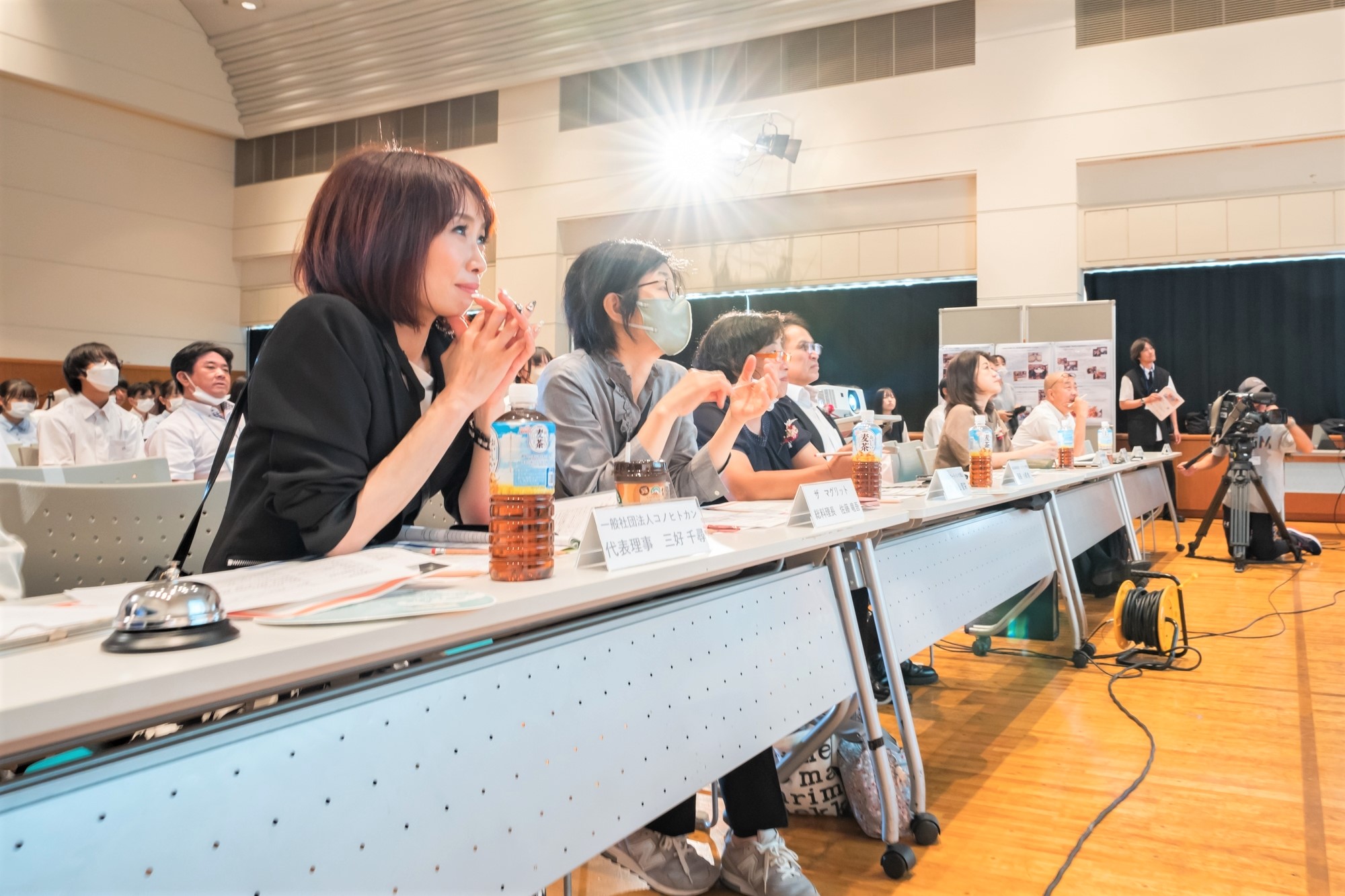
Seven judges select the winning teams according to the judging criteria.
Each winning team receives 100 to 200 cans of Konohitokan and is required to carry out its idea after receiving the award.
The day of the second Konohitokan 1,000-Can Project
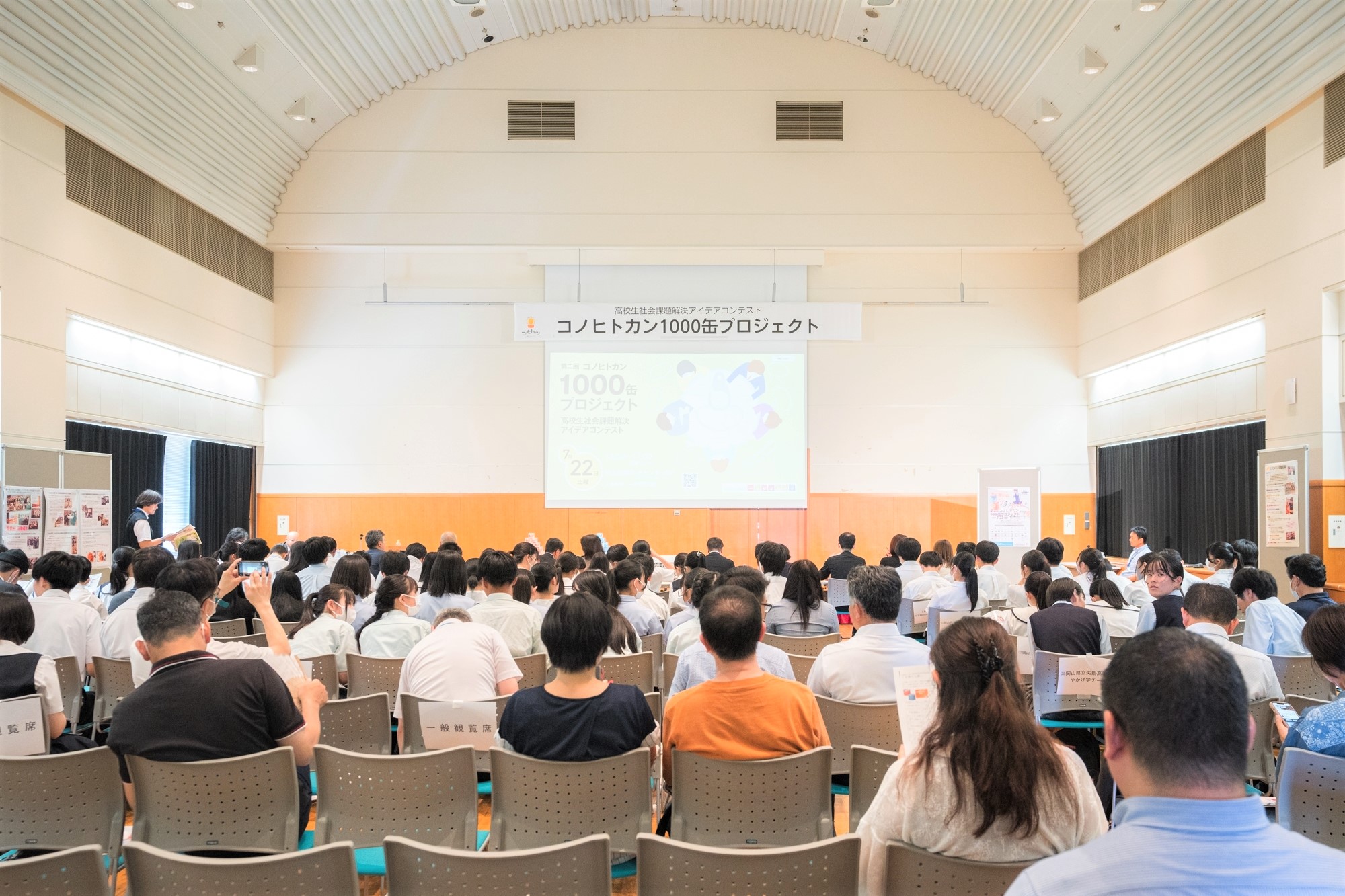
The “Second Konohitokan 1,000-Can Project: Social Issue-Solving Ideas Contest” was held on July 22, 2023, at the Okayama International Center.
I also took part as a volunteer that day, so here’s a look at what happened.
Rehearsal
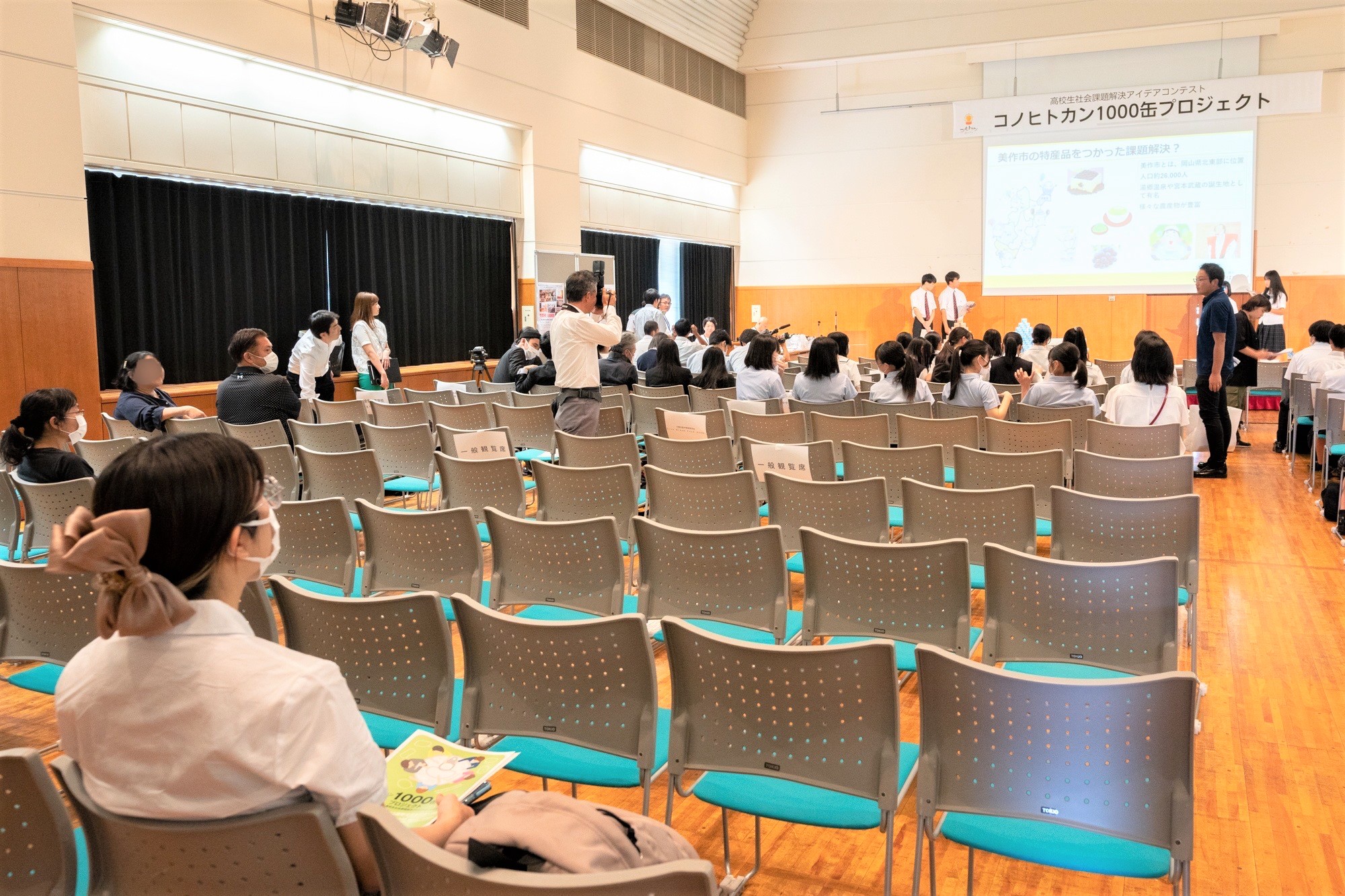
At 10 a.m., volunteers and organizing committee members began setting up the venue under the direction of the executive committee chair and team leaders.
Just after 11 a.m., as preparations began to take shape, high school students started arriving at the venue in small groups.
Rehearsals were on a first-come, first-served basis, so the schools began preparing as soon as they arrived.
The students checked their slides and tested the microphones with nervous expressions, making final adjustments for the main event.
Presentations
The opening ceremony began at 1:30 p.m.
After greetings from the organizers and guests, and introductions of the judges, the presentations began right away.
Each presentation lasted five minutes, and a bell rang when time was up.
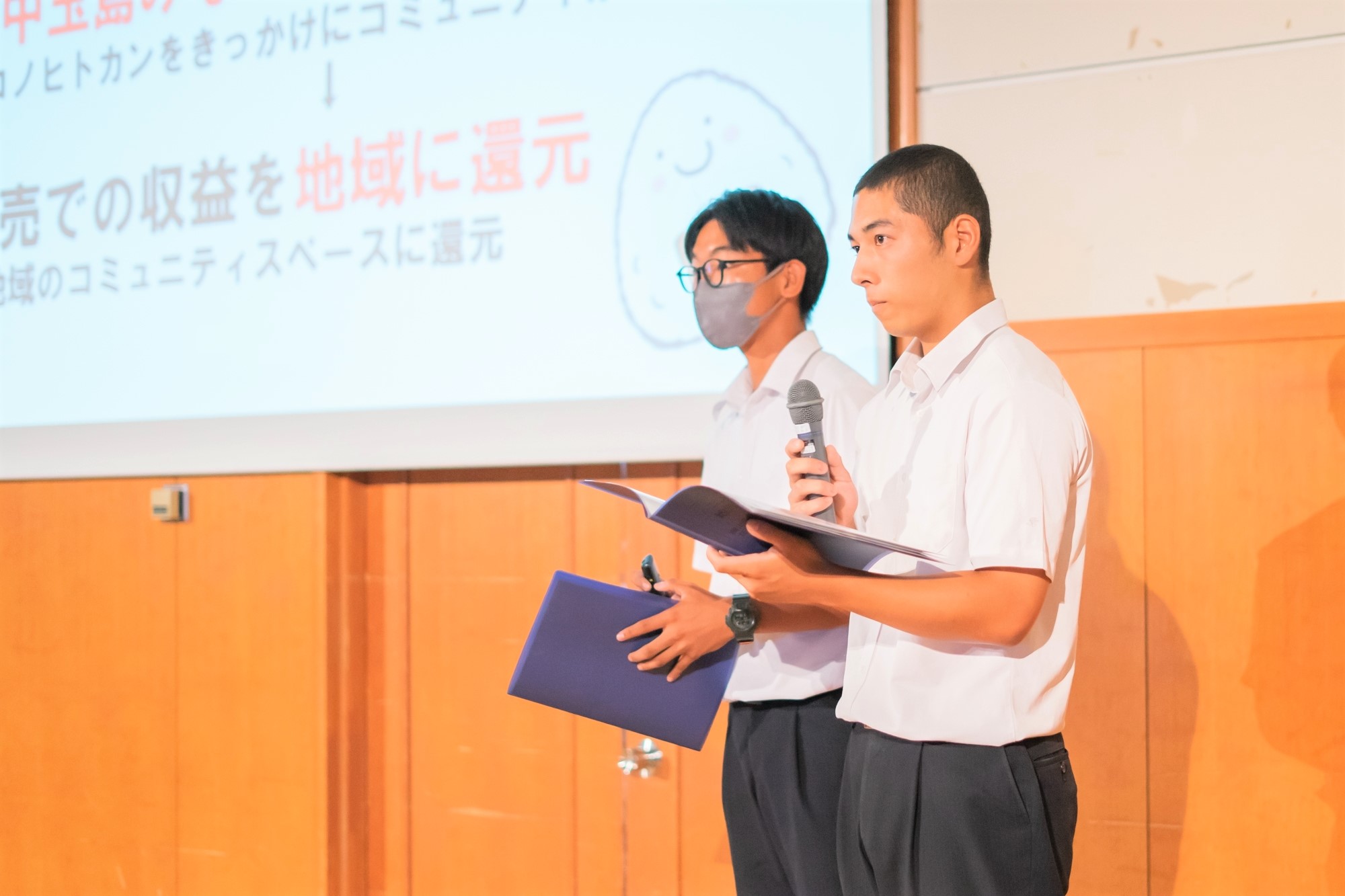
About 180 people came to watch the high school students’ presentations.
Though nervous, the students stepped up to the front of the stage, gripped the microphone, and began their presentations.
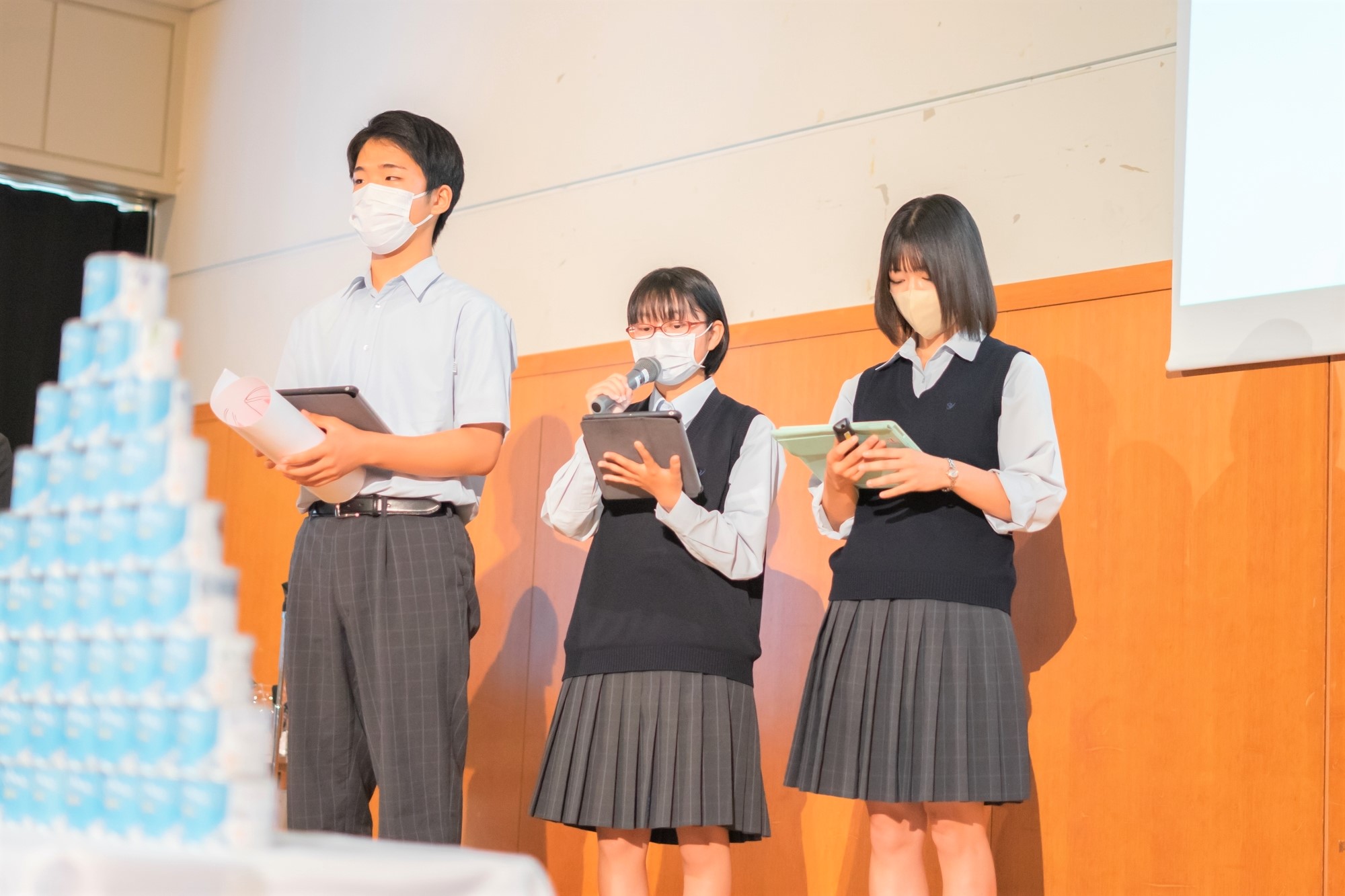
They explained their ideas using slides and presented confidently, even as they kept an eye on the time.
The judges also seemed to enjoy watching the students’ presentations.
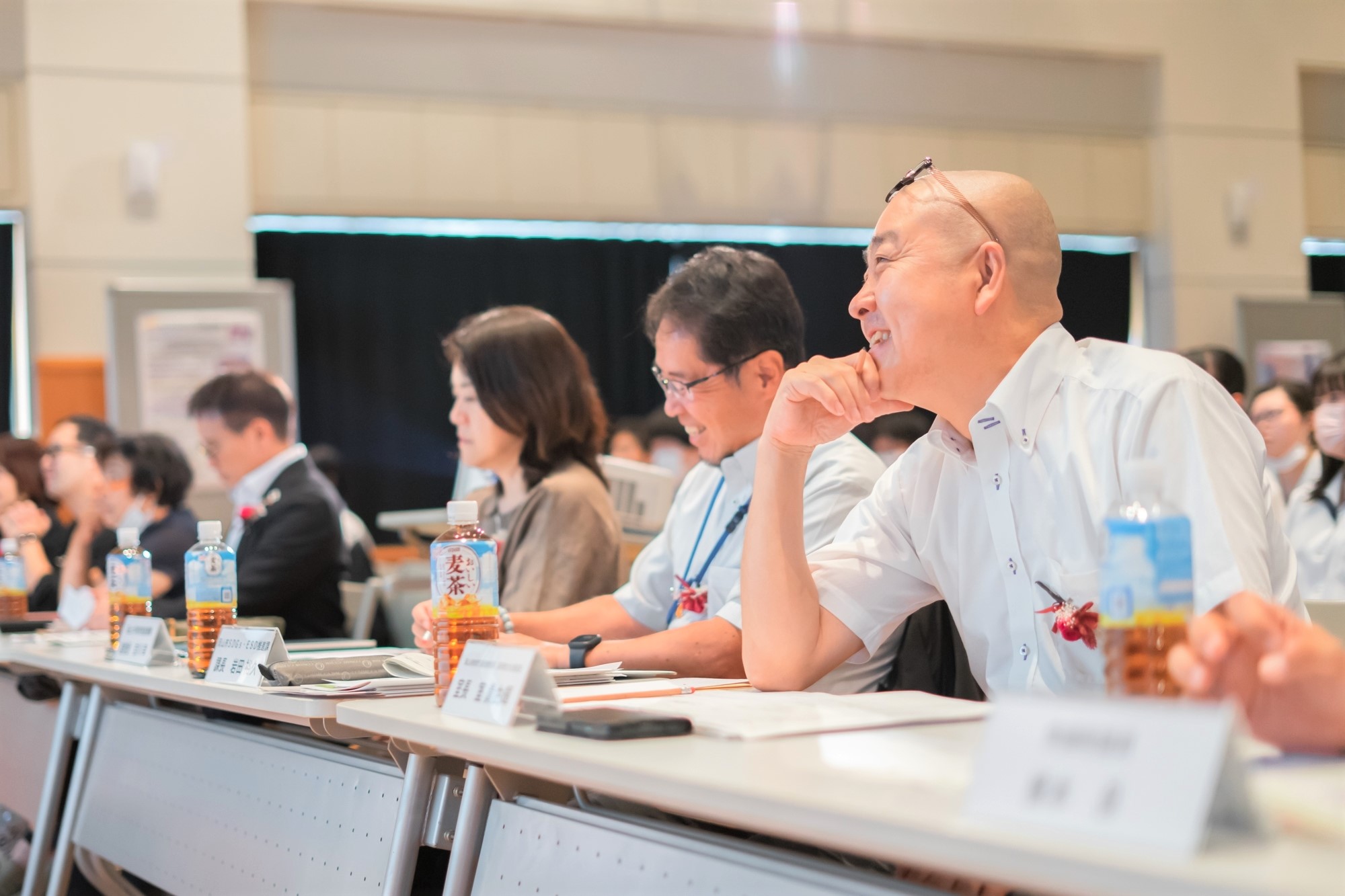
The presentations by all 20 teams were over in no time.
We’ll introduce the ideas they presented and the teams that won awards later.
Report on the Winning Teams of the First Konohitokan 1,000-Can Project
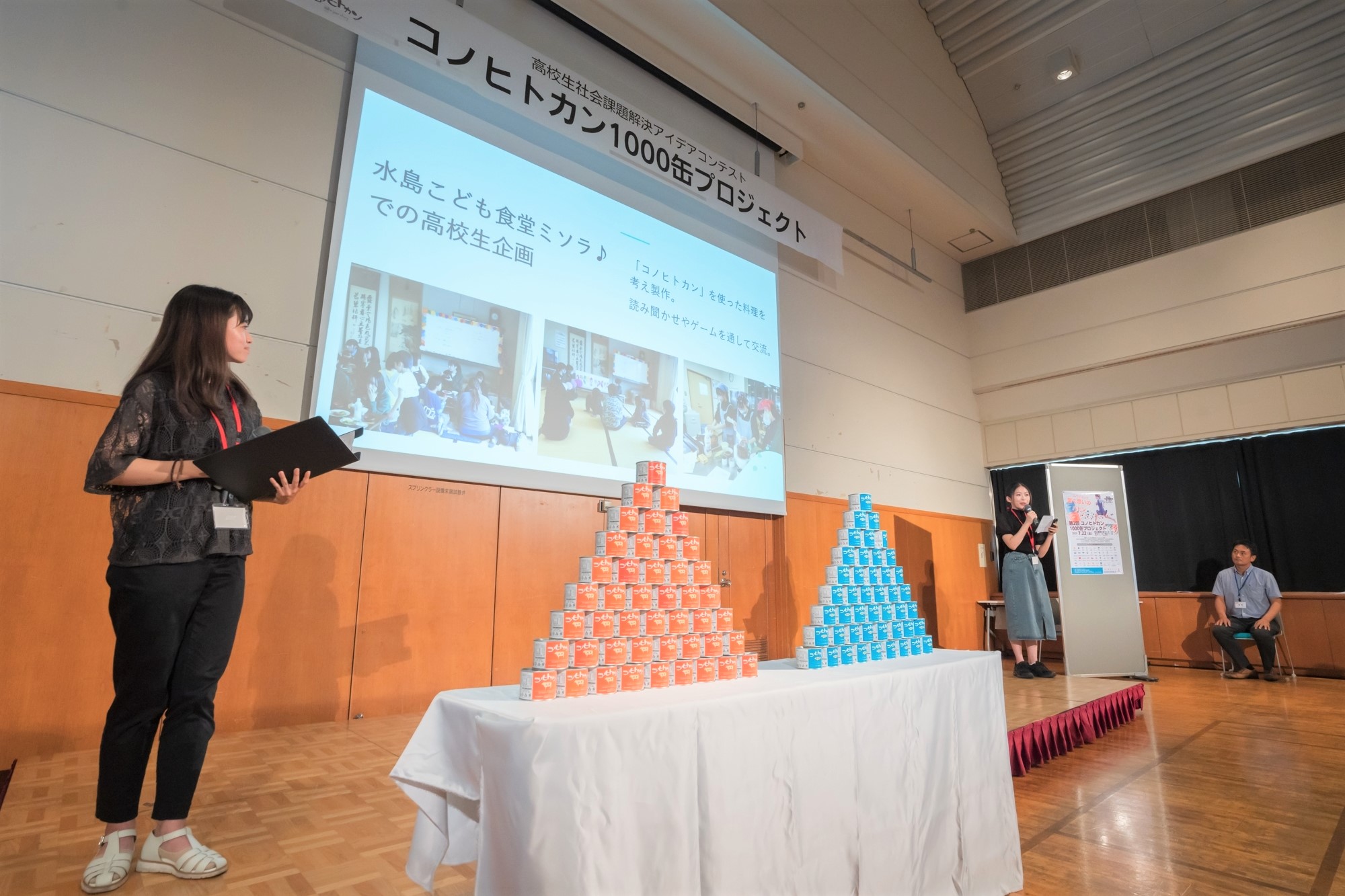
While the judging results were being tallied, university student volunteers reported on their support for last year’s winning teams.
The winning high schools and teams from last year were as follows.
Winning Teams of the First Konohitokan 1,000-Can Project
| High School | Team Name | Title |
|---|---|---|
| Okayama Prefectural Tamano Konan High School | SDGs Study Group | “Disaster Meal Training with Konohitokan” |
| Okayama Prefectural Kojogaike High School | Wasshoi! Tokaz | “Children’s Cafeteria × Konohitokan” |
| None | #Okayama JKnote | “Hungry Students, Satisfied in Seconds! The 10-Yen Morning Project” |
| Okayama Prefectural Tamashima Commercial High School | TEAM Tamasho | “HAPPY-CAN Konohitokan: Making Our Community HAPPY with Konohitokan” |
| Notre Dame Seishin Gakuen | Seishin Girls’ High School | Team ♡ Nadeshiko: “Flying Konohitokan” |
Perhaps the high school students listened to the report on the first project while imagining their own activities in the future.
High School Student Networking Event
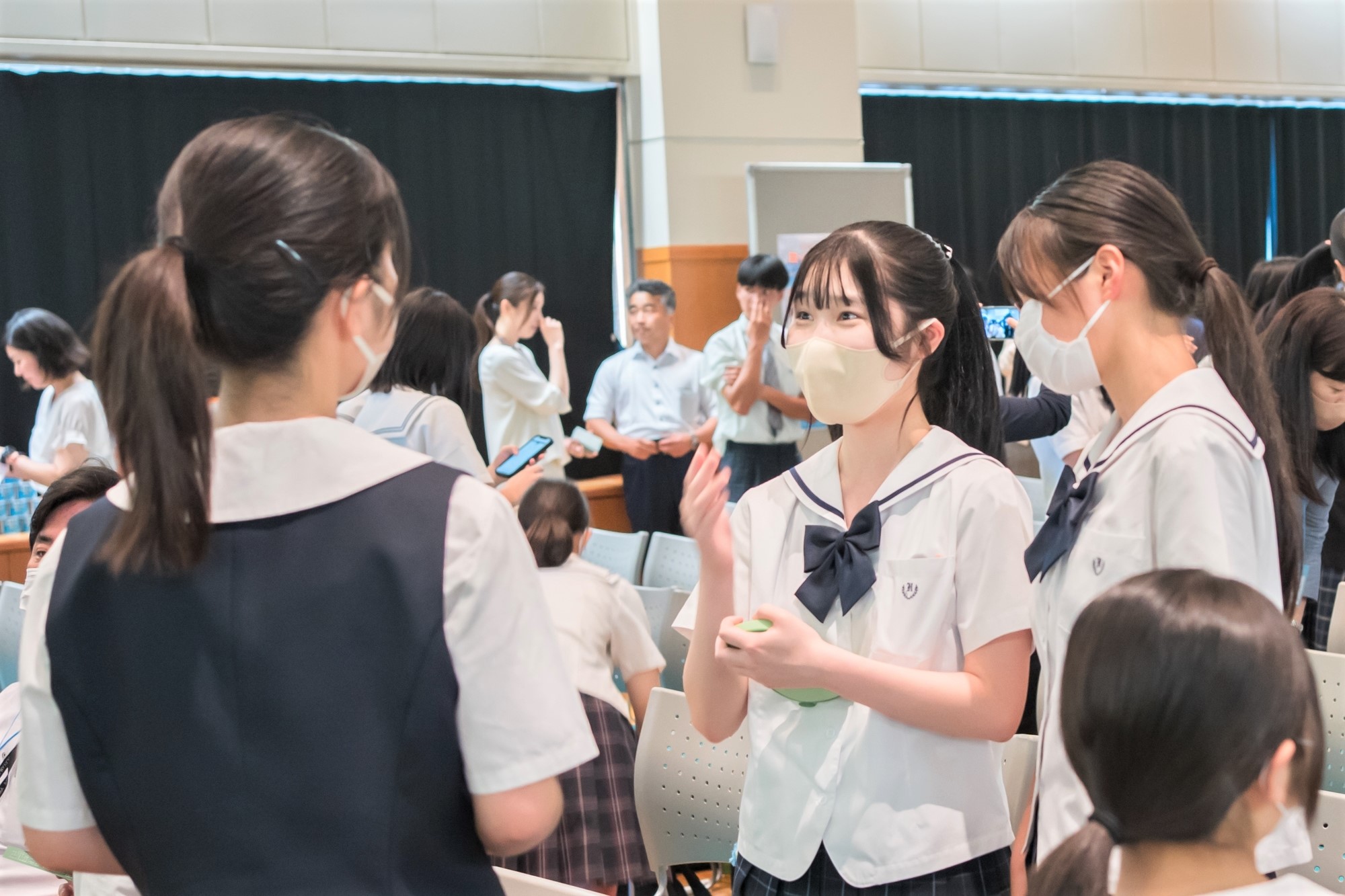
The networking event, which was popular at the first 1,000-Can Project, was held again for the second project.
It was a valuable opportunity for high school students who rarely get to meet to share their thoughts on one another’s ideas and exchange ideas and information.
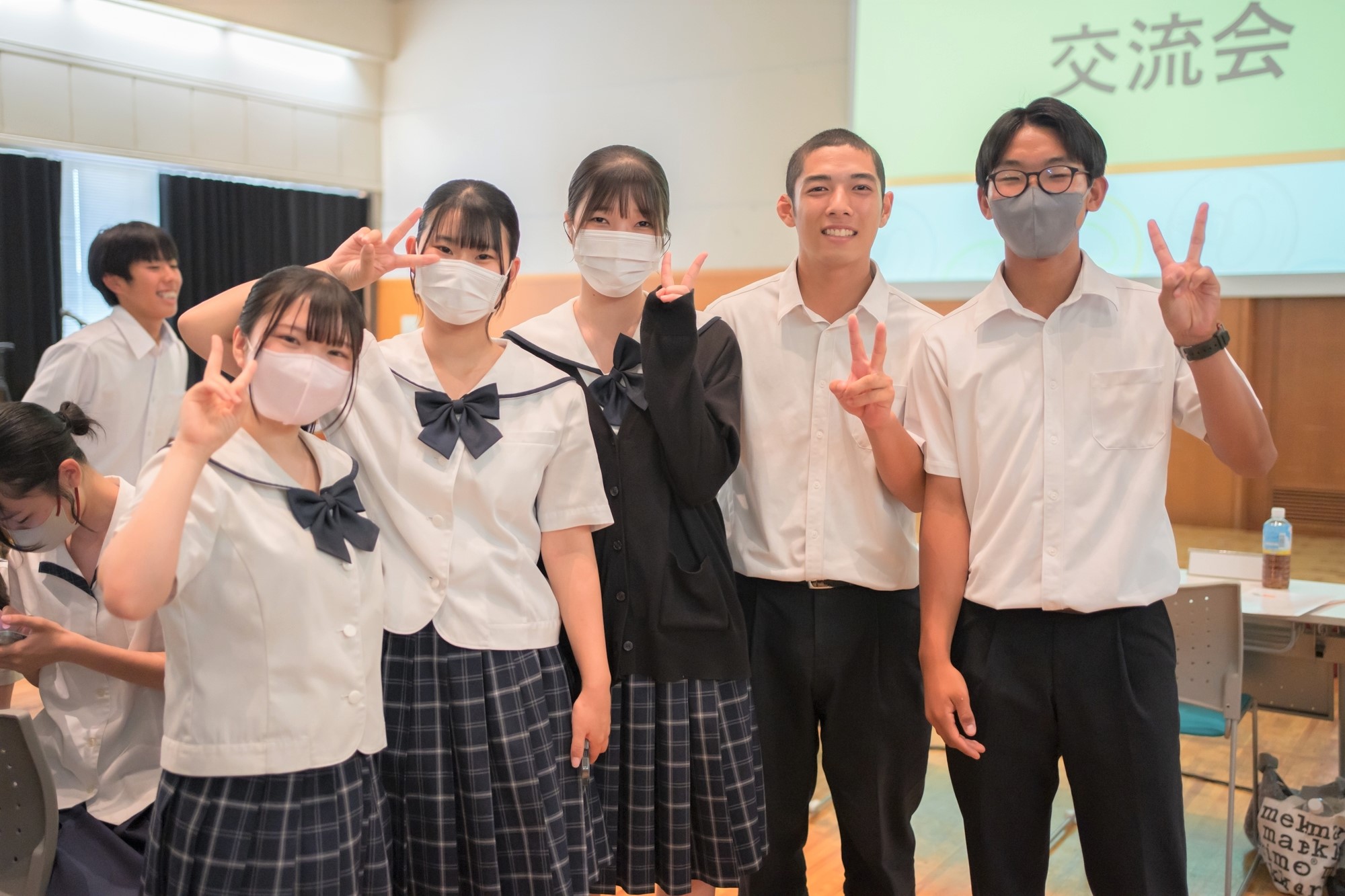
Perhaps relieved after finishing their presentations, the students relaxed and spent time as they pleased, chatting with students from other schools and taking photos.
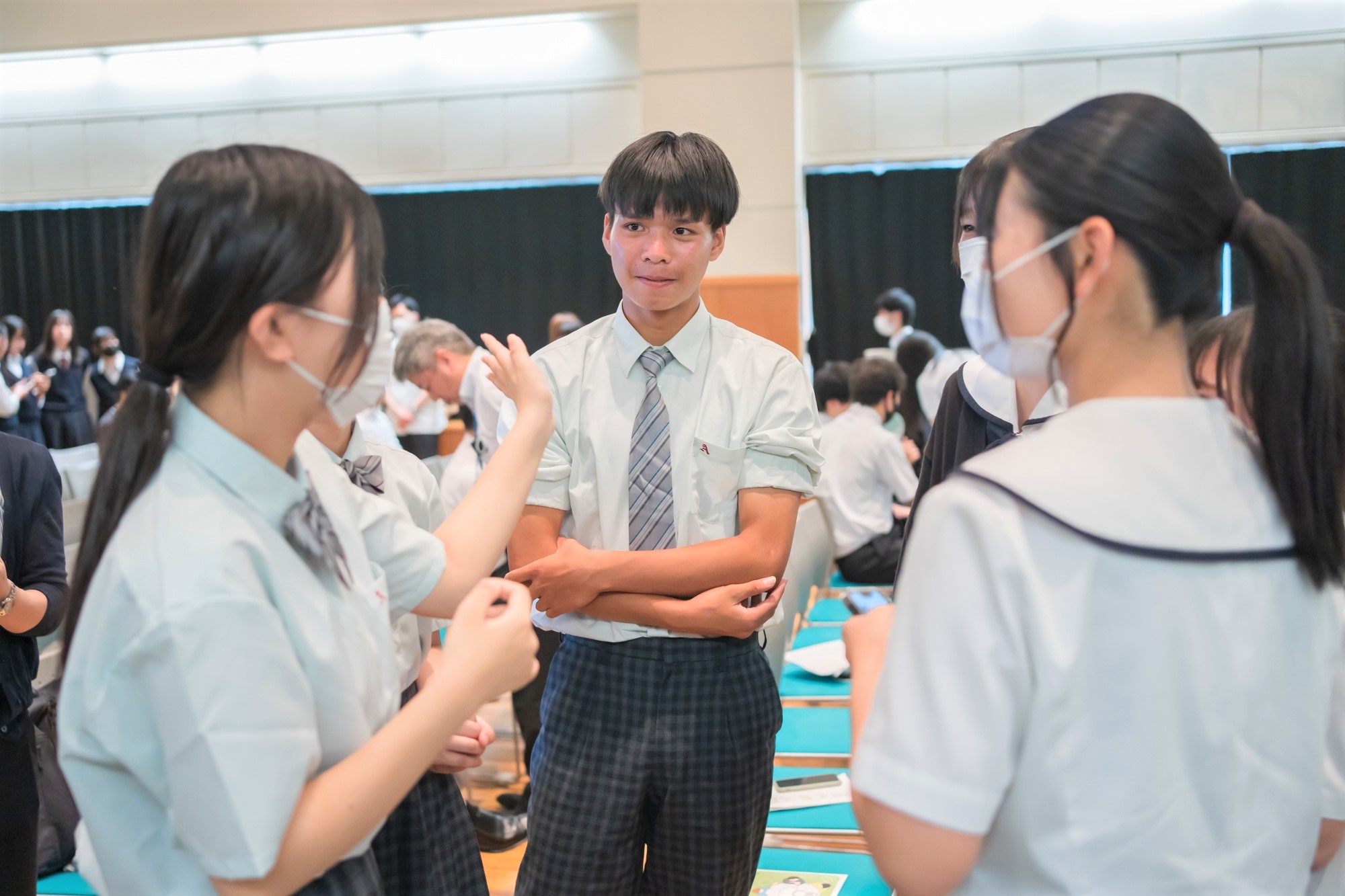
Taking part in the “Konohitokan 1,000-Can Project” must have given them opportunities to connect and exchange with students from other schools, as well as make new acquaintances.
Award Announcements
The tense moment of the award announcements arrived.
Seven teams were expected to receive awards, but at the last minute, three more teams were also honored with special awards.
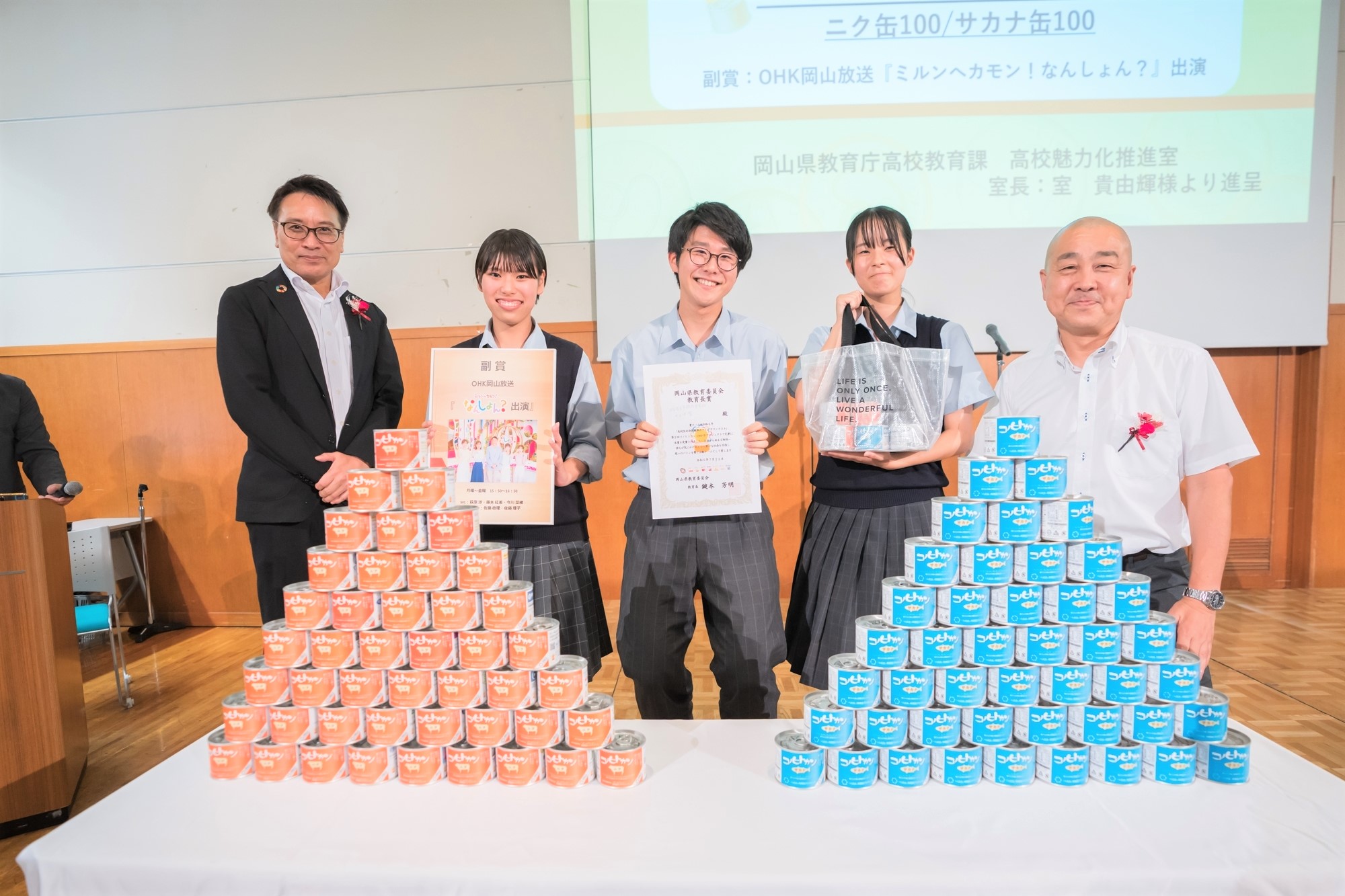
When their names were called, the high school students came forward to receive certificates and cans of “Konohitokan.”
Introducing the Winning Teams
The winning teams were as follows.
Okayama Prefectural Board of Education Superintendent’s Award…Okayama Prefectural Yakage High School, Yakage Studies Team: “Konohitokan in School Lunches”
After hearing from a younger brother of a classmate that a lot of school lunch was being wasted at an elementary school in Yakage Town, they investigated and learned that 25 kg of leftovers were thrown away every day.
They thought that adding “Konohitokan” to school lunches might reduce food waste by getting students interested in the issue.
Their idea was to make a video about food waste and show it in class, help with school lunches and interact with elementary school students, and work with local residents to eliminate food waste.
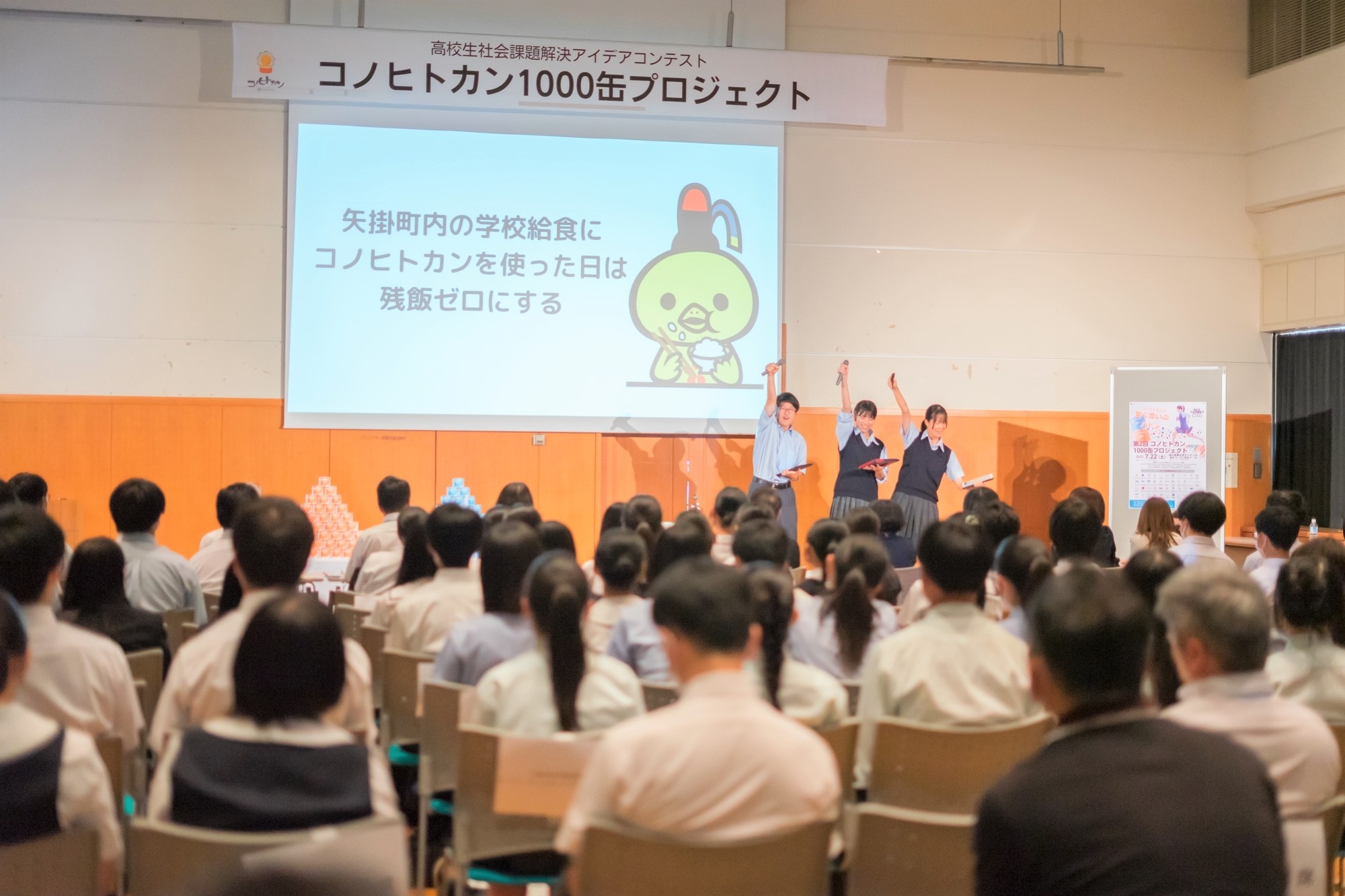
Their energetic presentation was easy for elementary school students to understand and seemed like something they would enjoy.
Okayama City SDGs and ESD Award…Kurashiki Municipal Tamashima High School, “The Kindness Chain” in Tamashima: “School Education That Leaves No One Behind”
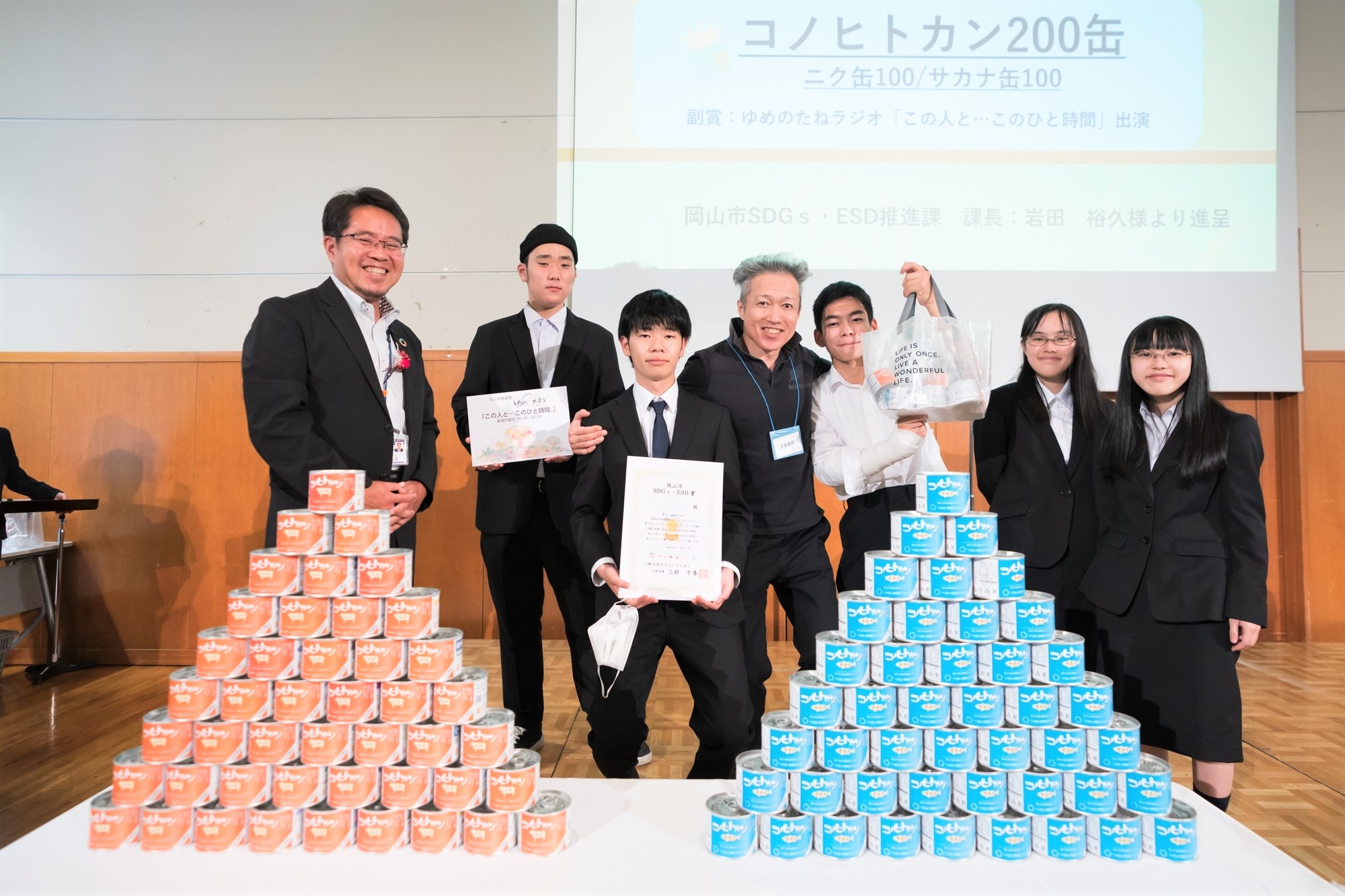
Their idea was to use “Konohitokan” as a starting point to create a place for interaction for elementary and junior high school students who are not attending school and feel lonely and have nowhere to belong.
First, they would give local school social workers exchange vouchers for “Konohitokan” and invite students who are not attending school to take part in an exchange event.
They said that by interacting with “Konohitokan” at the event, they hoped the students would learn that there are kind people in the world and feel the compassion behind the project.
They also planned events such as art made from empty cans, a can-kicking tournament, and activities unique to evening high schools.
They presented it as an idea for solving social issues that they could develop precisely because they themselves had experienced not attending school.
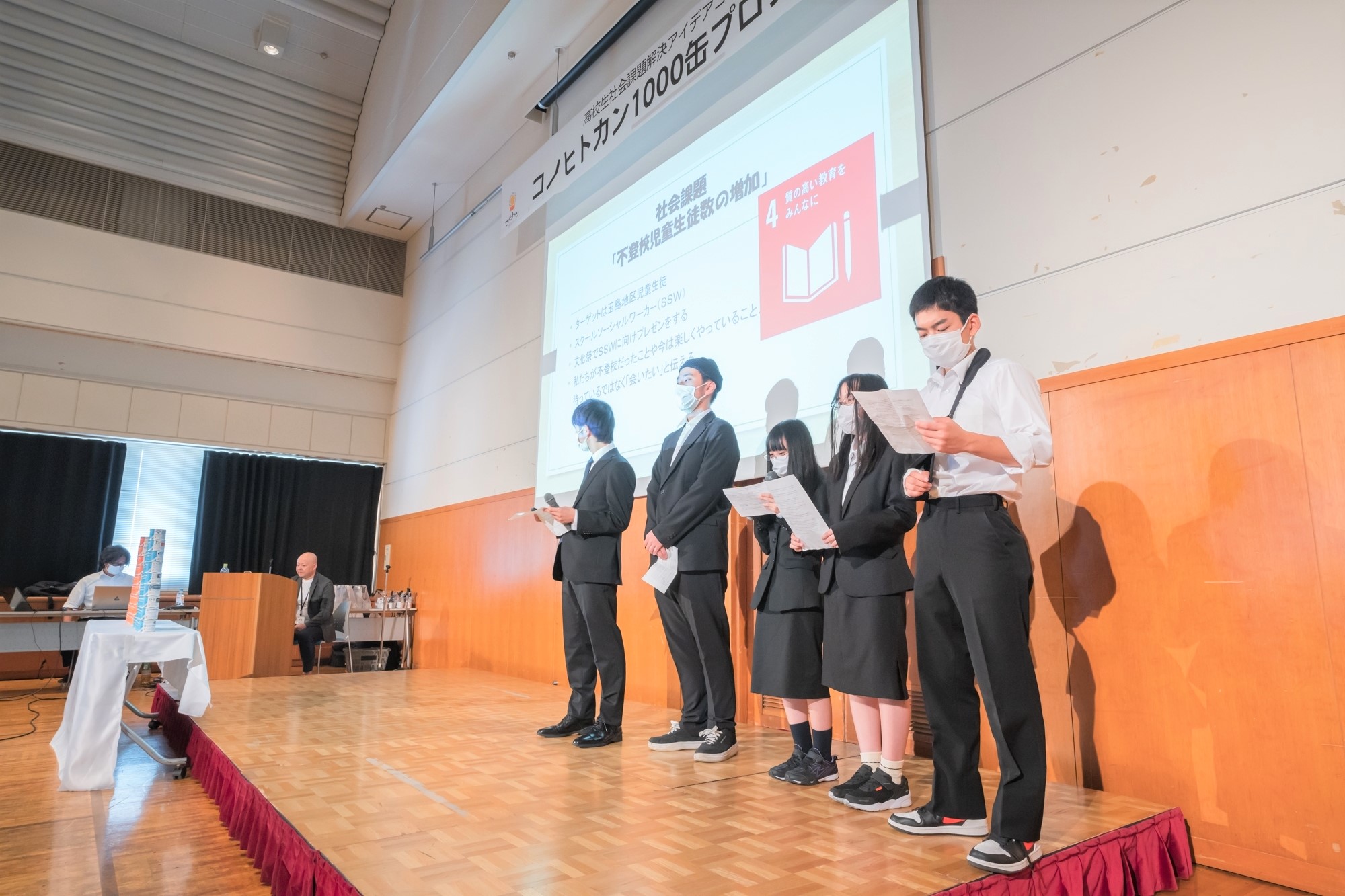
Events such as bartering with “Konohitokan” and making art from empty cans seem like they would interest children, too.
The event made me want to go, too.
Community Future Design Award…Ibara Municipal High School, Everyone’s School Lunch Room: “Everyone’s School Lunch PROJECT”
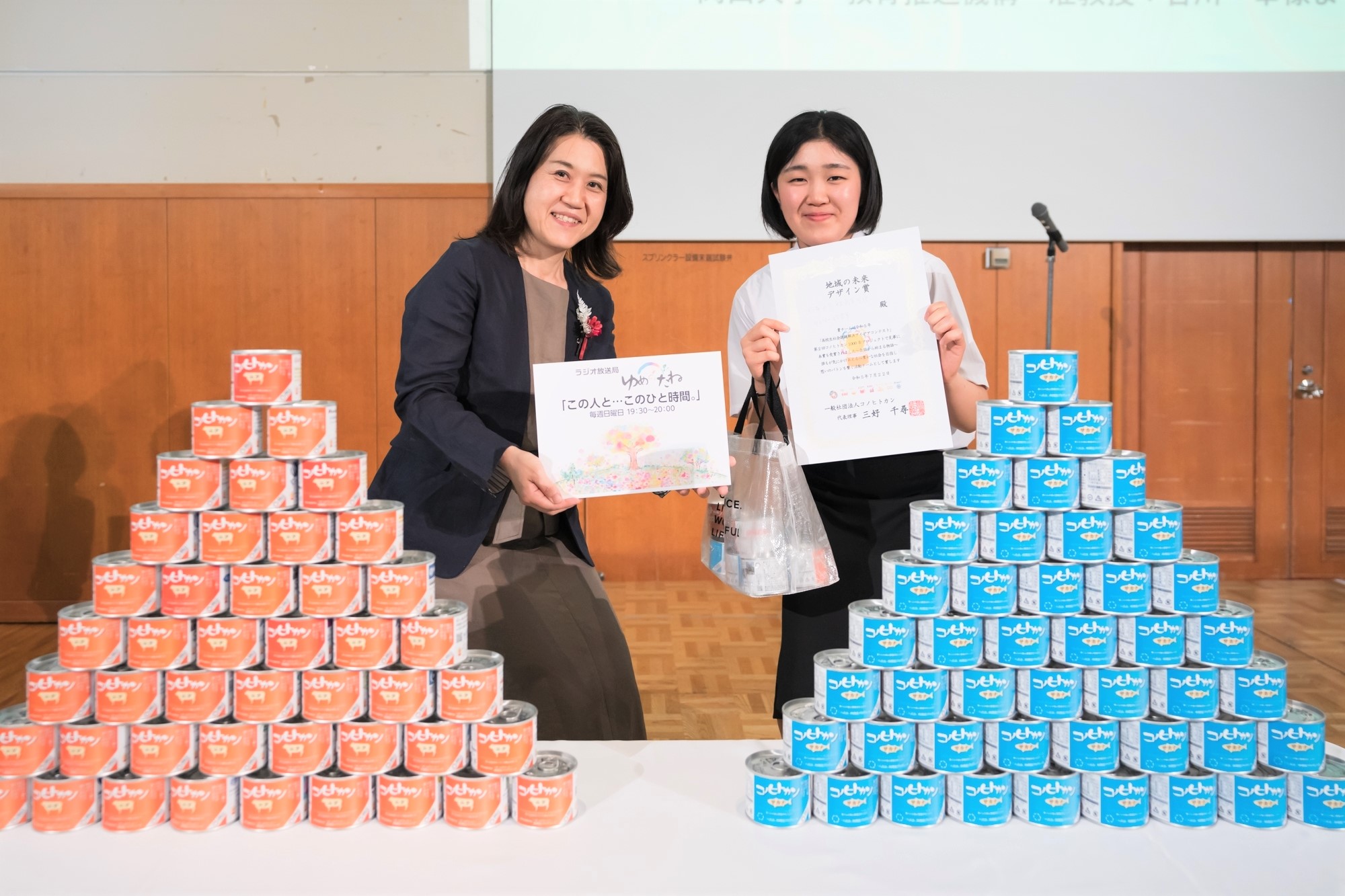
Hinata Ninjo, who attends the evening program at Ibara Municipal High School, argued that poverty is an issue affecting friends at her own school.
Friends who go to school while working often skip lunch or make do with cheap snacks before heading to their part-time jobs. Apparently, this is an everyday occurrence.
With the help of people in the community, we would like to use “Konohitokan” to cook meals together in the high school kitchen and open “Everyone’s School Lunchroom,” a place where people can eat for free.
Their presentation explained that, to keep the project going rather than ending after a single event, they plan to sell goods such as picture books they have made themselves and continue activities that don’t end with simply saying “thank you for the meal.”
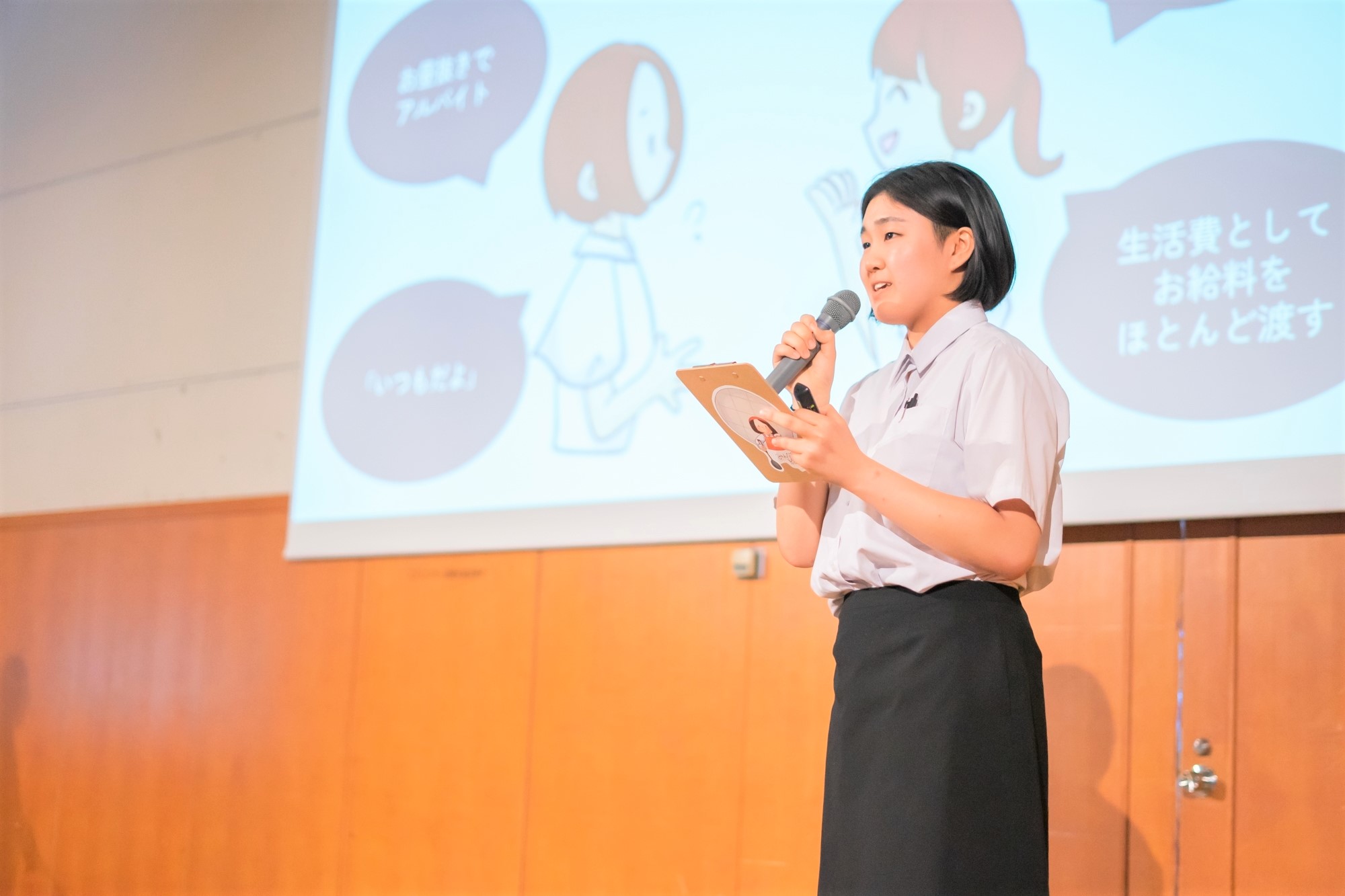
All the Microsoft PowerPoint designs used in this presentation were created by Nijo.
The cute girl character is sure to be popular with the children, too.
Other Awards
The other awards were as follows.
- Supporting Company Award…Asahijuku Secondary School “Give Dream Food ASAHI”
- Passing the Torch Award…Okayama Prefectural Hayashino High School “Team Connecting to the Future That Has Returned”
- Konohitokan Award—Future…Okayama Prefectural Yakage High School “Yako Inquiry Team”
- Konohitokan Award—Passion…Okayama High School “Spiders, 4th Generation”
- Special Award…Kurashiki Suisho High School “Association to Carry on the 800-Year Tradition of Shiraishi Odori”
- Special Award…Okayama Prefectural Hayashino High School “Mochi Barley Girls?”
- Special Award…Okayama Prefectural Tamano Konan High School “Team G ~Team Global~”
Closing remarks
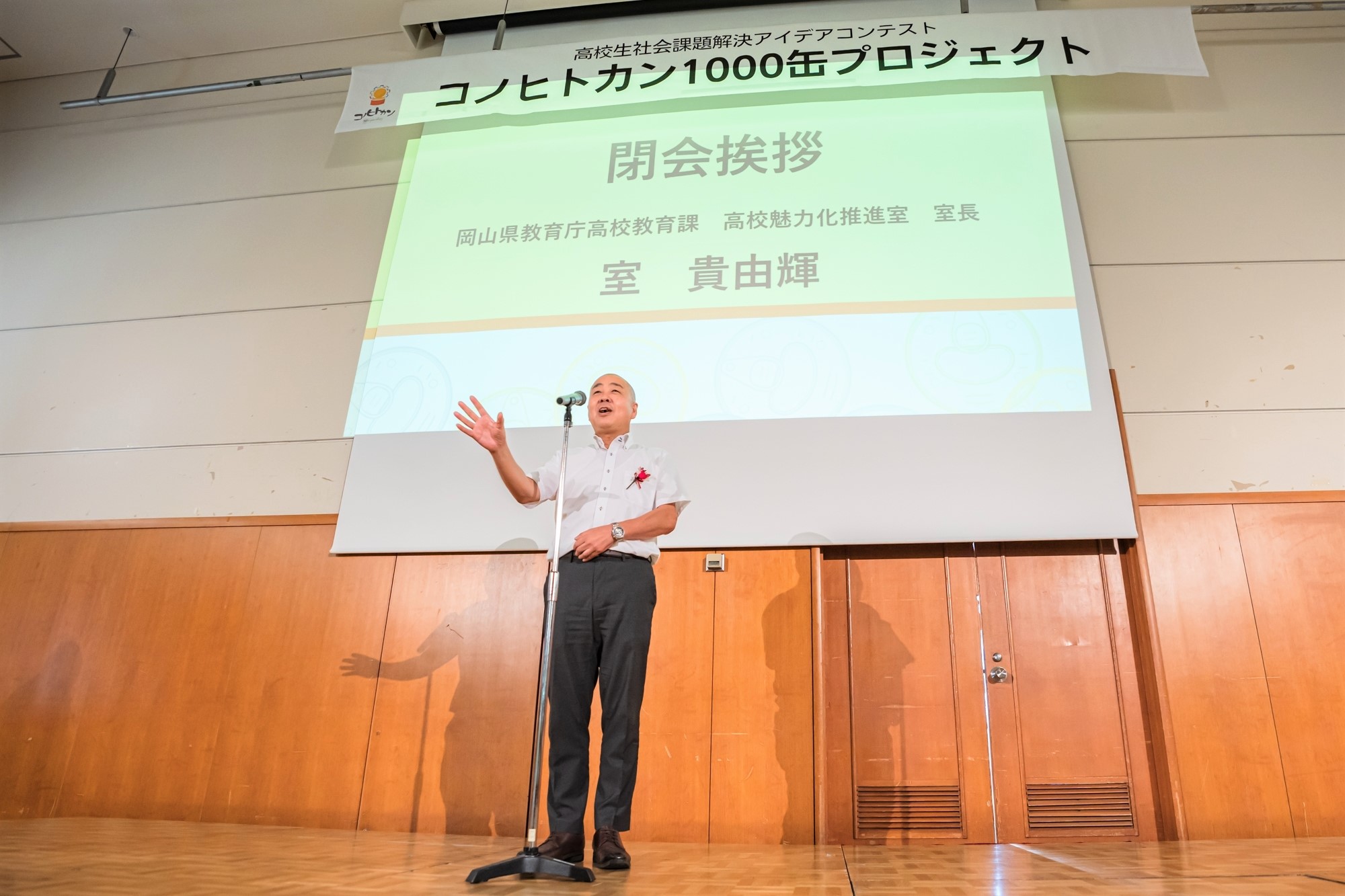
Finally, Muro Takayuki, Director of the High School Appeal Promotion Office, High School Education Division, Okayama Prefectural Board of Education, gave the closing remarks.
“What makes this contest different from other contests is that the winning teams must put their ideas into action exactly as they proposed.
Through this contest, I think you have come to turn your attention to people in need and try to do what you can.
Regardless of whether you win an award, there are many things that can be solved with a little ingenuity.
I believe you will be able to put your abilities to work from here on, so please take on the challenge of solving social issues.”
The high school students seemed to have taken something to heart as their own concern from Mr. Muro’s words.
The seven winning teams took home 100 to 200 cans of Konohitokan, and their activities are now getting underway.
Being able to carry out the activities they came up with is possible only with the cooperation of local people and school teachers.
Thanks to the collaboration of many people, the high school students will gain confidence and grow.
The students’ activities may also be passed on to younger students and become a bridge between the community and the school.
I felt that the Konohitokan 1,000-Cans Project also serves this kind of role.
In 2023, the project was held for the second time. We spoke with its representative, Miyoshi, about the “Konohitokan 1,000-Cans Project.”
second Konohitokan 1,000-Can Project Information

| Name | Second Konohitokan 1,000-Can Project |
|---|---|
| Date | July 22, 2023 (Saturday), 1:00–5:00 p.m. |
| Location | 2-2-1 Hokancho, Kita Ward, Okayama City Okayama International Center |
| Admission | Free |
| Website | Konohitokan General Incorporated Association |



What would you like to know about Kurashiki?
Enter a word to search articles on this site

































Support project proposals: novelty, potential impact, sustainability, storytelling, and feasibility