Dishes enjoyed at family dinners or parties with colleagues are important elements that enrich our lives.
However, we must not forget that many ingredients are wasted and discarded without being eaten.
Moreover, there are children in Japan who find it difficult to obtain ingredients due to economic reasons.
Behind a rich diet lies a large amount of discarded food, and there are children struggling with food due to economic burdens caused by poverty, creating a contradictory situation that is also occurring in Japan.
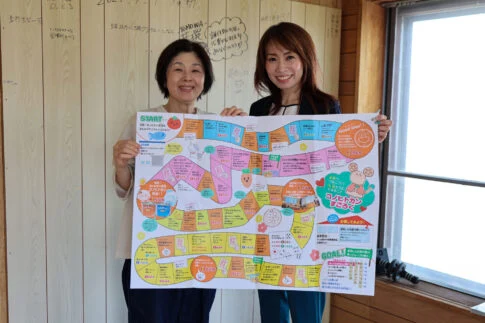
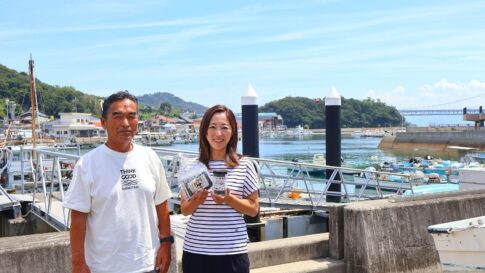
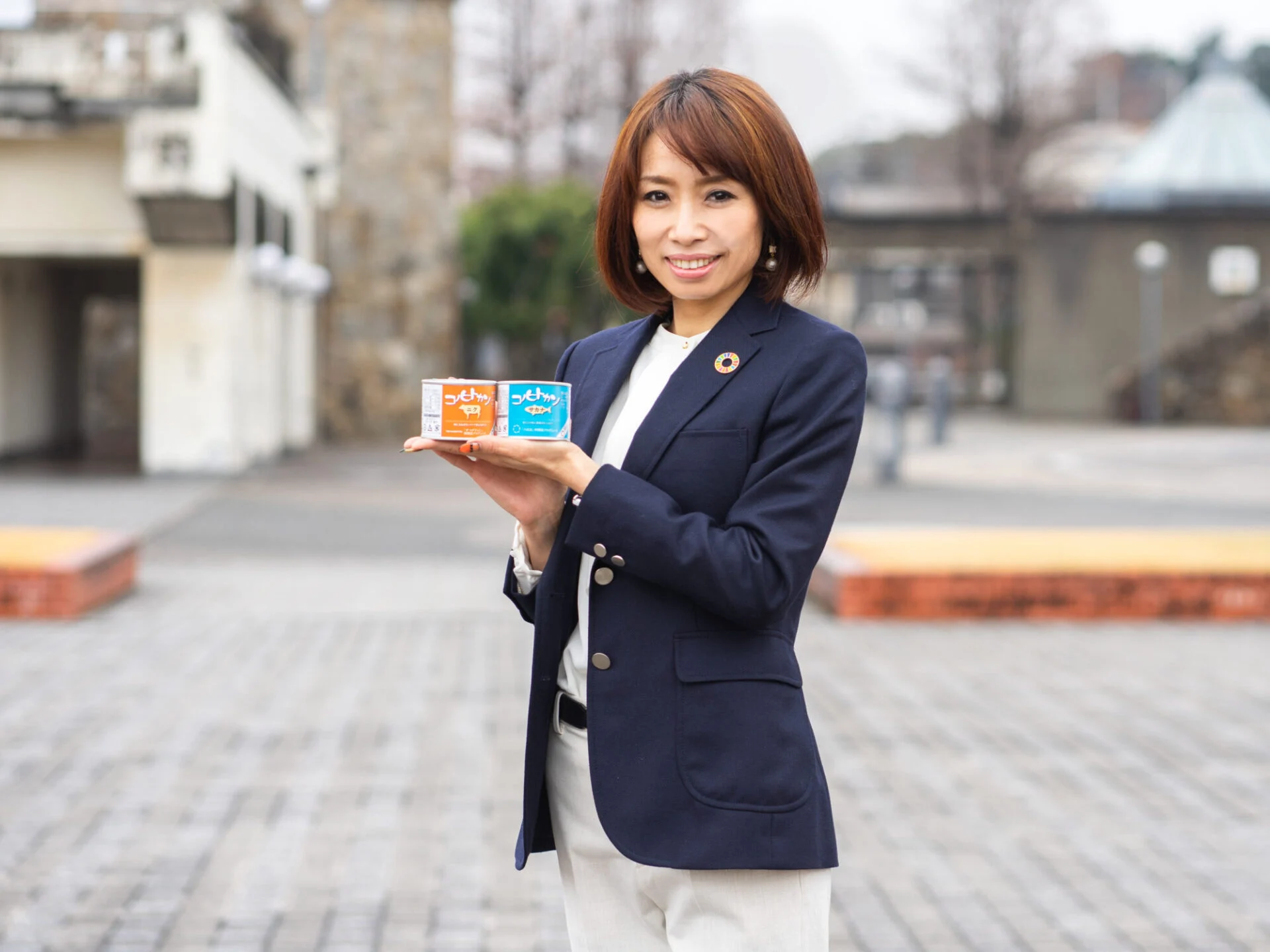
Addressing these two major social issues through canned food is Chihiro Miyoshi, a nail artist from Kurashiki City.
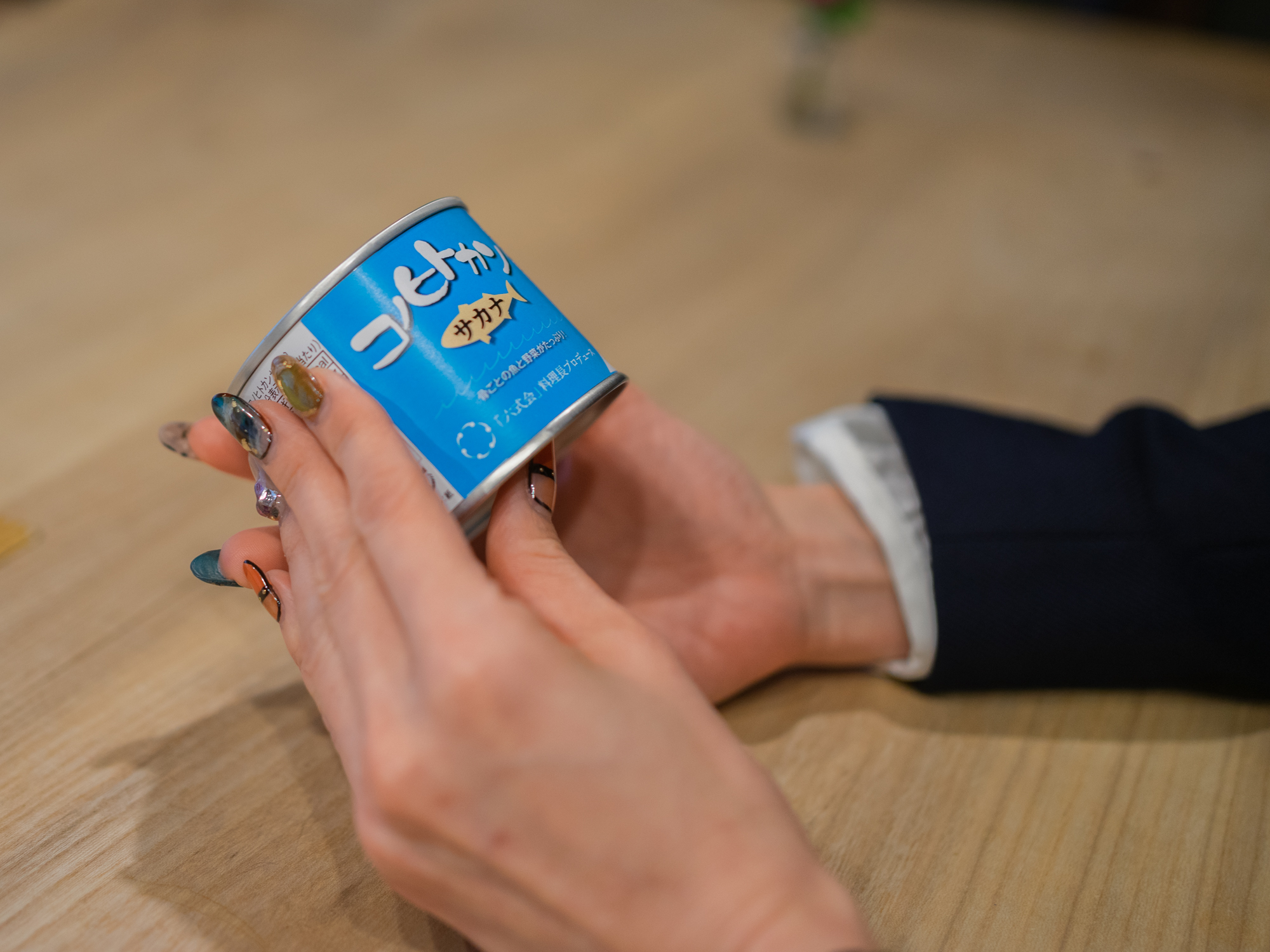
She delivers canned food called Kono Hito Kan, made from ingredients discarded by restaurants and hotels, to children's homes and child dining facilities.
We will introduce why Miyoshi decided to tackle food loss and poverty with canned food, and what kind of society she aims to create.
What is Kono Hito Kan?
What kind of canned food is "Kono Hito Kan," made from leftover ingredients at hotels and restaurants?
We will introduce the thoughts behind "Kono Hito Kan."
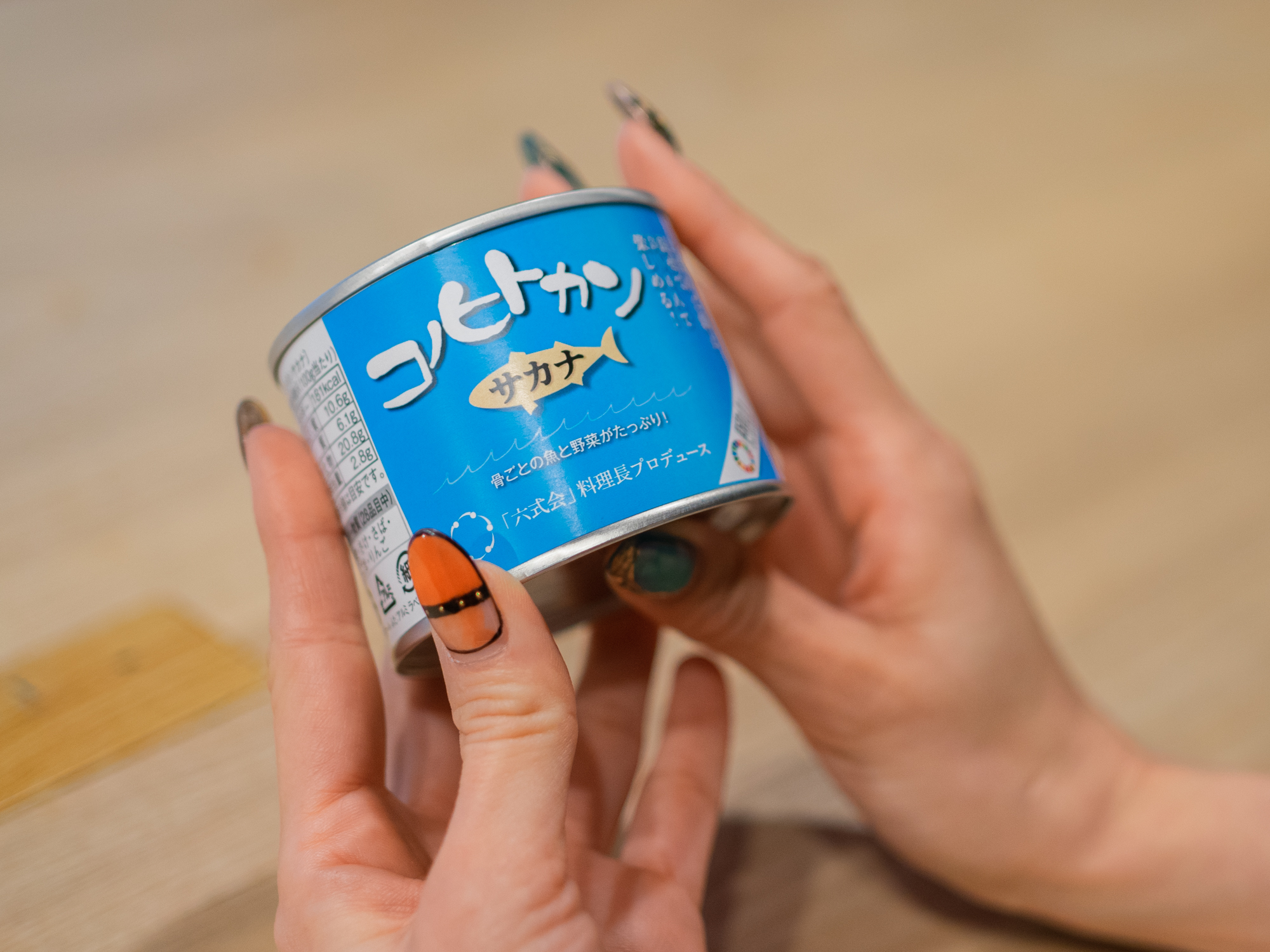
Activities of Kono Hito Kan
The general incorporated association Kono Hito Kan approaches the two social issues of food loss and poverty through canned food.
So far, they have provided canned food "Kono Hito Kan," made from ingredients discarded by hotels and restaurants, to facilities addressing poverty issues such as children's homes and child dining facilities.
The project started in May 2020 when representative Chihiro Miyoshi called for the production of canned food from hotels and restaurants.
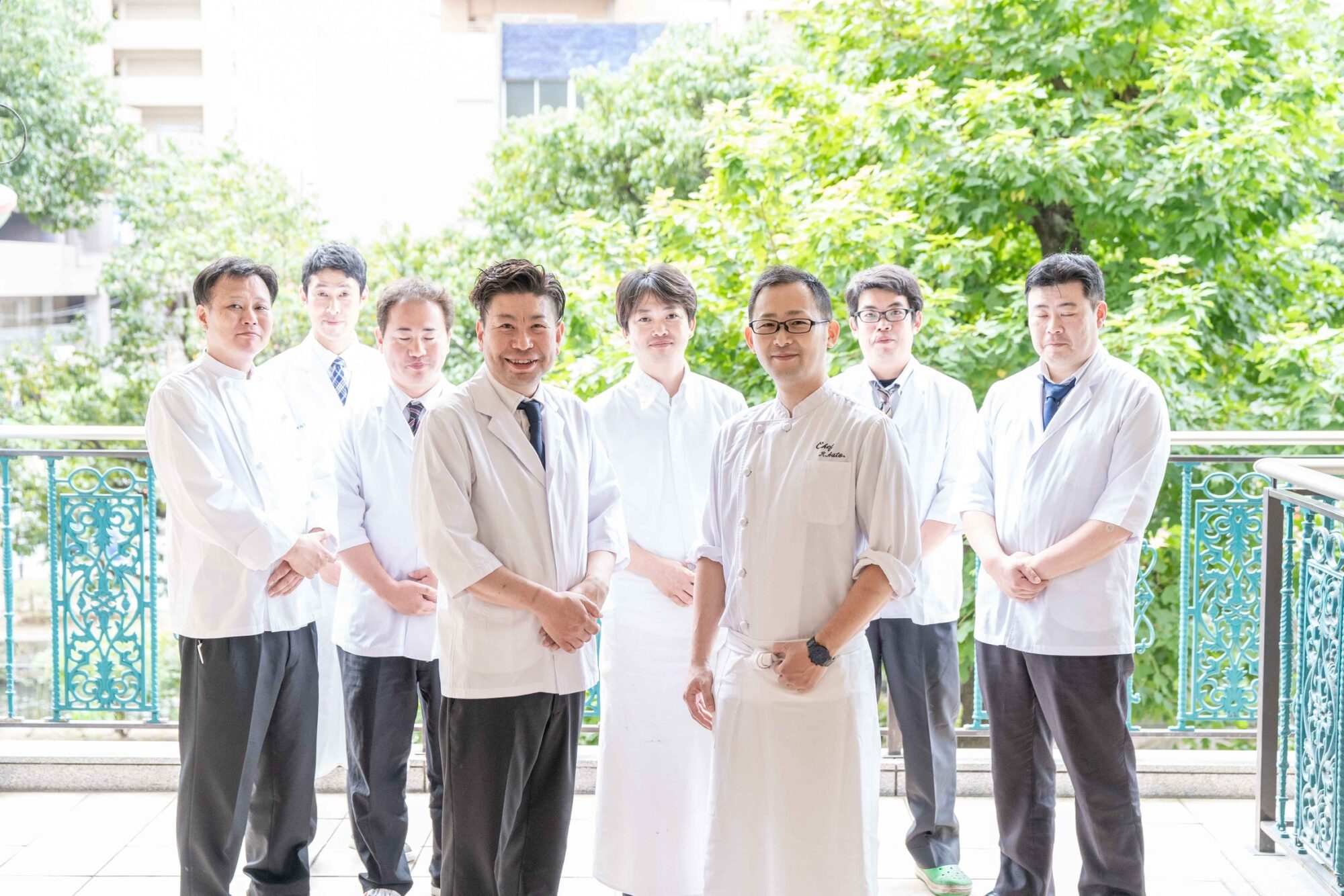
With the leadership of Hiroki Fujita, president of the Okayama Prefecture restaurant revitalization group Rokushikai, and Ryugo Sato, head chef of THE MAGRITTE wedding venue, they developed the canned food "Kono Hito Kan" using discarded high-quality ingredients.
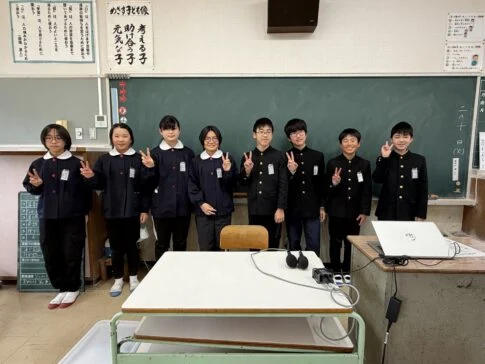
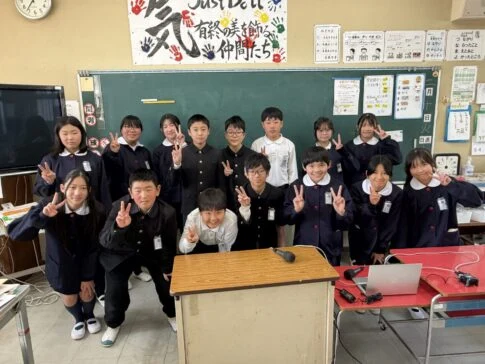
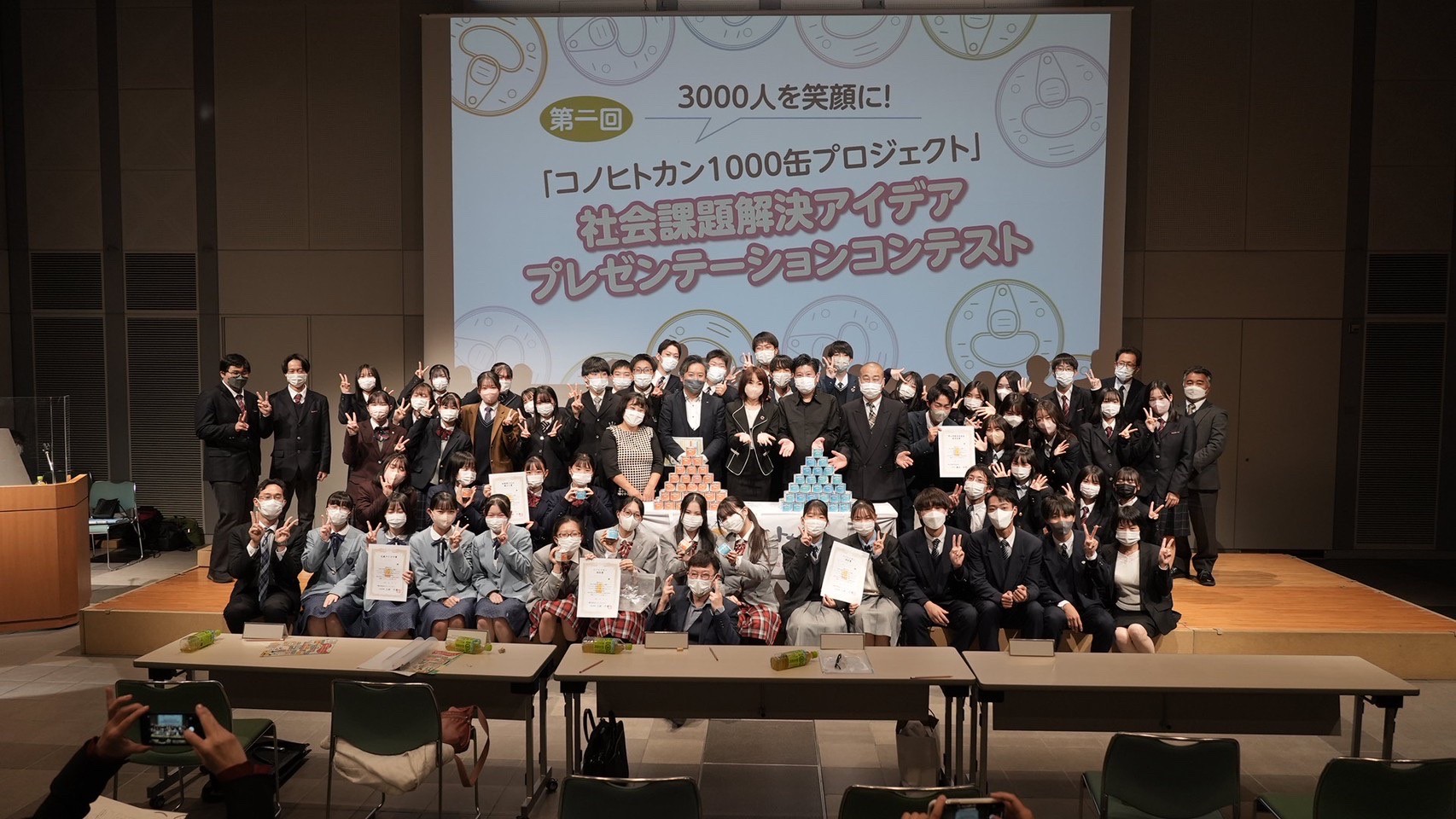
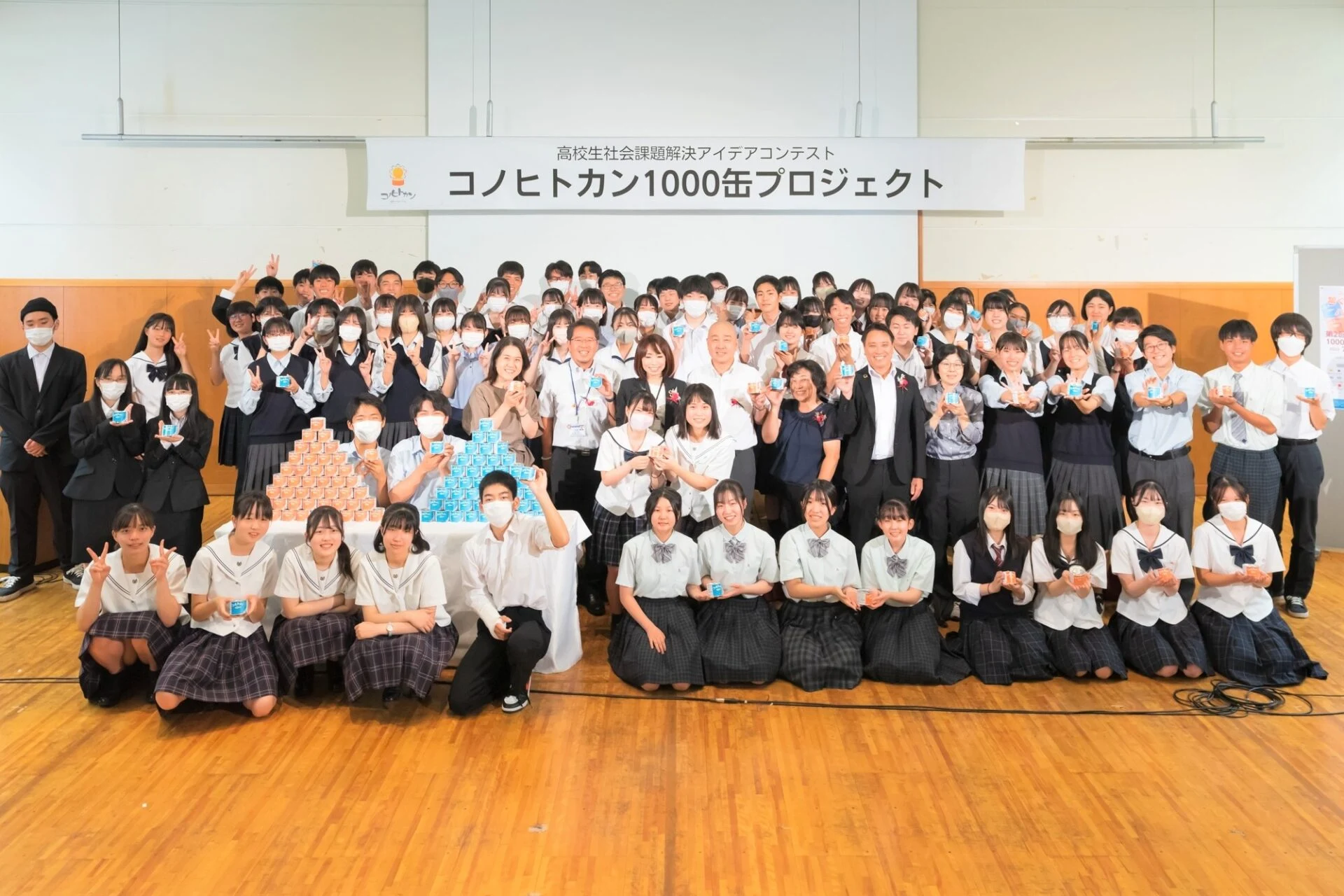
In addition to delivering "Kono Hito Kan" to facilities addressing poverty issues in Okayama Prefecture, they also hold events such as an idea contest for high school students in Okayama Prefecture to utilize Kono Hito Kan.
Background of Chihiro Miyoshi, Representative of Kono Hito Kan
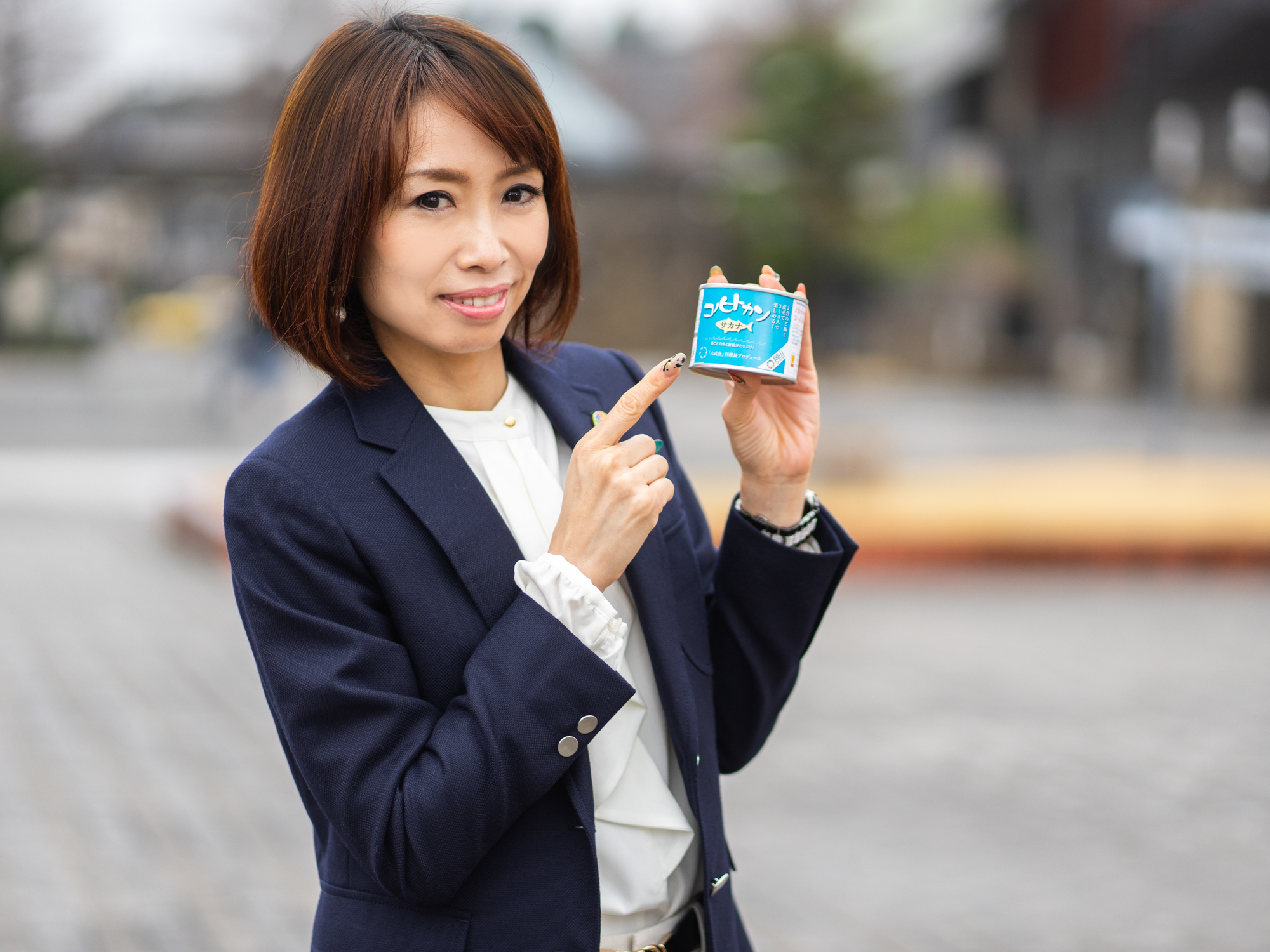
Miyoshi's hometown is Ueda City, Nagano Prefecture.
After graduating from high school in Nagano Prefecture, she moved to Tokyo to find employment in order to achieve financial independence.
At that time, she considered pursuing a career as a nail artist, but she did not have the financial means to attend a vocational school and was living a life where she was barely making ends meet.
After getting married, she moved to Okayama and was blessed with three children, but she experienced loneliness in raising children in an environment with few people to rely on.
While busy with childcare, she began studying to become a nail artist out of a desire to create connections with people in Okayama.
Since then, she has been active as a nail artist while valuing the connections she has made in Okayama.
It is likely that Miyoshi, who understands the importance of community involvement, has helped expand the circle of support through connections with people.
Past efforts of Kono Hito Kan
The general incorporated association Kono Hito Kan provides Kono Hito Kan free of charge to children's homes and child dining facilities on Children's Day and Christmas.
During their first support in December 2021, they provided it to ten children's homes in Okayama Prefecture.
In November 2022, they planned a new initiative called the Kono Hito Kan 1000 Can Project.
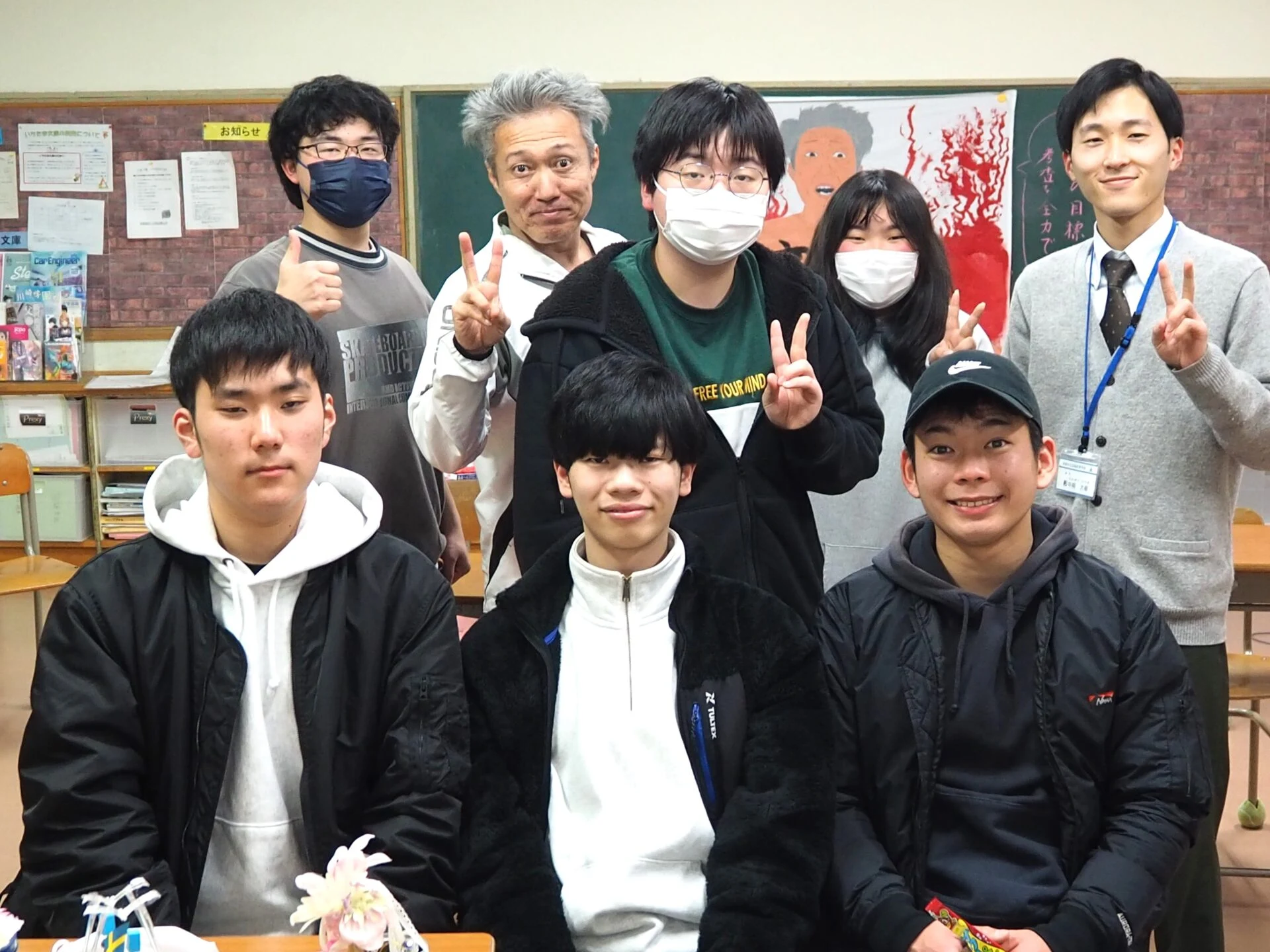
They held a contest for high school students belonging to 15 schools and activity groups in Okayama Prefecture to present ideas for utilizing Kono Hito Kan.
Distribution to elderly people living in depopulated areas and provision to children in poverty overseas were among the ideas proposed in the contest, which directly address social issues, and support based on the ideas of high school students has already begun.
Contents of Kono Hito Kan
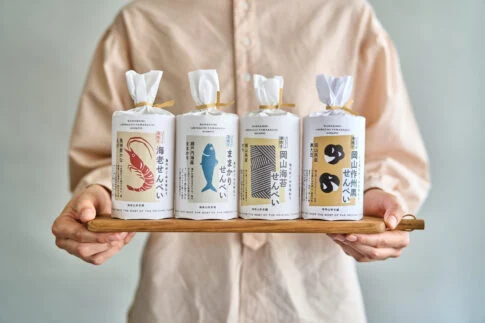
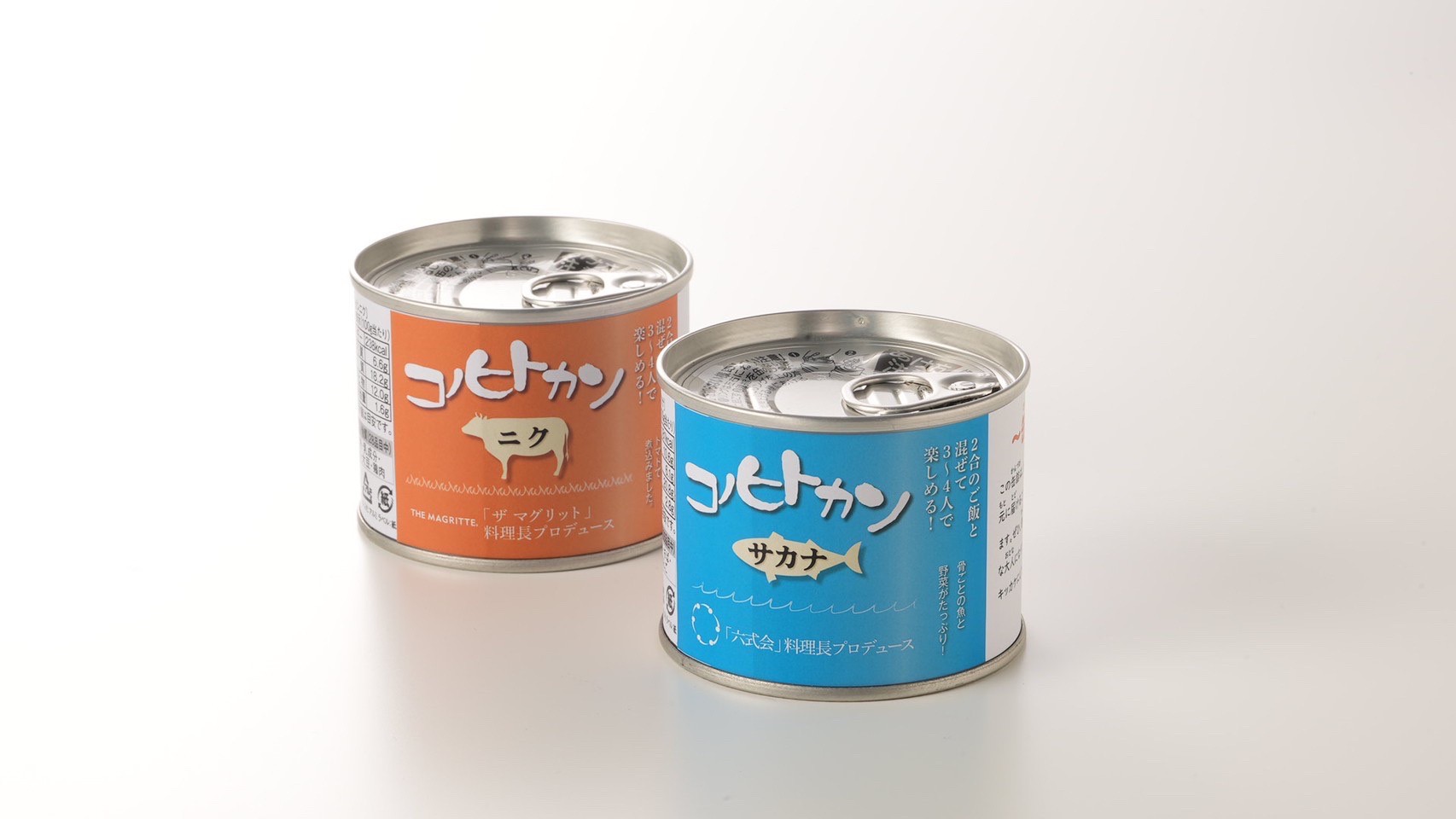
The Kono Hito Kan created by chefs from restaurants and hotels includes two types: Sakana Kan and Niku Kan.
Sakana Kan was conceived by Hiroki Fujita, president of Rokushikai, while Niku Kan was developed by Ryugo Sato, head chef of THE MAGRITTE.
The amount in one can is approximately 160 grams, and it is designed to be eaten with 3 to 4 servings of rice.
Not only for rice, but it can also be paired with pasta, making it a versatile seasoning that can be widely applied to various dishes, which is a characteristic of Konohitokan.
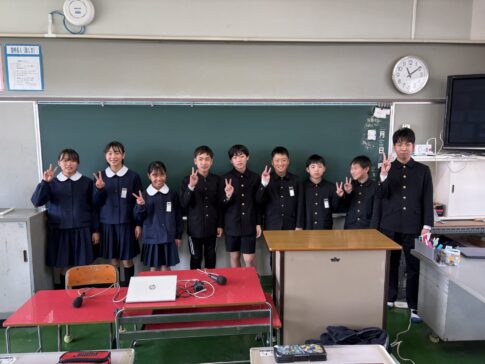
In January 2023, we held a recipe contest using Konohitokan for children at a child welfare facility.
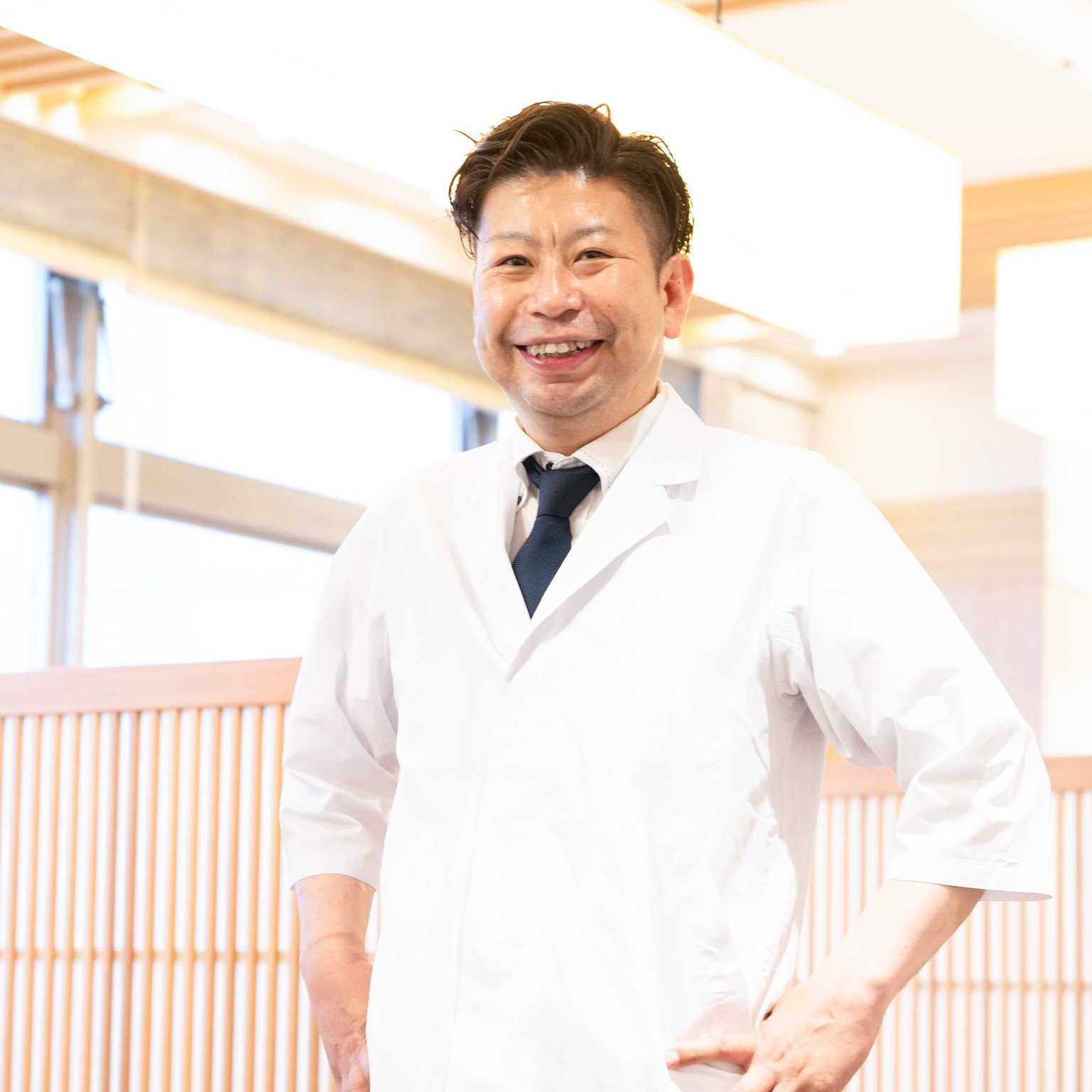
Photo provided by: Konohitokan Association
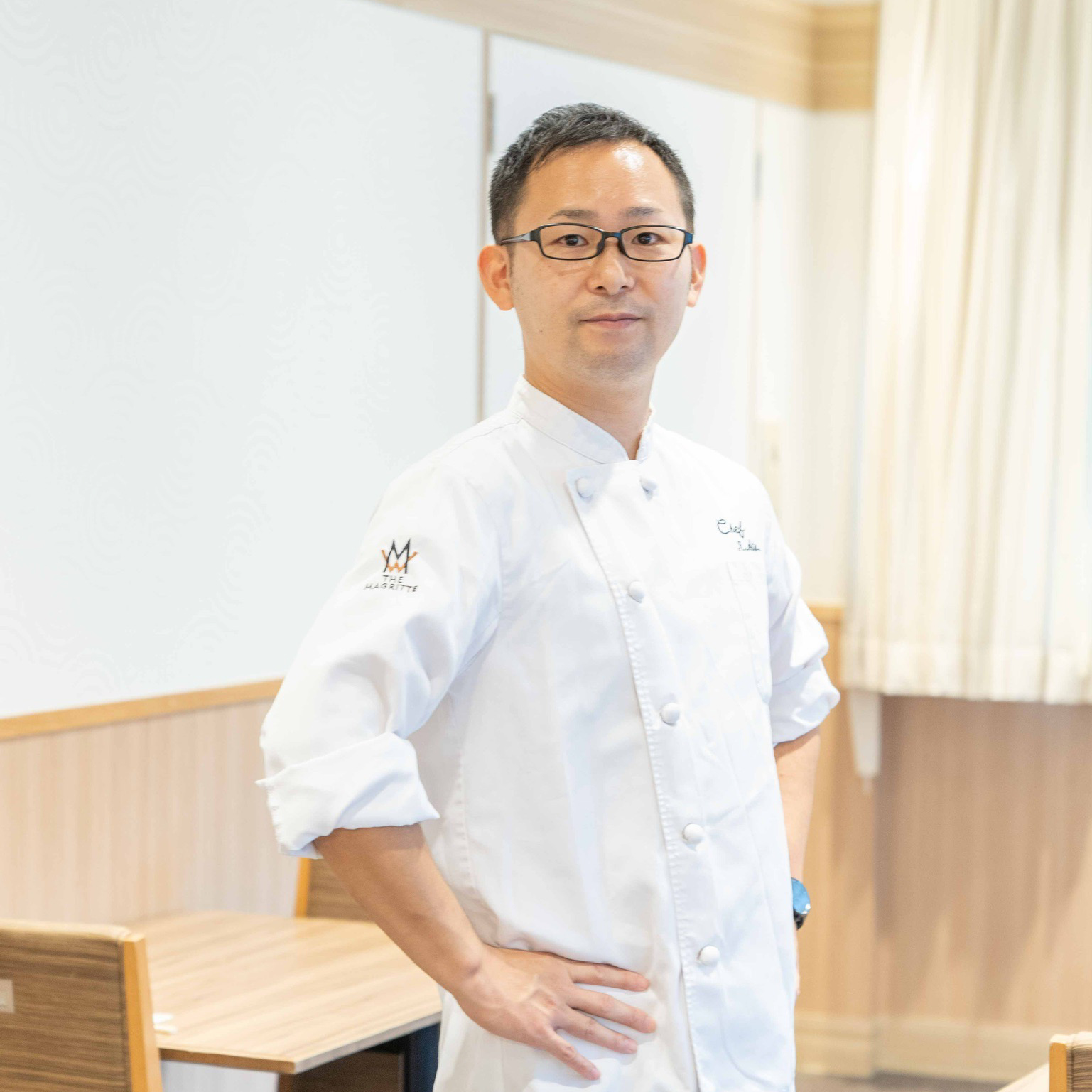
Photo provided by: Konohitokan Association
Interview with Chihiro Miyoshi, Representative
What prompted nail artist Miyoshi to create Konohitokan?
I asked Miyoshi about the story behind the creation of the canned food and the feelings behind it.
Food Loss and Poverty Issues
Please tell us about the event that prompted the development of Konohitokan.
Miyoshi (honorifics omitted)
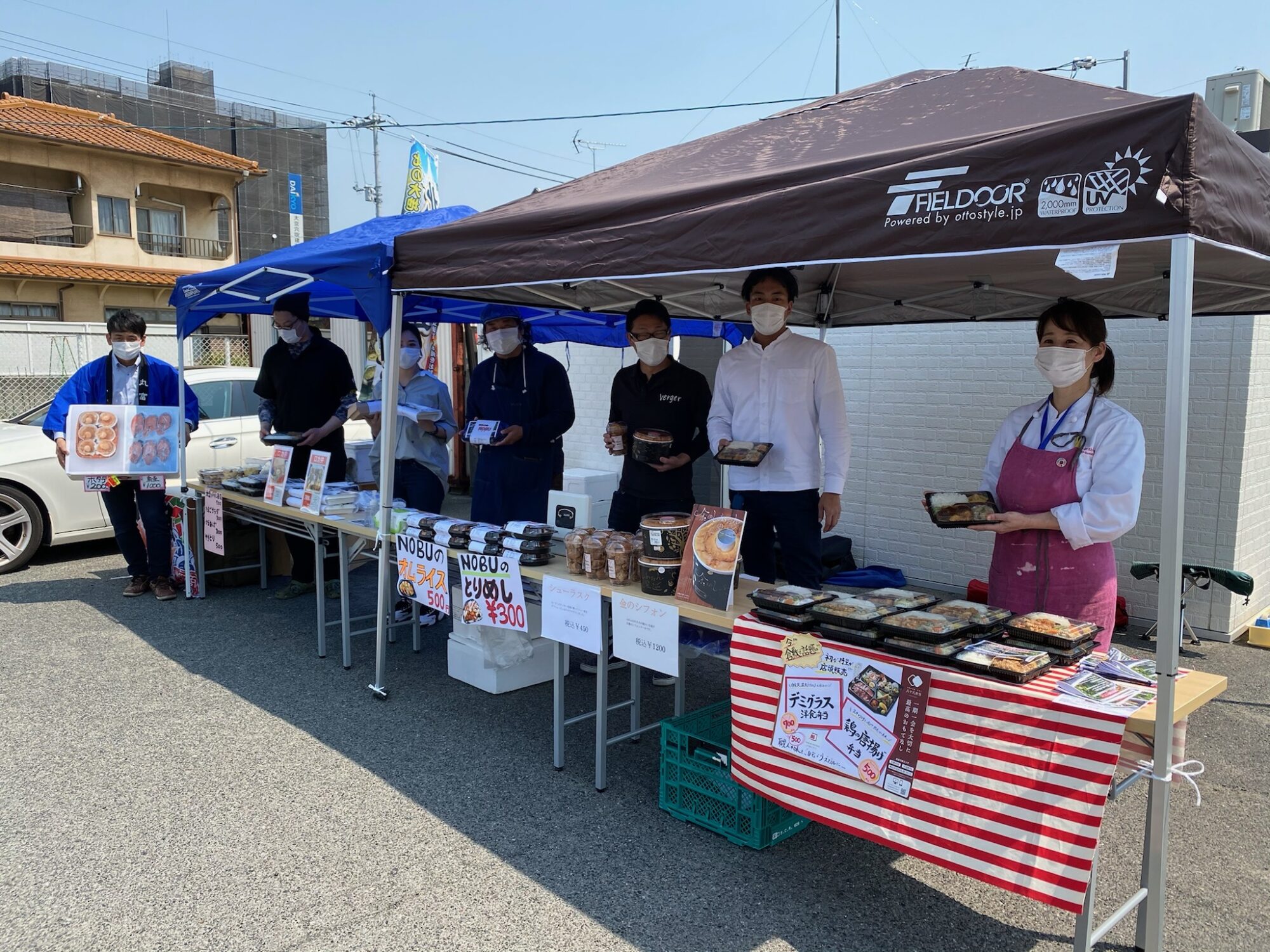
In April 2020, when the effects of self-restraint on outings became serious, I held a market event selling bento in the parking lot of my nail salon with friends who run restaurants that were experiencing decreased sales.
Many people came to buy bento every day, making the event a great success, but there were also unsold bento.
While watching the bento that would be thrown away, I realized the issue of food loss, where a large amount of food ingredients are discarded.
Through the market event, I think it was the first time I seriously considered the local community, and my sensitivity to social issues increased.
I learned the fact that "the equivalent of one bowl of food per person is thrown away every day in Japan" and felt a strong desire to spread awareness of the food loss issue to more people.
Why did you decide to approach the poverty issue from the food loss perspective?
Miyoshi
Actually, at first, I was not focusing on poverty issues, but rather on disaster prevention.
To utilize discarded food ingredients, I developed canned food for stockpiling with chefs from restaurants and hotels, but even though they were discarded ingredients, the canned food made from high-quality ingredients was expensive, and I struggled to find recipients.
I almost gave up on canned food, but Mr. Hiroki Fujita, the president of Rokushiki-kai, suggested that we reconsider how to utilize canned food.
So, I thought about how society would change due to the impact of the COVID-19 pandemic.
I imagined that as the number of households with reduced income would increase, Japan's poverty issue would also become more serious.
Thus, I decided to connect the two major issues of food loss and poverty and deliver Konohitokan to those who are struggling with food.
The Origin of Konohitokan
Please tell us about the background of the bento sales.
Miyoshi
In March 2020, I received a consultation from a friend who runs a restaurant saying, "This week, there were two days when not a single customer came."
The changes in society due to the COVID-19 pandemic were beginning to appear.
By April 2020, the impact of the COVID-19 pandemic became serious, and I learned that my friends in the restaurant industry were in a difficult situation.
I discussed with my friends in the restaurant industry and proposed selling bento.
I had no special knowledge about selling bento, but for the time being, I set up a tent in the parking lot in front of my nail salon and started a simple market event.
What was the response to the bento sales market event?
Miyoshi
Since I didn't know how to promote it through press releases, I called media outlets like newspapers to request coverage.
Given the situation of self-restraint on outings, the demand for bento was likely high.
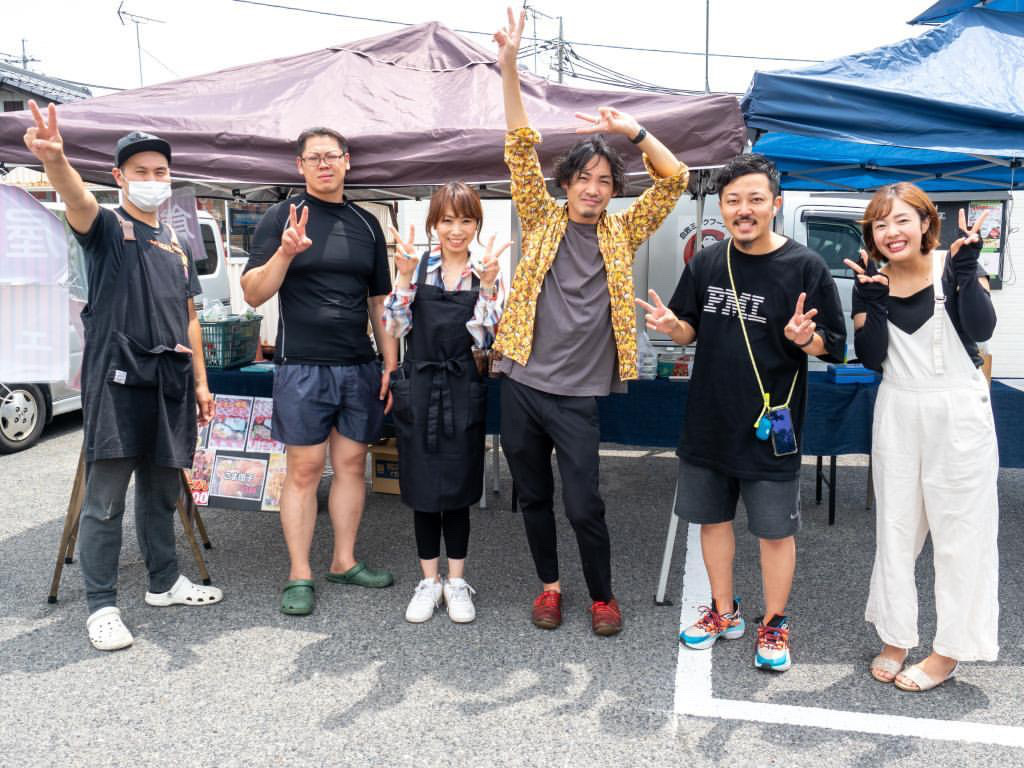
Many people visited the market event, and ultimately 16 restaurants participated.
At one restaurant, the bento sales became a great success thanks to the market event.
When they changed their style to sell bento in various places, their revenue increased, and some turned the social changes due to the COVID-19 pandemic into a business opportunity.
The market event that started in April 2020 continued every day for two and a half months until the end of June, and I remember it being a great success every day.
The market event that I started with the desire to help my friends was a great success, and it was an event that made me feel that what I envisioned could be realized.
Actions to Realize Aspirations
How did you connect with chefs from restaurants and hotels?
Miyoshi
I continued to propose making canned goods using surplus ingredients by calling restaurants and hotels introduced by acquaintances or visiting them directly.
Of course, since it was a sudden proposal, I was turned down many times.
In the end, I contacted over 200 places and continued for more than two months.
While continuing to reach out to restaurants and hotels, I met people like Mr. Fujita, the president of the Rokushiki Association and Chef Sato from the wedding venue THE MAGRITTE, who were willing to accept my proposals.
How did you connect with child welfare facilities?
Miyoshi
After deciding to approach the poverty issue with canned goods, I called the social welfare councils in Okayama City and Kurashiki City.
Some people were confused by the sudden contact, so there were many times when I couldn't get anyone to listen to me.
Through repeated contacts, I found people who understood the aspirations of Konohitokan, and I was able to create connections with child welfare facilities and children's cafeterias in Okayama Prefecture.
After that, I was able to contact the staff of the child welfare facilities directly and discuss the necessary support.
The Aspirations Behind the Canned Goods
Are there any considerations for the delivery destinations?
Miyoshi
What I am conscious of as a donation destination for Konohitokan is the point that it is a place where goods can be delivered directly from person to person.
For example, in child welfare facilities and children's cafeterias, staff can hand them over to children along with words of encouragement.
Additionally, in the initiative Charity Santa, where volunteer staff dressed as Santa deliver gifts to children from low-income families, Konohitokan was also delivered together.
I believe that by not just providing food, but also expressing the thoughts behind it in words when handing it to children, love and kindness can also be conveyed.
Have you noticed anything by meeting directly with those in need of support?
Miyoshi
When the COVID-19 pandemic spread, it seems that graduates of child welfare facilities were struggling with food shortages.
Therefore, in the support provided in December 2021, we wrapped Konohitokan for Christmas together with the children from the child welfare facilities and presented them to the graduates.
Because I was able to meet and talk with those who were struggling, I was able to realize the truly needed support.
Not only providing ingredients, but I also noticed the mismatch in support and was able to work on the support that child welfare facilities truly needed.
The Future of Konohitokan
What kind of change will Konohitokan bring to society?
Miyoshi
I do not think that the food loss problem and global poverty issue can be solved by Konohitokan alone.
The people we can support are limited, and no matter how hard we try, it will be difficult to utilize all the ingredients in the world and deliver them to everyone.
Even within Okayama Prefecture, it may be impossible.
However, by continuing to raise awareness, more people will become aware of food loss and poverty issues.
There are actually people nearby who are struggling with wasted ingredients and those who have difficulty getting meals.
By becoming aware of the problem, the desire to cherish the dinner in front of us will naturally arise.
I feel that Konohitokan can create an opportunity for a kinder society.
What kind of initiatives would you like to pursue in the future?
Miyoshi
I will engage in activities that shine a spotlight on the people who support Konohitokan.
Thanks to the thoughts of many people such as chefs from hotels and restaurants, staff from child welfare facilities and children's cafeterias, and officials from government and schools, surplus ingredients are reaching children in need of support.
By communicating the thoughts of those involved with Konohitokan, I want to express my gratitude.
And through activities that promote those who cooperate, I want to convey to children that there are many kind people in society.
As one of those initiatives, I started a program on Yume no Tane Broadcasting Station, an internet radio, where I serve as the personality and introduce guests.
By shining a spotlight on those who support Konohitokan, I aim to convey the warmth of society.
Conclusion
The network created by Konohitokan continues to expand, involving restaurants, hotels, child welfare facilities, children's cafeterias, and officials from government and schools.
Miyoshi's proactive approach to immediately implement ideas and honesty in expressing overflowing passion attract many people.
Miyoshi has a consistent action of "helping those in need".
Whether it is restaurants that have seen a drop in sales due to the COVID-19 pandemic or children in child welfare facilities struggling with food, he takes immediate action on what can be done.
And as he continues to run to help those in need, it has grown into a large project that connects society.
Miyoshi will continue to run, involving many people and bringing smiles to many faces.
I have also gained courage from Miyoshi's attitude of directly confronting the significant issues of food loss and poverty.
Data on Konohitokan
| Name | Konohitokan |
|---|---|
| Event Date | Mainly provided "Konohitokan" to child welfare facilities and children's cafeterias in Okayama Prefecture on Children's Day and Christmas |
| Location | 1240-3 Sasao, Kurashiki City, Okayama Prefecture |
| Participation Fee (Tax Included) | Free |
| Website | Konohitokan |