Bikan Historical Area is a Preservation District for Groups of Traditional Buildings where the townscape dating back to the Edo period remains almost entirely intact, continuing to captivate visitors with its beauty.
Officially called a “Preservation District for Groups of Traditional Buildings” (hereafter, “Preservation District”), these traditional townscapes thrive in as many as 129 districts across Japan (as of September 2024).
Preservation Districts are towns that reflect the way people once lived, found throughout Japan in places such as post towns, temple towns, port towns, and merchant towns.
In Okayama Prefecture, a total of five districts have been designated: not only “Kurashiki City, Kurashiki Riverbank (Bikan Historical Area),” but also “Yakage Town, Yakage-juku,” “Takahashi City, Fukiya,” “Tsuyama City, Joto,” and “Tsuyama City, Josai.”
In 2025, Preservation Districts mark the 50th anniversary of the system’s establishment, and the “Preservation District Digital de Stamp Rally” is being held from Wednesday, August 7, 2024, to Sunday, January 25, 2026.
We explored the appeal of Bikan Historical Area as a Preservation District and how to enjoy the digital stamp rally.
The information presented was current when this article was published in September 2024. Please note that it may differ from current information.
Overview of the “Preservation District Digital de Stamp Rally”
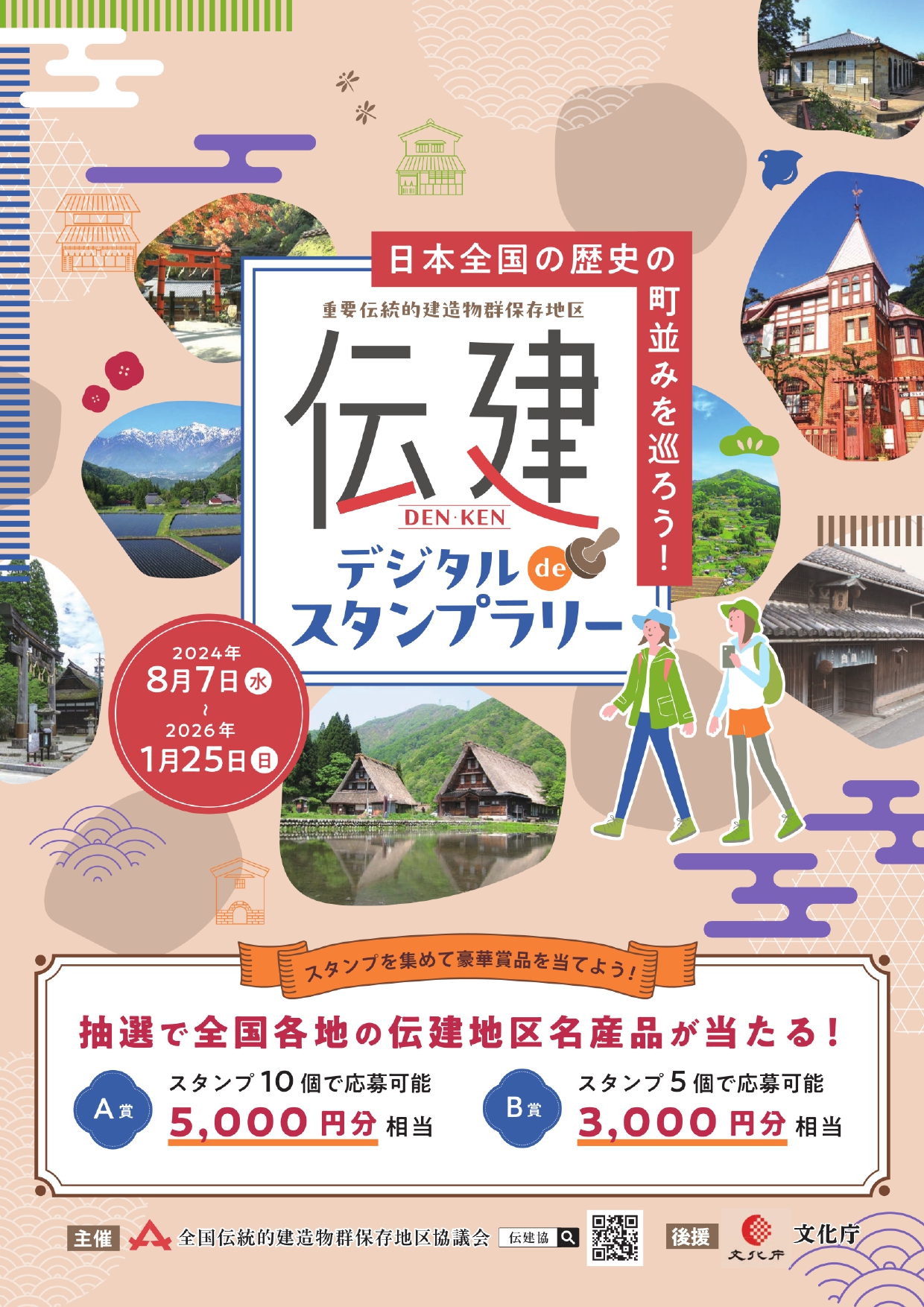
Generally, a stamp rally involves carrying a card or booklet for collecting stamps and gathering stamps at destinations.
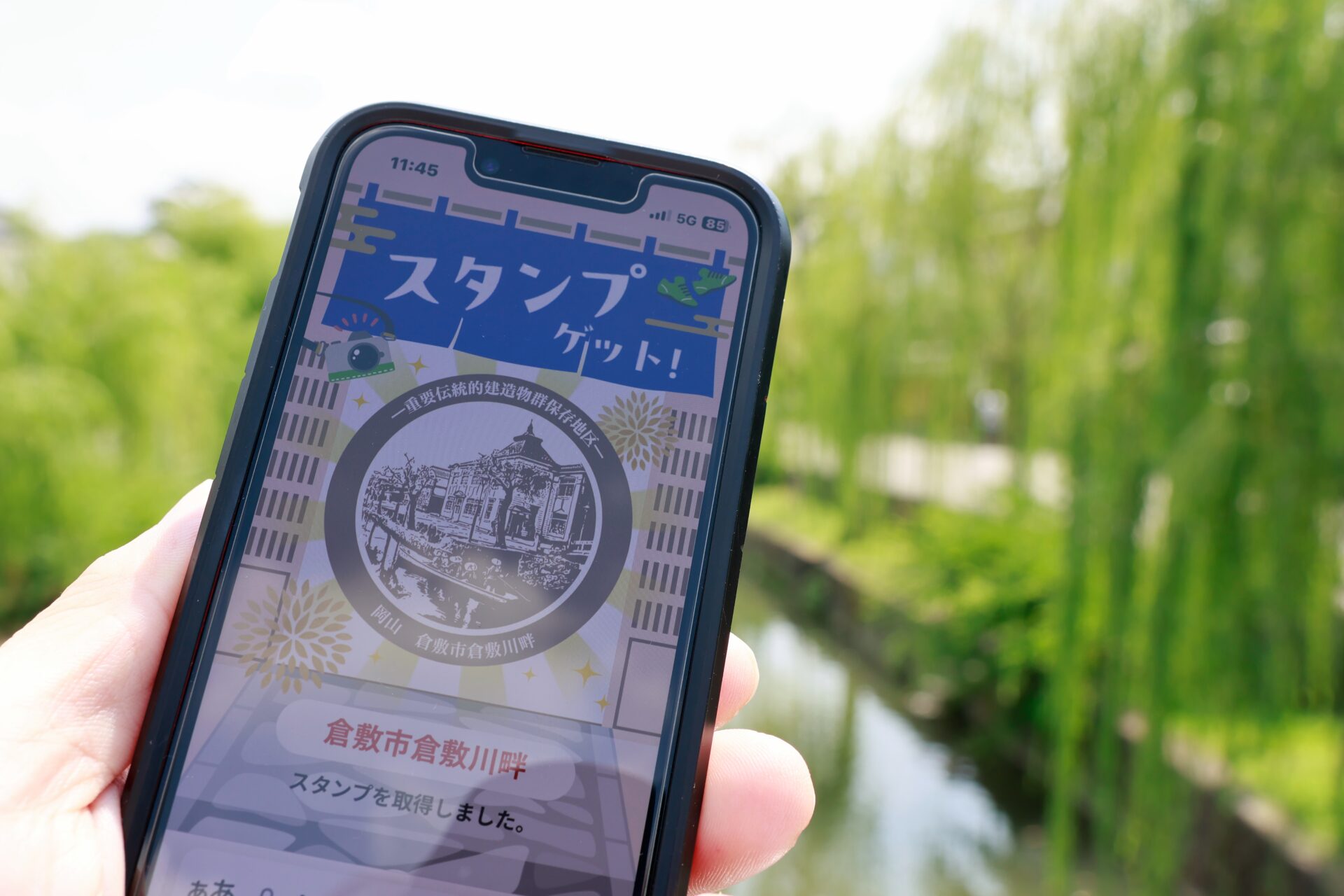
The “Preservation District Digital de Stamp Rally” uses digital technology—in other words, a smartphone’s GPS function—to collect stamps.
When you open the website in a Preservation District anywhere in Japan, a stamp collection screen appears, and you can tap to get a stamp. Registration is very easy, and it’s also nice that there are no stamp cards to lose.
With five or more stamps, you can enter a drawing to win local specialties from Preservation Districts across Japan.
How to participate in the Preservation District Digital de Stamp Rally
Here’s how to participate:
- Scan the participant QR code, or go directly from “here” to register
- Tap the check button at a stamp rally point (127 Preservation Districts nationwide; as of September 2024)
- Collect stamps and enter the drawing (Prize A: enter with 10 stamps to win local specialties worth about ¥5,000 from municipalities with Preservation Districts nationwide. Prize B: enter with 5 stamps to win the same type of prize worth about ¥3,000.)
You can enter as many times as you like during the campaign, but you cannot collect duplicate stamps for a spot you have already visited.
Bikan Historical Area as a Preservation District
Does visiting Bikan Historical Area as a “Preservation District” change how you see it as a tourist destination? It may also be useful as a reference when visiting other Preservation Districts.
We spoke with Katsuichi Taninaka and Keiichiro Sakoda of the Cultural Properties Protection Division, Lifelong Learning Department, Kurashiki City Board of Education, about the appeal of Preservation Districts and how to enjoy the “Preservation District Digital de Stamp Rally.”
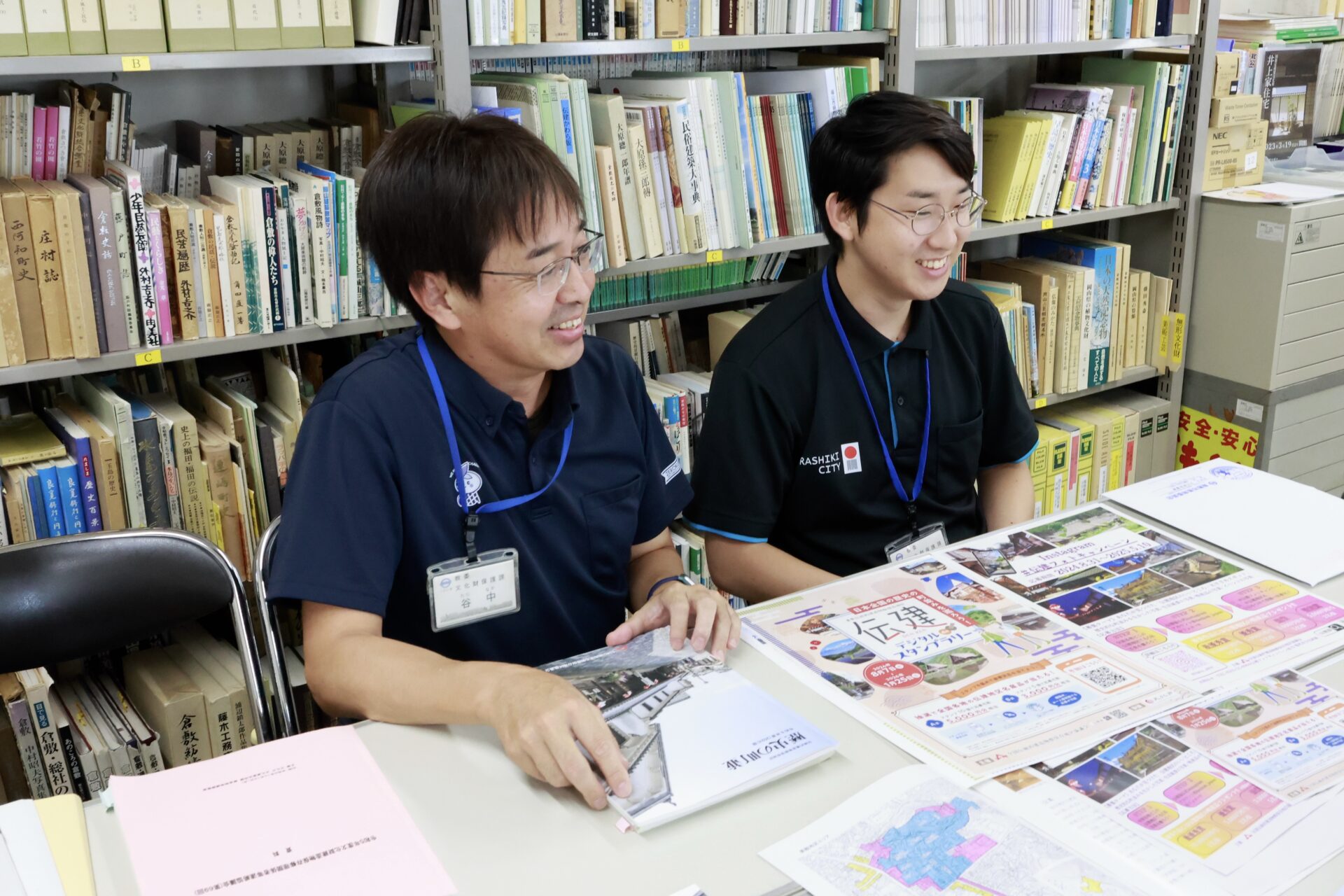
To begin with, what exactly is a “Preservation District (Preservation District for Groups of Traditional Buildings)”?
Taninaka (titles omitted)
The Preservation District for Groups of Traditional Buildings is a system established through an amendment to the Cultural Properties Protection Act, enacted in 1975, to protect and preserve townscapes and groups of buildings with historical value.
Before then, Japan was swept up in rapid modernization, and old buildings and townscapes were disappearing one after another.
This led to a movement to preserve groups of historic buildings as entire towns, and specific areas began to be designated as Preservation Districts.
Outside Okayama Prefecture, examples include World Heritage sites such as “Ogimachi, Shirakawa Village (Gifu Prefecture)” [Shirakawa-go] and “Omori Ginzan, Ota City (Shimane Prefecture)” [Iwami Ginzan], as well as “Kakunodate, Semboku City (Akita Prefecture)” and “Gion Shinbashi, Kyoto City (Kyoto Prefecture).”
When was Bikan Historical Area designated as a “Preservation District”?
Taninaka
Efforts to protect the townscape of Bikan Historical Area were led by residents and began before the government’s efforts. In 1968, Kurashiki City enacted the “Kurashiki Traditional Scenic Beauty Preservation Ordinance” to preserve the area’s scenic beauty.
Later, following revisions to the Cultural Properties Protection Act, these efforts were carried out in partnership with the government, and the area was designated as a Preservation District in 1979.
Are more “Preservation Districts” still being designated?
Taninaka
Yes. The number continues to grow.
As of September 2024, there are 129 districts in 106 municipalities nationwide, with two more added in 2024.
In 1979, 13 municipalities nationwide with Preservation Districts came together to establish the National Association for the Preservation Districts for Groups of Traditional Buildings.
Kurashiki City was one of these 13 municipalities and has been involved since the earliest stages.
The association’s member municipalities share a wide range of information to protect historic townscapes, including those in newly designated Preservation Districts.
Could you tell us what makes Bikan Historical Area special compared with other Preservation Districts?
Sakoda (titles omitted)
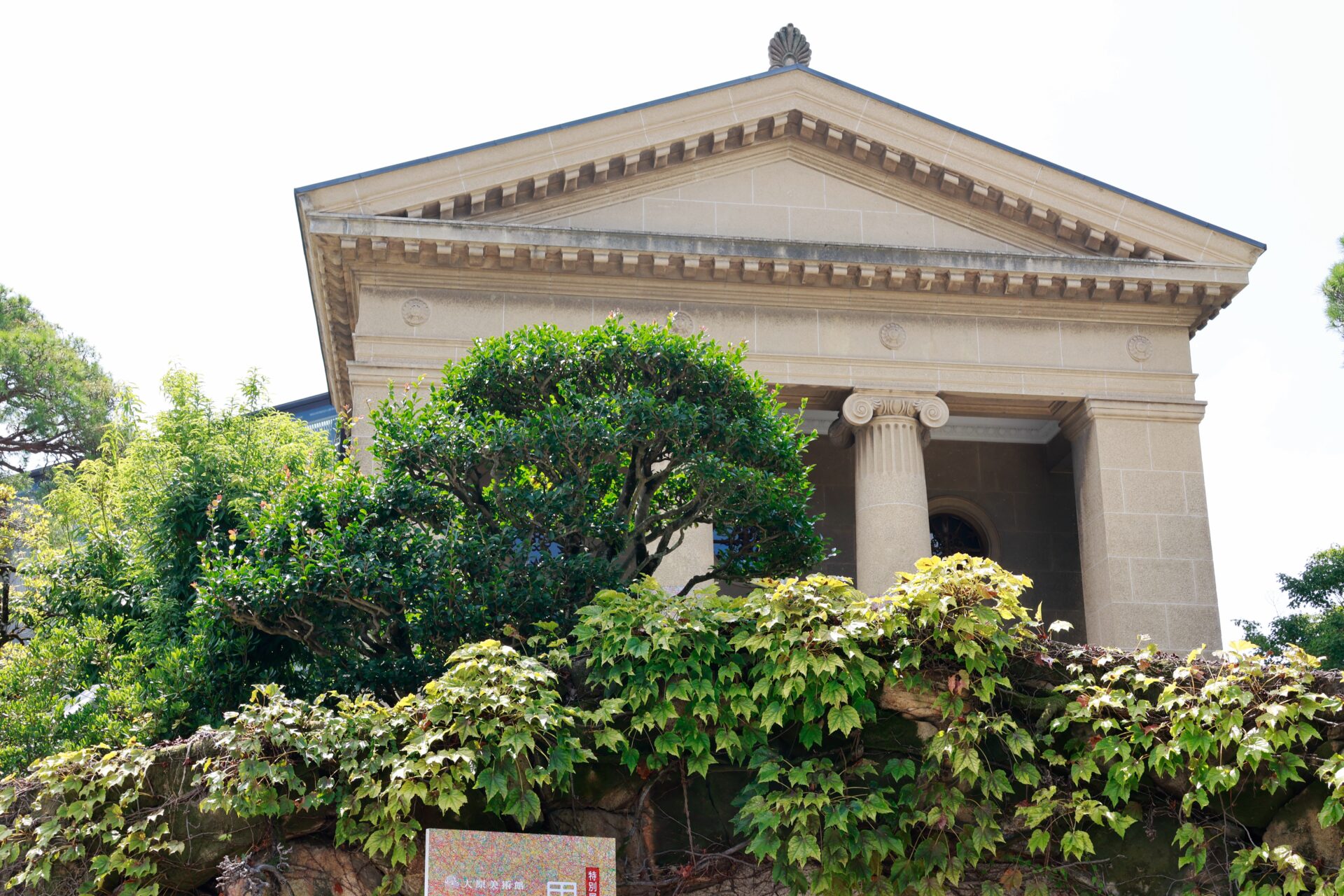
Perhaps it’s the blend of Japanese and Western styles.
A blend of Japanese and Western styles?
Sakoda
Preservation Districts can be broadly classified into the following types:
- Post towns, settlements, port towns, merchant towns, and townscapes associated with industry
- Townscapes centered around shrines and temples
- Teahouse townscapes
- Townscapes centered around samurai residences
Many Preservation Districts are primarily characterized by the so-called “Japanese” atmosphere of Edo-period post towns, traditional settlements, and townscapes centered around shrines and temples.
Bikan Historical Area is classified as a “merchant town,” where buildings from various periods coexist alongside the white-walled buildings of the Edo period.
For example, there is Kurashiki Ivy Square, a former headquarters factory of Kurashiki Spinning Works (now KURABO INDUSTRIES LTD.) built in 1889 and renovated in 1969.
There are also Western-style buildings, such as the former Chugoku Bank Kurashiki Branch Honmachi Office, built in 1922, and the Ohara Museum of Art, completed in 1930.
Willows lining the Kurashiki River also blend naturally with their surroundings, creating a beautiful landscape. This scenery has a unique appeal that you won’t find elsewhere.
Now, could you tell us how to enjoy the “Preservation District Digital de Stamp Rally”?
Sakoda
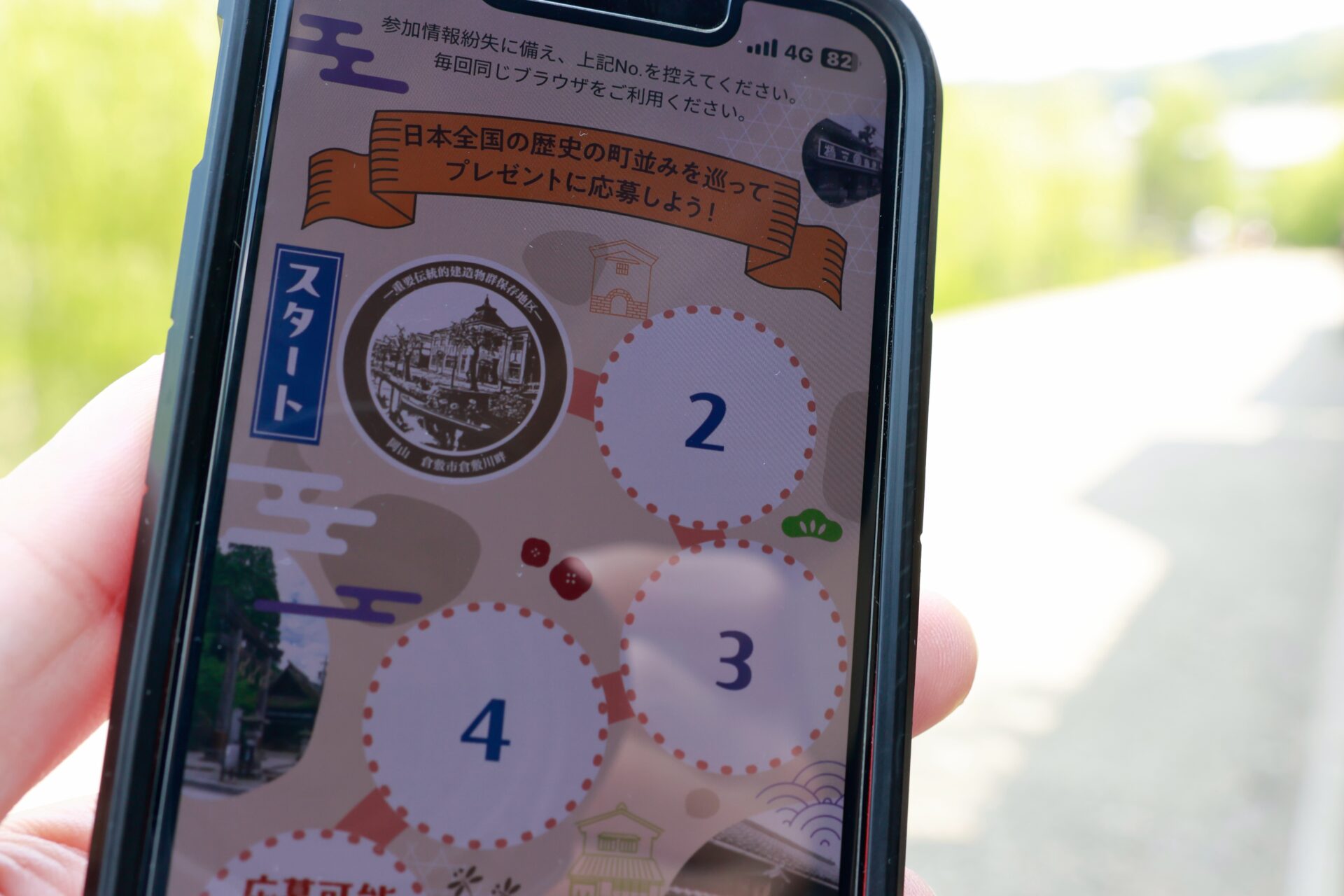
Use your smartphone’s GPS function to collect stamps from each Preservation District. You don’t need to download an app; anyone can participate for free by registering through the QR code on the official website.
The stamp rally website also has maps and lists of areas in the Preservation Districts, making it easy to find stamp collection points.
I think a major attraction is that collecting stamps gives you the chance to win local specialties in a drawing.
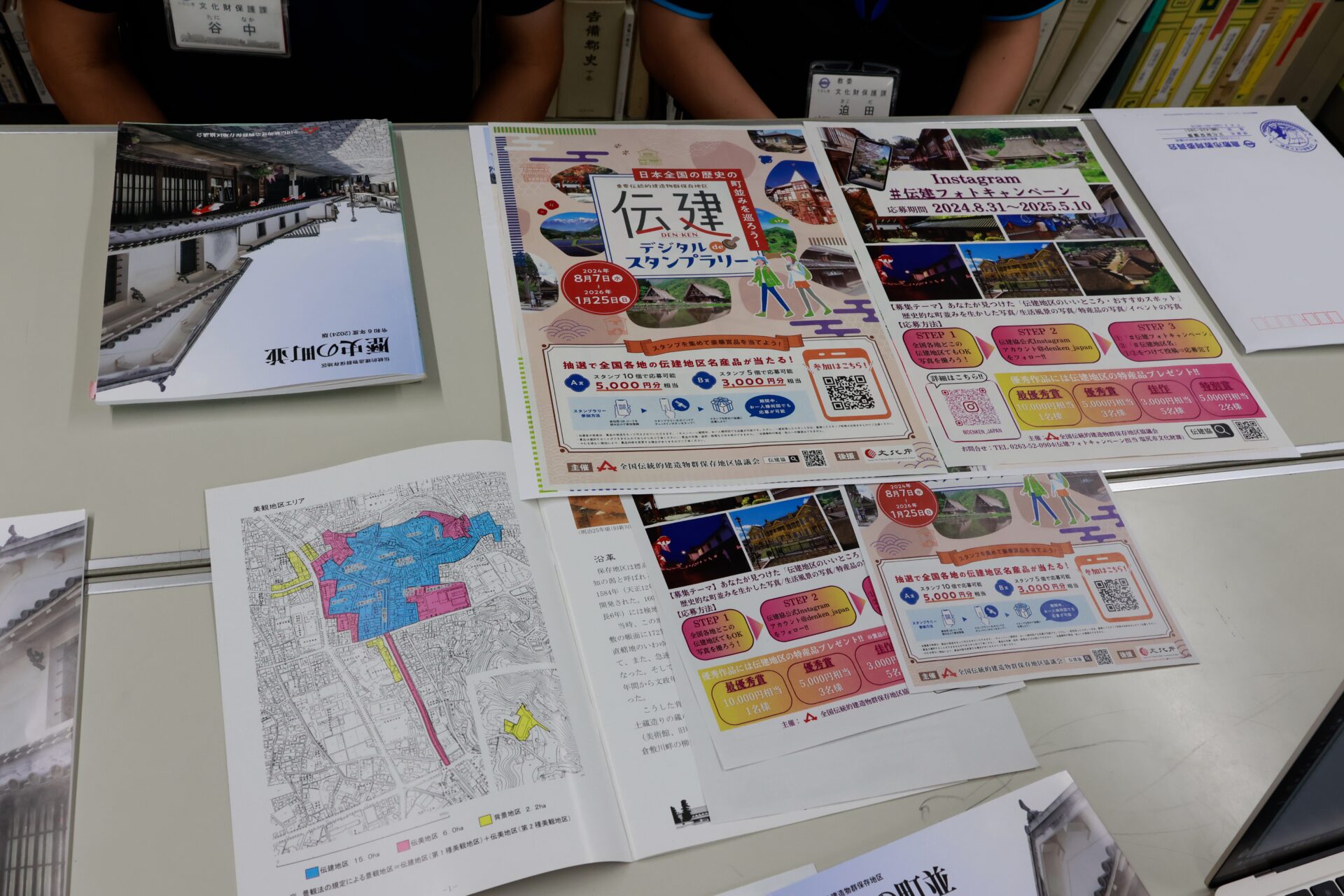
There’s also an “Instagram #PreservationDistrictPhotoCampaign” being held at the same time. You can participate by posting photos taken with your smartphone in a Preservation District to Instagram.
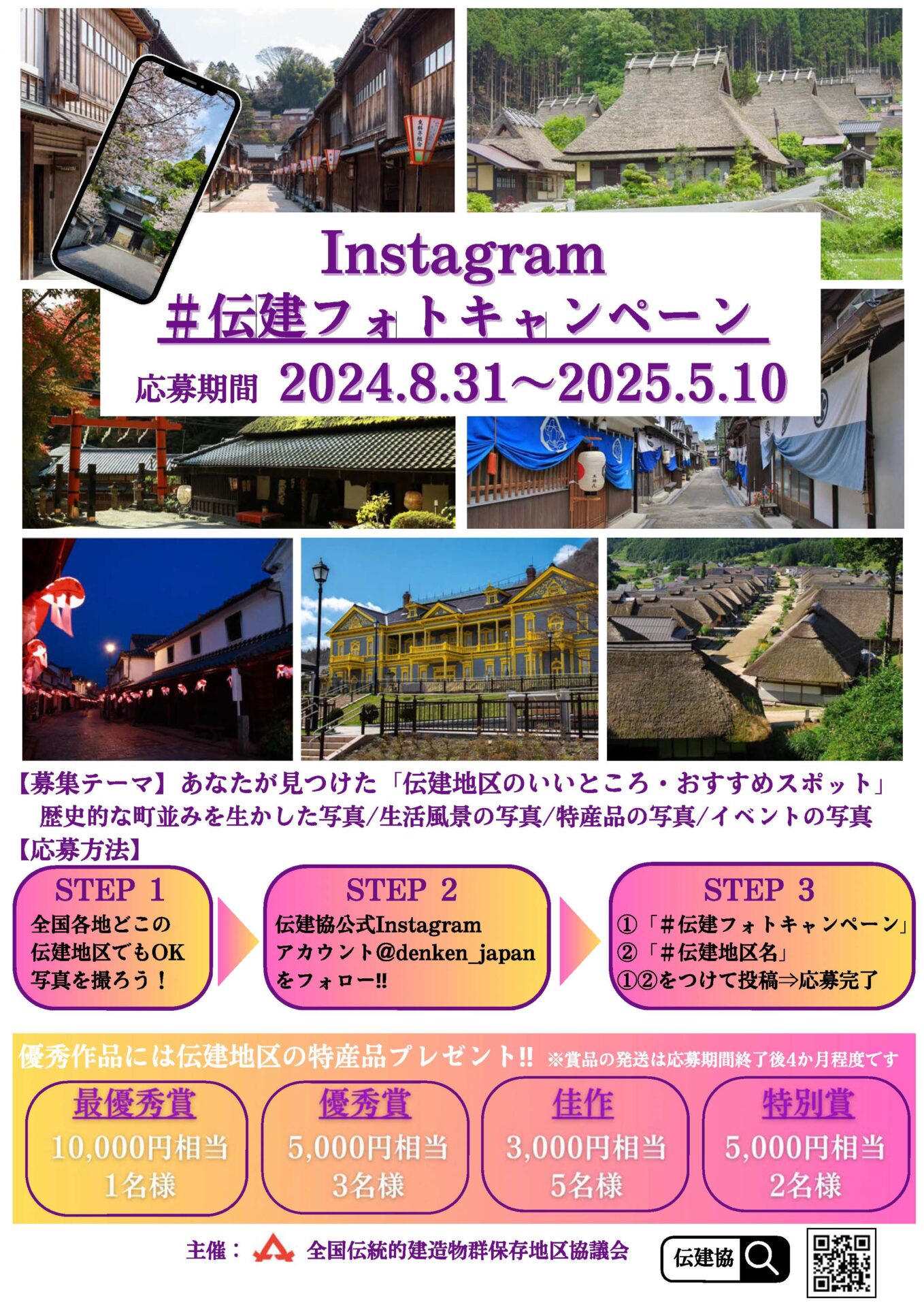
The campaign runs from Saturday, August 31, 2024, to Saturday, May 10, 2025, so I hope you’ll enjoy it alongside the Preservation District Digital de Stamp Rally.
Do you have a message for our readers?
Taninaka
There are five Preservation Districts in Okayama Prefecture, so you can collect five stamps just within the prefecture and enter the drawing for local specialties from Preservation Districts.
I hope this will be an opportunity for people participating in stamp rallies across Japan to explore the historic townscape of Bikan Historical Area and discover new attractions, including its wonderful scenery, food culture, and way of life. I also hope that people living in Okayama Prefecture will rediscover the appeal of Bikan Historical Area through the stamp rally.
From the Writer
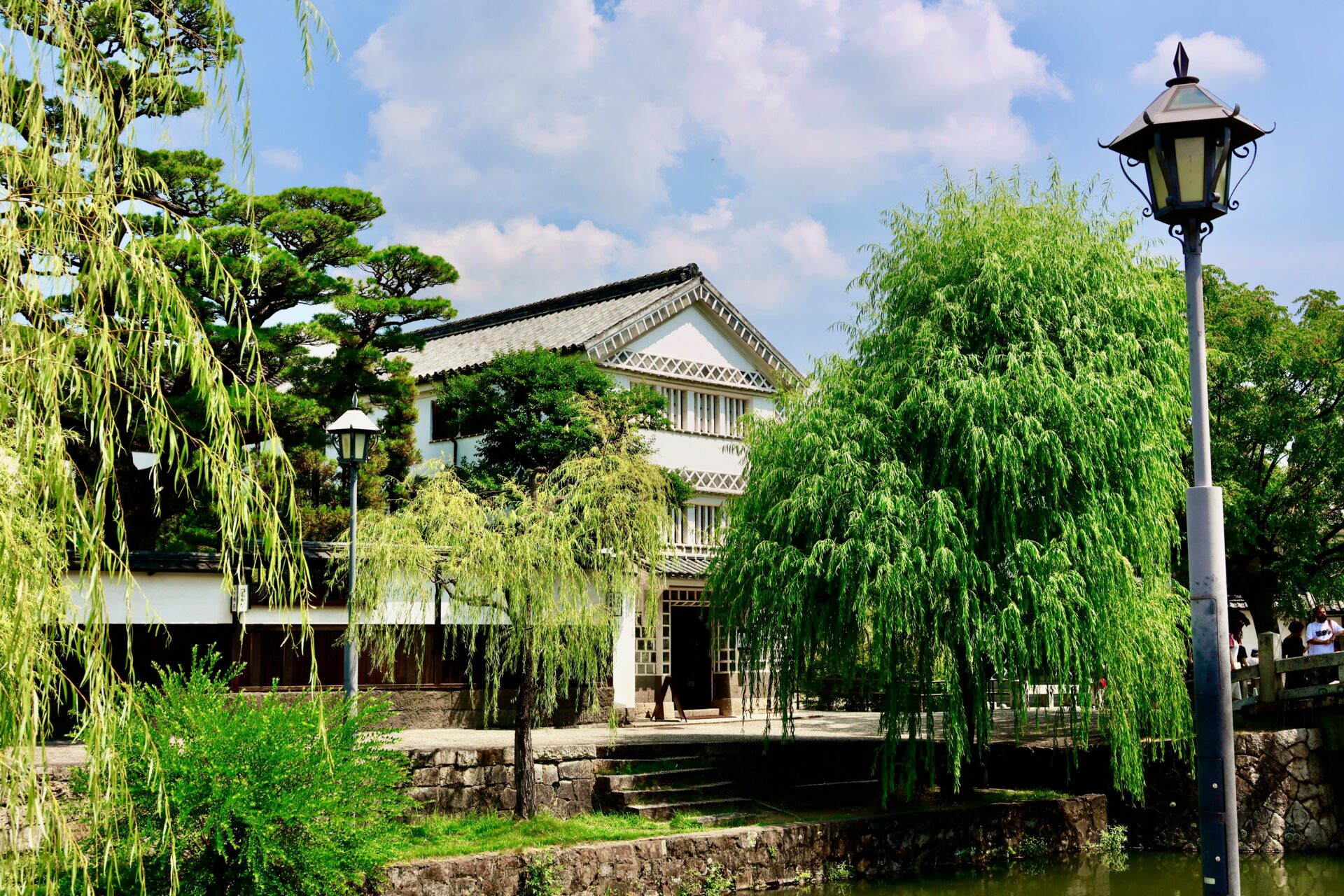
Immediately after the interview, I went to visit Bikan Historical Area.
Although the townscape was familiar, the buildings, roofs, windows, and rows of shops all felt fresh to me. Perhaps my perspective had changed. It was a curious feeling, but the “Preservation District Digital de Stamp Rally” made me feel that a new journey was about to begin.
Since it’s a great opportunity, I think I’ll start by visiting the five “Preservation Districts” in Okayama Prefecture and entering the drawing for local specialties. I’m also looking forward to visiting other Preservation Districts in nearby prefectures, such as “Tatsuno, Tatsuno City (Hyogo Prefecture)” and “Tomonoura, Fukuyama City (Hiroshima Prefecture).”
Why not join in and set off on a “journey through Preservation Districts” with your smartphone in hand?
- Kurashiki City, Kurashiki Riverbank Preservation District for Groups of Traditional Buildings
- Tsuyama City, Joto Preservation District for Groups of Traditional Buildings
- Tsuyama City, Josai Preservation District for Groups of Traditional Buildings
- Takahashi City, Fukiya Preservation District for Groups of Traditional Buildings
- Yakage Town, Yakage-juku Preservation District for Groups of Traditional Buildings
Preservation District Digital de Stamp Rally details

| Name | Preservation District Digital de Stamp Rally |
|---|---|
| Dates | August 7, 2024–January 25, 2026 Instagram #PreservationDistrictPhotoCampaign: August 31, 2024–May 10, 2025 |
| Location | Preservation Districts for Groups of Traditional Buildings throughout Japan |
| Participation fee (tax included) | Free |
| Website | National Association for the Preservation Districts for Groups of Traditional Buildings |


What would you like to know about Kurashiki?
Enter a search term to find articles on this site