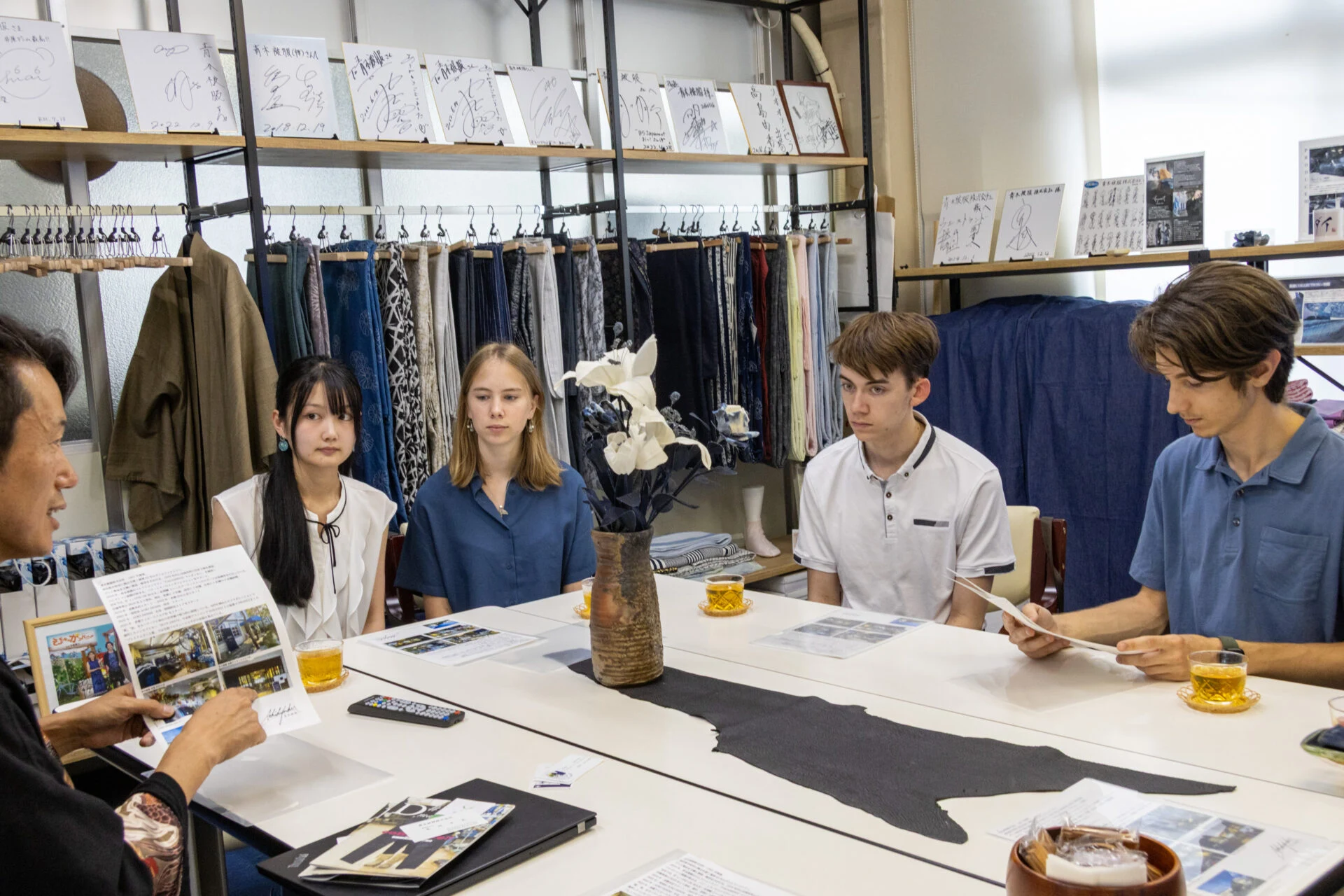
Interview with the person in charge of the internship program
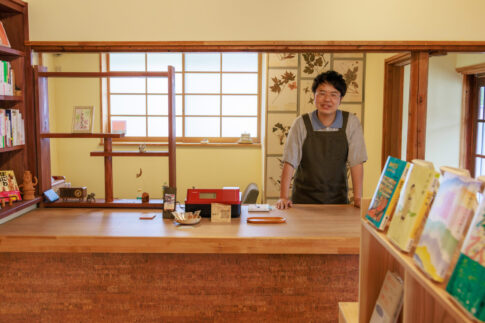
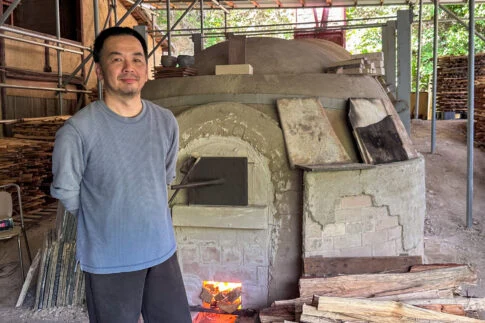
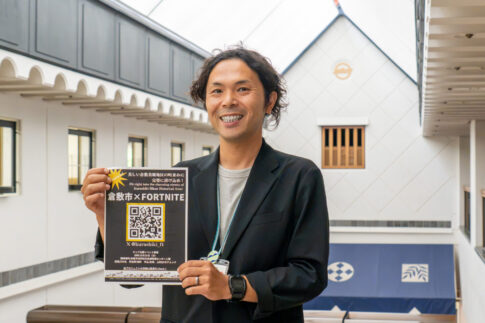
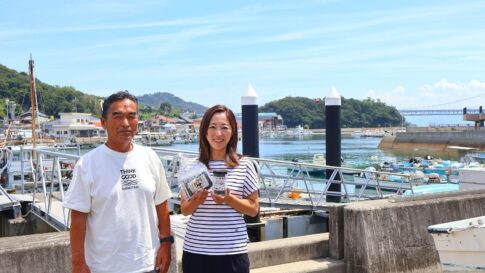
I spoke with Kenji Fujioka, the Secretary General of the Ibara City International Exchange Association, who is in charge of the internship program, about the background and the program for the fiscal year 2025.
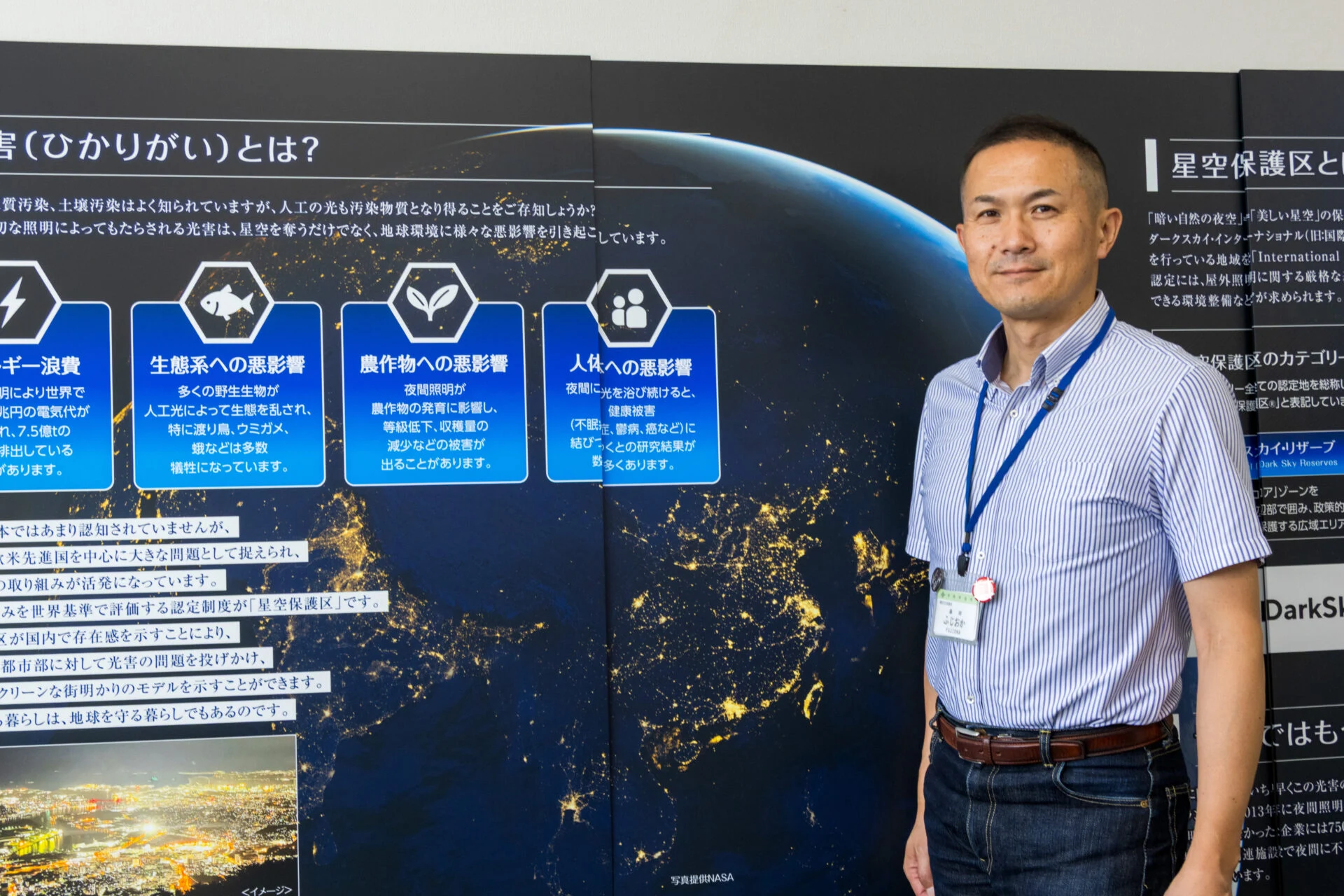
Can you tell us about the background of the internship acceptance program?
Fujioka
This program started through the mediation of Professor Idehara from Tama University, who is originally from Ibara City.
My encounter with Professor Idehara was when I was introduced to him during a business trip to Tokyo for tourism promotion as an Ibara City employee. We were exchanging ideas on whether VR (virtual reality) could be used for promoting the starry sky of Bisei, as Professor Idehara is a researcher in information technology.
During that time, I learned that Tama University has been partnered with ESIEA (École Supérieure d'Ingénieurs en Électronique et Électrotechnique) in France for over ten years and has been conducting mutual exchange programs.
Professor Idehara proposed a program where international students would stay for two months during the summer vacation and disseminate information about Japanese culture, which I found interesting, and the planning became more concrete around 2019.
We intended to accept the first interns in 2020, but due to the COVID-19 pandemic, it could not be realized.
After the pandemic began to settle down and international travel gradually resumed, we accepted two international students for the first time in the fiscal year 2023. This year (fiscal year 2025) marks the third acceptance.
Can you tell us about the schedule during the internship period?
Fujioka
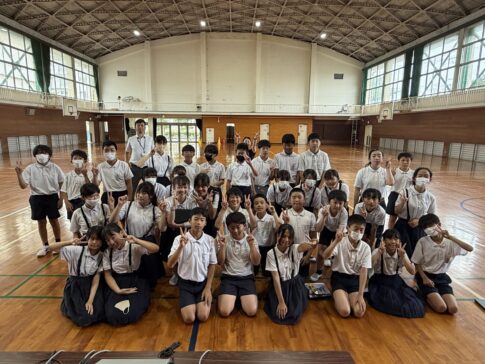
During the approximately two-month internship period, the interns will stay with several host families and engage in various activities and experiences.
On weekdays, they will mainly participate in Japanese cultural experiences and excursions within and outside Ibara City, while on weekends and holidays, they will spend time with their host families.
Can you tell us about the new program that started this year?
Fujioka
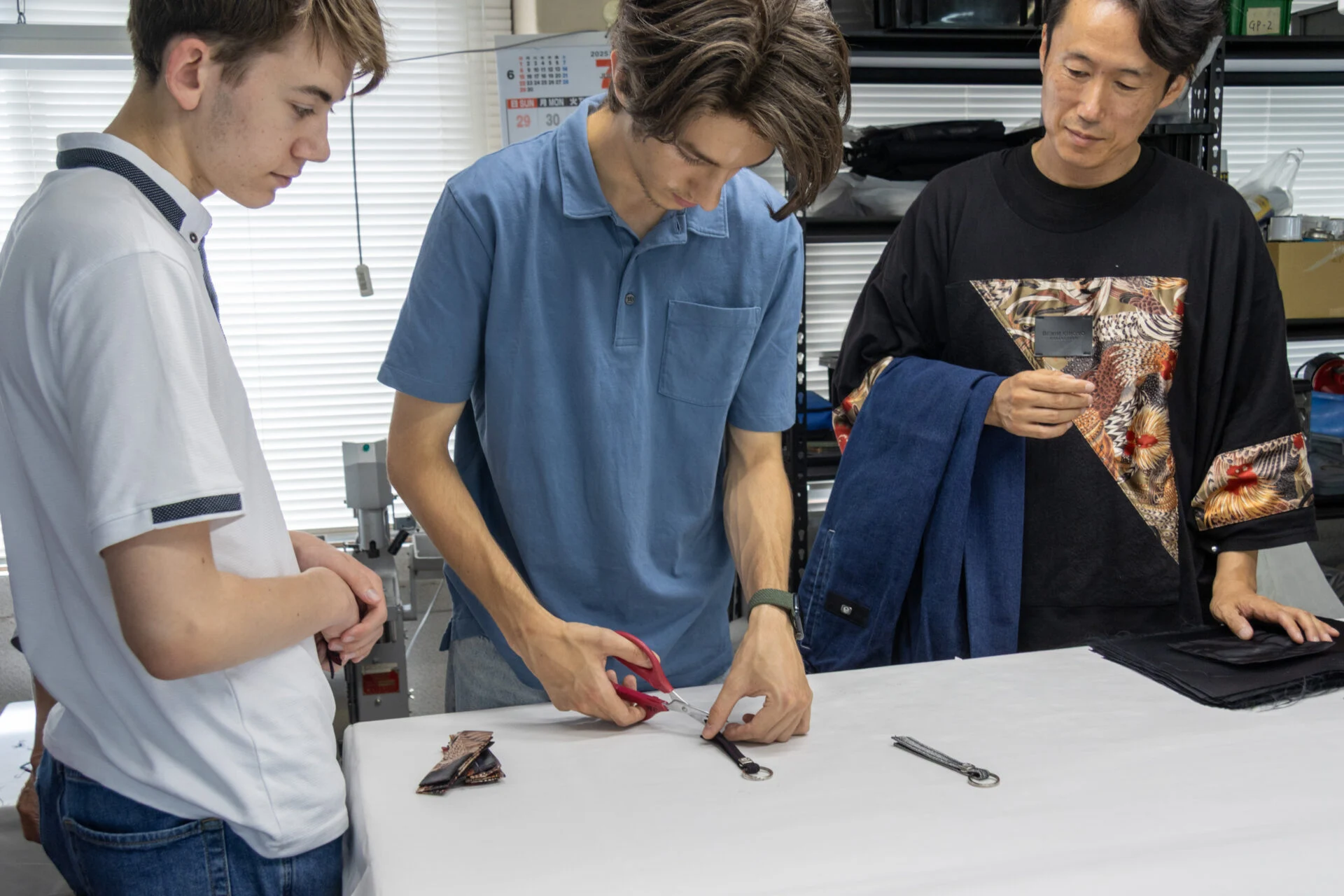
This year, we conducted visits to denim-related companies in Ibara City as a new program.
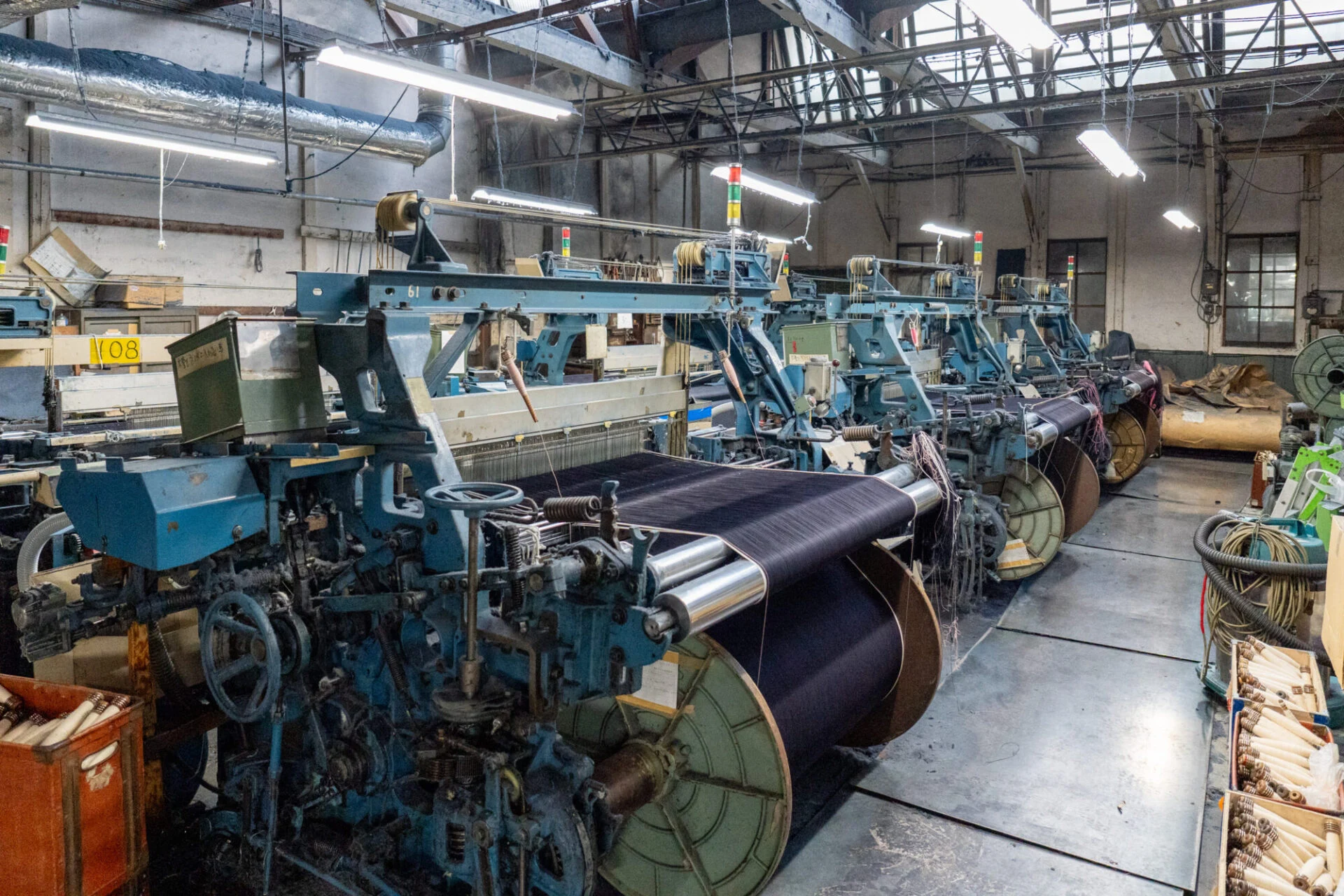
Generally, Kojima is known as the production area for denim and jeans, right? In contrast to Kojima, which focuses on sewing, Ibara City has long been a city known for the production of denim fabric and material industries.
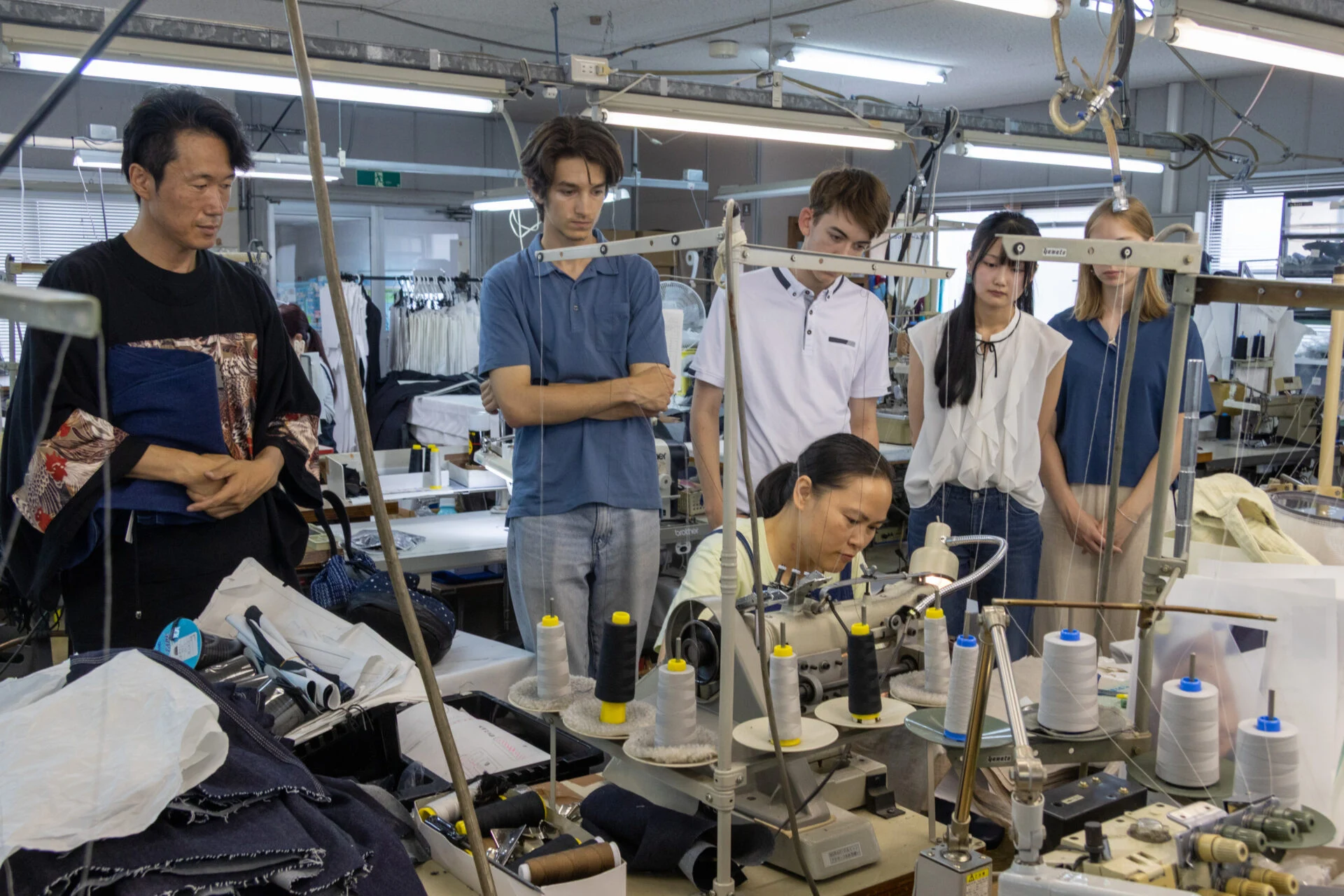
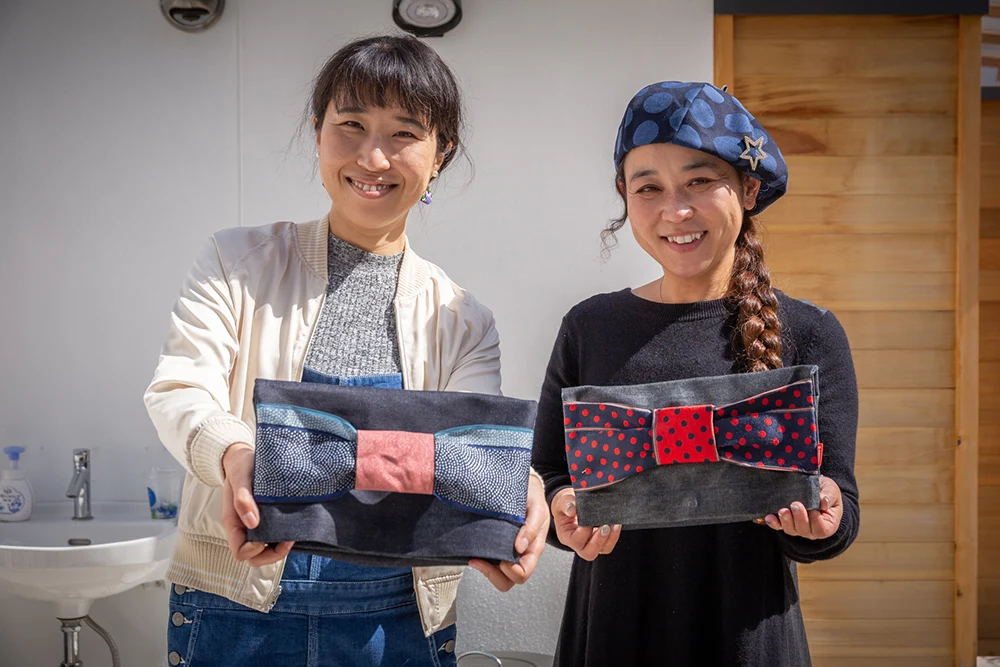
In the city, there are companies involved in the entire process, from dyeing denim (Kamiyo Chichigaki Co., Ltd.), dyeing threads and manufacturing denim fabric (Kuroki Co., Ltd., NIHONMENPU TEXTILE CO., LTD.), to sewing denim products (Aoki Clothing Co., Ltd.), which we visited today (July 18).
Due to the connection with famous French brands using Ibara denim, we planned this program to let people know about the technical capabilities of Ibara City's denim industry.
Additionally, we are also planning a visit to the Okayama Robocare Center, a facility that conducts rehabilitation using the "wearable cyborg HAL" located in Kurashiki City.
This is a related company to Ibara Seiki Co., Ltd., which manufactures automotive parts in Ibara City, and we hope to let people know about Japanese robot technology.
What are your expectations for the internship program?
Fujioka
Through the communication of the interns, I hope to deliver information about Ibara City to people living in France. As part of their activities during their stay, they are sharing their experiences on Instagram with photos and information in French.
Furthermore, after returning to their home country, I would be happy if they could share their memories and experiences of Ibara with their friends and teachers, leading to an increase in students who wish to participate in the internship in the coming years.
Through these activities, I hope they can convey the message that there are wonderful places in rural Japan, even if they are not famous tourist destinations.
For the citizens of Ibara City, I hope that hosting homestays and engaging in various experiential activities will provide opportunities to feel international exchange close to them.
Regarding host families, initially, many feel anxious, but once they accept an intern, there are many voices expressing a desire to host again, and there are even two families that have hosted for three consecutive years.
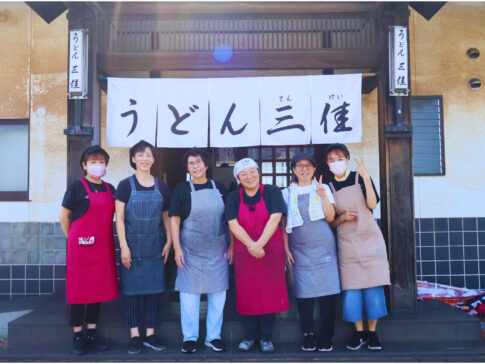
Moreover, the local wagashi (Japanese sweets) shops and the Ibara Kyudo Association that provide experiential programs for the interns are gaining more experience with each passing year.
I hope to deepen these experiences further and, in the future, not only focus on France but also explore the demand for inbound tourism, expecting various forms of synergy to arise between the interns and the citizens of Ibara City.
Conclusion
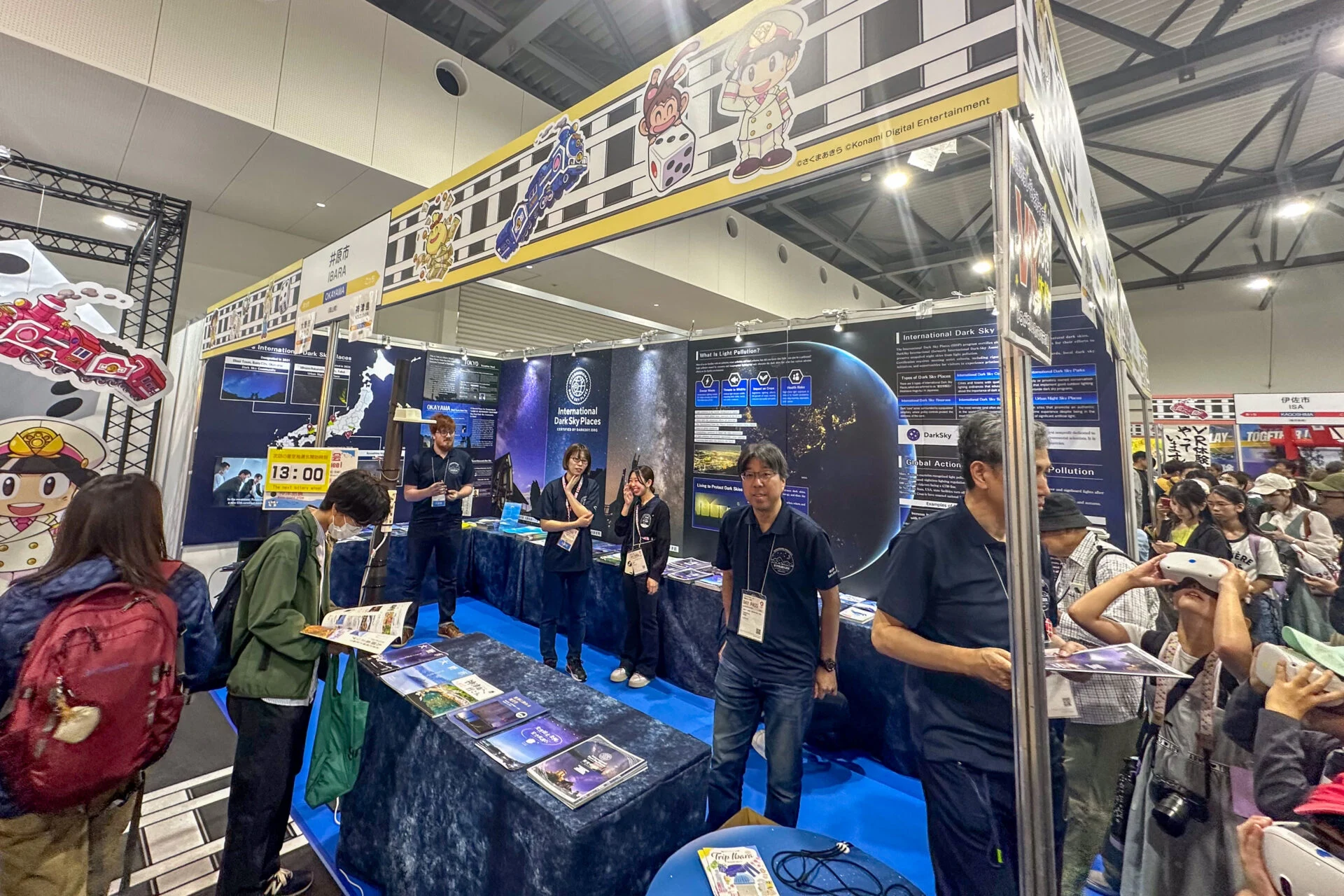
This interview was originally prompted by my visit to the Ibara City booth at the 2025 Osaka-Kansai Expo, where they were exhibiting.
During that time, I was impressed by the words shared by Professor Idehara, who introduced last year's interns, and I would like to share them.
I was moved by the intention to convey not just "things" and "events," but also the "people" involved. I believe this is the most important thing in the age of information technology and AI.
The acceptance of interns in Ibara City is similar, fostering international exchange that transcends borders through connections between people. I felt through this interview that this depth is increasing with each passing year.
Coincidentally, one of the themes of the French Pavilion at the 2025 Osaka-Kansai Expo is "The Legend of the Red Thread."
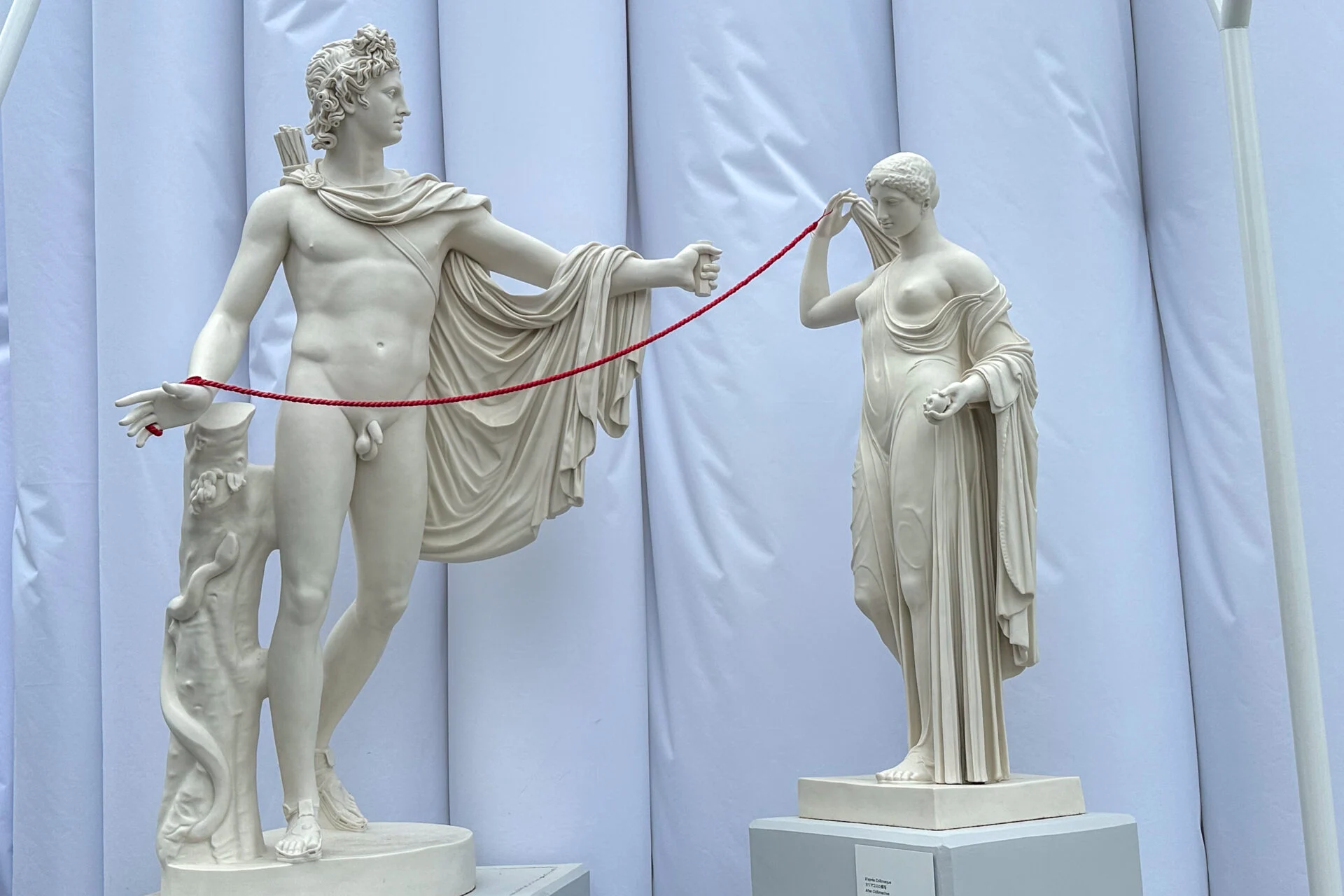
I hope that the bond of the "red thread" that transcends borders between Ibara City and France, formed through the interns, will deepen further in the future.
Data on the acceptance of French university student interns (Ibara City International Exchange Association)
| Name | Acceptance of French university student interns (Ibara City International Exchange Association) |
|---|---|
| Address | Ibara City International Exchange Association |
| Contact | 0866-62-8850 |