Interview with Hyodo Momoka
Hyodo Momoka, who is a lecturer and Jomon artist, shared her thoughts on what inspired her to create Jomon pottery.
What inspired you to encounter Jomon pottery?
Hyodo
When I was in the second year of junior high school, I was invited to go to the Ifururai Museum in Niimi City with my mother and participated in the Jomon Outdoor Burning Festival. When I saw the Jomon pottery being fired for the first time, I thought, "Hmm," but I didn't have much interest.
However, when I saw the works of Jomon sculptor Ifururai (who later became my mentor) displayed at the museum, I felt a rise in body heat. I was captivated.
But at that time, I did not start making Jomon pottery.
So, there was another opportunity to encounter Jomon pottery.
Hyodo
In the summer of 2019, I participated in a lecture and pottery class (Jomon pottery) at the Ifururai Museum. At that time, Ifururai said, "It’s better to continue while your hands remember how to make pottery," and I participated again a week later. I have been continuing for about five years since then.
Ifururai also suggested to those who visited him wanting to know about the Jomon period, "Why not try making Jomon pottery first?"
By creating Jomon pottery, I not only gain the skills to make Jomon pottery but also a sense of connecting with the hearts of Jomon people, which deepens my understanding of Jomon.
It seems that not only the skills of making Jomon pottery but also the heart is valued.
Hyodo
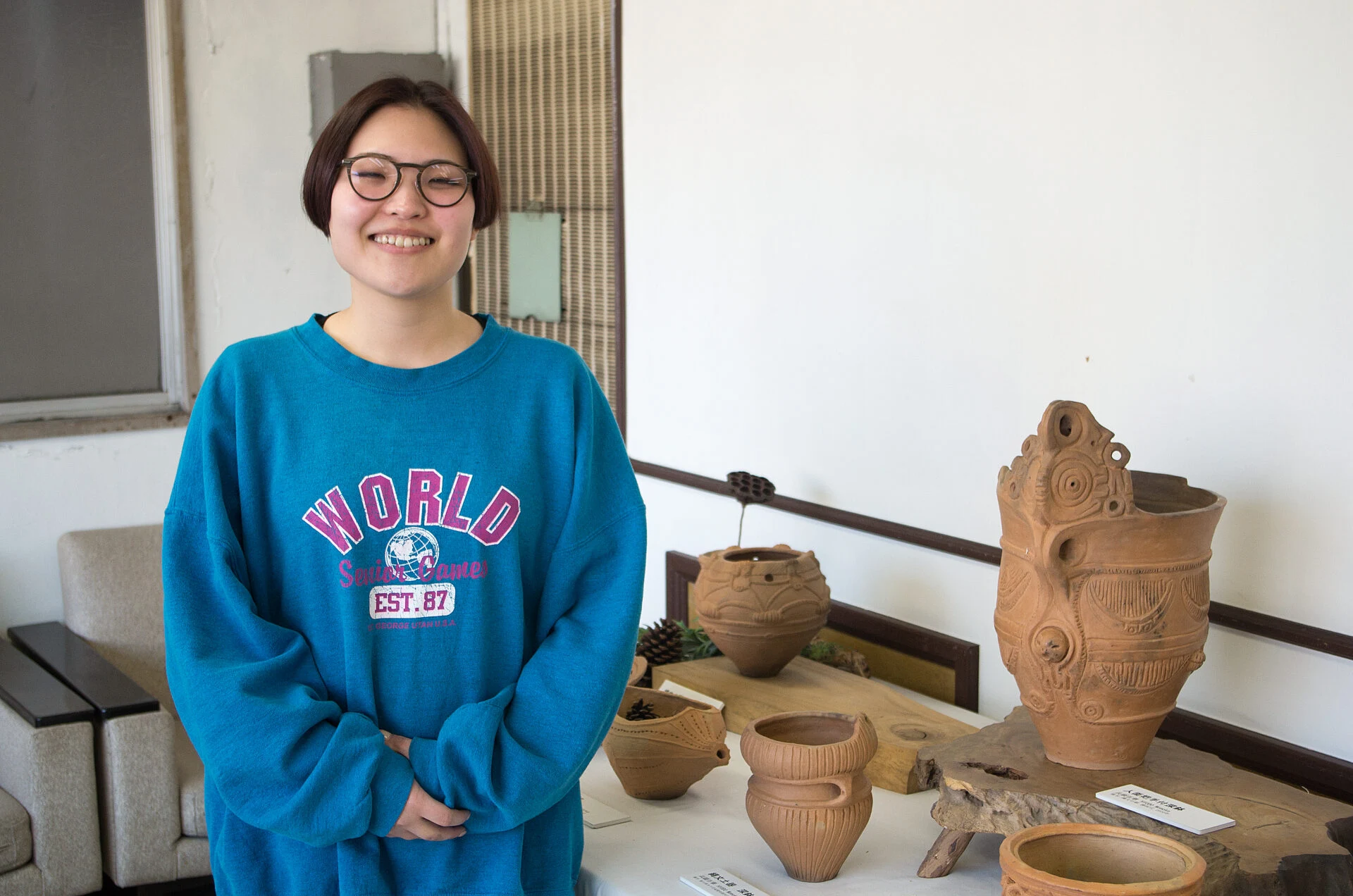
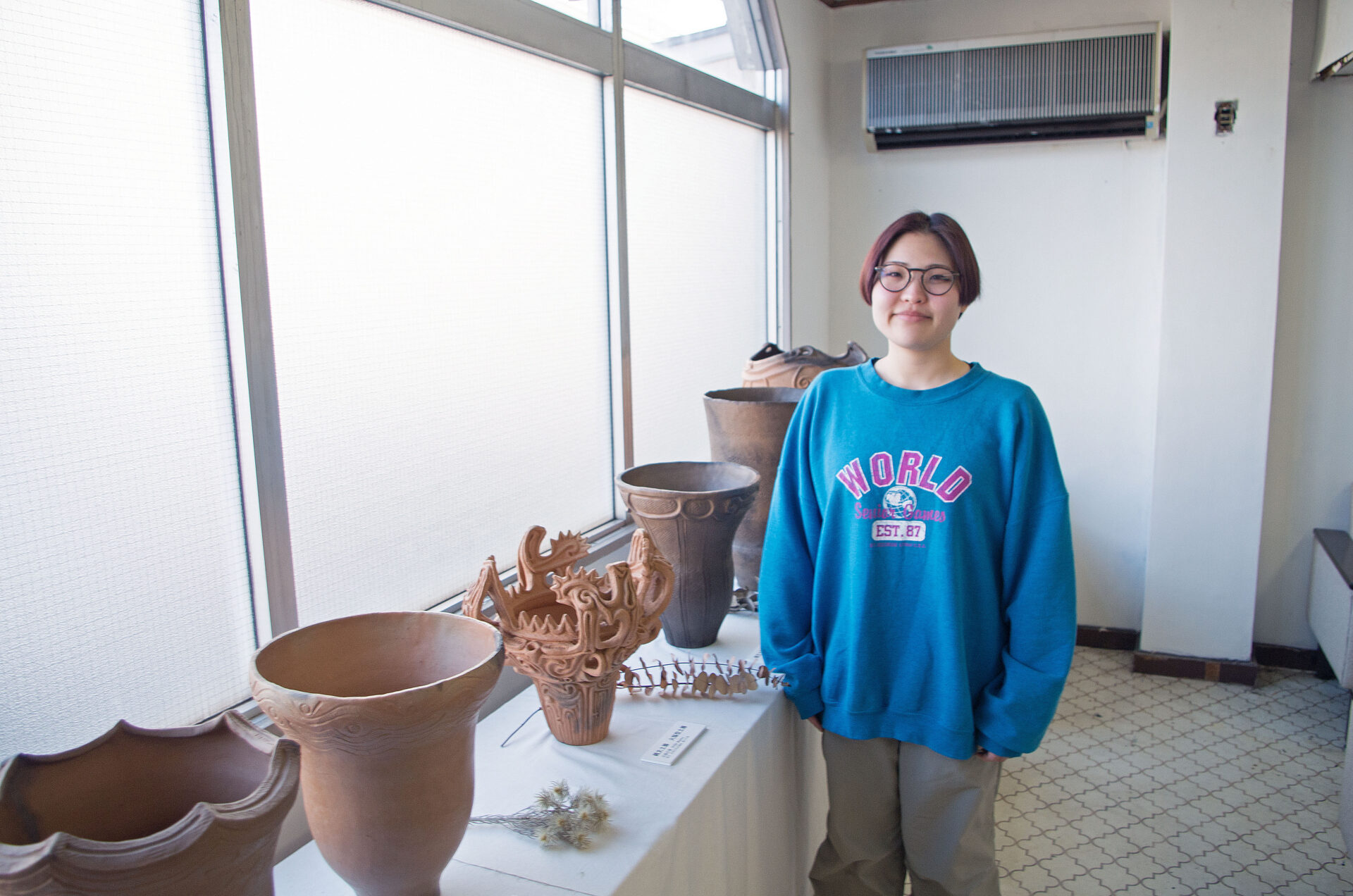
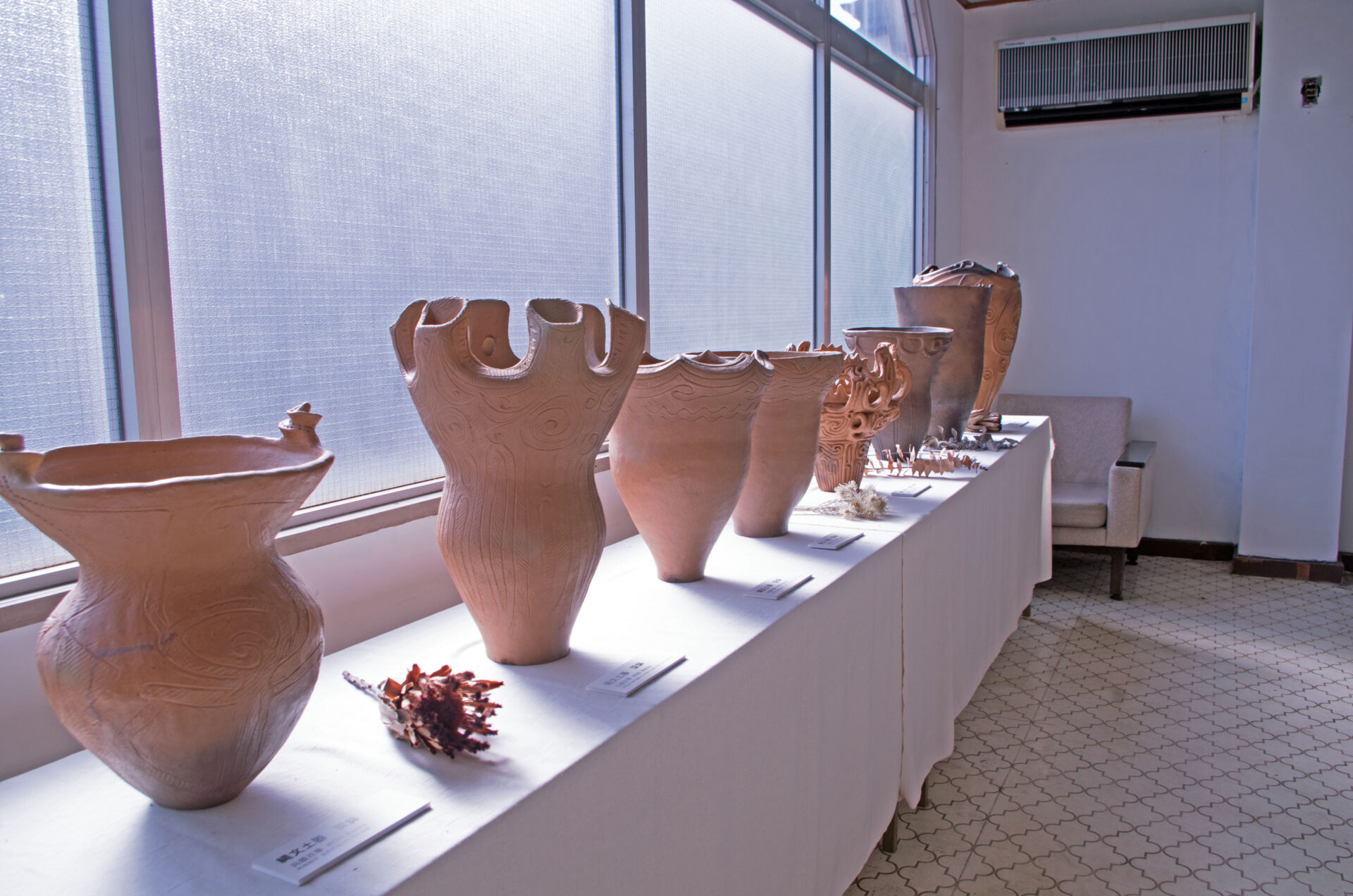
The Jomon pottery displayed at the "Mizushima Park Management Lab." on the left is mainly replicas of excavated pottery.
As you can see, even though we say Jomon period, it lasted for over 10,000 years, so the characteristics and shapes of each era are various. The shapes, patterns, and even the thickness of the pottery differ.
By closely observing the works at the Ifururai Museum and faithfully reproducing each shape and pattern, I sometimes feel the thoughts of the Jomon people who made this pottery at that time.
- What kind of prayer was put into this line?
- For some reason, my heart reacts to that pattern.
- To create this angle and shape of the pottery, there must have been some ingenuity.
Through replication, I can feel the depth of expression of the women who were making pottery in the Jomon period.
What was the purpose of making Jomon pottery in the first place?
Hyodo
The purpose of Jomon pottery is for cooking and boiling.
Jomon pottery is made using the coil building technique, stacking clay ropes on top of each other. Generally, people often crush it during the production process.
Among the displayed works, there is a pottery with six distinctive protrusions. Is this your creation?
Hyodo
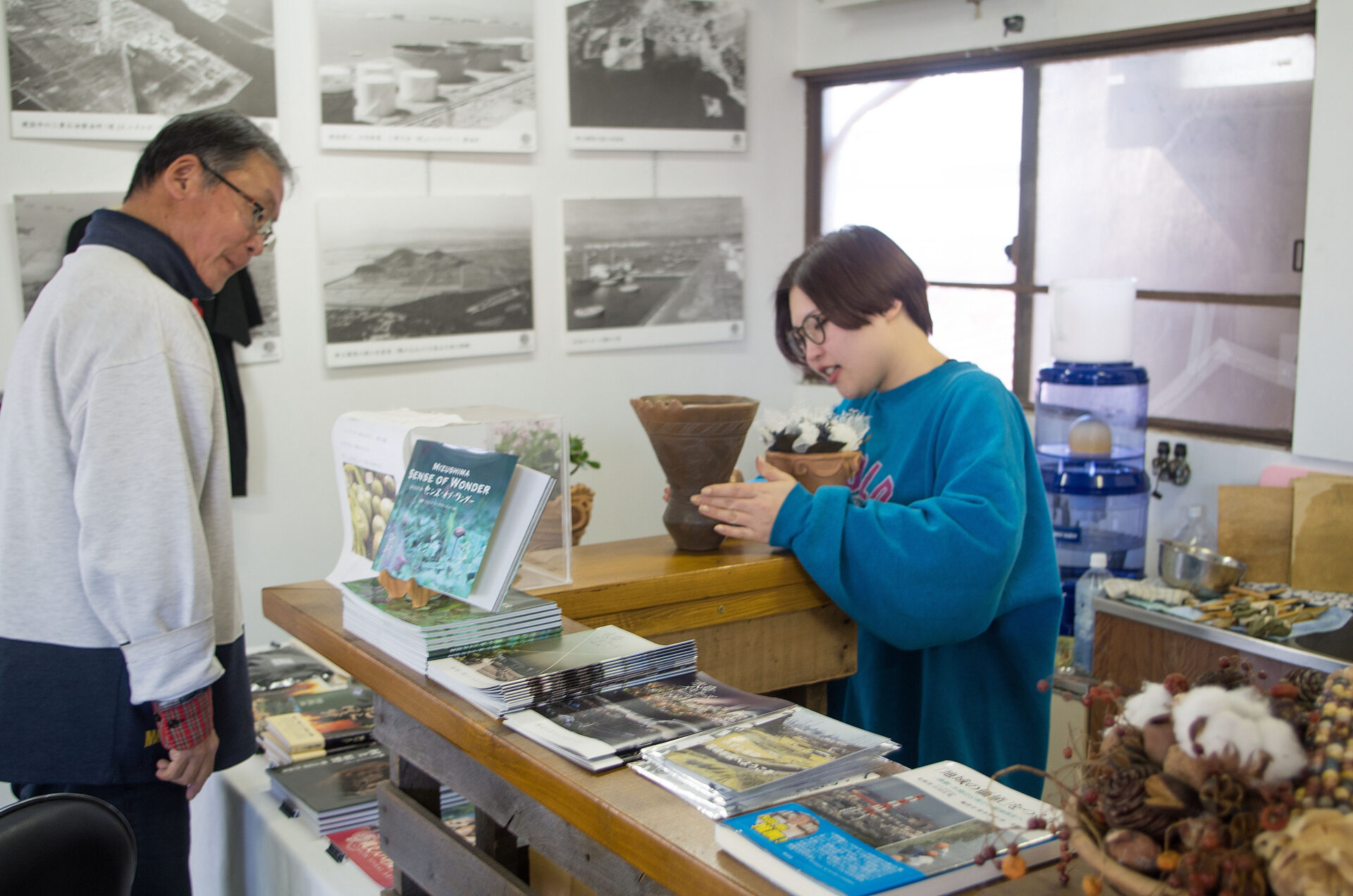
This piece is not a creation or a replica, but a reproduction. It was made by imagining the whole based on the actual fragments that were excavated.
In particular, this pottery has six hollow square protrusions and is relatively thick, so I reproduced it while experimenting with how it was made before the clay dried.
I believe that through my experience of facing many works, I was able to reproduce the production process.
It seems that your encounter with Ifururai, your mentor, is significant.
Hyodo
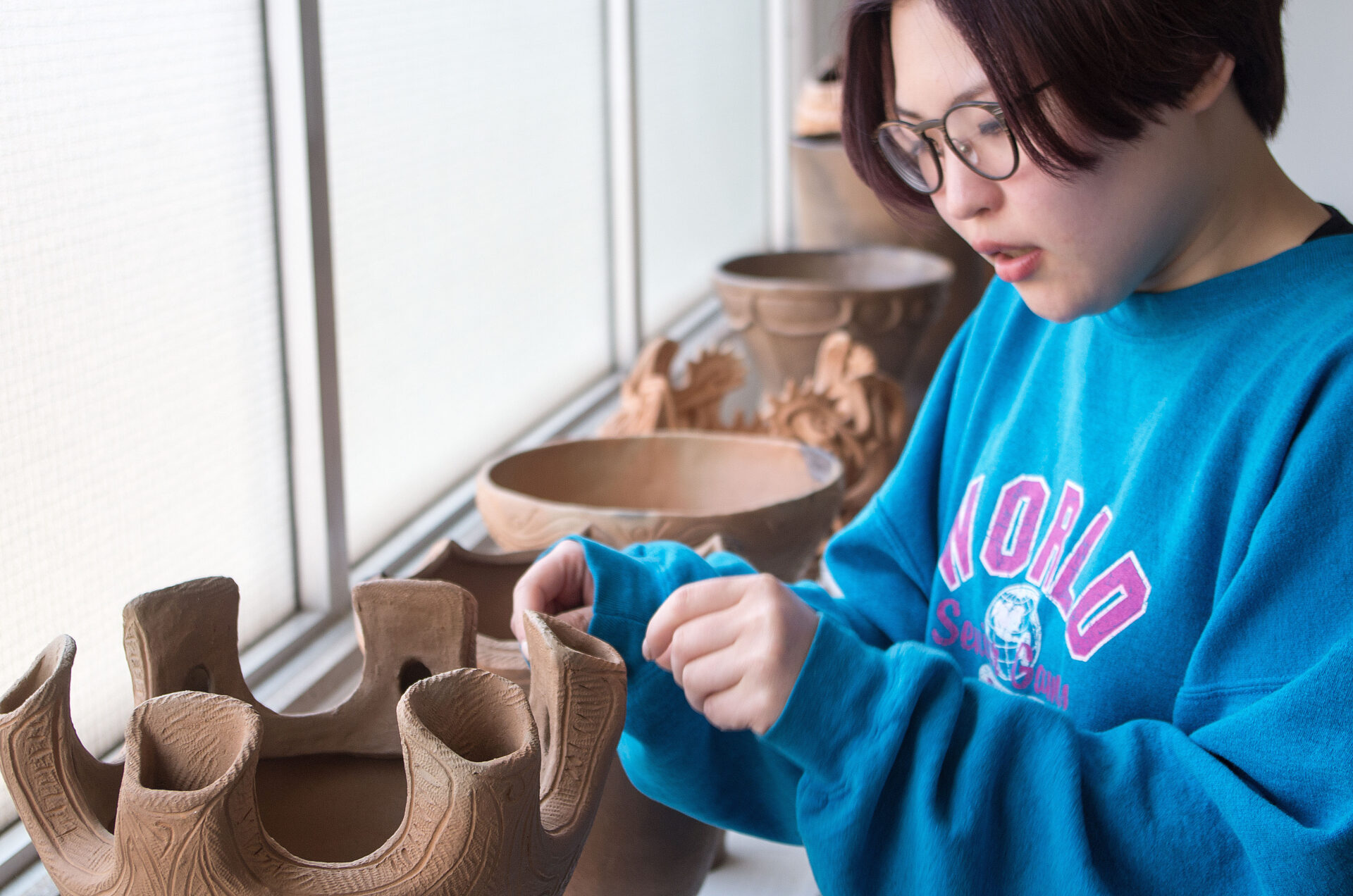
Ifururai is currently 77 years old as of 2024. He has been making Jomon pottery since he was young, but in 1986 (Showa 61), he moved with his family from Chiba Prefecture to Hokkaido in search of the "Spirit of Jomon."
In Hokkaido, he built a pit dwelling in the wilderness as his studio and lived a self-sufficient Jomon lifestyle with his family. Since the pit dwelling is dug into the ground, the living perspective is at the same level as the earth. Through this lifestyle, he felt that all life is equal and equivalent, born from the earth.
After that, he searched for candidate locations for museums across the country, and among several candidates, the location in Niimi City (now the Ifururai Museum) was ultimately chosen. It is amazing that he can create Jomon pottery while living a Jomon lifestyle with his family who moved with him.
Now, he has become a pottery instructor at the Ifururai Museum and is involved in pottery classes held on the second and third Wednesdays and Sundays of every month.
Finally, could you tell us about the charm of Jomon pottery for you?
Hyodo
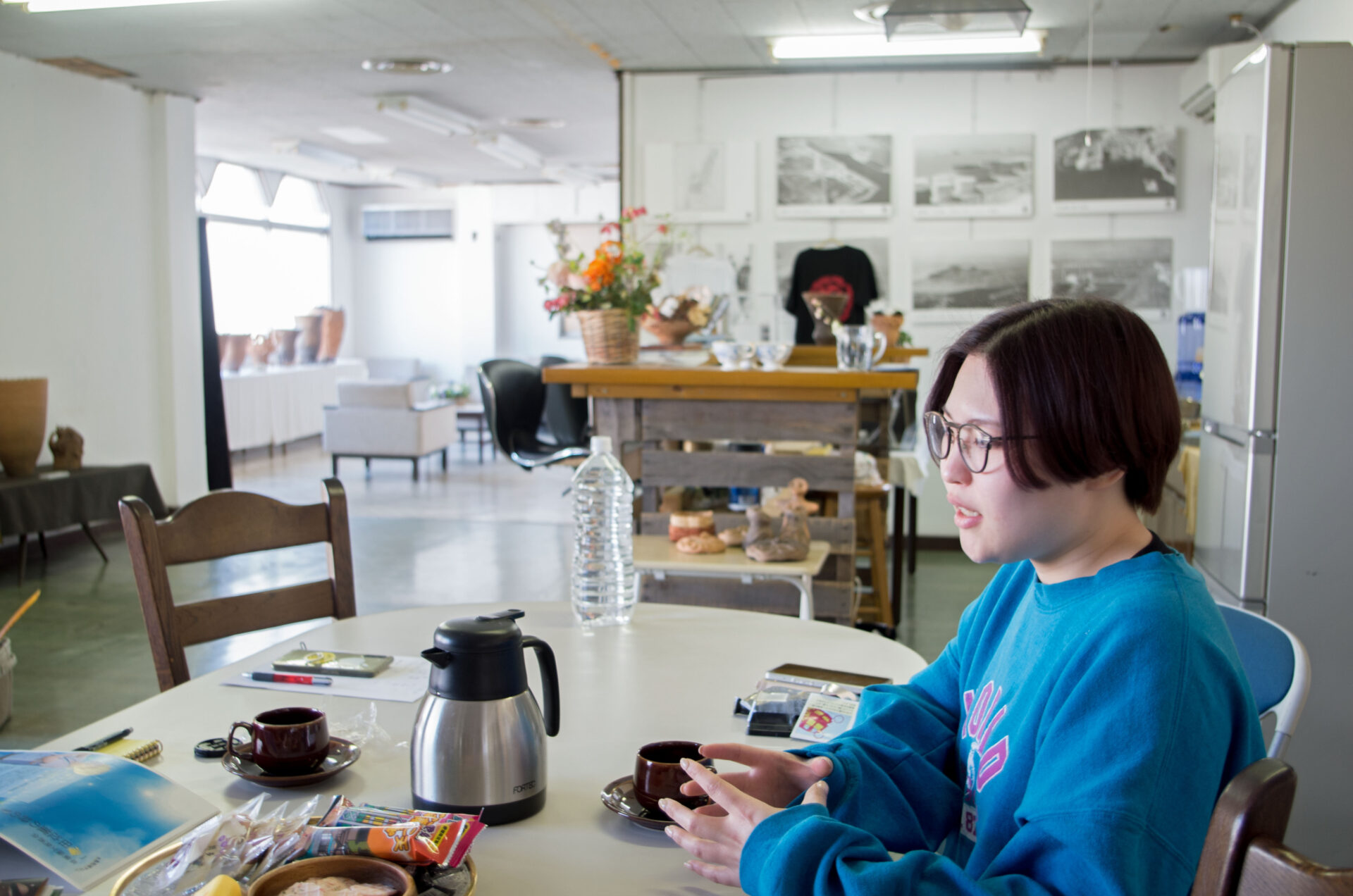
When I am making Jomon pottery, I feel a natural ease in my hands, as if I am linked to the Jomon pottery, and I can immerse myself in the creation.
Moreover, not only Jomon pottery but also the spirit of Jomon. I am attracted to the idea that "Jomon pottery is a vessel of life that embodies the love and respect for all things by women of the Jomon period," which is an essential way of thinking as a human being.
Every process of making Jomon pottery in nature makes me feel that my heart is becoming richer.
Conclusion
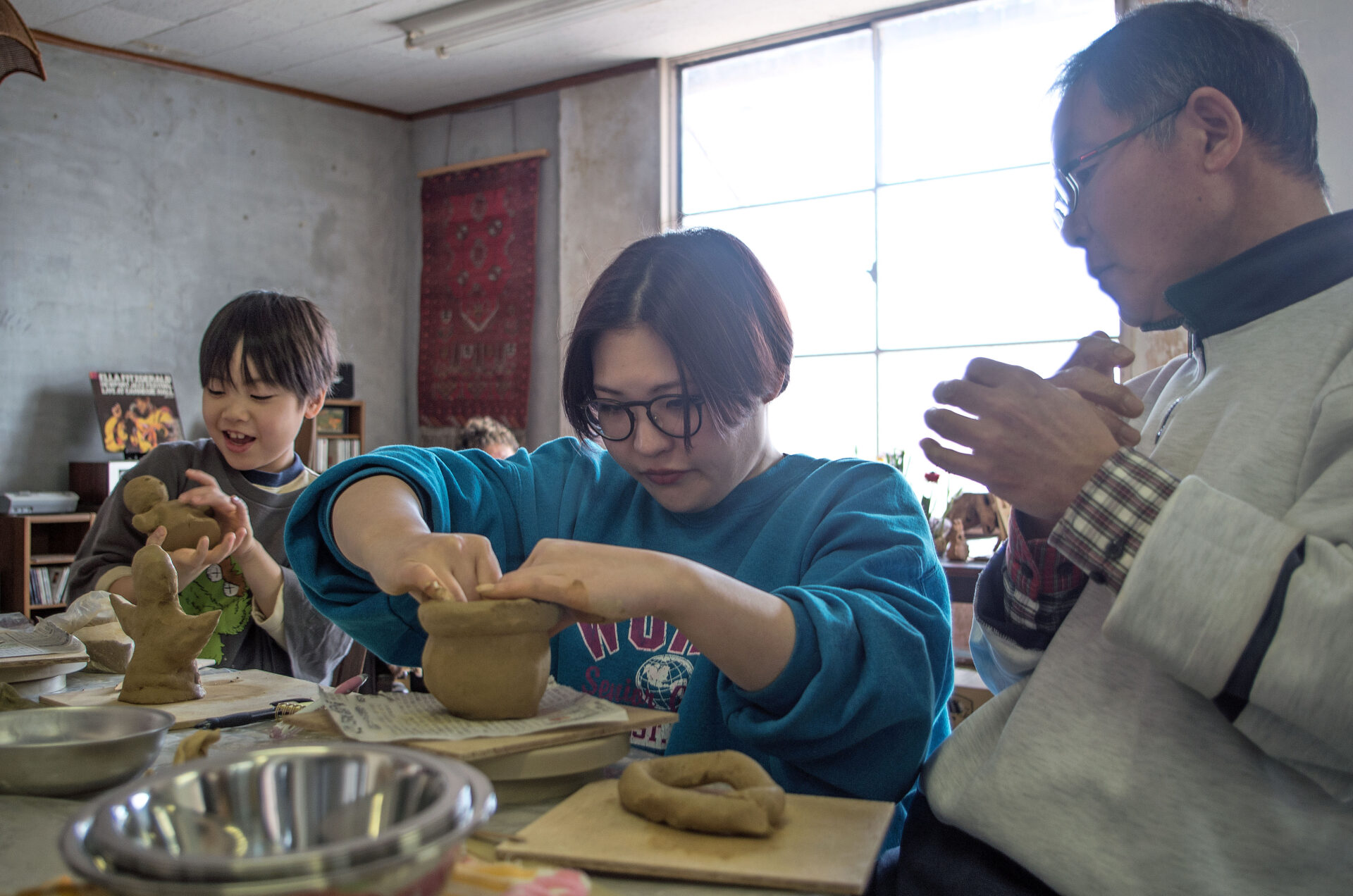
As the author, when I hear "Jomon period," I only had the information about "flame-shaped pottery" that I learned in class.
By participating in the "Jomon Bell and Clay Face Workshop," I learned the following:
- It was a peaceful era without conflict for over 10,000 years.
- Making Jomon pottery was a role of women and was one of the rituals to nurture all life.
Despite the workshop lasting about three hours, I was fortunate to interact with the participants and enjoyed making Jomon bells.
I also plan to participate in the outdoor burning event at the Ifururai Museum (scheduled for April 28, 2024).
The Jomon Salon, where you can learn about the spirit of Jomon through appreciating and making Jomon pottery, is highly recommended.
Please note that while the "Jomon Bell and Clay Face Workshop" is held regularly, it is difficult to accommodate many participants at once, so I recommend early reservations.
Recruitment is regularly conducted through Hyodo's Instagram, etc.
Data on Jomon Bell and Clay Face Workshop
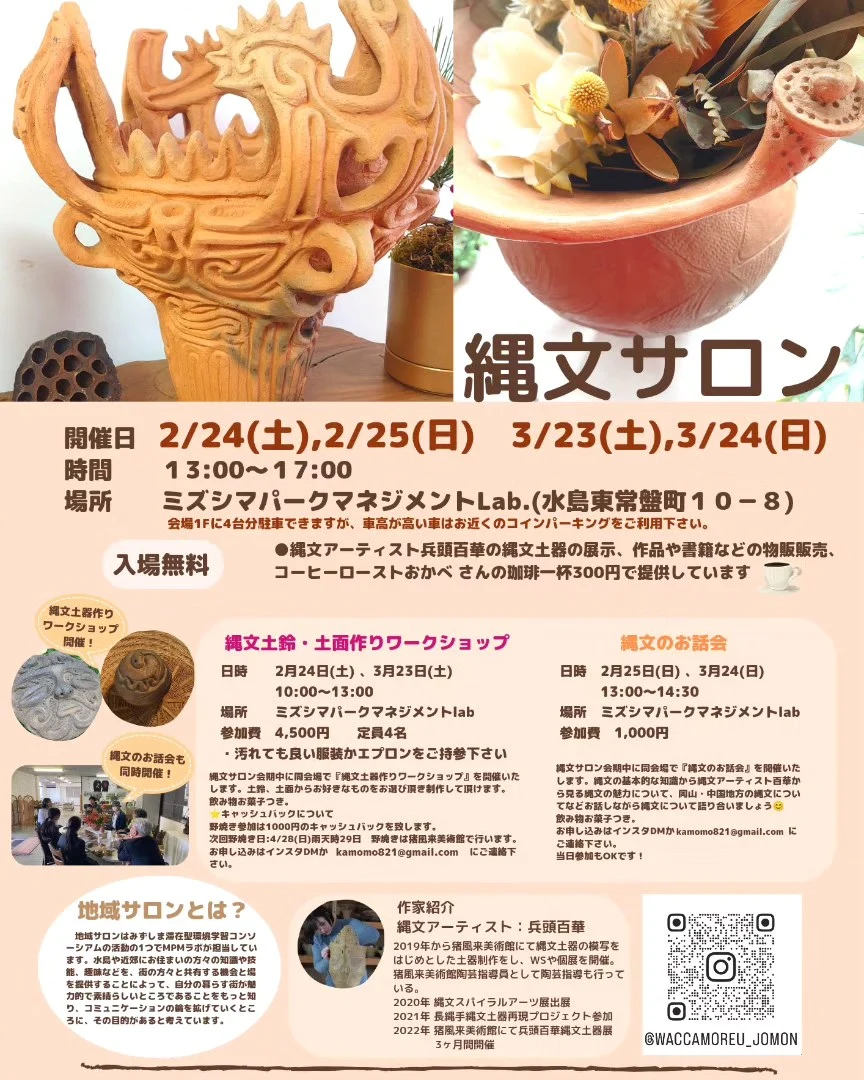
| Name | Jomon Bell and Clay Face Workshop |
|---|---|
| Date | Held regularly every month For applications, contact Hyodo via DM on Instagram or at kamomo821@gmail.com *For details, please check Hyodo's Instagram and others. |
| Location | 10-8 Tokiwacho, Mizushima, Kurashiki City |
| Participation Fee (tax included) | Jomon Bell and Clay Face Workshop: 4,500 yen Jomon Storytelling Session: 1,000 yen |
| Website | Hyodo's Instagram |