A cold day, with snowflakes mixed in with the chilly rain and breath turning white.
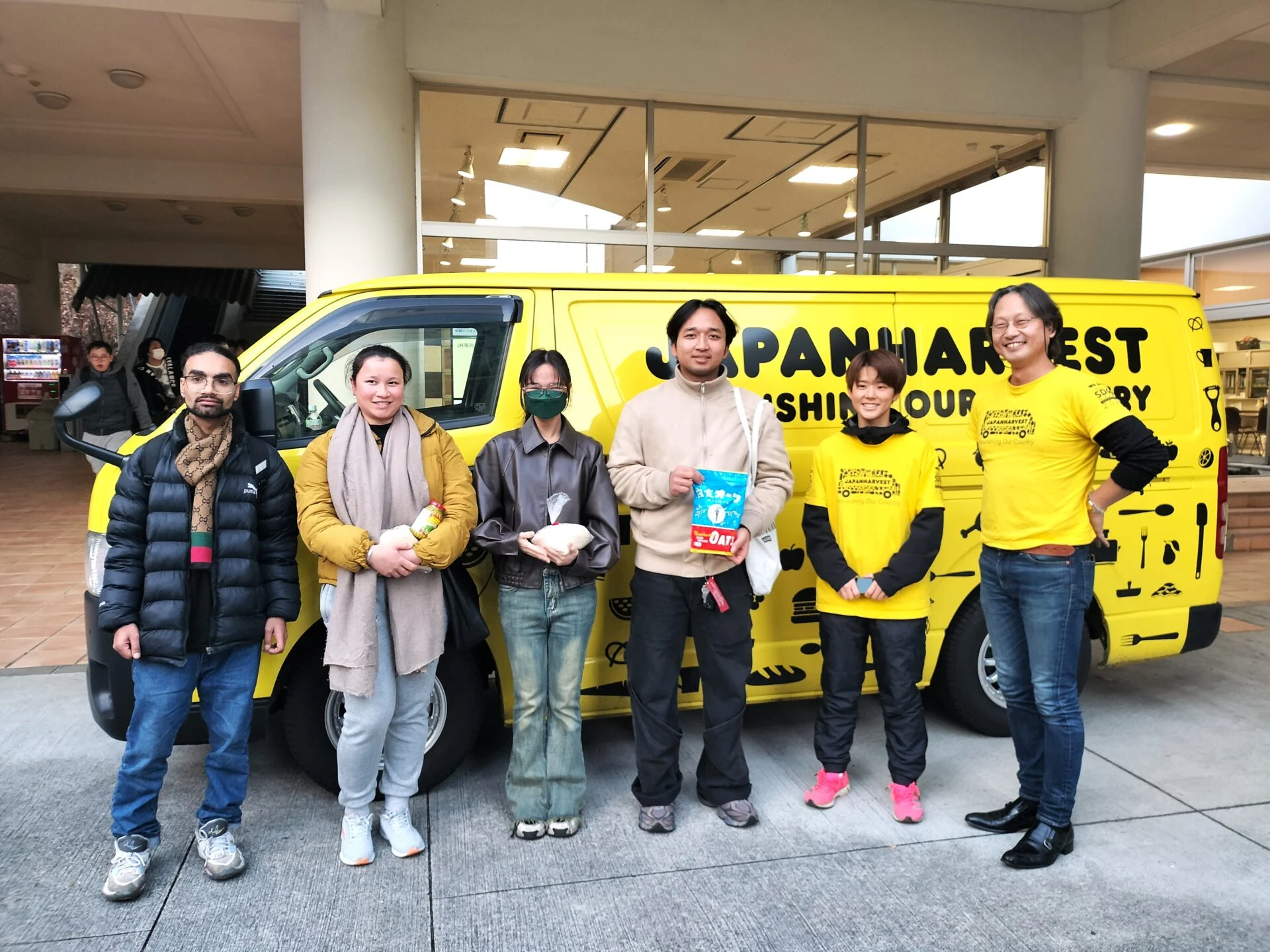
On December 22, 2025, “thoughts” and “food” from around the world came together at Kibi International University’s Asia Village. Held that day was a food assistance distribution for international students from eight countries: Indonesia, Vietnam, Sri Lanka, Nepal, Cambodia, Thailand, China, and South Korea.
At the heart of it was Kenichi Narita, chairperson of the nonprofit organization “Japan Harvest.”
Drawing on the network he had built through his daily activities, Narita called on the countries participating in Expo 2025 Osaka, Kansai, Japan to cooperate, saying, “I want to offer a moment of comfort, even if only a little, through the taste of home.” Nine countries agreed.
Ingredients from each country were delivered to international students studying at Kibi International University.
The information presented was current when this article was published in January 2026. Please note that it may differ from current information.
Foods from around the world gathered from countries participating in Expo 2025 Osaka, Kansai, Japan
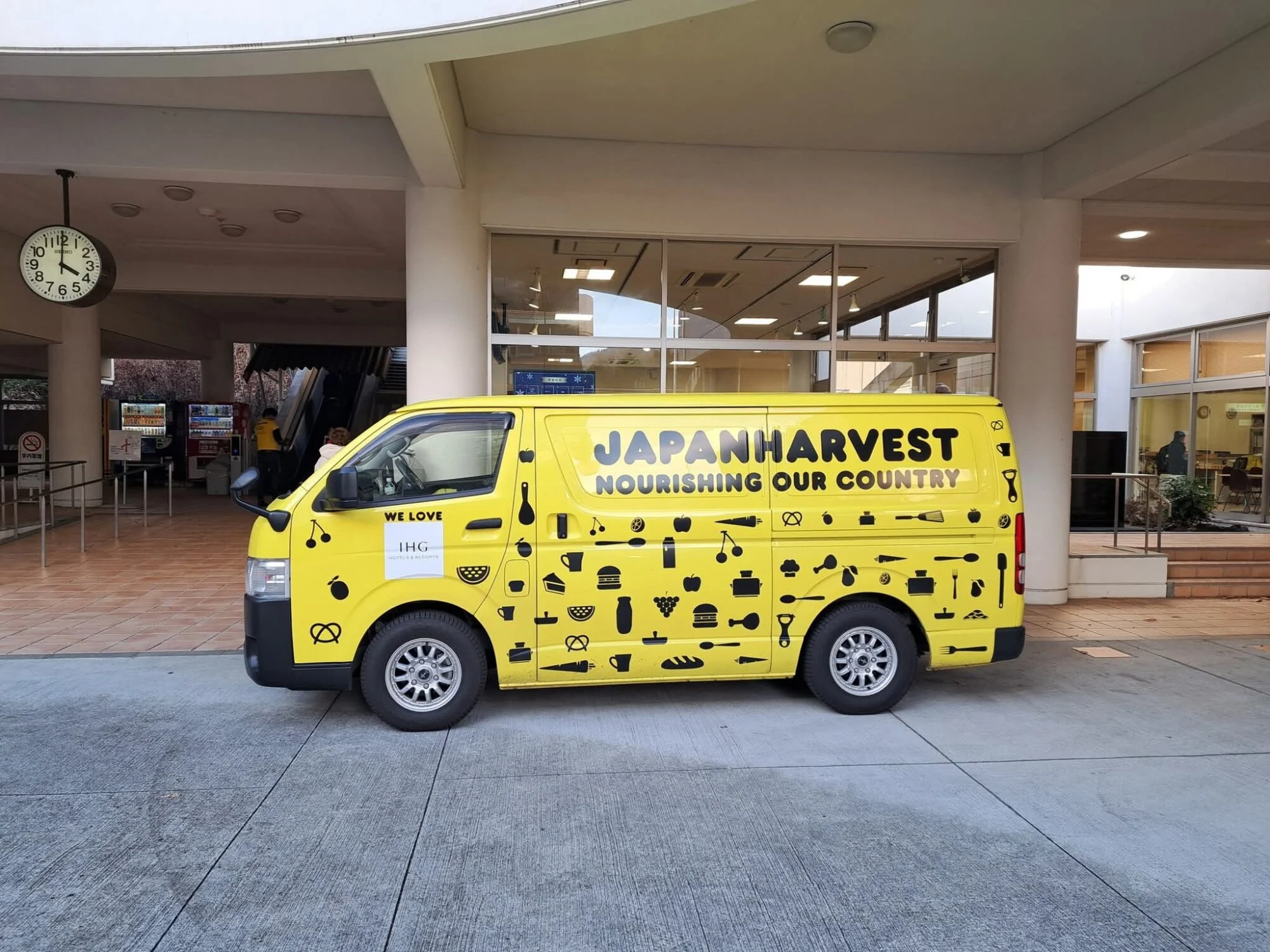
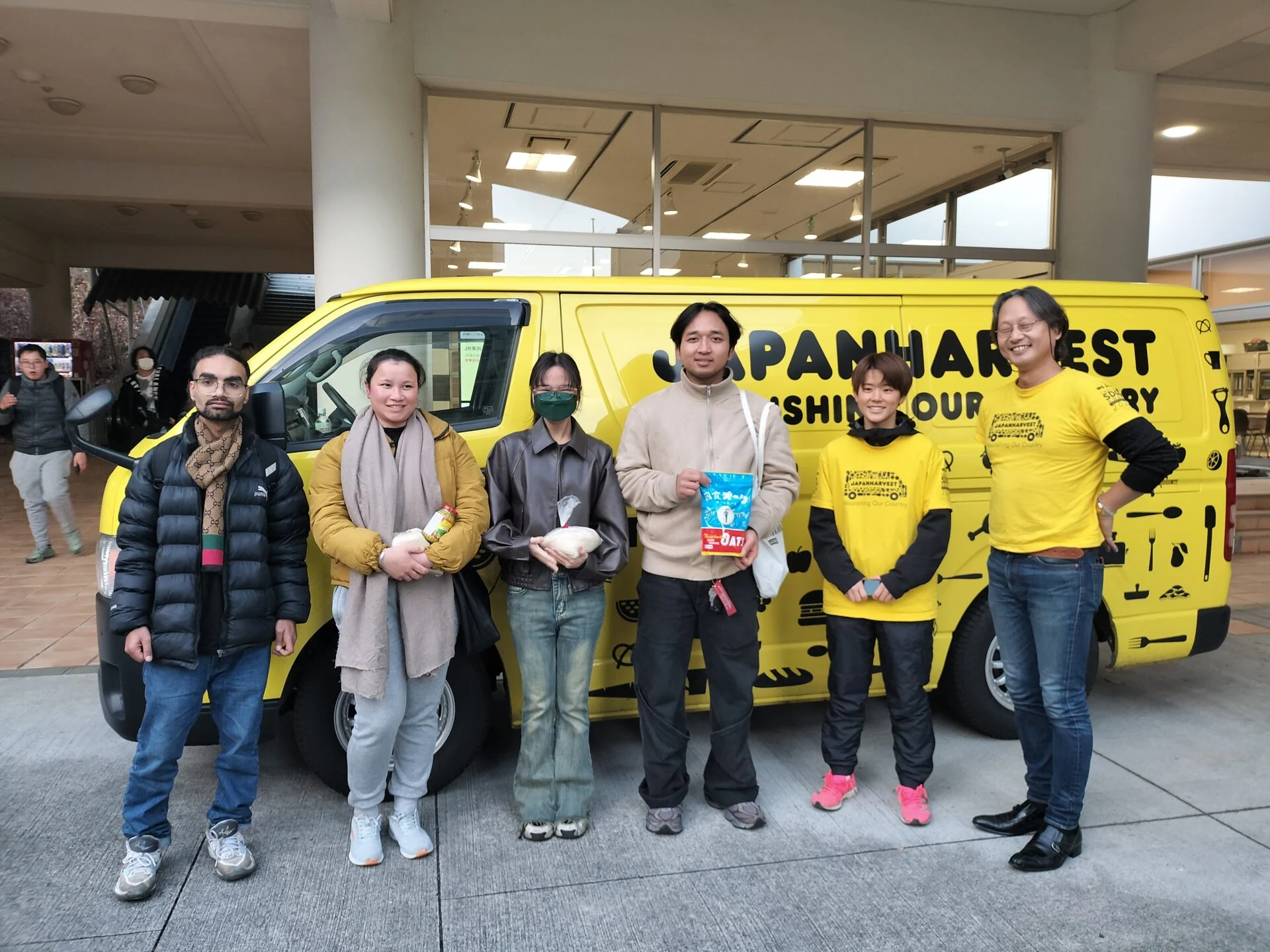
The yellow HiAce “Japan Harvest vehicle,” loaded with food gathered from countries participating in Expo 2025 Osaka, Kansai, Japan, arrived at Kibi International University.
Some of the food delivered that day was for international students studying in Japan. For students studying and living in a foreign country, familiar foods and warm support can also be a source of comfort.
The venue
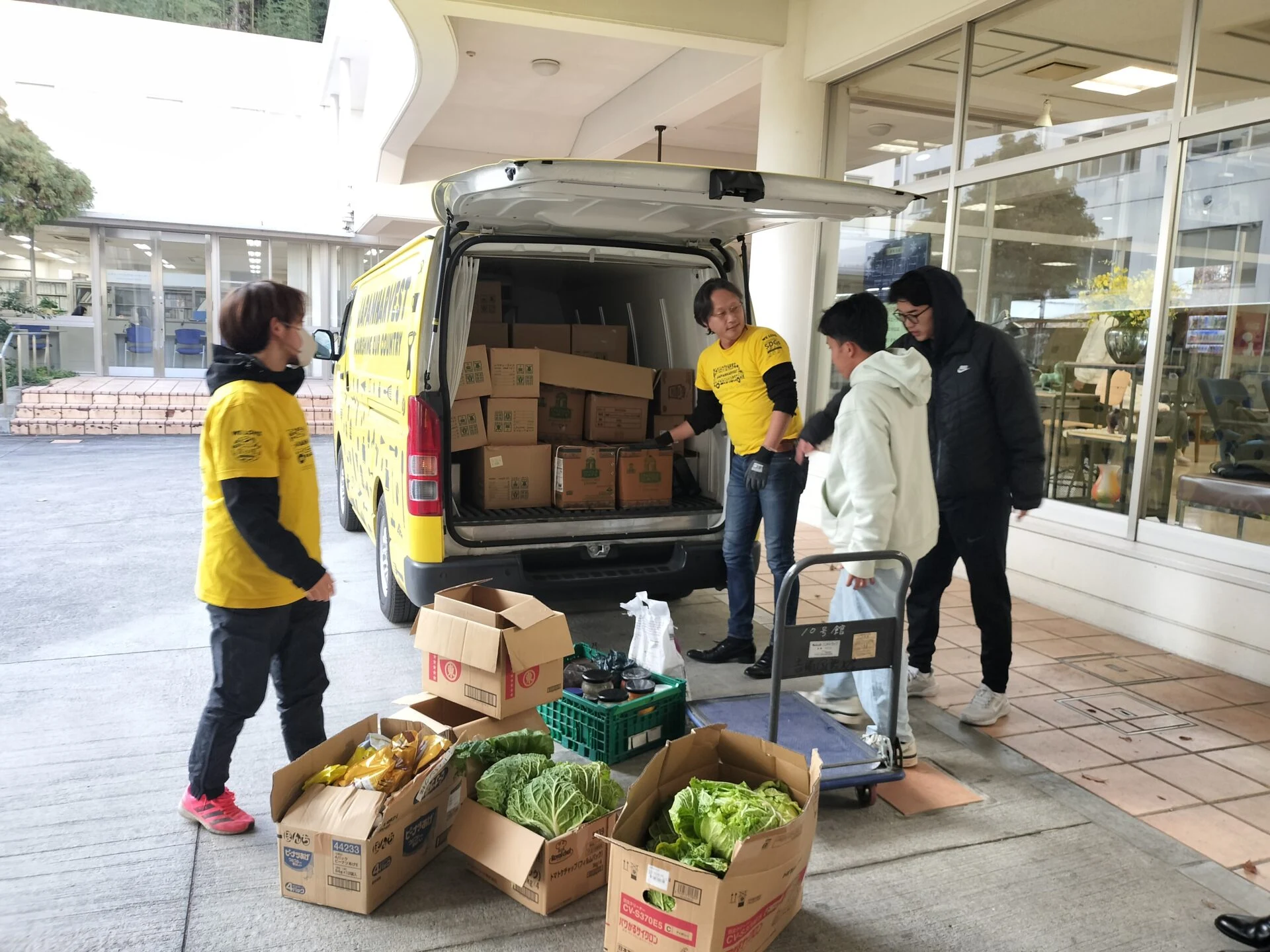
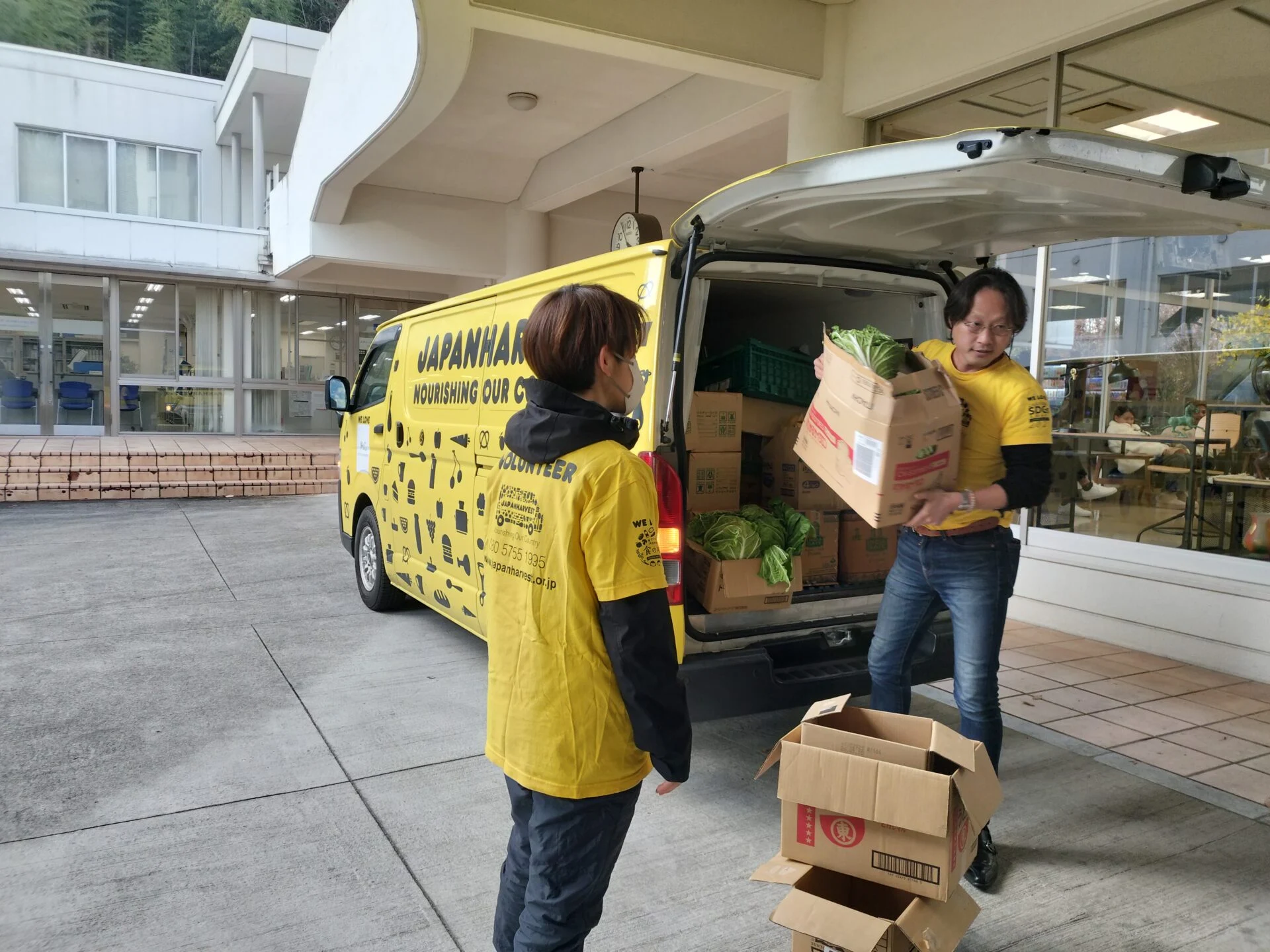
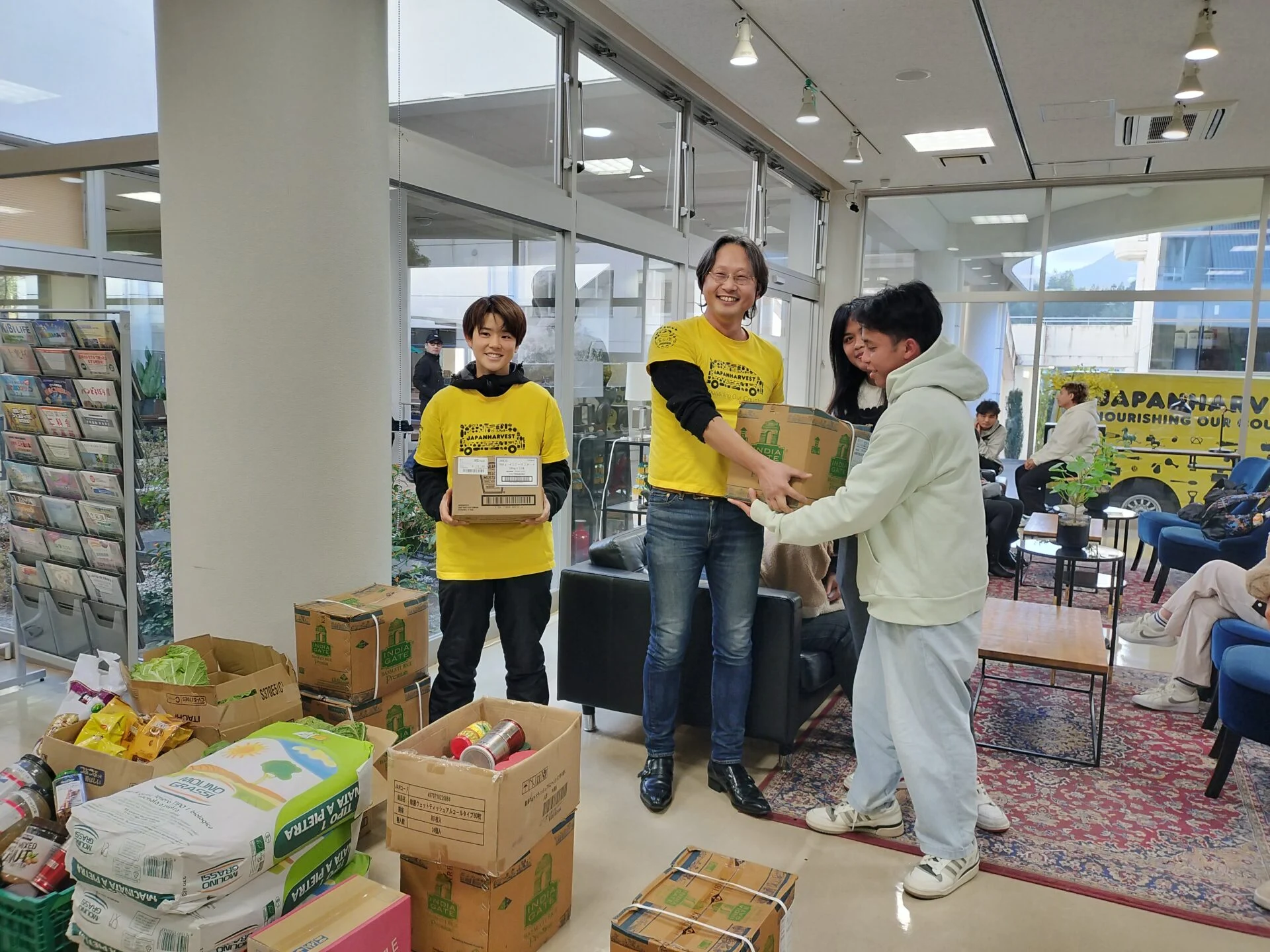
First, everyone unloaded the food from the “Japan Harvest vehicle” in front of the building.
Cardboard boxes and vegetables were lined up, and everyone worked together, calling out to one another as they used carts. The food to be delivered to the international students was brought in amid a friendly atmosphere.
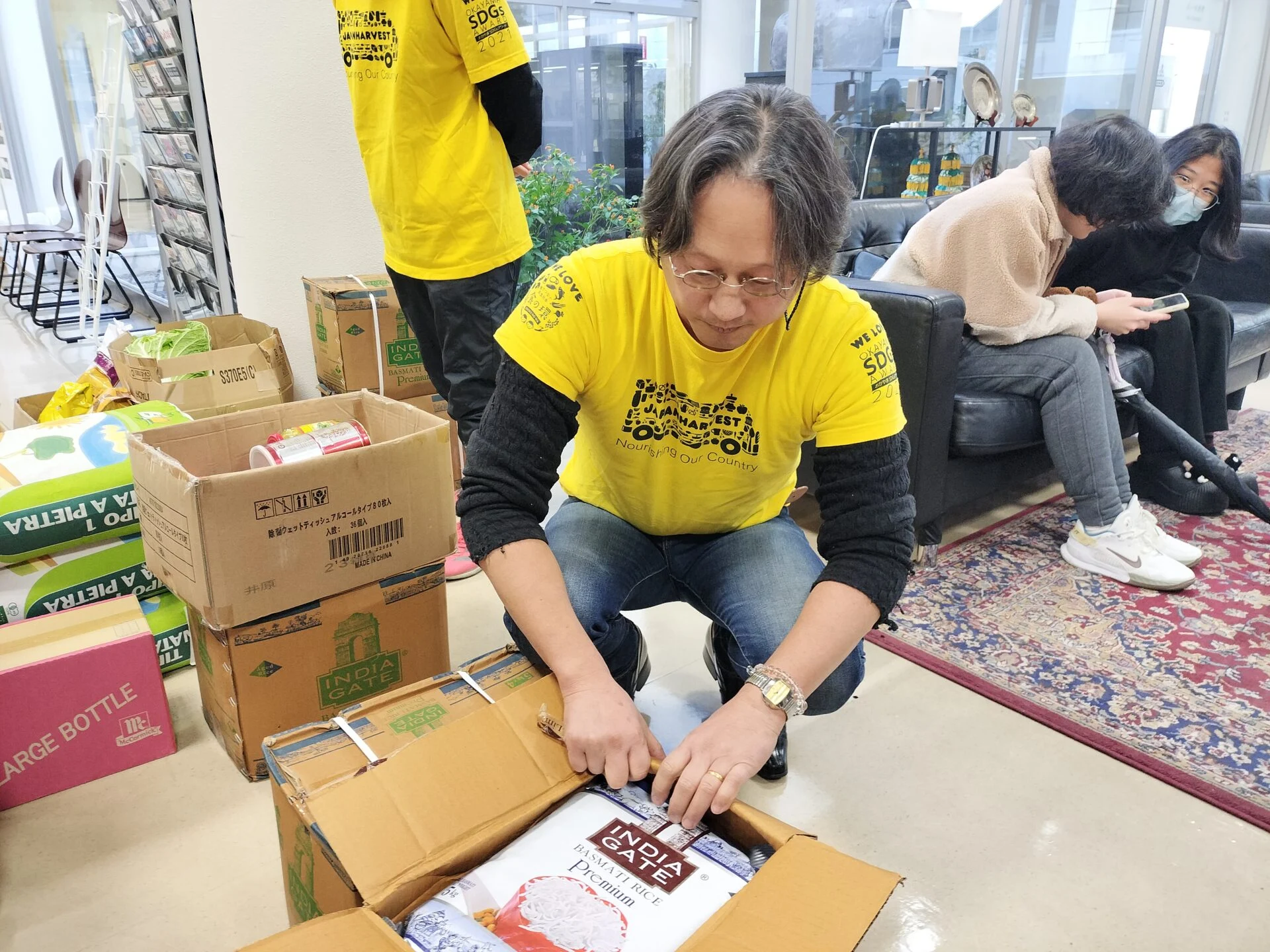
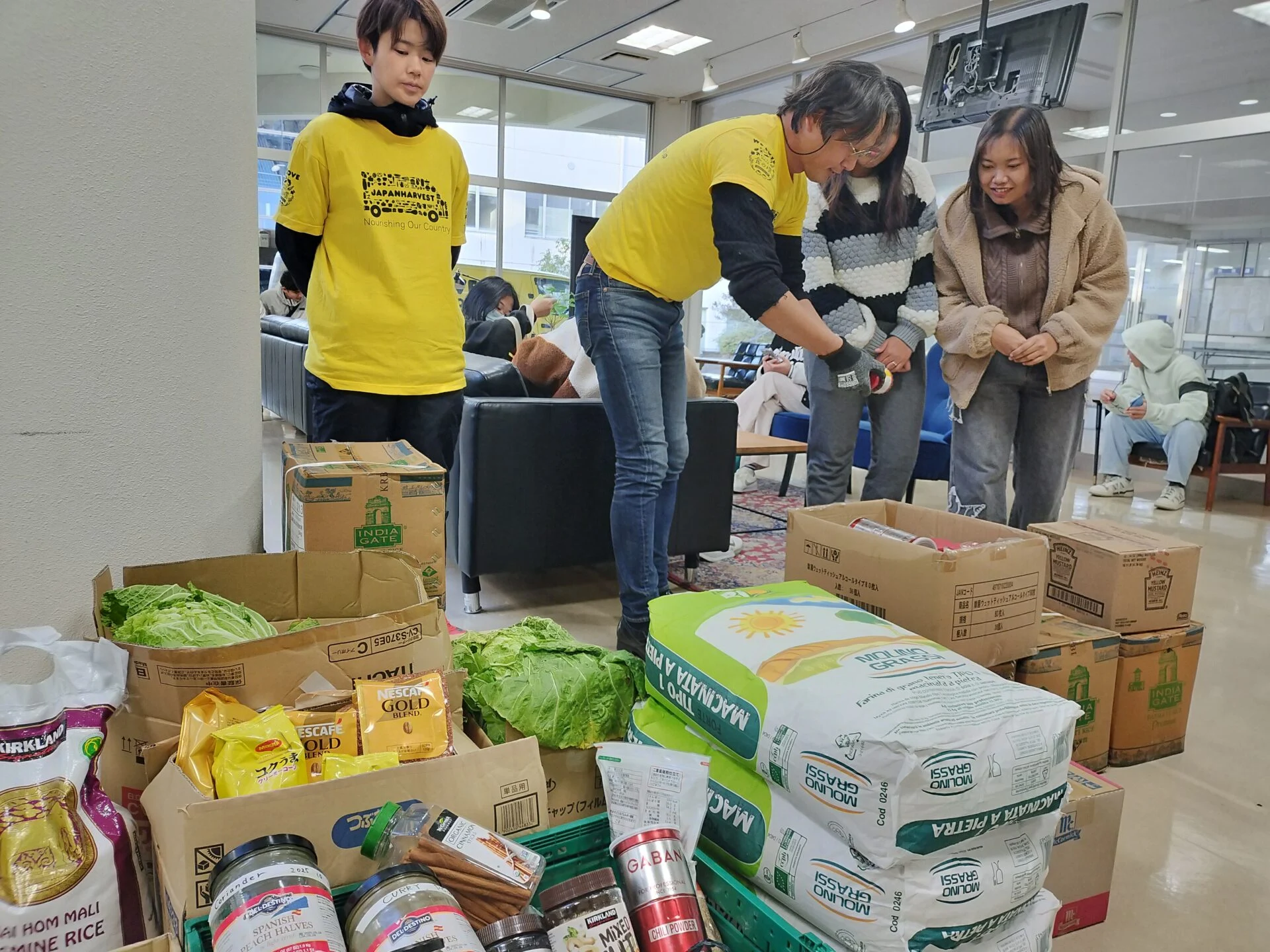
International students at Kibi International University smile as they look at food delivered from around the world.
Some students peered into the boxes full of food, asking, “What’s this?” and “How do you use it?” Their eyes lit up at the seasonings and ingredients they were seeing for the first time as they listened to explanations and picked things up. It was clear that everyone was fascinated.
Support across borders created a warm setting for exchange.
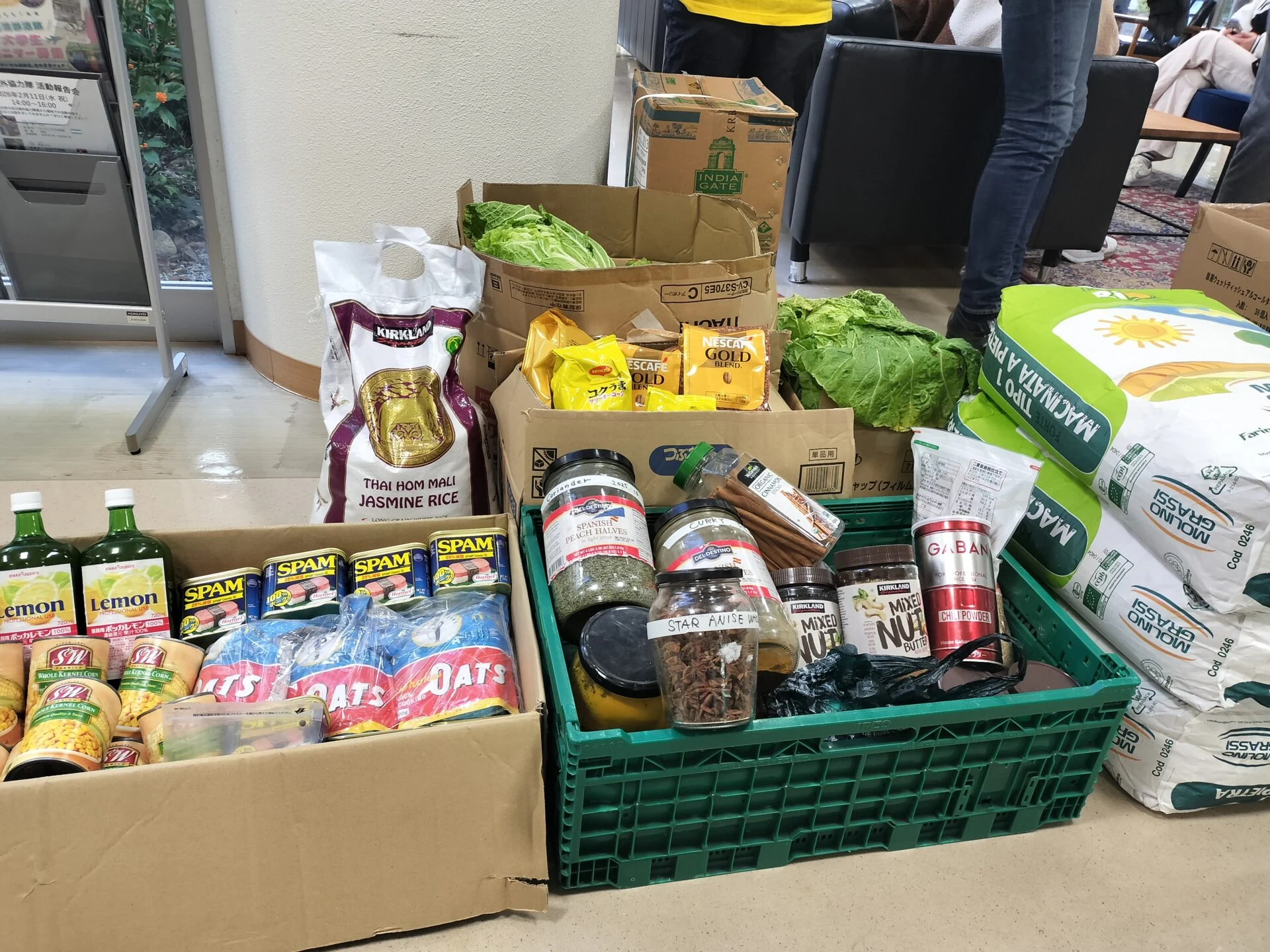
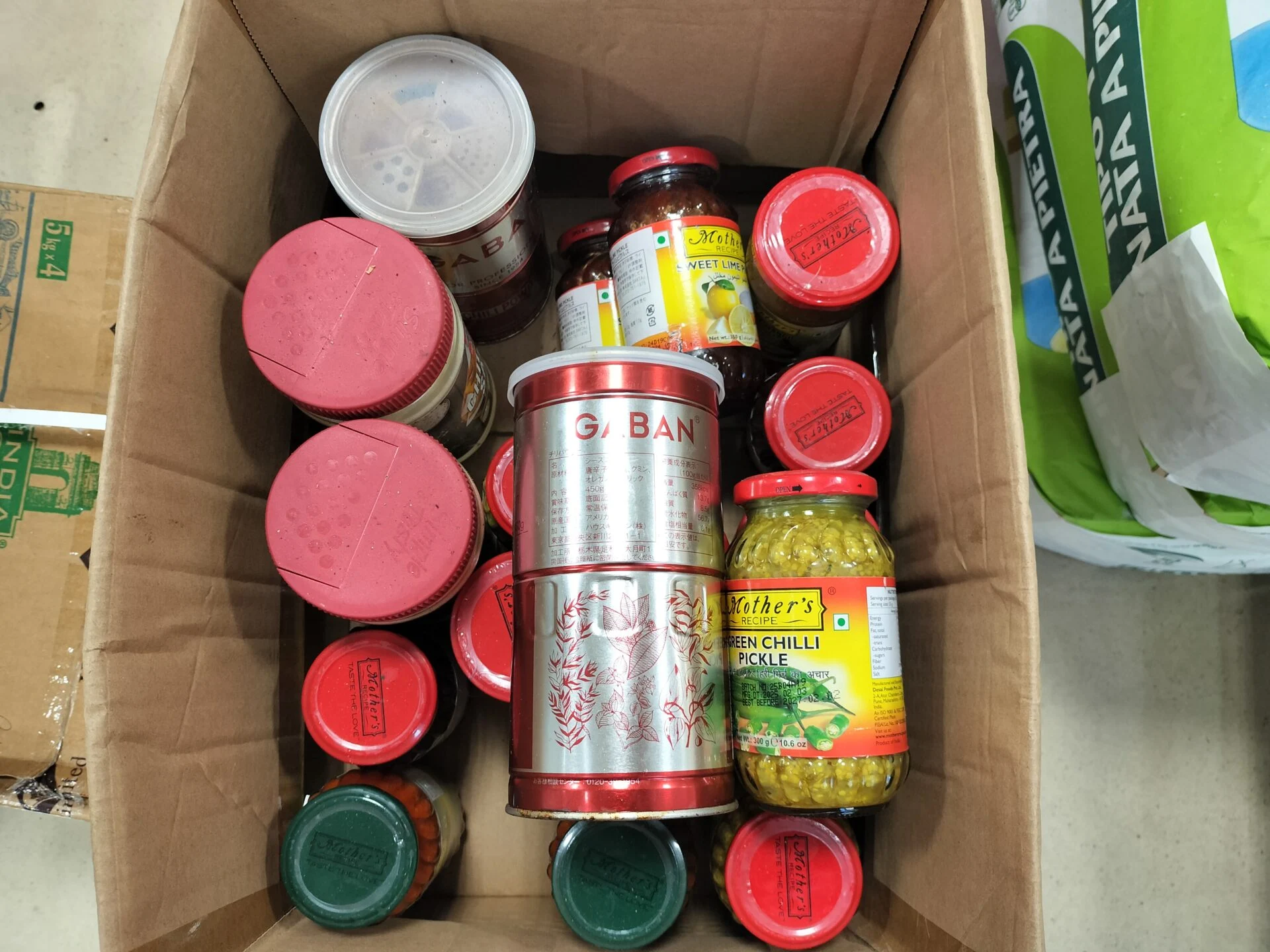
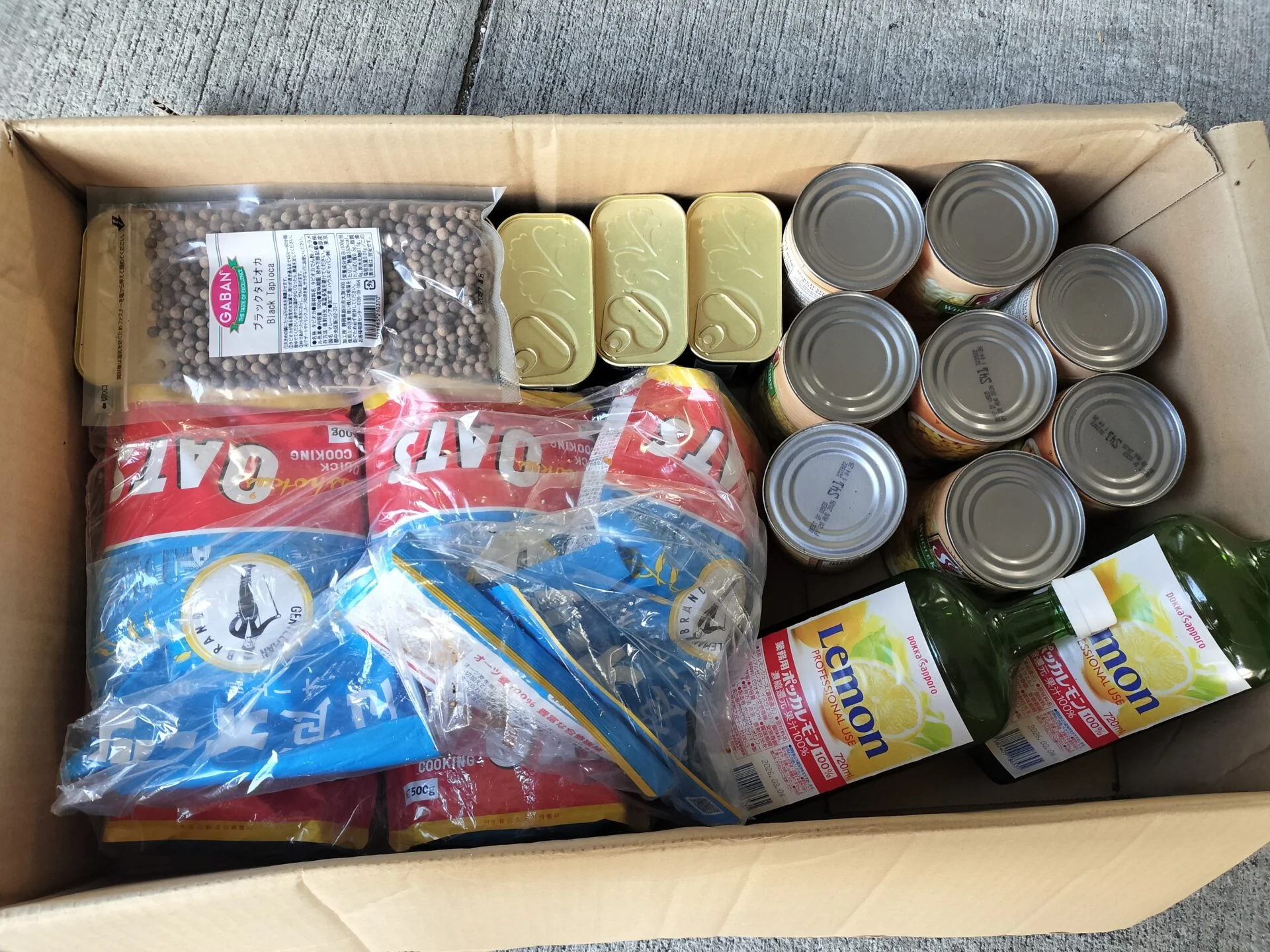
There was a wide variety of items, including rice, canned goods, spices, nuts, and coffee. Just looking at them brings to mind dining tables in many different countries.
Indian rice, a perfect match for curry
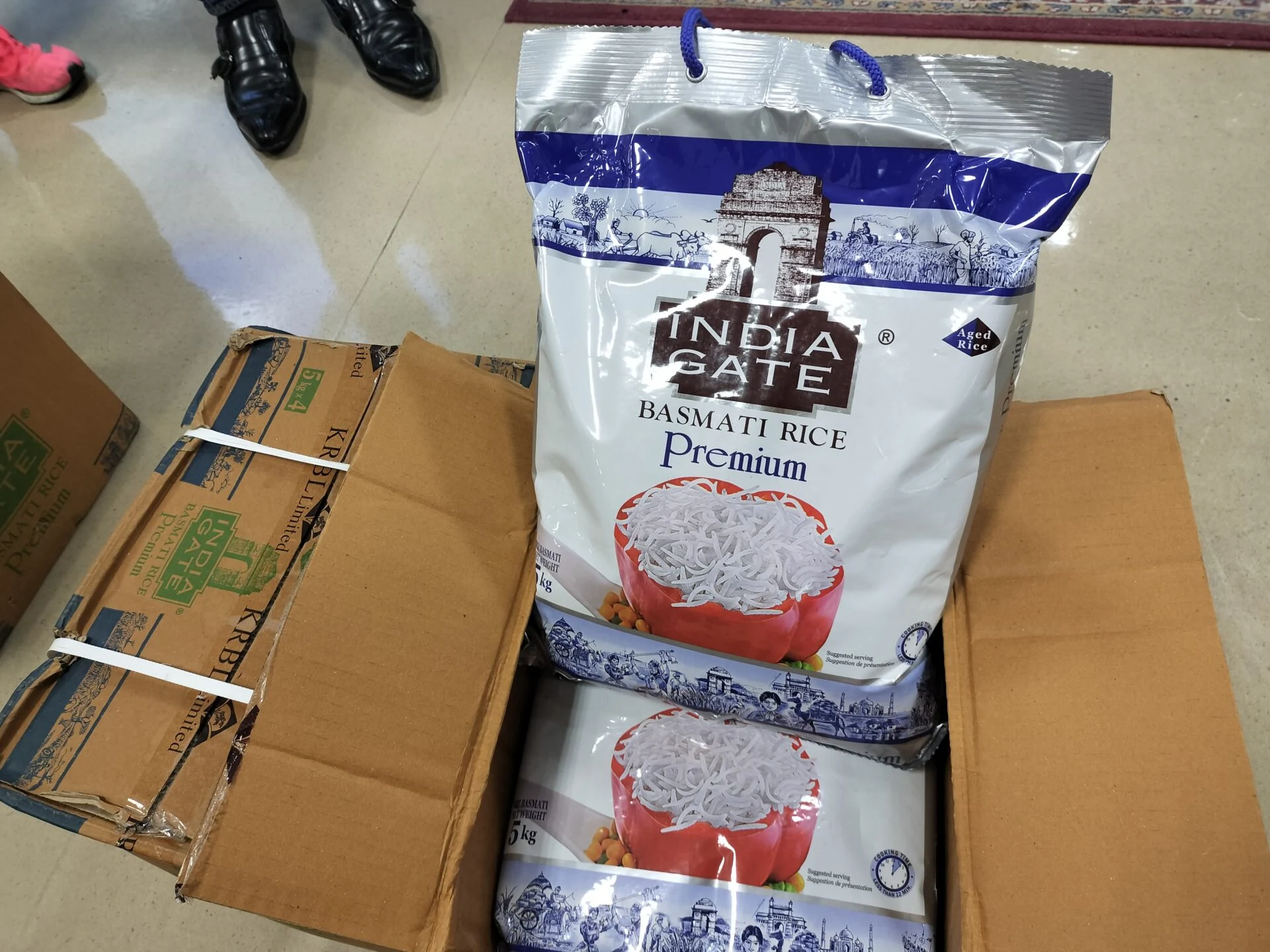
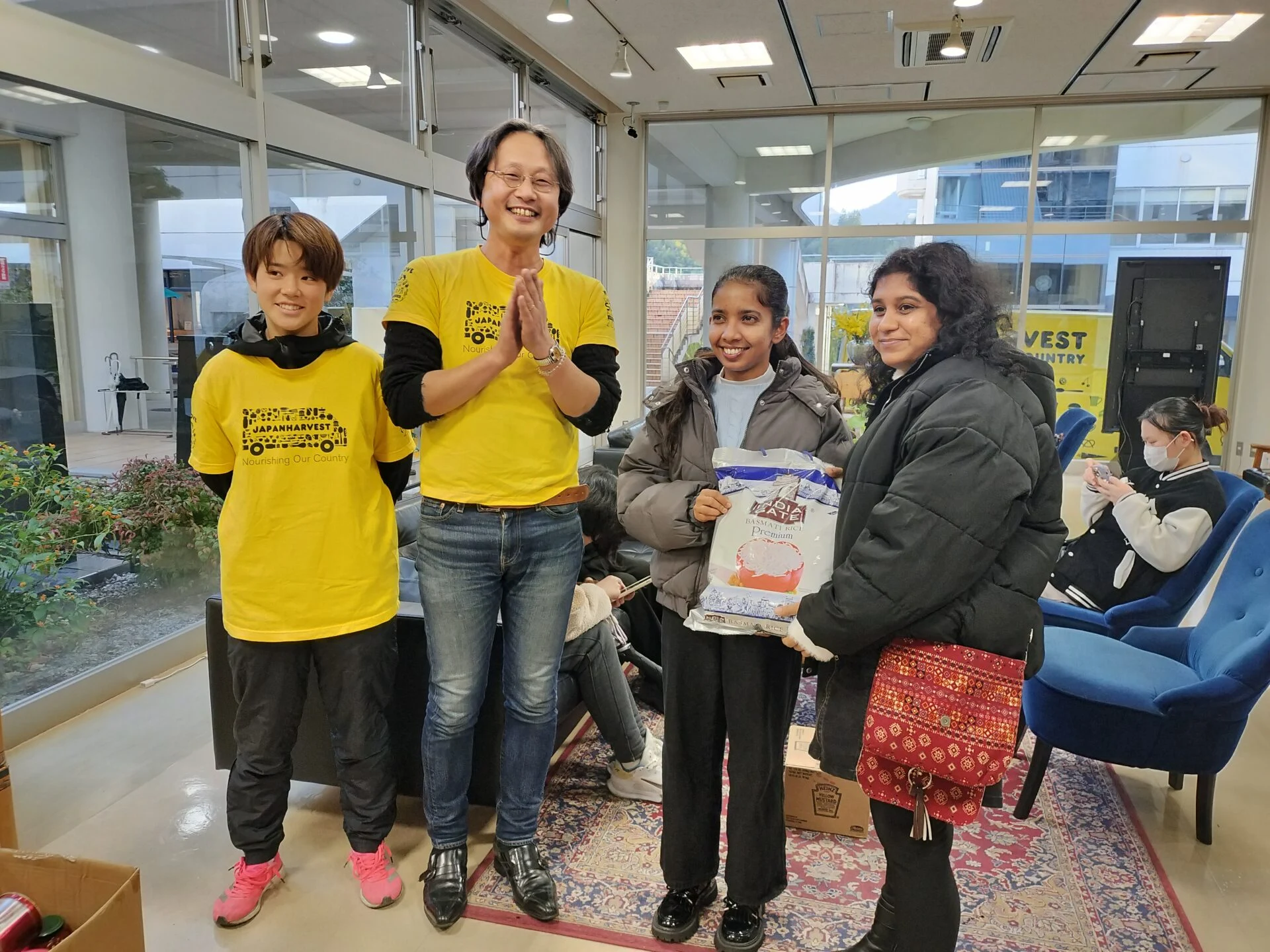
The long-grain “Indian rice” is often used by students from Sri Lanka, Nepal, and other countries when making curry in their home countries. It is fragrant and cooks up fluffy and separate. Although the spices vary by country, it goes perfectly with the spice-rich curries enjoyed in every country.
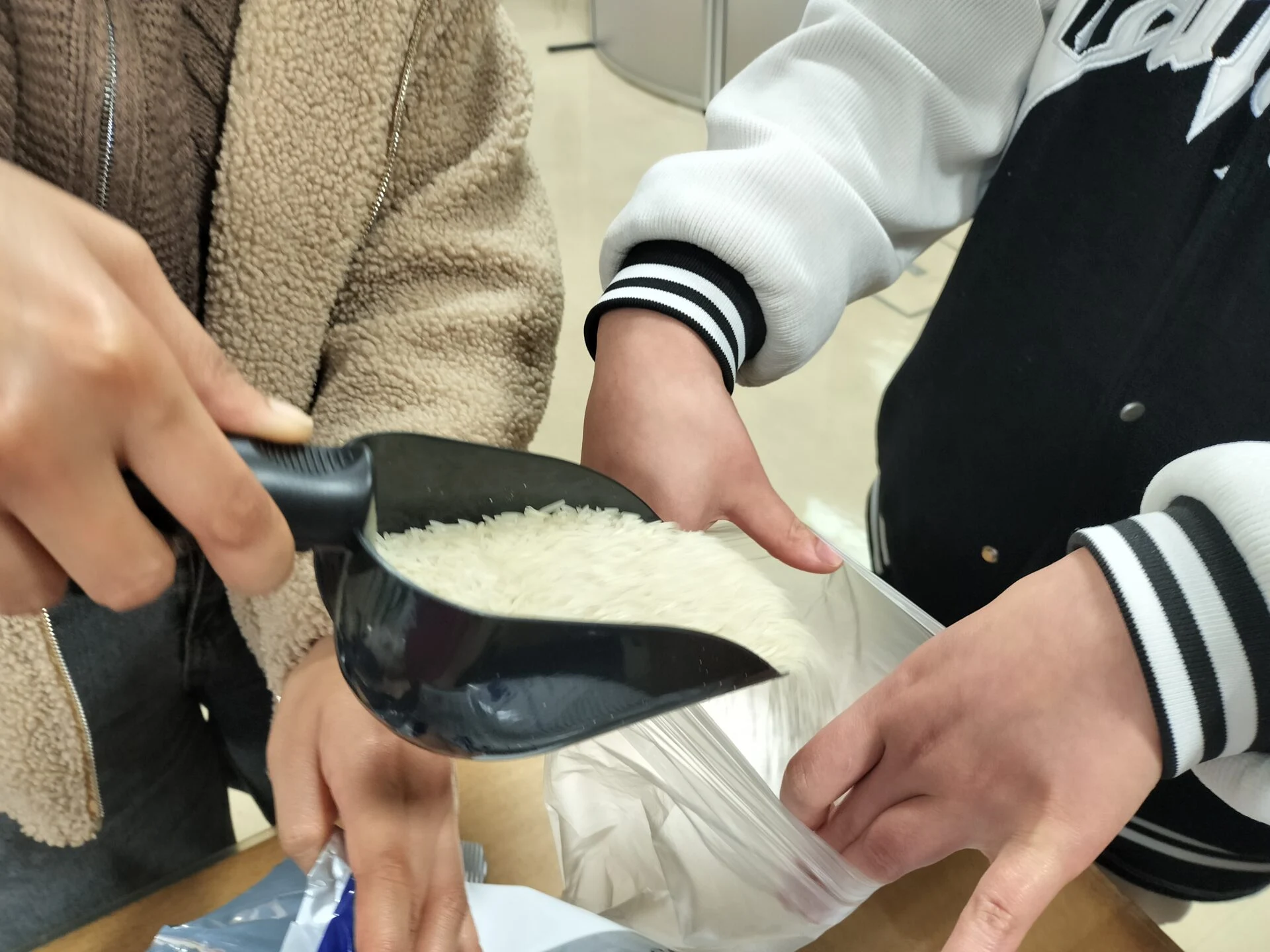
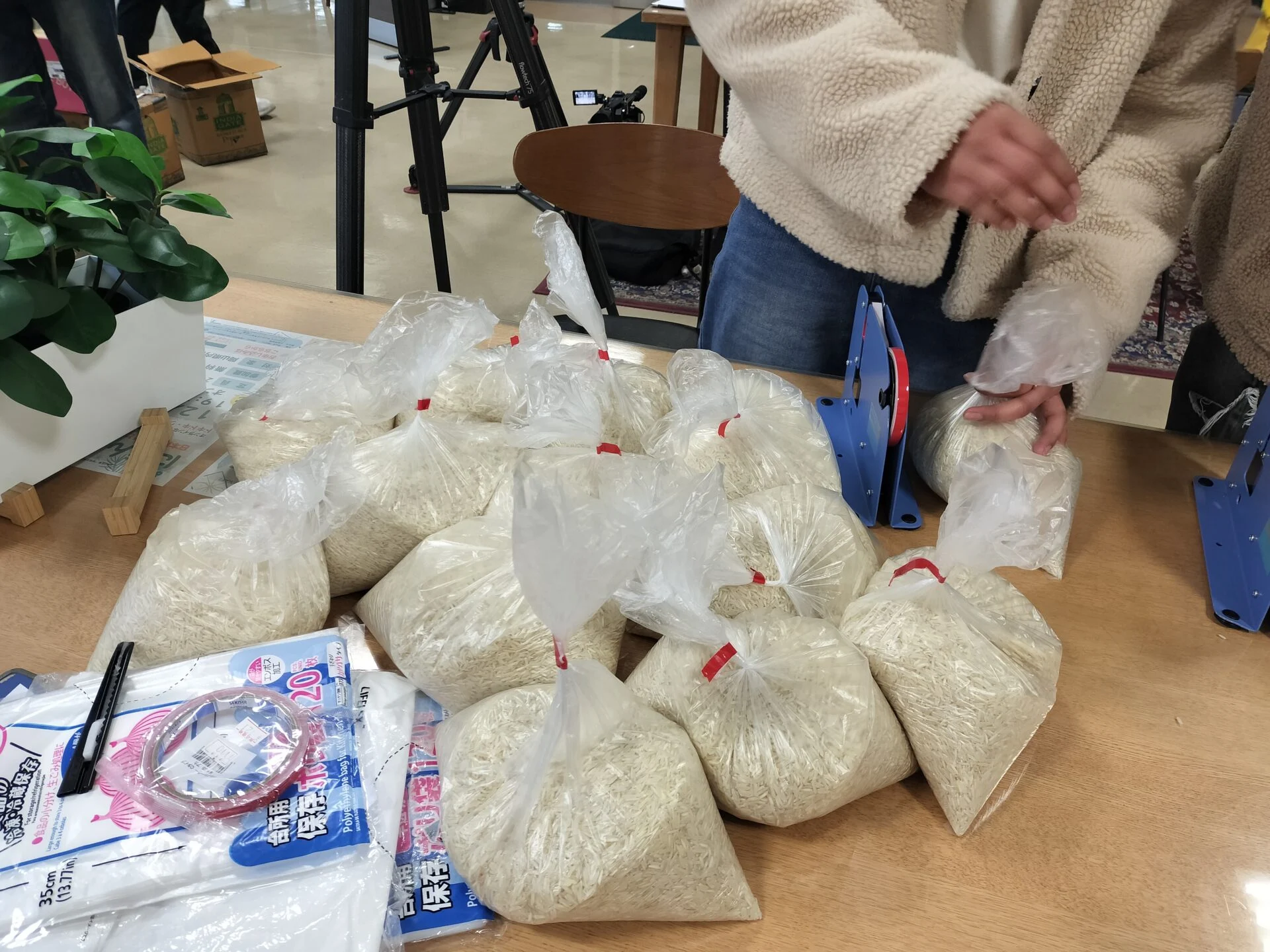
The students gather around the table and share out the rice.
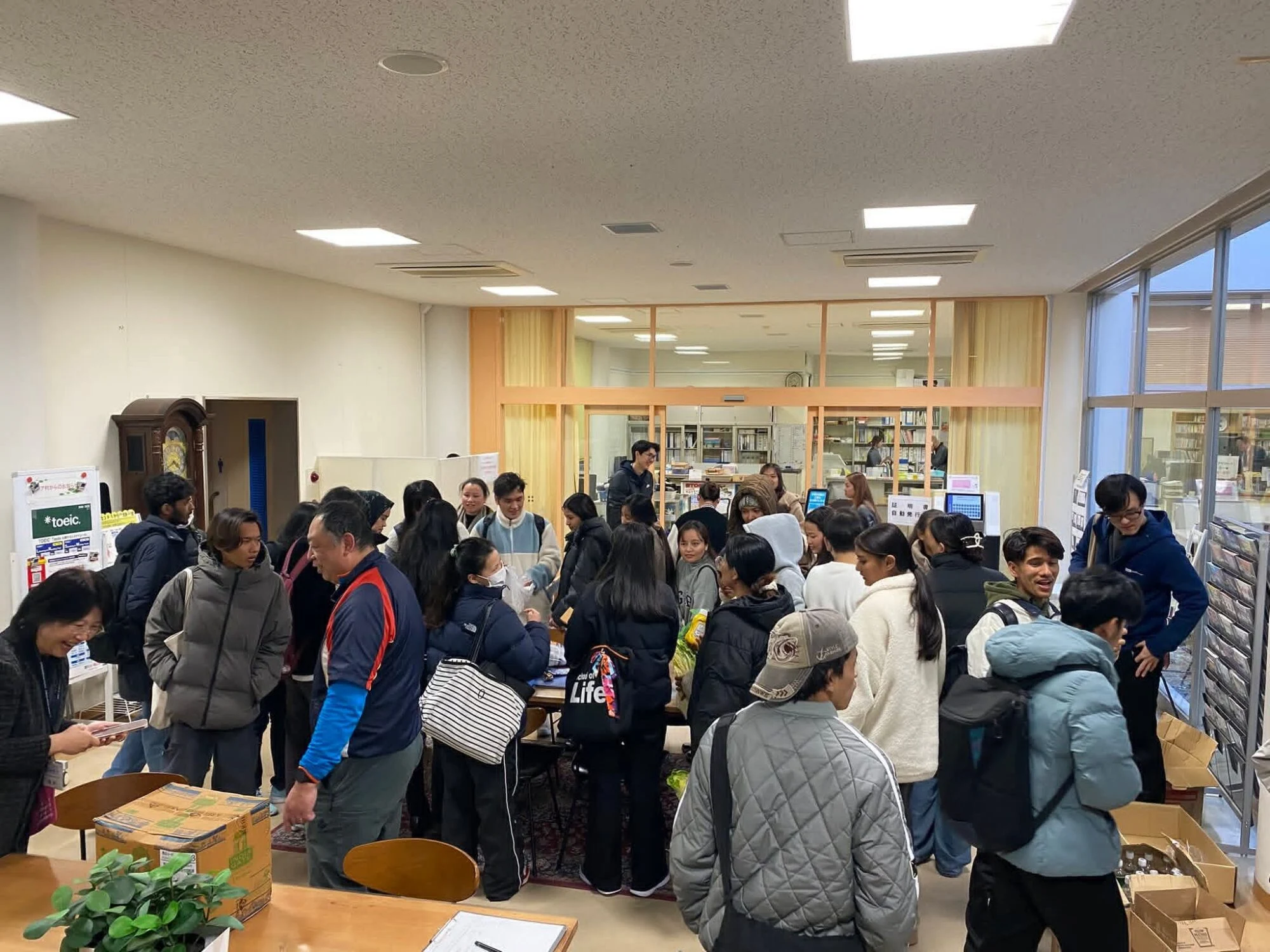
Indian rice is also very popular among international students, and we heard delighted comments such as, “It tastes just like home.”
Some students happily told us about it while recalling joyful moments sharing meals with family and friends in their home countries.
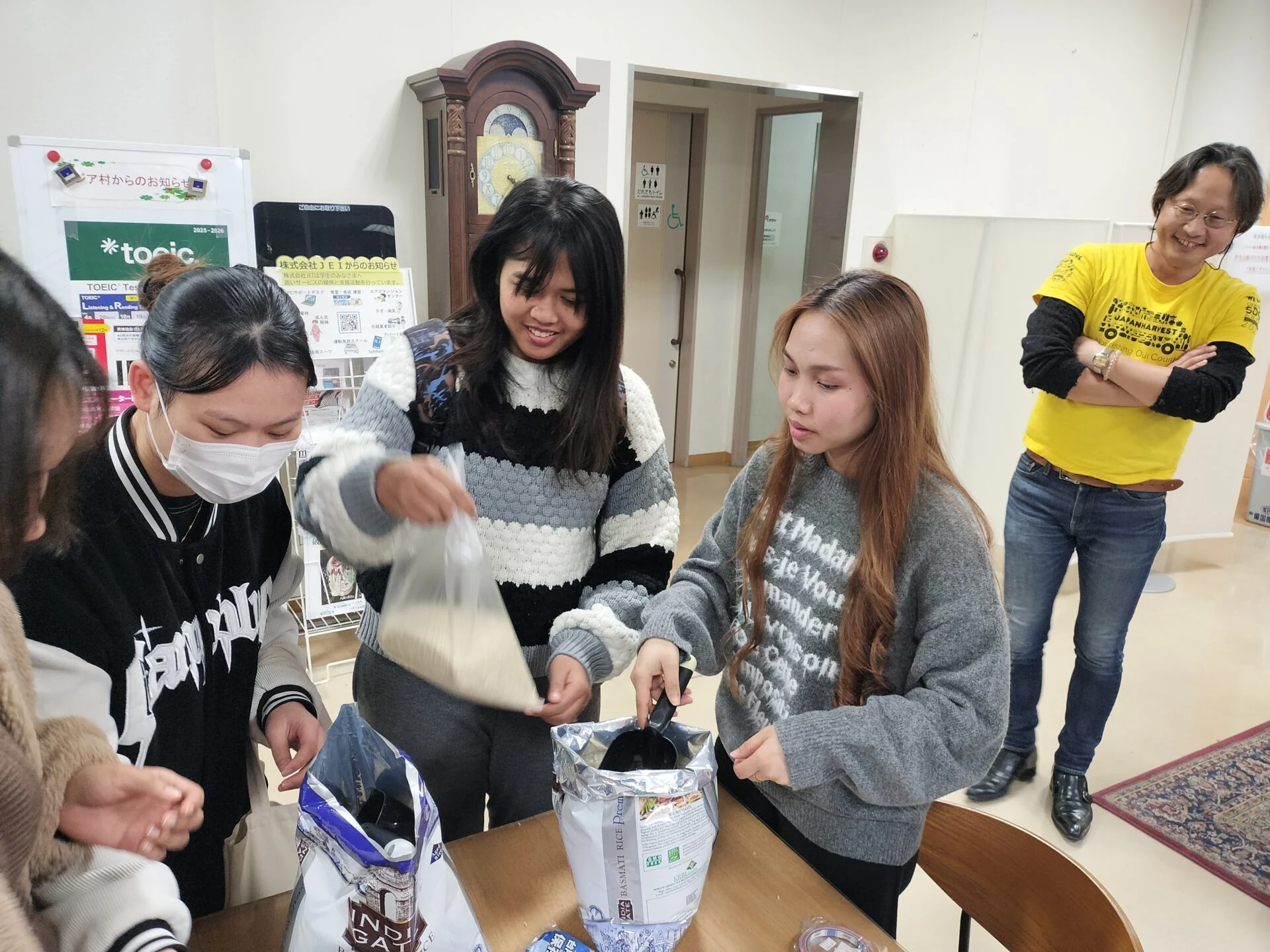
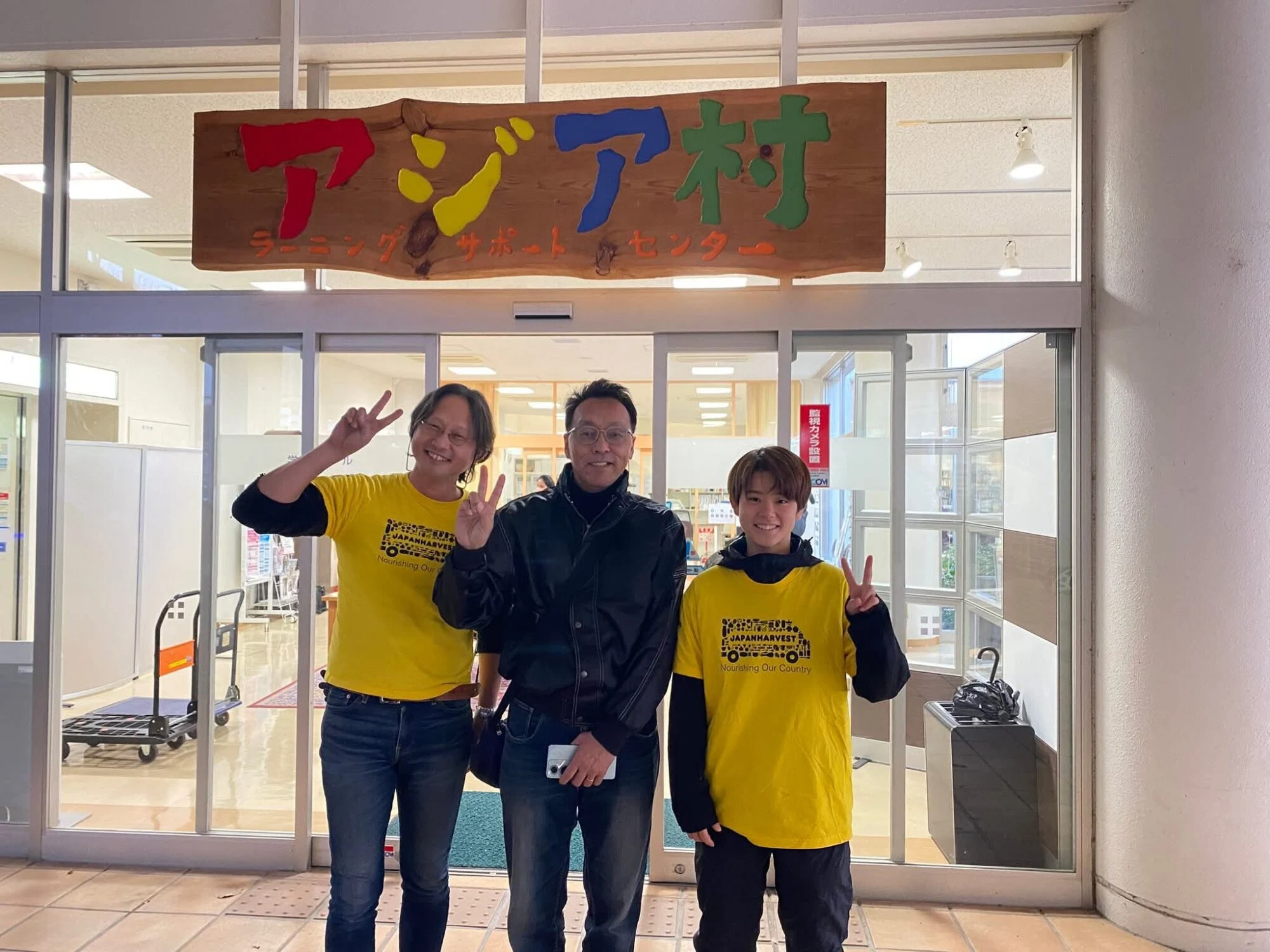
A little way off, Narita Kenichi watches over everyone with a smile. A warm atmosphere fills the entire venue.
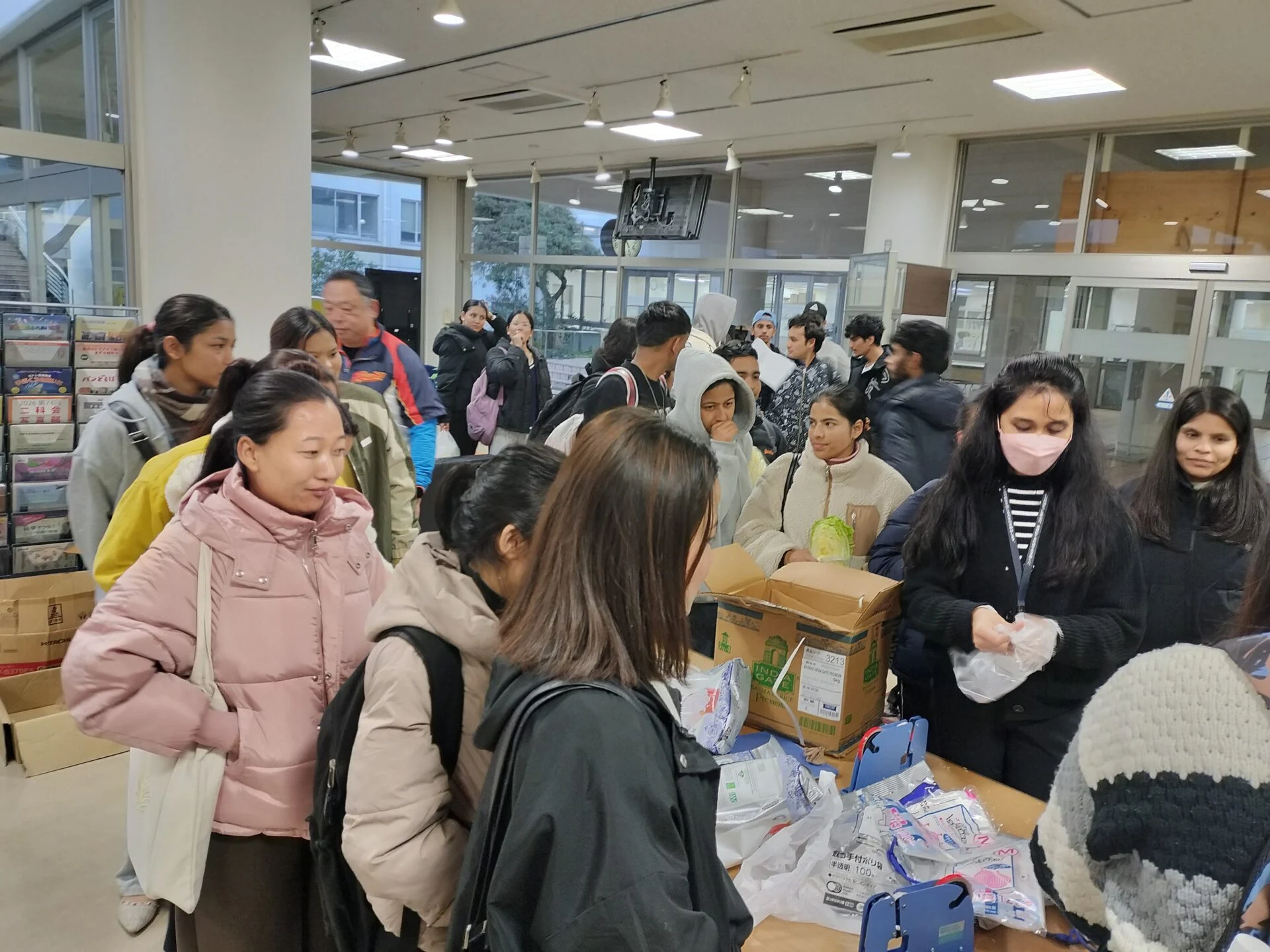
One by one, people took turns filling bags from a large sack of rice, and their smiles and cheerful expressions left a strong impression. Nearby, students waiting in line for their turn to receive rice watched eagerly, wondering, “Is it my turn yet?”
About the Specified Nonprofit Corporation Japan Harvest
The Specified Nonprofit Corporation Japan Harvest, which works to reduce food waste and provide food assistance, reached out to participating countries at Expo 2025 Osaka, Kansai, and delivered the food they provided.
Narita Kenichi, the organization’s chairperson, received the Director-General’s Award from the Consumer Affairs and Safety Bureau in the Food Access category of the first “Food and Agriculture Connection Awards,” hosted by the Ministry of Agriculture, Forestry and Fisheries. Notably, Narita was the only individual recipient.
Starting with support for children’s cafeterias, children’s homes, and employment support facilities for people with disabilities in Okayama Prefecture, the organization has now expanded its support network to the Kansai and Chugoku regions.
About Chairperson Narita Kenichi
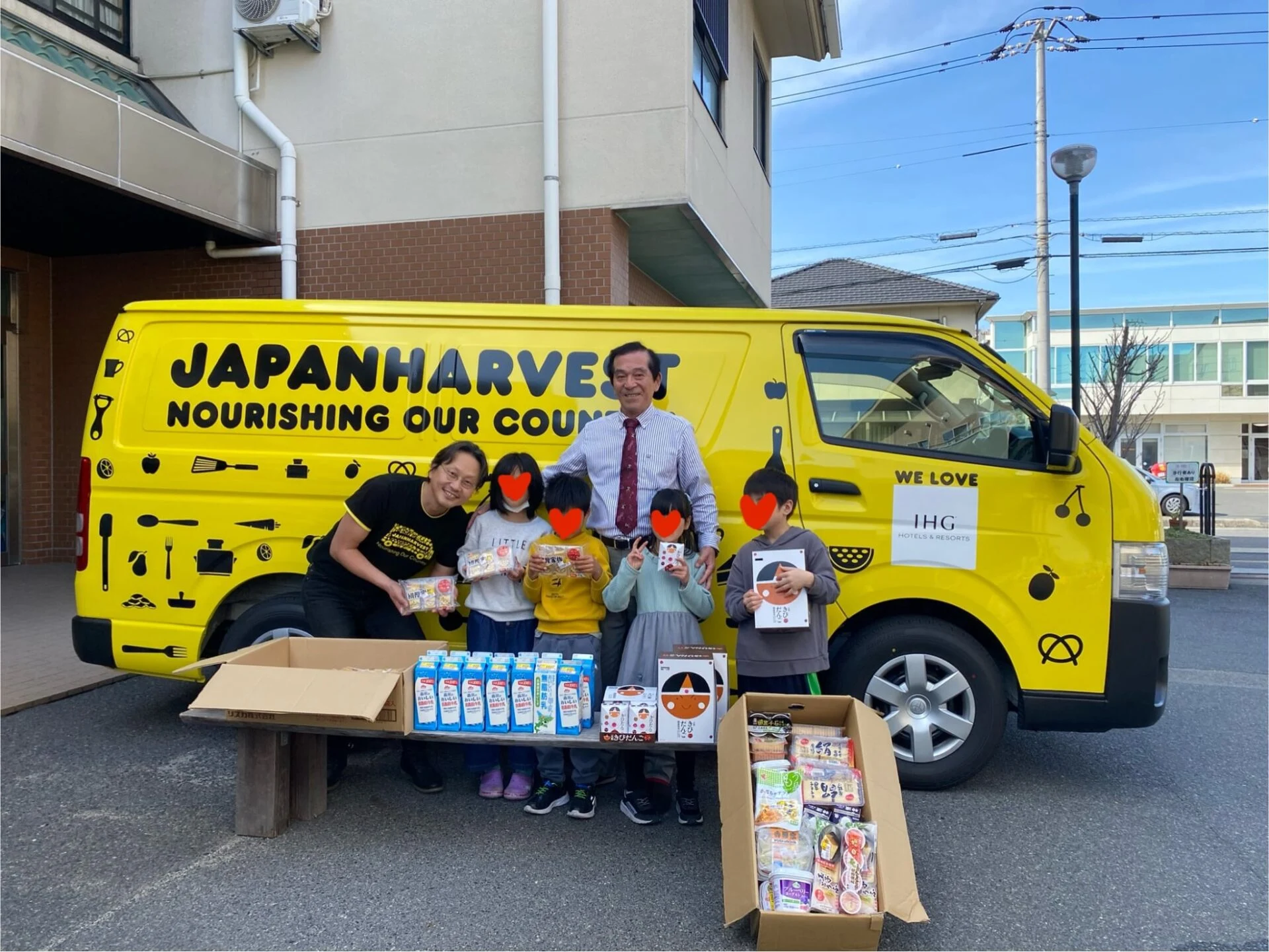
Born in Kojima, Kurashiki City, in November 1978, Narita was diagnosed with a malignant tumor at age 16 and told he had only three months to live.
He says that his lonely days in a sterile room led him to make a firm resolve: “While I am alive, I want to do something that benefits society.”
With this conviction as his starting point, Narita has continued his social contribution activities through food.
To date, he has delivered food to around 20 employment support facilities for people with disabilities in Kurashiki City alone. He also provides assistance mainly in Okayama, Hiroshima, and Kagawa using the Japan Harvest vehicle, a mobile food bank that he drives himself.
He also supports children’s cafeterias in Osaka, Hyogo, and Kyoto, and the network is naturally expanding through local connections.
We spoke with him about the background to these activities and the values that matter to him.
Specified Nonprofit Corporation Japan Harvest Information
| Organization name | Specified Nonprofit Corporation Japan Harvest |
|---|---|
| Industry | Specified nonprofit activities ・Activities to promote social education ・Activities to promote community development ・Activities to protect the environment ・Disaster relief activities ・Activities to protect human rights or promote peace ・International cooperation activities |
| Representative | Chairperson Narita Kenichi |
| Established | March 9, 2018 |
| Address | 2440-52 Ueno, Kibichuo-cho, Kaga District, Okayama Prefecture |
| Contact | 0866-56-7187 |
| Website | NPO Japan Harvest |

What would you like to know about Kurashiki?
Enter a word to search articles on this site