Interview with Kenichi Narita
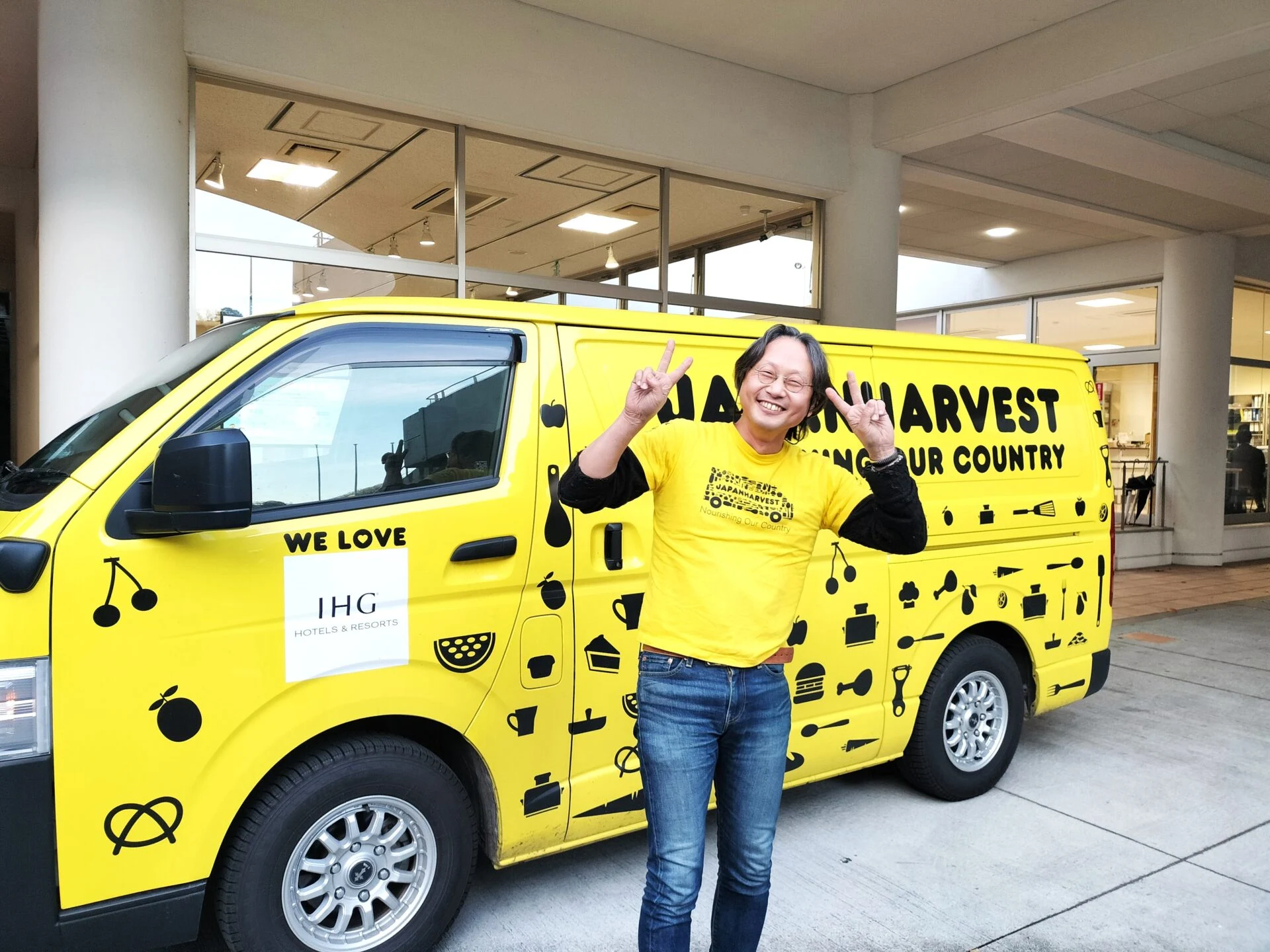
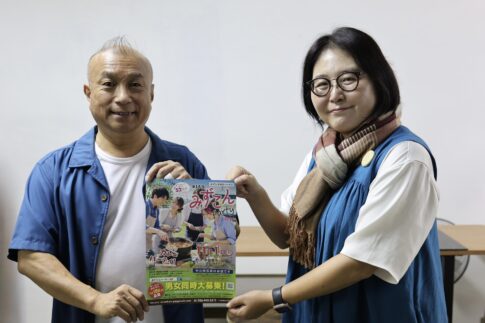
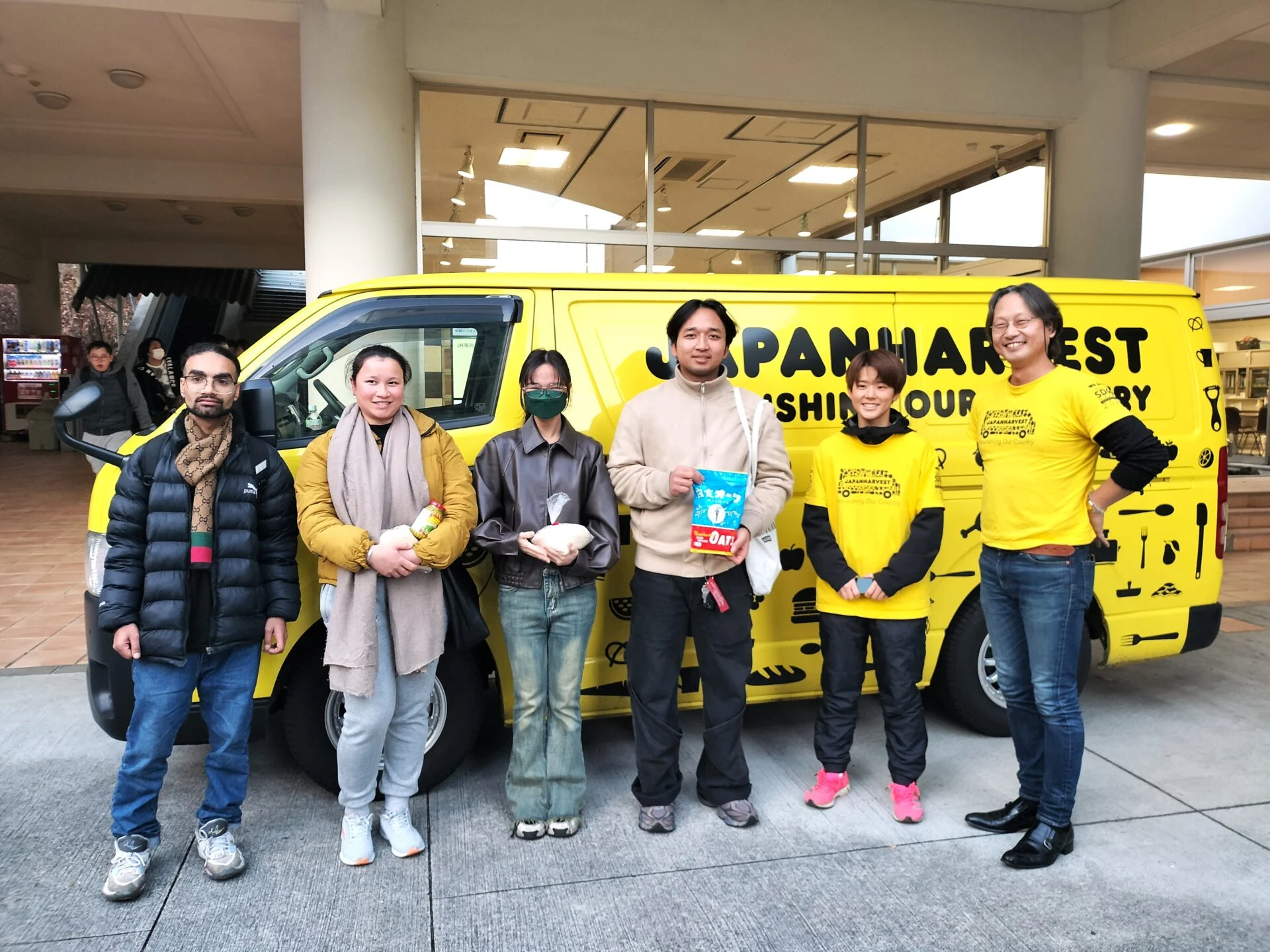
We spoke with Kenichi Narita, director of the nonprofit organization Japan Harvest.
The “experience at age 16” at the root of it all
How did this work get started?
Narita (surname only)
My life changed dramatically when I was 16.
I was diagnosed with a malignant tumor and told I had “three months to live.” The side effects of treatment pushed me to my physical and emotional limits. What supported me was the carrot and apple juice my mother made for me every morning. The sound of the blender, the vivid color, my mother’s voice. All of it gave me the strength to live.
That experience made me realize that food has the power to save people and light the way to the future. I felt that “the rest of my life was a bonus.”
When I overcame the treatment and was discharged from the hospital, I began to think, “Now that I’ve been given this life, I want to become someone else’s hope.”
That is the starting point of my current work: engaging with society through food.
And from there, it led to the work of Japan Harvest.
Narita
Yes. I opened a cafe restaurant in Kibichuo Town in 2005, and began operating a mobile supermarket in 2013. We have delivered essential foods such as tofu, milk, and prepared dishes to people who are unable to go shopping.
Through that work, I began to understand firsthand what kind of food people truly appreciate.
In 2018, inspired by the work of Australian charity OzHarvest, and with the support of the supermarket chain Halows Co., Ltd., we launched the voluntary group “Food Sharing Japan,” the fifth sister organization of its kind in the world.
The voluntary group Food Sharing Japan began its work on March 9, 2018. It was incorporated as an NPO in 2021 and became the Japan Harvest Nonprofit Organization.
Today, we provide food every month to more than 40 locations, including children’s homes, children’s cafeterias, and support organizations in Okayama City, Kurashiki City, Tamano City, Bizen City, and Kibichuo Town. We also work with organizations in Hiroshima, Hyogo, Osaka, and Kyoto.
We also make use of local networks to deliver the food needed to the places that need it.
Small joys help people move forward
Are there any moments from your work that have stayed with you?
Narita
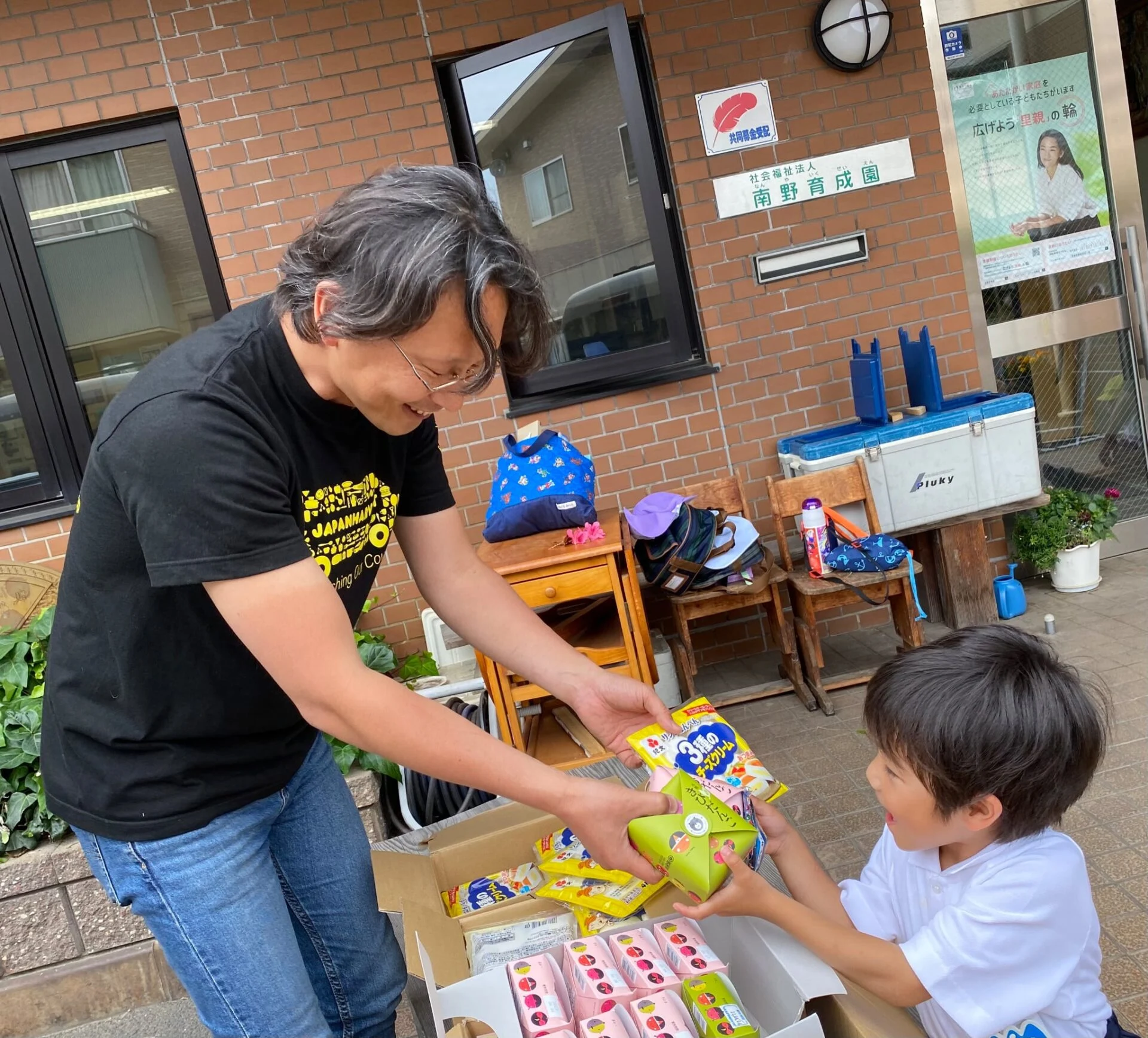
The moment that stands out most was when we delivered a box of sweets to each child at a children’s home.
One child told me, “For the first time in my life, I got to eat something that was all mine.” I still haven’t forgotten those words.
It may have been a small joy, but I felt that experiences like that are what give people the strength to move forward.
Another memorable moment was when we were running a mobile supermarket regularly at temporary housing after the July 2018 torrential rains.
A 92-year-old woman collapsed, and because I was able to tell the emergency medical staff about her health and daily life, which I had learned about through our usual casual conversations, her treatment went smoothly.
Conversations about the weather, prices, and health. They are all ordinary parts of daily life, but those “ordinary moments” can sometimes help someone.
I have realized this time and again through this work.
Food from around the world for international students and children
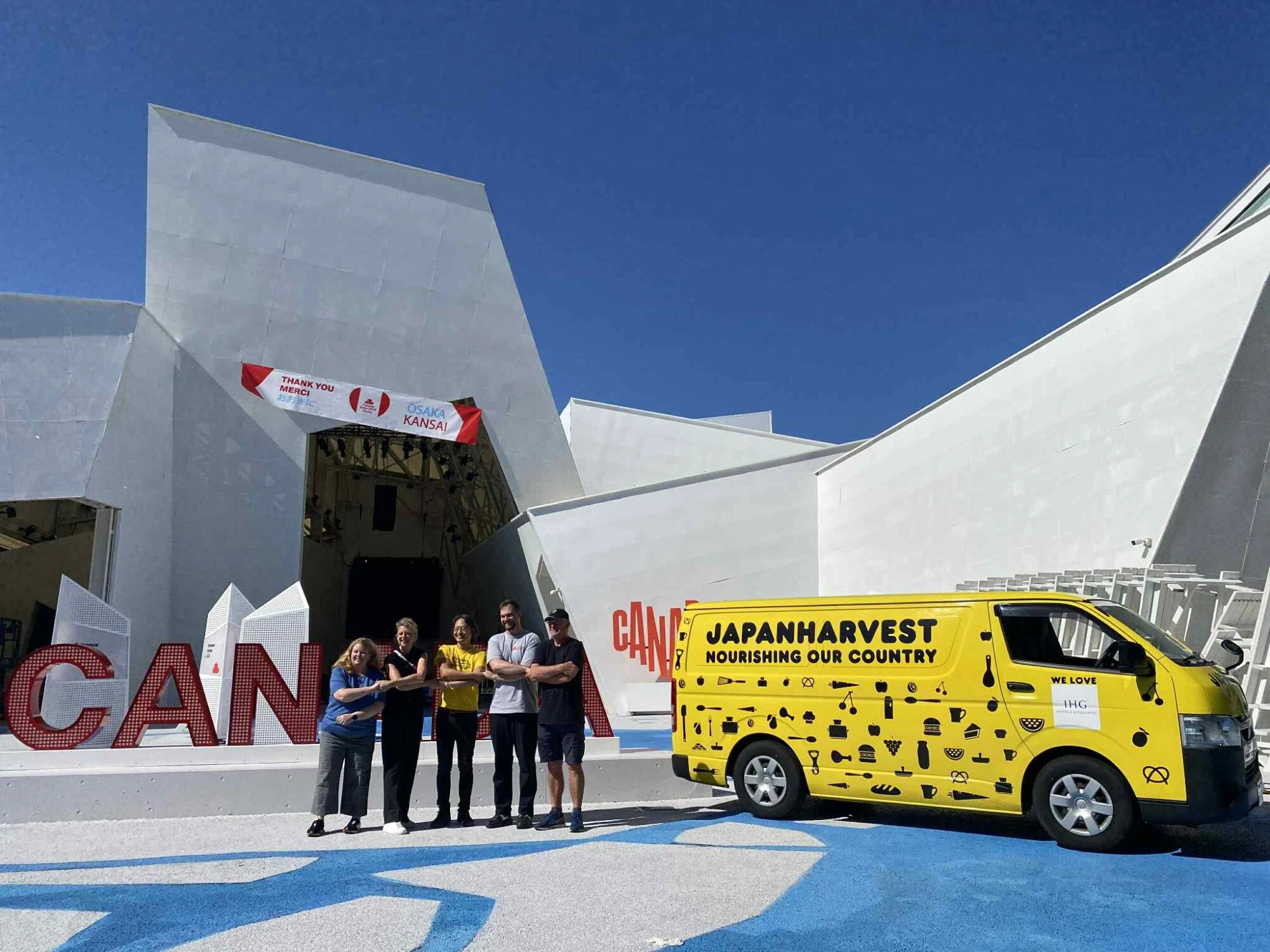
Please tell us why you reached out to participating countries at Expo 2025 Osaka, Kansai to provide food to international students at Kibi International University and children’s cafeterias.
Narita
I have lived overseas myself, and when I came across Japanese food while abroad, it made me feel very reassured. I wanted to share that feeling with international students and children, too.
At Expo 2025 Osaka, Kansai, nine countries agreed to participate, and we received food that is difficult to find in Japan.
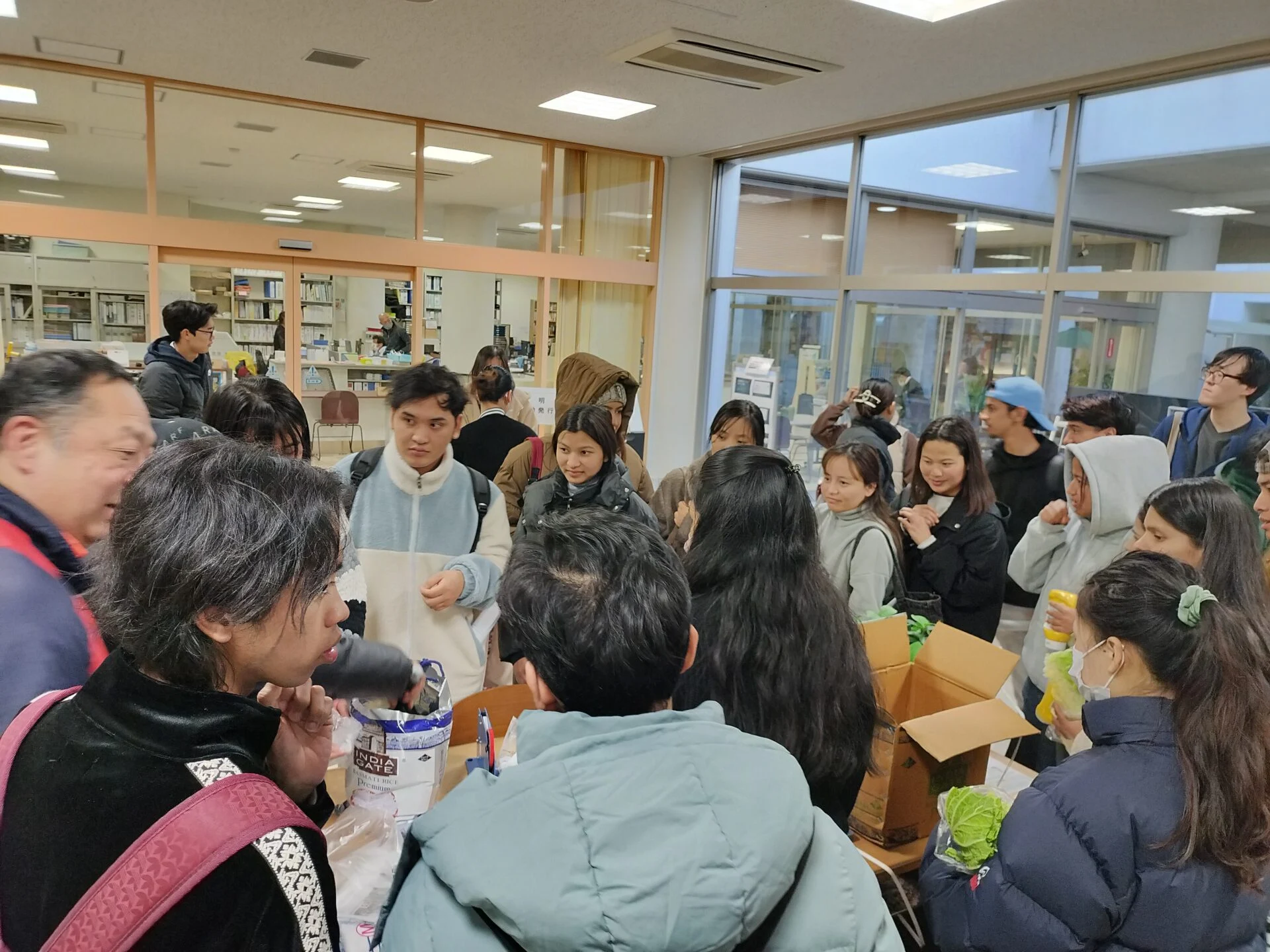
We donated food to international students at Kibi International University because we wanted to give them a moment of comfort through the taste of home. I hope they can spend the year-end and New Year holidays in a foreign country feeling at ease, and continue their studies in Japan with a positive outlook.
A child at a children’s cafeteria once told me that trying kangaroo meat, one of the foods from around the world, had become “a memory I’ll never forget.”
I would be happy if food helps them feel an affinity for or interest in that country in the future, and feel connected to the world.
Sustainable support built with businesses and hotels
What does collaboration with businesses and hotels look like?
Narita
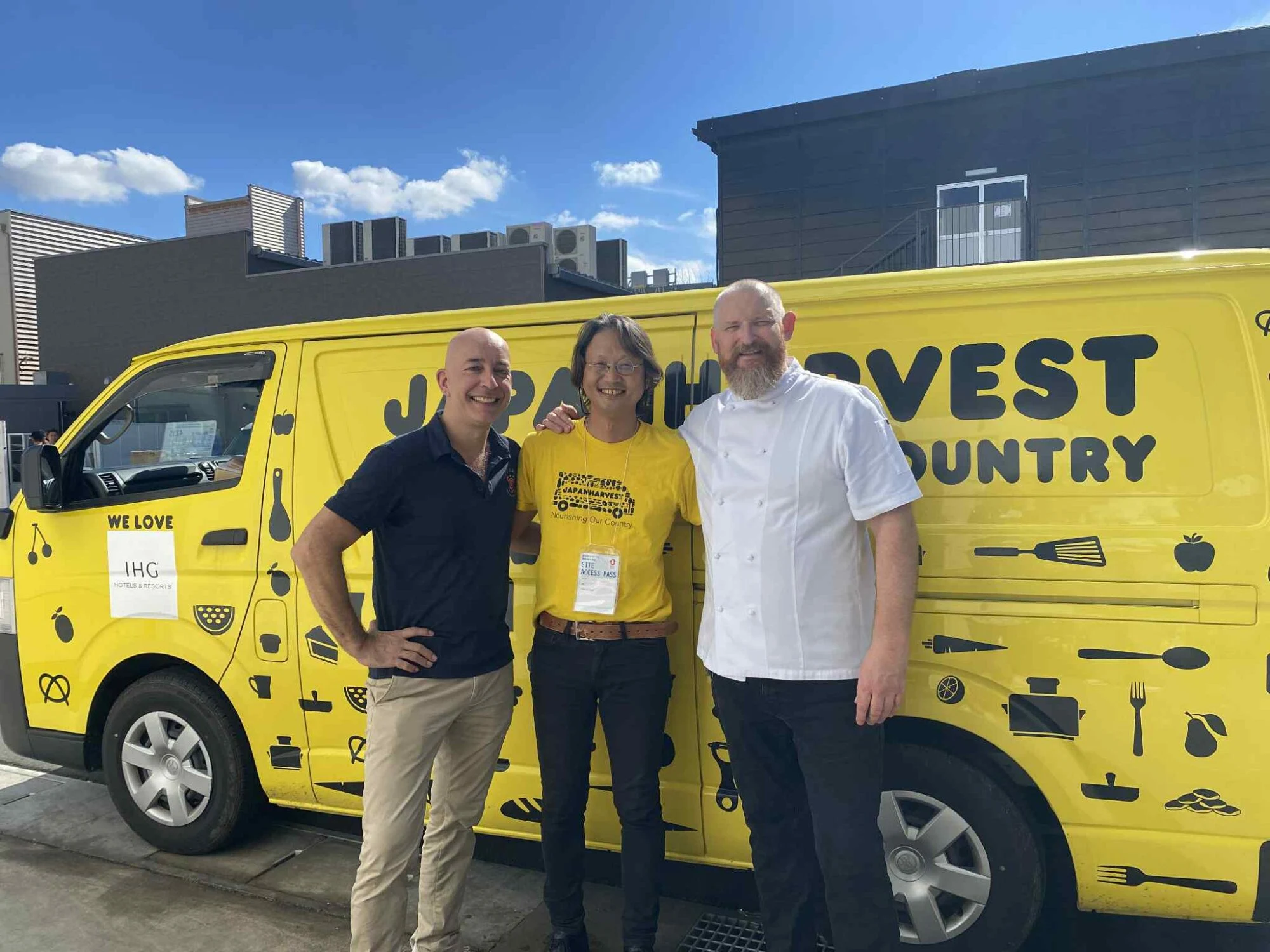
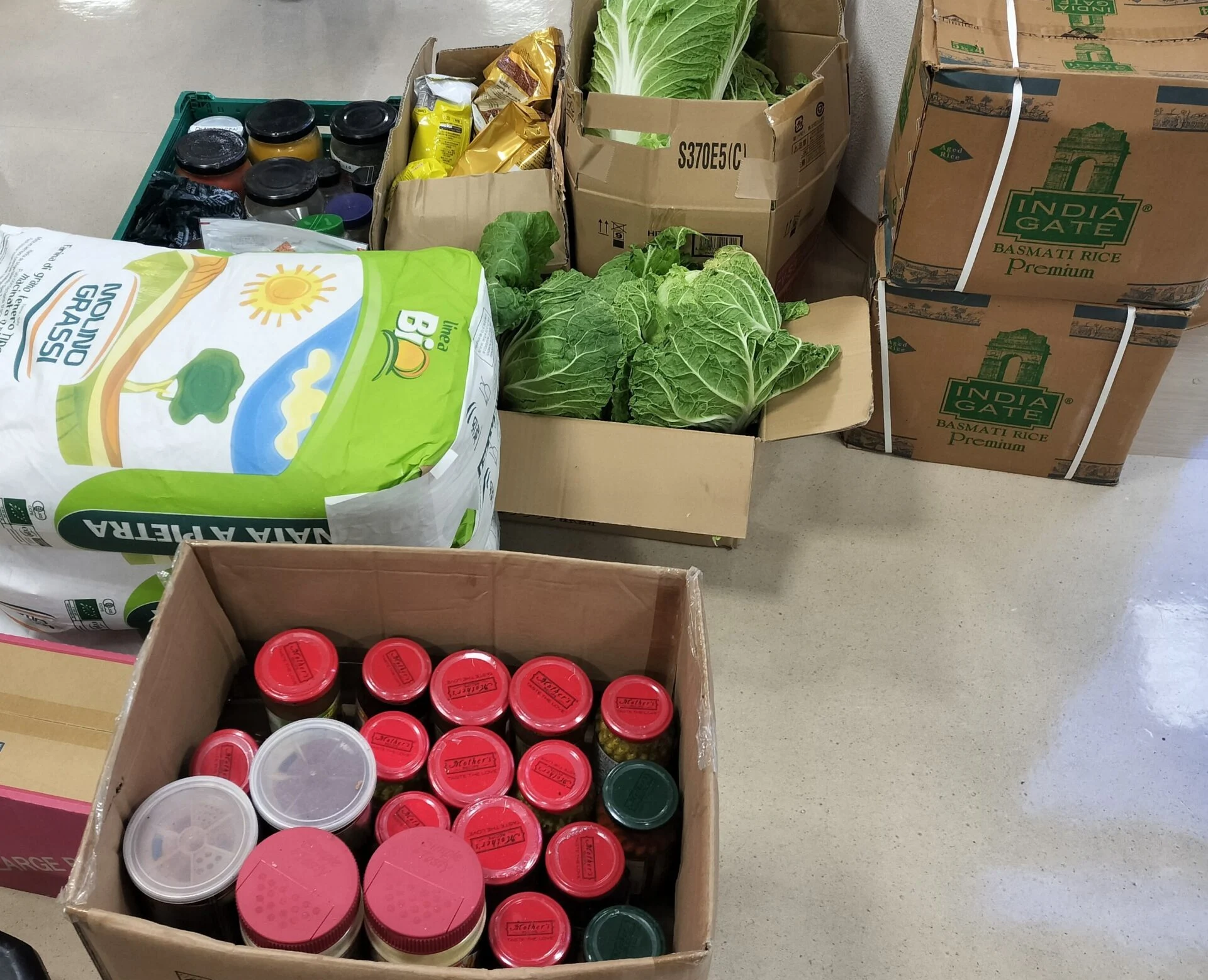
We currently receive high-quality surplus food from 123 stores operated by 13 corporations, including supermarkets, hotels, and food-related businesses.
For example, Kurashiki Kokusai Hotel and ANA Crowne Plaza Okayama give us freshly baked bread left over from their breakfast buffets, which we deliver to children’s cafeterias and support organizations.
With rice prices rising, this gives facilities more options for breakfast and lunch, while also helping businesses reduce food waste.
By working together in this way, everyone contributes a little to creating a “sustainable food cycle.” That is why we can continue this work in collaboration with children’s cafeterias and support organizations.
Family and everyday life that support the work
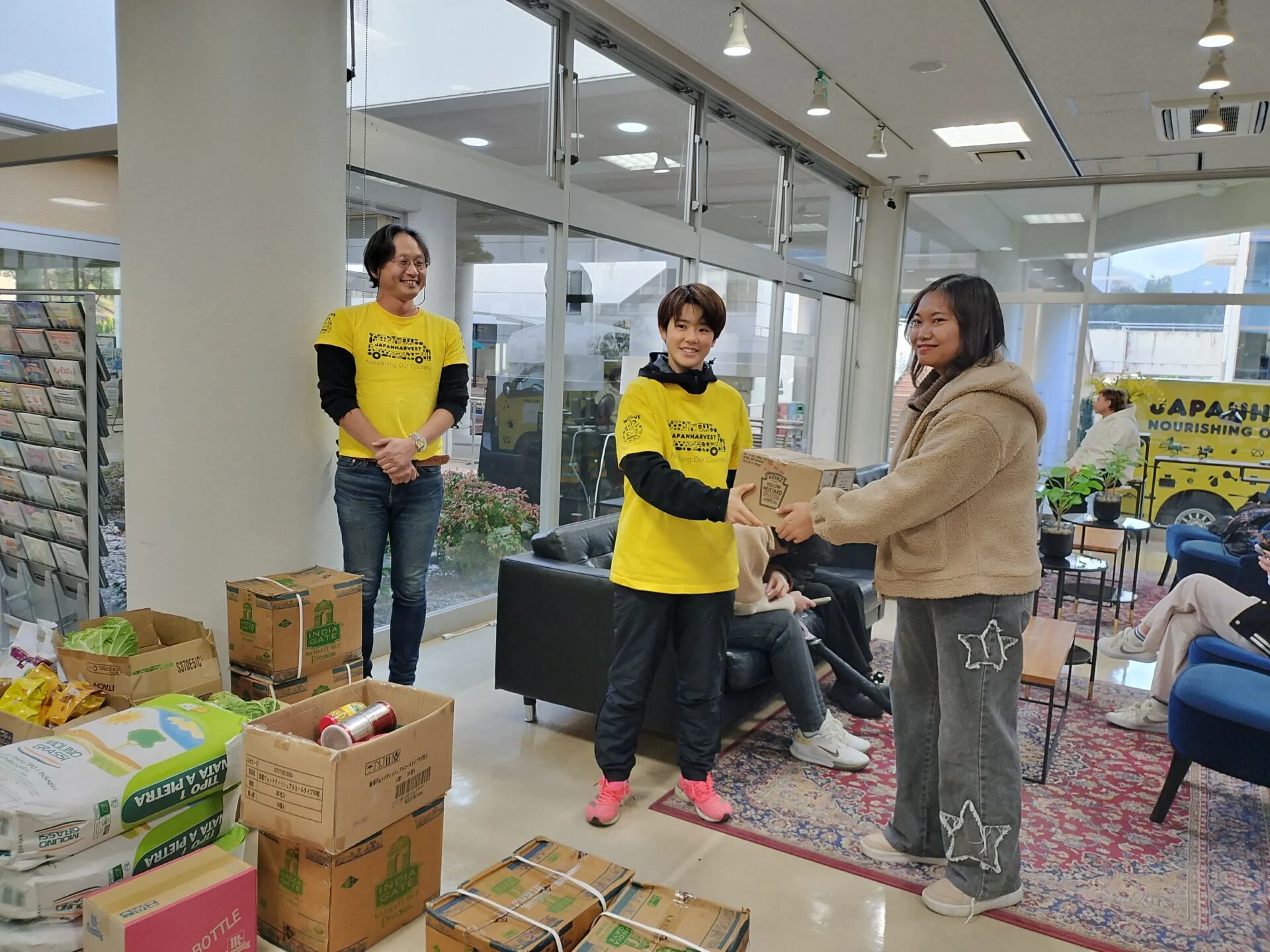
How do you balance running the organization with your personal life as you continue your nonprofit work?
Narita
My wife and I opened a cafe restaurant in Kibichuo Town in 2005.
The cafe restaurant is open six days a week, and I devote time outside weekday business hours and on days off to this work. The costs of travel and operations, such as gasoline and accommodation, are covered by grants and donations from individuals and businesses.
To be honest, we don’t have much to spare. But I also think this is a necessary way to keep the work going.
I manage the restaurant and am responsible for developing the menu and cooking.
It is because of my more than 20 years of experience as a chef that I can deepen my work on food waste, food assistance, and food education.
What matters to me is not simply handing over food. Above all, I care about moving the hearts of the people who receive it. Making them smile, feel excited, and become more positive. I believe these experiences connect people to one another, and the world to the world.
How he views recognition from the government
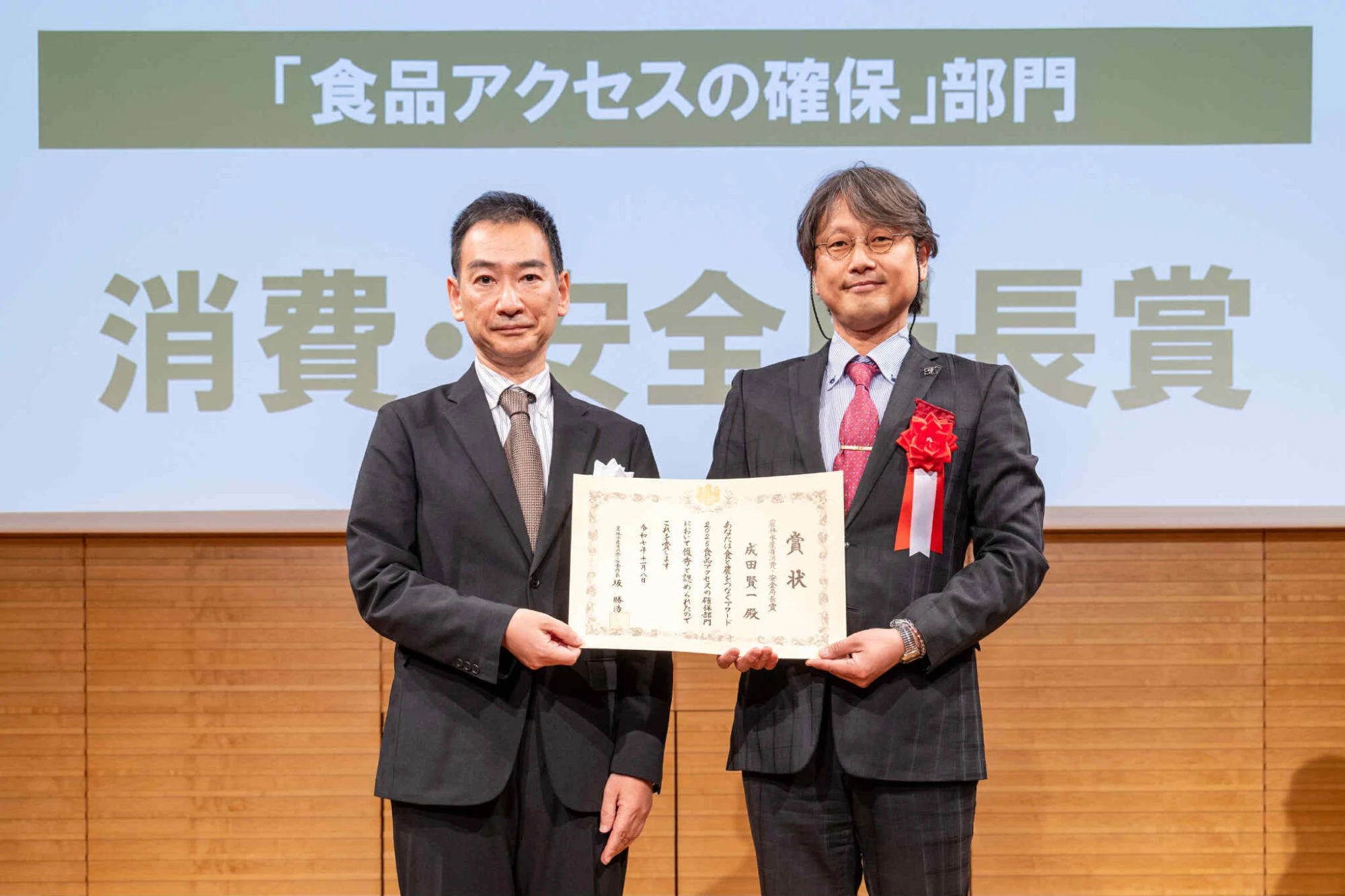
How do you feel about receiving the Director-General’s Award from the Consumer Affairs and Safety Bureau as an individual in the Food Access Assurance category of the first “Connecting Food and Agriculture Award”?
Narita
I’m genuinely happy that the work I’ve continued on the ground has been recognized.
But I don’t see it as an achievement of mine alone; I believe it is thanks to everyone who has been involved.
I heard that I was the only individual recipient nationwide, and it made me realize that the direction I’ve taken so far aligns with national policy. That realization gives me confidence to keep going.
A message to readers
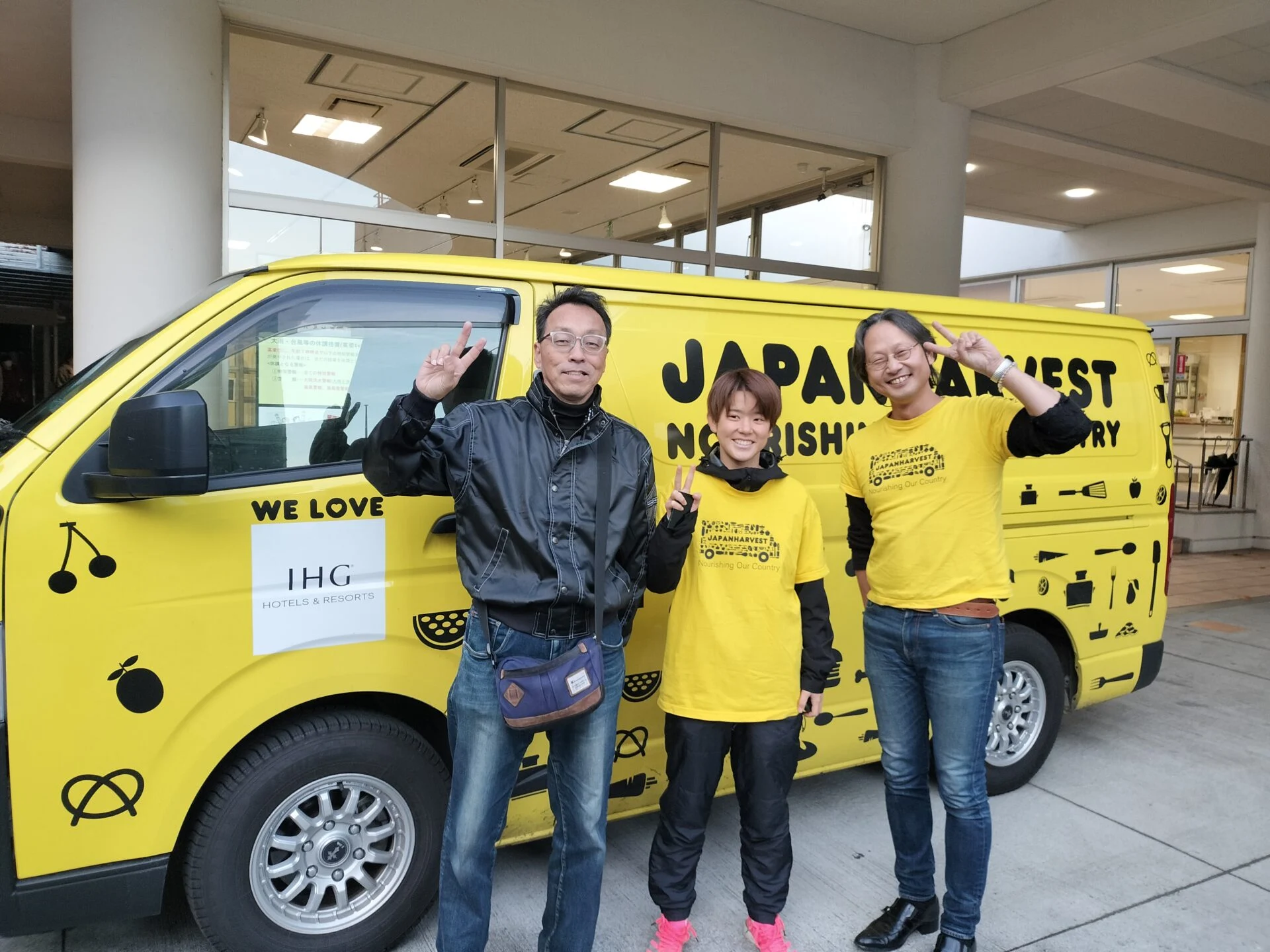
Finally, do you have a message for our readers?
Narita
Out of the 24 hours in a day, I hope you’ll spend just one minute doing something for someone else. It could be picking up a piece of litter or simply saying a few words to someone.
I believe that this one minute of action will eventually become a source of strength for you, and connect you with the people around you, your community, and the world.
You don’t need to do anything big.
Small steps taken one after another can bring about unexpected changes and joys.
From the Writer
“What is the definition of happiness?” “How do we build our own outlook on life, values, and worldview while we are alive?” I think the answers differ from person to person.
For more than 30 years since he was 16, through what he calls “the bonus years of my life,” Mr. Narita has continued his work with the hope that, through food, people receiving support can feel the joy and hope of living.
What I do is not about asking anything of others, but simply delivering, out of goodwill and free of charge, what they truly need.
Listening to Mr. Narita, I was once again deeply moved by his approach to this work.
Japan Harvest Nonprofit Organization data
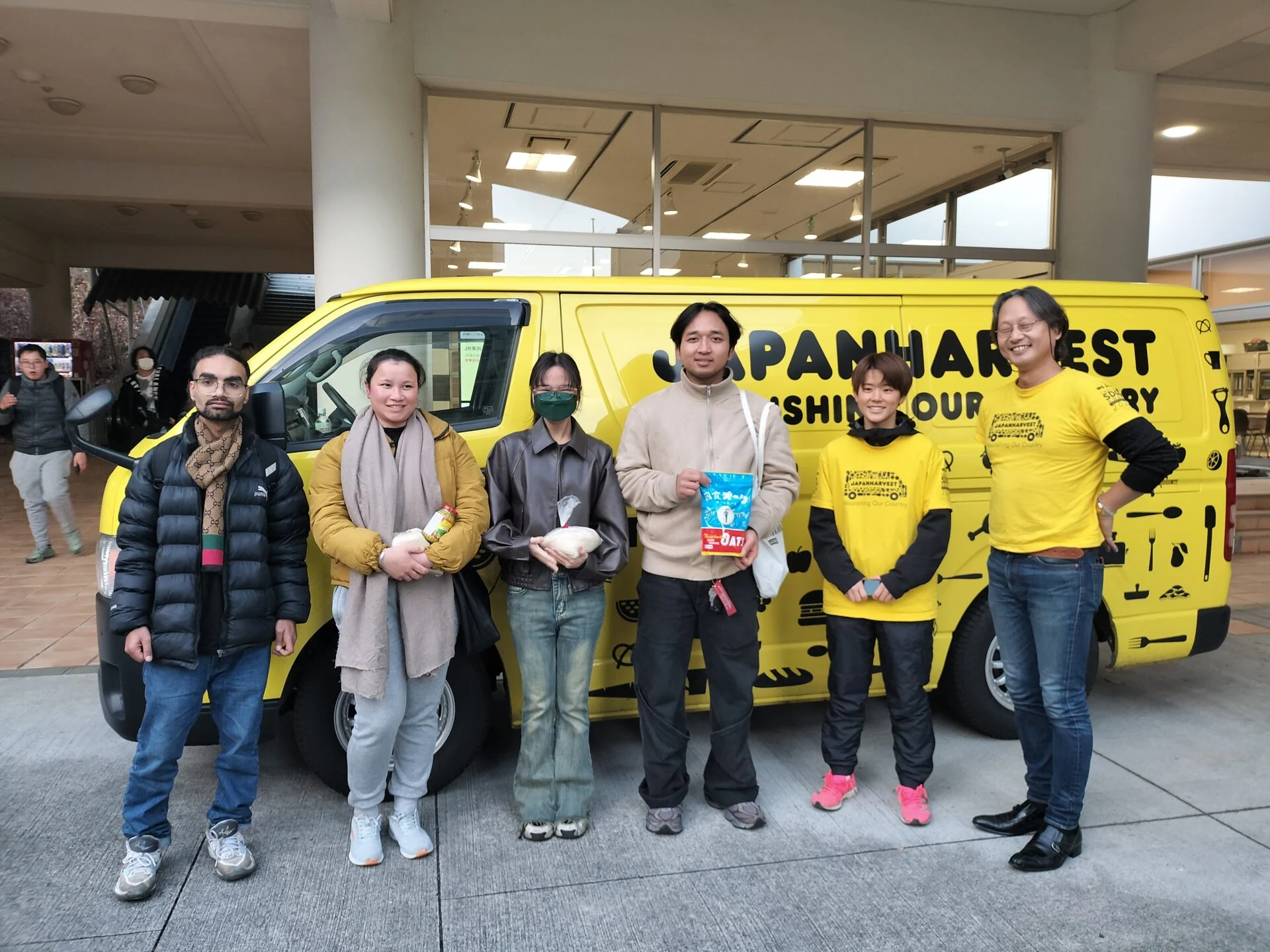
| Organization name | Japan Harvest Nonprofit Organization |
|---|---|
| Industry | Nonprofit activities ・Promoting social education ・Promoting community development ・Environmental conservation ・Disaster relief ・Protecting human rights or promoting peace ・International cooperation |
| Representative | Director Kenichi Narita |
| Established | March 9, 2018 |
| Address | 2440-52 Ueno, Kibichuo-cho, Kaga-gun, Okayama Prefecture |
| Contact | 0866-56-7187 |
| Website | Japan Harvest NPO |

What would you like to know about Kurashiki?
Enter a search term to find articles on this site