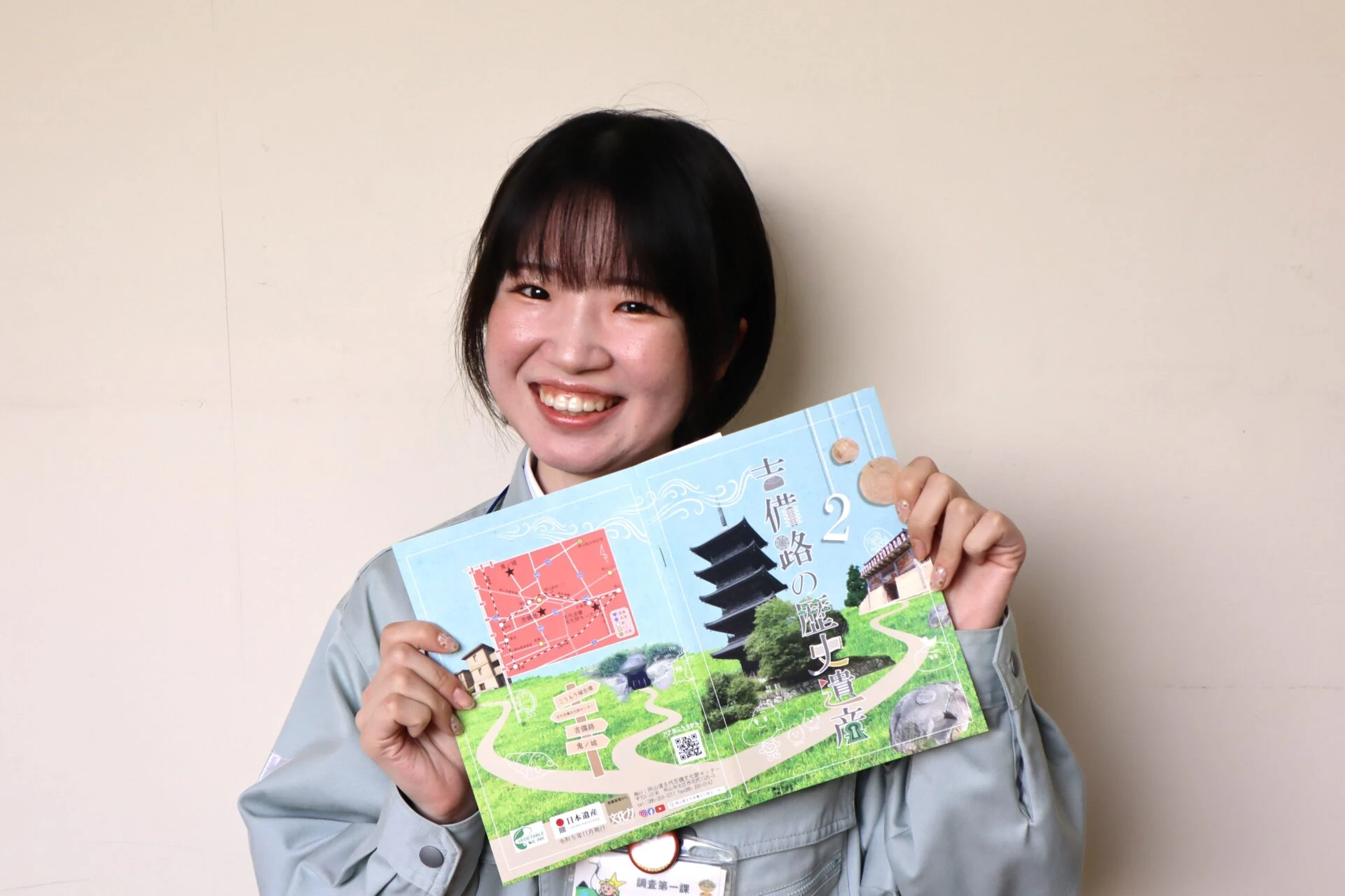
Interview with Matsuo and Hirano
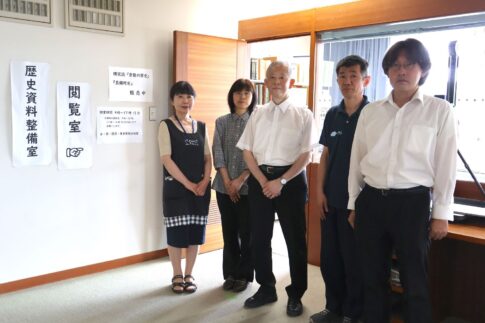
We spoke with Matsuo Yoshiko, who is in charge of the comprehensive survey for the preservation and utilization of the Bichu Kokubun-ji Temple Ruins and others at the Okayama Prefecture Ancient Kibiji Cultural Property Center, and Hirano Yuuiri.
Results of the first year of the "Comprehensive Survey for the Preservation and Utilization of the Bichu Kokubun-ji Temple Ruins and Others"
We will introduce the results of the comprehensive survey for the first year.
Results of the Excavation Survey and On-site Briefing
Please introduce what was learned from the excavation survey in 2023.
Matsuo (no honorifics)
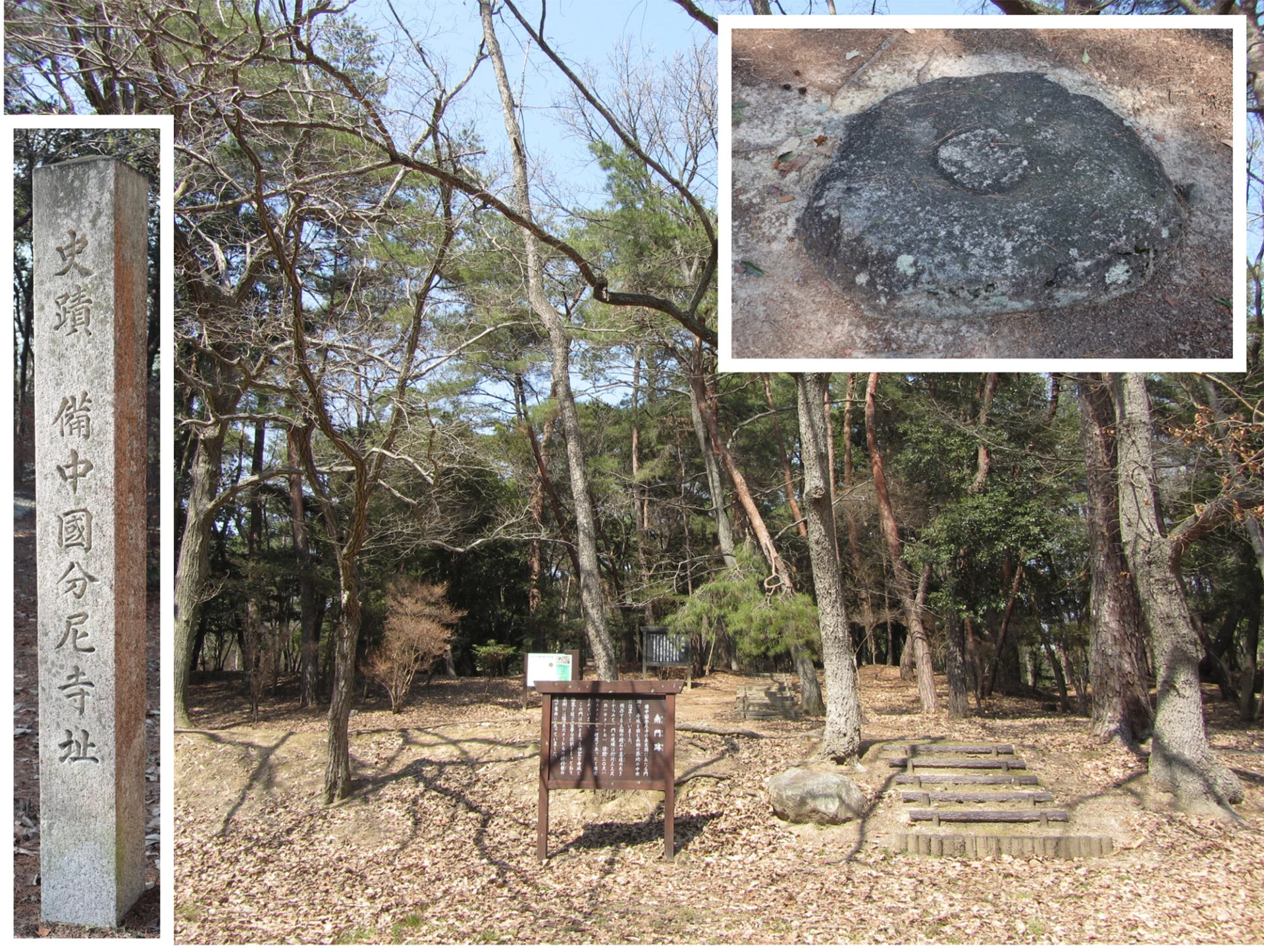
Regarding the Bichu Kokubun-ji Temple Ruins, excavation surveys within the temple grounds have not been conducted until now.
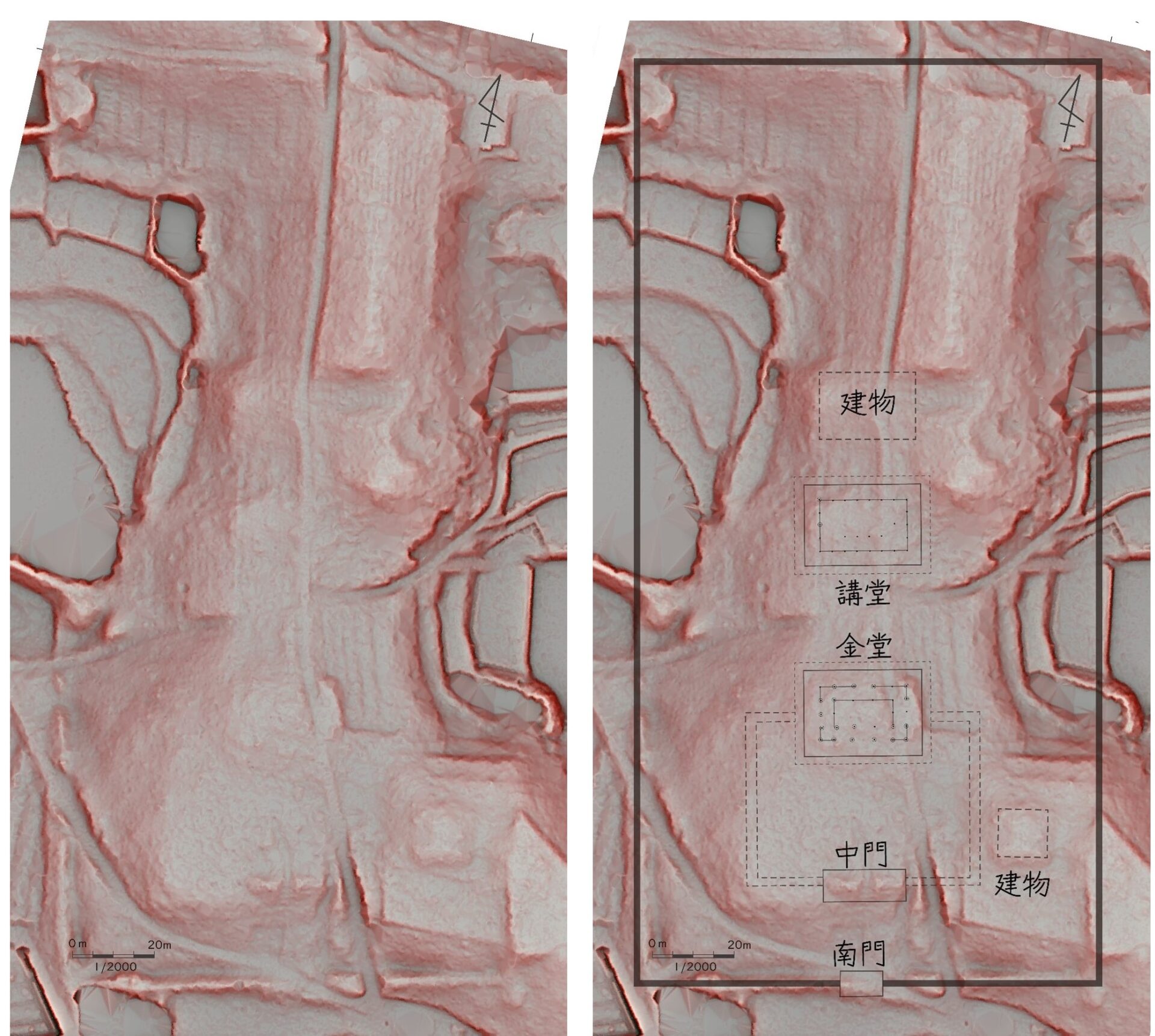
However, from the red 3D map and the local terrain, the layout of the buildings, known as temple layout, can be roughly understood.
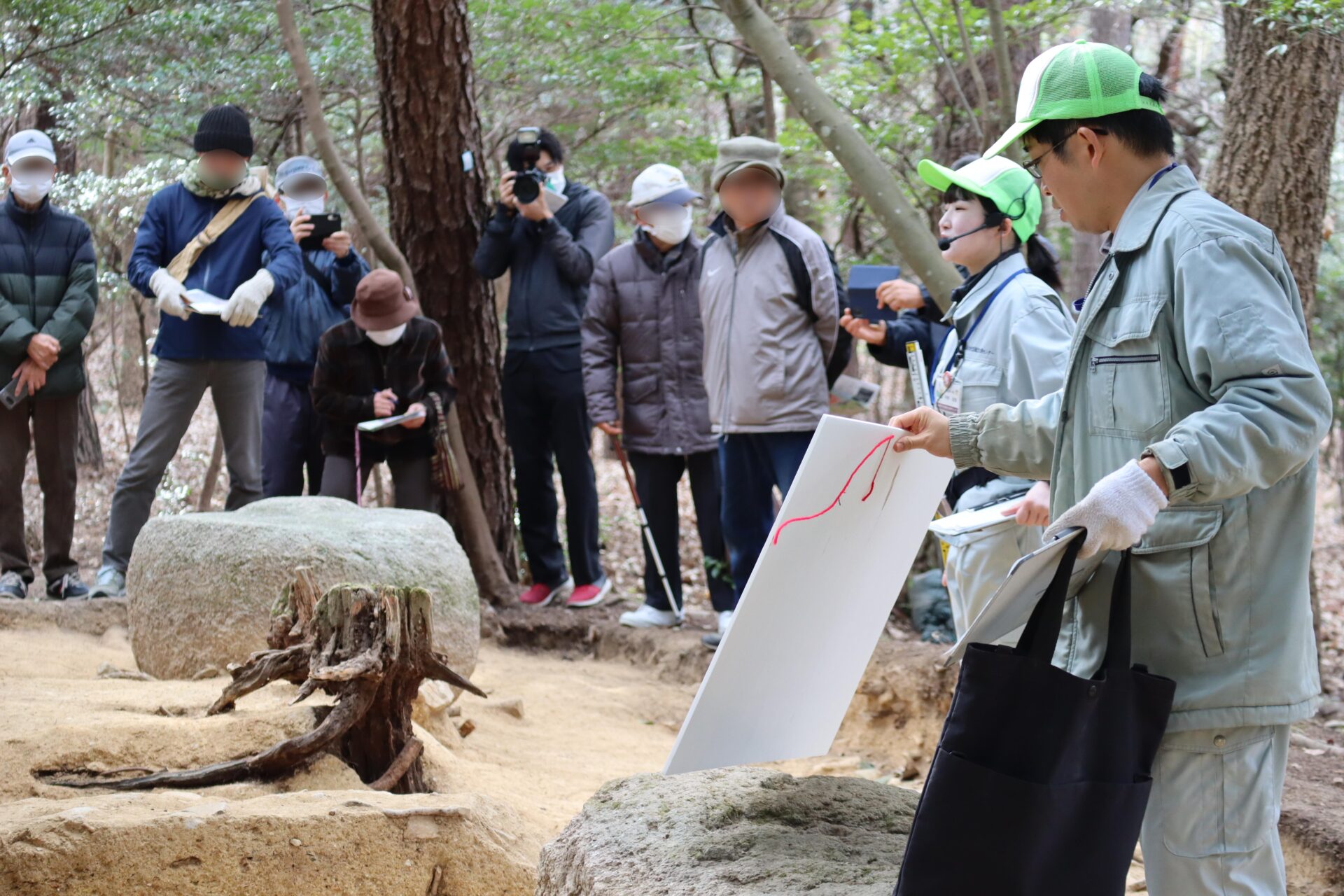
The purpose of this year's (2023) survey was to accurately grasp the positions, scales, and structures of the South Gate, Middle Gate, and Lecture Hall foundations among those buildings.
The Middle Gate was found to have a post-and-beam structure, which I believe is quite rare nationwide. At the South Gate and Lecture Hall, we were able to confirm the foundation stones from the time of their establishment, and we could almost identify their positions and scales.
How was the on-site briefing?
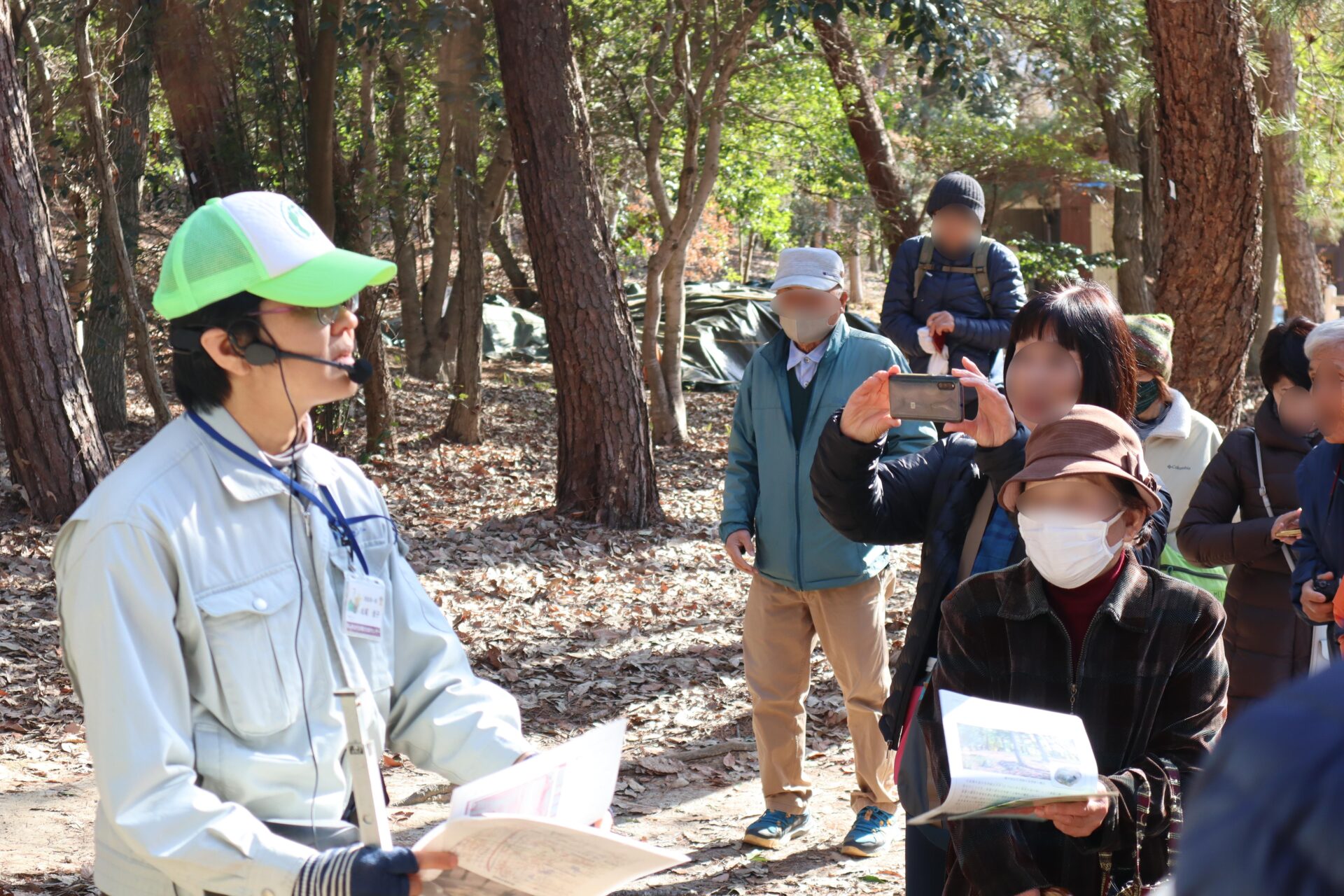
The on-site briefing had 120 participants, and the following week, 200 people participated in the week-long public opening. The high level of interest from everyone was evident.
Pamphlet and YouTube
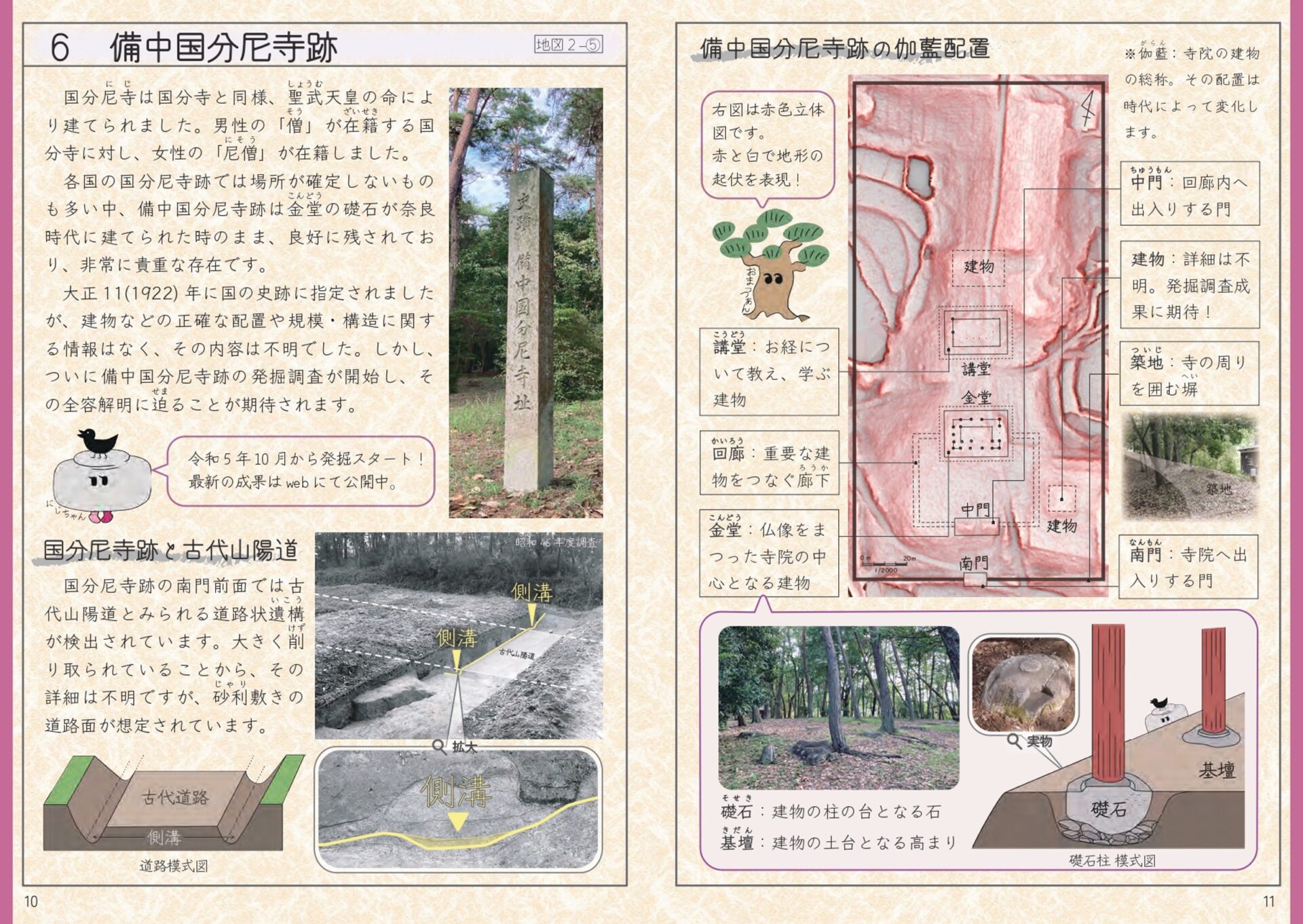
The pamphlet "Historical Heritage of Kibiji 2," published in January 2024 for attraction promotion, is said to be a masterpiece by Hirano.
Hirano
I wanted to create something that even people who are not familiar with archaeology could enjoy, so I worked hard to make it catchy with illustrations and comments.
At the same time, I intended to incorporate some information that is somewhat specialized.
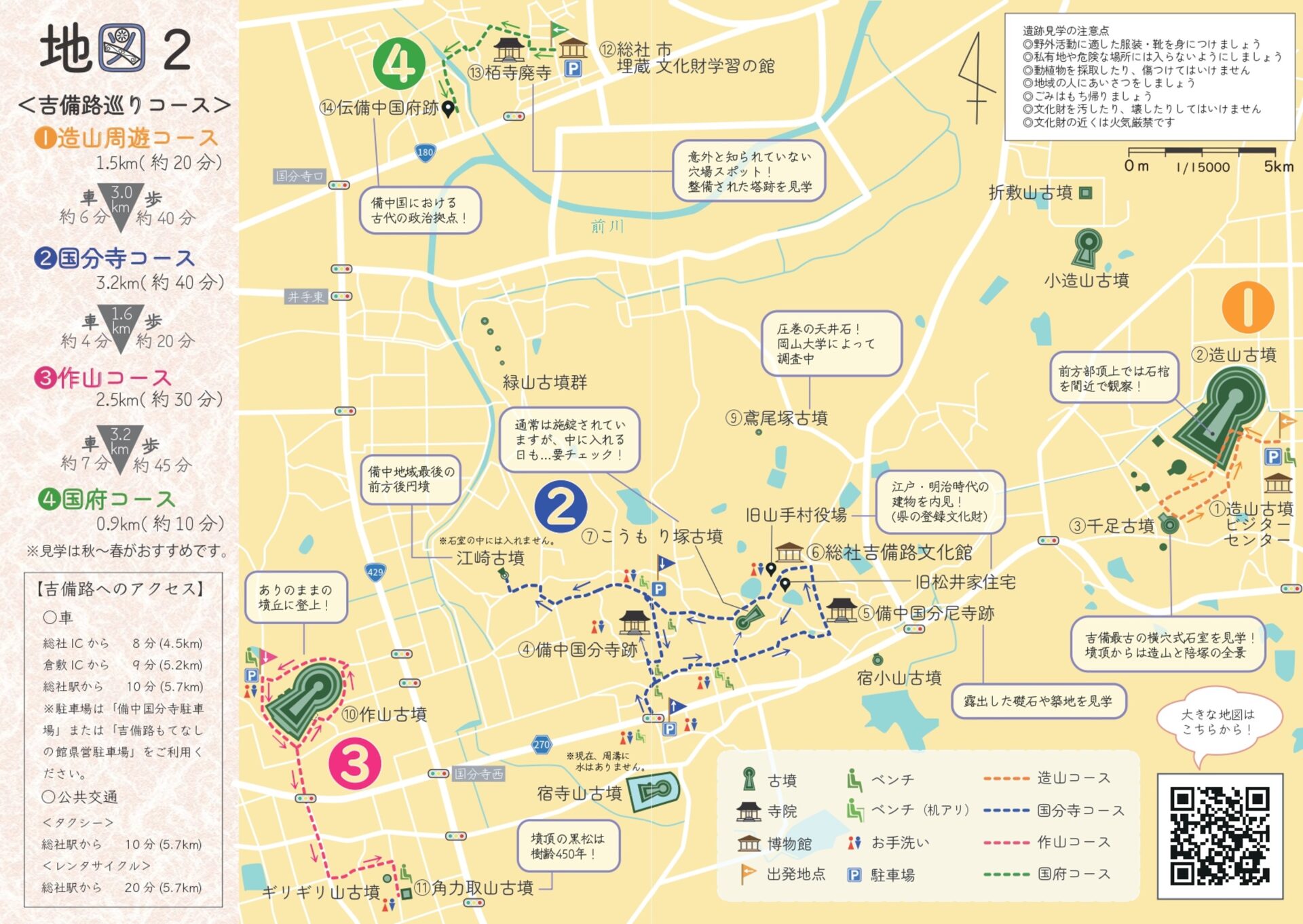
In the introduced hiking course, I also added what I felt while walking it myself.
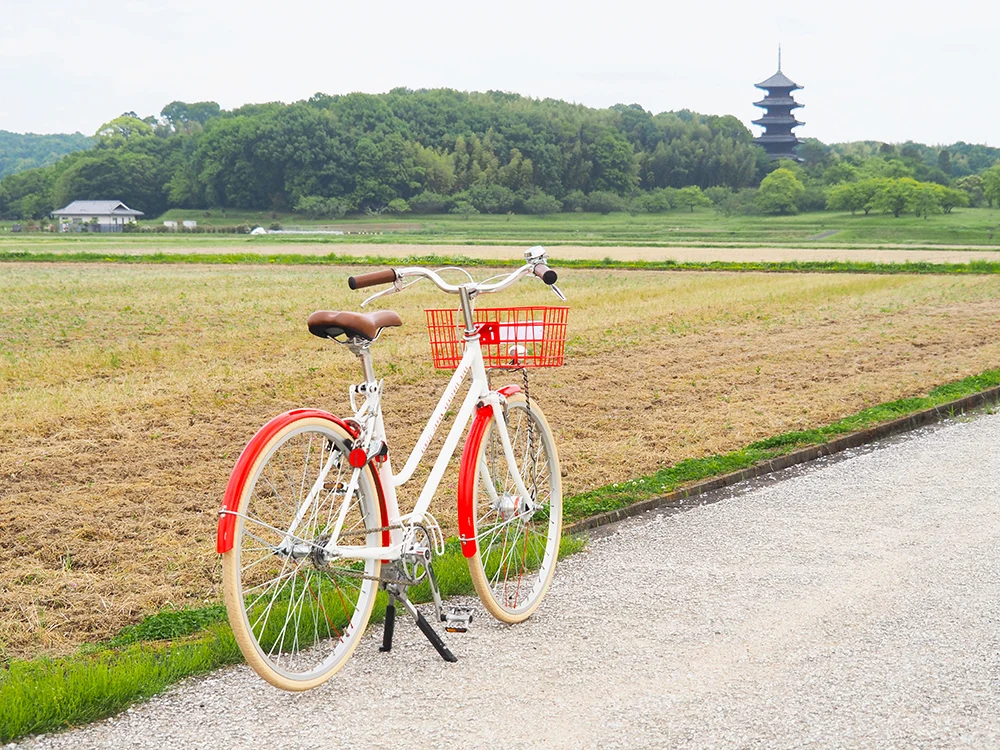
I hope it will be used in events like the Kibiji Walk, which has been held every year since 2020.
I hear you are also distributing on YouTube.
Hirano
At the temple ruins, roof tiles are important artifacts. We have uploaded a video that recreates how ancient roof tiles were made.
It is short and easy to watch, so please check out the YouTube channel of the Okayama Prefecture Ancient Kibiji Cultural Property Center.
Courses
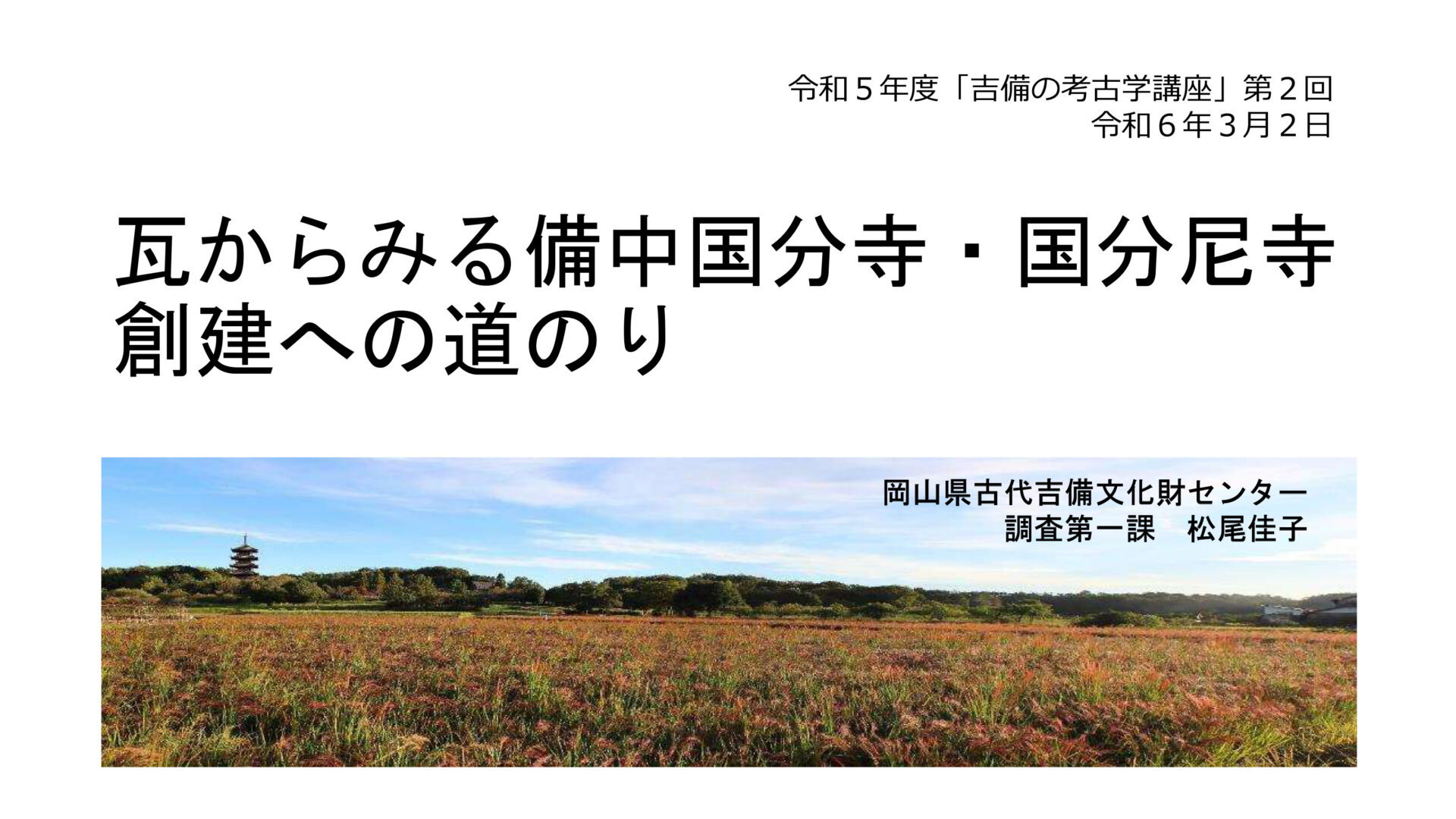
In the archaeology course held in March 2024, Matsuo was speaking on the theme of roof tiles.
Matsuo
The Nara period is considered the era of the ritsuryo state centered around the emperor. However, recent research has revealed regional diversity.
The study of the Kokubun-ji and Kokubun-niji temples, which were ordered to be built in all of the former 60 provinces, becomes a theme that delves into the relationship between the state and the region.
Research on the patterns and manufacturing techniques of roof tiles is also one of them.
Organization of Materials and More
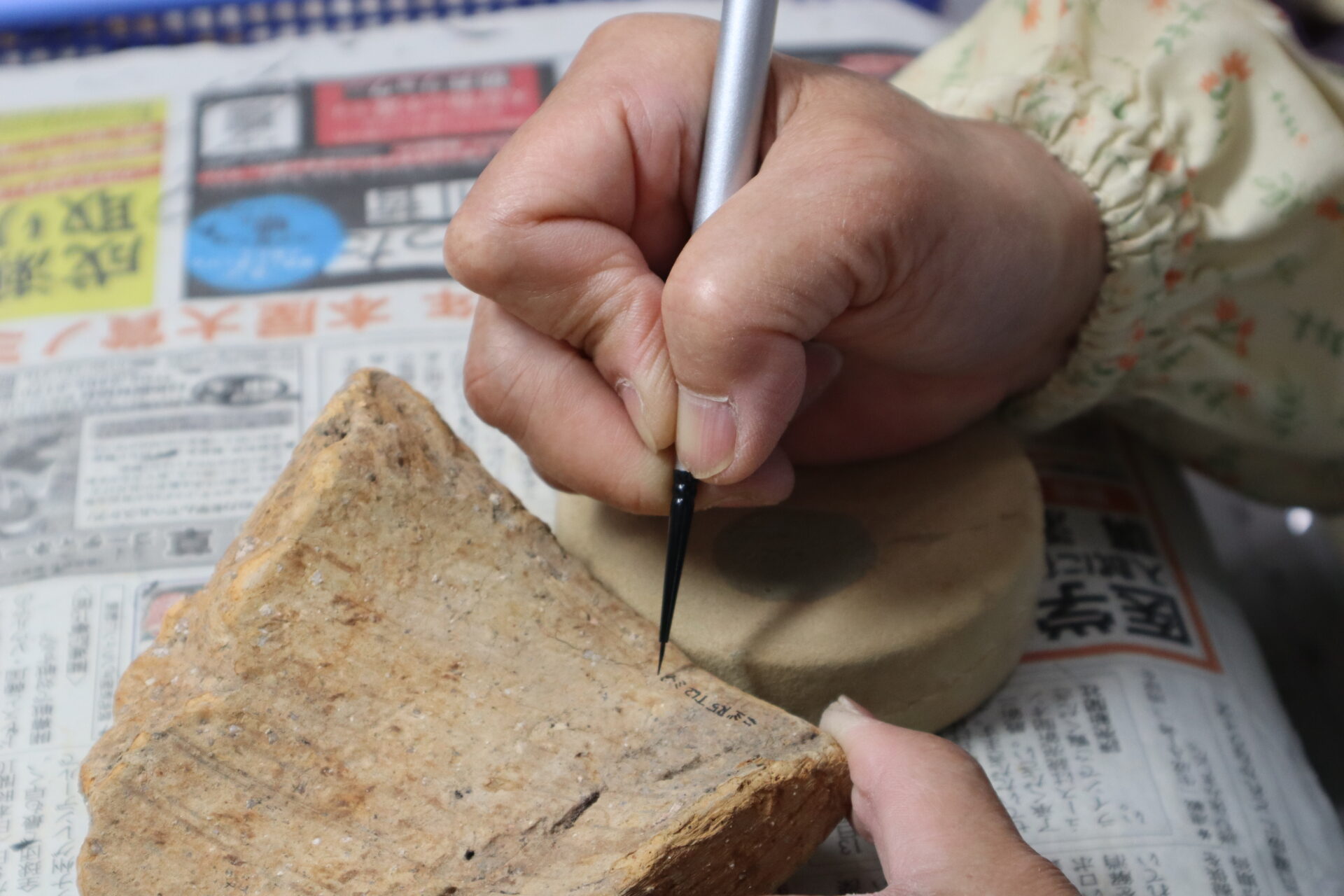
Please tell us about the investigation status of the collected artifacts.
Matsuo
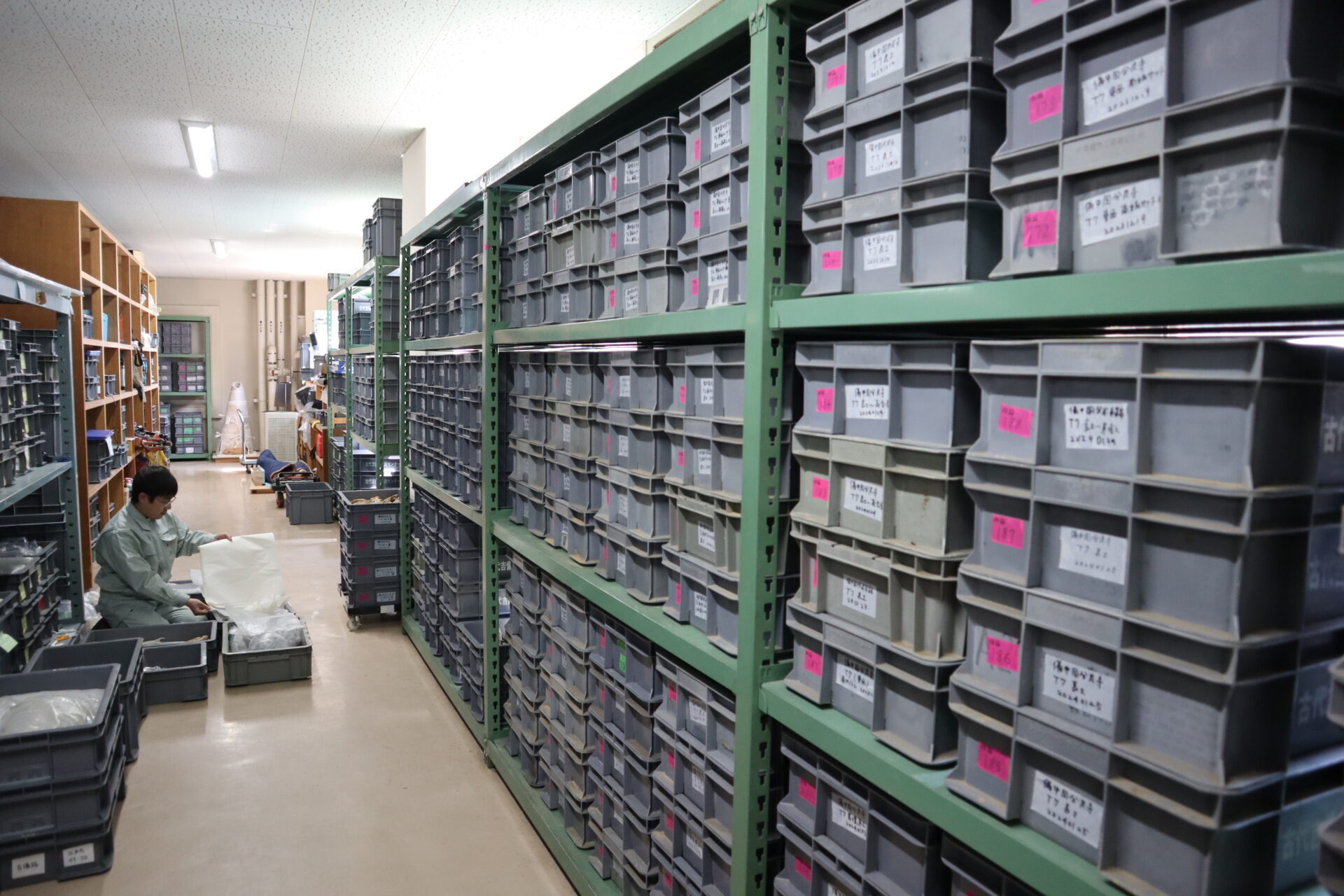
In the excavation survey of 1971, many artifacts were unearthed from the Bichu Kokubun-ji Temple Ruins. Most of them were roof tiles, and the total weight was an astonishing 4 tons.
Academically, the timing of the establishment of the Kokubun-ji and Kokubun-niji temples is a topic of discussion. It is generally believed that the Kokubun-ji was built first.
In this excavation survey, about 4 tons of artifacts were also unearthed from the Bichu Kokubun-niji Temple Ruins.
By comparing these, we may be able to clarify the timing of the establishment of both temples.
Future of the Attraction Promotion Project
Please tell us about the plans for the fiscal year 2024 and beyond.
Matsuo
First, I think we will continue the excavation survey of the Main Hall and others in fiscal year 2024.
The preservation and utilization plan will be created based on the progress of the survey.
Attractions of Kibiji that we want to promote
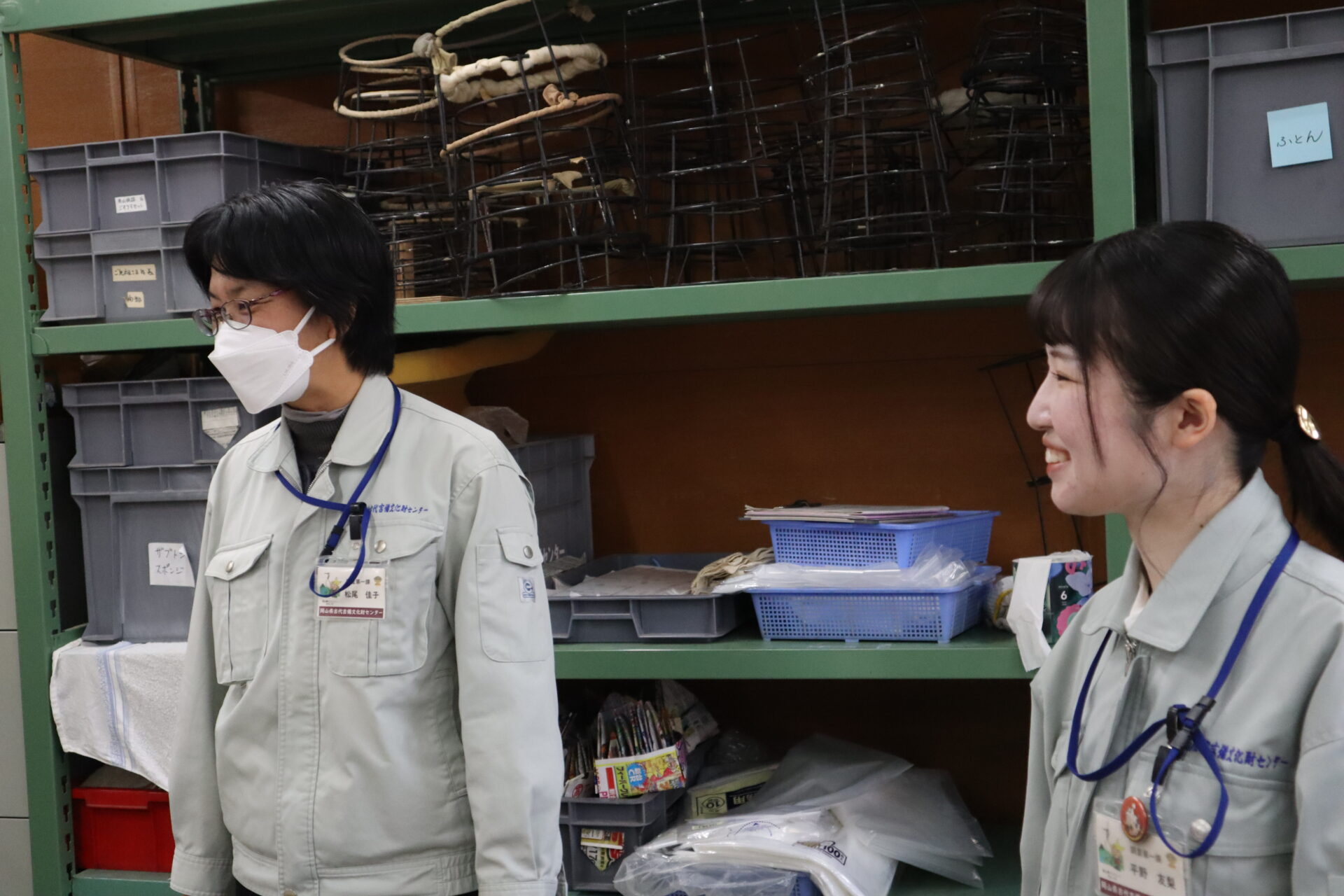
Please reintroduce the attractions of Kibiji.
Matsuo
Generally, buried cultural properties are, as the name suggests, buried, so there are few visible things.
However, the historical heritage of Kibiji can all be seen.
While the overall plan for utilization is yet to be determined, I do not think that something new is necessary for Kibiji.
I just want to create ways for people walking along the paths to understand, "This is how it was," or "There used to be a temple here."
We will strive to convey the value of the ruins and let the local community know about it for preservation. I hope that will be the case.
Future Dreams and Goals
Finally, please share your future dreams and goals.
Hirano
The excavation survey last year (2023) was my first field experience.
I felt a sense of joy when many people said, "I hope you enjoy it," and I also learned the joy of seeing my efforts take shape.
I believe it is very important to let people know about the attractions while engaging in preservation activities. I want to carefully explain, sometimes incorporating academic content, while utilizing my skills in illustration.
Matsuo
A long time ago, my graduation thesis in university was on roof tiles.
After starting my job, I had never excavated a site where ancient roof tiles were unearthed, and about 20 years ago, I submitted a proposal regarding the niji temple.
When the investigation of the Bichu Kokubun-niji Temple Ruins was decided and I was assigned to it, I found my proposal from 20 years ago among the materials I received.
I was surprised and at the same time felt a sense of responsibility.
Investigation and utilization of the Bichu Kokubun-niji Temple Ruins. It is a significant responsibility, but I want to see it through to the end.
Conclusion
In the “Kibiji Historical Heritage” Promotion Project, which marks its fifth year in 2024, comprehensive research for preservation and utilization is underway.
The promotion project will be followed by a site development project for historical sites, leading to a long-term initiative aimed at full-scale utilization.
We hope to contribute to the preservation of the value of historical heritage while discovering new attractions.
Data of Okayama Prefecture Ancient Kibiji Cultural Property Center
| Organization Name | Okayama Prefecture Ancient Kibiji Cultural Property Center |
|---|---|
| Industry | Okayama Prefectural Board of Education |
| Representative Name | Okuyama Shuji |
| Established Year | 1984 |
| Address | 1325-3 Nishihajiri, Kita-ku, Okayama City |
| Contact | 086-293-3211 |
| Homepage | Okayama Prefecture Ancient Kibiji Cultural Property Center |