
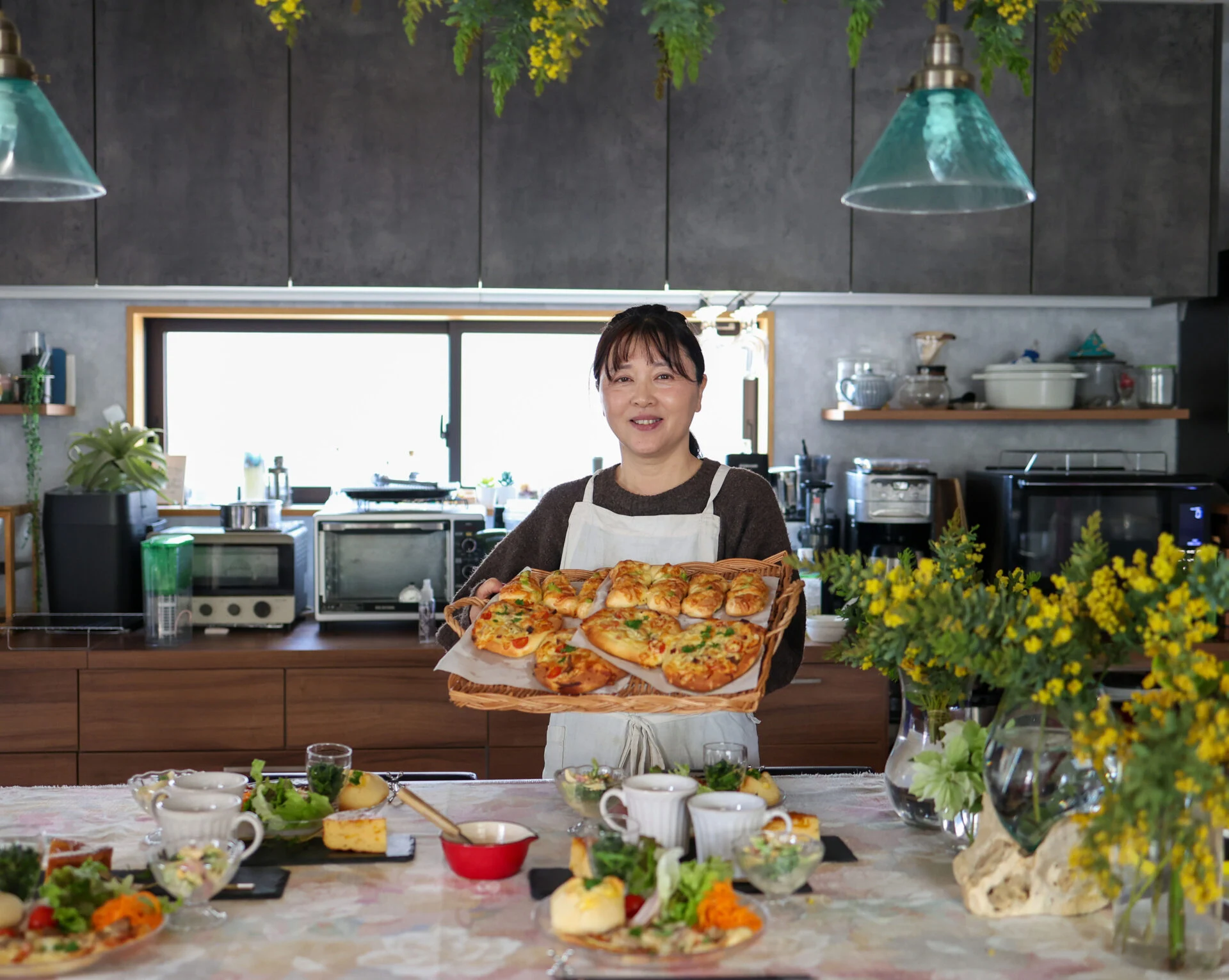
As adults, we surprisingly have few opportunities to learn cooking from someone.
"Wouldn't it be nice to have a comforting time where we learn to cook, make together, eat, and talk?"
Have you ever thought that?
Located in Kojima, Kurashiki City, Kibitaki Workshop is a cooking class where you can not only learn to cook but also feel the warmth of gathering around the dining table with others.
I participated in this cooking class with friends, and I will introduce the experience.
What is Kibitaki Workshop?
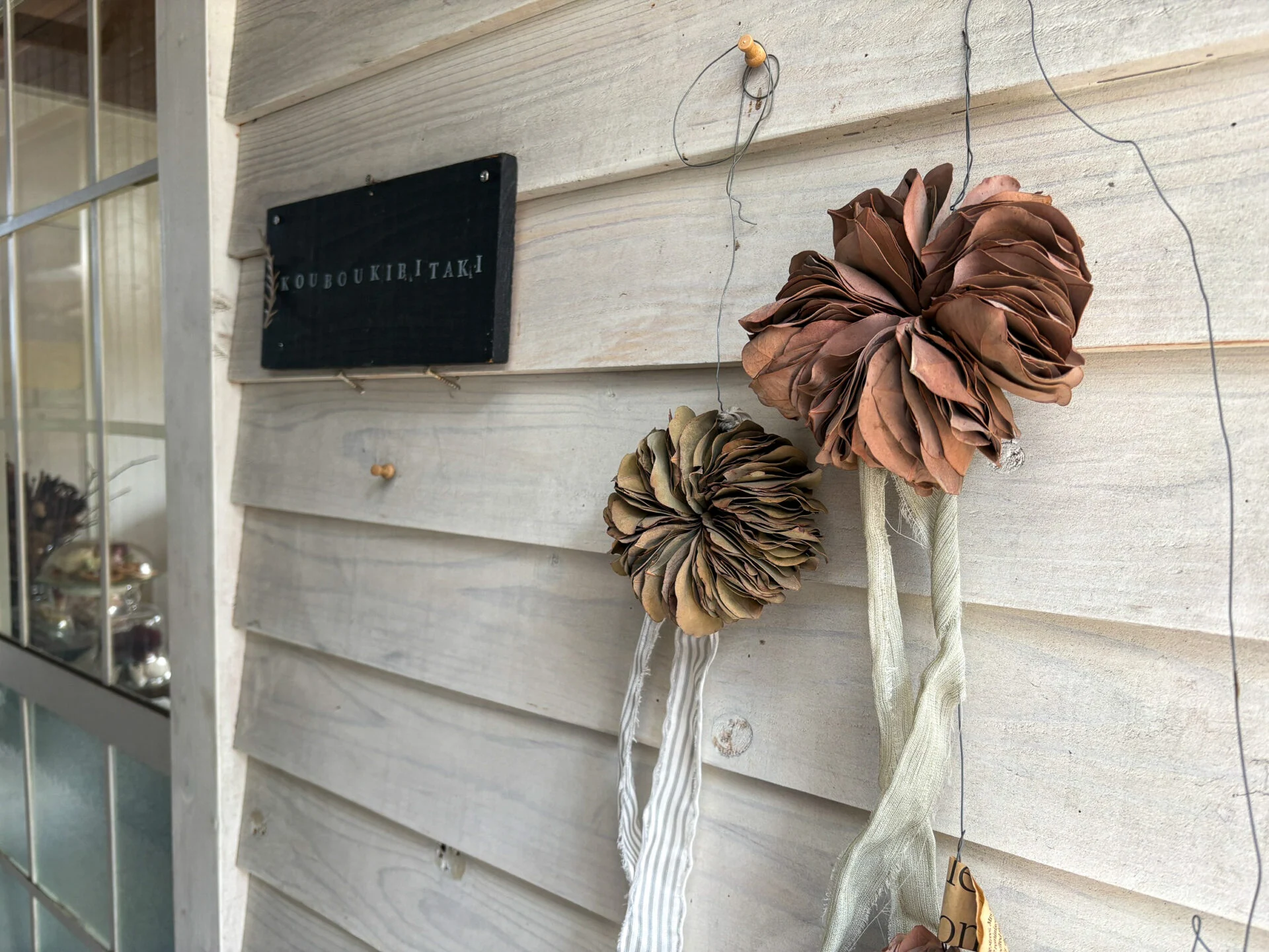
Kibitaki Workshop is a small group cooking class held at a private home.
It started around 2022 and offers lessons focusing on rice flour bread and medicinal cuisine, featuring menus that are gentle on the body and easy to recreate.
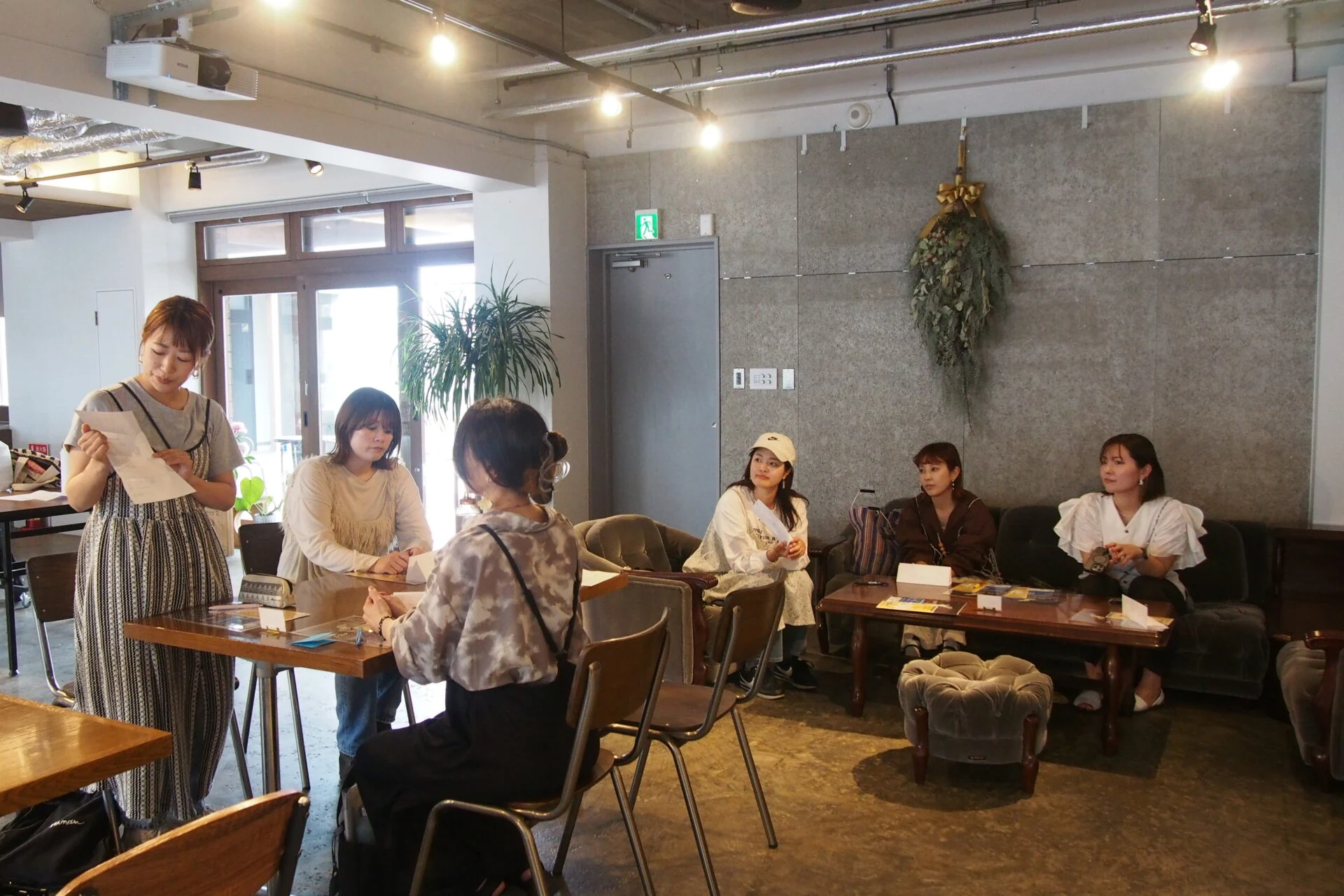
Participants are mainly women in their 40s to 60s, and sometimes parents and children join together. Typically, there are about four participants, allowing for close interaction with the instructor, making it appealing to learn while asking questions on the spot.
Lessons are available as half-day sessions (3,300 yen and up) with dessert and drinks included, and full-day sessions (6,600 yen and up) where you can enjoy lunch, dessert, and drinks, tailored to the content.
Lesson fees vary depending on the content.
To apply for lessons, you can do so through the official LINE account listed in the profile section of their Instagram.
About the cooking class instructor
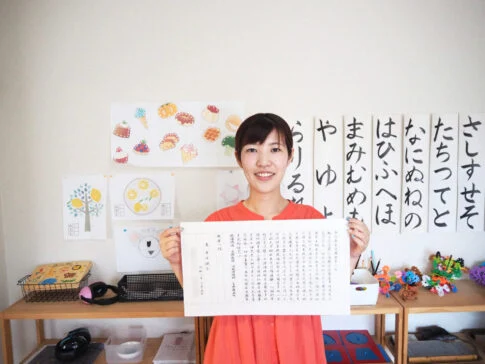
The workshop is run by Kondo Tomiko.
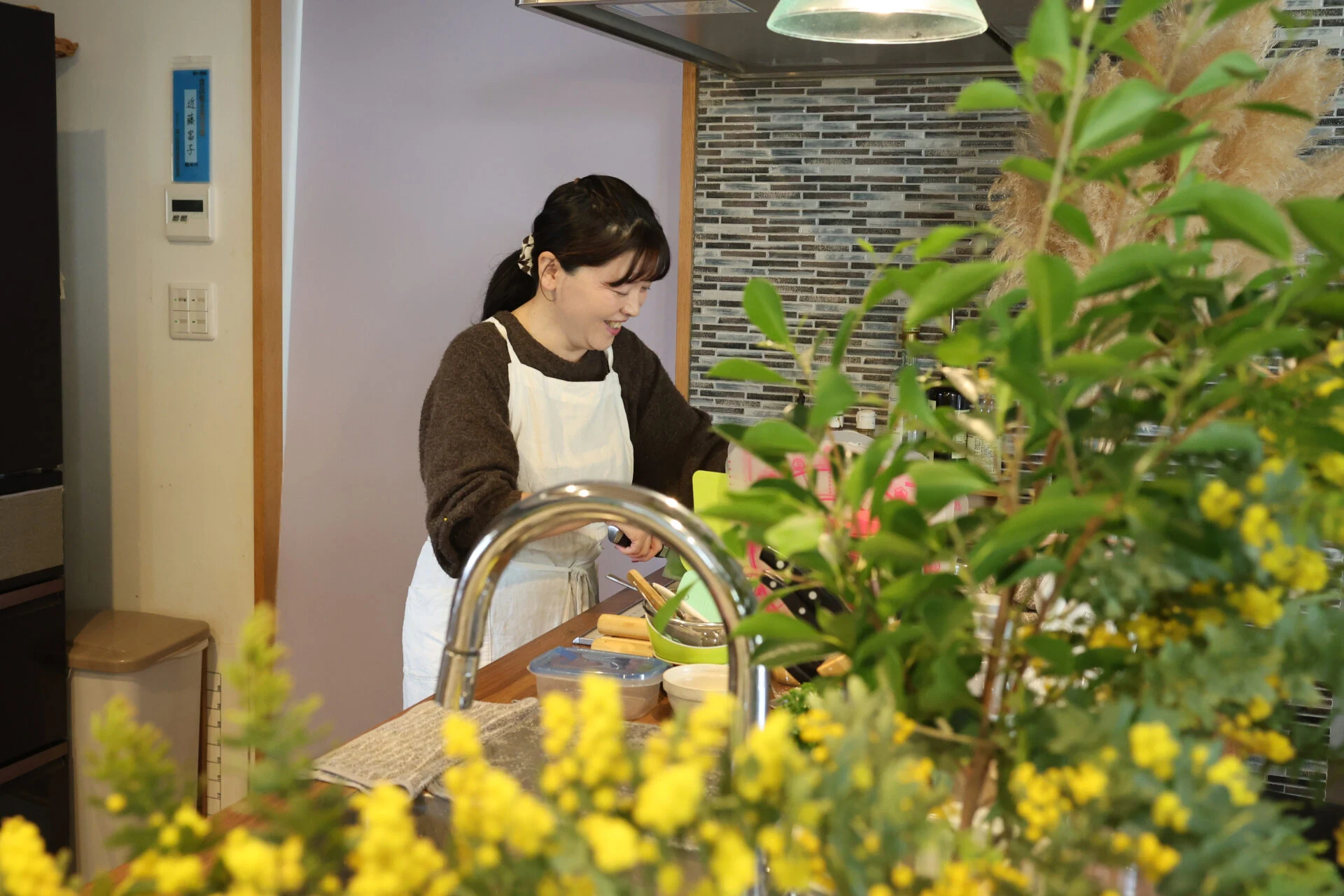
She is affectionately called "Kibi-chan" by everyone and is a friendly and kind instructor.
She has a warmth that makes it easy to connect even with first-time encounters.
In addition to her home cooking classes, she also teaches community courses at the Community Center, offering classes for adults and parents and children at Fukuda Minami Community Center and Tamashima Citizen Exchange Center.
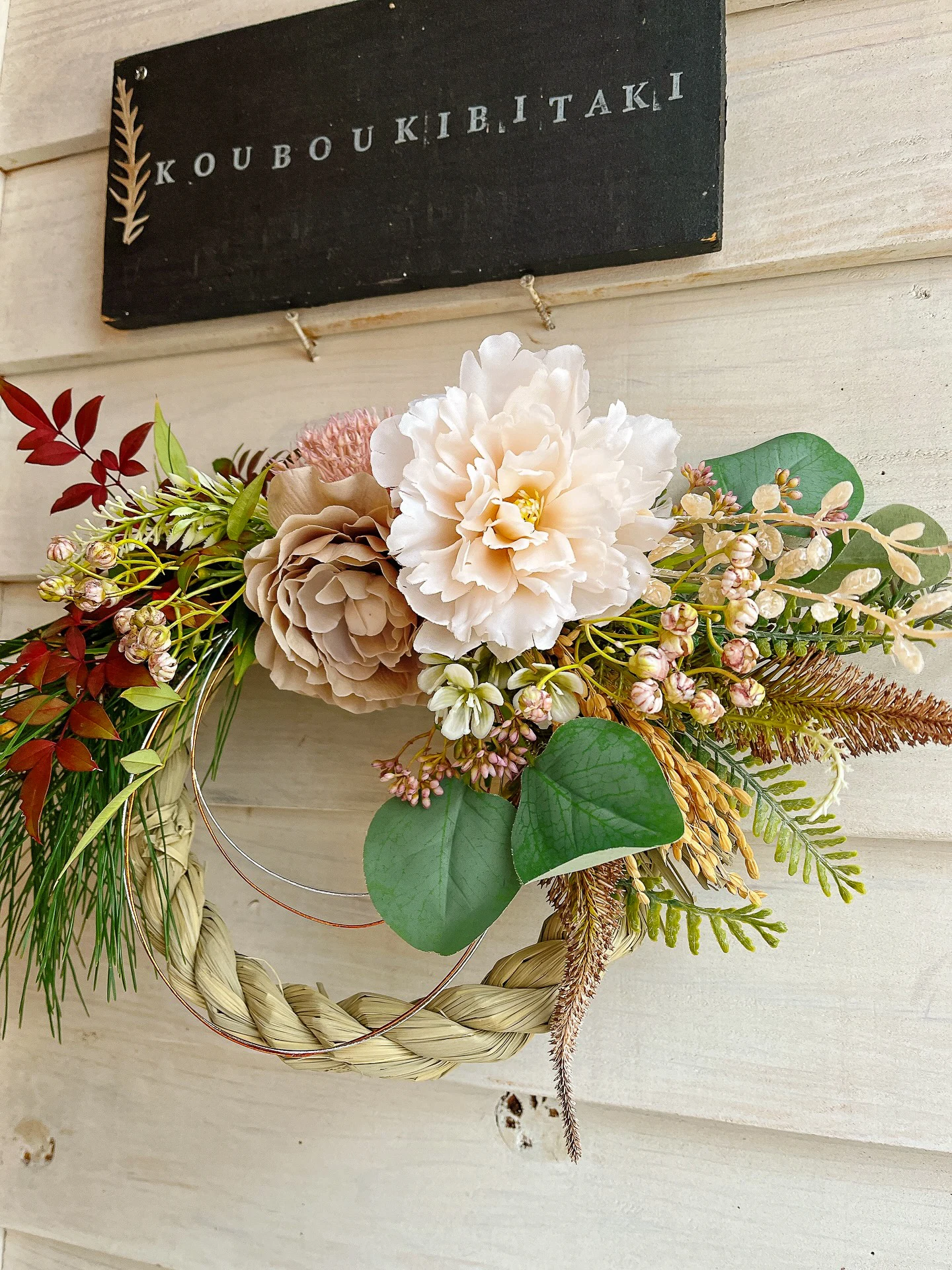
Additionally, she holds qualifications in flower arrangement and conducts workshops for making seasonal wreaths.
- Handmade dishes that are gentle on anyone
- Not requiring special skills, but can be continued easily in daily life
These two principles are valued in their operations, and they strive to make seasonings as much as possible from scratch, focusing on recipes that consider ingredients and health.
I participated in the cooking class at Kibitaki Workshop
On the day of the interview, I participated with two friends.
As we walked a bit from the parking lot, our expectations grew about what kind of dishes we would make.
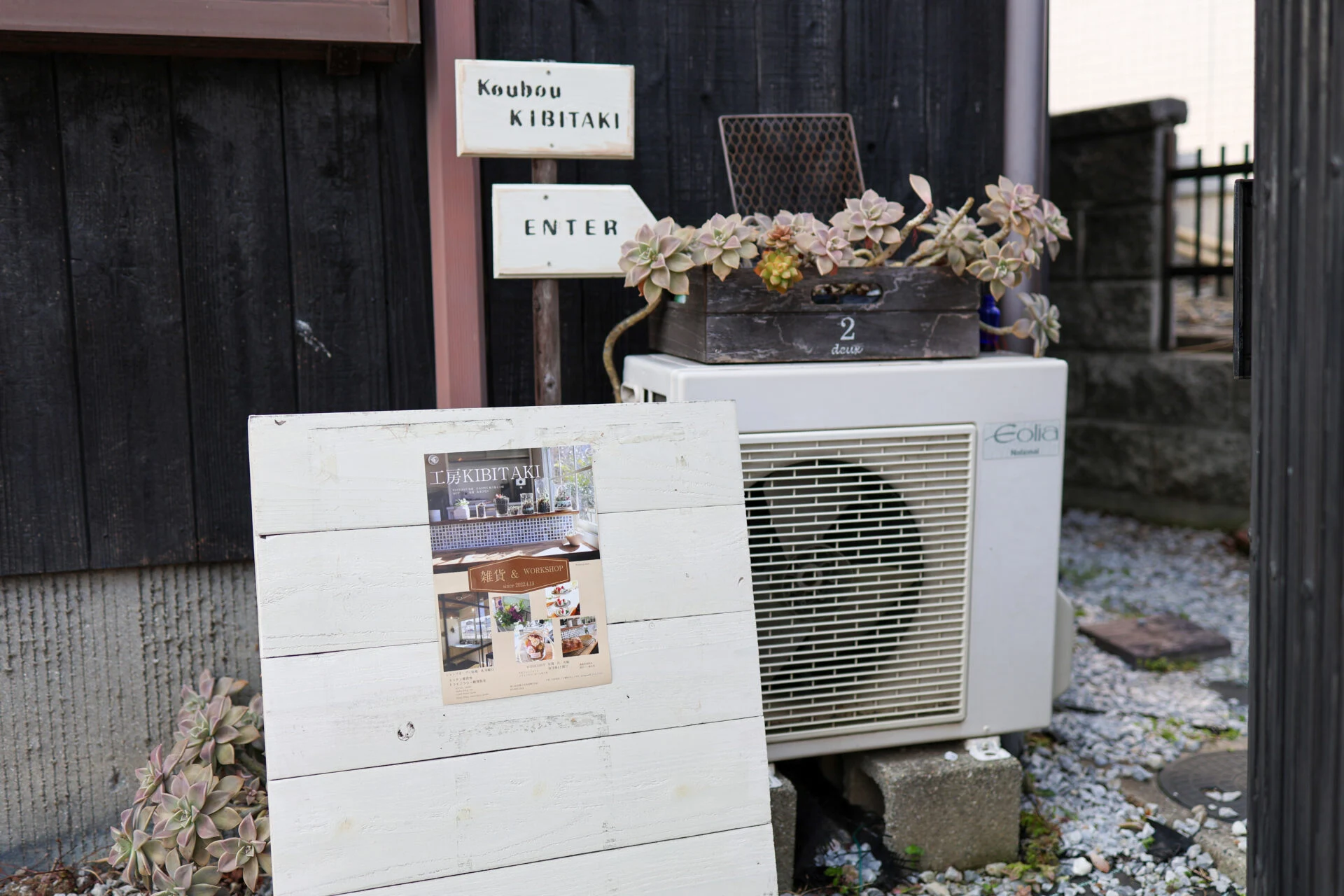
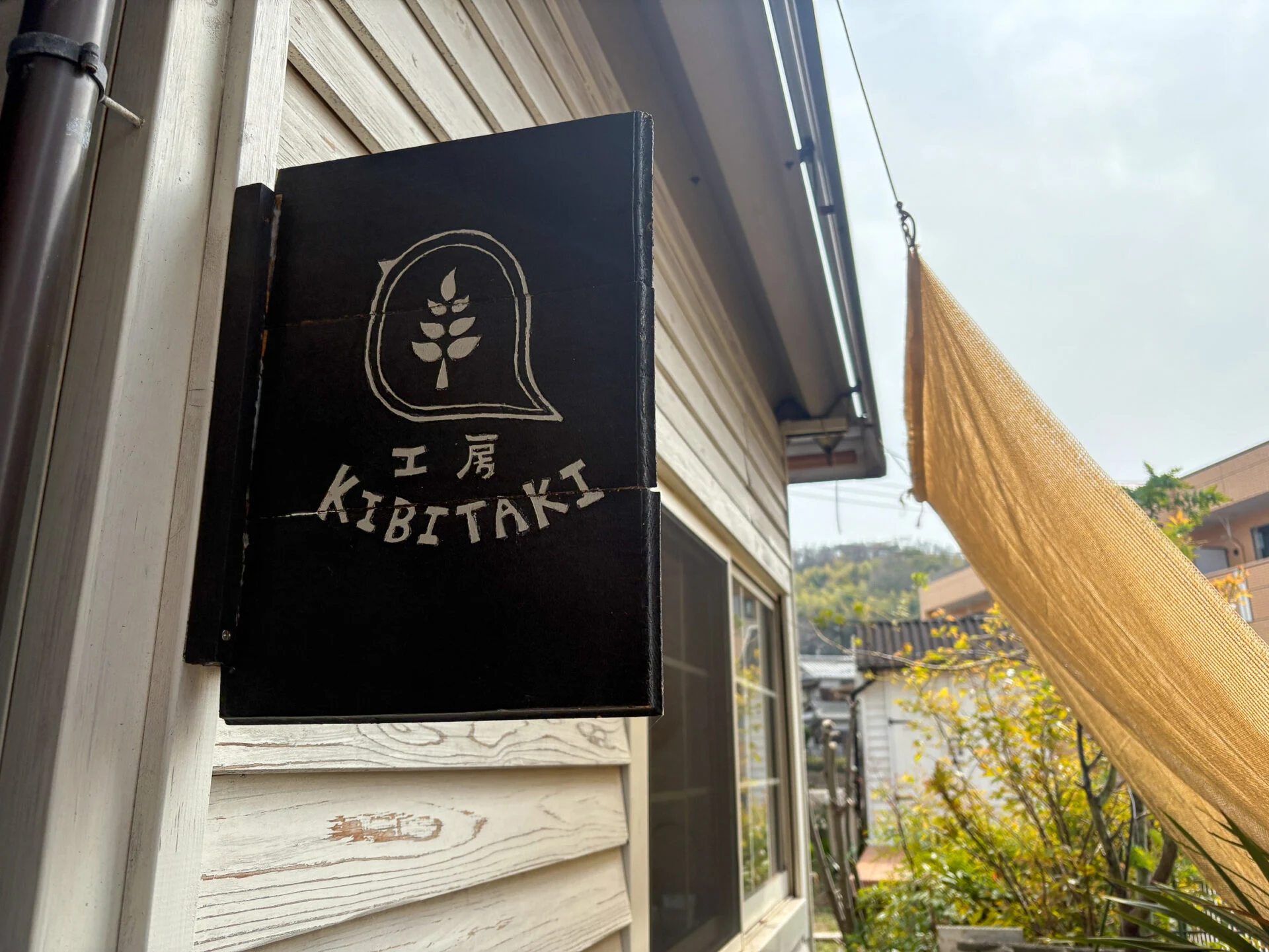
Upon entering the instructor's property, there was a sign, and further inside was the entrance to the classroom.
Although my friends were meeting for the first time, thanks to the instructor's gentle atmosphere, the mood quickly became comfortable.
First dish: Homemade roast ham
We put on aprons, washed our hands, and finally started.
Listening to the instructor's explanations, we took notes and checked the measurements as we proceeded.
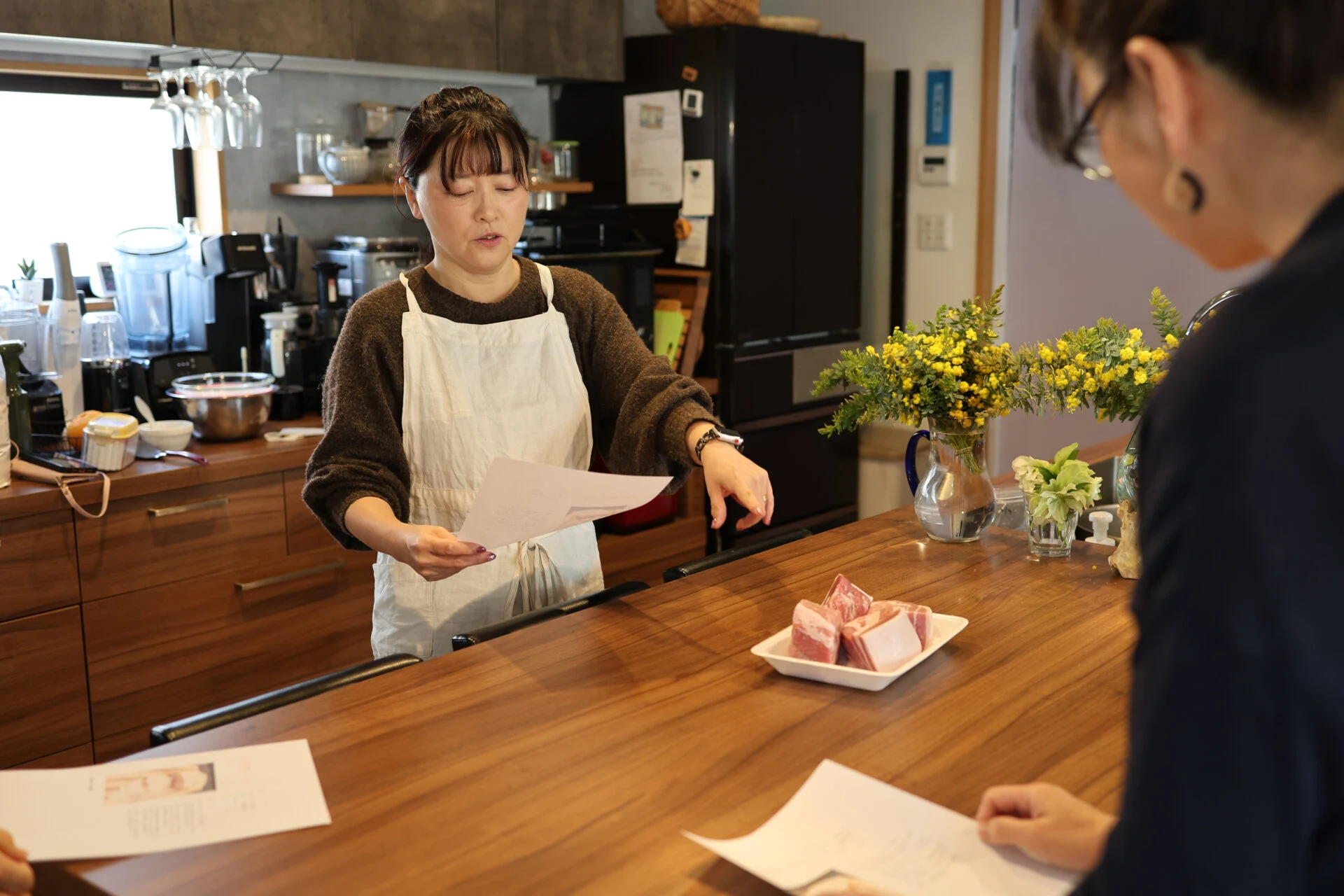
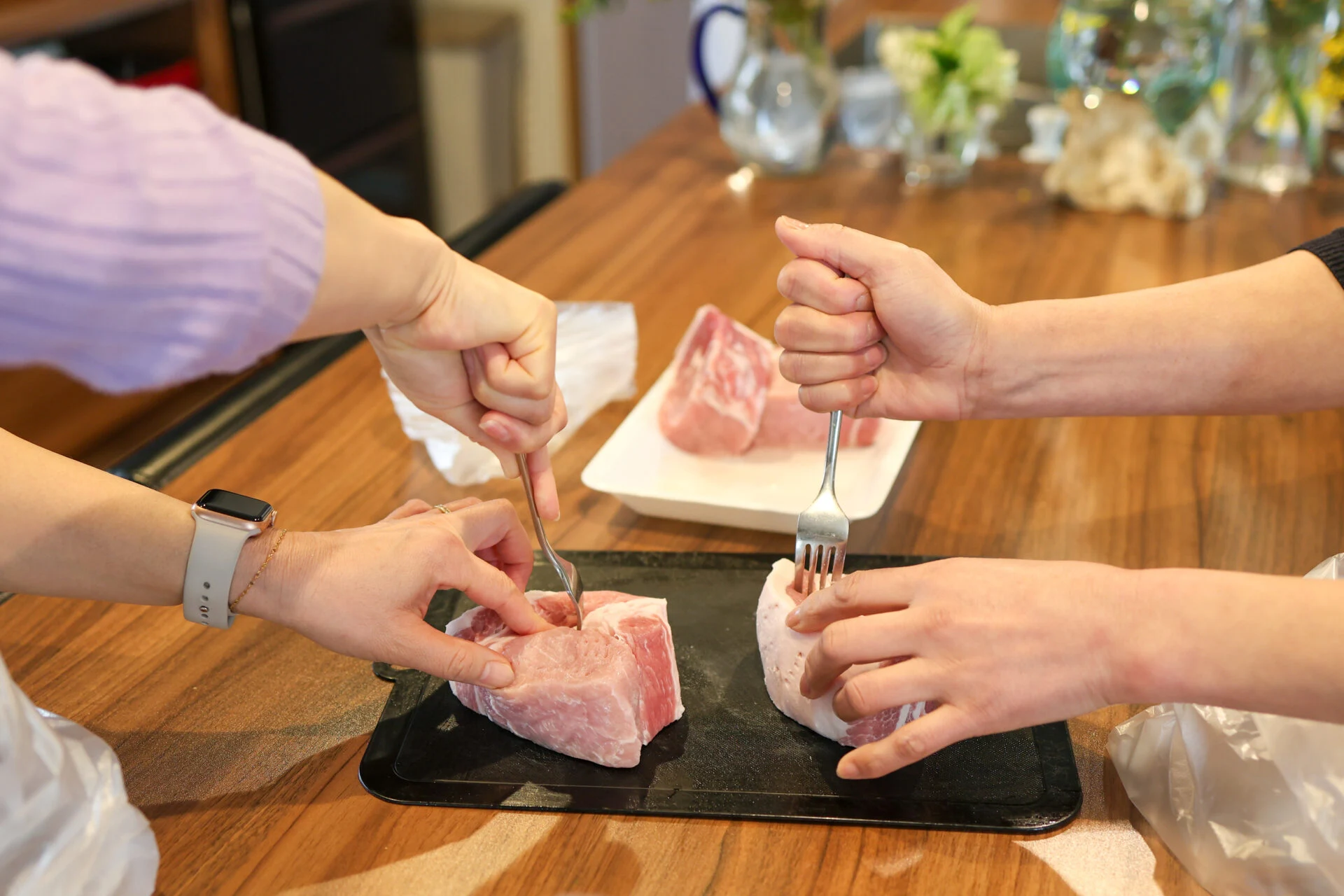
First, we prepared the homemade roast ham.
We pierced the meat with a fork to create holes and let the seasonings soak in.
This process was somehow enjoyable.
Once the preparation was done, it was off to the refrigerator.
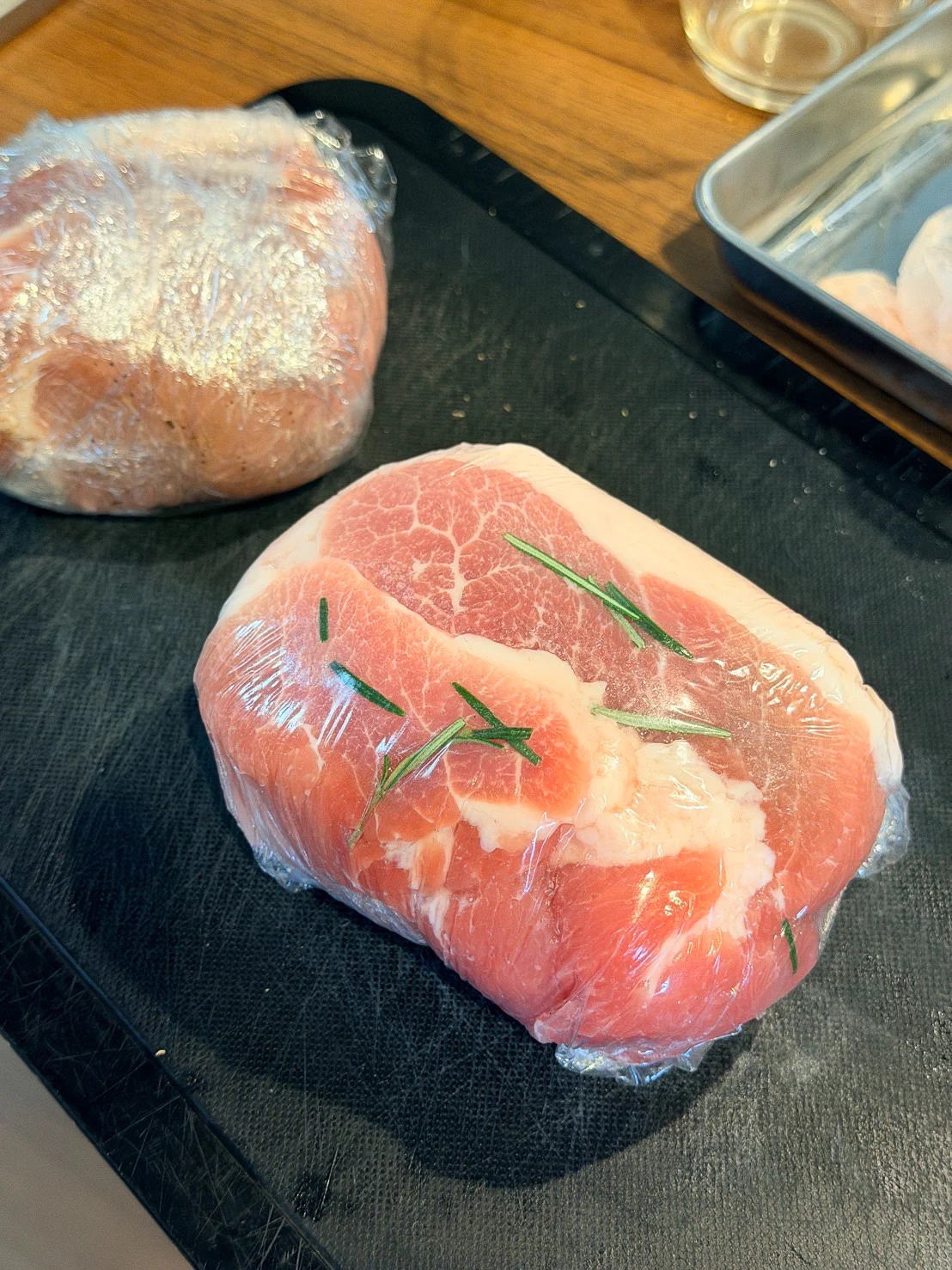
Each person finishes their own piece.
The final touch is done at home, where after letting it rest overnight, it is low-temperature cooked in a rice cooker. It doesn't require any special effort; just keeping it warm is enough, which is a nice point that makes it easy to continue at home.
Second dish: Rice flour pizza bread and edamame bread
Next, we made rice flour bread.
On this day, we made pizza bread and edamame bread.
We mixed eggs and water, then added rice flour and seasonings. Finally, when we added psyllium, the liquid dough suddenly came together, which was fascinating.
Psyllium
It is a dietary fiber derived from psyllium husk that solidifies when it absorbs moisture.
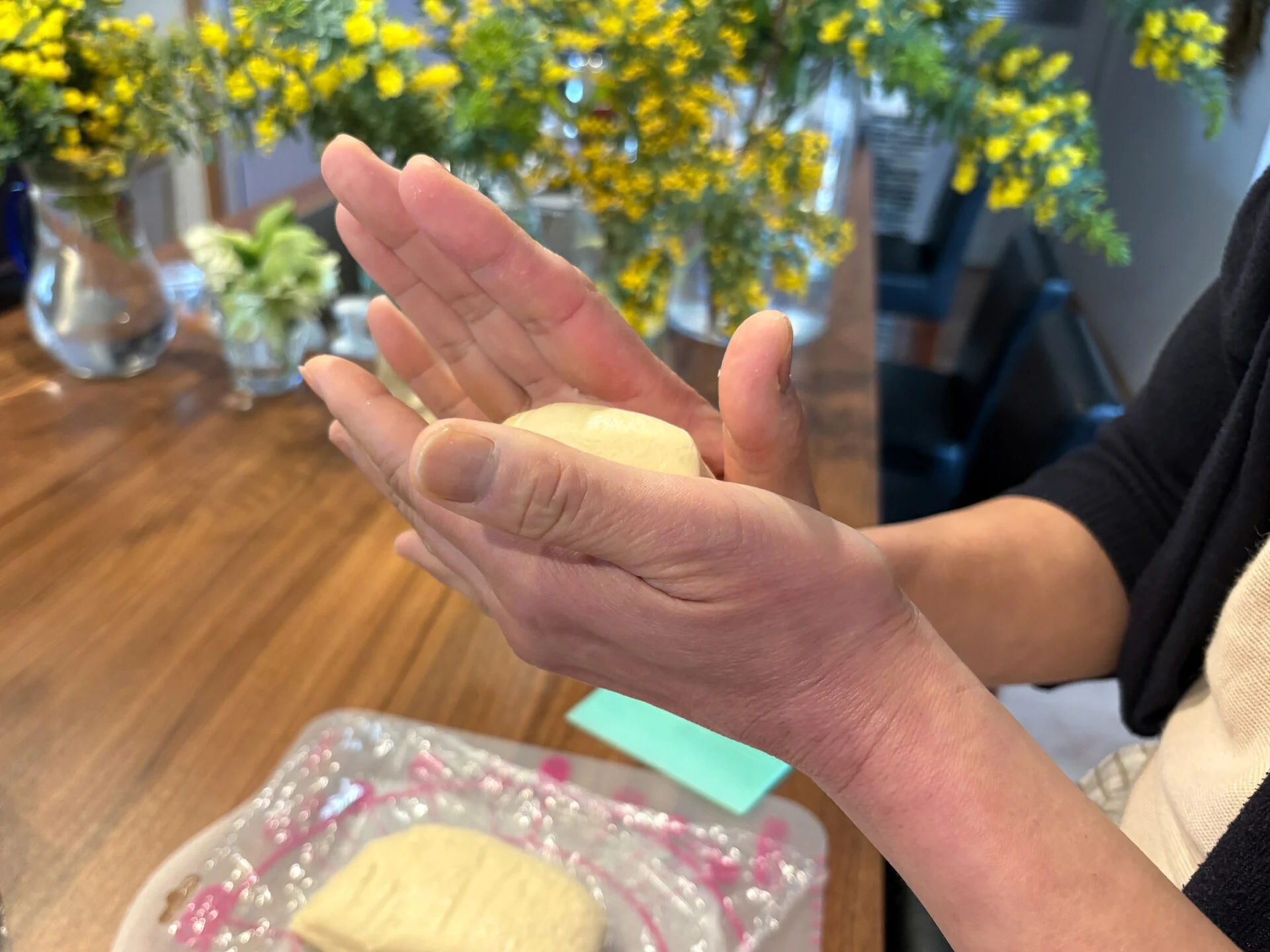
The rice flour dough has a chewy texture, similar to mochi.
After fermenting in the microwave, we shaped it, topped it with cheese and homemade bacon, and put it in the oven.
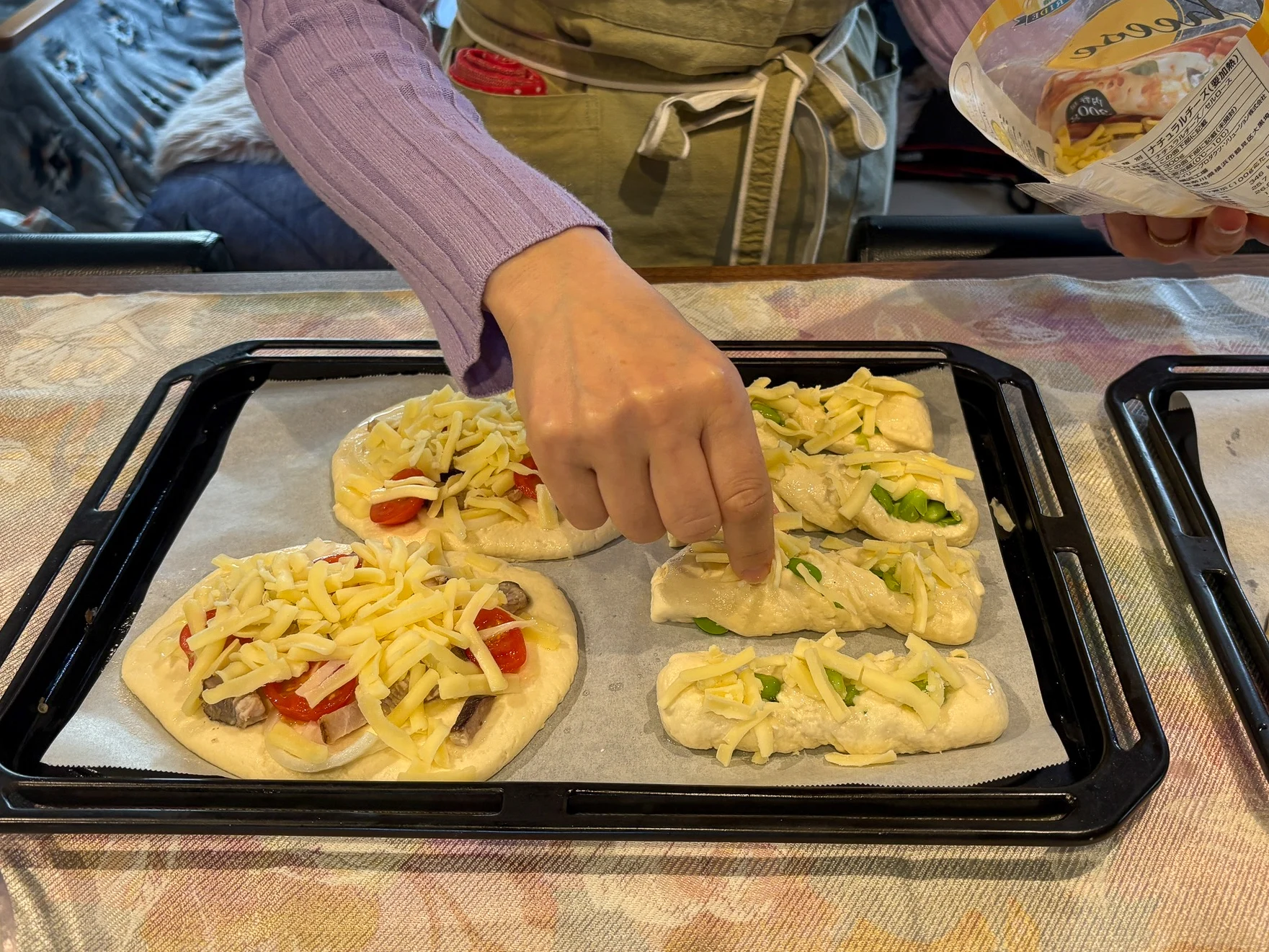
As we all worked on the same tasks, conversations naturally arose.
There was a different kind of enjoyment compared to working alone, as we could refer to how others were doing and make slight adjustments in our own way. It was interesting to see how each person's final product turned out differently.
"I think I could do this at home."
That feeling is one of the charms of Kibitaki Workshop.
Enjoying the time waiting for the baking while preparing lunch and chatting
While the bread was baking, the instructor skillfully prepared lunch.
We helped with plating and washing dishes while listening to her talk about the cooking tools she uses and home renovations.
Next to the room, there was a small shop space with various goods displayed, where you could also feel the gentle atmosphere characteristic of the instructor.
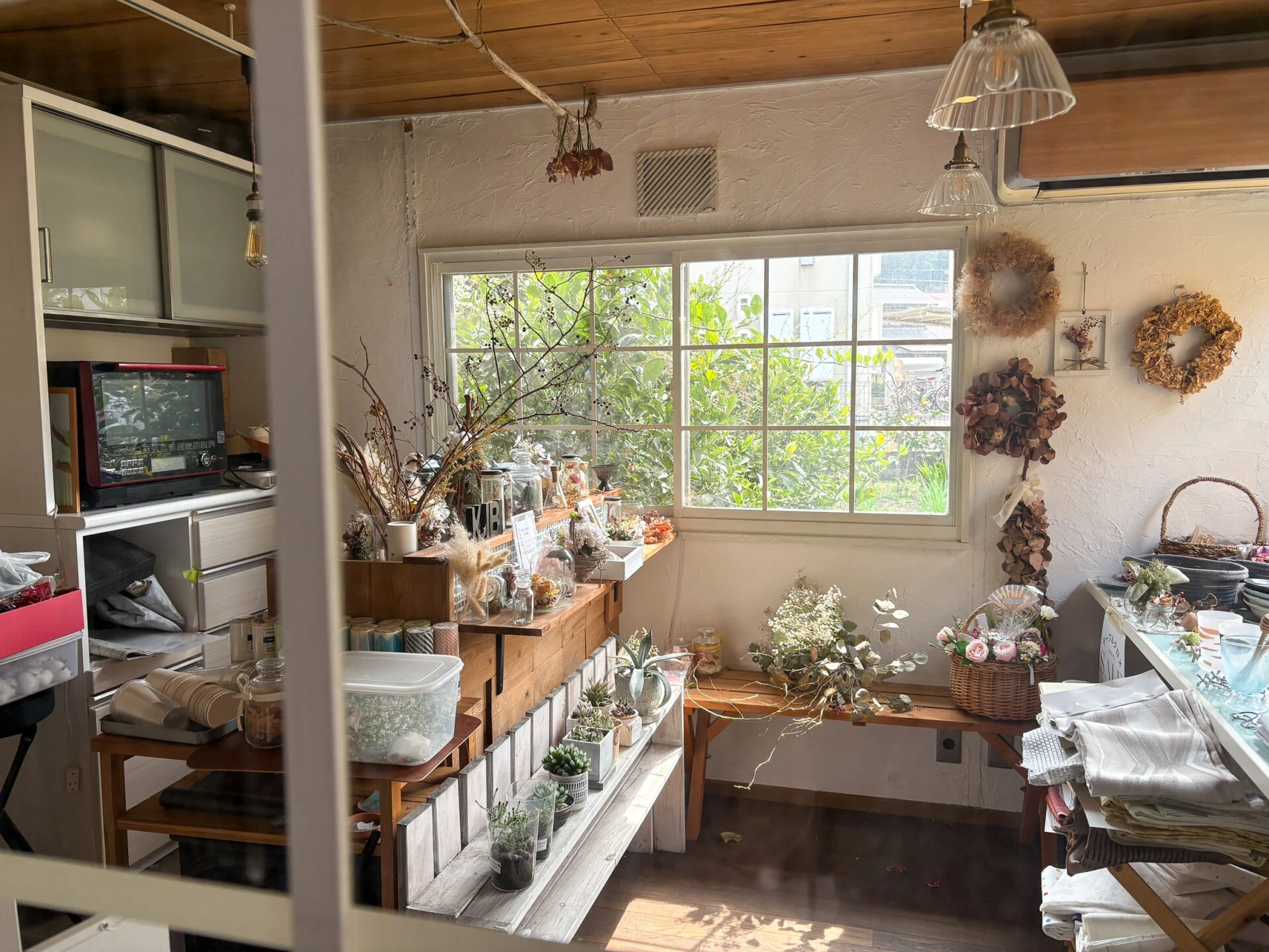
Finding cute items, we would say, "This is lovely," and the conversation would flow, making it a fun space just to look around.
Such casual interactions might naturally bring us closer together.
Not just making, but enjoying lunch together
The bread was baked, so we all enjoyed the instructor's homemade lunch.
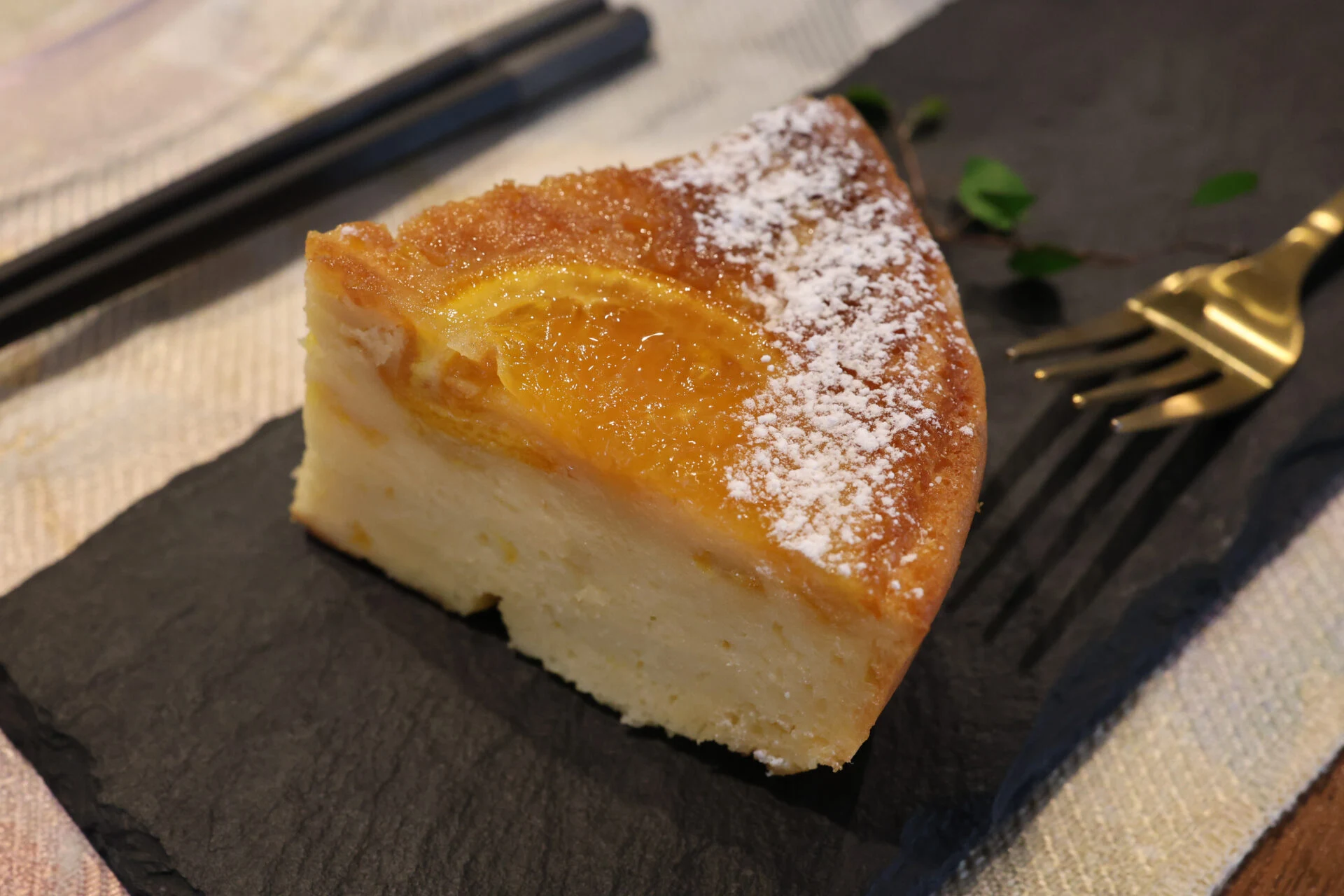
Freshly baked rice flour egg bread and pizza bread, homemade roast ham, carrot rapé, and an orange pound cake made with tofu and rice flour were all served, featuring dishes that are gentle on the body.
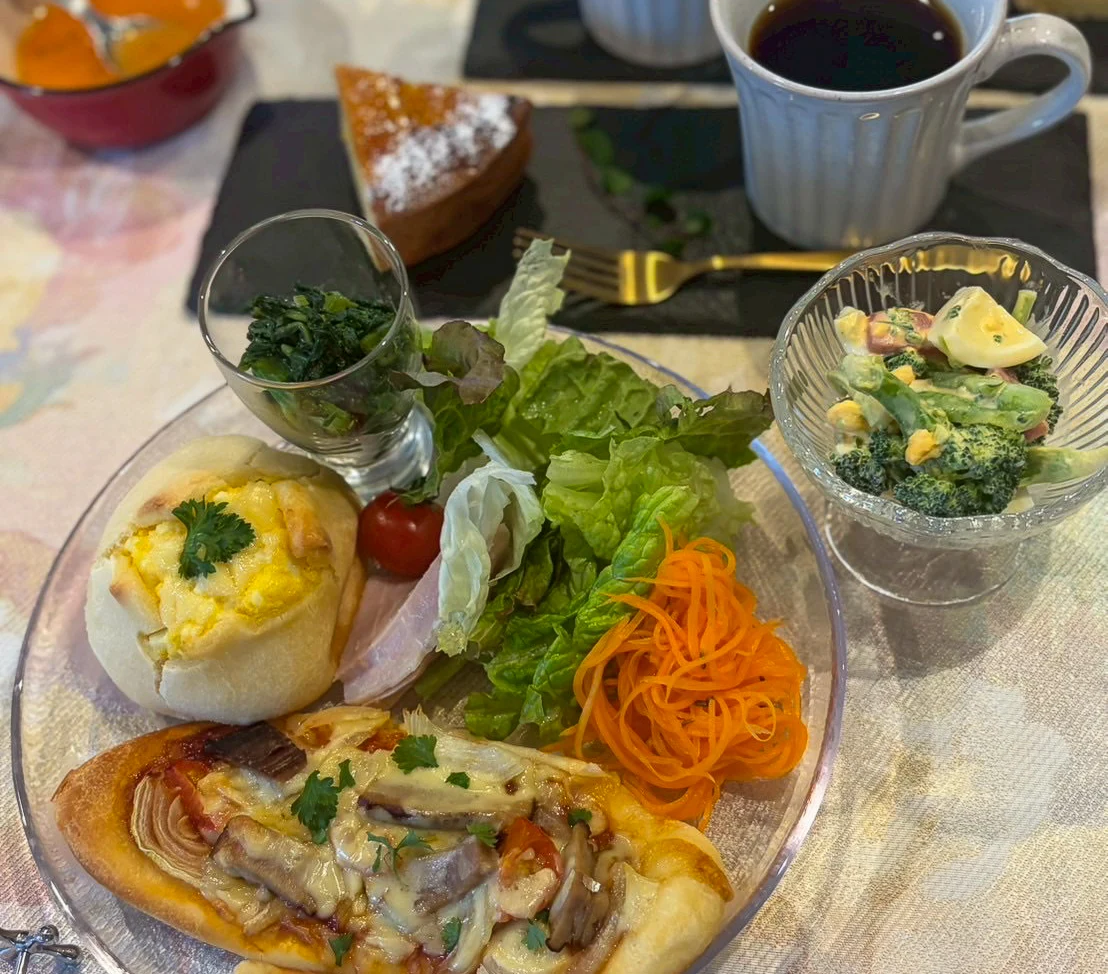
When the meal begins, conversation naturally flows.
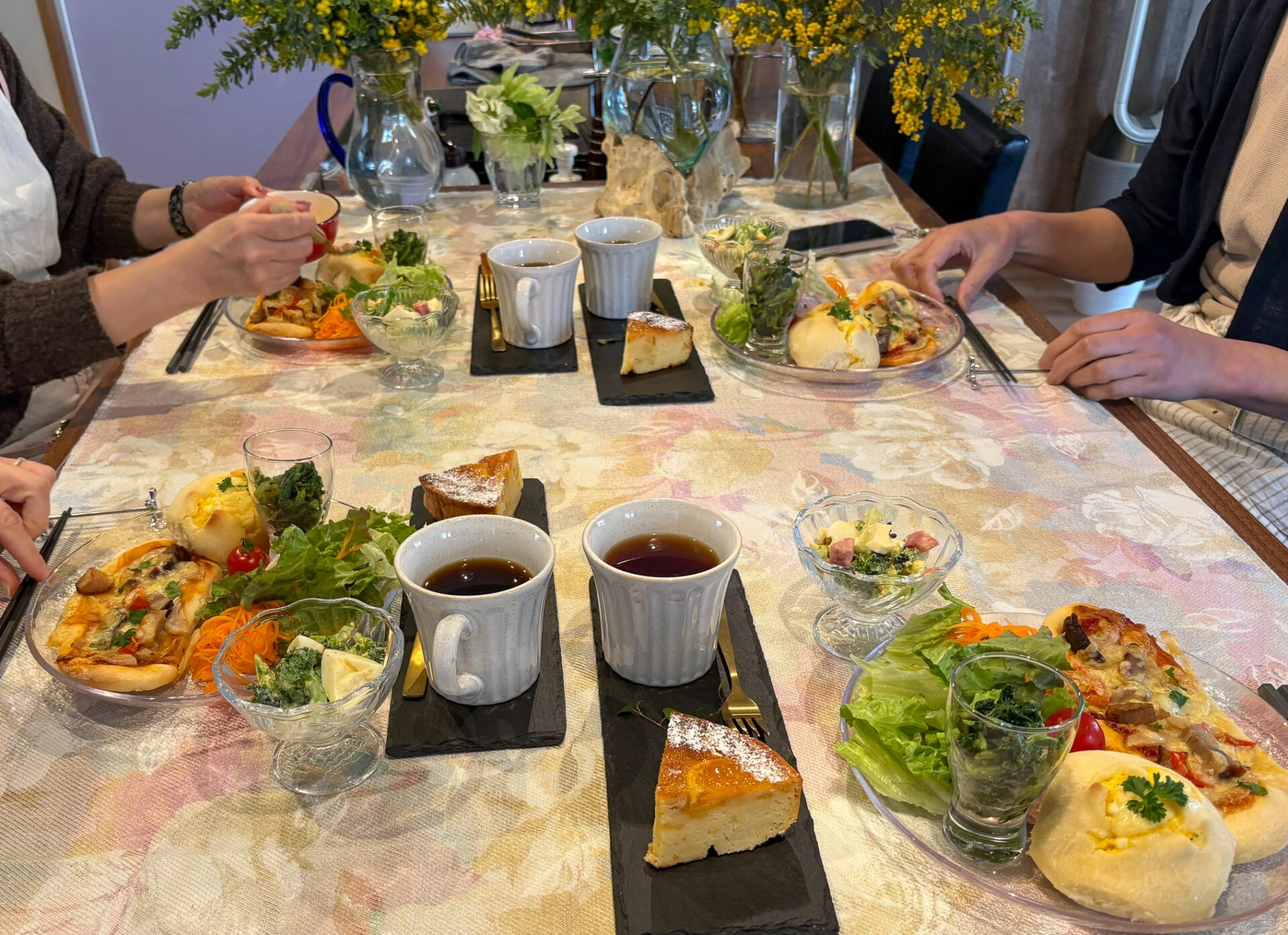
The freshly baked rice flour bread is so chewy that you wouldn't guess it was made from rice flour, and it is hearty. The accompanying vegetables are each flavorful, making it a delicious meal that is healthy yet satisfying.
“I want to try making something like this next,” “It would be great to have a class like this.”
Such voices came one after another. On this day’s lunch, the conversation even developed into a discussion about wanting to learn how to make homemade miso.
From such conversations, hints for the next class can emerge. I felt that the reason there are many repeat visitors is due to the teacher's personality and the comfort of the environment.
Hearty Souvenirs
In general cooking classes, it is not uncommon to eat what you made on the spot and call it a day, but at KIBITAKI, you can take home what you made as souvenirs.
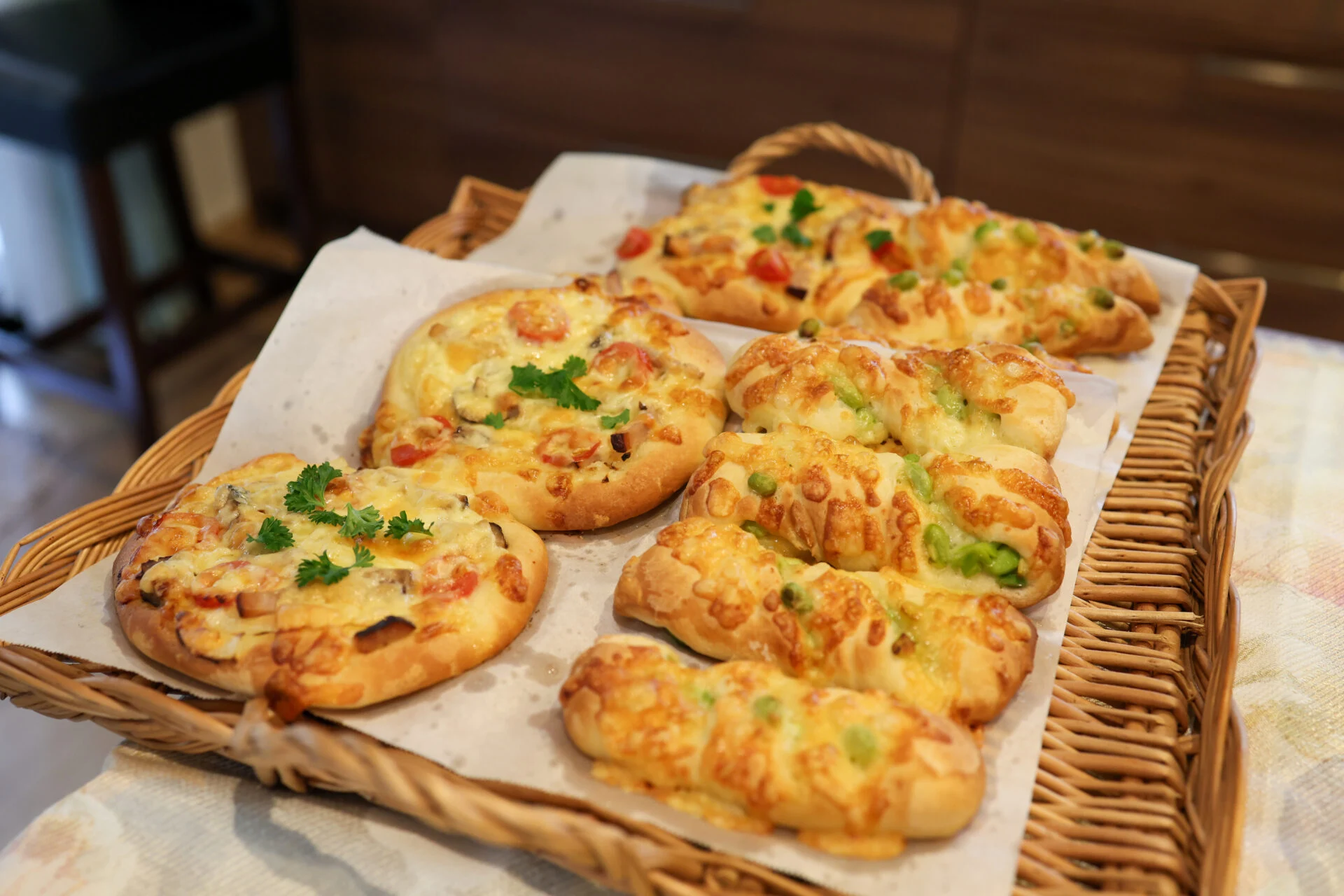
The souvenirs from this session included two rice flour pizza breads and four edamame breads. Additionally, there was homemade roast ham to finish at home.
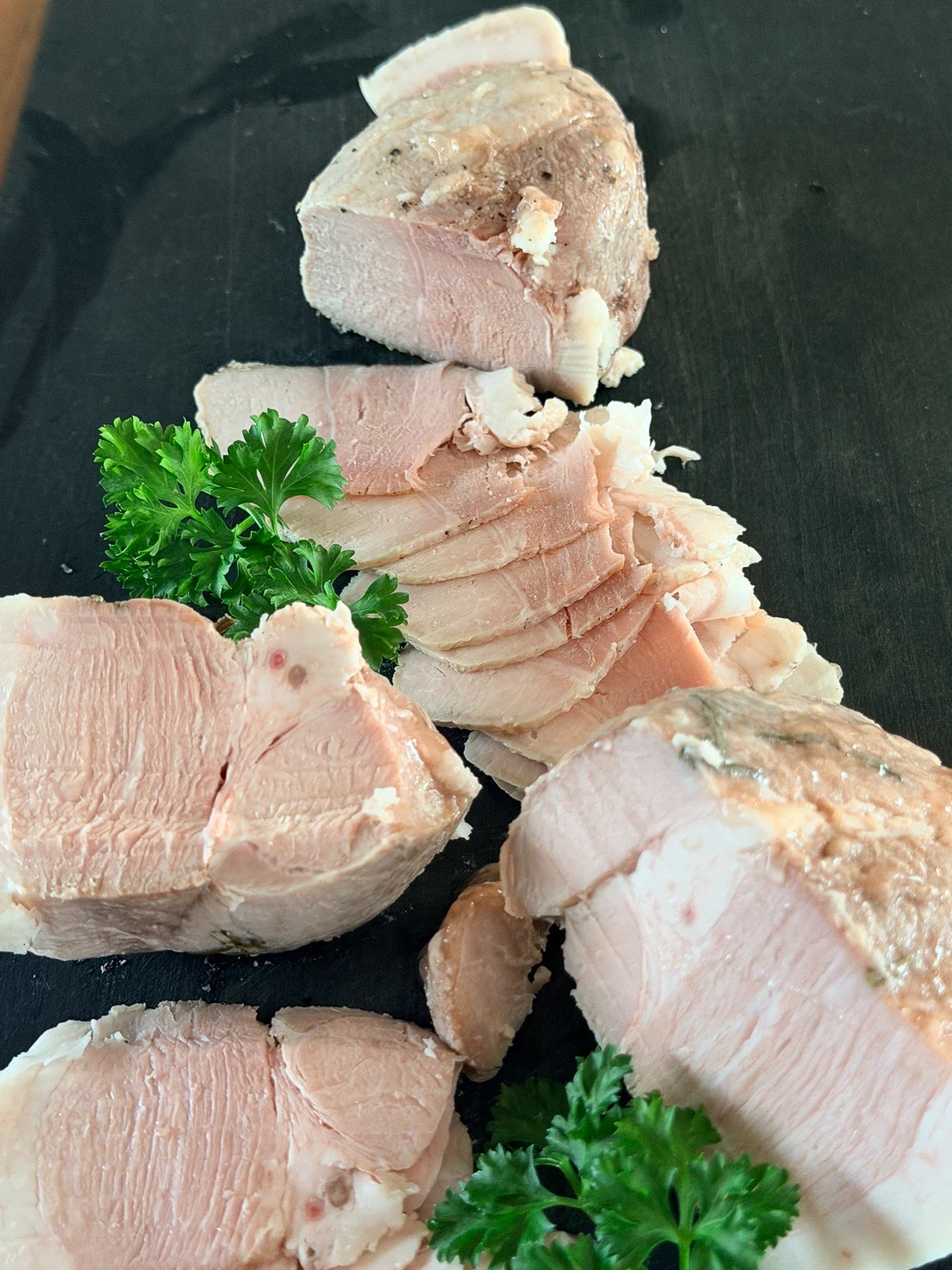
The rice flour bread will be tomorrow's breakfast for the family, and the roast ham will likely be a dish for dinner.
It doesn't end with just that day; it connects to daily life.
Such lingering feelings are also part of the charm of this class.
After lunch, I spoke with Tomiko Kondo, who runs KIBITAKI, about the motivation for starting the cooking class and the thoughts behind it.
Data of KIBITAKI
| Name | KIBITAKI |
|---|---|
| Address | 2-9-43 Akasaki, Kojima, Kurashiki City, Okayama Prefecture |
| Parking | Available |
| Business Hours | Irregularly held *Requests for specific dates are also possible |
| Payment Methods |
|
| Website | KIBITAKI |









Kibitaki Workshop