According to Certified NPO Pocket Support, which works in Okayama Prefecture, around 46,000 children nationwide and around 1,000 children from elementary through high school in Okayama Prefecture are said to be absent from school for extended periods due to illness or injury.
The place that guarantees these children’s right to receive an education is the hospital classroom.
There are 12 hospital classrooms at seven facilities in Okayama Prefecture. Two of them are at Kurashiki Central Hospital, located in Miwa, Kurashiki City.
We visited to learn what kinds of educational activities take place and how the children spend their days.
The information presented is current as of the article’s publication in April 2026. Please note that it may differ from current information.
What Is a “Hospital Classroom”?

A hospital classroom is a special support class for children with health impairments or physical frailty, established within a hospital for students who must be hospitalized due to injury or illness.
Hospital classrooms are not available at every hospital. According to the “Results of the FY2022 Survey on Children Receiving Medical Treatment for Illness,” this system has been introduced at only 340 schools nationwide (225 elementary and junior high schools and 115 special needs schools).
In Kurashiki City, hospital classrooms are established at Kurashiki Central Hospital (two classes for elementary and junior high school students) and Kawasaki Medical School Hospital (two classes for elementary and junior high school students).
Students attend a hospital classroom after completing transfer procedures. They continue studying their subjects while prioritizing treatment and examinations. The learning content follows the textbooks and materials used at the schools they attended before hospitalization. Junior high school students can also obtain assignments from their previous schools and take regular and achievement tests.
After being discharged, most students aim to return to the schools they attended before hospitalization.
A key purpose is to support students so they do not face academic difficulties when they return to school.
Hospital Classroom Programs at Kurashiki Central Hospital

The pediatric ward at Kurashiki Central Hospital has in-hospital classrooms designated as special support classes for children with health impairments or physical frailty: an elementary school class affiliated with Kurashiki City Kurashiki-Higashi Elementary School and a junior high school class affiliated with Kurashiki City Higashi Junior High School.
“Going to School” for Four Hours of Learning While Receiving Treatment
A passageway from the pediatric ward leads to the hospital elementary school classroom, the hospital junior high school classroom, and a playroom staffed by childcare workers.

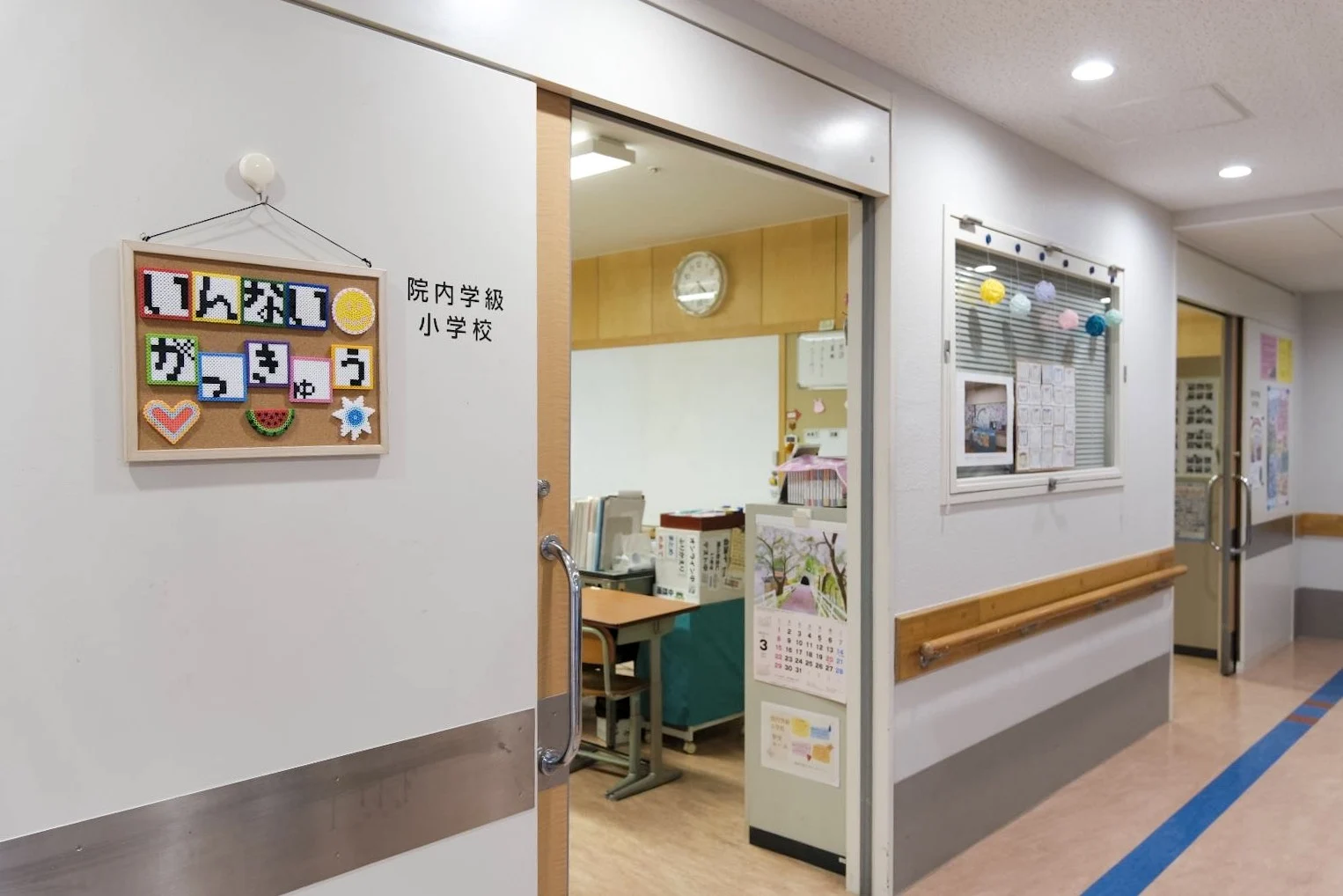

The children come here from their hospital rooms to attend school and spend their school day.
However, treatment is the top priority for children in the hospital. They come to the hospital classroom when their treatment schedule allows and spend time learning.
There are four hours of classes each day. As of April 2026, the timetable is as follows.


The time corresponding to first period at a regular elementary or junior high school is used for morning rounds. At midday, students return to their hospital rooms to eat lunch and have their condition checked, so the schedule takes these factors into account.
Different Learning Content for Every Student
Each student in a hospital classroom attended a different school before being hospitalized. Students join the hospital classroom at Kurashiki Central Hospital from a wide area—not only within Kurashiki City, but also from northern Okayama Prefecture and Fukuyama City in Hiroshima Prefecture—so their progress in learning and the textbooks and other materials they use vary.
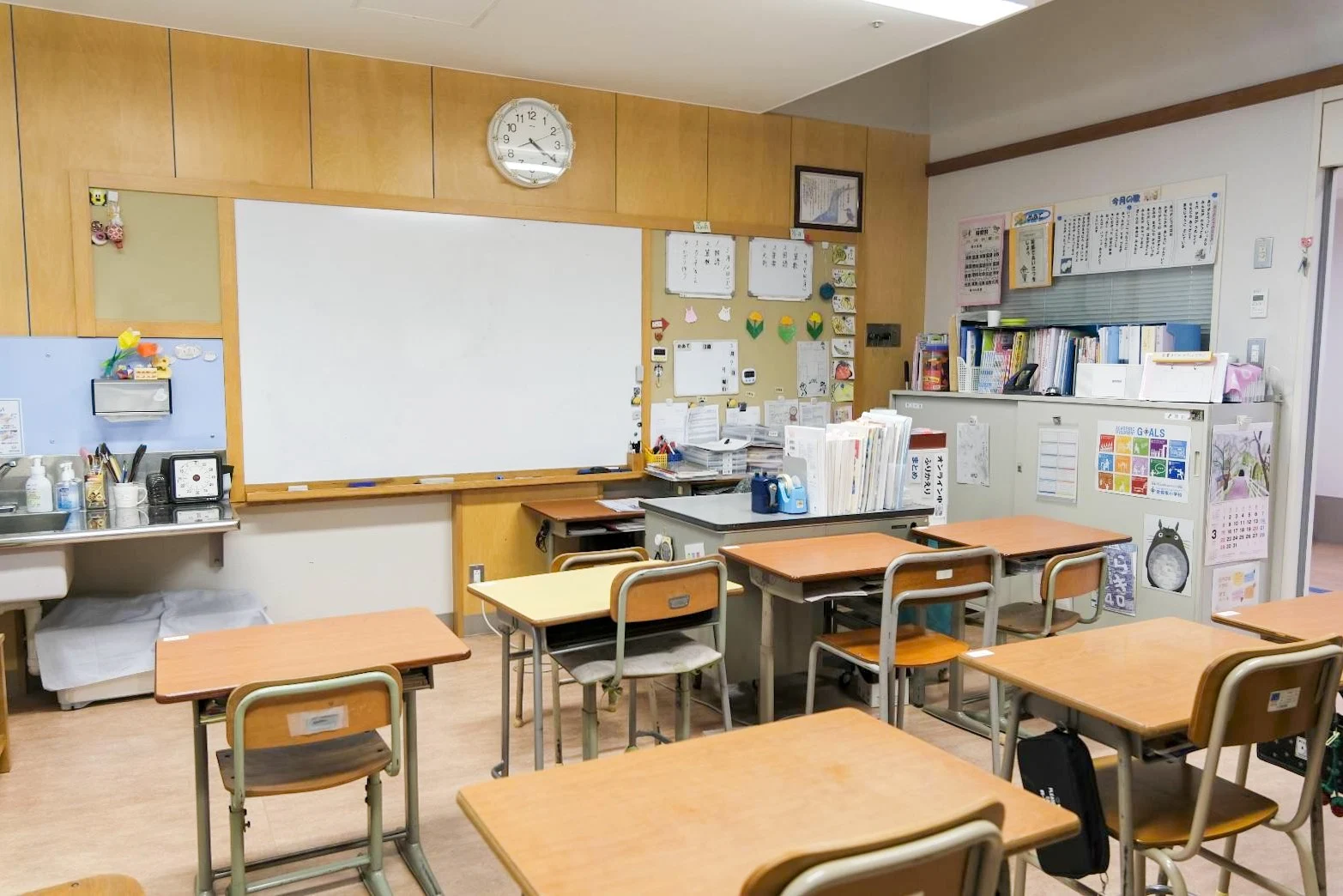
Also, since there is only one class each for elementary and junior high school, students from all six elementary grades and all three junior high grades study in the same classroom.
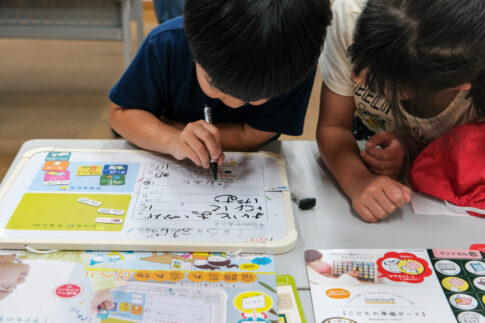
As a result, much of their learning time is spent on independent study. They work through exercises on their own or attend classes at their regular schools online.
A Wealth of Activities That Can Only Be Experienced in a Hospital Classroom

Even with limited learning time, there are many activities that students can experience precisely because they are enrolled in a hospital classroom.
One of these is called “Time to Feel Better.”
Because hospital classrooms are special support classes, they also include time for independent living activities, a distinctive part of special needs education. Kurashiki Central Hospital calls this “Time to Feel Better.” The children gather together for activities that help them deepen their connections with one another.
Independent living activities
Activities that foster the knowledge, skills, attitudes, and habits each student needs to pursue independence and proactively improve and overcome various difficulties arising from their disability, thereby laying the foundation for balanced physical and mental development.Source: Ministry of Education, Culture, Sports, Science and Technology
Examples of activities during Time to Feel Better include:
- Cooking lessons
- Storytime
- English activities
- Computer learning
- Creative activities
- Preparing for pediatric ward events (Tanabata celebration, summer festival, Halloween party, Christmas party, Setsubun celebration, etc.)

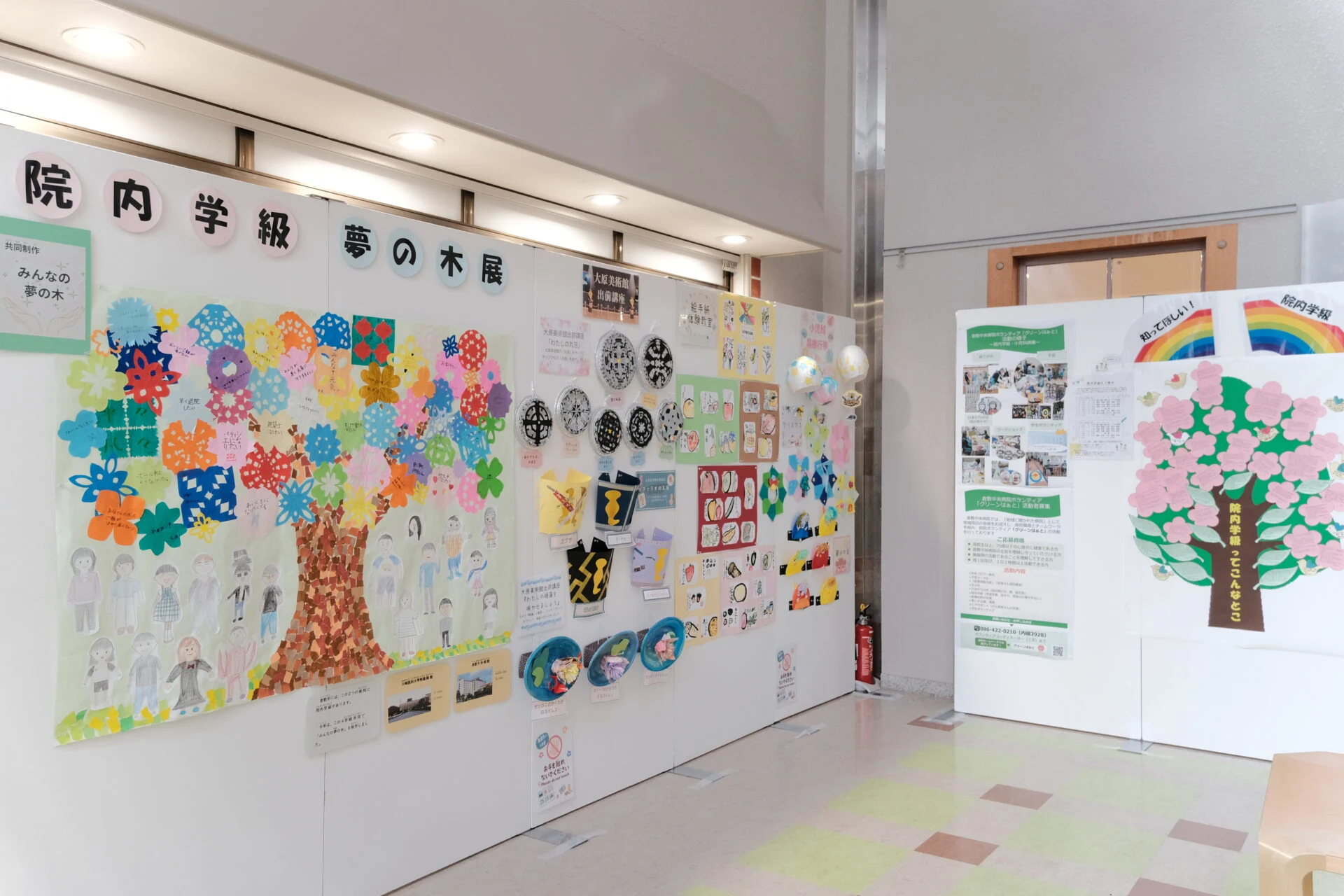
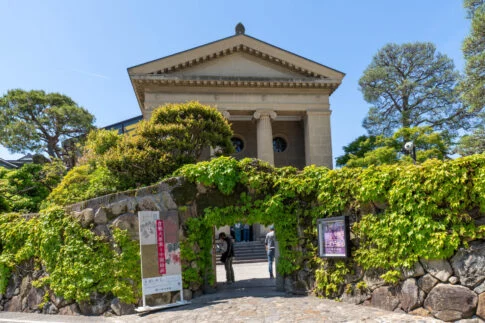
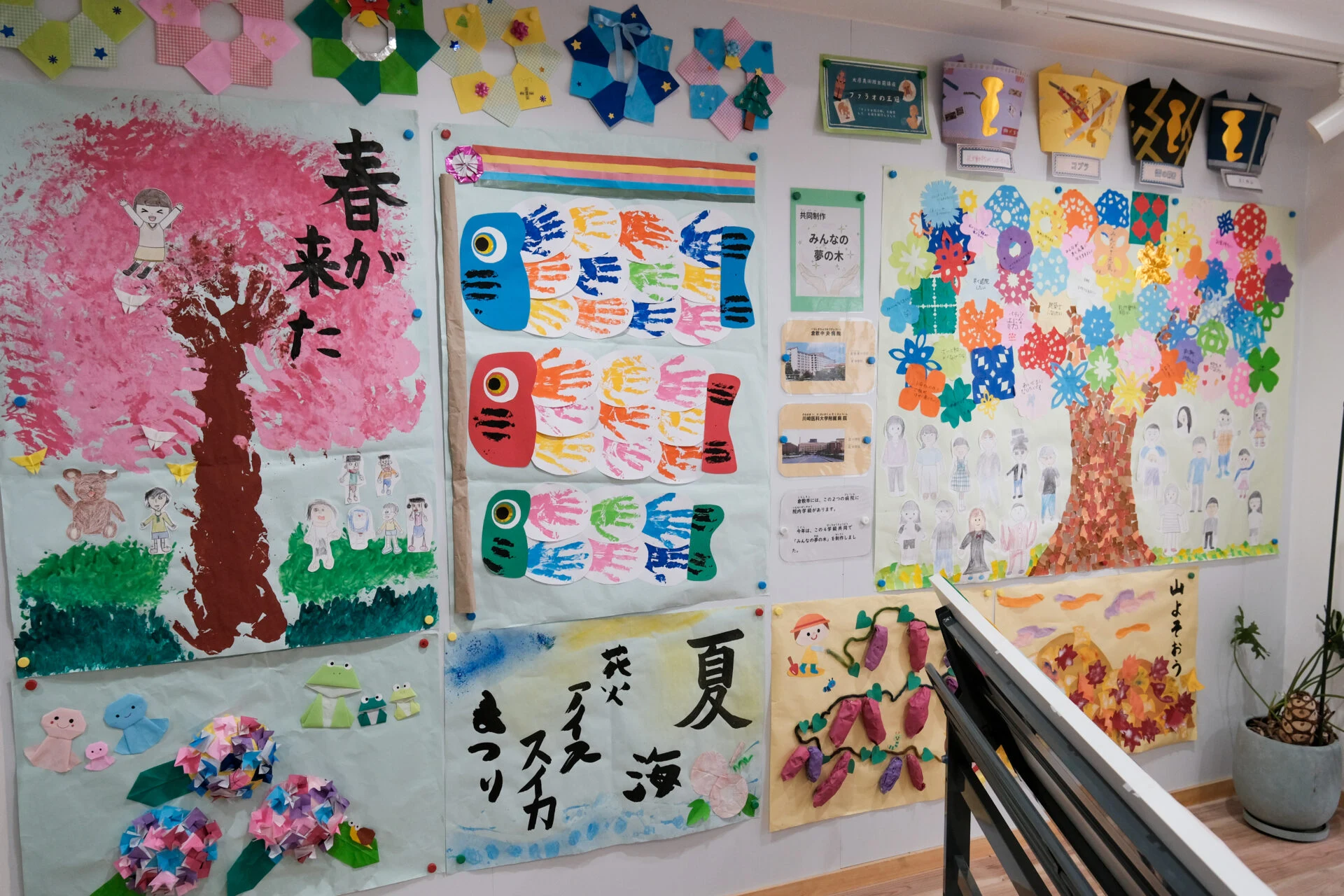
Guest instructors from the Ohara Museum of Art and Okayama Prefectural University are invited, and activities planned by Kurashiki Central Hospital volunteers and childcare workers are held, giving children opportunities to connect with the world outside the hospital while they are hospitalized.
We interviewed the teachers in charge of the elementary and junior high school hospital classrooms about the children’s daily lives and what they prioritize in their teaching.
Hospital Classroom Data: Kurashiki Central Hospital
| Name | Hospital Classroom, Kurashiki Central Hospital |
|---|---|
| Address | 1-1-1 Miwa, Kurashiki City, Okayama Prefecture |
| Contact | 086-422-0210 |
| Website | Kurashiki Central Hospital Hospital Classroom |

What would you like to know about Kurashiki?
Enter a word to search articles on this site