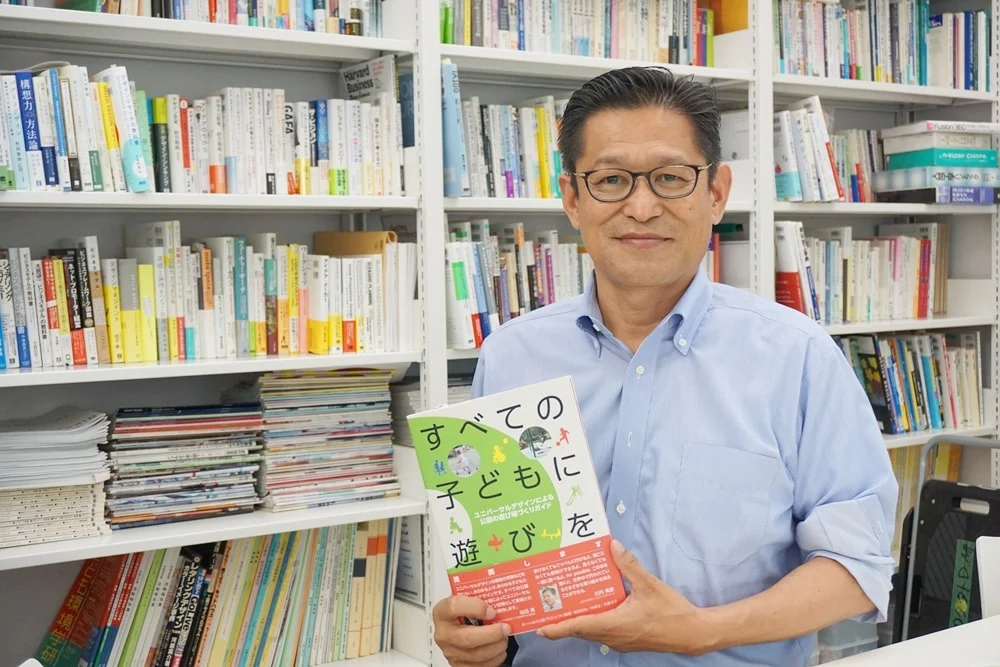
Interview with Hiroji Yanagida
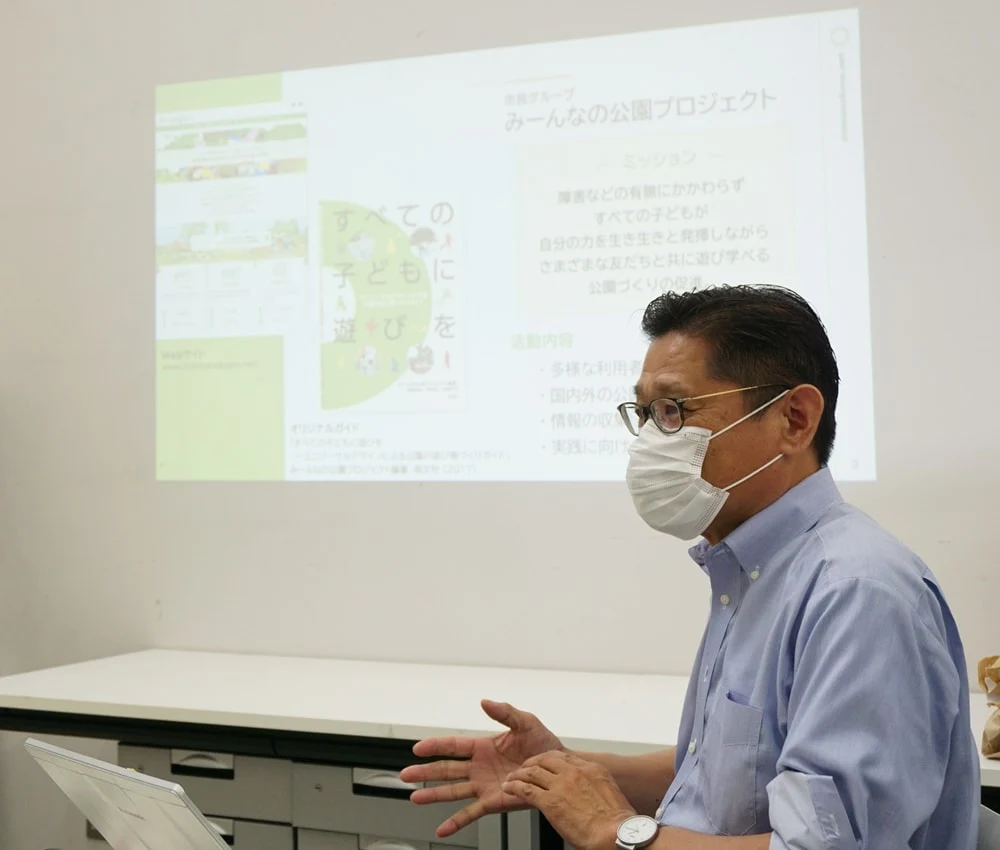
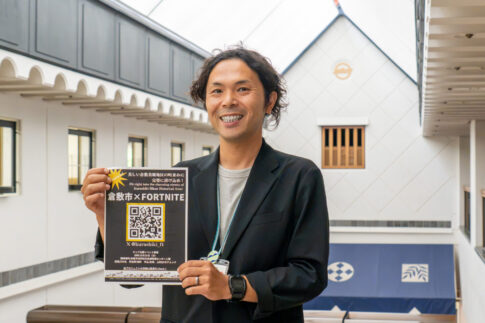
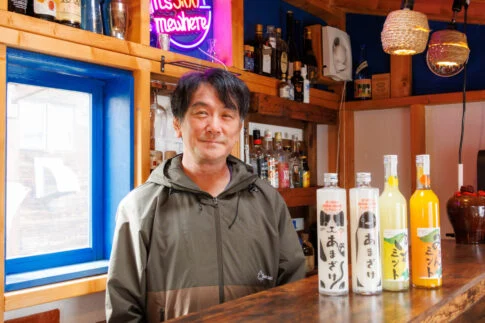
We spoke with Mr. Hiroji Yanagida, the representative of the "Everyone's Park Project," about their activities and parks.
The motivation behind starting the "Everyone's Park Project"
What motivated you to start the "Everyone's Park Project"?
Yanagida
In the early 1990s, the Americans with Disabilities Act (commonly known as ADA) was enacted in the United States.
At that time, I was working for an electronics manufacturer, and I thought, "What if people with disabilities could sue if they couldn't use electronic products?!" So, I spent about two years researching the impact of the ADA in the United States.
Originally, my research focused on ICT-related topics, but I also took the opportunity to investigate architecture and various services across different fields.
In that process, I also looked into recreational facilities and parks.
At that time, my child was about two years old, and I was pushing a stroller while conducting my research.
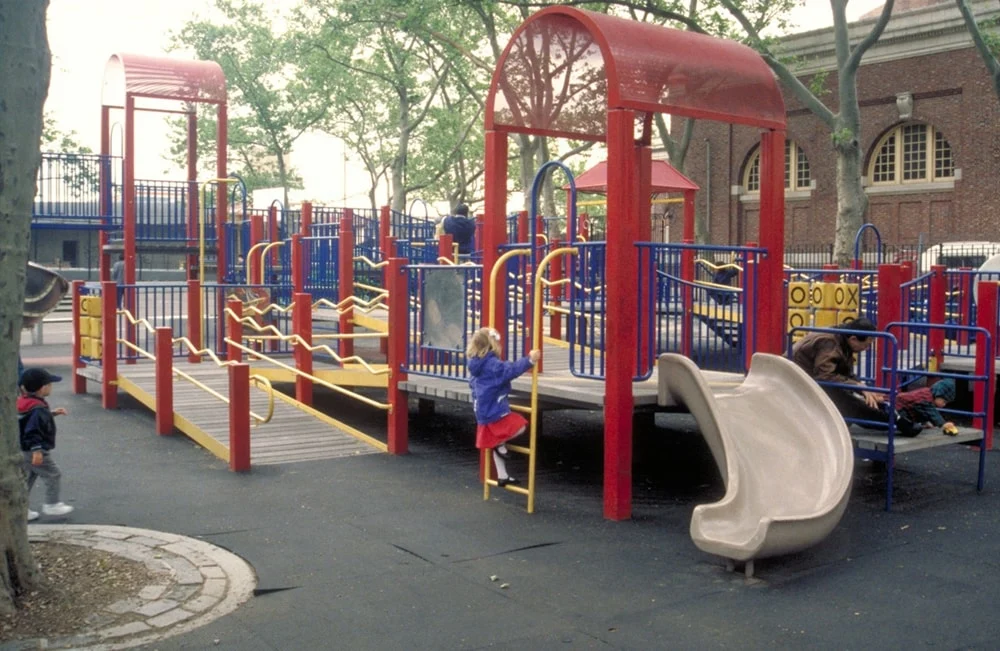
I found the research on parks particularly interesting, as I learned how playground equipment was designed to be accessible for people with disabilities, which was very stimulating.
Yanagida
After that, I retired in 2004 and became a university faculty member.
At the university, universal design was one of my research areas.
At that time, the Governor of Okayama Prefecture was focusing on universal design, and in 2005, the Okayama Universal Design Advisor Conference was established.
I was appointed as a committee member along with Mr. Yato, a former teacher at a special support school, and that’s how we met.
Before participating in the advisory conference, Mr. Yato had lived in the United States for a while and was shocked to see parks where children with and without disabilities could play together.
We then discussed how "it would be great if we could create universal design parks in Japan."
To raise awareness, we decided to do what we could, and with the addition of Mr. Hayashi, a former colleague of Mr. Yato, we started in 2006 with the three of us.
What kind of activities do you usually engage in?
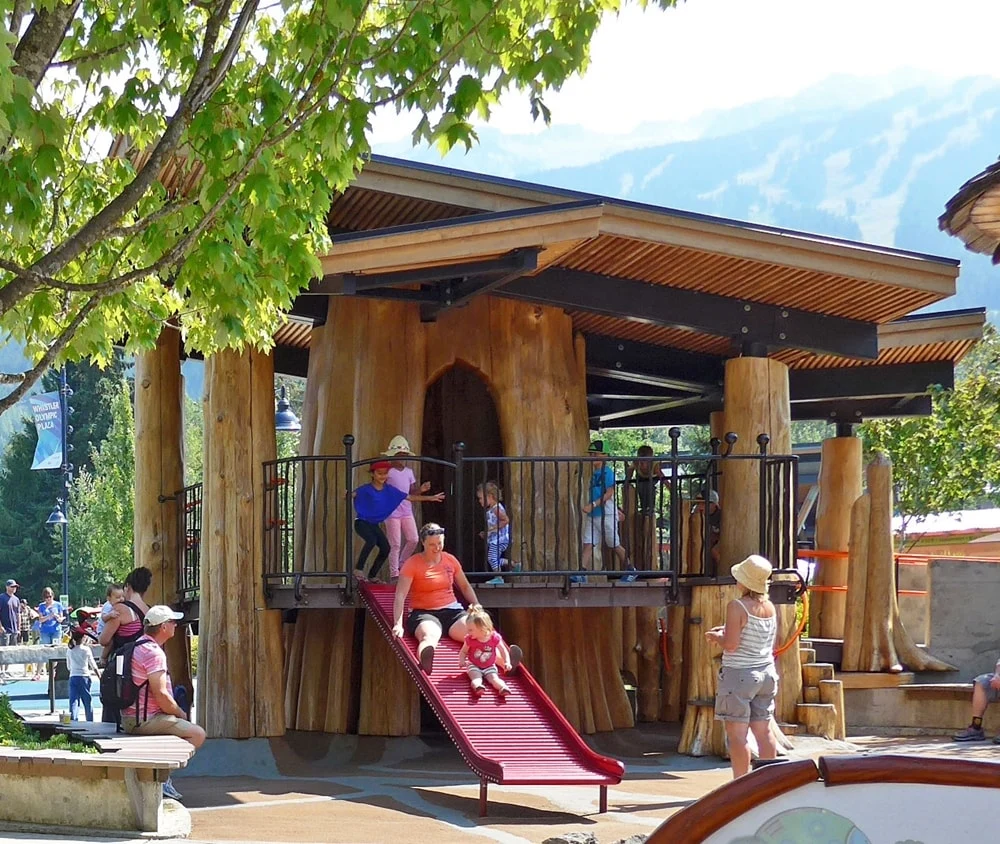
What kind of activities do you mainly engage in?
Yanagida
Our main activity is to publish the information we gather through our own research on our website.
We are not experts in playground equipment or park design, so we focus more on the perspective of the users.
For our research on parks abroad, our members visit the locations during business trips or vacations.
We have also visited several parks in Japan together, and sometimes we verify them with children with disabilities and their families or students, and publish the results on our website.
Additionally, we conduct hearings with parents of children with disabilities and disability organizations, and translate and publish information on overseas guidelines and initiatives.
As we continued this work, we began to receive requests from local governments and companies for a guide to inclusive playgrounds.
As a result, we compiled our knowledge into a book titled Play for All Children – A Guide to Creating Universal Design Playgrounds.
Recently, we have seen a growing interest in creating inclusive playgrounds across various regions.
We have received inquiries from citizens saying, "We want a park like this in our town," and requests from local governments asking us to review the plans for parks they are planning to develop, which has increased in the last year or two.
What innovations are there in inclusive playgrounds abroad?
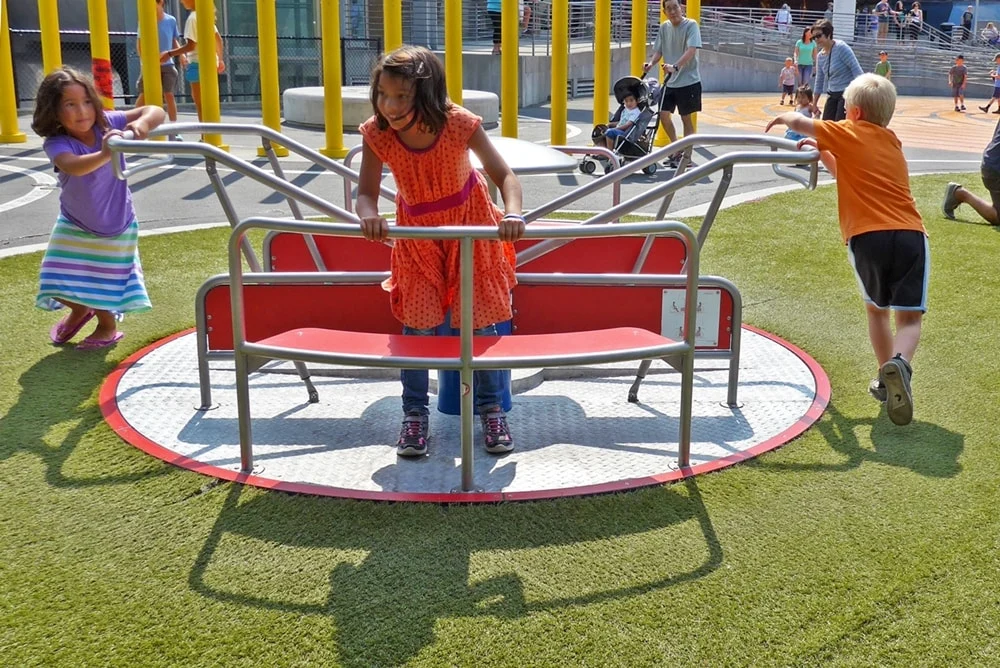
What innovations are there in inclusive playgrounds abroad?
Yanagida
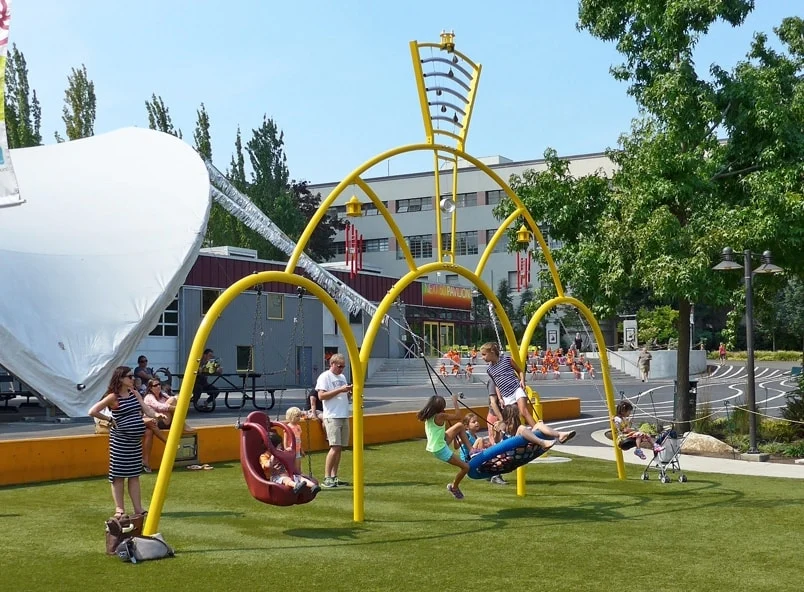
There are various innovations designed for diverse children to enjoy together, such as rotating play equipment that can be accessed by wheelchair and swings with backrests that allow users to choose seats that suit them.
For example, in a regular sandbox, wheelchair users cannot touch the sand, but some places have created accessible decks within the sandbox, with various mechanisms around them to scoop, store, and pour sand.
There are also sunshades above, which naturally attract both children with and without disabilities, making it easier for them to interact.
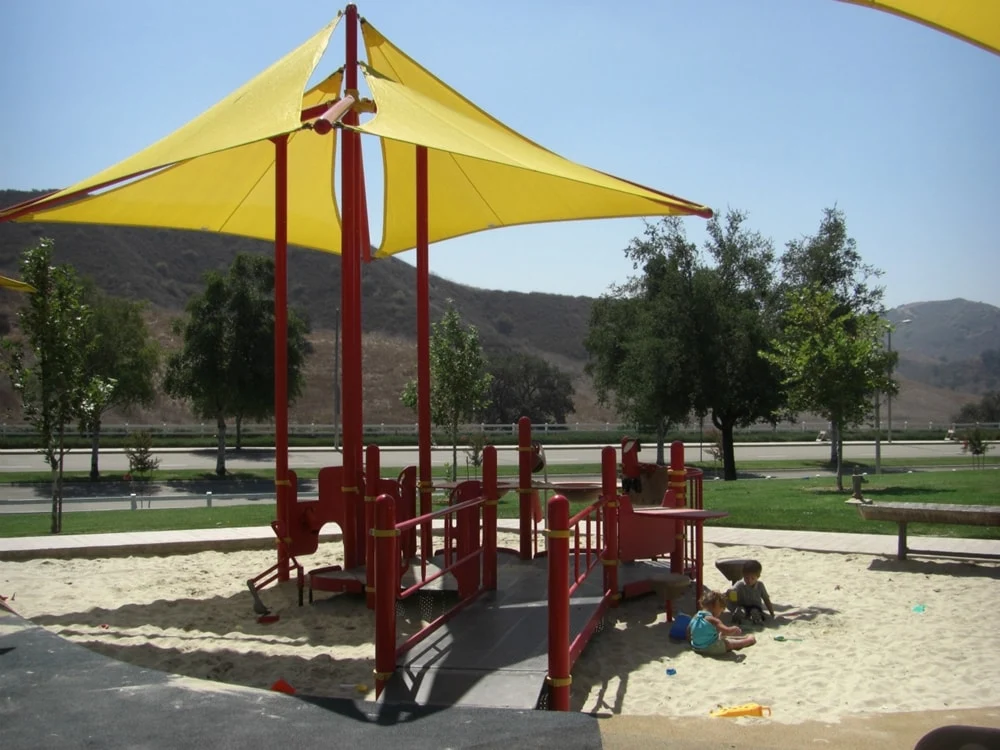
As a result of researching advanced initiatives in various regions, we believe that the key points for universal design in playgrounds are the following five:
- Accessibility
- Choice
- Inclusion
- Safety and security
- Fun!
With thoughtful and subtle innovations, differences such as disabilities will no longer be special, and everyone can enjoy themselves as they are.
Some parks even hold regular play events, making them popular among children in the community.
Inclusive playgrounds serve as a place for interaction not only for diverse children but also for parents and neighboring residents.
The movement to create inclusive parks in Japan
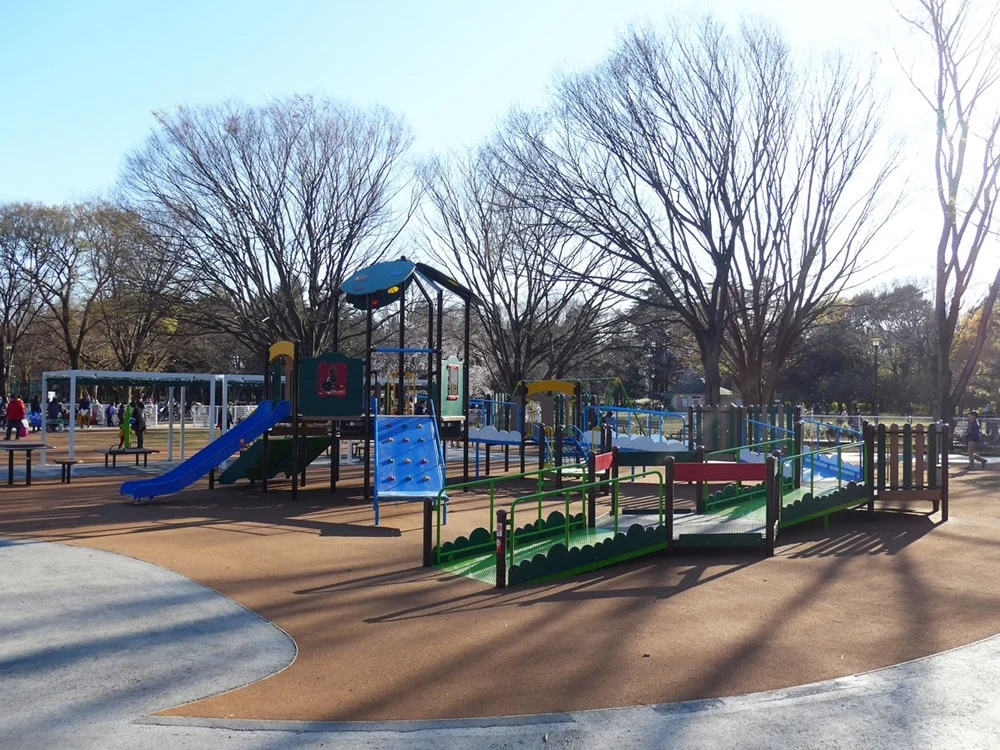
Is there a movement to create such inclusive playgrounds in Japan?
Yanagida
Last year (2020), the first inclusive playground as a metropolitan park was completed in Kinuta Park in Tokyo.
This was widely covered in the media, and the movement to "let's create one in our town!" has begun to spread.
In the spring of this year (2021), inclusive playground equipment was installed in a playground in Fujisawa City, Kanagawa Prefecture, which was realized through the efforts of a local mother of a child with disabilities who advocated to the local government.
Plans are also underway in various regions such as Miyagi, Kyoto, Aichi, and Hyogo.
While some cases are led by local governments, there are also parents of children with disabilities and supporters who are conducting surveys and signature campaigns, and creating presentation materials for their ideal playgrounds to advocate to local governments.
In Tokyo, a second inclusive playground is scheduled to be completed this summer (2021) at Fuchu Forest Park.
Creating such parks typically takes about 2 to 3 years, with the first year for "research and planning," the second year for "design," and the third year for "construction."
Therefore, in 2 to 3 years from now (2021), we expect to see examples of inclusive playgrounds starting to emerge in various places.
A time when inclusive playgrounds are the norm

What do you expect will happen when inclusive playgrounds become the norm? What kind of society do you hope for?
Yanagida
Unfortunately, many people still mistakenly believe that "inclusive playgrounds" are "special playgrounds for children with disabilities."
However, if inclusive playground equipment is placed in our local parks, and if such news is featured on local evening programs, I believe that more people will come to understand the value of "inclusive playgrounds."
This will lead to the next generation understanding that value, and voices will arise saying, "We want a park like this in our area!"
The topic will also come up in conversations among parents of children in special support schools, and for local government officials, it may become "unacceptable" not to know about inclusive playgrounds.
When inclusive playgrounds become the norm, it will be normal for children of various disabilities, ages, nationalities, and backgrounds to play together.
As parks become a hub for interaction among all local residents, I hope that understanding of diversity will progress, leading to an inclusive society.
What the "Everyone's Park Project" aims for
What are your future goals and what do you want to achieve?
Yanagida
As mentioned in the example of the Kurashiki Health and Welfare Plaza, since the late 1990s when the concept of universal design entered Japan, parks that consider the needs of children with disabilities have been created in various places.
However, each of these efforts ended up being isolated, and they did not connect to thorough verification and continuous improvement afterward.
The creation of inclusive playgrounds in Japan has only recently begun to gain momentum.
We will likely see various successes and failures in the future.
I want to continue gathering and disseminating information and know-how to contribute to an overall upward spiral.
Additionally, the participation of local residents, including children with disabilities and their families, is essential for creating inclusive playgrounds.
I hope that through collaboration and dialogue between local governments, companies, and diverse community members, we can share a vision of "let's create such a park" and establish a process of park creation that feels like "our park."
Conclusion
With movements like the "Everyone's Park Project," I feel that it may take a long time, but eventually, we will reach a time when inclusive playgrounds are the norm.
Seeing diverse children playing together naturally may indeed be something that should be taken for granted.
Children who grow up in such an environment may be able to be kind to everyone.
While imagining a wonderful future, I want to keep an eye on these activities.
Data on the "Everyone's Park Project"
| Organization Name | Everyone's Park Project |
|---|---|
| Industry | Civic Activities |
| Representative Name | Yato Yoko |
| Year Established | 2006 |
| Website | Everyone's Park Project |