

Mizushima, Kurashiki City, has undergone major changes over time, and is a town where old and new coexist.
- Fishing town
- New agricultural area created through land reclamation
- Industrial complex town in recent years
Hoping to learn even a little about how the town came to be, I took part in “Mizushima Regional Cafe: The Yobimatsu Edition.”
The information presented was current when this article was published in September 2023. Please note that it may differ from current information.
What is “Mizushima Regional Cafe”?
“Mizushima Regional Cafe” is an initiative held by the Mizushima Regional Environmental Regeneration Foundation (Mizushima Foundation) for the following purposes:
- Discover information about the Mizushima area with fresh eyes and explore what makes it interesting
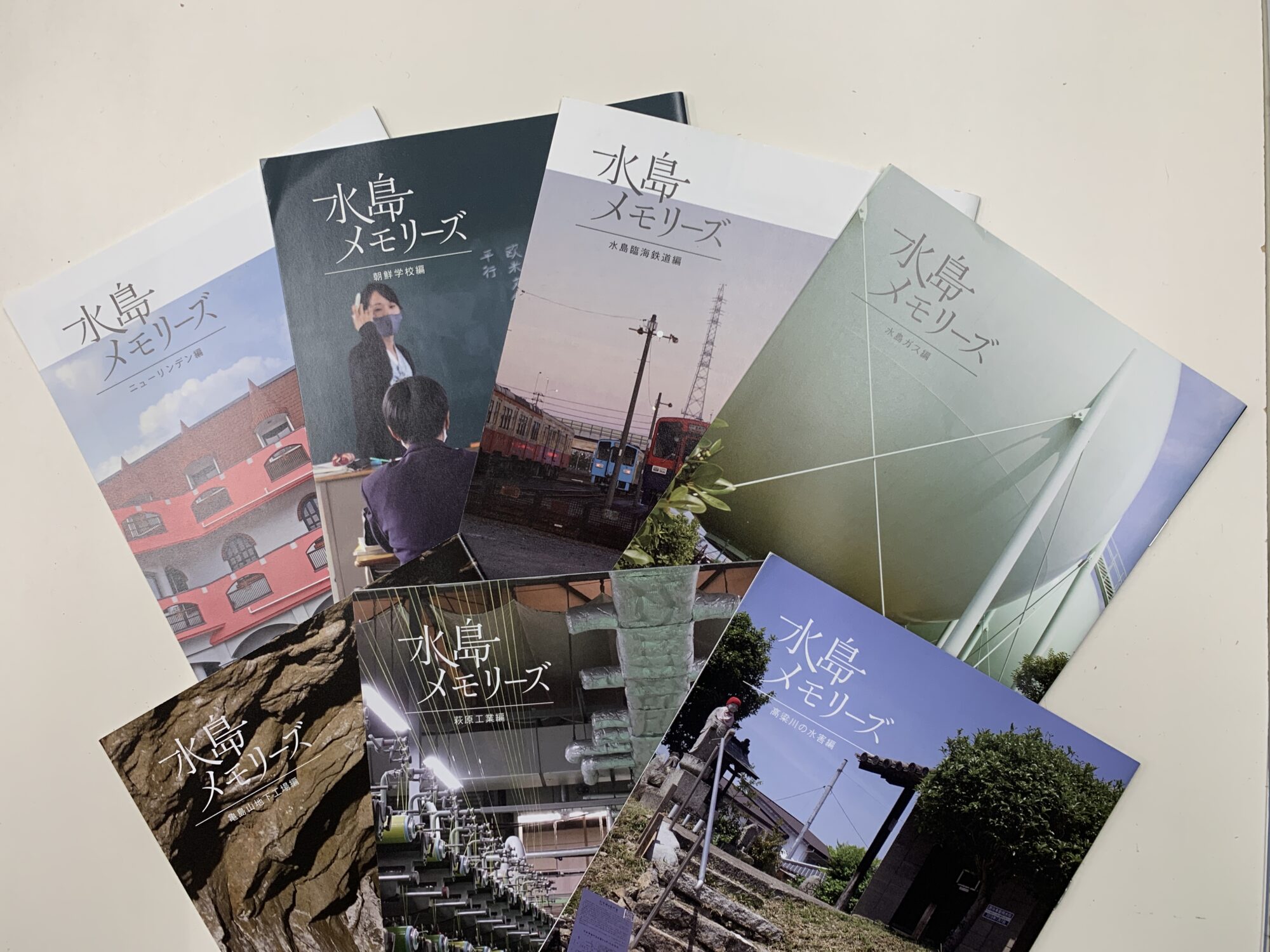
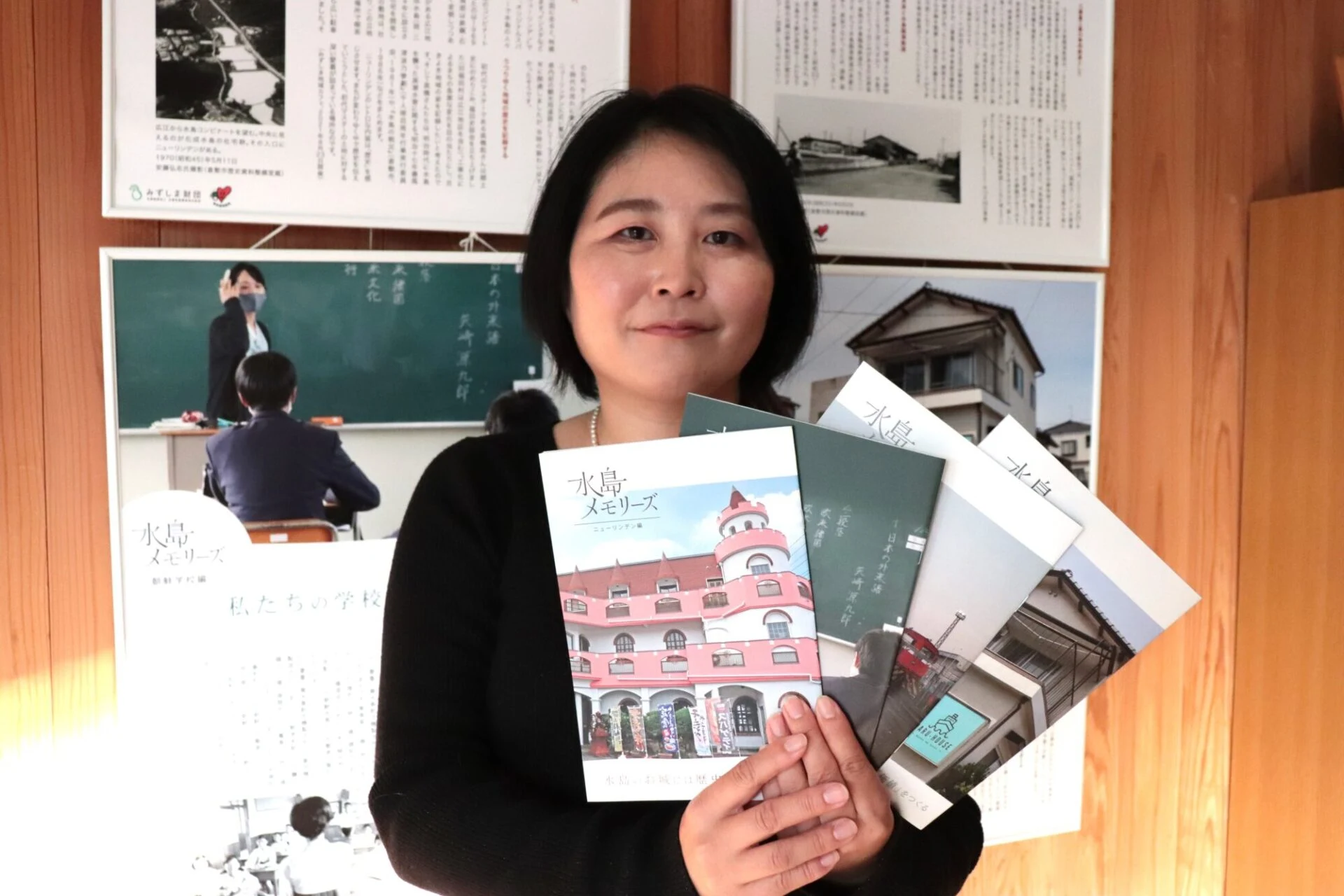
- Gather information about the town and, based on what emerges, compile Mizushima’s new attractions in “Mizushima Memories”
As of September 2023, eight volumes of “Mizushima Memories” have been published, each introducing topics that reflect everyday life in the town.
I went to see for myself
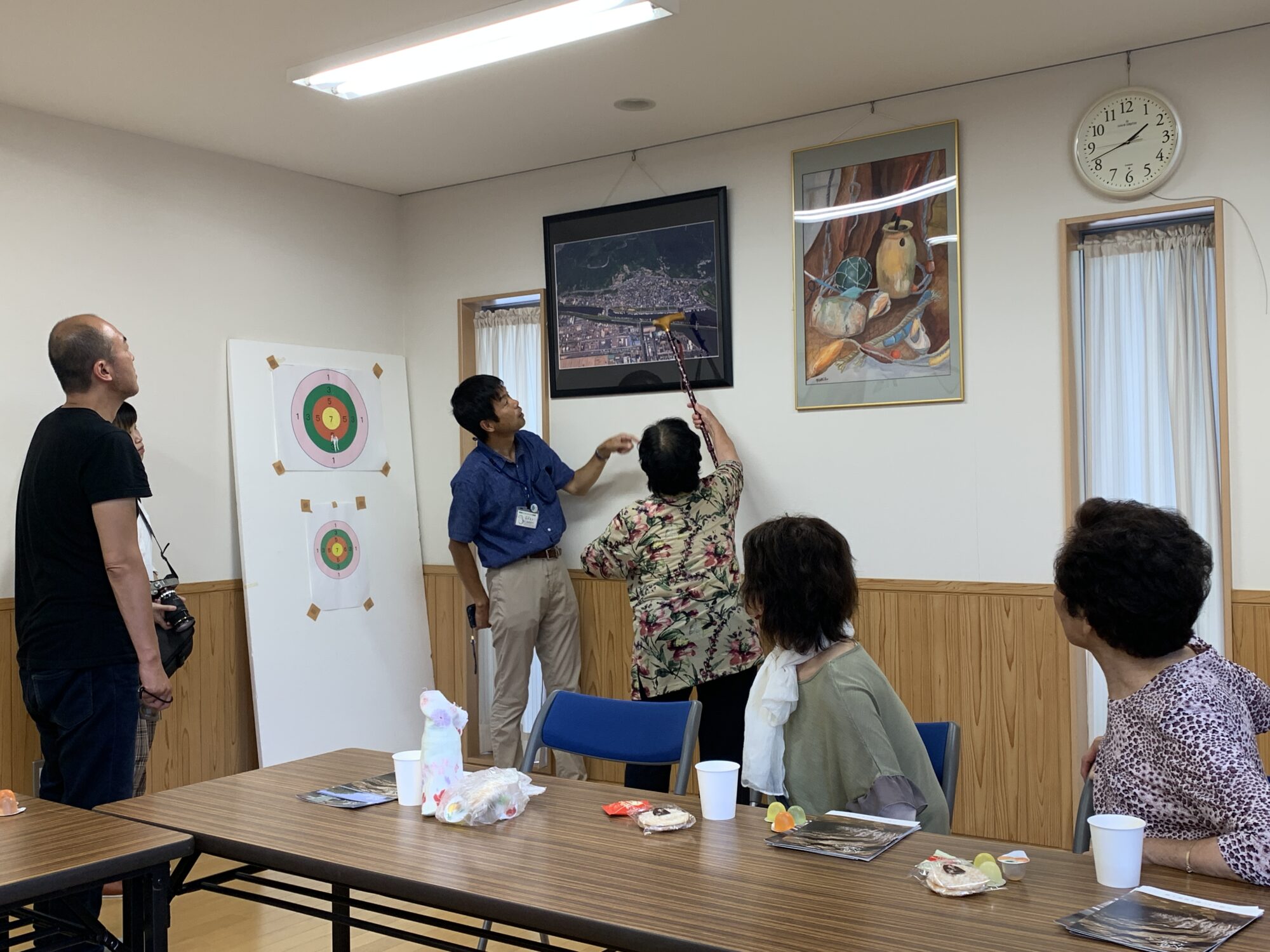
This event was held in Yobimatsu, where local residents and people affiliated with Mizushima Kyodo Hospital gathered for a tea-and-conversation event to talk about and learn the past and present of Yobimatsu.
First, a networking event was held to hear about what the town was like before the war and how it changed after the industrial complex was built following the war.
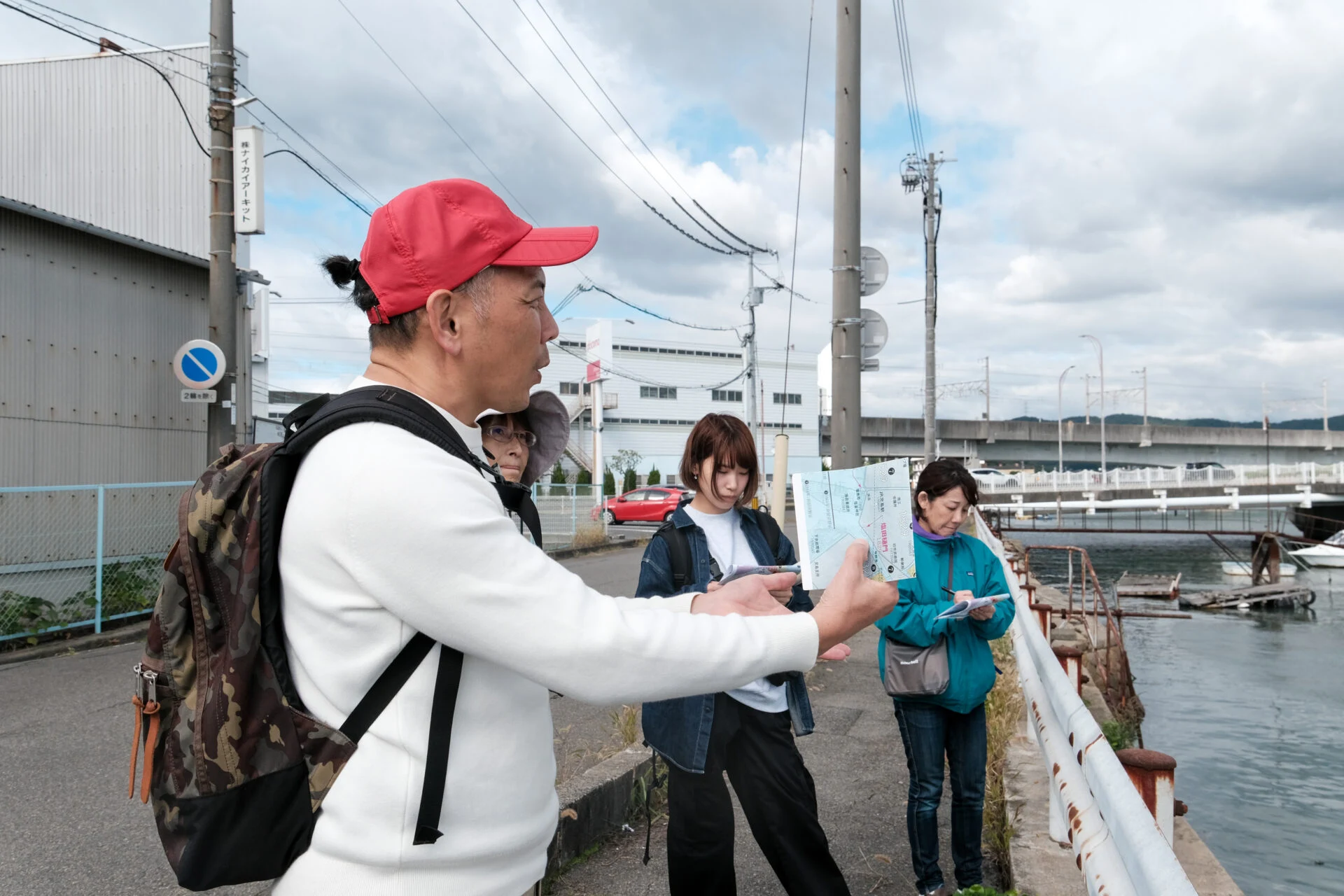
Afterward, based on what we had heard, we took a walk through Yobimatsu.
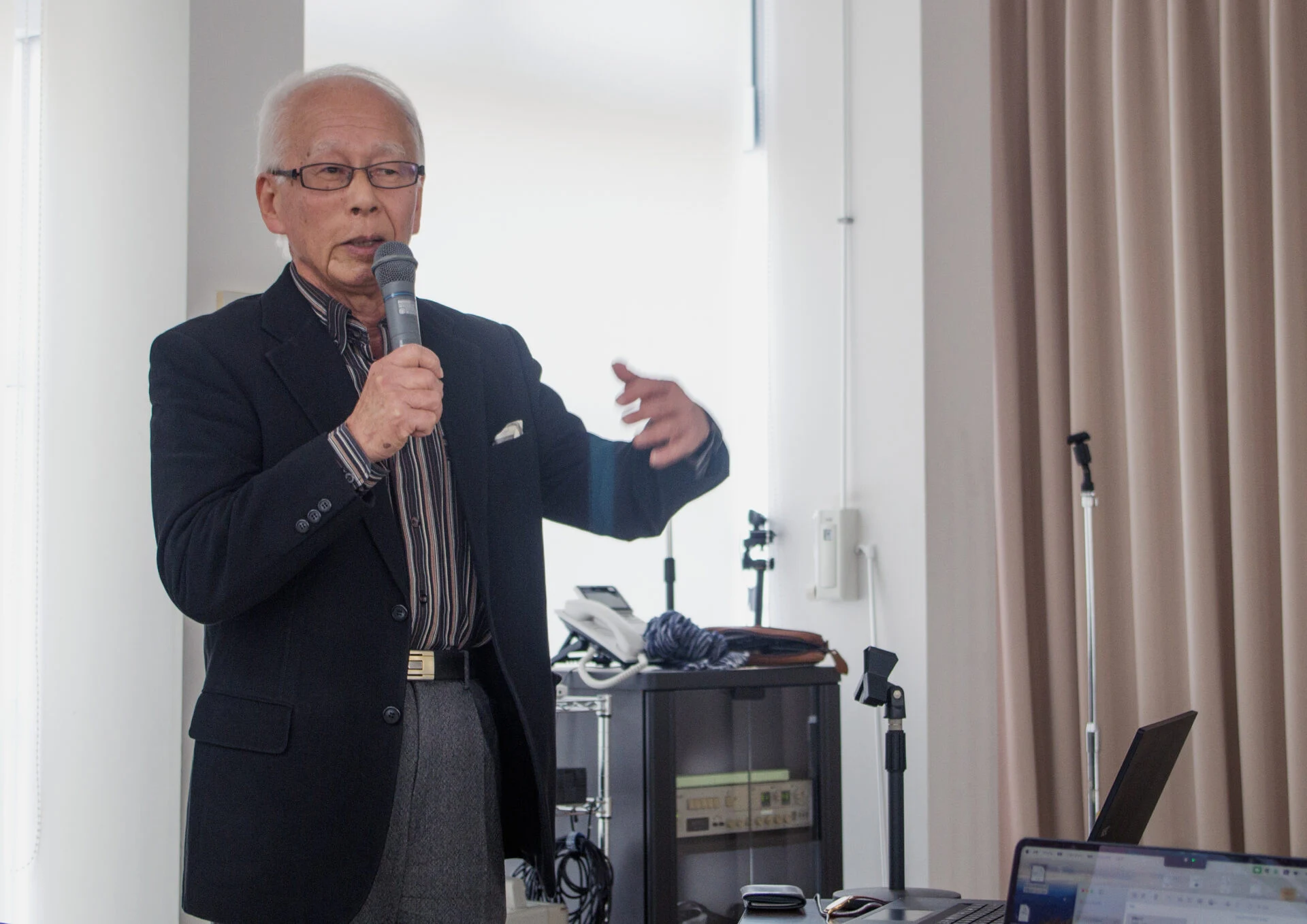
A networking event to hear from Yobimatsu residents
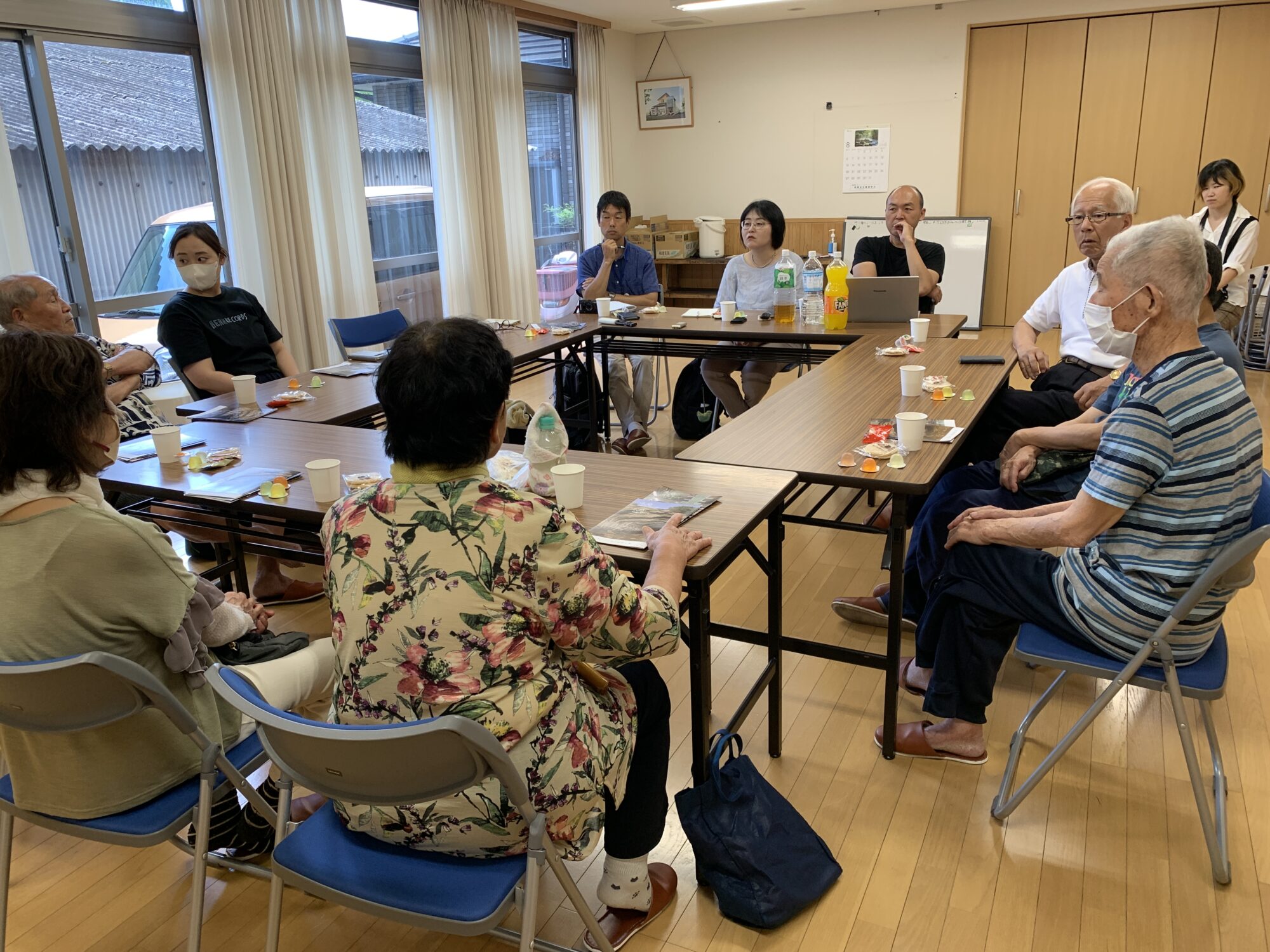
In the relaxed atmosphere of the tea-and-conversation event, we heard about what the town was like before the war and how it changed after the industrial complex was built.
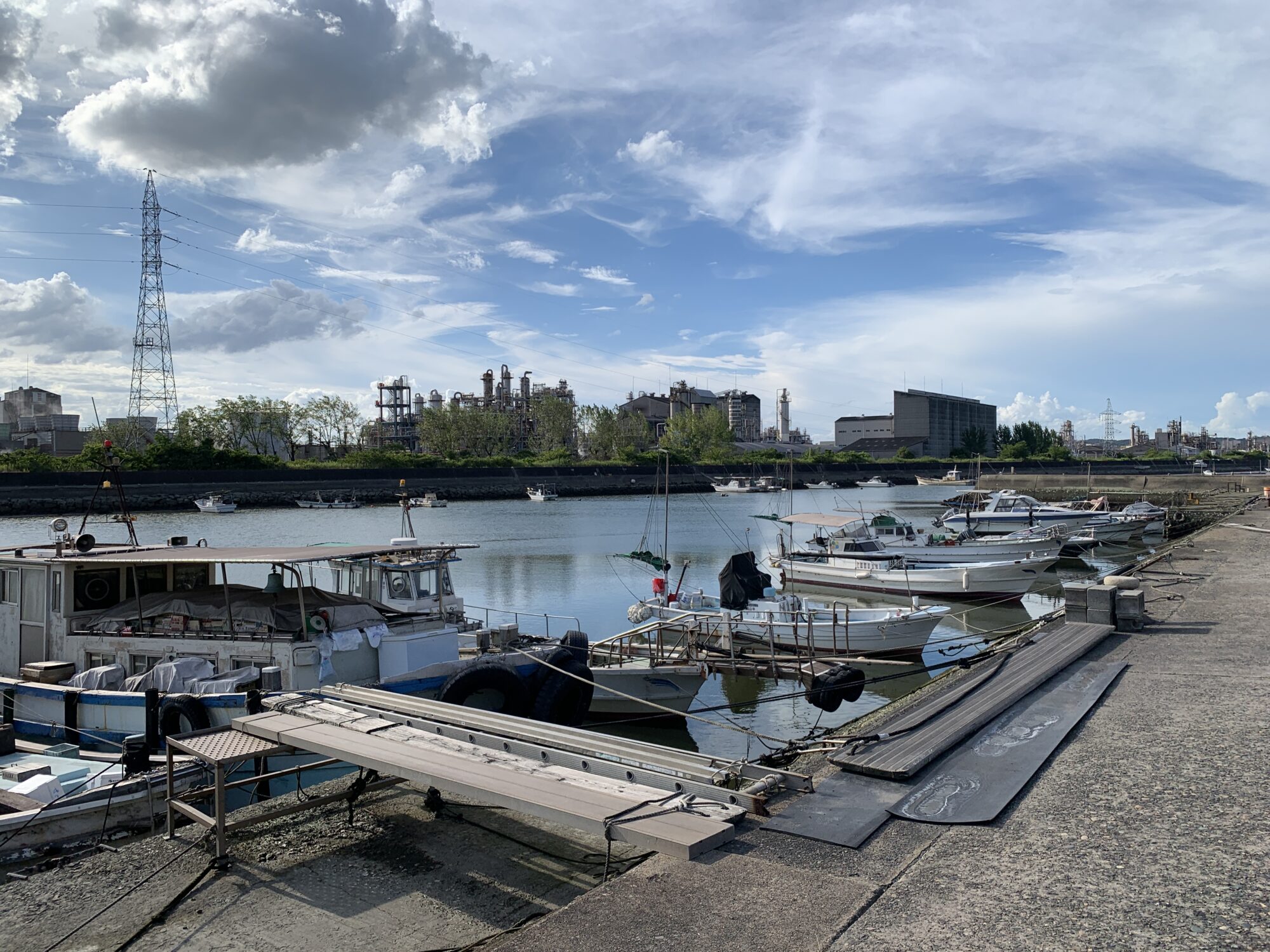
A former fisherman spoke about the sea as follows:
“Before the industrial complex was built, this thriving fishing town had as many as 50 fishing boats. In spring there was Spanish mackerel, and in autumn silver pomfret—the fish were so plentiful you could catch them in abundance.”
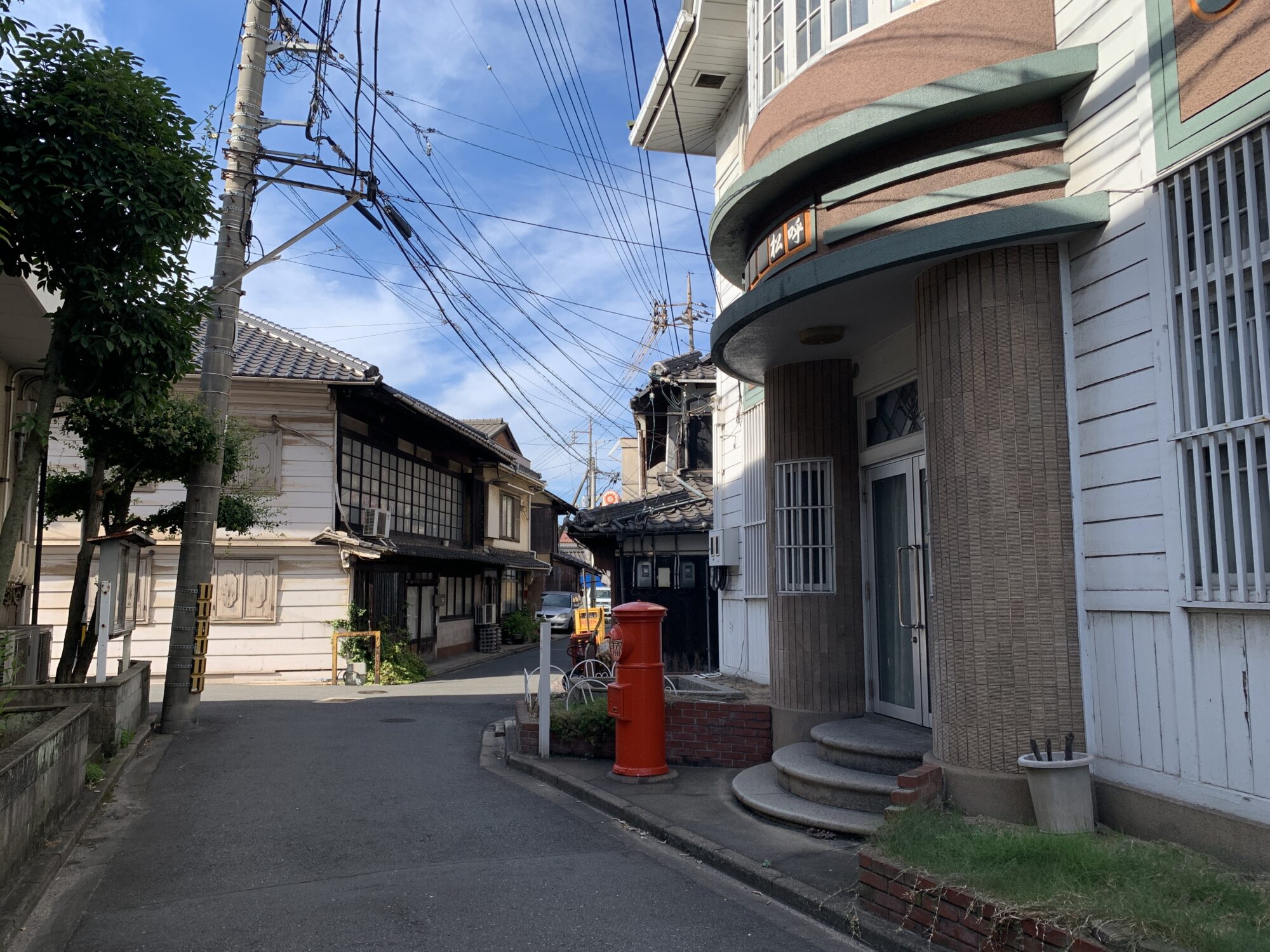
A woman spoke about the town as follows:
“The town had a police station, post office, bank, movie theater, dance hall, sake brewery, and more, and it played a central role in the surrounding area.”
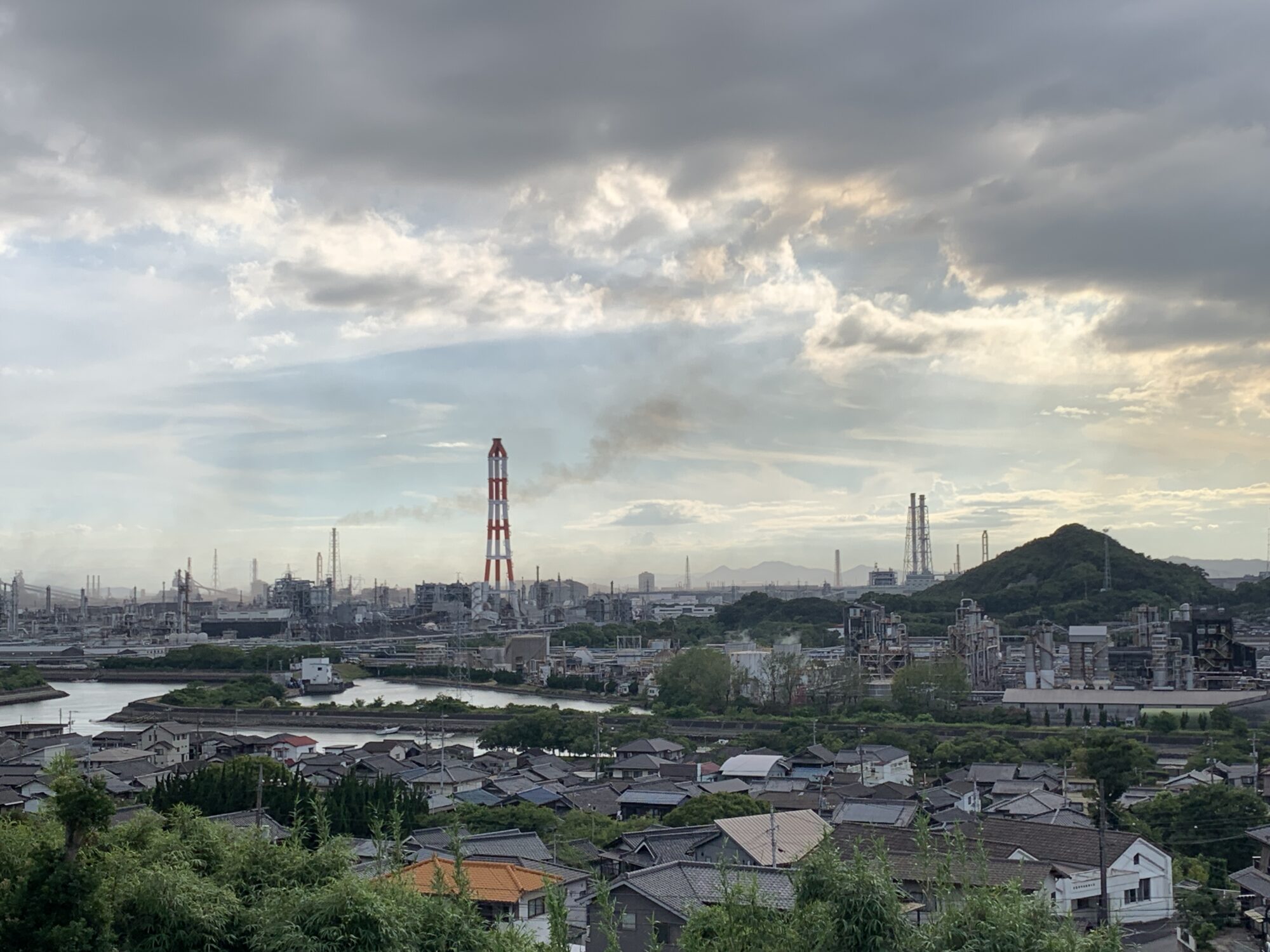
Later, the Mizushima Industrial Complex began operations, and the town changed dramatically.
- Flames that lit up the dark night dazzlingly, roaring as they burned
- Fish that smelled so bad they could not be eaten
- Black smoke that irritated the throat and attacked the respiratory system
We learned about the negative effects of development.
A walk through Yobimatsu
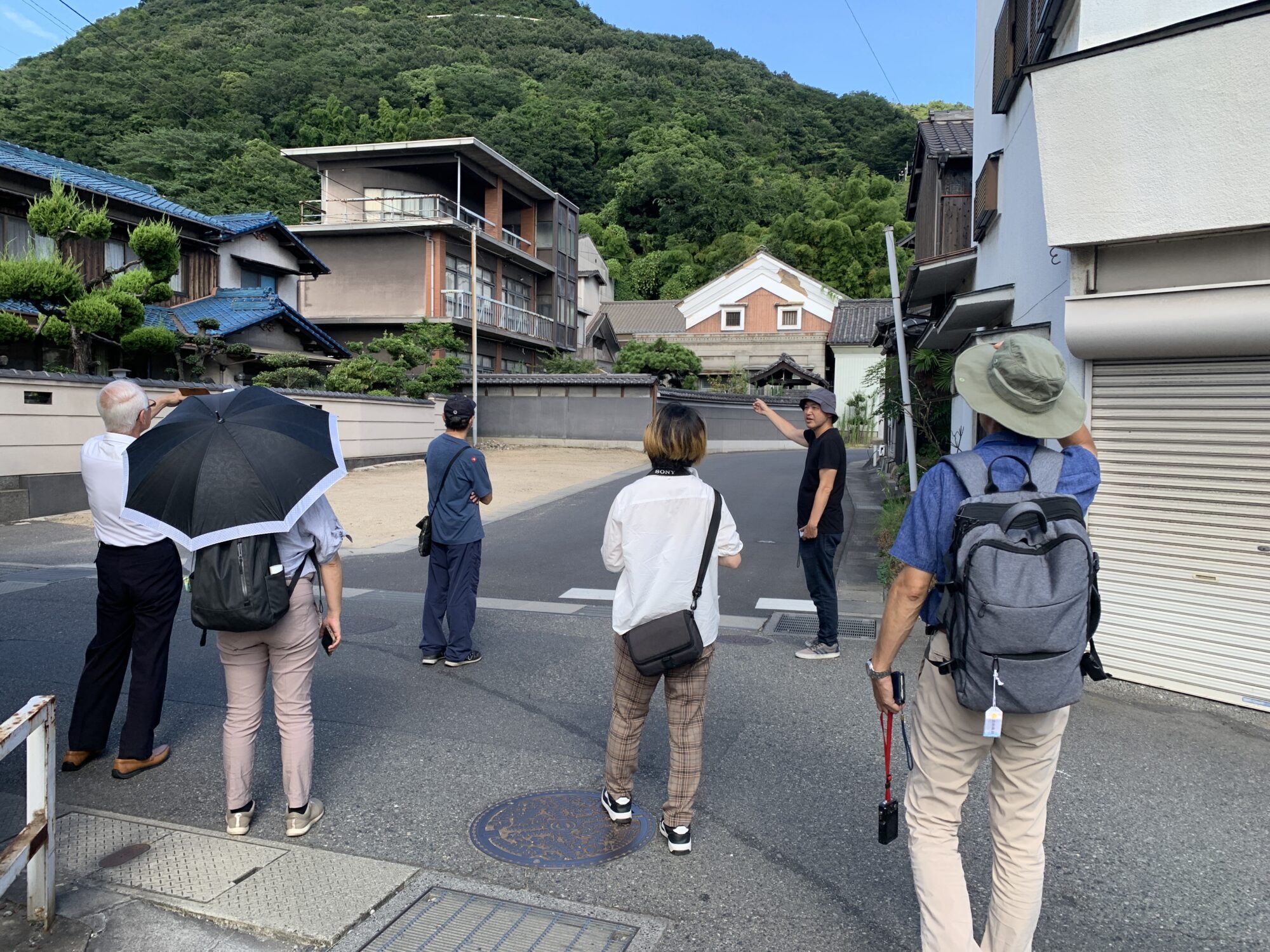
Afterward, I joined the town walk.
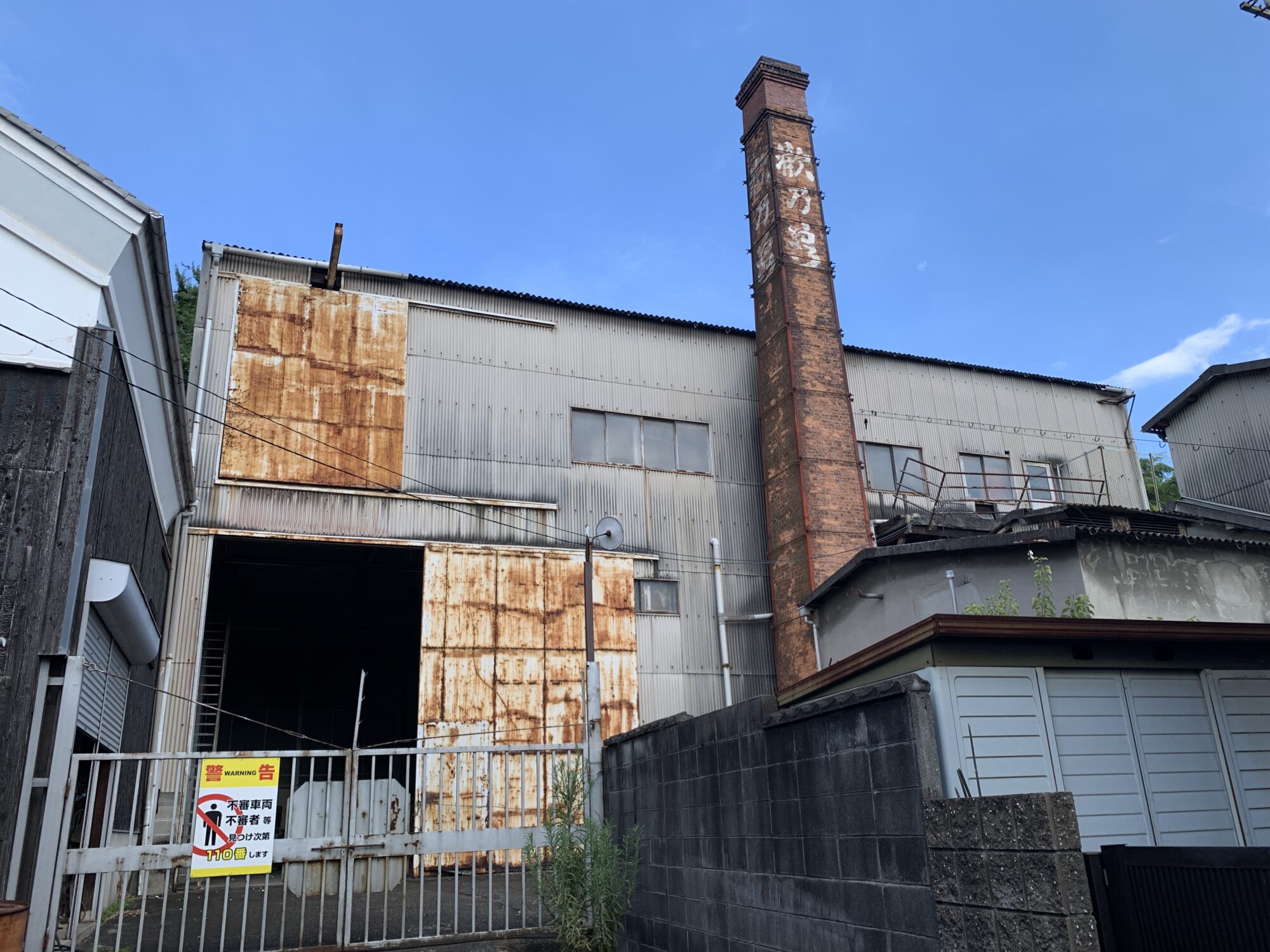
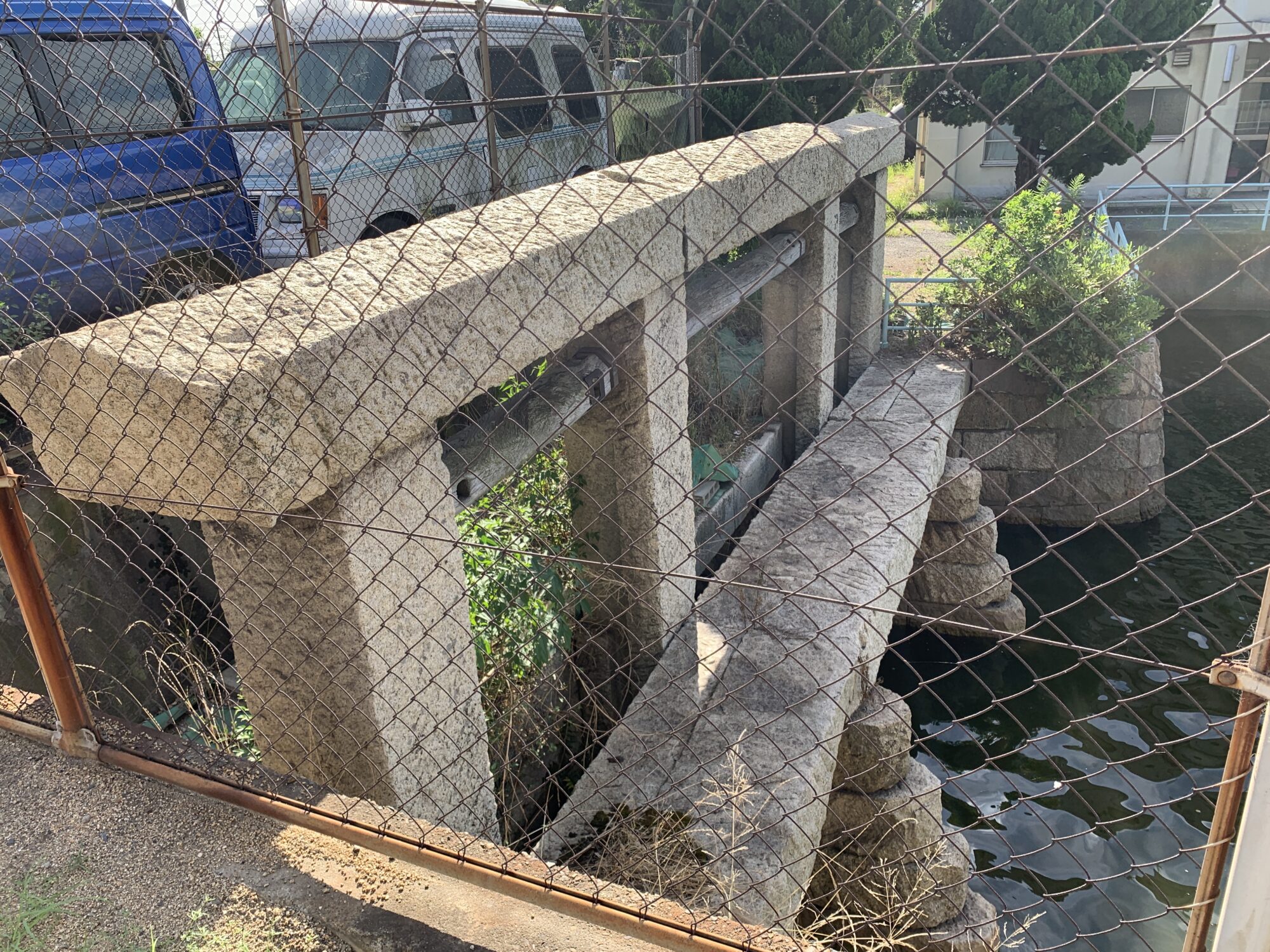
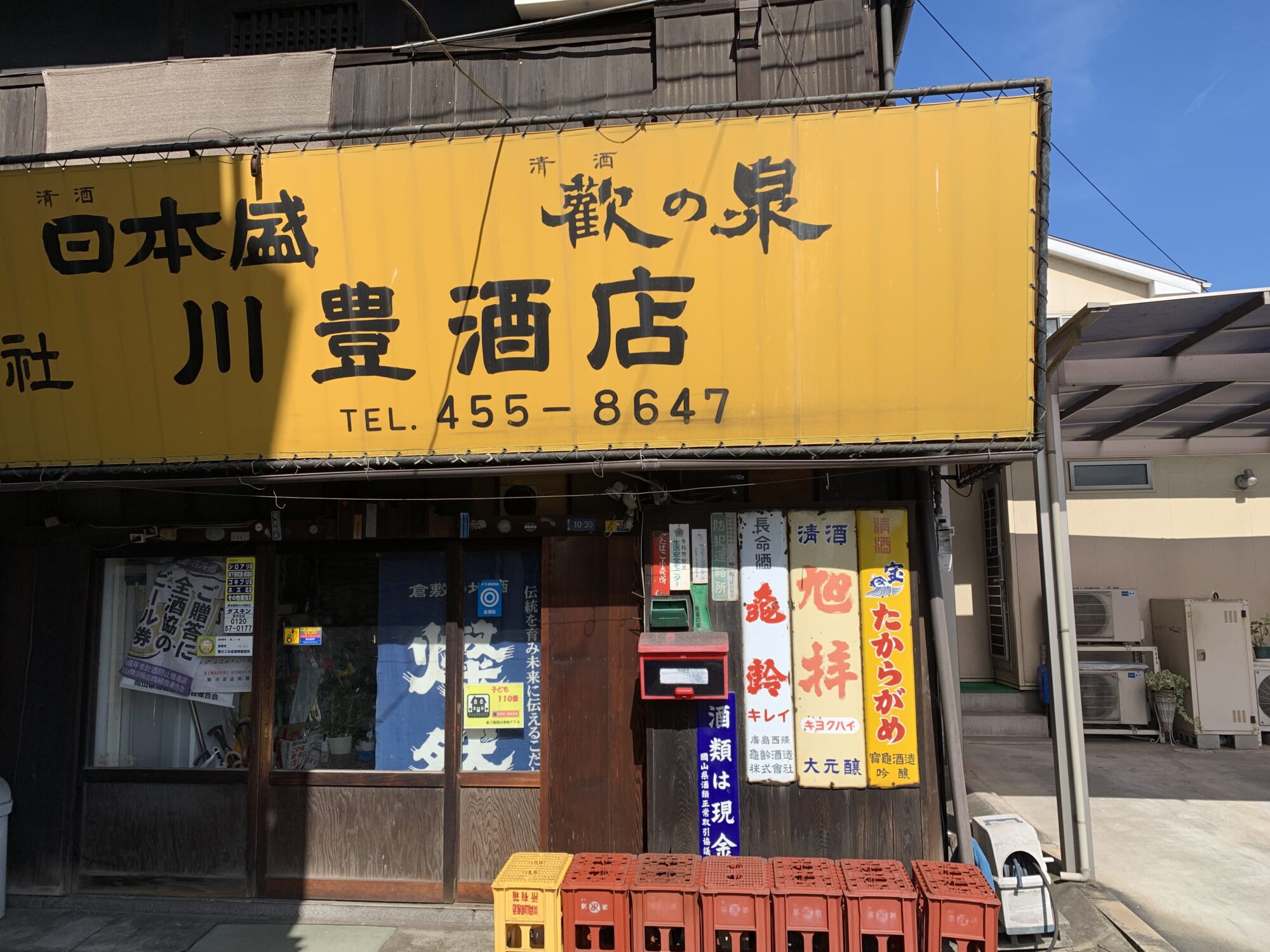
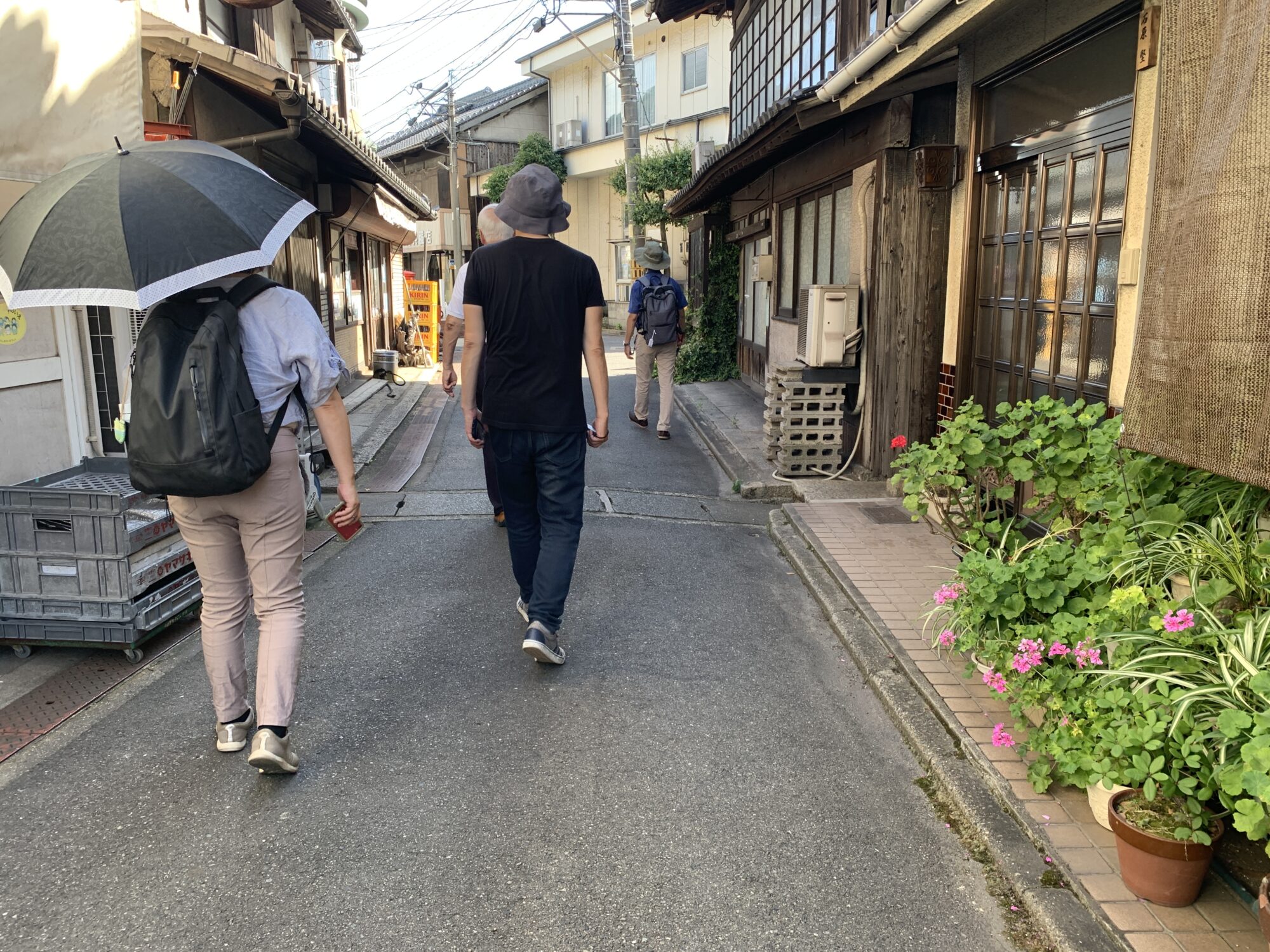
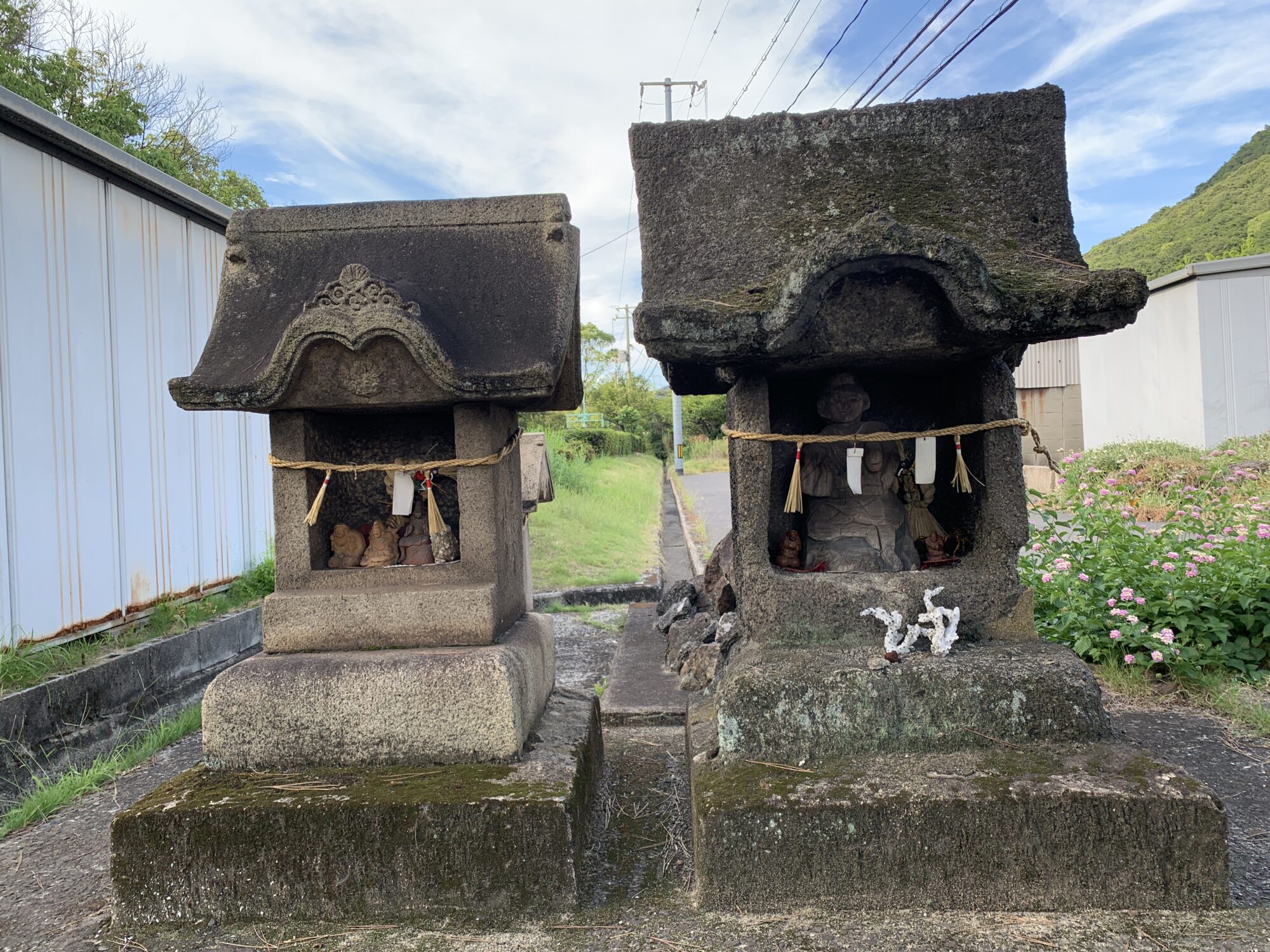
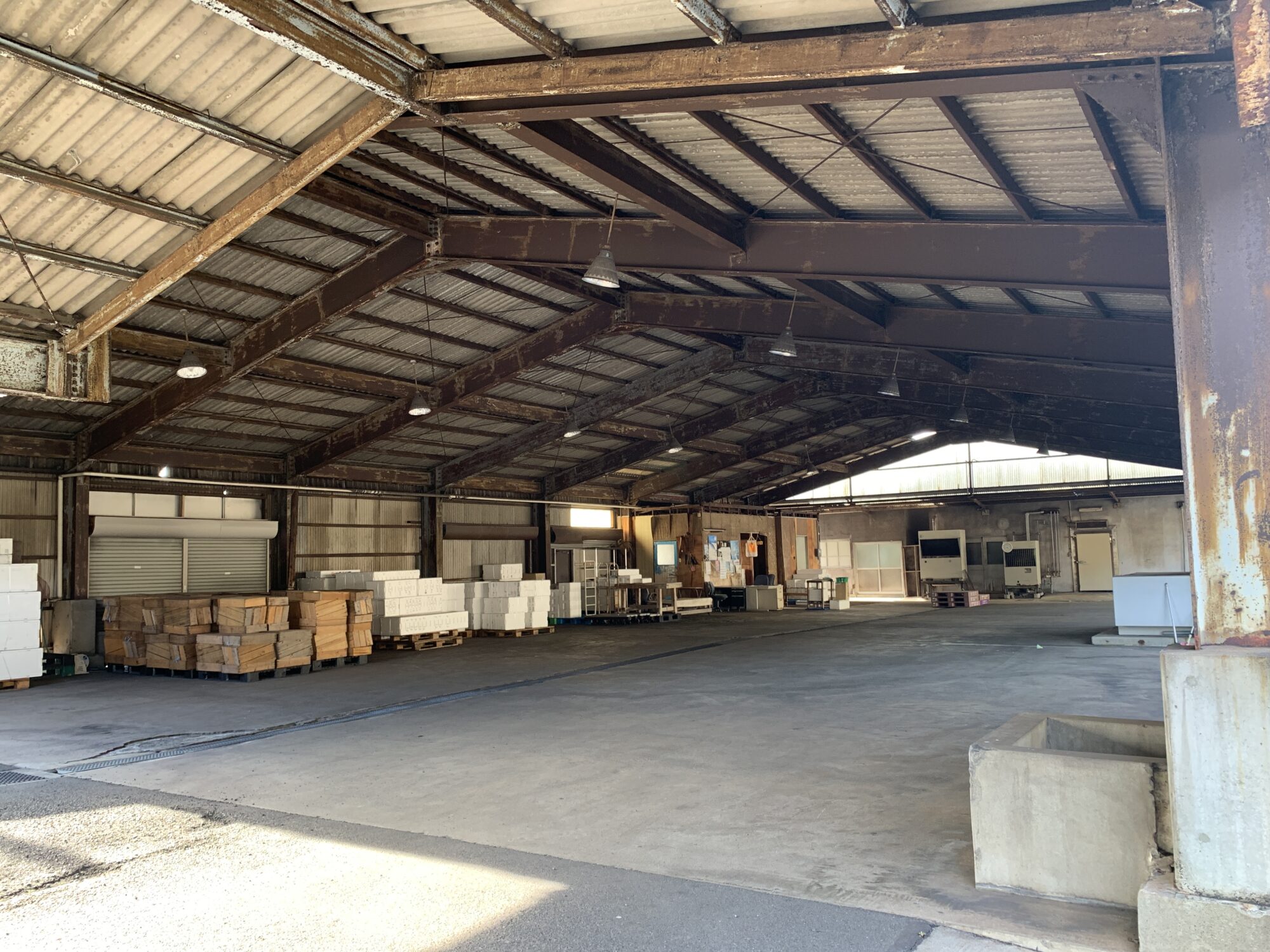
Yobimatsu is the starting point of the anti-pollution movement
Yobimatsu is the starting point of the anti-pollution movement.
Four years after the Mizushima Industrial Complex began operations, in 1964, Kasei Mizushima (now Mitsubishi Chemical Corporation) began operations on land adjacent to Yobimatsu. In response to the company’s various problems, 700 residents took protest action (commonly known as the “Yobimatsu Episode”).
This action prompted the city to take action.
However, the pollution problems in the Mizushima area remained unresolved, and in 1983, Kurashiki City residents certified as pollution victims, including those from Yobimatsu, filed a lawsuit.
A settlement was reached 32 years after the protests began, in 1996.
From the Writer
Taking part in the “Mizushima Community Cafe” was a valuable opportunity to hear firsthand about the past and present of Yobimatsu and experience what I had learned while walking around the town.
I’ll continue to keep an eye on the “Mizushima Community Cafe” and “Mizushima Memories.”
The event is held irregularly, but why not join in next time it’s held?
Mizushima Community Cafe: Yobimatsu Edition Information
| Name | Mizushima Community Cafe: Yobimatsu Edition |
|---|---|
| Date | Held irregularly For details, see the Mizushima Foundation website |
| Participation fee (tax included) | Free to participate |
| Website | Mizushima Foundation |


What would you like to know about Kurashiki?
Enter a search term to find articles on this site




































