
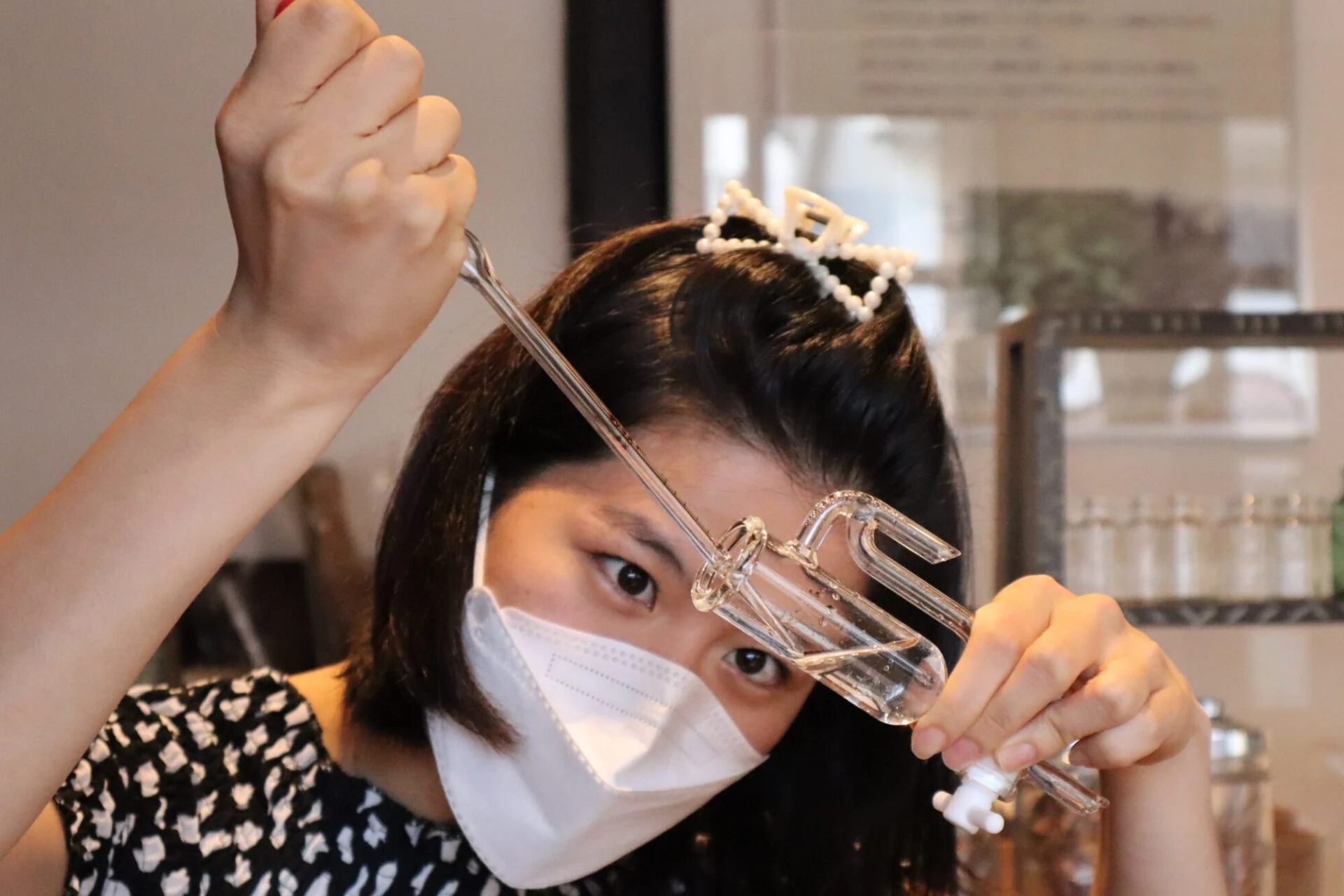
Have you heard of roll-on aromatherapy?
Fragrances are generally available as sprays, but there are also many other types, such as creams and products for use around the home.
Roll-on aromatherapy, which comes in a slim container that is easy to carry and lets you quickly apply it wherever you like, whenever you like, is reportedly growing in popularity among both men and women.
There is a place where you can make your own roll-on aromatherapy.
Roll-on aromatherapy by me, for me
I went to Kurashiki Hakka Display House to try making aromatherapy products.
The information provided was current when this article was published in September 2022. Please note that it may differ from current information.
About Kurashiki Hakka Display House
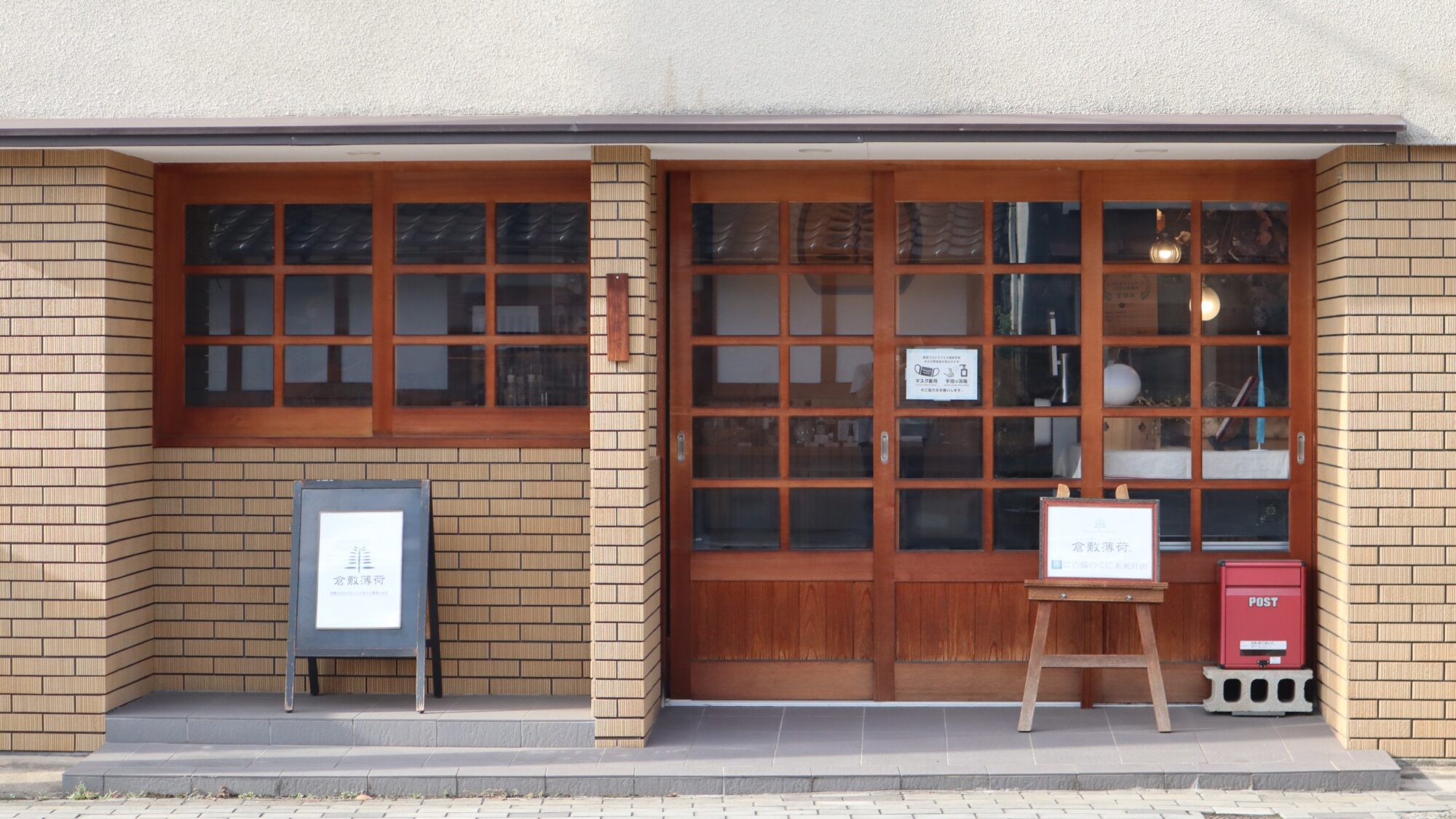
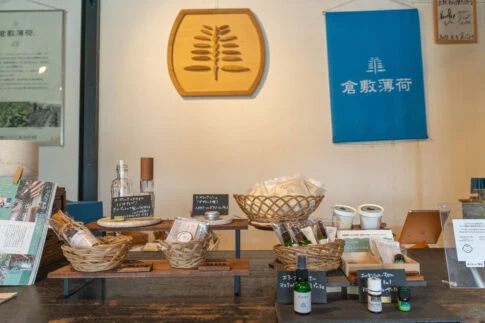
A short distance west of the Kurashiki City Art Museum is the Kurashiki Hakka Exhibition Hall.
The venue holds hands-on events, including aromatherapy-making, on an irregular basis. Check its website and social media for dates and other details.
This time, I tried two main activities.
- Making Japanese mint by distilling pesticide-free mint to extract essential oil
- Making an original roll-on by blending several essential oils
Try making Japanese mint and an original roll-on
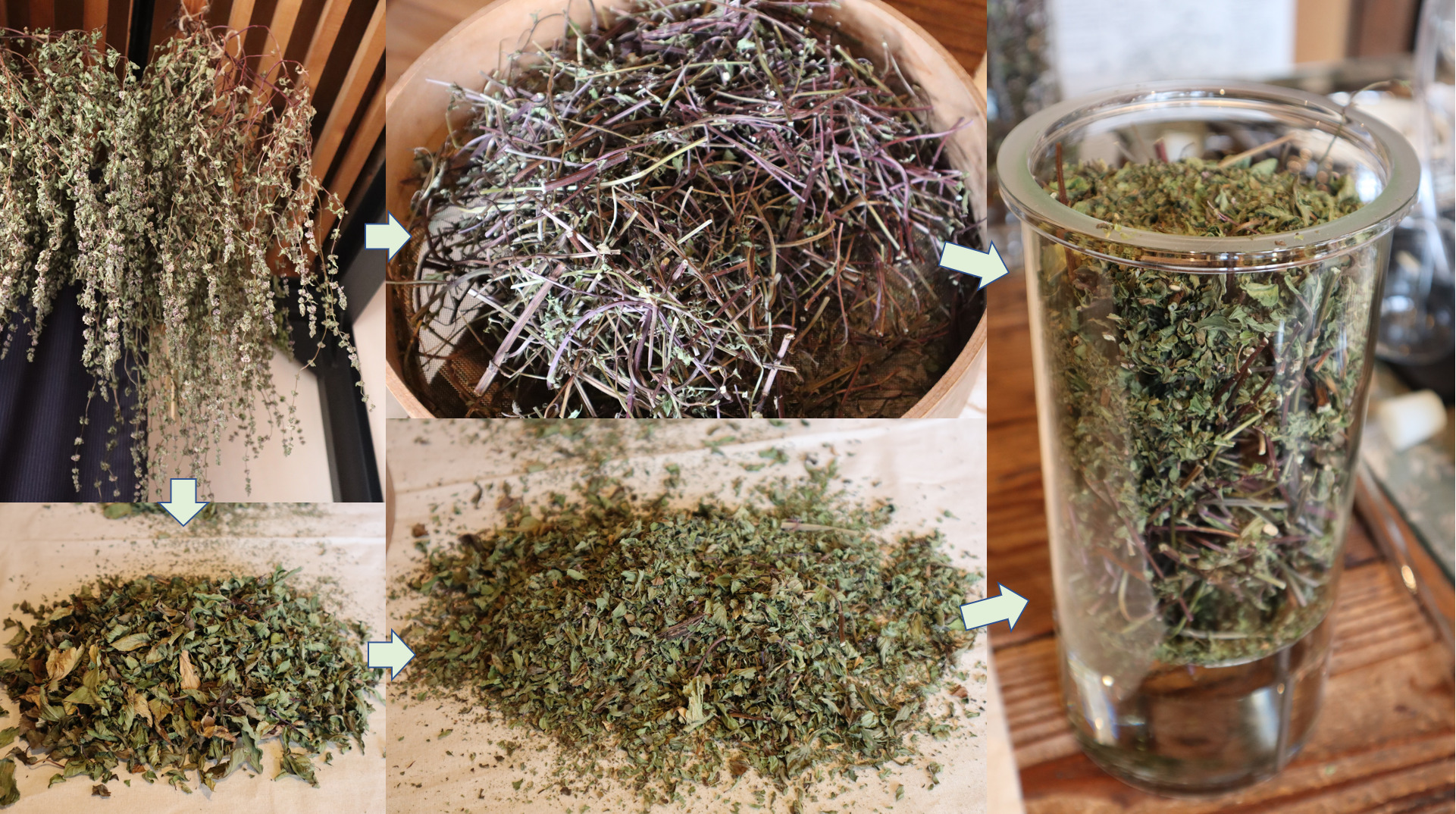
First, let's start by making Japanese mint.
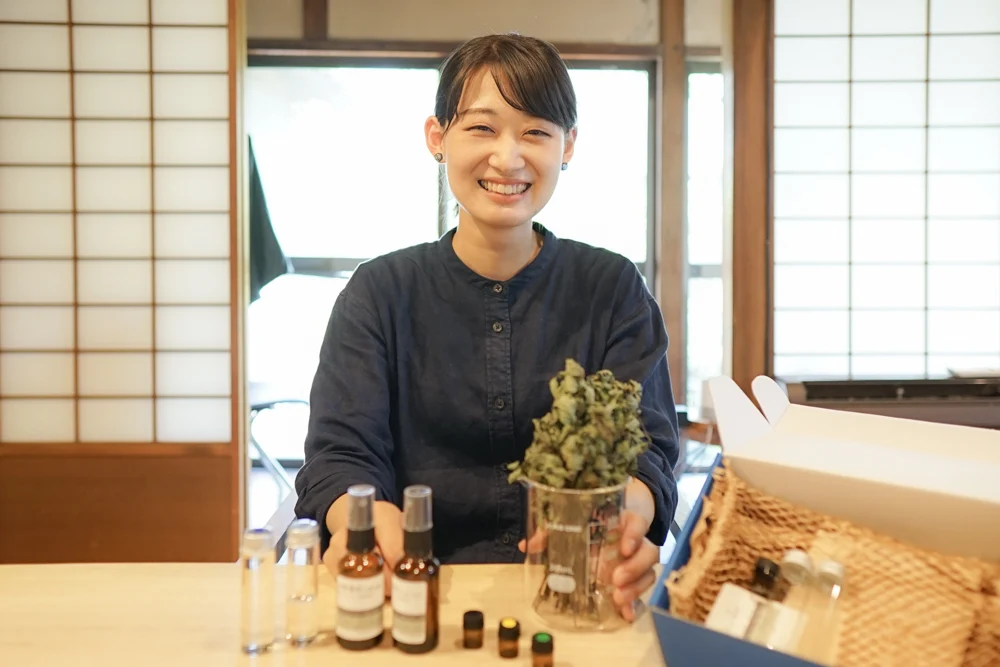
Separate the stems and leaves of 100 grams of mint, grown in Mabi, Kurashiki City and thoroughly dried after harvesting.
The leaves are crushed by rubbing them between your hands. At this point, both hands were enveloped in the sweet scent of mint, building my anticipation.
Pack the stems and leaves into a distillation flask with water at the bottom.
Making Japanese mint
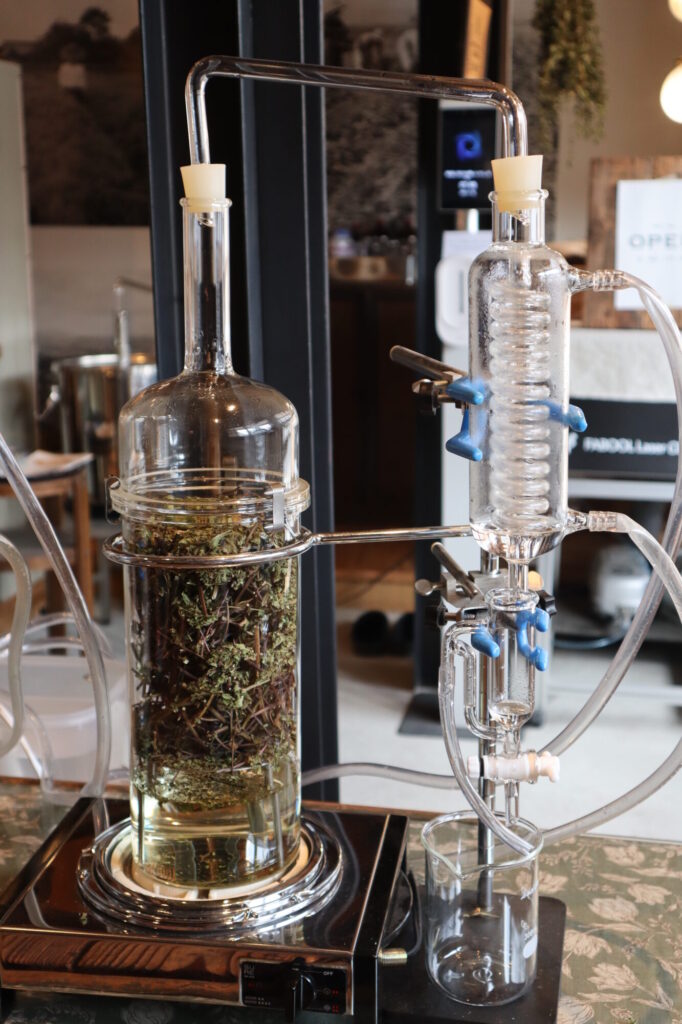
Now, let's make Japanese mint essential oil.
Seal the flask and set up the steam distillation apparatus.
When heating begins, the steam produced carries the mint's aromatic compounds out through the top of the flask.
However, because it is a gas, you can't see it.
The gas is cooled in a double-tube condenser, turning into liquid that drips into the oil-water separator.
I couldn't capture it in a photo, but watching it spiral down is so cute.
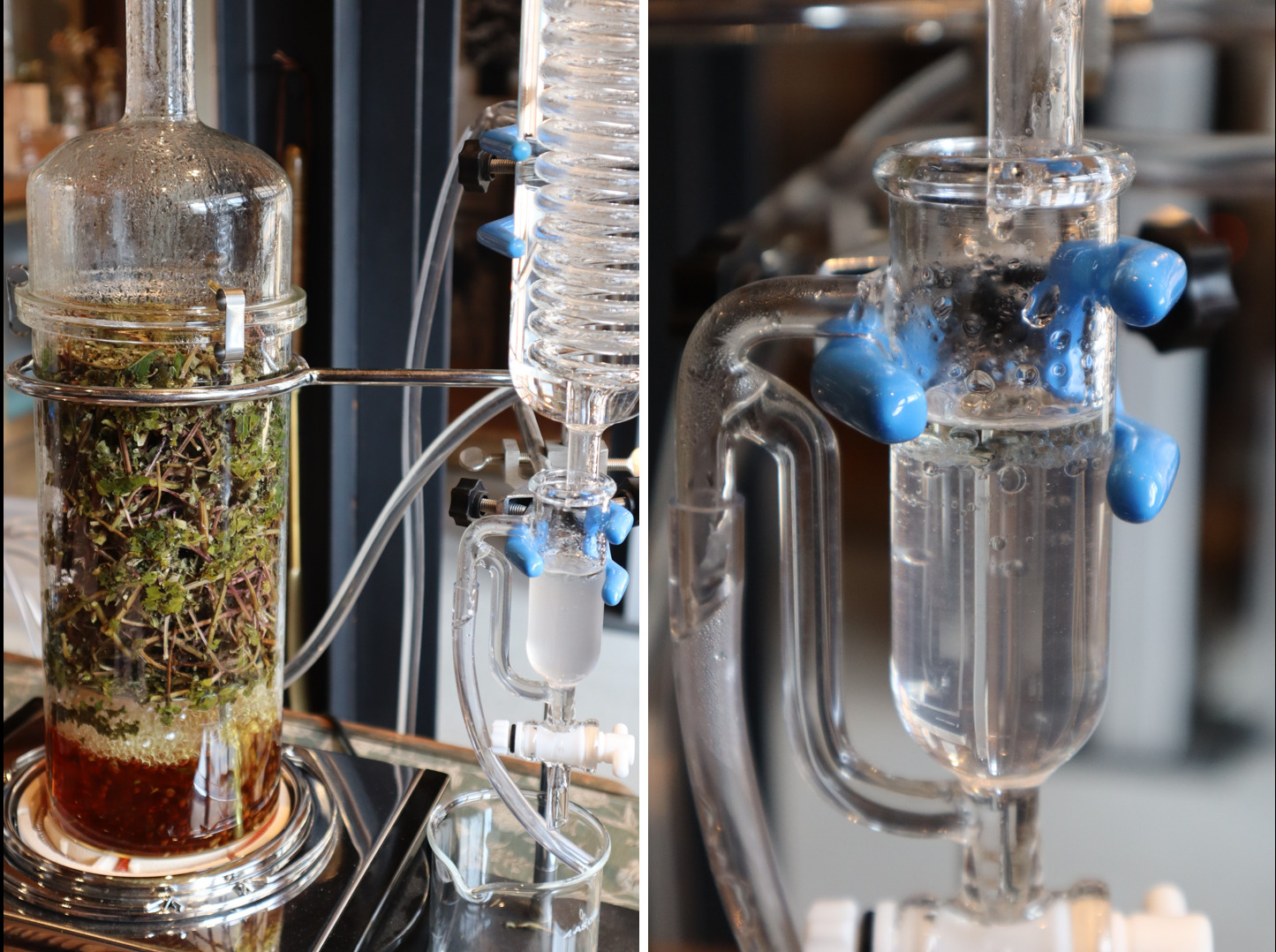
The boiling water in the flask during distillation takes on a dark, tea-like color, but the inside of the oil-water separator is clear and colorless.
The distilled water and a small amount of aroma (essential oil) extracted from the mint collect in two separate layers.
More precisely, it is aromatic hydrosol containing a small amount of aromatic compounds, with essential oil floating on top.
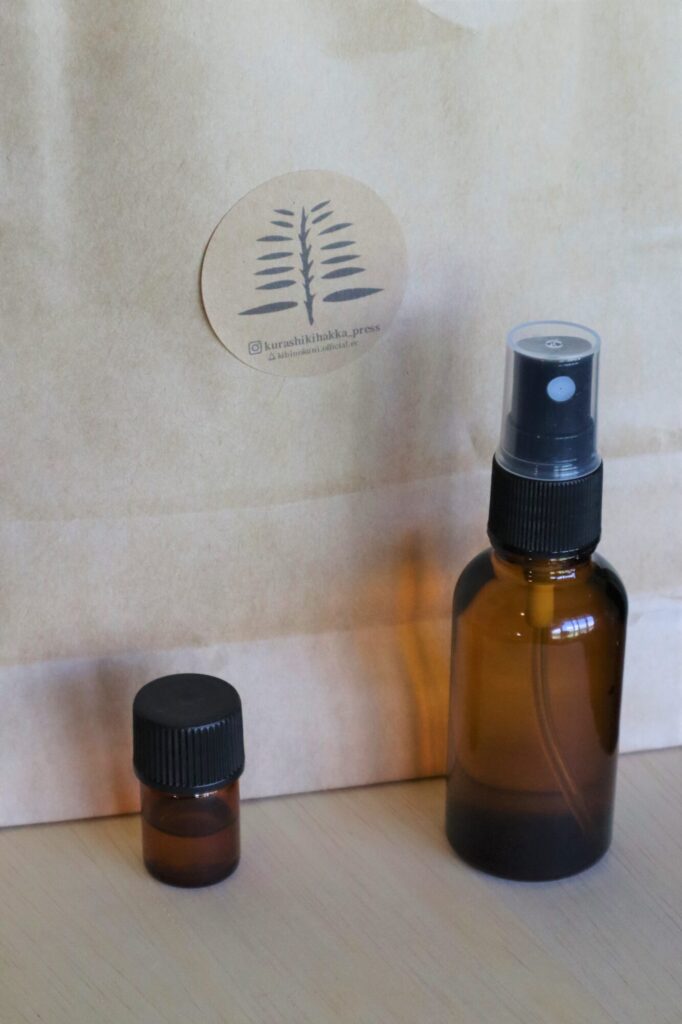
The aroma (essential oil) is carefully collected using a dropper.
We were able to make about 2 milliliters of Japanese mint oil.
The aromatic hydrosol is collected in a beaker below.
“Use the aromatic hydrosol, which fills the air with its fragrance, to scent a room, and add one or two drops of Japanese mint essential oil to your bath.”
That was the advice I was given.
Making an original roll-on
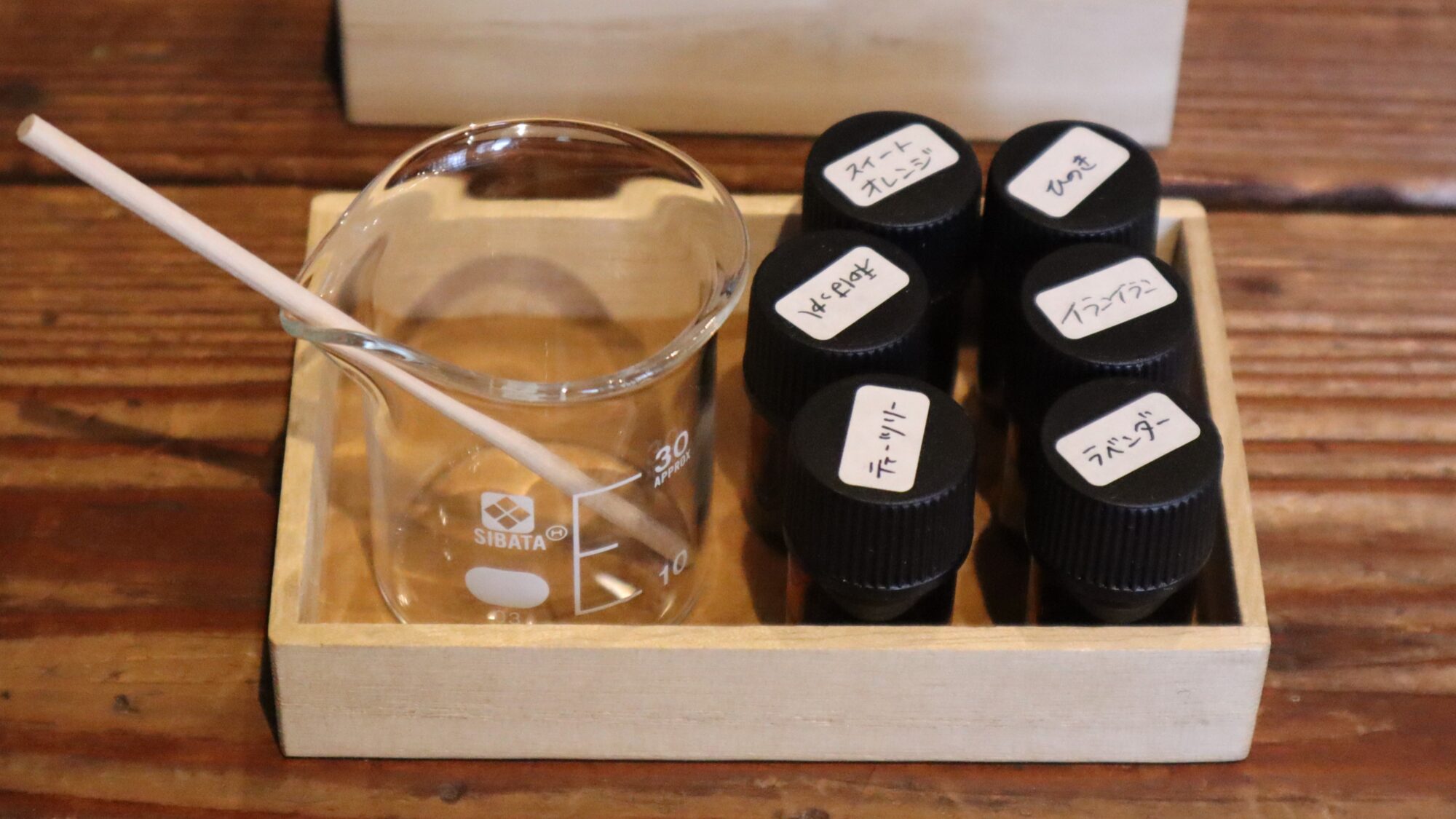
Next, it's time to make an original roll-on.
Starting with 7 milliliters of vegetable oil, called a carrier oil, add 10 drops (about 0.5 milliliters) of essential oil.
This time, I chose three of six essential oils, including Japanese mint (three highly volatile oils known as top notes, which are the first scents you notice; three middle notes; and one base note), and combined them in drops to make a total of 10.
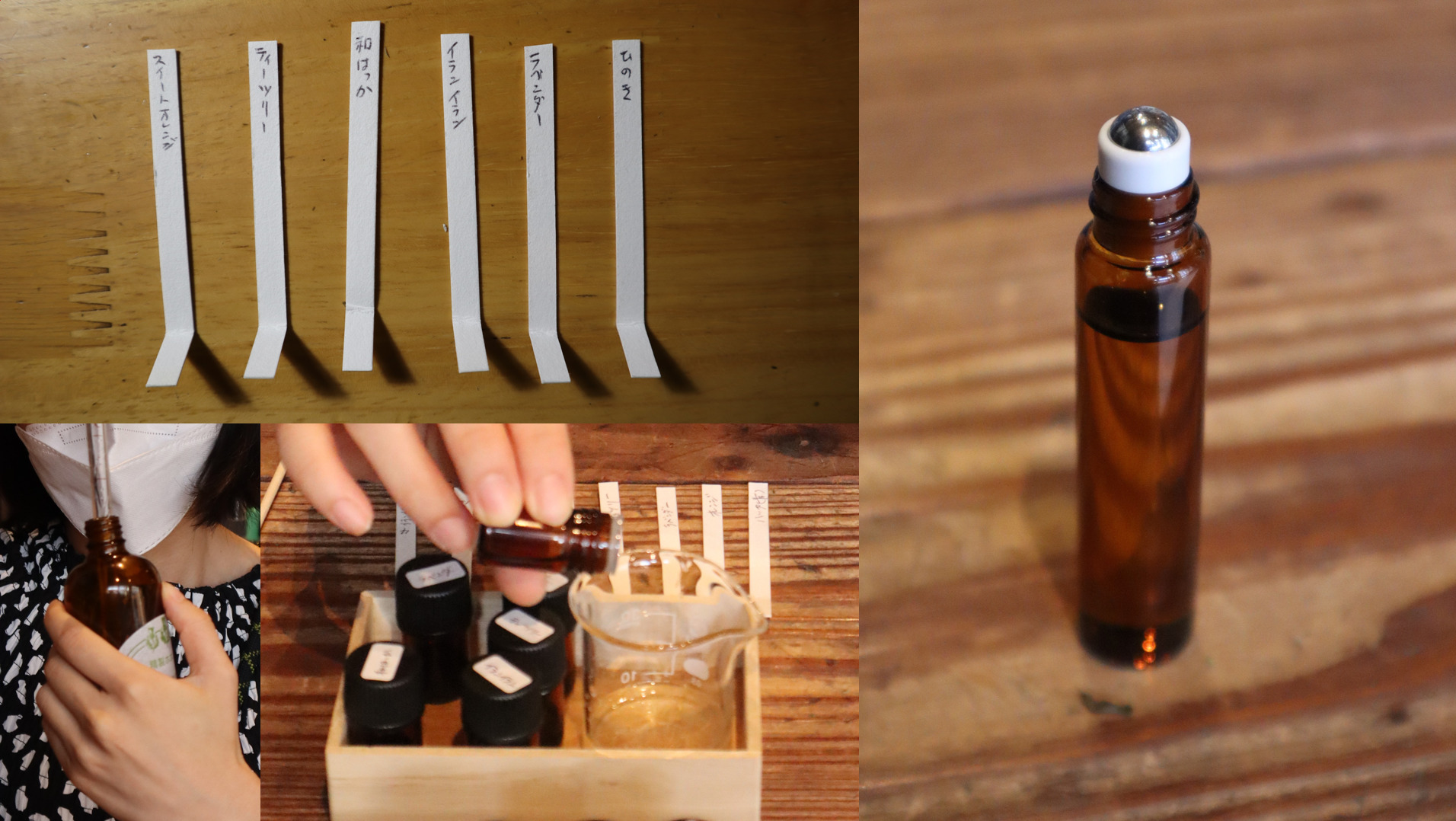
I tested each scent using a scent strip and searched for a fragrance that suited me.
Pour the carrier oil into a beaker, then carefully add the essential oils.
- Japanese mint (top note): 4 drops
- Ylang-ylang (middle note): 3 drops
- Hinoki cypress (base note): 3 drops
My original roll-on was complete.
From the Writer
Mint was once widely cultivated in Kurashiki and was one of the city's specialties, alongside cotton and igusa rush.
Through the efforts of Kurashiki Hakka Display House, people are working to revive it as a source of perfume and food additives.
- What's the difference between mint and Japanese mint?
- Is Japanese mint a medicine?
- Is it true that it was grown in Kurashiki?
If you're interested in Japanese mint, visit Kurashiki Hakka Display House, a small shop just west of the Bikan Historical Area.
Enjoy Kurashiki's culture while surrounded by a sweet fragrance.
Japanese Mint Distillation Experience 2022 Information
| Name | Japanese Mint Distillation Experience 2022 |
|---|---|
| Date | See the Kurashiki Hakka Display House Instagram for dates |
| Location | 2-10-11 Chuo, Kurashiki City, Okayama Prefecture |
| Participation fee (tax included) | ¥3,500 |
| Website | Kurashiki Hakka Display House Instagram |


What would you like to know about Kurashiki?
Enter a search term to find articles on this site




































