Takahashi River Shijuku aims to achieve the SDGs in the Takahashi River basin and is a school designed to create human resources that can play a central role in community activities.
From June 2021 to September 2021, Takahashi River Shijuku 2nd Term was held, with about 30 lectures planned by instructors active in the Takahashi River basin.
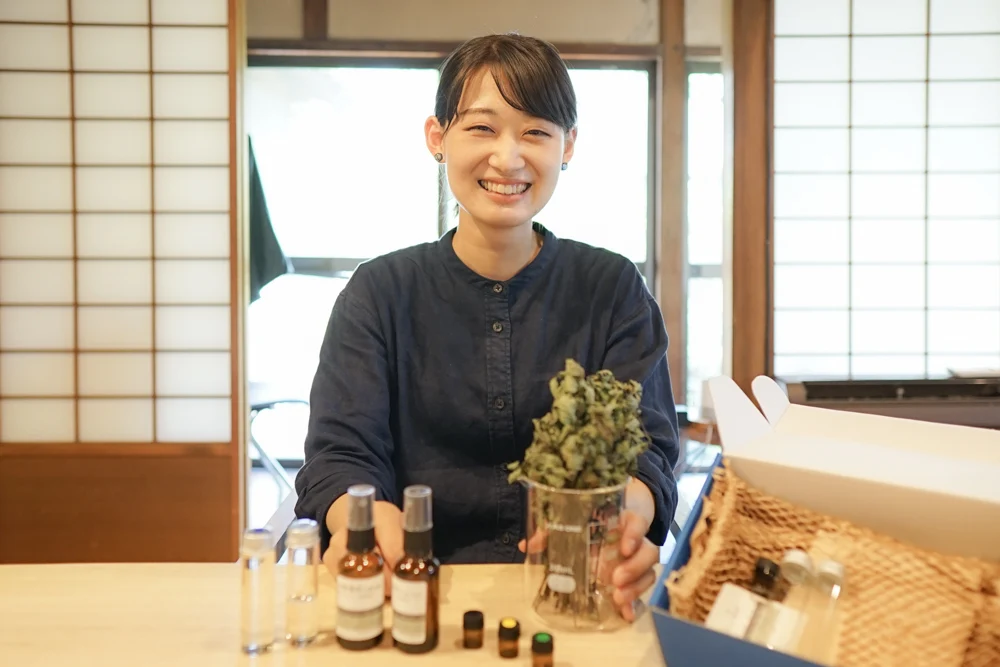
On July 31, 2021 (Saturday), a workshop on making aroma mist was held by Mako Iwasaki, a member of the Kurashiki City Community Revitalization Cooperation Team, who is developing products using mint cultivated in Kurashiki.
I participated in the workshop and enjoyed the scent of Kurashiki mint with the students, so I will introduce the content of the course.
Overview of Takahashi River Shijuku
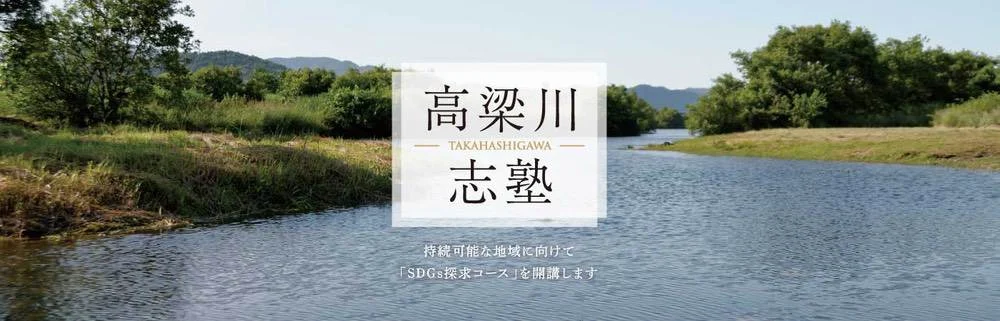
Takahashi River Shijuku is operated by the General Incorporated Association Takahashi River Basin School as a commissioned project by Kurashiki City, aiming to foster human resources that will support community development and sustainable regions through history, culture, industry, and fieldwork in the Takahashi River basin.
There are two types of courses available:
- “SDGs Exploration Course” which includes practical training and presentations
- “Auditor Course” where participants can attend optional lectures
The first term of Takahashi River Shijuku was held from November 2020 to February 2021, and the second term began in June 2021.
The opening ceremony was held on June 27, 2021 (Sunday), and about 30 lectures are scheduled until the completion ceremony on September 26, 2021 (Sunday).
The content of the lectures includes the following five categories.
| Category | Content |
|---|---|
| SDGs Vision Edition | Lectures where participants can hear about the 2030 vision and current initiatives in the Takahashi River basin from instructors actively engaged in activities |
| Liberal Arts Edition | Lectures to gain knowledge about history, culture, and industry in the Takahashi River basin |
| Skills Edition | Lectures to acquire necessary skills and know-how for carrying out activities in the community, such as presentations, utilization of IT tools, and use of blogs and social media |
| Local SDGs Mission Edition | Workshops to redefine the 17 goals of the SDGs as they relate to the Takahashi River basin and set objectives |
| Fieldwork | Experiential learning in community revitalization in the Takahashi River basin |
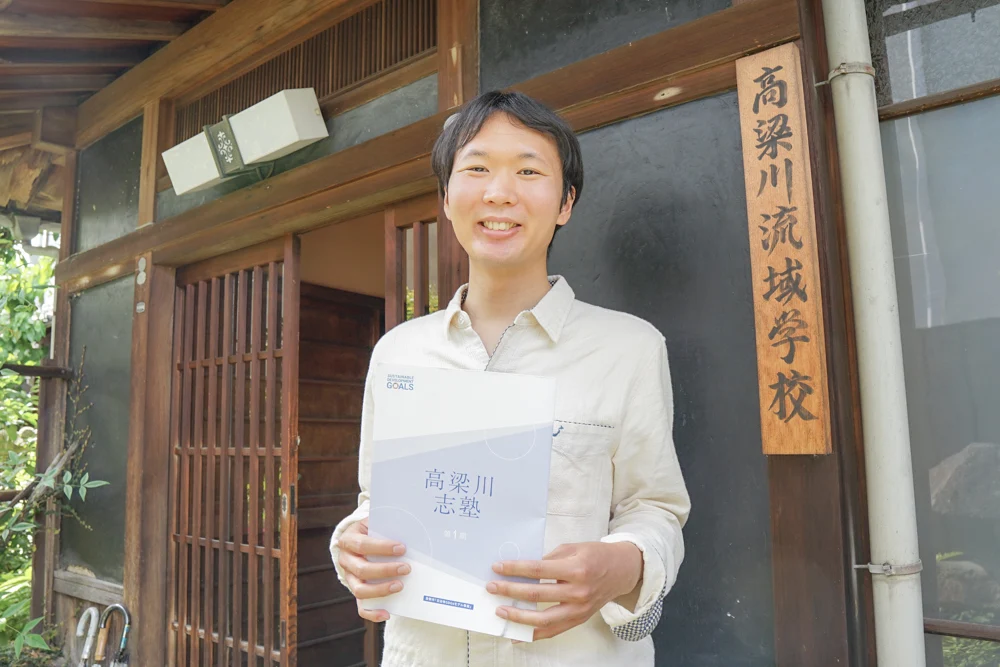
In the first term, there were three types: SDGs Vision Edition, Liberal Arts Edition, and Skills Edition, but from the second term, Local SDGs Mission Edition and Fieldwork have been newly added.
For those who want to know more details, let's check the special page for Takahashi River Shijuku.
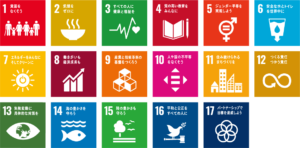
Introduction of Mako Iwasaki, Manager of Kurashiki Mint Display Center
Biography of Instructor Mako Iwasaki
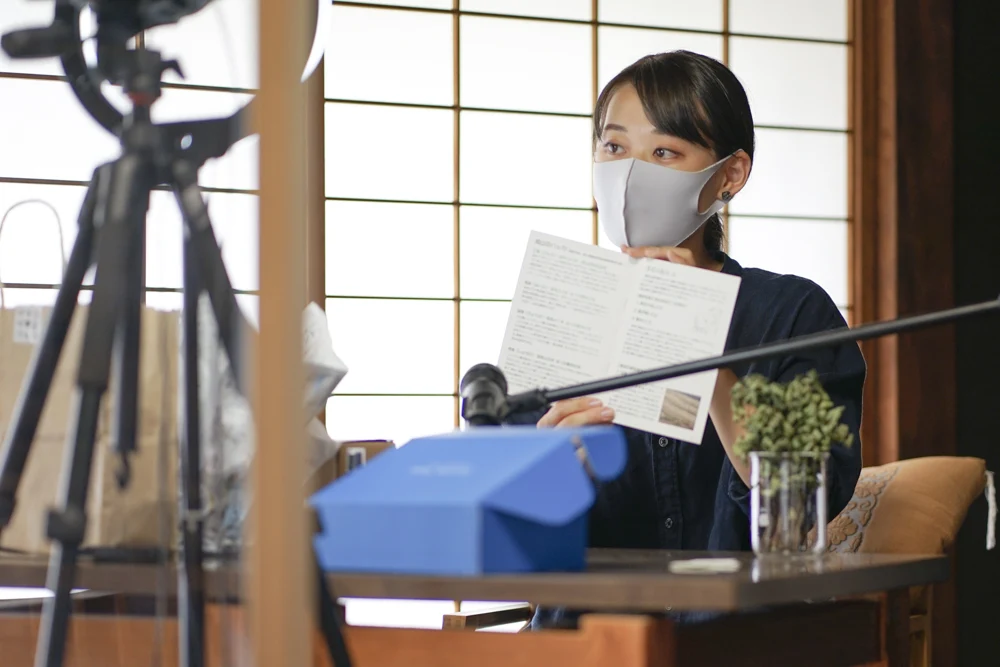
Instructor Iwasaki has been appointed as a member of the Kurashiki City Community Revitalization Cooperation Team since October 2020 and is developing products using mint cultivated in Okayama as the manager of the Kurashiki Mint Display Center.
During her student years, Iwasaki studied the coexistence of environmental protection and economic development at a university in Sweden, and she has a desire to engage in the development of environmentally friendly products.
She decided to implement a business model that contributes to environmental conservation in Japan and became interested in a project that develops mint, which was once a local specialty, using naturally derived methods.
Iwasaki is also a graduate of the first term of Takahashi River Shijuku and will be responsible for a lecture on the initiatives of the Kurashiki Mint Display Center in the second term.
What is Kurashiki Mint Display Center?
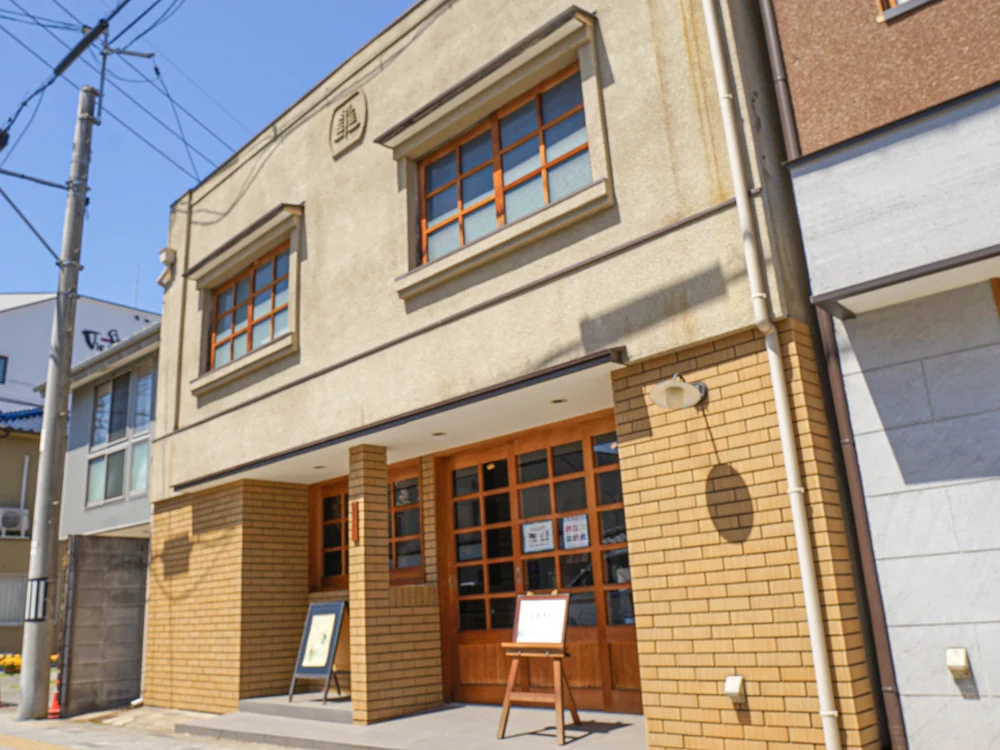
Kurashiki Mint Display Center is a sales location for products utilizing mint grown in Kurashiki.
It is operated by Kibi no Kuni Future Project LLC, which is engaged in community development using local resources and specialties of Kurashiki.
It is located about 100 meters west of Kurashiki City Art Museum in a retro building built during the Taisho era.
Products handled at the Kurashiki Mint Display Center include essential oils extracted from mint cultivated in Kurashiki and air fresheners that will be made in this workshop.
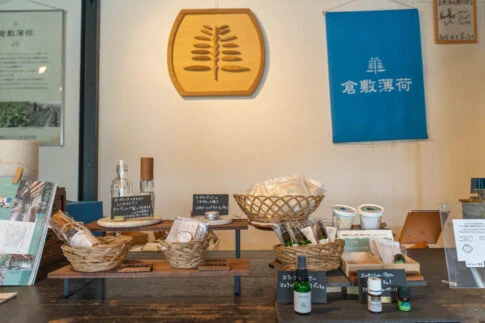
Let's make Kurashiki mint aroma mist!
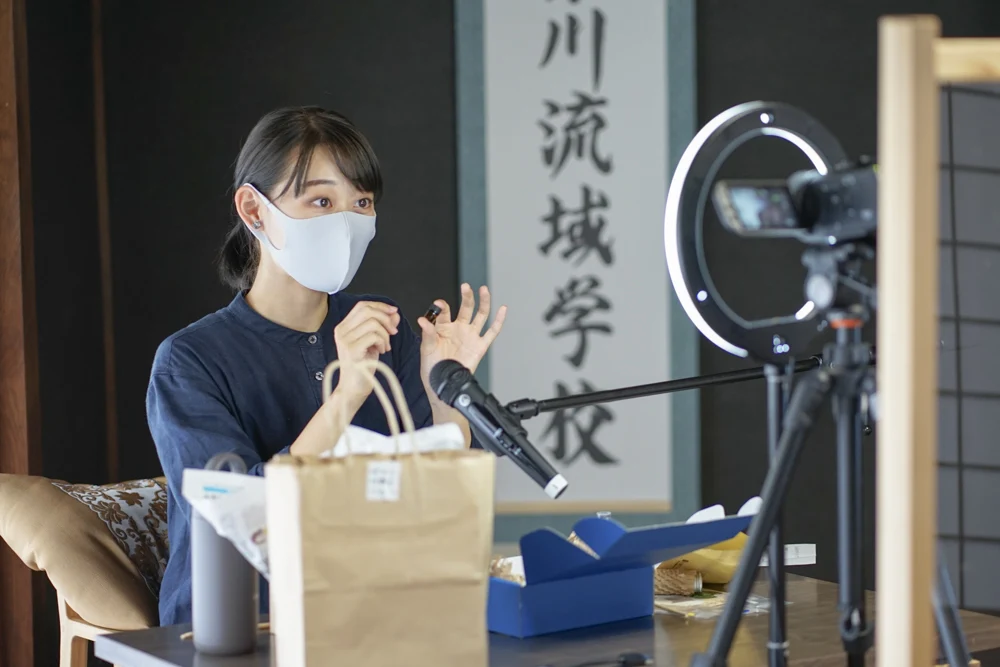
We will challenge making aroma mist using essential oils extracted from mint grown in Kurashiki.
▼ Here are the materials used in the workshop.
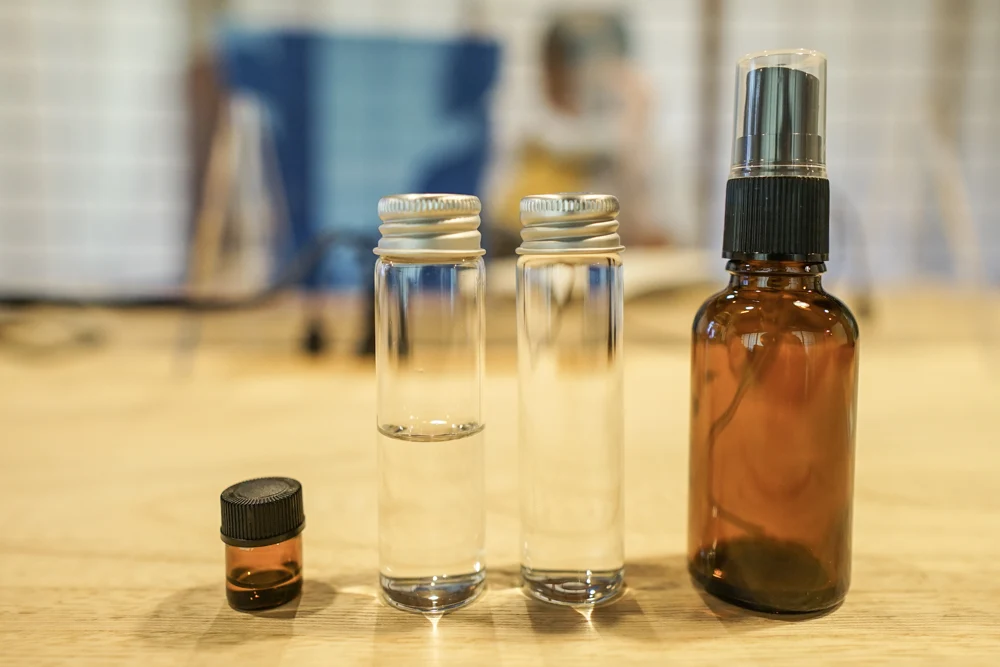
From the left, 0.75 milliliters of essential oil, 10 milliliters of anhydrous ethanol, 20 milliliters of purified water, and a light-blocking bottle with a spray nozzle.
All the materials were prepared in advance by Iwasaki.
The essential oil may seem like a very small amount, but when you open the lid and bring your nose close, you can smell the characteristic refreshing scent of mint.
▼ First, pour the purified water into the light-blocking bottle.

Since the opening of the light-blocking bottle is narrow, it was difficult to pour the liquid, so I dripped the purified water from a chopstick into the light-blocking bottle.
I adjusted the amount flowing out by the angle at which I tilted the bottle with the purified water inside.
If tilted too much, it would overflow, so it was necessary to pour at a precise angle.
After adding the purified water, I poured the anhydrous ethanol in the same manner.
Then, I closed the lid of the light-blocking bottle and shook it to mix the purified water and anhydrous ethanol.
▼ Next, add the essential oil to the light-blocking bottle.
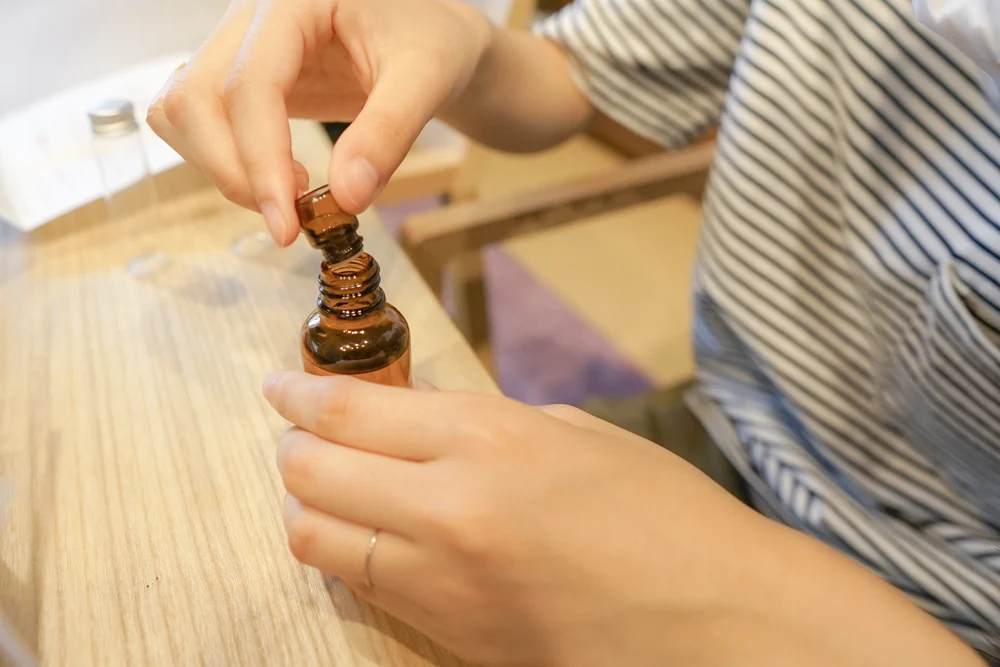
The opening of the small bottle containing the essential oil is quite small, so the essential oil does not come out easily.
So, I tapped the opening of the small bottle with the tube of the spray nozzle to let the essential oil drip out.
▼ This is how I dripped the essential oil using the tube of the spray nozzle.
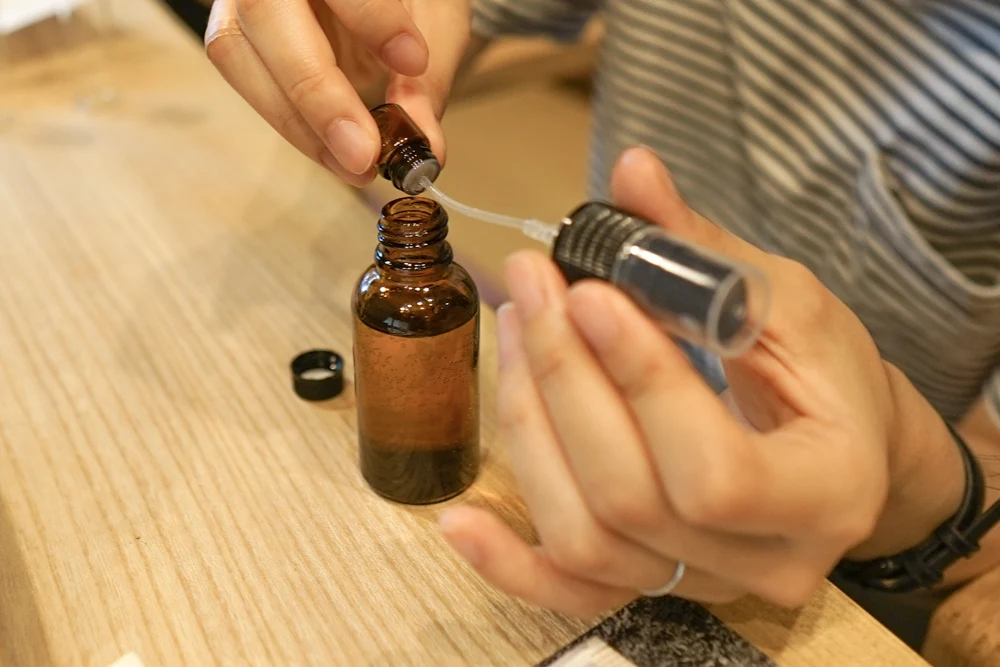
After adding the essential oil, I shook the light-blocking bottle well to mix everything.
▼ This is what it looks like after mixing the essential oil.
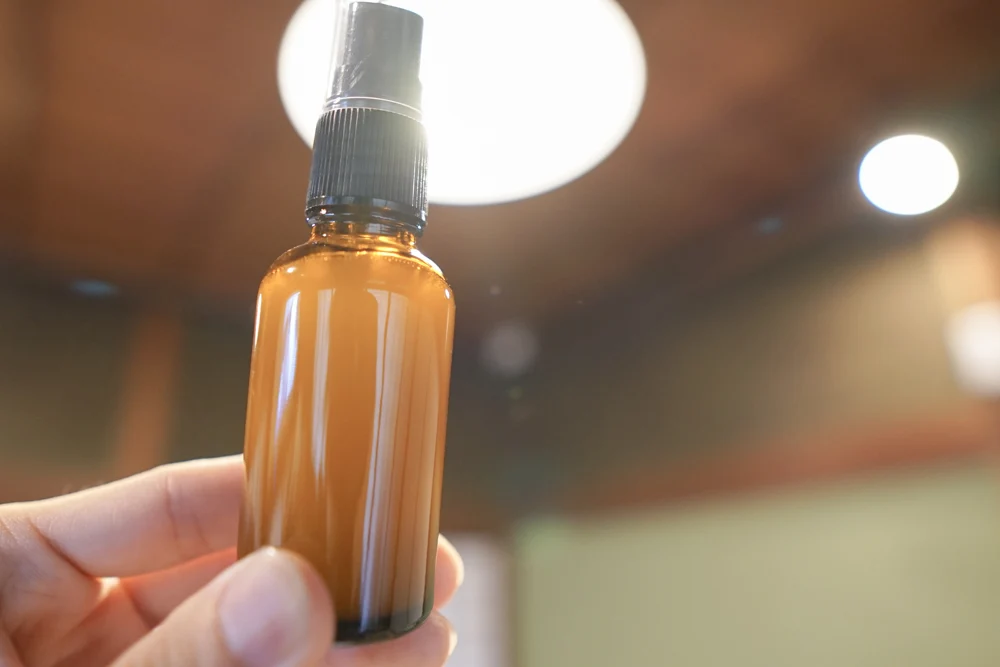
Surprisingly, the aroma mist I created became cloudy white.
It seems that if you add the essential oil before the purified water and anhydrous ethanol are well mixed, it will turn cloudy white.
▼ This is what the aroma mist made by other participants looks like.
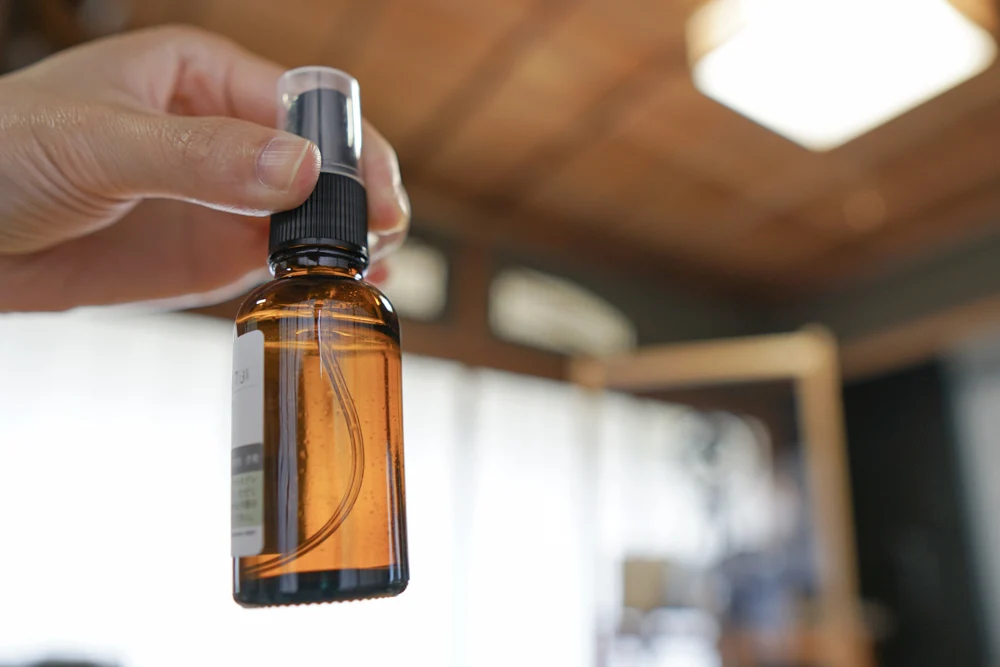
If you mix the purified water and anhydrous ethanol well before adding the essential oil, it will become clear.
By the way, it seems that there is no difference in scent whether it is clear or cloudy white.
I was told to shake the aroma mist well before using it.
▼ Finally, I put a label on it and it was completed.
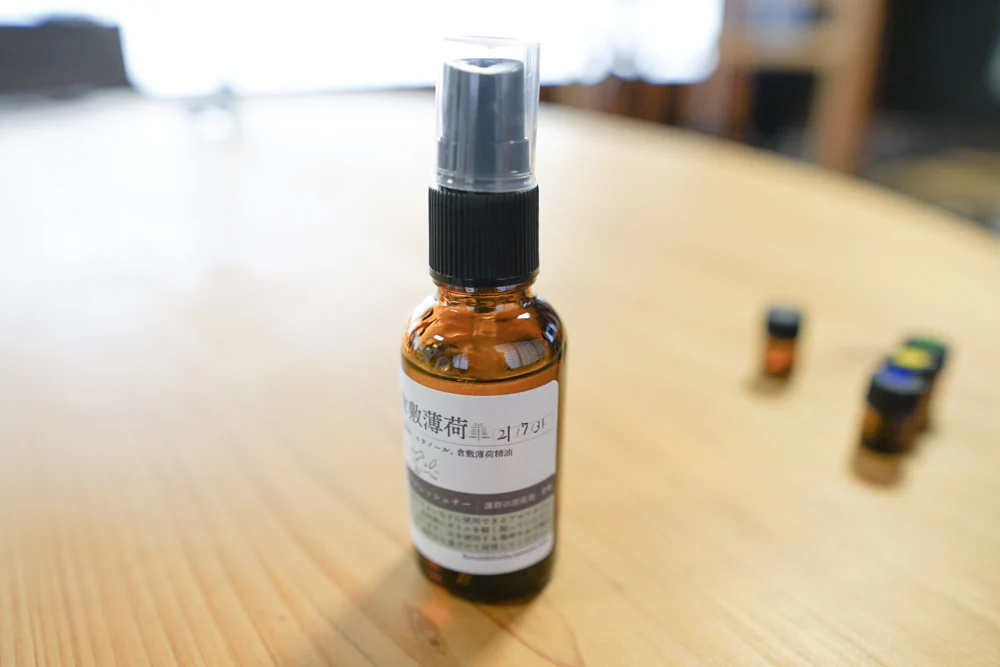
The handmade aroma mist has been completed.
This time, as part of the Takahashi River Study Group's lecture, we held a workshop on making aroma mist, and you can also experience making aroma mist at the Kurashiki Peppermint Display Center.
For elementary school students and younger, it costs 2,100 yen (including tax), and for middle school students and older, it costs 2,600 yen (including tax), and you can apply from the website.
It seems you can enjoy blending not only peppermint but also other essential oils.
Observation of Peppermint Distillation
After the lecture, we were able to observe the distillation process, so we visited the Kurashiki Peppermint Display Center.
Inside the store, there are glass instruments used for chemical experiments lined up.
▼ This is the apparatus for distillation.
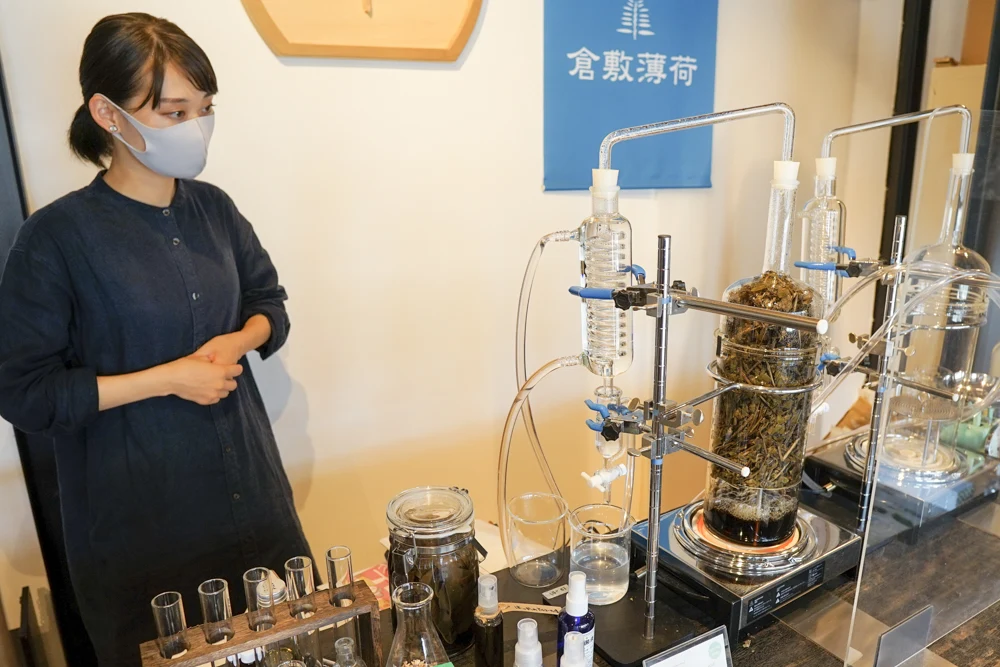
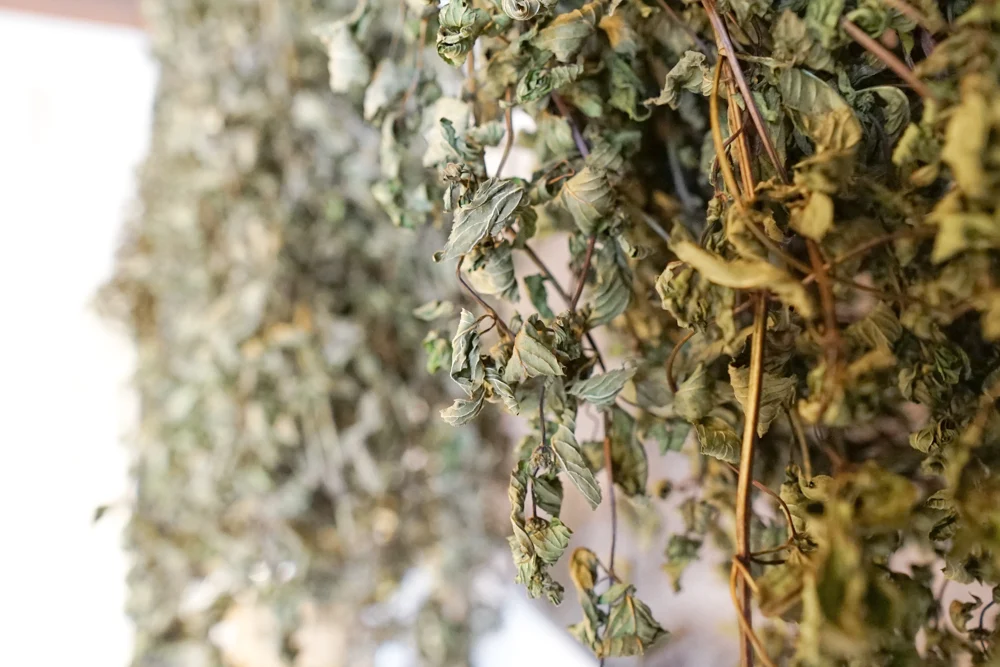
In the upper part of the cylindrical glass container, dried and finely chopped peppermint is placed, and water is added to the lower part.
The partition between the upper and lower parts is mesh.
Steam heated by a heater is blown into the upper part.
▼ This is what it looks like during heating.
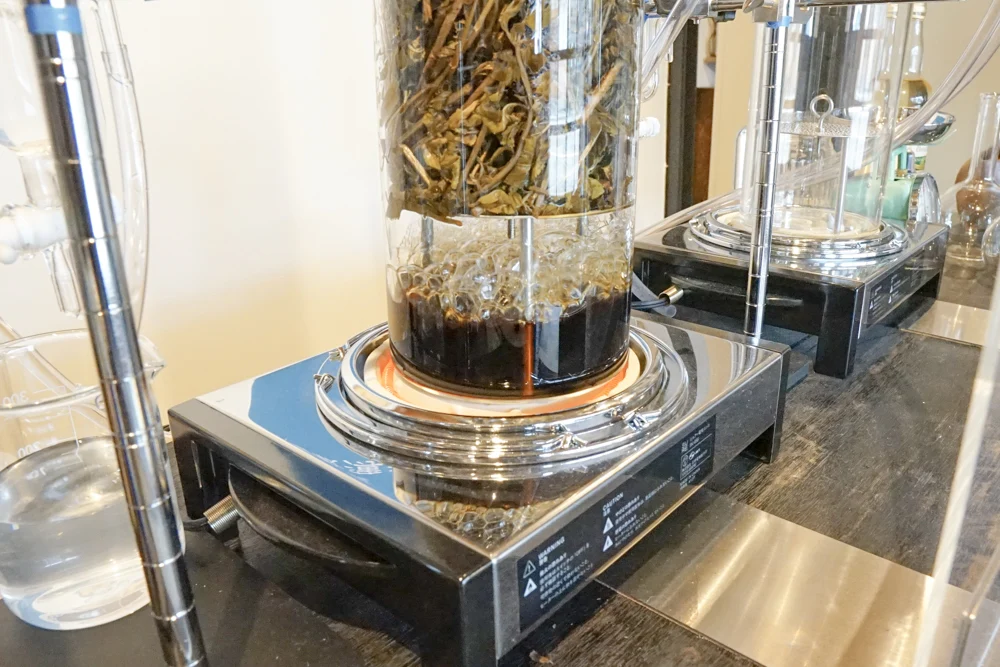
The black substance is said to be the components extracted from the peppermint.
The components from the heated peppermint become gas due to the steam.
Through the glass tube connected to the upper part, it moves to a spiral-shaped glass tube.
The gasified water and peppermint components are cooled and transformed into liquid in the spiral glass tube.
▼ This is the appearance of the cooled liquid solution and essential oil.
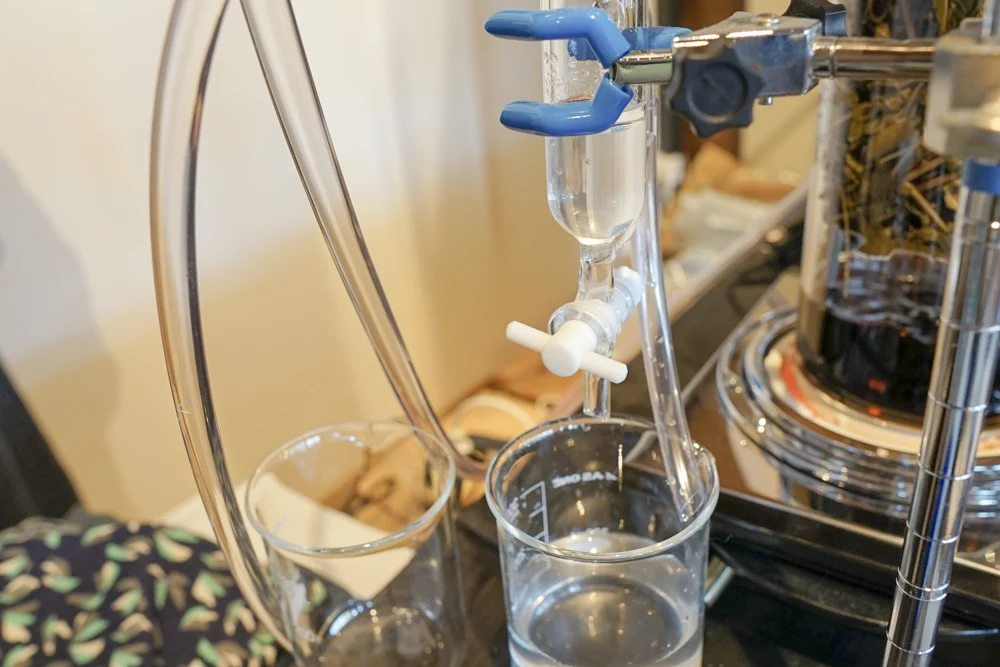
▼ This shows the separation of the water solution with dissolved peppermint components and essential oil.
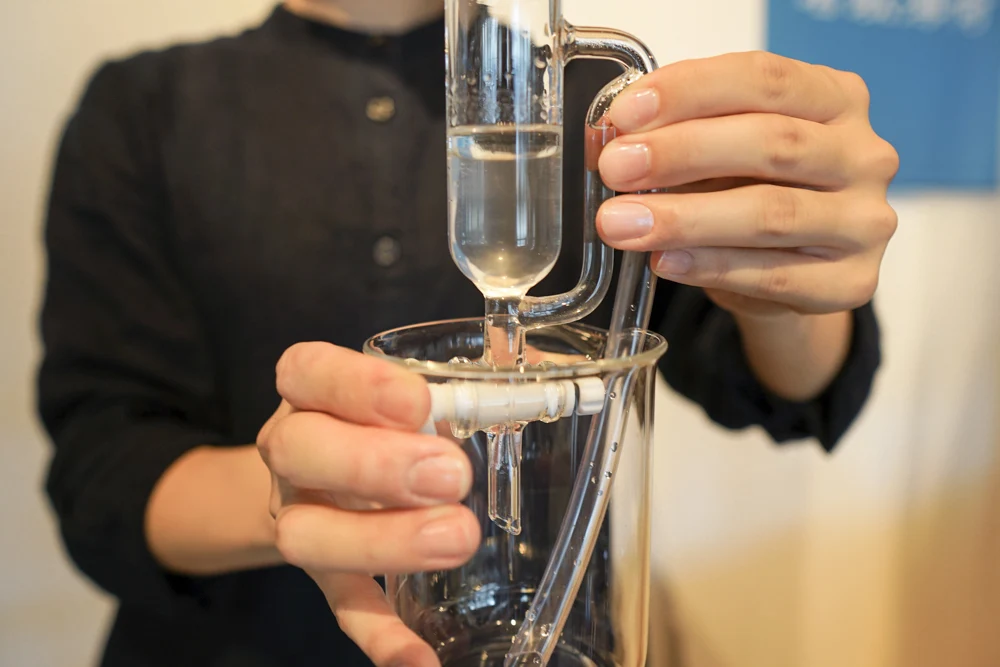
The liquid in the upper part is the essential oil.
I was surprised to learn that although a large amount of peppermint was packed into the distillation apparatus, only a very small amount of essential oil could be extracted.
By the way, it seems that 20 milliliters of essential oil can be obtained from 1 kilogram of peppermint.
After the Aroma Mist Making Workshop
In my subjective opinion, I had a cute impression of the name "aroma mist," so I assumed it would be a simple workshop.
However, when I actually participated, it was completely different from what I had expected, and it felt like a science experiment.
Because I wasn't paying close attention to the instructor's talk, I ended up making a cloudy white liquid, which reminded me nostalgically of school lessons.
Observing the distillation process was also since the time I did an experiment to separate water and ethanol in middle school science class.
The process of understanding the roles of the components of the complexly constructed distillation apparatus was a fun time that tickled my curiosity.
The day I challenged myself to make aroma mist was a day of intense summer heat, making it feel like a workshop that I was working on for summer vacation research.
Takahashi River Study Group 2nd Term Data
| Name | Takahashi River Study Group 2nd Term |
|---|---|
| Dates | Duration of the Takahashi River Study Group 2nd Term: June 27, 2021 - September 26, 2021 |
| Location | Coworking Space "Sumiyoshi-cho no Ie Bunpuku" |
| Participation Fee (including tax) | For details, please check the Takahashi River Study Group website. 1. SDGs Exploration Course Participants General: 12,000 yen, Students: 8,000 yen (Participation in all programs on the day and archive viewing available) *Uniform fee regardless of whether attending in person or online 2. Auditors (attending only lectures) In-person attendance: 1,500 yen per session (limited number of participants) Online/Archive attendance: 500 yen per session *We plan to provide a page that can only be viewed by participants later. *Depending on the course, additional actual costs may be charged. *Some courses may be available for free public viewing. |
| Website | Takahashi River Study Group | Takahashi River Basin School |