Looking back through history, it seems that many people in Japan today enjoy a more convenient and comfortable life than ever before.
However, as rapid economic growth and industrialization progressed, only economic competition and convenience were pursued, while values that cannot be measured in money or convenience, such as local culture and climate, were left behind.
It is also said that our comfortable daily lives cannot continue forever, as they have led not only to the loss of culture and local character, but also to widening economic disparities and environmental changes on a global scale.
To achieve a sustainable society, the United Nations proposed the SDGs (Sustainable Development Goals), a set of 17 development goals.
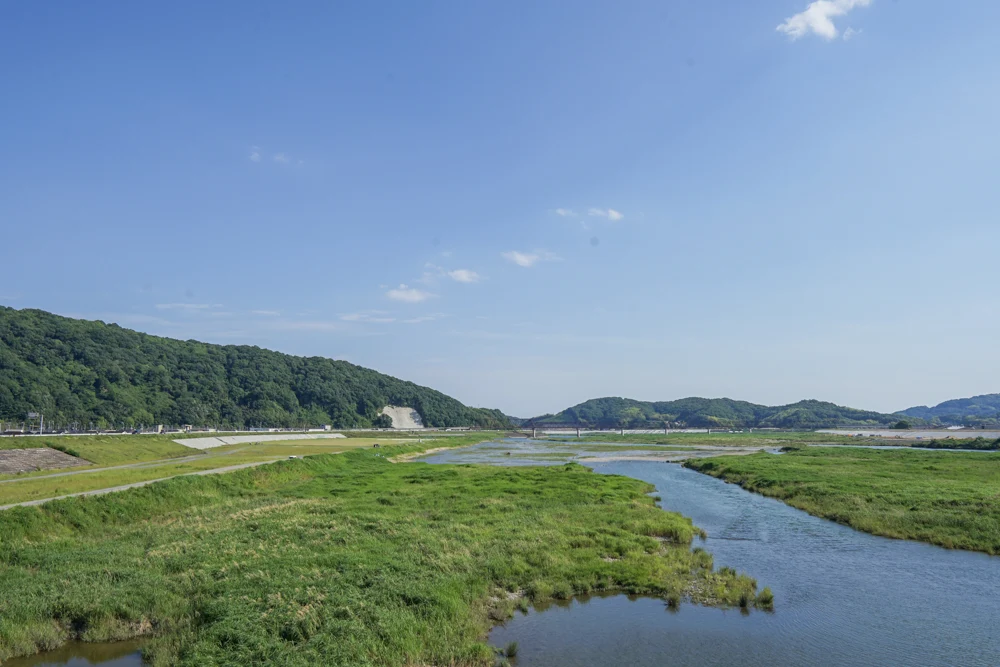
Takahashi River Shijuku is a place of learning that reconsiders the SDGs proposed on a global scale from the perspective of the Takahashi River Basin community and helps people rediscover the basin’s culture and local character, which are gradually being forgotten.
The first term of Takahashi River Shijuku opened in November 2020 and ran through February 2021. After the second through fourth terms, the fifth term of Takahashi River Shijuku begins in November 2022.
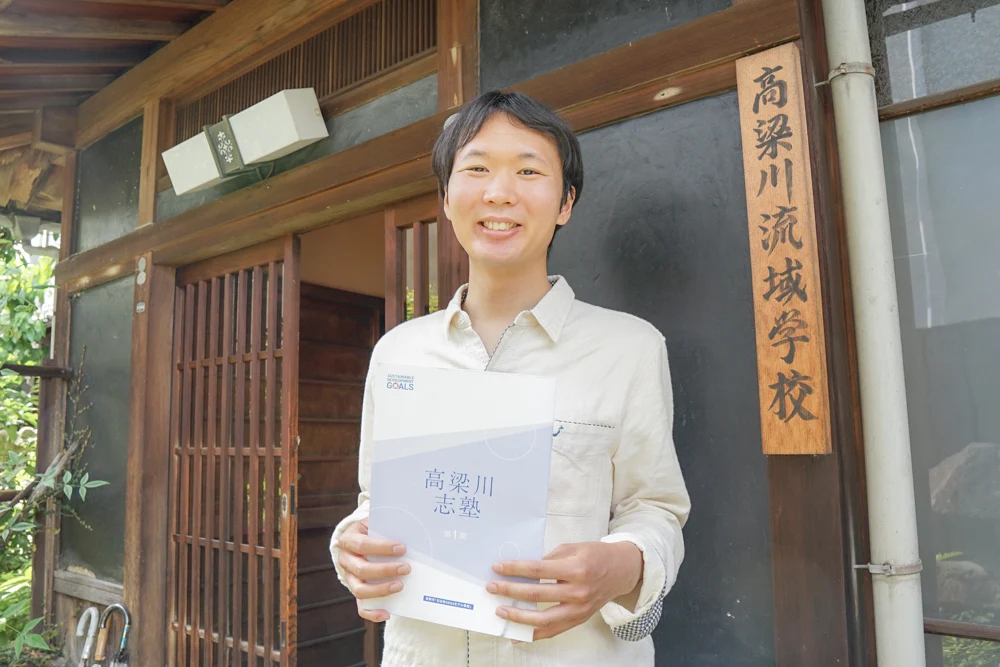
As the fifth term gets underway, we spoke with office staff member Yamamoto Masanori, who has supported graduates’ learning since the first term, and Kajitani Masashi, a graduate of the first term.
Along with introducing the fifth term’s program, we also share Yamamoto and Kajitani’s thoughts about Takahashi River Shijuku.
The information presented was current when this article was published in October 2022. Please note that it may differ from current information.
The Fifth Term of Takahashi River Shijuku Begins
About the Fifth Term of Takahashi River Shijuku
Overview of the Fifth Term of Takahashi River Shijuku
The fifth term of Takahashi River Shijuku is set to begin.
The fifth-term students’ learning will begin at the opening ceremony on November 6, 2022, with around 20 lectures scheduled through February 19, 2023.
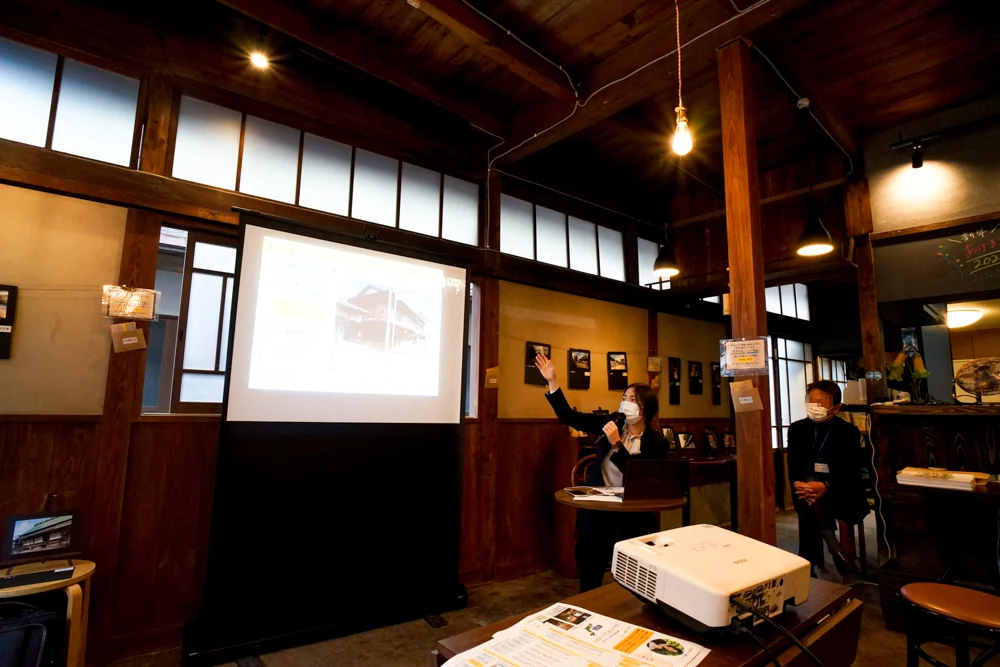
The program includes lectures on history and culture by business owners and entrepreneurs active in the Takahashi River Basin, as well as lectures to develop skills for promoting local activities, such as giving presentations and using IT tools.
It also includes plans for hands-on training, such as fieldwork in Tamashima, Kurashiki City, and Hayashima Town.
Participants will not only learn, but also take the initiative to report on their individual activities and achievements through practical exercises and reports.
At the graduation ceremony on February 19, 2023, participants are scheduled to present the results of their individual activities.
Lectures
The lectures held at Takahashi River Shijuku are divided into the following five categories.
| SDGs Vision | Sessions where participants hear from instructors actively working in the field about the Takahashi River Basin’s vision for 2030 and current initiatives |
|---|---|
| General Education | Sessions to gain knowledge about the history, culture, industries, and other aspects of the Takahashi River Basin |
| Skills | Sessions to acquire the skills and know-how needed to carry out local activities, including presentations, effective use of IT tools, and use of blogs and social media |
| Local SDGs Mission | A workshop to reconsider the 17 SDG goals from the perspective of the Takahashi River Basin and set targets |
| Fieldwork | Experiential learning about community revitalization in the Takahashi River Basin |
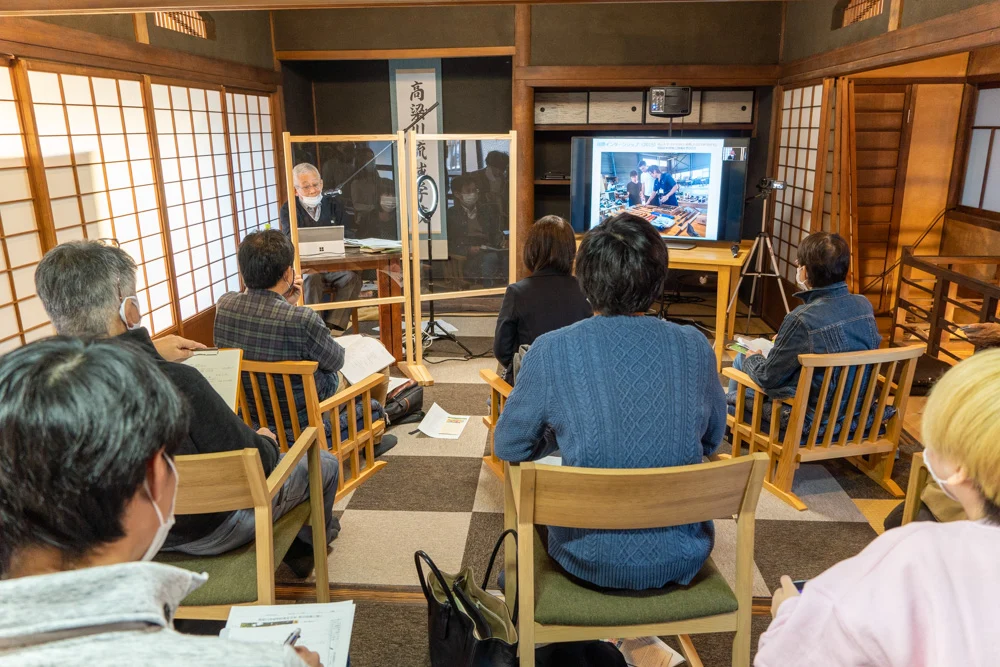
Each lecture session lasts 2 hours and 10 minutes.
Each session consists of a one-hour lecture, a 10-minute break, and then one hour of questions and answers or a workshop.
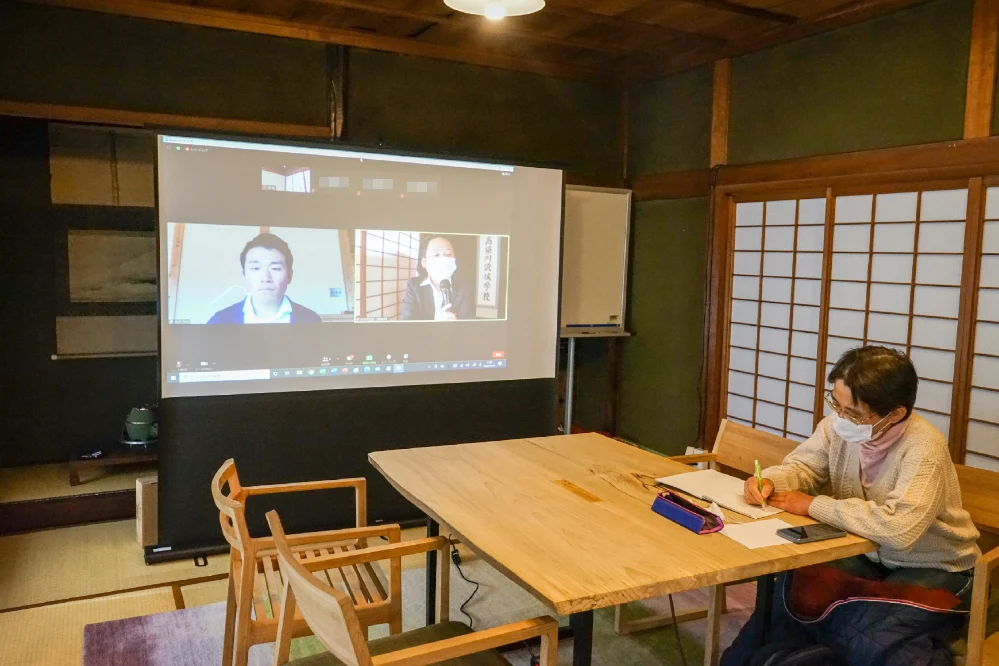
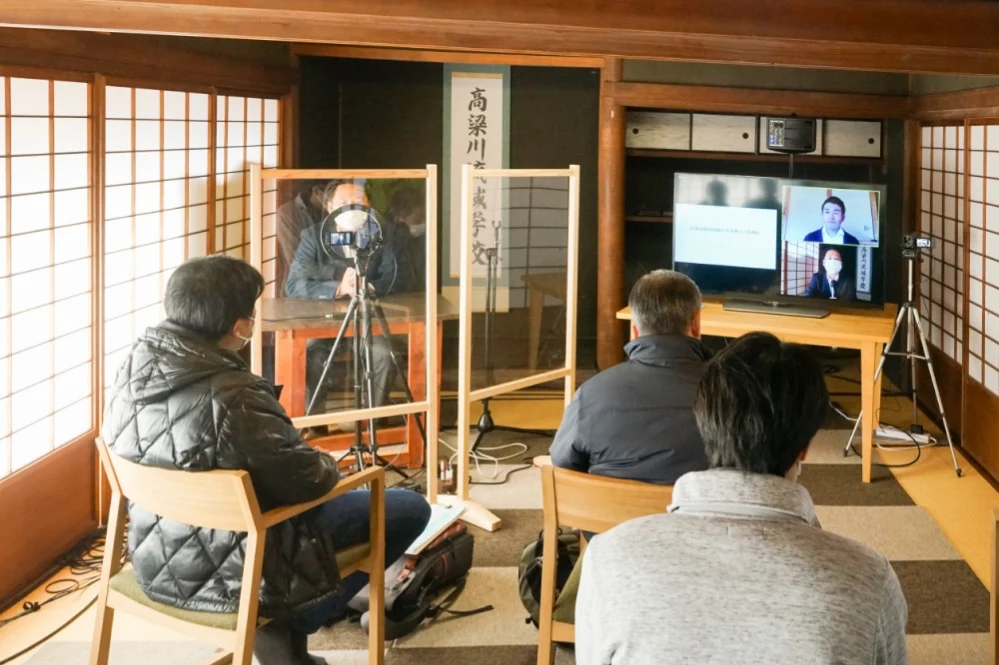
Courses are available online as well as in person.
In addition, video recordings are available for most lectures, so participants can watch them and complete the course after the lecture.
This means that even those unable to attend because of school or work can study later.
Instructors
Information about the instructors is posted on the official Takahashi River Shijuku website.
The fifth term’s features are as follows.
- Participants will hear from Masaki Inoue of “Mizushima Kodomo Shokudo Misora & Haru House” about addressing child poverty and creating places where children can feel at home.
- Under the title “Beautiful Things in Everyday Life,” participants will hear about the origins of the Kurashiki Museum of Folkcraft and folkcraft itself from Akane Ohara of the Ohara Museum of Art, and from a curator.
- In Satosho Town, participants will hear about physicist Dr. Yoshio Nishina, as well as from Ryo Ogino of Agri KL Co., Ltd. about the history and current state of makomotake (Manchurian wild rice shoots), which boasts the largest market share in Japan.
- During fieldwork in Hayashima Town, participants will hear from Wakana Yoshikawa of Kikkawa Co., Ltd. about how public facilities should be managed and how they can engage with the local community. They will also hear from Atsushi Nakano of Nuka Co., Ltd. about the ideas that are important at “Nuka Tsukuru Toko.”
- The program also offers a range of skills courses useful for applying for grants, including “logic models,” “stakeholders,” and “presentations.”
How to Take Courses in the Fifth Term of Takahashi River Shijuku
Takahashi River Basin School is accepting applications for students in the fifth term of Takahashi River Shijuku.
The application deadline is Saturday, November 5, 2022.
If you are considering taking a course, check the official Takahashi River Shijuku website for more detailed information.
What Is Takahashi River Shijuku?
Overview of Takahashi River Shijuku
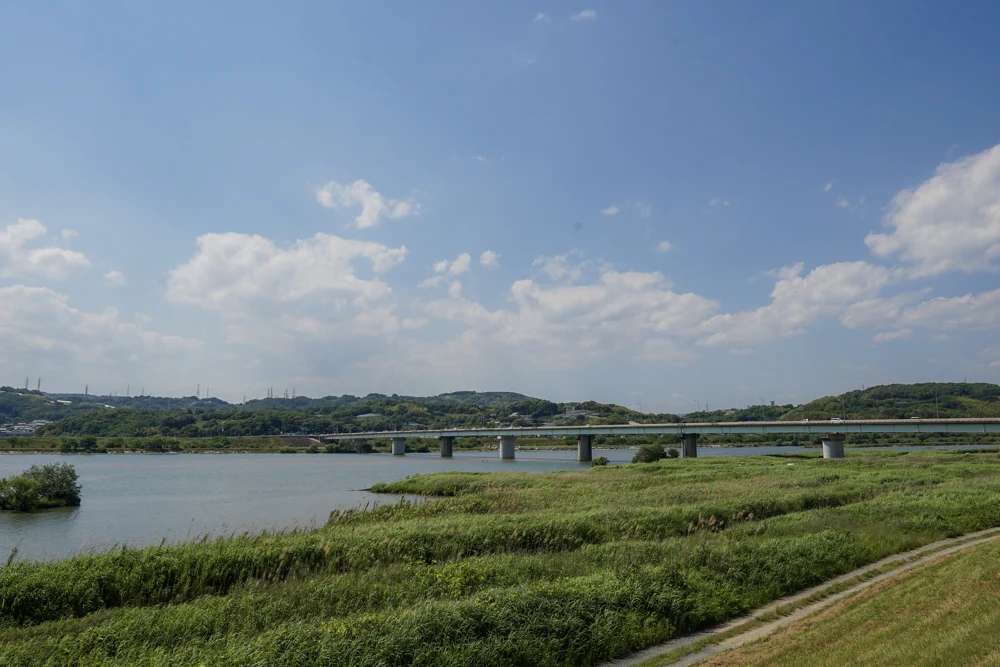
Takahashi River Shijuku is a program that aims to achieve the SDGs in the Takahashi River Basin and develop people who can play a central role in local activities.
To consider the SDGs in the Takahashi River Basin, participants learn about the basin’s culture and local character, and acquire skills such as giving presentations and using IT tools to put local activities into practice.
It is a program that develops people with the knowledge to consider the SDGs in the Takahashi River Basin and the ability to put that knowledge into practice.
Background to the Launch of Takahashi River Shijuku
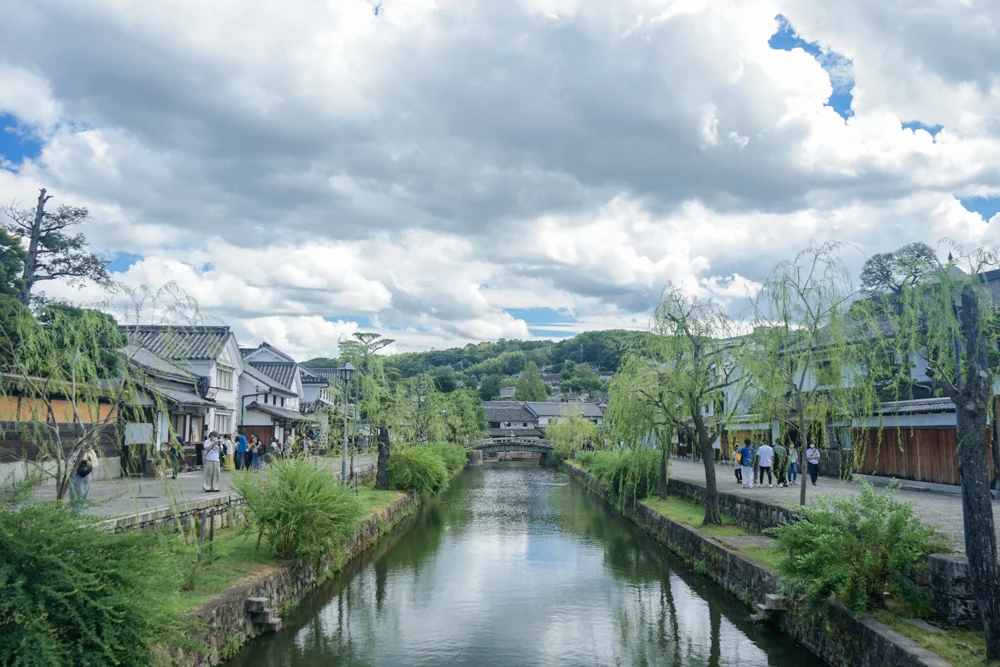
In 2020, Kurashiki City was selected by the national government (Cabinet Office) as an SDGs Future City and an SDGs Model Project for Local Governments, in recognition of its outstanding SDGs initiatives.
Takahashi River Shijuku is one of the “SDGs Model Projects for Local Governments.” It is operated as a commissioned project by the general incorporated association Takahashi River Basin School, commissioned by Kurashiki City.
Takahashi River Shijuku is expected to develop people who can take on new projects to help realize a sustainable society in the Takahashi River Basin.
What Is Takahashi River Basin School?
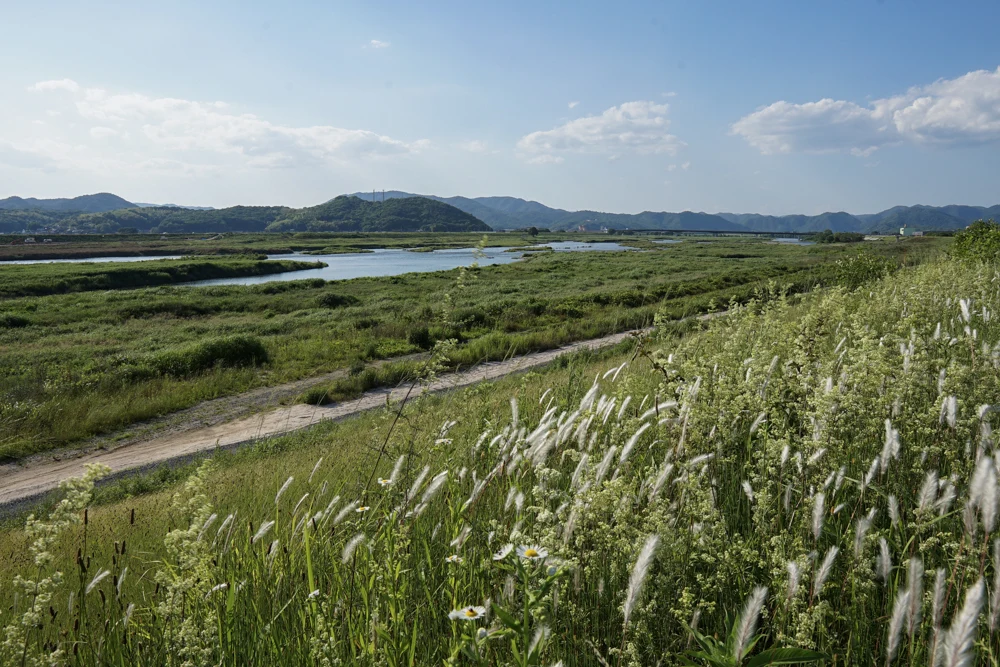
Takahashi River Basin School is an organization that uses the Takahashi River Basin’s nature, culture, and industries as learning materials, and works to pass the region’s culture and local character on to the next generation.
Established in 2015, it has organized programs such as “Bicchu Shijuku,” where participants learn about the history of the Takahashi River Basin, and “Bicchu Oral Histories,” where high school and university students listen to older residents’ stories.
More details about its activities are covered in the article below. If you’re interested, take a look.
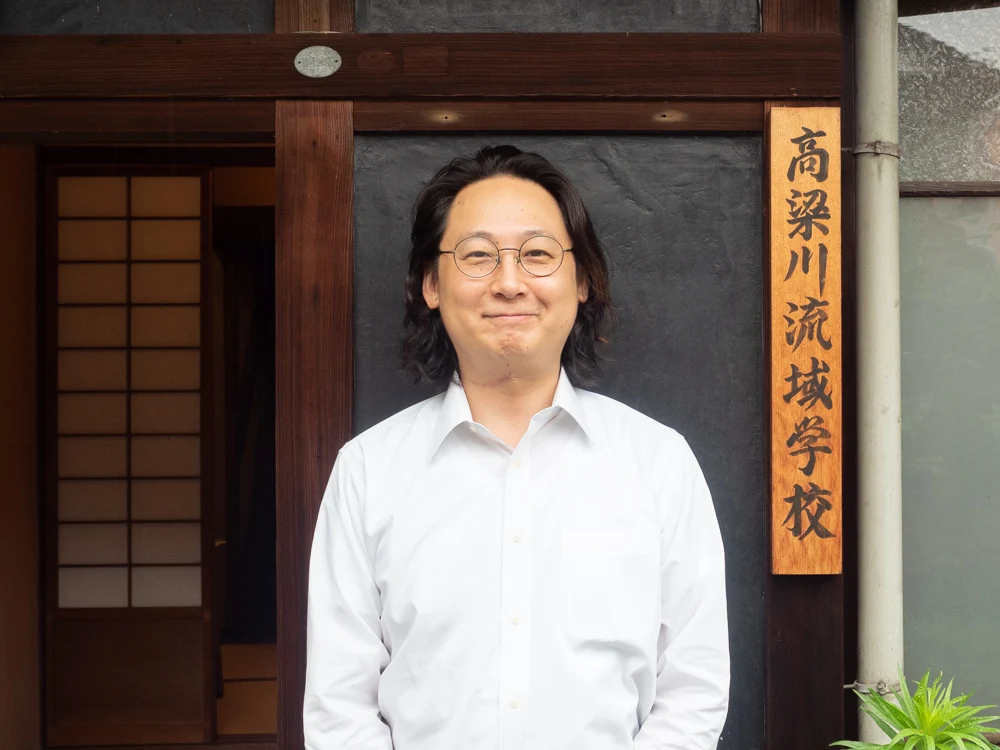
History of Takahashi River Shijuku
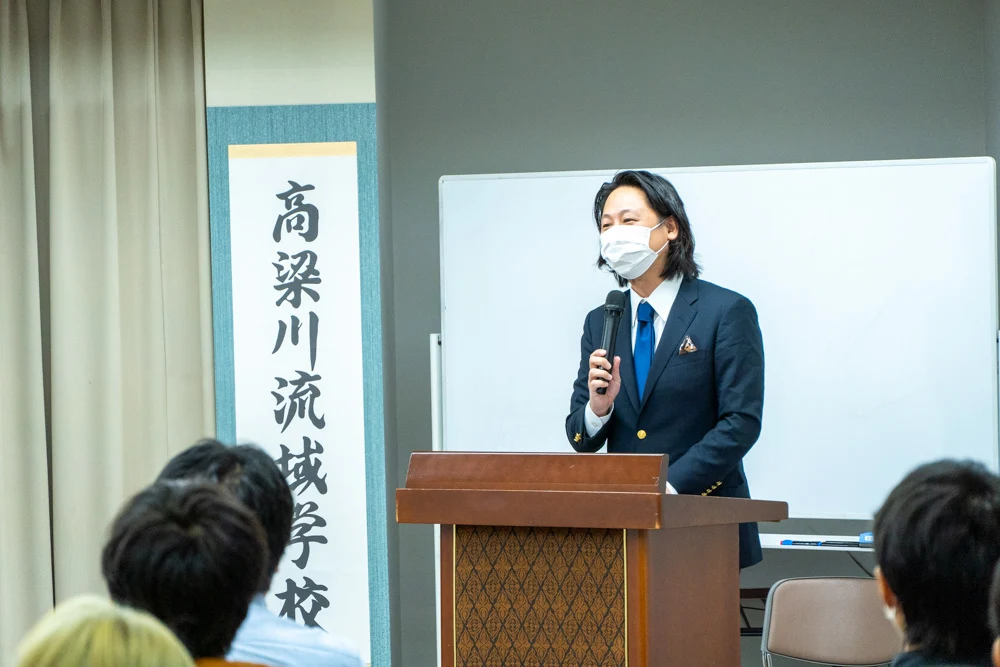
First Term of Takahashi River Shijuku (Fiscal 2020)
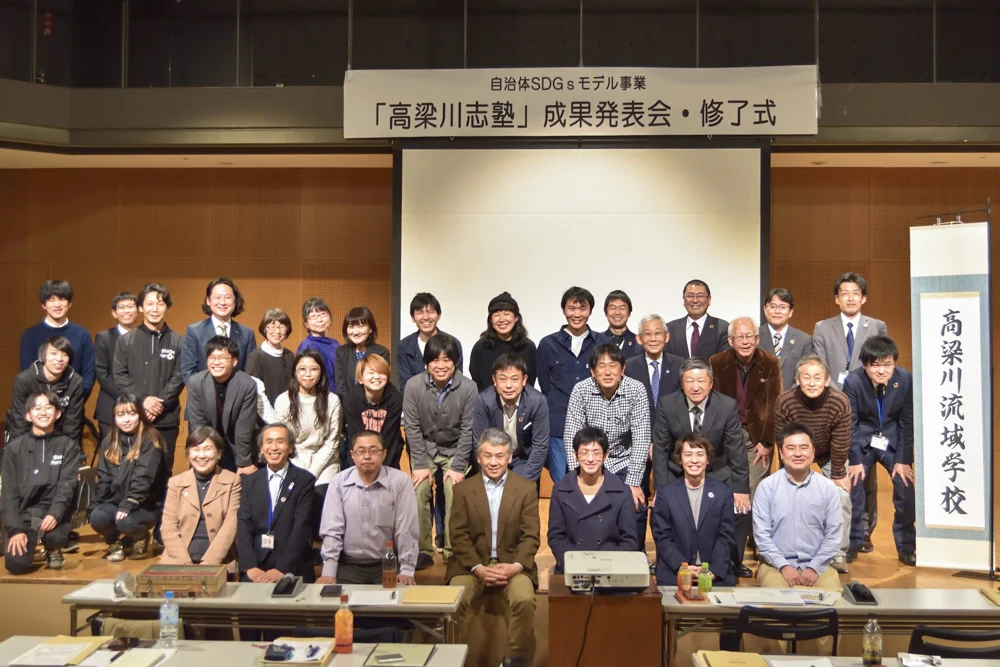
The first term of Takahashi River Shijuku ran for about four months, from November 2020 to February 2021.
The opening ceremony was held on November 3, 2020.
Twenty people completed the Takahashi River Shijuku curriculum and graduated as members of its first term.
Lectures and Instructors
A total of 41 lectures were held during the first term of Takahashi River Shijuku.
Some of the lectures have also been covered by Kurashiki Tocotoco, so if you’re interested, take a look.
- SDGs and Corporate Social Responsibility: The Global Education Program Joined by Kuramoku
- Community Revitalization Cooperator Case Study: “Why We Should Use Japanese Wood”
- Community Revitalization Cooperator Case Study: “Creating Community-Based, Collaborative Spaces and Hubs”
- A Happy Childhood for Every Child: Two Weeks in Scandinavia | Learning About Their Approach on the Ground
- The Vision for Local Media Pursued by a Blogger with One Million Monthly Page Views
Takahashi River Shijuku: Terms 2–4

Since its first term began in November 2020, more than 100 people have participated in Takahashi River Shijuku.
From the second term onward, the program has incorporated “fieldwork,” in which participants visit different parts of the Takahashi River Basin and learn about each area’s appeal through their five senses.
With more companies taking part and high school students joining as well, it has also become a place where people of diverse ages and backgrounds can learn together.
| Term | Dates |
|---|---|
| Term 1 | November 3, 2020–February 14, 2021 |
| Term 2 | June 27–September 12, 2021 |
| Term 3 | November 7, 2022–February 20, 2022 |
| Term 4 | June 9–October 2, 2022 |
Some lectures from the second term onward have also been covered by Kurashiki Tocotoco, so if you’re interested, take a look.
- Takahashi River Shijuku “Fieldwork: Learning About Kojima’s Textile Industry” — Experiencing Kojima’s Garment-Making Through Dyeing
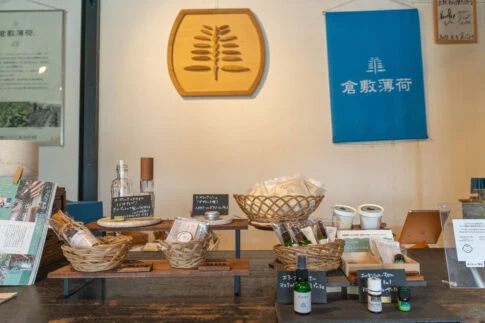
- Takahashi River Shijuku “Kurashiki Hakka Workshop” — Enjoying the Fragrance of Handmade Aroma Mist
- Takahashi River Shijuku “Takahashi City Fieldwork” — A Workshop to Experience the “Fukiya Furusato Village Reiwa Industrial Revolution” by Walking Around Town
- Takahashi River Shijuku “Niimi City Fieldwork” — Learning About Vineyard Scenery and the Natural Environment That Nurtures Amago Trout
- Takahashi River Shijuku “The Characteristics and Sustainability of the Takahashi River Basin” — Learning About the Bitchu Region Through Its History and Culture
What Graduates Have Been Up To
Some graduates have put what they learned into practice by starting their own organizations or holding events, and new leaders for the Takahashi River Basin are emerging.
Connections have also formed among instructors and graduates, enabling them to build relationships with people working to revitalize the Takahashi River Basin.
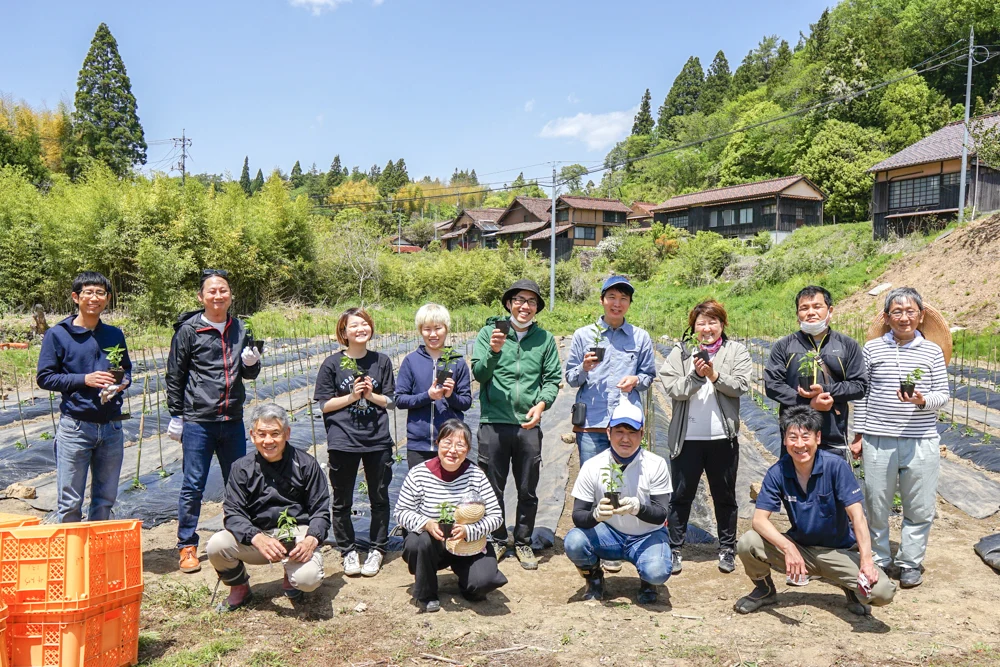
Next, we spoke with Yamamoto Masanori, who supported graduates as a member of the first-term Takahashi River Shijuku office staff, and Kajitani Masashi, a graduate of the first term.
Fifth Cohort of Takahashi River Shijuku: Information
| Name | Fifth Cohort of Takahashi River Shijuku |
|---|---|
| Dates | Fifth cohort of Takahashi River Shijuku: November 6, 2022–February 19, 2023 |
| Location | Primarily the coworking space “Sumiyoshicho no Ie Bunpuku,” as well as public facilities in the city |
| Participation fee (tax included) | For details, see the Takahashi River Shijuku website. 1. SDGs Exploration Course students General: ¥12,000; students: ¥8,000 (includes in-person attendance at all programs and access to archived recordings) ※The fee is the same for in-person and online attendance. 2. Auditors (classroom lectures only) In-person: ¥1,500 per session (limited capacity); online or archived: ¥500 per session ※A page accessible only to participants will be provided later. ※Some courses may require an additional fee to cover actual costs. ※Some courses may be open to the public free of charge. |
| Website | Takahashi River Shijuku | Takahashi River Basin School |

What would you like to know about Kurashiki?
Enter a word to search articles on this site