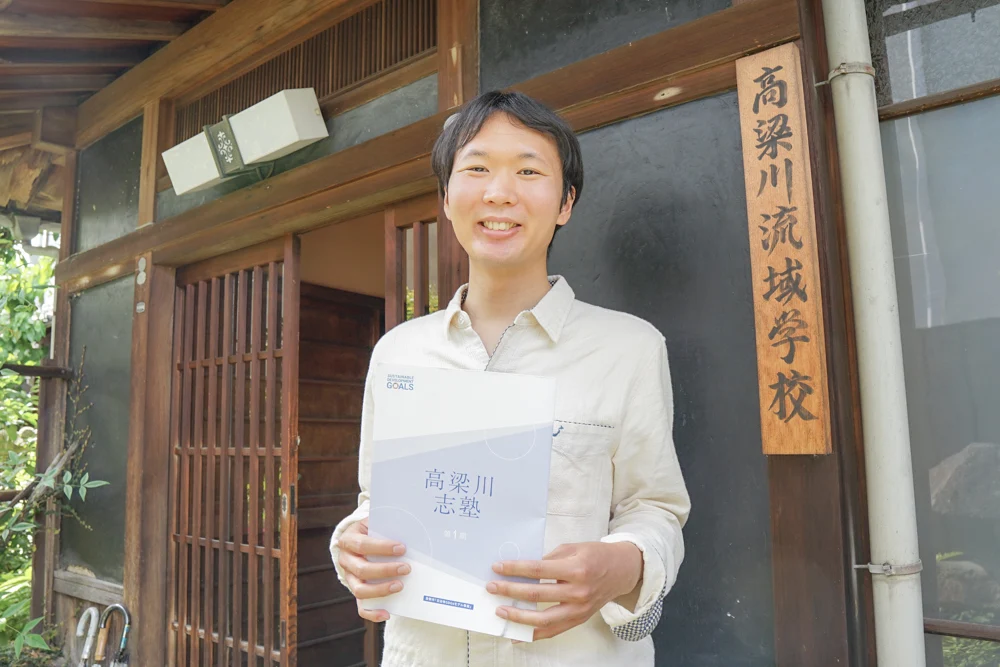
Interview with the Takahashi River志塾 Secretariat
Two people who know the Takahashi River志塾 First Term well
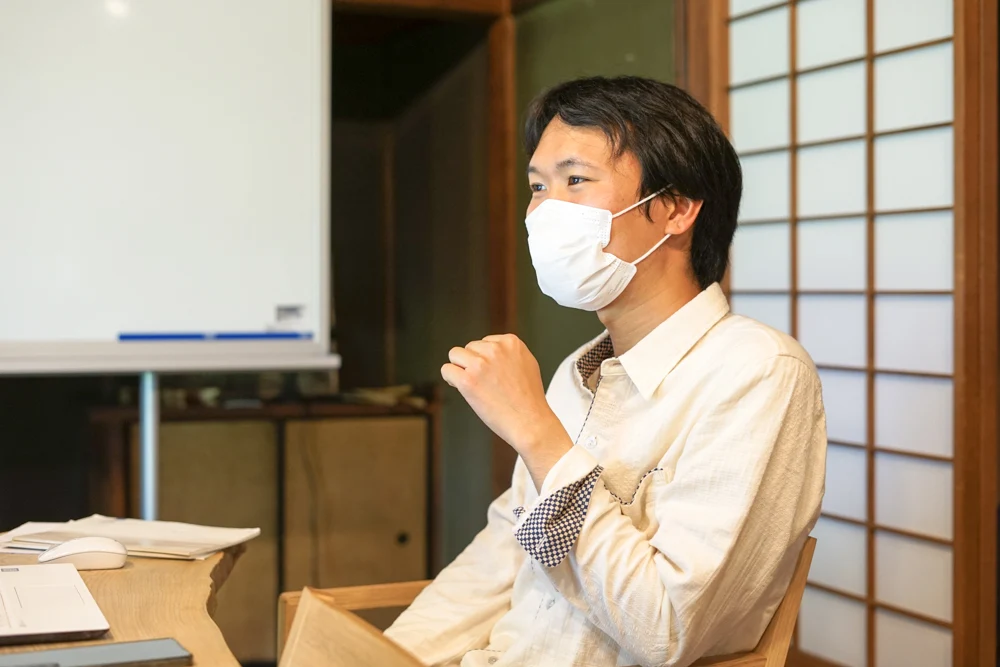
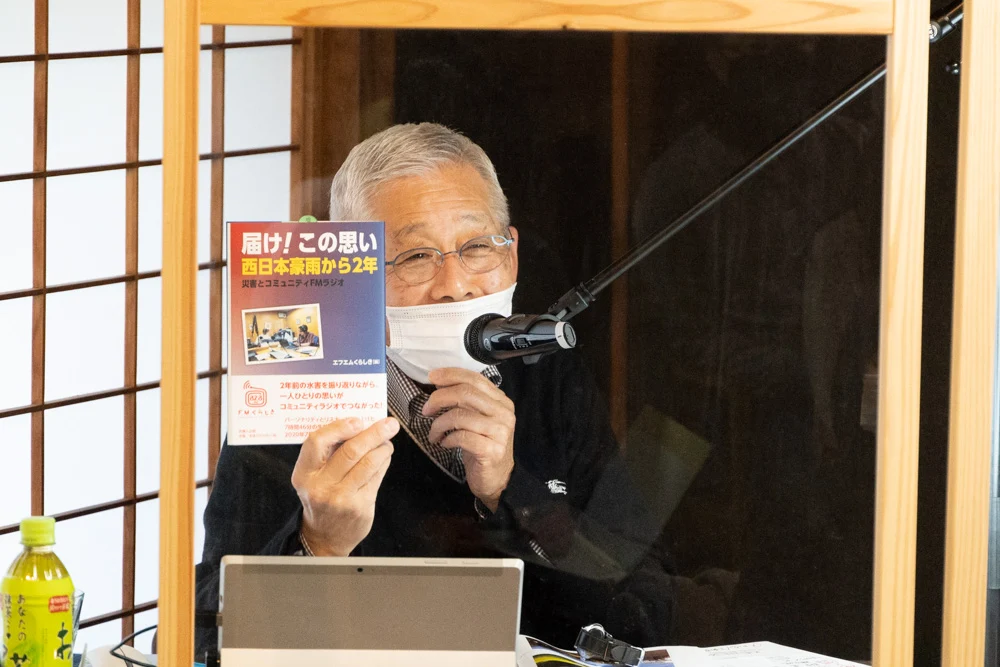
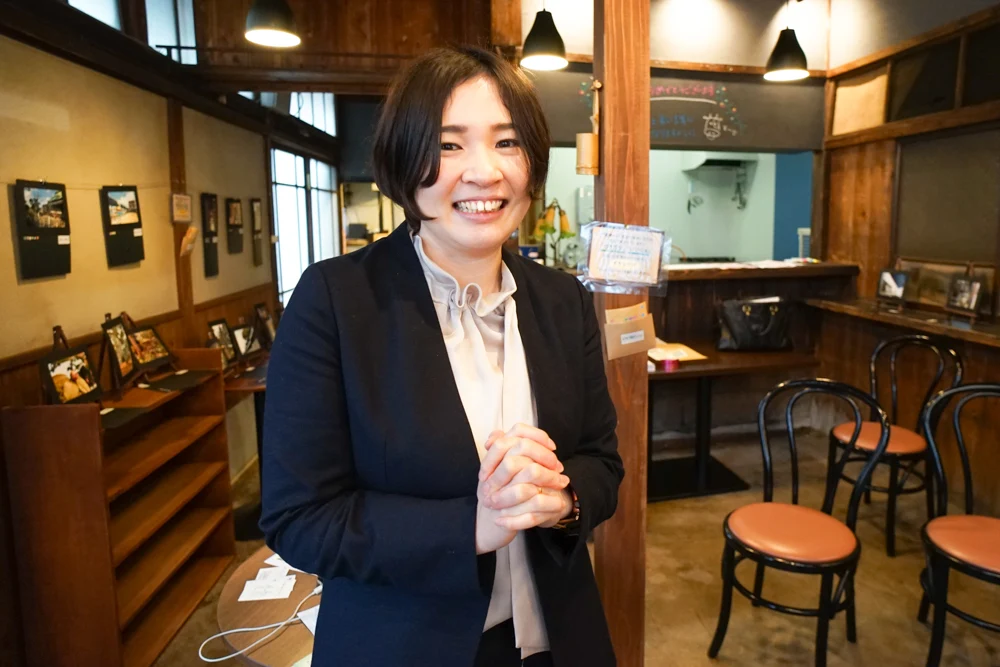
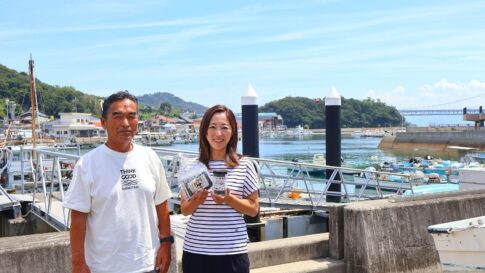
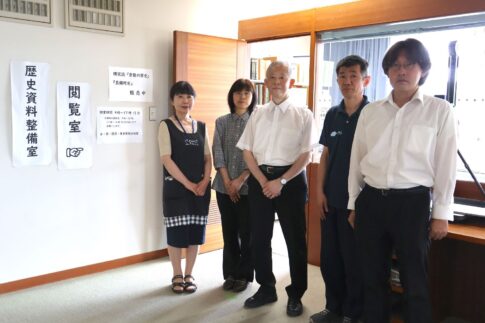
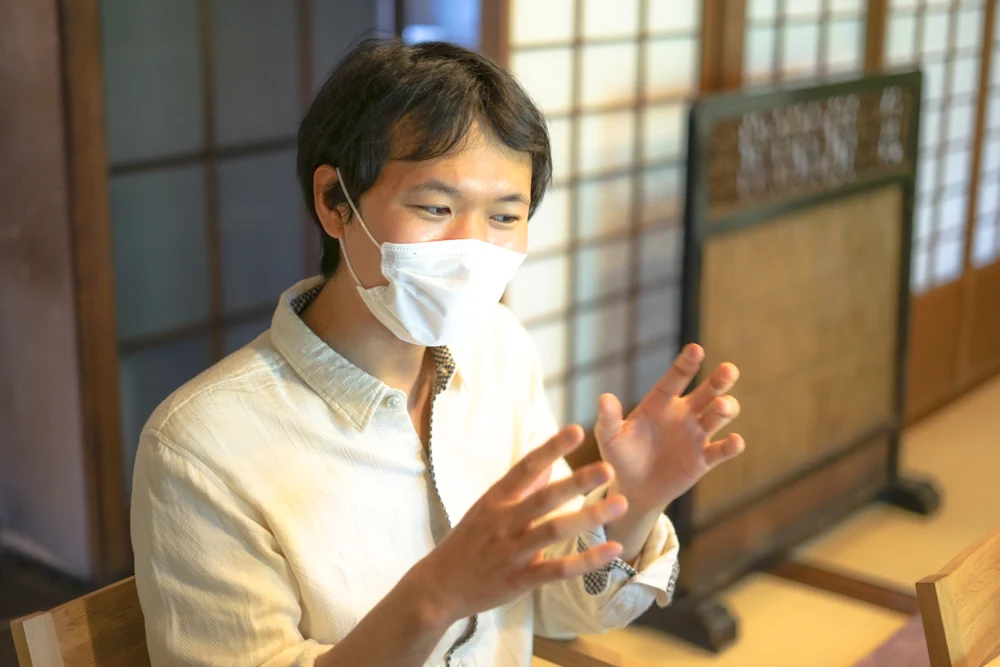
We spoke with Yamamoto Masanori and Kajitani Masashi, who have been supporting graduates as staff of the Takahashi River志塾 Secretariat, about their thoughts on the Takahashi River志塾.
After completing the First Term, Mr. Kajitani has been working as staff at the Takahashi River Basin School, and from the Second Term onward, he will support students as a member of the secretariat alongside Mr. Yamamoto.
This interview features content from the initial coverage conducted in May 2021.
Reflecting on the Takahashi River志塾 First Term
What prompted you to get involved with the Takahashi River志塾?
Yamamoto (no honorifics)
Actually, I live in Okayama City, so I am from the Asahi River basin, but due to work, I have many opportunities to meet people active in Kurashiki, and I became interested in the perspective of the Takahashi River basin as a region.
In 2020, Sakanoue Hiroshi, who has been a mentor to me since my student days, became the representative director of the Takahashi River Basin School, and with the addition of young people like Toi Kengo, who engage in blogging, I felt even more attracted to the Takahashi River Basin School.
When I heard that a new initiative called Takahashi River志塾 was starting, I thought it sounded interesting and decided to get involved as a member of the secretariat.
Kajitani (no honorifics)
I heard from a colleague working at the traditional town house "Old Ohara Residence (Ohara House Katalyzer)" in the Bikan Historical Area that the Takahashi River志塾 was opening.
Since I didn't have a specific community activity I wanted to do, I was quite hesitant about whether to enroll.
I didn't have a high aspiration, but I thought it would be an opportunity to meet people I wouldn't normally interact with, so I decided to jump in to gain new experiences.
Did you have new encounters after actually enrolling?
Kajitani
After taking the lectures, I found many interesting topics, and I was able to learn in a fun way.
I remember feeling that I wanted to continue attending because the talk by folklorist Kanzaki Noritake during the first lecture was fascinating and engaging.
At the beginning, I was nervous about going to the lecture venue since I knew few people, but as time went on, I made more friends I could talk to easily, and it became something I looked forward to.
I was blessed with good friends, which is why I was able to complete the curriculum until the end.
What was the work of the secretariat like during the First Term?
Yamamoto
The secretariat's duties mainly included providing information about lectures, editing videos for archiving, and managing students' credits.
In addition to administrative tasks, I was also responsible for supporting students.
I would receive inquiries about practical content and help with the preparation of presentation materials for the final report meeting.
I believe I was the person who was closest to the students on the operational side of the Takahashi River志塾.
Was there anything you valued in your interactions with the students?
Yamamoto
Through the Takahashi River志塾, I aimed to learn and grow together.
Each student has their own strengths and areas of expertise, and I felt that I learned a lot from the students as well.
I made an effort to interact with them as companions in community activities so that we could continue our relationships even after the Takahashi River志塾 ended.
What left the biggest impression on you?
Kajitani
Through the talks of the instructors and students, I learned about the diversity of ways of living.
One person who particularly surprised me was Matsuda Reihei, a former community revitalization cooperation team member from Niimi City, who spoke as an instructor.
His story of starting a business in the rural area of Niimi City, Okayama Prefecture, where I had no connections, left a strong impression on me.
Another unforgettable person is Okimura Maiko, a former community revitalization cooperation team member from Asakuchi City.
Her attitude of "I can go to university anytime I want" after dropping out and pursuing what she wanted to do inspired me.
Among the students, there were also those who are active in Okayama's municipalities or as community revitalization cooperation team members after changing jobs, and I am stimulated by them every day.
Was the Takahashi River志塾 First Term a success?
Yamamoto
I definitely feel it was a success.
In the Takahashi River志塾 First Term, there were participants with varied backgrounds and professions, ranging from teenagers to people in their 70s.
I believe the biggest achievement was that a diverse group of people, including graduates, instructors, and the Takahashi River志塾 management, were able to build visible relationships.
The Takahashi River志塾 First Term can be considered one of the successful examples towards achieving a sustainable society in the Takahashi River basin.
Towards the Takahashi River志塾 Fifth Term
Please give a message to the Fifth Term students.
Kajitani
I think many people enroll in the Takahashi River志塾 with goals, but high goals are not necessarily required.
In my case, I had many new learnings through the instructors' talks, and I was able to be stimulated and grow through the Takahashi River志塾.
Moreover, the connections with the instructors and graduates of the Takahashi River志塾 will surely become reliable resources for future projects and events.
Instead of worrying about not having a big aspiration, I hope you will take the first step.
Yamamoto
Since it has the name "志塾" (shijuku), I think it gives the impression of being a place to learn, but it is also a place to create opportunities for practical activities directed towards the community.
Furthermore, you will meet many people who support you, making it a perfect place to challenge new initiatives.
I hope that those who are excited about challenges for the future will participate in the Takahashi River志塾 and become people who lead towards the realization of a sustainable society.

Conclusion
In fact, the author is also a graduate of the Takahashi River志塾 First Term.
As Mr. Yamamoto and Mr. Kajitani mentioned, I am grateful to have met friends with whom I can seriously discuss the culture, climate, and nature of the region.
Through the Takahashi River志塾, I learned about the history of the Takahashi River region and met reliable people, which has allowed me to enjoy the scenery of the Takahashi River even more.
On the other hand, I also feel the difficulties of implementing initiatives towards a sustainable society.
By reflecting on history, I learned that the convenient life of modern Japan, where we do not have to worry about food, clothing, and shelter, is not something to be taken for granted.
Perhaps I should be grateful for being born in an era where tomorrow is taken for granted.
What one person can do is limited, but to contribute even a little towards the realization of a sustainable society, I have started to express the charm of the Takahashi River basin in words.
I hope that the concept of SDGs in the Takahashi River basin reaches many people and that a sustainable basin is realized as soon as possible.
Data for the Takahashi River志塾 Fifth Term
| Name | Takahashi River志塾 Fifth Term |
|---|---|
| Dates | Duration of the Takahashi River志塾 Fifth Term: November 6, 2022 – February 19, 2023 |
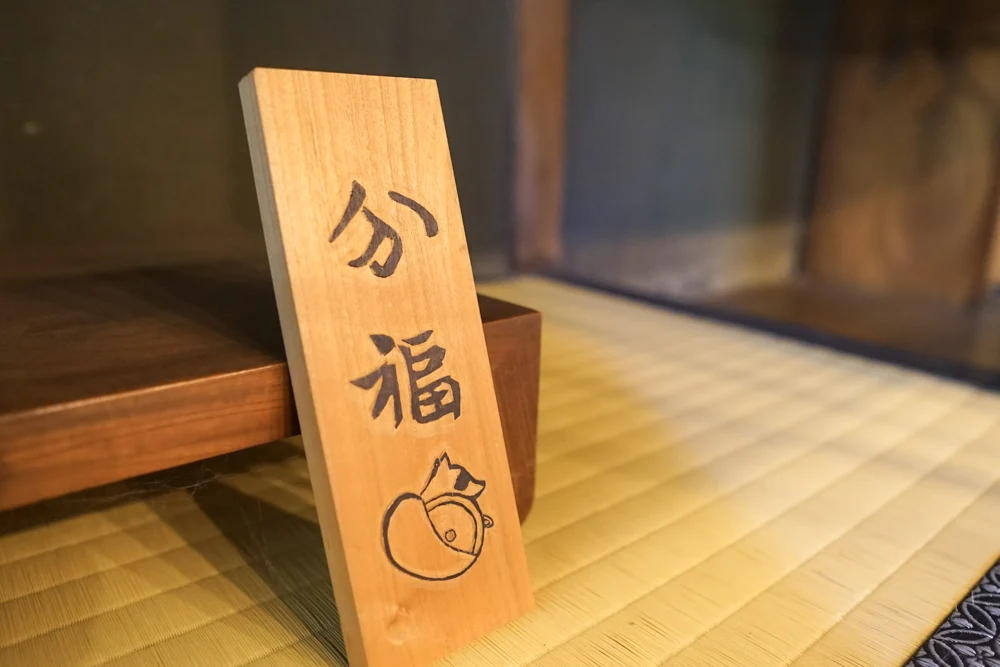
| Location | Mainly at the co-working space "Sumiyoshi-cho no Ie Bunfuku", as well as other public facilities in the city |
| Participation Fee (including tax) | For details, please check the Takahashi River志塾 website. 1. SDGs Exploration Course Students General: 12,000 yen, Students: 8,000 yen (Participation in all programs on the day and access to archived viewing available) *Uniform fee regardless of whether attending in person or online 2. Auditors (attending only lectures) In-person attendance: 1,500 yen per session (limited number of participants) Online/archived attendance: 500 yen per session *Participants will be provided with a page for later viewing. *Some courses may require additional fees. *Some courses may be publicly available for free. |
| Website | Takahashi River志塾 | Takahashi River Basin School |