The "Takahashi River Shijuku" is being held from November 2020 to February 2021.
A total of 41 courses classified into three categories: SDGs Vision, Liberal Arts, and Skills, are being attended by 23 students and occasional auditors.
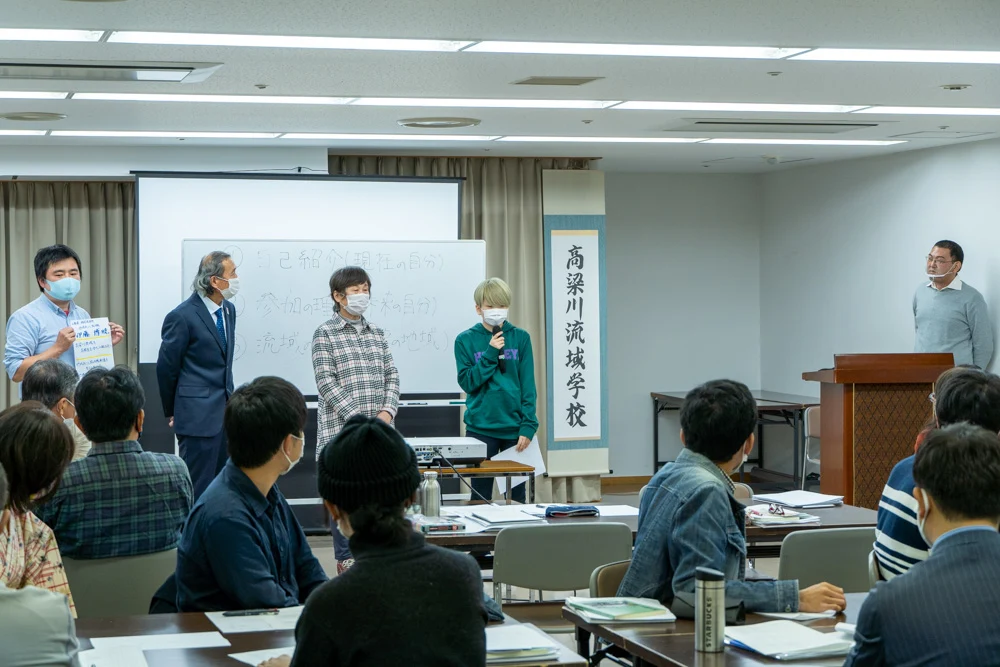
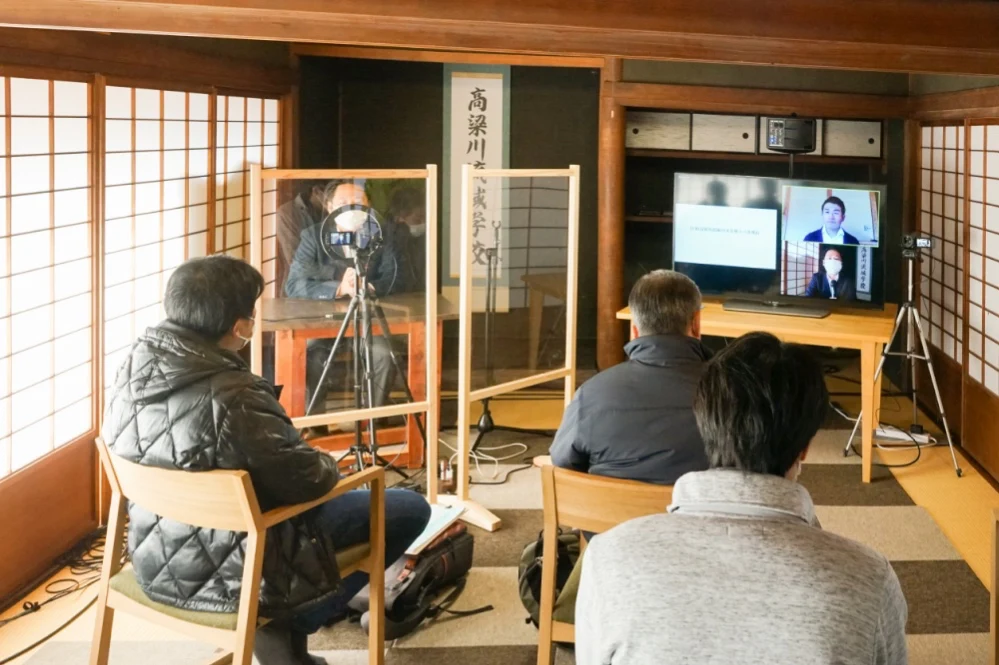
On December 19, 2020 (Saturday), as part of the Skills category, Yoshikazu Saeki, a woodworking craftsman active at "HANAGI Mori no Kobo" in Niimi City, Okayama Prefecture, gave a lecture.
We will report on the content of the lecture.
Overview of Takahashi River Shijuku
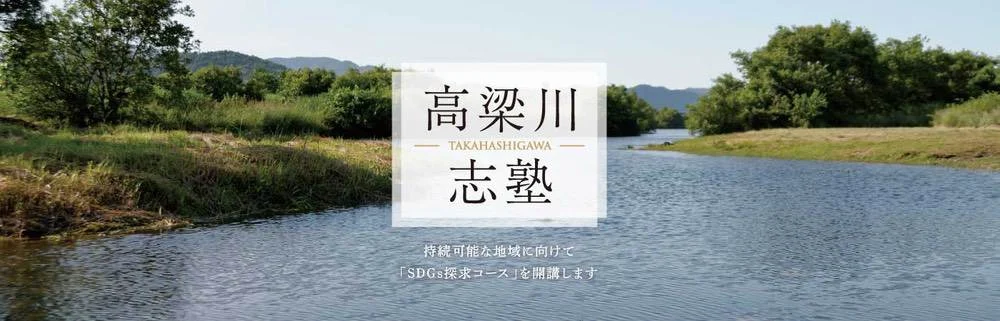
The "Takahashi River Shijuku" is a program operated by the general incorporated association Takahashi River Basin School, commissioned by Kurashiki City, aiming to foster human resources who will support community development and "sustainable" regions through history, culture, industry, and fieldwork in the Takahashi River basin.
There are two types of courses available:
- "SDGs Exploration Course" which includes practical training and presentations
- "Auditor Course" where participants can attend optional lectures
The opening ceremony was held on November 3, 2020 (Tuesday), and 41 lectures will be conducted until the completion ceremony on February 14, 2021 (Sunday).
The themes are as follows:
▼ SDGs Vision Edition
Courses that provide a deep understanding of the current efforts to solve issues and the vision for 2030 in the Takahashi River basin through lectures by practitioners and experts, leading to awareness for action.
▼ Liberal Arts Edition
Courses to learn about history, culture, and industry in the Takahashi River basin, gaining knowledge that serves as a foundation for activities.
▼ Skills Edition
Courses to acquire skills and know-how for exploratory learning, such as presentations, accounting for non-profit organizations, data analysis (using RESAS), utilizing IT tools, and using blogs and social media.
For more detailed information, please visit the special page for "Takahashi River Shijuku".

Biography of Woodworking Craftsman Yoshikazu Saeki
Instructor Yoshikazu Saeki is from Imabari City, Ehime Prefecture.
He grew up in an environment surrounded by nature during his childhood.
He came to Okayama Prefecture when he entered university.
He was enrolled in the Faculty of Law and was dedicated to his studies, but he struggled to adapt to university life and lost his sense of belonging.
In the lecture, he expressed, "During my student days, I thought I was a worthless person."
However, even in his depressed life, Saeki was able to find a place where he could thrive.
The turning point was volunteering in forestry.
He learned that there are few successors to traditional woodworking products.
Having spent his childhood in nature and enjoying making things, Saeki decided to pursue a career as a woodworking craftsman.
After graduating from university, he thought it would be better to gain various experiences rather than just training as a woodworking craftsman, so he joined the regional revitalization cooperation team in Niimi City.
He worked at a woodworking studio while learning about forestry.
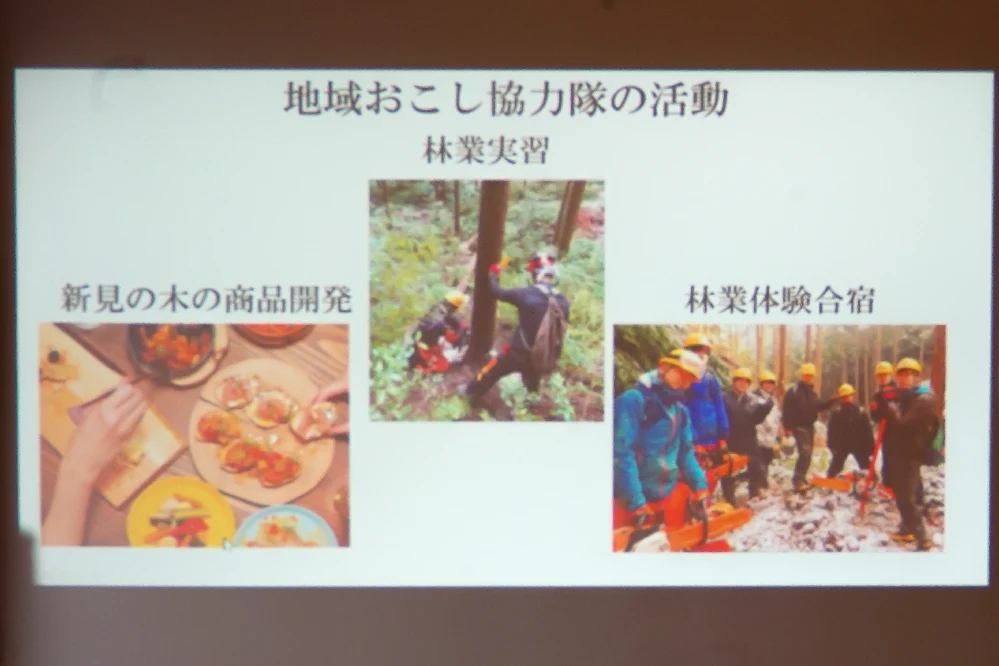
After graduating from the Niimi City regional revitalization cooperation team, he left the woodworking studio in 2019 and established "HANAGI Mori no Kobo" in 2020, where he creates custom woodworking furniture and is active as a woodworking craftsman.
The wooden furniture made by Saeki is also used in cafes and coworking spaces.
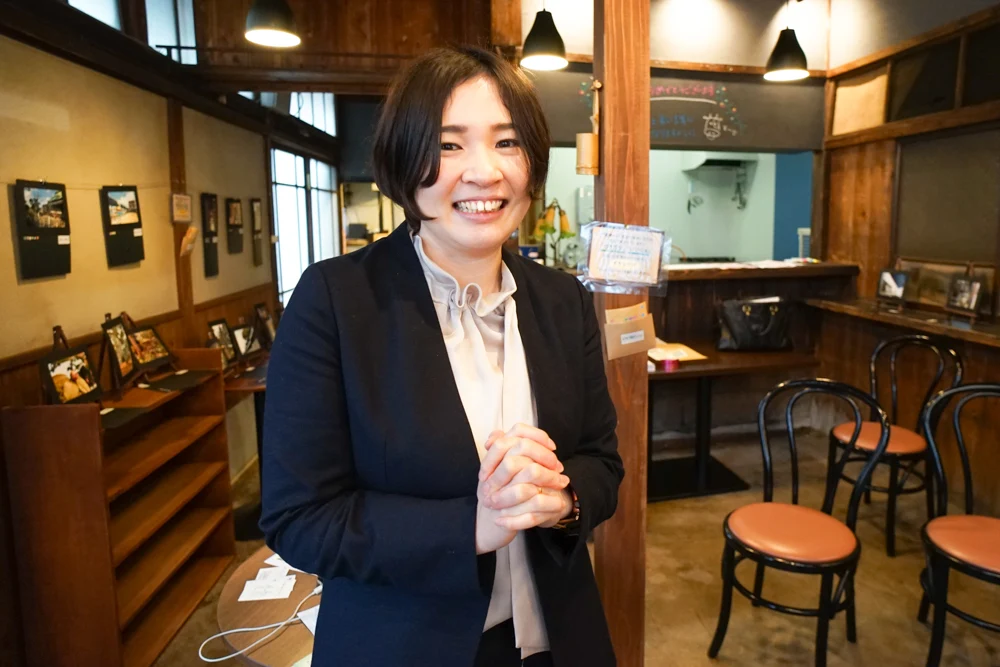
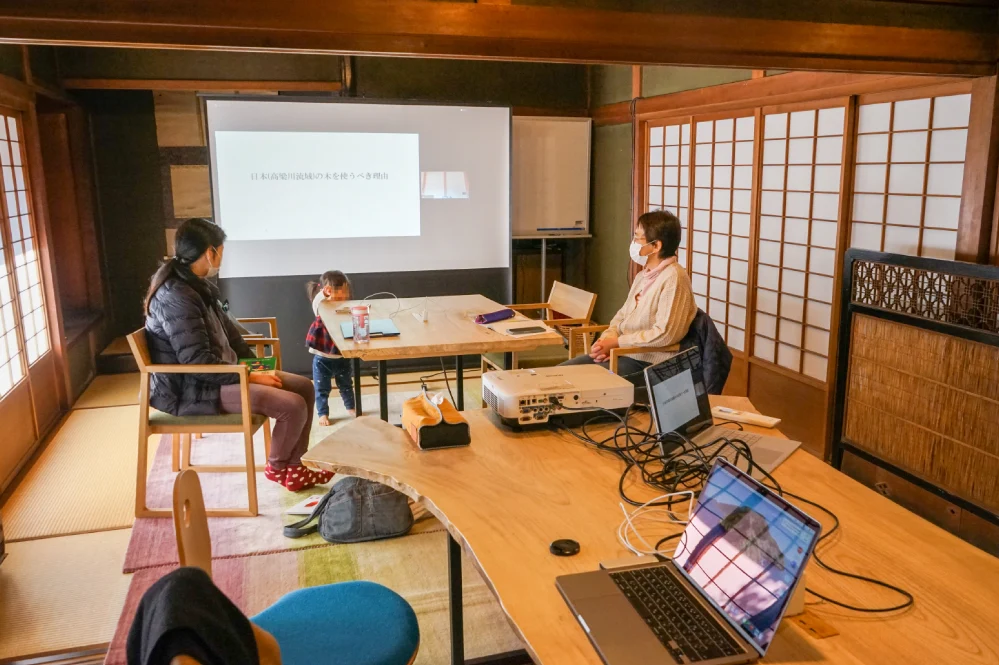
In the coworking space "Bunbuku" located in Kurashiki City, which is the venue for this lecture, there were tables crafted by Saeki.
Unmanaged Japanese Forests are in Danger
Forests account for about 70 percent of Japan's land area.
The climate where trees grow abundantly without any intervention is rare worldwide, making Japan a green and lush country.
However, Saeki mentioned that Japan's forests are in a "critical situation."
During the war, many buildings were burned down.
The demand for rebuilding houses increased.
As a result, a large number of trees were used as building materials, leading to a decrease in trees from the mountains.
The soil in the mountains where the number of trees has decreased has lost its water retention capacity, making floods more likely.
In response, the government supported tree planting, and cedar and cypress were planted nationwide.
However, mountains covered with artificial forests are prone to landslides if not properly maintained.
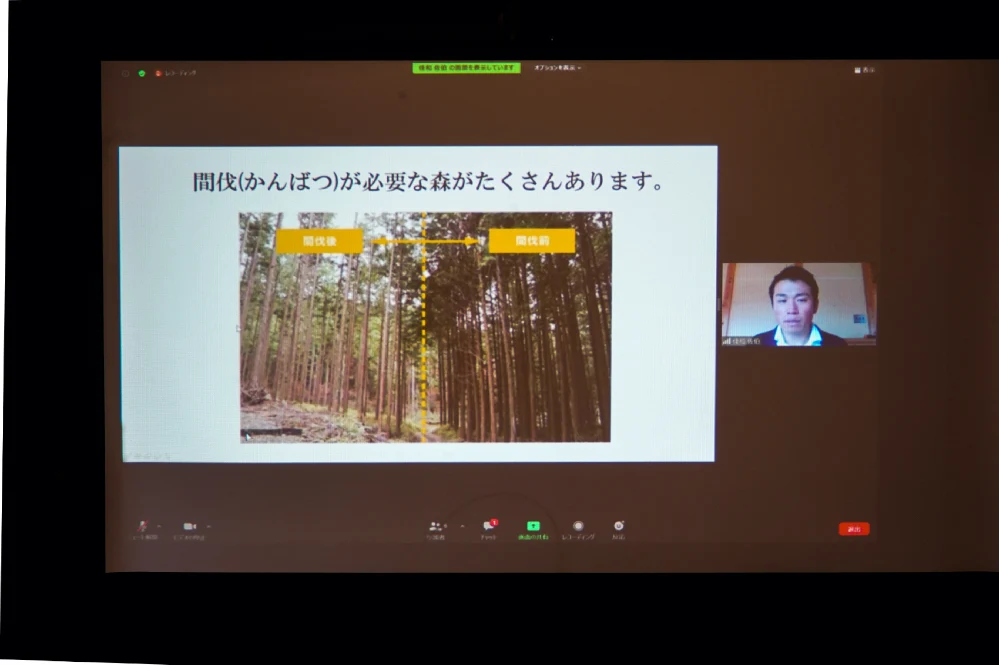
Forests that are not well-maintained are dark because light does not reach the ground.
On the other hand, well-maintained forests are bright because light penetrates to the ground.
As a result, plants thrive at the ground level, and biodiversity is high.
Rich soil has high water retention capacity and is said to have a strong function to suppress natural disasters such as landslides and floods.
To increase good forests, it is necessary to properly manage the number of trees through thinning.
However, currently, there are many dark forests that are not well-maintained due to a decrease in people involved in forestry.
There are also many dark forests in Niimi City, where Saeki lives.
What We Can Do to Increase Good Forests

Saeki taught us what people not involved in forestry can do for Japan's forests.
That is to use local wood.
For example, if you purchase furniture made from local wood, a flow of goods is created from "the person who cuts the wood → the person who processes the wood → the person who makes the furniture → the person who uses the furniture," leading to the circulation of money and jobs.
By activating the local economy, it helps the lives and work of people involved in forestry, he explained.
Let's Use Local Timber to Increase Good Forests
So, how can we use local wood?
Saeki explained two specific methods to utilize timber harvested from local forests.
- Go to a sawmill
- Visit a custom furniture shop
Go to a Sawmill
A sawmill is a place where felled trees are processed into boards or logs to be used as materials for furniture and buildings.
If you want wood for DIY projects, you can obtain local timber by going to a sawmill.
Most of the wood available at home improvement stores is not local.
Additionally, Saeki mentioned that the wood available at sawmills is of better quality than that at home improvement stores.
While many people may feel hesitant to visit a sawmill, he encouraged them to muster the courage to go, as they will sell to you.
Many people are unaware of how to purchase local timber, so he expressed hope that those who are interested after hearing the lecture will visit a sawmill.
Visit a Custom Furniture Shop
"I want a desk of this size and this design for my living room."
"I need a shelf that fits perfectly in this gap."
In such cases, if you go to a local furniture shop, they can make furniture from local timber.
For example, you can visit the showroom of Kurashiki Mokuzai.
Many pieces of furniture made from local timber are displayed there.
Furthermore, if you communicate your requests, they will create furniture that matches your desired size and design using natural wood.
The price may be slightly higher, but natural wood is easy to repair and can be used for decades.
By using it for a long time, the cost performance can ultimately improve.
Custom-made furniture that can be used for a long time, designed to your liking, and contributes to protecting local forests is very appealing.
Advantages and Disadvantages of Wood and Industrial Products
Saeki shared his thoughts on the advantages and disadvantages of wood and materials manufactured as industrial products.
| Advantages | Disadvantages | |
|---|---|---|
| Materials Manufactured as Industrial Products | ・Easy to produce quickly, cheaply, and in large quantities・Can create various shapes and items | ・High carbon dioxide emissions・Plastic does not decompose naturally |
| Wood | ・Low carbon dioxide emissions before use・Decomposes (less likely to become waste)・Feels comfortable to live with | ・Difficult to produce quickly and in large quantities・Can warp or twist due to drying |
In this lecture, examples of industrial products included plastic, concrete, iron, and aluminum.
Industrial products have their advantages and are, of course, essential materials that support our lives.
On the other hand, wood has the wonderful characteristics of low carbon dioxide emissions during the manufacturing process and being biodegradable.
Wood is a sustainable and excellent material.
Saeki expressed his hope that the appeal of wood will be recognized and utilized more.

Conclusion
In this lecture, Yoshikazu Saeki, an active woodworking craftsman, clearly explained the issues facing Japan's forests.
What particularly impressed me was that Saeki specifically demonstrated actions individuals can take to protect the forests.
He discussed how using products made from local timber helps support people involved in forestry, leading to better forest management, thus creating a circulation of the economy.
I have often seen the term SDGs and understand the "17 goals" and the concept of "leaving no one behind."
However, I have felt a sense of confusion about specific actions individuals can take towards a sustainable society.
I felt that those who can propose concrete actions to many people, like Saeki, are truly practicing the SDGs.
I hope this article will help deepen understanding of the issues facing Japan's forests and serve as a trigger for individual action.
Data on Takahashi River Shijuku
| Name | Takahashi River Shijuku |
|---|---|
| Date of Event | Date and time of this lecture: December 19, 2020, 10:00 AM - 12:10 PM Duration of the Takahashi River Shijuku program: November 3, 2020 - February 14, 2021 (Completion Ceremony) |
| Location | 2-13-3 Chuo, Kurashiki City, Okayama Prefecture, Sumiyoshi-cho Bunbuku |
| Participation Fee (Tax Included) | On-site attendance: 1,500 yen Online attendance / Archive attendance: 500 yen |
| Homepage | Takahashi River Shijuku | Takahashi River Basin School |