
I moved from Kanagawa Prefecture to Kurashiki in December 2023 as a member of the Kurashiki City Regional Revitalization Cooperation Team.
It has only been about three months since I moved. I am currently learning various things about Kurashiki from local residents and senior migrants.
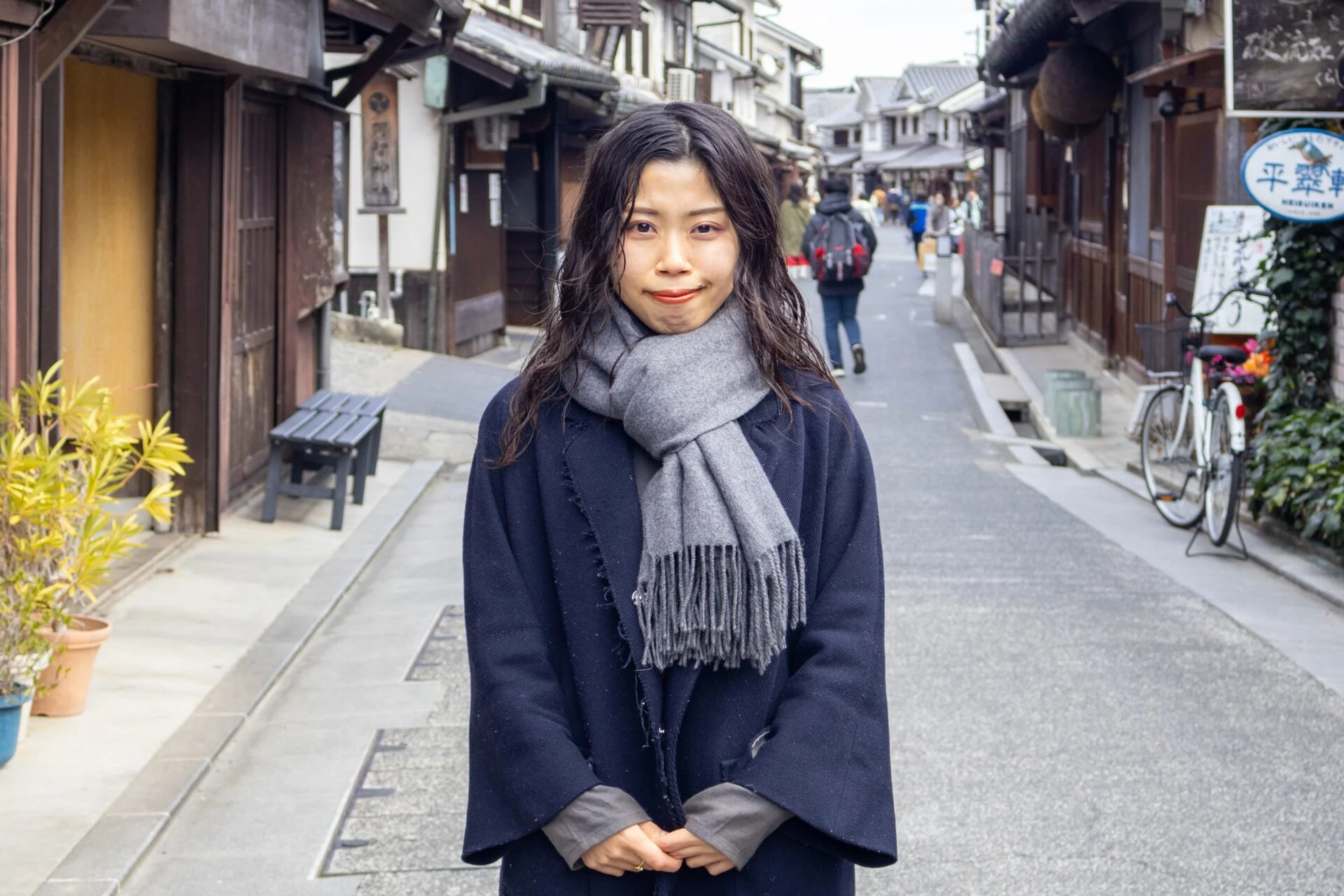
The person who has been particularly supportive in teaching me is Suzuki Nao, a fellow member of the Regional Revitalization Cooperation Team. She has been engaged in regional revitalization activities in Kurashiki for three and a half years, making her a great senior for me. I have consulted with Suzuki-san about work, gone out to eat together, visited her part-time job, and received her help in my private life as well.
However, when I heard that Suzuki-san would graduate from the Regional Revitalization Cooperation Team in March 2024 and leave Kurashiki, I felt the urge to preserve her activities in some form.
For three and a half years, Suzuki-san has been thinking about the future of the Bikan Historical Area and focusing on community building. I would like to introduce her activities.
What is the Regional Revitalization Cooperation Team?
The Regional Revitalization Cooperation Team is a national initiative where members move from urban areas to regions suffering from depopulation and engage in cooperative activities in those areas.
The Regional Revitalization Cooperation Team involves changing one's residence to a depopulated area or other disadvantaged area, and engaging in "regional cooperation activities" such as supporting the development, sales, and PR of regional brands and local products, working in agriculture, forestry, and fisheries, and supporting residents, while aiming for settlement and establishment in that area. Members are appointed by local governments, and the term is generally from one to three years.
Ministry of Internal Affairs and Communications | Creating Regional Power and Revitalizing Local Areas | Regional Revitalization Cooperation Team (soumu.go.jp)
Kurashiki City is also recruiting members for the Regional Revitalization Cooperation Team, and as of March 2024, there are 12 members active in Kurashiki City.
I am one of them, and I was surprised when I first saw the recruitment notice, thinking, "Is Kurashiki City a depopulated area!?"
Although they are all called cooperation team members, the missions assigned to each member by the local government differ, so the activities and workplaces are completely different. However, what is common to all members is that all activities contribute to the revitalization of Kurashiki.
What kind of people become members of the Regional Revitalization Cooperation Team, what activities do they engage in, and what kind of future do they walk after their term ends?
About Suzuki Nao
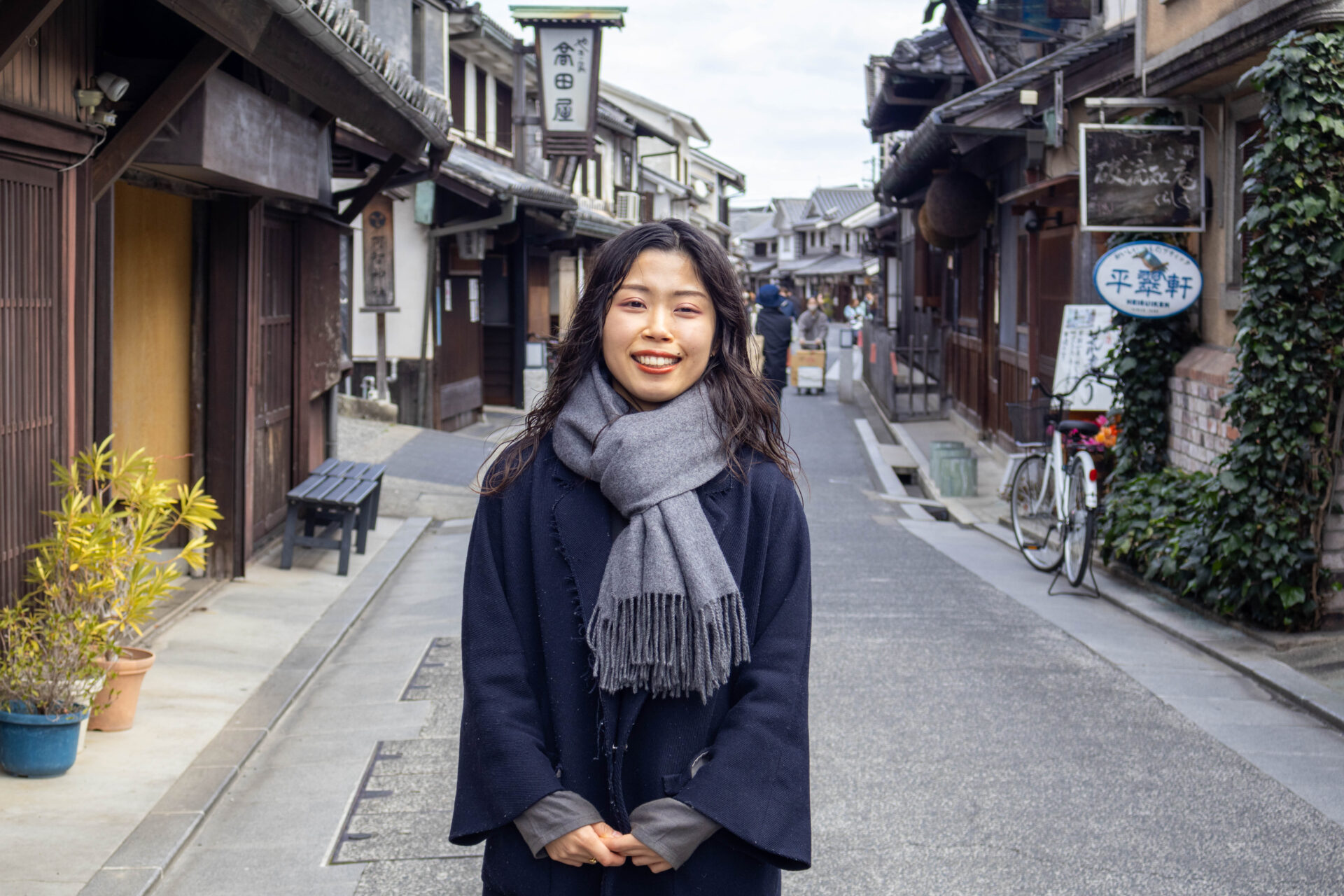
Suzuki Nao joined the Kurashiki City Regional Revitalization Cooperation Team in October 2020.
The accepting organization is the Kurashiki Machiya Trust, which is engaged in the regeneration and utilization of traditional townhouses in the Bikan Historical Area and its surroundings, and she has been active with the theme of "Sustainable Tourism". However, there is a term for the Regional Revitalization Cooperation Team, and Suzuki-san will graduate at the end of March 2024.
After graduation, she plans to join the Japan Overseas Cooperation Volunteers and continue her efforts in "Sustainable Tourism".
How she became a member of the Regional Revitalization Cooperation Team
Suzuki-san is from Nara, studied in Fukuoka, and worked in Tokyo, experiencing life in various regions, but she had little interest in Okayama or Kurashiki until she applied to become a member of the Regional Revitalization Cooperation Team.
Suzuki-san says, "I couldn't remain indifferent to the events happening in the world and around me since I was young."
During her student days, she actively engaged in social contribution activities such as international cooperation and volunteering.
She expresses, "I have always had the desire to interact with various people, learn about each other's worlds, and aim for a society filled with love and compassion."
When the COVID-19 pandemic hit during her previous job, she was unable to work as she wished and was considering a career change when she was told by a member of the Kurashiki City Regional Revitalization Cooperation Team at the time, "There is a recruitment for the cooperation team in Kurashiki. Aren't you interested?"
At first, she couldn't imagine moving to Kurashiki, but as she researched the work of the Regional Revitalization Cooperation Team and the city of Kurashiki, her desire to become a member grew stronger.
The main mission of the cooperation team she applied for was "the regeneration and utilization of traditional townhouses in the Bikan Historical Area". Since there were many historical wooden buildings in her hometown of Nara, she had a strong interest in activities related to traditional townhouses.
However, about four months after Suzuki-san joined the cooperation team, a new mission focusing on "Sustainable Tourism" was added as the main theme.
Activities as a member of the Kurashiki City Regional Revitalization Cooperation Team
During her term as a member of the Kurashiki City Regional Revitalization Cooperation Team, Suzuki-san has mainly engaged in the following activities.
- Work with the "Kurashiki Machiya Trust"
- Activities related to "Sustainable Tourism"
Activity 1: Work with the Kurashiki Machiya Trust
The first activity is work with the accepting organization, the Kurashiki Machiya Trust.
The Kurashiki Machiya Trust engages in community contribution activities through the regeneration and utilization of traditional townhouses in the Bikan Historical Area, and Suzuki-san participated in those activities.
Here are some examples of those activities.
- Accommodation using a traditional townhouse (Misaka no Ie)
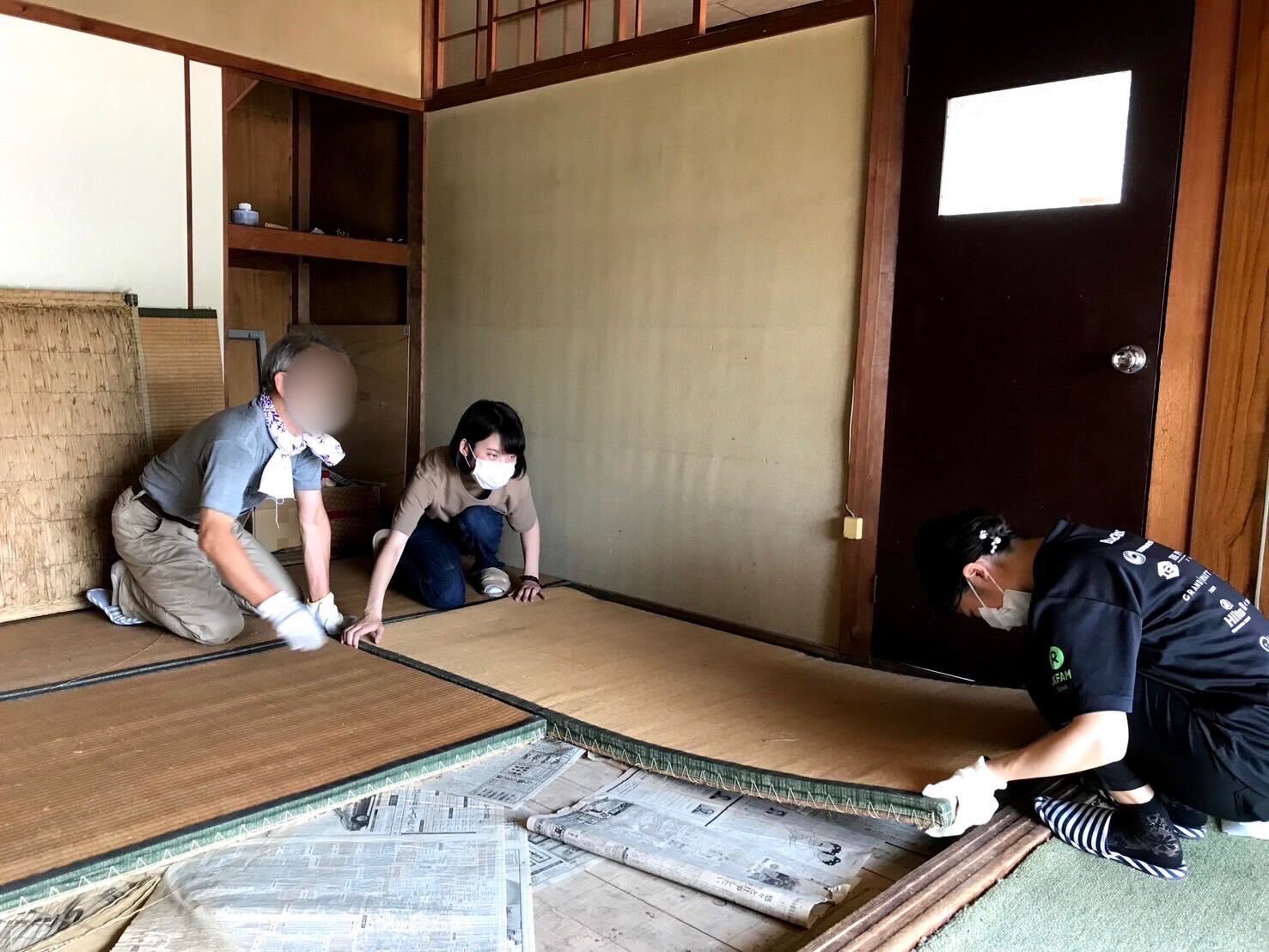
- Cleaning and renovation work on townhouses
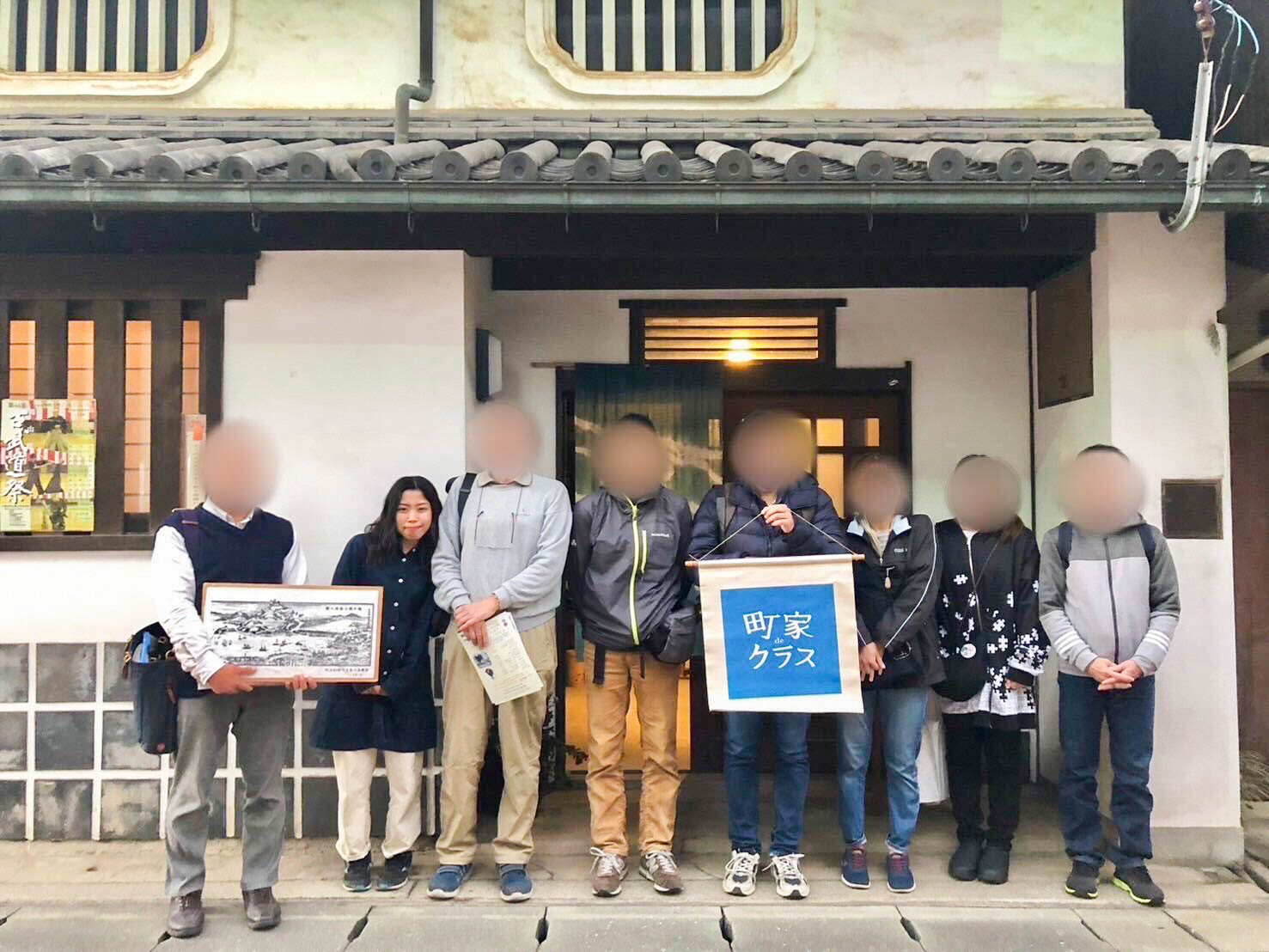
- Secretariat for the "Machiya de Class" event
Because she was affiliated with the Kurashiki Machiya Trust, she was able to meet people who have a passionate desire for community and regional development.
Activity 2: Activities related to "Sustainable Tourism"
"Sustainable Tourism" refers to tourism that maintains the balance of the region's "culture," "economy," and "environment," allowing for sustainable development from each perspective in the future.
The United Nations World Tourism Organization defines it as follows.
To define sustainable tourism in simple terms, it is "tourism that responds to the needs of visitors, the industry, the environment, and the communities that host visitors, while fully considering the current and future economic, social, and environmental impacts."
Definition of Sustainable Tourism | UNWTO (unwto-ap.org)
Suzuki-san states, "Tourism is merely a means to improve the region, not an end. It is important that the region exists for tourism, not the other way around."
Suzuki-san envisions an ideal region where the Bikan Historical Area is seen as a "good place" by shops, tourists, and local residents. To achieve this, she believes it is necessary for not just herself but also the people of Kurashiki to understand sustainable tourism.
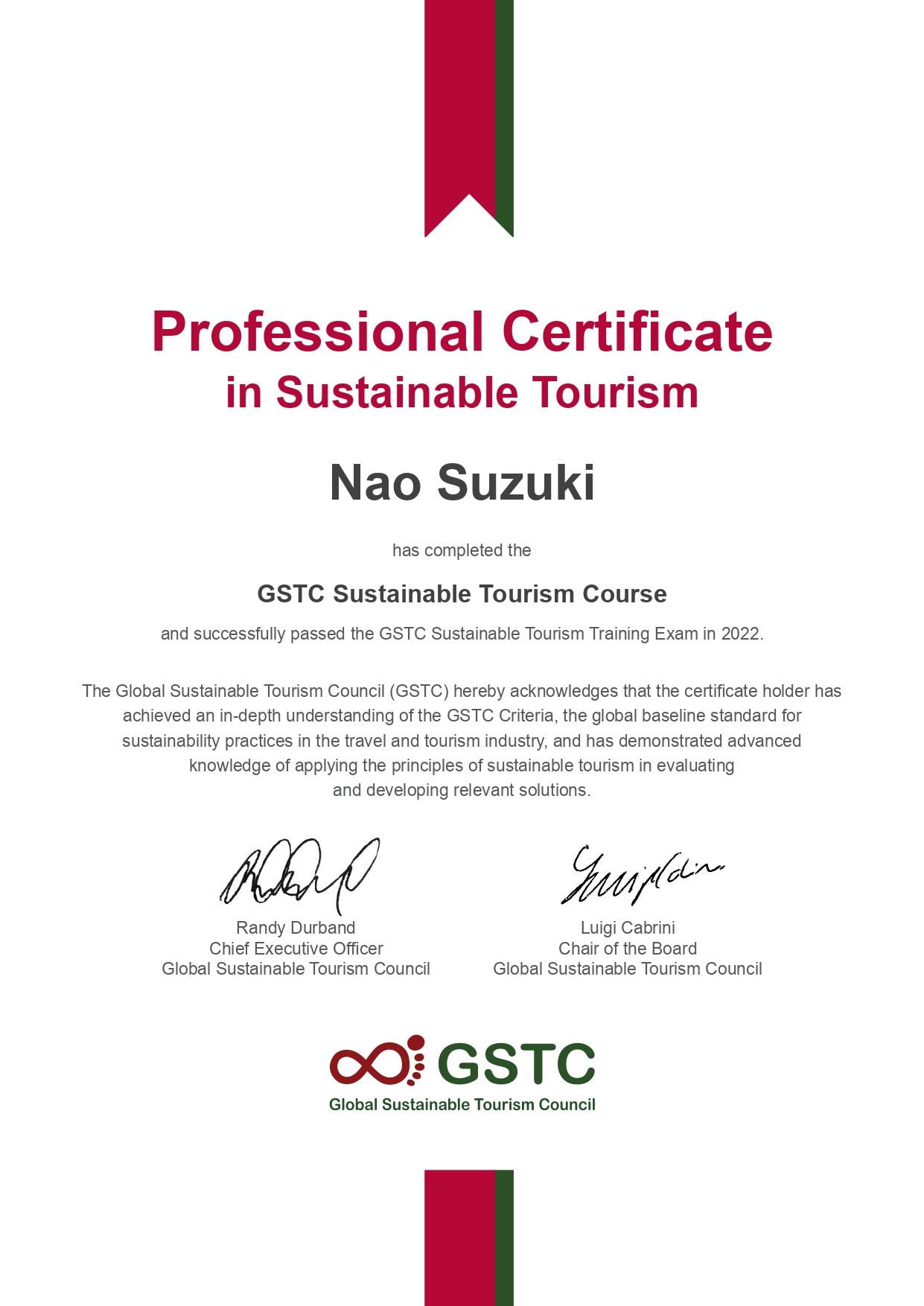
First, to learn about sustainable tourism, she participated in an official training program. After three days of lectures on Awaji Island, she passed the exam and obtained a certificate in Sustainable Tourism.
Next, to convey the concept of sustainable tourism to the local community, she held a lecture titled "Aiming for a Sustainable Tourist Destination - Considering the Future of the Bikan Historical Area through Tourism" at the Kurashiki City Kurashiki Monogatari-kan. She invited businesses closely related to tourists, such as Ohara Museum of Art, Kurashiki Ivy Square, and Kurashiki International Hotel, to participate in the lecture.
This lecture led to the establishment of a discussion forum among the Kurashiki City Tourism Division, Kurashiki Tourism Convention Bureau, Kurashiki Machiya Trust, and Suzuki-san.
During those discussions, Suzuki-san proposed the installation of water refill stations.
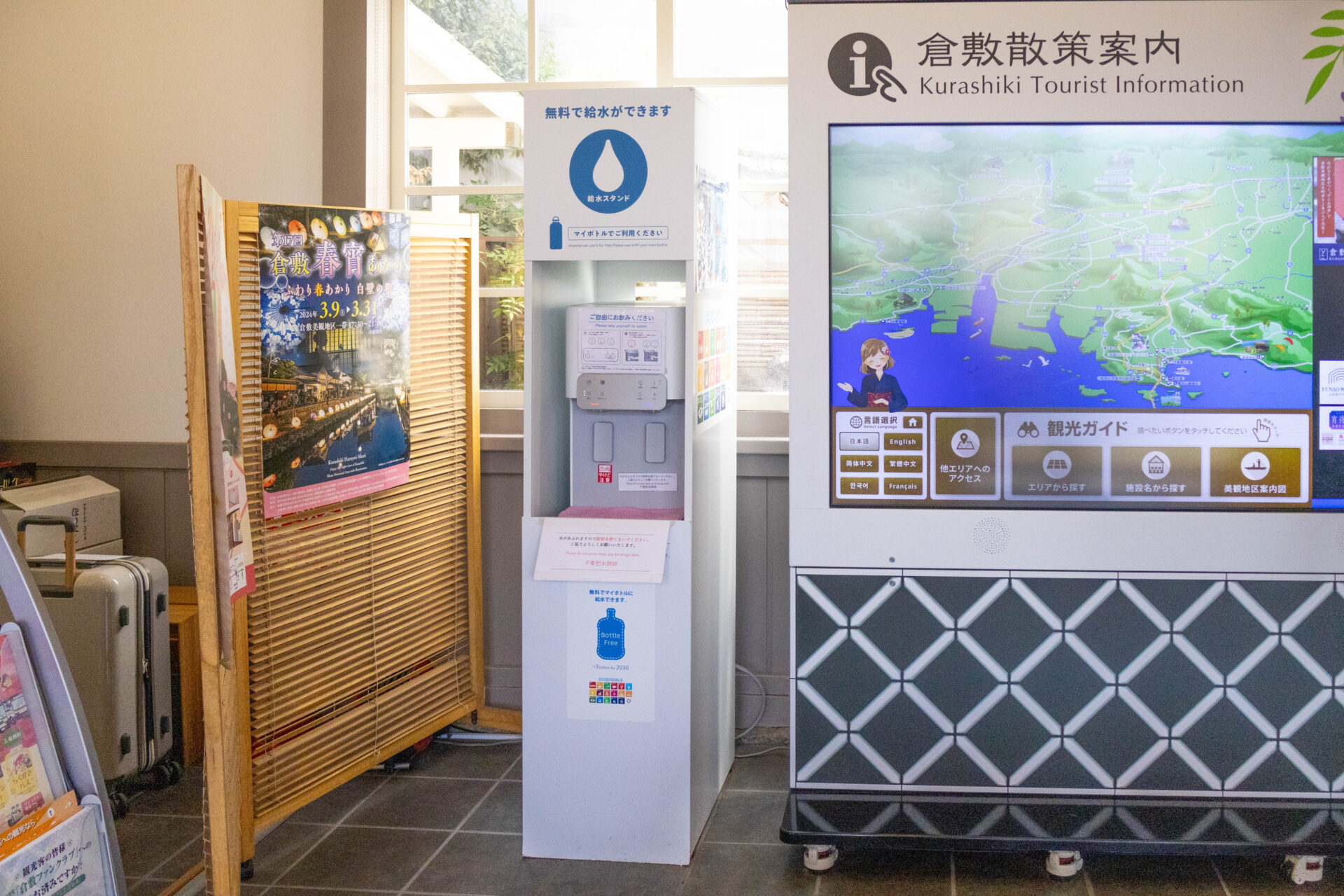
As a user of a reusable bottle herself, Suzuki-san thought that installing water refill stations would reduce plastic bottle waste and littering, contributing to environmental considerations.
As a result, the number of users during the summer was quite high, and from the usage report, it was found that CO2 emissions were significantly reduced.
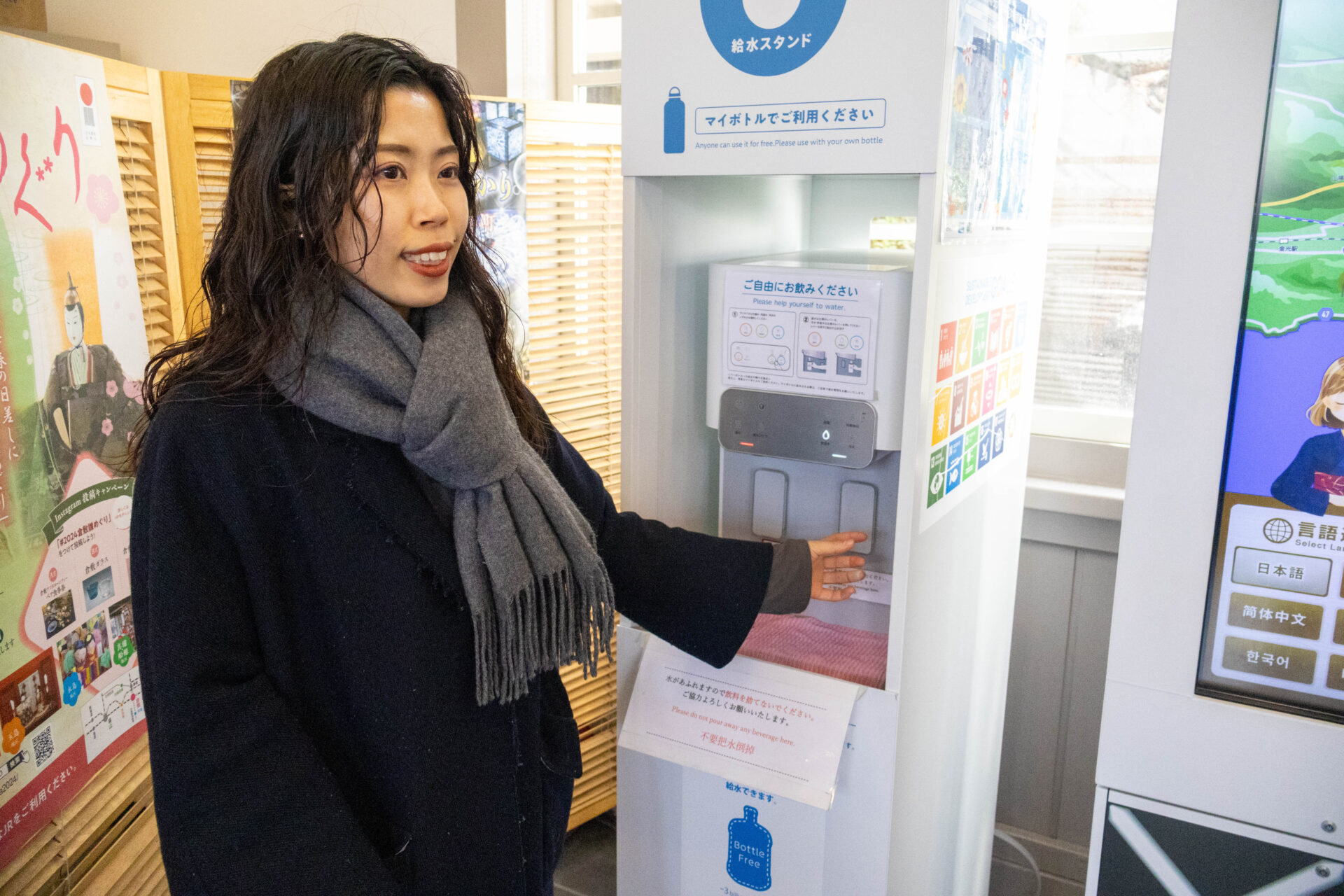
Suzuki-san reflects, "I believe this was one of the activities that contributed to reducing environmental impact."
Interview with Suzuki-san
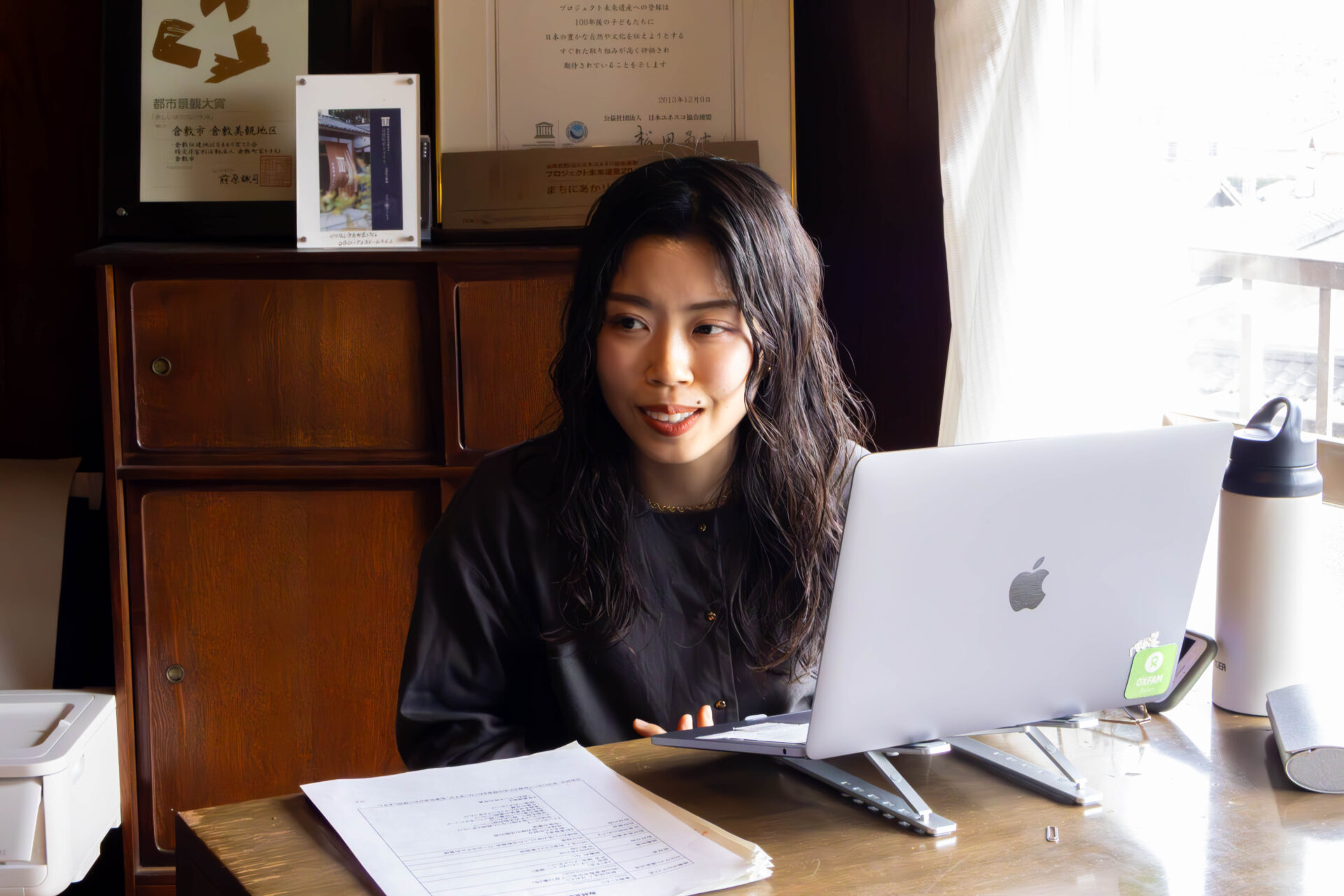
I spoke with Suzuki Nao from the Kurashiki City Regional Revitalization Cooperation Team about her activities.
What do you value in your activity theme of "Sustainable Tourism"?
Suzuki (no honorifics)
I believe that creating a region that is comfortable for everyone, where "businesses are good, tourists are good, and residents are good," is the most important thing for sustainable tourism.
Tourism exists because of the region, and if the region itself does not continue, it will be difficult to remain a tourist destination or to be valued.
For example, a Bikan Historical Area that has become too touristy and has no residents left is like a theme park and is a huge waste.
The charm of the Bikan Historical Area lies in the fact that it is an environment where people live, and I feel that it is not right for only the scenery to remain...
To continue preserving the unique charm of the region, I think it is necessary for everyone to consider sustainable tourism together.
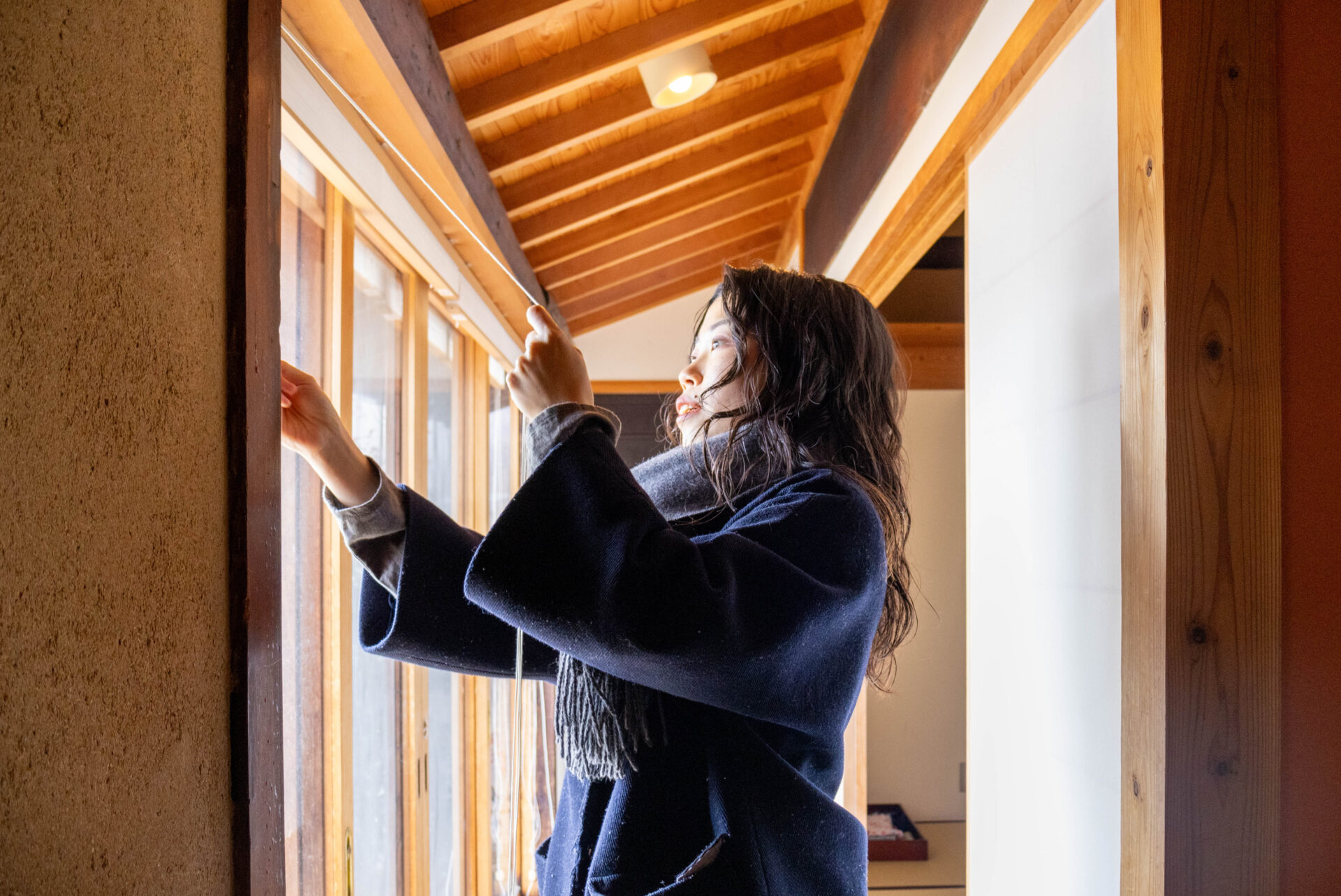
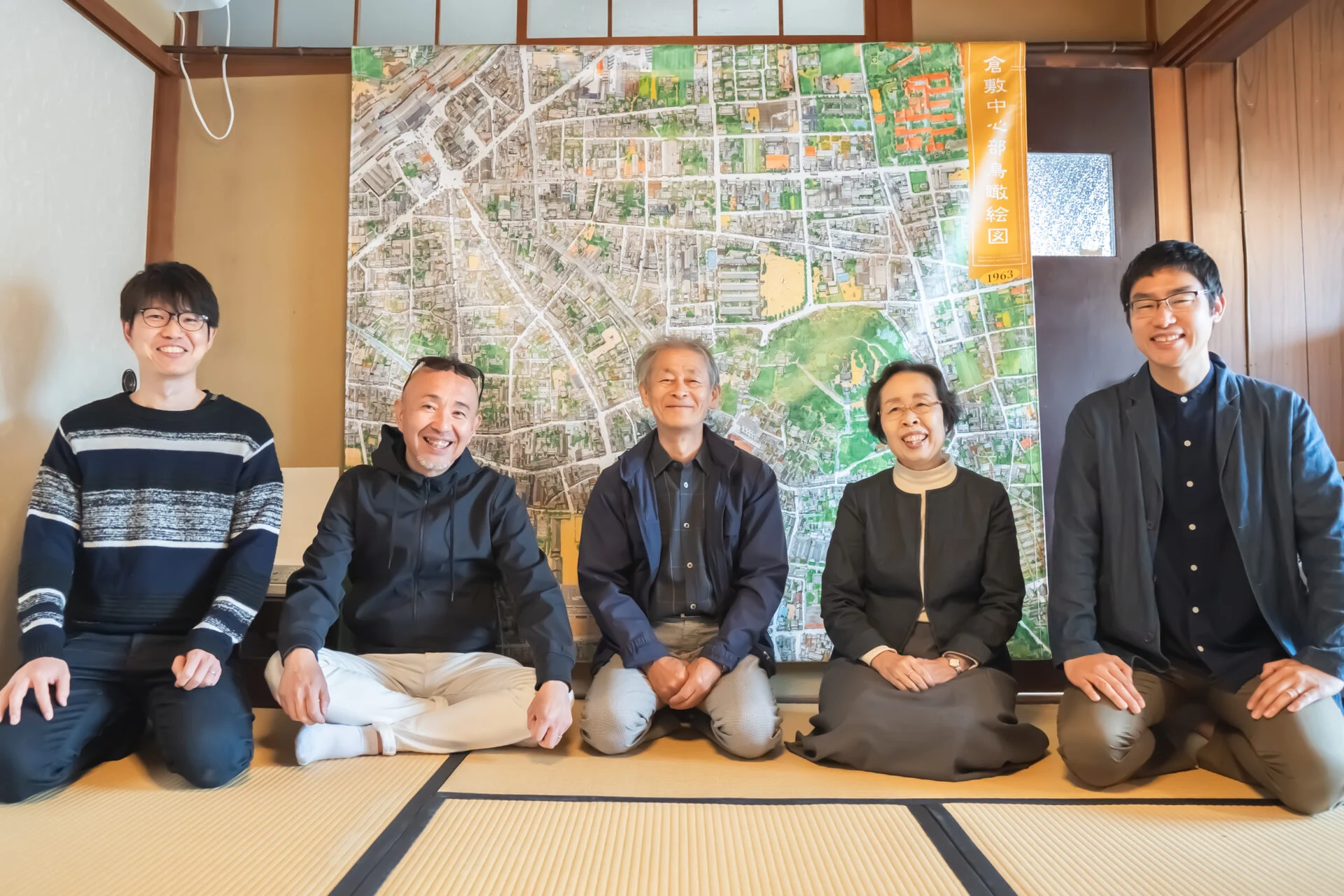
In the Bikan Historical Area, there is a wonderful place called "Kurashiki Kiri ni Naru Area Platform", where various people discuss "What kind of city do we want Kurashiki to be?"
It is a wonderful place where people with a passionate desire to protect and improve Kurashiki can talk.
I hope such places will continue in the future.
Can you tell us how "Sustainable Tourism" became your activity theme?
Suzuki
Three years ago, in 2021, I received a request from the Kurashiki Machiya Trust saying, "We want to create a program for stay-type tourism," and we first gathered information related to tourism together.
One day, the representative, Nakamura Yasunori, brought an article about sustainable tourism, and that was the first time I encountered the term "sustainable tourism." This happened about four months after I joined the cooperation team.
However, I had no idea what it actually entailed or how to put it into practice. So, I started participating in study sessions and visiting regions that were practicing sustainable tourism.
From there, I began to discuss with those around me that "it is also important to face the challenges of being a tourist destination to improve the region."
Rather than having a strong interest in the tourism industry, I had a strong desire to "use tourism as a means to create a sustainable region."
The theme of "Sustainable Tourism" was not something I decided alone, but something I discovered together with those around me.
How has being a member of the Regional Revitalization Cooperation Team influenced you?
Suzuki
I have always had a personality that enjoys interacting with people, but since becoming a member of the Regional Revitalization Cooperation Team in Kurashiki, my interest in people and the region has grown even stronger.
I think the charm of the regional revitalization cooperation team is that it’s a job where you can really meet a variety of people.
Meeting residents, business owners, managers, and tourists, being able to encounter various people and see their worlds was extremely significant. I don’t think I would have met this many people as an ordinary company employee.
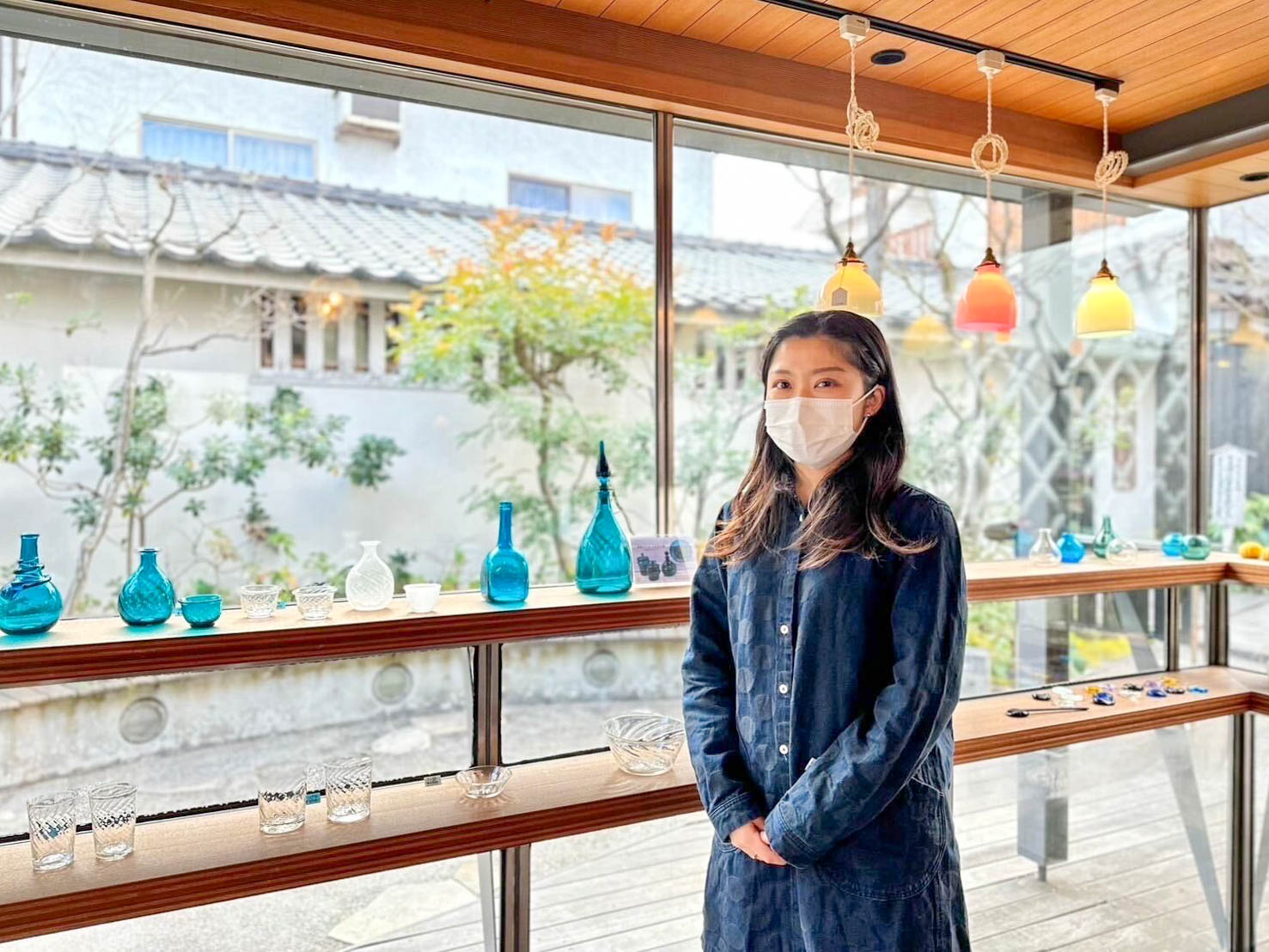
Also, my perspective on tourist spots has completely changed.
For example, when I go to tourist spots while traveling, I have started to actively choose local products and things made by local people. I realized that during my student days, I consumed without thinking, but now I have begun to focus on the essential aspects.
I think I have become more proactive in talking to local people while traveling since becoming a cooperation team member.
Outside of activities, how was life in Kurashiki?
Suzuki
It was really enjoyable to have casual communication with familiar shop owners who would say, "How have you been lately?" and greet neighbors and the elderly lady next door while taking walks.
Since I made many acquaintances in the Bikan Historical Area, I hardly ever felt lonely.
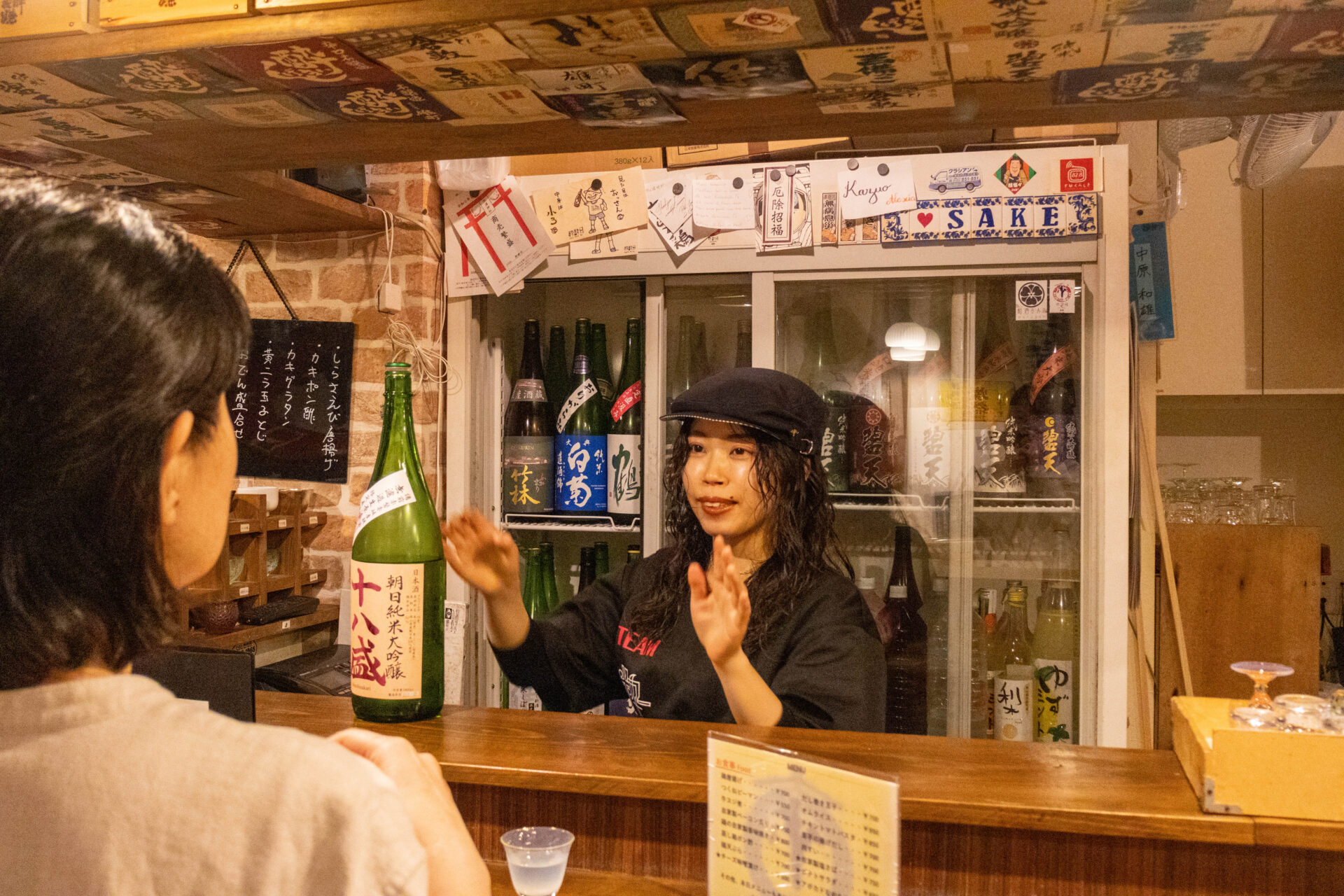
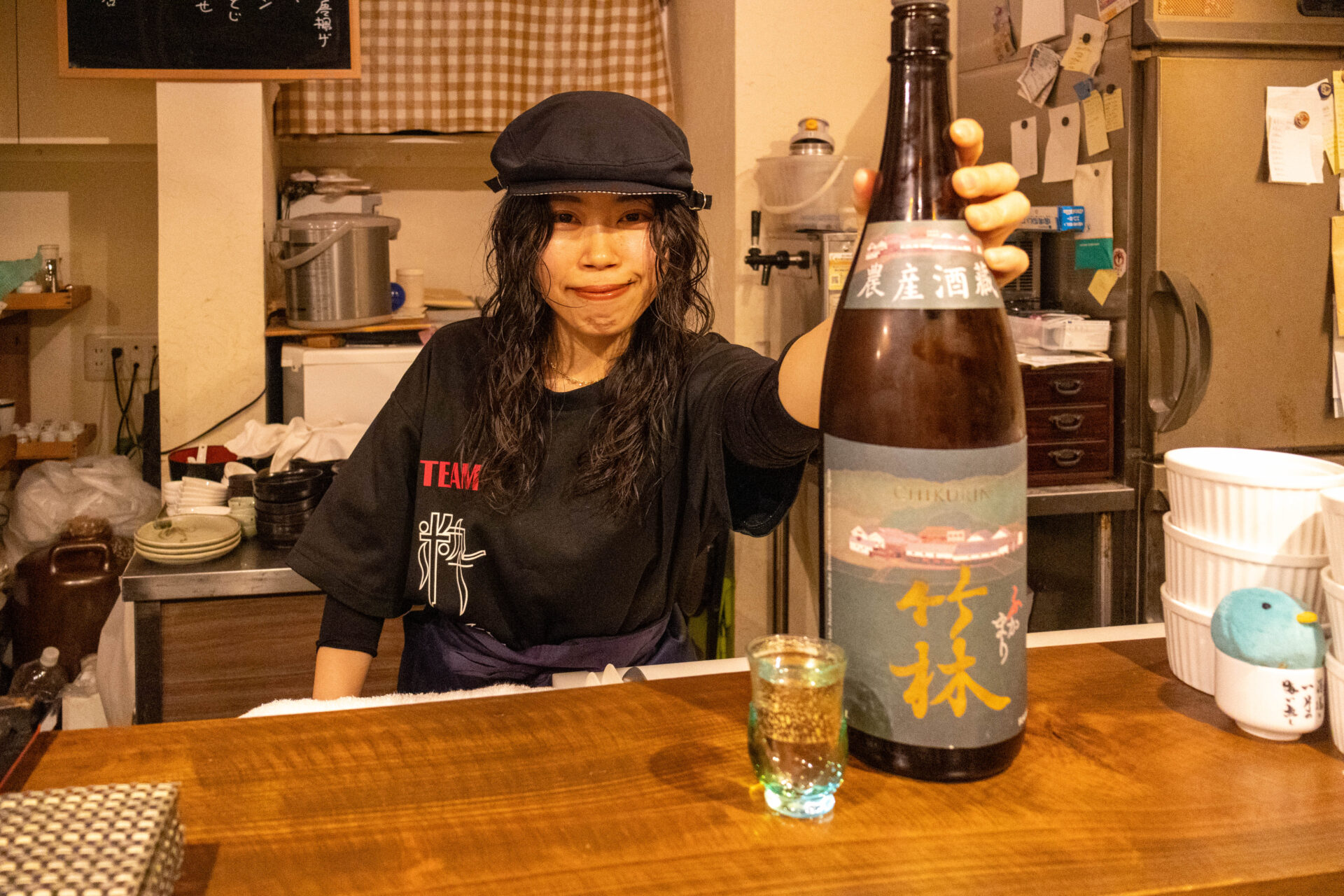
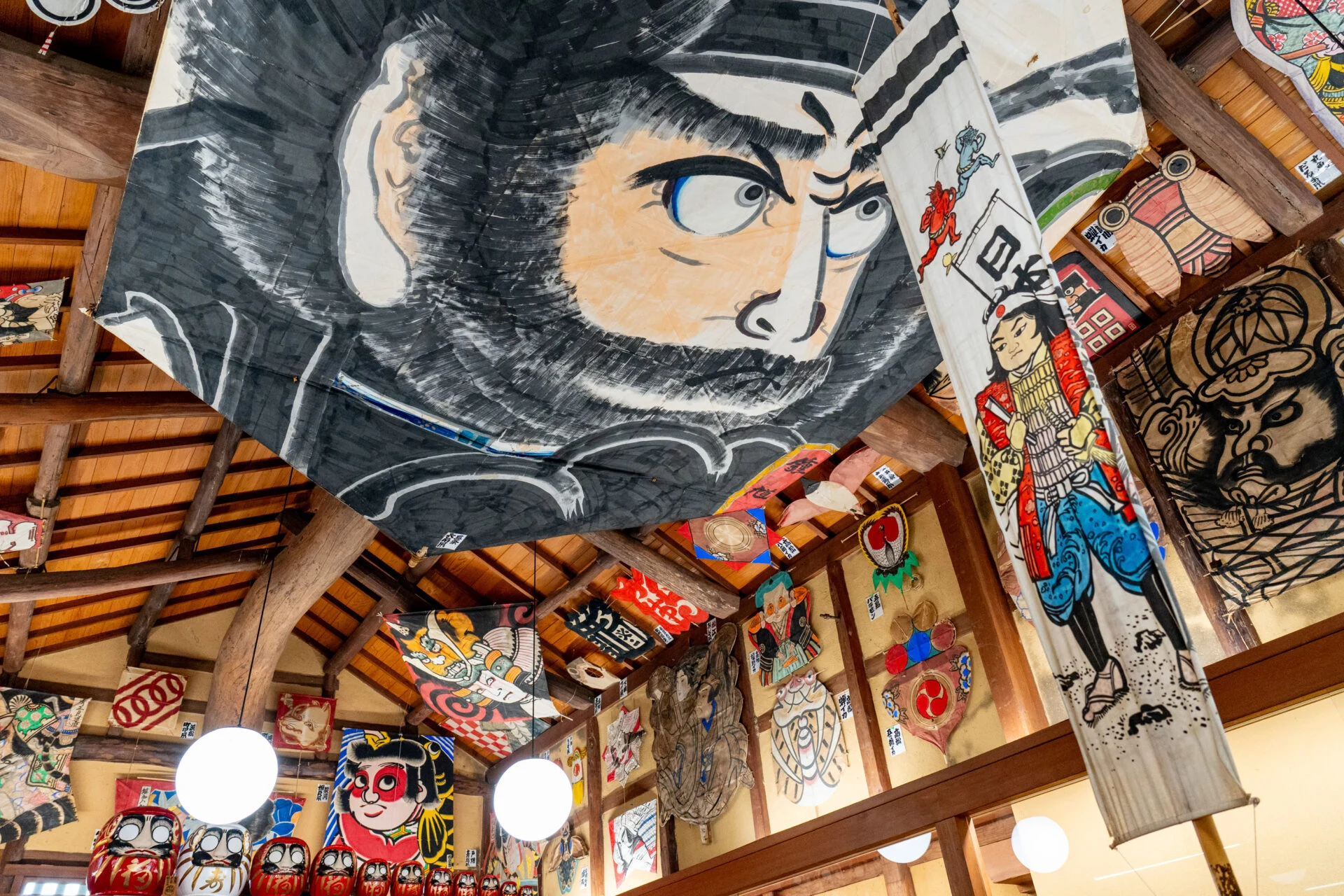
Additionally, I was fortunate to be invited to work part-time at the Japanese Folk Toy Museum, which handles folk toys and crafts from all over Japan, and at a beloved local izakaya called Bichu no Jizake Bar Ikisuihi, which was a great experience.
I had various encounters at my part-time jobs, such as meeting admired artists and explaining local sake to overseas customers.
I was also supported by the connections among the cooperation team members. Once a month, there was a gathering for the cooperation team in Kurashiki City where we could discuss our concerns, gather information about each area, and I felt like they were my companions.
After graduating from the regional revitalization cooperation team, you will be working with the Japan Overseas Cooperation Volunteers. Why Thailand from Kurashiki?
Suzuki
I have always had a strong interest in international cooperation since my student days, and I had also participated in overseas volunteer activities, so I was of course interested in the Japan Overseas Cooperation Volunteers. However, I felt the high hurdles and had a longing for it, but I lacked confidence and couldn’t challenge myself... that state continued.
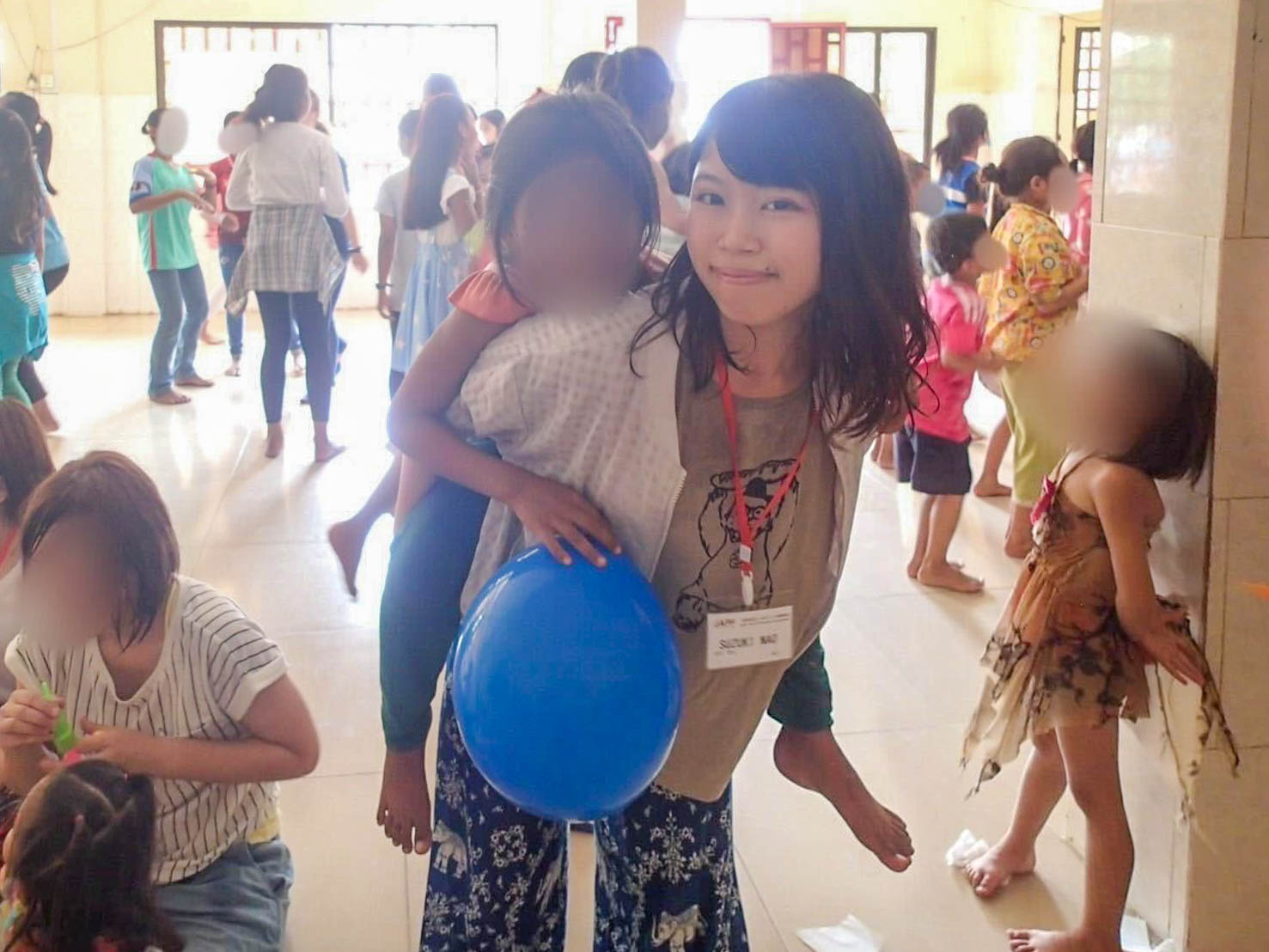
However, after being invited by an acquaintance to attend a JICA Overseas Cooperation Volunteers (a general term for overseas cooperation volunteers) information session, I became interested again.
Encouraged by JICA alumni, while I was considering whether to apply, I found that Thailand was recruiting for positions related to sustainable tourism. The moment I saw it, I thought, "This is the place where what I have done in Kurashiki can be utilized!"
Moreover, they were looking for someone with knowledge of sustainable tourism, and I thought, "That's me!" I was quite shocked.
I wanted to contribute if there were people in a field where I have knowledge who needed help, and I wanted to challenge myself if it would also be a step up for me.
If there hadn’t been a mission where I could utilize my experience, I don’t think I would have applied.
In Thailand, I plan to engage in activities such as planning and managing sustainable tourism programs and supporting public relations.
Do you have any goals for your activities in Thailand?
Suzuki
The most important thing is to build trust with the local people. I want to communicate not only with work-related people but also with various local residents.
Having seen a place in Kurashiki where various people can share their opinions, I hope to create such a space in Thailand as well. I want to involve many people and think together about the future of the region.
Outside of work, I hope to participate in events and learn about the food culture, and it would be great to cook together with the local people.
Please give a message to the citizens of Kurashiki.
Suzuki
I am truly grateful to those who have watched over my activities.
Having seen various people gather after work to discuss local issues and say, "What about this, what about that," I felt positive each time that "there is hope for the future of Kurashiki."
There were times when I felt down, thinking that I couldn’t change the environment by myself, but I think I was given hope by being able to touch the enthusiasm of various people.
Through my activities in the regional revitalization cooperation team, I learned a lot of knowledge that will enrich my future life, and I had good experiences that I can utilize in my next environment.
I will be leaving Kurashiki, but I hope it continues to be a place where people can live comfortably.
I hope that the space where everyone can come together and think about the future of this region will continue to expand.
Conclusion
After the interview, the author went to have lunch with Suzuki.
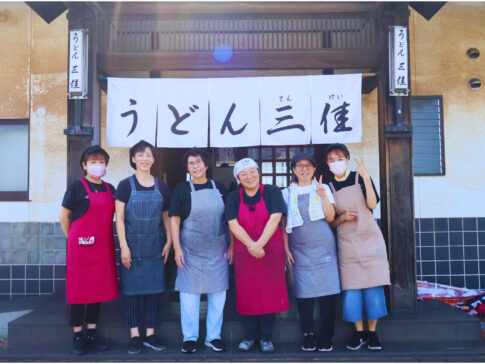
On the way to the restaurant, I saw Suzuki chatting with people she met, saying "Hello, Mr. ○○," and when she entered the restaurant, the staff said, "It’s sad to see you go," and I felt I caught a glimpse of her journey during her three and a half years in Kurashiki.
To revitalize a region, you must first know the region.
And to know the region, interaction with the people living there is essential.
I thought that the skills and experiences Suzuki gained in the regional revitalization cooperation team would surely be utilized after graduation.
I want to support her future endeavors.

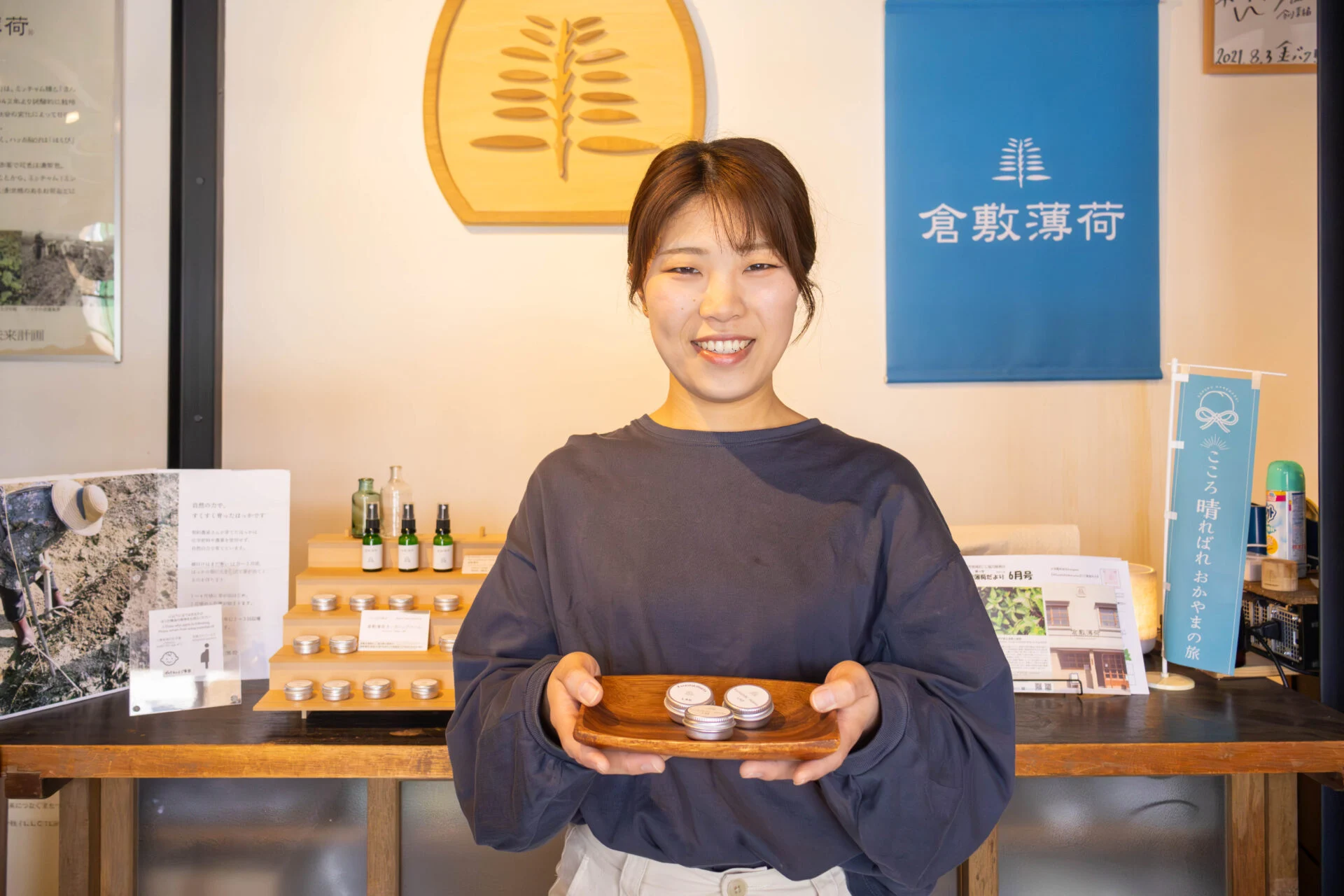



Suzuki plans to share her activities after graduation on Instagram.