
The "Takahashi River Shijuku" is being held from November 2020 to February 2021.
A total of 41 courses classified into three categories: SDGs Vision, Liberal Arts, and Skills, are being attended by 23 students and occasional auditors.
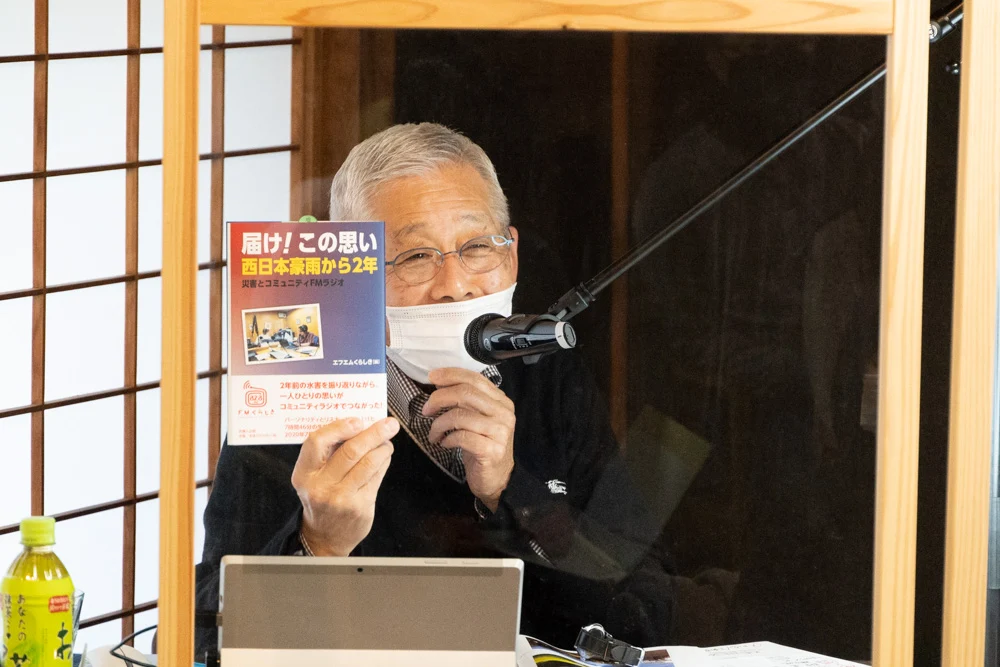
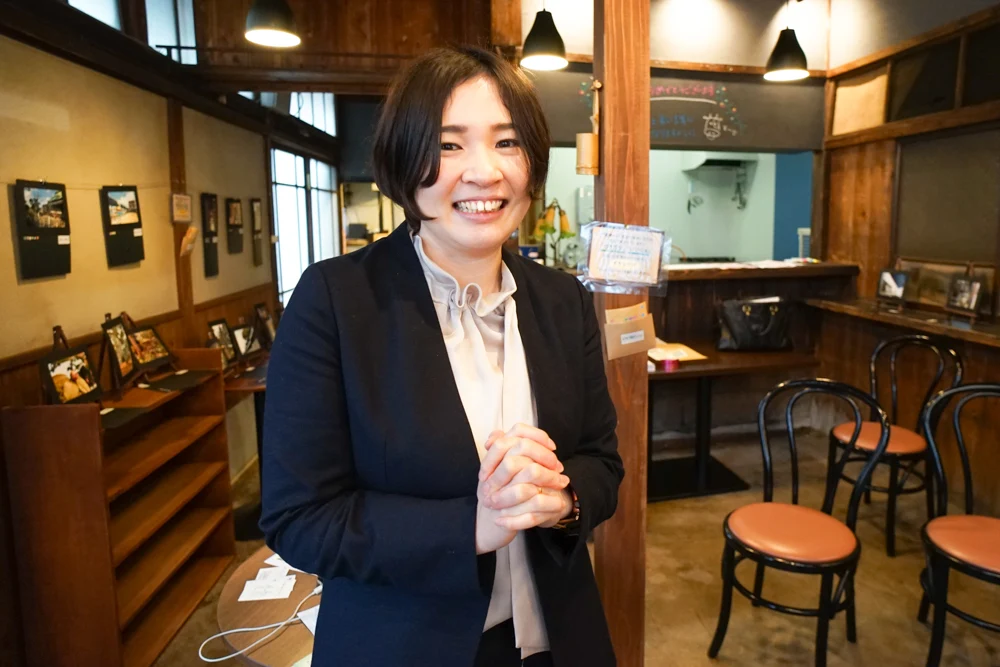
On January 30, 2021 (Saturday), as part of the Liberal Arts section, Chikaku Co., Ltd. Representative Director Akagi Yoshiko gave a lecture.
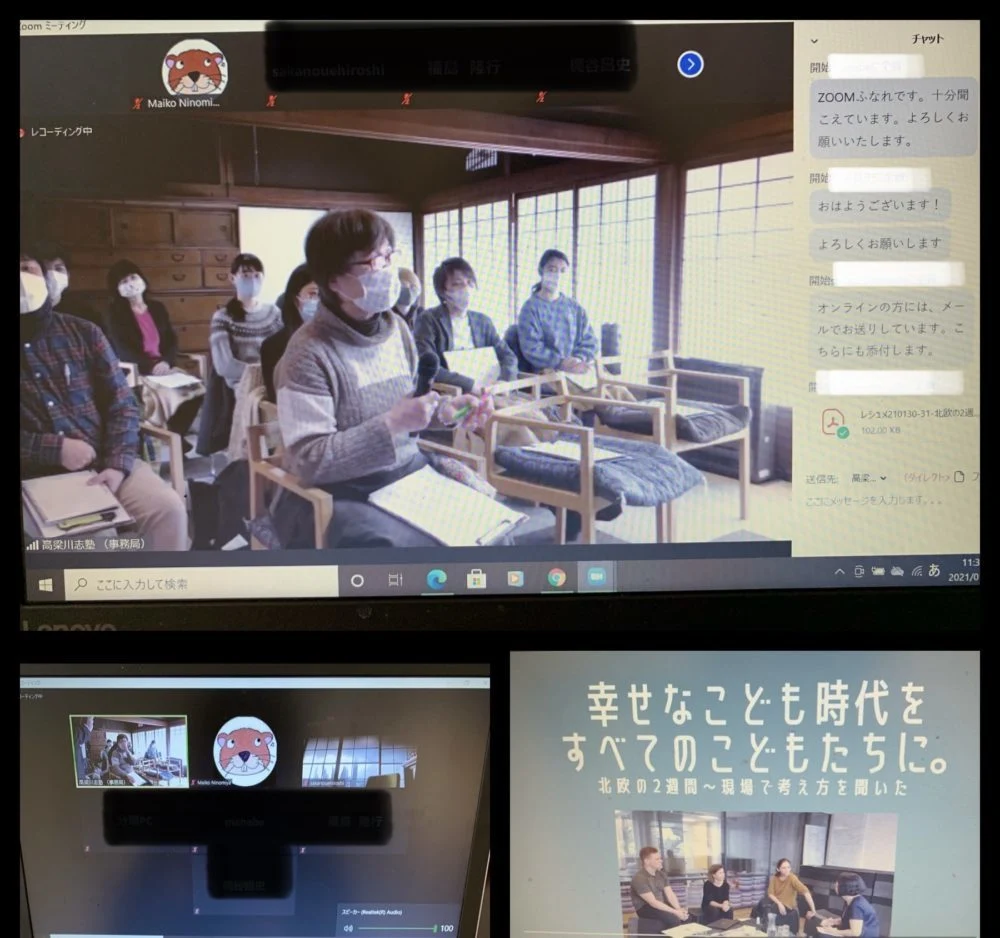
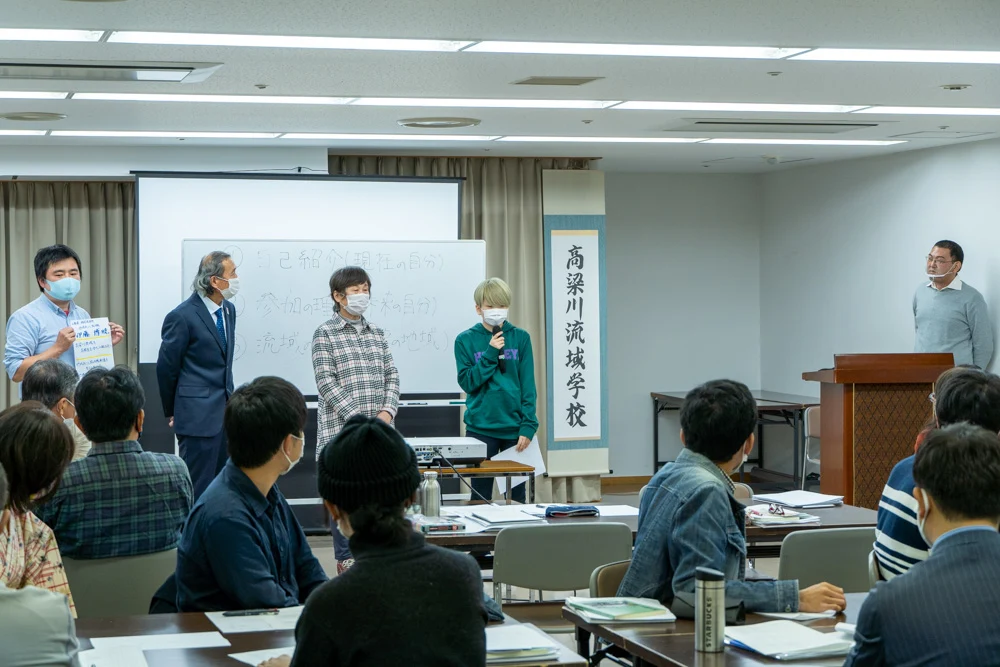
The participants in the venue included 12 people ranging from young individuals in their 20s to housewives and company employees. There were 7 online participants via Zoom.
This time, I participated online from home.
From the many topics covered, I will report on three particularly impressive items.
Overview of Takahashi River Shijuku
The "Takahashi River Shijuku" is a school operated by the Takahashi River Basin School as a commissioned project by Kurashiki City, aiming to foster human resources who will support community building and "sustainable" regions through history, culture, industry, and fieldwork in the Takahashi River basin.
There are two types of courses available:
- "SDGs Exploration Course" which includes practical training and presentations
- "Auditor Course" where participants can attend optional lectures
The opening ceremony was held on November 3, 2020, and 41 lectures will be conducted until the completion ceremony on February 14, 2021.
The themes are as follows:
▼SDGs Vision Section
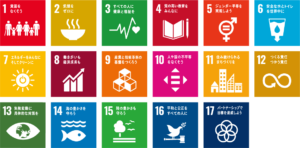
Courses that provide a deep understanding of the current efforts to solve issues and the vision for 2030 in the Takahashi River basin through lectures by practitioners and experts, leading to awareness for action.
▼Liberal Arts Section
Courses to learn about history, culture, and industry in the Takahashi River basin, gaining knowledge that serves as a foundation for activities.
▼Skills Section
Courses to acquire skills and know-how for exploratory learning, such as presentations, accounting for non-profit organizations, data analysis (using RESAS), utilization of IT tools, and using blogs and social media.
For more detailed information, please see the special page for "Takahashi River Shijuku".
About "Yoshiko Akagi" and "Chikaku Co., Ltd."
Yoshiko Akagi is a very powerful and active woman with many roles, simultaneously handling various projects.
- Representative Director of Chikaku Co., Ltd.
- Director of Takahashi River Basin School
- Social Education Committee Member of Kurashiki City Board of Education
Main projects are as follows:
- 2011–"Yochien Gokko Puchi Palette (Ministry of Economy, Trade and Industry Community Business Know-How Transfer Project)"
- "Okayama Child Disaster Prevention Network (Collaboration with Companies and NPOs)"
- 2012–"Chayakko Hiroba Chikaku (Commissioned by Kurashiki City)"
- 2012–2016 "Kurashiki Community Development Exhibition (Commissioned by Kurashiki City)"
- 2018–"Community Base Project Specializing in Development Support for Infants (WAM Grant)" and more
The establishment of Chikaku Co., Ltd. was prompted by the closure of Kurashiki Tivoli Park, which was located in front of JR Kurashiki Station.
Having been involved in parent-child projects during her time at Tivoli Park, she wanted to continue the know-how she had learned and focus on community support centered on child-rearing after the park's closure.
In this lecture, she shared many photos and insights from her observations of child-rearing practices in the three Nordic countries (Denmark, Finland, and Sweden) that were triggered by the "Community Base Project Specializing in Development Support for Infants."
Raising Children in Nature
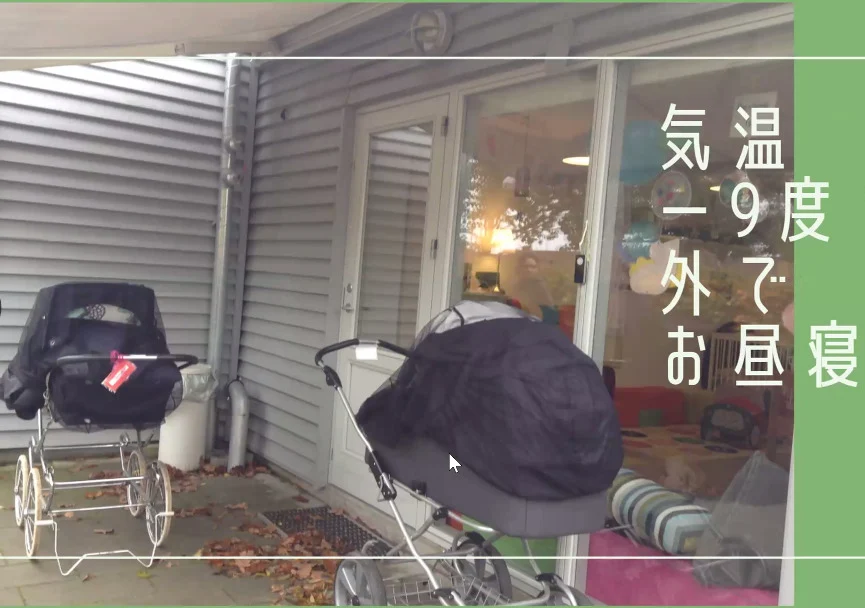
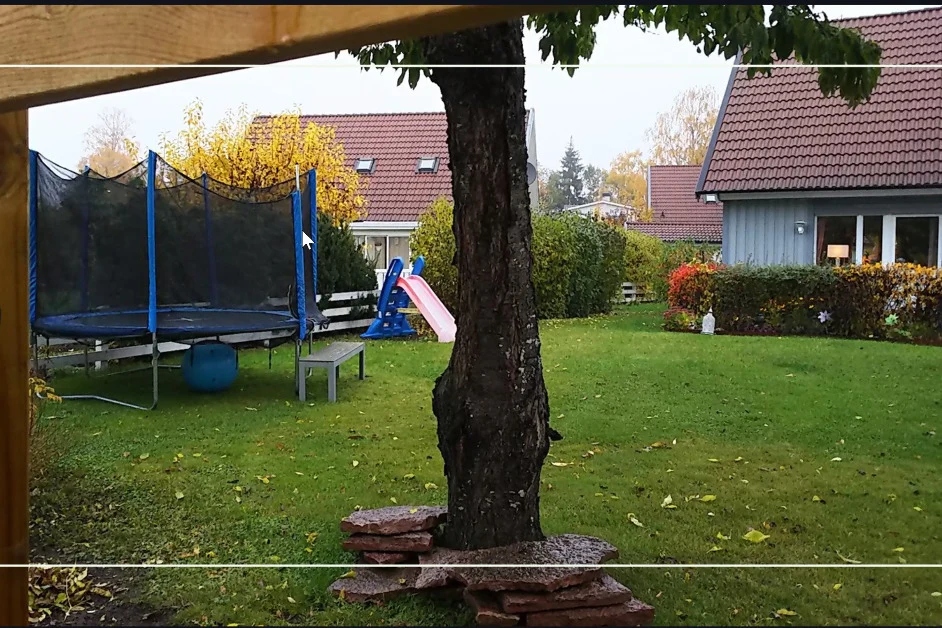
What impressed me most while listening to reports from Nordic child-rearing facilities was that raising children is very natural and harmonizes effortlessly with the environment and society.
- Whether it rains or snows, they always play outside at least once a day.
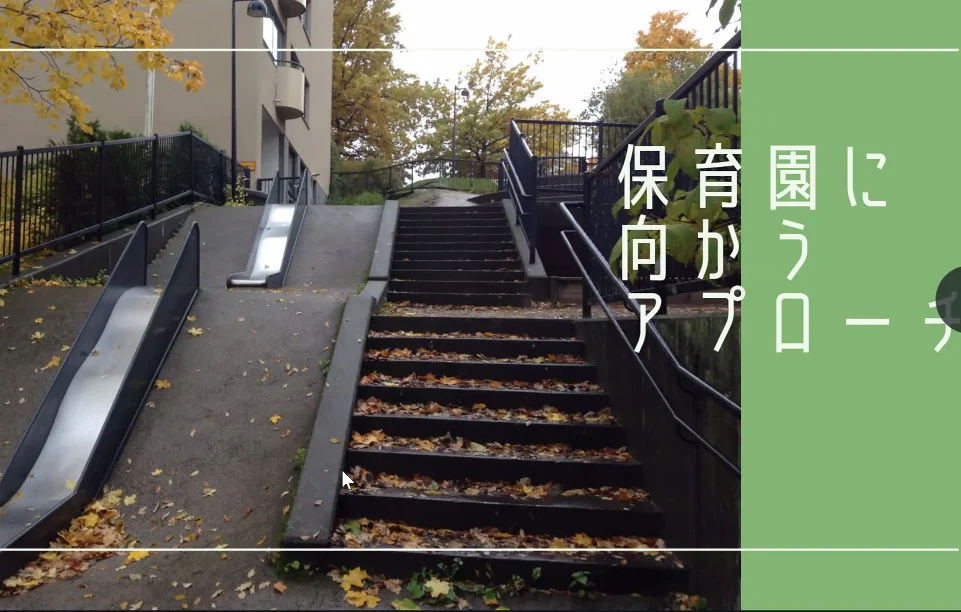
- In a certain streetscape, there was a slide alongside the stairs, and a slope without steps that can be navigated with a stroller.
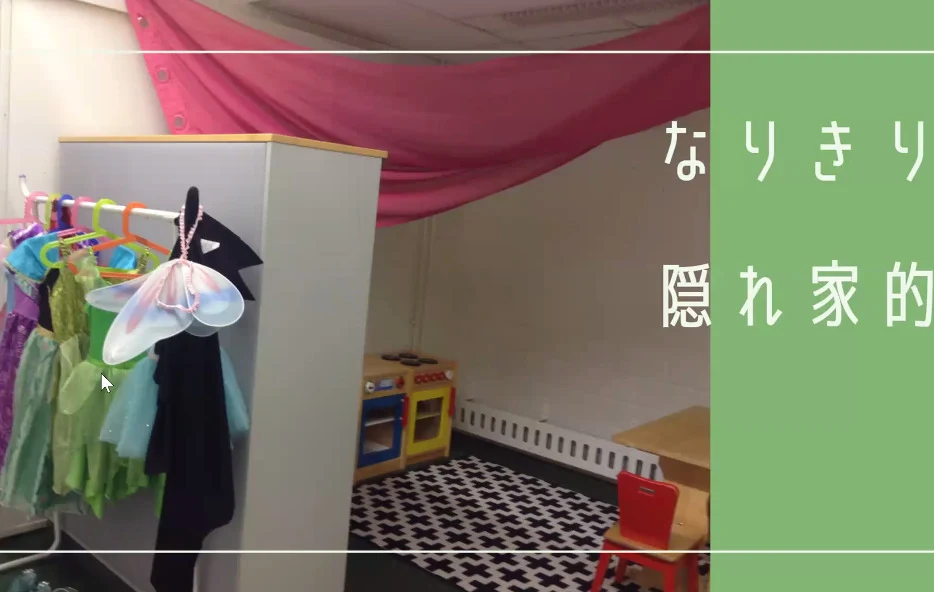
- Inside the facility, many blind spots are intentionally created. This is because children love to hide.
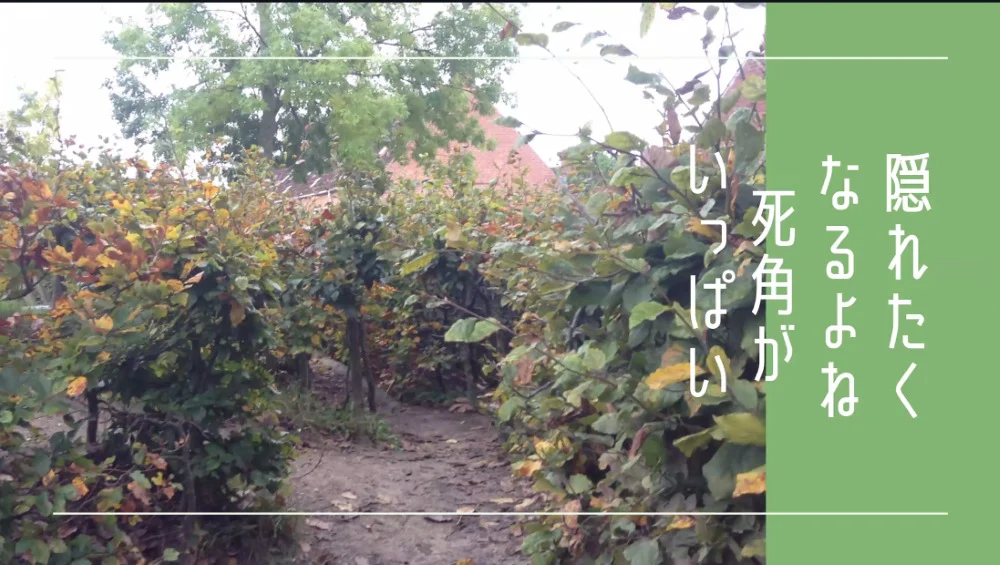
In this way, children are always in close contact with nature, and efforts are made to create an environment where they can engage with nature and develop their childlike characteristics.
Additionally, the height of the chairs is adjusted to a level that makes it easy for adults to assist, creating a work-friendly environment for the staff.
The movements of those providing care are very natural and effortless, and everyone seems to have enough time, making the workers appear very happy.
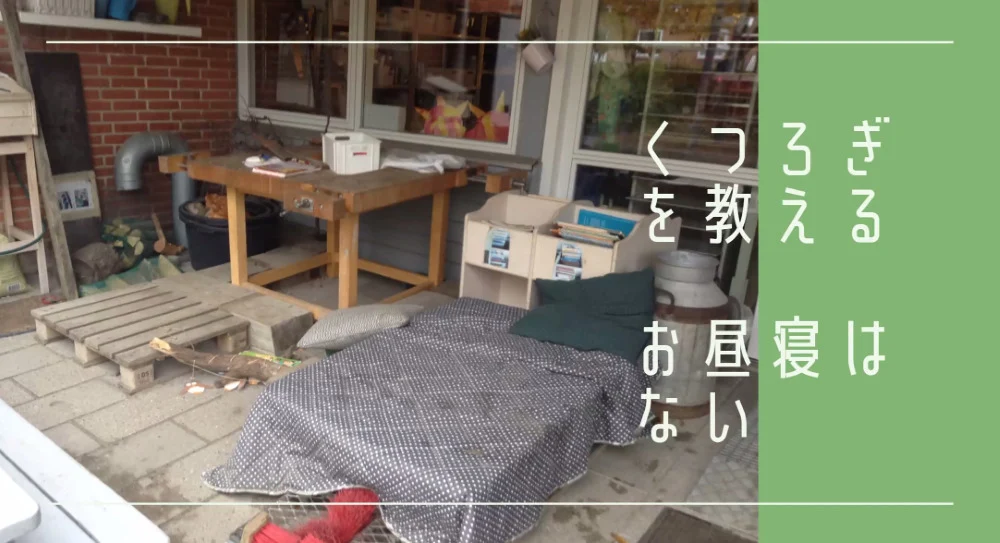
Nurturing the Importance of Being Human
Nordic early childhood education places great importance on children's own feelings and their ability to make their own decisions.
In every situation, the self-determination of the child is respected, and children are given opportunities to express their feelings and to consider themselves important.
Moreover, the phrase, "In community building, adults also realize what they teach children and show that in society" was particularly striking.
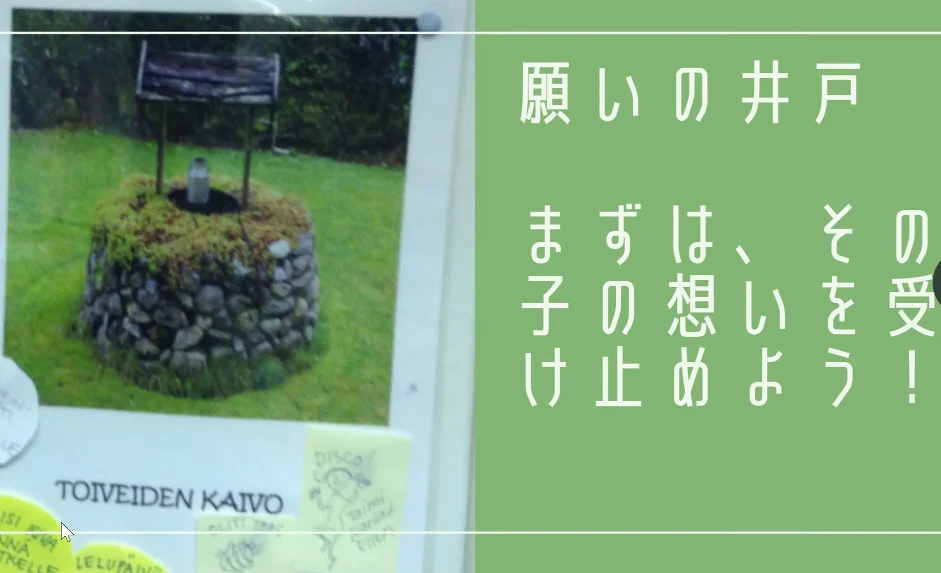
- How do you want to be as a person has been valued since the time of the fetus before birth.
- Allowing children to express their true feelings at that moment is considered very important.
- Even at a young age, they choose and serve only the amount they want to eat. Even if food spills on the floor, no one panics.
The prioritization of goals for the year before entering school, which the children themselves decided, was also very impressive.
- Interaction (Communication) / Self-Control
- Daily Living Skills
- Play / Activities
- Physical Activity
- Self-Expression / Arts
- Knowledge / Learning
What do the children want to achieve in life?
From a young age, they are encouraged to express their feelings in various situations, and through repeated self-selection and self-determination, it is clear that they are nurturing their own "core".
Special Support for All Children
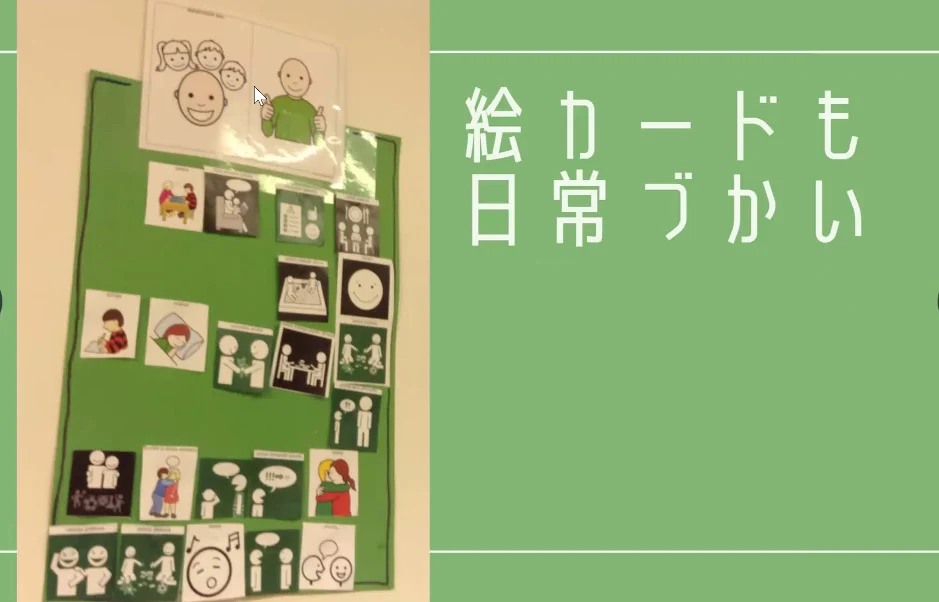
It was very impressive that in Nordic early childhood education settings, special support is not treated as something separate.
They do not clearly separate children who need support from those who do not, but instead create an environment and utilize teaching materials that can be used by all children.
- Throughout the facility, picture cards were posted to visually indicate what to do next.
- A mirror was provided to help read one's own and others' feelings from expressions.
- In Denmark, the country maintains data on children's developmental history and shares that information with families.
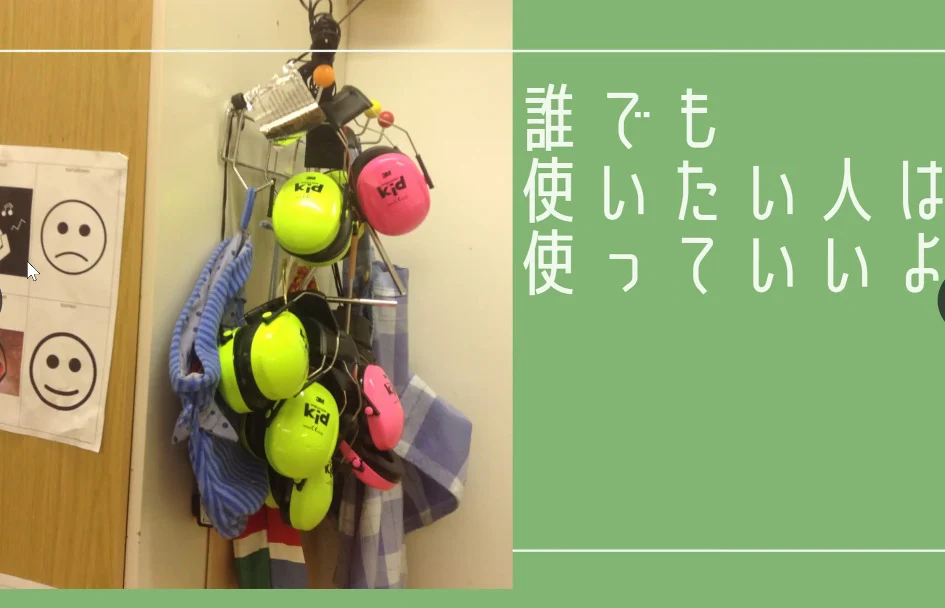
Mr. Akagi has met many parents and children through the plaza to connect them with appropriate support and advice at the right time.
Parents are aware that "there might be something wrong with my child."
They go for consultations, but at various places, they are told, "Let's wait and see since they are still small," and are brushed off...
Mr. Akagi argues that this does not lead to any solutions.
In Japan, there is a tendency to avoid conveying the child's characteristics to the parents as they are, pointing out that doing so immediately becomes a matter of evaluation.
While in Denmark it is simply a matter of "fact," in Japan it turns into a discussion of evaluation criteria.
This difference seems to stem from the foundation of recognizing and nurturing the child's way of being from the age of 0.
Summary
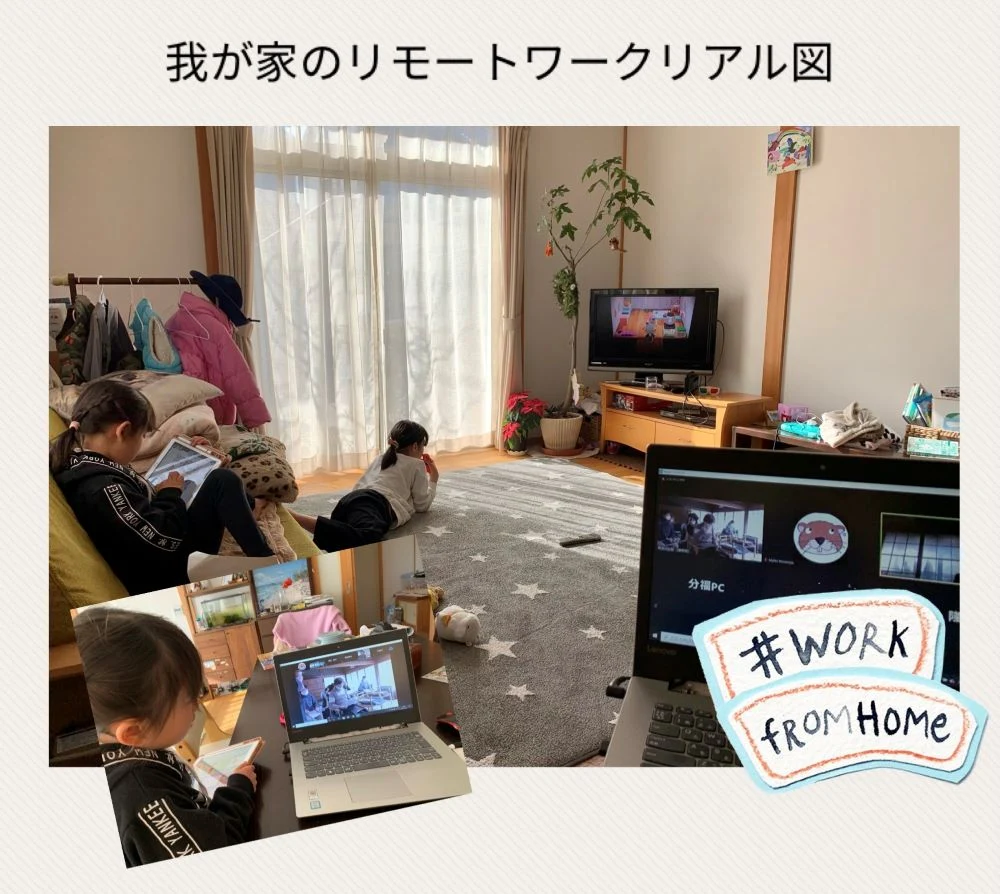
As a parent of two children myself, I feel that Japan's educational and childcare environment still prioritizes the convenience of society and adults over the value of the time children spend as children.
I believe that Nordic early childhood education is a system thoughtfully designed by mature adults that respects the same personhood of both children and adults without making a large distinction between them.
People become aware of their own values by being exposed to multiple cultures.
While it is quite difficult to visit directly, Mr. Akagi shared a lot of photos along with the content of his observations, which provided me with a wonderful opportunity to reconsider my own values regarding society and parenting.
How to utilize what I have learned? I will take some time to think about it slowly.

![[Takahashi River Study Group] Scene of the Venue](https://media.kuratoco.com/wp-content/uploads/2020/12/23041111/takahashigawa-sijuku-100pv2_01.jpg)































