We often hear people say, “I want to leave my hometown” or “I don’t want to go back to my hometown.”
There are also claims that you can’t succeed or achieve big dreams unless you leave your hometown.
But why do people want to leave their hometown?
Perhaps it’s because they don’t know much about the area where they live.
And perhaps they haven’t noticed what makes their region special.
We don’t learn much about our local areas in school, do we?
To learn about your own region, you need to take the initiative.
The Takahashi River Basin School carries out “regional education” activities to help people living in the area learn about the unified region known as the “Takahashi River Basin.”
And although it’s called a school, it’s not just about sitting at a desk and listening to talks or quietly working on tasks.
Its concept is to use the climate, culture, history, and industries of the Takahashi River Basin as “regional learning materials,” and to learn about them in an enjoyable way through hands-on experiences that engage the five senses, together with people of different generations.
Here, we introduce the Takahashi River Basin School, where you can learn about the Takahashi River Basin in an enjoyable way and grow to love the region.
The information presented was current when this article was published in August 2020. Please note that it may differ from current information.
The Takahashi River Basin School works to revitalize the region through “regional education”

The Takahashi River Basin School is an organization that provides “regional education,” treating the climate, culture, and history of the Takahashi River Basin as important to the people who live there, and helping them learn about it and pass it on to the next generation.
It carries out a variety of initiatives and activities in collaboration with schools, businesses, community organizations, and local governments in the Takahashi River Basin.
Its aim is to foster a love of home and pride in the region among people living in the Takahashi River Basin, develop human resources, and revitalize the Takahashi River Basin area.
Its main areas of activity are as follows:
- Kurashiki City
- Soja City
- Asakuchi City
- Kasaoka City
- Ibara City
- Takahashi City
- Niimi City
- Hayashima Town
- Yakage Town
- Satosho Town
The area covers the municipalities in Okayama Prefecture that lie within the Takahashi River Basin.
You may be wondering, “Aren’t the island areas of Asakuchi, Satosho, and Kasaoka cities outside the Takahashi River Basin?”
In fact, they use water from the Takahashi River for their water supply, so they have close ties to the river.
Isn’t it surprising that water from the Takahashi River is piped to Mushima, in the southern part of the Kasaoka Islands, even though it is more than 20 kilometers from the mainland?
What is the Takahashi River? One of Okayama Prefecture’s three major rivers, flowing north to south through the western part of the prefecture

The Takahashi River flows north to south through Bitchu Province, in the western half of Okayama Prefecture.
Together with the Asahi River and Yoshii River, it is known as one of the three major rivers of Okayama Prefecture.
Its source is in the mountains of Mt. Hanami (elevation: 1,188 meters) in Niimi City, near the border with Tottori Prefecture.
Its mouth is in the Mizushima and Tamashima areas of Kurashiki City, where it flows into Mizushima Nada in the Seto Inland Sea.
Its tributaries also extend into Bingo Province in eastern Hiroshima Prefecture.
The Takahashi River is 111 kilometers long, ranking 44th in length nationwide. Its basin, including its tributaries, covers 2,670 square kilometers, making it the 23rd largest in Japan.
Main activities of the Takahashi River Basin School
The Takahashi River Basin School carries out a variety of initiatives and activities.
Here are some of its main activities.
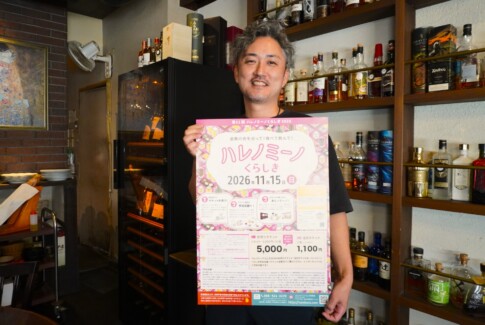
Takahashi River Marché
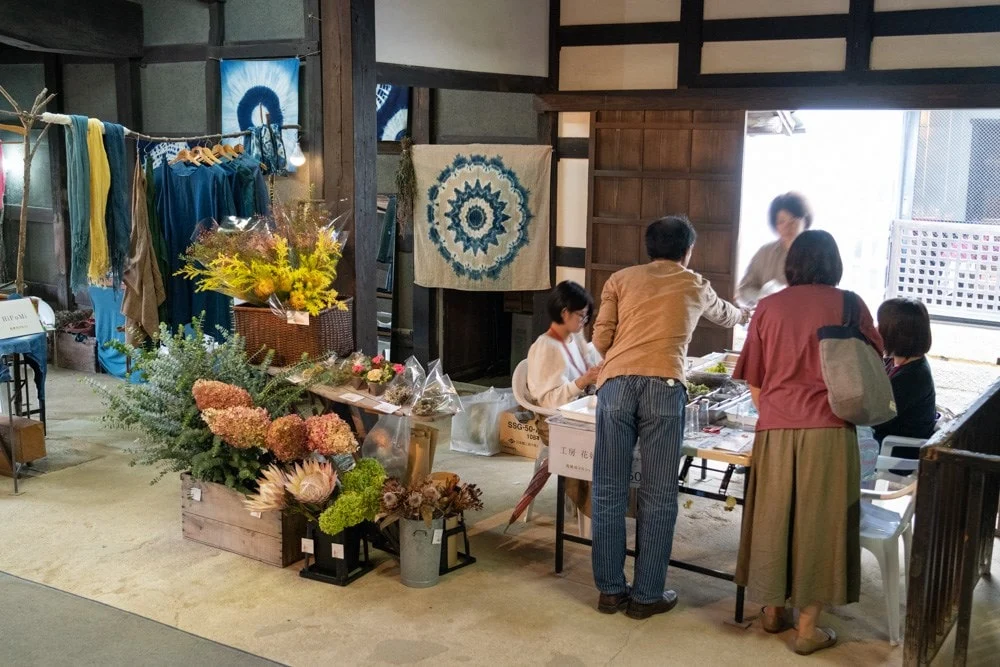
The Takahashi River Marché is held mainly by the Takahashi River Marché Executive Committee.
It is an event that brings together carefully selected food and lifestyle products from the Takahashi River Basin and promotes them alongside art and music.
It is also a valuable place to meet and interact directly with producers and artists.
The Takahashi River Marché is a place to rediscover the charms of the Takahashi River Basin.
Bitchu Shijuku

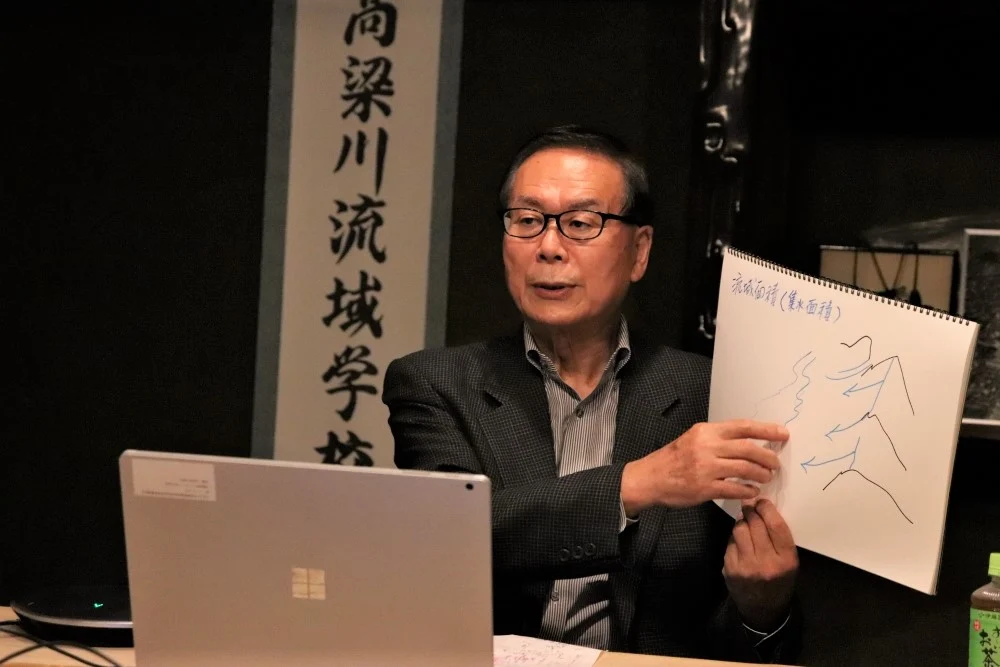
“Bitchu Shijuku” is a program organized by the Takahashi River Basin School.
It is a course on “Bitchu studies,” which treats the climate, history, culture, folk customs, and industries of the Bitchu region within the Takahashi River Basin as foundational knowledge about the region.
Participants learn in an informal setting with folklorist Nobutake Kanzaki, an expert on Bitchu history and culture, invited to serve as “principal.”
Instructor Mr. Nobutake Kanzaki (folklorist)
Born in Okayama Prefecture in 1944. Folklorist. His main research topics include folk beliefs, festivals and food culture, and travel and tourism. He currently serves as director of the Institute for the Culture of Travel, a specialist member of the Council for Cultural Affairs, a visiting professor at Tokyo University of Agriculture, and a member of the Okayama Prefecture Council for the Promotion of Culture, among other roles. He is also the chief priest of Usa Hachiman Shrine in Okayama Prefecture. His major works include Gods, Buddhas, and Ancestors: The Folklore of “Nippon-kyo” (Shogakukan), Eating from “Vessels”: Japanese People and Food Culture (Japan Broadcasting Publishing), Illustrated Guide to Japanese Vessels: Exploring Food Culture (Kawade Shobo Shinsha), San-san-ku-do: A Folklore of Japanese Contracts (Iwanami Shoten), Edo Travel Culture (Iwanami Shinsho), Food Culture of “Matsuri” (Kadokawa Sensho), Japanese Culture of Sake, Japanese Culture of Customs, Japanese Culture of the Seasons, Japanese Culture of Bowing (Kadokawa Sophia Bunko), and The Yamato-ya Story: A Folk History of Osaka Minami’s Geisha District (Iwanami Shoten).
From Bitchu Shijuku | Takahashi River Basin School
Bitchu “Oral History”

“Bitchu ‘Oral History’” is an initiative carried out in collaboration with the Bitchu “Oral History” Executive Committee.
High school and university students interview older people who live in the Takahashi River Basin.
They learn about local traditions and culture, wisdom for daily life, work and skills, and stories about the area, then write them up.
Takahashi River Garbage Survey
The Takahashi River Garbage Survey is an initiative to identify the sources of garbage in the Takahashi River Basin.
Its activities cover a wide area, from the upper and middle reaches of the Takahashi River to its lower reaches and estuary, and even the Seto Inland Sea.
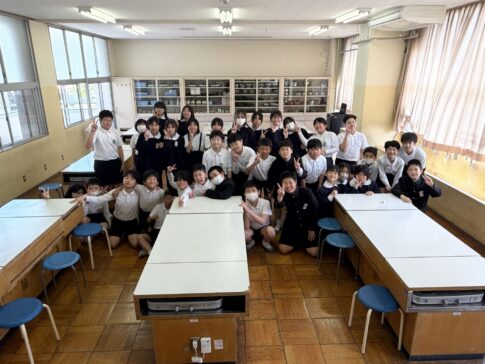
Working with elementary, junior high, and high schools in the basin, the group creates maps showing where river garbage originates.
It classifies the garbage to identify its sources and encourages improvements in the areas where it originates.
The Takahashi River Basin School carries out a wide range of activities.
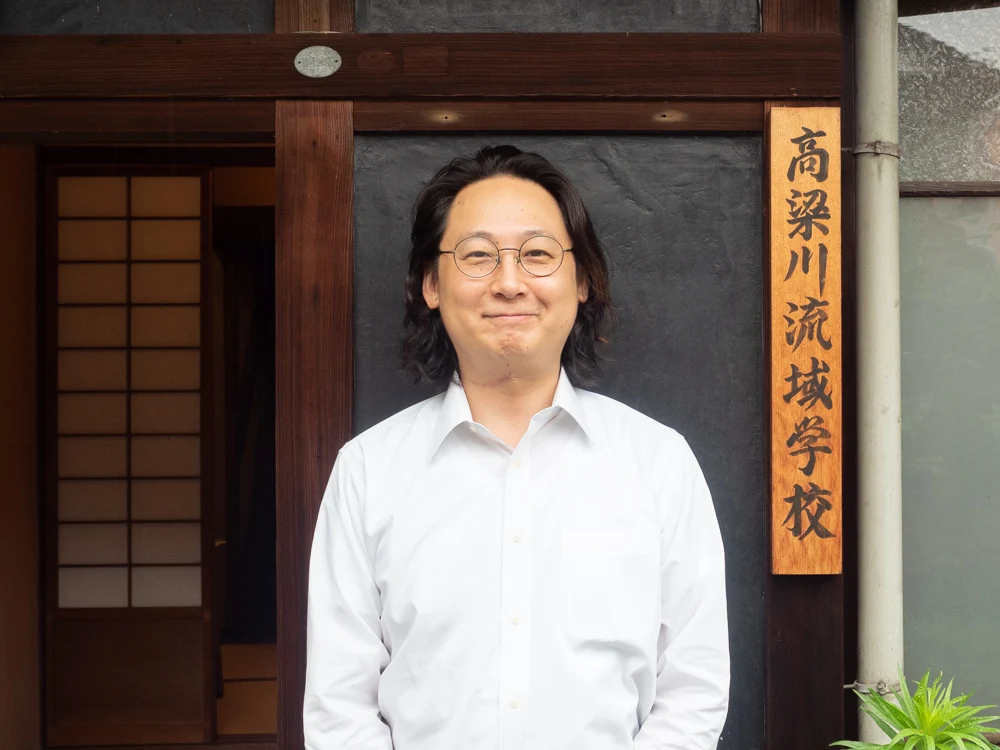
In June 2020, Hiroshi Sakanoue became the new representative director, succeeding Kensaku Okubo, who had served as representative director for five years from the organization’s founding.
We interviewed Sakanoue, the new representative director.
General Incorporated Association Takahashi River Basin School: Organization Information
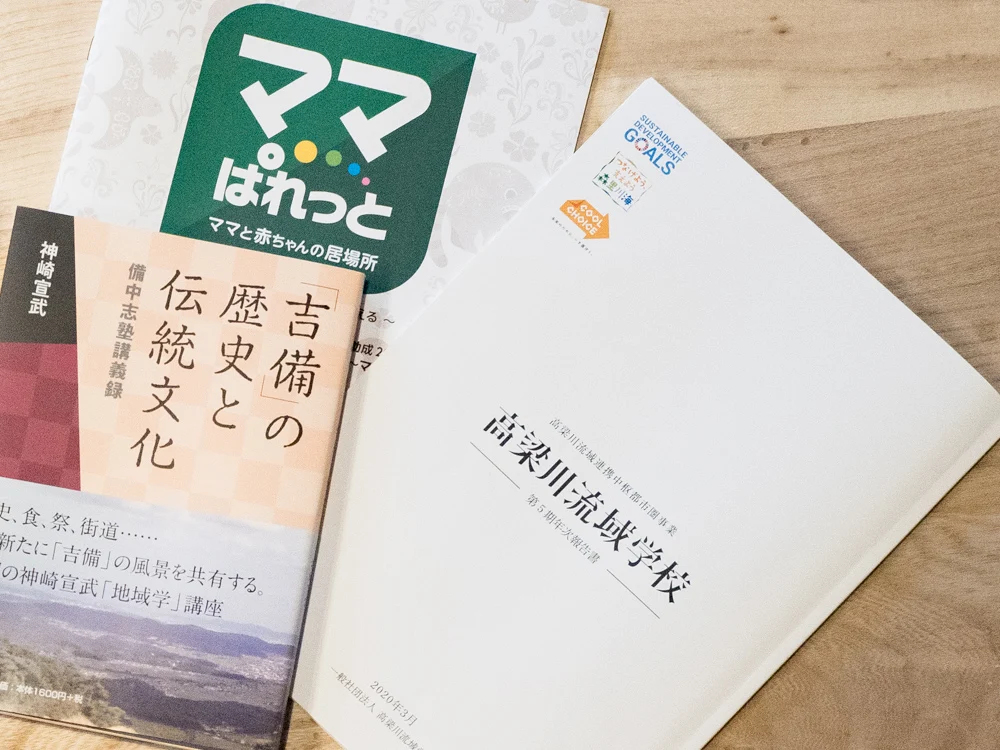
| Organization name | General Incorporated Association Takahashi River Basin School |
|---|---|
| Industry | Nonprofit organization |
| Representative | Hiroshi Sakanoue (Representative Director) |
| Year established | 2015 |
| Address | Office: 2-13-3 Chuo, Kurashiki City, Okayama Prefecture (inside Sumiyoshicho no Ie Bunbuku) |
| Contact | 086-527-6248 |
| Website | Takahashi River Basin School |

What would you like to know about Kurashiki?
Enter a word to search articles on this site