Interview with Hiroshi Sakanoue, Representative Director of Takahashi River Basin School
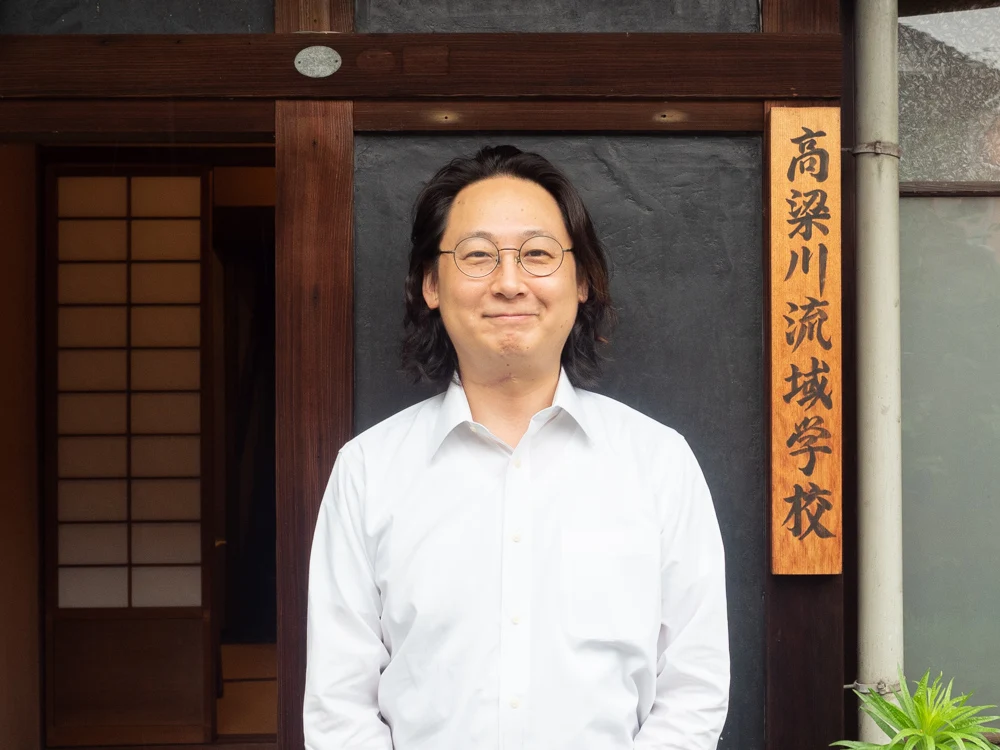
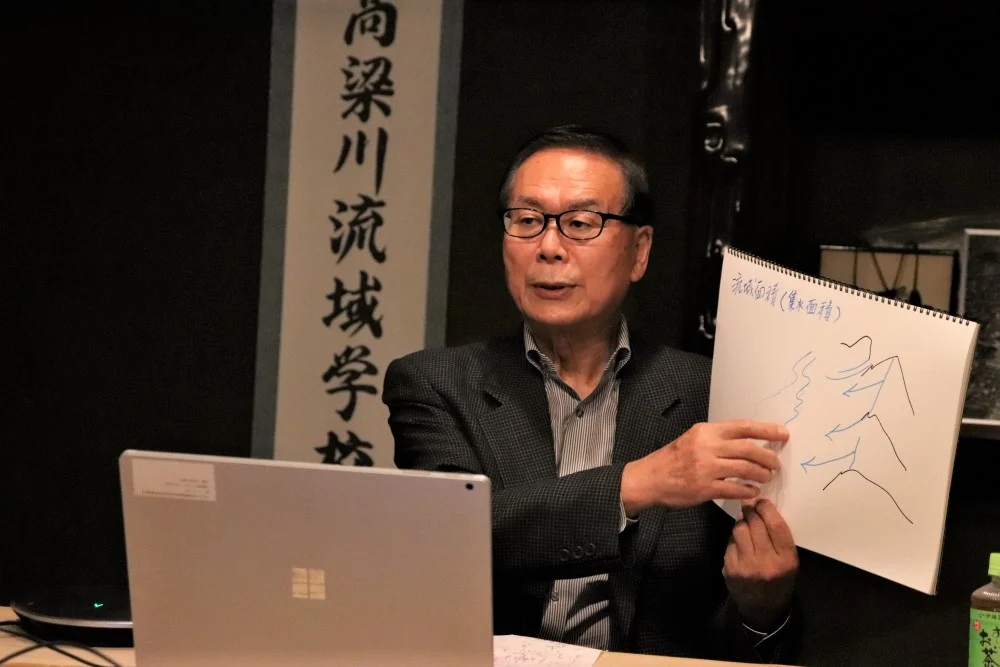
The Takahashi River Basin School is engaged in activities to learn about the region through collaboration among the communities in the Takahashi River Basin.
We spoke with Hiroshi Sakanoue, the Representative Director of the Takahashi River Basin School, about the background of its establishment, its features, and future aspirations.
The origin is the collaborative concept of the Takahashi River Basin inspired by the Rhine River Basin
What was the catalyst for the establishment of the Takahashi River Basin School?
Sakanoue
The catalyst goes back to 1954.
In 1937, a businessman, Soichiro Ohara, who later became the chairman of the Ohara Museum of Art and the president of KURABO INDUSTRIES LTD. and Kurashiki Silk Textile Co., Ltd., went on his honeymoon trip.
He traveled mainly around Europe, and during that time, he was impressed by how the regions in the Rhine River basin collaborated with each other while maintaining their unique characteristics.
Inspired by this, Ohara proposed the necessity for the municipalities in the local Takahashi River basin to collaborate, likening the Takahashi River to the Rhine River.
Thus, the "Takahashi River Basin Federation" was established in 1954.
This organization was formed by municipalities in Okayama Prefecture's Takahashi River basin, transcending municipal boundaries to collaborate based on the Takahashi River.
While there have been changes in participating municipalities due to mergers, the Takahashi River Basin Federation still exists today.









Image provided by: Takahashi River Basin Federation
Is the Takahashi River Basin Federation different from the Takahashi River Basin School?
Sakanoue
The Takahashi River Basin Federation and the Takahashi River Basin School are separate organizations.
The Takahashi River Basin School was established in 2015.
A few years prior, Japan had passed the peak of its population growth, and the government began to consider correcting the concentration of population in Tokyo and promoting decentralization.
In response, the Ministry of Internal Affairs and Communications initiated the "Central Urban Area Concept" in 2015.
The Takahashi River Basin was recognized as one of the fastest regions in Japan to adopt the Central Urban Area Concept.
This is because there has been a history of collaboration in the Takahashi River Basin since 1954.
Amid the movements of this Central Urban Area Concept, the Takahashi River Basin School was born as an initiative for private organizations engaged in "regional education" to collaborate.
In fact, collaboration in regional education had been taking place since 2003.
It was this activity that led to the establishment of the Takahashi River Basin School.
Bingo Province is a rare region in Japan where the national territory and the Takahashi River Basin almost coincide
There are various rivers of all sizes across the country, but what is the background for the progress of such initiatives in the Takahashi River Basin?
Sakanoue
This may be due to the relationship between Bingo Province and the Takahashi River.
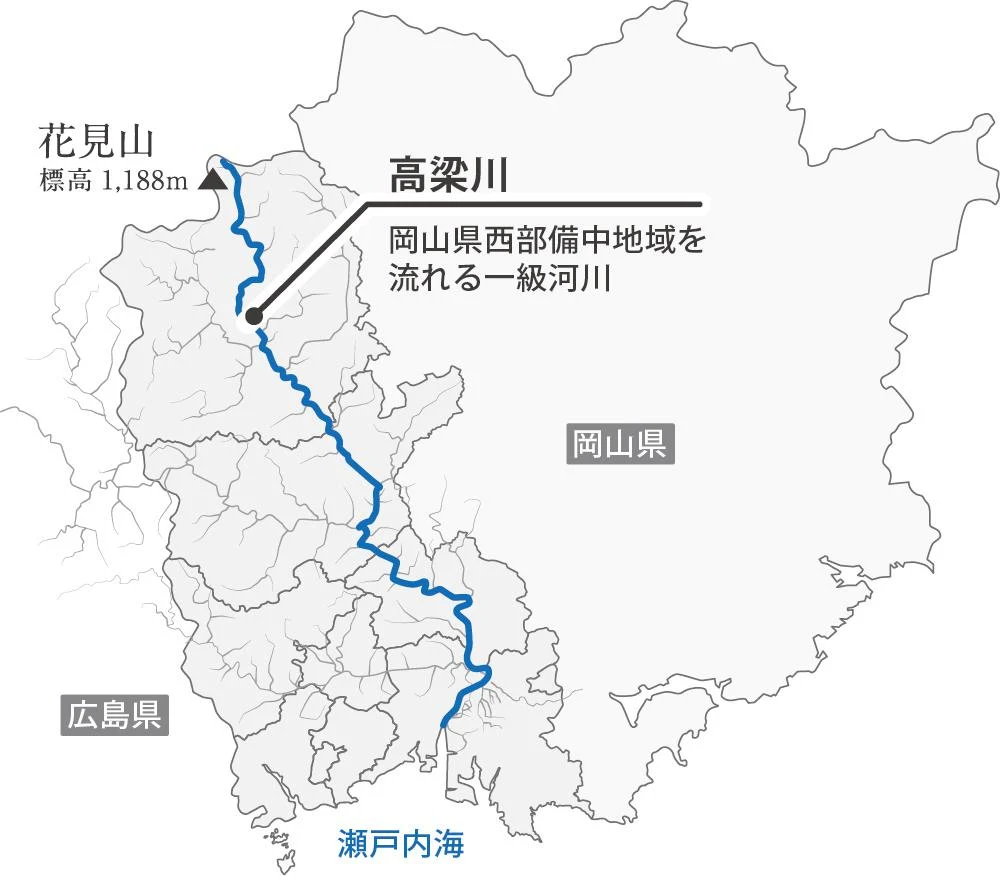
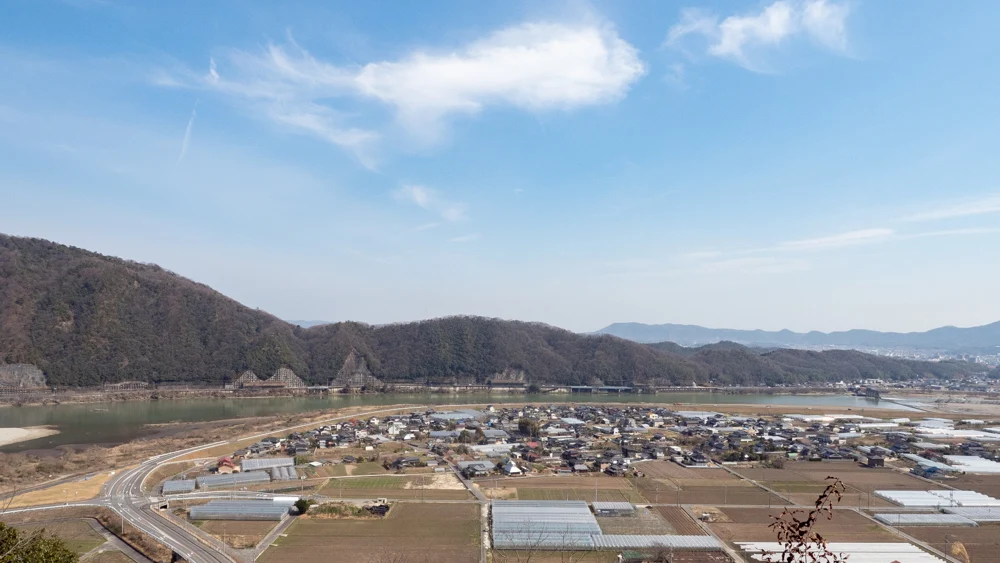
The boundaries of Bingo Province and the Takahashi River Basin almost coincide.
Of course, to be precise, there are other river basins within Bingo Province, and the Takahashi River basin extends to Bingo Province as well.
However, it is quite rare nationwide for a country to be formed largely by the basin of a major river.
For example, in the case of the Asahi River and Yoshii River, the lower reaches are in Bizen Province, while the upper reaches are in Mimasaka Province.
In Bingo Province, the southern part is in the Ashida River basin, while the northern part is in the Gono River basin.
In the past, rivers also functioned as transportation routes using water transport.
In the case of Bingo, since a large part of the country is within the same river basin, the Takahashi River's water transport created a unified cultural sphere for the entire country.
On the other hand, during the Edo period, the Takahashi River basin had many domains, including feudal domains, shogunate territories, and direct control territories.
The Takahashi River basin during the Edo period was characterized by regions with different backgrounds connecting loosely, which was different from Bizen Province, which was almost entirely occupied by the Okayama Domain.
Given this geographical and historical background, it may have been easier for collaboration to emerge in the Takahashi River basin.
Experiential learning using all five senses about the region
How exactly do you learn?
Sakanoue
Just because it's a school doesn't mean that students sit at desks and listen to a teacher like in elementary, middle, or high school.
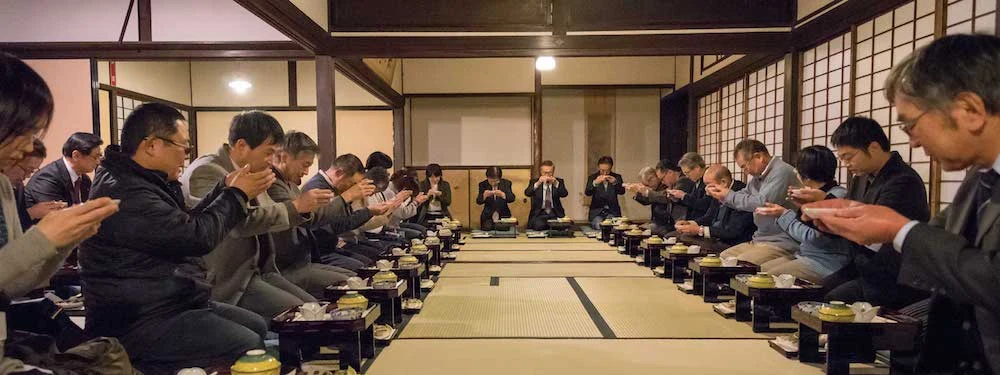
We often express it as "learning through the five senses," focusing on experiential learning.
The Takahashi River Basin School has five keywords for learning: "Enjoying nature and knowing diversity," "Feeling the seasons and tasting the harvest," "Learning from predecessors and practicing with artisans," "Creating jobs for the future," and "Learning about the local culture and passing it on to the next generation."
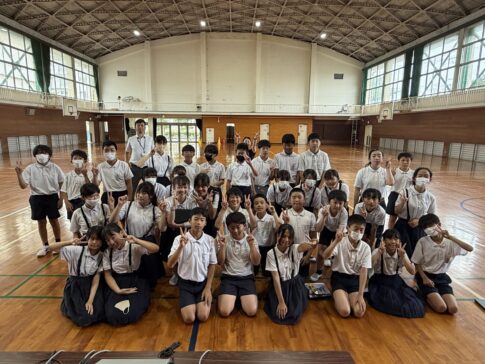
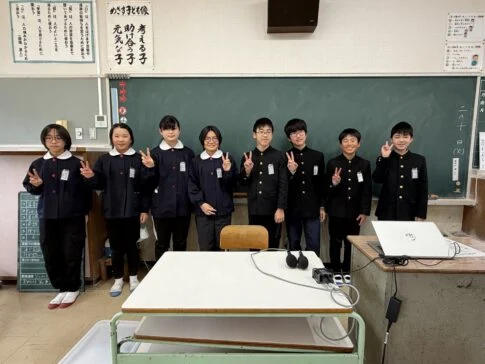
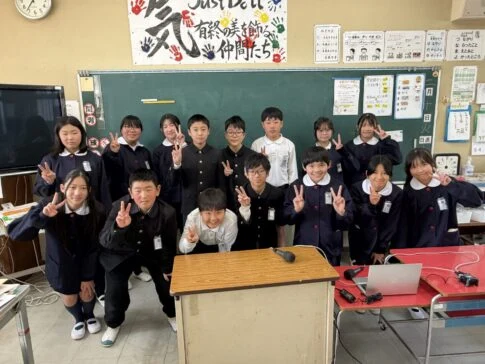
For example, students might learn about the characteristics of local food culture that has been passed down for generations and then actually try the food, or conduct interviews with local people, write articles, and compile them into books, or learn about shaping while having fun working together...
The natural environment, history, culture, and industries in the basin serve as "teaching materials" for regional education.
Therefore, the materials and methods for learning are virtually limitless.
To make people want to return to this region even after living away from the Takahashi River Basin
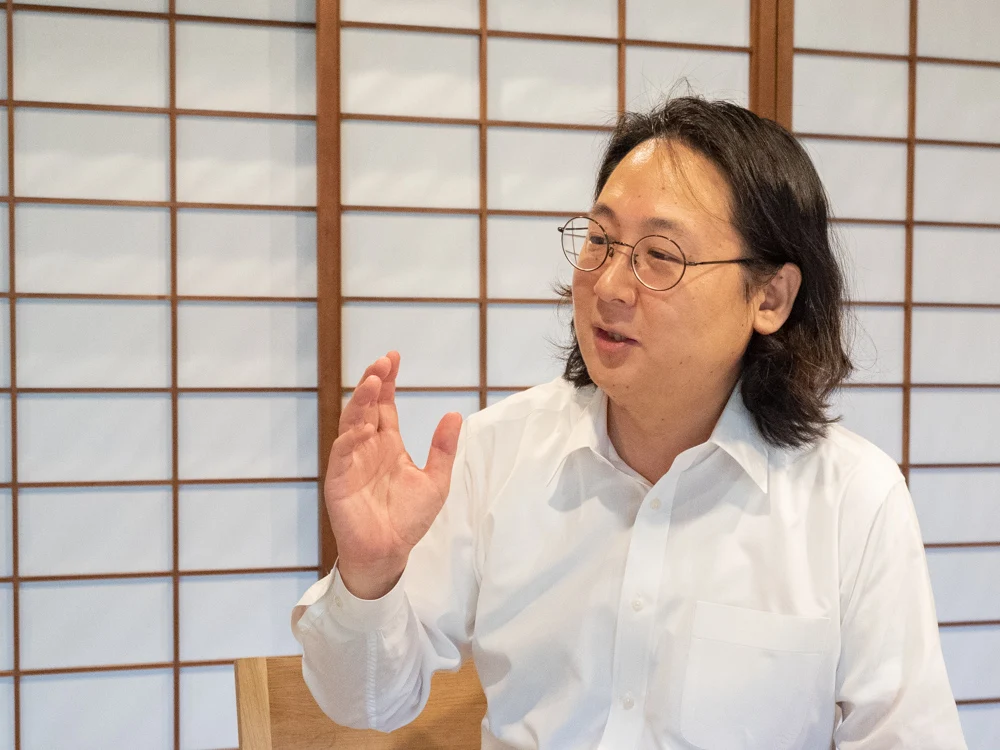
I heard that Director Sakanoue has been involved in the operation since its inception. What are your thoughts on the Takahashi River Basin School?
Sakanoue
I hope that people living in the Takahashi River Basin will come to love the region through learning.
Children from families that move often may have to relocate when their parents are transferred.
So, it’s uncertain whether they will return to the Takahashi River Basin as adults.
I want them to feel that even after living in the Takahashi River Basin, they want to return to this region.
To achieve this, I hope they will come to know and love the region through the Takahashi River Basin School.
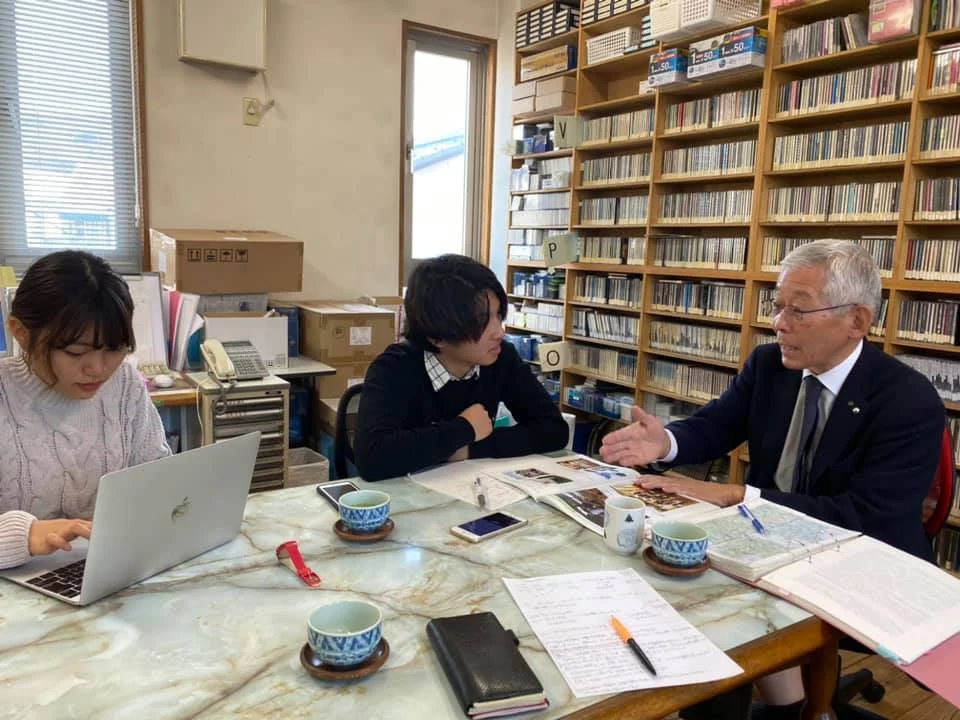
Did Director Sakanoue also love his hometown?
Sakanoue
No. I wanted to leave my hometown, and I actually did leave for a while.
However, when I heard about the collaboration in the Takahashi River Basin, my perspective began to change.
If you only think about one municipality, resources and connections will inevitably be limited.
But if you consider the area of the Takahashi River Basin, it connects geographically from the Chugoku Mountains to the Seto Inland Sea and the Mizushima Industrial Complex, encompassing forests, villages, rivers, seas, and towns.
From a historical perspective, it spans from ancient Kibikoku to medieval Niimi, early modern Takahashi, and modern Kurashiki.
In terms of industry, it covers a wide range from primary to tertiary sectors, suggesting connections and new possibilities.
In this way, I believe it can become a region where people can live comfortably and take on various challenges, with visible connections and proximity to each other.
It’s fine to think in terms of Okayama Prefecture, the Chugoku region, or the Seto Inland Sea coast, but the Takahashi River Basin has a shared culture and a suitable distance.
Some seniors express it as "the connection of friends who drink the same water."
I want to work towards making it a region where middle and high school students, as well as university students, can think, "There’s a connection to the 'Takahashi River Basin' even if I go outside the region or want to take on new challenges from the metropolitan area or other regions."
I want to meet interesting people in the Takahashi River Basin
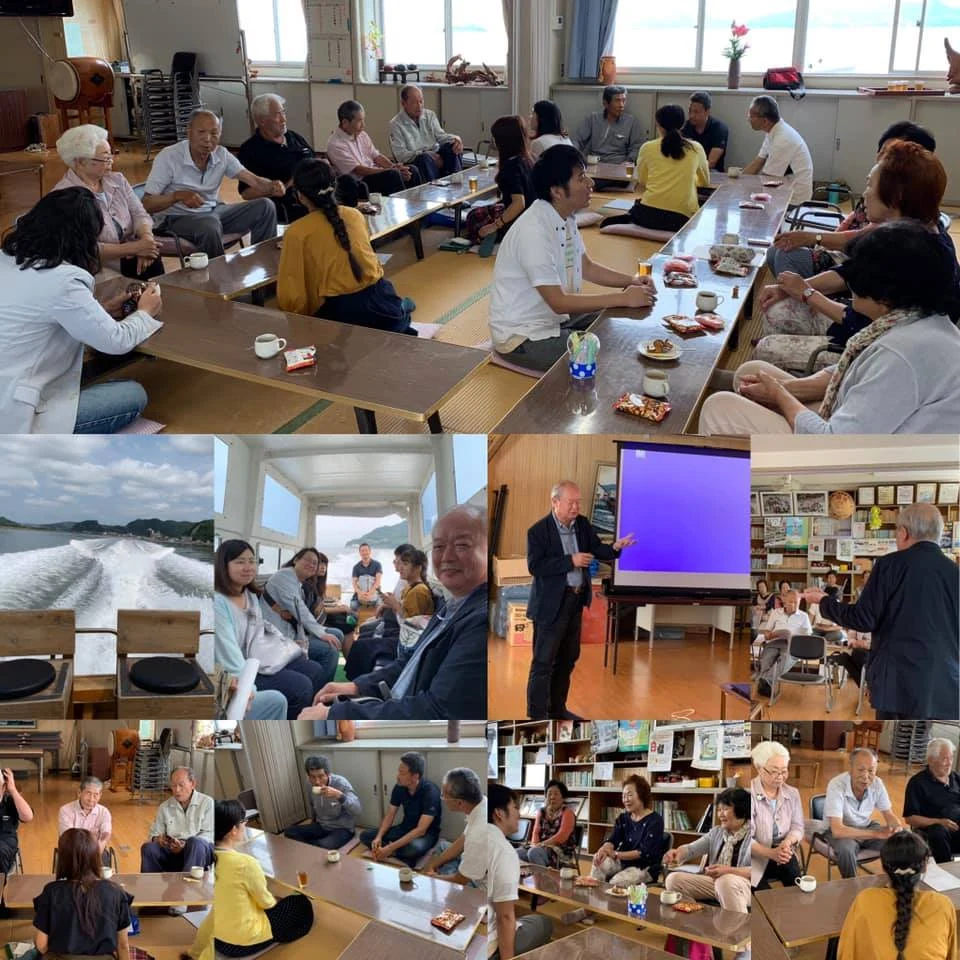
What are your aspirations and goals for the future, and what would you like to do?
Sakanoue
I just became the Representative Director a few months ago (June 2020), but the first thing I want to do is information dissemination.
We have been disseminating information, but it has been on a per-activity basis.
From now on, I want to focus on disseminating information for the entire Takahashi River Basin School.
I want to put more effort into information dissemination by being more creative and changing methods.
First, we need to let many people know that there is an interesting place called the Takahashi River Basin School.
Additionally, I want to meet many people within the Takahashi River Basin.
There are still many interesting activities happening in the basin.
Since we are talking about the "basin," I want to meet as many of those people as possible.
And I think it would be great if we could communicate and visualize that in some way.
That said, I am still worried about the novel coronavirus infection.
Therefore, I would like to actively incorporate online interactions and information dissemination via the internet in the future.
I want to create an initiative that takes advantage of both a comfortable distance where we can meet and the benefits of digital communication.
The third point is that I think it would be good to do things that cannot be done in school education and to complement school education.
For example, schools are basically connections among the same generation.
Even when it comes to people of different ages, it’s usually just a few years apart.
When we talk about adults, it’s usually just the teachers.
However, as soon as you enter society, you encounter people of various ages and backgrounds.
I think it can be very challenging to adapt when suddenly thrown into an environment that is completely different from student life.
On the other hand, the Takahashi River Basin School has participants from various generations and experiences.
So, I would like to make it a place where students can have experiences interacting with various people by participating in the Takahashi River Basin School during their student years.
If they have experiences interacting with many people and generations from their student days, I believe they will be able to navigate society smoothly.
I hope we can complement school education in such a way.
Conclusion
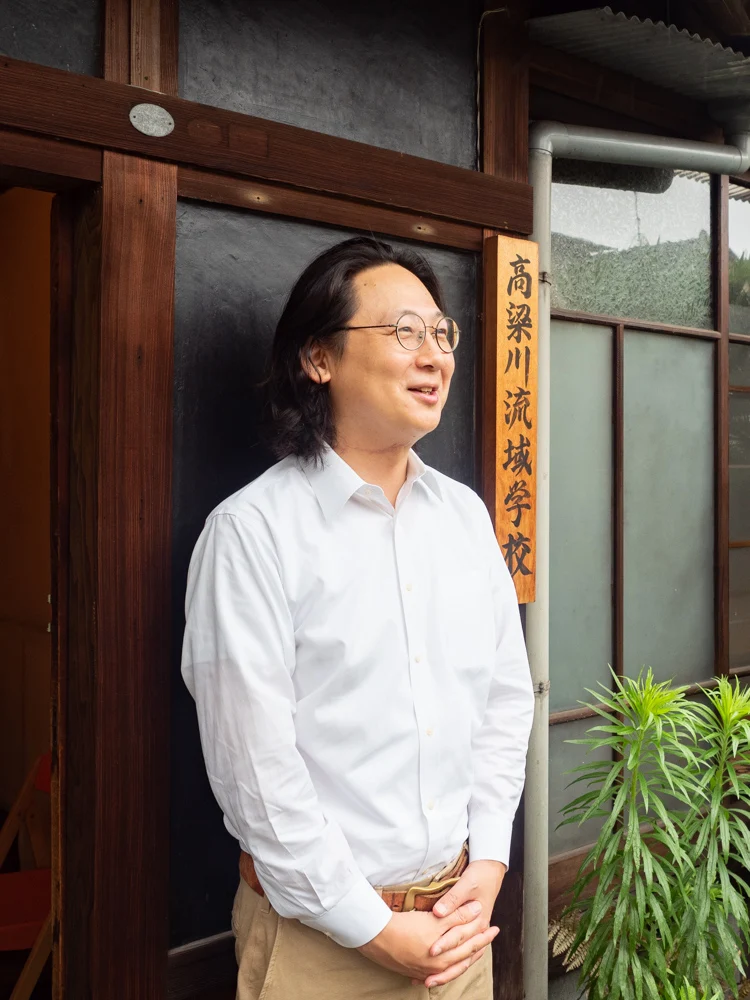
It is said that the way of local areas will change in the future with concepts like "regional revitalization," "decentralization," and "regional sovereignty."
However, it may not be possible to realize this unless the people living in each area have love for their land.
To achieve that, it is important to know the area where you live.
The Takahashi River Basin was designated as a core city area early on.
At the Takahashi River Basin School, we use the local nature and culture as teaching materials, not just learning passively, but learning through experiences, engaging in activities that foster a love for the region.
Isn’t it a very interesting initiative to enjoy and come to love the region, while unknowingly learning about it?
Shall we learn about the Takahashi River Basin, which has a rich history and deep culture, while having fun?
Data of the General Incorporated Association Takahashi River Basin School
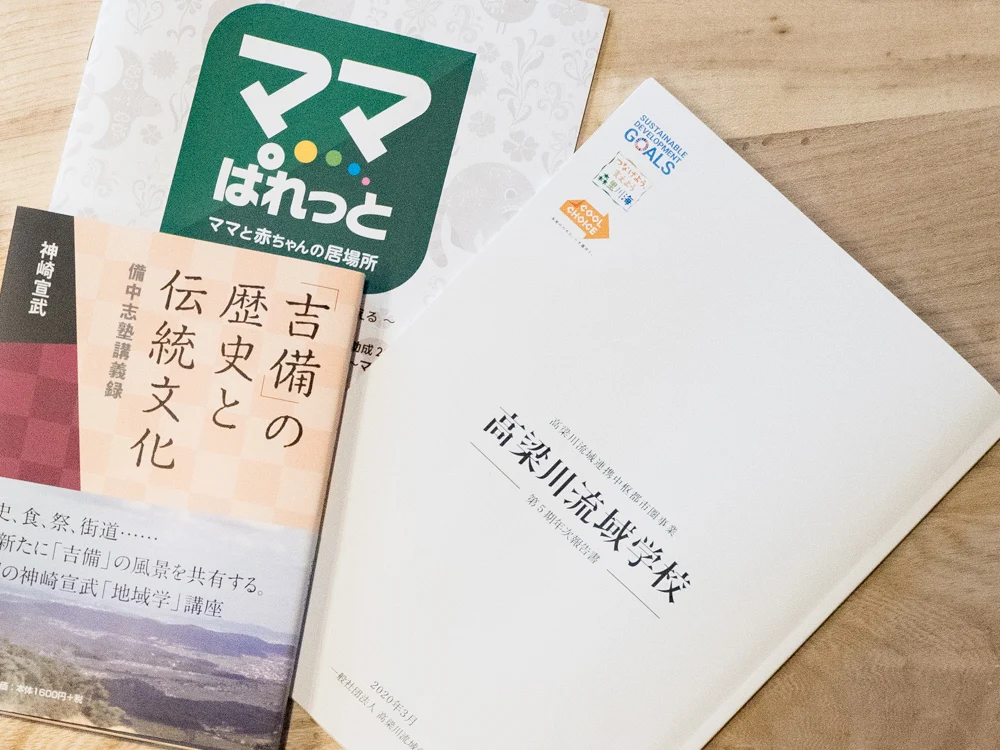
| Organization Name | General Incorporated Association Takahashi River Basin School |
|---|---|
| Industry | Non-profit organization |
| Representative Name | Sakanoue Hiroshi (Executive Director) |
| Year Established | 2015 |
| Address | Office Location: 2-13-3 Chuo, Kurashiki City, Okayama Prefecture (Bunfuku, Sumiyoshi-cho) |
| Contact | 086-527-6248 |
| Website | Takahashi River Basin School |