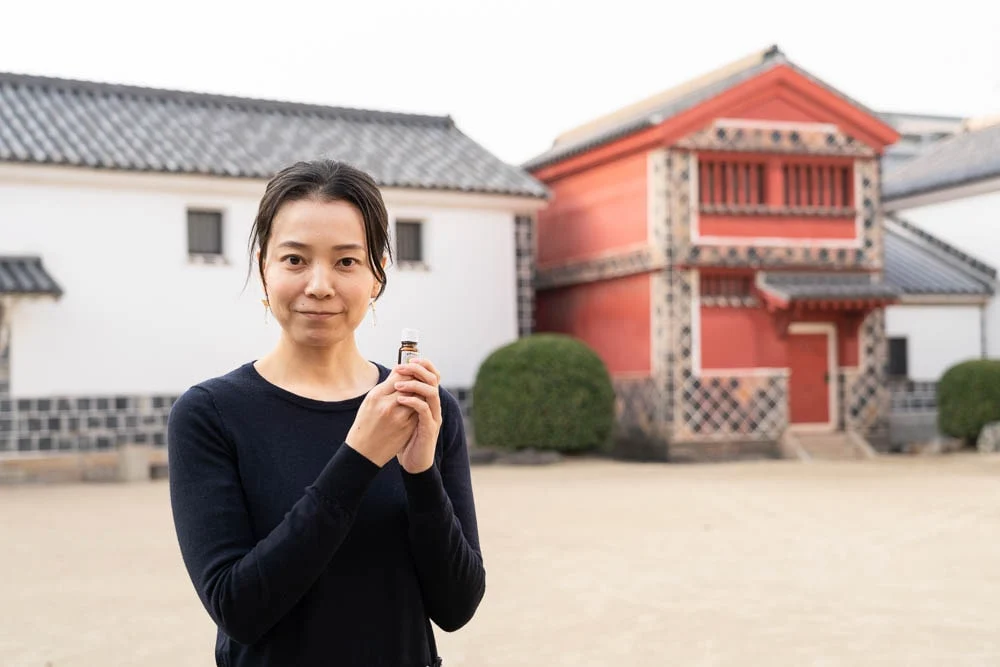
Have you ever imagined the scent of a painting?
On November 10, 2019 (Sunday), a workshop program titled "Quietly Scented Appreciation Session - Let's Create Your Own Scented Amulet" was held at the Ohara Museum of Art.
This workshop involves creating scents inspired by artworks.
I covered the first of the three scheduled sessions.
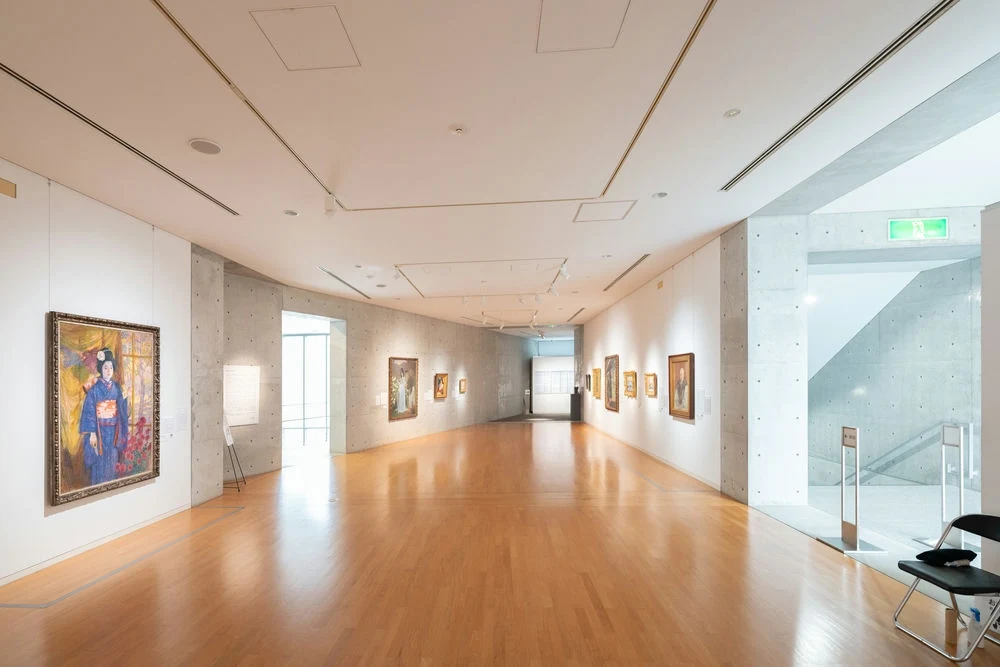
Photography is generally prohibited inside the Ohara Museum of Art. This time, we have received special permission to take photos.
Overview of the "Quietly Scented Appreciation Session - Let's Create Your Own Scented Amulet" Project

Ohara Museum of Art is planning and implementing workshops titled "Ikou de Ohara."
This experiential program aims to help participants become familiar with art and museums while expanding and expressing their rich ideas.
One of the projects of "Ikou de Ohara" is the "Quietly Scented Appreciation Session - Let's Create Your Own Scented Amulet."
Participants will appreciate the collection of the Ohara Museum of Art and create oil fragrances inspired by the artworks.
The workshop is held three times in total.
The common information for each session is as follows.
| Project Name | Quietly Scented Appreciation Session - Let's Create Your Own Scented Amulet |
|---|---|
| Time | 2:00 PM - 3:30 PM |
| Capacity | 15 participants per day (reservation required) |
| Participation Fee | 2,000 yen (tax included) |
| Instructor | Kawada Satomi |
The target artworks and age groups vary by session.
| Date | Target Artworks | Target Age Group | Venue |
|---|---|---|---|
| November 10, 2019 (Sunday) | 19th-20th Century Western Paintings | Middle School Students - General Public | Ohara Museum of Art Main Building |
| December 8, 2019 (Sunday) | 19th-20th Century Western Paintings | Elementary School Students and Their Guardians | Ohara Museum of Art Main Building |
| January 11, 2020 (Saturday) | Contemporary Japanese Art | Middle School Students - General Public | Ohara Museum of Art (Annex) |
As of November 10, 2019, the second session on December 8 has limited capacity remaining.
There are still openings for January 11, 2020, so applications are possible.
Workshop Overview
I will report on the workshop held on November 10, 2019.
Appreciating Artworks in Groups While Considering Scents
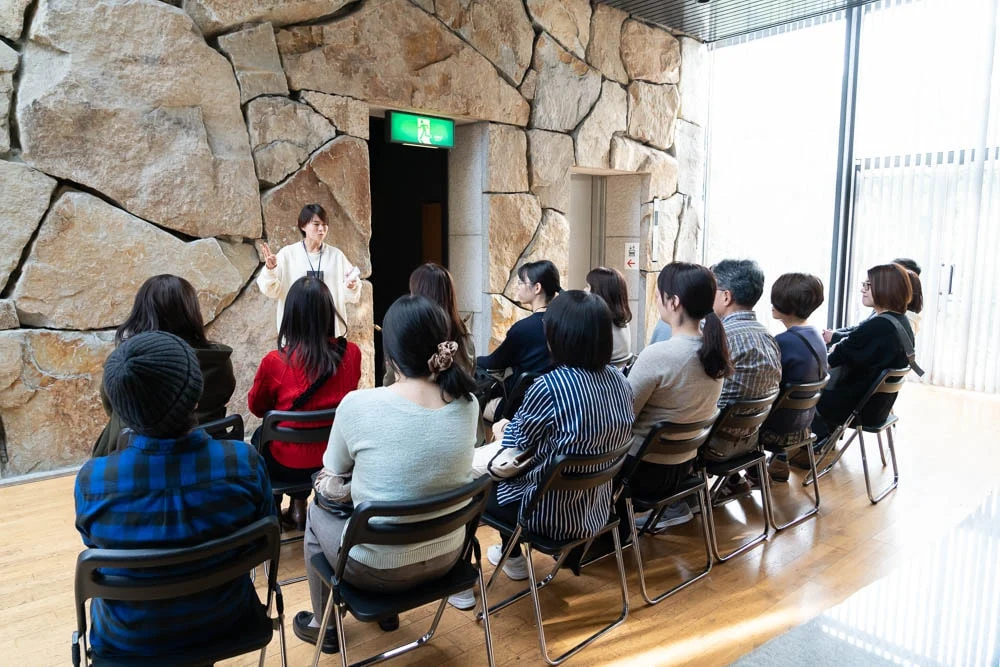
First, we received an explanation of the workshop.
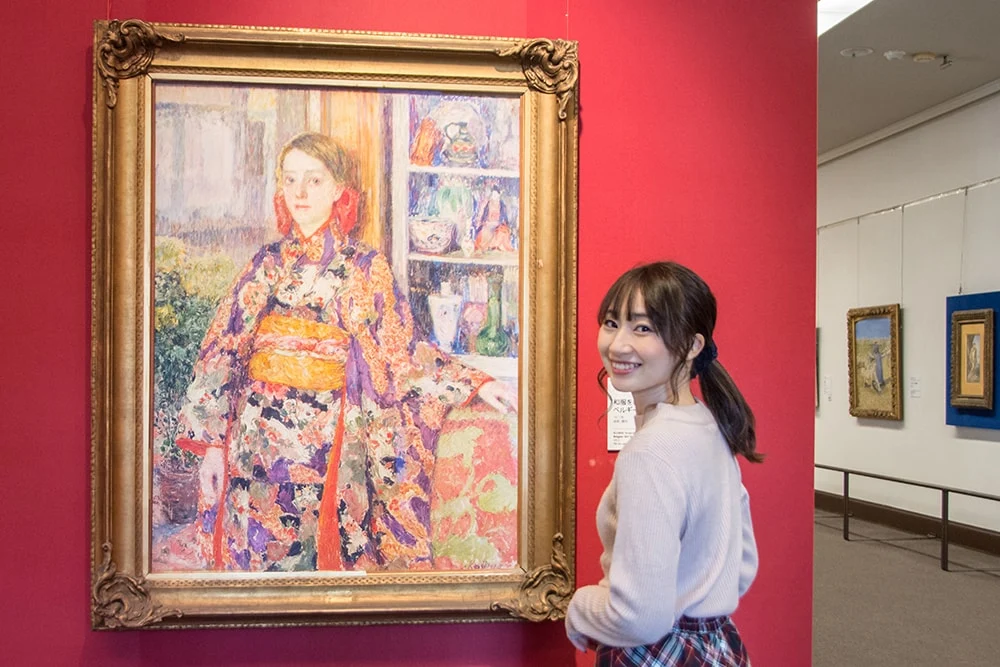
Then, we divided into groups and carefully appreciated a single artwork with the staff.
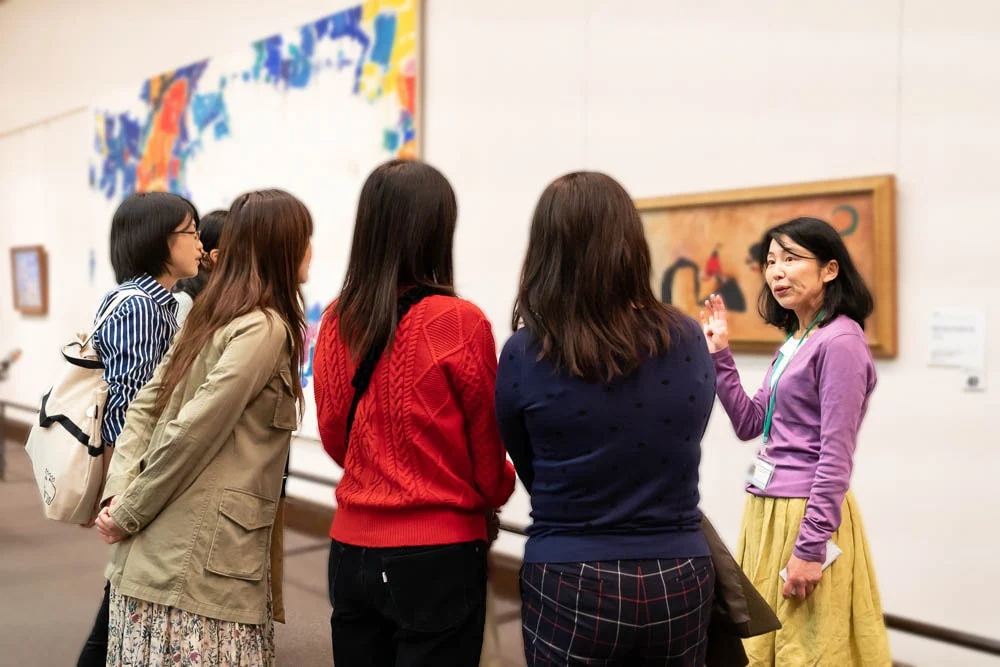
While looking at the painting, we deepened our understanding of our feelings through dialogue with the staff.
- What is depicted?
- What time of day do you think it is?
- What kind of place are you in?
- What colors are used in the background?
- What scent might it have?
- Where is the scent coming from?
- Is there just one scent?
Everyone seemed to be enjoying themselves while pondering these questions.
As I thought about what kind of scene it might be and why this color was used, I felt the way I viewed the artwork change as I imagined the scent.
Everyone's feelings are different.
By listening to the opinions of other participants, I discovered things like, "I can see it that way" and "I see, that’s another perspective."
Appreciating Favorite Works and Imagining Scents
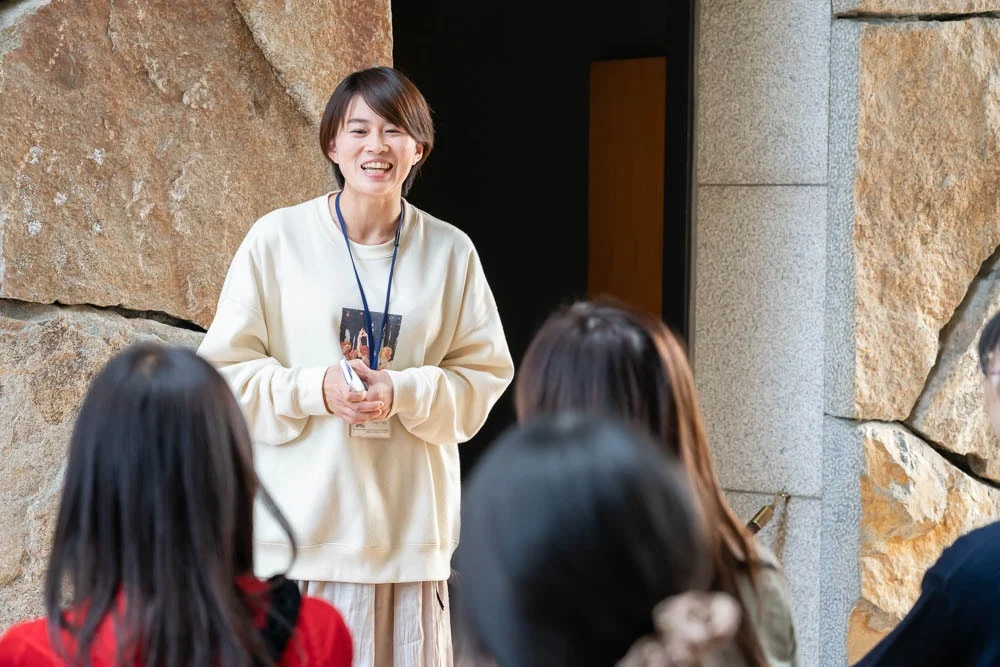
We gathered once again to receive the next explanation.
We received a memo to write down our feelings, with the instruction, "Let's put into words what the artwork is trying to convey."
- What is depicted?
- How does it make you feel?
- What kind of scent do you want to create?
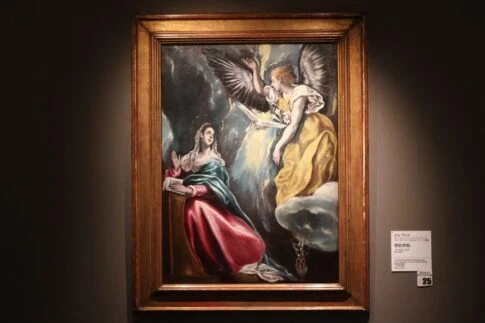
We chose our favorite artworks and thought about the scents while appreciating them.
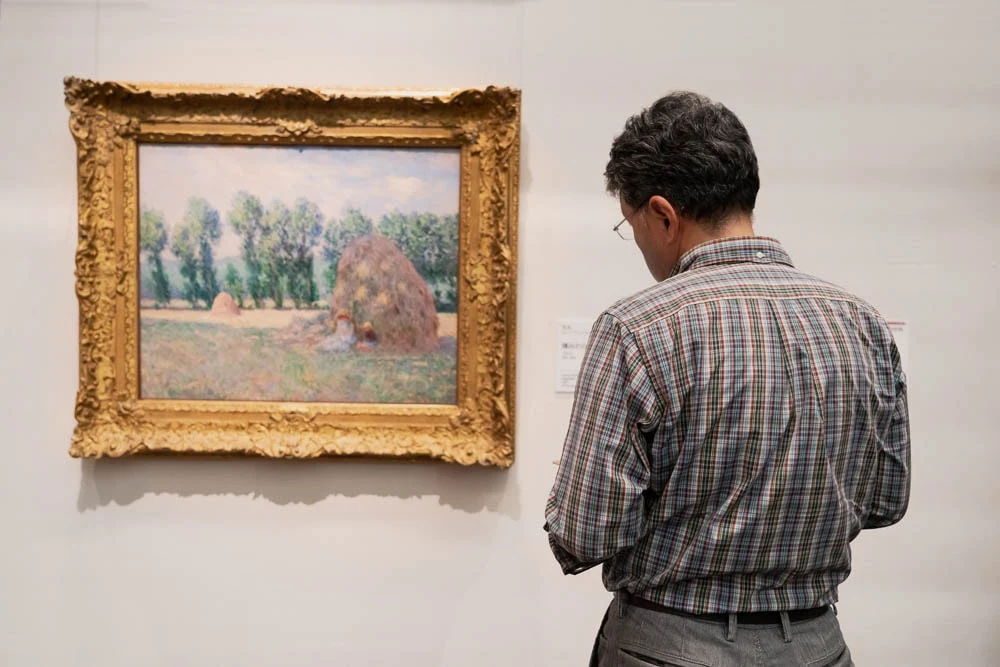
Participants were seriously gazing at the paintings.
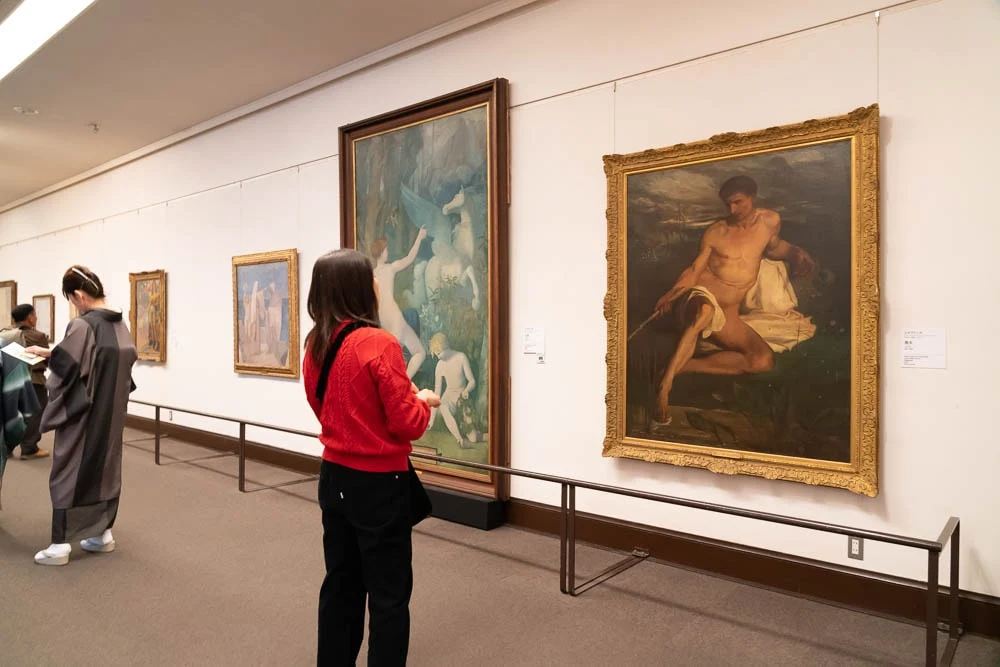
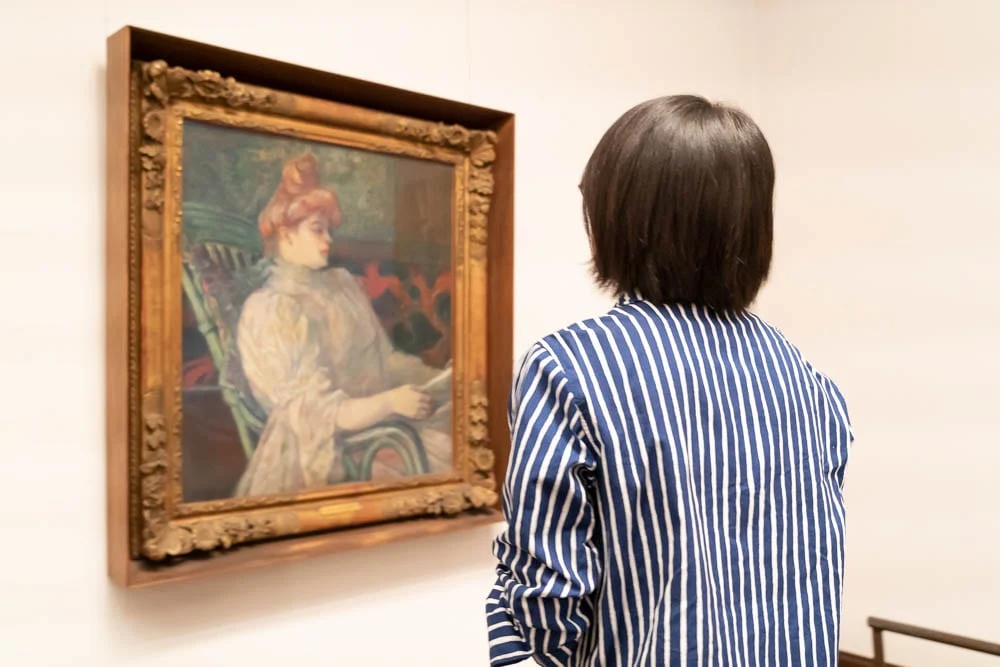
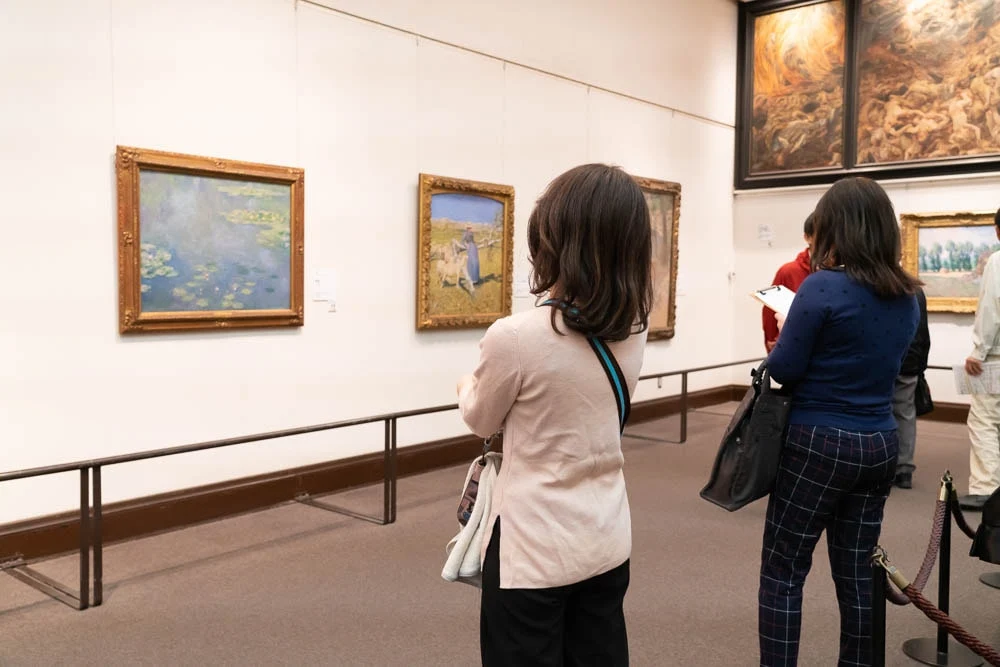
What are they feeling from the paintings, and what kind of scents are they trying to create?
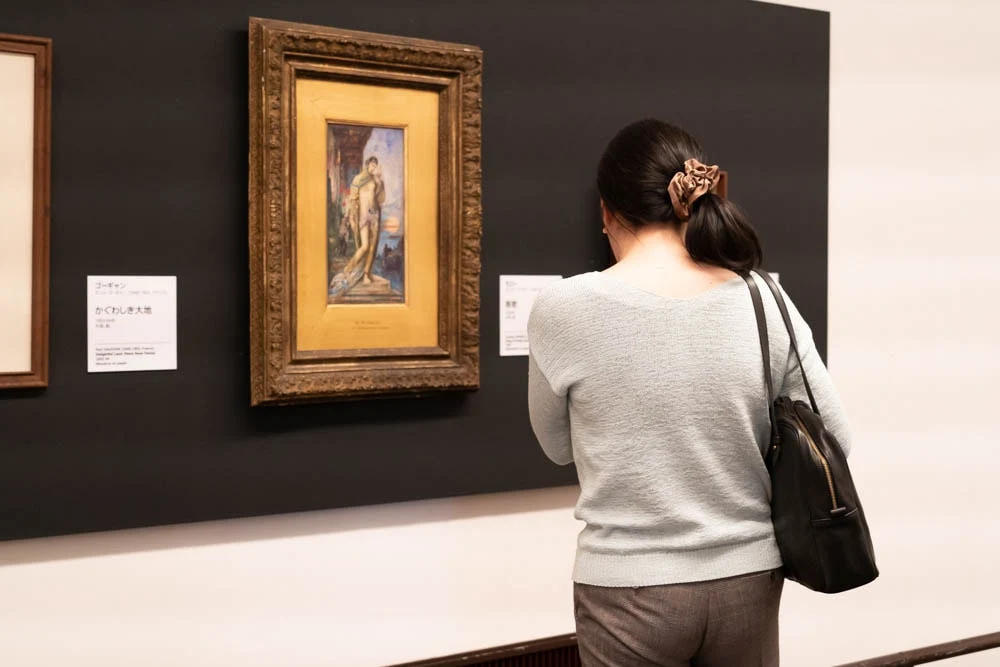

Learning About Scents
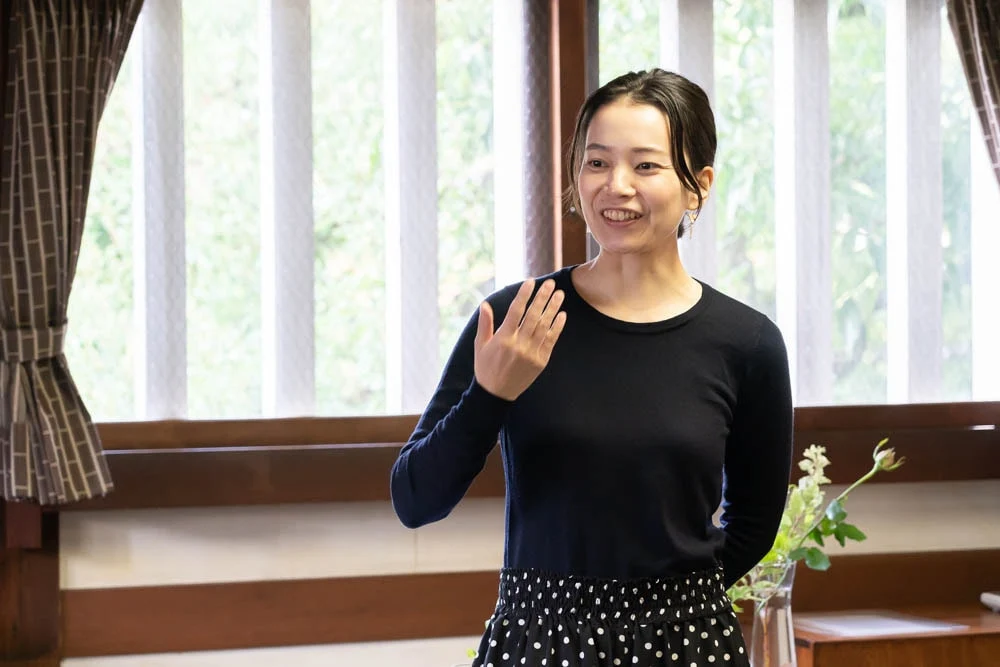
Once we selected our artworks and solidified our ideas for the scents we wanted to create, we moved to another room.
Instructor Kawada Satomi provided an explanation.
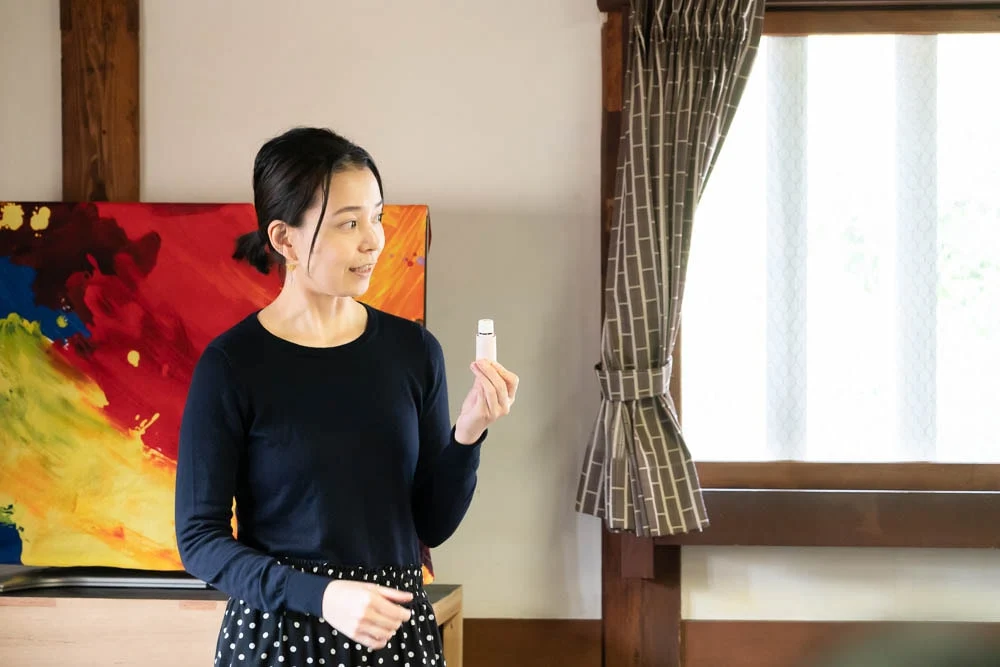
In this workshop, participants will select three essential oils and blend them to create an oil fragrance.
Essential oils are concentrated aromatic compounds extracted from plants.
The sense of smell is said to directly affect our instincts more than sight or hearing.
"It's okay to think, 'This seems to match the painting.' Let's choose based on intuition," was the advice given.
It's also fine to draw scents from "yourself feeling the artwork," not just from the artwork itself.
"The scents you choose based on your preferences may help you catch messages from deep within your heart.
Since scent and emotion are linked, reflect on how you perceive the artwork with your current feelings, and cherish your inspiration,"
was what was said.
Choosing Scents
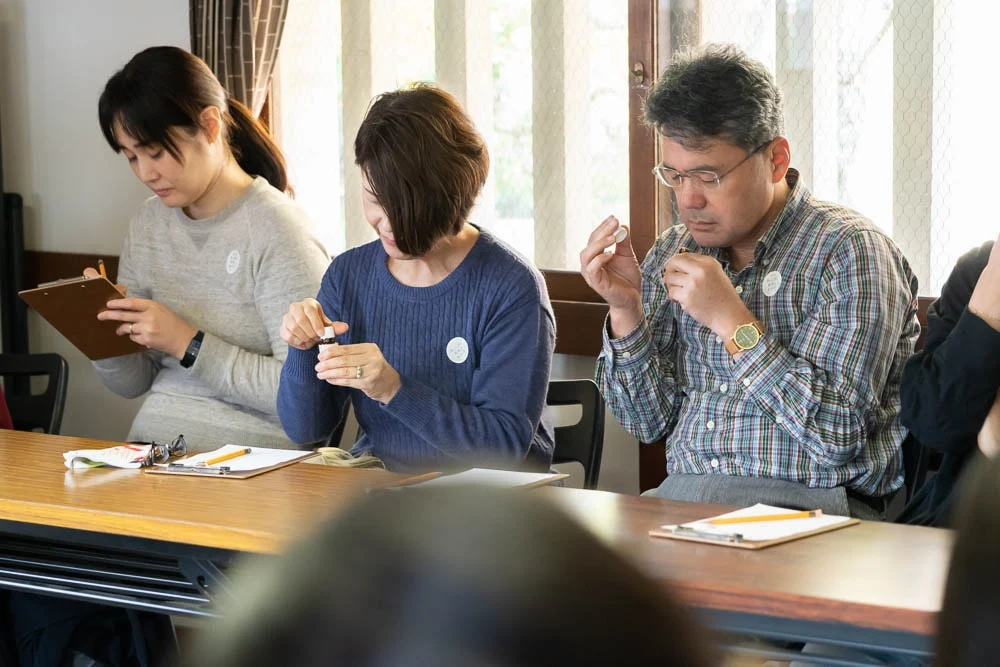
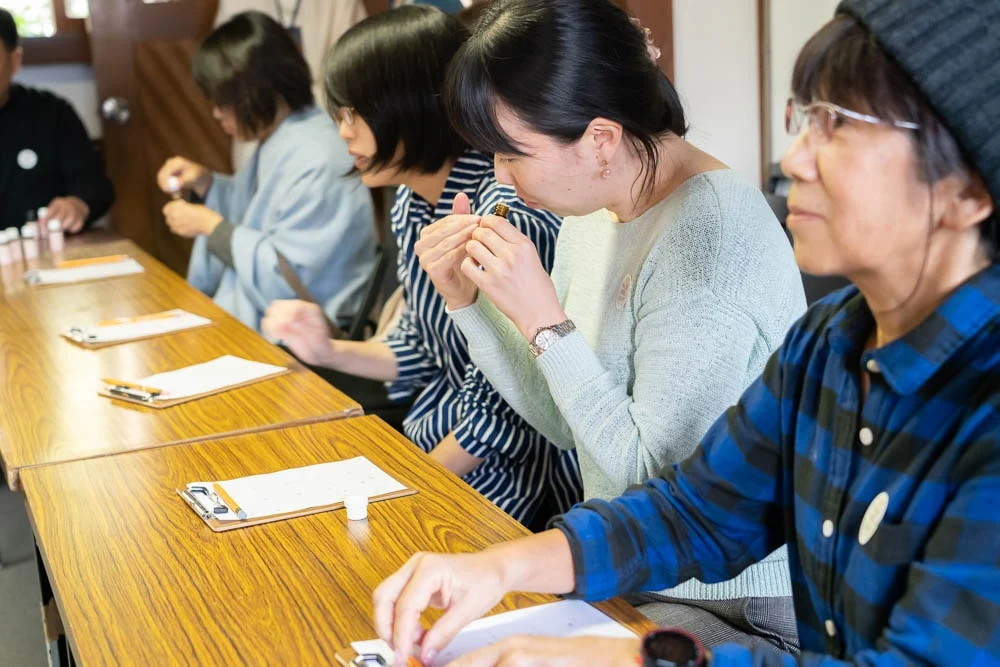
First, we will smell 15 types of essential oils, with the names of the oils concealed.
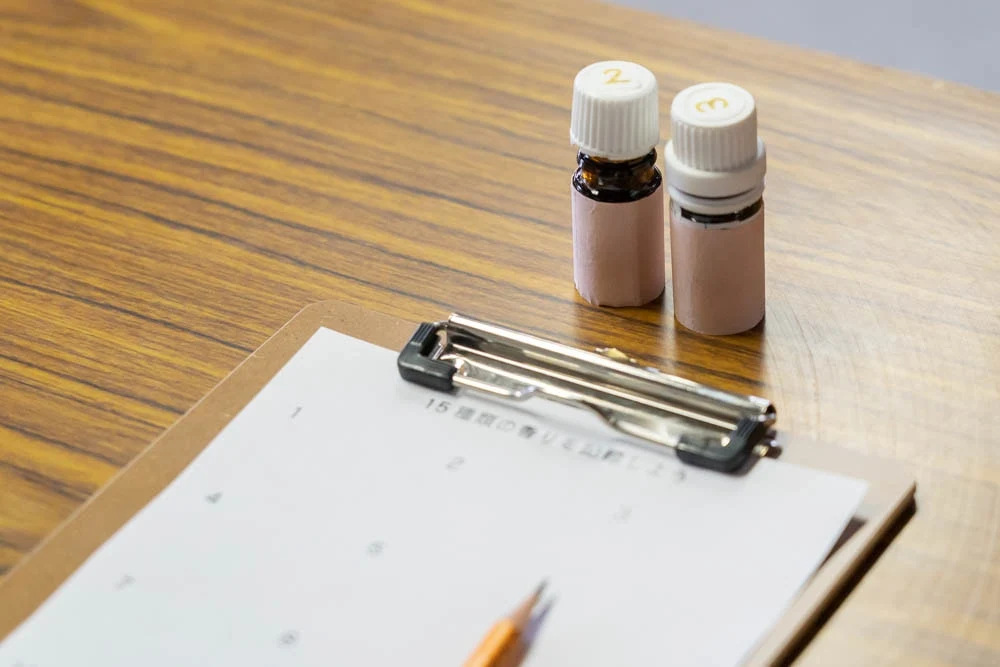
Fresh, refreshing, and crisp impressions were noted down.
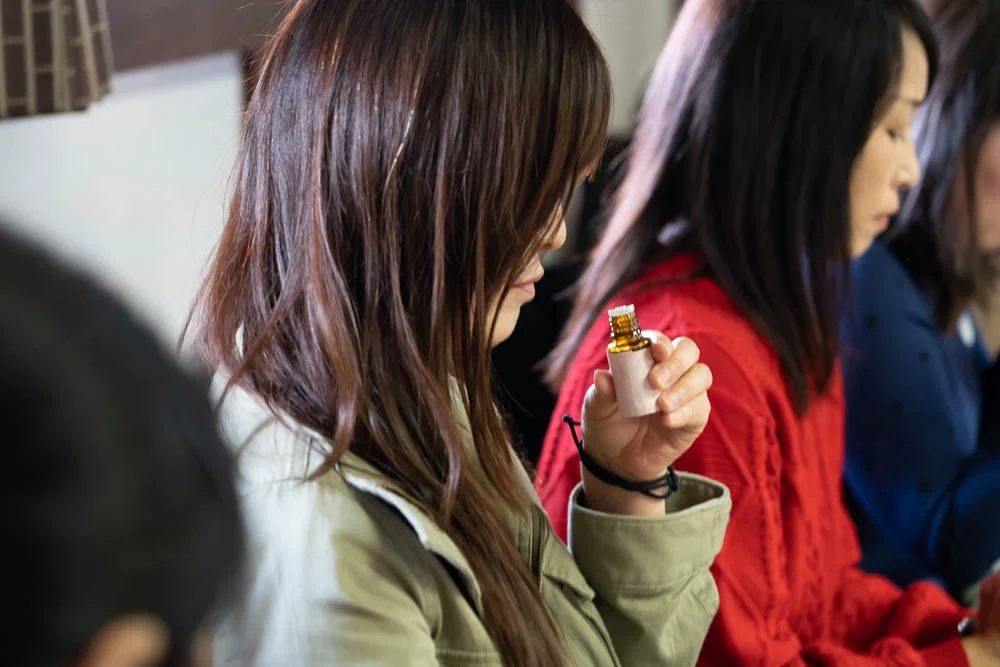
I was seriously considering which scent matched the image I wanted to create.
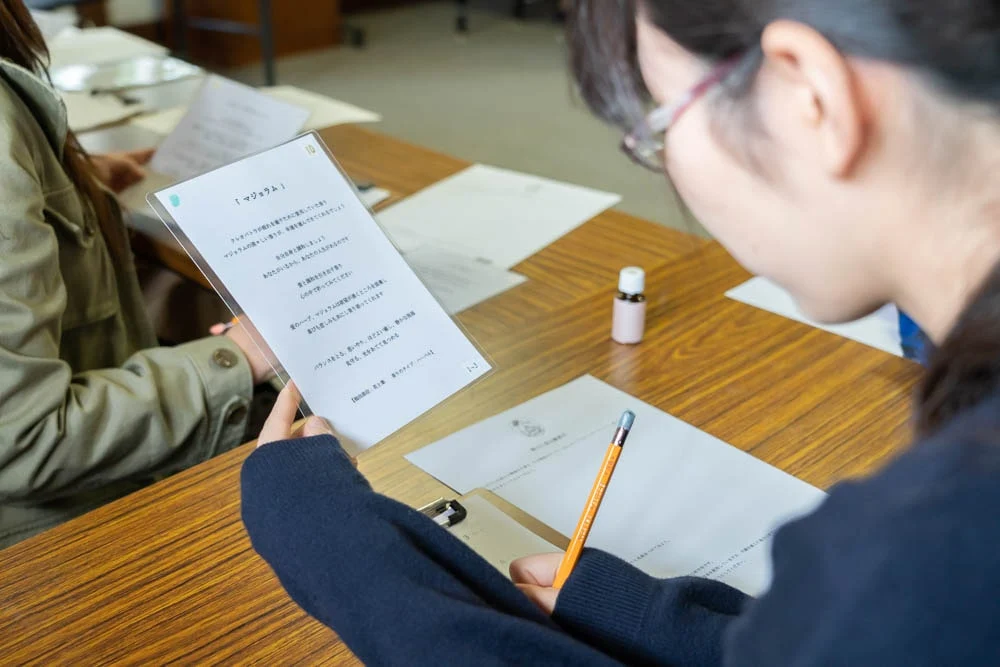
After confirming all 15 types of scents, I read the descriptions of the scents.
You can decide based on the scent alone, or think about it after reading the descriptions.
In addition to the names of the scents, there were keywords such as efficacy, "purifying scent," "quiet blessing," and "self-realization."
From the chosen scent, you can also reflect on your own heart.
"The fact that I was drawn to the 'scent of transformation' might mean I want to try changing something," you might think.
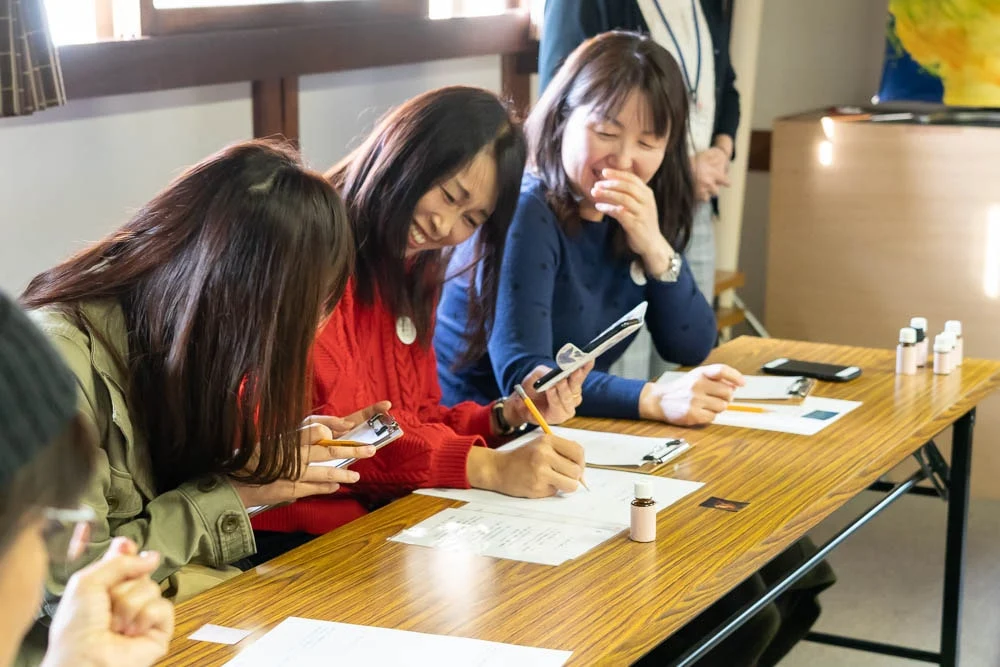
In the warm atmosphere of the workshop, laughter could be heard.
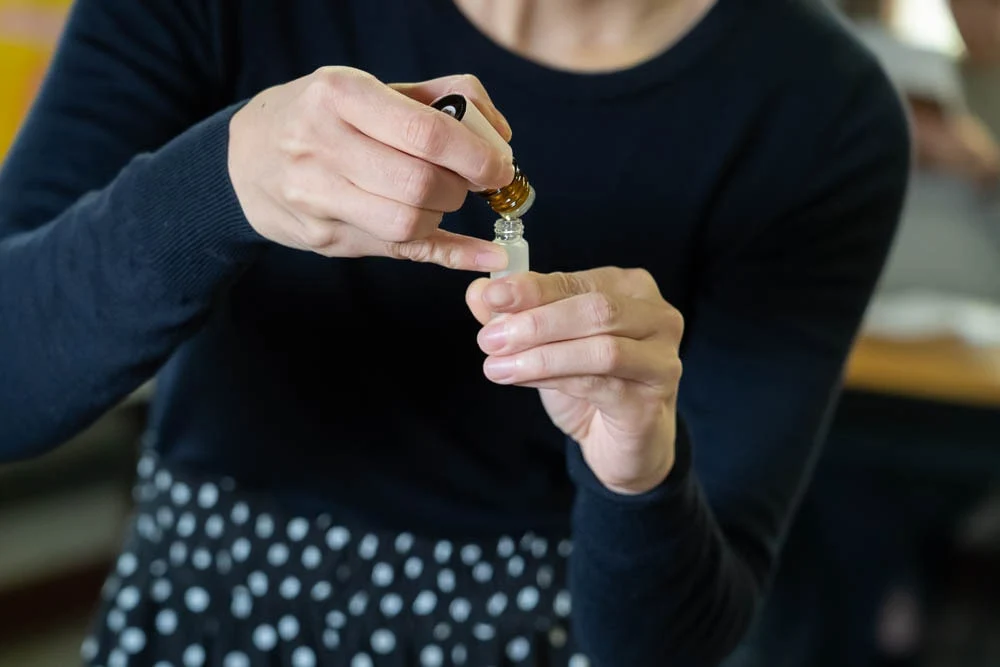
Once three scents were decided, they were blended in the right proportions, and a label was attached to complete the process.
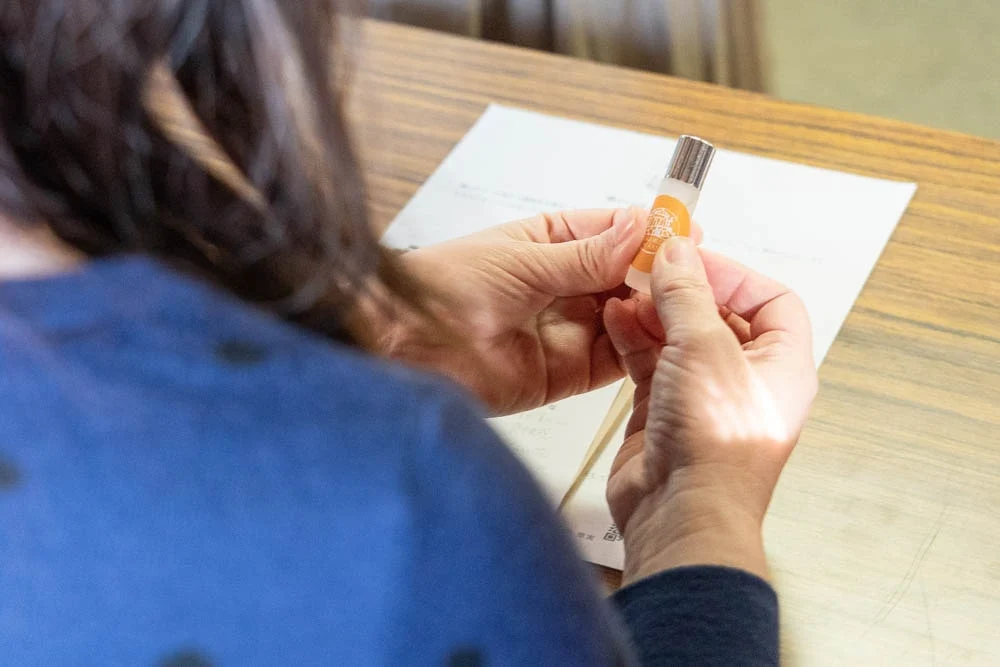
The roll-on type bottle makes it easy to use daily with just a quick application.
While it's common to apply it to the wrists or behind the ears, applying it to the chest allows you to enjoy the scent yourself.
If stored away from direct sunlight, it is said that you can enjoy the scent for about six months.
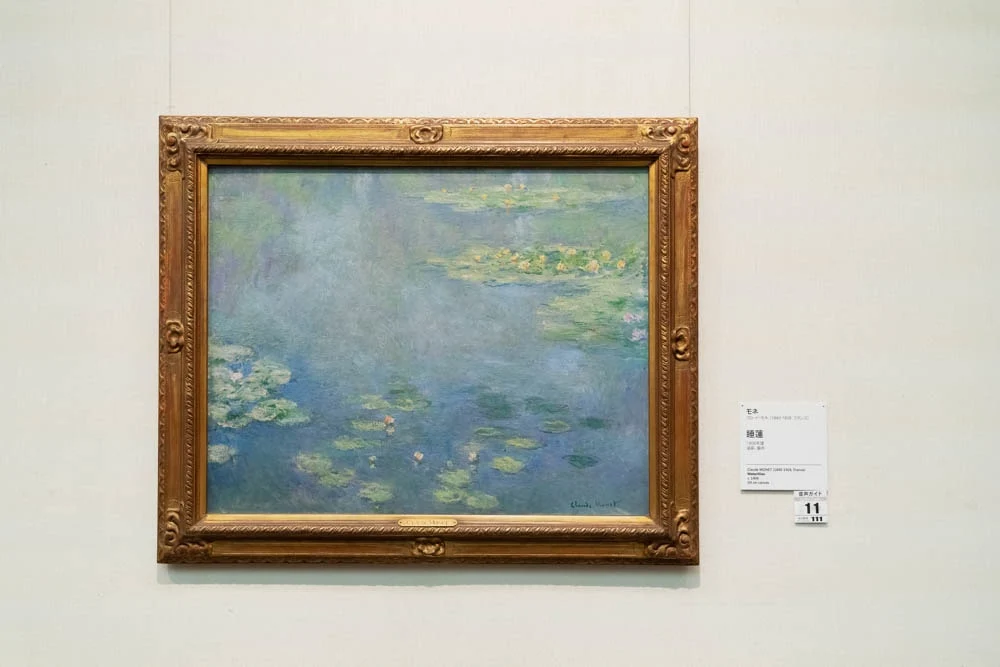
I was able to smell some of the fragrances created by the participants.
A woman who created a scent inspired by Monet's 'Water Lilies' was able to choose three types without hesitation.
The author felt that it was a scent that conveyed purity, freshness, and a sense of elegance.
A university student who created a scent inspired by Fortier-Jean's 'Hostage' had a scent that felt cool and stylish.
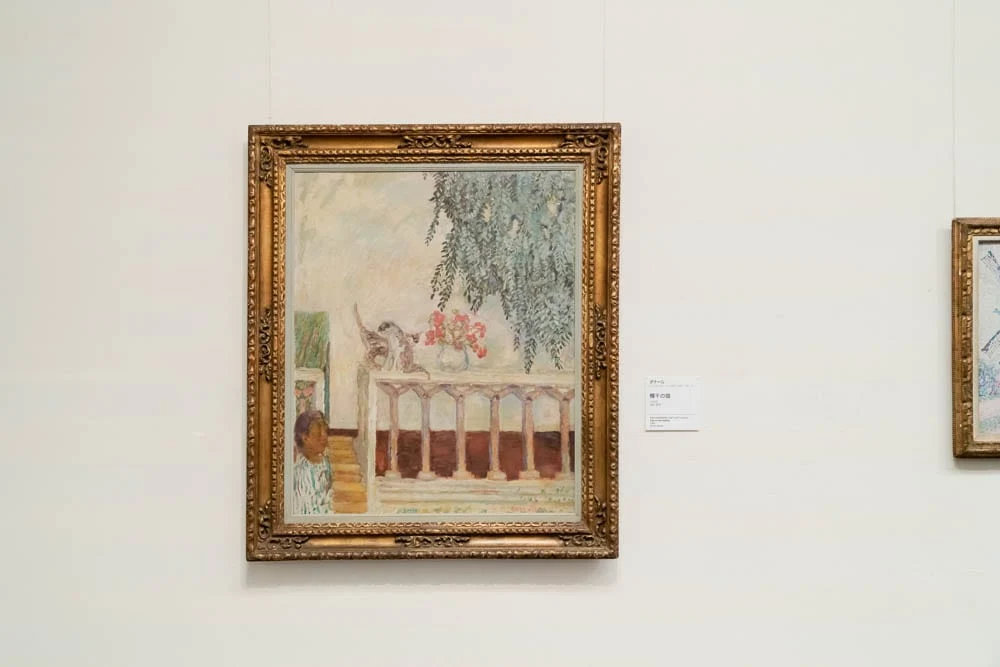
A woman who created a scent inspired by Bonnard's 'Cat on the Railing' mentioned, "I wanted to create a scent of a cat."
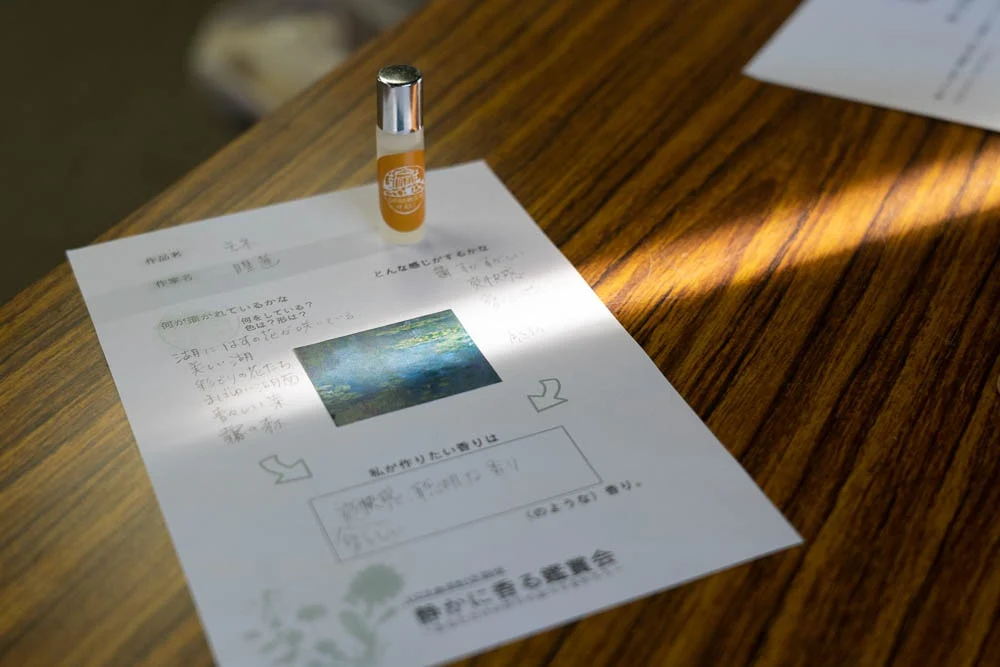
Even among those who were inspired by the same artwork, different scents were created.
Participants checked with each other about the completed fragrances, asking, "What kind of scent is this?" and "What oils did you choose?" and the atmosphere was lively with comments like "It smells nice."
Everyone seemed satisfied with the scents they had thoughtfully created!
Interview with Instructor Kawada
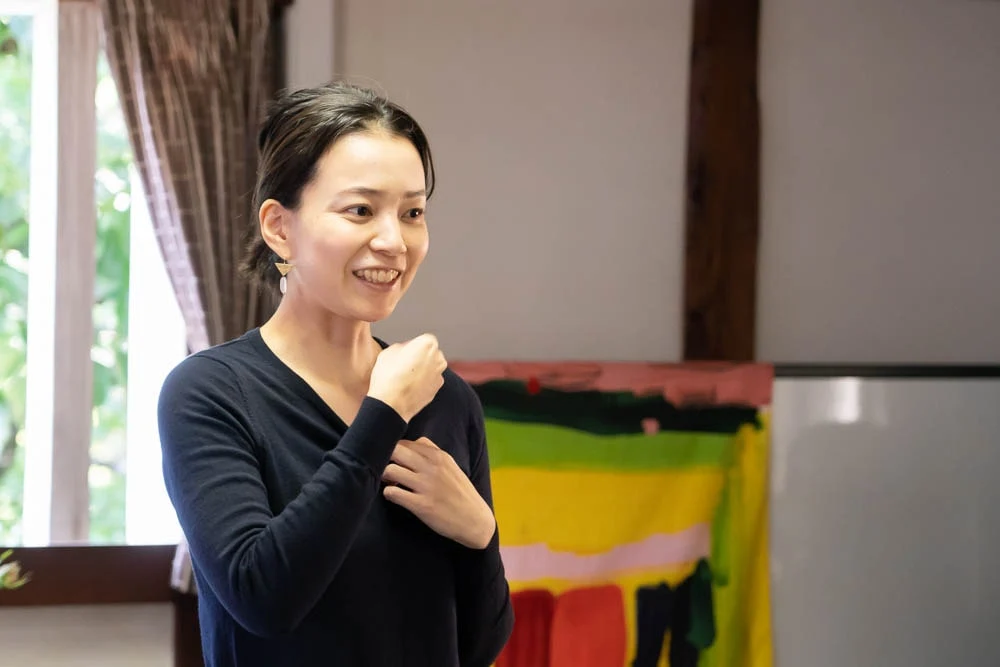
I spoke with instructor Kawada Satomi.
What kind of participation did you hope for?
Kawada
I wanted everyone to enjoy it with free ideas, not just being confined to what is depicted in the artwork.
I hope they can value their own feelings of "I felt this way."
I hope that the scent they take home will remind them of today.
What did you think of the participants' reactions?
Kawada
I am happy that they liked the scents they created and seemed to have a fun time.
Participants' Impressions
When I asked the participants for their impressions, I received the following comments.
- It was fun since it was a rare opportunity.
- It was my first time blending scents, so I was glad to be able to create it.
- I was worried about what would happen when I mixed the scents I chose, but it turned out to be a wonderful fragrance.
- Using my sense of smell was interesting because it felt different from what I usually see.
The Author Also Tried It
The workshop looked so enjoyable that I decided to try it myself.
I wanted to create a scent that would make me feel like a "good woman," so I focused on selecting artworks.
I searched for artworks that were elegant, seemed happy, and had a nice scent.
I was torn between Modigliani and Matisse, but I ultimately chose Aman-Jean's 'Hair.'
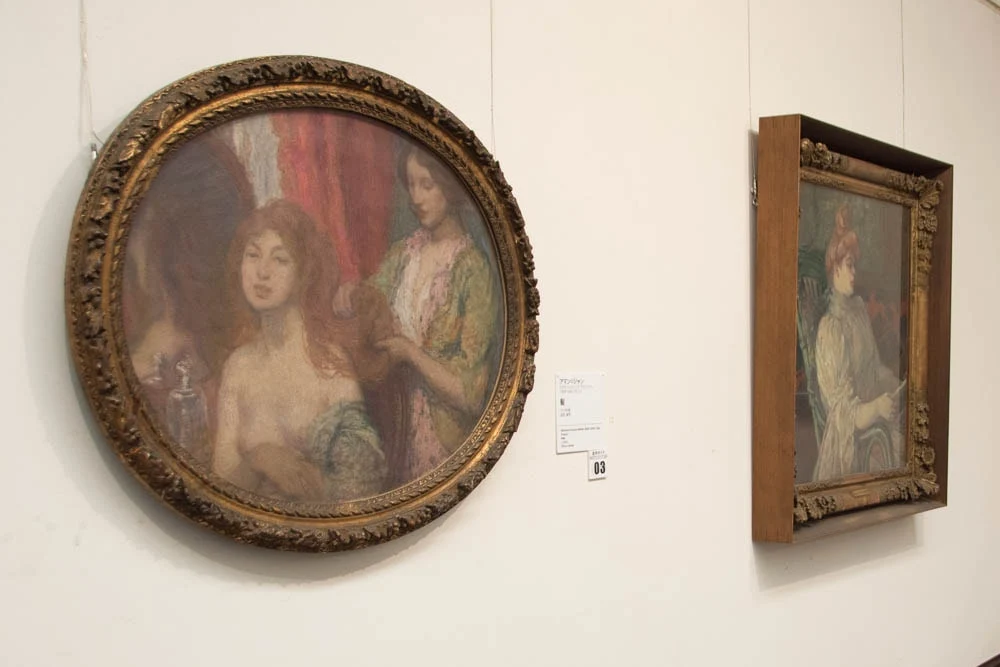
The oval canvas depicts a scene of hair being tied up.
As I prepare myself, I wonder if I will become even more beautiful from here on.
While gazing at the artwork, I imagined a sweet and floral scent wafting through the air.
When I blended the chosen scents, it turned into a fragrance that felt youthful amidst the sweetness.
Occasionally, I apply it behind my ears. Remembering the elegance of the artwork makes me feel rich, and I realized the power of scent.
Let's Create a Scent that Becomes a Memory
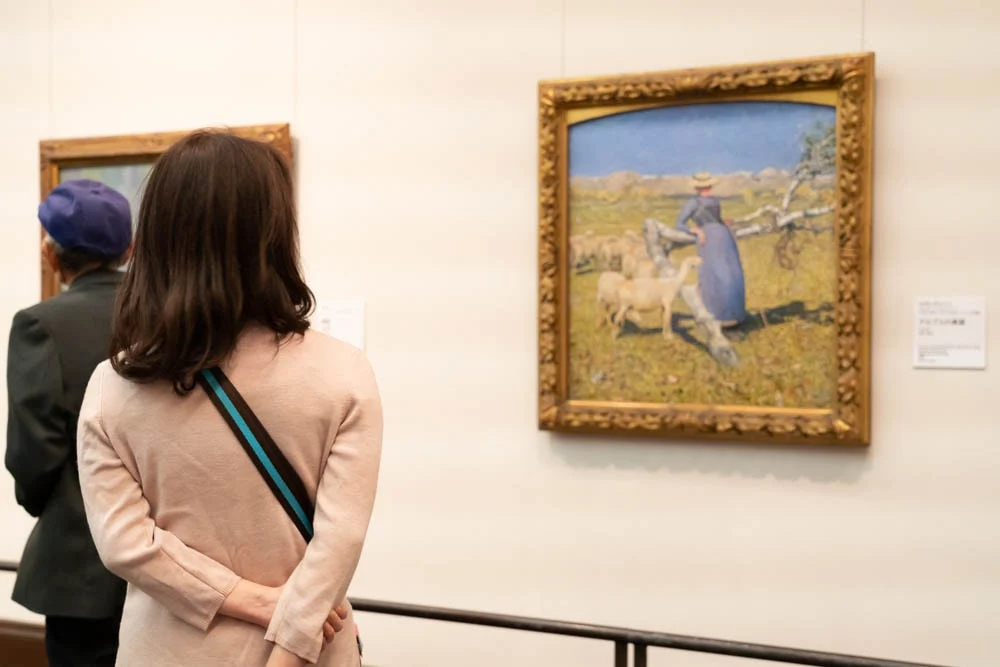
It is said that scents can easily evoke memories.
It would be wonderful if a daily-use oil fragrance could remind you of the artwork.
What kind of artwork would you choose, what would you feel, and what kind of scent would you create?
Please use your sense of smell to appreciate the artwork and try creating a scent that expands your imagination.
Articles about Ohara Museum of Art
Ikou de Ohara Quietly Fragrant Viewing Event Data
| Name | Ikou de Ohara Quietly Fragrant Viewing Event |
|---|---|
| Location | 1-1-15 Chuo, Kurashiki City, Okayama Prefecture |
| Contact | 086-422-0005 |
| Parking | None |
| Opening Hours | November 10, 2019 (Sun), December 8, 2019 (Sun), January 11, 2020 (Sat) From 2:00 PM to 3:30 PM each day Reservation required |
| Admission Fee (including tax) | 2,000 yen (including tax) *Includes admission to all facilities of Ohara Museum of Art |
| Payment Method |
|
| Reservation | Available Reservation required via email Please refer to the official page for application details |
| Smoking | Non-smoking (smoking allowed only in designated areas) |
| Restrooms | Western-style toilets, Japanese-style toilets, barrier-free toilets |
| Childcare | Nursing room, diaper changing station, stroller rental The nursing room is located in the Craft Museum Diaper changing stations are available on the 2nd floor of the main building and in the Craft Museum |
| Barrier-free | Wheelchair rental, ramps, barrier-free toilets, elevators |
| Website | Ikou de Ohara Project Quietly Fragrant Viewing Event - Let's Make Your Own Scent Amulet - | Ohara Museum of Art |