Interview with Ando Kiyoko, Chairperson
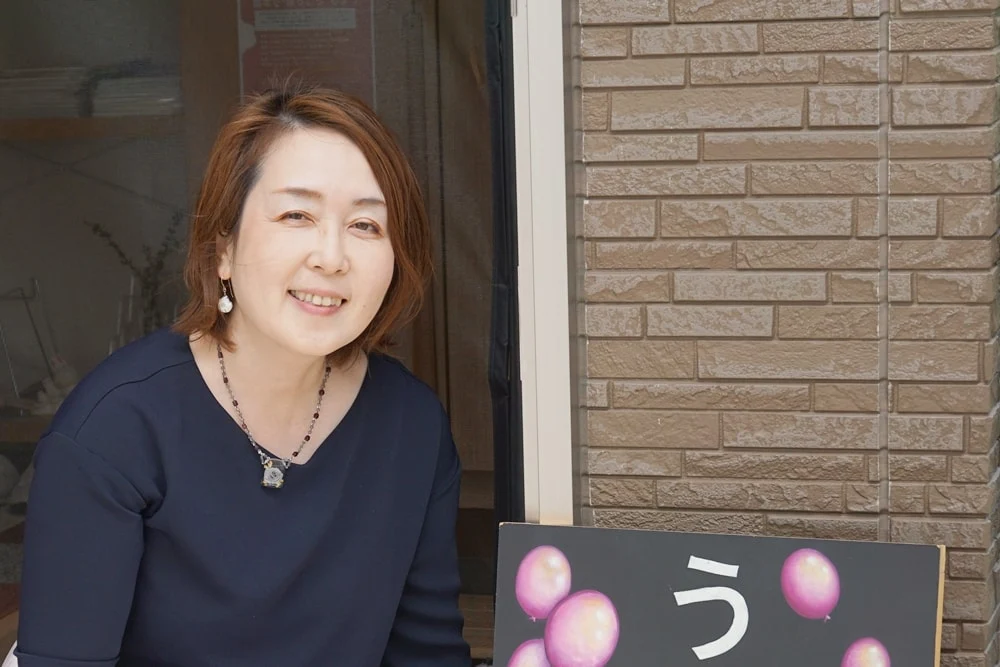
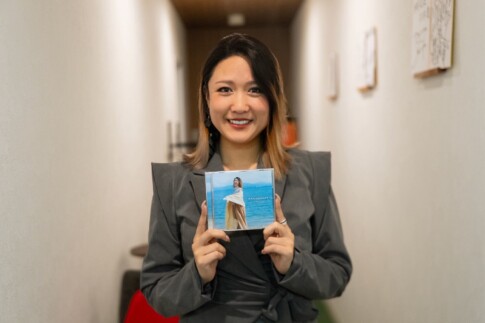
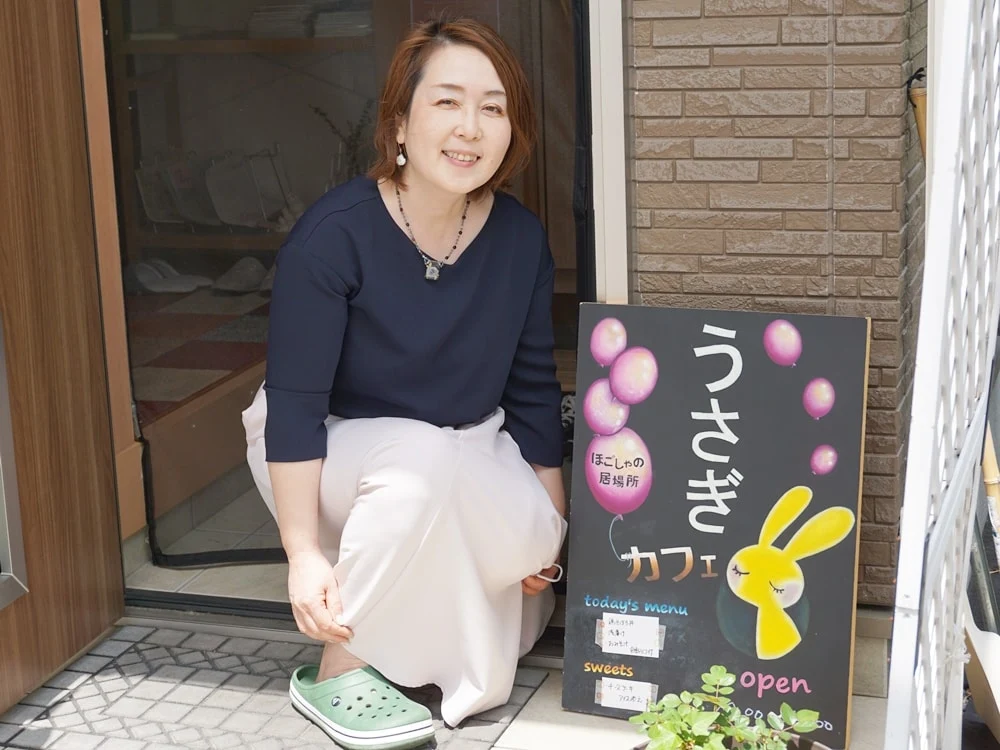
We interviewed Ando Kiyoko, chairperson and founder of Parent Support Step.
This article presents the interview conducted during our initial visit in May 2021.
How it got started
Could you tell us how Step got started?
Ando (honorific omitted)
The three of us started it together. We had all served as officers in a “parents’ group” for children with disabilities.
The “parents’ group” had grown too large, and we were no longer able to hear each parent’s voice.
A large group can communicate various things to the government, but it can’t listen to the individual problems people are facing.
We wanted to start an initiative to listen to each person individually—something we couldn’t do in the “parents’ group.”
Our basic approach is to share with younger generations of parents the things we wished we’d had when we were raising our own children.
What is it like to be a parent of a child with a disability?
What kinds of people are parents of children with disabilities?
Ando
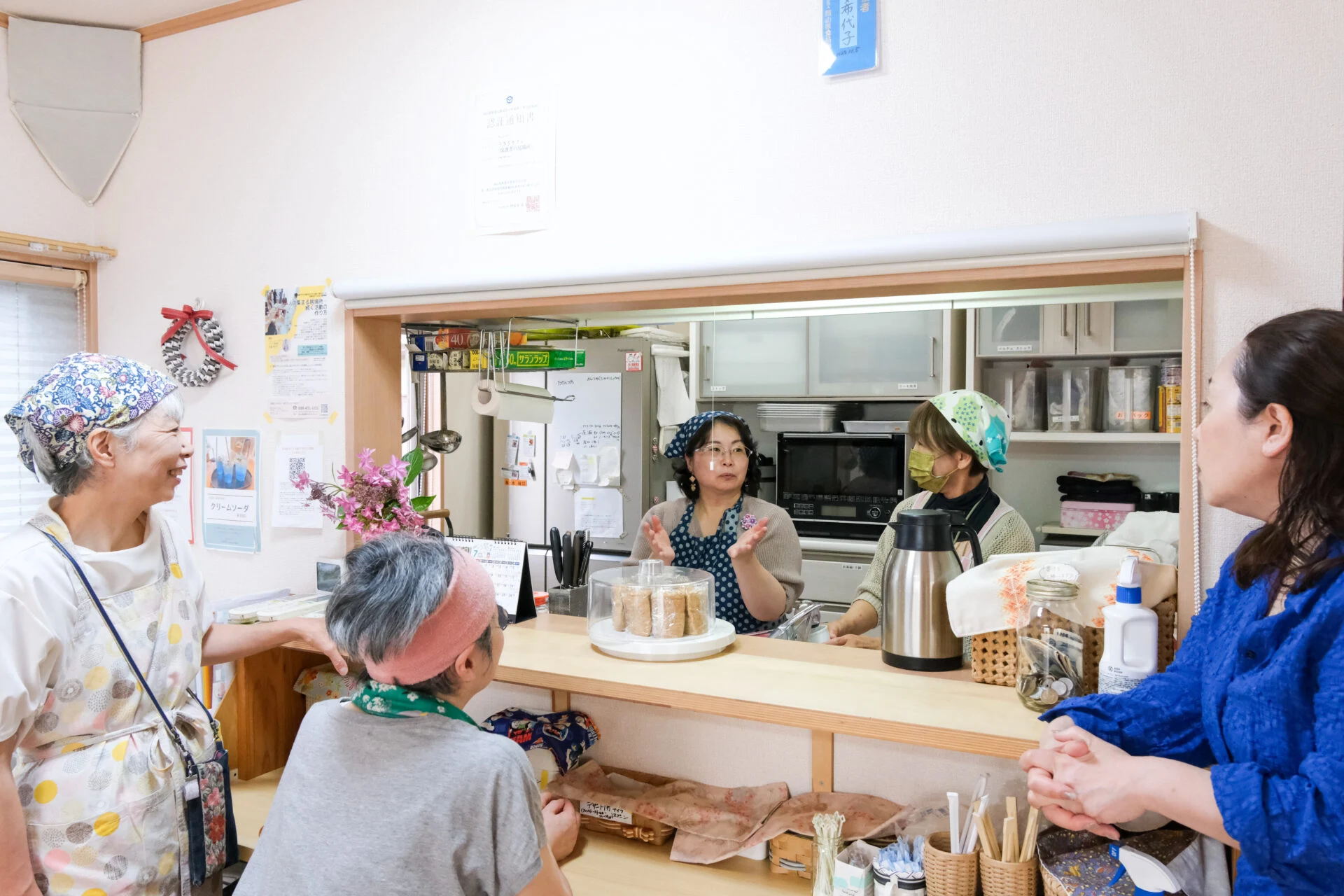
The parents who come to Usagi Cafe and those we meet when we go out to provide support are different types of people.
Many of the parents who make a point of coming to Usagi Cafe are serious people who tend to worry a lot.
They can’t find anyone to turn to about their child, and are at their wits’ end. They come to us feeling incredibly nervous, clinging to the hope that we can help.
But on the other hand, you could say they have enough energy to make it all the way to Usagi Cafe.
People who can take action on their own aren’t as much of a concern. Even if they go through a difficult period, with the right support, they can overcome it themselves.
By contrast, the parents we meet when we go out to provide support are struggling, but don’t have the energy to come to Usagi Cafe.
They tend to be in greater need.
Their problems can become complicated, and in some cases they may find it difficult to accept advice from others.
That’s why we don’t think it’s enough to simply wait for people at Usagi Cafe.
We need to go out to different places and find different ways to connect with people who are struggling.
We shouldn’t assume that the only parents of children with disabilities are the people who come to Usagi Cafe.
Consultations at Usagi Cafe
When you hear people’s problems, do you ever find yourself feeling down too?
Ando
I don’t feel down.
But some people do.
Some people may be more or less suited to providing consultations…
I wouldn’t recommend that parents whose children are still young take on the same kind of work we do and counsel other parents.
I don’t think you can do it until your own child is quite a bit older.
That’s because when you’re already stretched to your limit, listening to someone else’s problems is a heavy burden, and there’s still so much you don’t understand yourself.
Once you’ve had time to process things, I tell people, “If you want to do it, go ahead.”
But rather than wanting parents of children with disabilities to do the same kind of work we do, I’d like them to work in all kinds of places and roles in society, while bringing their personal experience as parents of children with disabilities.
That way, when people with disabilities enter society, they’ll find people who understand them in all kinds of places.
The local bakery owner was a parent of a child with a disability.
The manager at the company where I work was a parent of a child with a disability.
I think that would be a good thing.
Do fathers ever come to Usagi Cafe for consultations?
Ando
I’d say about 2–3% of the total.
Usually they come with their wives, or are brought along.
Fathers who come alone to consult us probably make up about 1%.
They rarely come alone. Usagi Cafe is mostly women, so I think that may make it hard for them to come.
That’s why we have “Usagi Shokudo” for fathers.
We made sure the staff were all men, too.
Maybe that’s why, although fathers don’t seem to talk much at Usagi Cafe, they talk a lot at Usagi Shokudo!
I’m sure it’s hard for them to talk when they’re with their wives (laughs).
How “handmade Usagi” came about
How did “handmade Usagi” come about?
Ando
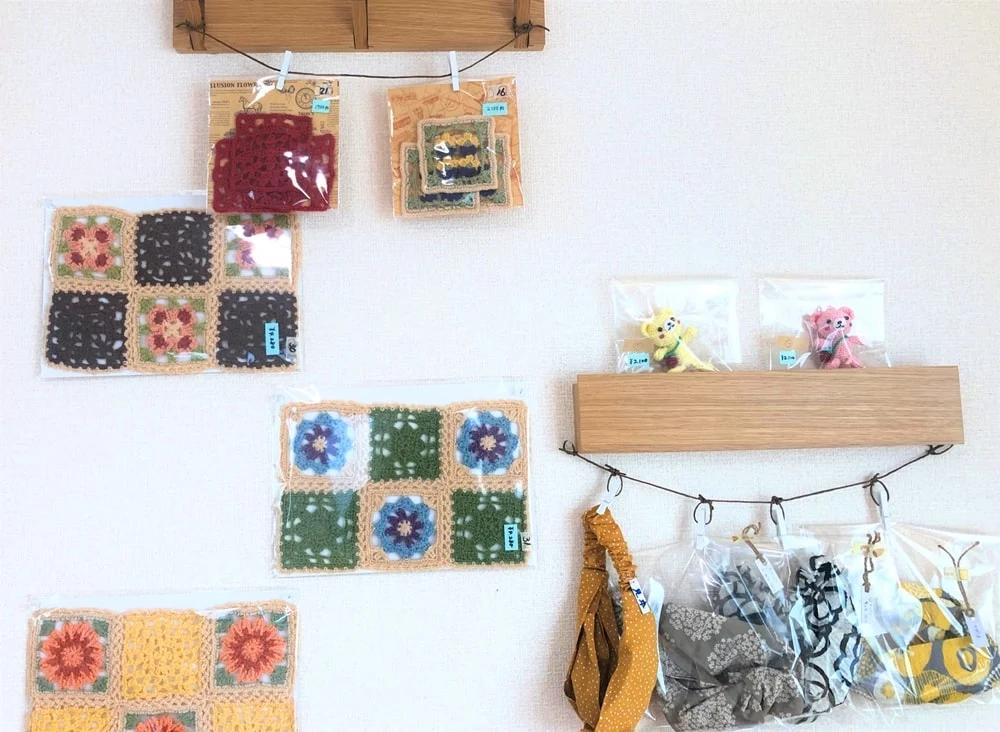
Many of the mothers who came to Usagi Cafe were very skilled at making things.
I thought it might be a good idea to bring them together and hold a market at Usagi Cafe.
The mothers come to Usagi Cafe for consultations, so many of them seem a little apologetic or hesitant.
Having them pay for food and drinks helps make our relationship as equal as possible, but there are still ways in which it isn’t equal.
I wanted to see them not as the women who came for consultations, but as they promoted the things they love and enjoy to others—in other words, I wanted to see them in a different light. So we started by holding an in-person market.
Their faces were even brighter than I’d imagined; they looked so full of life.
It was during the COVID pandemic, but lots of people came, and the interactions were wonderful.
Usagi Cafe is a private space, but we opened it up when we held the market.
I’d been thinking for a while about how to open Usagi Cafe to the public, but hadn’t found the right opportunity.
It’s important to protect the space, but it’s also important to open it up.
I think both are necessary.
We could never hurt the mothers or put them on display, but I’d been thinking there might be a way to open things up while still protecting them.
By opening up, people in the neighborhood can learn, “There are people here doing this kind of work.”
At the same time, we need to tell society how important it is to support parents of children with disabilities.
I’d hoped there would be opportunities to share this in person, not just through writing and photos.
That experience also led us to open an online shop.
The online shop is an easy way for people outside the group to connect with us.
On the product pages, we focused on helping people understand what it’s like to raise a child with a disability by including each artist’s STORY.
Other people and organizations share information about children with disabilities, but it’s our role to share the experiences of their parents.
Don’t carry it all alone
Any final message?
Ando
The most important thing is not to carry it all alone.
That’s what it comes down to.
If you keep thinking about it by yourself, you just go around in circles and nothing gets resolved.
We live in an online society now, so I think quite a lot of people ask questions and make connections on the internet.
But those aren’t people in your child’s life or in your own life.
And you end up focusing only on the information you’re looking for.
As you continue raising a child with complex needs, you’ll inevitably need real-life support.
I like the internet too, so I’m not saying it’s bad. But if you only seek advice online, you end up carrying everything alone.
It’s important to connect with people who can actually help you and listen to your concerns.
People in your child’s life and your own life can help you see things objectively.
Then you’ll be able to see things objectively yourself, and I think your parenting will move in a positive direction.
It’s also important to involve different people from the early stages of raising your child.
Even if you come to Usagi Cafe, we won’t tell you, “Do this” or “Do that.”
When you don’t know what to do, talking with us gives you a place to sort things out for yourself and come to terms with them.
By talking, you can realize things like, “So this is what’s been bothering me,” or “I’ve been thinking only about myself…”
I hope you can find someone to talk to, whether at Usagi Cafe or somewhere else.
From the Writer
A simple but very powerful desire to “help people who are struggling” is what built Parent Support Step.
That desire seems to have remained unwavering since the organization was founded in December 2012.
They are always thinking about how to support parents of children with disabilities, providing a place for parents to belong—in other words, a place that protects them.
At present, their focus is on parents of young children with disabilities, but they are gradually expanding the scope of their support.
Step develops detailed programs to meet people’s needs and continues to evolve.
I felt that this very evolution is what will help build a better community.
Certified NPO Parent Support Step: Information
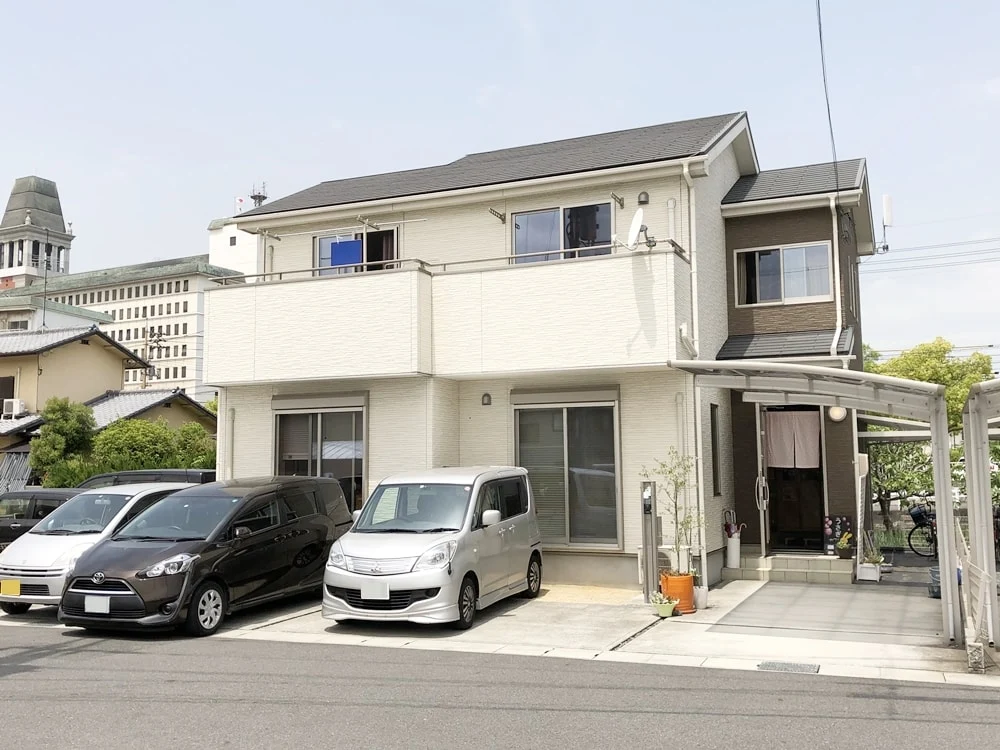
| Name | Certified NPO Parent Support Step |
|---|---|
| Address | 2463-6 Shinden, Kurashiki City, Okayama Prefecture |
| Contact | 086-431-1651 |
| Parking | None Please contact them before visiting about parking. |
| Hours | Phone hours: 10:00 a.m.–6:00 p.m. Usagi Cafe: 10:00 a.m.–3:00 p.m. (Tuesdays and Thursdays only) Individual consultations: Tuesdays and Thursdays, afternoons (one-hour sessions starting at 1:00 p.m. and 2:00 p.m.) |
| Closed | Saturdays, Sundays, and public holidays May also close as needed |
| Fees (tax included) | Usagi Cafe: Cost of food and drinks Individual consultations: Free |
| Payment methods |
|
| Reservations | Usagi Cafe: Due to capacity limits during the COVID pandemic, please contact them in advance if possible. Individual consultations: Reservation required |
| Restroom | Western-style toilet |
| Childcare | Diaper-changing space available |
| Website | Certified NPO Parent Support Step |
What would you like to know about Kurashiki?
Enter a word to search articles on this site