The new year has begun, and 2025 is here.
One of the major events at the start of the year is Hatsumode (the first shrine visit of the year).
This year (2025), I am in my pre-yaku year. A yaku year refers to a year when one is believed to be more susceptible to disasters and misfortunes at certain ages, and the year before a yaku year is considered a pre-yaku year, which is said to be a time when disasters and misfortunes may begin.
Wishing to spend 2025 in good health, I went to Yugasan (Yuga Mountain) in Kojima, famous for its yaku prevention, for my Hatsumode.
What is Yugasan?
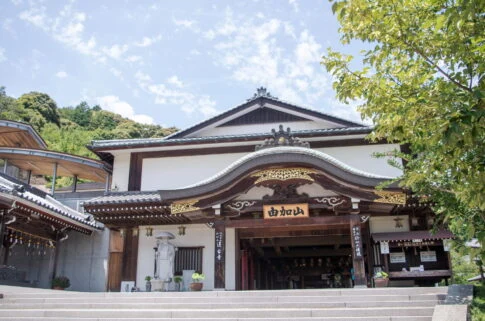
Originally, Yugasan refers to the name of a mountain, but it is also used to refer to the shrines and temples located on Yugasan, or as a general name for the area.
On Yugasan, there is Yuga Shrine Honmiya, known as the headquarters for yaku prevention, and Yugasan Rendai-ji Temple, known as a temple for yaku prevention.
Before the separation of Shinto and Buddhism in the Meiji era, Yuga Shrine Honmiya and Yugasan Rendai-ji Temple were worshipped as one entity called Yuga Daigongen, and even now, many people visit both places in succession.
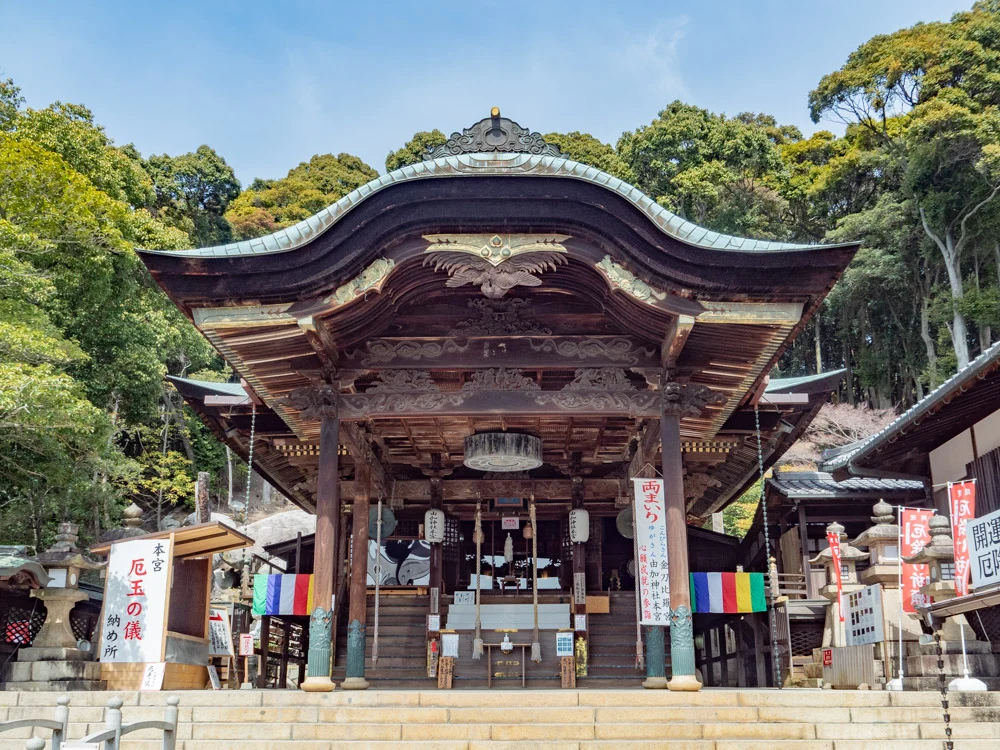
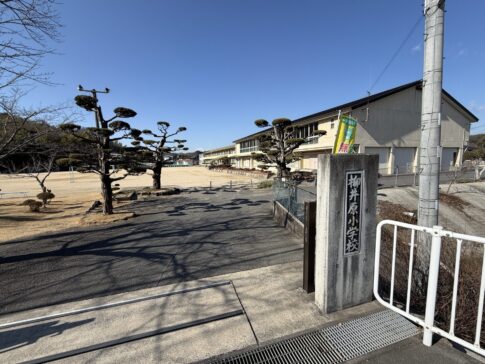
Parking is usually available at three locations at Yugasan Rendai-ji Temple, and the first parking lot on the approach to Yuga Shrine Honmiya is open, but during the Hatsumode period, a temporary parking lot was also set up next to Kurashiki City Kotoura North Elementary School.
The parking lot at Yugasan Rendai-ji Temple does not require climbing the stairs on the approach to Yuga Shrine Honmiya, making it recommended for those who are not confident in their legs.
On the other hand, walking from the parking lot at Yuga Shrine Honmiya allows you to climb the "Yaku Prevention Stone Steps," one of the famous spots at Yuga Shrine Honmiya. Since I visited for yaku prevention, I aimed for Yuga Shrine Honmiya from the temporary parking lot.
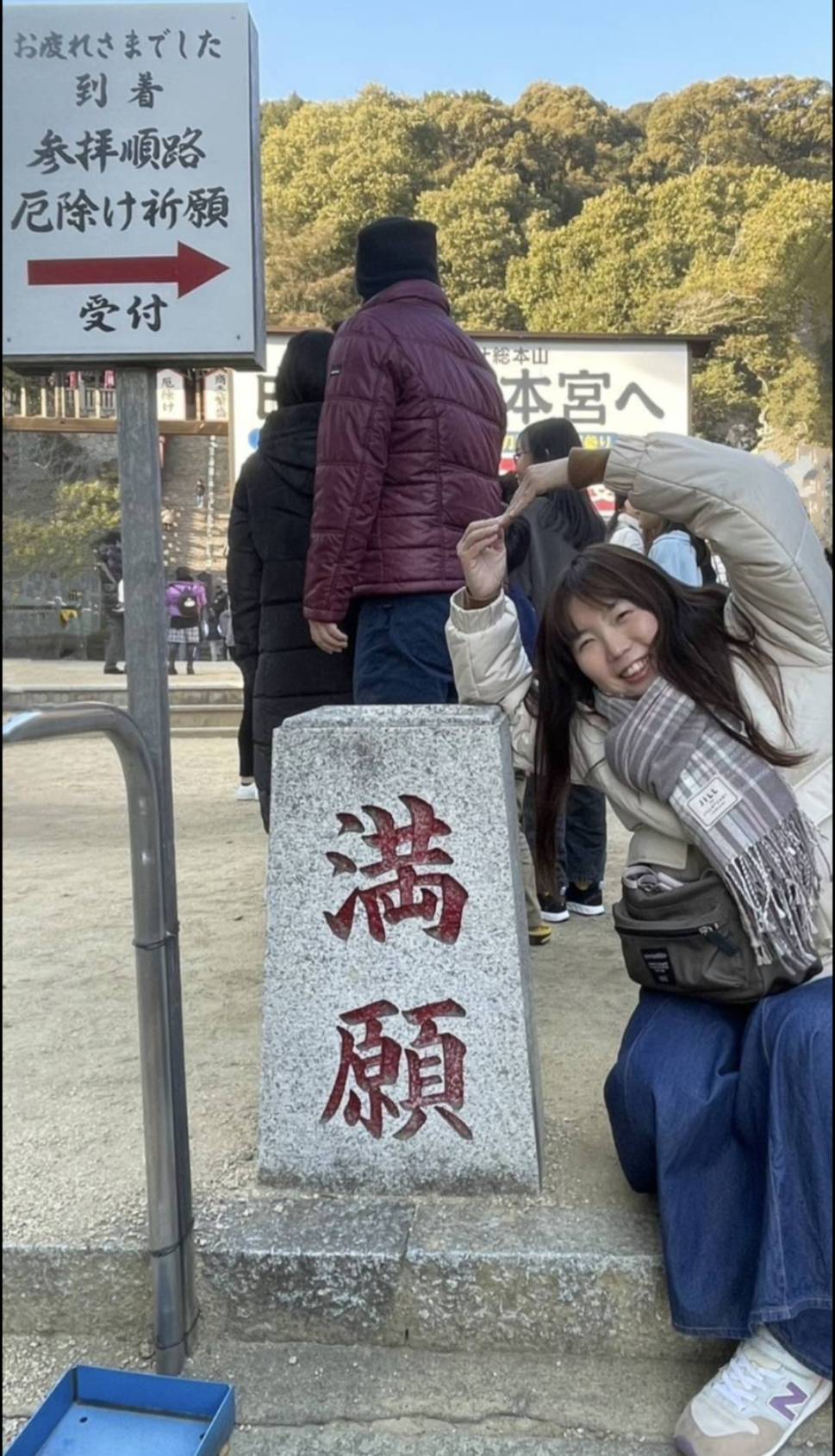
Hatsumode at Yuga Shrine Honmiya, throwing yaku balls and receiving amulets
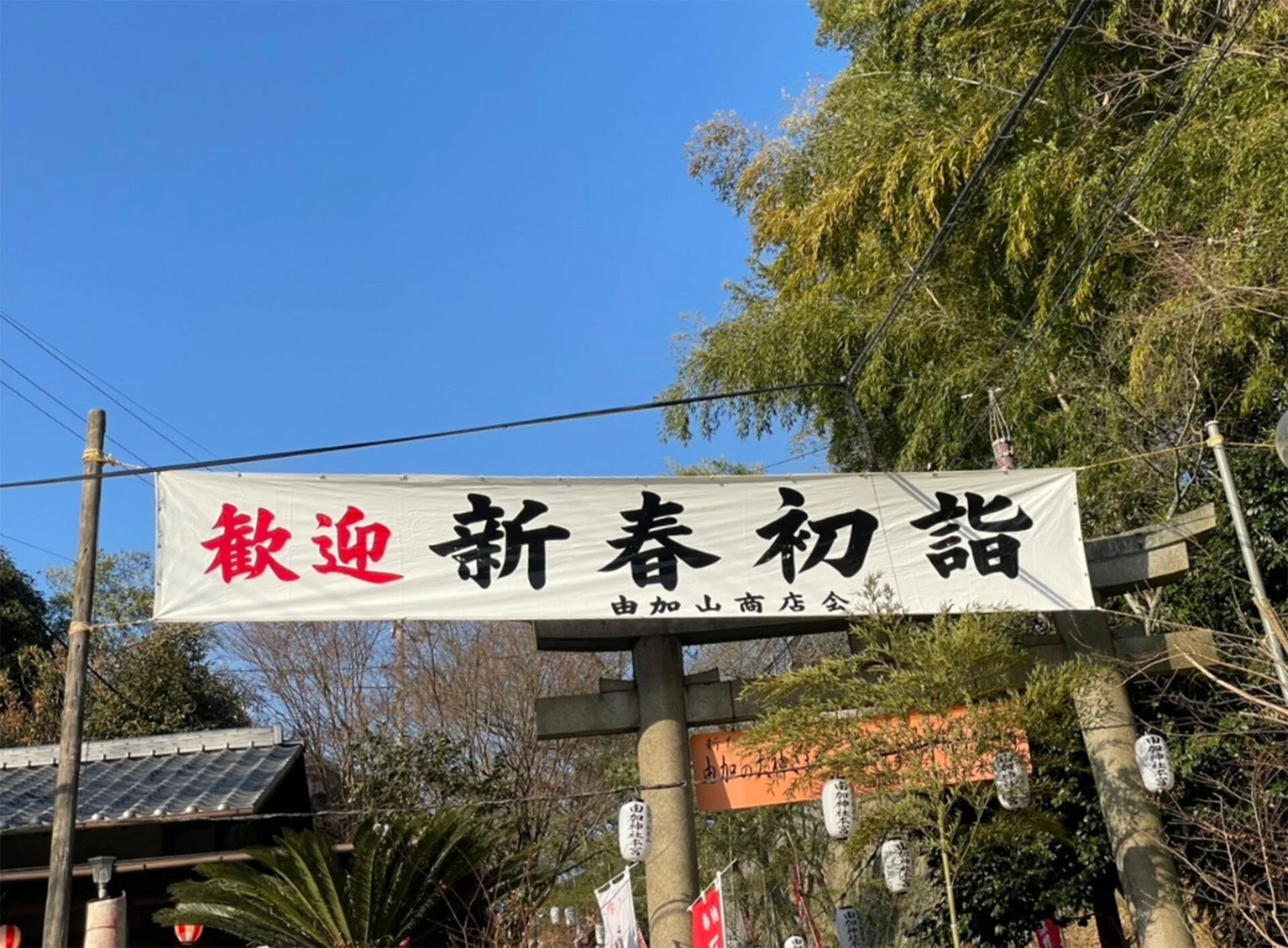
Upon reaching the top of the yaku prevention steps, I was greeted by the Bizen Ware Grand Torii Gate, which is also designated as a registered tangible cultural property of Japan.
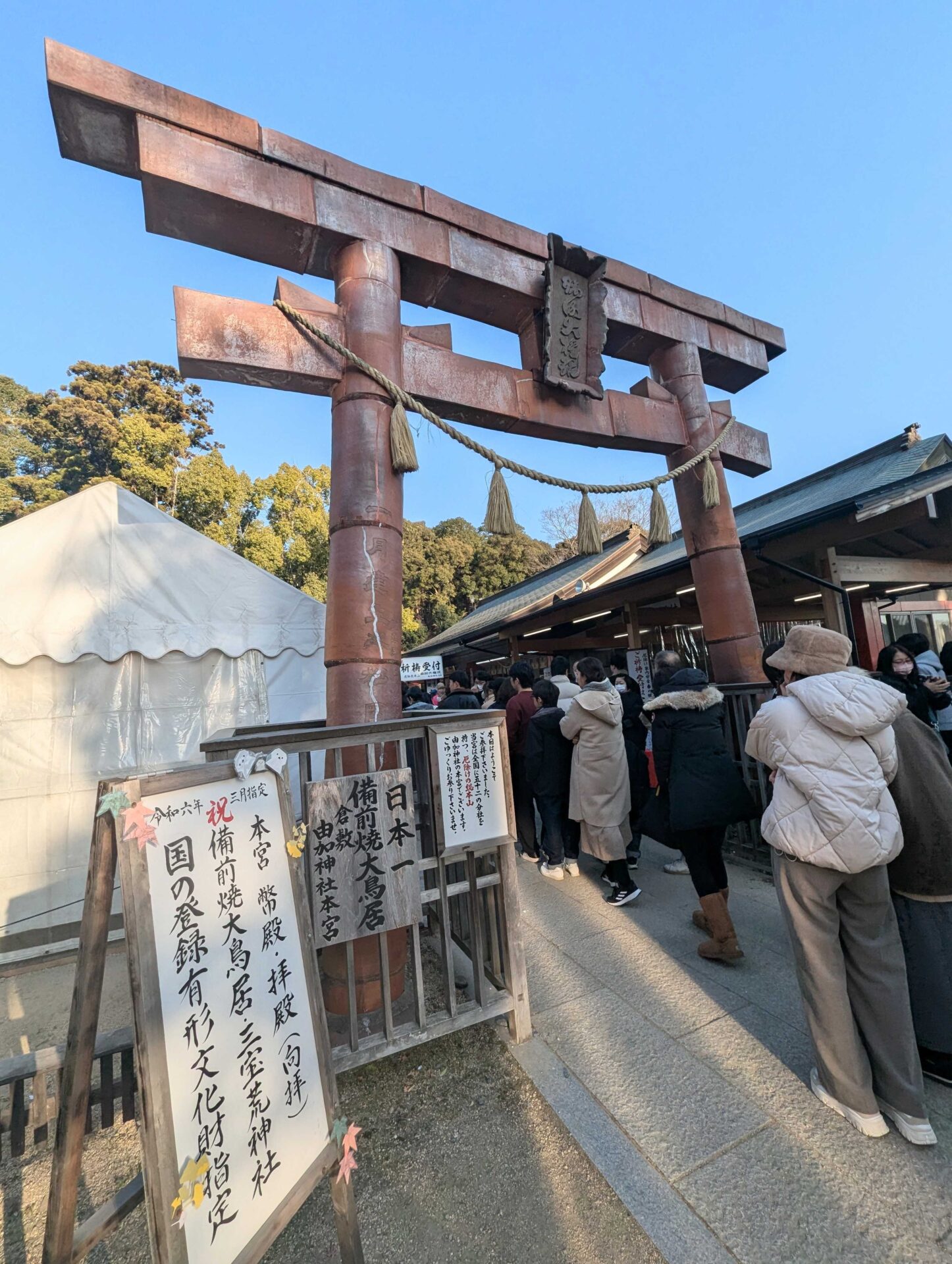
As it is one of the prominent Hatsumode spots in Okayama Prefecture, I stood in line for about 20 minutes on the afternoon of January 2 when I visited. However, during the waiting time, I was able to admire the magnificent Bizen Ware torii gate and the amulets, so before I knew it, I had reached the Joko-ro (incense burner).
One of the items used to purify the bodies of worshippers. On this day, I bathed in the smoke while wishing, "May I be purified from all the yaku in my body."
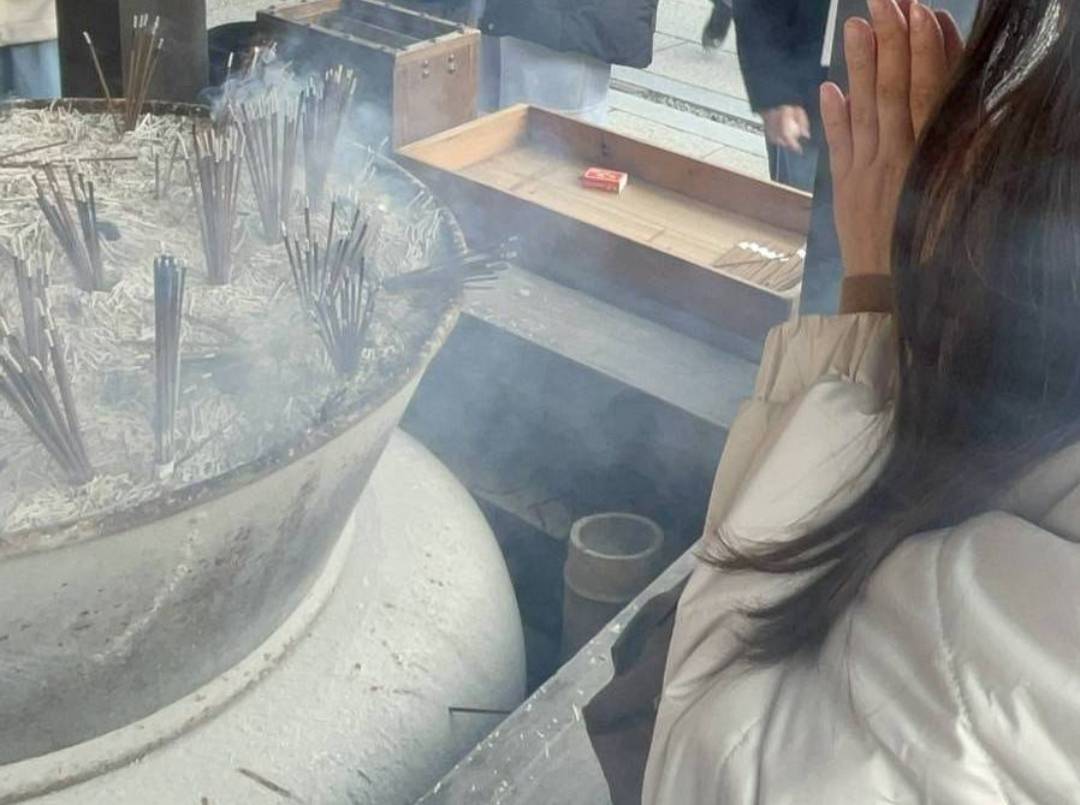
After passing the Joko-ro, I finally reached the main hall. I threw in my offering, rang the bell to call the deity, and prayed with two bows, two claps, and one bow. Although the precincts were bustling with activity during Hatsumode, for a few seconds while I was praying, I felt as if the surrounding noise faded away, allowing me to concentrate on my worship.
After my prayer, I received the yaku ball that I had been curious about while waiting in line, crossed the small stone bridge called "Yaku-bashi" located to the left front of the worship hall, and headed towards the "Yaku Ball Ceremony Deposit Place."
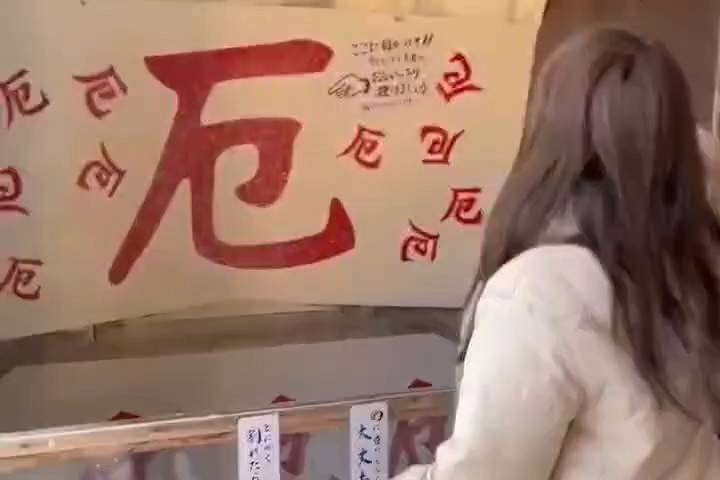
When I threw the yaku ball, which was sealed with yaku and misfortune, with all my might towards the large character "Yaku" written at the deposit place, the ceramic yaku ball shattered with a pleasant sound as it hit the character. With this, my yaku prevention was perfect.
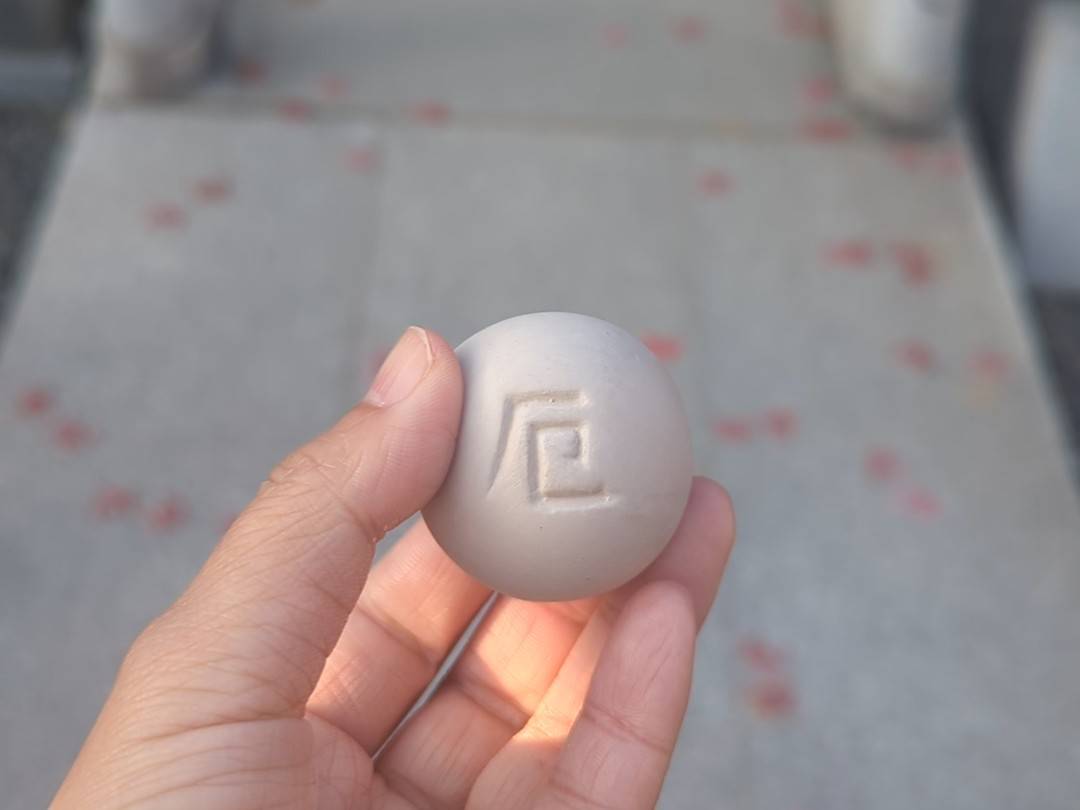
Still feeling anxious about my pre-yaku year, I decided to receive an amulet as well.
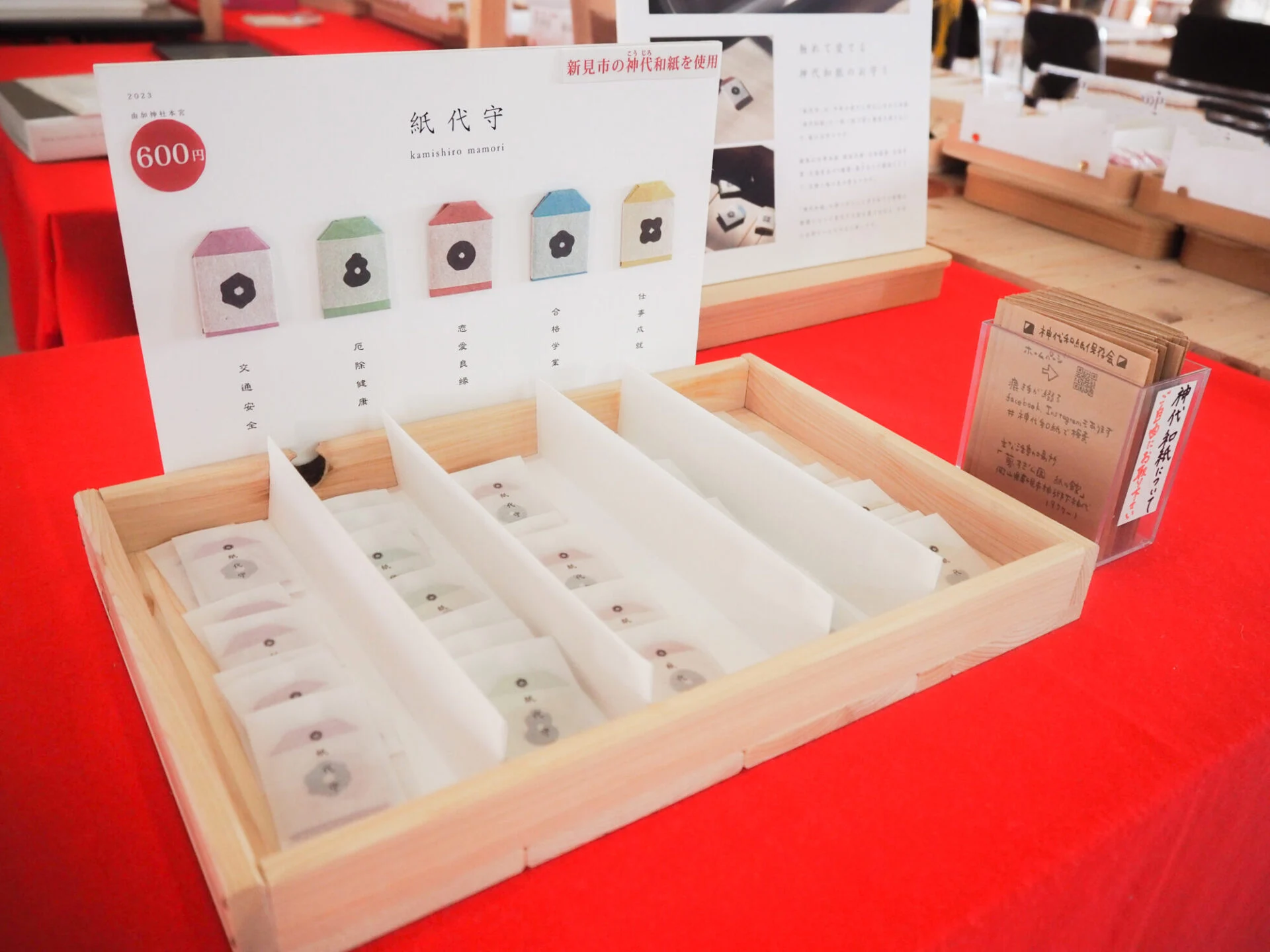
There were several types of yaku prevention amulets, but I chose the Kamishiro-mamori, which I could carry with me at all times.
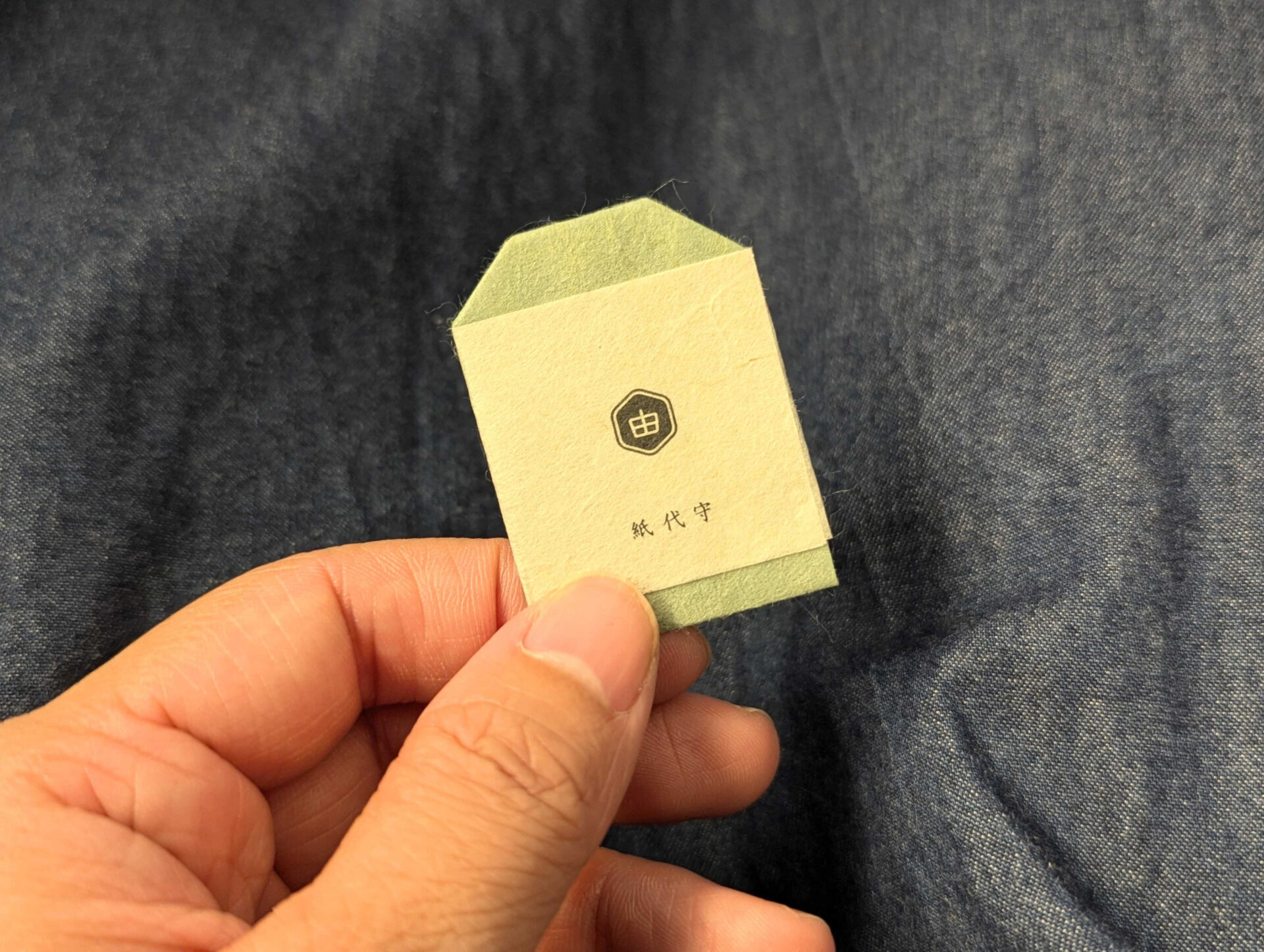
The Kamishiro-mamori comes in five varieties, and the green one I chose is for "Yaku Prevention and Health." The beautiful light color of this amulet is made from Wajima paper, which has been passed down since ancient times, just like at Yuga Shrine Honmiya.
Since it is compact, I plan to carry it in my wallet for a year.
Hatsumode at Yugasan Rendai-ji Temple, lighting candles and enjoying monkey performances
After experiencing the yaku prevention Hatsumode at Yuga Shrine Honmiya, I was about to head home when I learned that I could also do Hatsumode at the neighboring Yugasan Rendai-ji Temple. Following the sign, I headed to Yugasan Rendai-ji Temple.
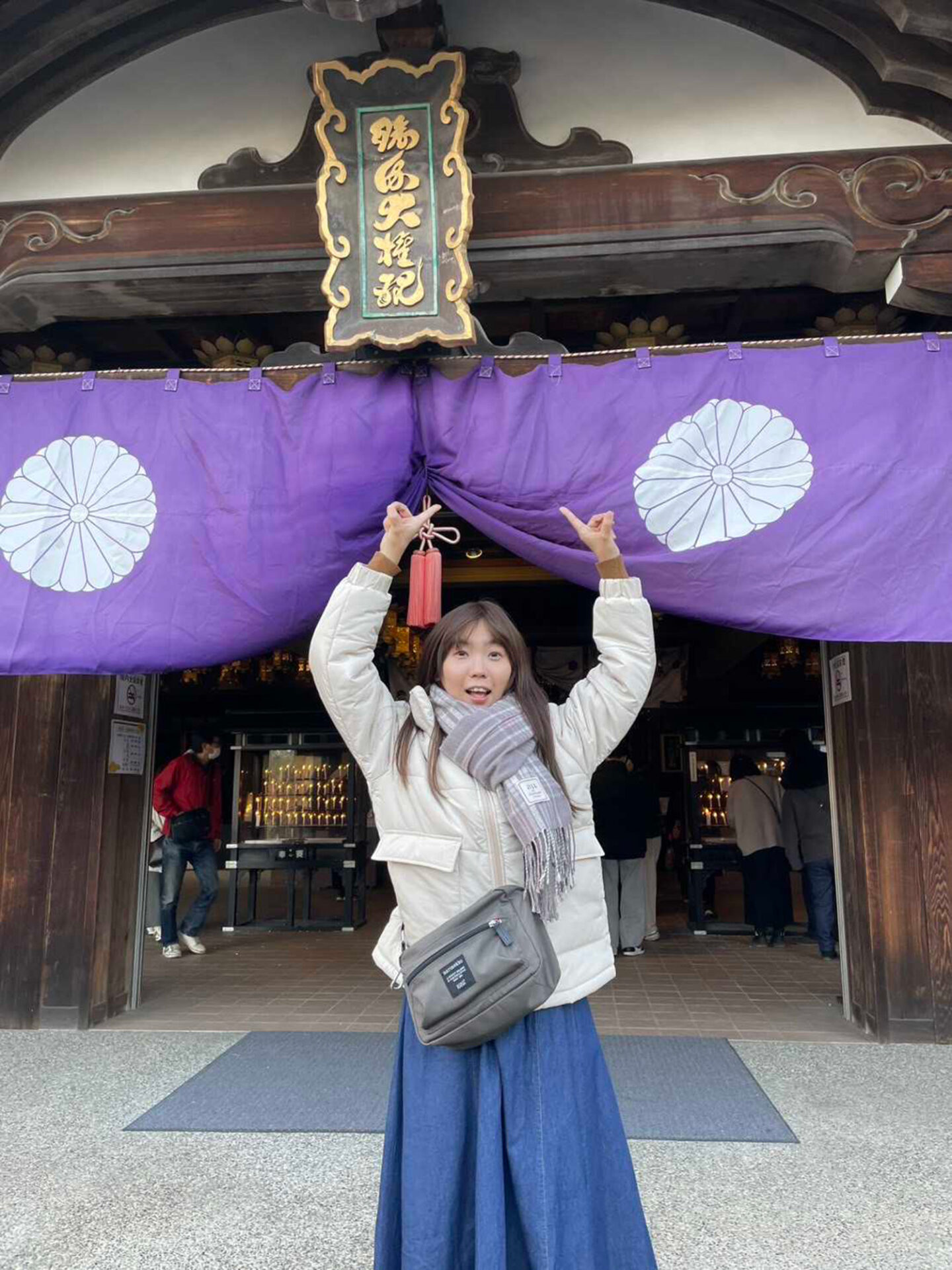
When I hear "Hatsumode," I have a vague image of it being a traditional Japanese custom, but it became common in Japan around the Meiji era. It is said that the advertisement "Hatsumode is at Kawasaki Daishi" was issued by Kawasaki Daishi, located along the line connecting Kawasaki Station, famous for being the first electric train in the Kanto region, to Kawasaki Daishi (Dai-shi Electric Railway, now Keikyu Daishi Line).
Kawasaki Daishi is a Shingon sect temple. In other words, the origin of Hatsumode is a temple, so it is also correct to do Hatsumode at a temple.
At Yugasan Rendai-ji Temple, prayers for yaku prevention and other rituals are conducted daily. Even if you do not receive a prayer, you can visit the main hall.
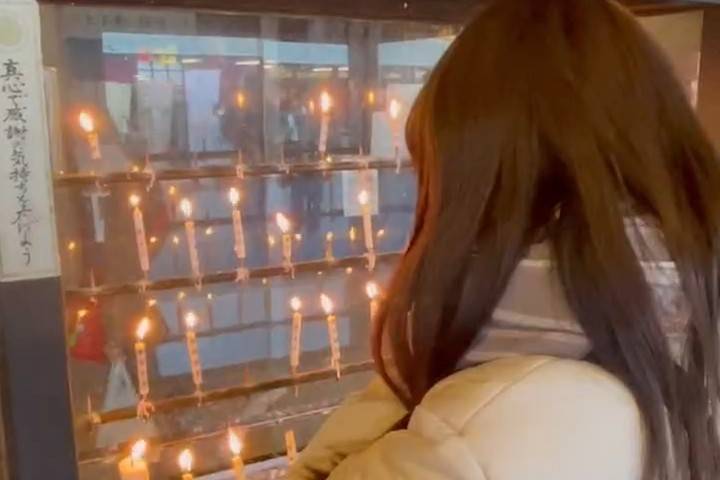
I lit a yaku prevention candle in the main hall and prayed for a peaceful year.
While Yuga Shrine Honmiya was very lively, Yugasan Rendai-ji Temple stood out for its tranquility despite having many people. The shrine is a place of gratitude and prayer to the deities, while the temple is a place for the purification of the heart based on Buddhist teachings. Visitors were enjoying Hatsumode in accordance with the atmosphere of each place.
Upon exiting the main hall, I saw monkeys from the Nikko Saru Gundan performing street acts.
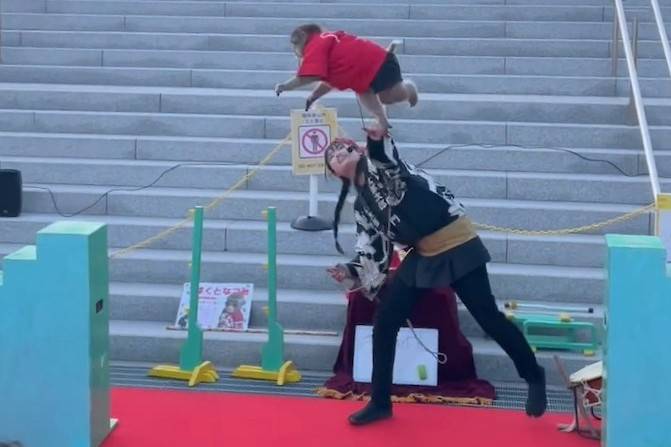
Monkey performances are one of the traditional arts that have been passed down in Japan since the Edo period. Monkeys are believed to drive away evil spirits because their name sounds like "saru," which means "to leave," and they are considered messengers of the gods. The monkey performance is a very auspicious art that embodies the idea of "driving away the bad and gaining the good."
I thoroughly enjoyed my Hatsumode by praying for yaku prevention and watching the auspicious monkey performance.
Conclusion
This was my first New Year in Kurashiki after moving from Kanto in December 2023.
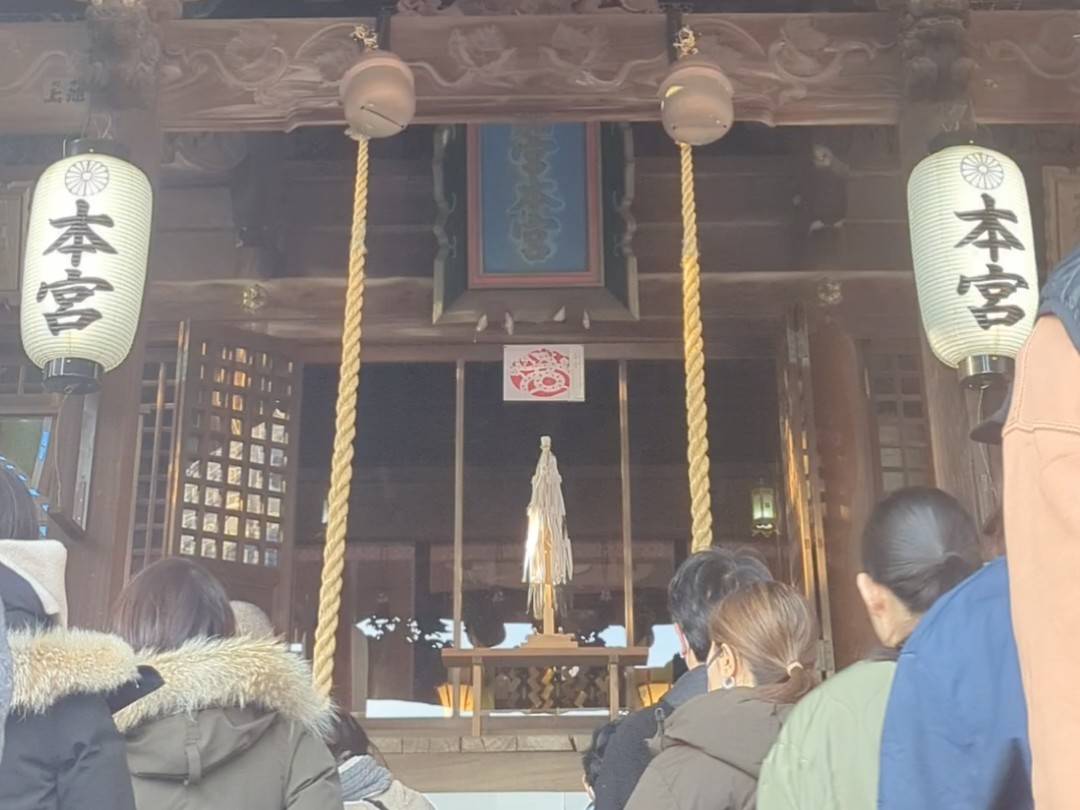
The unique "Yaku Ball Ceremony" exclusive to Yuga Shrine Honmiya, the Kamishiro-mamori made with traditional craftsmanship, and the solemn Hatsumode at Yugasan Rendai-ji Temple alongside the auspicious monkey performances were all experiences that I had for the first time in Kurashiki, allowing me to welcome the new year with a fresh feeling.
Both Yuga Shrine Honmiya and Yugasan Rendai-ji Temple offer yaku prevention prayers throughout the year. Even if you miss the opportunity for Hatsumode, you can still visit with peace of mind.
Data on Yuga Shrine Honmiya and Yugasan Rendai-ji Temple
| Name | Yuga Shrine Honmiya, Yugasan Rendai-ji Temple |
|---|---|
| Address | Yugasan |
| Website | https://yugasan.jp/ |