Yuga Shrine Honmiya, located in Kojima, Kurashiki City.
A new omamori has appeared at Yuga Shrine Honmiya, which is visited by many people from both within and outside the prefecture.
It is called the “Kamishiro Omamori.”
Made from Okayama Oku-Bitchu Kojiro Washi, produced in northern Okayama Prefecture, this is an omamori you can enjoy by touching. The paper is also known as Kamishiro Washi.
We spoke with those involved to learn how it differs from other omamori and about the thoughts behind the Kamishiro Omamori.
The information presented was accurate when this article was published in April 2023. Please note that it may differ from current information.
About Yuga Shrine Honmiya
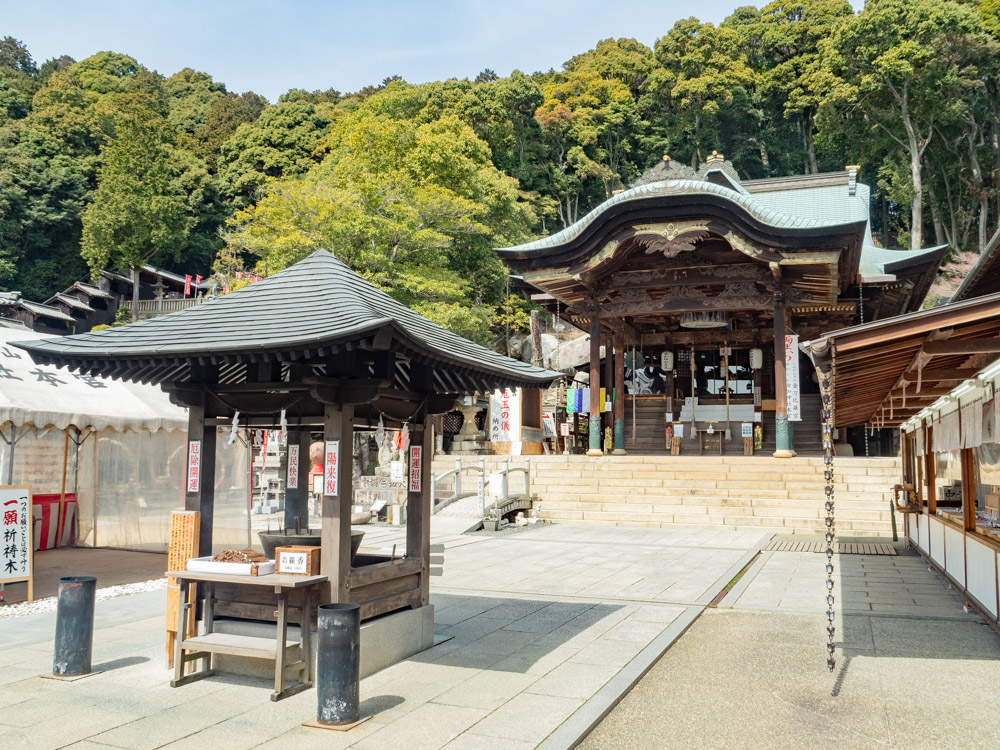
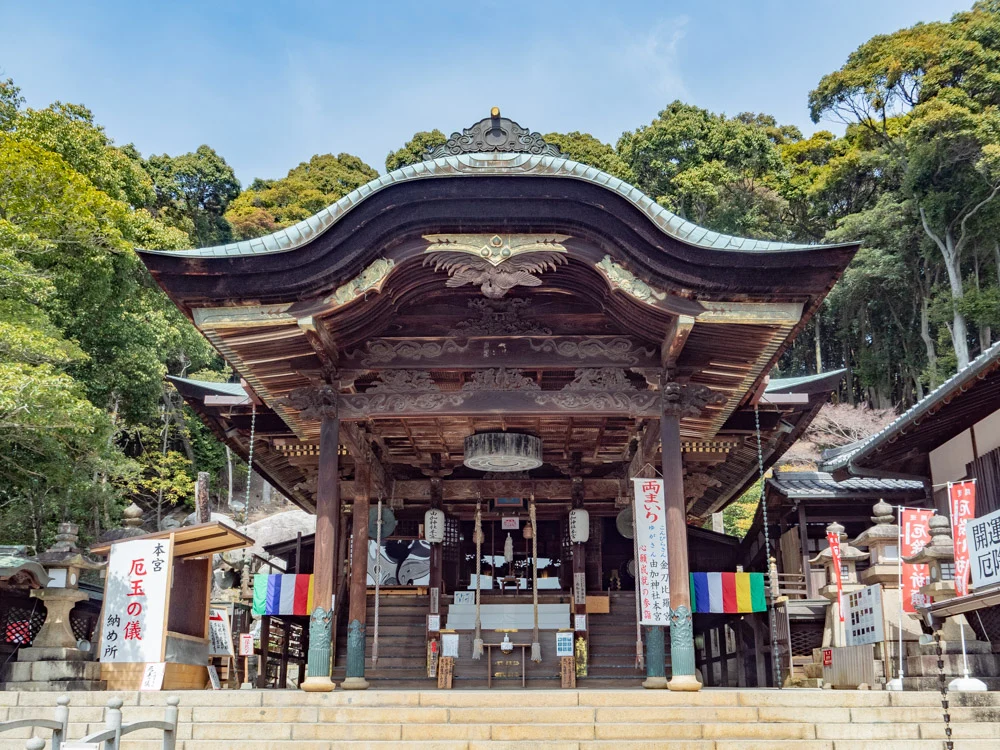
Yuga Shrine Honmiya is located on Mt. Yuga, known as one of Japan’s three great Gongen shrines and as the head shrine for warding off misfortune.
Yuga Shrine Honmiya has a long history of more than 2,000 years and is a place where Shinto and Buddhism have been syncretized.
It is famous for blessings including protection from misfortune, household safety, business prosperity, and matchmaking.
The custom of visiting both Yuga-san and Konpira-san—Yuga Shrine Honmiya and Konpira Shrine in Kagawa Prefecture—also spread, as it is believed to bring even more blessings.
The Gongen and great deities of Yuga are said to be “Yukyu Hitsuou”—deities who “surely answer whenever they are called upon.”
Many people visit throughout the year, not only on special occasions such as New Year’s visits and shrine visits for newborns.
What is the Kamishiro Omamori?
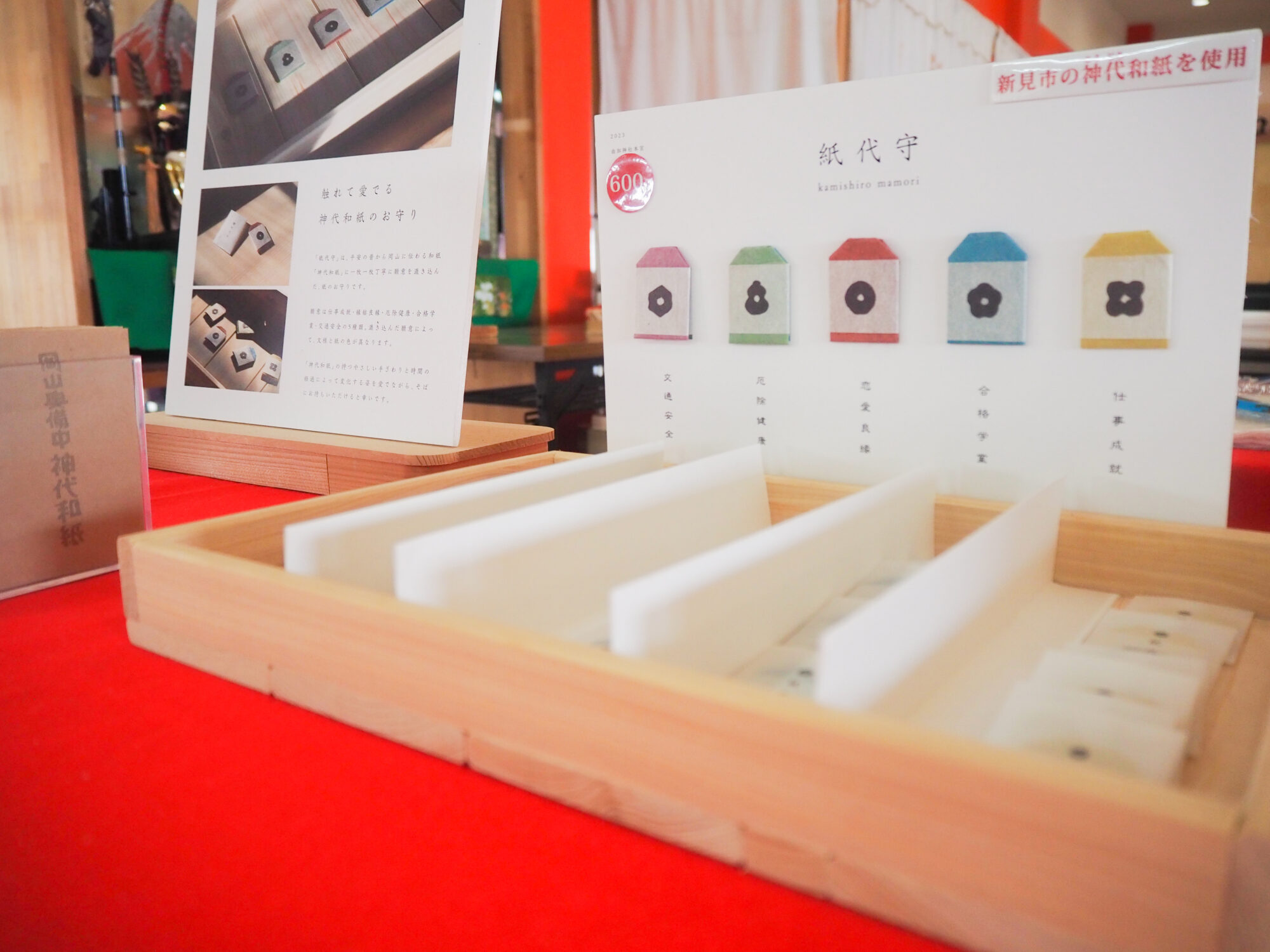
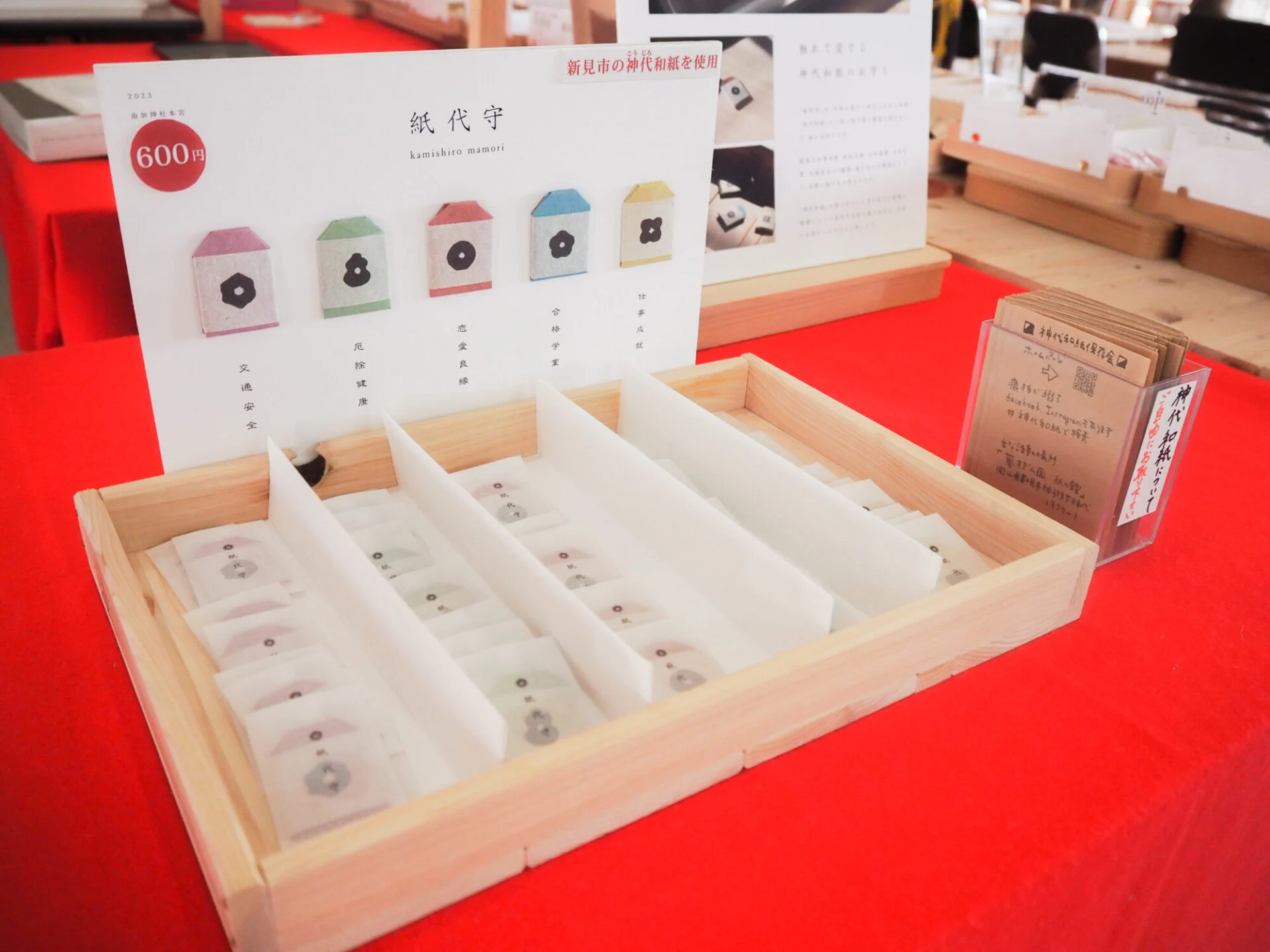
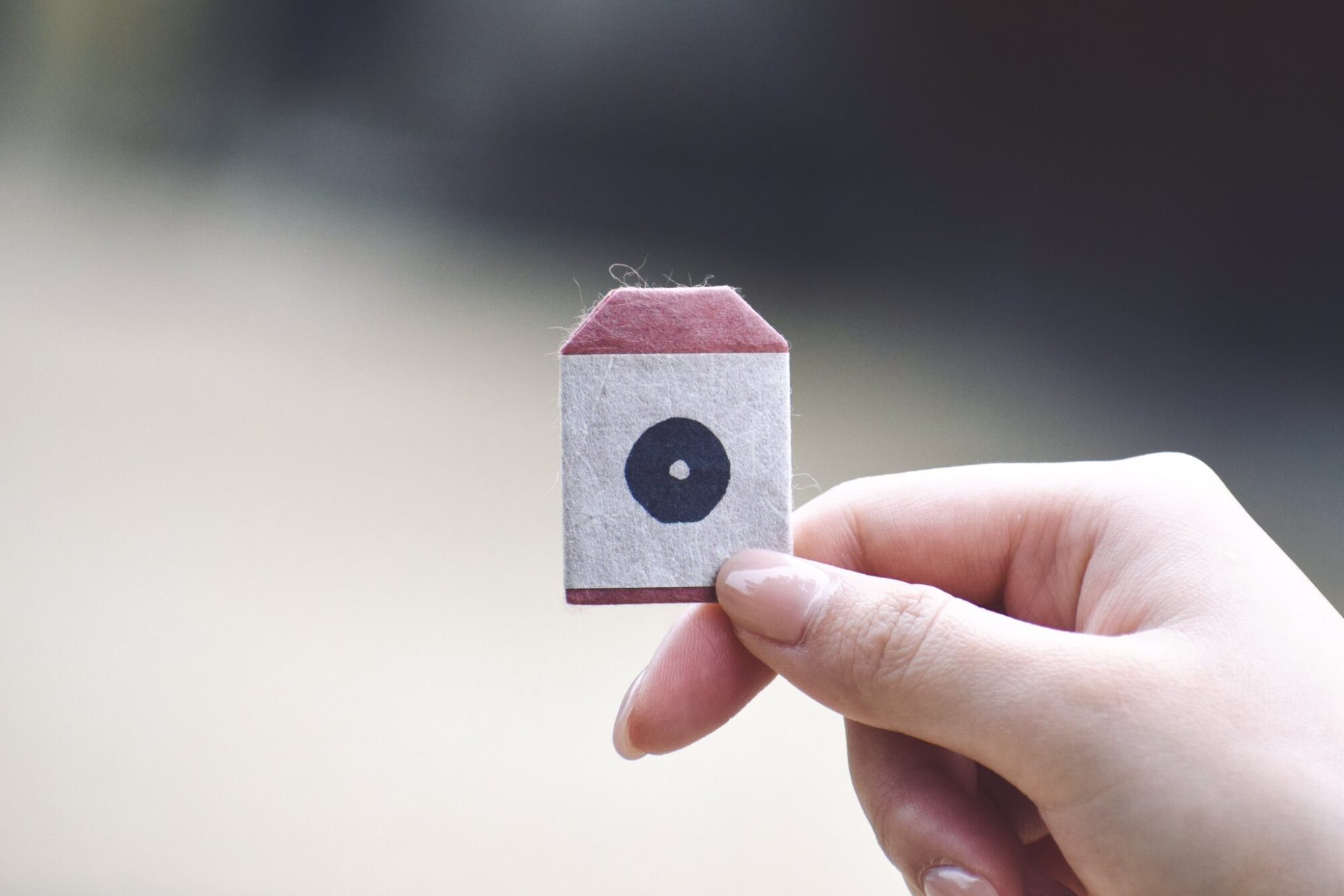
As its name suggests, the Kamishiro Omamori is an omamori made of paper.
It was introduced as a new omamori at Yuga Shrine Honmiya in December 2022.
It is made from “Kamishiro Washi,” a paper that has been produced in Kozakai, Niimi City, Okayama Prefecture, since the Heian period.
Each sheet is carefully made with a prayer for a specific blessing incorporated into it.
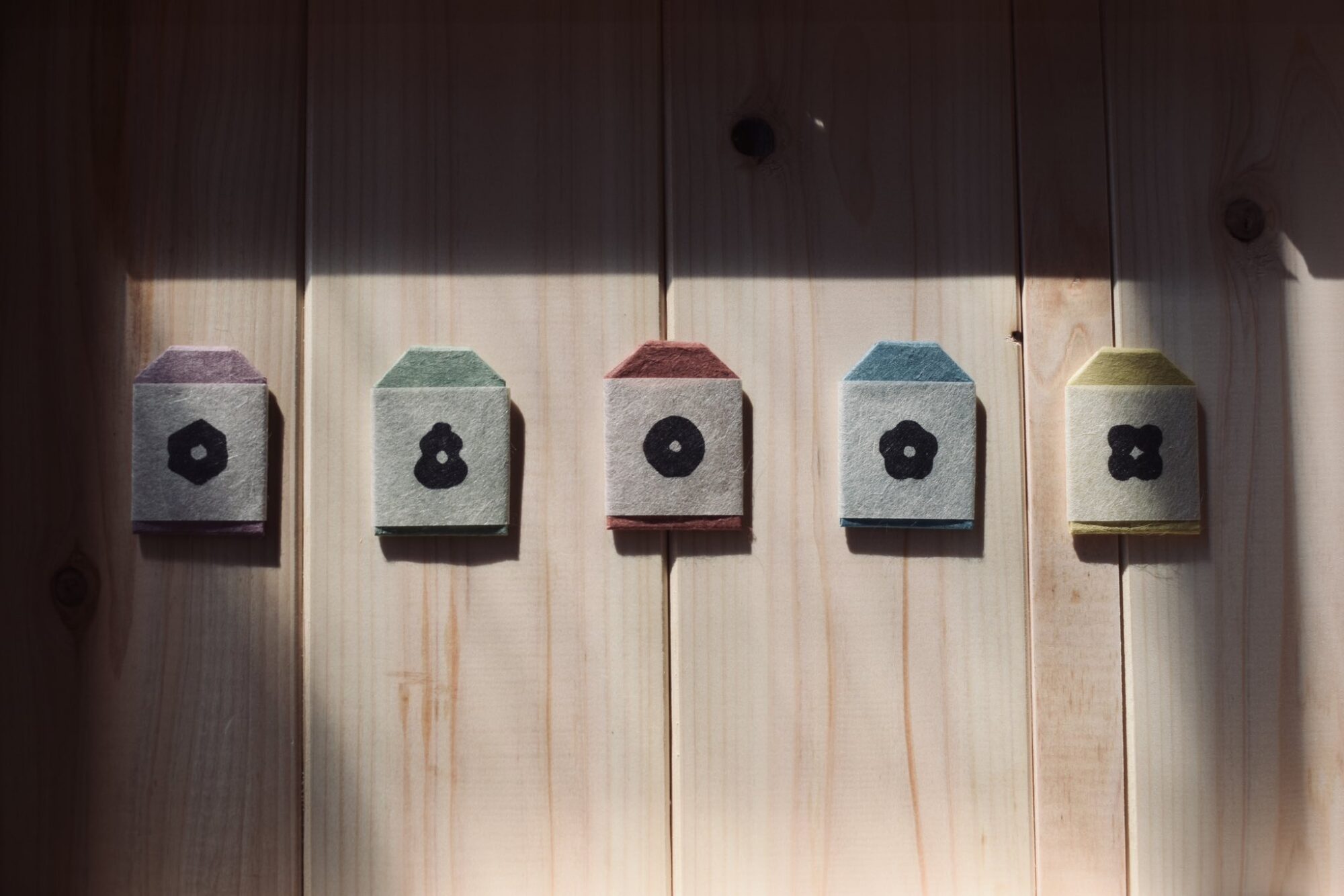
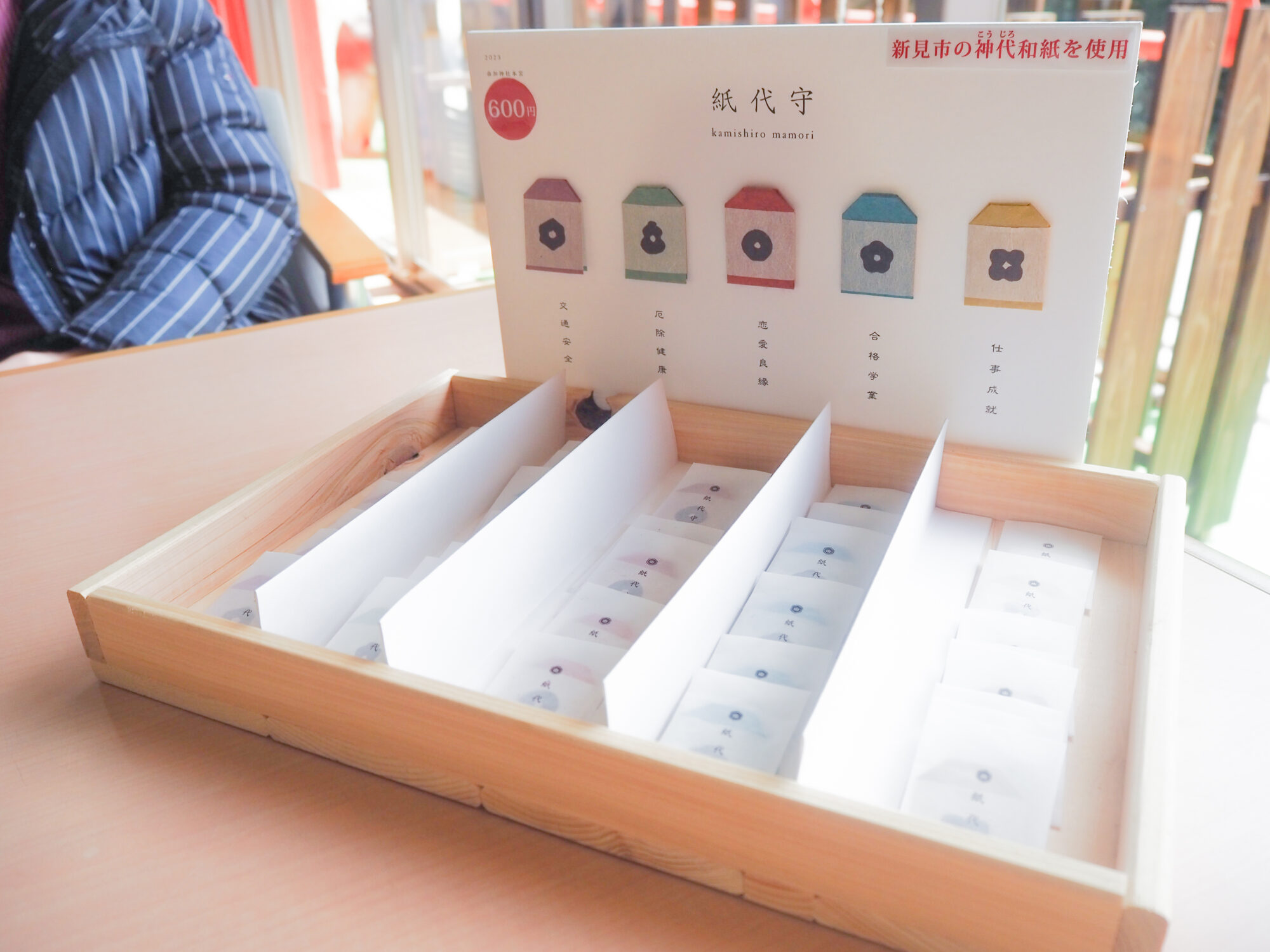
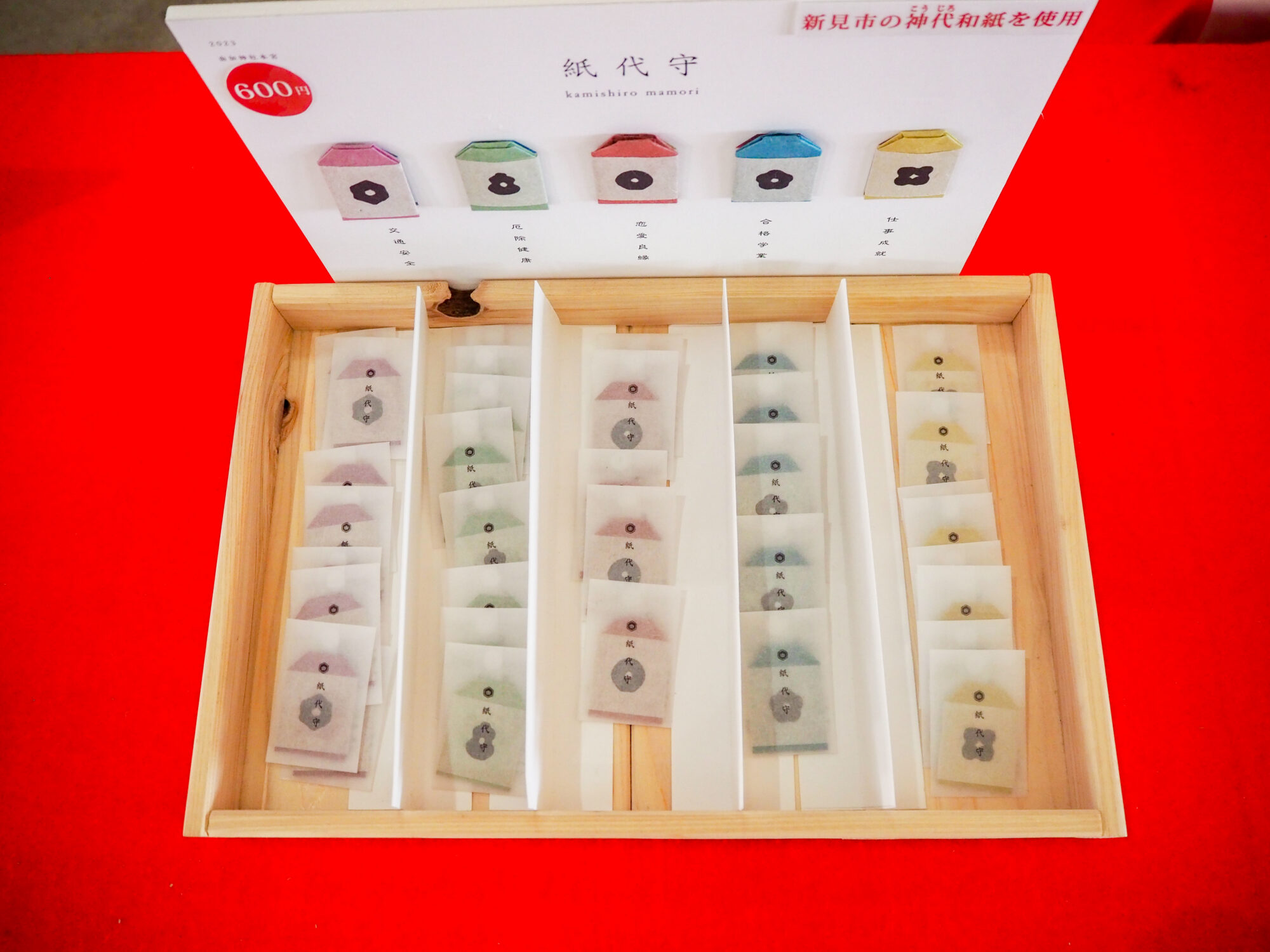
There are five types of prayers, each with a different color and pattern. The offering is 600 yen.
- Traffic safety
- Protection from misfortune and good health
- Good relationships and romance
- Academic success
- Career success
Kamishiro Washi, imbued with the warmth of its makers
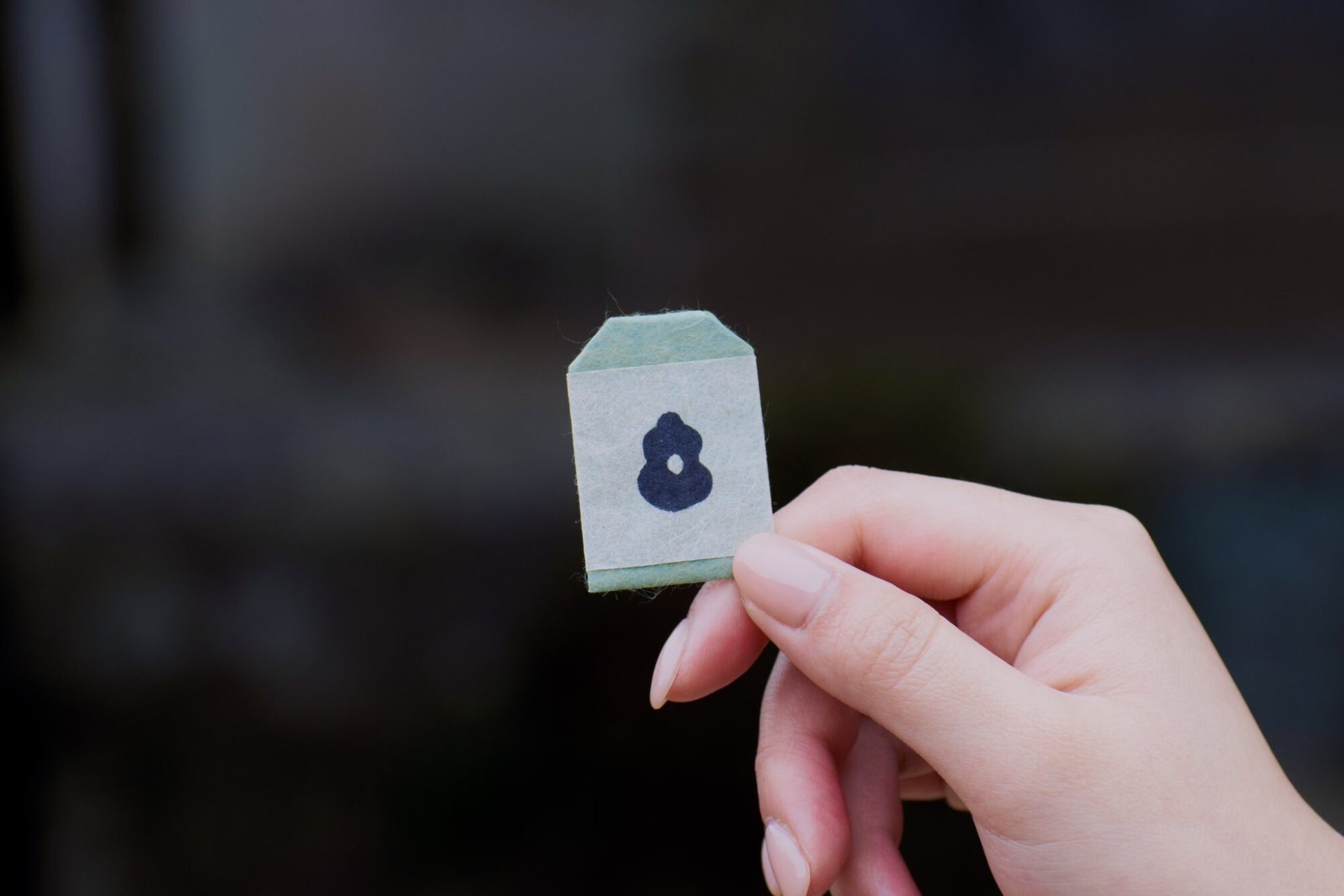
Omamori made from washi must be quite rare.
Like Yuga Shrine Honmiya, Kamishiro Washi has a long history, with its techniques passed down since the Heian period.
Kozakai, where Kamishiro Washi is made, is rich in plants needed for papermaking, including kozo, hemp, mitsumata, and ganpi.
The area also has good-quality water and all the conditions needed for papermaking, which is thought to be why “papermaking flourished” there.
Although mass printing on Western paper took off in the Meiji period and the washi industry itself declined, Kamishiro Washi had a craftsman who preserved the techniques all by himself.
People inspired by that craftsman and captivated by Kamishiro Washi established the Kamishiro Washi Preservation Society.
They continue to carefully pass down the techniques of Kamishiro Washi today.
The concept: “Touch and cherish”
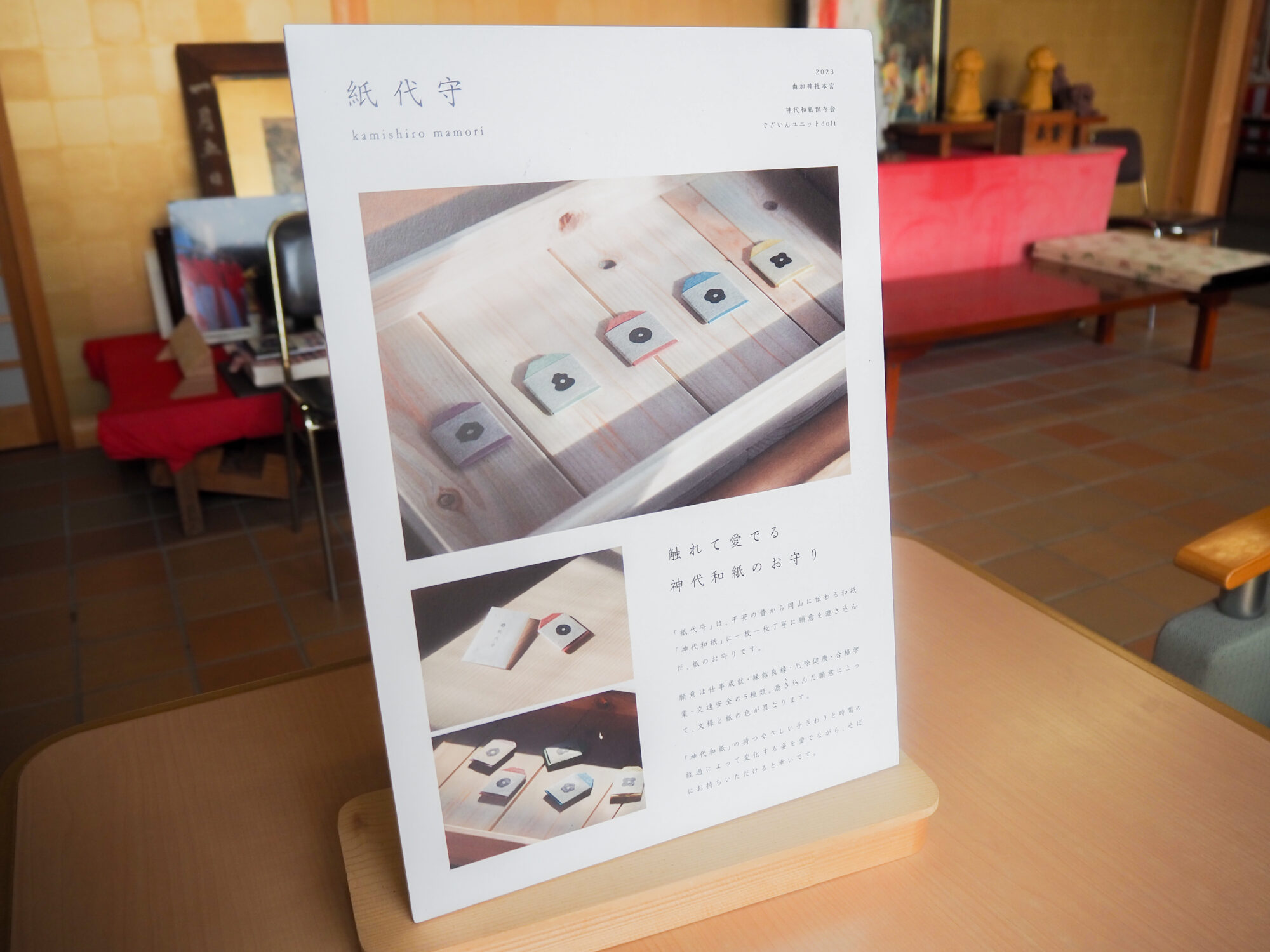
There is a reason the Kamishiro Omamori is made from Kamishiro Washi.
It was considered the material best suited to the concept of “touch and cherish.”
The handmade warmth unique to Kamishiro Washi makes you want to pick it up and touch it.
It was also designed to be something you can “cherish,” not just “touch.”
The colors are deliberately soft, and the patterns are made to retain the impression of being hand-drawn.
Its size, which fits in the palm of your hand, is another reason you’ll want to cherish it.
This omamori is simple in design, yet filled with thought and attention to detail.
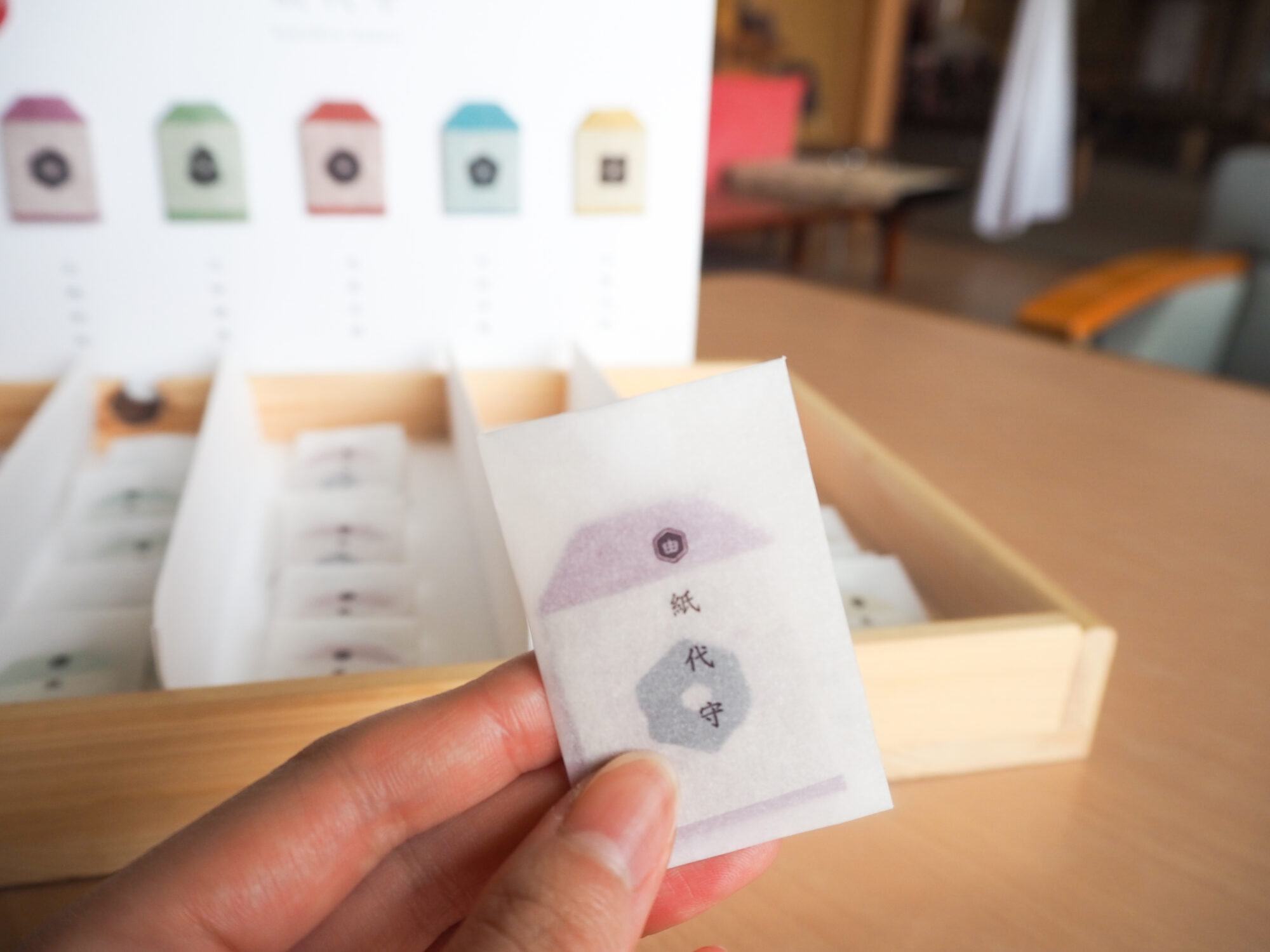
The Kamishiro Omamori was created by “design unit dolt,” whose members are based in Okayama Prefecture.
We asked its representative, zushi, about the thoughts behind the Kamishiro Omamori and how it was made.
The creator shares the thoughts behind the Kamishiro Omamori
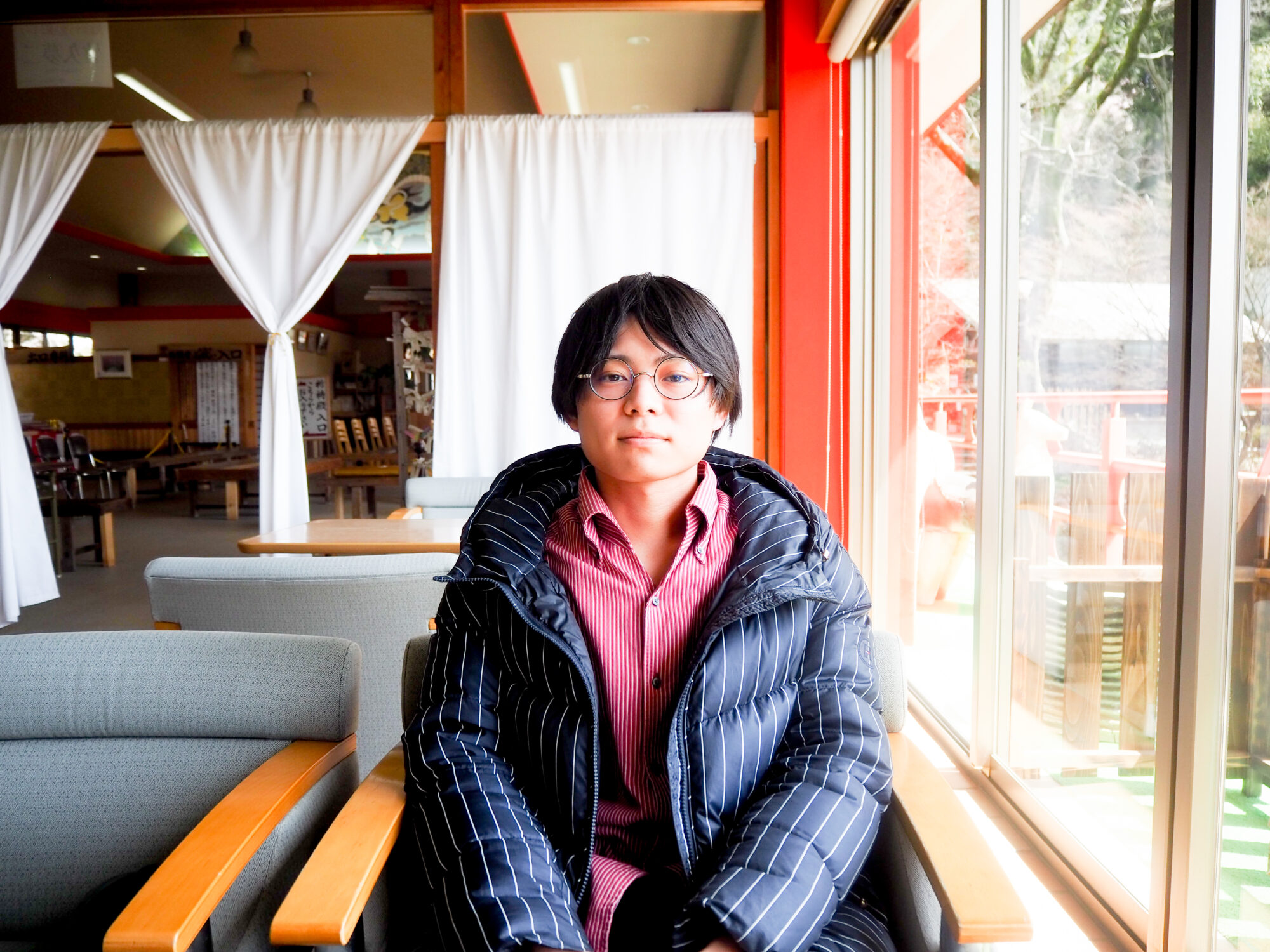
According to zushi, representative of design unit dolt and creator of the Kamishiro Omamori, “We made it sincerely, taking care not to damage the history of Yuga Shrine Honmiya and Kamishiro Washi.”
What thoughts and considerations went into making it?
Wanting to make a card-shaped omamori
What inspired you to make the Kamishiro Omamori?
zushi (honorific omitted)
It began when Yuga Shrine Honmiya asked us, “We’d like to make a card-shaped omamori.”
This was actually the third time we had been asked to make an omamori for Yuga Shrine Honmiya.
The first time was when I was a student. As part of a class, I proposed an omamori to Yuga Shrine Honmiya, and they adopted it.
We were fortunate to work together again, and made another omamori in 2022.
It was a small omamori made from Bizen ware called “Bizen Omamori.”
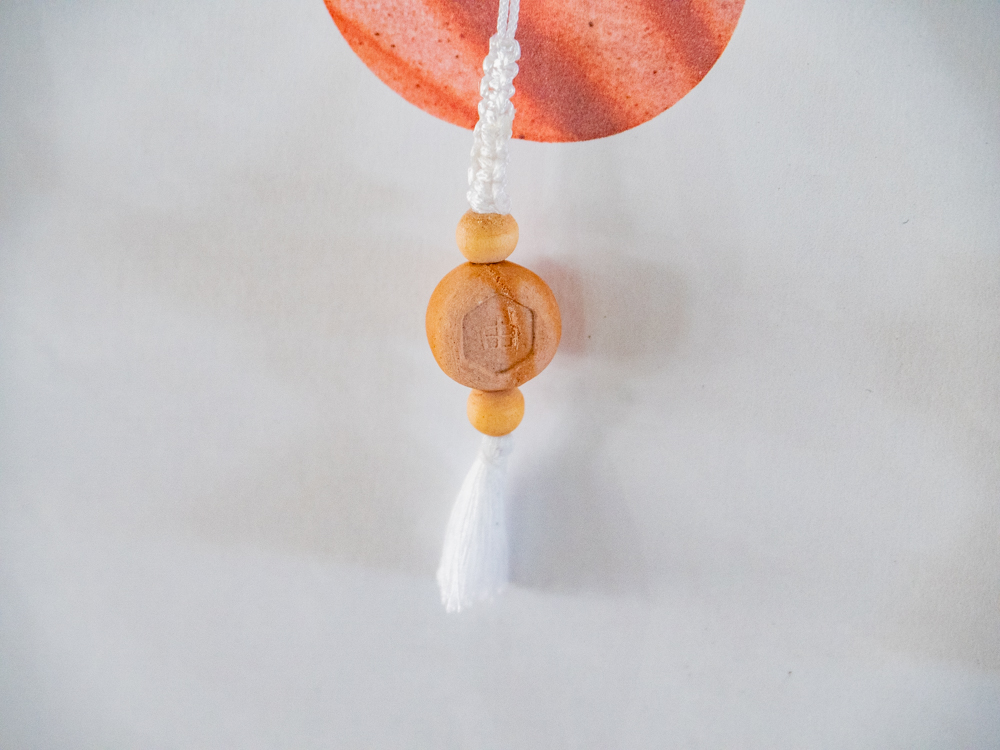
And this third time, we made the “Kamishiro Omamori.”
We worked through trial and error to figure out how to bring the idea of a “card-shaped omamori” to life.
Captivated by the warmth of the Kamishiro Washi Preservation Society members
I think the Kamishiro Omamori’s defining feature is that it’s made from washi. Was that your idea, zushi?
zushi
Yes, I came up with it.
When I received the request for a “card-shaped” omamori, I wanted to clearly identify what made the card shape meaningful.
Before deciding what material to use, I worked out the concept.
That was “touch and cherish.”
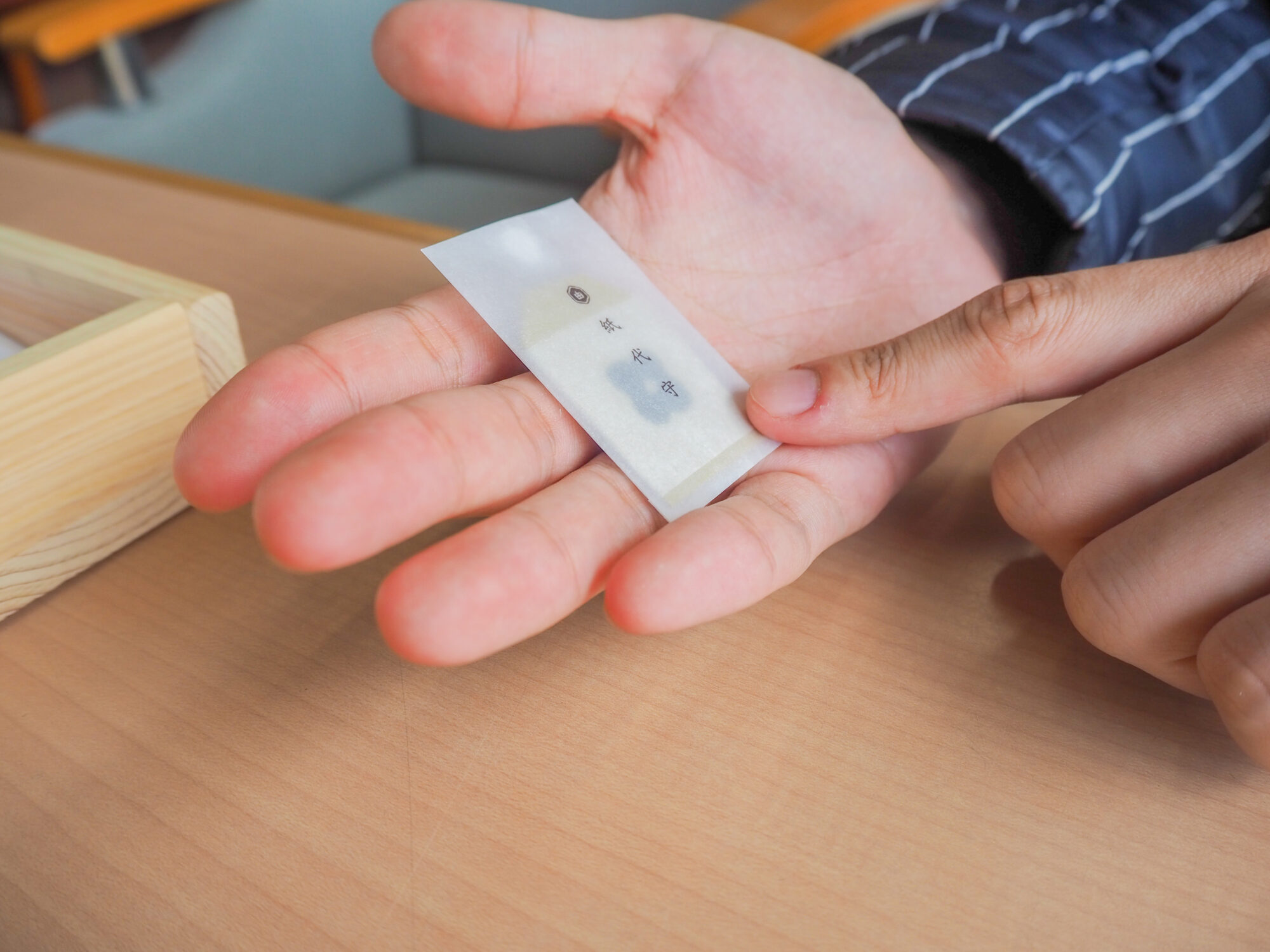
Cards are meant to be touched. And when you keep one with you, you gradually grow attached to it.
I thought that with the concept of “touch and cherish,” we could show why it should be card-shaped rather than a typical strap-style omamori.
Then I thought about what material would suit “touch and cherish,” and felt that washi might be the answer.
Why did you choose Kamishiro Washi in particular?
zushi
Because everyone in the Kamishiro Washi Preservation Society was truly wonderful.
I had the chance to observe them making it, and from their casual conversations and little moments, I felt that their genuine love of papermaking shone through.
The atmosphere and feelings of everyone involved were so striking that I found myself thinking, “Can there really be people this warm?”
I was captivated by their pure and sincere feelings toward the things they make.
I felt strongly that I wanted to make an amulet together with everyone at the Jindai Washi Preservation Society.
Careful attention to every detail: size, thickness, color, and pattern
What details did you pay special attention to when making the Kamishiro-mamori?
Zushi
To avoid damaging a tradition that has been protected over many years.
To faithfully express the concept of “touching and cherishing.”
Those were the two things we focused on.
For example, the size of the Kamishiro-mamori.
In the end, we settled on a size that fits in the palm of your hand.
Actually, we designed it to be about the size of a baby’s fist.
Rather than making it the shape of a tall, narrow paper talisman, we thought that making it about the size of a baby’s fist might make it something to cherish.
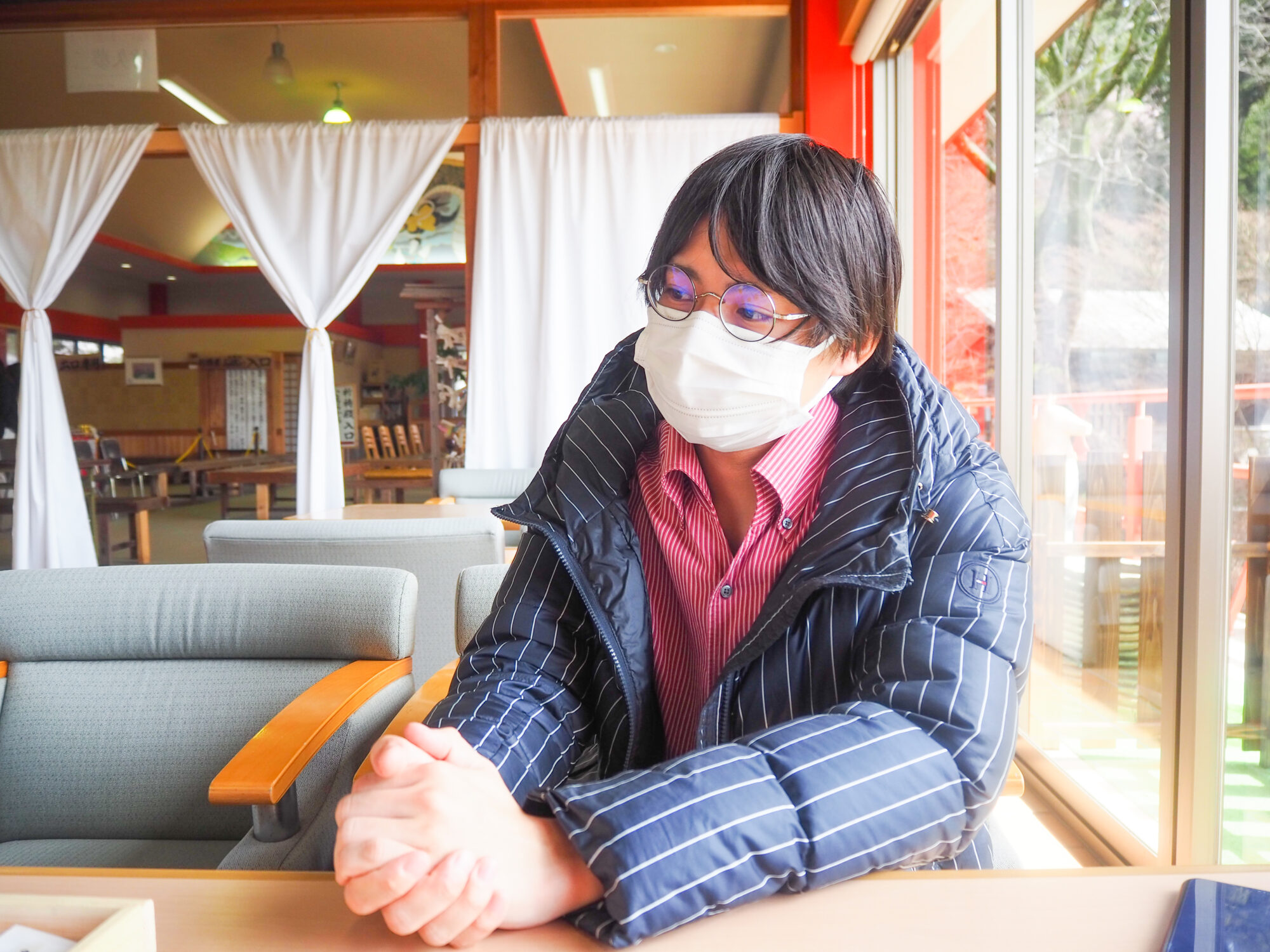
We also went back and forth many times with everyone at the Jindai Washi Preservation Society about its thickness, paying attention to every millimeter.
We wanted it to fit into everyday life, while also having a presence that could hold your wishes when carried as an amulet.
We were particular about how we made it so we could achieve both.
I was also struck by how the colors and patterns differed depending on the wish.
Zushi
We gave it careful thought, with sincerity, so as not to damage history.
As I looked through materials about the shrine’s long history and its amulets, I began to see a tradition of “this color and pattern for this wish.”
So I made each decision faithfully, while honoring history.
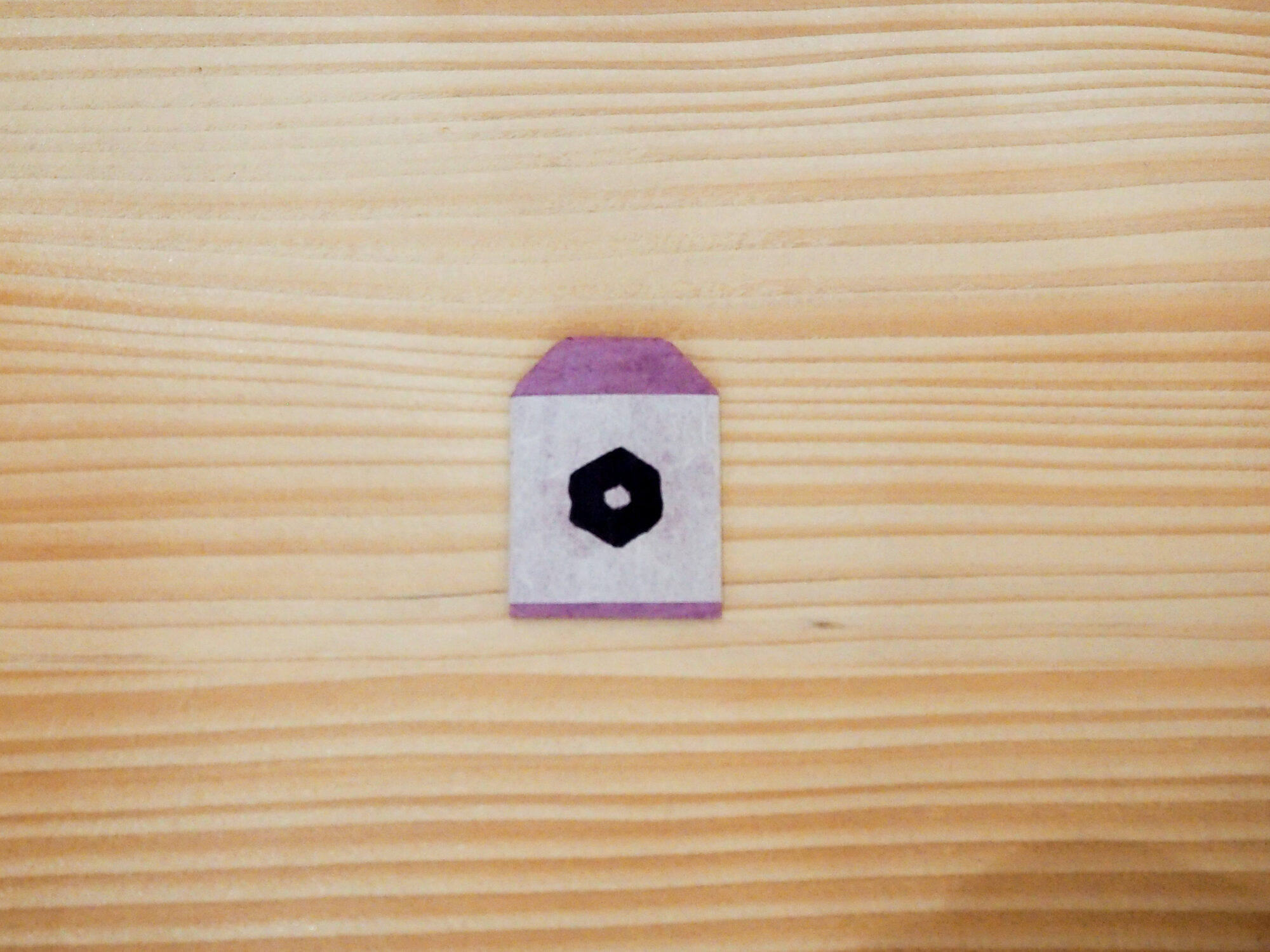
For traffic safety, we chose purple and the tortoiseshell pattern, which has long been depicted on amulets.
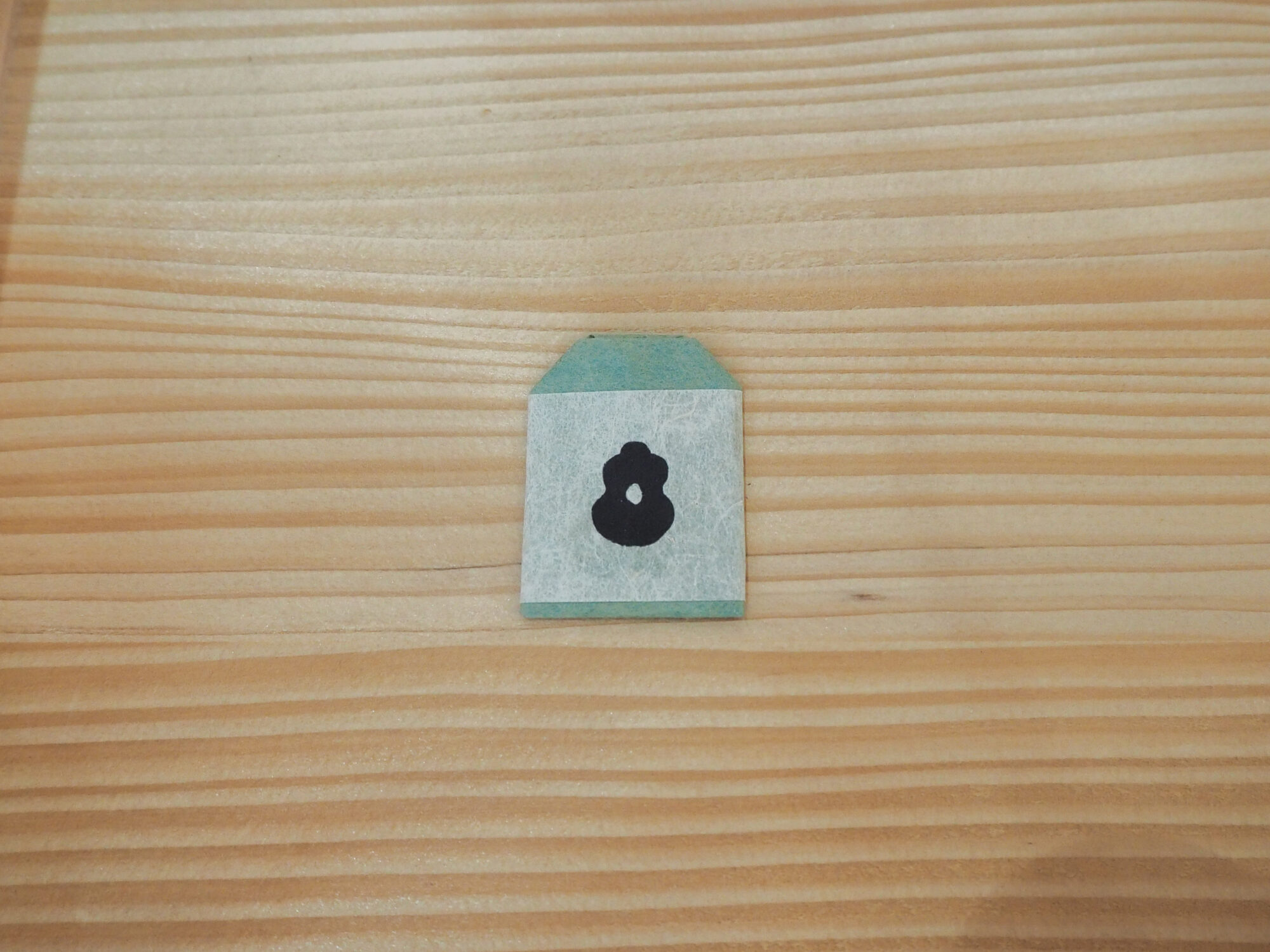
For protection from misfortune and good health, we chose green and a gourd pattern, which gives the impression of absorbing misfortune.
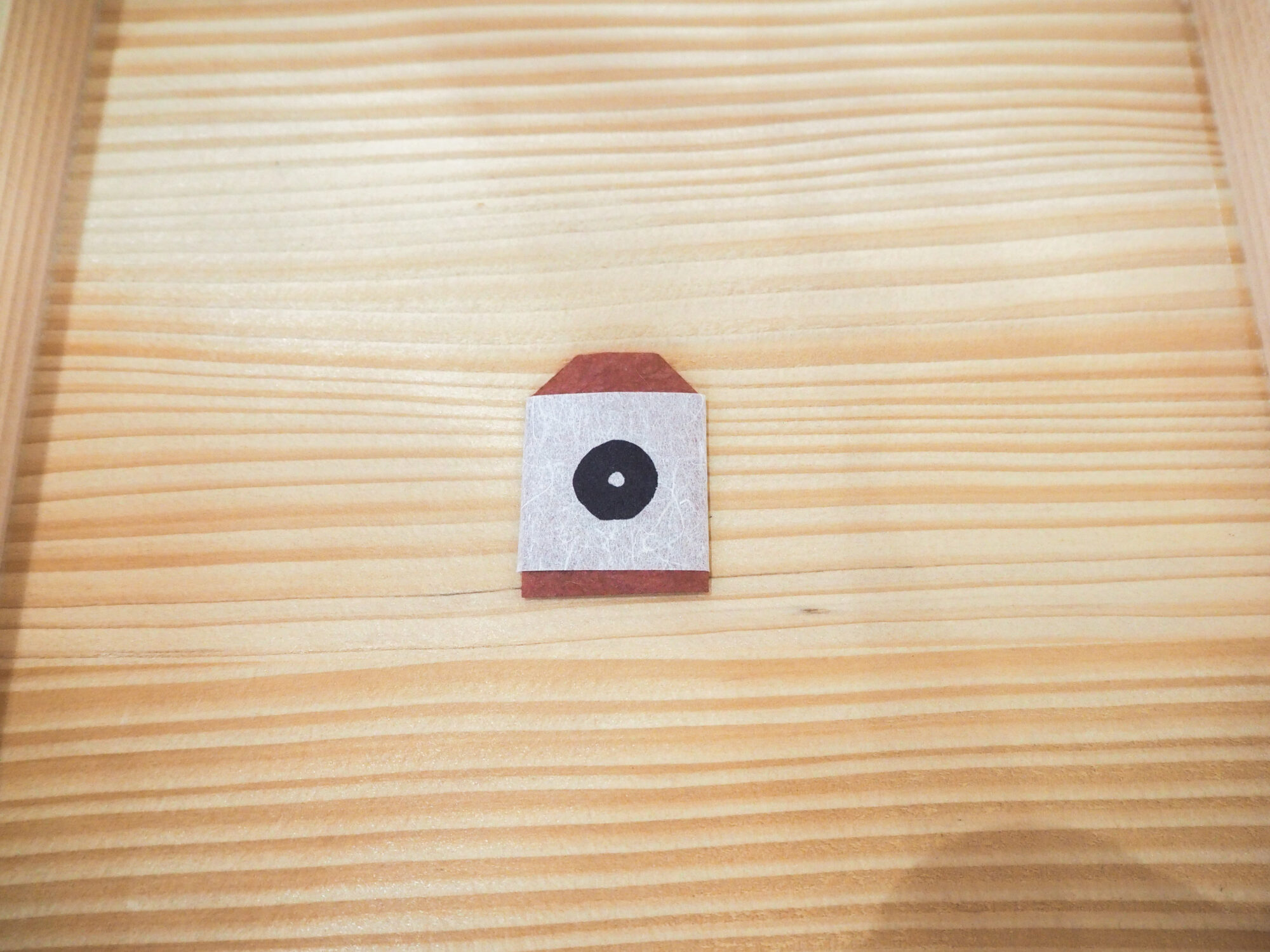
For good relationships and romance, we chose red and a circular pattern, wishing for connections to grow.
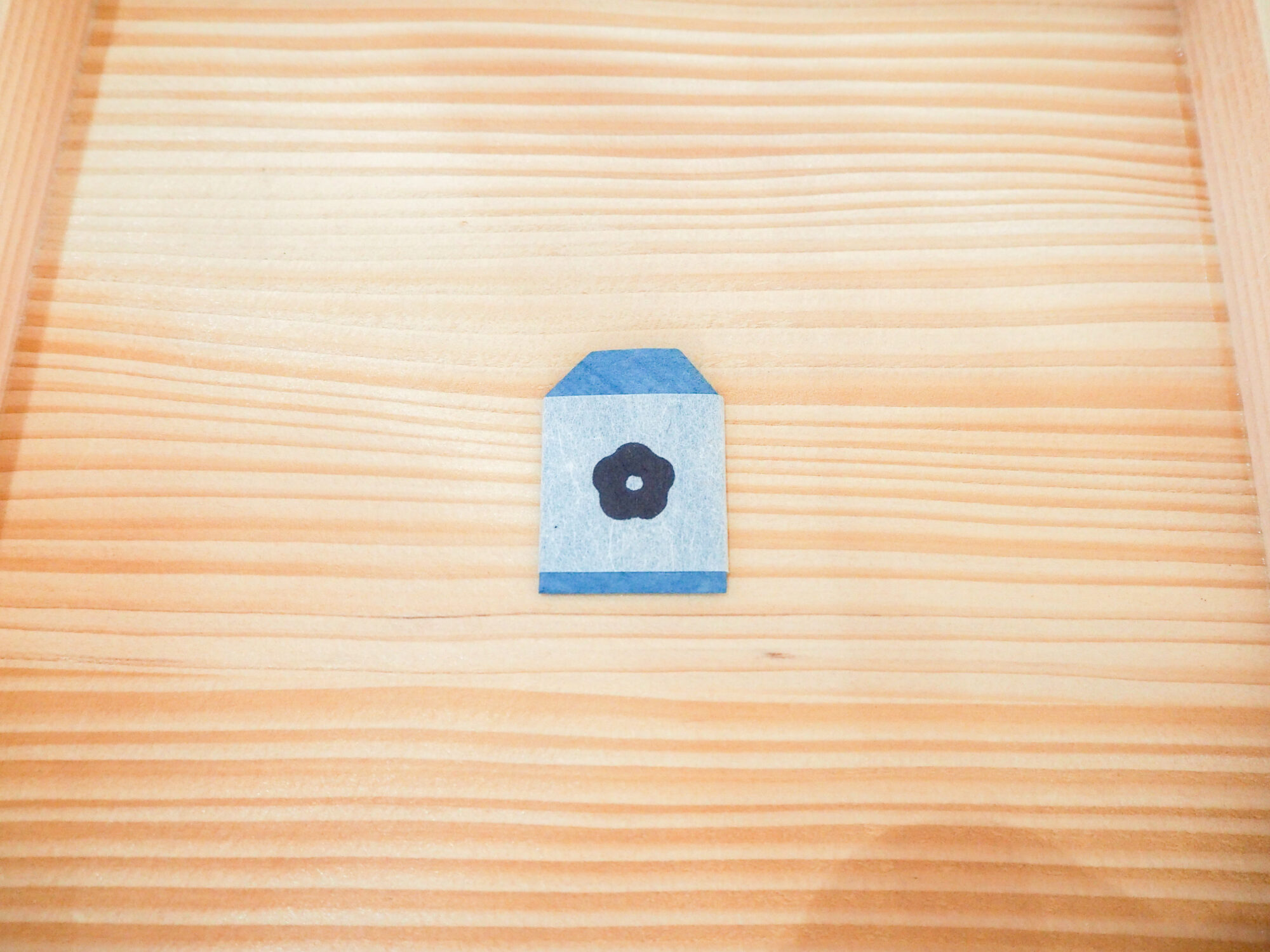
For academic success, we chose blue and a plum blossom pattern, which represents the arrival of spring.
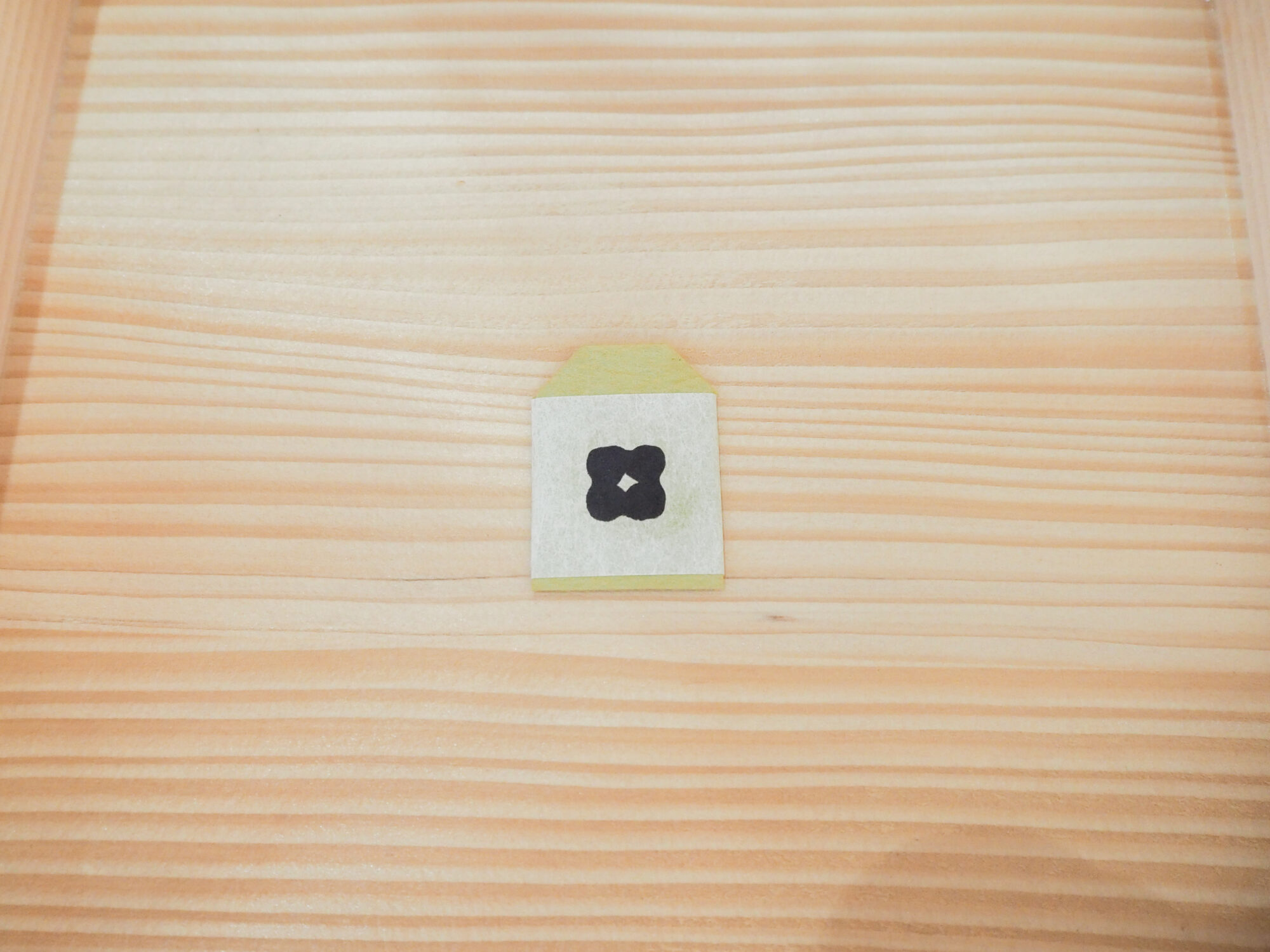
For success at work, we chose yellow and the shippo pattern, which has often appeared throughout history.
The colors and patterns are rendered with a soft feel, to bring out the warmth of Jindai washi.
Although this is a new amulet, I was mindful of preserving tradition while making sure not to leave worshippers’ feelings behind.
I hope people will touch and cherish it until it wears out
How did you feel when you saw the completed Kamishiro-mamori?
Zushi
The emotional value of Yuga Shrine Honmiya and the Kamishiro-mamori came together in a complex way, and I felt we had created a one-of-a-kind amulet.
We considered making the design stylish, but I think that deliberately retaining a handmade feel lets you sense the long histories of both, as well as the warmth of the people involved.
I’m glad we were able to express the values that both sides had so carefully recognized in a positive way.
It seems to have been well received by worshippers, and I hear it is especially popular with women and younger generations.
I’d be happy if it became an amulet that people of all ages could “touch and cherish.”
How would you like worshippers to carry the Kamishiro-mamori?
Zushi
There’s no set way to use it, but since it isn’t a strap, I hope people will carry it in their wallet or tuck it into their smartphone case.
But most of all, I want people to touch and cherish it, so I hope they’ll touch it until it’s worn out.
You could say I want people to nurture the Kamishiro-mamori, just as they would leather.
One of its charms is that its feel changes over time, so I’d be happy if people touched and cherished it often.
From the Writer
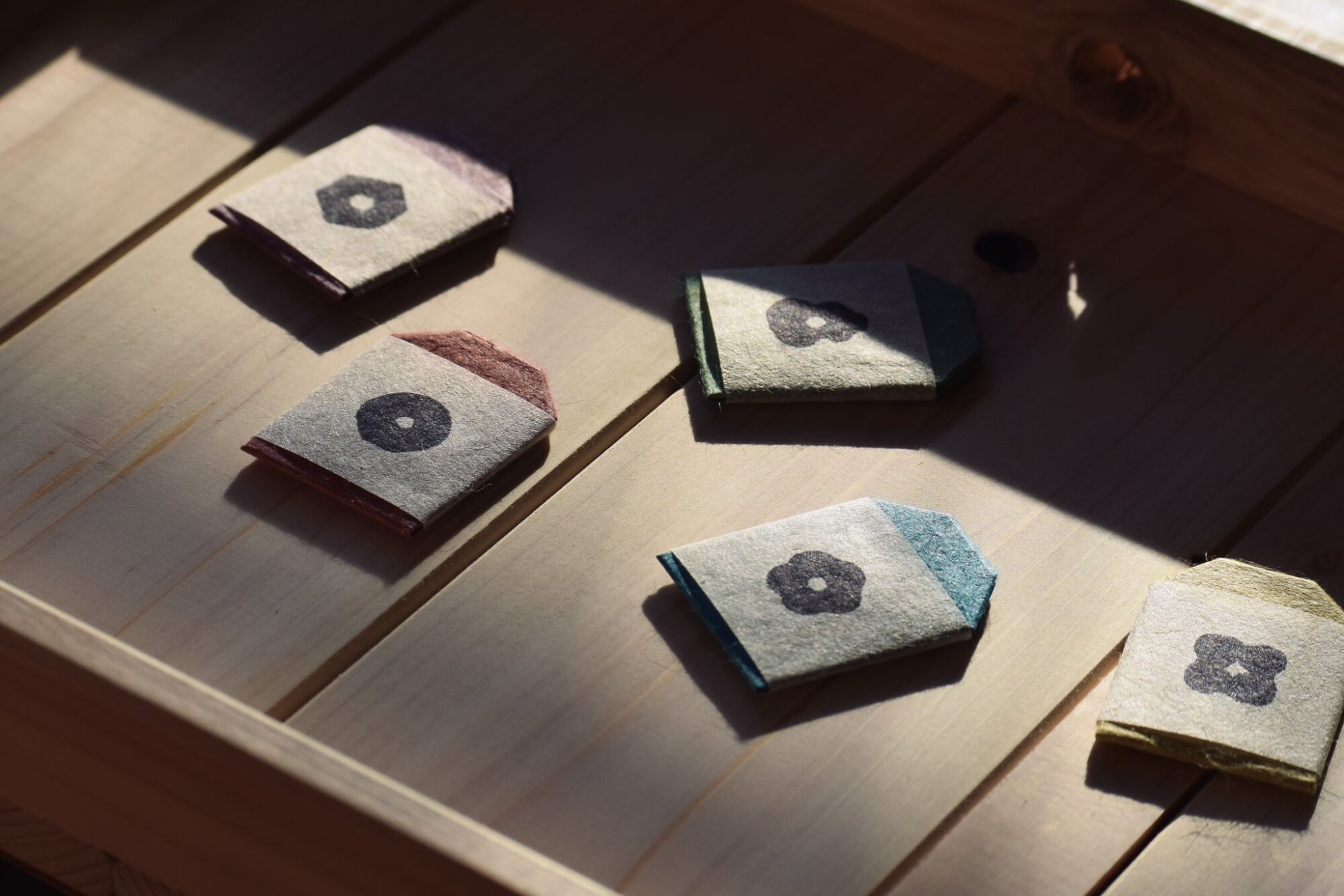
The Kamishiro-mamori came about through the intertwining stories of Yuga Shrine Honmiya and Jindai washi.
Born from the concept of “touching and cherishing,” it has an endearing quality, while also conveying a sense of its long history.
Unlike a strap that you attach to a bag or something similar, the Kamishiro-mamori seems to inspire an affection that comes from being able to touch it.
Enjoy the Kamishiro-mamori as it changes over time, letting your own feelings become part of it.

What would you like to know about Kurashiki?
Enter a word to search articles on this site