Interview with the owner of Udon Sankei
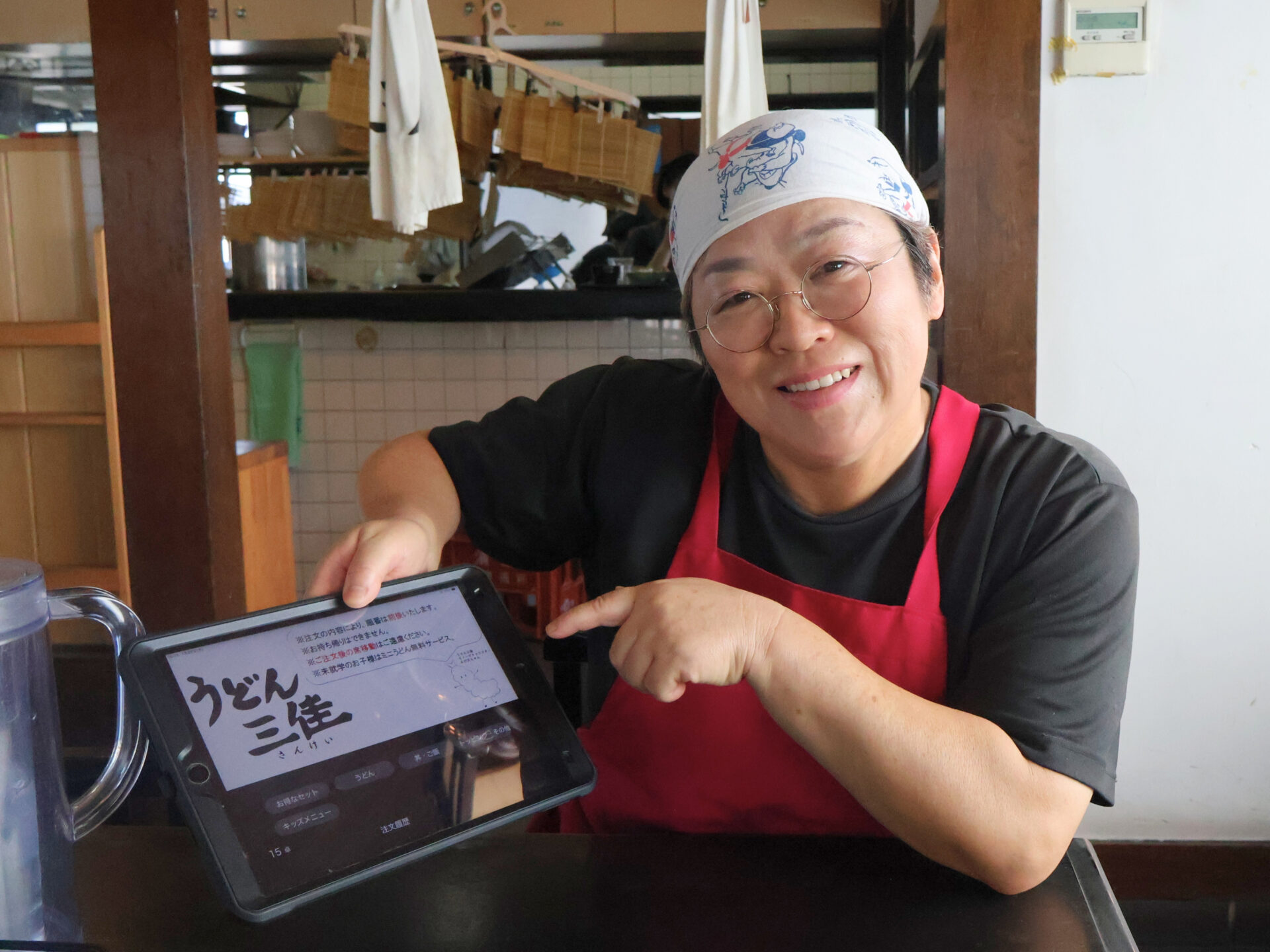
We spoke with the owner, Karasudani Etsuko.
What inspired her to start a udon shop
What inspired you to start a udon shop?
Karasudani (honorific omitted)
My father originally started this udon shop.
Actually, when the business first opened, we also ran an inn at a different location, in addition to the udon shop.
For many years, we operated both the udon shop and the inn, but the pandemic led to a decline in overnight stays, so we let go of the inn and now operate only the udon shop.
I learned the craft at a udon shop in Kagawa, the home of udon, and naturally took over the work as we continued running the business together day by day.
I took over from my father in 2013, and we continue to operate today with the support of the local community.
What makes your shop distinctive?
Karasudani
I’d say our distinctive feature is that we’re a “lively, energetic udon shop.”
When customers come in, all the staff say “Welcome!” together. We place great importance on greeting them warmly.
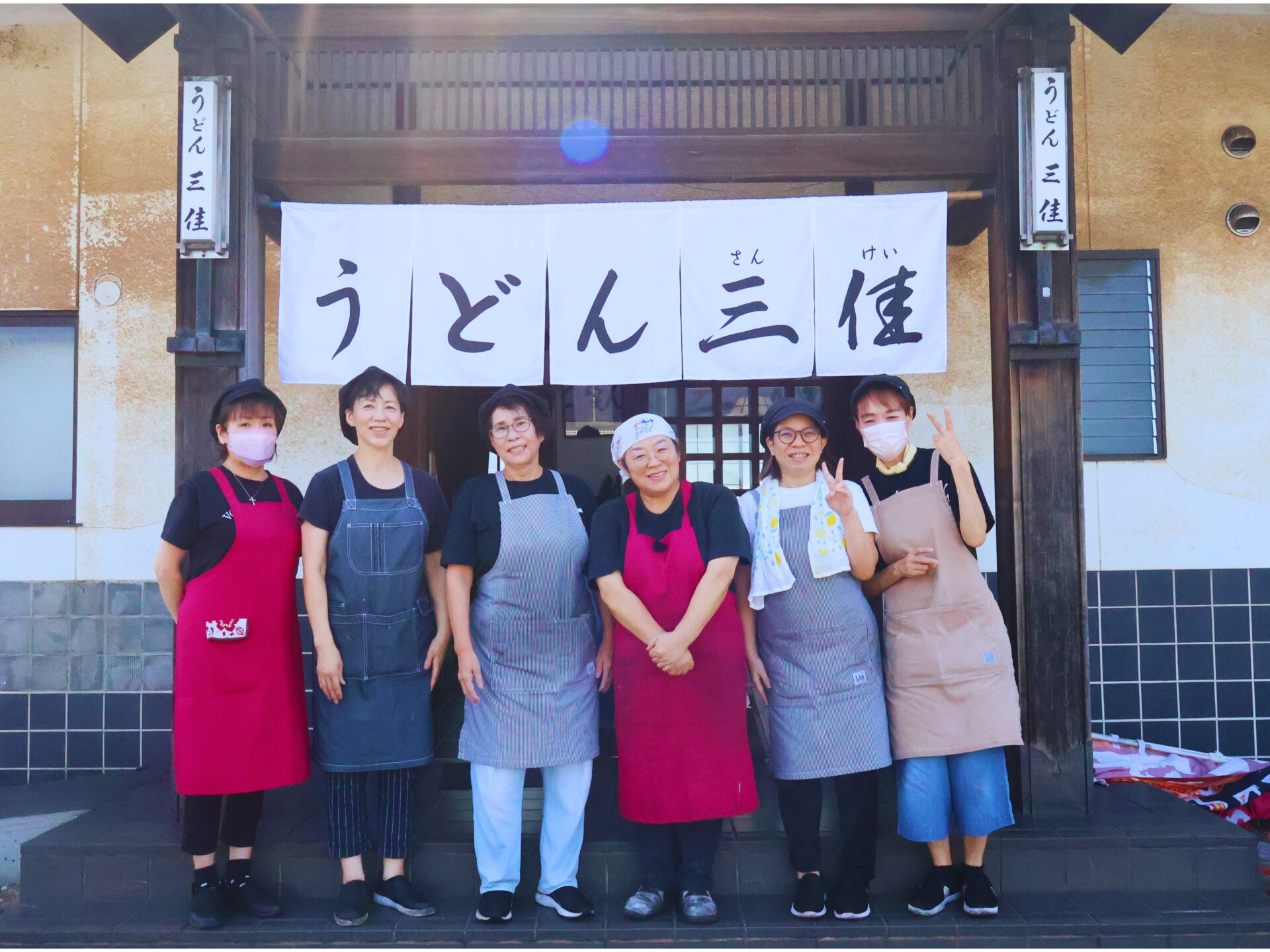
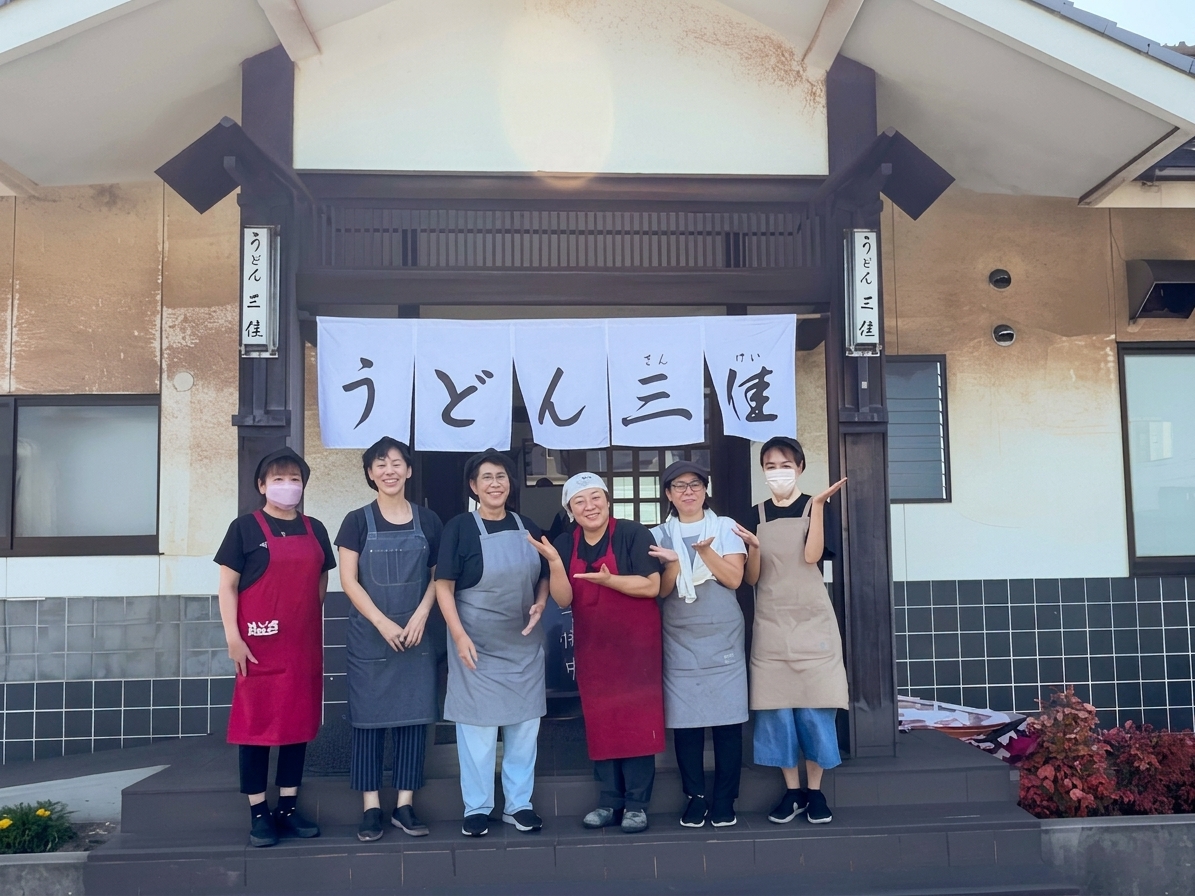
Another distinctive feature is that we don’t have any male staff. From making the noodles and cooking to serving customers, everything is handled by women, including me, the owner.
People often picture male craftsmen when they think of udon shops, but you don’t have to be a man to do this work.
The staff support the shop’s daily operations by working together.
What makes their udon special
What makes your udon special?
Karasudani
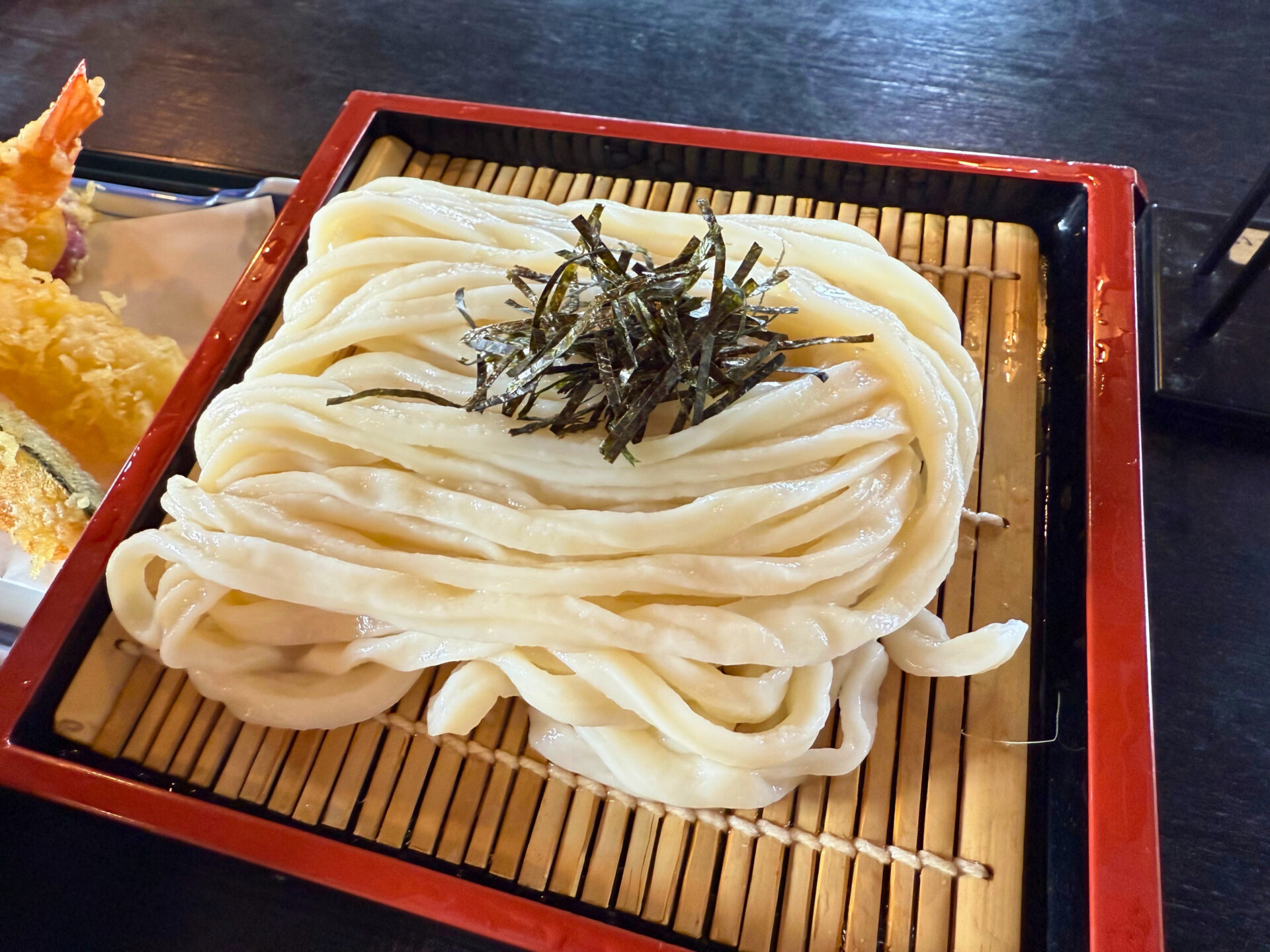
What we’re particular about is, above all, the flour. Our udon is known for its chewy texture and firm bite.
Our noodles, made with 100% Hokkaido-grown wheat flour, hold together remarkably well even as time passes.
At first, we used the same wheat flour as the previous owner, but after meeting a particular supplier, we switched to our current flour, which gave the noodles the texture they have today.
We adjust the proportions of salt and water to suit the temperature and humidity each day, then let the dough rest slowly in a dedicated refrigerated room. I make all the noodles myself. Although I use a machine, I make the final adjustments by feel.
Including the resting time, it takes about 24 hours from preparation to serving. The result is noodles with a chewy texture and firm bite.
The broth, another essential part of udon, is also something we developed through trial and error. I researched it myself, building on the previous owner’s recipe, and created a slightly sweet broth characteristic of Okayama.
What is your signature dish?
Karasudani
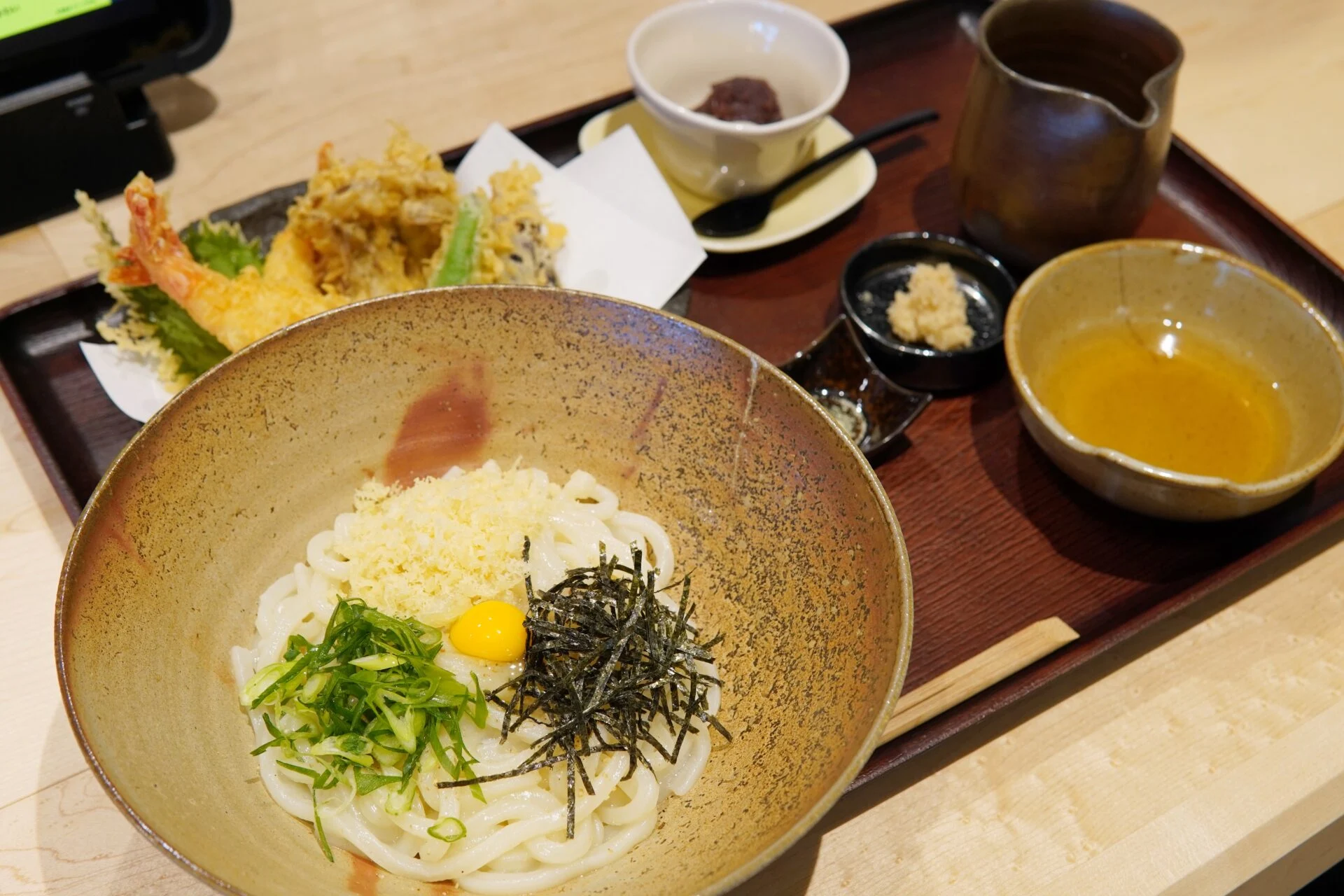
It has to be the tempura zaru udon. It has been our most popular dish ever since we opened.
We serve a slightly generous portion of about 320 g of noodles per person. If you order a large serving, the noodles are stacked in two layers, which I think makes quite an impression.
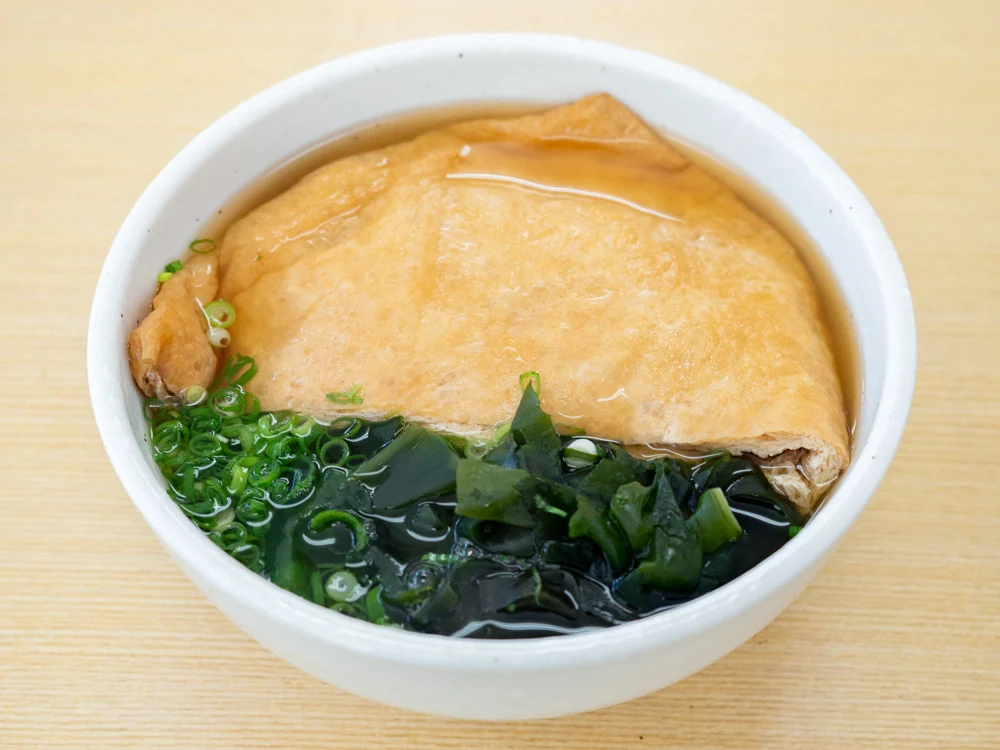
Set meals such as tempura zaru udon with tempura meat, tempura kake udon, or tempura Bukkake udon are also popular.
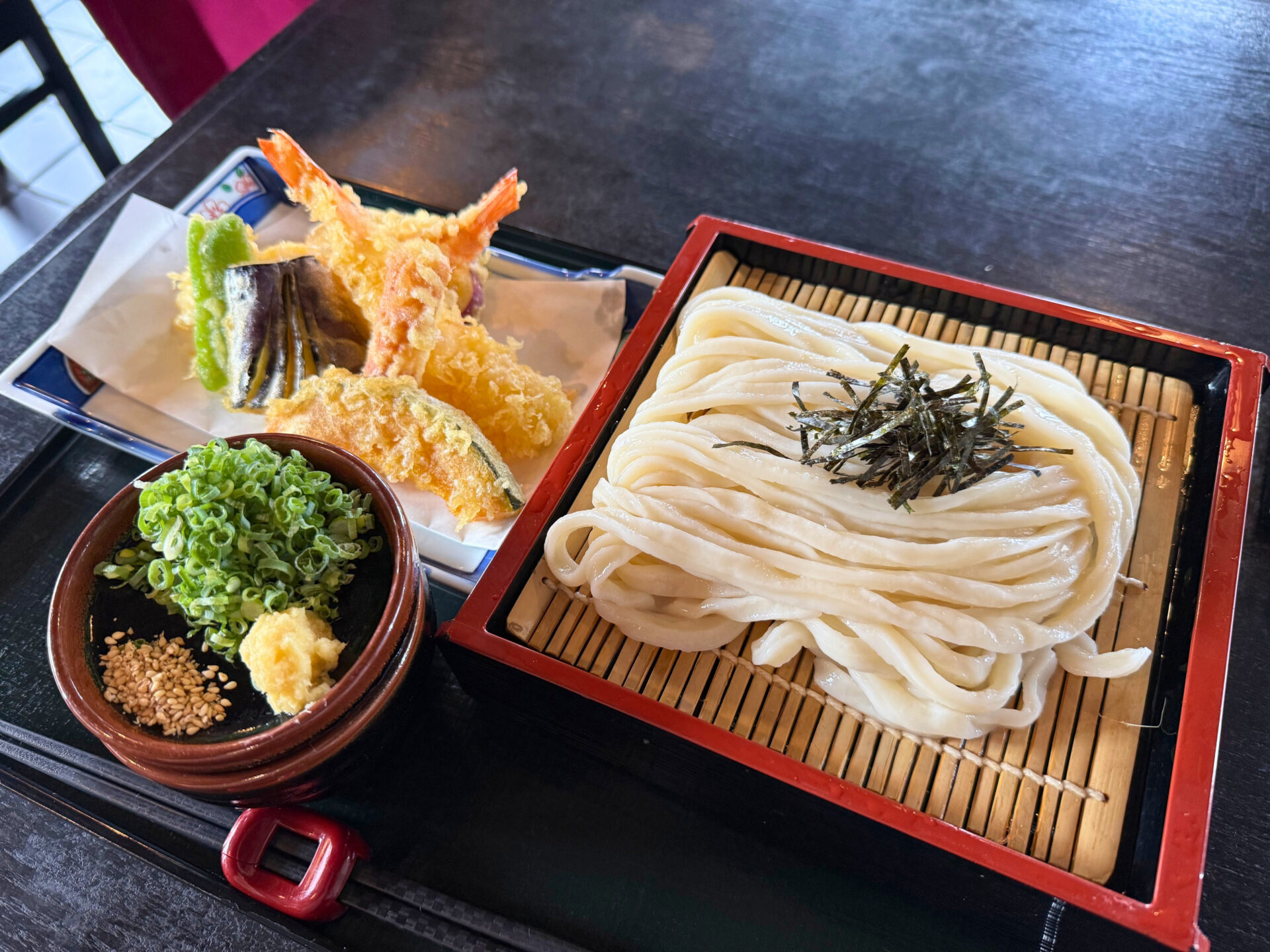
We started offering set meals after noticing that quite a few customers ordered individual dishes in combinations such as “tempura zaru udon and tempura kake udon” or “tempura zaru udon and tempura Bukkake udon.”
We offered the sets as a way to save about 200 yen compared with ordering the dishes individually. They were well received, with customers saying, “It’s a good deal, and you get to enjoy different flavors,” and have become one of our popular, satisfying, generously portioned menu items.
I hear you take special care with your tempura, too.
Karasudani
We fry the tempura after receiving an order and always serve it freshly fried.
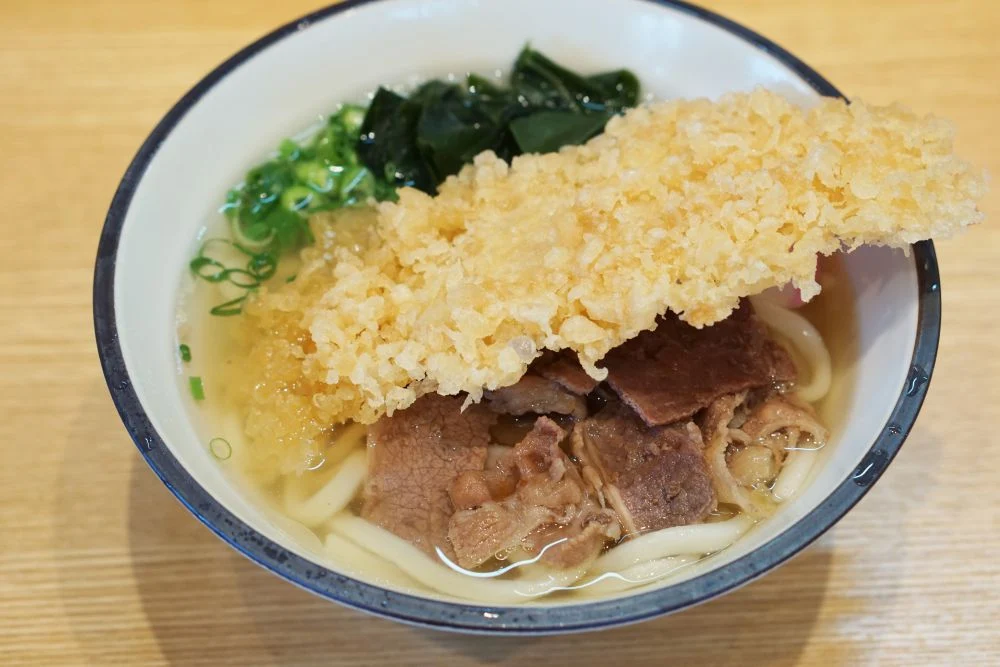
A popular item is the giant lengthwise-cut sweet potato tempura served on one of our hot udon dishes, tempura udon.
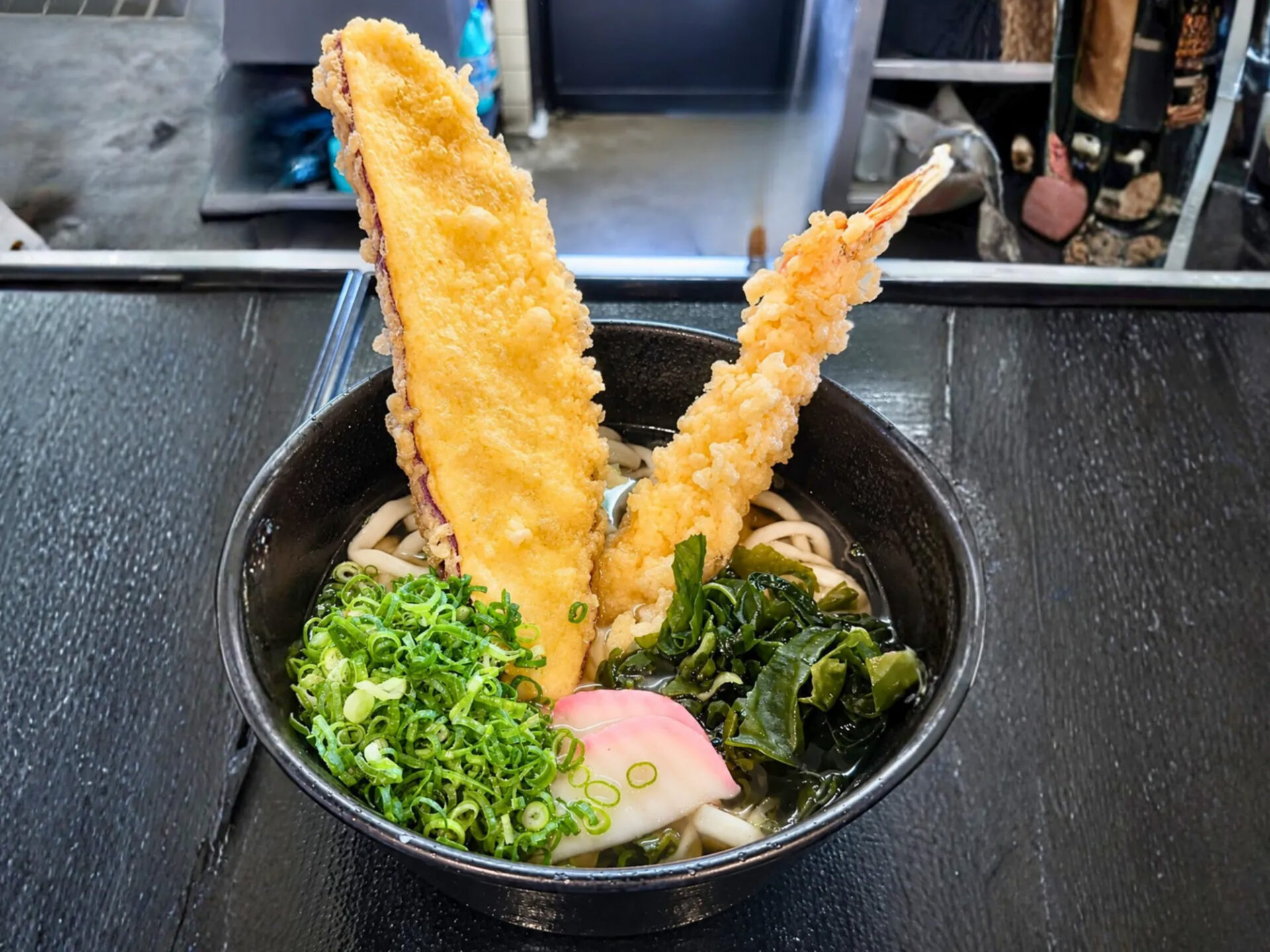
We used to serve sweet potato tempura in ordinary sizes and cuts. One day, we tried cutting it lengthwise into a large piece, and it was a huge hit, so we still cut it that way today.
It sticks out well beyond the bowl, so perhaps it makes quite an impression; we often hear customers exclaim, “Wow!”.
One thing that surprised me was hearing from customers that quite a few people come to our udon shop specifically for the tempura or tempura rice bowls. Some even say, “When I’m craving tempura, I come to Sankei.”
In winter, many people also order rice dishes such as tempura rice bowls, and sometimes we run out of rice not long after opening.
Are there any customers who have stayed in your memory?
Karasudani
The customers who stand out most are those who came in almost every day.
They made the shop part of their daily lives, even telling us their plans, such as, “I can’t come tomorrow because I’m playing golf.” During difficult times, I found encouragement in thinking, “Let’s keep going because that person will come in.” They can no longer visit easily, but they are still one of our cherished customers.
The cost of ingredients has risen sharply, and honestly, it’s difficult to balance prices while maintaining the taste.
Even so, I think we’ve been able to keep the shop going all this time thanks to our regular customers who have been coming for many years.
Do you have any final words?
Karasudani
For 36 years, so many customers have supported us and brought us this far.
There have been many challenges, including steep increases in ingredient costs, but all the women on our staff are working hard with plenty of energy.
We’re proud to recommend not only our udon, but also our tempura and other rice bowls.
Please come by and try our udon, made with great care. We look forward to seeing you.
From the Writer
Several cars are always parked in the lot, and this popular udon shop is bustling with customers.
As soon as you enter, you can hear the staff cheerfully calling “Welcome!” from the kitchen. There are many regulars, and you can tell that the shop is beloved by the local community.
Udon Sankei is well known in Mizushima, and apparently locals can recognize it as “Sankei” just from seeing a chopstick rest in a photo. That may be a sign of just how deeply rooted the shop is in the community.
If you’re craving crispy tempura and delicious udon, why not stop by?
Udon Sankei details
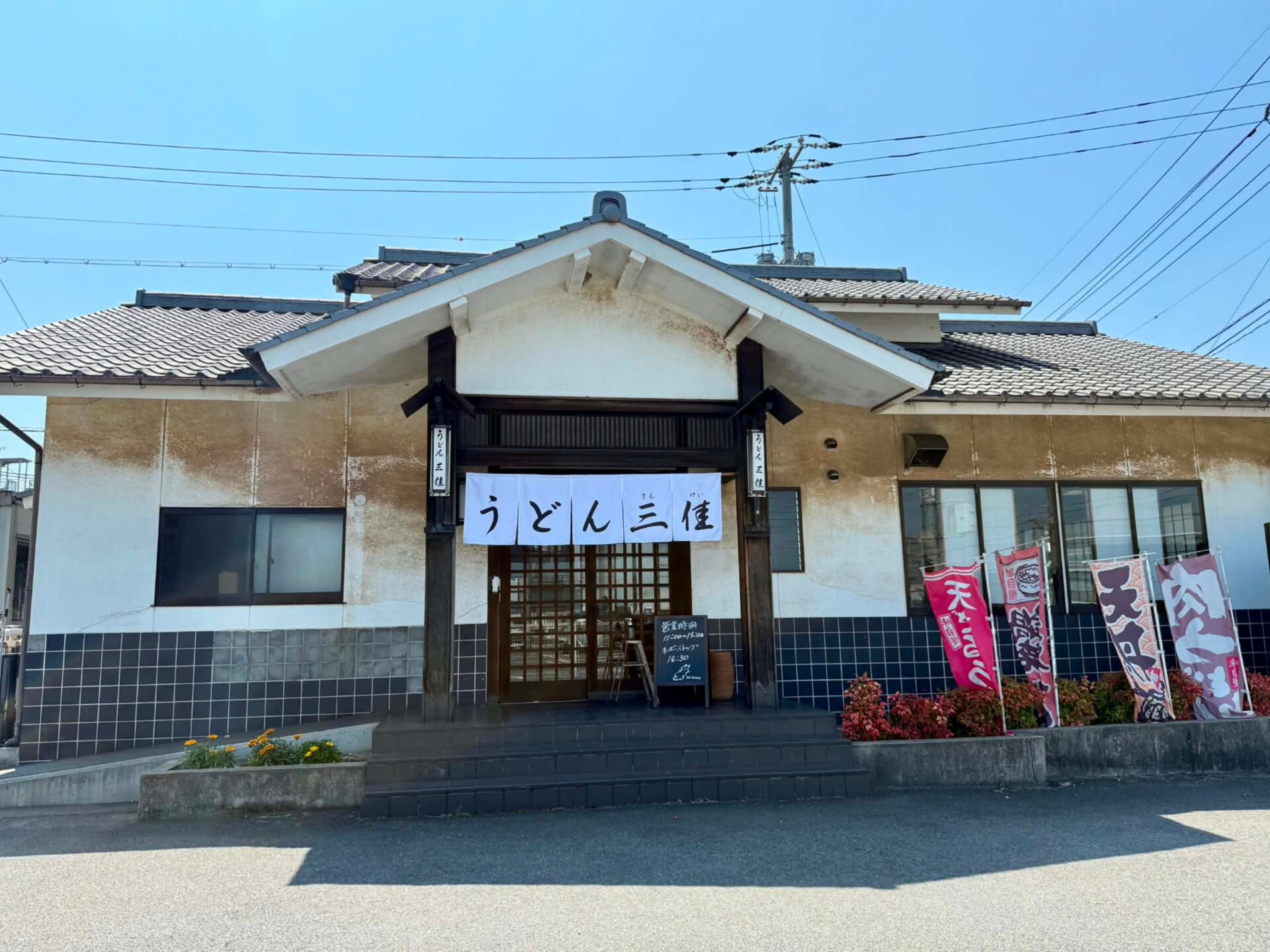
| Name | Udon Sankei |
|---|---|
| Address | 7-22 Mizushima Fukusaki-cho, Kurashiki City, Okayama Prefecture |
| Contact | 086-448-3000 |
| Parking | Available |
| Hours | 11:00 a.m.–3:00 p.m. |
| Closed | Tuesday |
| Payment methods |
|
| Reservations | Not accepted |
| Restroom | Western-style toilet |
| Accessibility | Ramp |

What would you like to know about Kurashiki?
Enter a word to search articles on this site