Have you ever heard the term “Totomichi”?
The road known as “Totomichi” stretched for about 60 kilometers over steep mountain slopes, carrying fresh fish (toto) from Kanoura in Kasaoka City to the copper mines in Fukiya (Takahashi City), which were thriving at the time. The journey took about 12 hours.
Since last year (2024), the writer has been a member of the Yakage Oral History Group, collecting and preserving local residents’ stories about history, culture, daily life, customs, and more.
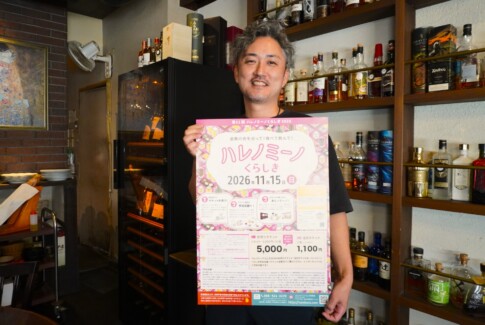
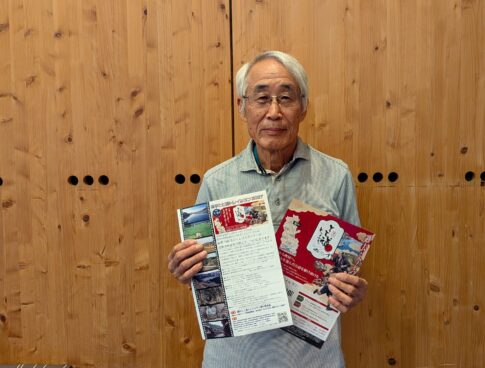
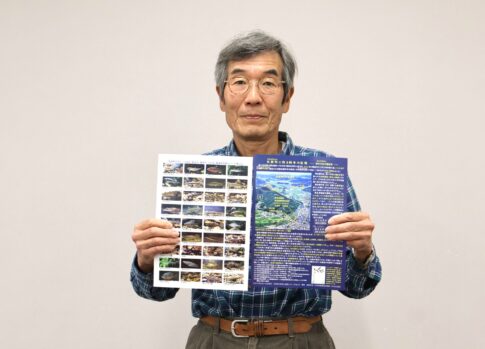
Hirohiko Kaneko, the secretary-general of the Bitchu Totomichi Trail Promotion Council, who agreed to be interviewed, is also a member of the Yakage Oral History Group. As Mr. Kaneko spoke about Totomichi, his tremendous enthusiasm and passion came through.
As I talked with Mr. Kaneko, I found myself wanting to learn more about Totomichi and help more people discover it, so I spoke with him again.
The information presented was current when this article was published in February 2025. Please note that it may differ from current information.
About the Bitchu Totomichi Trail Promotion Council
The Bitchu Totomichi Trail Promotion Council began its activities in 2016, when local historians who had been independently researching Totomichi in their respective districts came together.
Later, in 2020, they established the Bitchu Totomichi Trail Promotion Council to maintain and make use of Totomichi.
The council’s main activities are as follows:
- Totomichi Walk (December to around May of the following year)
- Making and installing trail markers
- Introducing Totomichi at symposiums and other events (publicity activities)
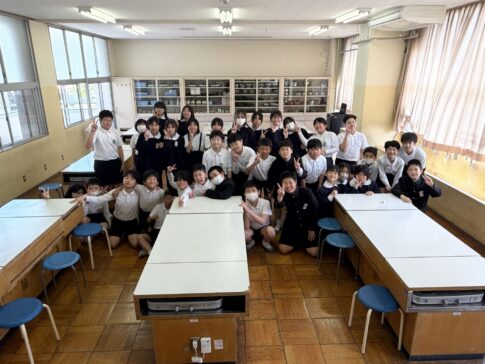
- Visiting classes to teach elementary and junior high school students about Totomichi
- Clearing grass from Totomichi (around November), as it grows over the trail during summer
Four years after the council was formed, its achievements were recognized: in February 2024, “Bitchu Totomichi” was designated a Dream Road Renaissance by the Chugoku Regional Development Bureau of the Ministry of Land, Infrastructure, Transport and Tourism, and in March 2024, it was registered as a Japan UNESCO Association Project Future Heritage 2023.
What Is the “Bitchu Totomichi Trail”?
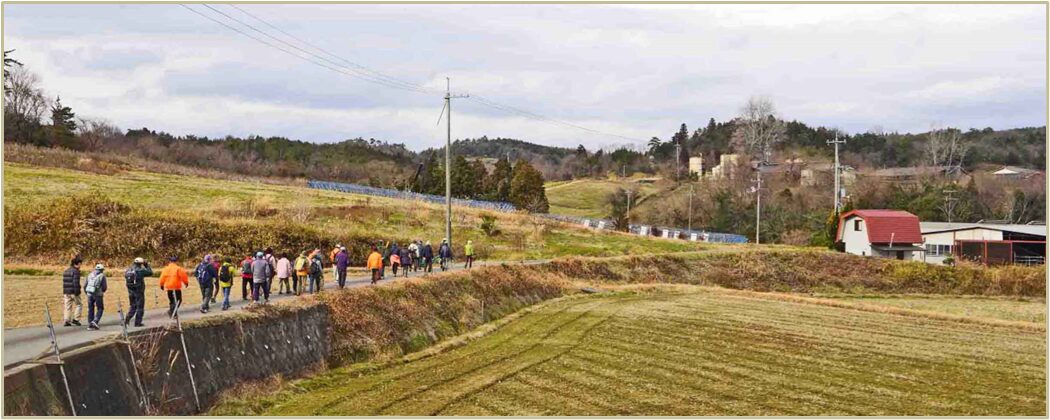
Here is an explanation of the Bitchu Totomichi Trail featured in this article.
From the Meiji era through the early Showa era, Fukiya (now part of Takahashi City) prospered through the production of copper and bengara. Totomichi was the route used to deliver fresh fish from the Seto Inland Sea for evening banquets in Fukiya. It was called Totomichi because it carried “toto,” meaning fish.
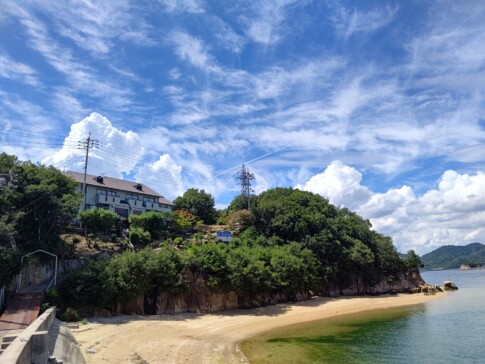
The Totomichi route runs almost straight north for about 60 kilometers, from Kanoura (now part of Kasaoka City) to Fukiya. Along the way, it reportedly passed by steep slopes and cliffs in many places.
At 9 p.m., groups of fish carriers called uonakase set out with fresh fish bought at auction at Kanoura Fish Market by evening. They placed the fish in bamboo baskets and hung them from both ends of carrying poles. The load reportedly weighed about 40 kilograms.
The fresh fish arrived in Fukiya at 9 a.m., about 12 hours after leaving Kanoura. Groups of five or six uonakase carried it in relays, like a long-distance race.
Over time, transportation shifted from human power to vehicles and railways.
Much of Totomichi, a dirt path for pedestrians, was too narrow for vehicles. As time passed, it disappeared into the forest.
The Bitchu Totomichi Trail Promotion Council is working to uncover and restore this vanished “Totomichi,” redevelop it as the Bitchu Totomichi Trail, and raise public awareness of it.
Totomichi Walk
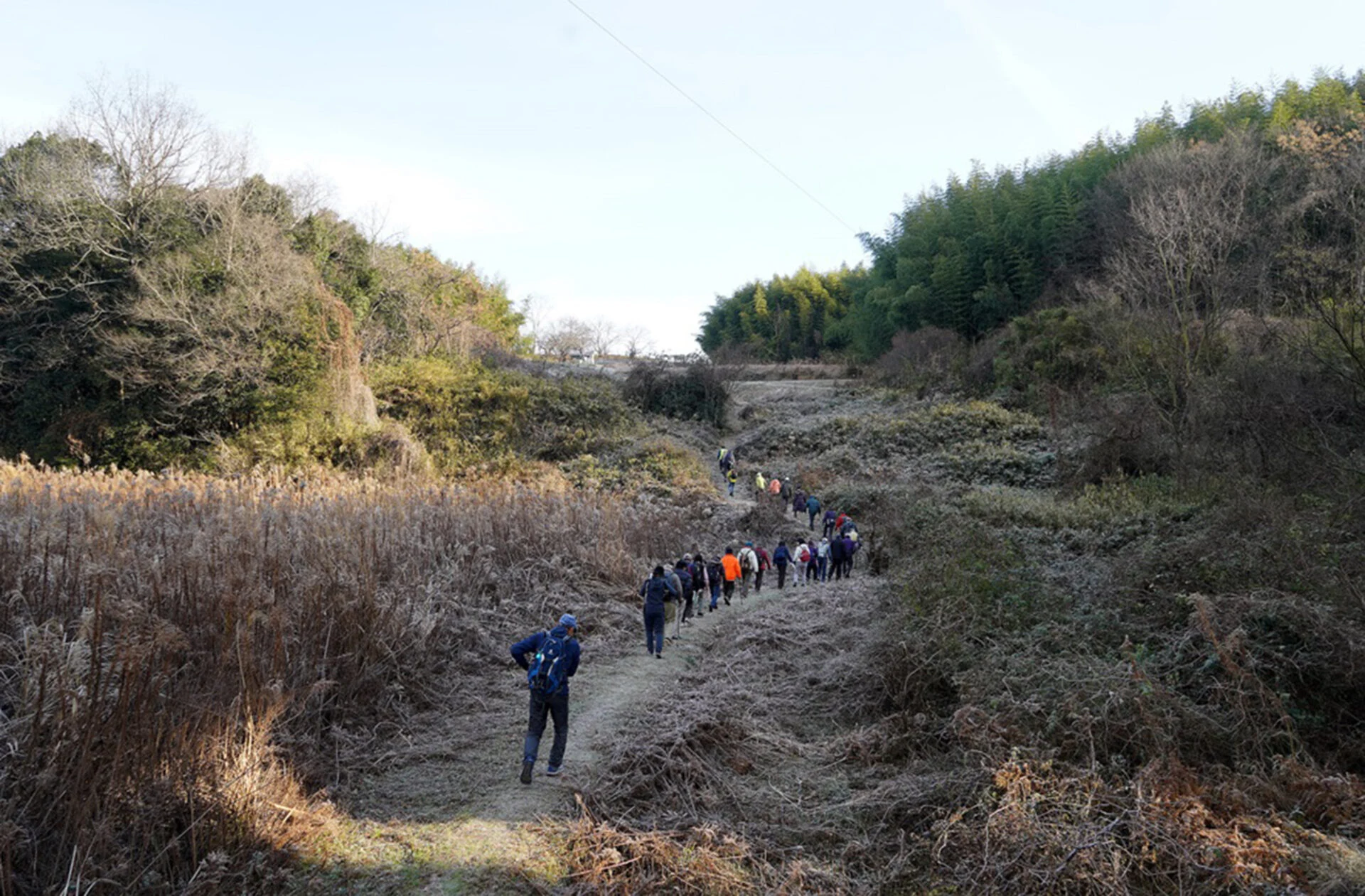
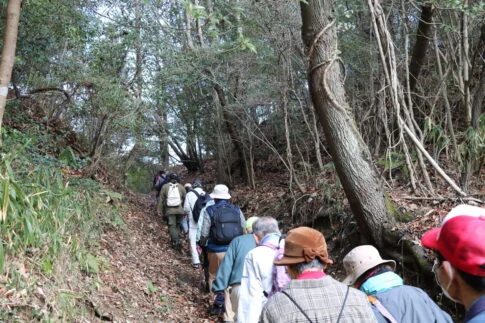
Totomichi Walk began as a publicity activity to help people learn about Totomichi. It is held about four times between December and around May of the following year.
At each Totomichi Walk, participants cover about 20 kilometers. The main routes are as follows:
- Kasaoka to Miyama, Bisei Town, Ibara City
- Miyama, Bisei Town, Ibara City to Nariwa, Takahashi City
- Nariwa, Takahashi City to Fukiya, Takahashi City
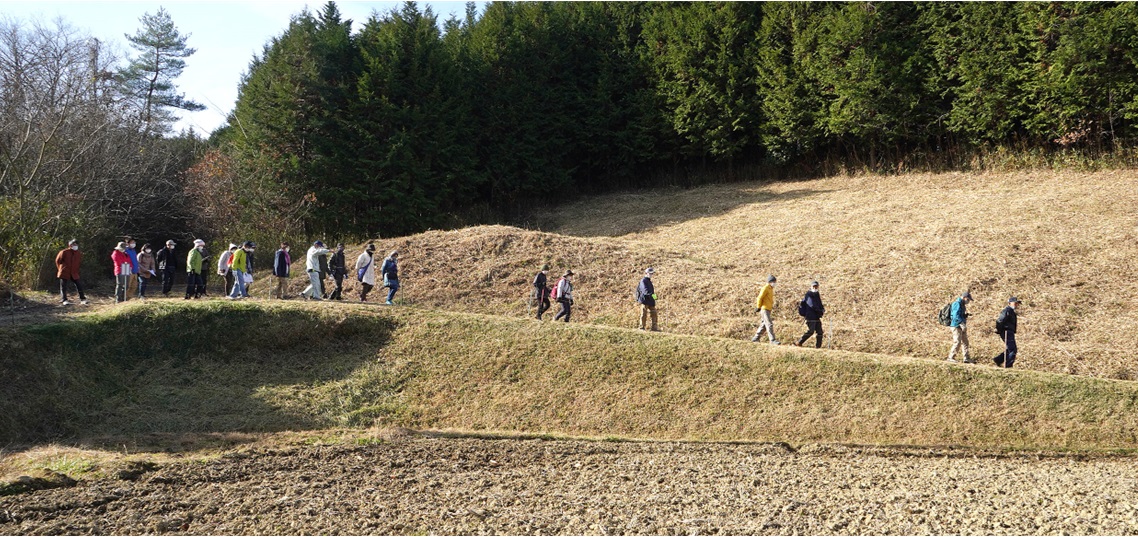
A key feature of Totomichi Walk is that participants take a bus to skip paved roads stretching for 10 kilometers and areas so overgrown with vegetation that they are impossible to enter. Even a short bus ride gives them a chance to rest and recover, so they can continue walking with renewed energy.
The Bitchu Totomichi Trail Promotion Council reportedly calls the approach of walking while a bus travels alongside the group a “hybrid walk.” It is ideal for seniors.
Participants often share positive comments, such as, “Partway through, my legs started moving on their own, and I thought I might still be able to walk quite a bit further.”
We spoke with Hirohiko Kaneko, secretary-general of the Bitchu Totomichi Trail Promotion Council, about Totomichi.
Bitchu Totomichi Trail Promotion Council Information
| Name | Bitchu Totomichi Trail Promotion Council |
|---|---|
| Address | 1208-1 Naka, Yakage Town, Oda District, Okayama Prefecture (secretary-general’s residence) |
| Contact | 080-3390-6935 (secretary-general’s phone) |
| Website | Totomichi |

What would you like to know about Kurashiki?
Enter a search term to find articles on this site