Have you ever wanted to know about the local nature, history, and culture?
When the author, who lives in Yakage Town, thought about this, they didn't know where to start.
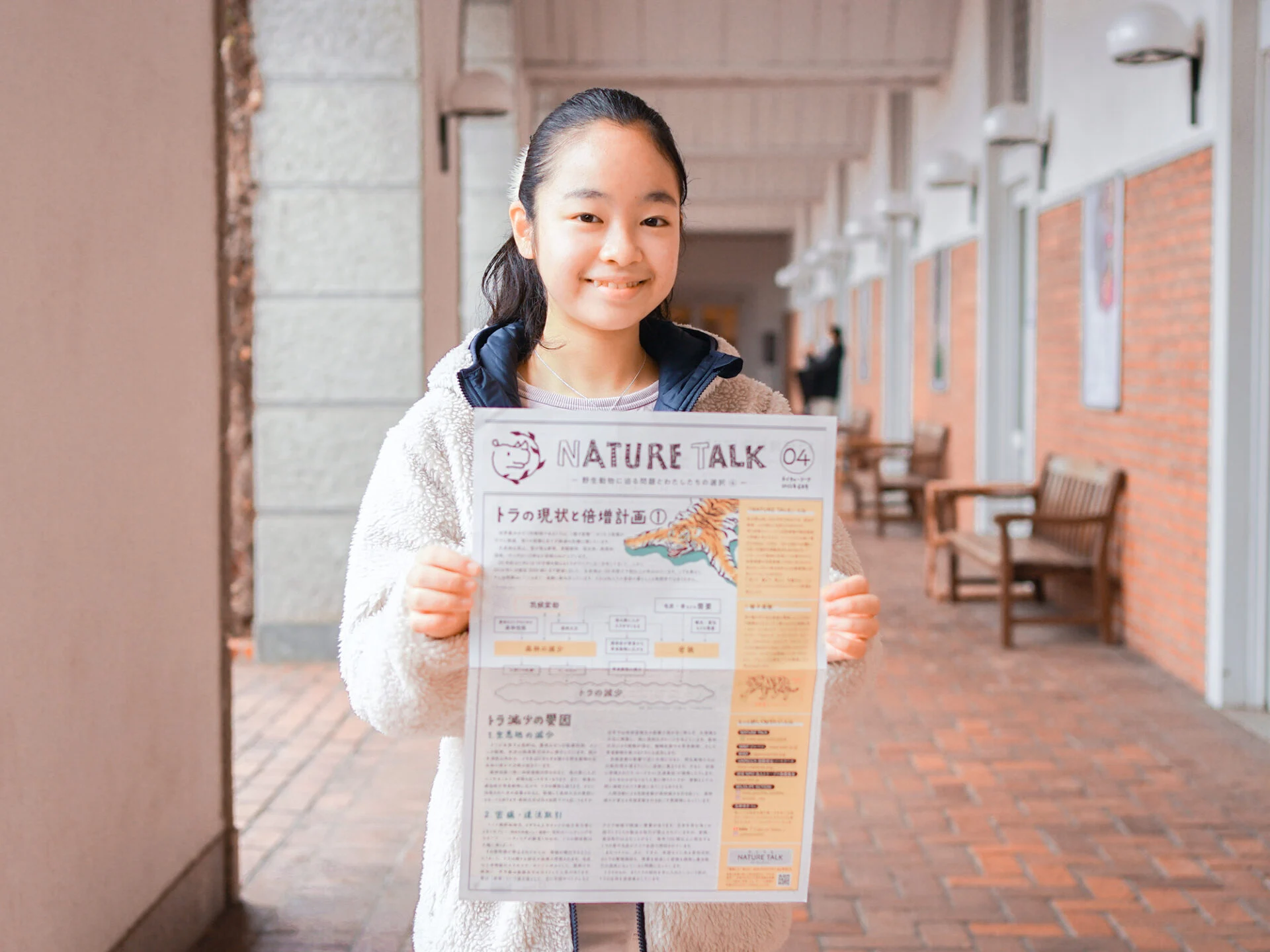
What they learned during such times was a pamphlet called "Yakage Town's Nature and History Series", which conveys the local history, culture, and nature of Yakage Town in an easy-to-understand manner.
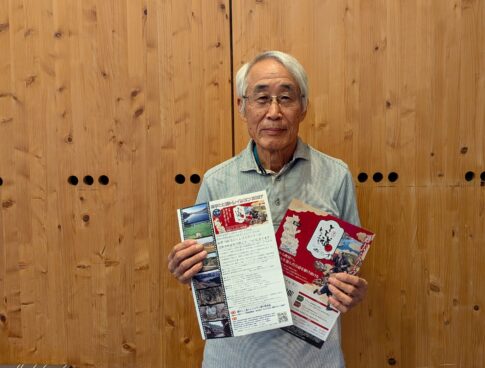
The pamphlet is created by Taga Tatsuya, a former high school teacher. I asked Taga Tatsuya, who is also involved in interpreter activities, about the background of creating the pamphlet.
What is an interpreter?
Natural and historical heritage each has its own meaning and importance, or in other words, a "message." The role of an interpreter is to convey that message clearly through their own sensibility. It can be said that the purpose is to create a "connection" between people and nature or culture, and to increase the number of people who love the region and, by extension, the Earth. In today's world, where environmental conservation and social sustainability are being questioned, the role of interpreters has become extremely important.
Source: Japan Association for Interpretation
Overview of "Yakage Town's Nature and History Series"
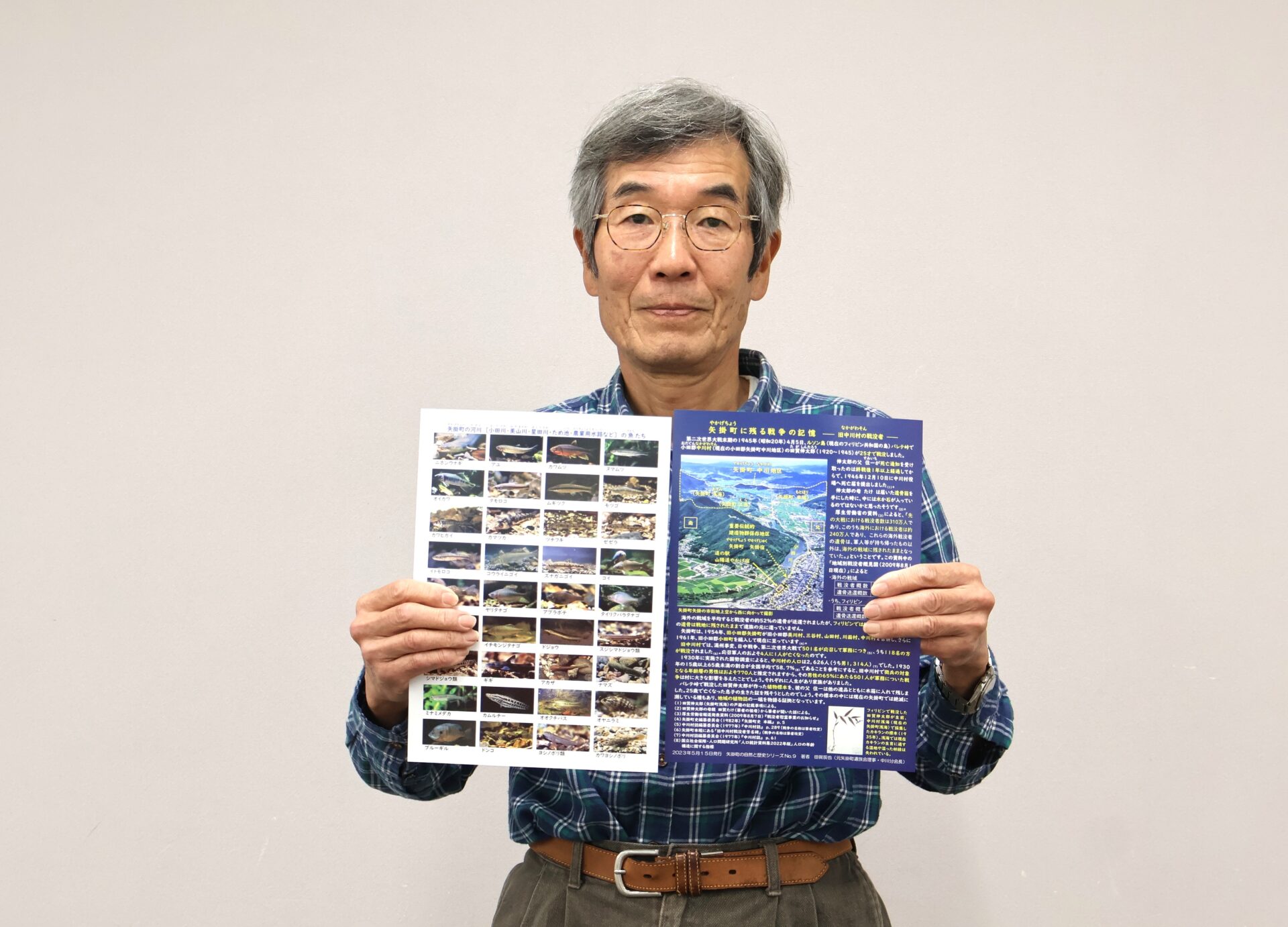
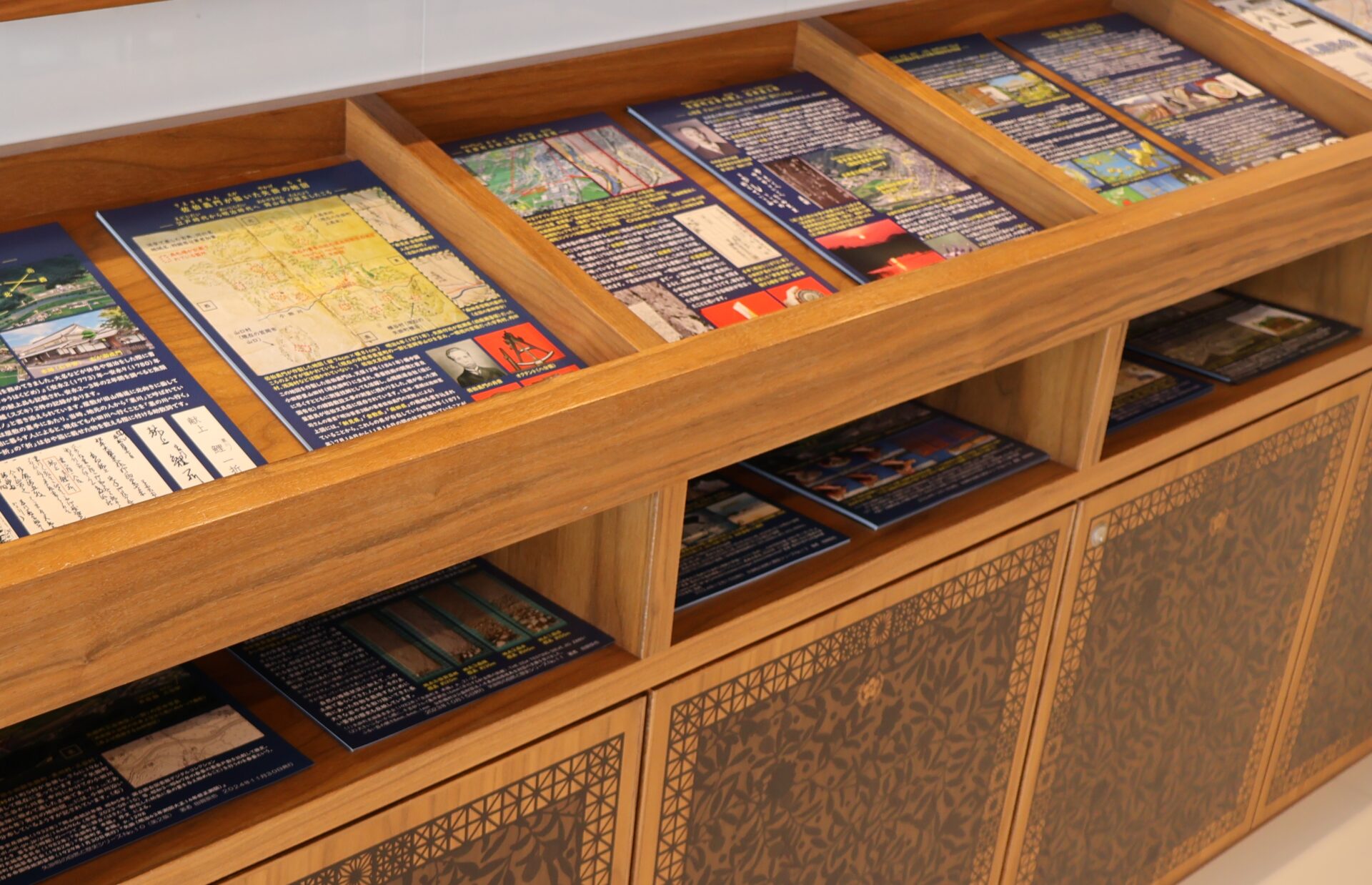
"Yakage Town's Nature and History Series" is a pamphlet published at Taga Tatsuya's own expense to let many people know about the attractive history, culture, and nature of Yakage Town.
Each pamphlet (double-sided) is designed to complete a single theme.
Back Issues
As of August 2026, issues up to No.19 have been published.
Issues No.1 to No.7 were part of the "Yakage Town Nature and History Appeal Project," and from No.8 onwards, they changed to "Yakage Town's Nature and History Series."
The themes of the back issues are as follows:
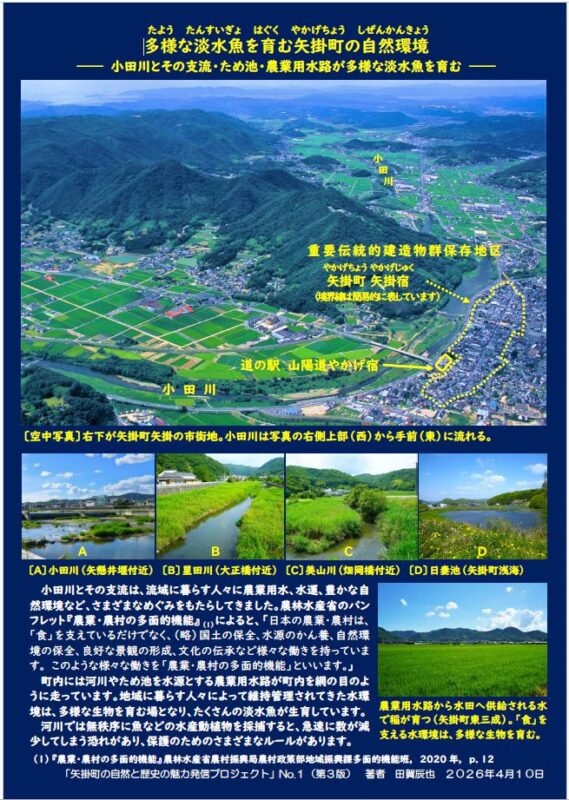
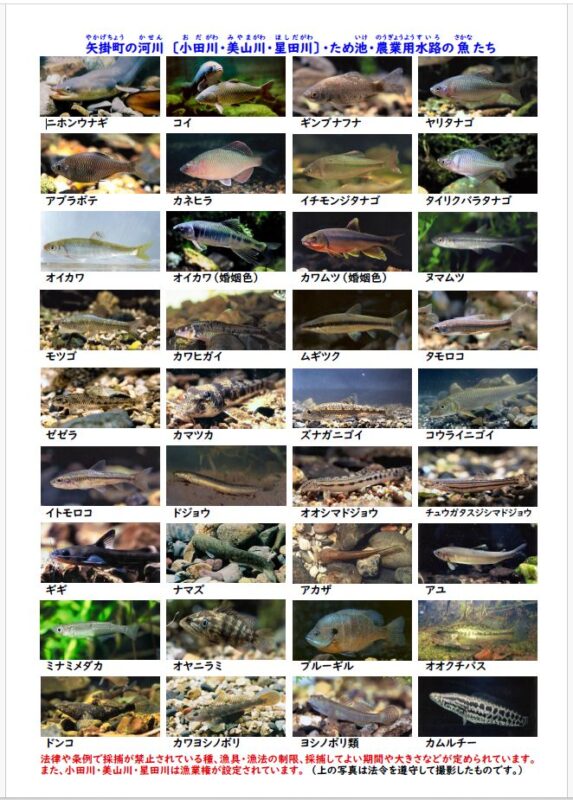
- The natural environment of Yakage Town that nurtures diverse freshwater fish / The fish of Yakage Town's rivers
- Inland fishing in Yakage Town - Carp from the Oda River presented to feudal lords during the Edo period / Offering fish and receiving silver from the feudal lords
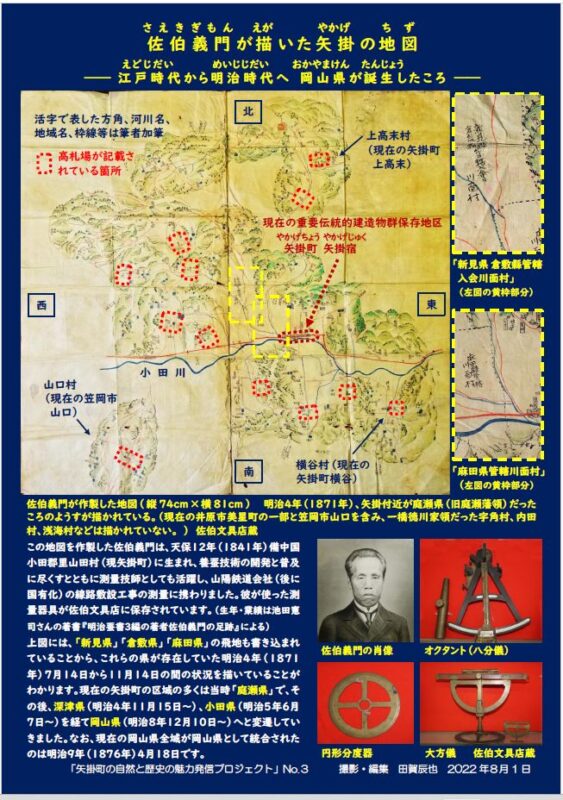
- A map of Yakage drawn by Saeki Gimon / Traces of transformation remaining in Yakage from the Edo period to the Meiji period
- Remaining "Saruoi" in Yakage - A civil engineering heritage that conveys the history of the time when Takase boats were active / Remnants of water transport in Oda, Yakage Town
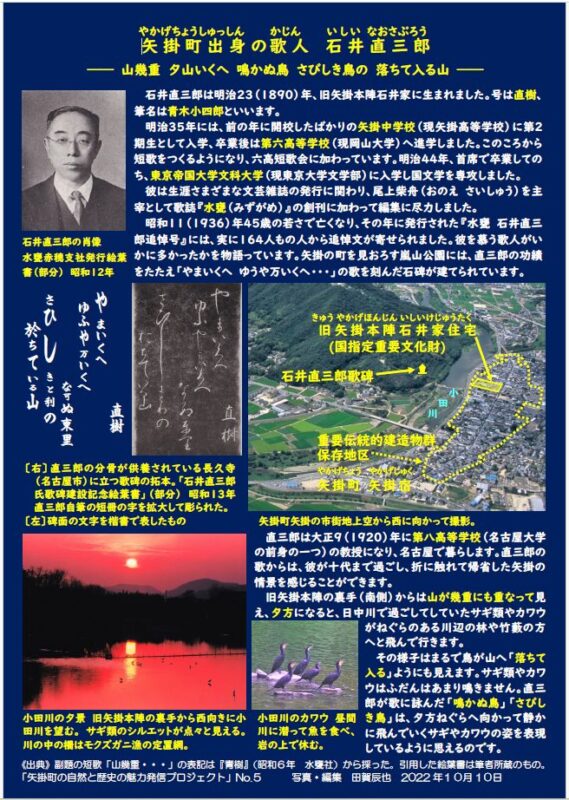
- Poet Naosaburo Ishii from Yakage Town / Scenes of Yakage evoked in the poems of Naosaburo Ishii
- Children's folk culture passed down in Yakage Town / The transmission of children's folk culture nurtured by rich nature and local history
- Food culture passed down in the rural areas of Yakage Town / The transmission of food culture nurtured by rich nature and local history
- The story surrounding the important cultural property, the chicory tree, in Yakage Town / Chicory tree and Okayama Korakuen, the Okayama air raid, Kabuki, Takekiku Yumeji
- Memories of war remaining in Yakage Town - War dead from the former Nakagawa Village / The thoughts of people who lived during that time
- The sericulture industry that supported Yakage Town / Traces of the sericulture industry remaining in Yakage Town
- Innovations in land use - The land formed by the Oda River and Ichinose River / The trajectory of crop cultivation suited to that land
- Biodiversity in rice paddies / The multifaceted functions of agriculture and rural areas
- Inland fishing in Yakage Town - A culture of catching river fish that connects from the Yayoi period to the present / Fishing gear and methods in Yakage Town
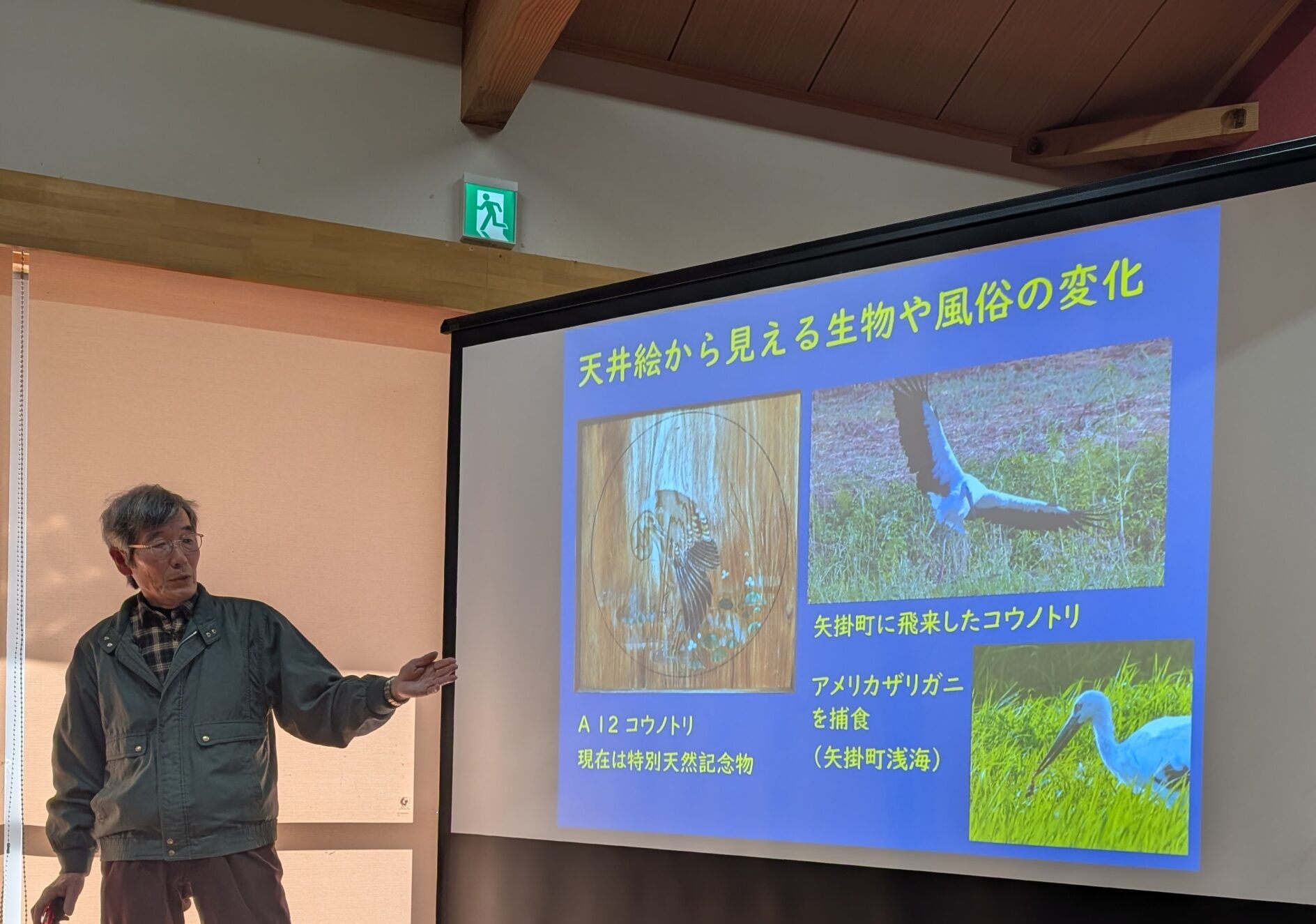
- Animals depicted in the Nirvana painting of Daitoji Temple
- The painted ceiling of the important cultural property, Konpira Shrine, in Yakage Town
- War materials remaining in Yakage Town - Air raids / Farewells to soldiers going to war
- Records from before and during the war remaining in Yakage Town - Bamboo spear training / The Imperial Palace, worshipping the Imperial Palace, advertisements
- Uchiwa distributed by shops in Yakage Town - Promotional items from the Taisho and Showa eras / Shops in Yakage Town seen in pre-war flyers - Various shop name representations
- Domain notes circulated in Yakage / The abolition of domain notes and transition to new banknotes / The establishment of the 86th National Bank - The origin of Chugoku Bank - / Banks that operated in Yakage before the war
Pamphlet Distribution Locations
The pamphlets are distributed at the following locations:
- Roadside Station Sanyo Road Yakage-juku
- Yakage Town House Exchange Center
- Yakage Town Library
In addition, they are also distributed at events.
Interview with Taga Tatsuya
I asked Taga Tatsuya, who produces the pamphlet, about the background of its publication.
The Making of the Pamphlet
Since when have you been conceptualizing this?
Taga (honorific omitted)
Since my late 20s, when I started collecting fish living in the Oda River and taking photos, I wanted to create a booklet that included all the fish in Yakage Town. However, when I was still working (as a high school teacher), I didn't have the time for interviews or editing, so I thought I would start doing it gradually after retirement.
Can you tell us about the structure of the pamphlet?
Taga
Unlike books, pamphlets have limited space, so I struggled a lot with how to structure it.
What I prioritized was making it easy to hold and read for the recipient, having a lot of information, so I decided to use A4 double-sided, and to keep costs down since it's self-published, I utilized online printing.
From the beginning, I started with a style of using a dark blue background with white text, and I still use that style now.
It's an image of writing with white or yellow chalk on a blackboard, which is easy to read.
The photos in the pamphlet are all lively and beautiful, like a guidebook. Do you have a particular focus on photography?
Taga
I have a deep attachment to each photo of the fish.
The old photos from around 1990 were taken with slide film, and to get a satisfactory shot, I would sometimes use up a whole roll of film (about 36 shots) and even start a second roll.
If the fish live in mud, I would bring mud; if they live in a place with fist-sized stones, I would bring stones from the river and arrange them at the bottom of the tank to recreate the environment where the fish live, ensuring that the inorganic tank does not appear in the shot.
Since the fish move around, I use strong flash to capture them as if they are still.
However, if the water is murky and I use strong light, the entire image becomes washed out. For this reason, it takes at least three days to take a single photo.
It was labor-intensive when using slide film, but I gradually acquired the know-how for taking photos, such as how to avoid casting my shadow and how to use the flash.
What do you pay attention to during editing?
Taga
When writing something that is not my own thoughts, I include footnotes in the pamphlet so that it is clear which literature it is from.
Sometimes names of people appear in the pamphlet, and I make sure to get their consent before including their names. I believe that this way, it becomes something of value as a record.
If someone wants to research, they can refer to previous studies.
Can you tell us about how you choose themes for the pamphlet?
Taga
There are various motivations for writing.
Sometimes I write what comes to mind, sometimes I write something I wanted to publish someday, and sometimes I delve into a theme based on information provided to me.
At times, I have proceeded with the idea of deepening newly discovered things. When I publish pamphlets or books, I often receive information like "We have this cultural property," which I am very grateful for.
For example, for No.3, I received information from Saeki Kenjiro of Saeki Stationery Store in Yakage Town about a map written by Saeki Gimon from the early Meiji period, and I thought, "Let's delve into this," and started writing.
For No.5, I knew that there was a great poet named Ishii Naosaburo from Yakage Town, but after retiring, I wanted to write about him again and did some research.
Future Aspirations
Can you tell us about your future outlook?
Taga
At the end of April 2026, I was given the opportunity to present at the Okayama Folklore Society, which I have been a member of since 2001.
I joined the Okayama Folklore Society because I thought it is necessary to consider not only biology but also the tools of agriculture and fishing methods in this region.
In my presentation at the end of April, I plan to discuss "The folk culture of Yakage Town and the Oda River basin." Right now, I am struggling to compile the folkloric significance and background for the presentation.
Through the activities of the Okayama Folklore Society, I hope to be able to deepen my research on the characteristics of the region in Yakage Town and the Oda River basin.
Taga Tatsuya was awarded the "Okayama Folklore Society Award" on April 26, 2026, in recognition of the publication of "Biodiversity of Biological Culture in the Oda River Basin."
Finally, please give a message to the readers.
Taga
As a creator, I want people to see each issue because I wrote them with great effort. Therefore, whenever a new pamphlet is printed, I distribute it to each teacher at the elementary and junior high schools in Yakage Town through members of the Yakage Marugoto Shopping Street Promotion Association and the Board of Education.
The pamphlet includes some topics about Yakage Town, so I would be happy if the teachers could find something meaningful in it.
Additionally, if I have the opportunity to talk about river observation or old lifestyles in classes, I would like to use that as a chance to spread the goodness of Yakage Town.
Conclusion
Taga mentioned that 30 years ago, when he was conducting interviews, various fishing methods were still being practiced. He also feels that there were many children playing in the river and adults fishing, but now he senses that such people have decreased.
As Taga says, "When trying to convey the diversity of the region's biology and culture, it naturally connects the history, human interventions, and the existence of organisms," the pamphlet vividly depicts the multifaceted aspects of Yakage.
"Yakage Town's Nature and History Series" is distributed for free.
If you are interested, why not pick one up?
Data on Yakage Town's Nature and History Series
| Name | Yakage Town's Nature and History Series |
|---|---|
| Address | Currently distributed at Roadside Station Sanyo Road Yakage-juku, Yakage Town House Exchange Center, Yakage Town Library, etc. |
| Contact | None |