The “Stories of the Domains” series is published by Gendaishokan, a publishing house based in Iidabashi, Tokyo.
Its publishing activities are guided by the aim of “making knowledge accessible to everyone, not just specialists.”
The series covers domains from the Matsumae and Hachinohe domains in the north to the Satsuma and Goto domains in the south, as they existed at the end of the Edo period (at the time of the return of the domains to the emperor). Of the 276 volumes in total (including two supplementary volumes), 65 had been published as of July 2023.
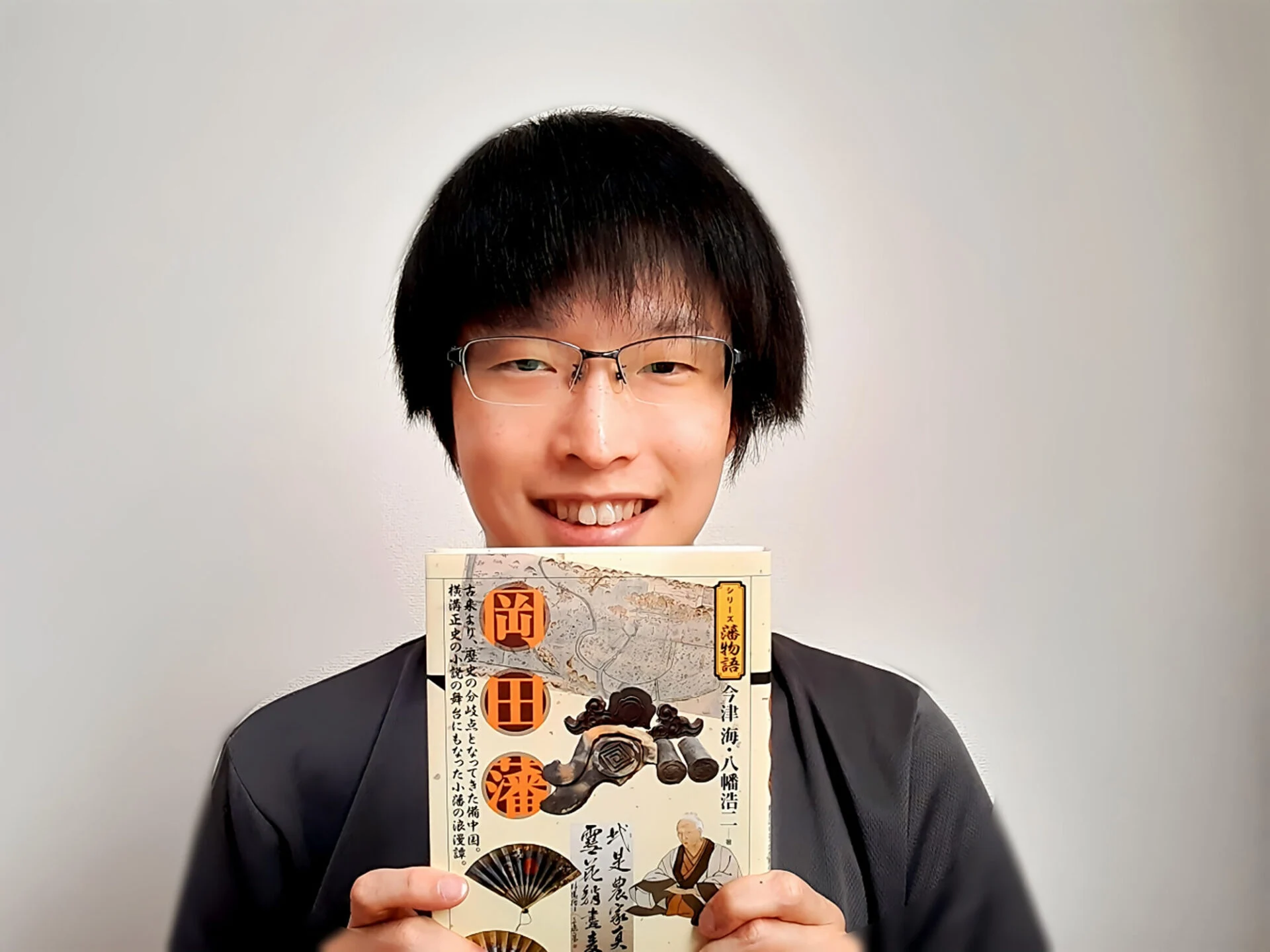
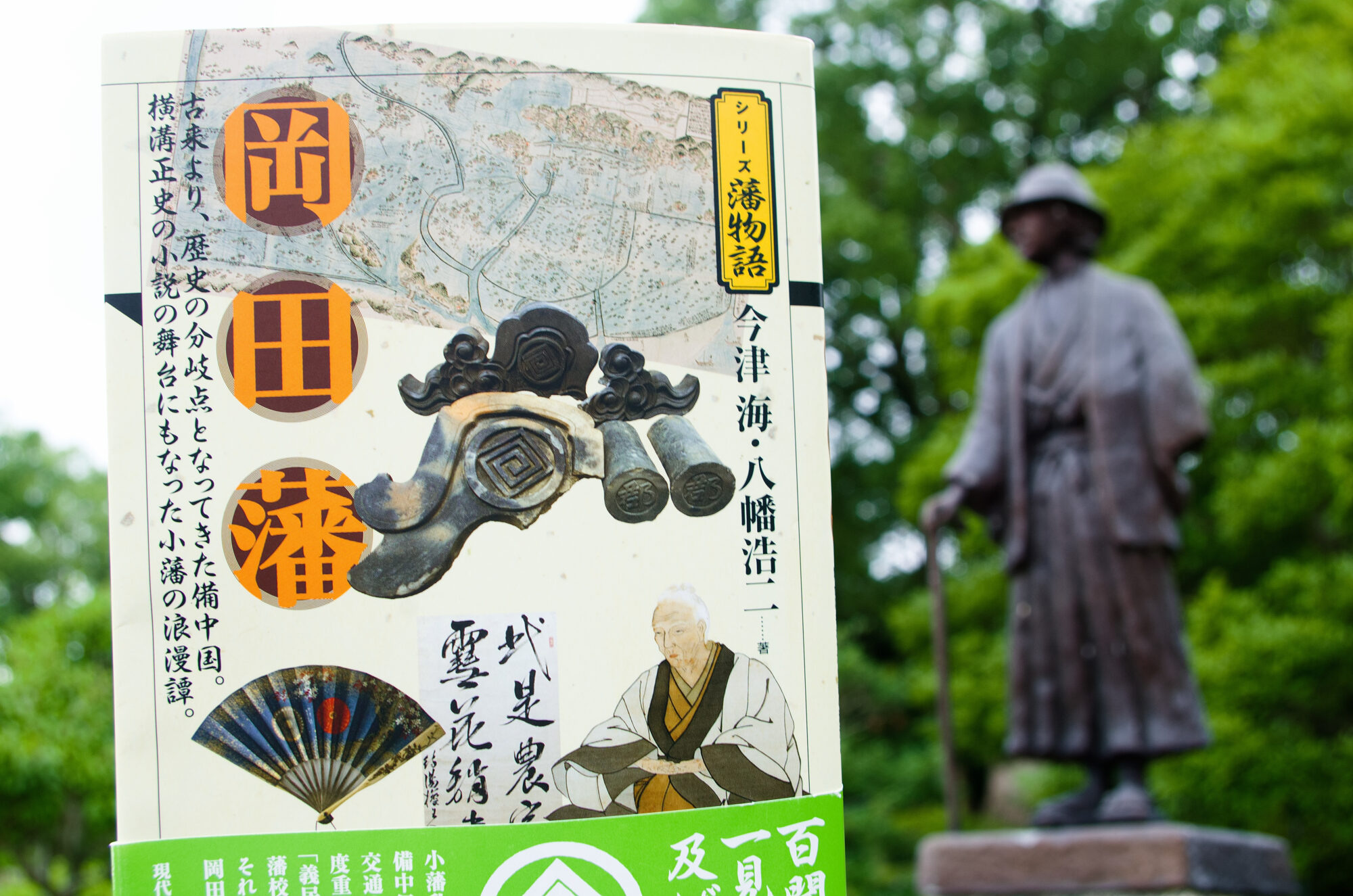
“Stories of the Domains: The Okada Domain” is packed with local attractions and historical anecdotes about the Okada Domain, whose administrative headquarters were in what is now the Okada area of Mabi, Kurashiki City. It was published in April 2023.
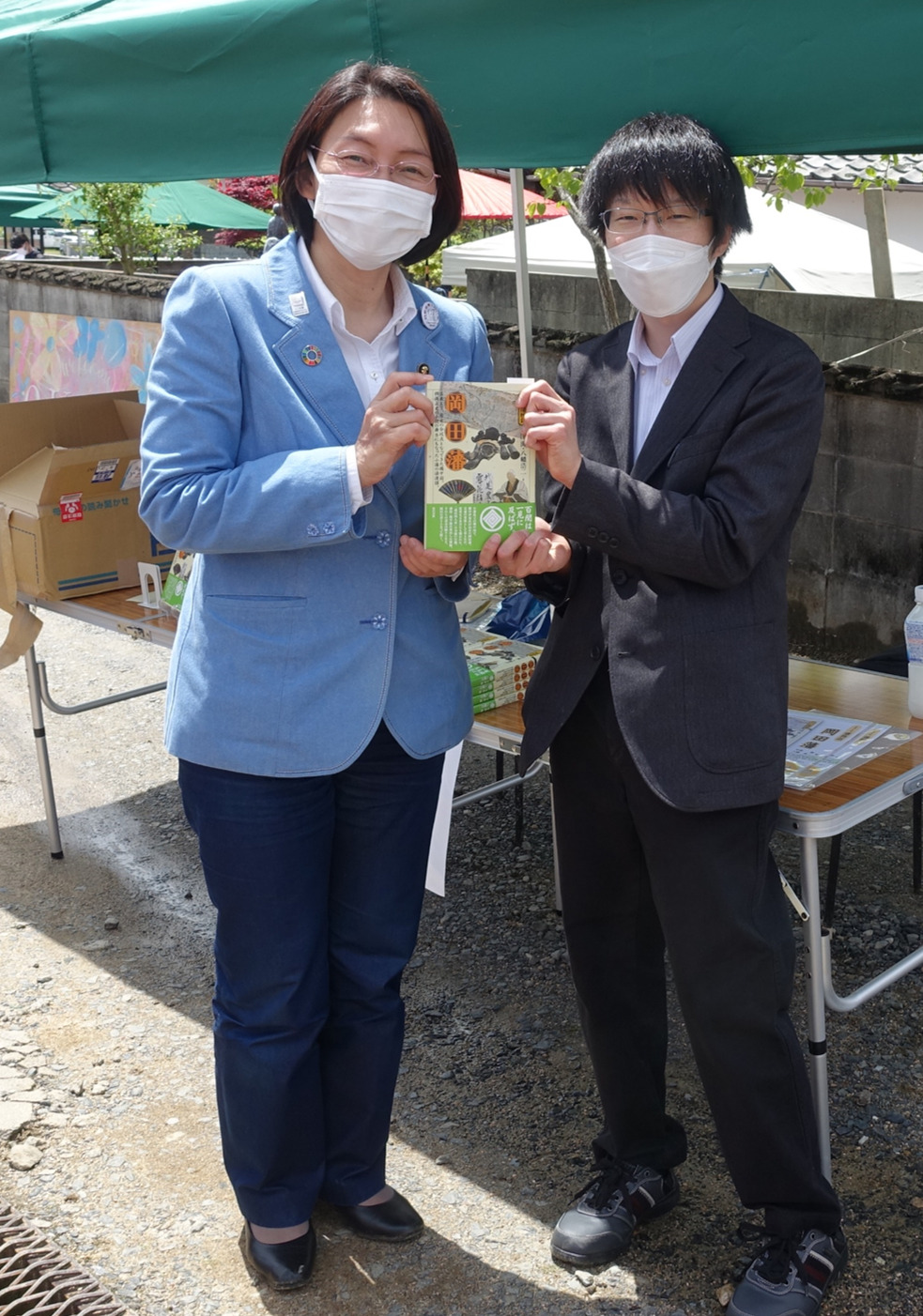
We spoke with its author, community development researcher Imazu Kai, about the Okada Domain and the Okada area of Mabi, Kurashiki City, which suffered extensive damage in the July 2018 torrential rains.
Here we introduce “Stories of the Domains: The Okada Domain,” written by Imazu.
The information presented was current when this article was published in July 2023. Please note that it may differ from current information.
About the Okada Domain
The Okada Domain was established as a domain ruled by an outside daimyo in July 1615, after the Siege of Osaka in the summer, when Tokugawa Ieyasu guaranteed Ito Nagazane approximately 10,000 koku of land in Shimomichi District, Bitchu Province, as well as areas in Mino, Settsu, and Kawachi Provinces.
The Ito family ruled for ten generations, and the domain continued for more than 250 years, until the abolition of the domains and establishment of prefectures in 1871.
The Okada Domain’s territory included not only what is now the Okada area of Mabi, Kurashiki City, but also Tamashima in Kurashiki City, Soja City, and parts of Ibi District in Gifu Prefecture and Yao City in Osaka Prefecture, far away.

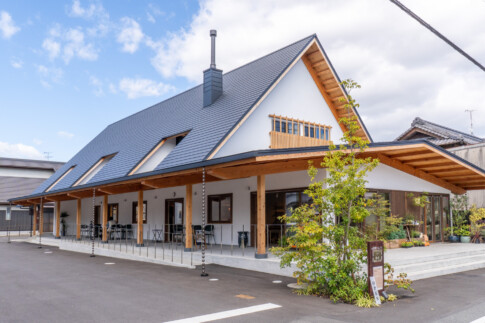
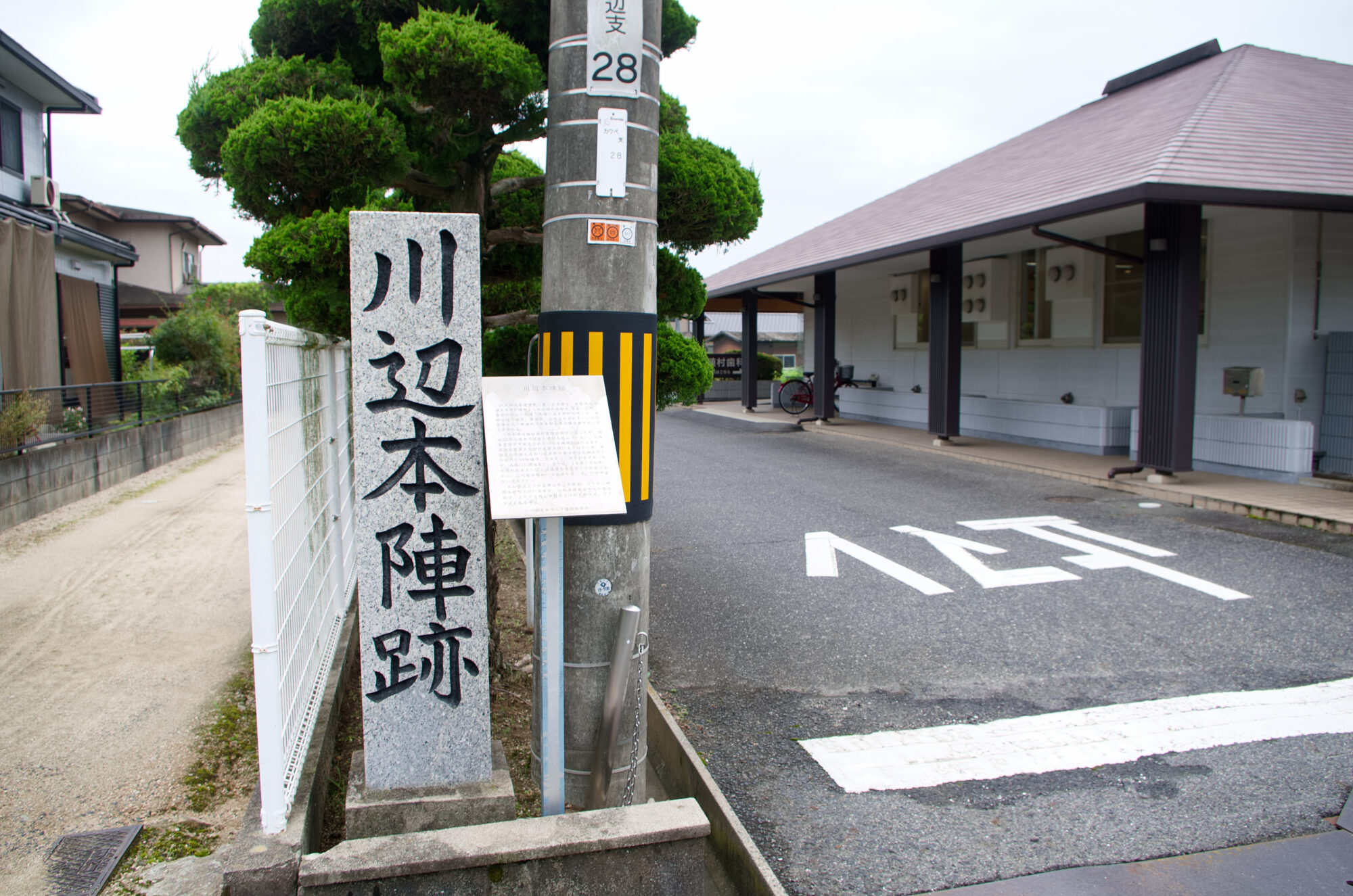
▼ Kurashiki Municipal Okada Elementary School, where the Okada Domain’s headquarters (Oyama Residence) were relocated in 1701 by the fifth domain lord, Ito Nagahira.
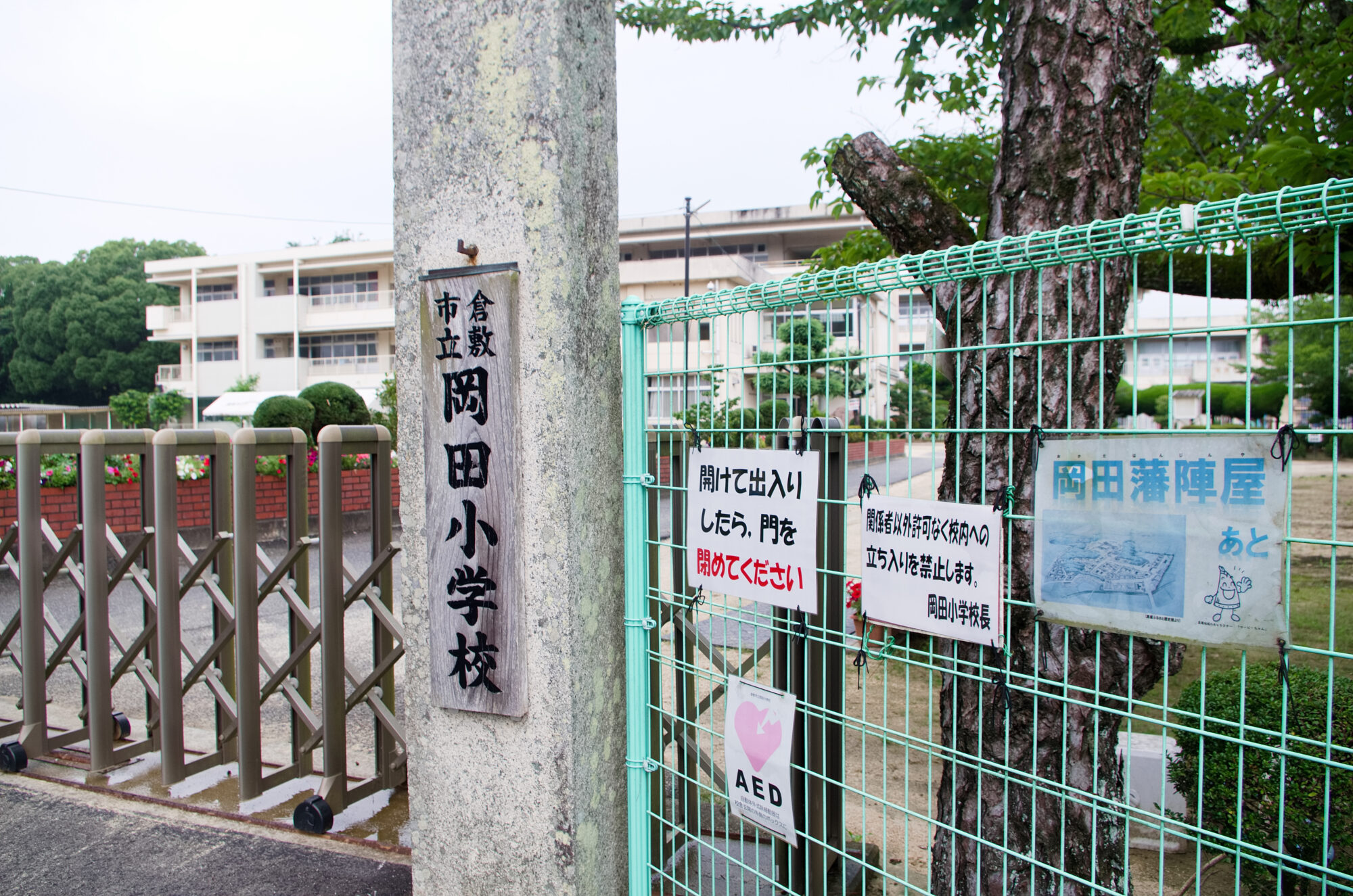
▼ Here is the approximate location of Okada Elementary School, where the Okada Domain’s headquarters stood for about 170 years after their relocation, until the abolition of the domains and establishment of prefectures in 1871.
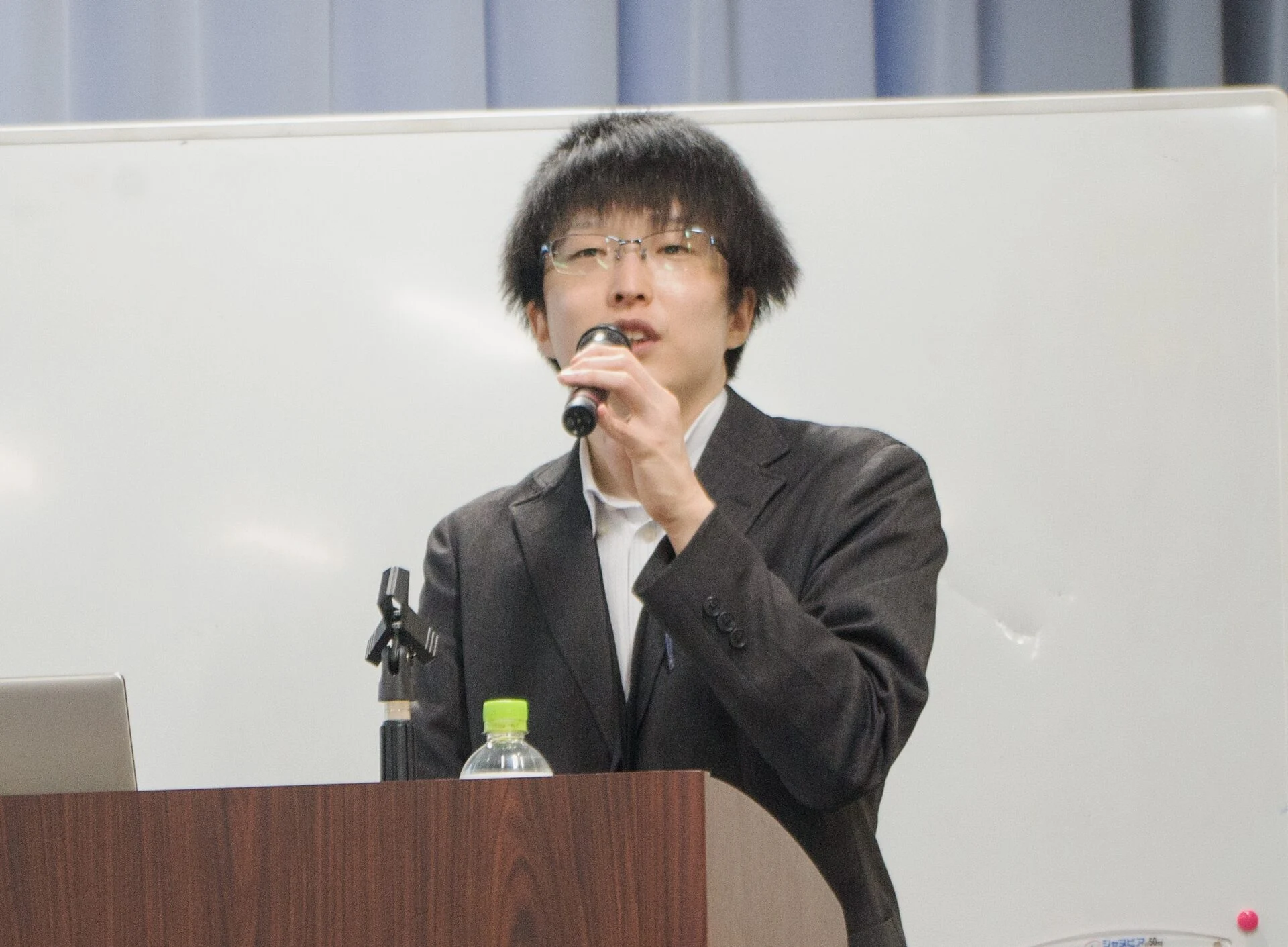
Interview with Imazu Kai, author of “Stories of the Domains: The Okada Domain”
Author Imazu currently lives outside Okayama Prefecture.
We asked about how the book came about, his research during university and graduate school, the Okada Domain, and Mabi, Kurashiki City, which was hit by the July 2018 torrential rains.

What led to writing “Stories of the Domains: The Okada Domain”
What led you to write the book?
Imazu (name omitted)
One reason I came to be in charge of the Okada Domain was that I was recommended by Yahata Koji, author of “The Fukuyama Domain” in the same series.
Although I received the recommendation, my own field of expertise is not history, but community development and urban and regional management.
I kept wondering whether I was the right person, since I had never written anything like an academic history book.
So the writing wasn’t decided on right after you were recommended?
Imazu
I corresponded with the publisher several times, and they carefully explained, “The purpose of this book is to deepen people’s attachment to their respective communities and create opportunities for them to take pride in where they live.”
I felt that this connected with my own area of expertise, community development, so despite my inexperience, I decided to write the book. That is how it all came about.
Encountering the Okada area of Mabi, Kurashiki City
Had you been interested in the Okada Domain or had any connection to the Okada area for a long time?
Imazu
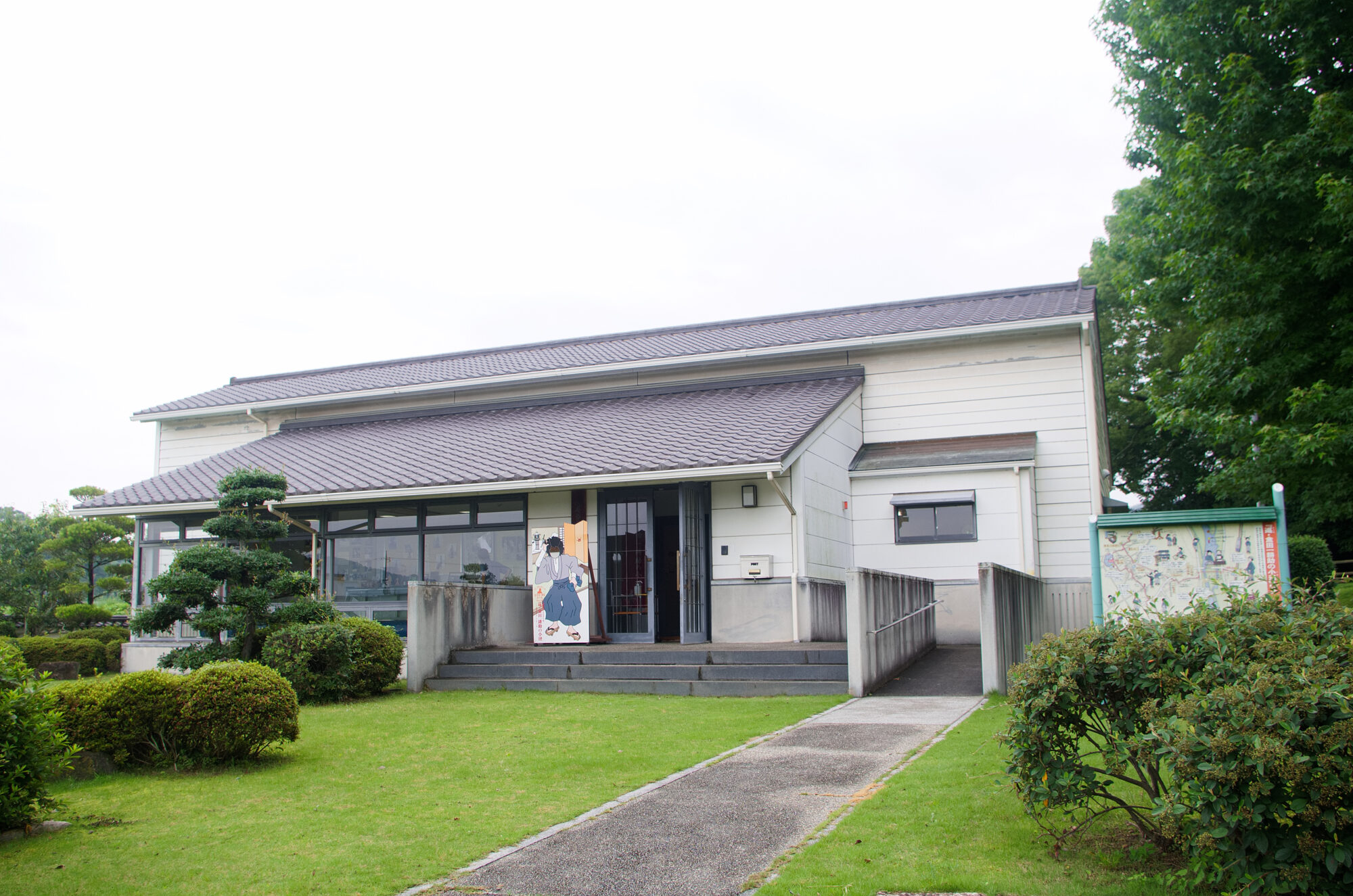
Actually, my university and graduate school research focused on Mabi, Kurashiki City.
Put simply, my research was about “the structure of people’s attachment to their community” and “approaches to community development in the Okada area.”
As many people know, the Okada area was the wartime evacuation destination of detective novelist Yokomizo Seishi.
In my master’s thesis, I treated Yokomizo Seishi and his works, which are rooted in the community, as local resources, examined the relationship between each resource and people’s attachment to the community, and then made policy recommendations (though that may sound grandiose).
Did you face any difficulties while writing?
Imazu
Because the Okada Domain was small, few historical documents were publicly available, and some materials had also been lost in floods, so simply gathering sources was difficult.
Also, when I compared the materials I had gathered, I often found slight differences in their accounts. I had to be careful about how to write things without causing misunderstandings, and I went to the area to speak with local people. Honestly, it was challenging to take the time to organize the information.
But when people in the Okada area picked up and read the finished book, I was grateful to hear so many positive comments.
- “So this is what the Okada area used to be like. I never knew that.”
- “Research papers and other books with difficult content can be hard to get into. Even if you’re not particularly interested in history, this is easy to pick up and helps you learn about the area where you live. I’m glad it’s a book you can actually read.”
- “It explains the flow of history and the Okada Domain and surrounding areas in a way that students can read.”
The local character and culture of Mabi that came to be better understood through writing
I heard that you sometimes felt a connection to the local character and culture that grew out of the Okada Domain.
Imazu
There were times when I felt that the local character and culture of the Okada Domain era had been properly passed down to the present day.
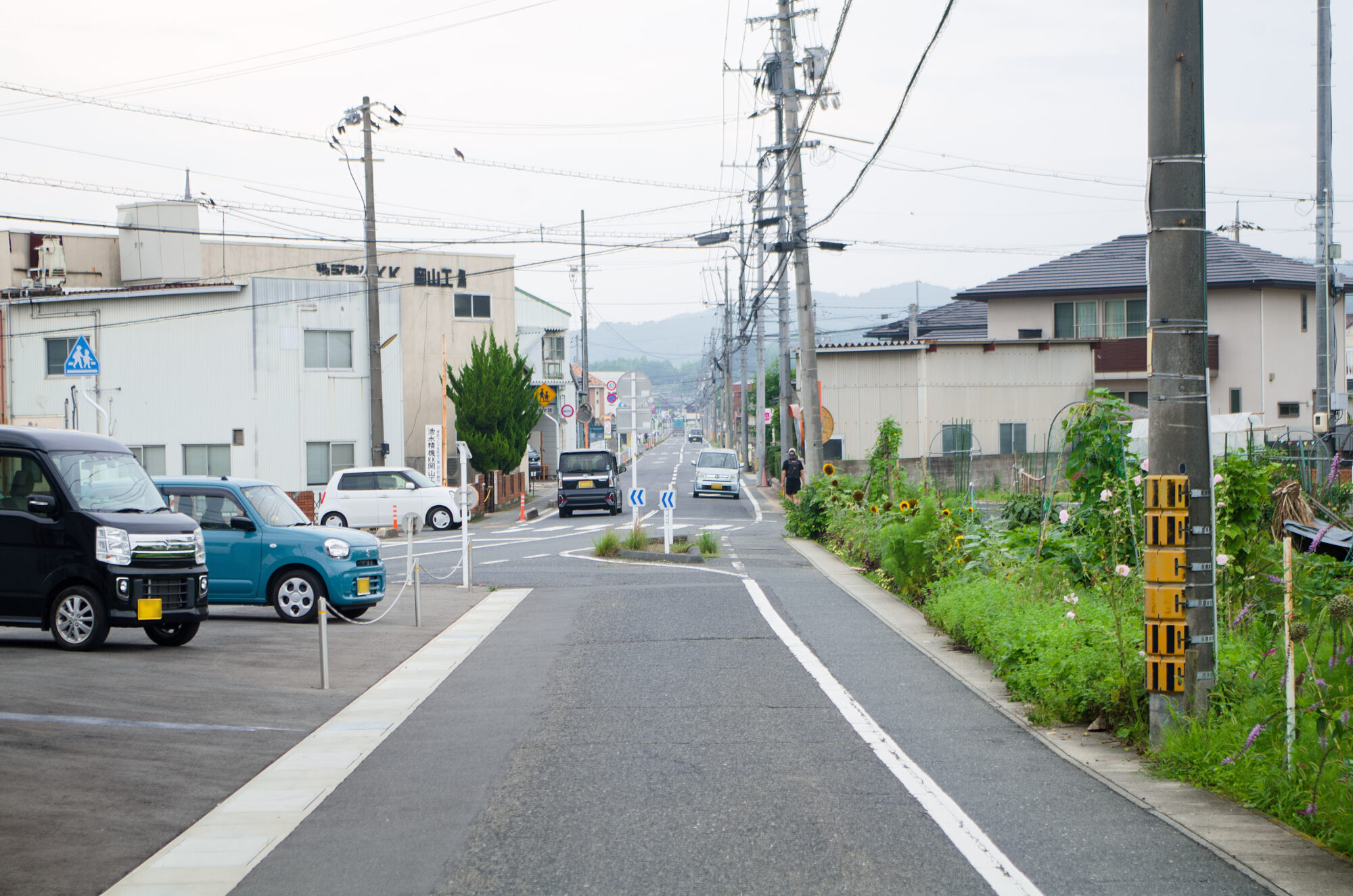
For example, a wide road called Okada Shinmichi was built to connect Kawabe (Kawabe, Mabi-cho) and Okada (Okada, Mabi-cho), both within the Okada Domain.
It has changed from a dirt road to an asphalt one, but it retains its original route and is still used as a road today.
Also, while looking at privately held documents, I realized that many traces of life from that time still remain.
I also heard stories such as, “My ancestors were samurai of the Okada Domain.”
Many people connected with the domain still live in the Okada area.
It was a moment when I could feel firsthand that history and people are connected.
Records of flood damage had also been preserved, then?
Imazu
Regarding floods, for example, parts of the Kagura embankment from that time still remain, and there are also clear written records showing that floods have repeatedly occurred in this area since the Edo period.
When it comes to whether all disasters can be prevented simply by building infrastructure, the power of nature is probably stronger.
It is difficult to resist nature, and when I think about what matters most in disaster preparedness, I believe that protecting lives is the most important thing.
It is important for people living in each community to recognize disasters themselves as one of the characteristics of their area.
For example, I think it is important first to understand that an area is vulnerable to flood damage, such as river overflows, and then consider how to evacuate when that happens.
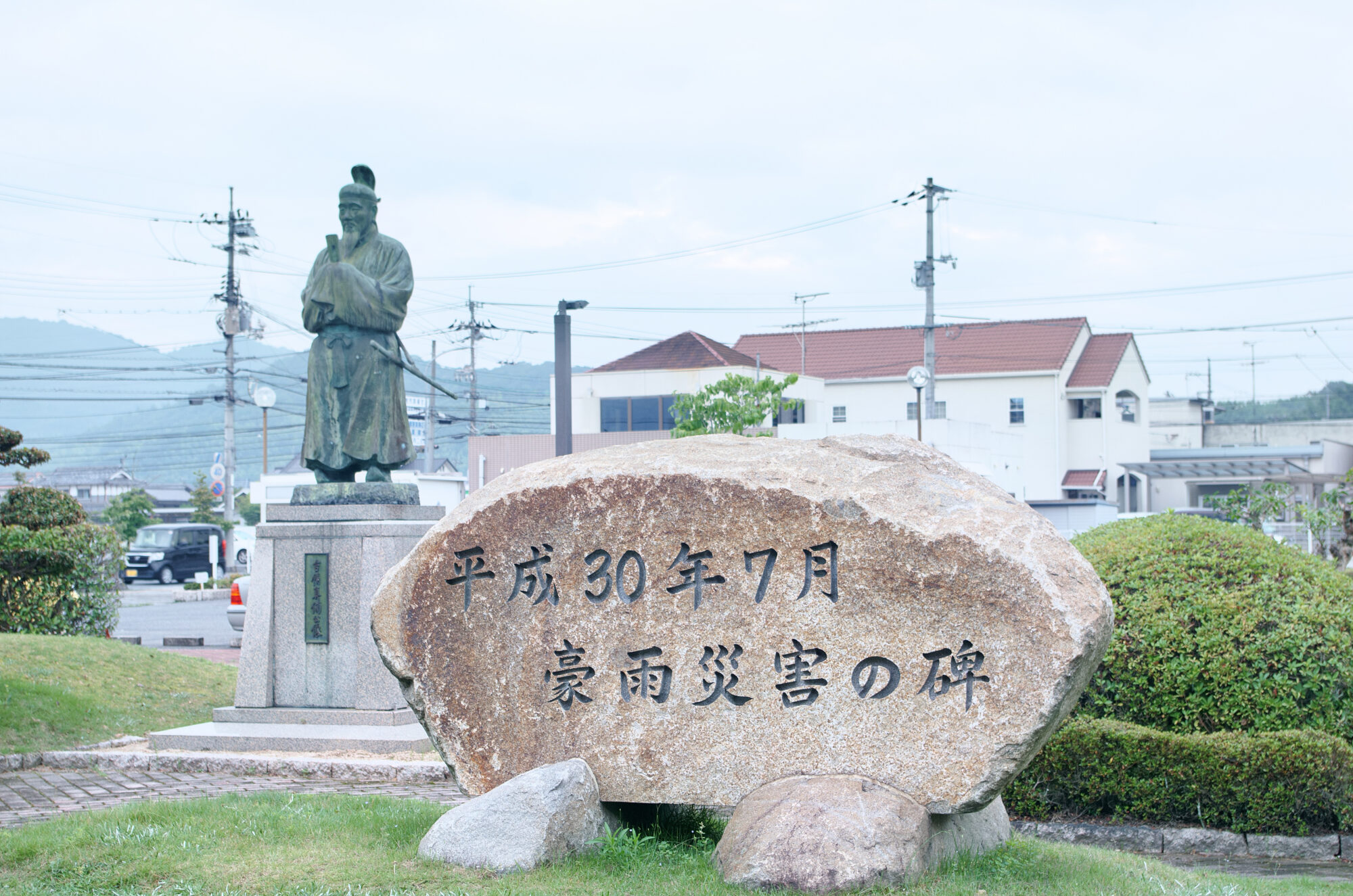
I don’t think the July 2018 torrential rains just happened by chance.
Some people may not have known the records left by those who came before us, but to protect many lives and homes, it is important to pass on the fact that this area has long been prone to flooding.
About “Stories of the Domains: The Okada Domain”
Could you tell us what you especially recommend readers look out for in “Stories of the Domains: The Okada Domain”?
Imazu
There are three things in particular I hope people will read.
Highlight 1: The Okada Domain’s history of floods and flood control
First, there is the subject of flooding that I mentioned earlier.
I mainly cover it in Chapter 4. Since flooding is inseparable from understanding the history of the Mabi area and the Okada Domain, I devoted a lot of space to it.
For that reason, it is what I most hope people will read.
Highlight 2: The wisdom of those who came before us
Also, how did people at the time respond to flooding to protect their lives and livelihoods?
I would be glad if readers also learned about the wisdom of those who came before us, including the Oda River improvements carried out by Okada Domain samurai Moriya Kanbee.
Highlight 3: The many distinguished and wise people it produced
The Okada Domain was a small domain with a little over 10,000 koku of rice production.
I imagine it is not particularly well known nationwide.
However, it produced many distinguished and wise people, including Furukawa Koshoken and Uraike Kyuen—so many that I could not introduce them all in the book.
I hope readers will pay attention to that as well.
One possible reason may have been the Okada Domain’s geographical location.
Since ancient times, the Okada Domain had both boat transport on the Takahashi River and Kawabe-juku, a post station on the old Sanyo Road, and thus also served as a key transportation hub by both land and water.
Where goods travel, people travel too.
That means various cultures and technologies would have traveled along with them.
Perhaps the area’s prosperity as a transportation hub was part of the reason it produced so many distinguished and wise people.
The “Okada Domain” in Yokomizo Seishi’s stories
I heard that you enjoy Yokomizo Seishi’s detective novels (now called mystery novels).
Imazu
I’m sorry to bring my personal tastes into this, but I enjoy detective and mystery novels, including those by Yokomizo Seishi, and that was one of the things that first sparked my interest in the Okada area.
In fact, references to the Okada Domain appear frequently in Yokomizo Seishi’s works.
During the Pacific War, Yokomizo Seishi evacuated to this area to escape the air raids. He incorporated information he learned through his interactions with local residents into his works.
I find it very interesting that the “Okada Domain” also appears in the world of his stories.
I would be glad if this perspective also sparks people’s interest.
How would you describe Yokomizo Seishi’s appeal in one word?
Imazu
It’s quite difficult to sum it up in one word.
In 1946, after Japan’s defeat in the war, Yokomizo Seishi published The Honjin Murders.
That was when the great detective Kindaichi Kosuke made his debut.
During the war, many books were subject to censorship, and there was a period when detective fiction could not be published.
It was an era so difficult that Edogawa Ranpo famously wrote, “Detective fiction is wiped out.”
Although publishing detective fiction was difficult, Yokomizo Seishi had long been developing ideas of his own. He evacuated to the Okada district, saw the war end, and was finally able to write novels to his heart’s content.
I think he then brought the ideas he had been nurturing all that time to the world all at once.
Among them was the landmark work The Honjin Murders, the first detective novel published after the war.
I also believe that in the world of Japanese mystery fiction, Edogawa Ranpo and Yokomizo Seishi are the two towering figures.
If Ranpo was the father of Japanese mystery fiction, then perhaps Yokomizo was like its foster father.
As for Yokomizo Seishi’s character, even after becoming famous, he is often said to have remained gentle and mild-mannered, never acting arrogantly.
I feel that this side of him was also part of his appeal as a person.
We hope you’ll discover the appeal and a page of history of the Okada area in Mabi
Finally, could you tell us what you hoped to convey through Okada Domain, part of the “Stories of the Domains” series?
Imazu
For example, people who study history at university might say, “What is this shallow book?”
But I wrote it with all my heart and soul.
And, to reiterate, the original purpose of this book was to give people an opportunity to discover the appeal of the region.
Today, Mabi is one part of Kurashiki City, but I would be grateful if many people read this book as an opportunity to learn about the history of Mabi and put that knowledge to use in the present and the future.
From the Writer
During the interview, I was struck by Imazu’s sincere and earnest character, and by the gentle way he carefully chose each word.
Through his research dating back to his university days, Imazu had developed close ties with the community of the Okada district in Mabi, Kurashiki City. It was precisely because of those ties, I believe, that he was able to devote so much time and effort to writing “The Domain Stories Series: Okada Domain.”
A book that brings to life Imazu’s hope: “I want people to discover the appeal of the Okada area in Mabi, Kurashiki City—formerly the Okada Domain. I hope this book will be the starting point.”
2023 marked five years since the July 2018 torrential rains.
As you reflect on Mabi, why not take this opportunity to learn about the local traditions and culture connected to the Okada Domain, and the wisdom passed down by those who came before us?

What would you like to know about Kurashiki?
Enter a word to search articles on this site