Have you heard of “kikigaki,” an initiative in which high school students interview older members of their local community?
The Bitchu Kikigaki Executive Committee invites high schools in Okayama Prefecture to offer students the experience of kikigaki.
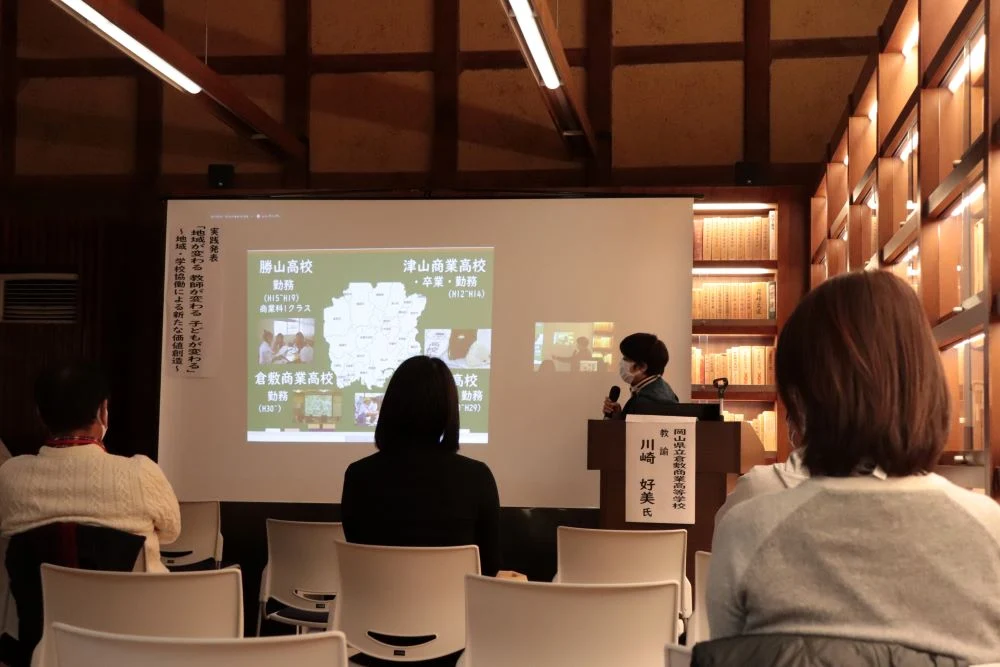
The “Kikigaki” Forum for Masters Living in the Community is a venue for high school and university students to present their kikigaki works. On the day, they connected remotely with the Regional Culture Research Group at Hokkaido University of Education, Kushiro Campus, a partner organization, and gave their presentations.
Since 2024, the author has been part of the Yakage Kikigaki Group, an initiative to listen to local people and preserve their stories about history, culture, daily life, customs, and more.
As someone involved in kikigaki, I was interested and went along.
The information presented was current when this article was published in January 2026. Please note that it may differ from current information.
What is “kikigaki” about masters living in the community?
“Kikigaki” about masters living in the community is an initiative in which high school students visit older members of their local community and listen to their stories, learning about their wisdom, skills, and life experiences, as well as different values, with the aim of passing on the wisdom of previous generations.
It is defined as follows:
The work is composed solely of the speaker’s spoken words. In reality, however, it is created through a conversation between the speaker and the listener.
While local history and ethnographic research involve accumulating facts and historical records, “kikigaki” is the work of filling in the spaces between them.
Through a person’s occupation and thoughts, it brings to light the life of the person who lived there.Source: “Kikigaki,” Shiraishi-jima Island, 2016
Overview of the 16th “Kikigaki” Forum for Masters Living in the Community

One feature of “kikigaki” about masters living in the community is that a theme is chosen each year. This year (2025), the theme was “What Matters, Passed Down.”
The “Kikigaki” Forum is held as the culmination of that year’s kikigaki activities.
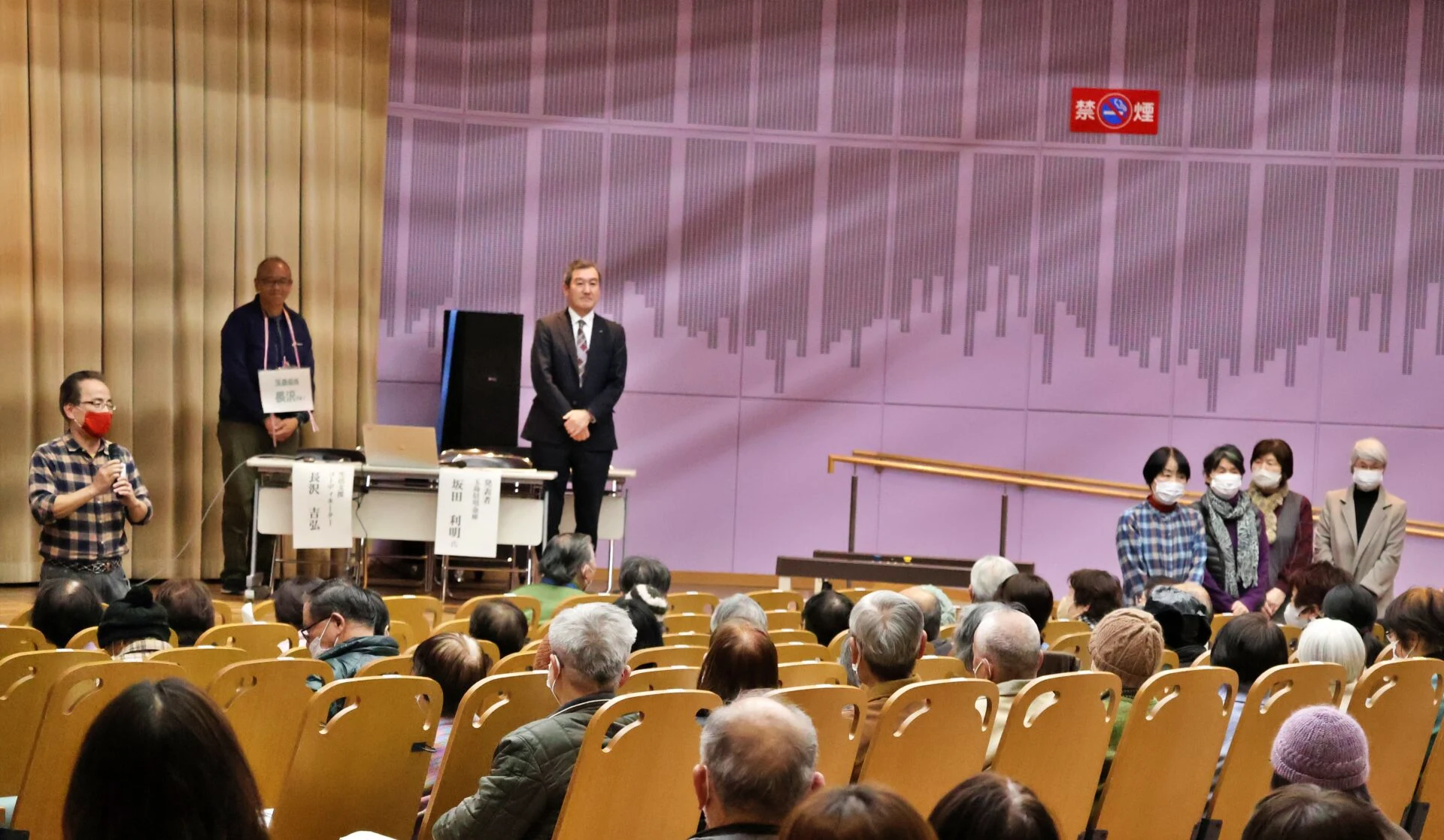
The 16th forum was held on Sunday, December 14, 2025, starting at 10:40 a.m. at the Kibi Kobo “Yui” Shiso venue, and at 1 p.m. at Soja City Chuppy Hall.
About the forum
Here is an overview of the day’s events.
Morning session
In the morning, participants took part in a workshop to reflect on the kikigaki works they had written.
The reflection workshop proceeded as follows:
- Write on an A4 sheet of paper what you received from the person whose story you listened to
- Once you have finished writing, split into groups and share your thoughts on kikigaki and what you learned with others

Next, the Regional Culture Research Group at Hokkaido University of Education, Kushiro Campus presented its kikigaki works.

This time, as a special gesture of support for the activities of “Minna no Ouchi Haru House Mizushima Kodomo Shokudo Misora,” which had been interviewed by students from Okayama Prefectural Kurashiki Kojoike High School, they arranged to have curry served for lunch.

Inoue had come all the way from Mizushima, Kurashiki City, to the venue in Soja City to provide the curry.
Over lunch, participants presented the results of their kikigaki interview with Inoue.

After lunch, they carpooled to Soja City Chuppy Hall.
Afternoon session
In the afternoon, elementary school students presented their kikigaki works, followed by presentations of works by high school students.
This article introduces the high school students’ kikigaki presentations, which used slides.
Kikigaki interview with Sano Yuji
Students from Okayama Prefectural Soja High School interviewed Sano Yuji.
When torrential rains hit in July 2018, Sano was on the front lines as an employee of the Social Welfare Council. Drawing on this experience, he works on community-led disaster preparedness and building disaster-preparedness communities.
Sano encouraged the high school students, saying, “To find your dream, I hope you’ll listen to many people’s stories and observe how they live. And I hope you’ll pursue the things that interest you.”
One student who presented said, “I want to give my all to community service and school activities, develop an attitude of taking action for others, and keep improving myself.”

Kikigaki interview with Shibusawa Juichi
Students from Okayama Prefectural Kurashiki Kojoike High School interviewed Shibusawa Juichi.
Shibusawa is the chairperson of the NPO Kyoson no Mori Network.
He offered the students these words: “Don’t be reluctant to meet people” and “Remember to take an interest in the person you’re talking to.”
The students who presented said that, through doing kikigaki, they had felt “how difficult it is to have a conversation” and “how important it is to value communication beyond words, such as facial expressions.”

Kikigaki interview with Yamakawa Takayuki
Students from Okayama Prefectural Tamano Konan High School interviewed Yamakawa Takayuki.
Yamakawa runs Kibito Publishing, a local publishing company.
Yamakawa says, “I want high school students to read printed books carefully.” He wants them to value what they take in along the way as they seek out information, because it can be difficult to understand the context and background when relying only on the internet.
One student who presented said, “Since I had to draw out the details while having a conversation, it was difficult to know when to move on to a new topic.”

From the Writer
I was glad that the high school students had really experienced both the enjoyment and the challenges of kikigaki. I was also especially struck by how many kikigaki works conveyed “the importance of meeting people.”
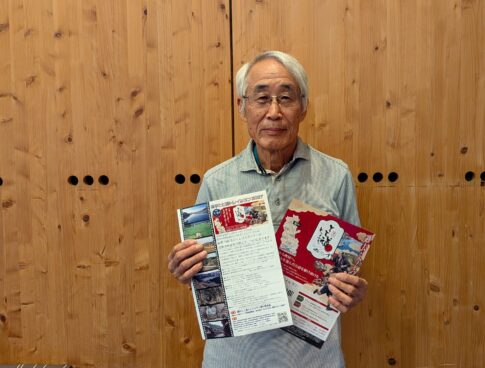
The kikigaki works written by high school and university students are compiled in a booklet titled “Bitchu Kikigaki.”
The booklet is available from the “Bitchu Kikigaki Executive Committee.” If you’re interested, why not get in touch?
16th “Kikigaki” Forum for Masters Living in the Community Information

| Name | The 16th “Kikigaki” Forum for Masters Living in the Community |
|---|---|
| Date | December 14, 2025 9:20 a.m.–3:10 p.m. |
| Location | Kibi Kobo “Yui” Shiso venue |
| Admission (tax included) | Free |
| Website | “Bitchu” Kikigaki Instagram |


What would you like to know about Kurashiki?
Enter a search term to find articles on this site