Let's get advice on disaster preparedness backpacks
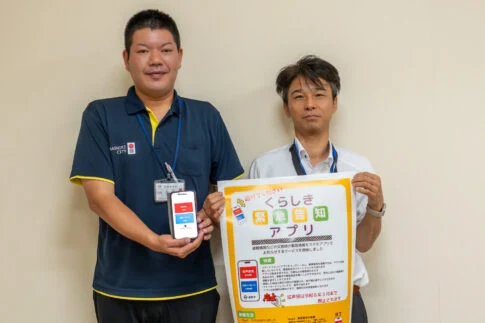
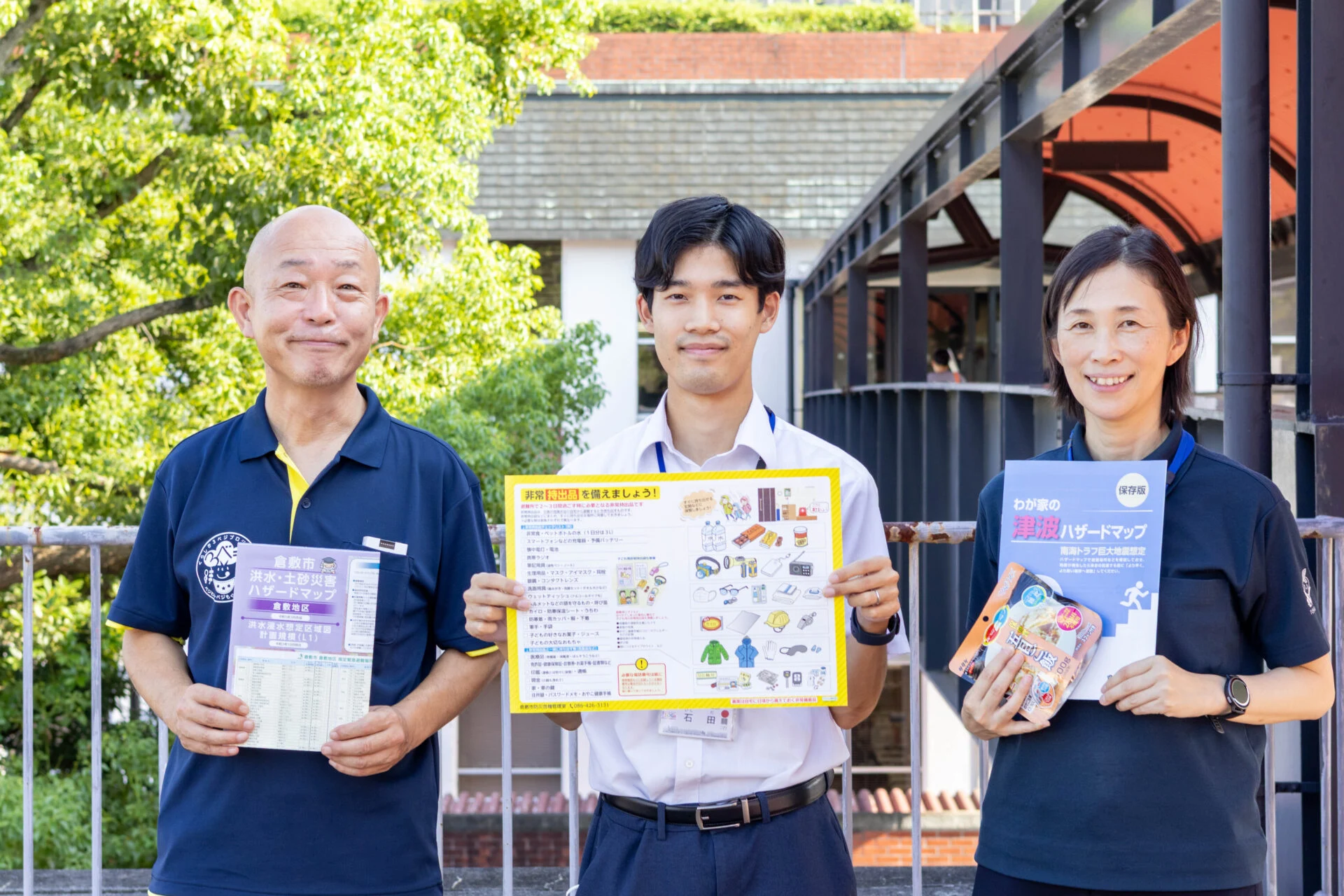
To get advice on a handmade disaster preparedness backpack, I spoke with Kenfumi Miyake from the Disaster Management Office of Kurashiki City, Tomoya Ishida, and Kasumi Shiraga.
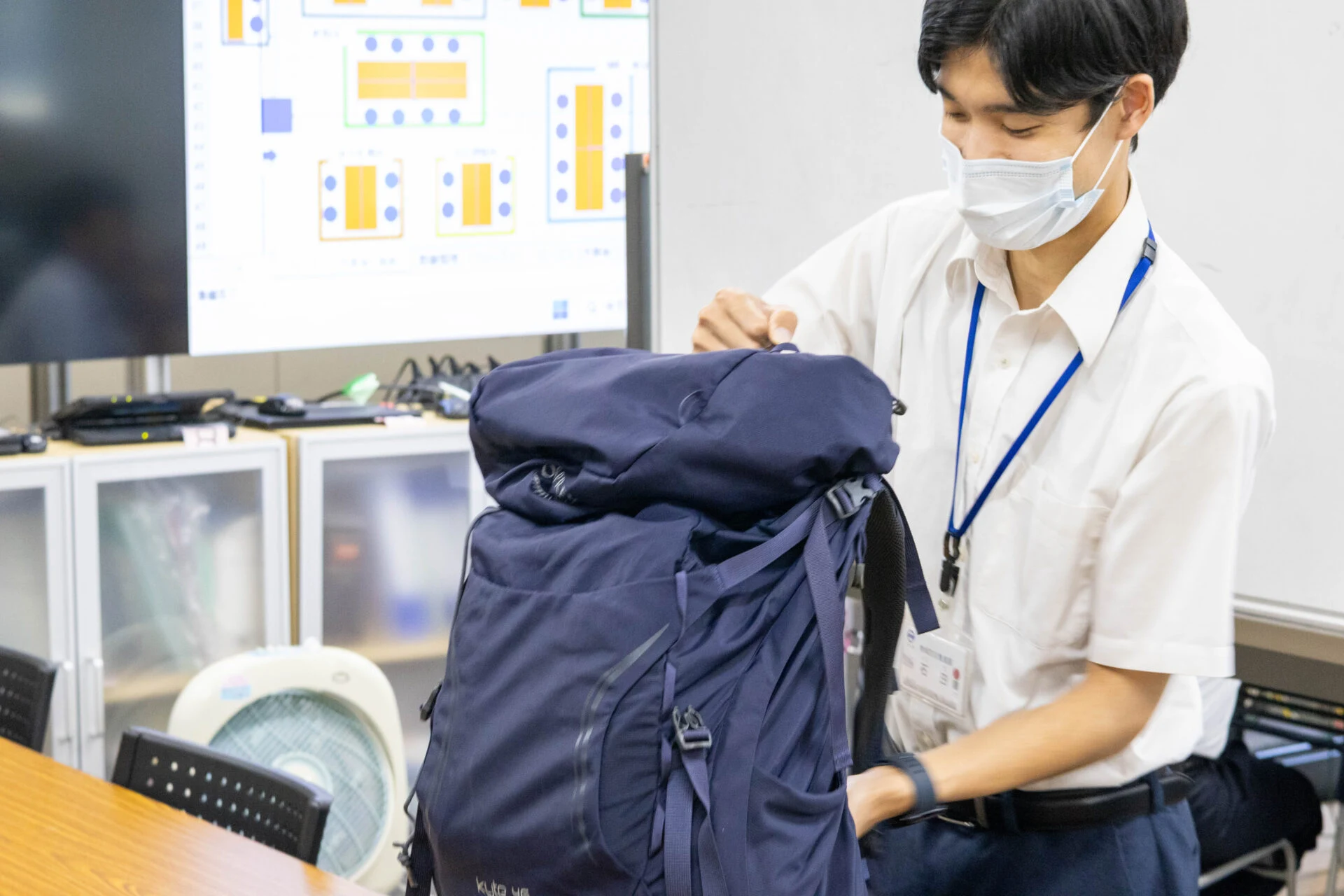
How to lighten a disaster preparedness backpack?
I will first have the three of them check the contents of the disaster preparedness backpack I prepared.
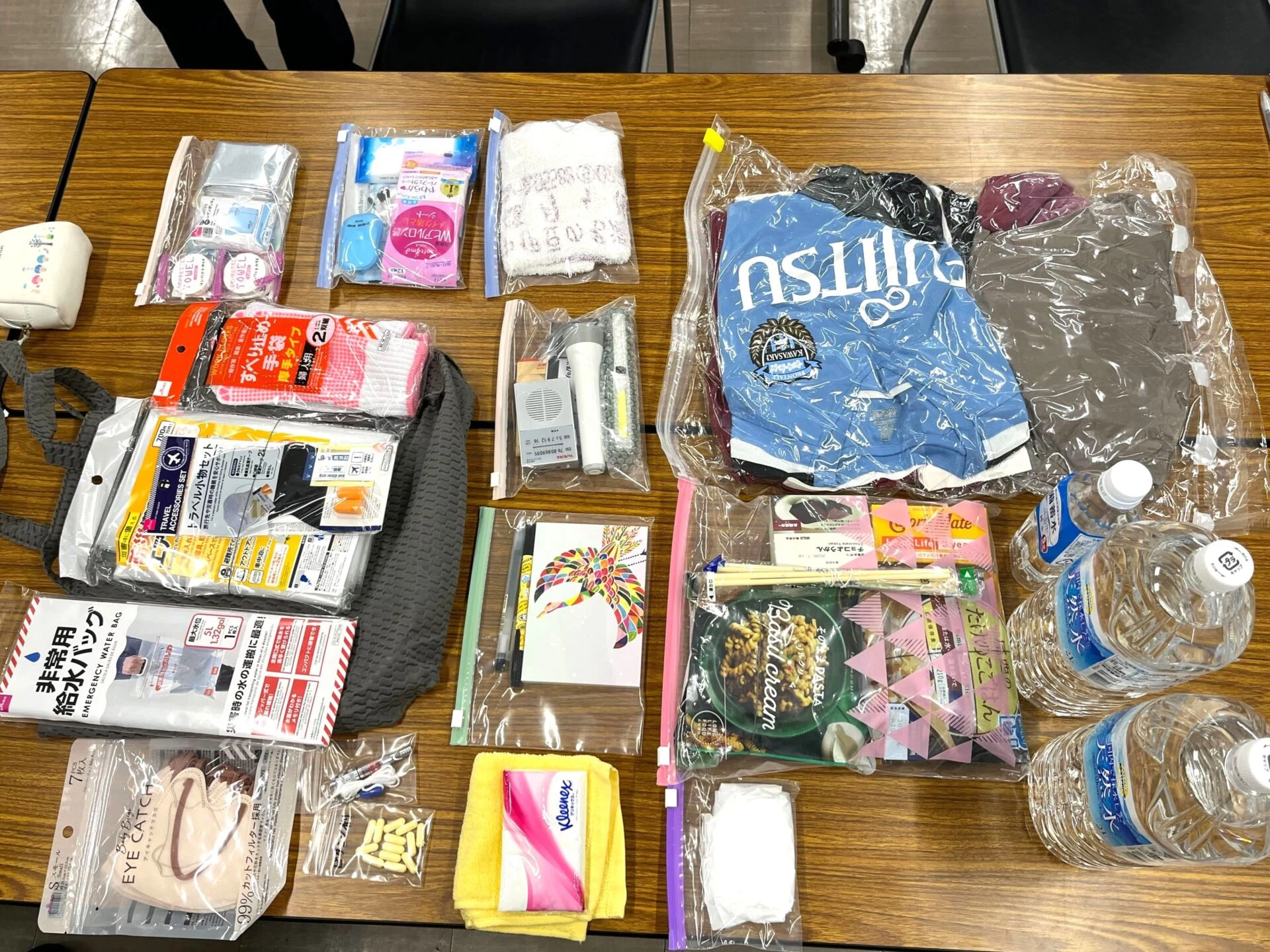
When I consulted them, saying, “I don’t know what to reduce,” they pointed out three items that could likely be reduced without issue.
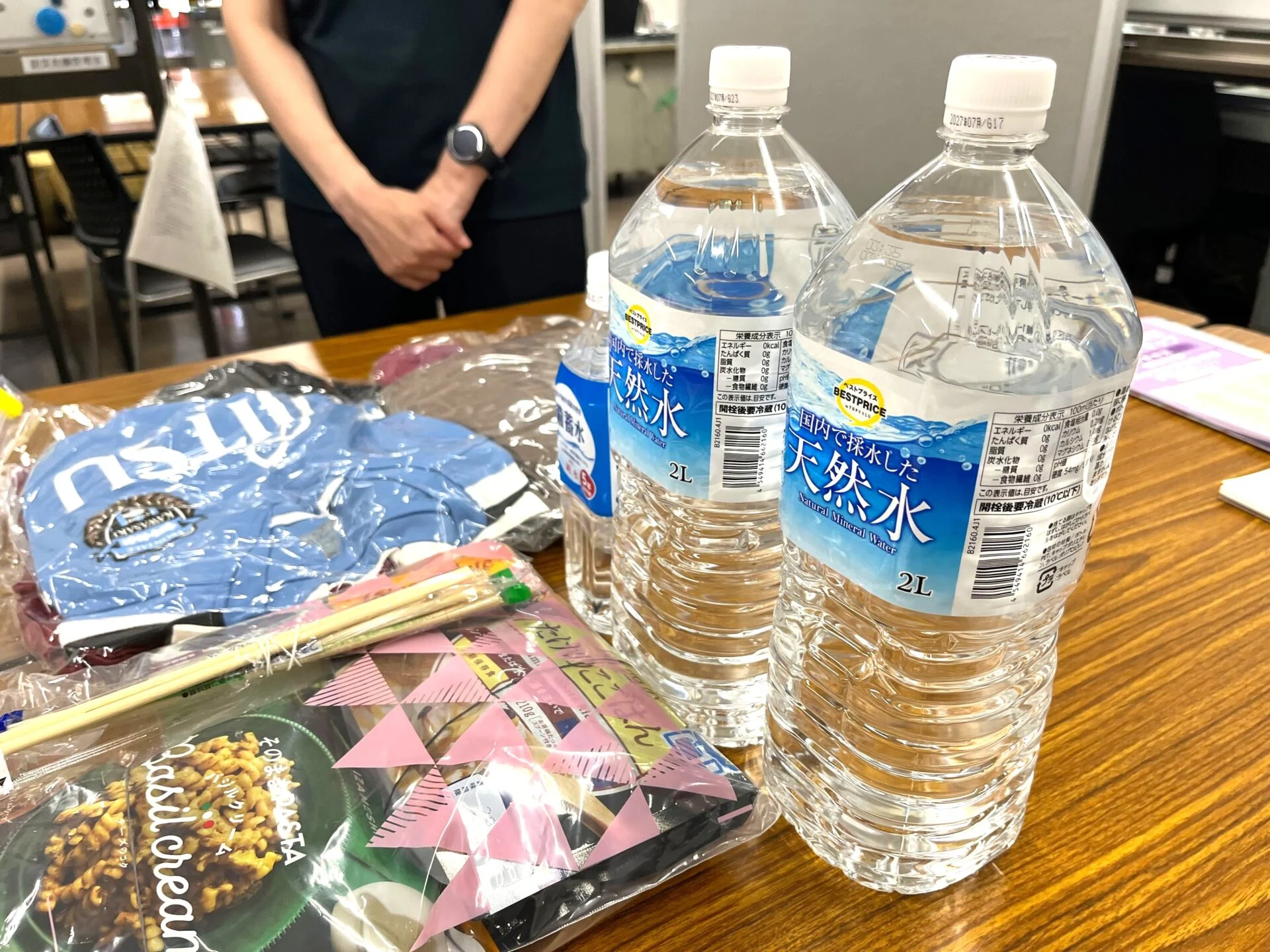
- 1 bottle of drinking water (2L) (remove one 2L plastic bottle)
- Compact radio
- Emergency water supply bag
The water, which I considered the most important, is heavy and has limits on how much can be carried, so it seems it can be reduced.
Of course, having water is better, but I was taught that a disaster preparedness backpack should focus on ease of evacuation and being lightweight.
I also thought that the compact radio was very important, but nowadays, information can be gathered using a smartphone, so it seems there is no need to force it in. Instead, it might be better to prepare the smartphone charger or battery more thoroughly.
Additionally, the emergency water supply bag can be substituted with a plastic bottle. It was recommended to keep it at home as an emergency supply rather than putting it in the disaster preparedness backpack.
Items that can be replaced should be consolidated as much as possible to help reduce the load.
Recommended items to include
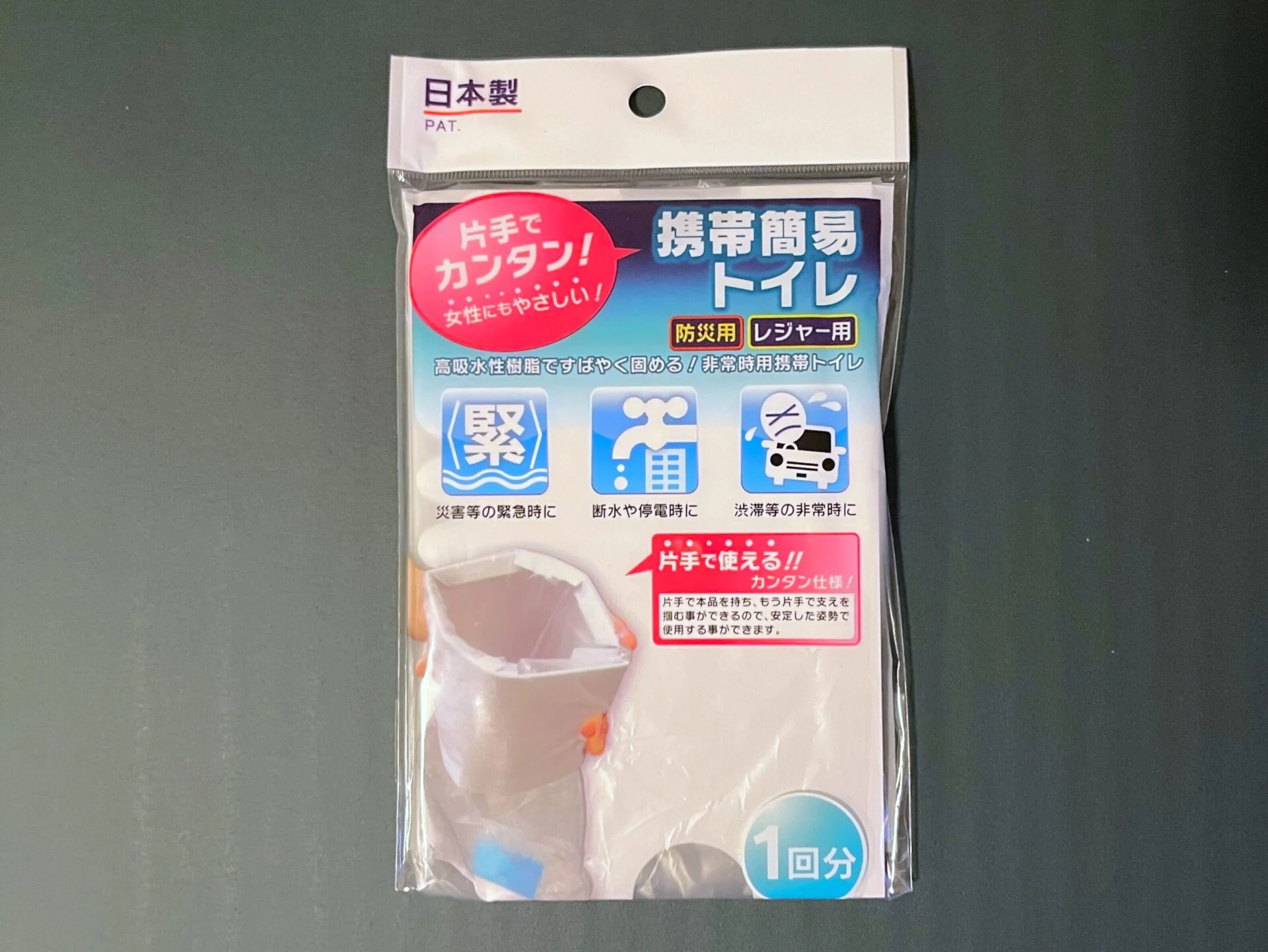
Next, I asked about recommended items. The following three items were mentioned.
- Portable toilet
- Baby wipes
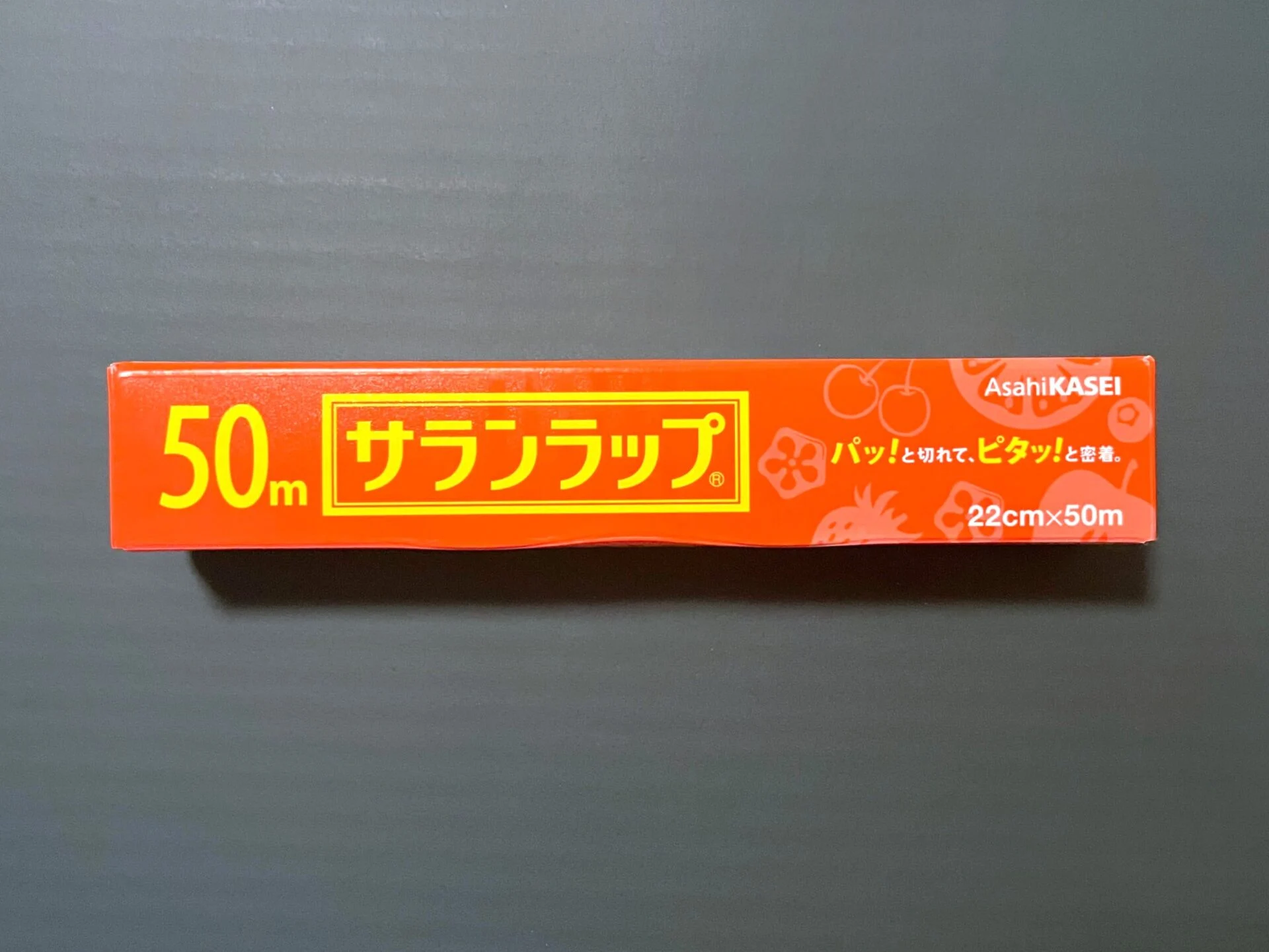
- Wrap
I had prepared one portable toilet, but they recommended having a bit more. During power outages or water supply interruptions, the toilets at evacuation sites may also become unusable. Eventually, emergency toilets will be installed, but it is reassuring to have one prepared just in case.
Baby wipes are gentle on the skin and can be used by people of all ages. While I might want to prepare cooling sheets in the summer, it is recommended to have baby wipes that can be used all year round for the entire body.
Wrap is useful in various situations.
It can be wrapped around the body for warmth, used for bleeding control in case of injury, and laid on plates to save water, making it a versatile disaster preparedness item. It was suggested that having one as a backup would be convenient as well.
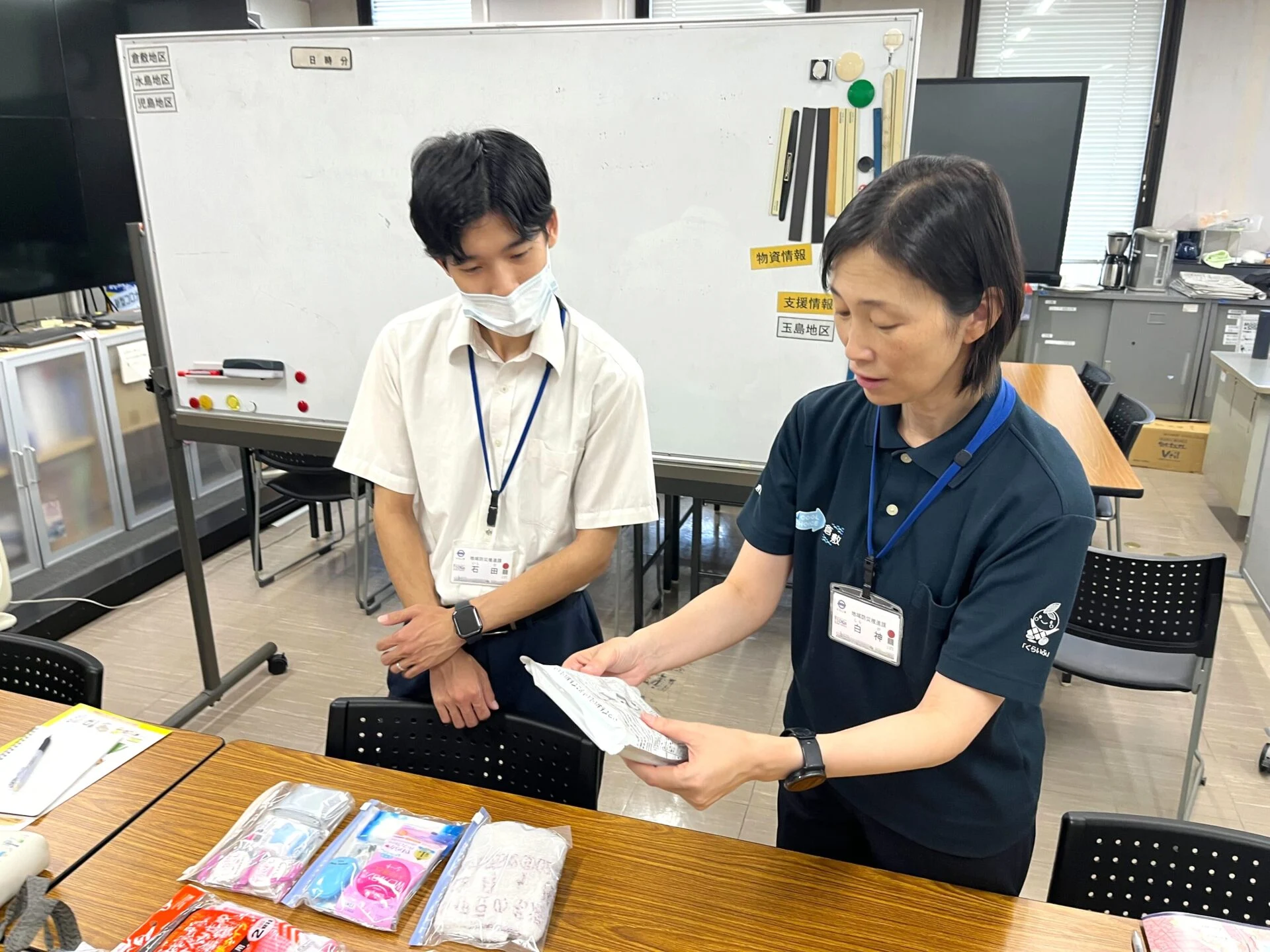
Things to Keep in Mind When Making a Disaster Preparedness Backpack
Additionally, I was informed about points to consider when creating a disaster preparedness backpack.
- Even in summer, prepare one long-sleeved shirt
- Ensure that whistles and raincoats are easily accessible
- For mobile batteries, it is reassuring to prepare a sturdy one specifically for emergencies rather than using the ones you use daily
- To prevent contents from getting wet, use ziplock bags or similar for waterproofing
- Maintenance once a year is recommended
- Each family member should have one disaster preparedness backpack prepared
All of these points are worth considering regardless of age or gender.
Furthermore, after creating the disaster preparedness backpack, it was strongly recommended to actually carry it and move to the evacuation center. It is important to simulate and check in advance whether your disaster preparedness backpack is easy to carry during an evacuation.
Include Only the Essentials in the Disaster Preparedness Backpack
A representative from the Community Disaster Prevention Division stated, “The important thing when making a disaster preparedness backpack is to prioritize.”
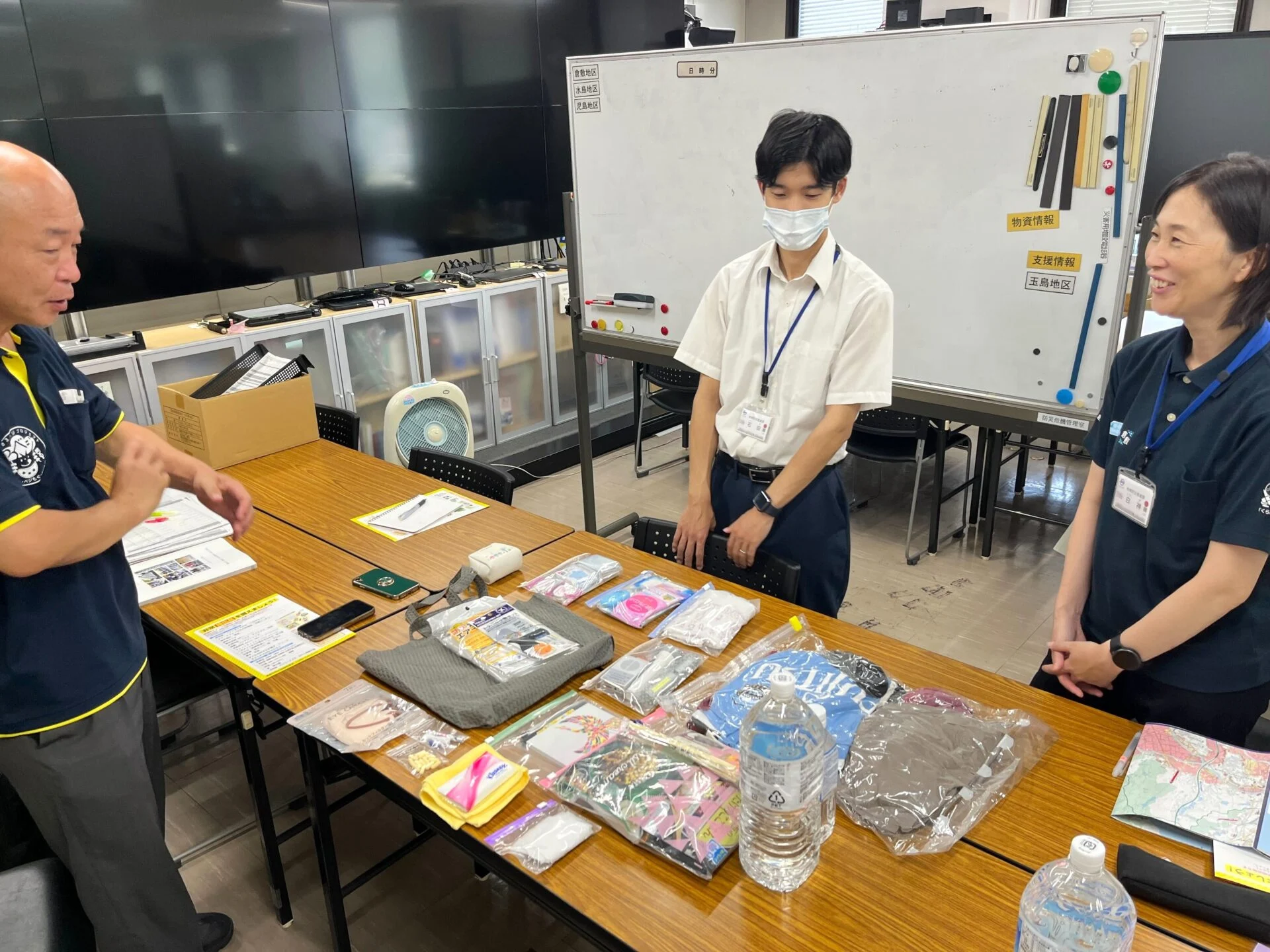
The author had been packing too many items into the disaster preparedness backpack in pursuit of comfort at the evacuation site, which made it heavier and harder to evacuate.
During a disaster, the priority is to evacuate to protect life. To create a disaster preparedness backpack that is easy to carry, it is important to prioritize and adjust the weight to what you can manage.
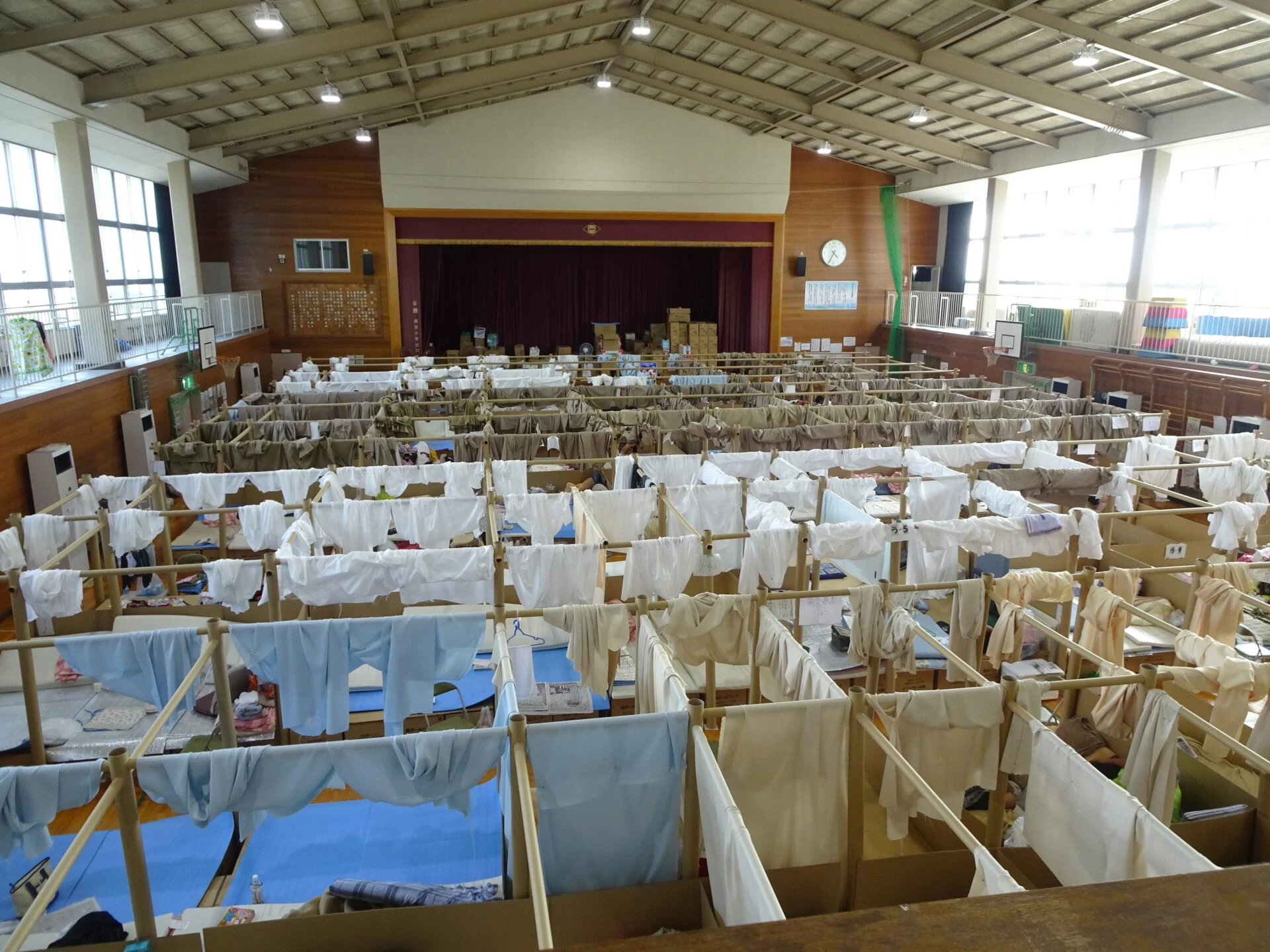
A tip for prioritizing is to first prepare the essentials for consumption. It is recommended to prepare enough of irreplaceable items such as regularly used medications, baby food, and food for those with allergies for the number of days needed.
When creating disaster preparedness backpacks for the family, it might be good for the father to carry heavy items like water, while the mother takes care of the rest. For small children's backpacks, including picture books, games, and stuffed animals to help them settle at the evacuation center according to their physical strength may also be beneficial. However, there is also the risk of not being able to evacuate together.
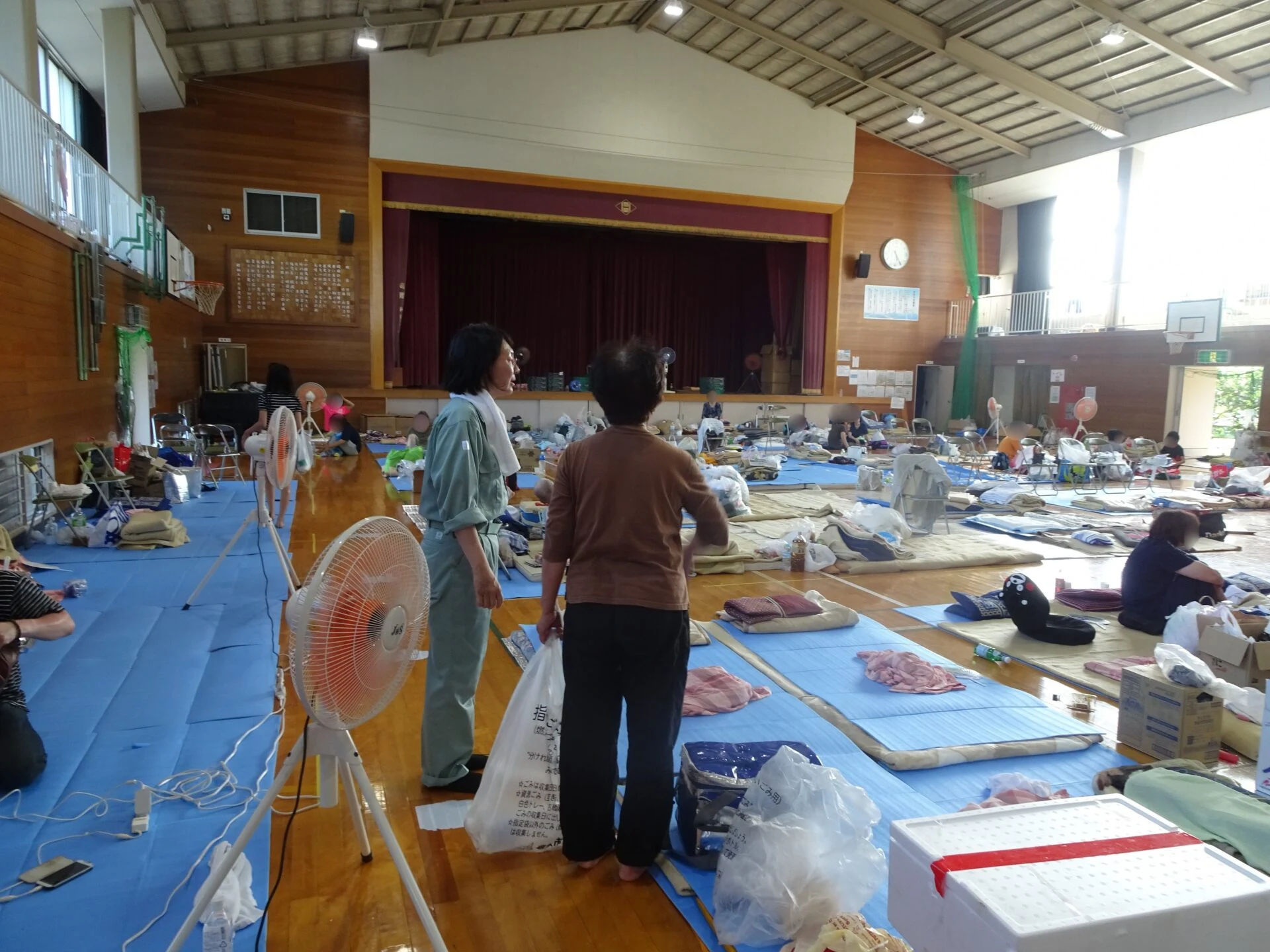
By creating a disaster preparedness backpack, a sense of security has been established for emergencies. However, at the same time, questions about what to do during a disaster have arisen, so I asked further questions.