Interview
What kind of thoughts went into the creation of "Setouchi"?
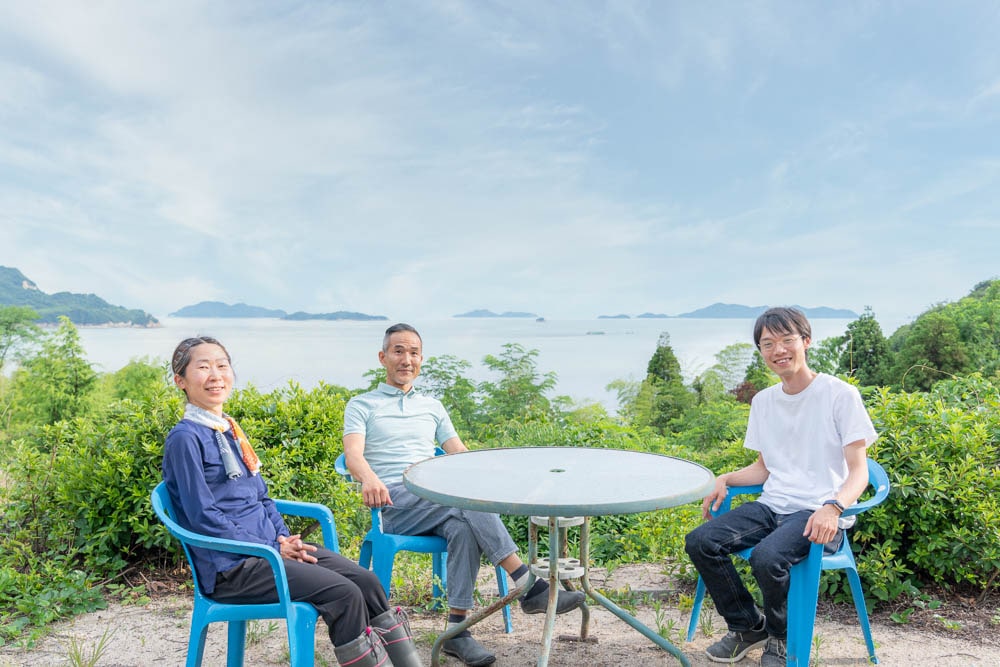
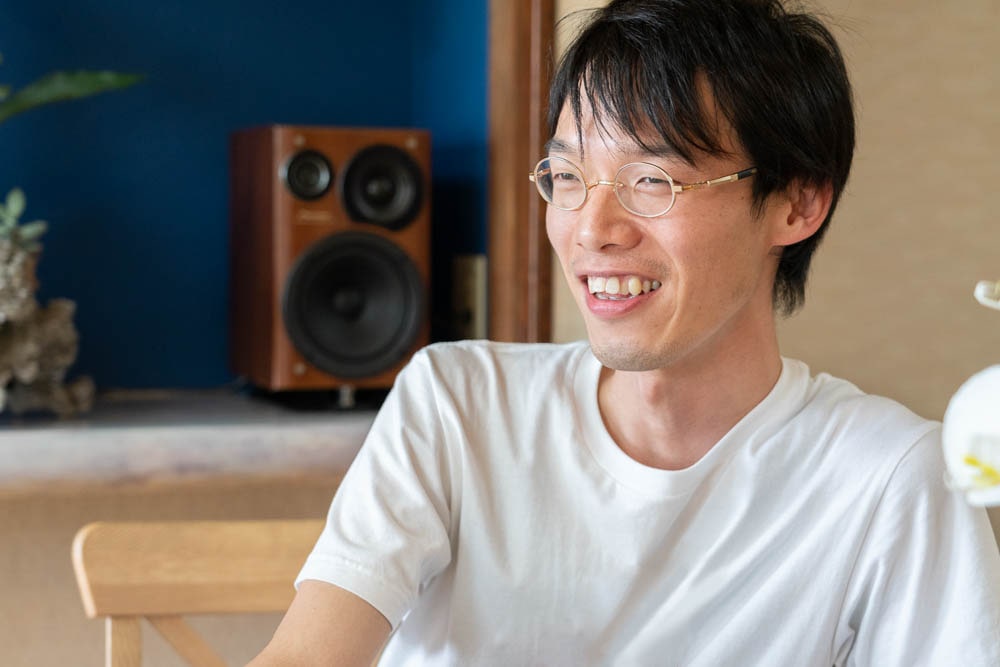
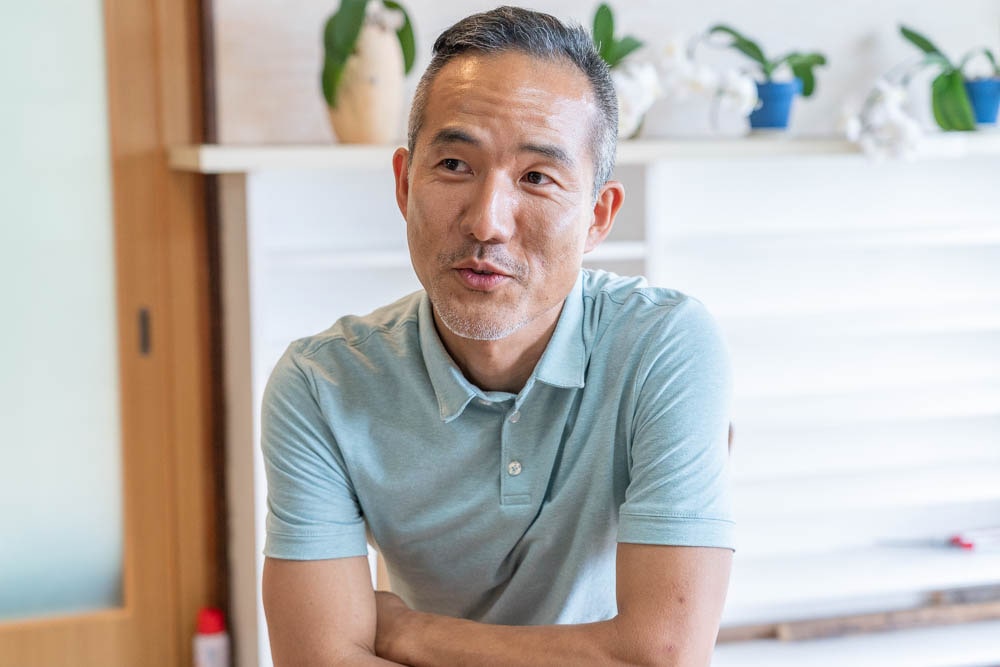
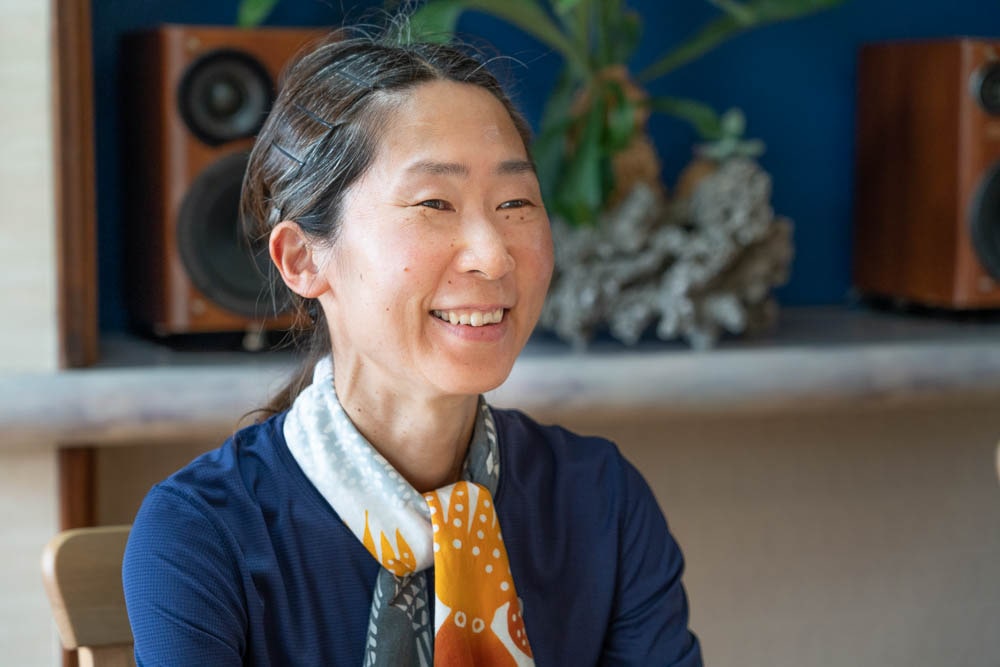
We spoke with Yuya Fujii, co-representative of the limited liability company Remote Island Club, co-representative Hirotsugu Noto, and staff member Nami Mizuguchi.
A Base on the Remote Islands
How did "Setouchi" begin?
Fujii
Originally, this was a building where another person operated a guesthouse.
The former owner had been running the guesthouse while working as a fisherman, with the desire to "revitalize Takashima."
However, due to aging, it became difficult to continue.
With a proposal from the owner, "Setouchi" was established by taking over the building.
I personally wanted to have a base on a remote island and was looking for a location.
Among several candidates, I thought Takashima had the most excitement and a nice location, so I decided on this place.
I am the representative of "Yamamura Enterprise," an NPO that supports the independence of young people who are withdrawn from society.
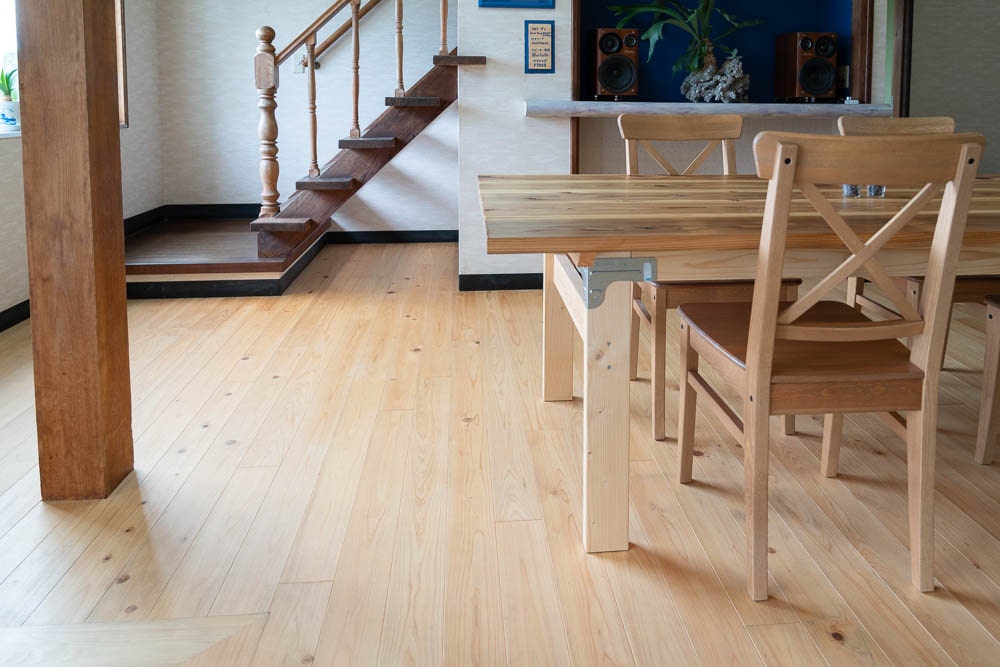
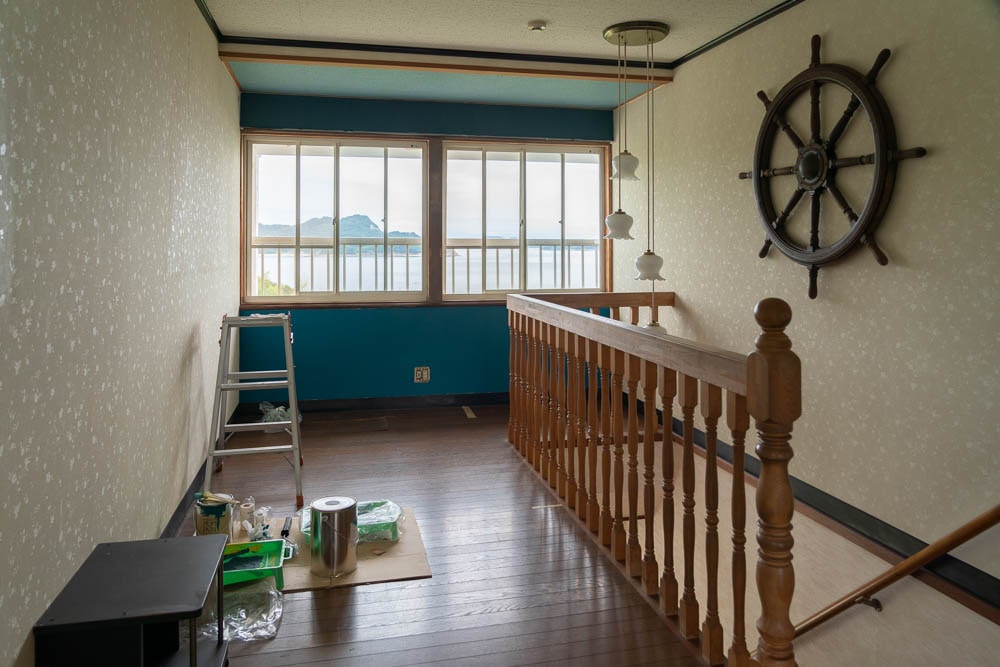
Together with the withdrawn children who are active in Yamamura Enterprise, we occasionally came here to lay flooring and do DIY projects, preparing for about a year.
The dining table was also made with them.
Are there any other reasons you thought Takashima was good?
Fujii
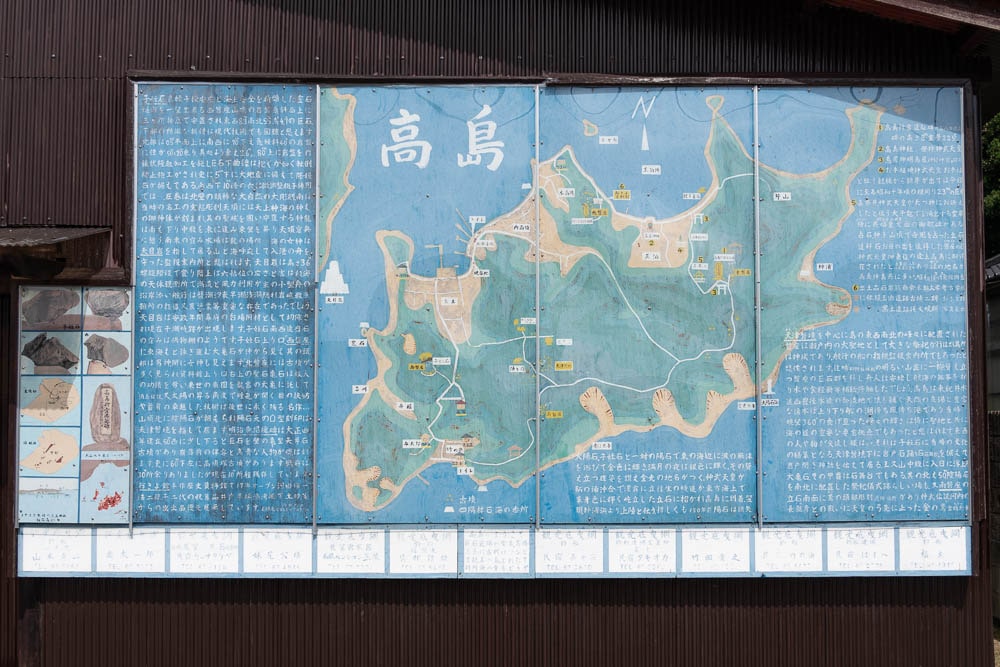
I considered various regions, but when thinking about balancing it with "Yamamura Enterprise," which operates in Mimasaka City, Okayama, I concluded that Okayama was the best.
Within Okayama, I also considered several islands.
In the Kasaoka Islands, Mushima produces craft beer, Manabe Island has guesthouses and residents, and Hishima holds camps for children who are not attending school by utilizing a closed school.
Shiraishi-jima Island and Kitagi-shima Island are somewhat famous as tourist spots.
I thought that Takashima had a lot of population outflow and many challenges, so it was meaningful to work there.
Noto
It’s also nice that it doesn’t feel like a tourist spot.
You hardly meet other guests.
Since there are no cars, I think it’s a really good environment for families with children.
Why did you want to have a base on a remote island?
Fujii
Yamamura Enterprise is located deep in the mountains, creating experiential activities in rural mountain areas and collaborative programs with companies.
As part of Yamamura Enterprise's activities, I had been visiting remote islands for camps and felt that "the resources available on remote islands are completely different from those in the mountains."
One reason was that I thought the sea and seafood were attractive.
Also, I have been visiting remote islands for a long time, and from around 2016, I had a period where I traveled to border islands with Russia, China, and South Korea.
Guesthouses on remote islands are facing challenges nationwide, and the environment surrounding tourism is also changing, leading to many challenges.
Having seen the current situation of many remote islands, I have long had the desire to "do something."
In the future, I hope that Setouchi will become a case that can address the challenges of remote islands.
But that’s a story for the future.
Challenges Faced by Guesthouses on Remote Islands
What are the specific challenges faced by remote islands?
Fujii
In many islands, there are not many young residents.
The guesthouse industry is run by the elderly, who are looking to retire as soon as possible.
In places that cannot be visited in a day, the minimum requirement for people to come from outside is a guesthouse or inn.
If there are no inns, it becomes difficult to maintain the livelihoods of the islanders.
Without traffic, it is also impossible to let people know about the island from the outside.
However, there are challenges with occupancy rates for guesthouses on remote islands.
The average occupancy rate for business hotels in urban areas is about 80%, but for guesthouses on remote islands, it is only 20-30%.
The innkeeping industry has been sluggish nationwide for many years.
Due to low labor productivity, working does not necessarily lead to higher wages, and many inns do not receive many guests in winter.
Additionally, there are market changes.
The form of guesthouses is also changing.
As business hotels have risen and the prices of inns have dropped significantly, traditional guesthouses have become unable to compete. The costs are inevitably high.
The large hall on the first floor of "Setouchi" was originally a banquet hall.
At that time, it was a style where group guests would come for banquets, but as a business model, it is outdated.
We must respond to market changes, but there are few young people on remote islands, making it difficult to invest in facilities, and there are many cases where they are unable to adapt effectively.
The Challenges of the Innkeeping Industry on Remote Islands and the "Setouchi" Challenge
Fujii
However, it is no longer essential to "settle on the island" when operating an inn on a remote island.
Of course, we need to hire staff, but depending on the method, I think it can be done with "coming and going."
With such a method, I thought I could also operate an inn.
We are doing innkeeping for the first time, and we have no certainty that we can do it.
We won’t know until we try, so let’s give it a shot.
I believe that "doing it is valuable, and through doing it, we will acquire skills and be able to do it."
It is indeed tough.
We are currently in the process of trial and error while considering the island's characteristics.
I want to gradually develop our services.
How has it been a few months after opening?
Fujii
Currently, we are affected by the COVID-19 pandemic, which has had a far greater impact than expected.
I have learned that there are such risks in the guesthouse industry.
I am considering what forms may be possible in the with-corona/after-corona era.
Everyone operating an inn is searching for answers.
While taking into account the differences in occupancy rates with urban hotels and market changes, I want to create services that will be appreciated.
Which is stronger, the interest in "wanting to try" or the sense of mission of "having to do it"?
Fujii
I think both are present. How about you, Noto?
Noto
Both are present.
Fujii
There is both a social significance and an interest in wanting to experience it.
What aspects have pleased the guests who have come so far?
Noto
I think the freedom to use the space is appreciated.
For example, guests with preschool children let their kids run around inside the building, jumping from the closet and playing, while the parents chatted in the lobby or cooked in the kitchen.
They can also play pretend cooking with the children's kitchen.
Since there are child-safe knives, if the guardians are watching, we can allow the children to "make a dish."
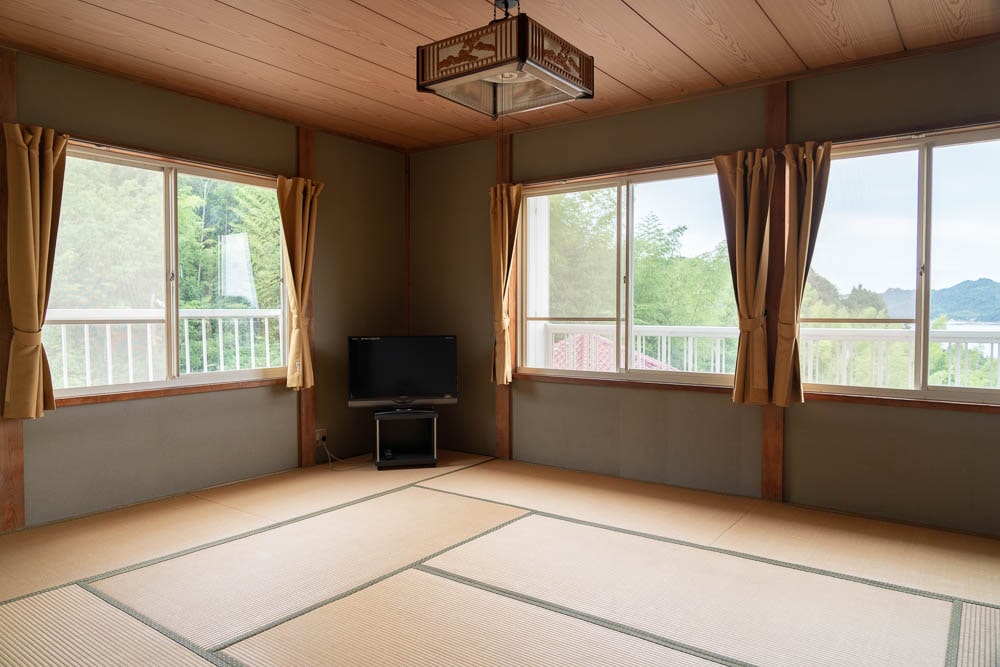
Also, since the rooms have tatami mats, the children were rolling around.
Nature and Activities on Takashima
What kind of plants are there on Takashima?
Mizuguchi
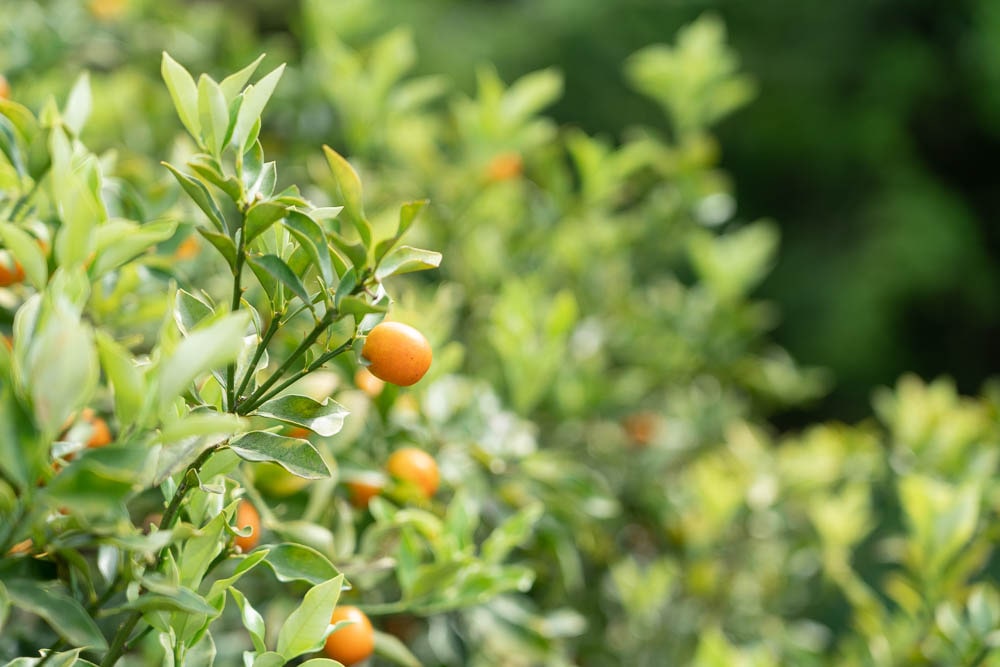
Azaleas are famous. The Kobano Mitsuba Azalea grows wild here.
Fujii
If the season is good, citrus fruits are abundant, and it feels like a paradise.
Are there any recommended activities on the island?
Noto
I recommend the trekking road that allows you to circle the island in about an hour.
It goes up to a high point, so you climb gently, and there are quite a few long stairs. But that’s what makes it so great!
When you climb the long, steep stairs and reach the top, there is a torii gate.
Passing through the torii gate, you come out to a place where it is said that Emperor Jinmu performed divination, and the view is very nice.
Also, at night, you can stargaze.
Since it is on a high point with no houses around, it gets really dark.
Since it is a whole house rental, you can freely turn off the lights of the pension.
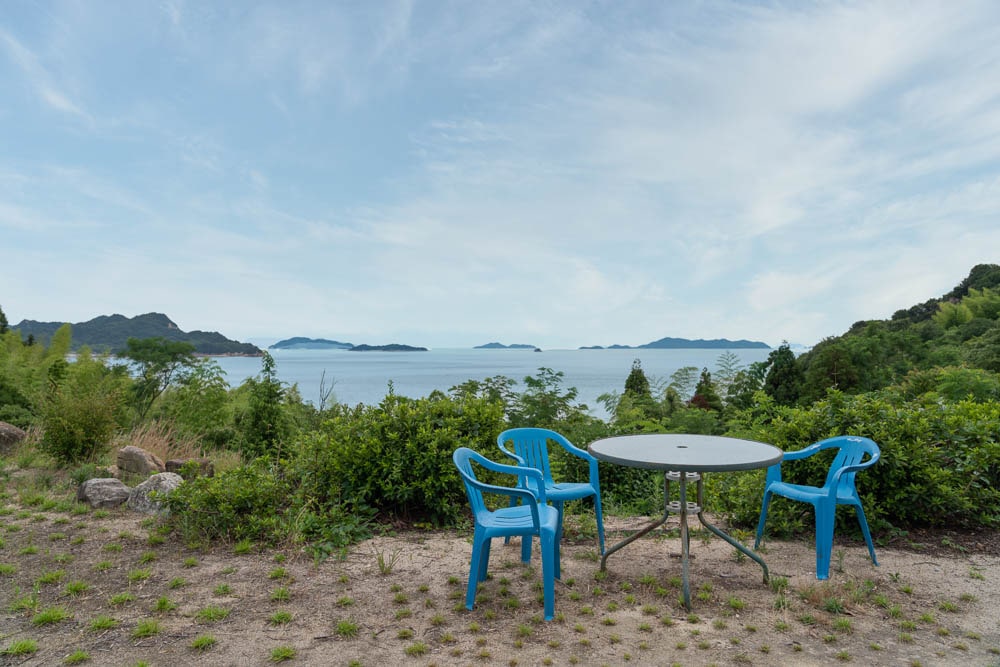
From the garden, the sky is wide and beautiful.
An Open Stay on the Island
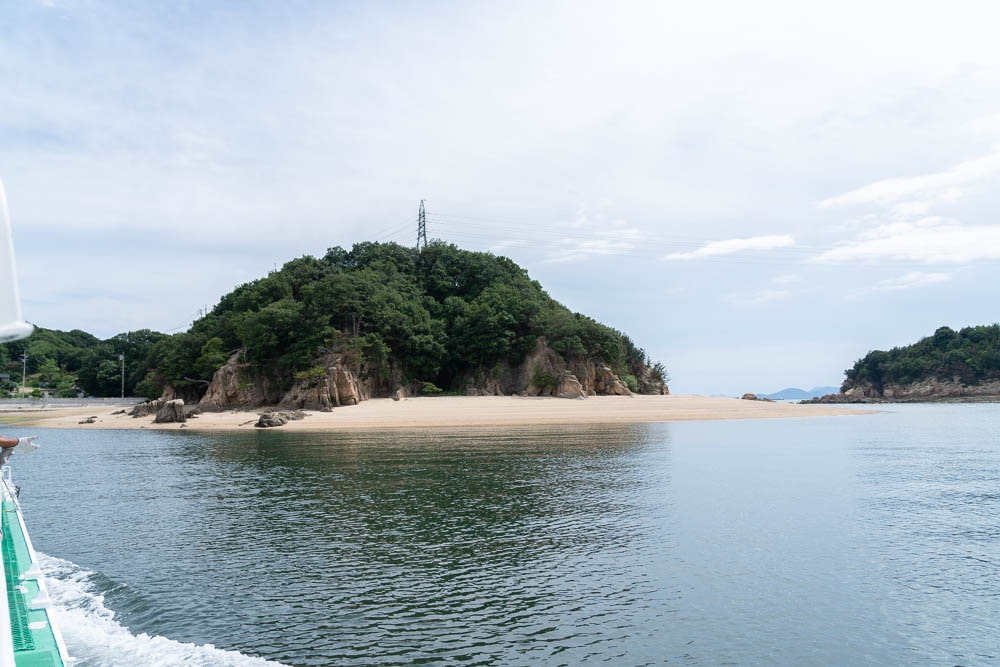
Time spent away from daily life, feeling the sound of the waves and the sea breeze.
The author loves island travel and has even lived on an island for a short time.
The existence of inns supports both those who enjoy island travel and those who live on the island.
The members of the Remote Island Club, who have a social consciousness and actively open up paths, possess both tranquility and passion.
The beauty of the many islands of the Seto Inland Sea and the relaxed atmosphere is truly wonderful.
Why not enjoy an open island trip at "Setouchi" while savoring the goodness of the islands in Setouchi?
Setouchi Information
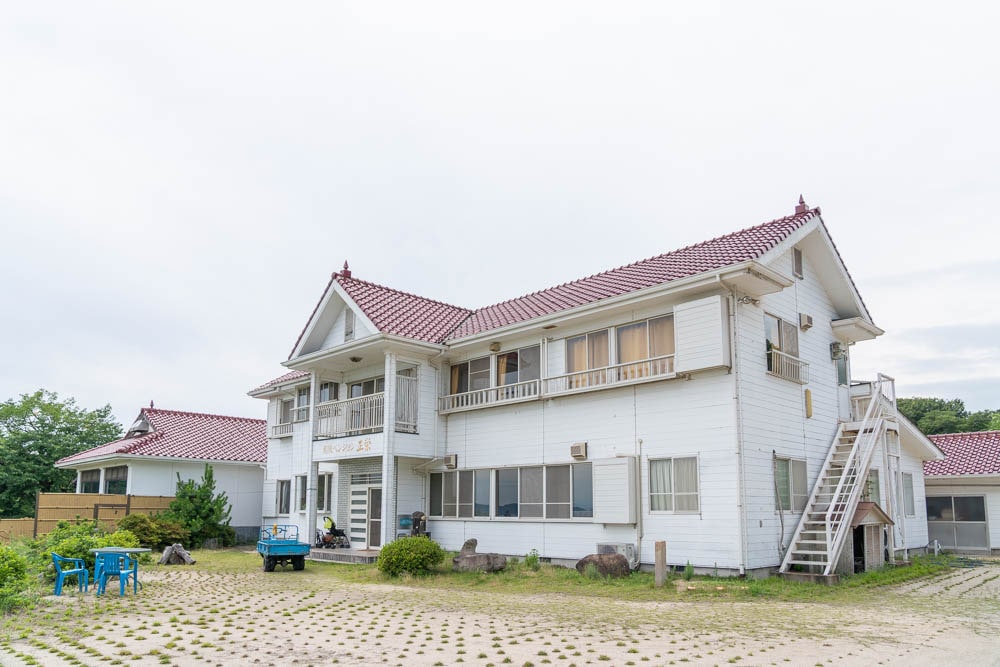
| Name | Setouchi |
|---|---|
| Location | 5151 Takashima, Kasaoka City, Okayama Prefecture |
| Contact | 080-6716-8782 |
| Check-in | 3:00 PM~ ※ Regular ferry arriving at 2:45 PM or 6:15 PM ※ Early check-in (using the regular ferry arriving at 11:46 AM): +10,000 yen (excluding tax) |
| Check-out | ~10:30 AM ※ Late check-out (using the regular ferry departing at 3:10 PM): +10,000 yen (excluding tax) |
| Payment Method |
|
| Facility Information | 6 rooms + dining area, large hall, kitchen, etc. No smoking inside the building Shared toilets on each floor (Western-style 2, Japanese-style 1, men's 4) No meal service Food ingredient sets available (reservation required), BBQ space and kitchen available Rooms with tatami mats |
| Bath | Shared bathroom 1 room for 2-3 people with indoor bath & 2 rooms for 5-6 people with rock bath Rock bath is paid, reservation required |
| Wi-Fi | Available |
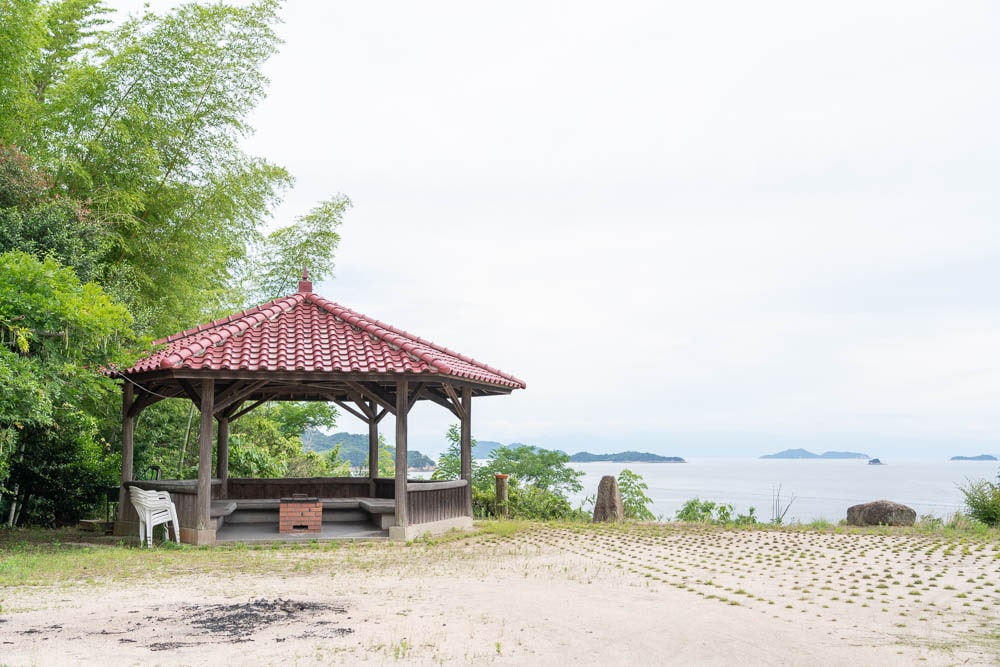
| Parking | None Access by car to the island is not allowed Free parking available around Kasaoka Port and Kamishima Ura Port |
| Website | Private Pension "Setouchi" in the Seto Inland Sea |


What do you want to know about Kurashiki?
Enter a word to search articles from this site