The beginnings of CSR — Building connections ourselves
Community Support Rejoice, which works to prevent isolation in parenting, is run by three people: its representative, Ayami Castillo; Makiko, an occupational therapist and aromatherapist; and Komii, who is active in ventures such as selling fried chicken and working as a life coach.
Ayami also works in schools, making use of her teaching license.
We were unable to interview all three together, but spoke with Makiko and Komii, and later with Ayami.
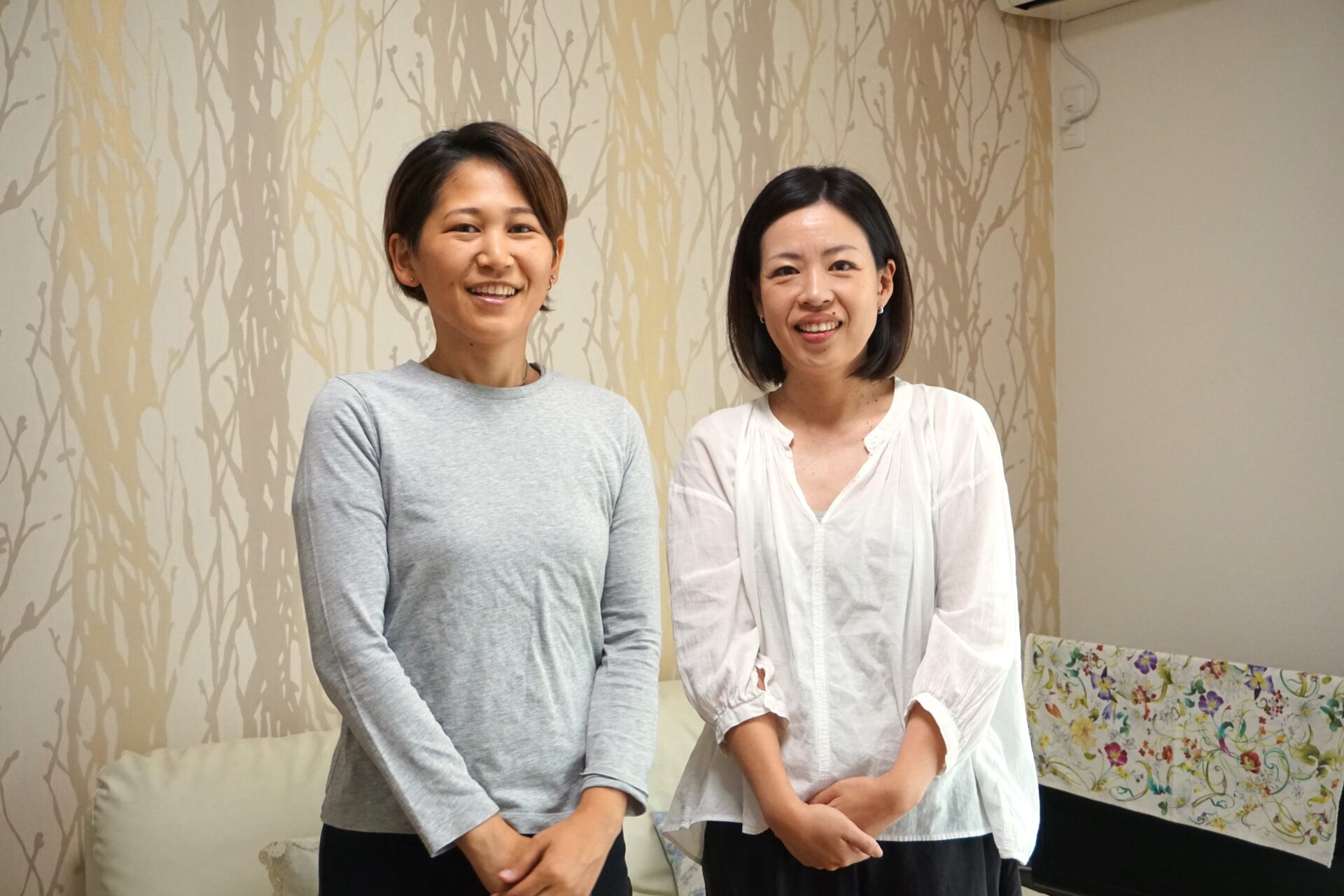
How they met
Tell us how the three of you met.
Komii (surname omitted)
First, it was how Makiko and Ayami met.
Makiko (surname omitted)
Right. I had my second child in May 2020, when a state of emergency had been declared due to the COVID-19 pandemic.
I’m from outside Okayama Prefecture, and I couldn’t meet up with the friends I’d planned to see once I started maternity leave.
I went on parental leave, but everywhere was closed because of COVID.
People I’d met after moving here transferred away, and my older child had to leave daycare, so I spent all my time with my two children, just the three of us.
My parents’ home is also outside the prefecture, so it was hard to go back.
I felt that it wouldn’t be good for the three of us to stay like that, and then I happened to find Ayami’s blog.
It said, “I moved to Tamashima, Kurashiki City, from outside the prefecture, and I teach English to parents and children.”
When I saw that, I thought, “I can go with my child.”
Ayami was also from outside the prefecture and had already started her activities.
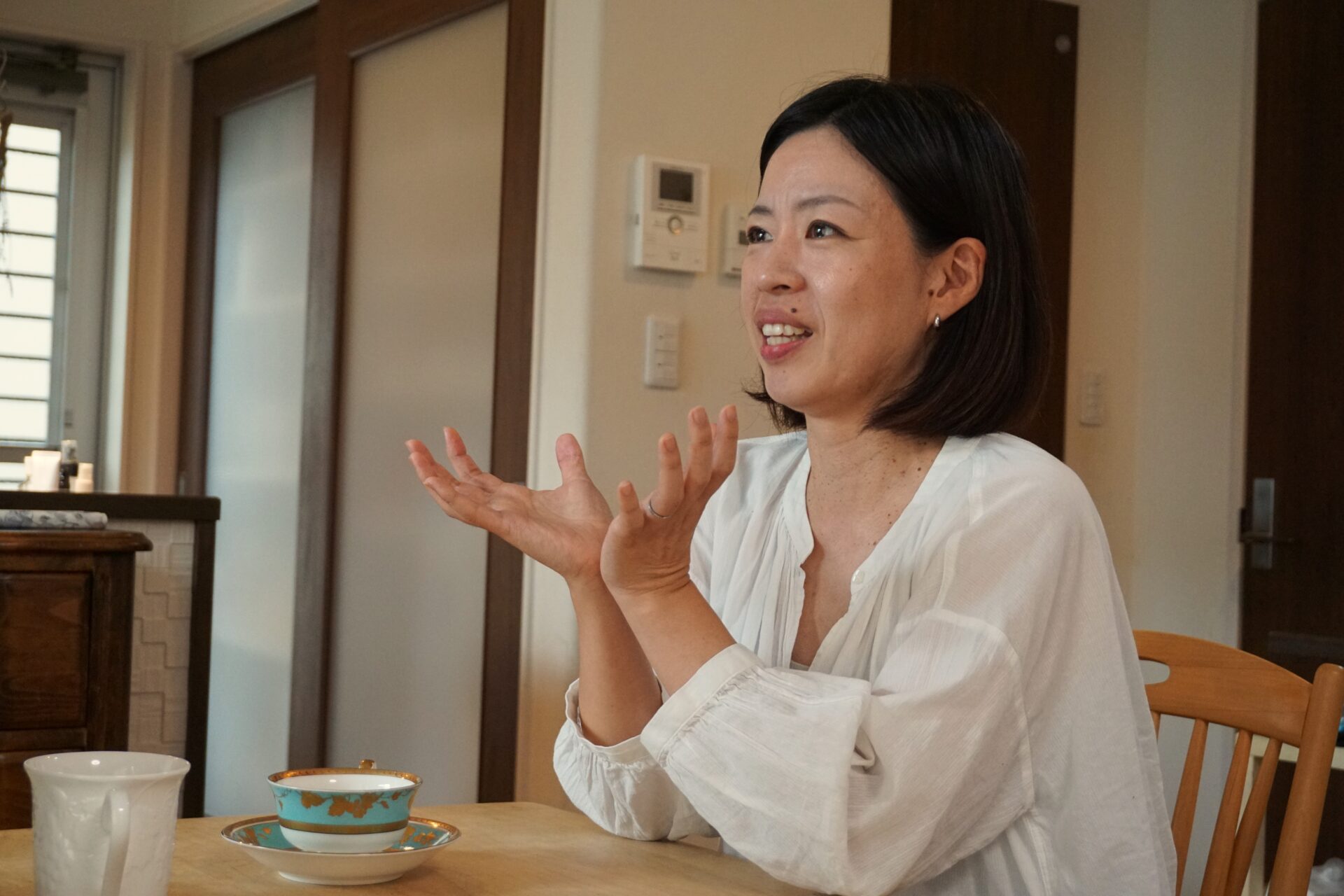
Makiko
That’s right. I went to see Ayami because I desperately wanted to talk to someone.
We talked about English, but it was really hard that temporary childcare and other services weren’t operating, so even when I wanted to leave my child with someone, I couldn’t, and I talked about that too.
After my older child had to leave daycare, my application to enroll my younger child in daycare was rejected, and I ended up quitting my job.
Given the circumstances, we talked about how we could just create a place where Ayami and I could look after children.
Ayami had experience and knowledge because she had helped at a childcare center run by her mother.
From there, we went to consult with the city office and looked for a place.
But of course, there were facility standards to consider, and we needed funding.
That’s true. You’d need staff too.
Exactly. We needed qualified people, like nursery teachers. It was starting to feel like a big undertaking.
We were told that if mothers did something in one part of a building while their children were looked after in a separate space, we wouldn’t need nursery teachers.
I thought that might be possible, but the problem of finding a place remained.
How the group began
CSR began its activities in December 2021. About a year and three months after the two women met, they held their first activity at a community space in Tamashima, Kurashiki City.
What happened to the challenges that had troubled them?
We asked Ayami to look back on that time.
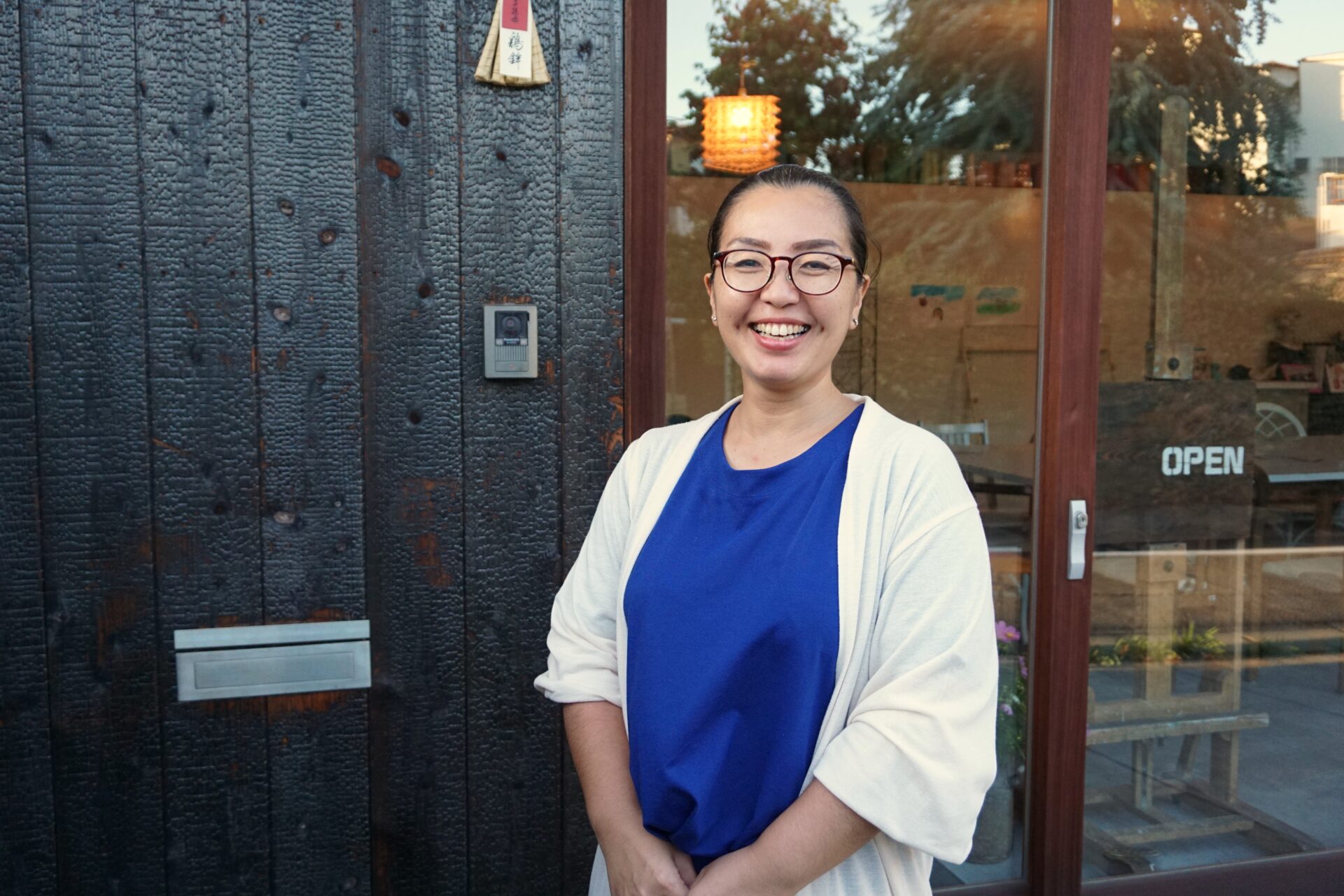
We heard that you faced challenges such as finding a place and funding when starting CSR. Could you tell us how you got started?
Ayami (surname omitted)
While Makiko and I were spending time together and talking about all sorts of things, I came across an announcement for a Mask Dance Party hosted by Oya Company and went along.
That was in February or March 2021.
After that, I took part in Oya Company’s prenatal and postnatal care marche as a childcare volunteer, while Makiko participated as a vendor.
That’s when we learned that we could use the venue where the marche was held for free, and decided to use it as the location for CSR’s first activity.
The prenatal and postnatal care marche was also where we met Komii, who was participating as a childcare volunteer.
Komii herself was there with her child on her back, and we got talking about CSR while volunteering for childcare.
True to her nature, she said, “I’ll support you if there’s anything I can do!” So I immediately invited her to CSR’s first meeting.
I remember being surprised by how clearly Komii put the meeting’s discussion into words, even though she probably didn’t know much about it yet.
That’s how Komii joined us, and it felt as if the final missing piece had fallen into place.
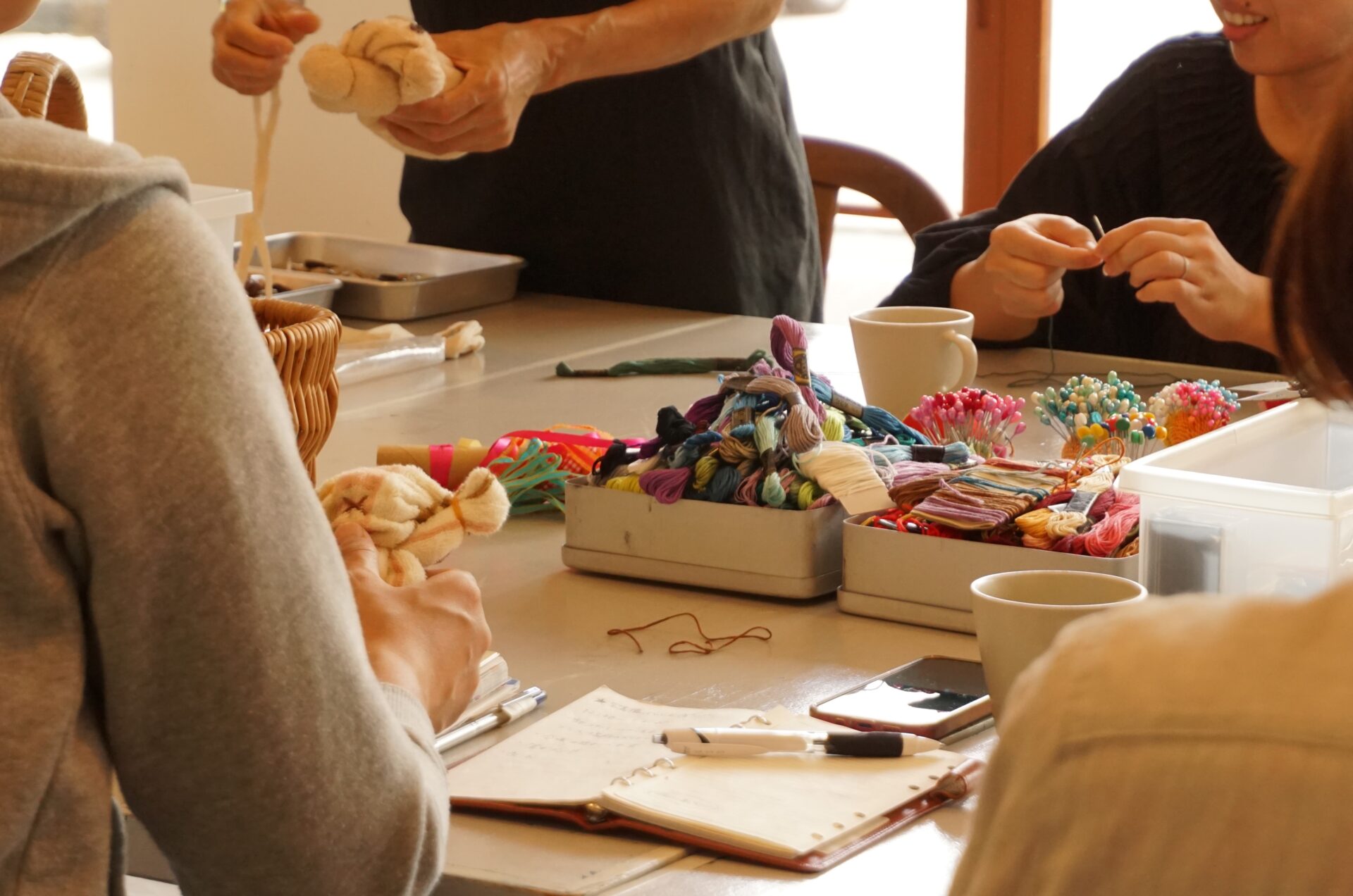
The journey — Choosing what not to do
With Komii joining them, CSR got started with its current three-person team.
Soon after they began, an opportunity to apply for a grant came along.
“Ayami is the accelerator, Makiko is the brake, and Komii puts their exchanges into words. Komii feels like the one holding the map,” Makiko and Komii said, describing their relationship.
The three have moved forward by making the most of and complementing one another, choosing what not to do in order to clarify what matters most.
Each person's motivation and role
What has enabled you to keep going with your activities?
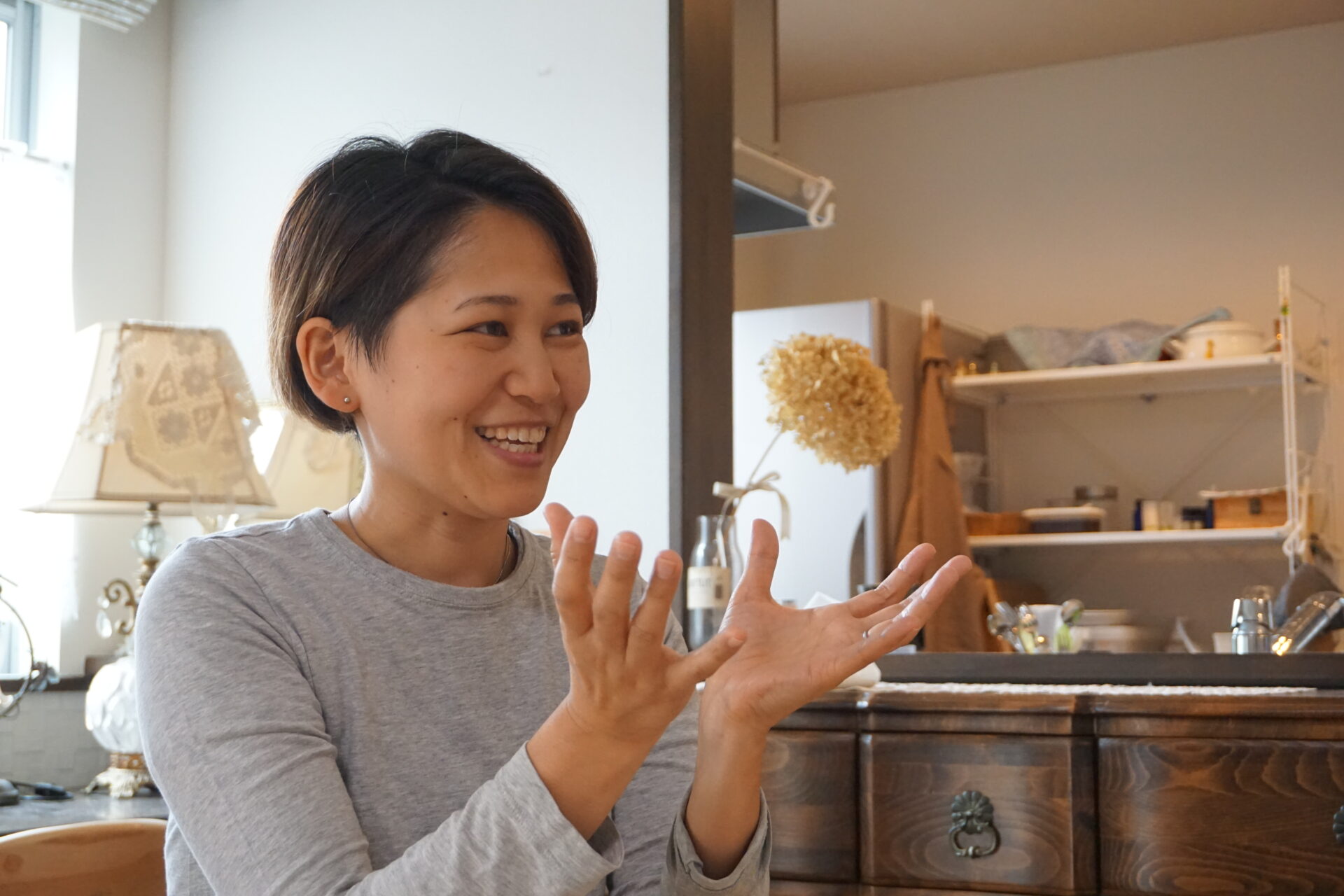
Makiko
For me, it was because I wanted to bring my child along.
I wanted to create a place I would want to go to myself.
Komii
Maybe it’s because I like breathing life into things that have come to a standstill.
That’s how I see it now, anyway.
To begin with, I felt this was a meaningful activity because it aimed to create a place for people who feel alone.
I wanted to help.
Also, when we’re thinking about something, I think it’s easy to get tunnel vision, so I wanted to be there as someone who could offer a different perspective and prompt people to ask, “What was it we really wanted to value?”
At one point, we were rushing around trying to get a grant from the Council of Social Welfare to cover our expenses.
We started wondering, “Was the goal to spend all the money? Do we really need this? Maybe we don’t.”
Makiko
That’s right. We’d completed all the paperwork and were just about to submit it.
In the end, we realized we couldn’t spend the money on the things we wanted to.
You have to use up the grant, but we were worried we’d end up doing things just to spend it.
It would have been putting the cart before the horse. We thought it might actually stop us from freely doing the activities we wanted to, and at the very last moment we asked ourselves, “Do we really need this?”
A year spent focusing on what truly matters
“I’m glad we withdrew the grant application at that point,” says Ayami, the group’s representative.
Ayami had also moved here from outside the prefecture and felt anxious about how to spend time with her children and how to respond in an emergency.
She tried to build connections around the parent-child English classes she had developed in her hometown, but says she felt uncertain starting out under different local and social conditions.
For Ayami too, CSR’s activities were about deepening and cherishing connections.
Through the grant application process and discussions, it became clear what CSR wanted to value.
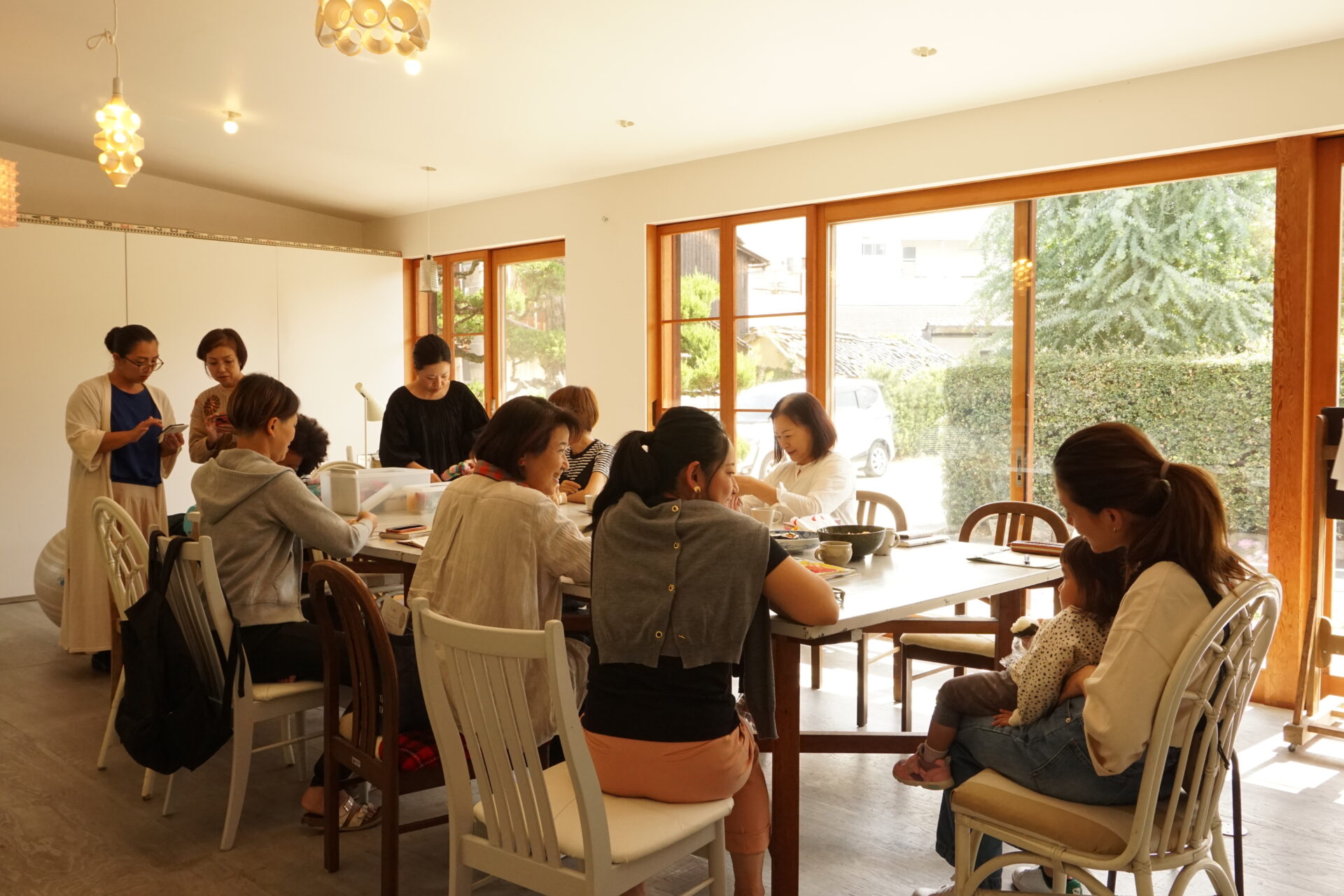
CSR decided not to apply for the grant, but there was something else they had to consider.
Your recent activities seem to focus on networking events. Why is that?
Komii
I feel like we spent about this past year making sure we didn’t lose sight of what matters.
We’ll keep holding networking events; they serve a purpose.
At first, when one thing went well, we were about to fall into the trap of wanting to do more and more different things. But then we thought, “Wait a minute.”
We decided to start by committing to continuing the networking events.
Makiko
Exactly.
The basic idea is to prevent people from raising children in isolation.
The workshops we held before the networking events were really good too, but people would gather and then have little time to share what was on their minds.
That felt like it would take us in a slightly different direction.
Workshops are workshops, and when we hold them, we should focus on the workshop itself.
I thought we needed to provide a place every month where people could let out what they’d been holding inside without anyone judging them. For example, a place where they could complain about their family without being criticized.
Rather than doing that only occasionally, we decided to keep doing it every month, and dropped the workshops.
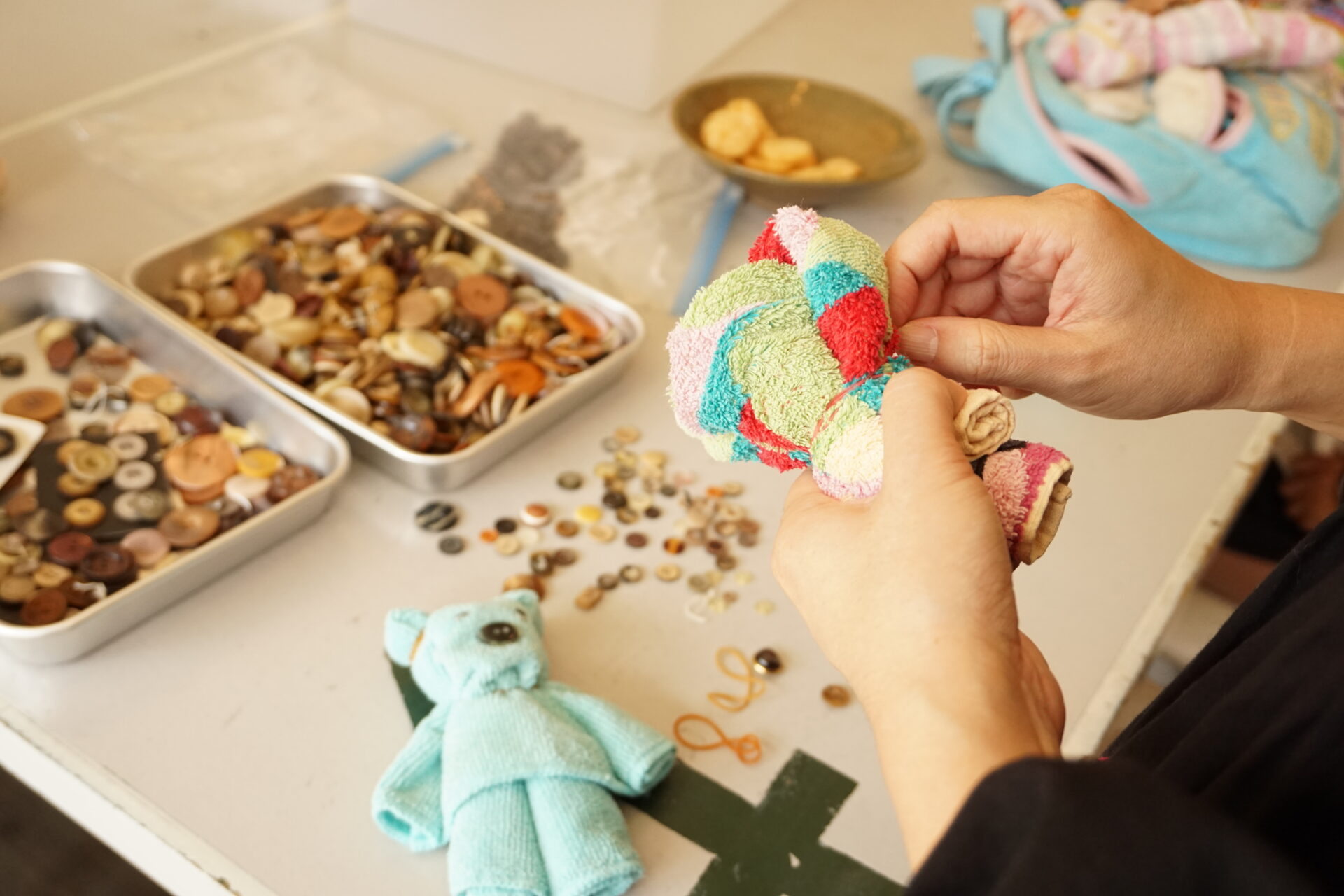
Preventing isolation in parenting
The three chose not to hold workshops and decided to focus their efforts on networking events.
Each of them had their own perspective as parents facing the challenges of raising children.
They want to prevent isolation in parenting.
It was something all three repeated again and again.
So people can ask for help when they need it
Komii wonders whether “there are services that support children, but not many that reach out directly to mothers.”
“Women raising children can talk about their children’s problems, but I feel they can’t—or don’t—talk about their own problems. They’re also not used to talking about them,” Makiko added.
“I feel that everyday life is full of attitudes and words that make mothers think that raising children is hard but enjoyable, and that since it’s hard for everyone else too, they have to put up with it and keep going.”
Ayami says she hopes there will be more open spaces where people can express their negative feelings just as they are, including the frustrations and discomfort they feel while raising children.
I imagine one reason the group was formed was that public support agencies had closed as part of measures to prevent the spread of COVID-19. What would things have been like if those agencies had been open?
Ayami
Actually, even before COVID, when I was still living locally, I had already sensed a kind of disconnect.
It was a feeling of unease, a nagging sense that the words someone was trying to say with good intentions didn’t match the situation of the person right in front of them.
My mother used to provide childcare locally, and I saw mothers come to pick up their children, have a casual chat, and leave feeling a little more relaxed.
Public support and events in public spaces take various needs into consideration.
It’s not a question of right or wrong, and I don’t mean to criticize anyone, but I wondered whether there were people who didn’t fit in there.
I think I was one of those people myself.
There seems to be an assumption that mothers are ready to raise a child from the moment they give birth. I questioned that assumption, and wanted to speak out about it.
At one point, I had the opportunity to attend training run by a volunteer organization that provides home visits to support mothers. The training helped me understand the unease I had been feeling.
It also clarified what isolated parenting looks like, and I wanted to do something about it.
What do you think isolated parenting looks like?
Ayami
It means having no one to turn to and nowhere to go when you need help.
And time for mothers to be alone.
Whether or not you have the option of being alone—even just for a day or an hour—you can feel like yourself again.
We call it isolation, but it’s not that the mother is alone. Isolated parenting means being left behind with your child.
So being alone isn’t what “isolation” means. Rather, parenting becomes isolated when a mother is left behind with her child.
There are also people who can’t ask for help, even when they have someone or somewhere they could turn to.
Ayami
I think that’s isolation, too.
It’s not just visible things that contribute to it; relationships have also become more tenuous.
Sometimes I think ours is a generation that learned from an early age that we need to be considerate even in our family relationships.
When we hear “consideration,” we’re told to put ourselves aside and think of the other person first.
I wonder if we were taught to be considerate of others even when we were the ones who really needed help.
It may be different for other generations, but I feel that today’s mothers and women have this mindset.
You’ve continued holding networking events as an important way to prevent isolation in parenting. Have you seen any changes?
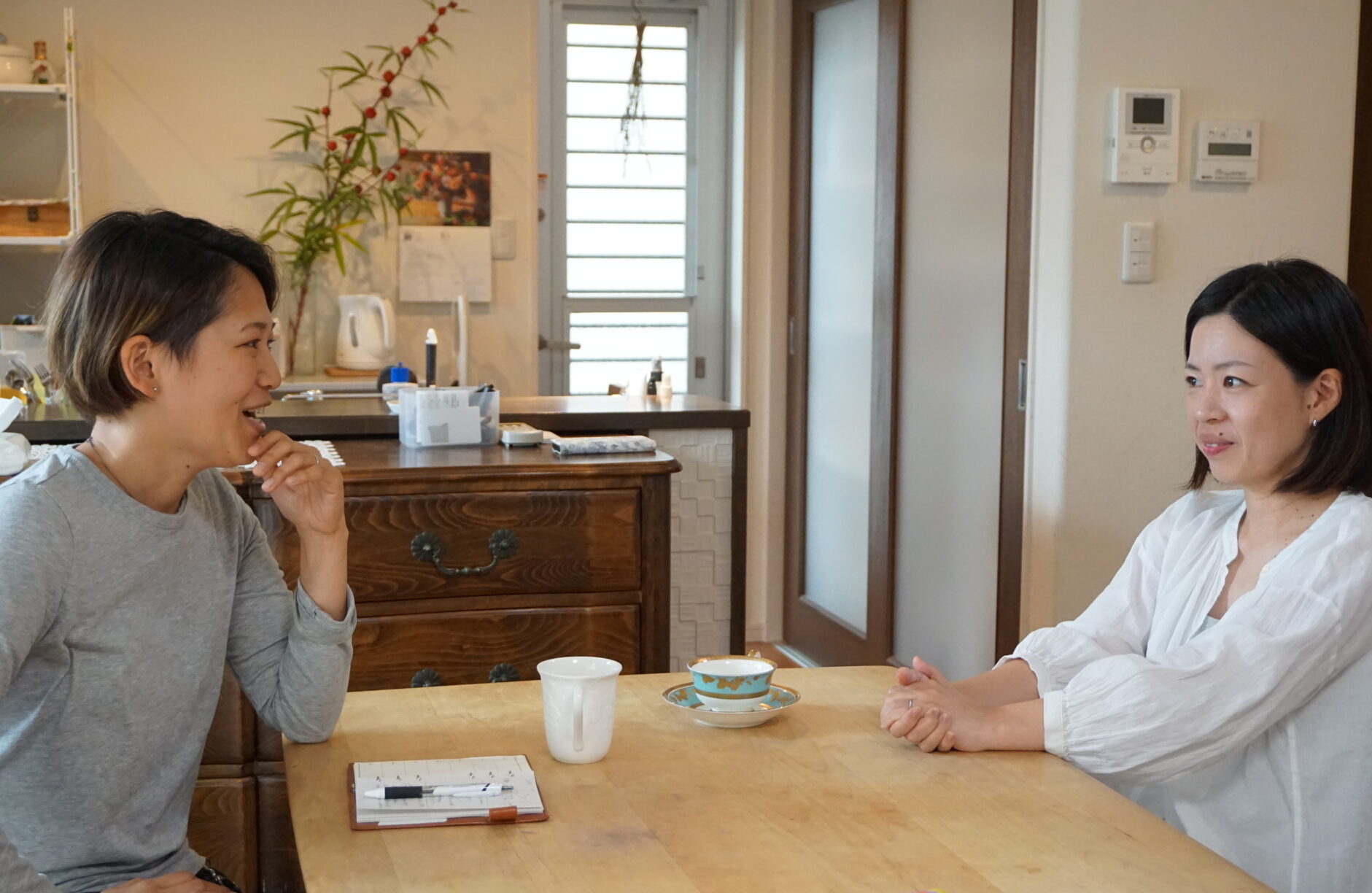
Komii
We only get together once a month, but we can talk about things we don’t usually discuss, and now we can picture the faces of people who might help us in an emergency.
That’s true for me, and for the participants, too.
I heard someone say, “When things were really hard, I thought about calling you so many times.”
I think, “If only you’d called—I would have come!” Maybe it’s a bit like having relatives.
Makiko
I’ve also started to think of several people I can say, “Could you watch my child for a bit?” to when I really can’t manage, like when I have a medical appointment I can’t bring my child to.
I used to be able to rely only on my husband, but now I have people other than him I can say to, “Sorry if something comes up!”
I think it’s great that these events aren’t just networking events, but also a chance to find people you click with and build connections.
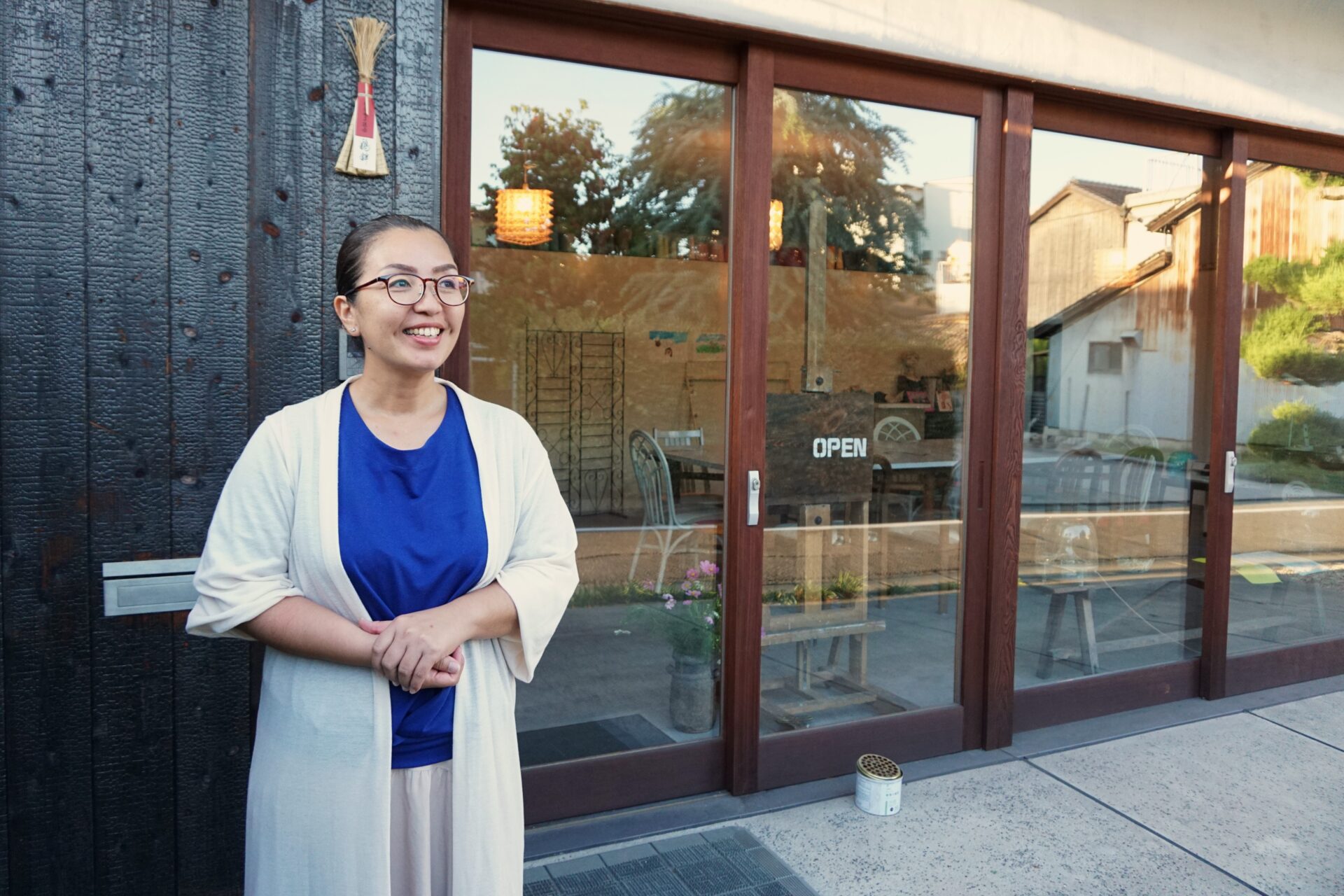
Ayami
Compared with the first year, I’m glad we were able to set the networking event for the second Tuesday of every month.
That’s thanks to Otsuki from IDEA R LAB, who provides the venue for our events.
I hope these events can be a time to let out whatever you need to get off your chest. I’d also like to make time for everyone to listen to one person, so that they can talk at their own pace about what they’re feeling.
All we can do right now is keep doing what we can, so I hope we can continue holding our monthly networking events.
From the Writer
It will soon be two years since two people raising children met while looking for a place for themselves and their children, and the three of us began working together.
We’ve come this far without losing sight of what matters.
Now, we have a steady group of supporters who help sustain the organization, and some participants keep coming back, saying, “It makes me happy to have people share in my child’s growth”.
Going forward, CSR plans to continue holding regular networking events and is considering restarting its workshops, while also looking ahead to new possibilities.
“I hope we can bring connections to people who can’t make it to the networking events, too.”
These days, events such as disasters and the COVID-19 pandemic seem to put our ability to connect to the test.
I hope to do what I can to help people from all walks of life maintain connections, not just women raising children.
Community Support Rejoice, working to prevent isolation in parenting Information

| Organization name | Community Support Rejoice, working to prevent isolation in parenting |
|---|---|
| Representative | Castillo Ayami |
| Year established | 2021 |
| Address | 3-4-5 Tamashima Chuo-cho, Kurashiki City, Okayama Prefecture |
| Website | Community Support Rejoice, working to prevent isolation in parenting |



What would you like to know about Kurashiki?
Enter a search term to find articles on this site