Riding a bus and being guided by a tour conductor to efficiently visit famous spots... this is probably the image of group travel.
While group travel is often associated with major attractions, a completely different style has emerged with "Yoshiya BASE Co., Ltd." in Kurashiki City.
This travel company plans and operates tours called TAKAHASHIGAWA TRAVEL, which incorporate experiences and interactions with local people.
The first tour focuses on folkcraft.
I was invited to a monitor tour titled Super Experiential Kurashiki Folkcraft Tour, which intentionally shines a spotlight on a niche area, and I participated.
I will thoroughly introduce the tour content.
Features of TAKAHASHIGAWA TRAVEL
TAKAHASHIGAWA TRAVEL has unique features that other travel companies do not offer.
Here are three reasons that summarize its uniqueness.
- The travel destinations are mainly in the Takahashi River basin
- The target audience is foreign travelers
- Participants engage with locals and experience through their five senses
The Takahashi River basin includes the regions of Kurashiki City, Soja City, Hayashima Town, Asakuchi City, Satosho Town, Kasaoka City, Yakage Town, Ibara City, Takahashi City, and Niimi City.
With an interpreter guide, foreign travelers who do not understand Japanese can participate with peace of mind.
The focus on local engagement and travel services for foreigners clearly sets it apart from other companies.
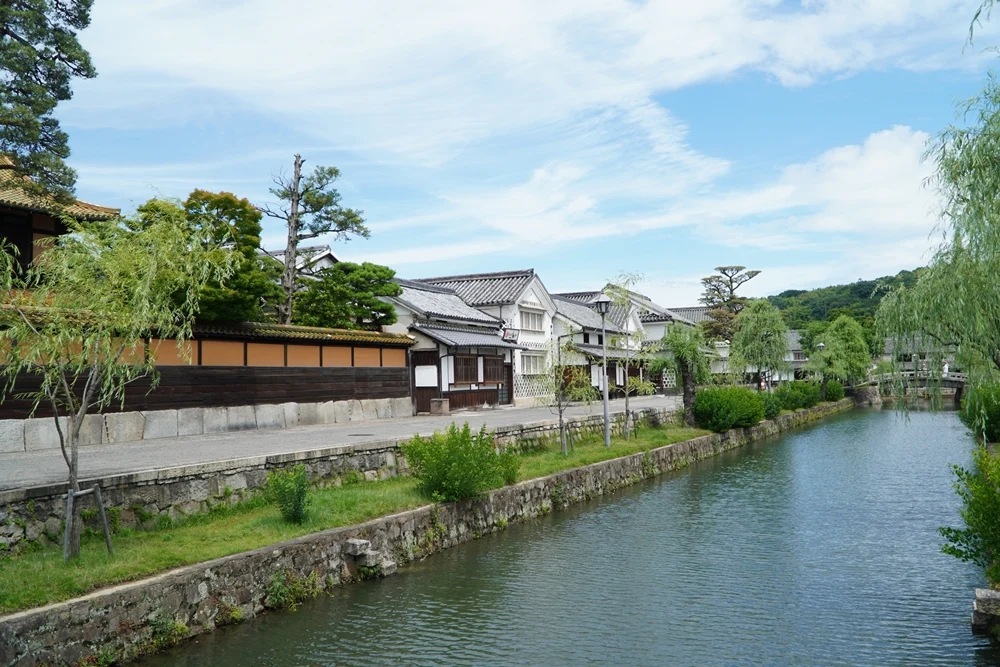
▼ Additionally, the focus points are also uniquely different.
- Implementing tours themed around the Takahashi River
- Allowing participants to feel the story of the tour
- Having the guides and interpreters themselves be part of the attraction
The first tour, held in November 2022, was themed around folkcraft.
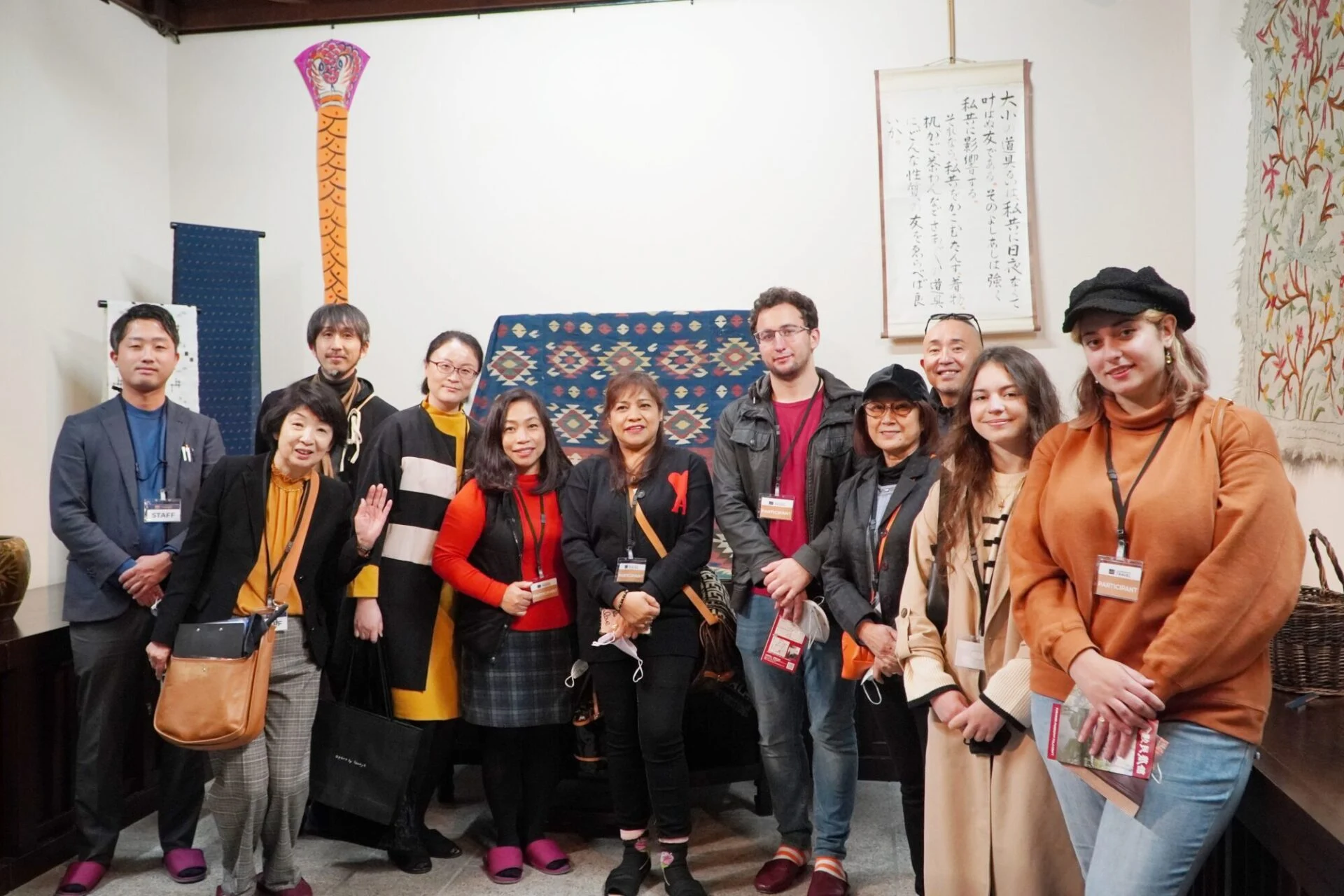
▼ Tour itinerary
| Time | Tour Content |
|---|---|
| 9:30 AM | Gather at Ohara House Katalyzer |
| 10:00 AM | Explanation by Yamamoto-san, the owner of the Tooru Folkcraft Shop |
| 10:30 AM | Indoor tour of Kurashiki Museum of Folkcraft |
| 11:15 AM | Head to Mukai-sou while enjoying the townscape of Kurashiki |
| 11:40 AM | Selecting folkcraft tableware |
| 12:00 PM | Rolled sushi making experience - tasting |
| 2:00 PM | Stop by Handmade Shop Kurashiki Folkcraft and Tooru Folkcraft Shop |
Now, before introducing the tour content, let me introduce the guides.
Tour Guides
Let me introduce the people involved in the first tour.
Hiroyuki Hara from Yoshiya BASE Co., Ltd. is dedicated to regional revitalization, operating the café Hoshino Hikari no Sumiwatari.
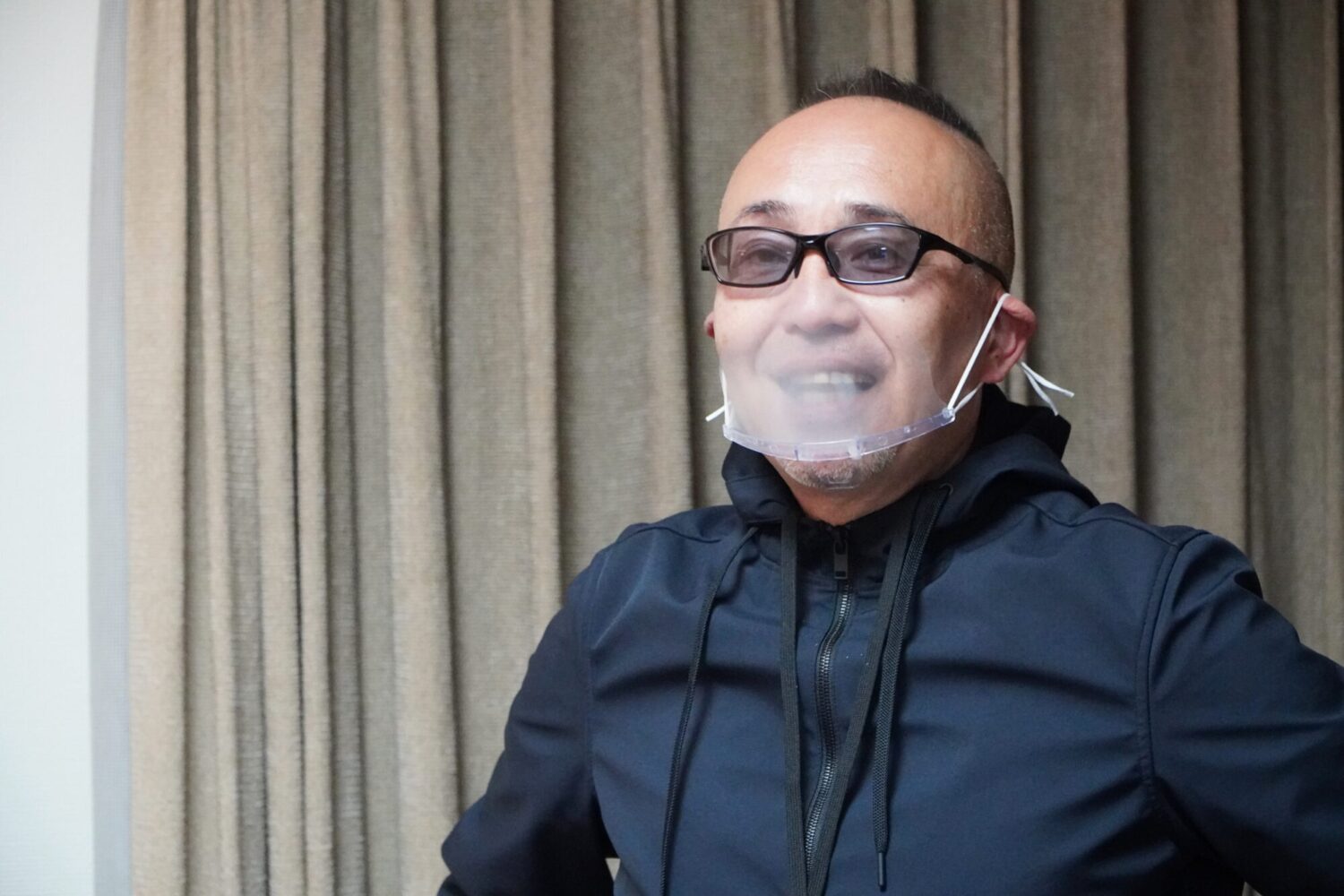
In his opening greeting for the tour, he called on participants to "feel and enjoy the unique story of TAKAHASHIGAWA TRAVEL."
The one coordinating the tour to ensure it runs smoothly is tour coordinator Shota Oura.
I will summarize Oura-san's comments from the tour guide pamphlet.
Beautiful scenery and photogenic gourmet spots can easily be found on the internet or in travel magazines. On the other hand, cultural content tends to be overlooked. The tour delves deeply into the charm of the guides, making it a memorable experience.
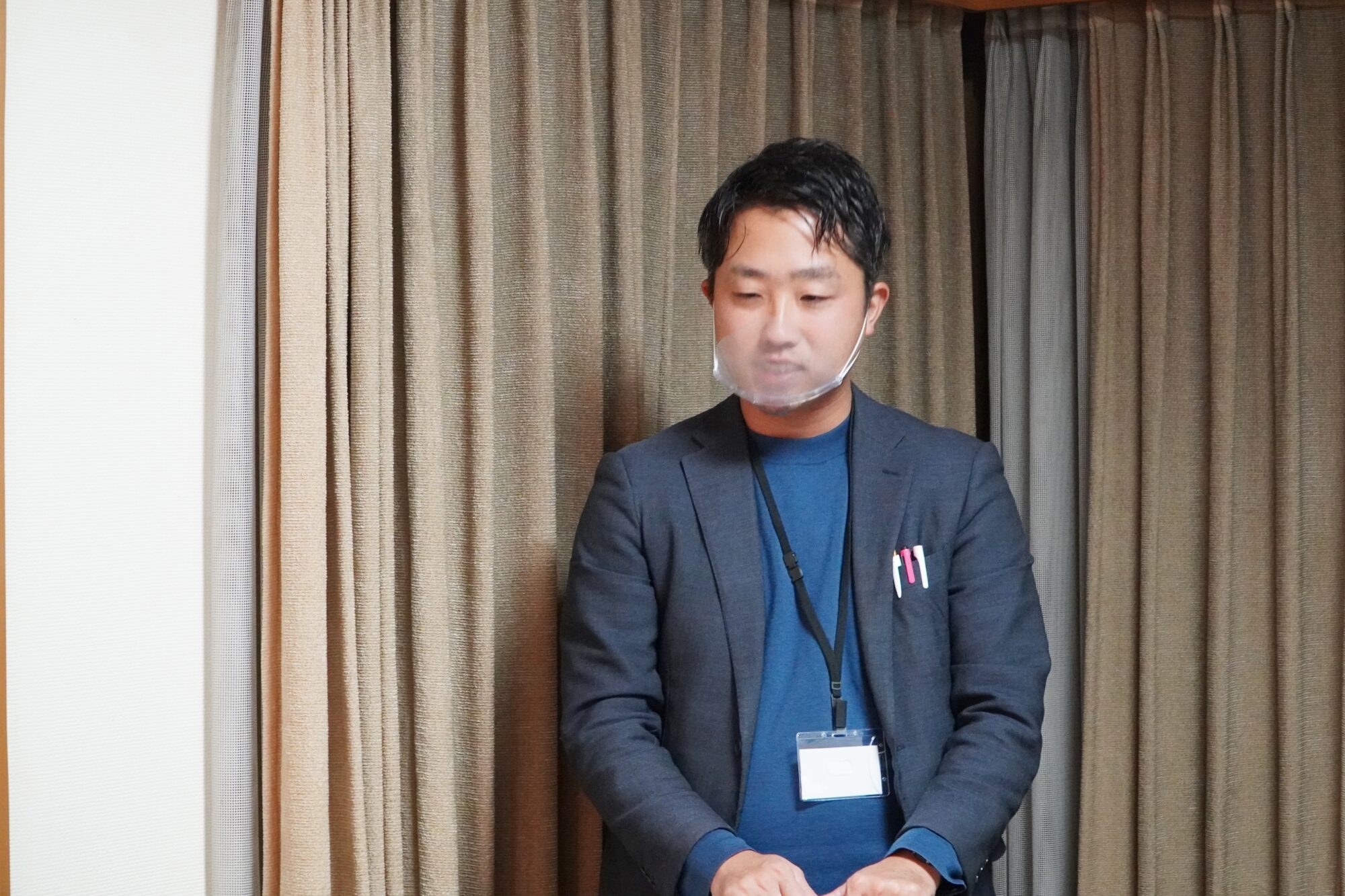
By shining a spotlight on niche areas, the tours become unique and memorable experiences.
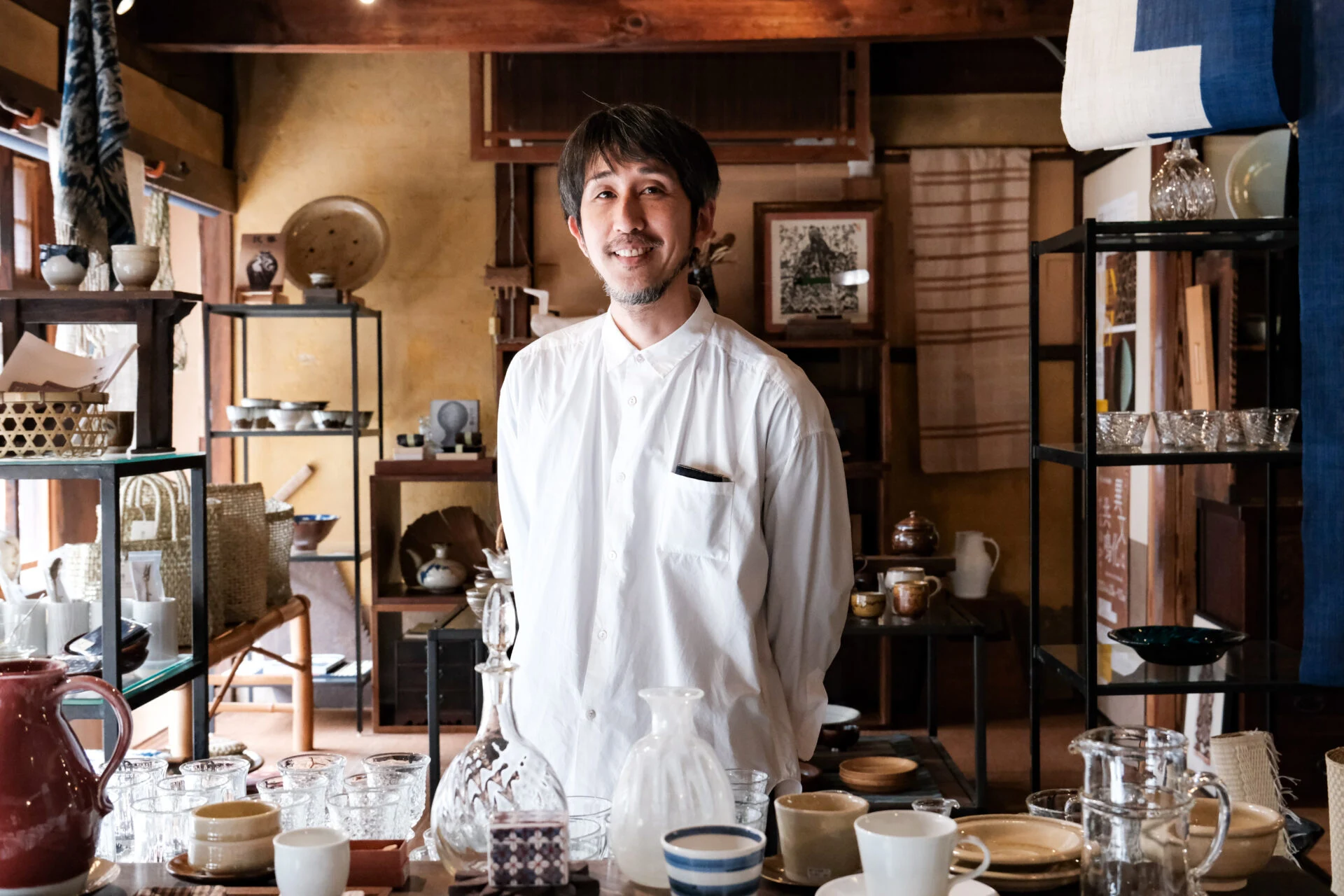
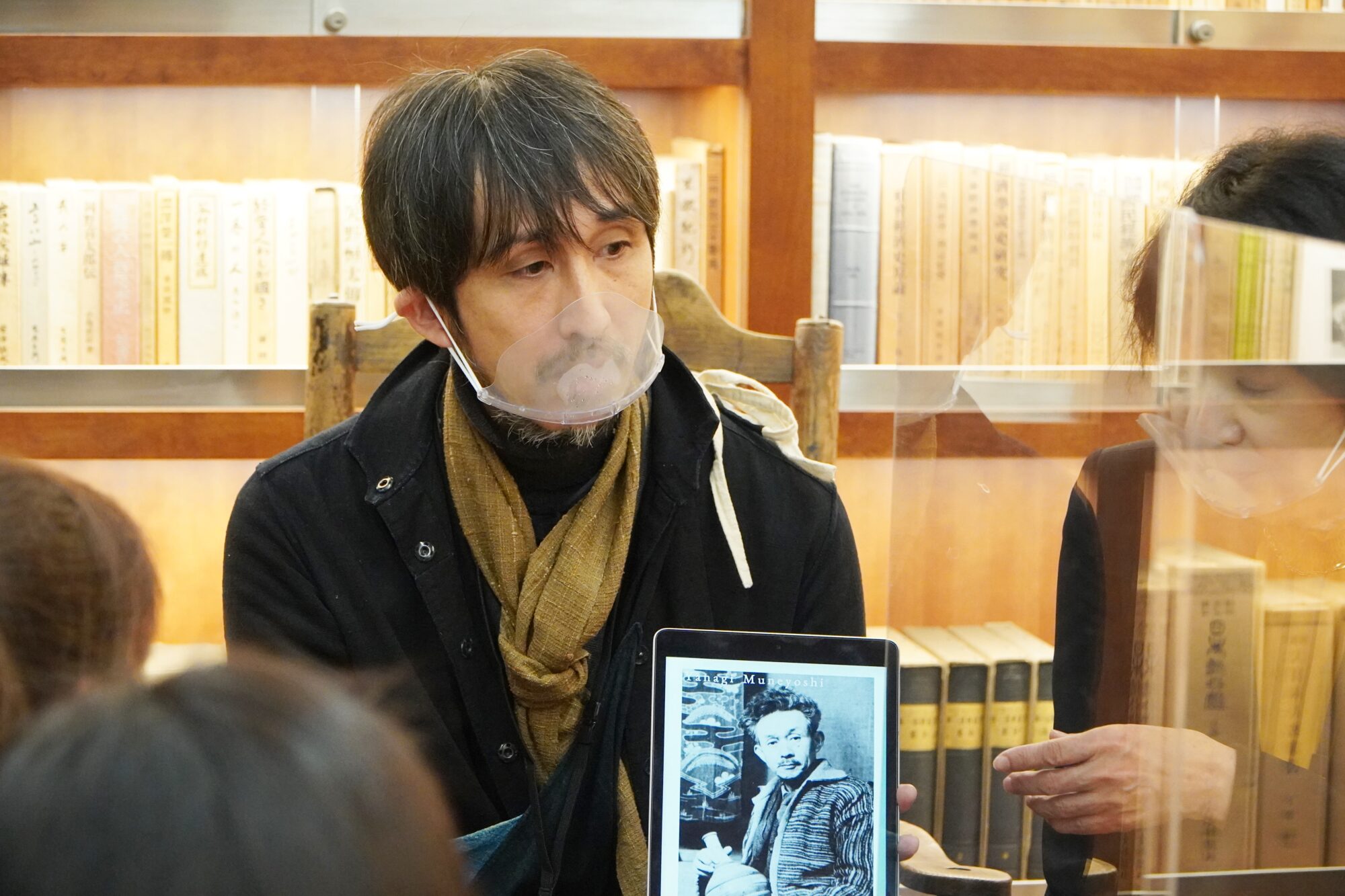
Instructor Takanori Yamamoto explained folkcraft in an easy-to-understand manner for beginners during the tour.
Yamamoto-san is the second-generation owner of the long-established folkcraft shop Tooru Folkcraft Shop located in the Bikan Historical Area.
Naoko Hara served as the instructor for the rolled sushi making.
It is said that Hara-san has a story about making rolled sushi for her daughter when she was a student.
She lectured the participants on how to make rolled sushi, which holds those memories.
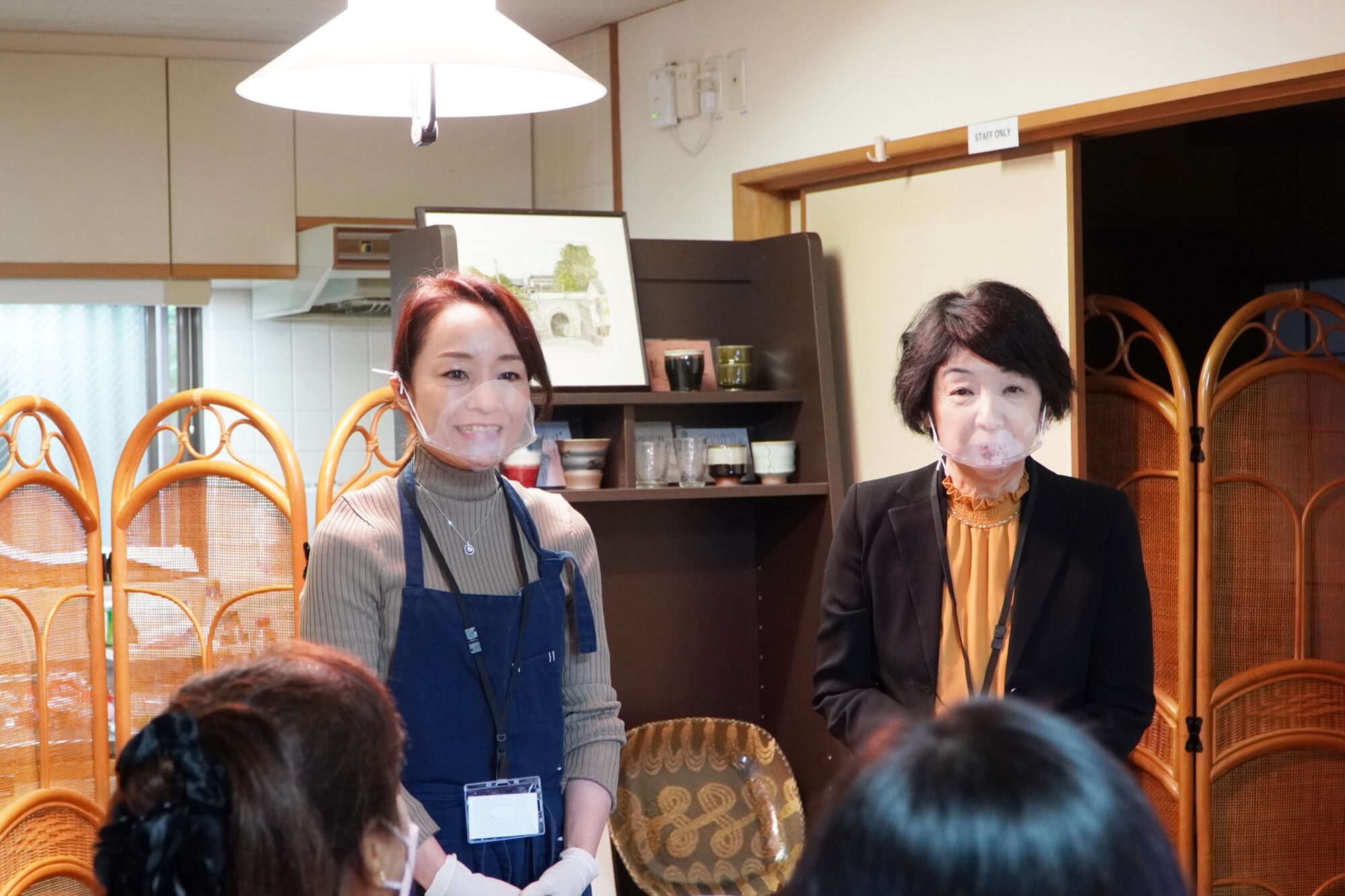
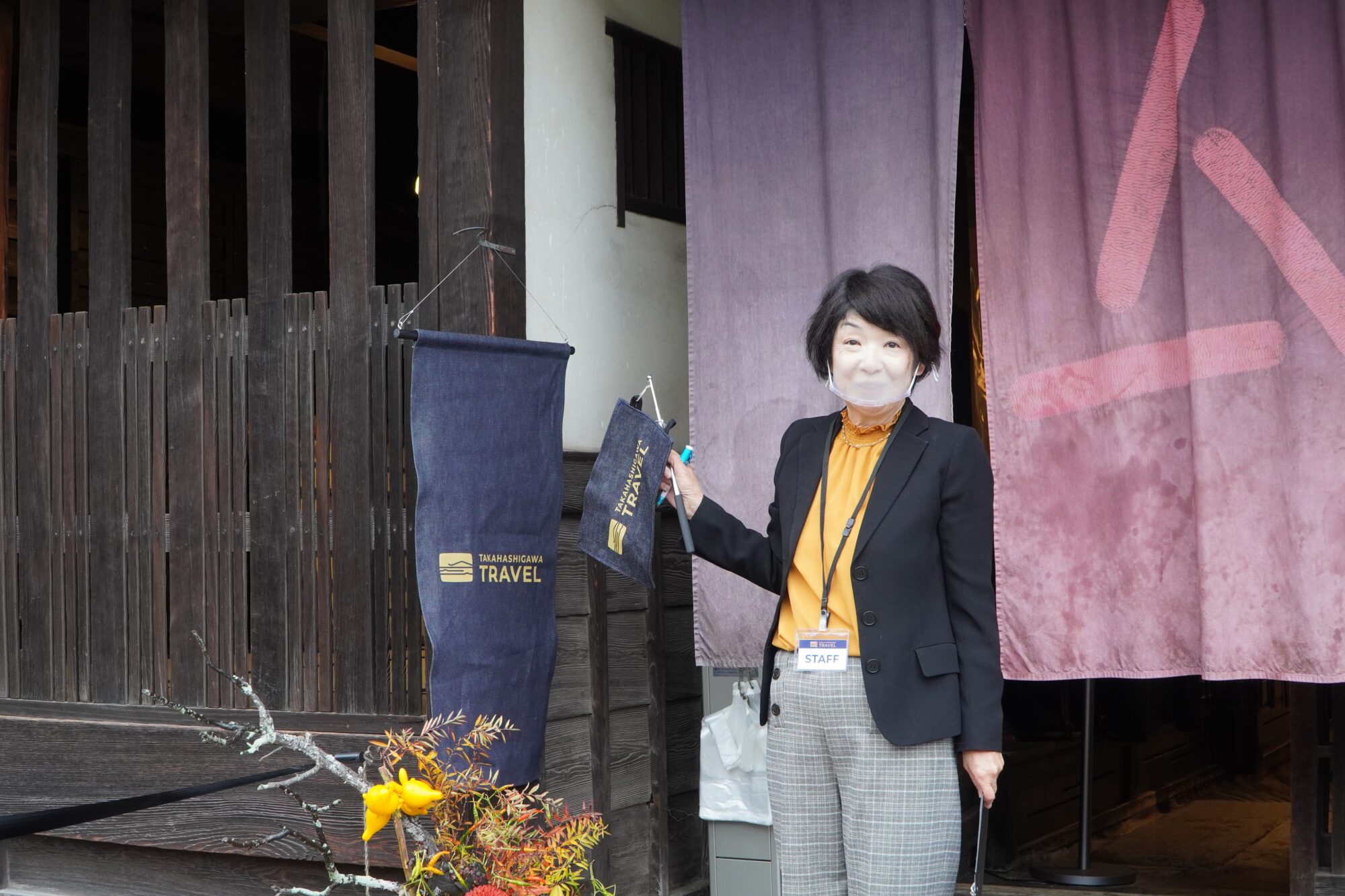
The interpreter is Yuko Sensaki.
She translated the difficult explanations of folkcraft into easy-to-understand English.
She plays an important role in connecting the instructors and participants.
With Sensaki-san's cheerful demeanor and careful English, even participants meeting for the first time felt their tension ease.
Tour Content
The approximately 5-hour tour was very rich in content and memorable.
Even as a local from Kurashiki, it was my first time focusing on folkcraft while touring the Bikan Historical Area.
Let me introduce the tour content in chronological order.
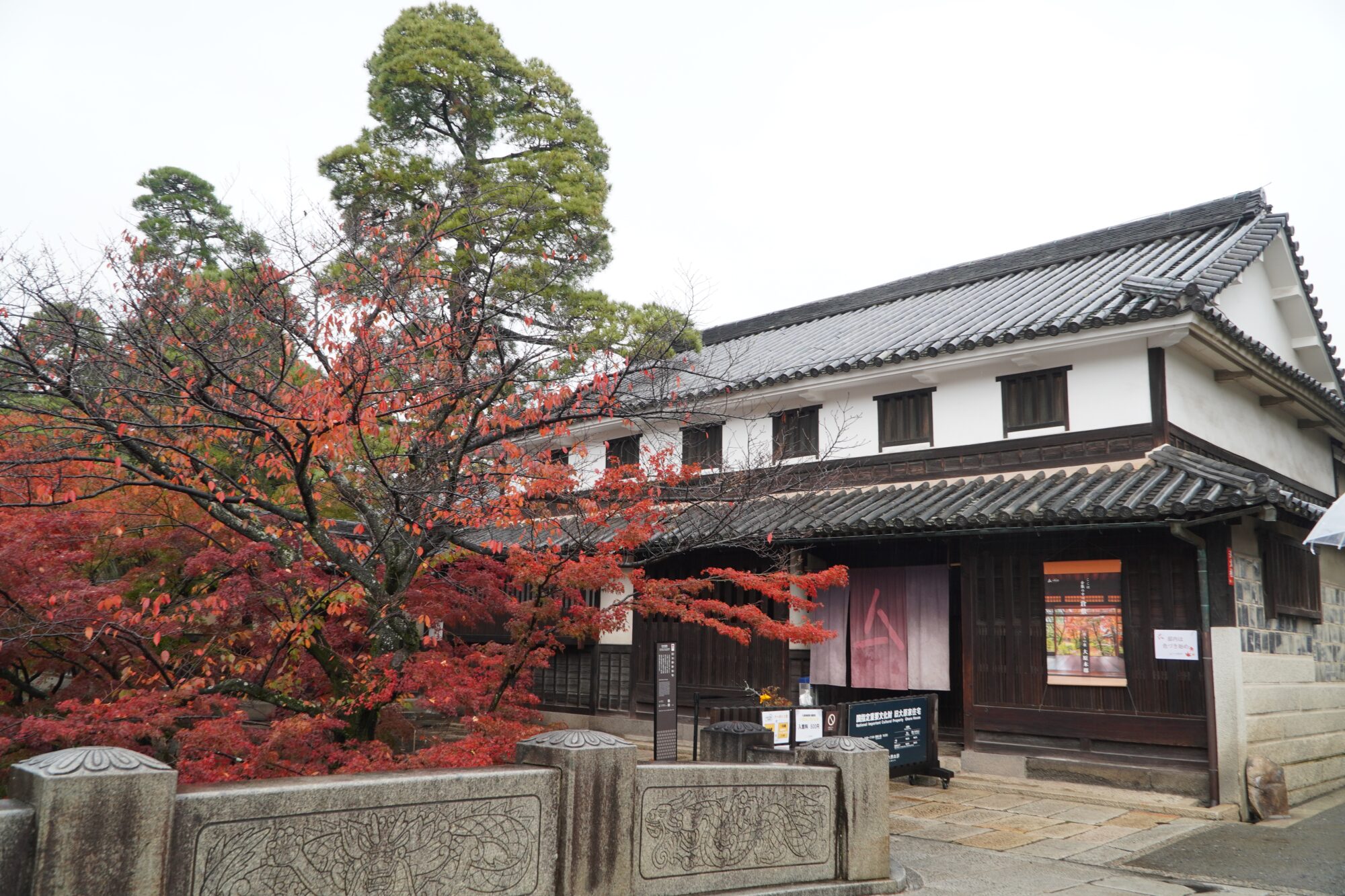
Learning about folkcraft at Ohara House Katalyzer
The journey begins at "Ohara House Katalyzer."
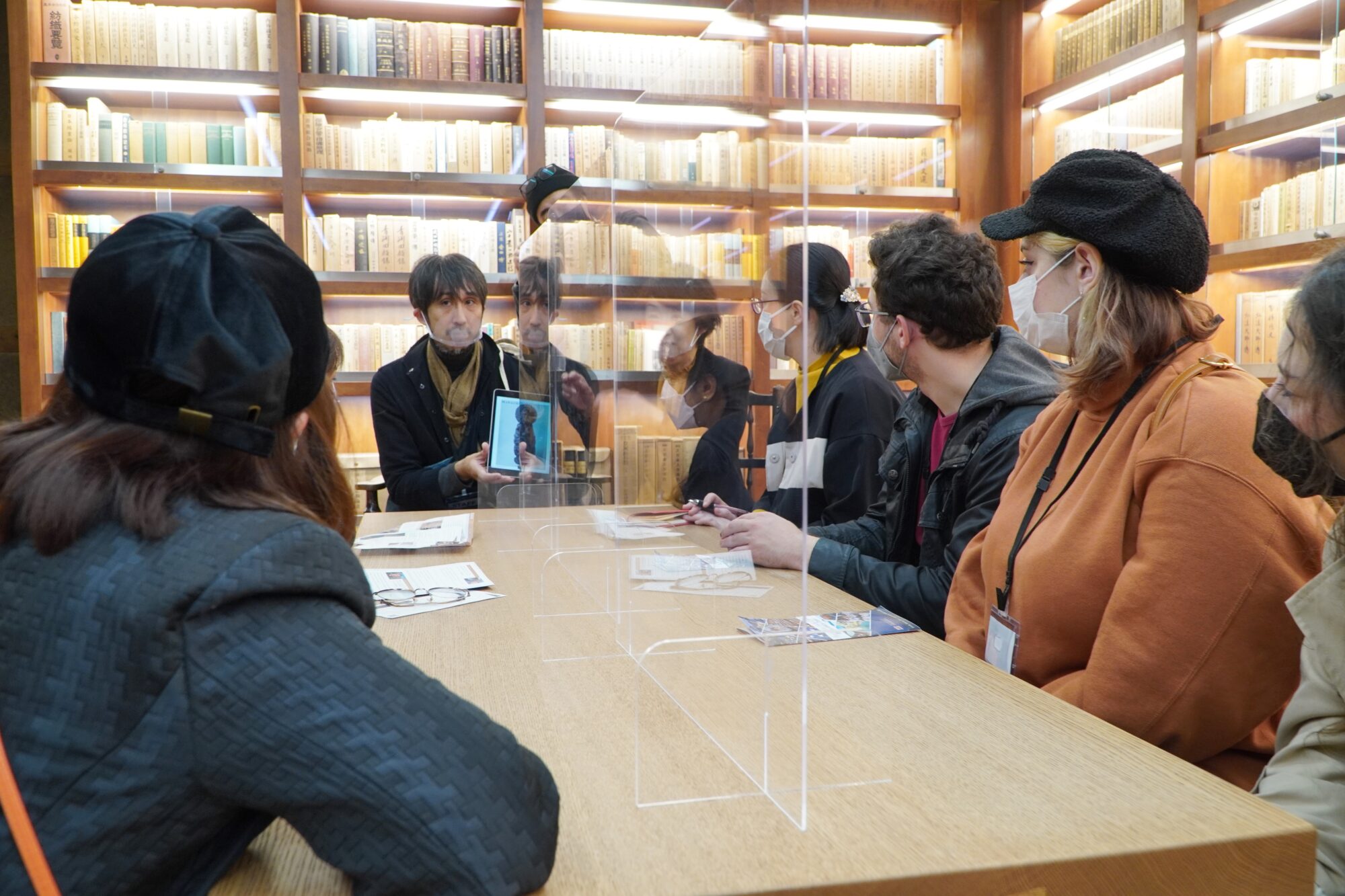
I learned about folkcraft from Yamamoto-san at the book café on the premises.
Let me summarize Yamamoto-san's explanation briefly.
The person who spread folkcraft in Japan was the thinker Muneyoshi Yanagi.
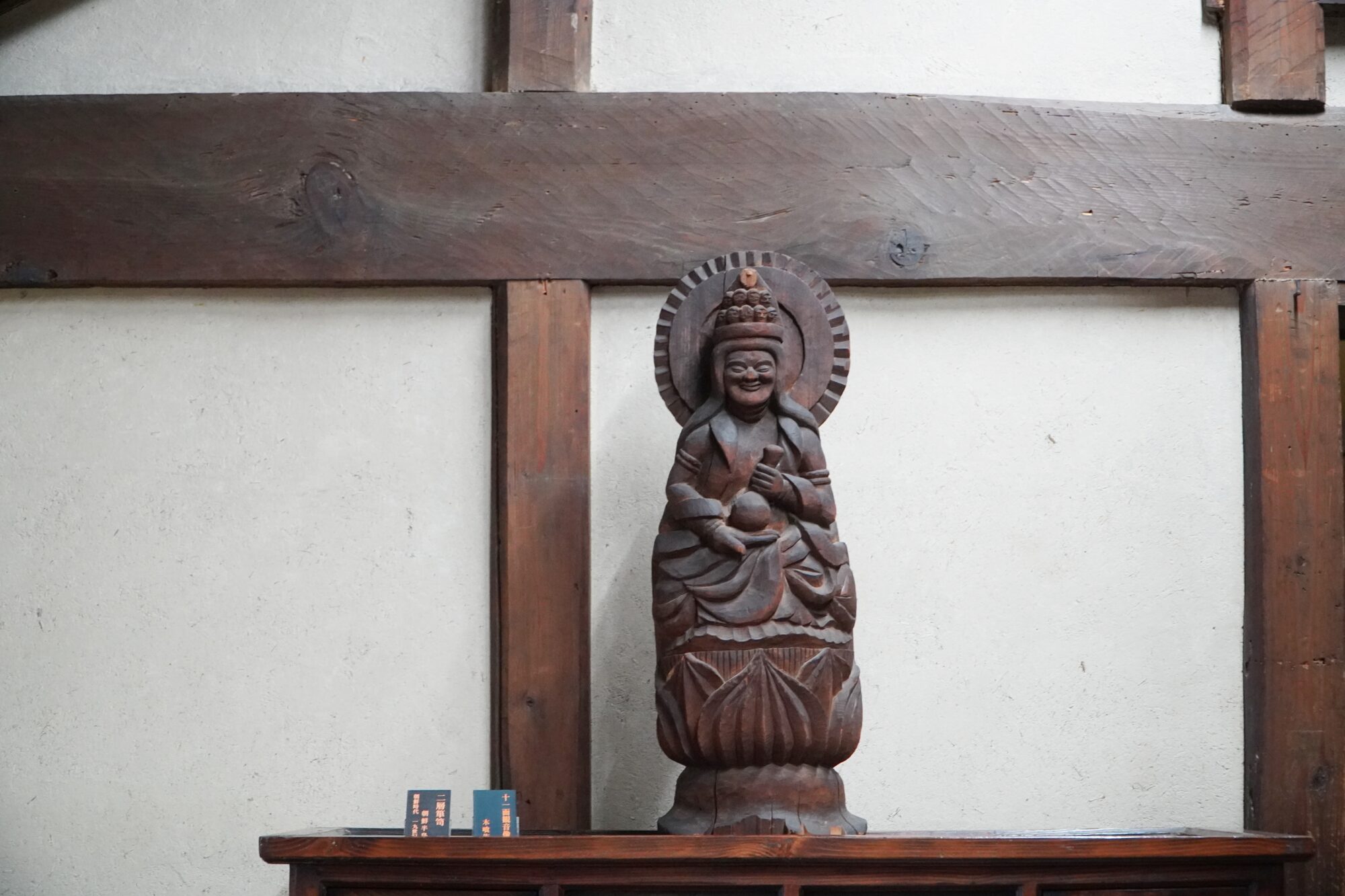
He encountered folkcraft when he saw pottery as a souvenir from Korea.
Although the author is unknown, he was shocked by the white pottery made with cutting-edge technology.
He thought there might be similar items in Japan and began to travel around various places.
At the places he visited, he encountered tools and wooden statues that were placed carelessly, without any special significance for the users.
However, Yanagi believed that these items contained beauty born from everyday life and considered them valuable.
The place where Yanagi collected folkcraft items from all over the country is Kurashiki Museum of Folkcraft.
When I listened to Mr. Yamamoto's explanation, the mystery of why the tour focused on Kurashiki's folkcraft was solved.
Mr. Yamamoto also gave a lecture on the charm of folkcraft, and the group headed to the Kurashiki Museum of Folkcraft.
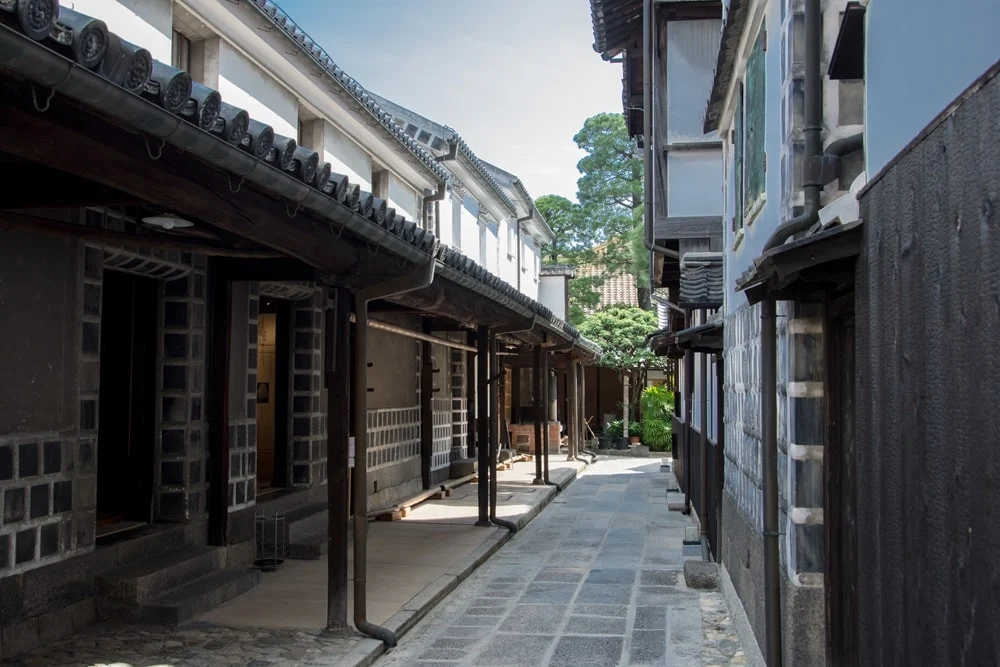
Experience Folkcraft at the Kurashiki Museum of Folkcraft
Opened in 1948, the Kurashiki Museum of Folkcraft is the second folkcraft museum in Japan.
It utilizes a rice granary from the late Edo period.
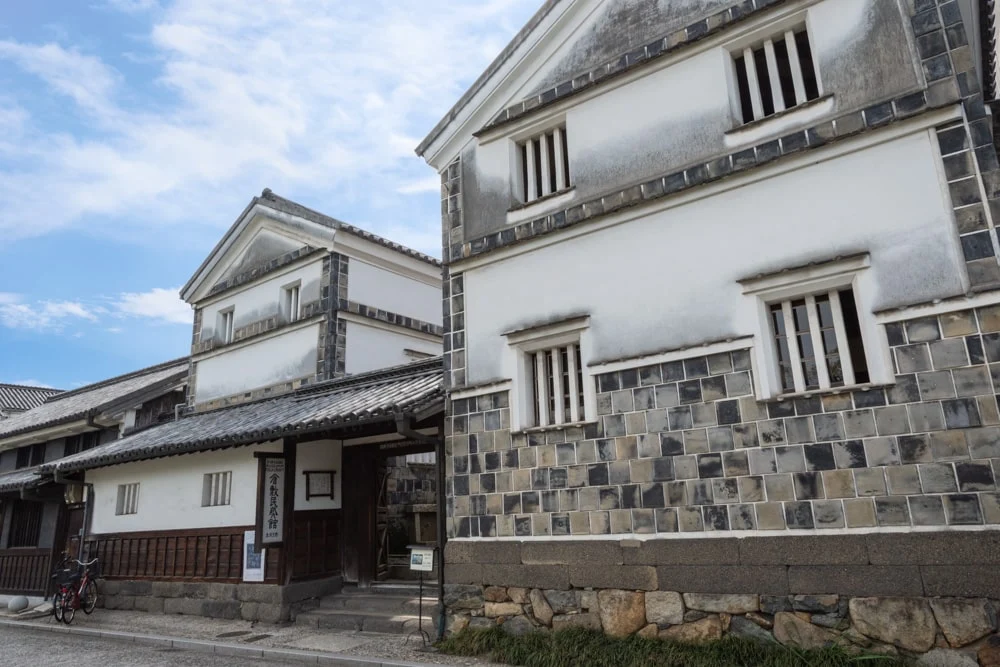
Upon entering the museum, the first room displayed folkcraft items from Okayama.
Some items are still in use today, while others have disappeared from daily life.
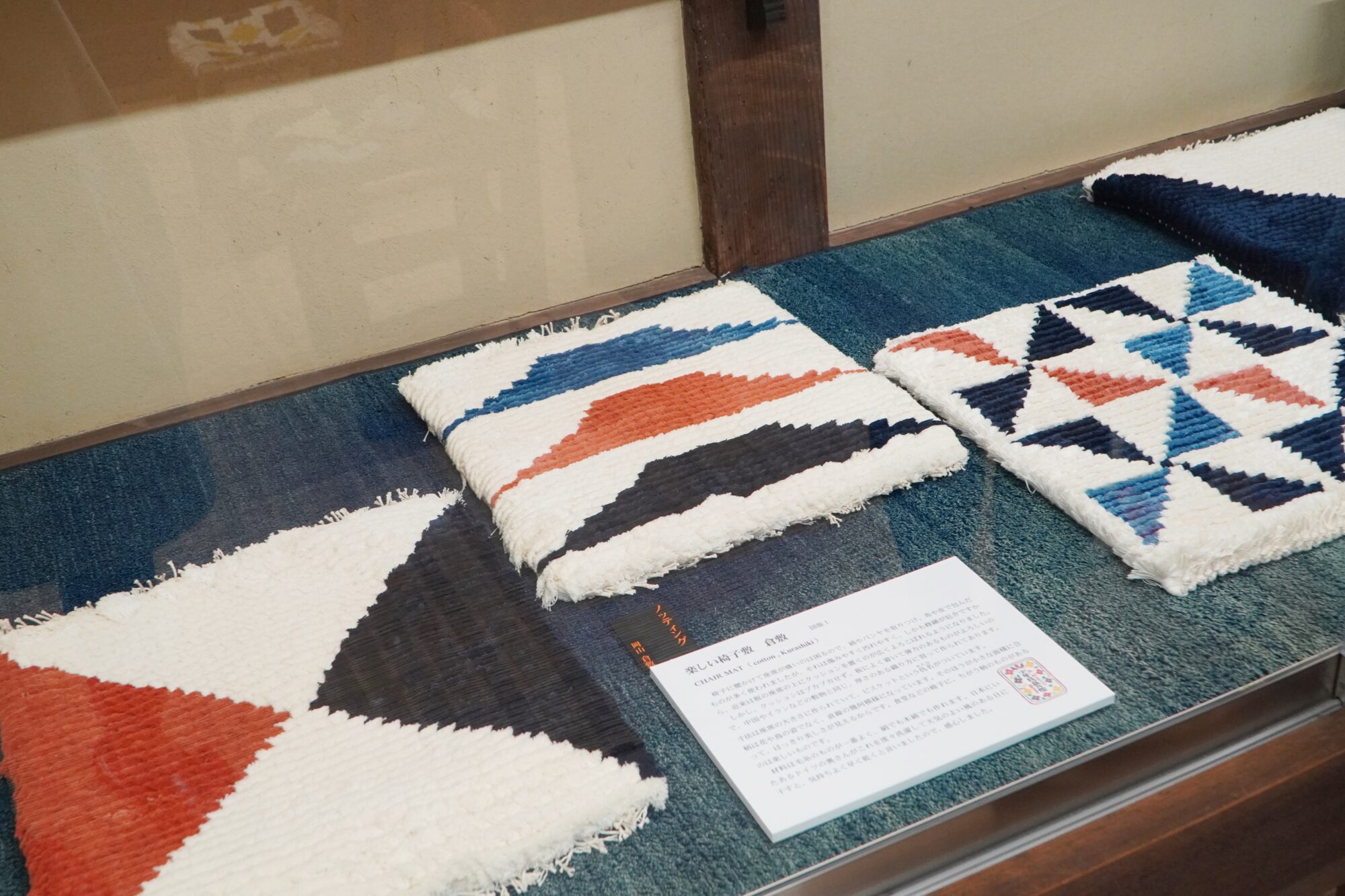
Photography is generally prohibited inside the Kurashiki Museum of Folkcraft. This time, special permission was granted for photography.
Through the exhibits, I realized how much lifestyles have changed.
During the viewing, Mr. Yamamoto provided explanations here and there.
Regarding the beautiful clothing with sashiko (a form of decorative stitching), he said, "Patterns were added to make the fabric more durable rather than for fashion. But that resulted in a beautiful finish."
Folkcraft items made for family use, not for sale, were created with durability and practicality in mind.
While design was not a priority, the finished products turned out beautifully.
Through Mr. Yamamoto's explanations and the viewing, I was impressed by the importance of recognizing the beauty hidden in everyday items and the wisdom of the people.
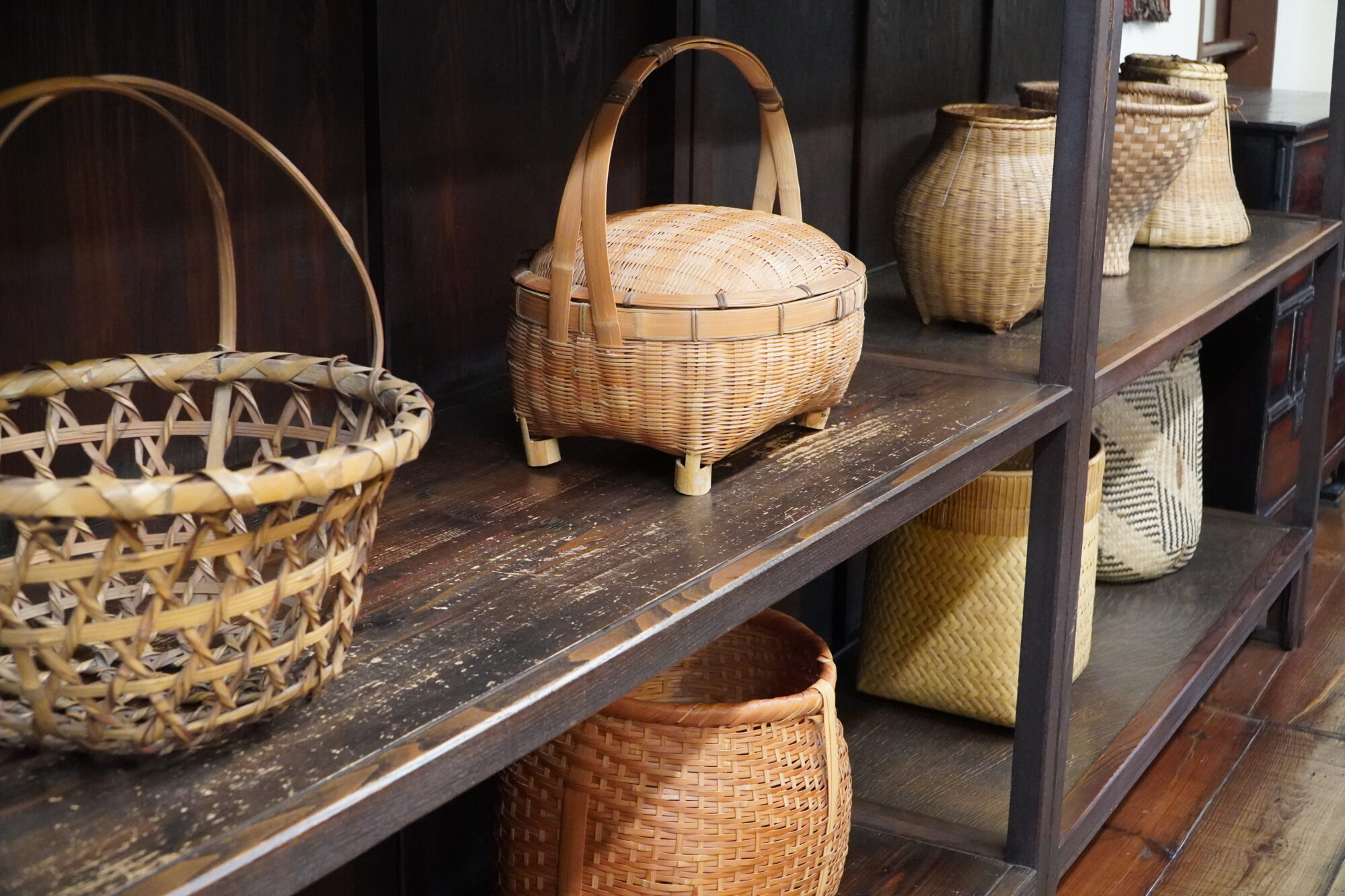
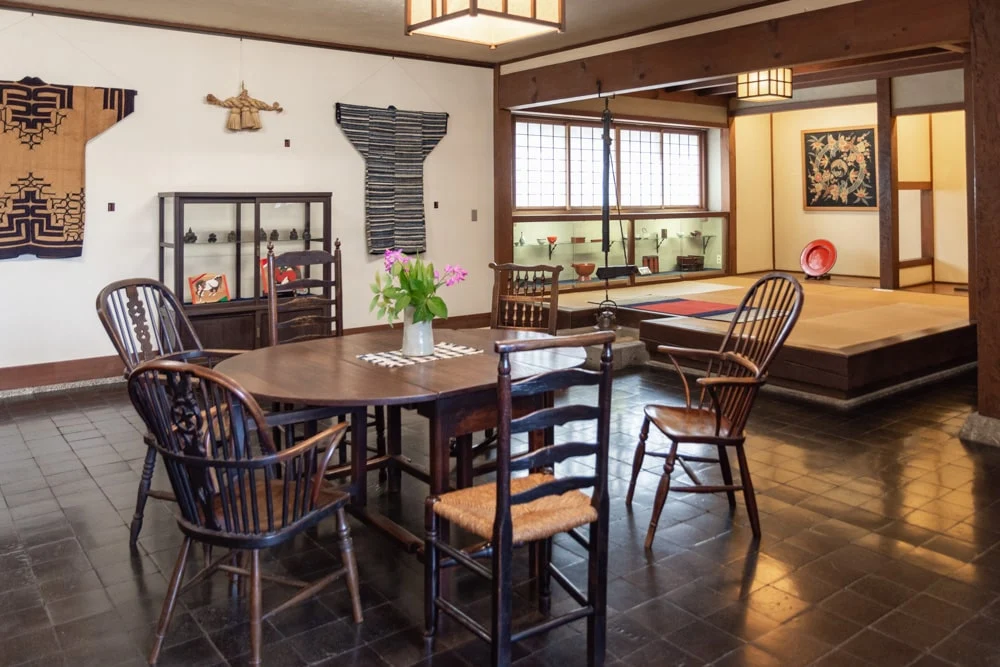
The Kurashiki Museum of Folkcraft also features foreign folkcraft items.
As I gazed at a chair that had been used so much that its corners were rounded, I could sense that the owner had taken good care of it.
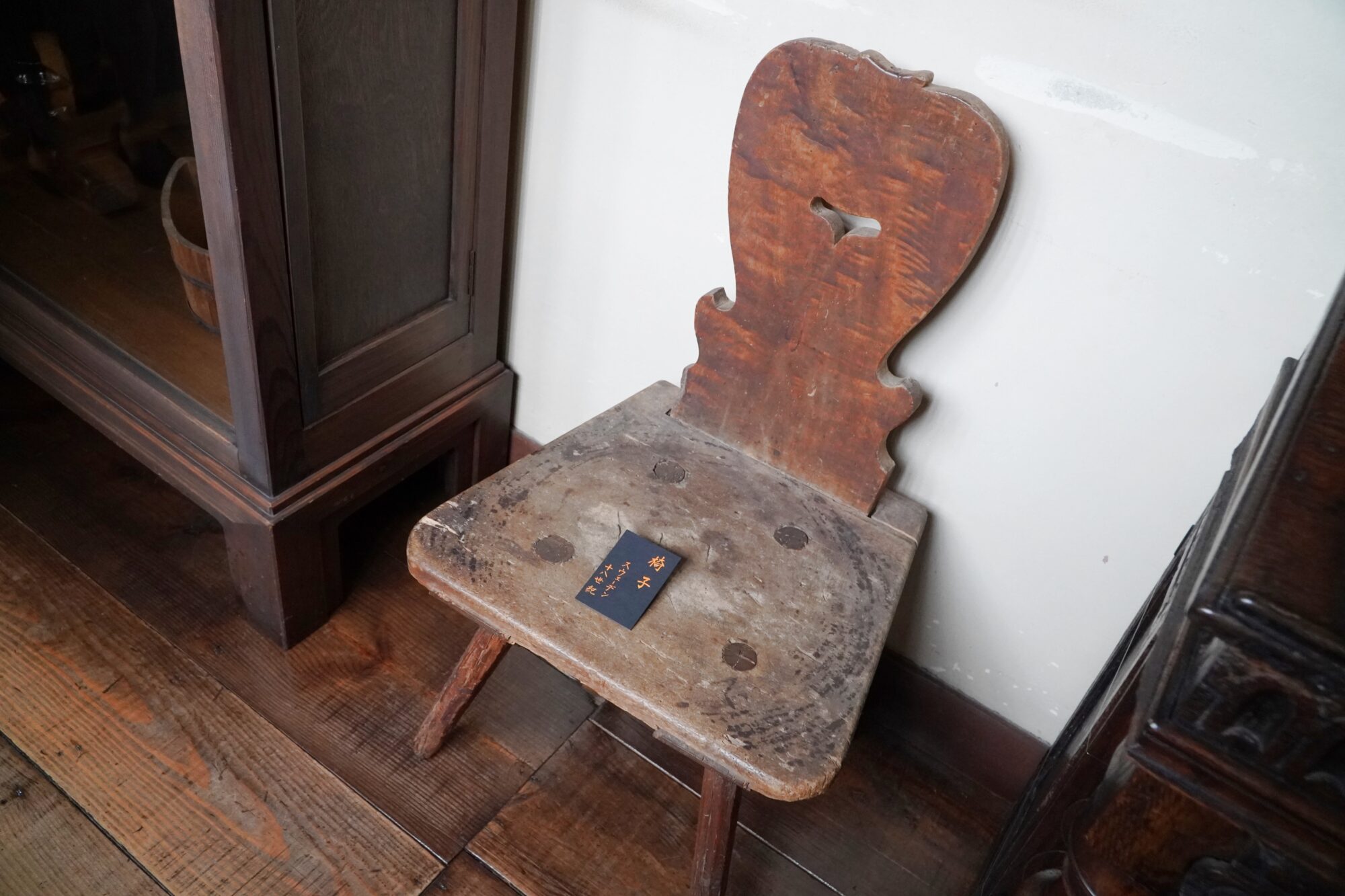
Imagining what feelings the unknown craftsman had while making it and how the owner treated it made the experience of viewing folkcraft items even deeper.
Handling Folkcraft through Making Sushi Rolls
After experiencing folkcraft, the next activity was making sushi rolls.
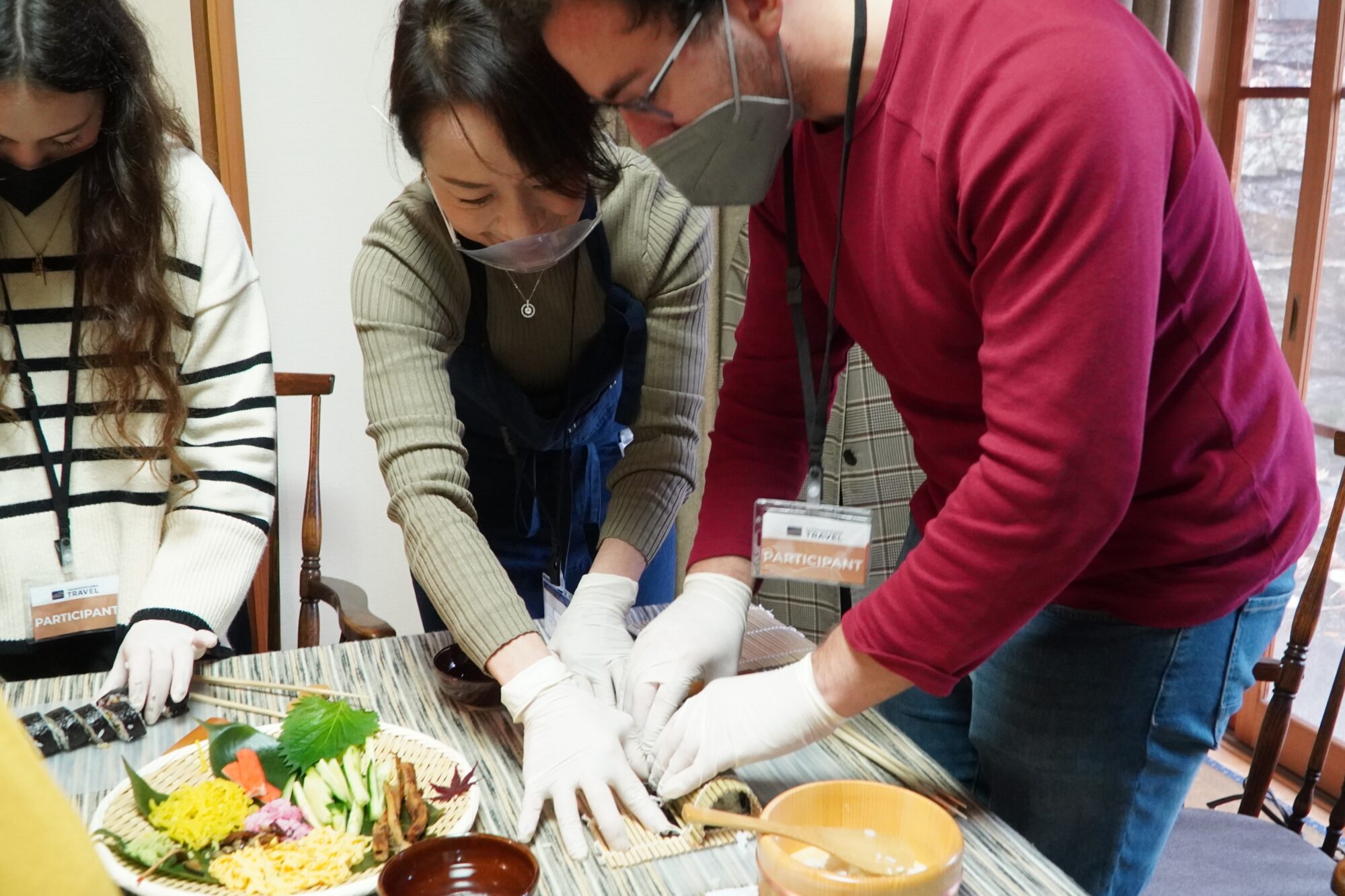
The author photographed the foreign participants as they made sushi rolls.
Under the guidance of instructor Naoko Hara, it was the participants' first challenge in making sushi rolls.
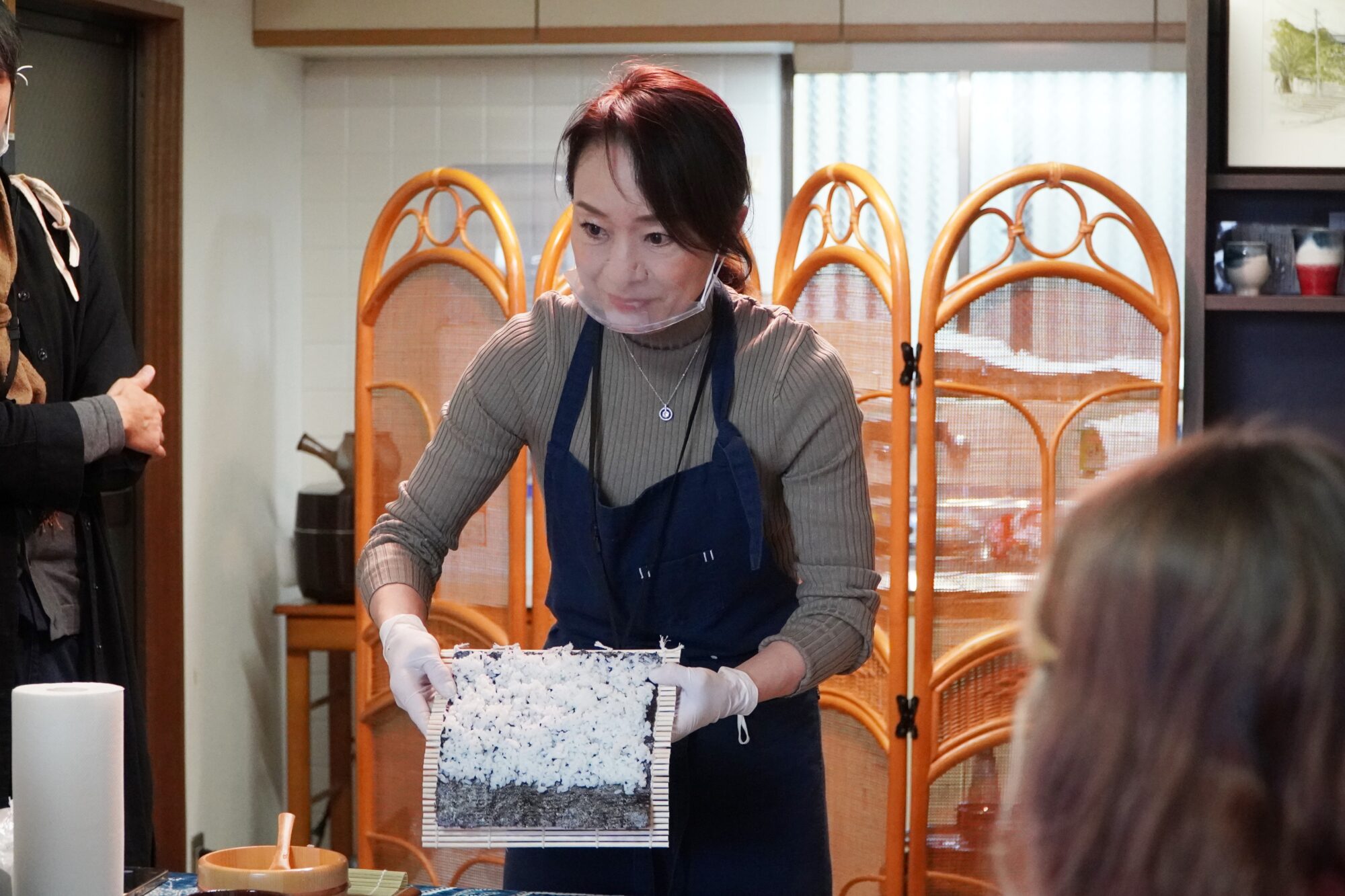
It seemed they were struggling with spreading the vinegared rice on the seaweed.
Some participants were unable to handle the rice paddle well and spread the rice with their hands.
The rice got squished, but they looked like they were having fun.
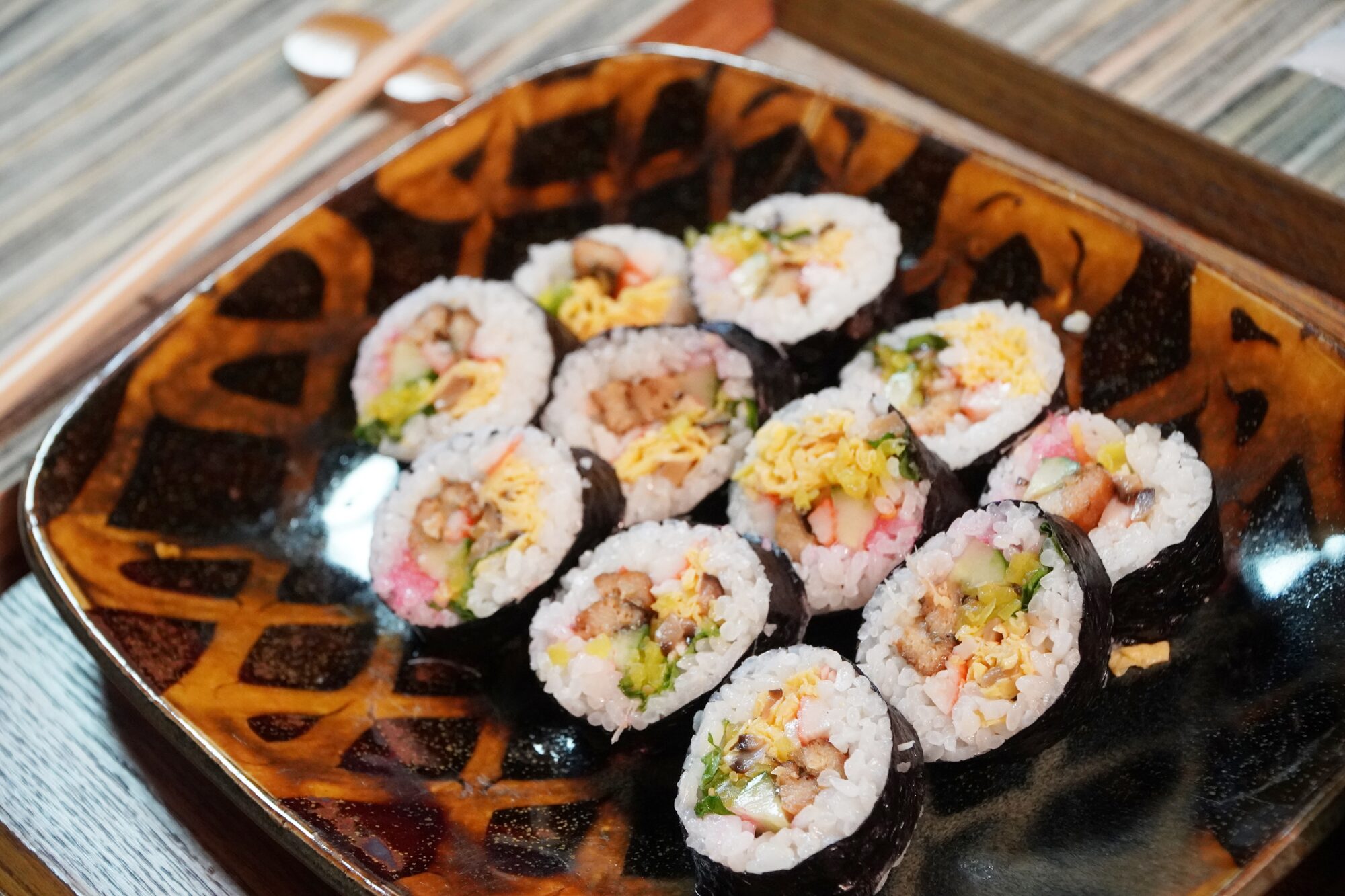
After cutting the sushi rolls, they selected their favorite folkcraft plates to serve them on.
The shapes and colors of the plates, as well as the way the sushi rolls were arranged, all varied, showcasing their individuality.
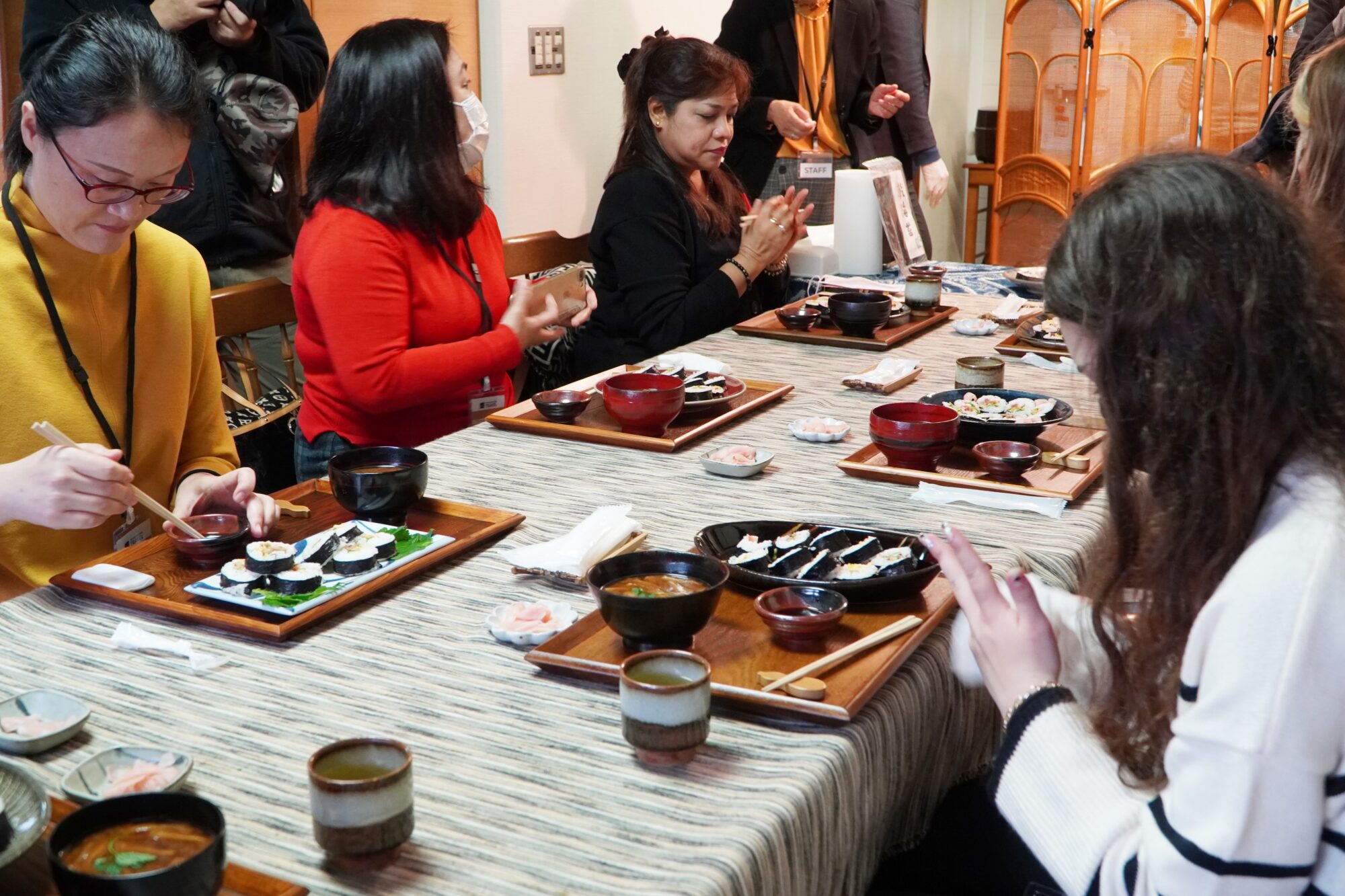
Even if the shapes were a bit off, the sushi rolls made with great effort tasted delicious.
Comparing with the person next to them, they praised each other, and it turned into a fun meal gathering.
Buying Folkcraft Items at Folkcraft Shops
After the meal, we visited two folkcraft shops.
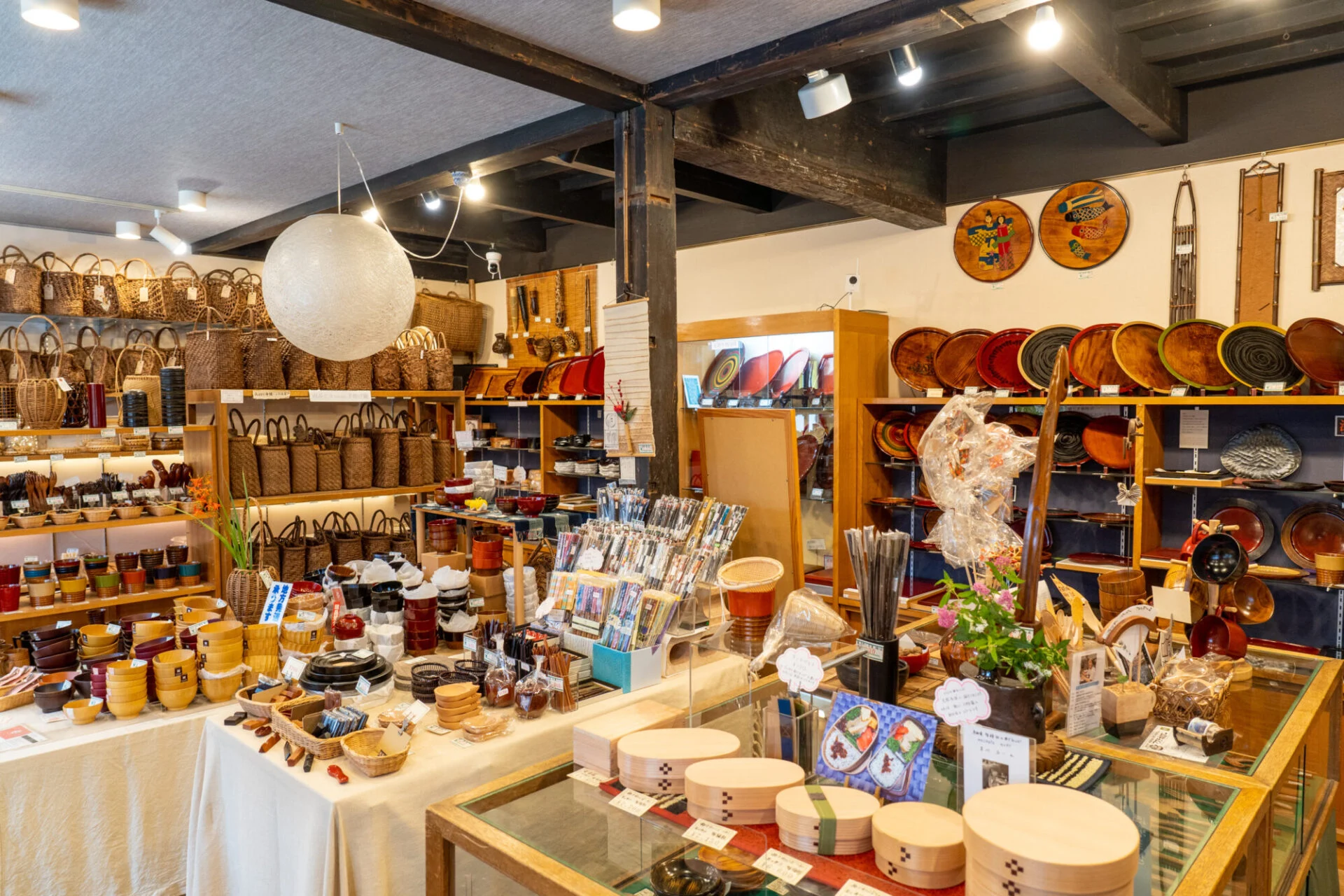
The first shop we visited was "Kurashiki Mingei (Folkcraft) Shop."
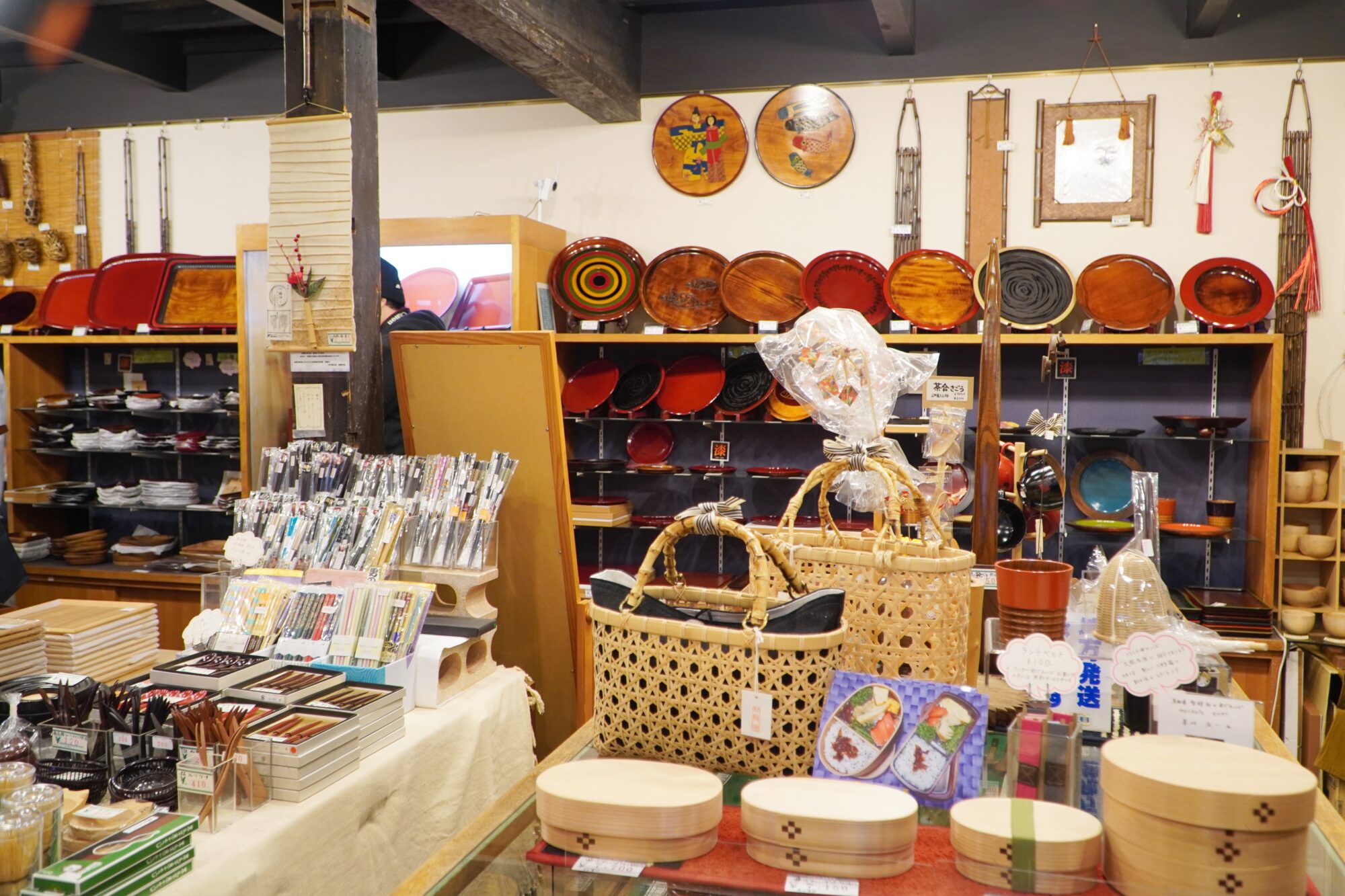
They mainly handle folkcraft items made of wood and bamboo.
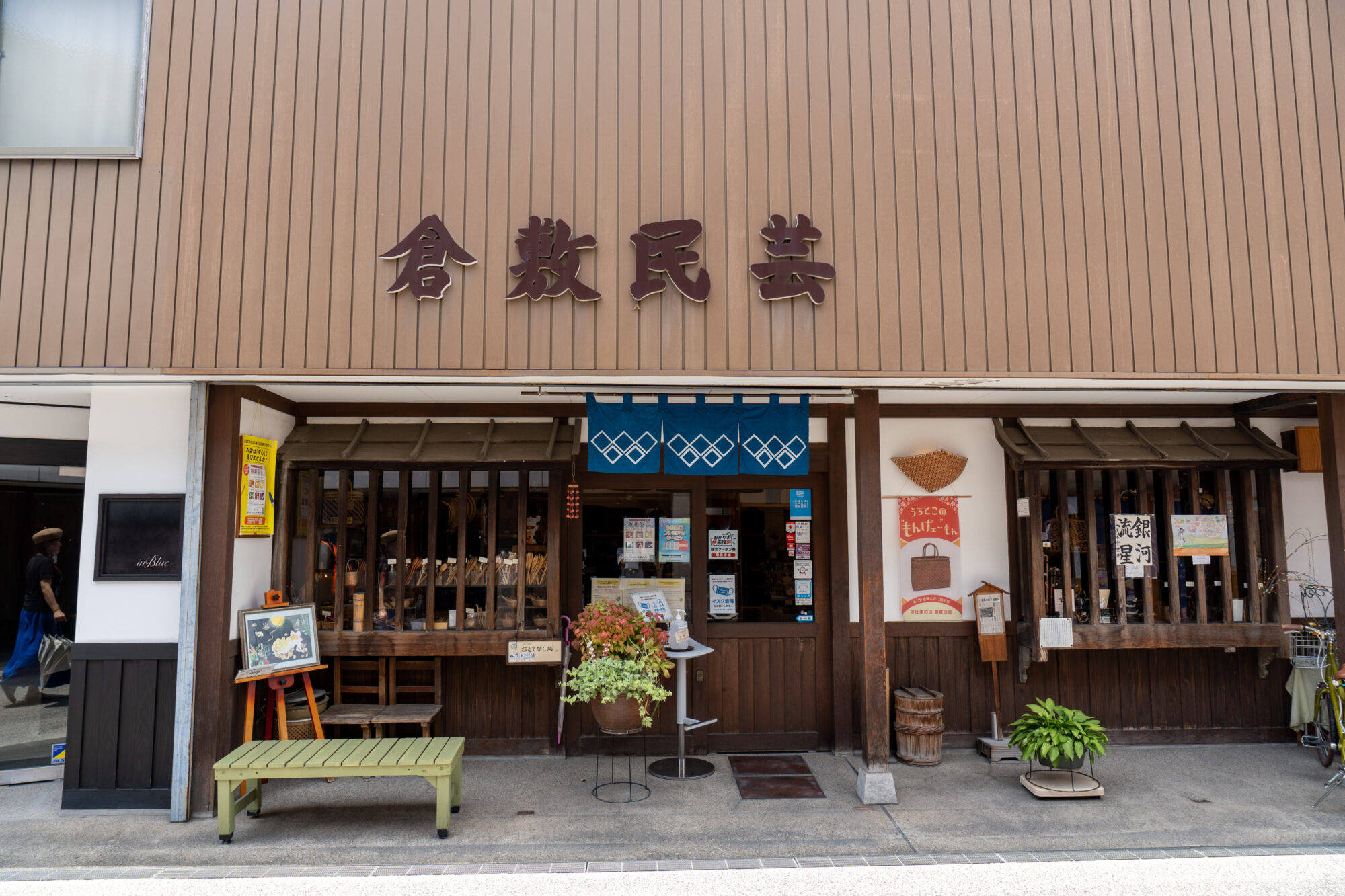
Unlike the exhibits at the Kurashiki Museum of Folkcraft, they only sell items used in daily life, such as chopsticks, wooden bowls, and wooden spatulas.
Suddenly, folkcraft items felt much closer to me.
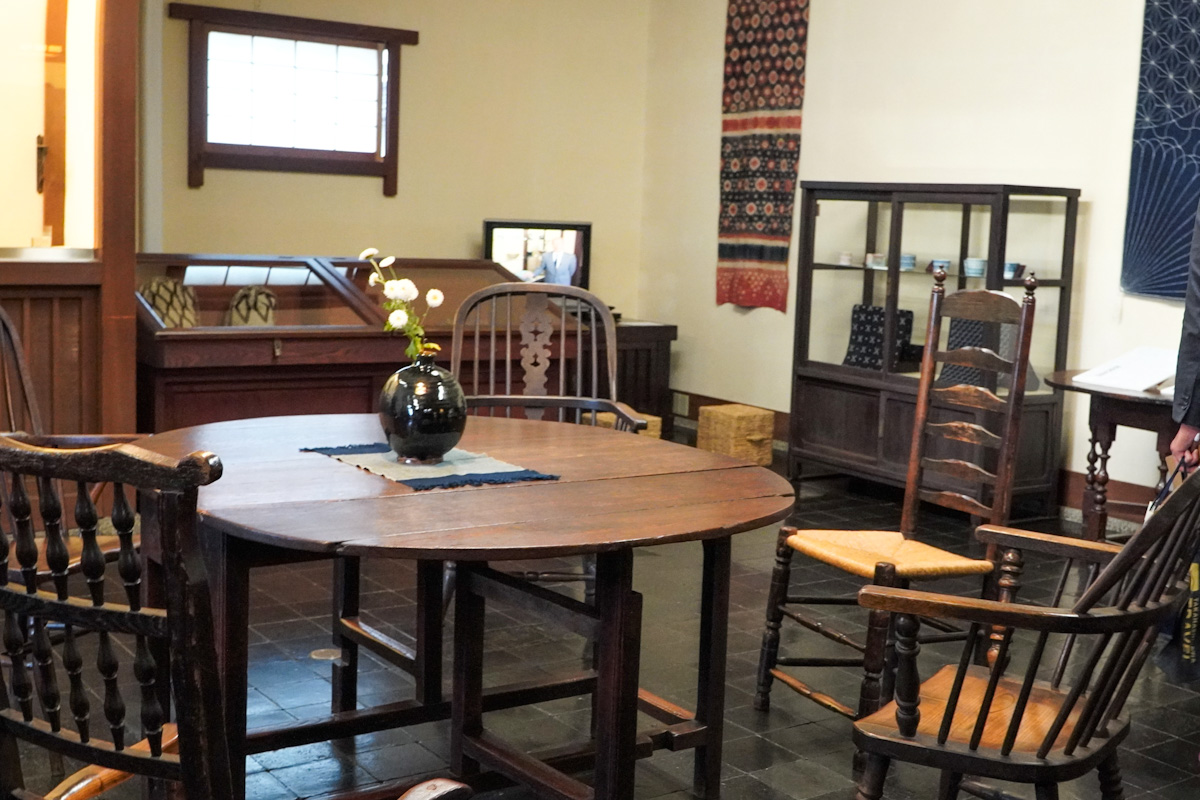
The second shop was "Yuu Mingeiten," owned by instructor Yamamoto.
Here, they also handle glass and pottery items.
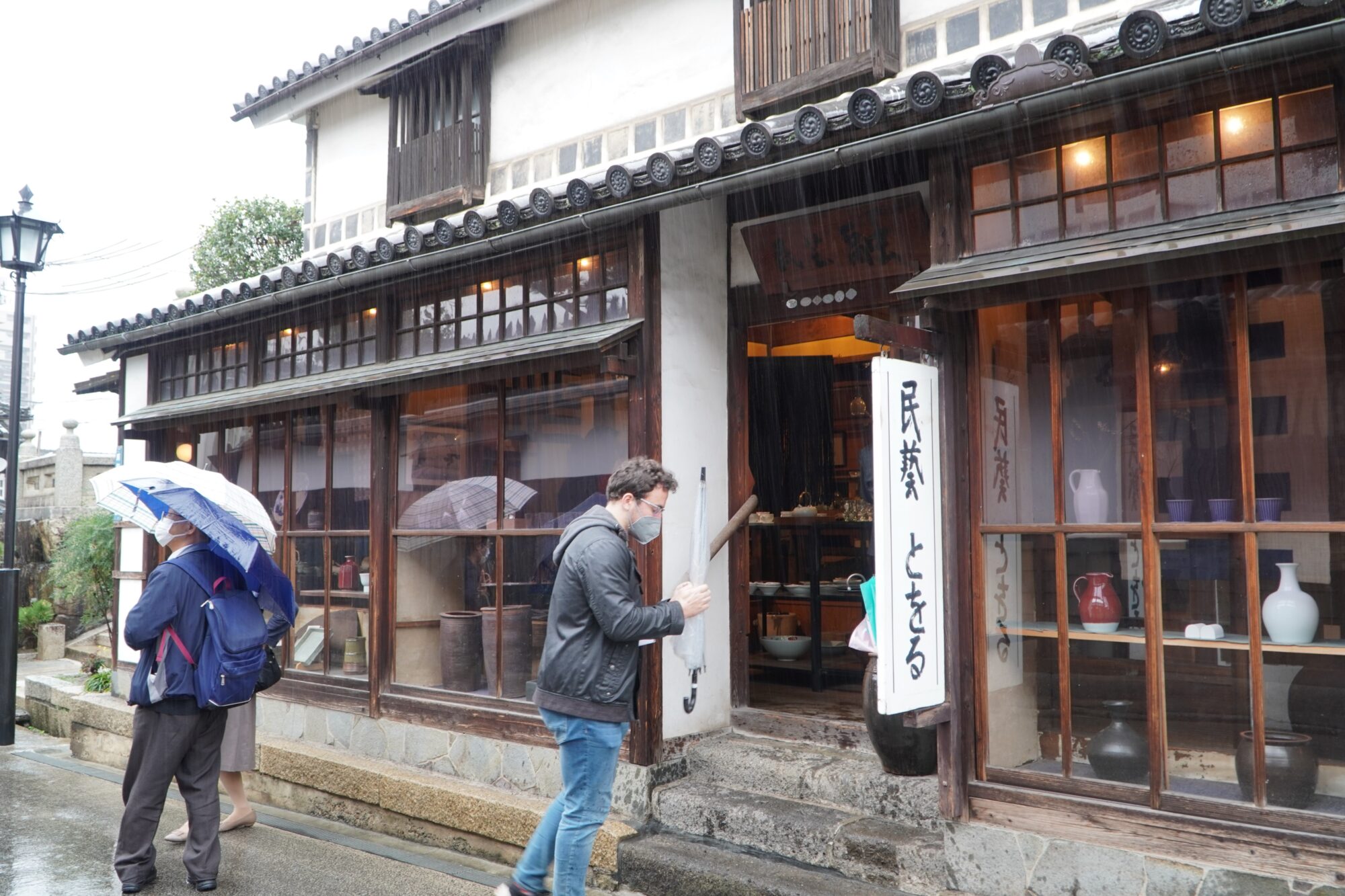
The lighting was minimal, utilizing natural light, similar to the Kurashiki Museum of Folkcraft.
Mr. Yamamoto explained that the exhibits at the Kurashiki Museum of Folkcraft "are displayed using natural light without spotlighting, so the appearance changes depending on the time and weather."
Yuu Mingeiten likely also changes in appearance depending on the time and weather, just like the Kurashiki Museum of Folkcraft.
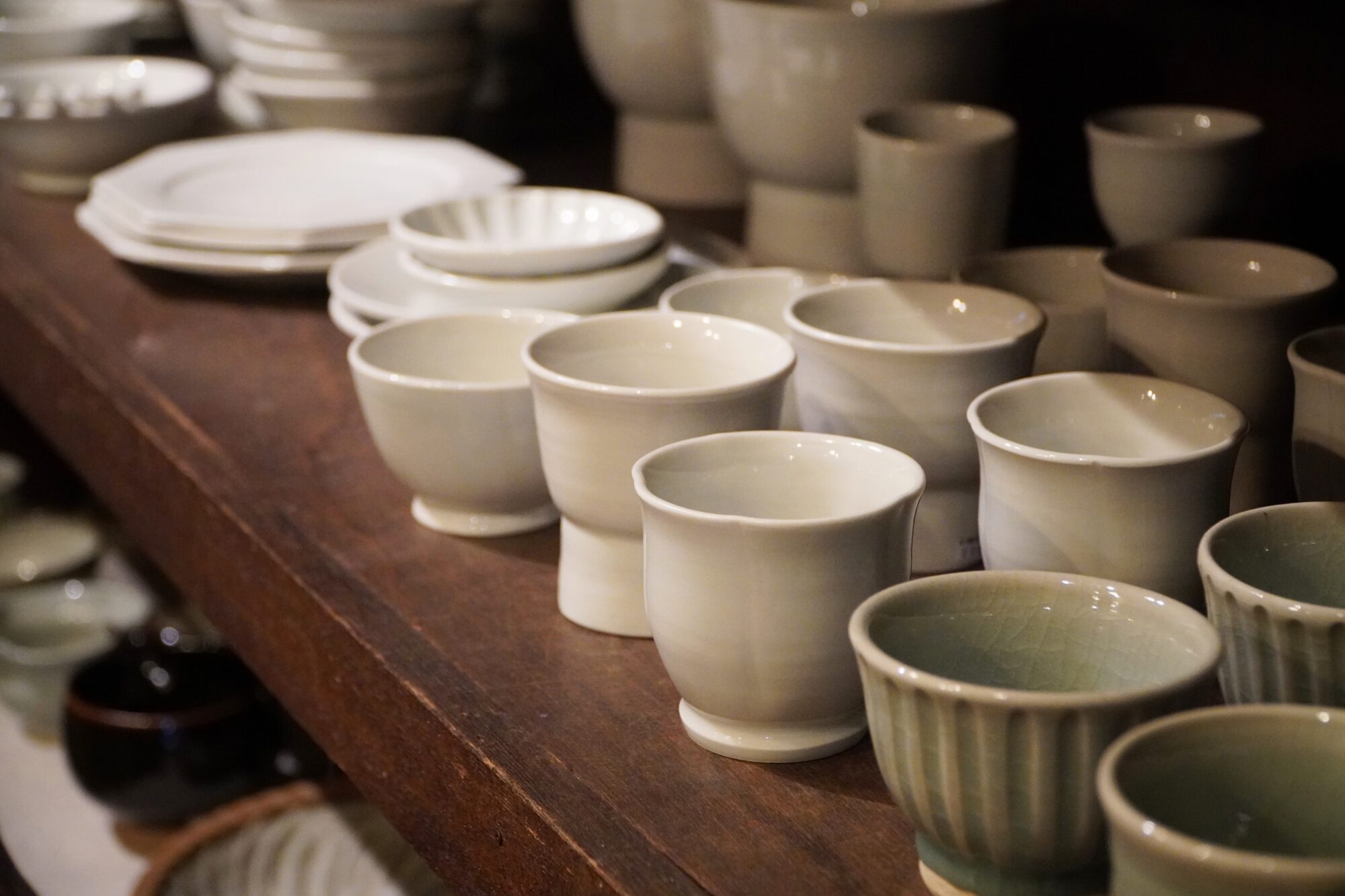
It was a store that felt artistic, almost like a folkcraft shop.
Conclusion
The tour focused on folkcraft lasted about 5 hours and was filled with experiences that engaged the eyes and taste buds.
There was also an opportunity for participants to interact with each other, and as Mr. Oura said, it was a memorable experience.
I have visited the Bikan Historical Area countless times, but I have never seen the town from the perspective of folkcraft.
For me, it was a new encounter with Kurashiki, but it was something that had always existed; I just hadn’t noticed it.
TAKAHASHIGAWA TRAVEL introduces aspects that even locals may not notice, combining experiences and interactions.
I look forward to seeing what kind of tours will be developed in the future.
TAKAHASHIGAWA TRAVEL Data
| Name | TAKAHASHIGAWA TRAVEL |
|---|---|
| Location | Kurashiki City, Okayama Prefecture |
| Participation Fee (including tax) | Varies by tour |
| Website | TAKAHASHIGAWA TRAVEL |