Japan is overflowing with a variety of noodle dishes.
For example, even with ramen, the soup, ingredients, and noodles differ from shop to shop, allowing you to feel the depth of noodle dishes.
The people at the shops provide unique dishes that are characteristic of their establishments.
For the makers, the efficiency of their work can change significantly depending on where they focus their efforts, whether it be in making the soup or the noodles.
There is a company that supports the world of noodle dishes called Fuji Noodle Workshop located in Okayama City.
In June 2023, Fuji Noodle Workshop, which has been in the noodle business since 1976, launched new products called Junimen-tai and Hatayarin.
I attended the new product announcement event and the greeting of the third-generation president.
About Fuji Noodle Workshop
Fuji Noodle Workshop was founded in 1947.
The founder is the grandfather of the current third president.
During the post-war period when food was scarce, he wanted to provide warm and delicious food to the people in the neighborhood.
The turning point came when a war buddy returned from China.
The founder learned the technique of making Chinese noodles from his war buddy and began offering ramen.
Eventually, the Chinese noodles became popular, and he started a wholesale business for fresh Chinese noodles.
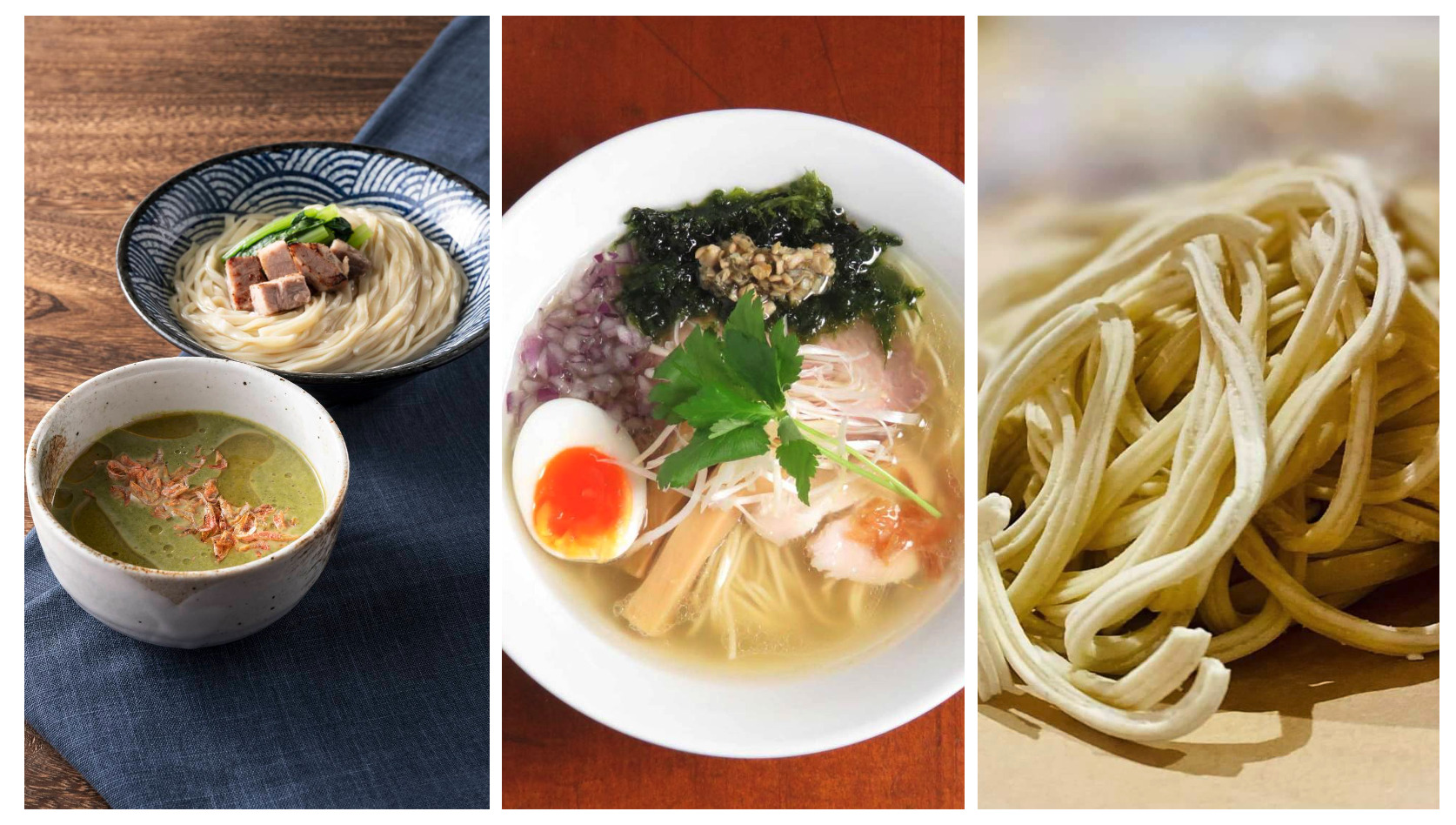
Currently, in addition to Chinese noodles, they also handle pasta and soba.
The characteristic of Fuji Noodle Workshop is that they create and wholesale custom-made noodles.
Creating the noodles that shops require must be labor-intensive and costly, and it cannot be done without strong passion and commitment.
I will introduce that passion and commitment later.
Retailers in Kurashiki City
Fuji Noodle Workshop has many delivery destinations, not only in Okayama Prefecture but also outside the prefecture.
Let me introduce two retailers in Kurashiki City.
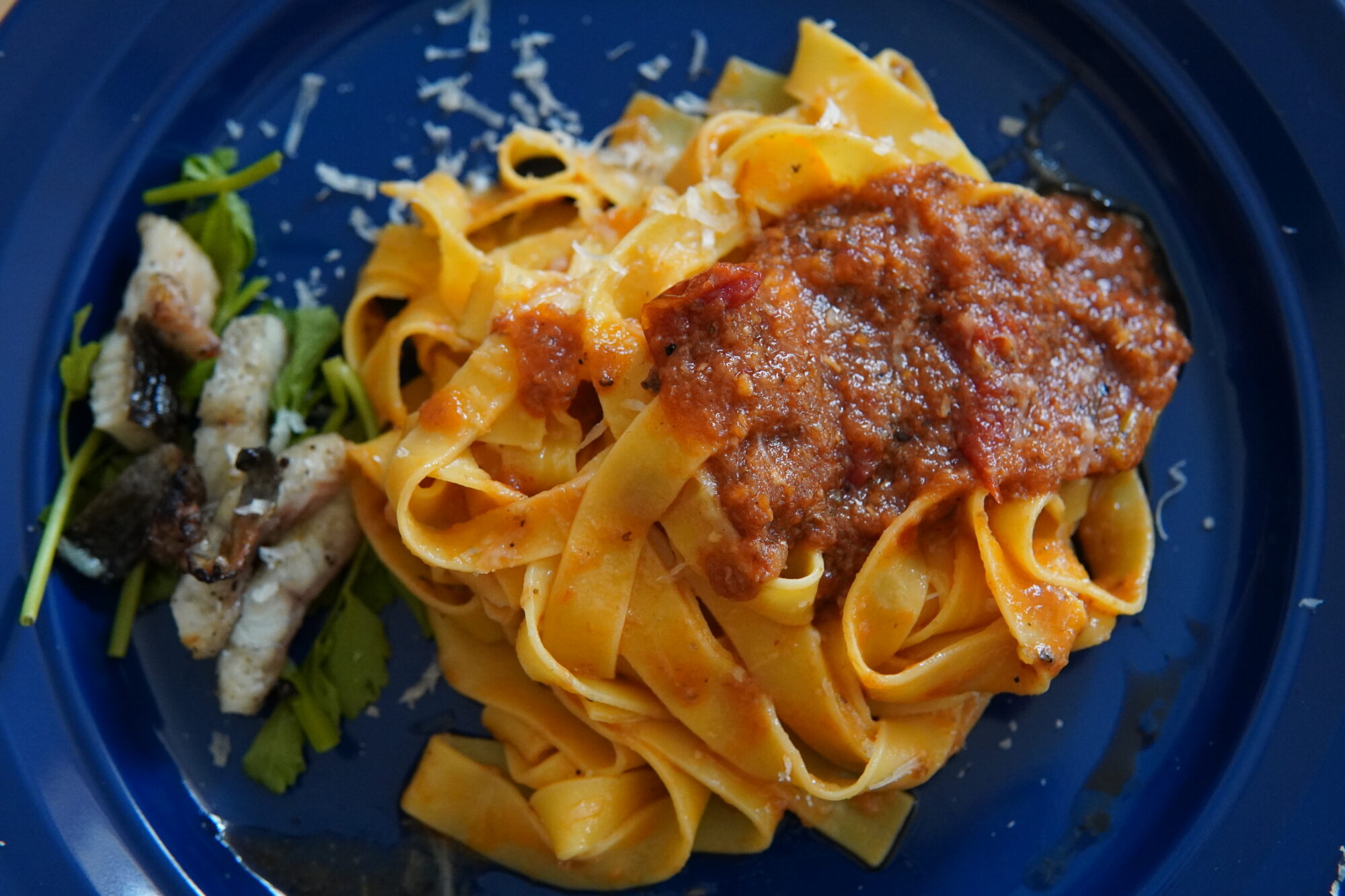
One is Kurashiki Kame and Southern Italian Cuisine Hashimaya, located in Higashimachi in the Bikan Historical Area.
This establishment, renovated from a traditional house, offers Southern Italian cuisine using seafood and vegetables from Okayama Prefecture.
Speaking of Italian cuisine... yes, they use pasta noodles from Fuji Noodle Workshop.
The other store is Okonomiyaki Gama.
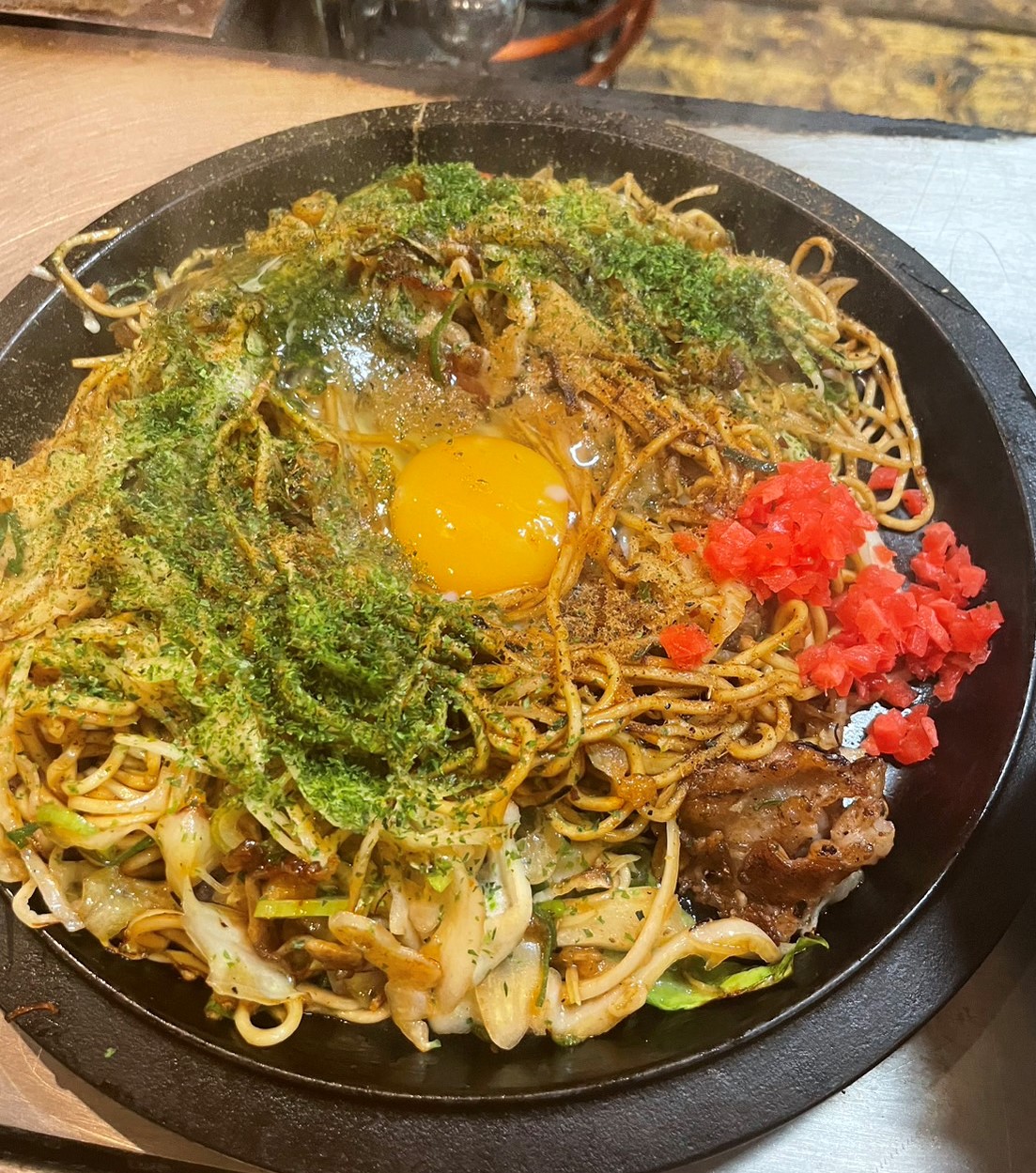
This okonomiyaki restaurant located in Kazuyama, Kurashiki City, also offers a variety of side dishes.
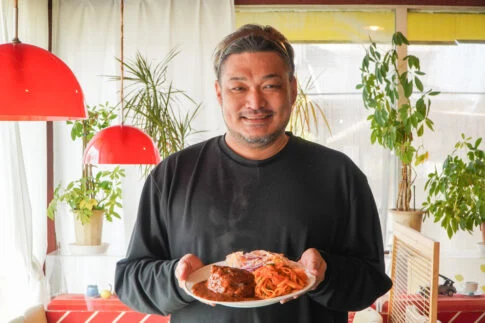
At Okonomiyaki Gama, you can enjoy yakisoba and okonomiyaki with soba as a topping.
Inauguration Ceremony of the Third President
Fuji Noodle Workshop, which has been in the noodle business for many years, changed its executives in April 2022.
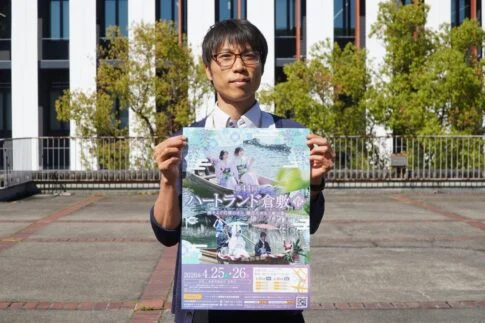
The second president, Shinji Hata, became chairman, and Yuya Hata was inaugurated as the third president.
On May 14, 2023, a press conference for the chairman and president's inauguration and a tasting announcement event for the new products were held.
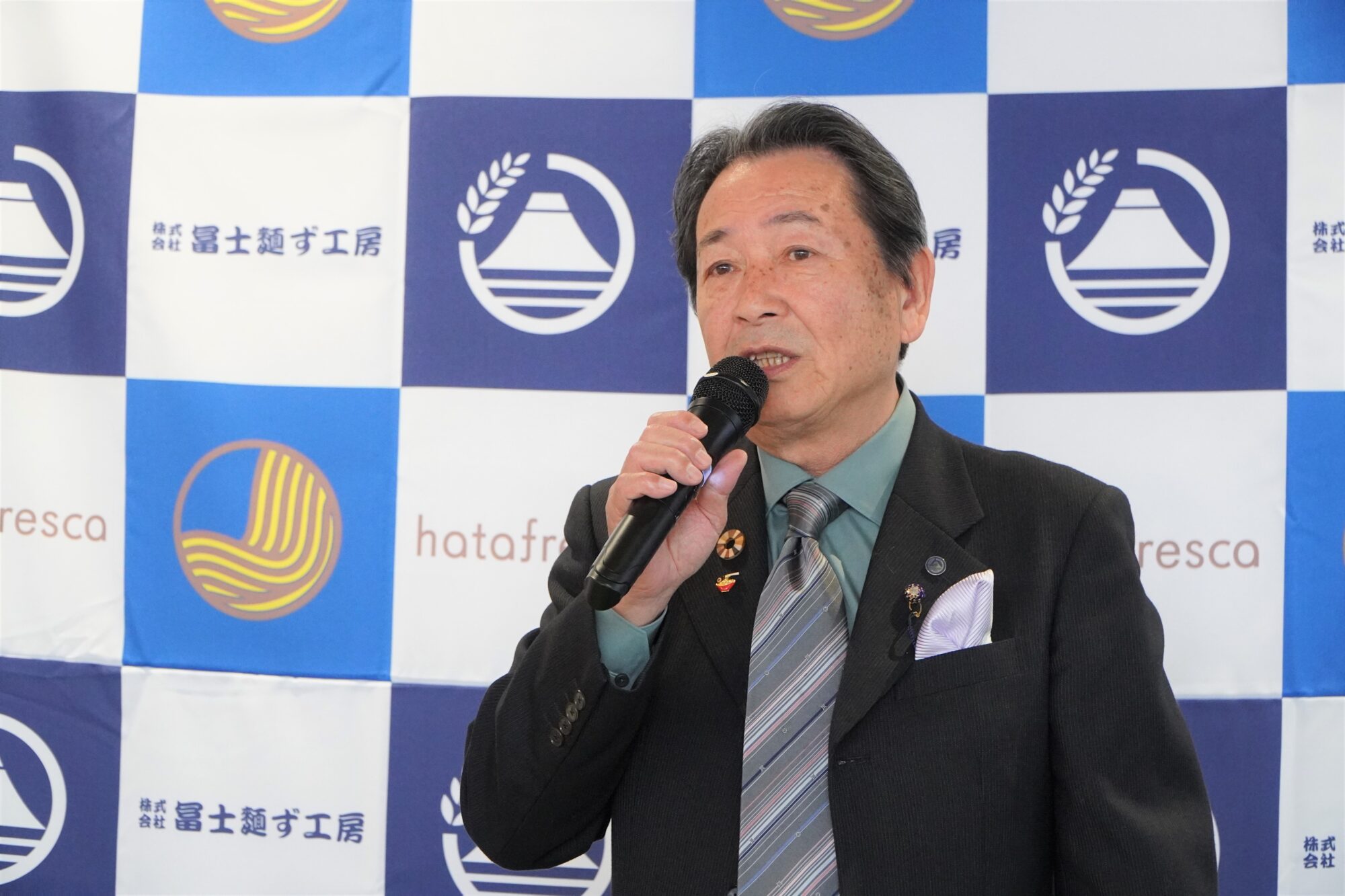
Chairman Shinji Hata
Shinji Hata joined Fuji Noodle Industry Co., Ltd. in 1975 and became the second president in 1984.
After serving as president for about 40 years, he made the decision to pass the baton to the third generation, who would handle pasta and other products with fresh ideas.
President Yuya Hata
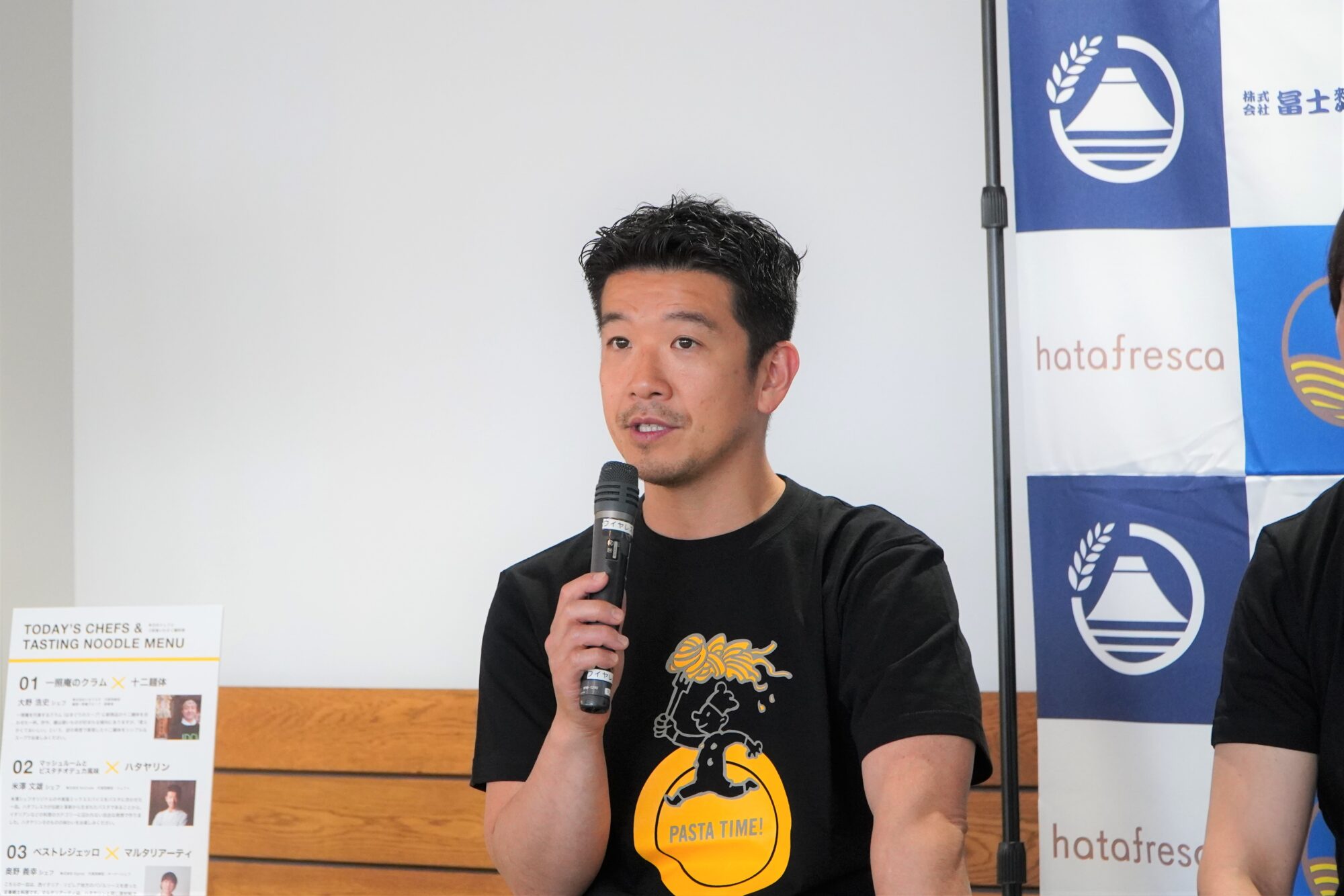
Yuya Hata spent his university days in Tokyo.
With a pure love for ramen, he enjoyed exploring different shops, and those experiences have become the foundation of his current work.
After graduating from university, he returned to his hometown and joined Fuji Noodle Workshop.
At that time, they handled about five types of noodles.
While working, he developed various noodles with the desire to meet customer requests.
Now, the variety has increased to about 100 types.
Furthermore, driven by the desire to create the pasta he wanted to eat, he began to handle pasta noodles as well.
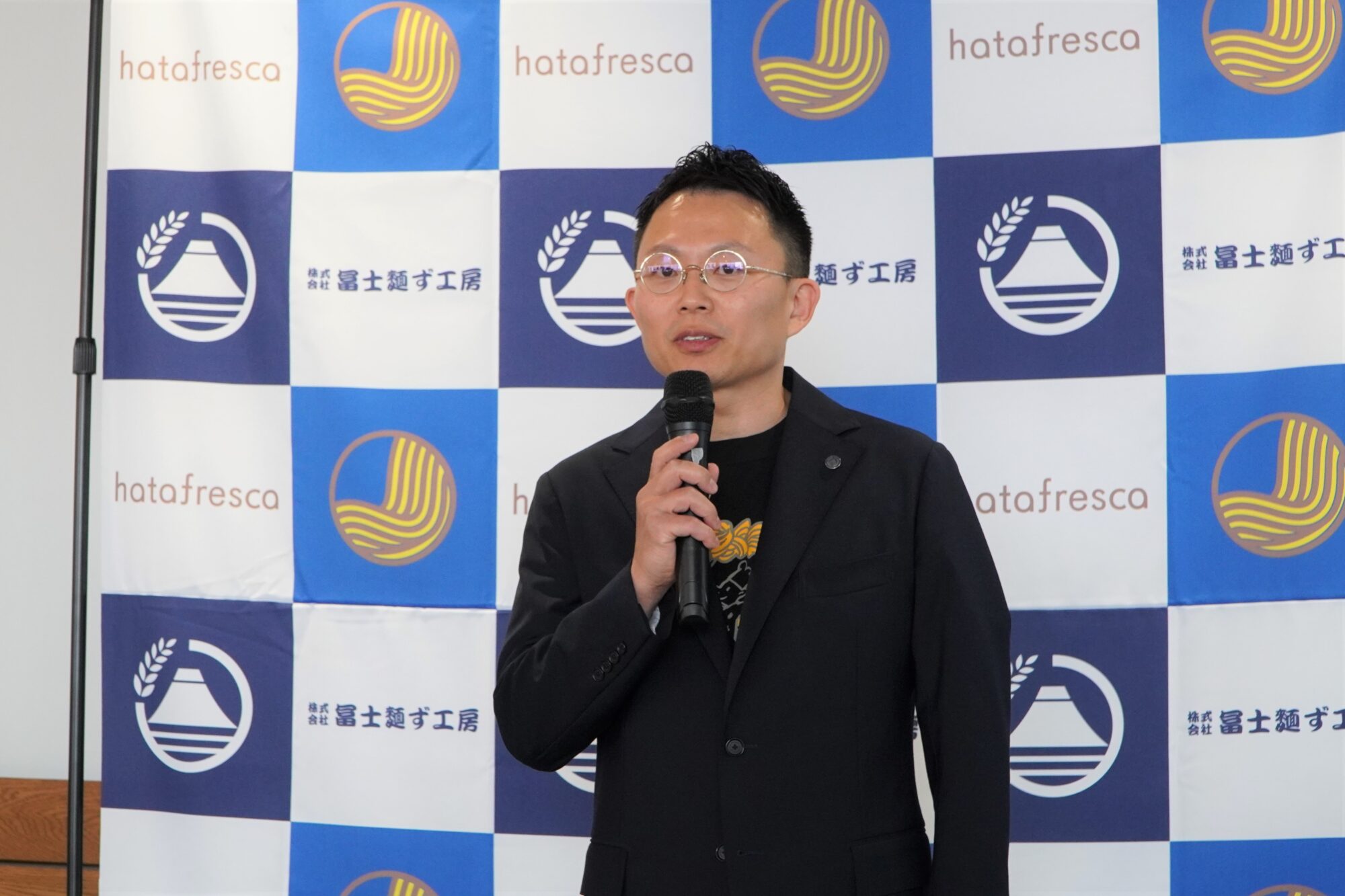
"Our mission is to deliver 'deliciousness' that sparks conversation and remains in memory to restaurants and households," says Yuya Hata.
His motto is "Fueki Ryuko" (meaning: while valuing the essence that never changes, also embracing new changes).
Rather than chasing trends, I face my work daily seeking the essence of delicious food.
Tasting Announcement Event
At the tasting announcement event, three chefs presented dishes using the new noodles.
The newly created product is a hybrid noodle combining Chinese noodles and pasta noodles.
This is a technique that only Fuji Noodle Workshop, which handles various types of noodles, can achieve.
Three freshly made dishes were brought in one after another from the kitchen in the venue.
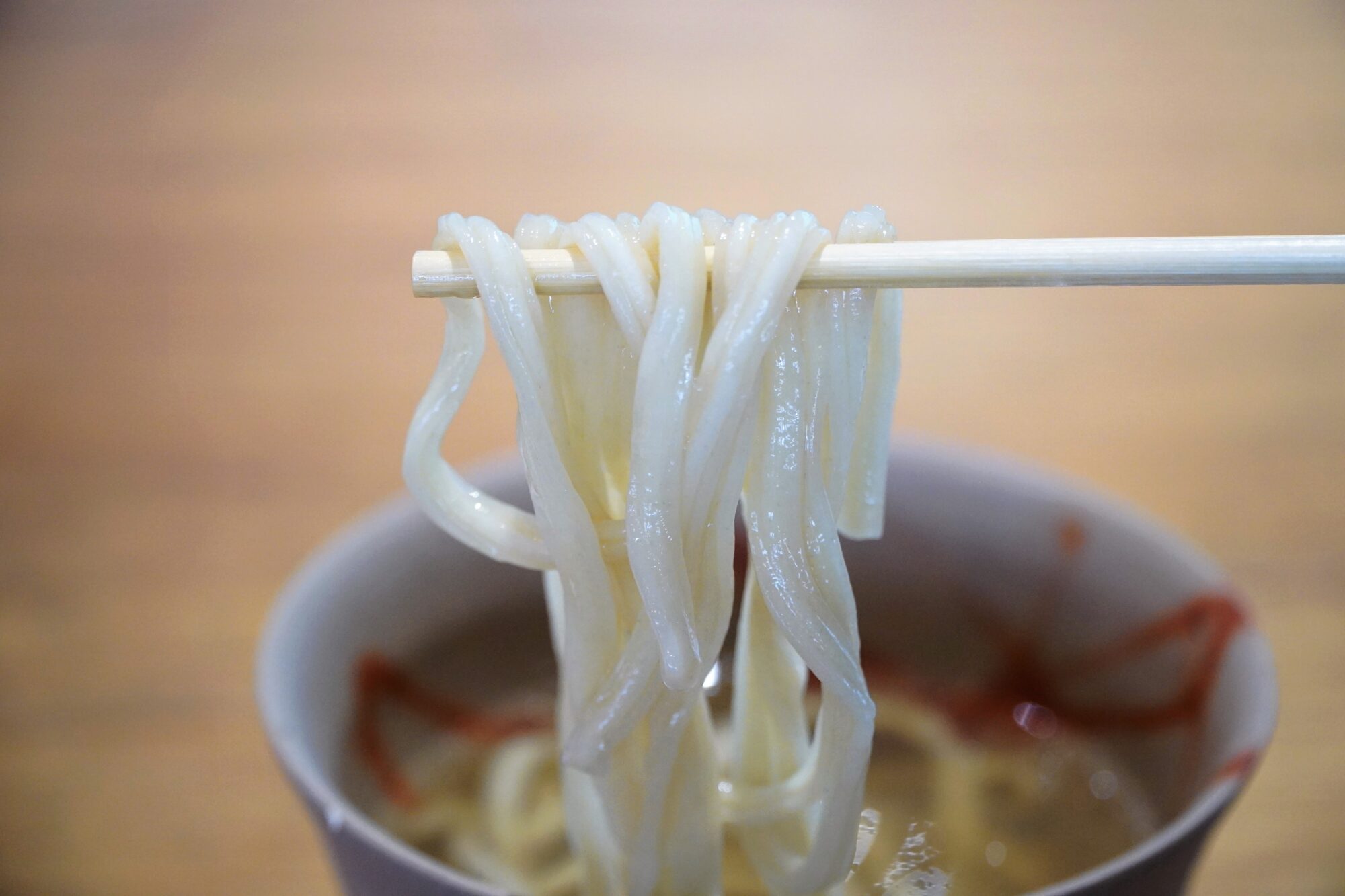
Junimen-tai
Junimen-tai is handled by Hiroshi Ohno, the founder of Mensake Isshoan.
It is a hybrid Chinese noodle that was born during the development phase of Fuji Noodle Workshop's pasta brand "Hatafresca."
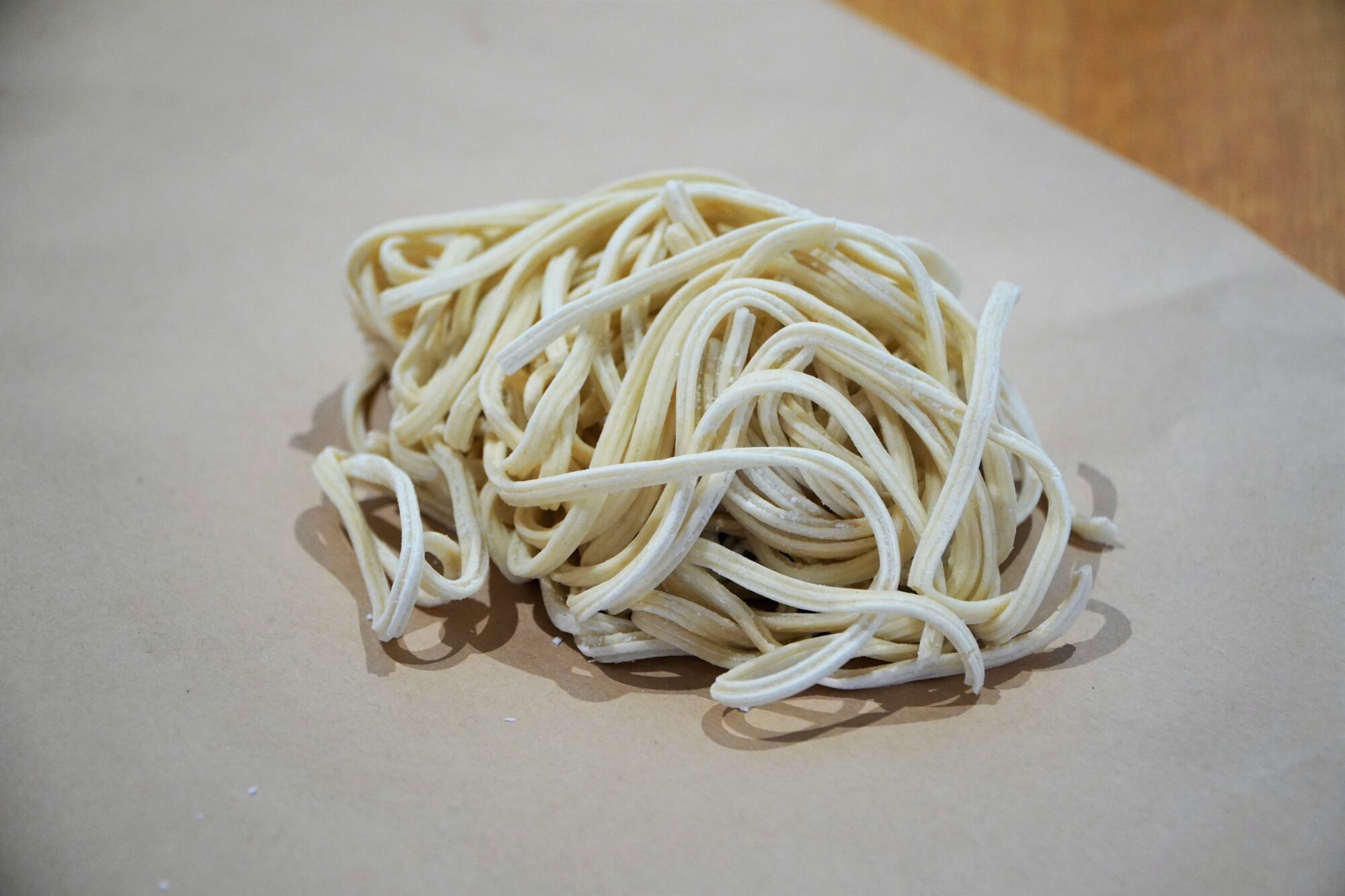
The characteristic is that the cross-section is cross-shaped to express "irregularity."
To enjoy the random texture of the chewy and soft parts, they arrived at this shape.
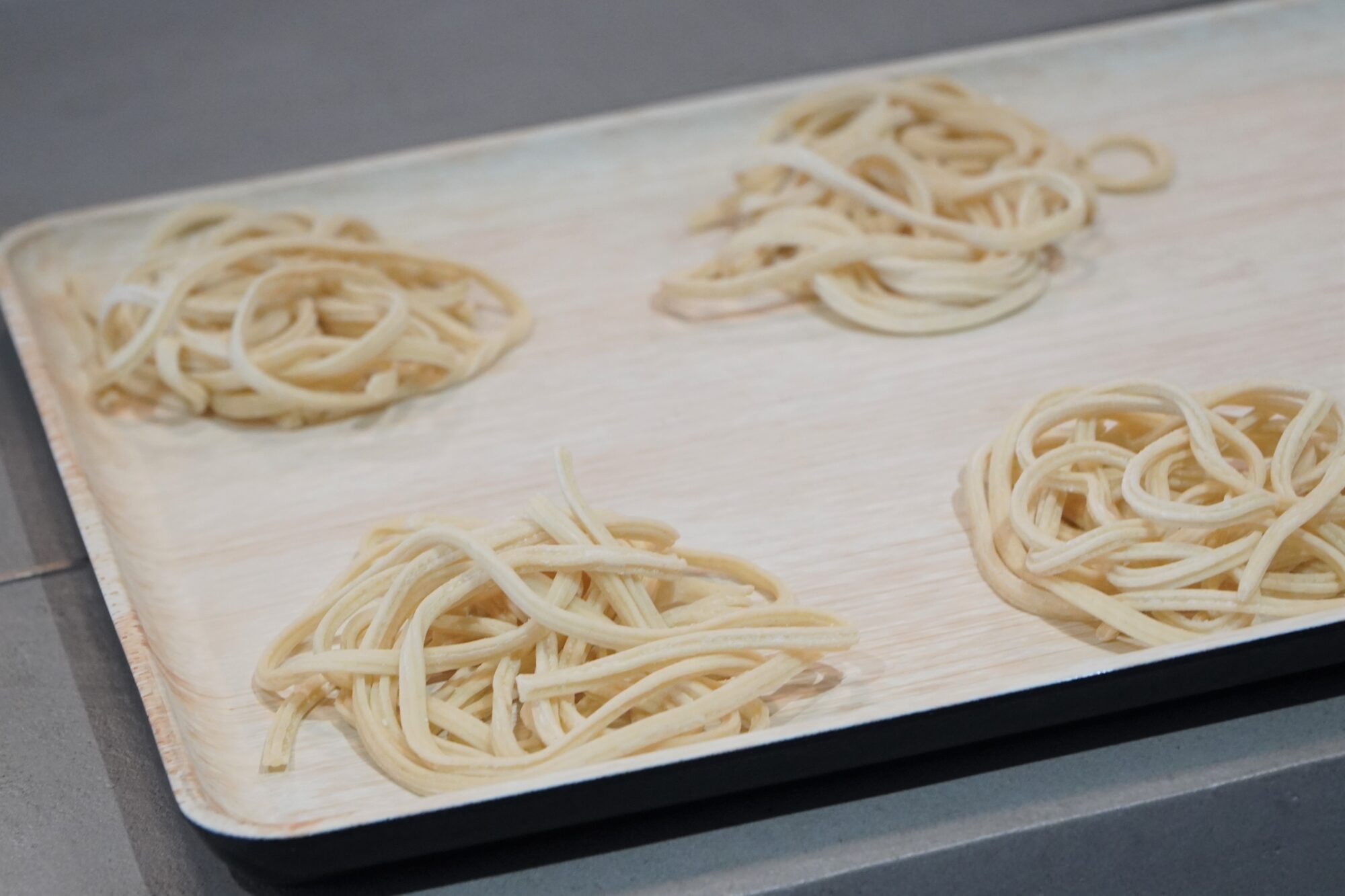
When I slurped Junimen-tai, I felt a bit confused with a noodle I had never eaten before.
The chewy texture seems closer to pasta than to Chinese noodles.
The idea that the soup clings well and dances in the mouth is more aligned with that of Chinese noodles.
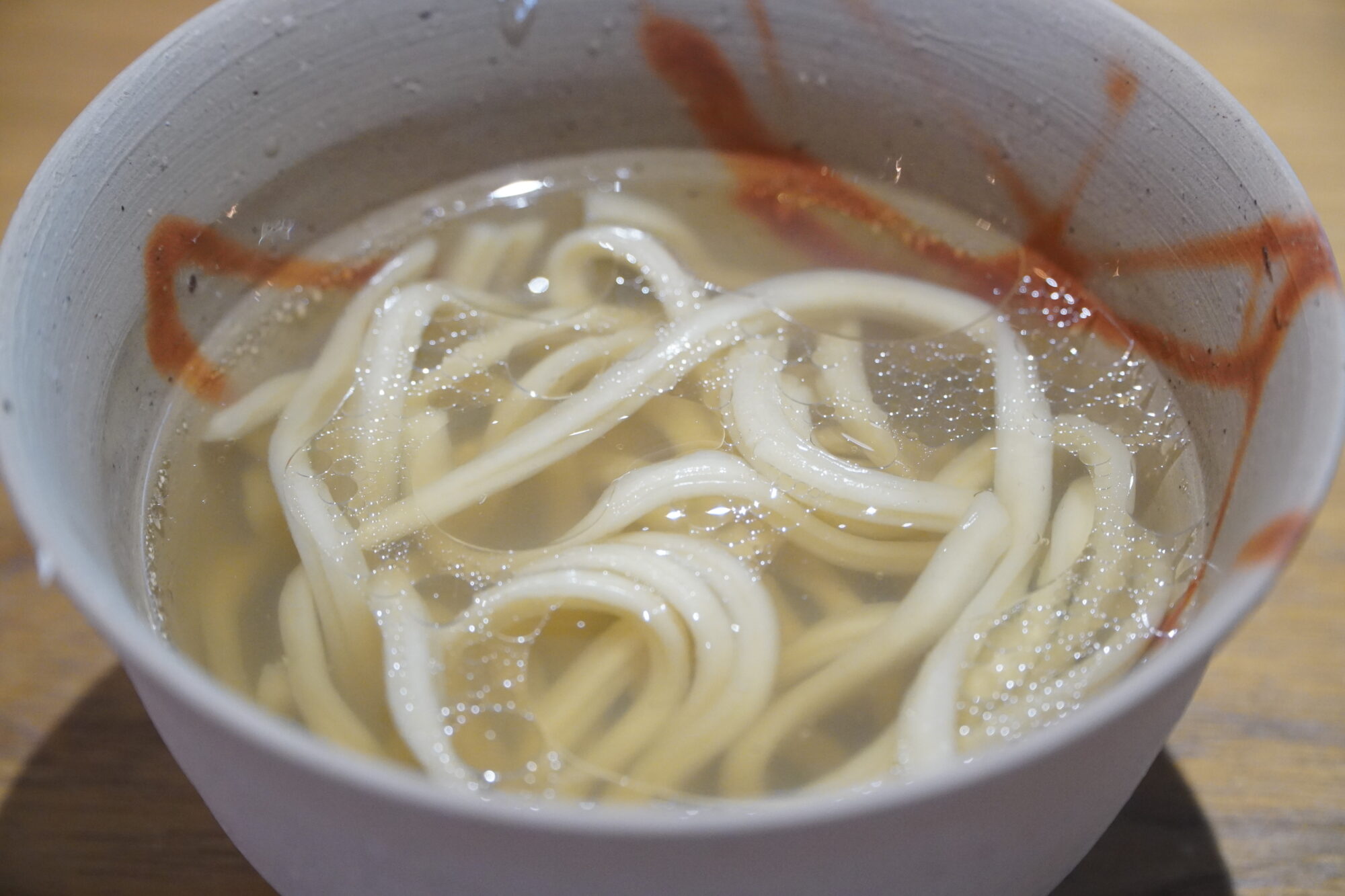
In the sensation of eating both pasta and ramen at the same time, the simple soup flavored with clam broth seems to be telling me, "This is ramen."
To create Junimen-tai, they mix areas with powderiness and areas with high moisture content during the production stage to achieve the irregularity that makes it 'somehow delicious' and stays in memory, reviving it.
It was a new sensation of noodles that was so memorable that it was not just "somehow delicious," but strongly etched in my memory as something I had never encountered before.
Hatayarin
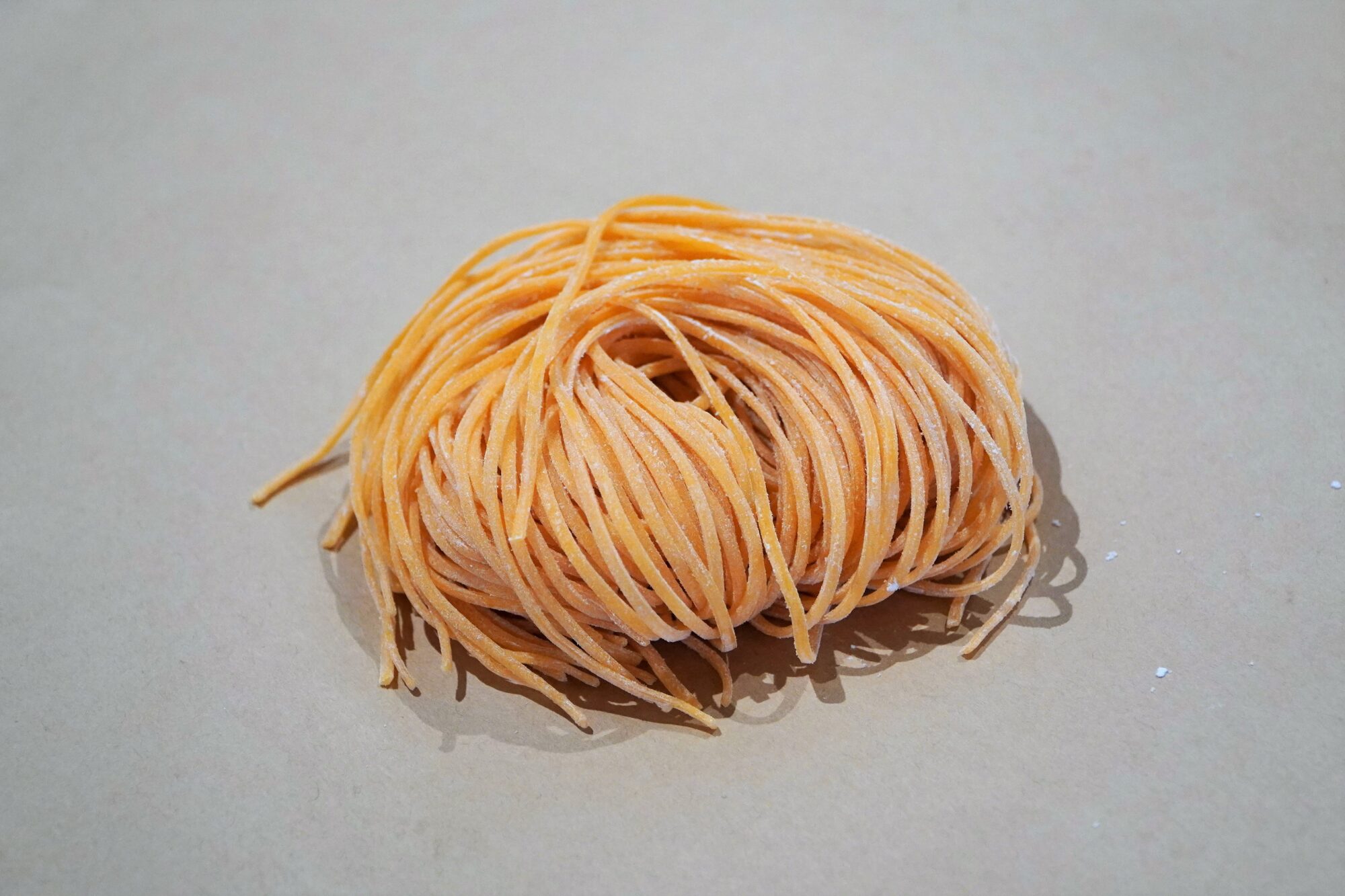
Another new product, Hatayarin, is handled by Fumio Yonezawa from NoCode Co., Ltd., which has a store in Tokyo.
It is a thin fresh pasta of 1.66mm, made with egg yolks from Tokushima's Awa-raised chickens and Hokkaido's Kitahonami wheat flour.
Using Chinese noodle techniques, it expresses a texture and bite that is not soft, which is preferred by Japanese people.
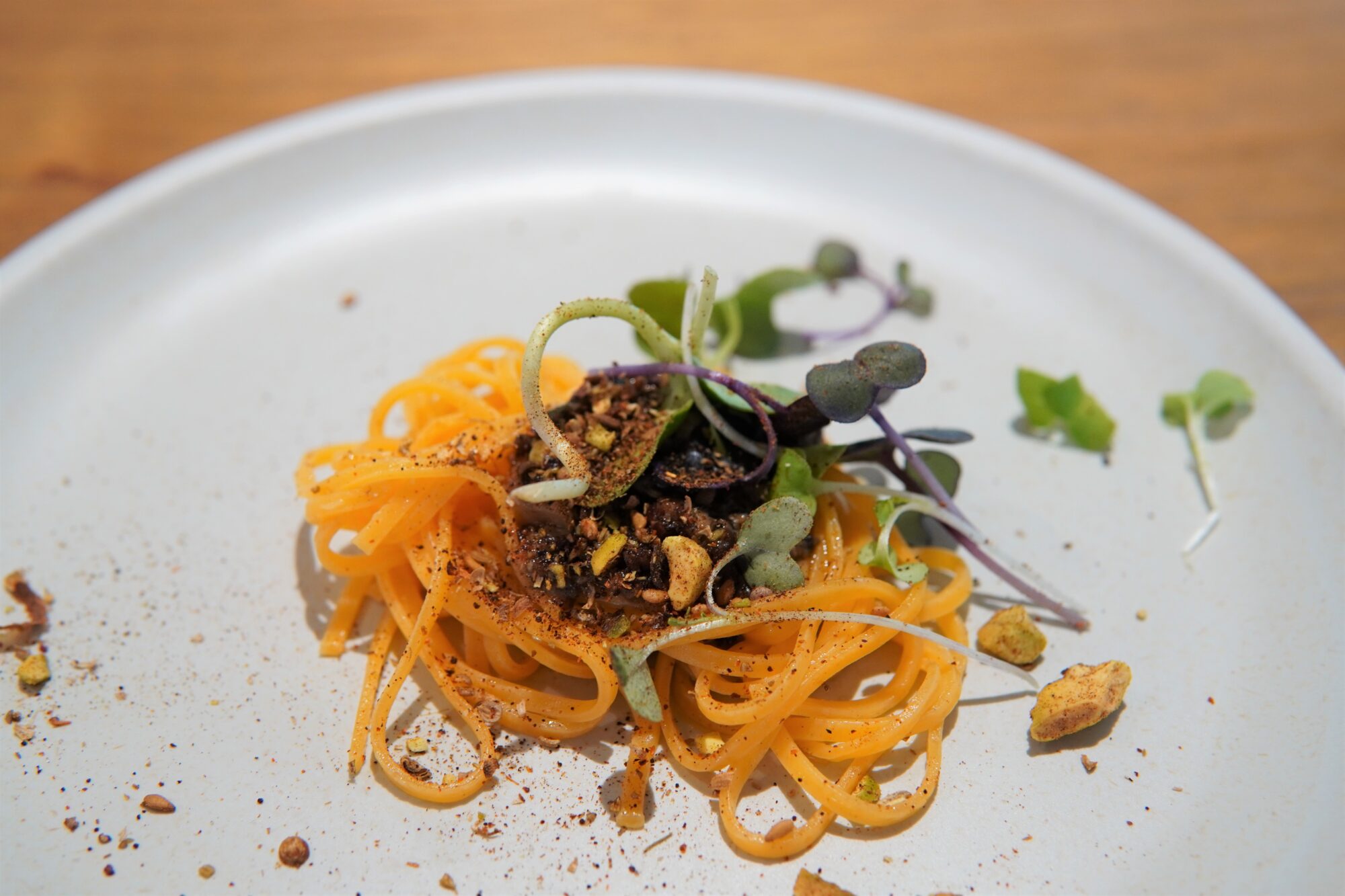
A dish that looks like pasta was served.
Since the sauce uses Middle Eastern spices, it has an ethnic aroma.
Taking a bite, my head was once again confused.
There is no chewy texture, and the noodles seem more like pasta leaning towards Chinese noodles due to their good bite.
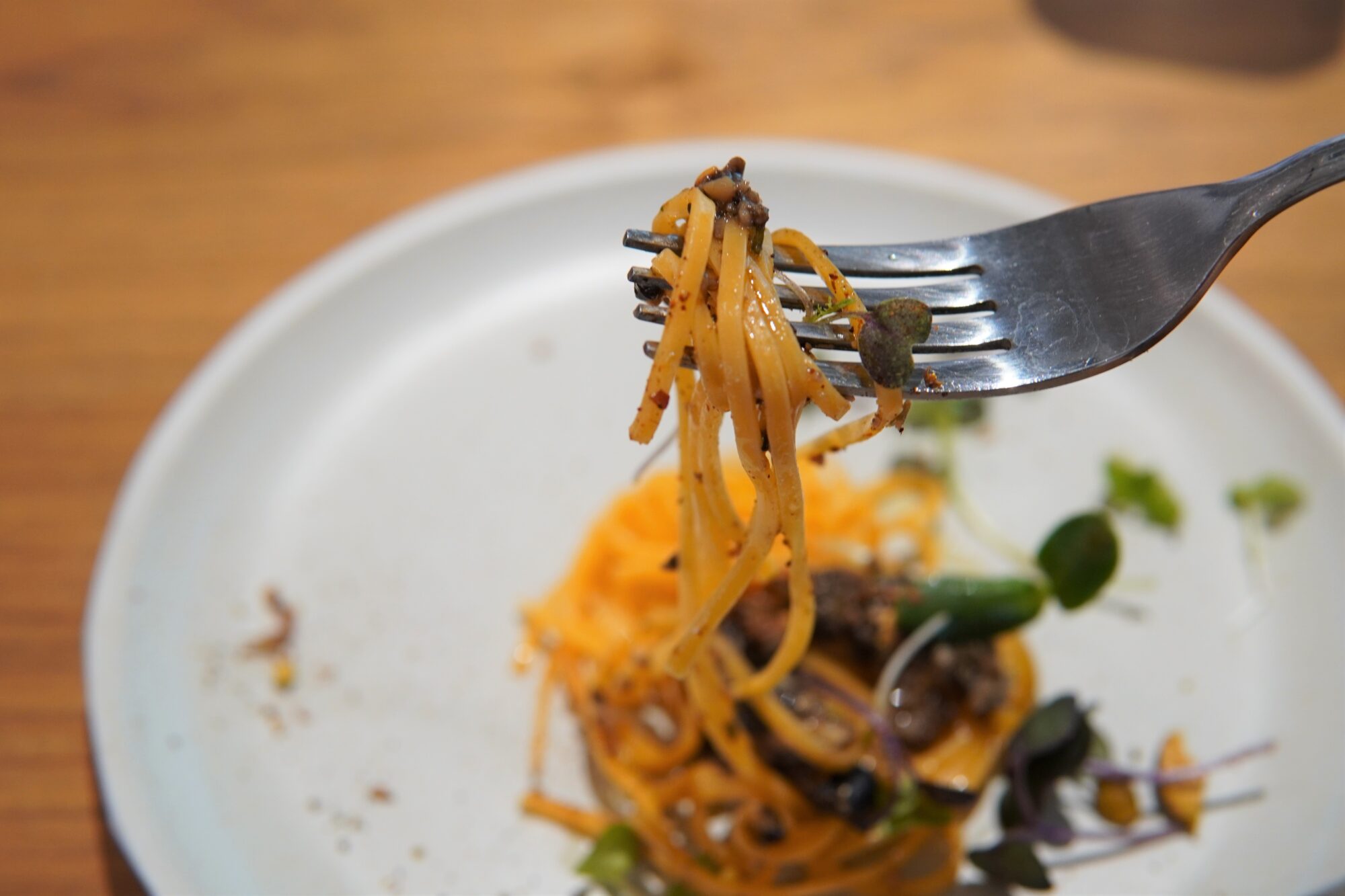
There is also a sensation similar to mixed noodles, so the Middle Eastern spices were a perfect match.
Maltagliati
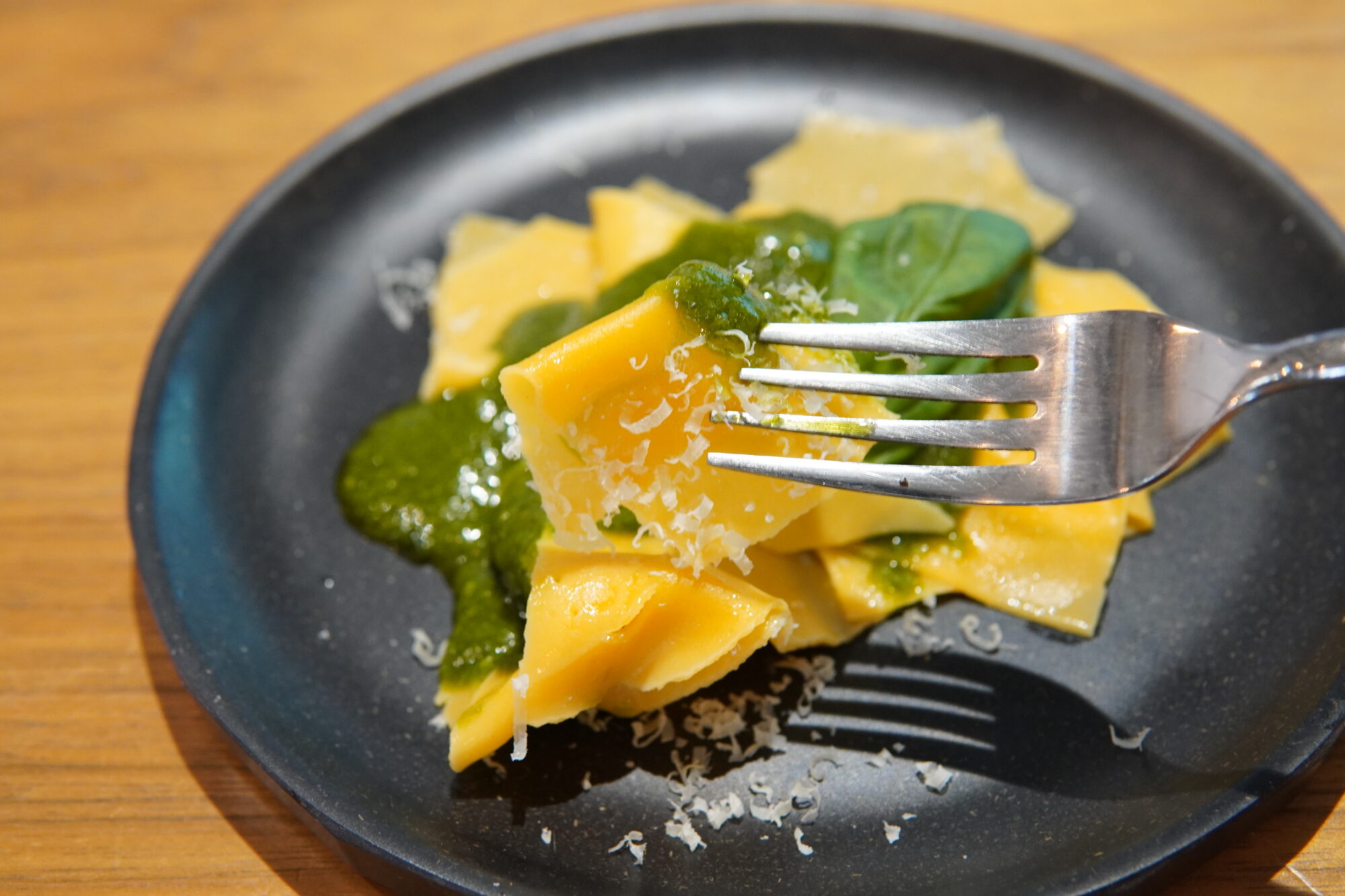
I also tasted a dish made with Maltagliati, a pasta made from the same ingredients as Hatayarin.
Maltagliati is made in sheet form and intentionally cut into random shapes.
The dish was prepared by Yoshiyuki Okuno from Signal Co., Ltd., which has a store in Tokyo.
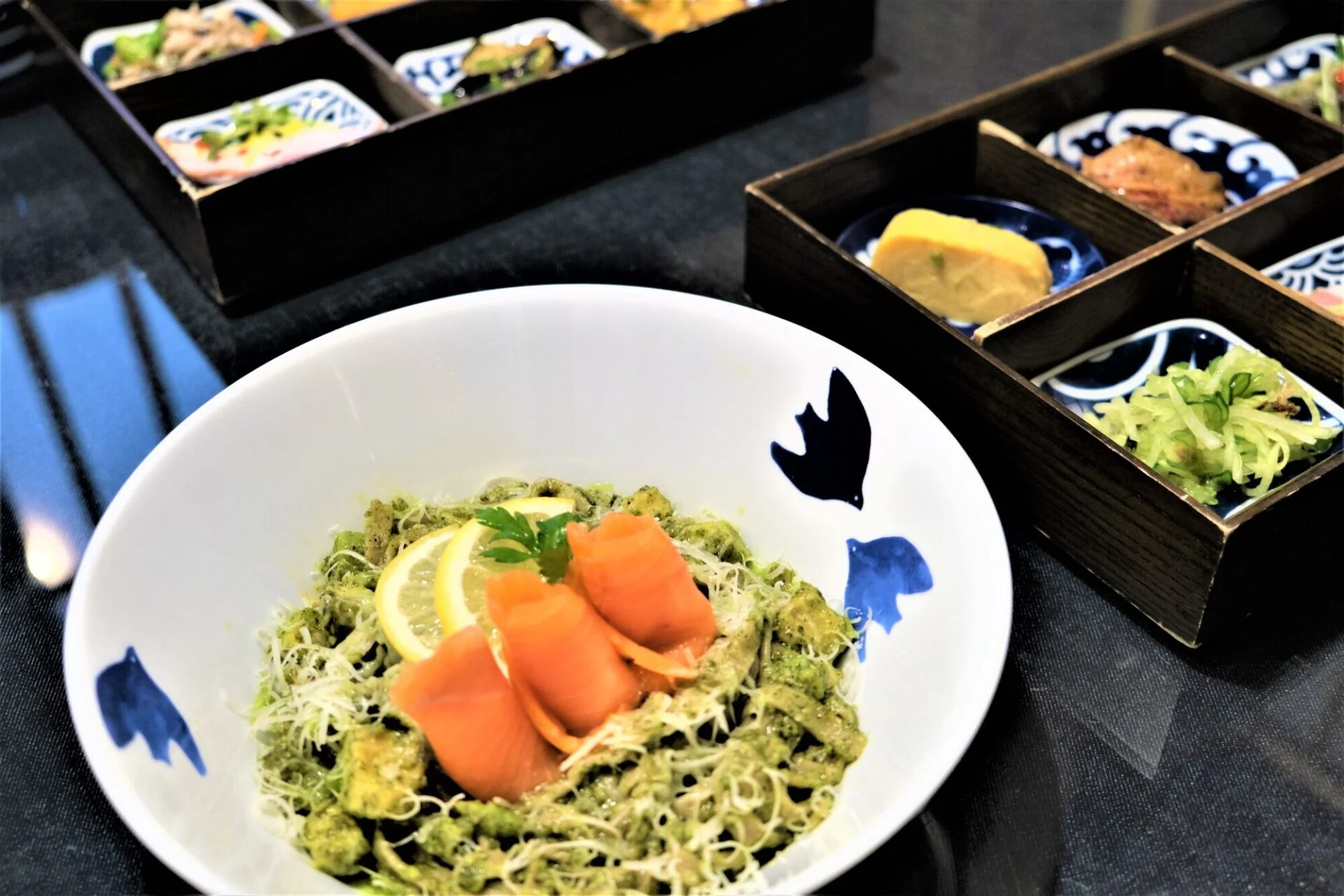
A pasta mixed with basil sauce from the Livorno region of western Italy was served.
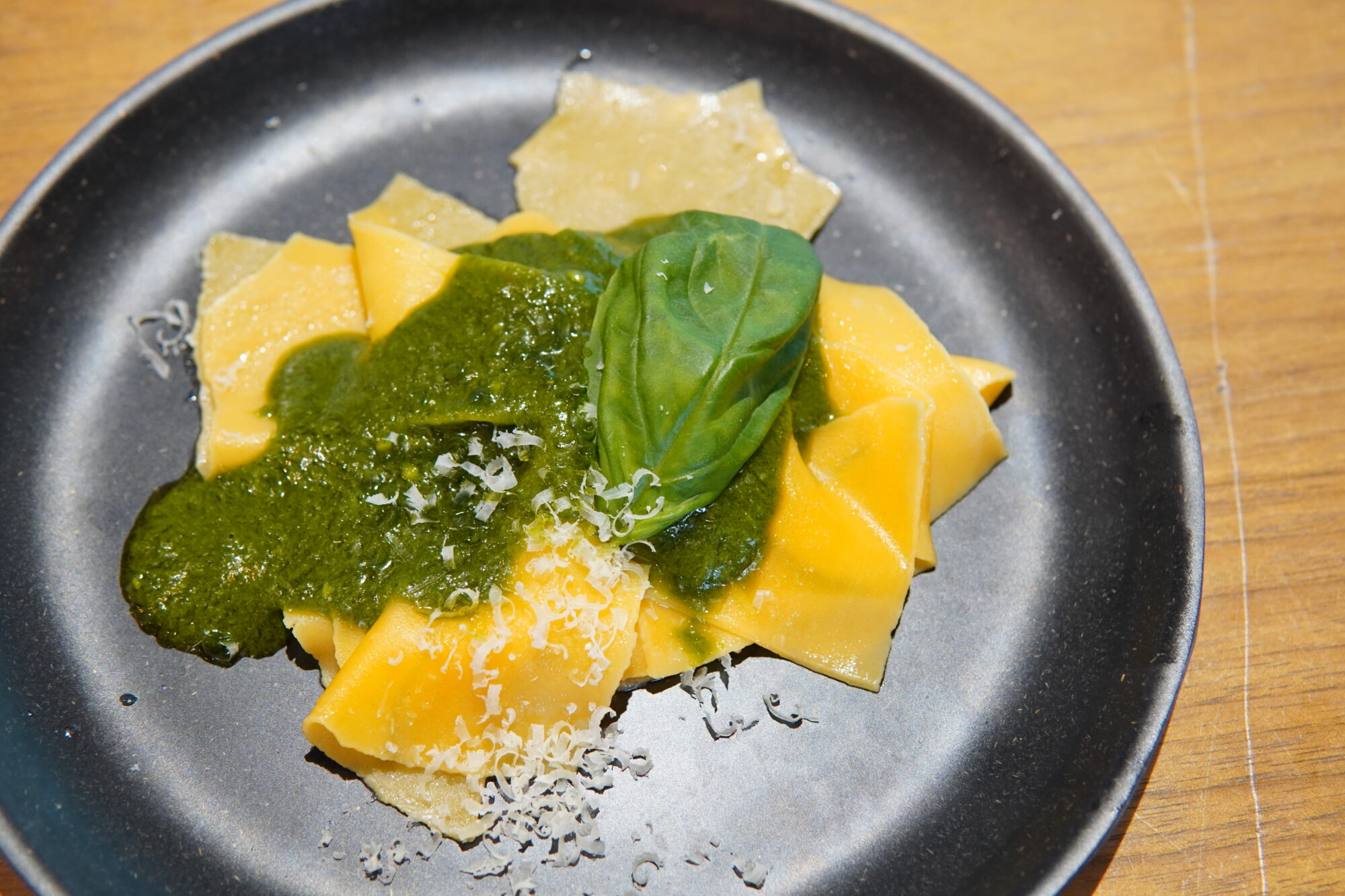
The flat noodles have more elasticity compared to Hatayarin, but they also lack a chewy texture.
The smooth mouthfeel is something that Hatayarin does not have, making it hard to believe they are made from the same ingredients.
I felt the depth of the world of noodles.
Chefs' Thoughts on Fuji Noodles Workshop
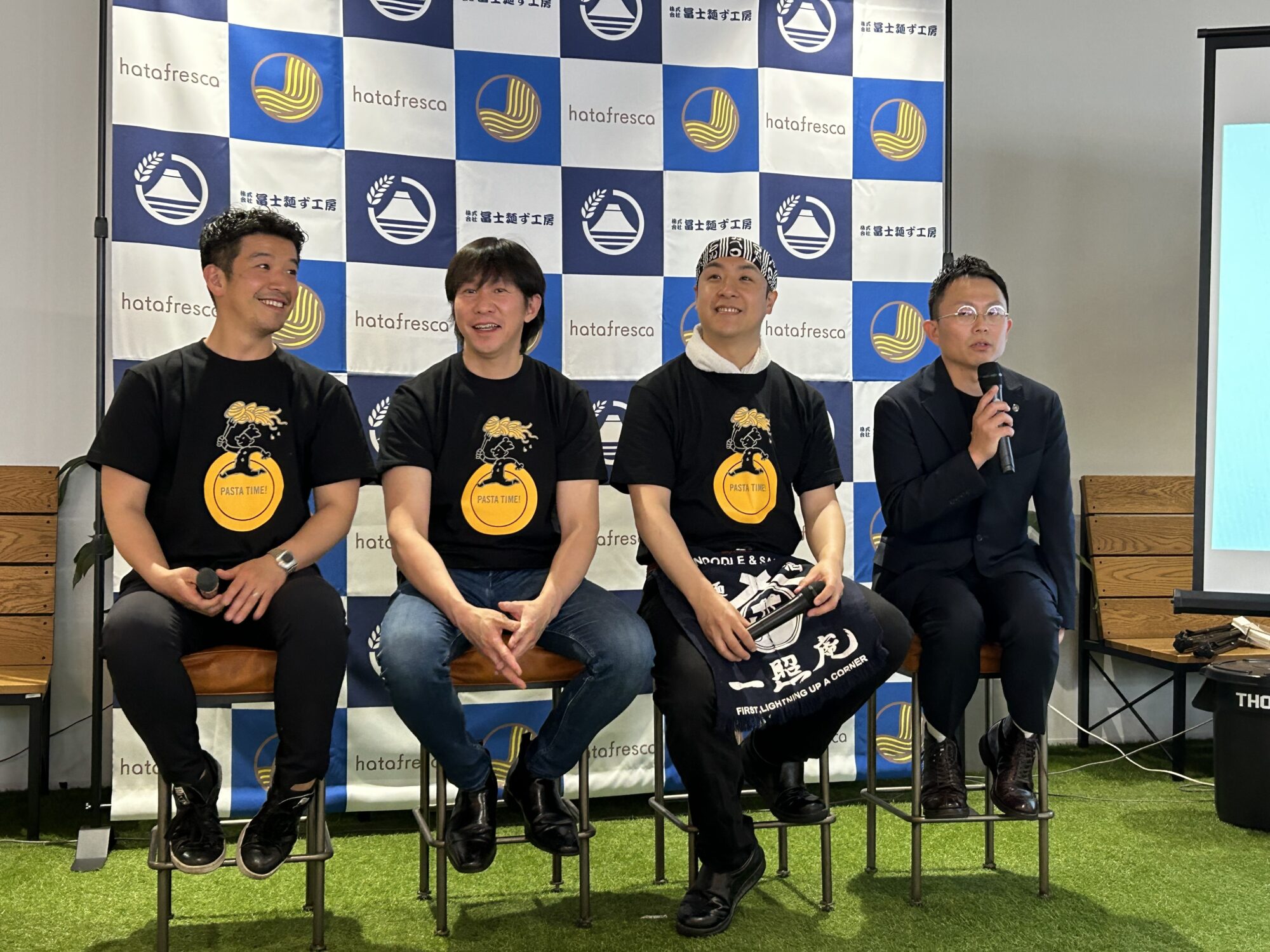
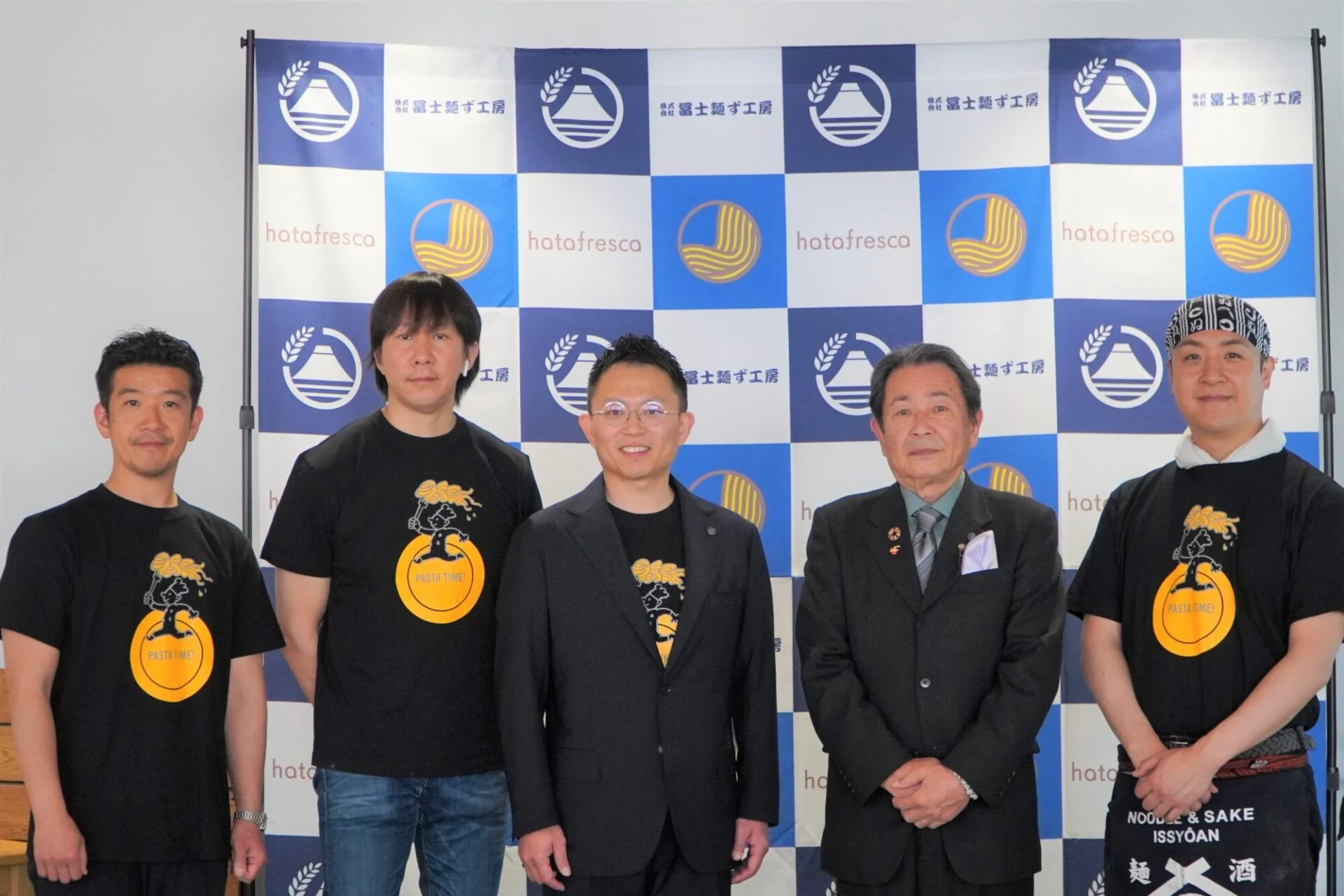
After the tasting, there was a cross-talk with Yuya Hata and three chefs.
All three provide dishes using noodles from Fuji Noodles Workshop at their own restaurants.
I was able to ask why they chose to use the noodles from Fuji Noodles Workshop among the many noodle manufacturers.
Ono (no honorifics)
Since our establishment in 2018, we have been using noodles from Fuji Noodles Workshop.
What I like is their versatility, as they go well with any soup.
When I tasted the twelve types of noodles, I was pleasantly surprised in a good way.
There was nothing to describe the texture, shape, and how they danced in my mouth.
It resonated directly in my heart as a new and interesting noodle!
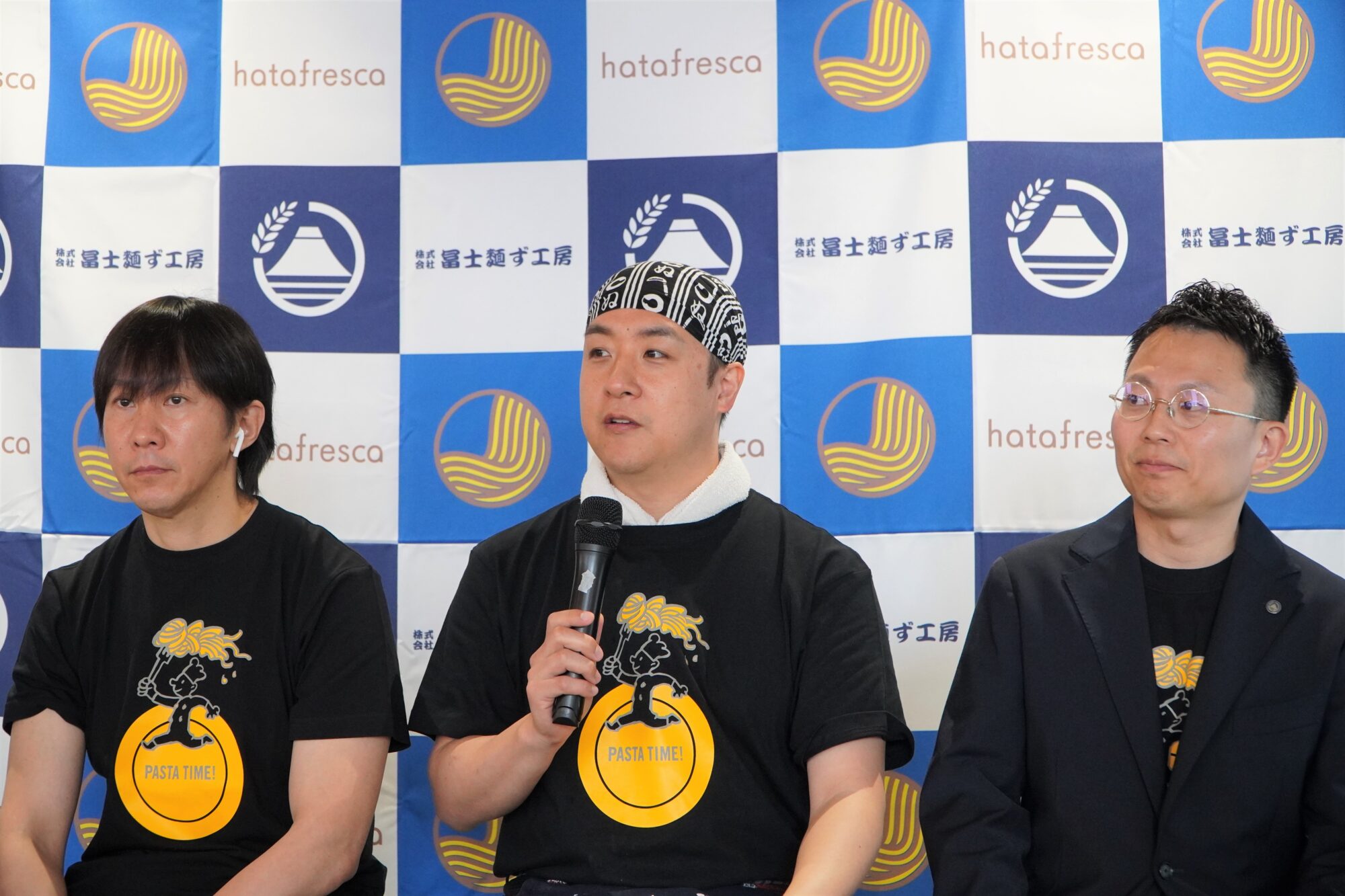
Since it is a high-hydration noodle with a clear taste, I thought it would go well with a light clam soup, so I paired it with clam during the tasting event.
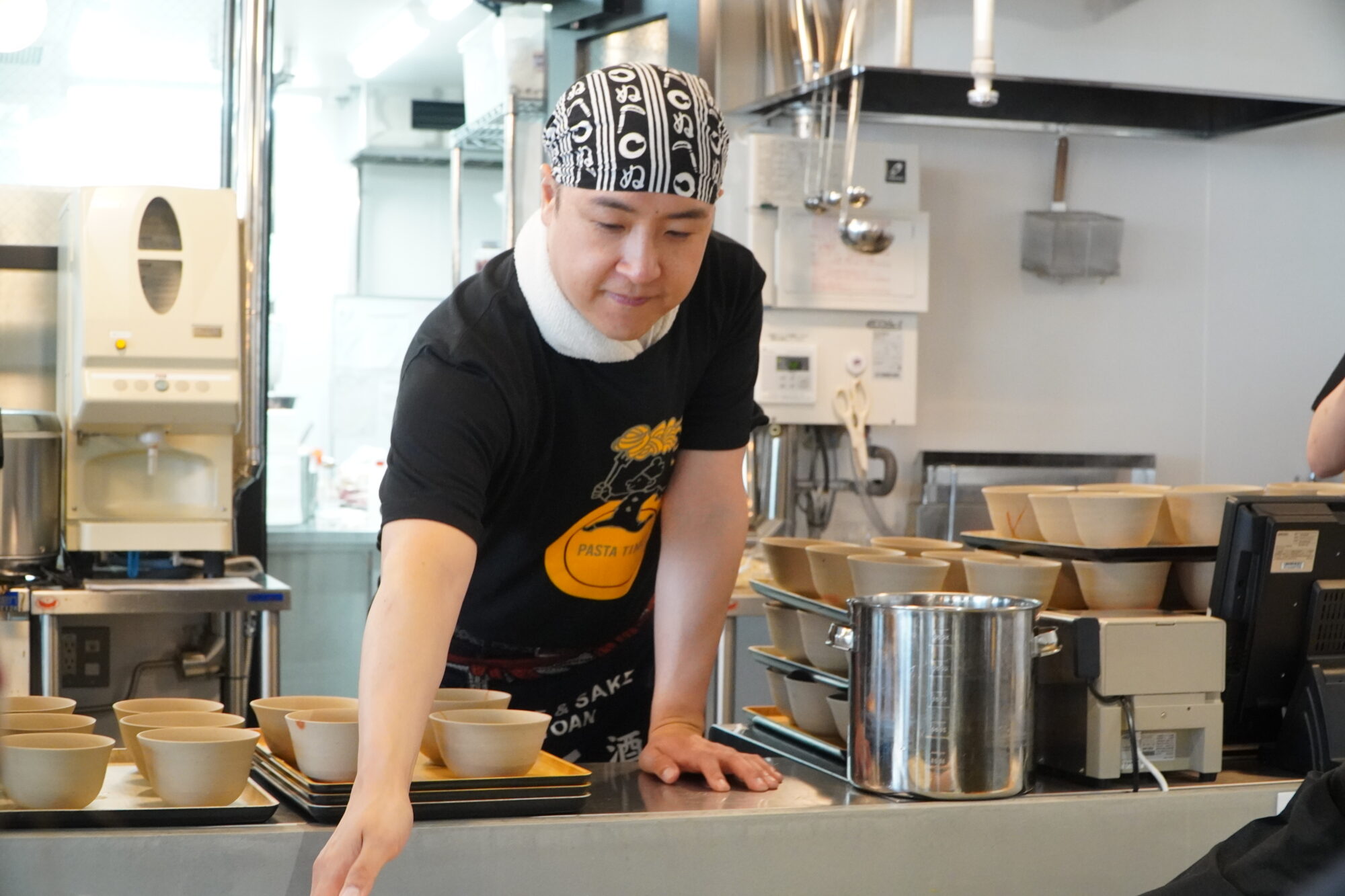
Okuno (no honorifics)
I am an Italian chef and have cooked in Italy.
In Italy, homemade noodles are highly valued.
From my experience there, I initially thought it was wrong to outsource noodles to make pasta, and I felt that I had to knead and make them myself.
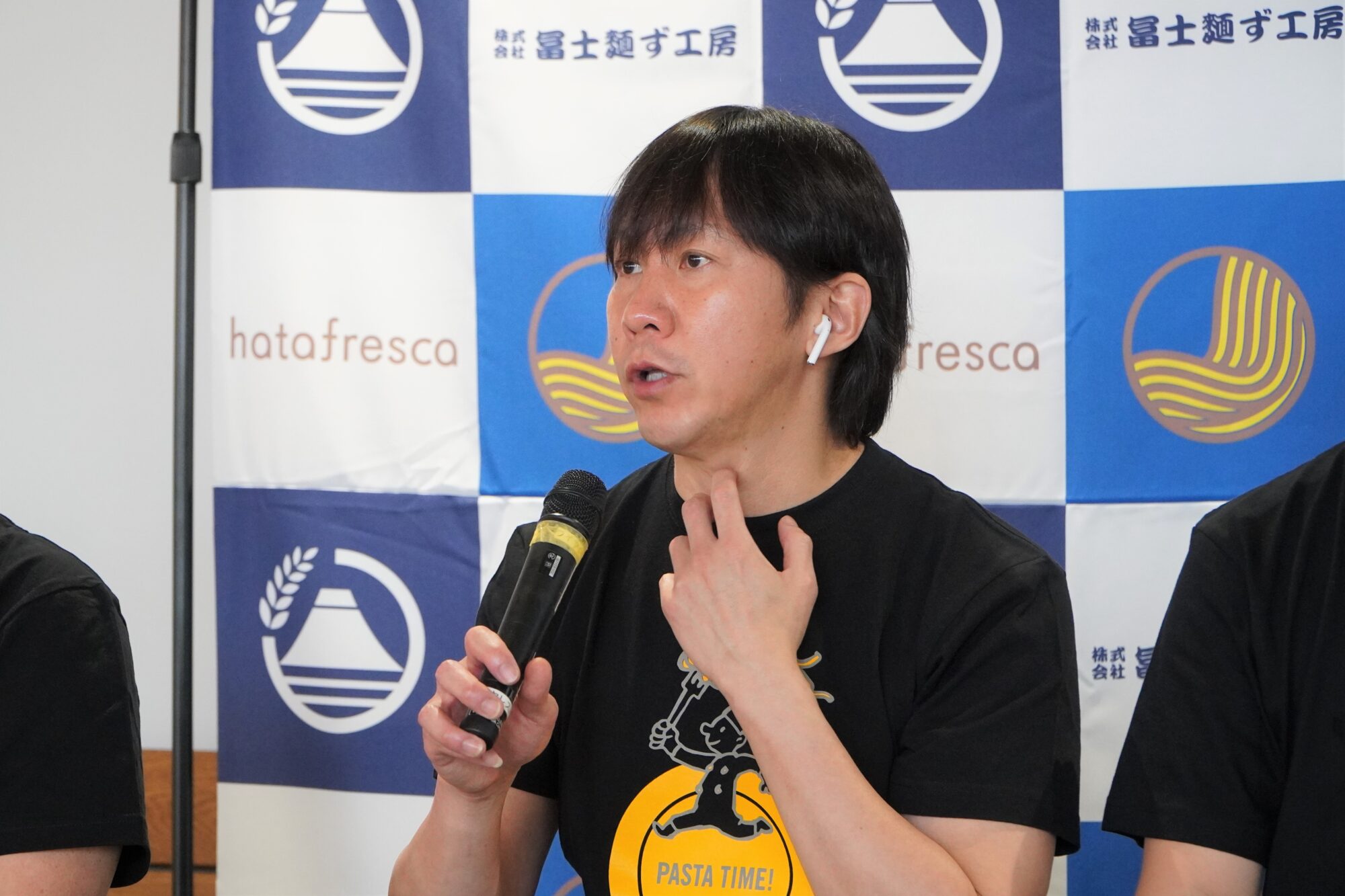
I met Fuji Noodles Workshop at an event.
I got to taste their noodles.
In Italy, when a mama makes pasta, she cuts it by hand, so the sizes are uneven and random.
There is a deliciousness that comes from that irregularity.
When I tasted the noodles from Fuji Noodles Workshop, which values irregularity in noodle making, I thought, "This is good! Delicious!"
As I continued to taste, I wanted to handle them myself.
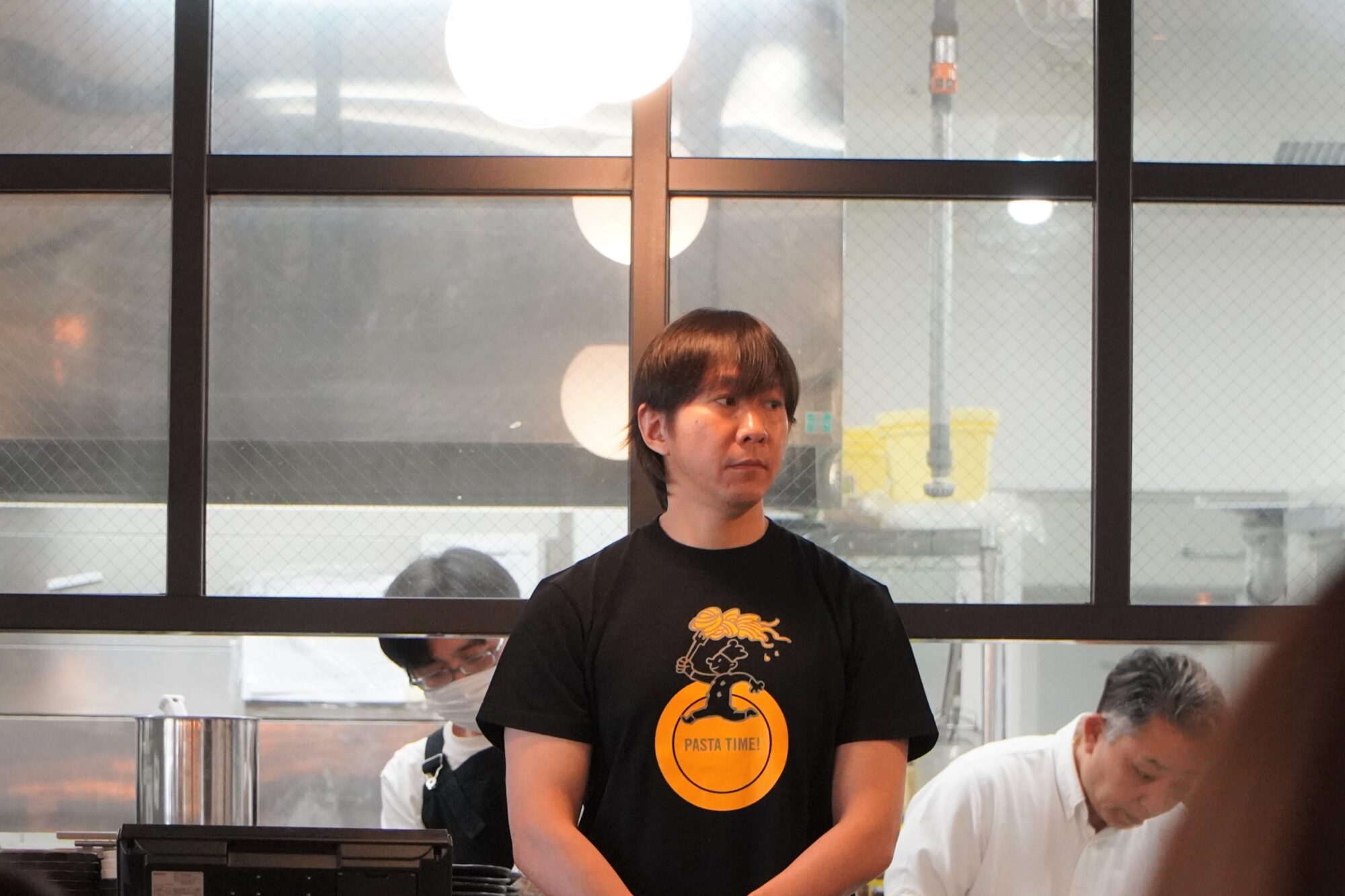
What I value the most is connection and encounters, and meeting at the event was the trigger.
Additionally, they are flexible in accommodating requests such as adjustments in millimeters or using rice flour.
They fulfill my requests every time.
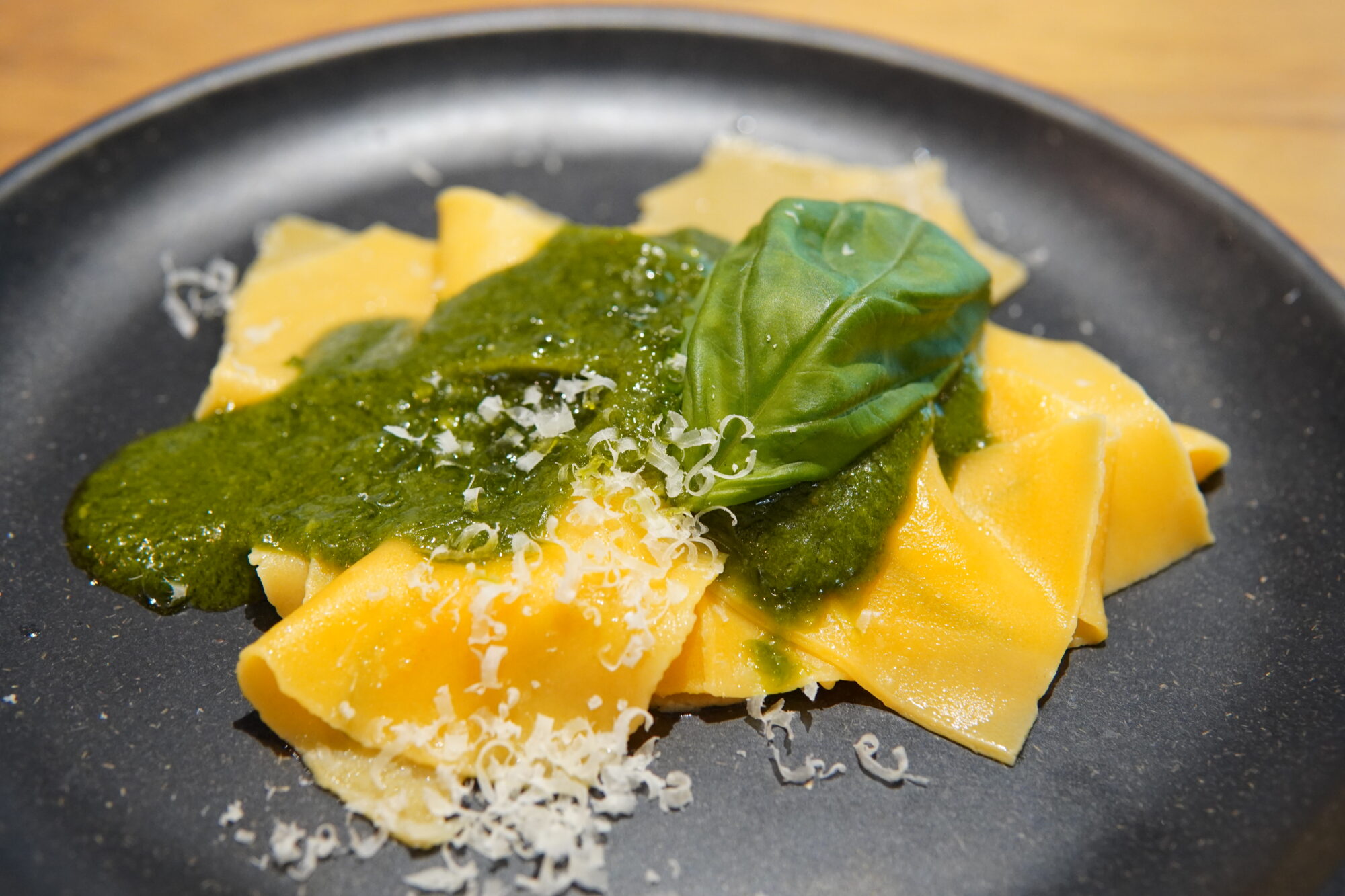
Maltariati becomes even easier to mix with sauce when torn by hand.
There are few noodle manufacturers who are willing to change how noodles are handled.
They also take on various challenges.
This makes me want to order again next time.
Yonezawa (no honorifics)
Like Okuno-san, I was thinking of making my own pasta noodles.
But it takes time, and I was wondering what to do when Okuno-san introduced me to Fuji Noodles Workshop.
In my shop, there are many customers who are in the same industry, and I often get asked, "Which pasta is this?"
Then they say, "Please introduce me."
I have connected customers with Fuji Noodles Workshop several times.
While there is a belief that handmade noodles are the best, we also have to consider time and effort from a business perspective.
Since Fuji Noodles Workshop guarantees quality, I can feel secure as a user.
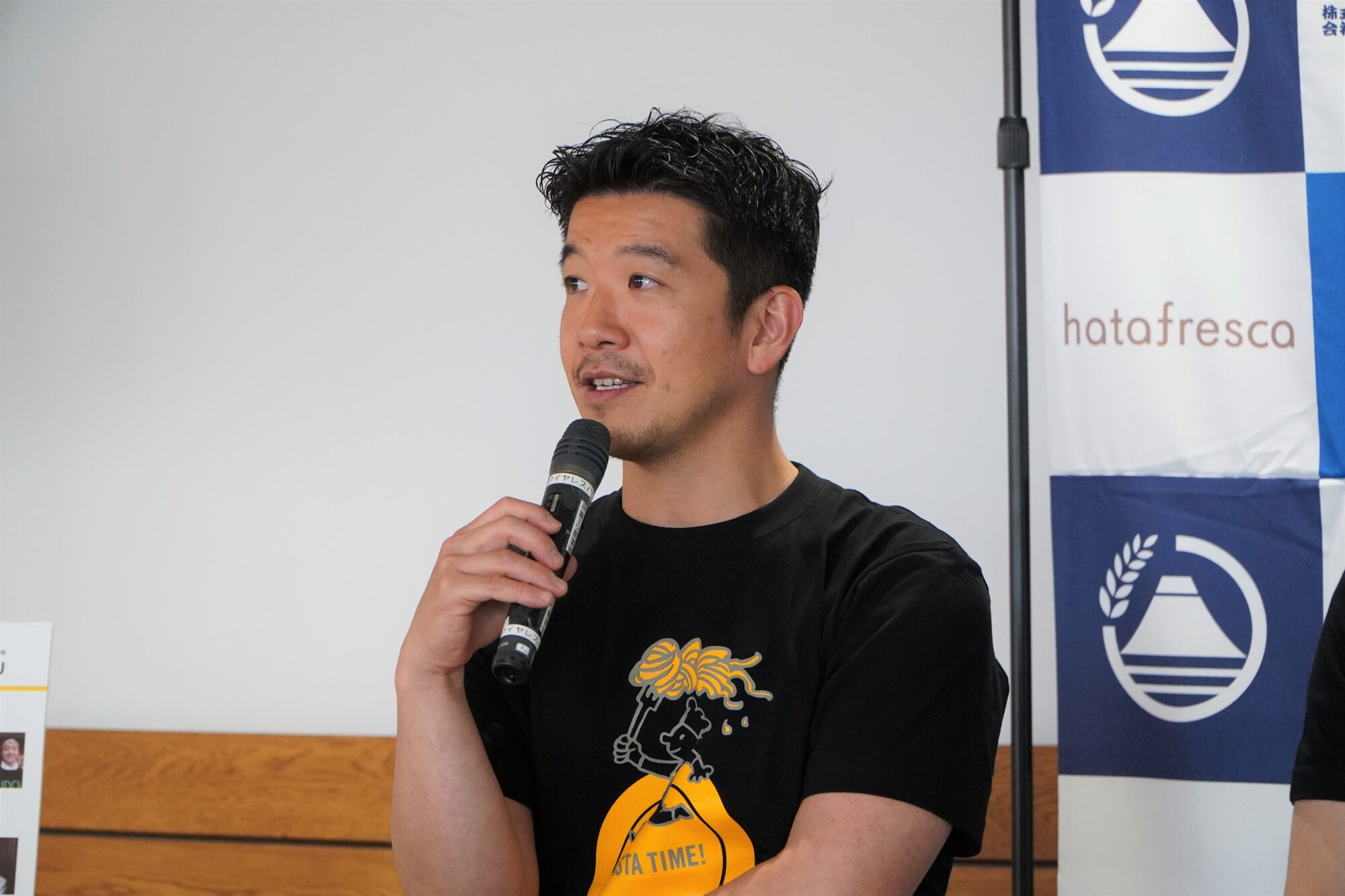
The reason I do business with Fuji Noodles Workshop is largely due to the connection, the personality, and the quality.
Hata-san asks, "How was the noodle?" and responds to requests.
Even though my shop is small, they accommodate me.
Conclusion
Hearing from chefs who actually handle noodles from Fuji Noodles Workshop, I was deeply impressed by their ability to flexibly meet requests regardless of the size of the shop.
It takes a strong passion and commitment for the shop and for the "delicious" experience of the diners to achieve this.
I realized that this gentle and detailed response is likely the reason why the business has continued for three generations.
The hybrid noodles I tasted at the tasting event were truly a new texture that I had never experienced before, and it was a series of surprises.
The Juuni Nenta and Hatayarin will be available for online purchase starting June 1, allowing not only restaurants but also the general public to buy them.
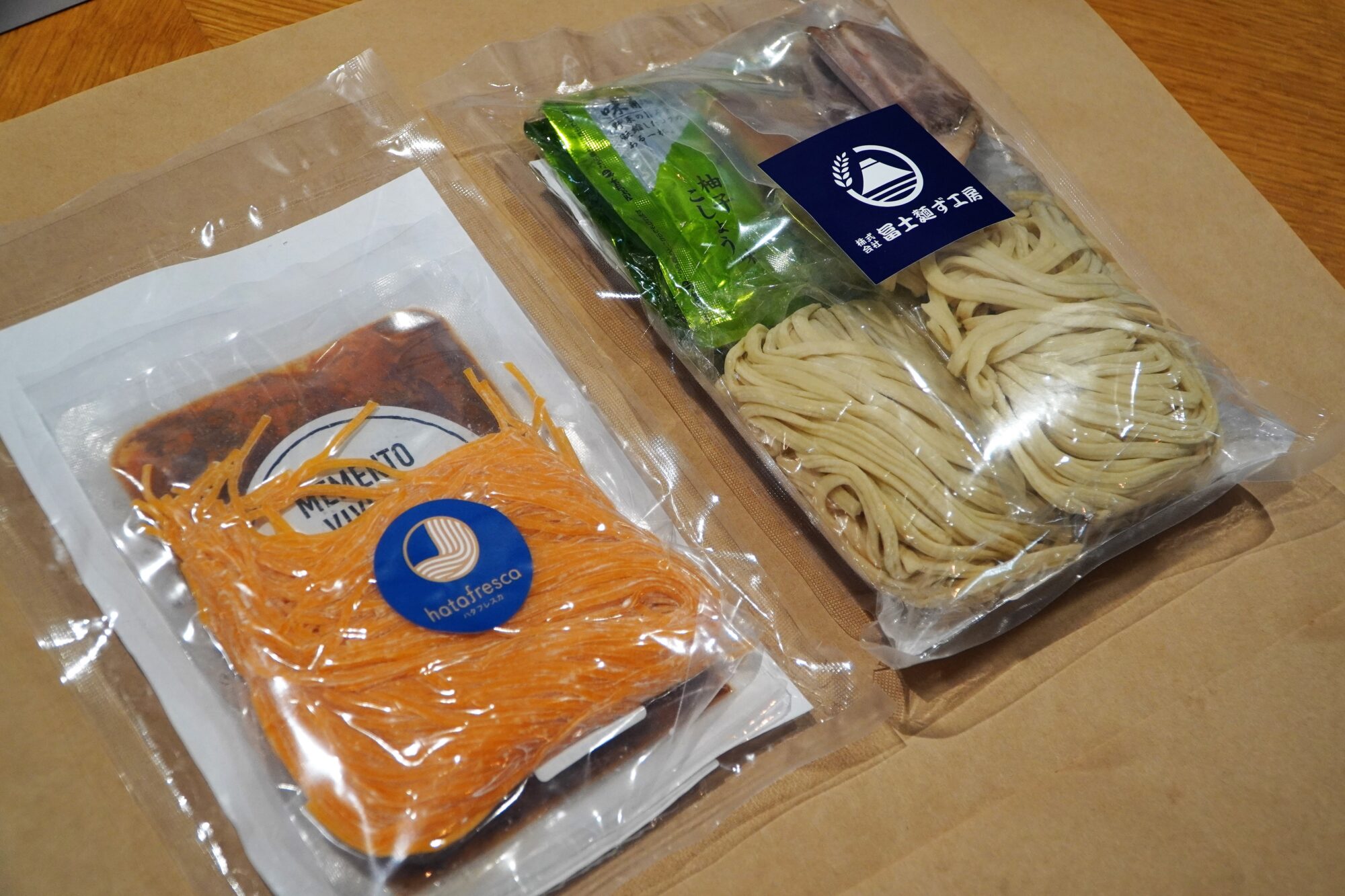
Fuji Noodles Workshop continues to create new noodles.
I can't take my eyes off them in the future.
Data of Fuji Noodles Workshop
| Organization Name | Fuji Noodles Workshop |
|---|---|
| Industry | Noodle Manufacturing |
| Representative Name | Hata Yuya |
| Year Established | February 1947 |
| Address | 1-41 Shimoifuku Honmachi, Kita Ward, Okayama City |
| Contact | 086-254-4448 |
| Website | Fuji Noodles Workshop Co., Ltd. |