Interview with Mizuguchi Tomoki
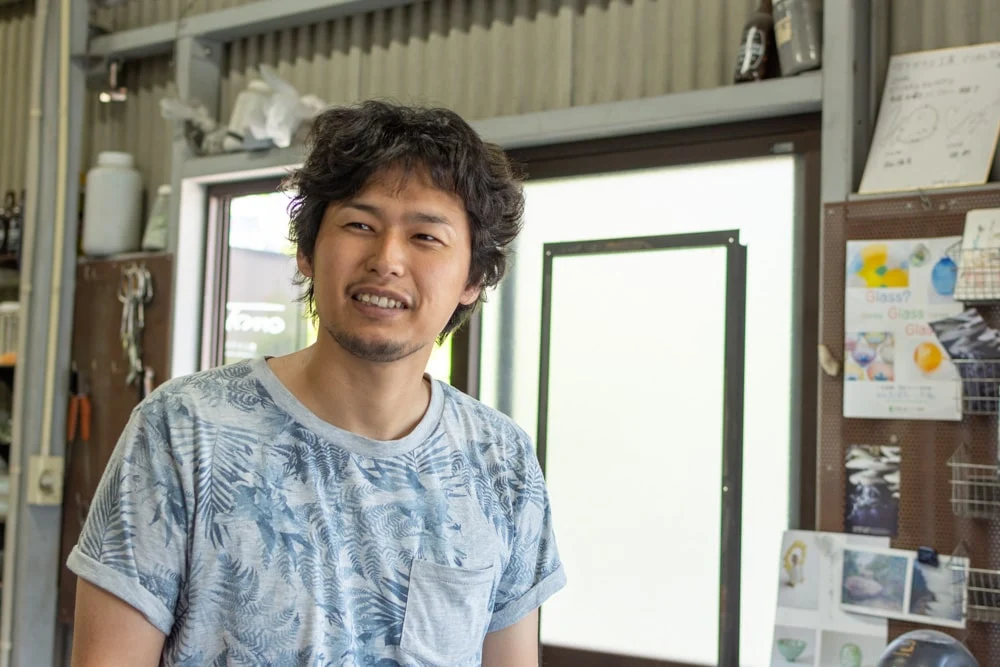
The interview is based on the content from the initial interview conducted in July 2019.
What challenges did you face in developing IGUSA GLASS?
Mizuguchi
Creating new colors with glass is quite challenging.
Still, with the thought of "let's do what others can't," I invested and redesigned the furnace, repeating experiments for over a year.
There were times when it ended up looking like it had chemicals in it, and no matter how much I melted it, I had to discard it. Since it was a new endeavor, there was no one to consult.
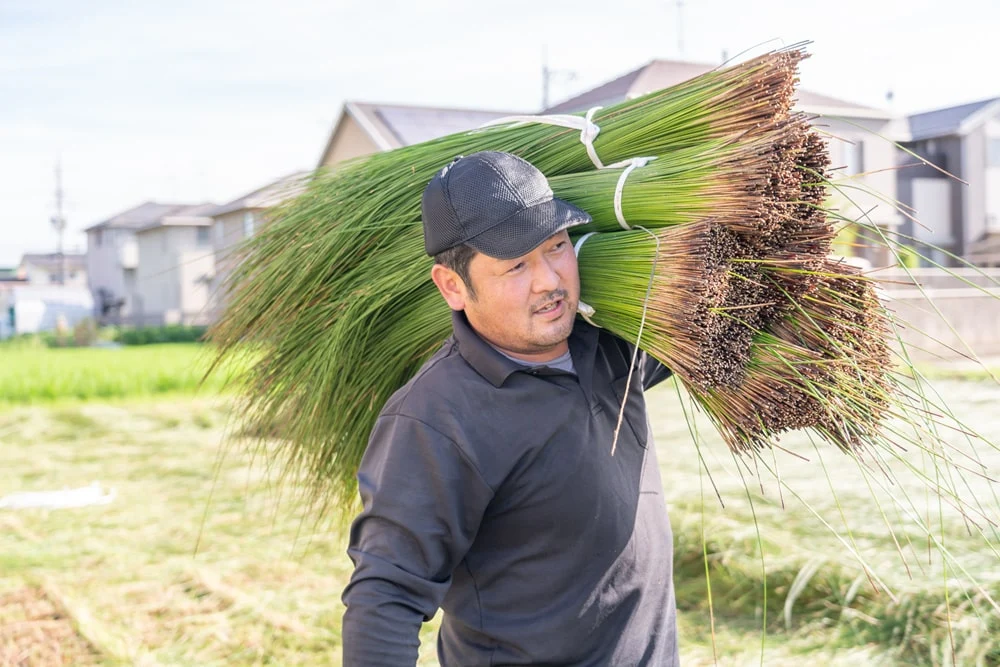
I had to figure out how to burn the igusa (rush) and the tools for burning, as well as the mixtures, and finally, I was able to produce it stably.
What are your commitments?
Mizuguchi
IGUSA GLASS is priced reasonably, but I maintain strict standards for the precision of the works.
I aim for a sharp image and focus on making it look cool.
Blown glass is more difficult to make the thinner it is. However, for example, it is said that thinner cups do not interfere with the taste, and if I were to choose a cup, I would definitely want to use one with a thin rim.
I don't want to sell things I don't like. I don't want to compromise, and I strictly check the thickness and overall weight.
What kind of product is IGUSA GLASS for you?
Mizuguchi
IGUSA GLASS is produced not as my work, but as a product of the workshop. I make it, and the staff makes it too. I don't put my signature on it.
In the future, I am considering having other workshops produce it as well.
Other workshops?
Mizuguchi
Maintaining a blown glass workshop costs hundreds of thousands of yen a month just to keep the furnace running. You can't let the fire go out.
I started my workshop when I was 25, but there were no sales routes, and there were few galleries that would let me hold solo exhibitions, and money was just flying away.
While I could set it up, maintaining it is difficult.
Even if I make something every day, I don't know if it will lead to sales.
However, if there are orders, and I can create based on those, it makes a huge difference. When I started my workshop, I honestly wanted that so badly.
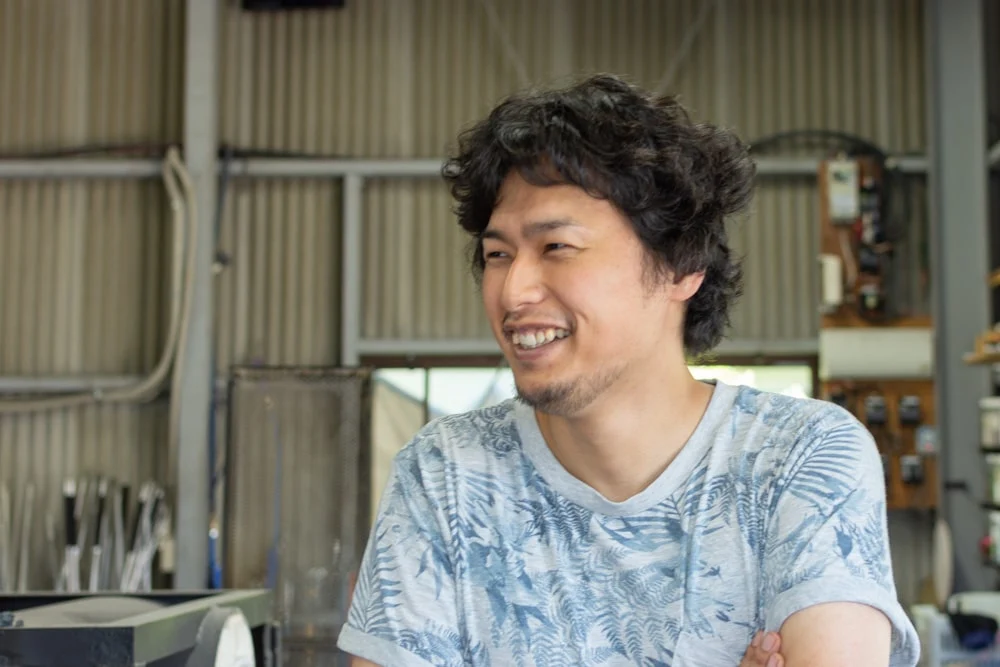
I hope that being able to order IGUSA GLASS from other workshops will help young people when they become independent.
In the future, of course. First, I want to increase the places where IGUSA GLASS is sold.
I hope it will be recognized as a specialty product of Kurashiki. Furthermore, it would be interesting if it could become known as Okayama glass, and then Japanese glass.
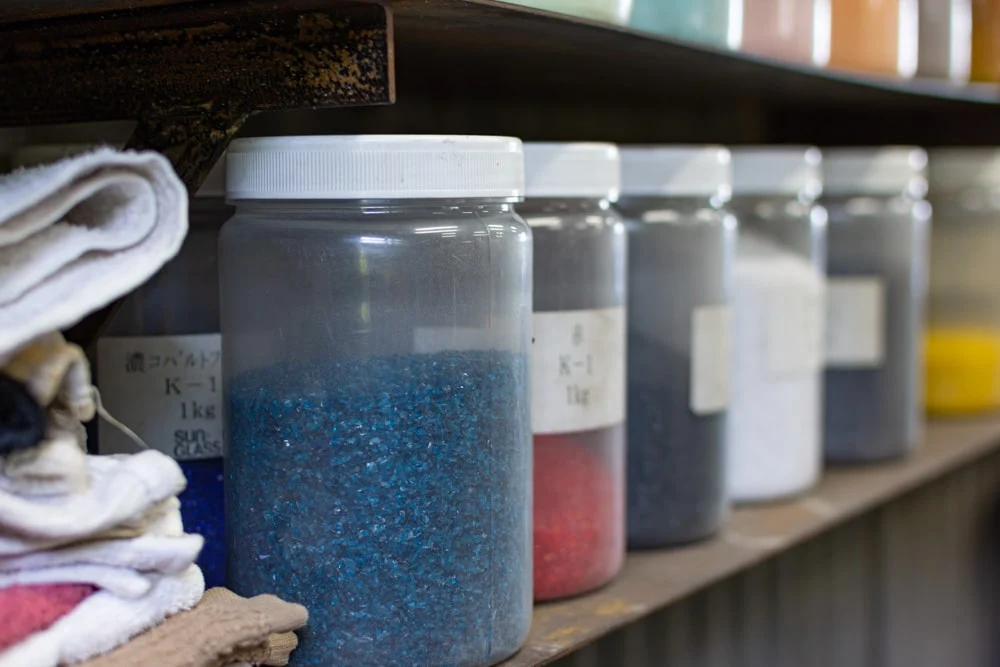
What kind of work is being a blown glass artist?
Mizuguchi
The work is extremely tough.
There is a lot of anxiety, it doesn't make money, it's very hot in summer, and there are no days off.
I work until I'm about to collapse, so I tell people, "You should quit" (laughs).
Even for those who want to try working with blown glass, after experiencing a week of tough work, most won't continue. However, I think those who really want to will be able to keep going.
I love making things, so the production doesn't bother me.
However, selling is difficult and I'm not good at it. I focus on delegating that role to professionals who can sell.
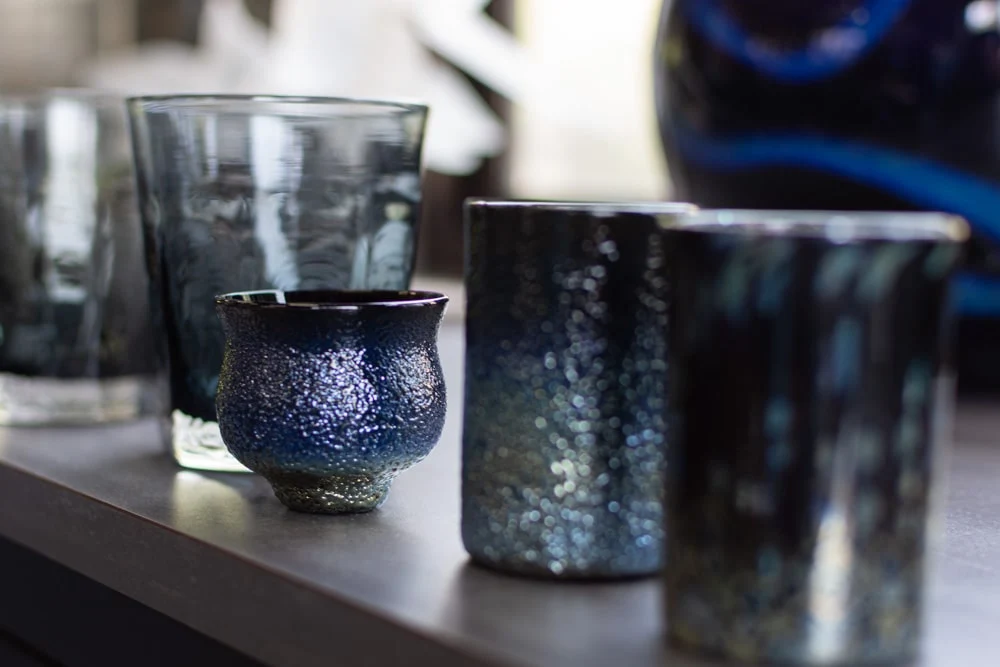
I heard that you collected donations during the July 2018 heavy rain disaster.
Mizuguchi
Actually, this workshop was also flooded up to my knees due to a river flood caused by a typhoon about 7-8 years ago. We were closed for business for a month and a half.
What helped me at that time were my fellow artists. They started collecting donations without me knowing and brought the money together. Thanks to their help, I am where I am now.
During the July 2018 heavy rain disaster, acquaintances and a certain glass workshop were also affected. There was significant damage beyond Mabi.
I also helped with the work at the landslide site nearby and in Mabi, but I started a fundraising campaign directed at glass workshops and self-employed friends, asking, "Is there anything else we can do?" and delivered the funds.
I was grateful for the many people who cooperated.
Finally, please tell us your future goals.
Mizuguchi
I am considering adding items like vases and small bowls to the IGUSA GLASS lineup. I am also thinking about creating items related to weddings.
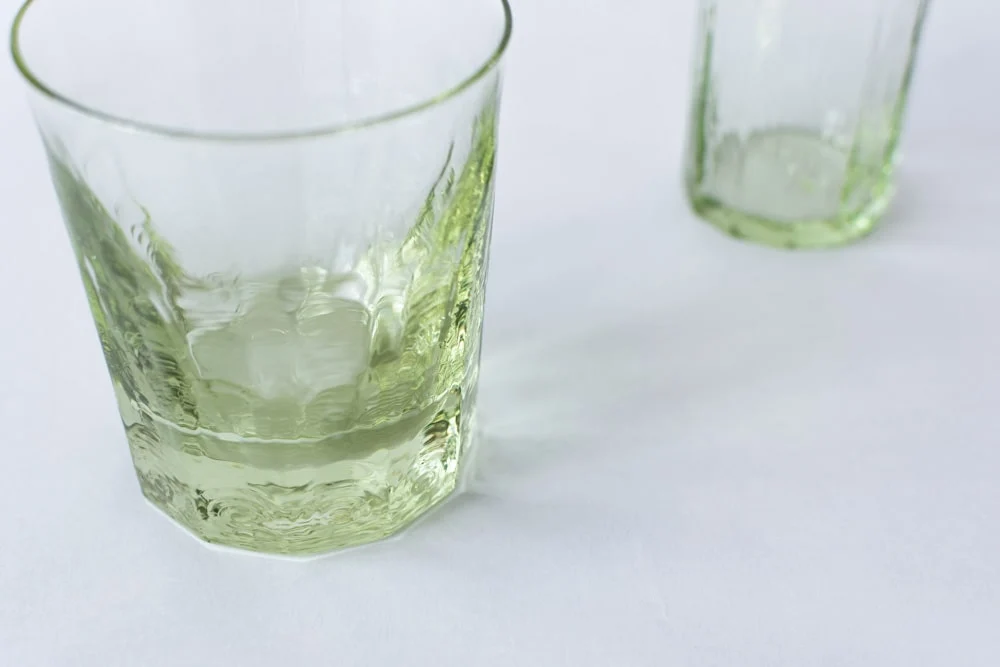
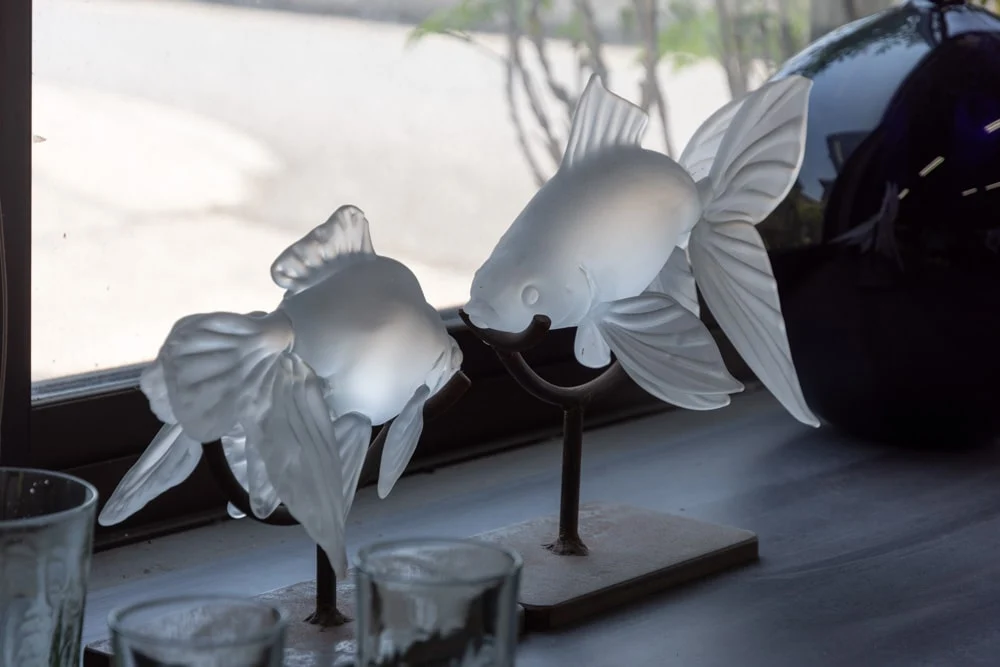
If I have the capacity, I might create lighting. Since the glass has this color, it looks beautiful when light is shone on it.
I imagine combining it with woven igusa products. I want to create it as part of the product.
Personally, I want to focus on works that are like art pieces or objects.
Conclusion
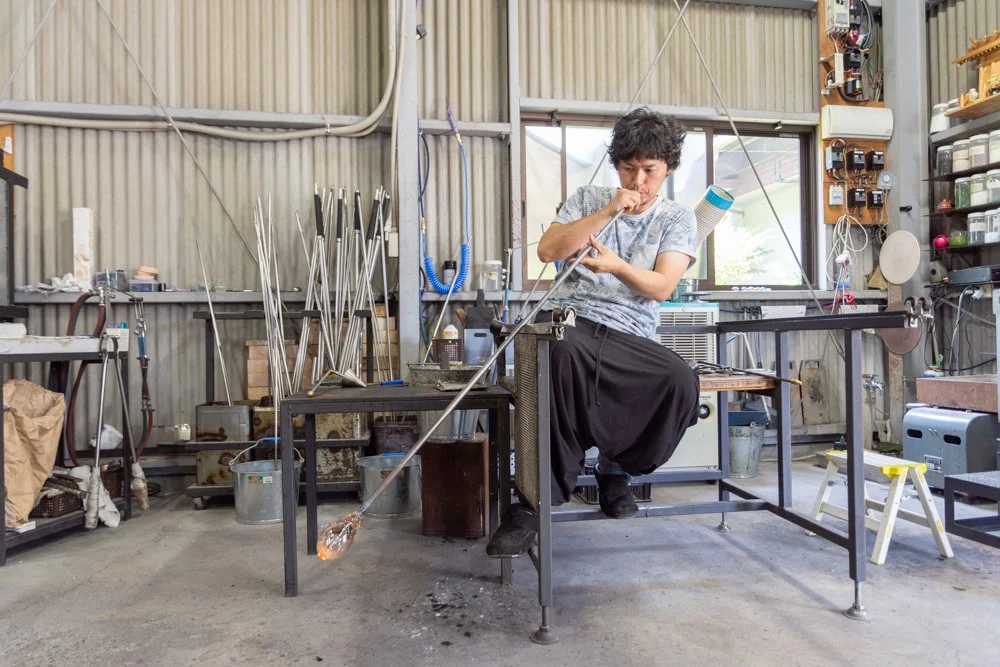
Until now, I have thought that IGUSA GLASS and Mizuguchi's works are cool and beautiful, so I was looking forward to visiting the workshop.
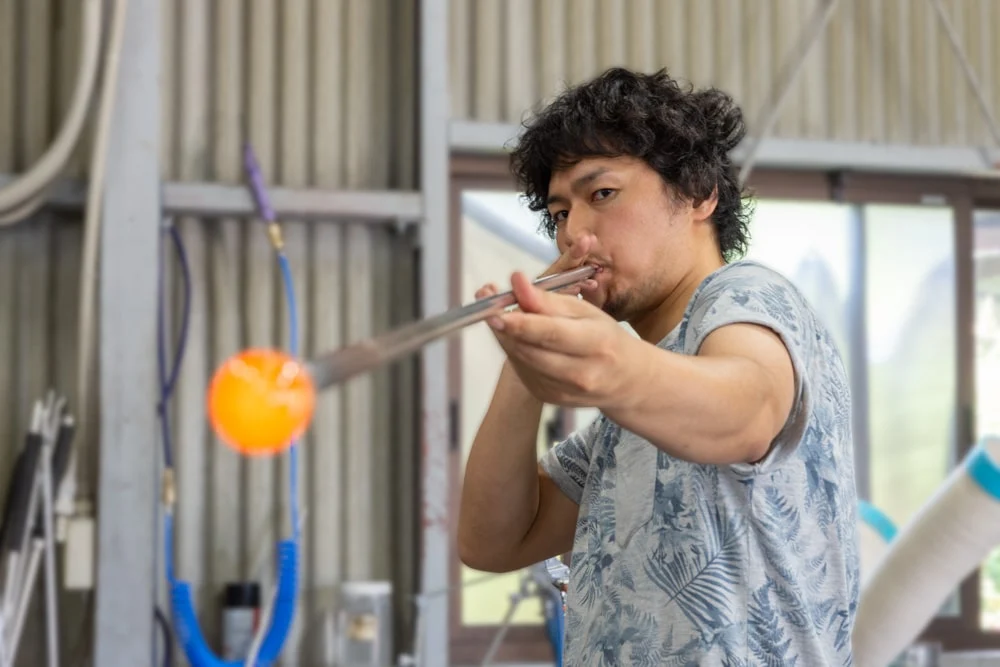
The thick, bright red glass that just came out of the furnace over 1,000 degrees feels mystical. The way the melted glass is quickly and carefully shaped in a short time before it solidifies is moving!
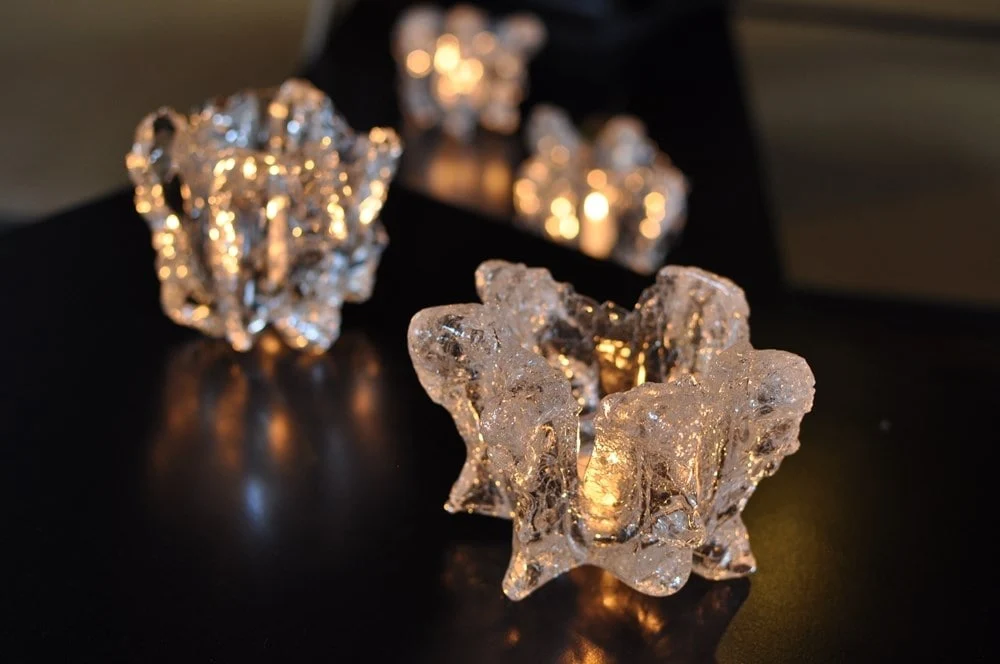
When I borrowed the works for photography, I was so captivated by their beauty that I stopped taking pictures.
Please be sure to hold the actual items, shine light on them, and observe the patterns of shadows.
Data on Kurashiki Tocotoco
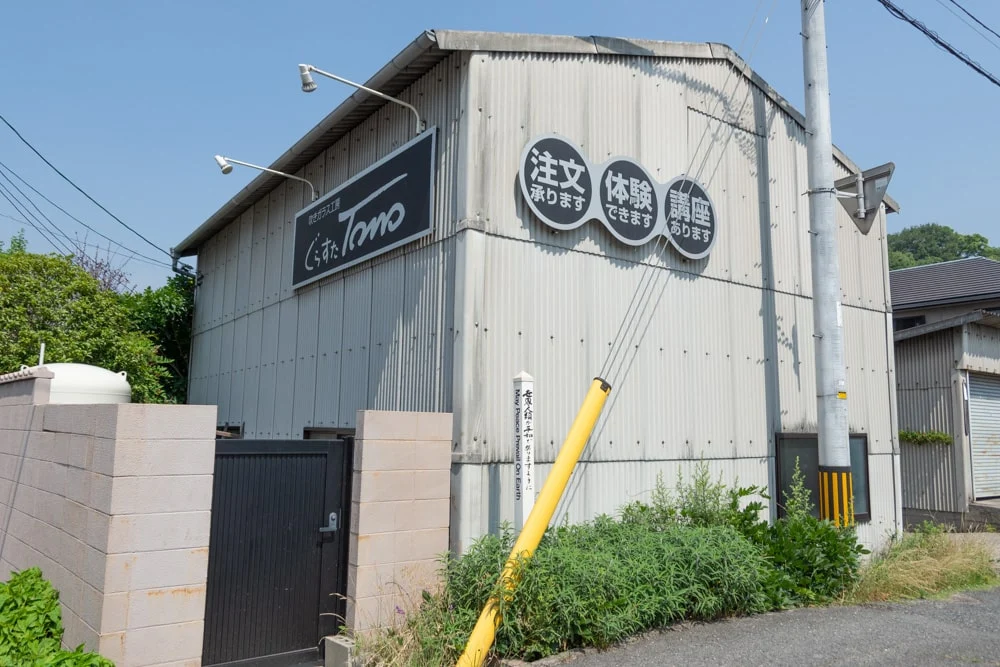
| Name | Kurashiki Tocotoco |
|---|---|
| Address | 2-13-33 Hiroe, Kurashiki City, Okayama Prefecture |
| Contact | 080-1945-6046 |
| Parking | Available Advance notice required |
| Business Hours | 10:30 AM to 7:00 PM Phone reception is from 9:30 AM to 8:00 PM (There may be times when the phone is not answered due to work or exhibitions) |
| Regular Holidays | Irregular holidays |
| Payment Methods |
|
| Website | Blown Glass Workshop Kurashiki Tocotoco |