Interview with Representative Inoue Masaki
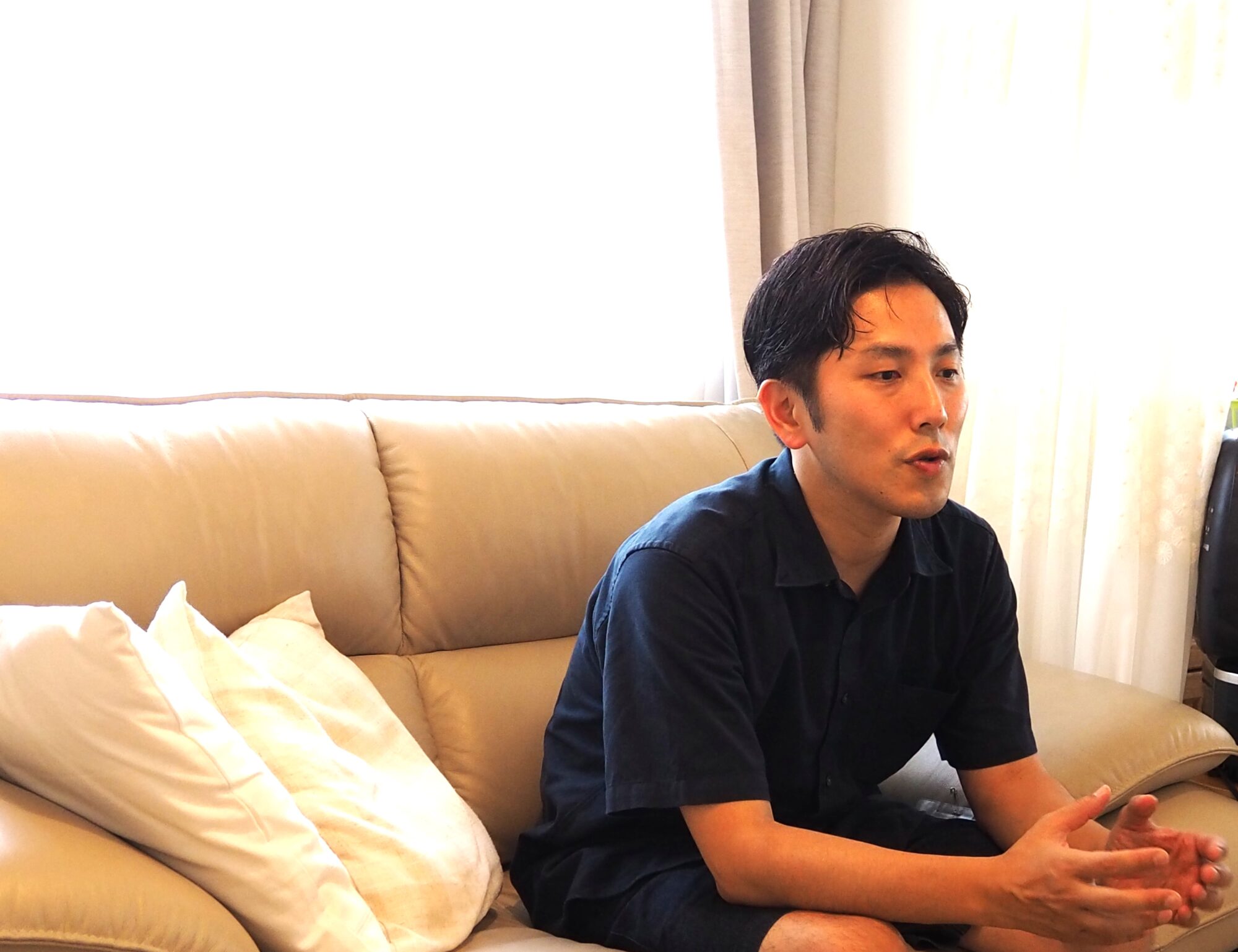
Inoue Masaki has been reaching out to people in need and offering advice amid the rapidly changing times of the COVID-19 pandemic.
We spoke with him about his activities so far and what he plans to do in the future.
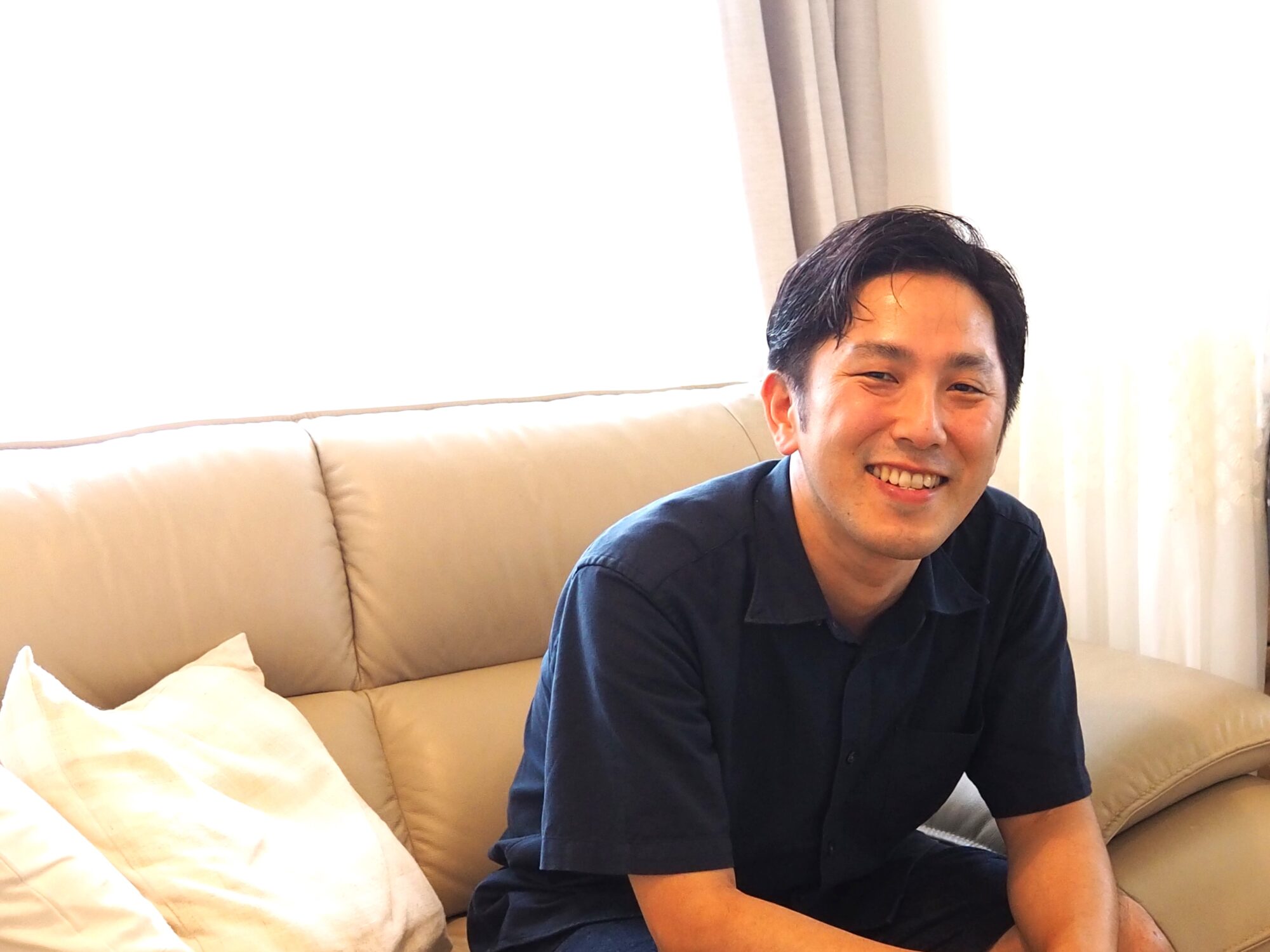
How Haru House came to be established
You established Haru House after starting a children’s cafeteria. Could you tell us how that came about?
Inoue (surname only hereafter)
People in the community suggested opening a children’s cafeteria in the Mizushima area.
At the time, I was working in educational support for families in financial hardship, so I attended the meeting, and we decided to start a children’s cafeteria.
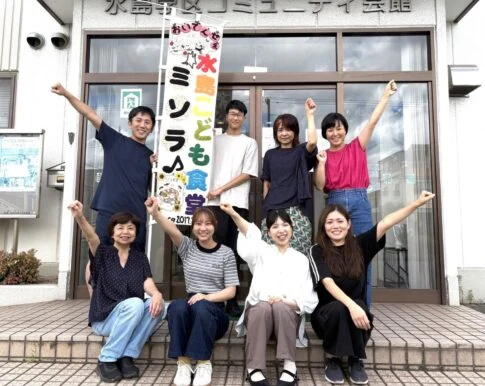
We named it “Mizushima Kodomo Shokudo Misora” and prepared from January to July 2017. It held a soft opening in August and then operated monthly for about two and a half years.
At the time, volunteers and local residents gathered to cook together, creating a welcoming children’s cafeteria with the feel of a family meal.
Then the COVID-19 pandemic spread, making it impossible to hold the children’s cafeteria where everyone ate together.
However, the number of families in financial hardship continued to grow during the pandemic.
After considering what to do, we switched to a “Food Share Event.”
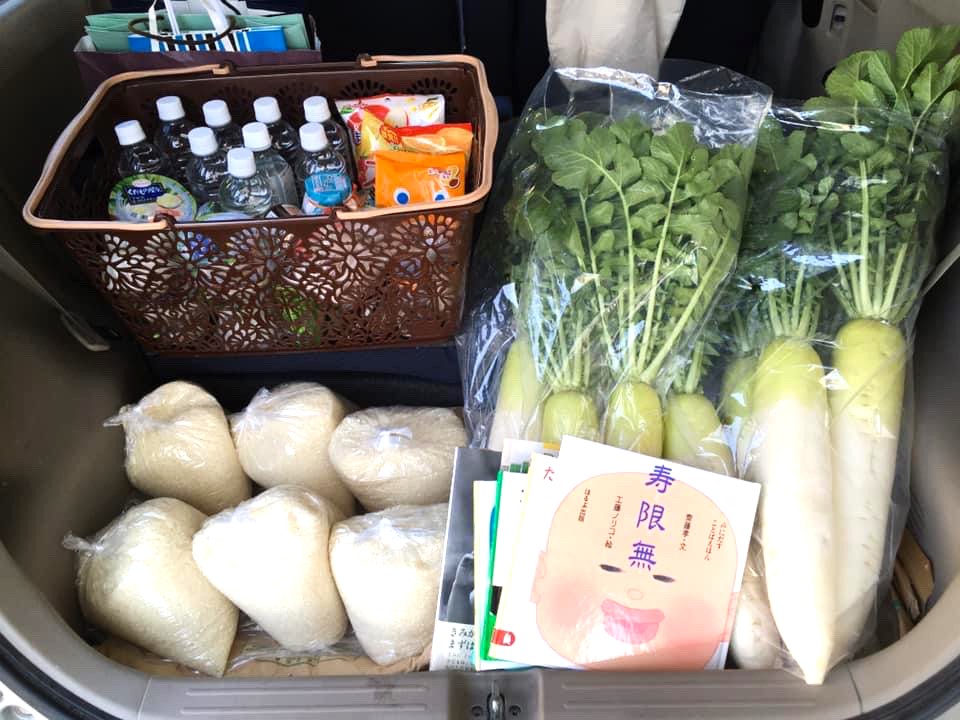
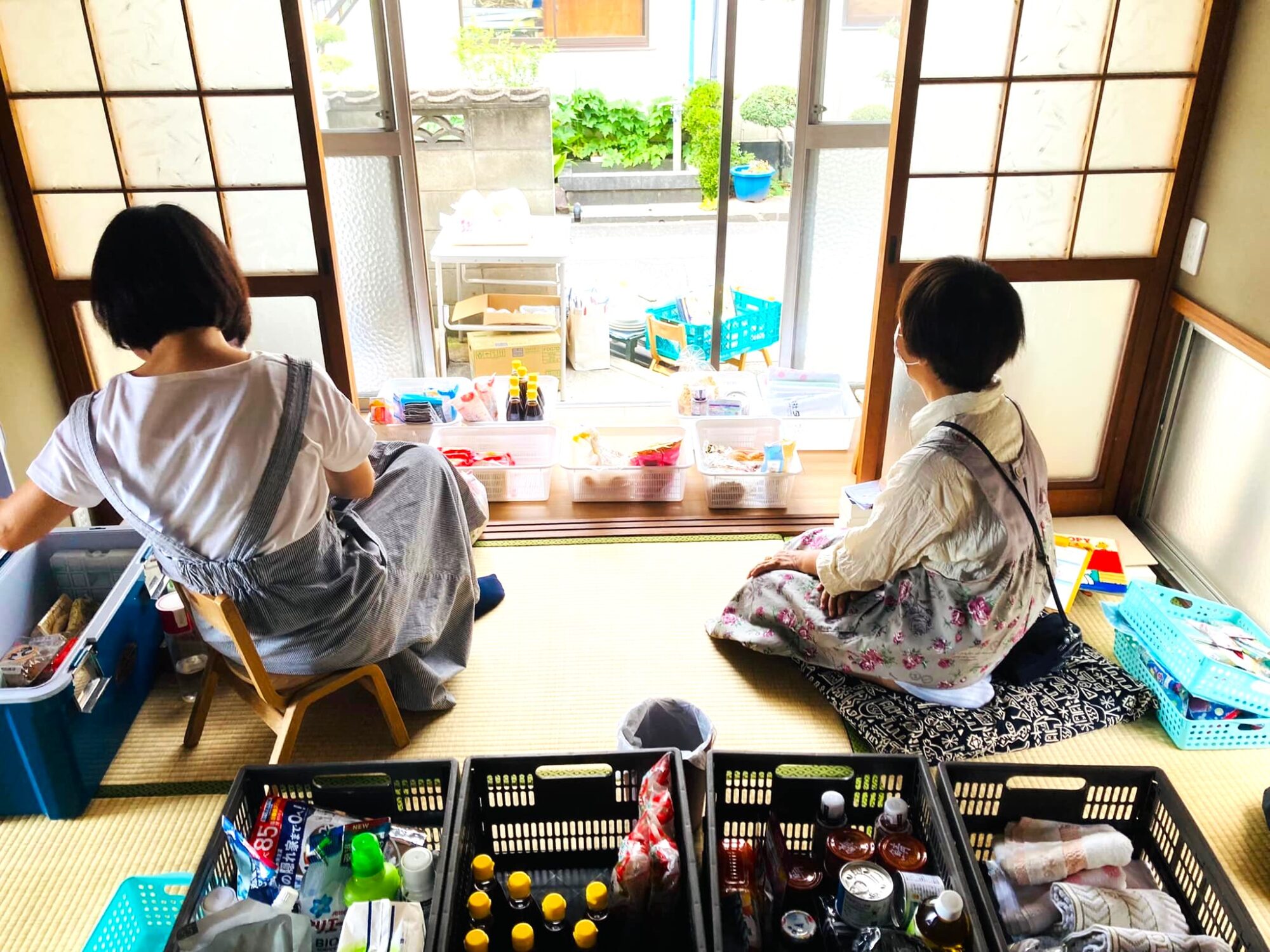
We divided donated items such as rice, vegetables, and refrigerated foods into smaller portions for people in need to pick up.
Soon afterward, a state of emergency was declared, and gathering people together was no longer allowed.
We heard from families whose livelihoods were strained after losing work during the pandemic. Unable to sit by, I started the “Food Share Car,” loading food into my car and driving it to them.
Even now, once or twice a month, we continue delivering food to families who urgently need it.
During the pandemic, I planned routes, visited two or three places a day, and drove my own car almost every day.
Asking for donations and supplies through social media
How did you gather supplies to distribute to families in need?
Inoue
We had a network that was formed during the Mabi disaster (the July 2018 heavy rains).
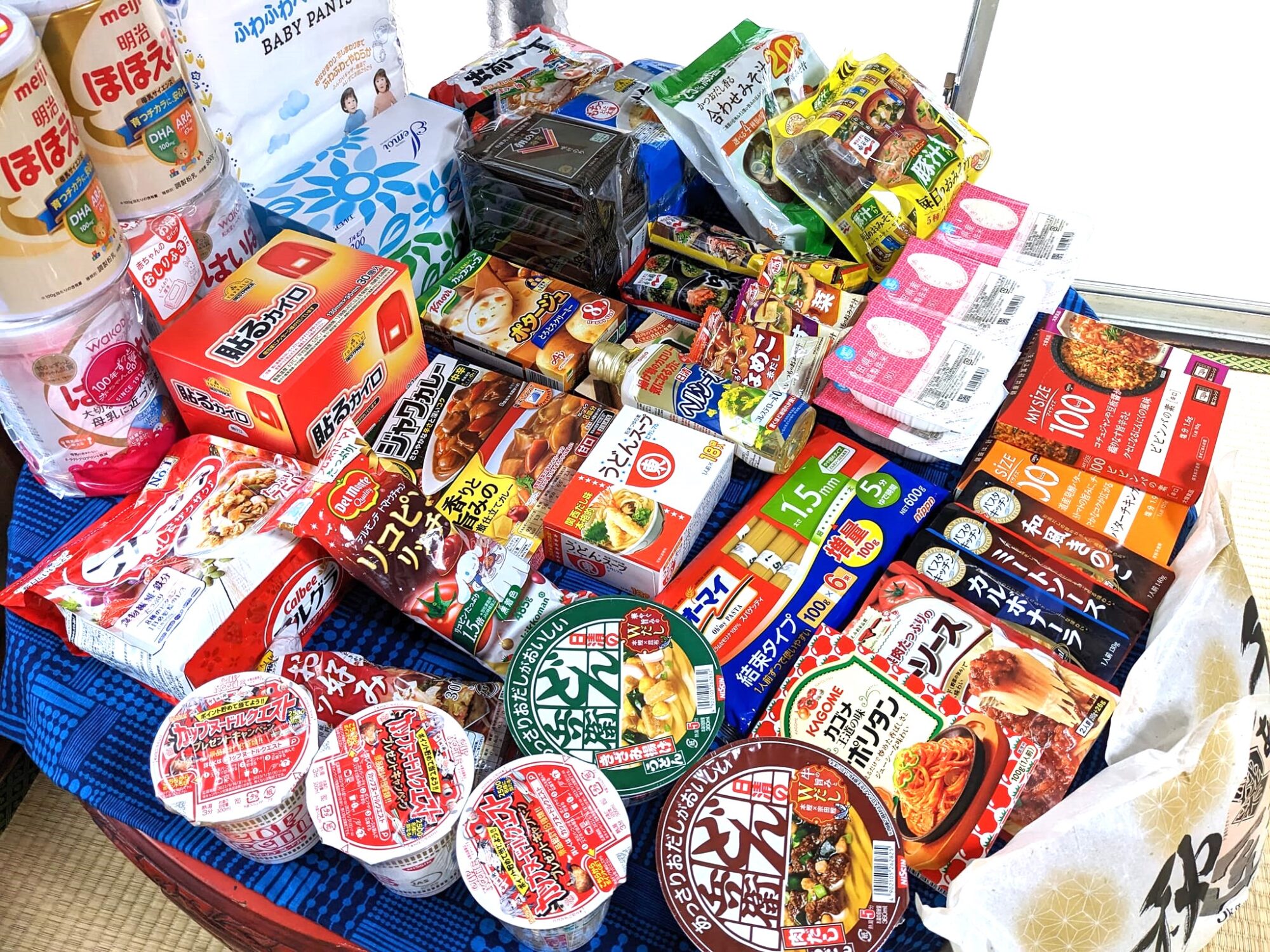
It was only meant for sharing disaster information, but during the pandemic I explained that there were families in disaster-level need who had nothing to eat that day, and asked people to donate supplies.
I also spread the word using every kind of social media.
Thanks to that, many supplies arrived, and we were able to pass them on to people in need.
More recently, we have listed needed supplies on an online shopping service (Amazon Wish List).
We express our gratitude to the companies and individuals who support us by writing thank-you letters, calling them, and posting on social media.
Why Haru House was opened
How did you come to decide to open Haru House?
Inoue
With the Food Share Car, we met people at places like nearby supermarkets to protect their privacy, handed over food, and chatted with them there while offering advice.
We distributed supplies to more than 200 households and received requests for advice from more than 50 households.
To transport supplies in my own car, I needed a place to store food and other items.
Also, it was difficult to have in-depth conversations while standing in a supermarket parking lot.
Because of the pandemic, we could not gather 50 people for a meal once a month, but I realized we needed a place where we could talk with five to ten people every day, so I began looking for a property.
I then rented a house privately, which became the current Haru House.
At the time, I paid the rent myself.
Although donations are not yet guaranteed, I now consult with the staff and use donations to cover rent, gas, water, utilities, communications, and other expenses.
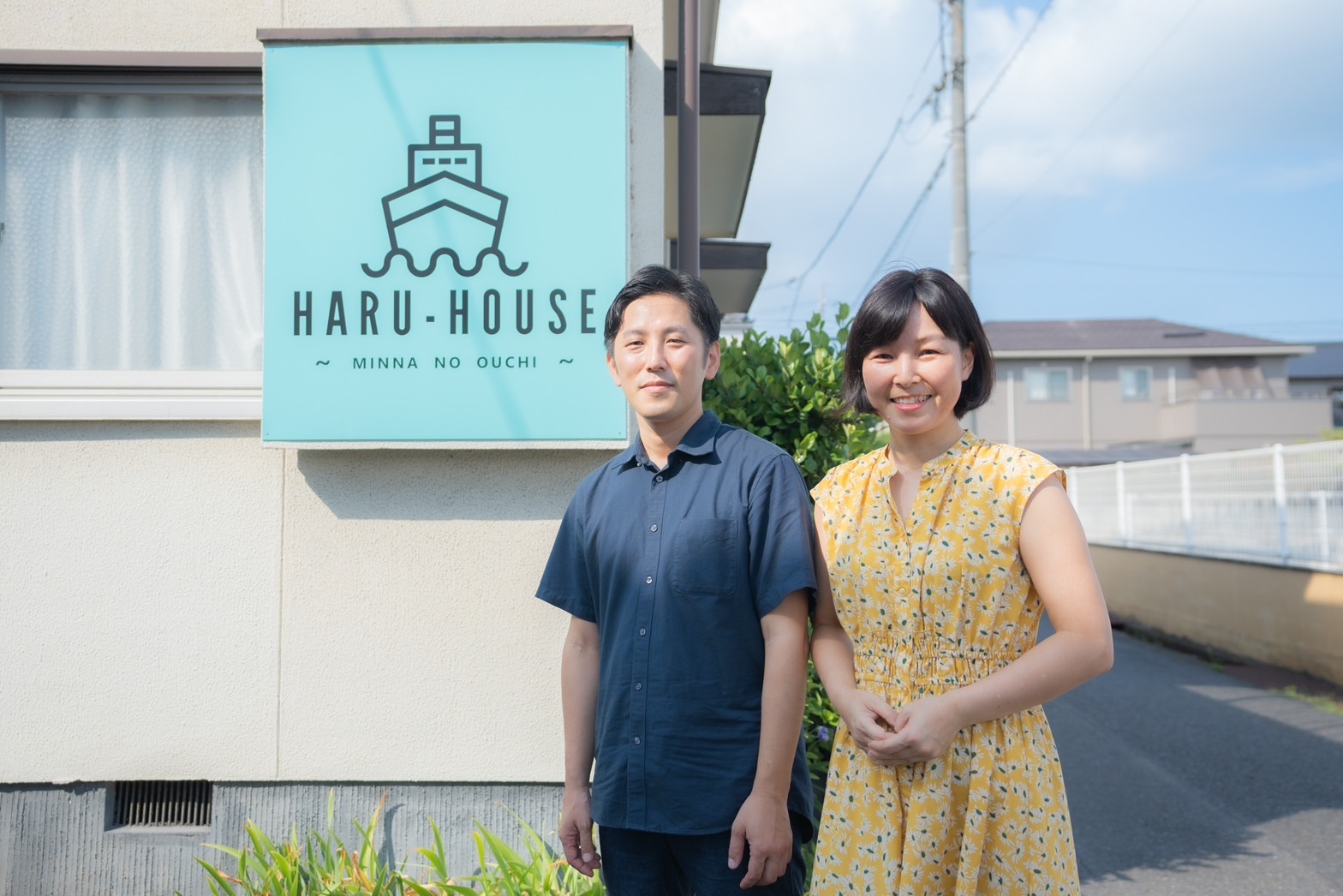
The origin of the name Haru House
How did you choose the name Haru House?
Inoue
The name Haru House also evokes the “ruriiro (lapis lazuli blue) waves” of Amami Oshima.
In fact, seven or eight years ago, I became ill and was unable to work for a time.
Around then, a neighbor asked if I would like to help with a job on Amami Oshima run by an acquaintance.
I already had a family, but I took the plunge and went to Amami Oshima on my own.
On Amami Oshima, the sea and sky stretched out before me, and the gentle waves and lapis-lazuli-blue ocean welcomed me.
Spending each day surrounded by that scenery healed both my mind and body.
Another reason was that a charitable institution established in Chicago by Jane Addams, known as the mother of social work, was called Hull House.
I felt it was fate and named it Haru House.
Why Inoue continues to provide support
What motivates you, Inoue?
Inoue
Perhaps because my father worked as an instructor at Aozora Gakuen, a facility that helped children with asthma regain their health, my body naturally moves to help when I see someone in need.
Aozora Gakuen was a facility near a hospital where children with asthma lived together. A team that included doctors, nurses, and childcare workers supported the children and their families. It opened in 1978 and accepted a total of 50 patients before closing in 1989.
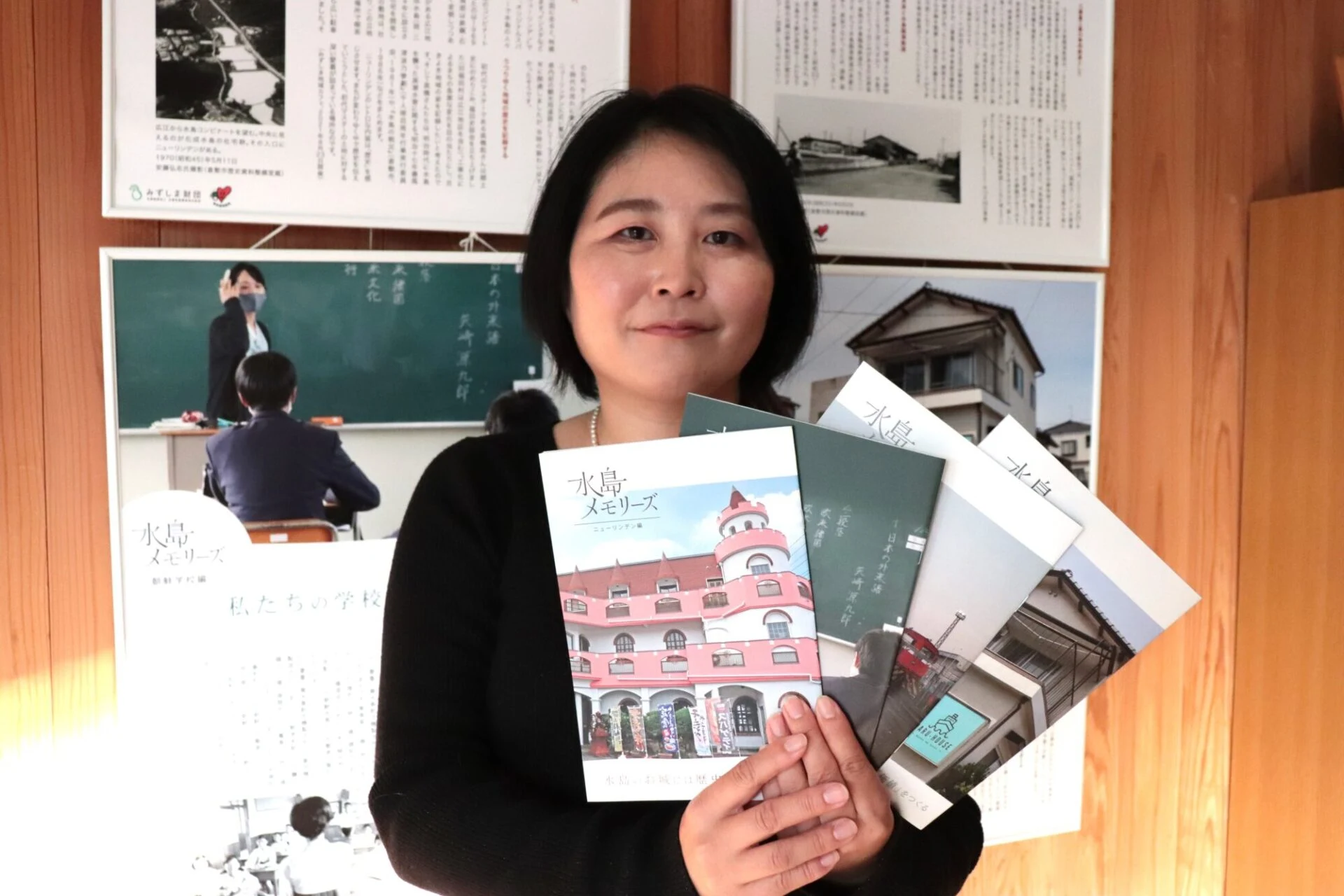
Mizushima Foundation | PDF for publication: Mizushima Kodomo Shokudo Misora
However, when I was a teenager, seeing the historical background and disparities in poverty firsthand made me feel that the town of Mizushima was creating unhappiness.
But I could either blame the town and do nothing, or make an effort to change things, even a little.
I wanted to keep growing as a person, and I disliked the thought of being someone who could not grow.
I like myself when I strive to change difficult situations, and I believe that kind of life is definitely happier.
To make the ending a happy one, I have decided to turn things into laughter and overcome them, whatever the circumstances.
Inoue’s thoughts
What have you felt while working at Haru House?
Inoue
During the pandemic, we held the Food Share Event in the yard of Haru House.
When people came to pick up large quantities of food and daily necessities, they were surprised at how much they received, but gradually began to open up.
After meeting several times, we built a relationship, and some people would casually share their worries. We were able to connect them with the services they needed.
There were also people who had always received support who later brought supplies to donate.
People who had previously been struggling just to take care of themselves began to experience a change of heart and, in turn, became people who help others.
As I carry out support activities, I am deeply moved every day.
Supporting families in difficult circumstances is basically a continuous process of discovery, and I am growing alongside them.
As we consider how best to support those who come to us for advice, we respect their feelings and think through solutions together.
Future activities
What kind of activities would you like to pursue in the future?
Inoue
Food assistance and similar activities are almost entirely volunteer work, so they generate no income.
As I thought about what we could do while running Haru House, and how to provide free meals to families in financial hardship, I came up with the idea of a curry business that uses a ticket system.
Anyone can buy and eat curry as usual, or purchase a meal ticket as an act of kindness for someone in need. Using that ticket, anyone can eat curry for free.
I hope to introduce this new system to the community and help create a better society.
Curry is currently sold only on Tuesdays and Fridays, though this may change. Please check Instagram and contact us by DM (direct message).
You can also get takeout or eat at Haru House. (Reservations required.)
Please come and try it.
Tasting Haru House’s curry
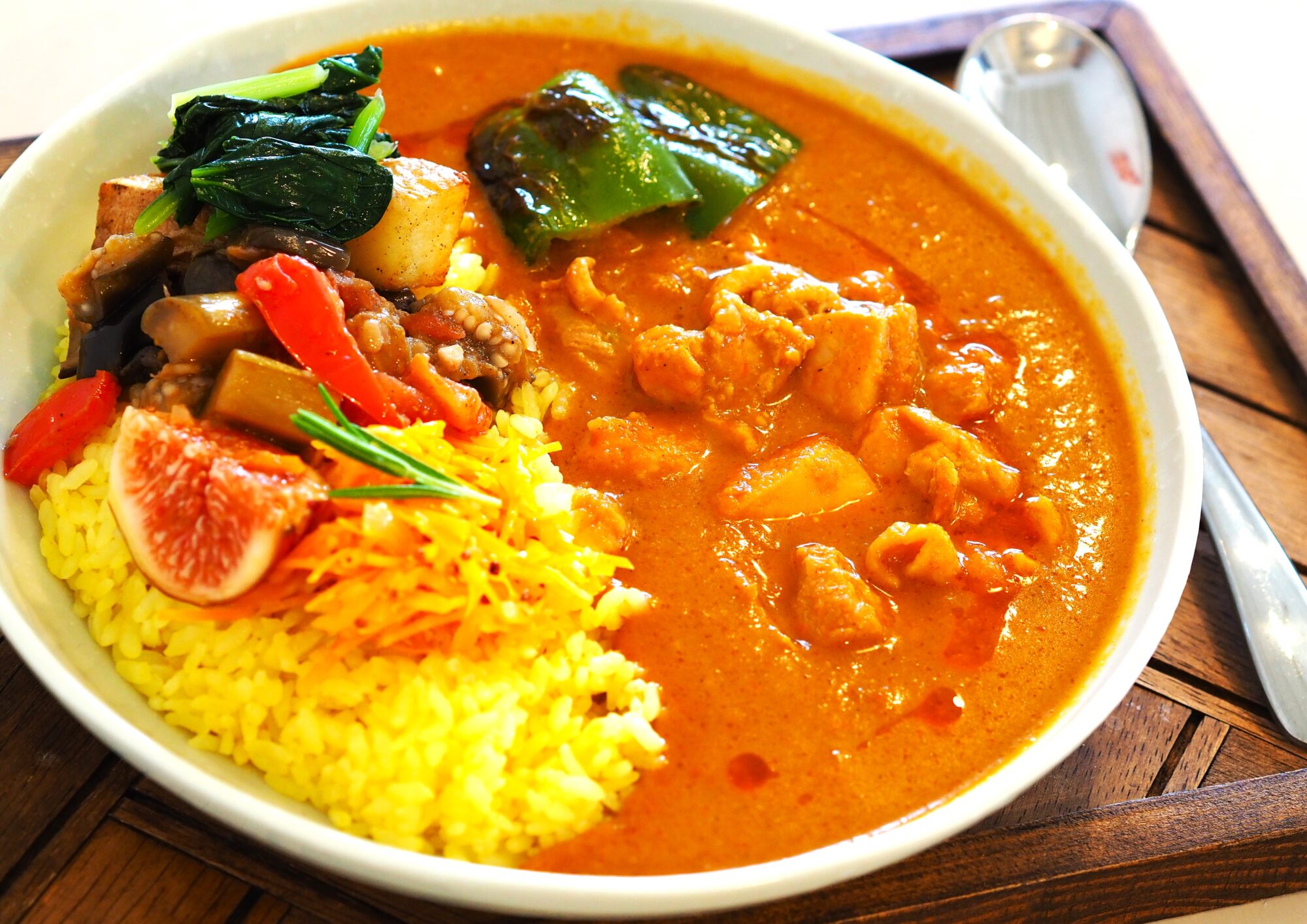
I went straight to Haru House to try the curry.
Inoue had apparently worked at a French restaurant before, and his cooking is quite authentic.
It was completely different from homemade curry, with a gentle flavor and just the right amount of spice.
He told me that he blends half of the onions, sautéed until golden, together with tomatoes to create an exquisite texture.
It came with plenty of side dishes, making for a thoroughly satisfying curry lunch.
From the Writer
Inoue always put children and vulnerable people first in everything she did.
When launching the curry division, she constantly considered how to sell the meals so that children who could not get food outside of school lunches could eat them, and how to get people in the community involved.
She was always thinking about the best approach for everyone.
Because Inoue always thought seriously about others and treated them with compassion, people in the community supported her, and those in need opened their hearts to her.
“Haru House,” which came about through the children’s cafeteria, cannot bring together large numbers of people, but I felt it had become a place of emotional support for people living in the Mizushima area.
“Our activities may be different from those of an ordinary children’s cafeteria.
‘Haru House’ is a system that takes the children’s cafeteria to the next level, and ideally, there would be several facilities like this in the community.”
Inoue says.
Inoue’s efforts to take root in the community will continue.
I hope to keep going back to eat the delicious curry Inoue makes.
Minna no Ouchi Haru House details

| Organization name | Minna no Ouchi Haru House |
|---|---|
| Type | Voluntary organization |
| Representative | Inoue Masaki |
| Year established | December 2020 |
| Address | 5-17 Mizushima Kitakasuga-cho, Kurashiki City |
| Contact | 080-3898-8106 |
| Website | Facebook: Minna no Ouchi “Haru House” |




What would you like to know about Kurashiki?
Enter a search term to find articles on this site