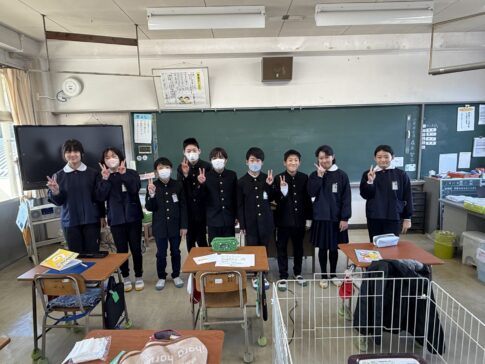
The transition from the school uniform of a gakuran to a blazer has not been uncommon for a while now, but recently, public junior high schools have also entered a transitional period for uniform changes.
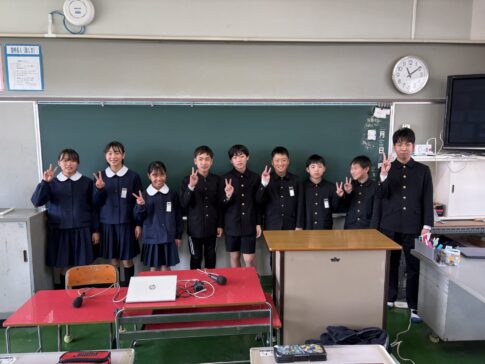
Until now, many junior high school uniforms in Kurashiki City have been, “boys wear gakuran (a stand-up collar) and slacks” and “girls wear sailor (or a type called box-shaped top) and a skirt.” In particular, the design of the gakuran has continued for nearly 50 years since it was adopted as a uniform.
The clear gender differences in uniform styles that were taken for granted at the time have become, in modern times, difficult for children who struggle with gender dysphoria to wear, and it has also been recognized that, for those who do not experience this, the uniforms lack comfort.
Gender Dysphoria
A strong discomfort or stress caused by a mismatch between the sex assigned at birth and the gender one identifies with.
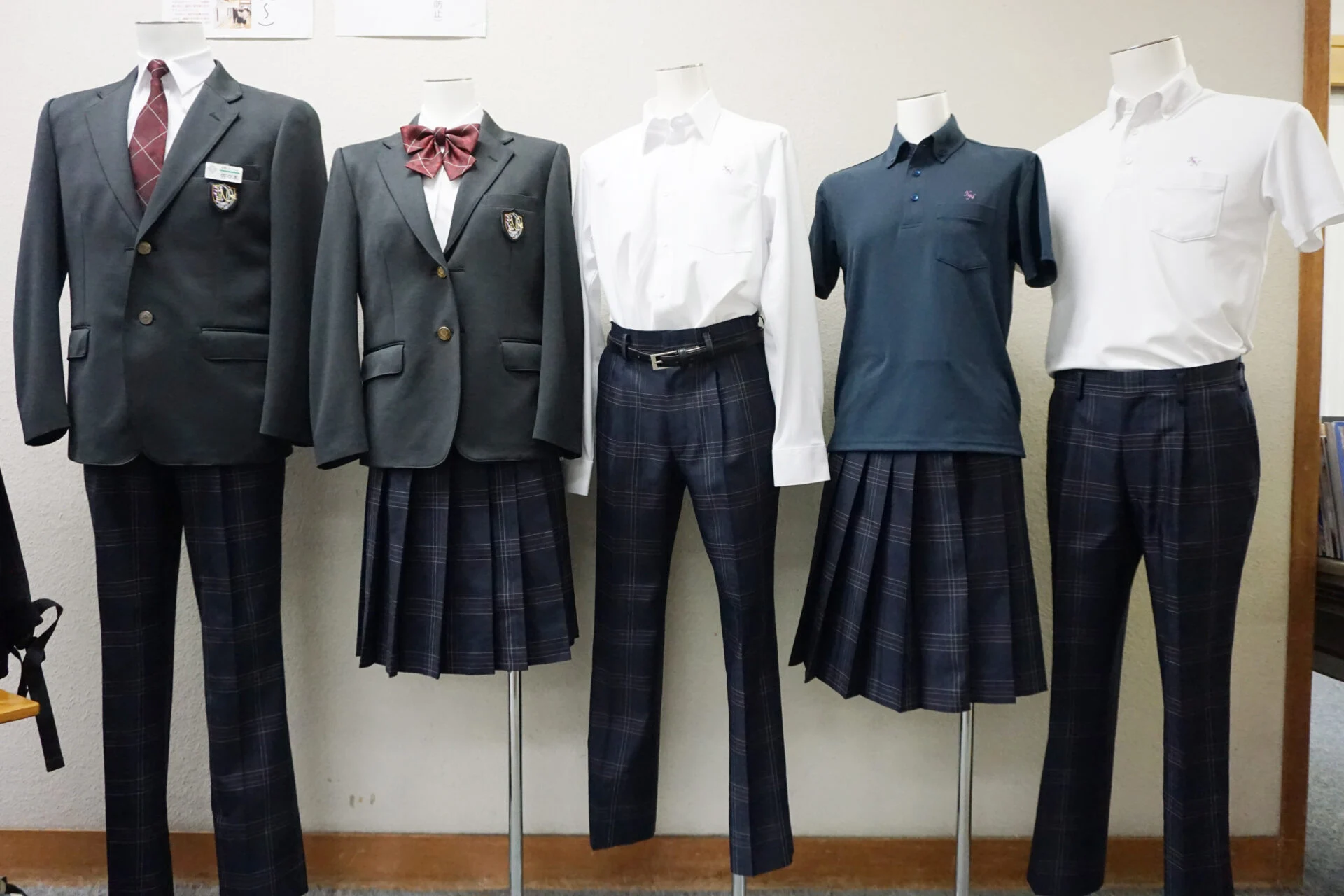
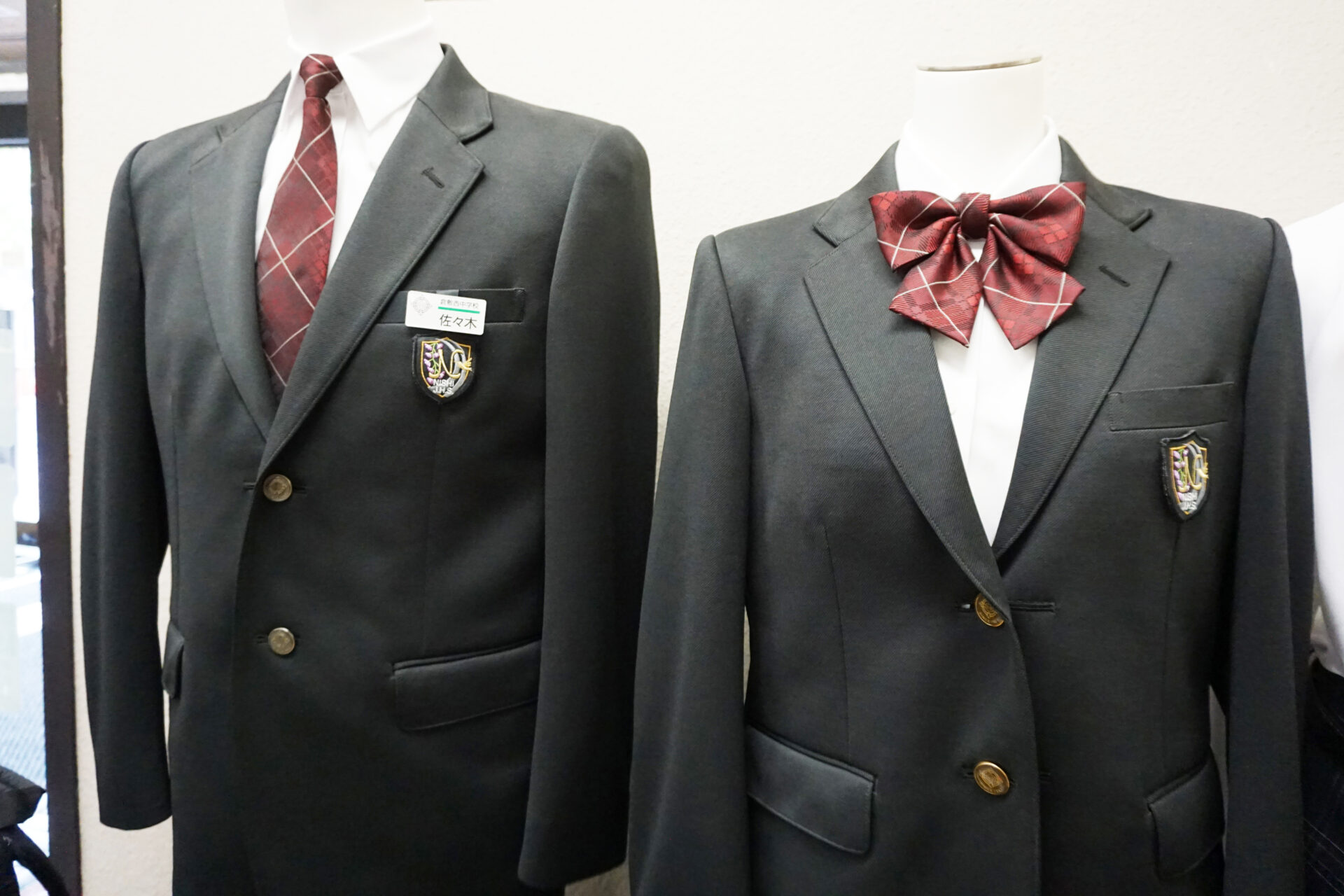
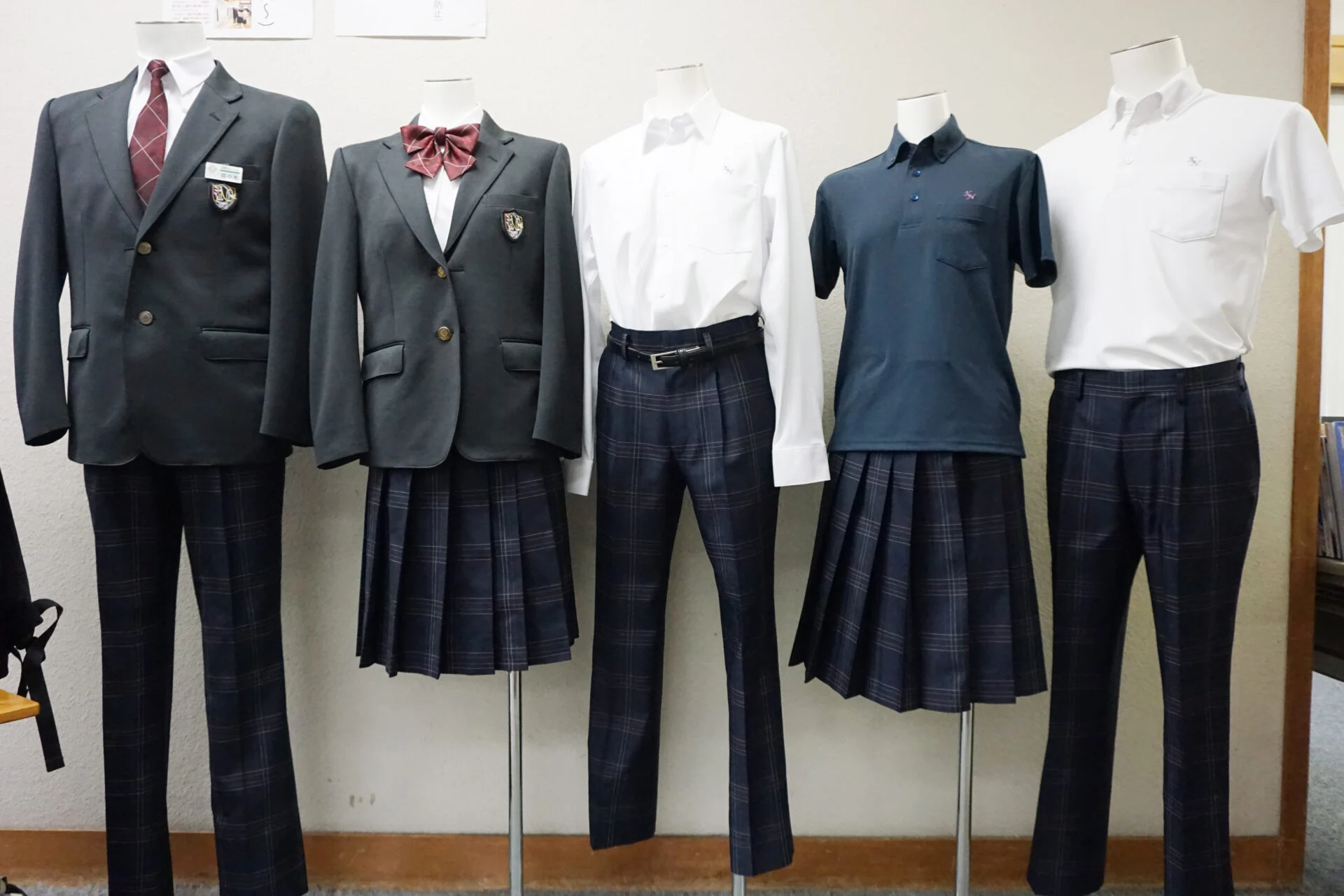
That said, I had assumed that changes to the uniforms at Kurashiki City junior high schools were still a long way off. However, I happened to hear about the uniform change at Kurashiki City Nishi Junior High School (hereafter referred to as “Nishi Junior High School”) and learned that changes of the times are beginning. Starting from the 2023 academic year, the upper garments at Nishi Junior High School will be blazers of the same design for both genders, and girls will be able to choose slacks in addition to skirts.
I was surprised to learn that uniform changes had already begun, and I became interested in how uniform changes are being implemented at junior high schools in Kurashiki City. Therefore, I went to speak with the “Kurashiki City Board of Education Human Rights Education Promotion Office,” which is responsible for addressing the needs of children and students experiencing gender dysphoria.
Current Status of Uniform Changes at Kurashiki City Junior High Schools
I summarized how the uniform changes began at junior high schools in Kurashiki City and the current situation.
2015 as a Turning Point
Awareness of sexual minorities in the educational setting increased after the Ministry of Education, Culture, Sports, Science and Technology issued a notification in 2015 regarding “Implementation of Detailed Responses for Students with Gender Identity Disorder.” The term LGBTQ began to stand out in the media, and it was around this time that social rights were gained, marking a turning point in the era.
Sexual Minorities
People whose sexual orientation or gender identity does not belong to the majority. Specifically, this includes individuals who identify as lesbian (L), gay (G), bisexual (B), transgender (T), and questioning (Q), among others in the LGBTQ community.
In response, the Kurashiki City Board of Education began creating an environment where children could easily consult about their concerns and started building learning about the diversity of gender. Since there are cases where children suffer due to a lack of understanding from parents, they also created a leaflet for parents titled “Diverse Genders Parents Should Know.” As part of these initiatives, discussions about uniform changes also began.
Starting with the Kurashiki City Board of Education's Guidelines for Uniform Choice
In the 2018 academic year, a junior high school in Chiba Prefecture introduced a choice system for girls' uniforms allowing for skirts and slacks, which was widely covered in the media and sparked discussion.
That same year, there was one junior high school in Kurashiki City that also introduced a choice system, but as awareness of human rights increased in society and measures were being demanded, the Kurashiki City Board of Education thought, “By providing guidelines, the introduction of uniform choice systems in many schools could proceed smoothly.”
Thus, in 2019, the Kurashiki City Board of Education announced a policy to promote the introduction of a uniform choice system allowing female students to freely choose between skirts and slacks at all 26 public junior high schools. This was the first initiative of its kind in 15 municipalities in Okayama Prefecture, aimed not only at addressing gender dysphoria but also at ensuring warmth, safety, ease of movement, and self-expression.
Applying "Choices" from Society to Schools
For example, it is important that this is not a denial of skirts for female students, but rather an introduction of a “system that allows for choices,” where slacks can also be worn. Unlike “individual accommodations” that require a declaration, in a choice system, there is no need to state the reason for the choice made, nor is there a need to ask.
Individual Accommodations
Allowing students who experience gender dysphoria to wear uniforms that correspond to their identified gender. This applies to both biological males and females.
The long-standing era of “girls' uniforms are skirts” may have shocked some people who witnessed female students wearing slacks, as it felt like a significant shift in the times.
However, pants (specifically, slacks) for women are not unusual in society. There are no questions about it, and each person simply chooses freely according to their circumstances.
In the school setting, it is common to see female teachers in pants. If it is not new for women to wear slacks, then the idea of applying that “choice” which is commonplace in society to schools was re-evaluated.
As of 2024, 19 out of 26 schools in Kurashiki City have implemented uniform changes
In addition to the choice system for skirts and slacks for female students, changes to blazers of the same design for both genders are also progressing.
In the 2020 academic year, Toyo Junior High School introduced blazers, followed by Gonai Junior High School in the 2021 academic year. By the 2024 academic year, five years after the Kurashiki City Board of Education announced the policy for introducing choice systems, 19 out of 26 schools in Kurashiki City have implemented uniform changes. Additionally, some schools have adopted culottes for female students alongside skirts and slacks.
The Gradual and Enjoyable Uniform Change Story at Kurashiki City Nishi Junior High School
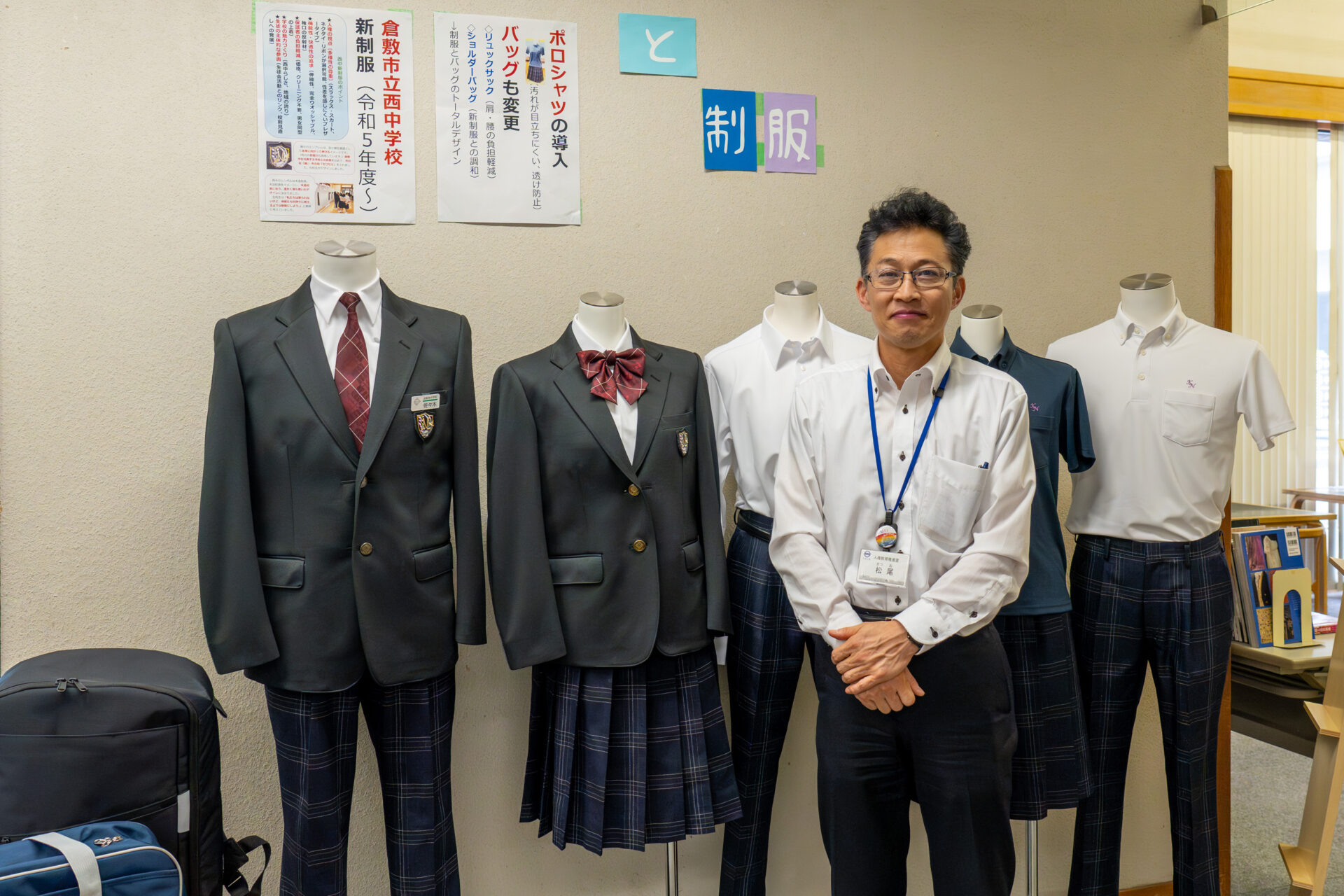
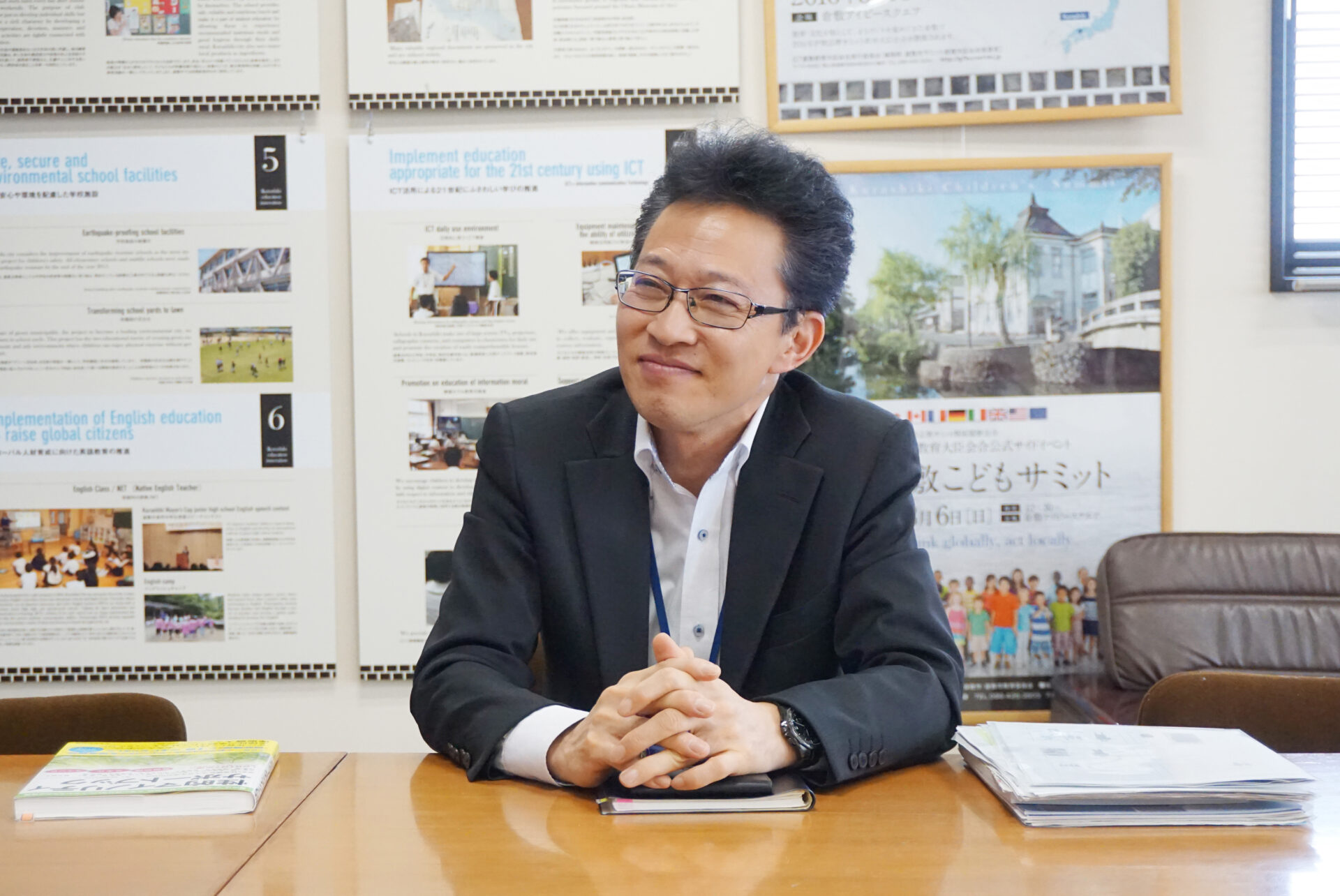
I interviewed Shinji Matsuo, the Director and Head of the Human Rights Education Promotion Office at the Kurashiki City Board of Education, who was the catalyst for my awareness of the uniform changes at Nishi Junior High School.
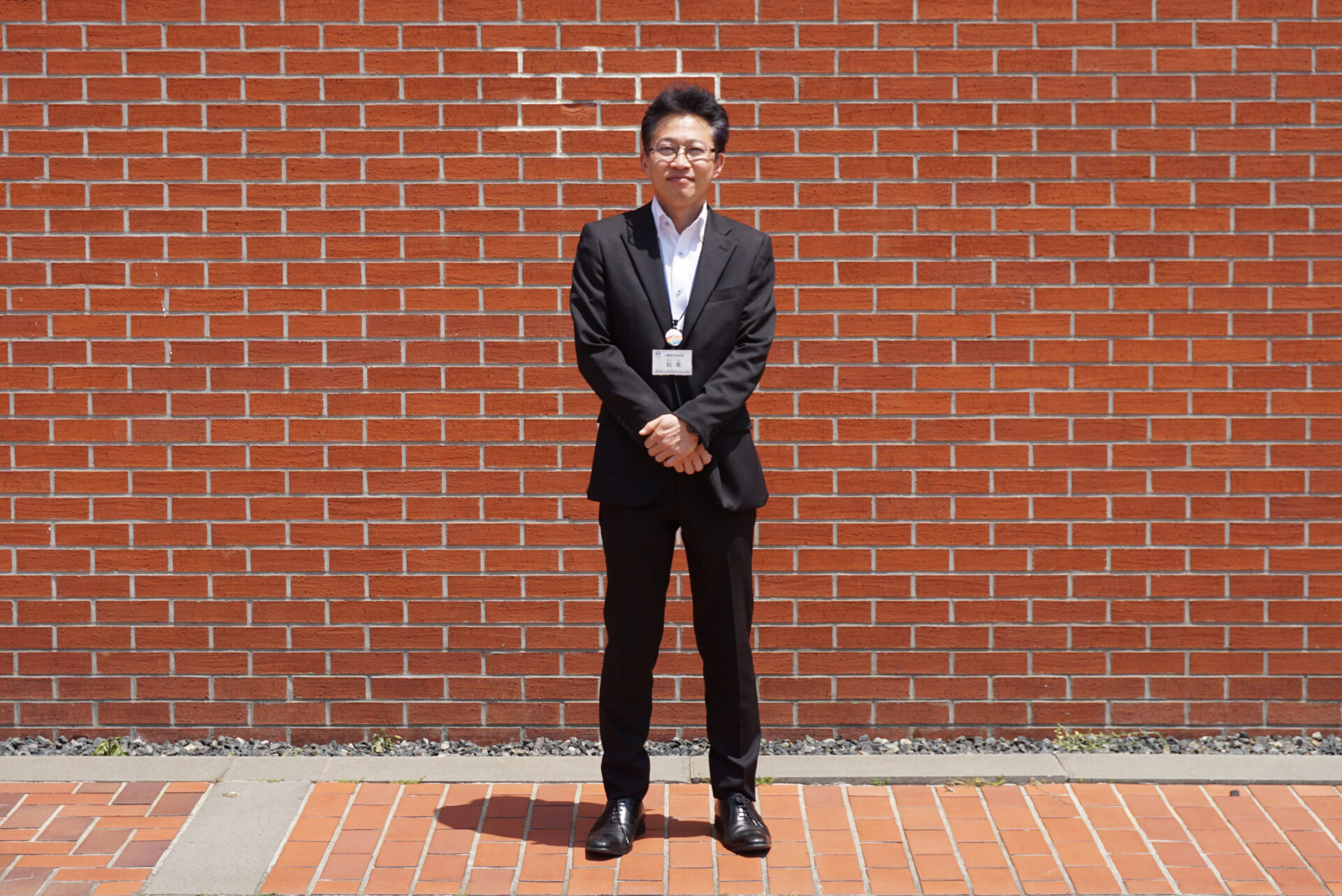
Teacher Shinji Matsuo
Mr. Matsuo has developed a learning program regarding gender diversity known as the “Kurashiki Model,” which was compiled as “Human Rights Education Practical Materials 3: Fostering Students Who Acknowledge Gender Diversity II” and received the Minister of Justice's Award for Excellence in the 2018 Human Rights Awareness Booklet.
His initiatives have gained national attention, and he has been actively involved in lectures both inside and outside Kurashiki City, as well as contributing to the publication of the “Sexual Minority Support Book (Kamagawa Publishing).”
In the 2021 academic year, he was appointed as the vice principal at Nishi Junior High School and began a project aimed at introducing the new uniforms. I learned about the process leading up to the successful launch of the new uniforms in the 2023 academic year.
Conducting a Uniform Revision Together with Current Students After Over 50 Years
What led to the consideration of changing the school uniform?
Matsuo
In my first year at Nishi Junior High School, I established a Uniform Review Committee. From my position, I wanted to utilize the knowledge I gained about human rights issues related to LGBTQ and school education during my time at the Kurashiki City Board of Education, as well as my real-time experiences, to contribute effectively in the school environment.
- Perspective of human rights (respect for diversity)
- Pursuit of functionality and comfort
- Reduction of burden on parents
- Creating school appeal
- Active participation of students
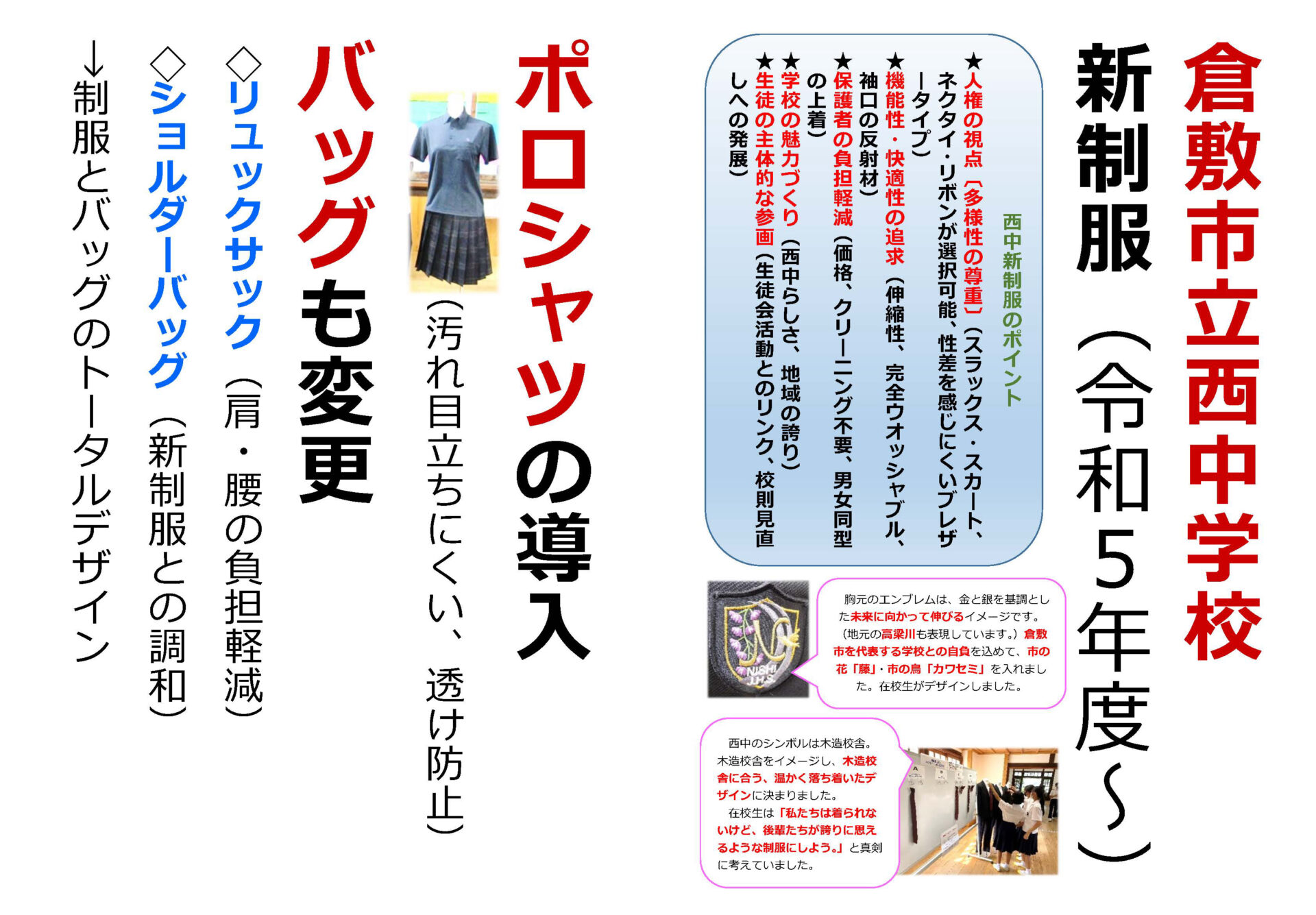
First, we conducted a survey regarding the uniform change for parents, students, and teachers, as well as parents of 4th and 5th graders in elementary school. Surprisingly, parents were quite positive about changing the uniform, and we decided to move forward with the process.
Next, it was necessary to select a uniform manufacturer. Since there were negotiations regarding pricing, the selection of the manufacturer was primarily the responsibility of adults, with teachers and parents taking the lead in the project.
Starting from the 2022 school year (Reiwa 4), we shifted the focus to the student council executive committee, allowing students to take on as much of the enjoyable tasks, such as design, as possible. We were mindful to ensure that it did not feel like a distant matter for them, as they would not be wearing the new uniform.
I conveyed, “It’s amazing to be part of a uniform revision after over 50 years. In the future, when you see juniors wearing the uniform you helped design, you will surely feel happy, so let’s think about it together.”
I made an effort to ensure that current students could participate actively.
Specifically, students from the student council executive committee took the lead in conducting surveys and calls for participation, energizing the decision-making process for the uniform design. It was impressive when the student council president said, “Even though we can’t wear it, let’s create a uniform that our juniors can be proud of.”
Creating Each Item One by One While Enjoying the Process
What was the specific process of "creating the new uniform"?
Matsuo
We could have displayed several design patterns and completed the process in one voting session, but at Nishi Junior High School, we intentionally enjoyed the process of gradually creating the uniform.
First, we discussed the blazer, whether to go with navy or gray.
- If we choose navy, it feels calm.
- How about trying gray, which is not yet available in other junior high schools in the city?
There were various opinions like this, but the voting resulted in a decision for gray.
Next was the bottoms. We requested about three design options that would match the gray top, and again held a vote. We also involved parents from elementary schools, and during the summer vacation, we allowed the children to vote while visiting the wooden school building of Nishi Junior High School.
Once the bottoms were decided, we moved on to the ties and ribbons. Since we had decided on a gray blazer and navy check bottoms, we created about four candidates in a burgundy color that would blend well with the wooden school building.
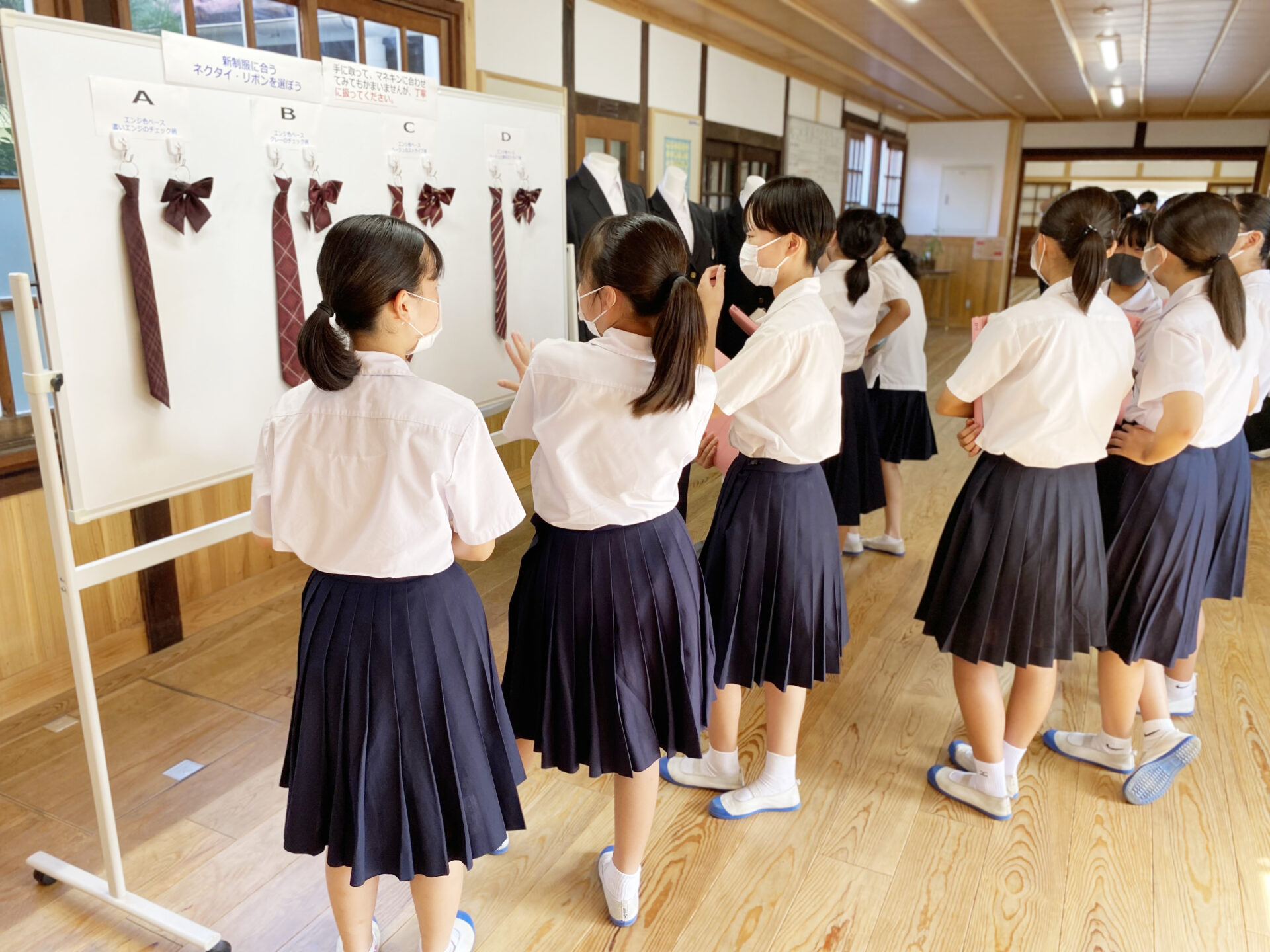
In this way, we gradually gathered the items, and finally decided on the emblem designed by the students. I believe many students were able to participate in a fun way.
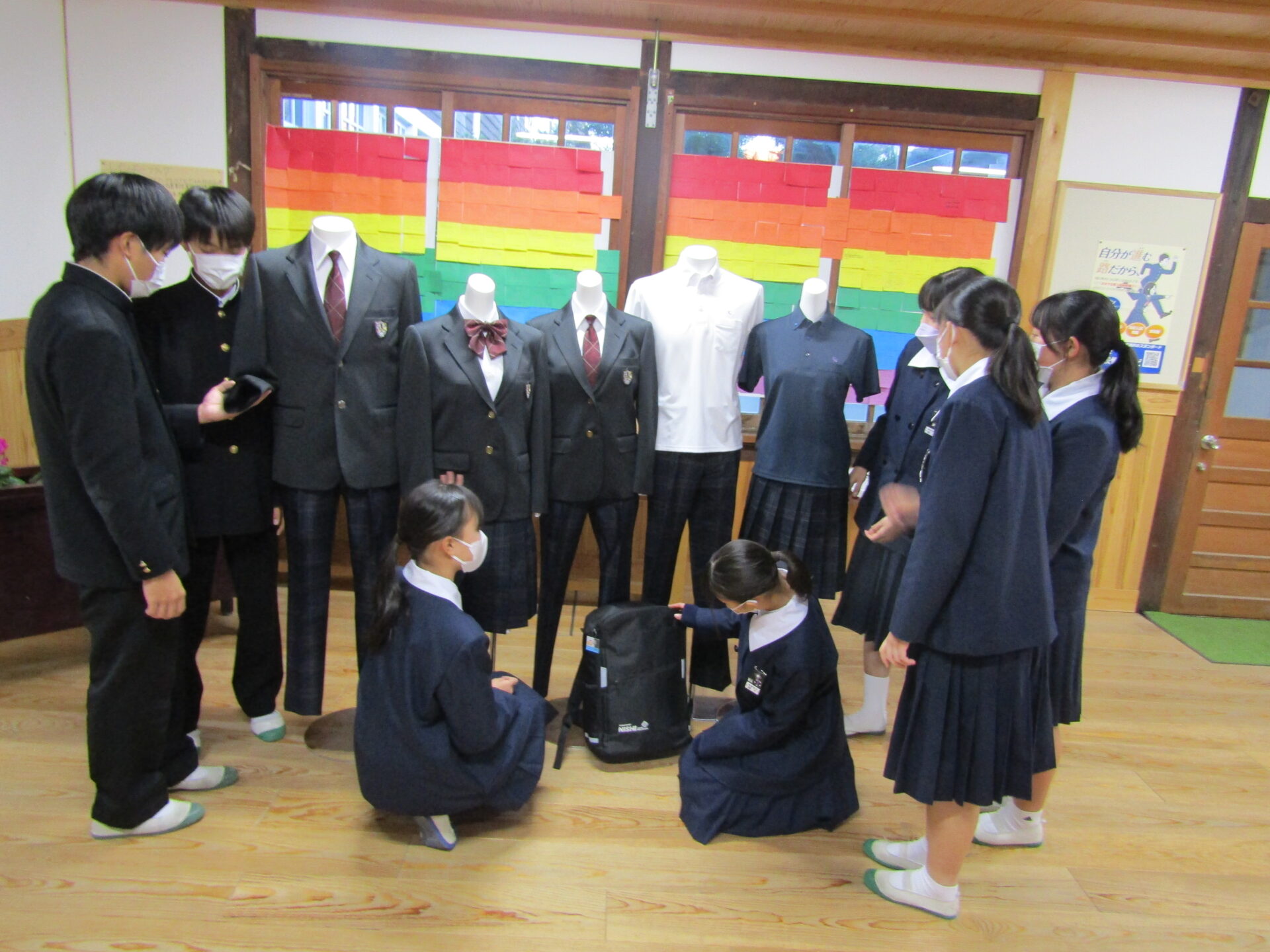
(Image provided by the Kurashiki City Board of Education Human Rights Education Promotion Office)
Adoption of the Rare "Navy Polo Shirt" in Kurashiki City Junior High Schools
What was the response from current students regarding the new uniform?
Matsuo
After the announcement of the new uniform, current students expressed, “We want to wear it too,” but also said, “It costs money, so we can’t ask our parents to buy it.”
It’s a shame that the students can’t wear the uniform after all the hard work put into creating a good one. Many expressed a desire to experience the new uniform, saying, “I want to wear the new navy polo shirt to the high school open school” and “Can I just wear a ribbon with the shirt?”
So, I discussed with the teachers in charge of student guidance to accommodate each student’s way of enjoying it.
Why was the rare "navy" polo shirt created in junior high schools?
Matsuo
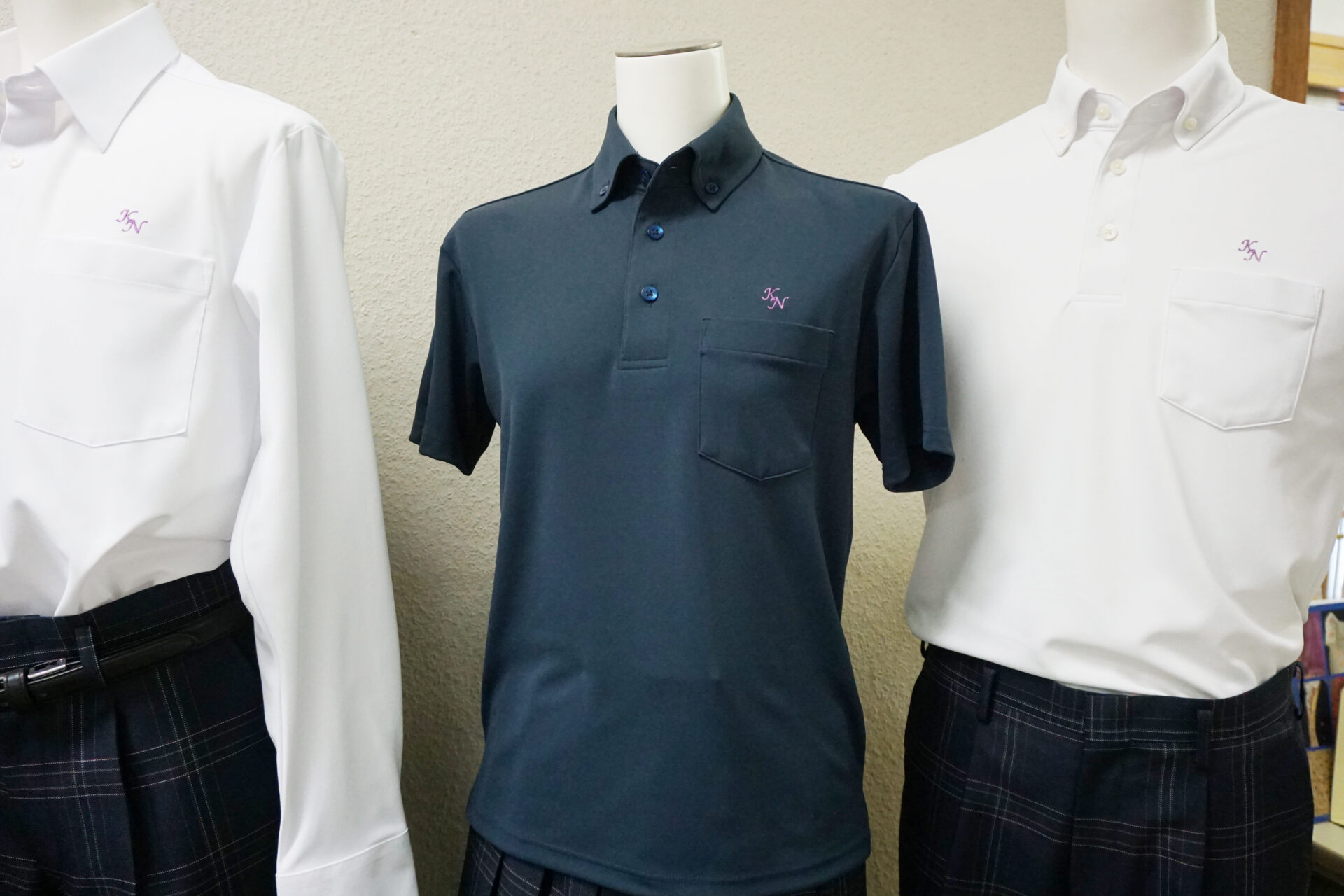
There had been concerns that white shirts would be see-through and show dirt, making laundry difficult for parents. Therefore, we decided to create a navy polo shirt that could solve these issues all at once.
Navy is less likely to show dirt and is not see-through. This reduces stress in multiple ways. By the way, we also have white dress shirts and polo shirts made with see-through prevention materials.
Socks had previously been white, but there were voices from students suggesting, "Since the uniform has become sophisticated, wouldn't black or navy socks suit it better?"
Therefore, a student-led "Committee for Reviewing School Rules in Relation to Uniform Changes" was established, and not only socks but also shoes were reviewed. As a result, socks that were previously only white can now be either white, black, or navy, and the color of shoes is free as long as they are suitable for physical activities.
By re-evaluating what we had taken for granted, we have gained the ability to set our own rules.
Learning "Fashion Culture" Through Uniform Changes
Have you discovered anything new through the uniform change project?
Matsuo
Changing the uniform is a lot of fun. Even the silhouette of the blazer has its reasons, and we consulted together on which one to choose while being taught by the uniform manufacturer.
What I found particularly interesting was the way the jacket is fastened.
"Why do men fasten on the left side, while women fasten on the right?"
It turns out that since clothing comes from the West, in the past, upper-class women had their attendants fasten buttons with their dominant hand, which is why it was the opposite of the wearer's dominant hand.
However, modern unisex clothing is designed for men, but women likely wear it without feeling out of place. Considering this perspective, it raises the discussion that it might be okay to prioritize practicality based on the dominant hand. While I believe that adults should know the general etiquette of Western clothing as a matter of manners, it cannot be said to be wrong when considering comfort.
With just one uniform, there is so much to learn about materials, silhouettes, and the depth of styling, and I felt it could also be used as teaching material.
More schools are adopting blazers with a design that allows the front fastening to be changed to either side (buttons can be attached on either side), which also makes it possible for siblings of different genders to hand down uniforms, which I think is economically beneficial.
Uniform Changes as an Opportunity to Question "What is Normal" and Discern the Essence
Have you received any feedback from students who actually wear the new uniforms?
Matsuo
This is something that happened when I was working at the Board of Education, but after the new uniforms were introduced, I received voices from children in the city who had been struggling with gender dysphoria saying, "I'm happy that we switched from gakuran to blazers" and "Wearing a uniform is no longer a burden". I believe there are surely children at Nishi Junior High who feel the same way.
I feel a sense of achievement that children who previously found wearing uniforms difficult have found at least one bright and positive opportunity, even if not all issues are resolved.
The impetus for the uniform change was to address "gender dysphoria," but as we worked on it, I felt a greater significance. By changing what had been considered "normal" in uniforms, it became an opportunity to reconsider the approach to education, universal design, and the overall structure of the school, including school rules.
The ultimate goal of the uniform change is to lead to the safety and security of as many students as possible. I feel that changing the uniform is not just about changing the uniform itself, but about "changing the school through the uniform change".
Universal Design
Facilities and various products, including clothing, designed to be comfortable for everyone, regardless of age, gender, body type, or disability.
Comfortable Uniforms Lead to a Sense of Security and Pride
This time, we focused on the initiatives at the junior high school, but what about the initiatives at public elementary schools in Kurashiki City?
Matsuo
Kurashiki City is rare among public elementary schools in that it has established a uniform for all schools. This may be due to the fact that Kurashiki is a city known for its textile industry, which prospered through spinning. Even in elementary schools in Kurashiki City, which has a long history of uniforms, more schools are beginning to change or review their uniforms in line with the times.
Finally, how do you perceive "the uniform itself"?
Matsuo
The six years of middle and high school are unique in a lifetime, and therefore, the school life and uniform that occur only once in a lifetime become invaluable memories. In addition to economic factors, I believe it also leads to a sense of security and pride that comes from a sense of belonging.
Adults sometimes wear a sharp suit to switch their mindset for important work. I think children can also prepare their minds for "going to school" by wearing uniforms, and it would be fine to have scenes where they change their clothes according to manners.
However, I believe we need to think more about how uniforms should be. If they are more comfortable and lead to safety and security, that would be ideal. Moreover, since they are items worn every day, I think we are in a transitional period where it is acceptable to pursue fashion and individuality.
After the Interview
Initially, I thought this would be a discussion about uniforms for children with gender dysphoria and LGBTQ issues. However, by the time I finished listening to the conversation, I realized it was about "creating comfortable uniforms that are in line with the times". Indeed, being "comfortable uniforms" is something desired not only by those who identify as LGBTQ but also by all students.
However, I feel that without addressing gender dysphoria, that perspective might not have emerged easily. Ultimately, I felt that addressing gender dysphoria has had a significant impact on the transformation of the school.
In the past decade, the entire society has been focusing on the nature of diversity, which may be an inevitable flow for adapting to a new era and creating a better future for people.
Exhibition of the New Uniforms of Kurashiki City Nishi Junior High School
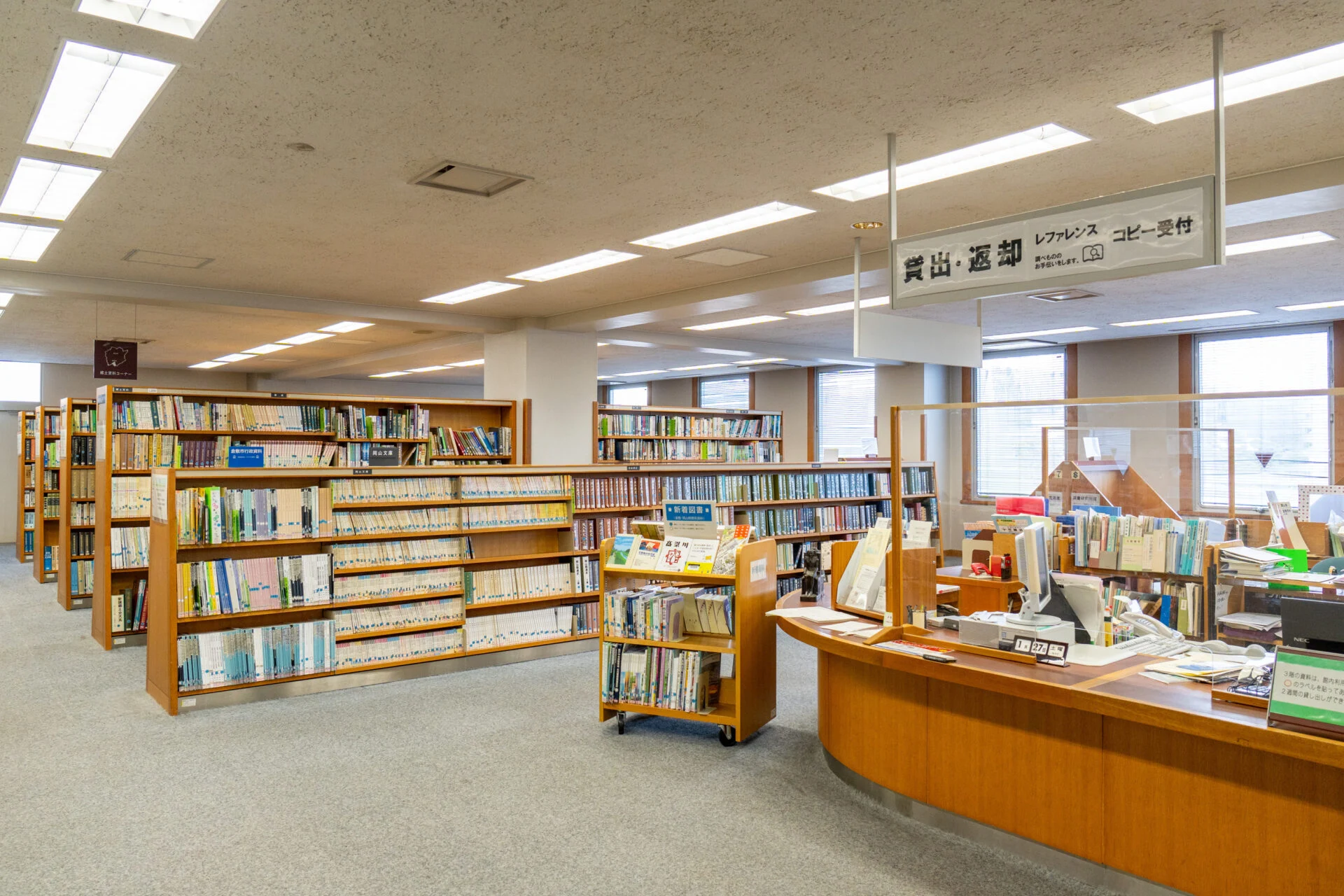
Kurashiki Central Library will be exhibiting the new uniforms of Nishi Junior High School from Saturday, June 1, 2024, to Sunday, June 30, 2024 (closed on Mondays) on the first floor (immediately to the left after entering the entrance).
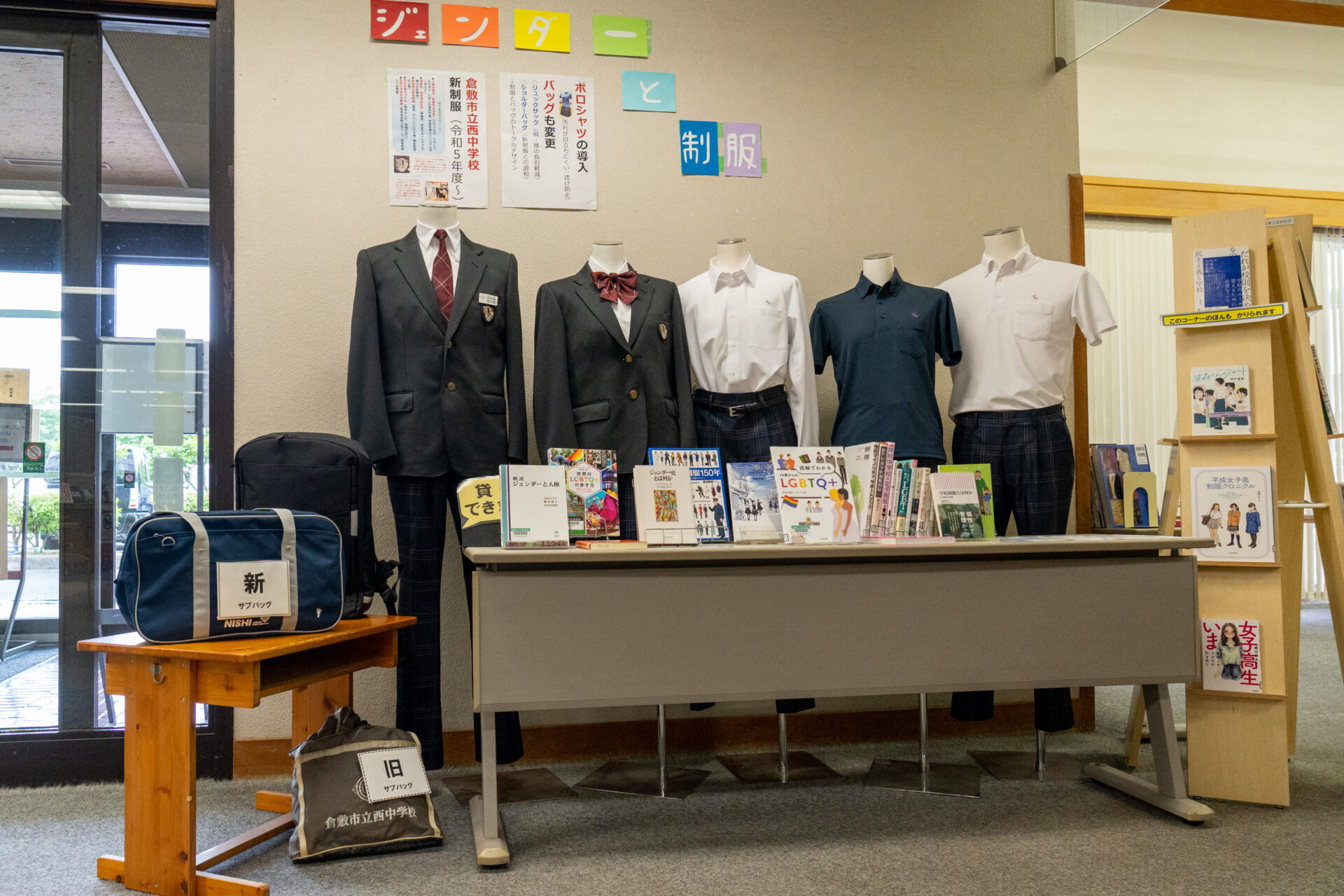
The reason for holding the exhibition at the library, according to Takayo Kajita, the director of Kurashiki Central Library, is that "the library functions not only as a place to borrow books but also as a space for sharing information in the community, and I hope it will serve as an opportunity for those who have not been interested until now to learn more."
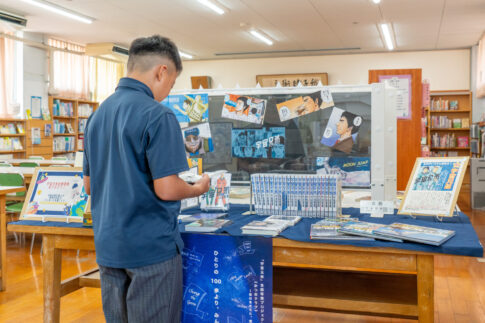
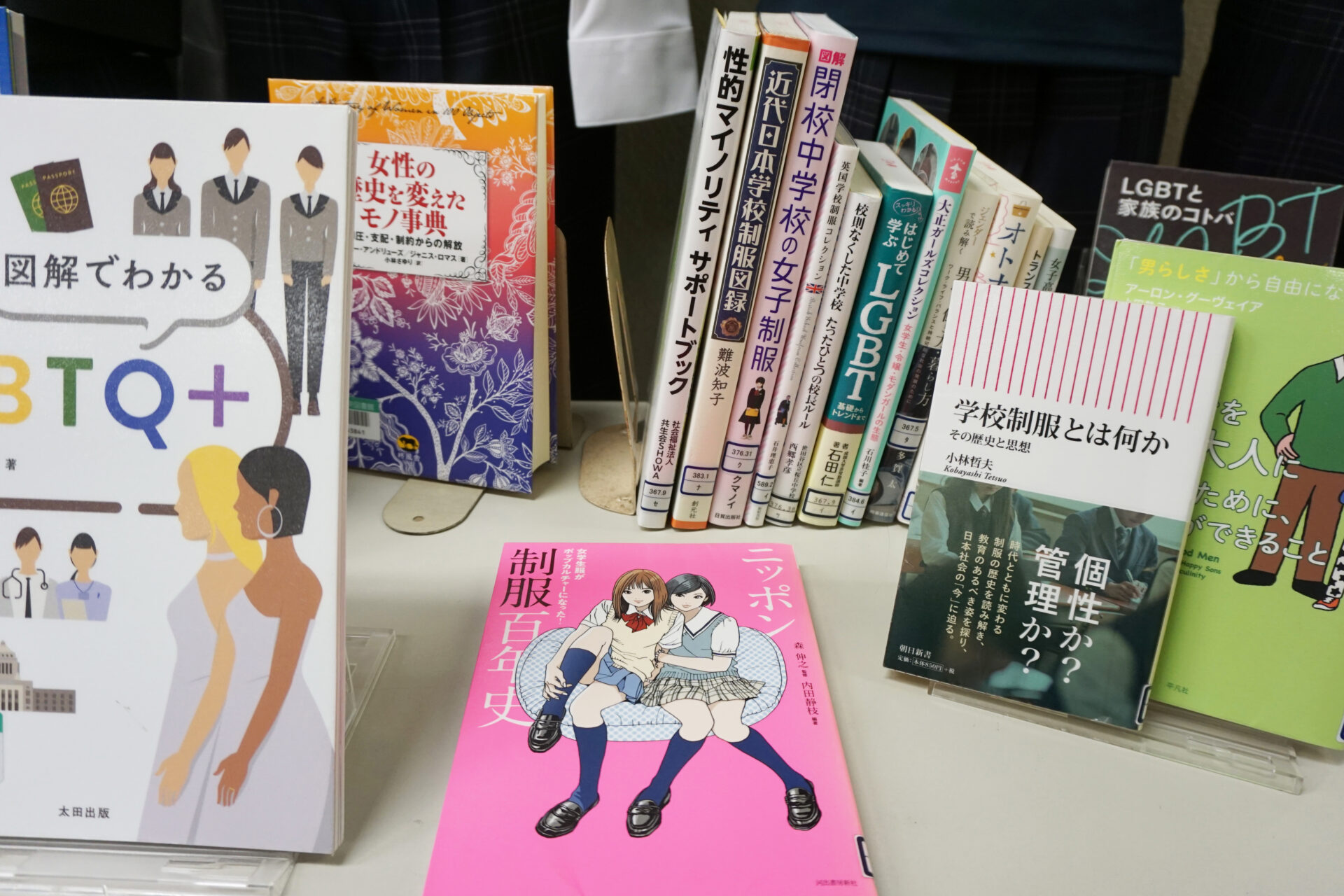
In addition to the exhibition of the new uniforms, many books that explain the history of uniforms and gender-related literature are also on display. These selections are carefully curated for those who wish to learn about these fields. We hope you take this opportunity to visit.
Data on the new uniform display at Kurashiki City West Junior High School
| Name | New uniform display at Kurashiki City West Junior High School |
|---|---|
| Date | From Saturday, June 1, 2024, to Sunday, June 30, 2024 *Closed on Mondays. Tuesday to Saturday: 9:00 AM to 7:00 PM Sunday and holidays: 10:00 AM to 6:00 PM *For details, please check the opening day calendar on the website. |
| Location | Kurashiki Central Library (2-6-1 Chuo, Kurashiki City) |
| Website | Kurashiki Central Library |