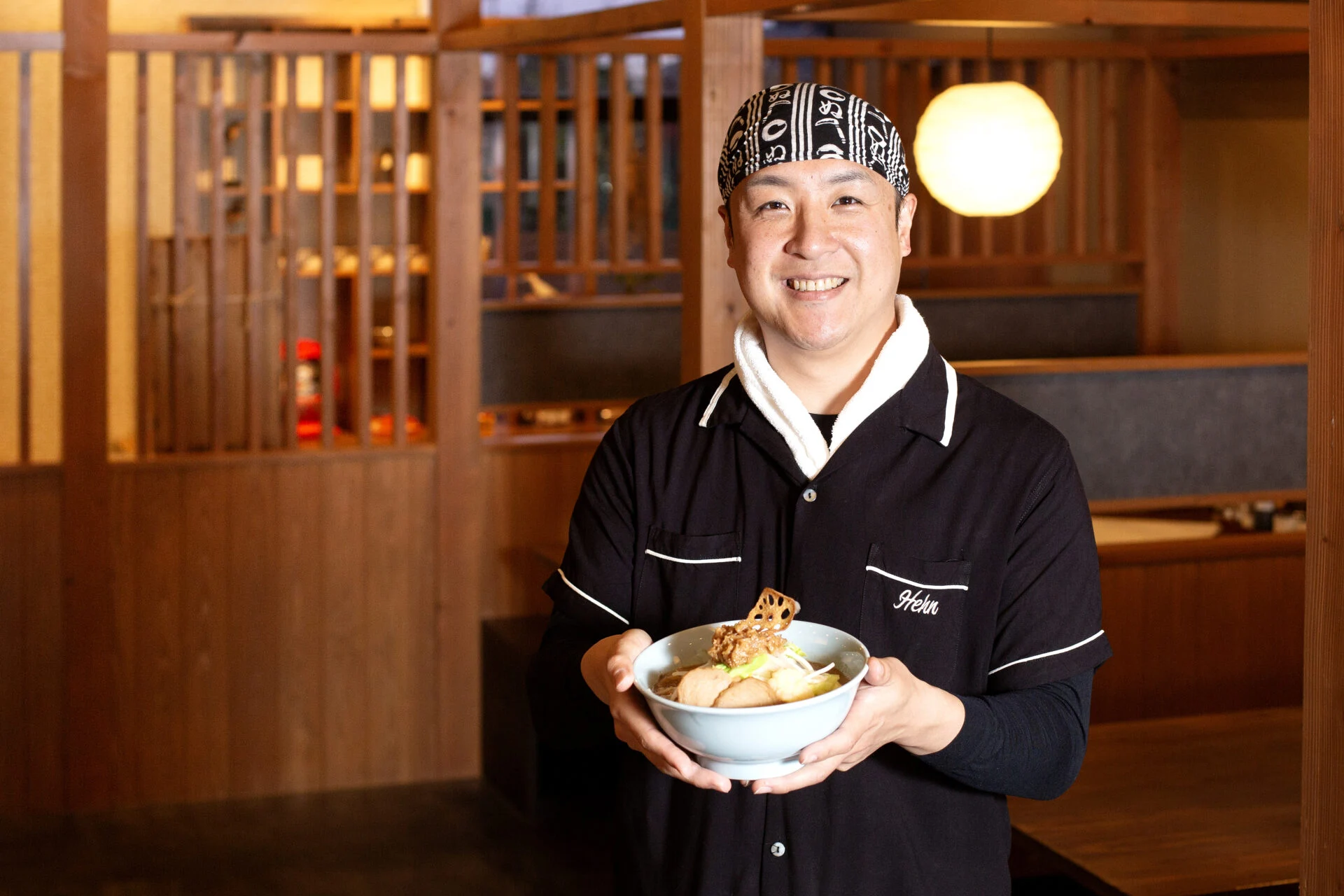
Interview with Hiroshi Ono, representative of Ichiterasu
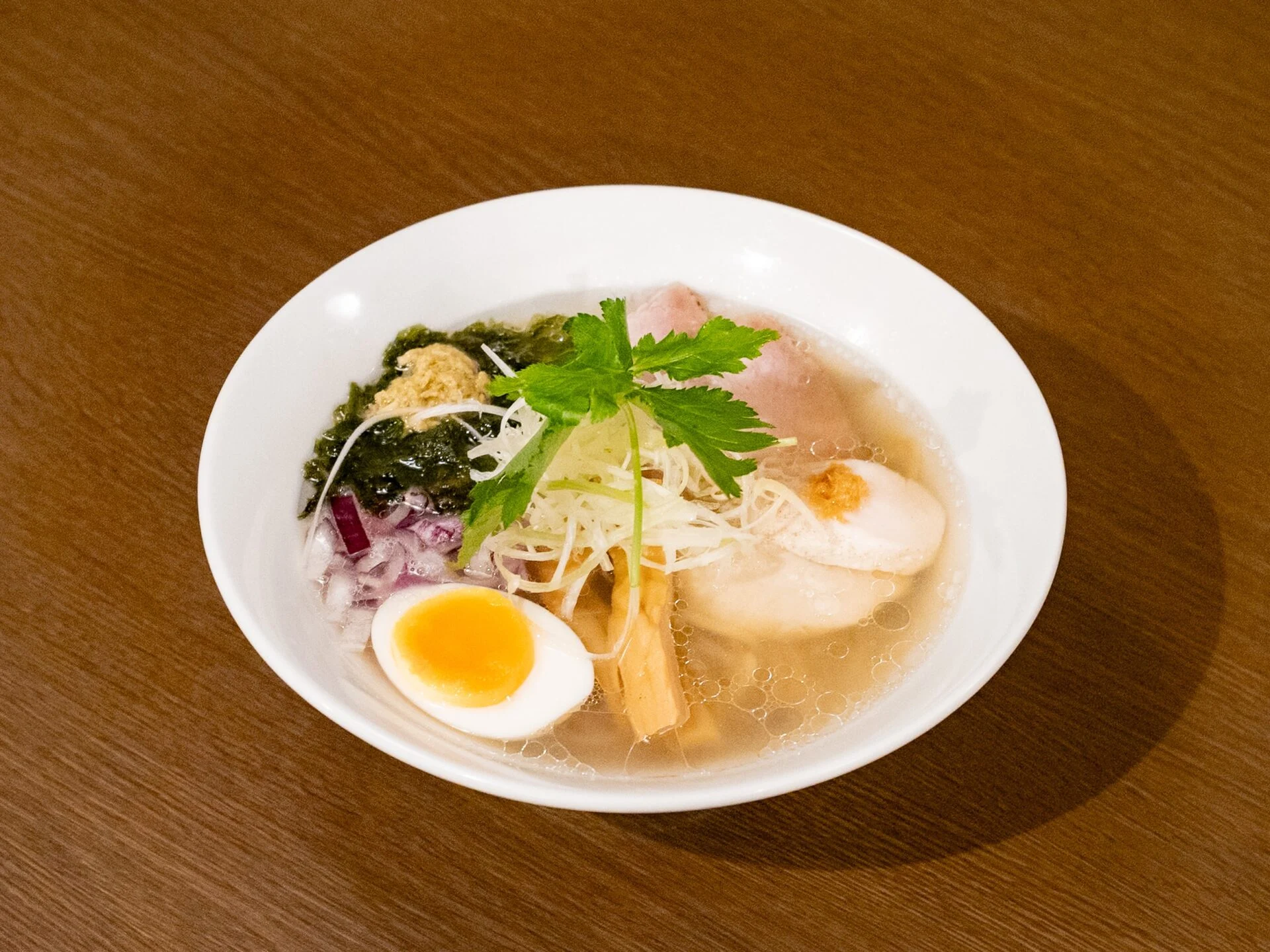
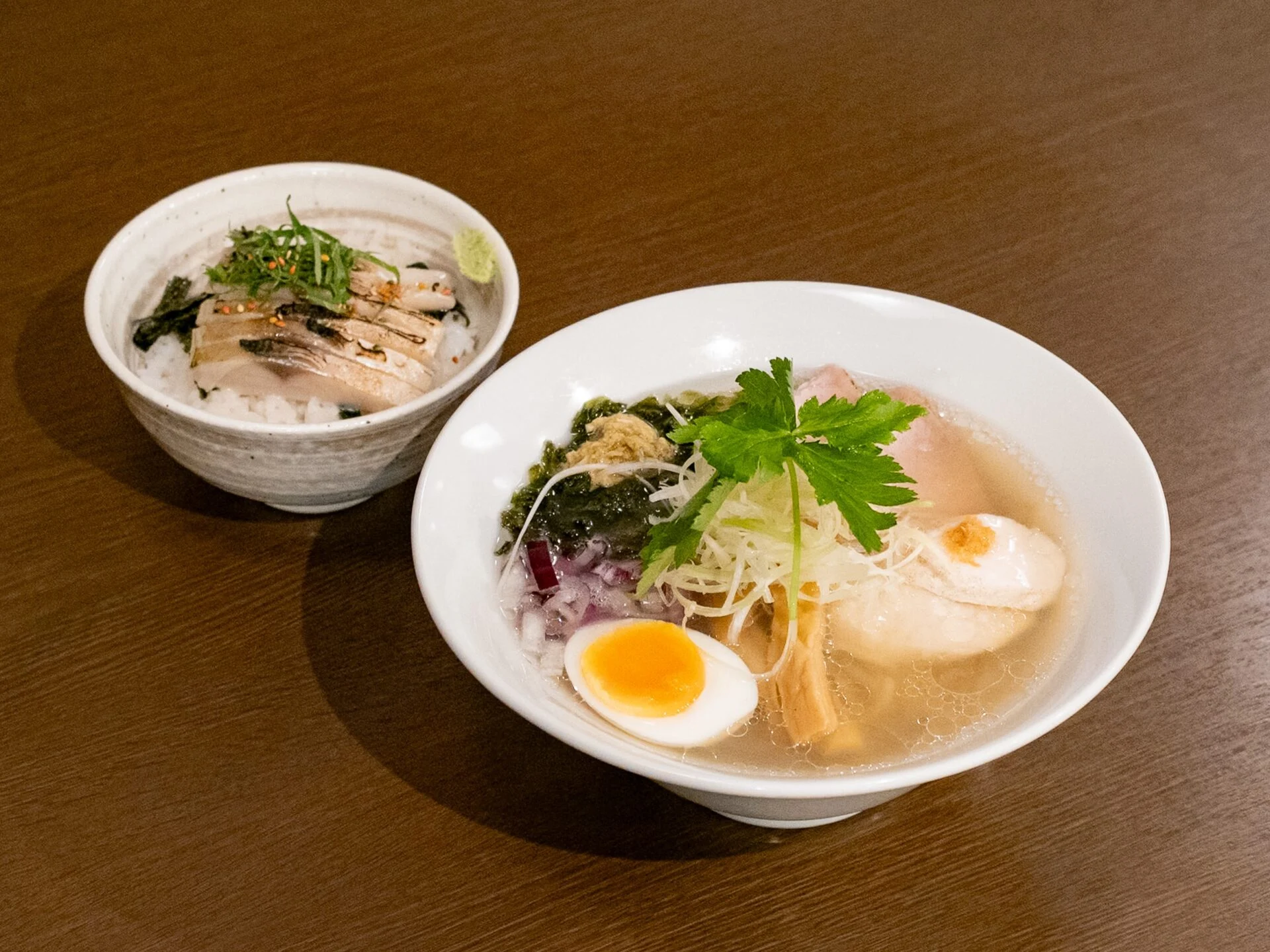
Mensake Isshoan Tenmaya Kurashiki, where you can enjoy stylish, carefully crafted ramen packed with the rich flavor of mature chicken.
We interviewed Hiroshi Ono, representative of Ichiterasu Co., Ltd., the company that operates the restaurant.
Experiencing local food cultures while traveling around Japan
How did Isshoan come to open?
Ono (surname only hereafter)
I originally worked at an Ippudo location in Okayama City. Ippudo originated in Fukuoka City and is a nationwide chain specializing in tonkotsu ramen.
I started working there in my early twenties, then left shortly before turning 30 and set off on a motorcycle trip around Japan.
When I was working at Ippudo, one of our regular customers had come to Okayama from Fukuoka on a solo work assignment.
He told me, “I’m glad I can eat Hakata ramen, the taste of home, even while away on assignment. It makes me feel at ease.”
Hearing that made me wonder, “What is the local flavor of Okayama?”
Okayama has several long-established ramen shops, each with a flavor rooted in the local community.
On the other hand, Okayama doesn’t have an instantly recognizable style like Hakata ramen—“tonkotsu broth, thin noodles, extra noodles available,” and so on.
In Okayama, each ramen has its own distinctive flavor and character, but there isn’t much of a unified image.
As I thought about this, I became interested in the many kinds of regional cuisine and food cultures unique to different parts of Japan. I wanted to visit various places around the country, so I decided to set out on a trip.
As I traveled and experienced the food and culinary cultures of different regions, my desire to run my own restaurant someday grew stronger.
Actually, I had entered the food-service industry because I wanted to run a restaurant. That said, at the time I didn’t feel strongly about it. It was more of a vague thought that it would be nice to have a restaurant someday.
I guess the trip turned that vague idea into a clear “goal.”
At first, I thought a bakery might be nice, too.
But I had worked at ramen shops for a long time and learned the techniques. I also realized that I deeply resonated with the philosophy and passion of Ippudo’s founder, and that they had become part of me.
So I decided to aim to open a ramen shop someday. Looking back, you could say that pursuing a ramen shop was a natural progression.
After completing my trip around Japan, I studied and prepared to open a business while working.
Creating a flavor loved by people in Okayama and unique to the region
Why did you settle on your current ramen style?
Ono
If I was going to run a ramen shop, I wanted to develop a flavor that was unique to Okayama. Our concept is “A bowl that lights up Okayama,” and I wanted to make ramen that would be loved by the people of Okayama.
When I thought about the flavors of long-established ramen shops that have been loved in Okayama City for many years, I realized their broths were based mainly on either chicken or pork.
Okayama City’s ramen culture is often described in terms of those two styles. The shop I liked as a child served soy sauce ramen made mainly with chicken bones. So I thought I should make ramen with a chicken-bone-based broth.
I had a concrete goal: to take chicken-bone-based ramen and refine it for modern tastes. From then on, I spent my days working and repeatedly experimenting with ramen recipes at home.
I spent about two years experimenting.
This led to the opening of Mensake Isshoan in Nakazange, central Okayama City, in 2018.
What is the origin of the name “Isshoan”?
Ono
The name Isshoan comes from the phrase “illuminate one corner.” It is a saying by Saicho, founder of the Tendai school of Buddhism, and means that it is important for each person to shine brightly in their own place.
“One corner” means a secluded spot. Even in an inconspicuous corner that receives little light, there are people who focus on it, shine a light on it, and work diligently.
“Illuminate one corner” is one of the lessons of Ippudo’s founder. It influenced me and became my personal motto.
So I took the characters for “one” and “illuminate” from the phrase and named the restaurant Isshoan. The company name, Ichiterasu, also comes from “illuminate one corner.”
What prompted you to open a location at Tenmaya Kurashiki?
Ono
I had been considering opening a location in Kurashiki City for some time. Many customers regularly traveled from Kurashiki to our Okayama main store in Nakazange, and some had expressed hope that we would open in Kurashiki.
I had always wanted to respond to those requests, but the timing and conditions never quite worked out.
Then one day, Tenmaya approached us about opening in Kurashiki. We were truly grateful, and that opportunity led us to open at Tenmaya Kurashiki.
We thought there would be benefits for both our company and Tenmaya.
Standing out by making the most of two strengths: ramen and sake
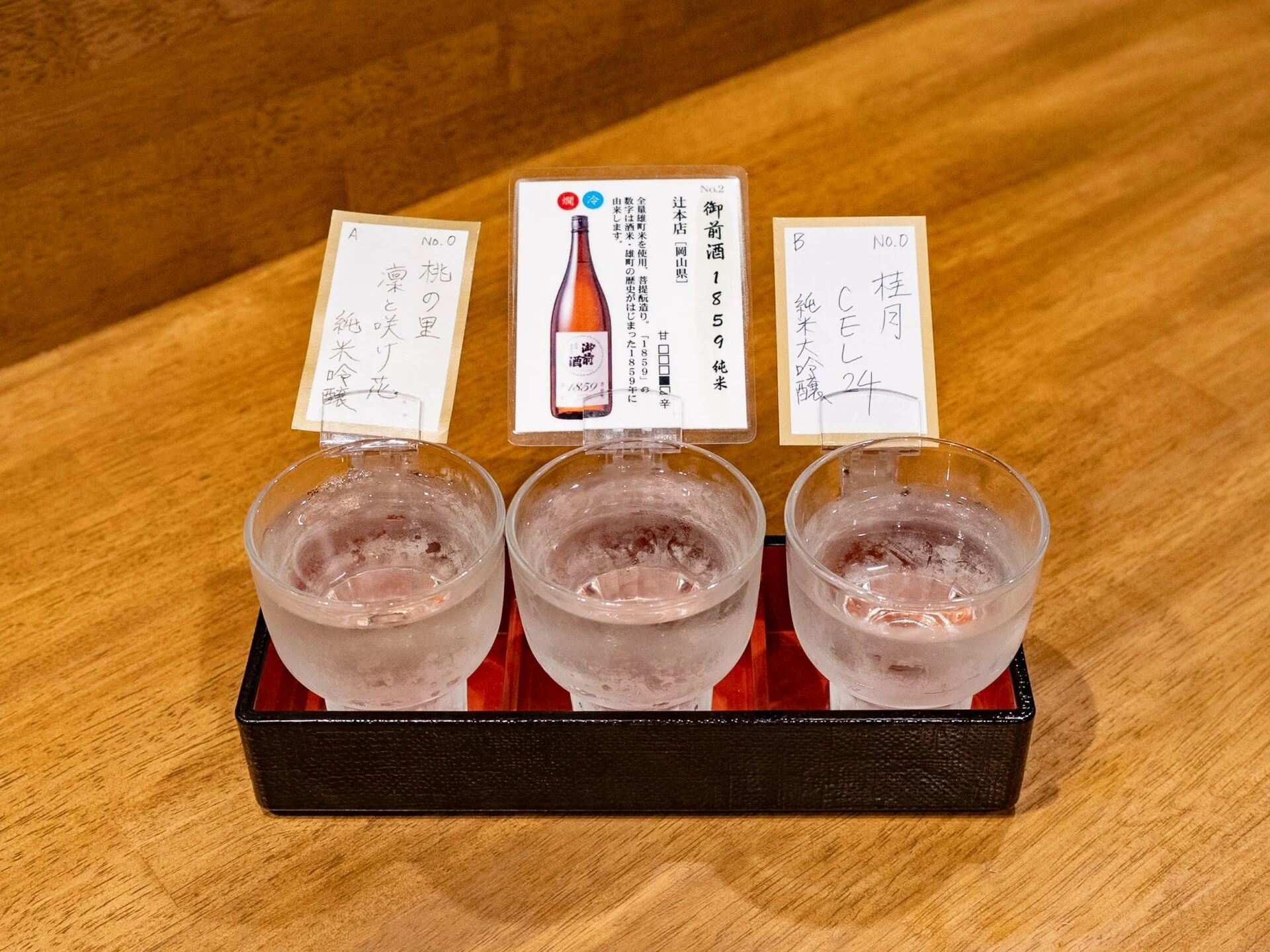
Does the Tenmaya Kurashiki location have any original menu items?
Ono
For now (July 2025), the all-you-can-drink menu is available only at the Tenmaya Kurashiki location.
After opening the Tenmaya Kurashiki location, we found that more customers than expected were ordering alcoholic drinks. It may be because the restaurant is in front of JR Kurashiki Station—or practically connected directly to the station.
Once we realized there was strong demand for drinks, we figured there would also be demand for an all-you-can-drink option, so we introduced one.
We are also considering introducing set-course meals in the future and hope to attract customers looking for a place to hold banquets.
The main store does not have a children’s menu, but the Nakazendo and Tenmaya Kurashiki locations do. Since the Tenmaya Kurashiki location is in a department store, many customers visit with children, so we added one.
Why do you focus not only on ramen but also on alcoholic drinks and snacks?
Ono
I thought that focusing solely on chicken ramen might be a little weak. I felt we needed to add something distinctive.
Actually, there was a time when I wanted to try running an izakaya, too. So I thought, “Why not incorporate some izakaya elements?”
I thought that having two strengths—ramen and sake—would give us a strong, distinctive identity.
Ippudo also produces a restaurant called Ramen Dining Gogyou. It was a stylish place where you could enjoy ramen and sake.
Taking Gogyou as a reference, I came up with the idea of incorporating elements of an original, stylish ramen izakaya. I also added “Mensake” before Isshoan in the restaurant’s name.
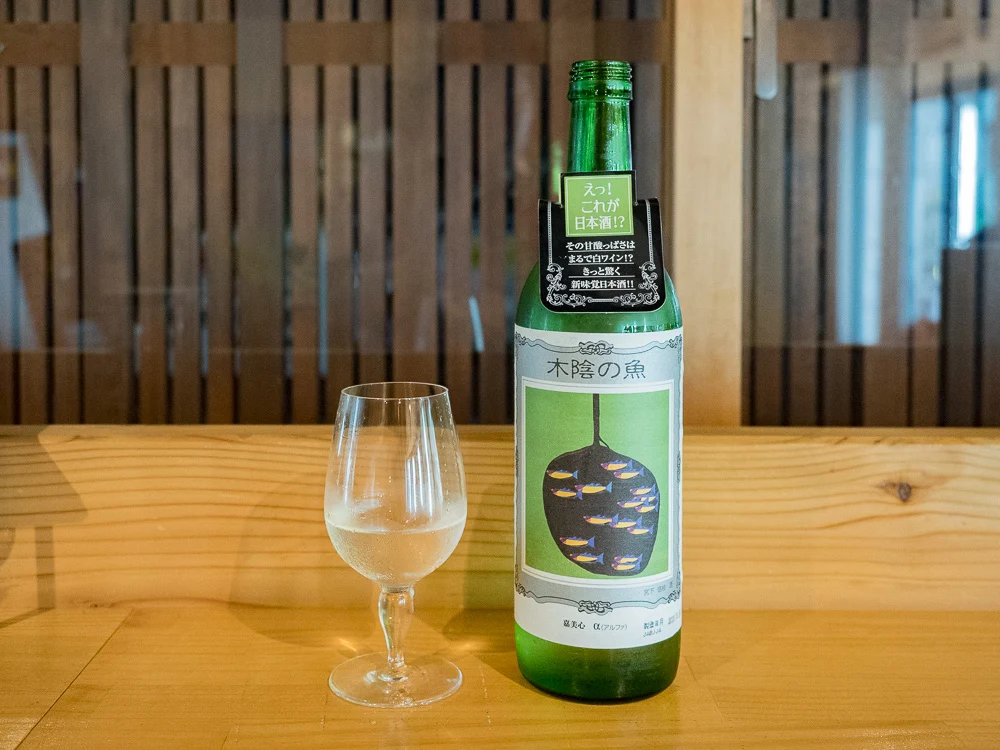
We put particular emphasis on sake and shochu highballs. We consult with liquor stores and stock recommended sake, aiming for a good balance between sake from our home prefecture of Okayama and sake from other prefectures.
Which snacks and small dishes are popular?
Ono
“Noodle Shop Potato Salad with Iburigakko” and “Ichi Wings” are popular.
The potato salad is overwhelmingly popular. Ichi Wings come in sweet-and-savory and salt-and-lemon flavors, with the sweet-and-savory flavor being more popular. We have sometimes sold more than 1,000 Ichi Wings in a month.
For snacks and small dishes, I want to serve food that people can’t make at home, or that is difficult to make. We also give classic dishes a slight Isshoan-style twist.
Four kinds of ramen born from repeated trial and error
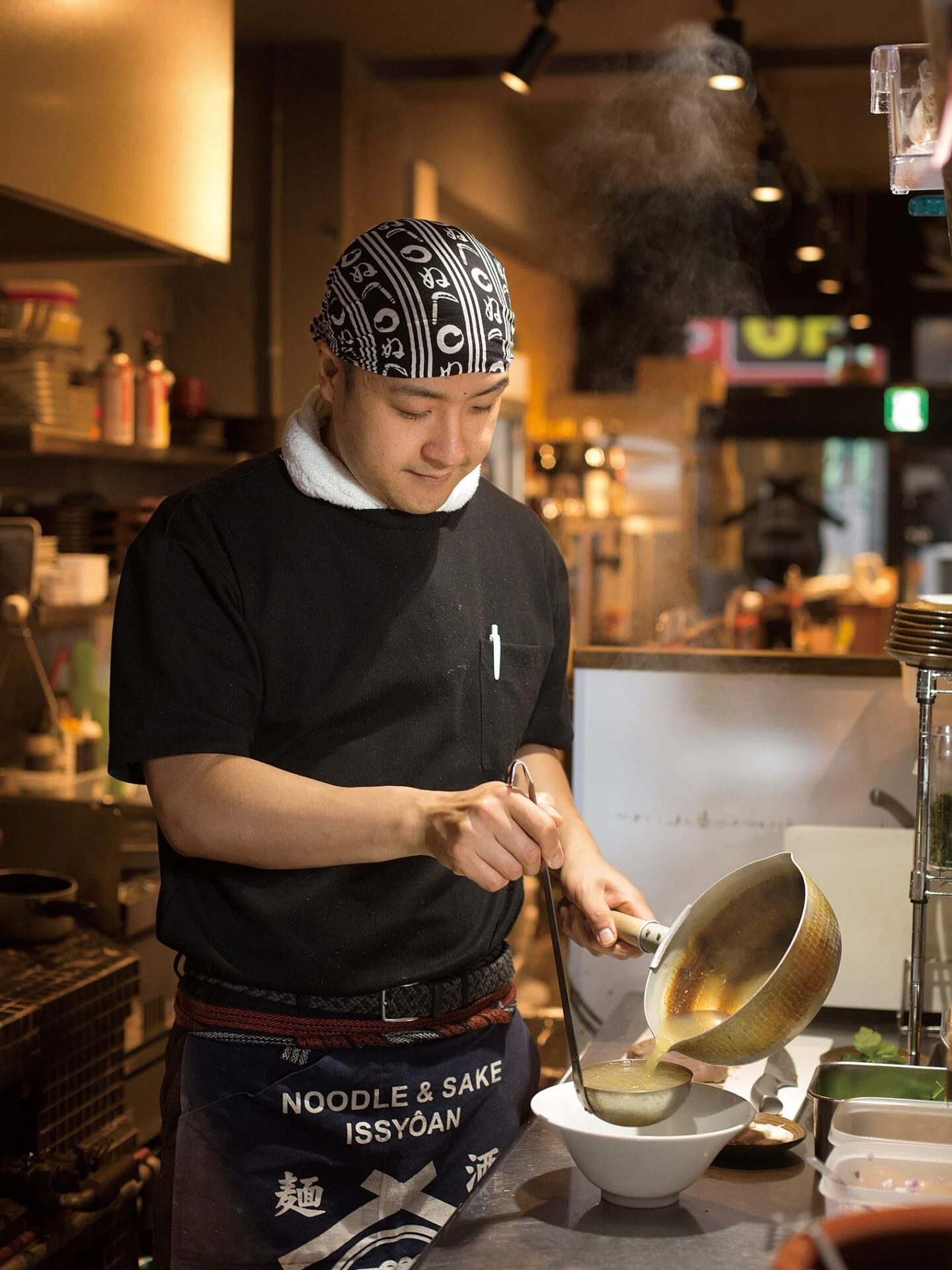
Tell us how the four main kinds of ramen came about.
Ono
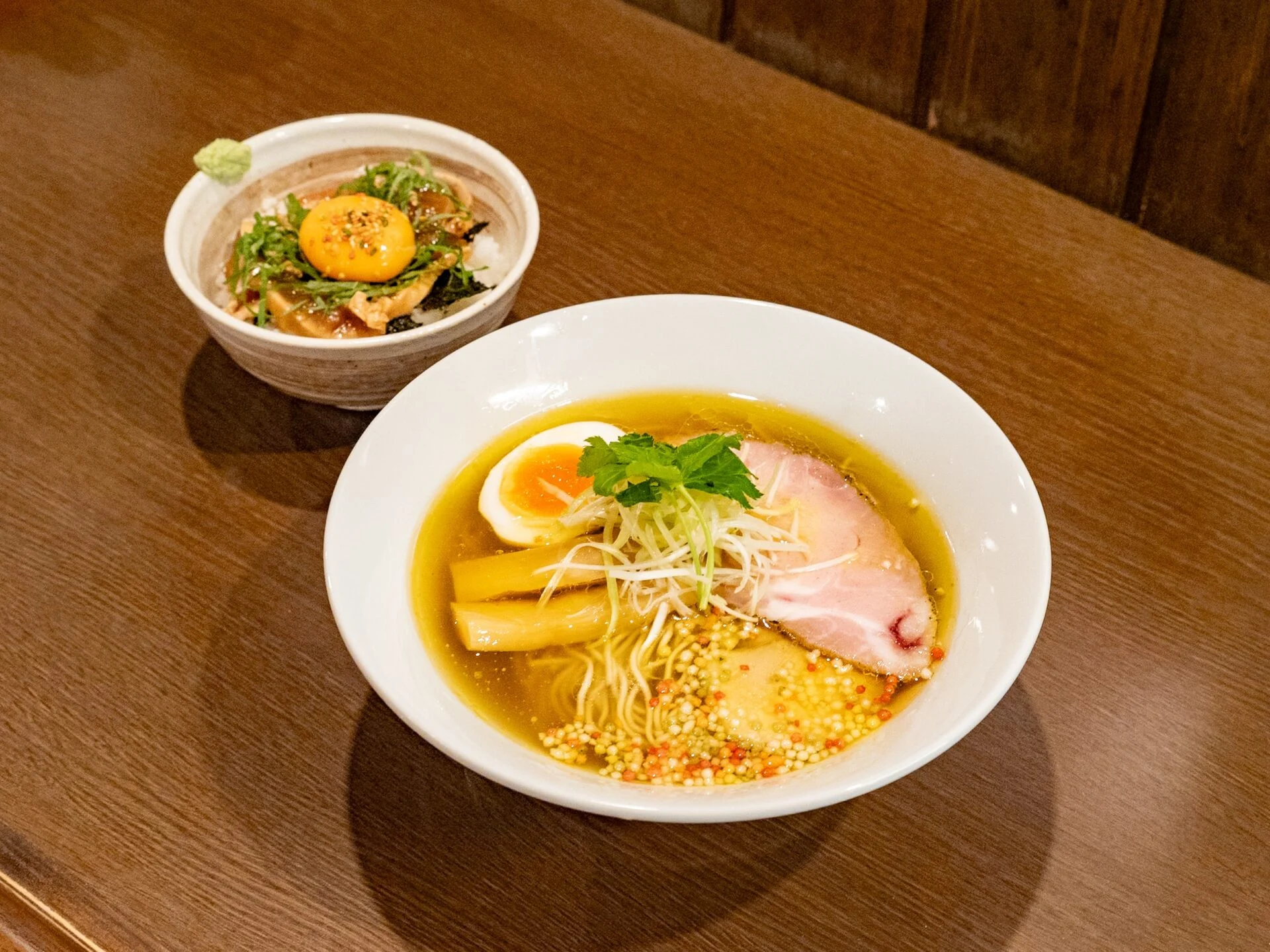
The broth base for all four of our main ramen varieties is primarily chicken bones. That’s why we call them “chicken Chinese noodles.”
All four varieties are based on chicken soup made by combining the flavor of mature chicken with Japanese-style broth.
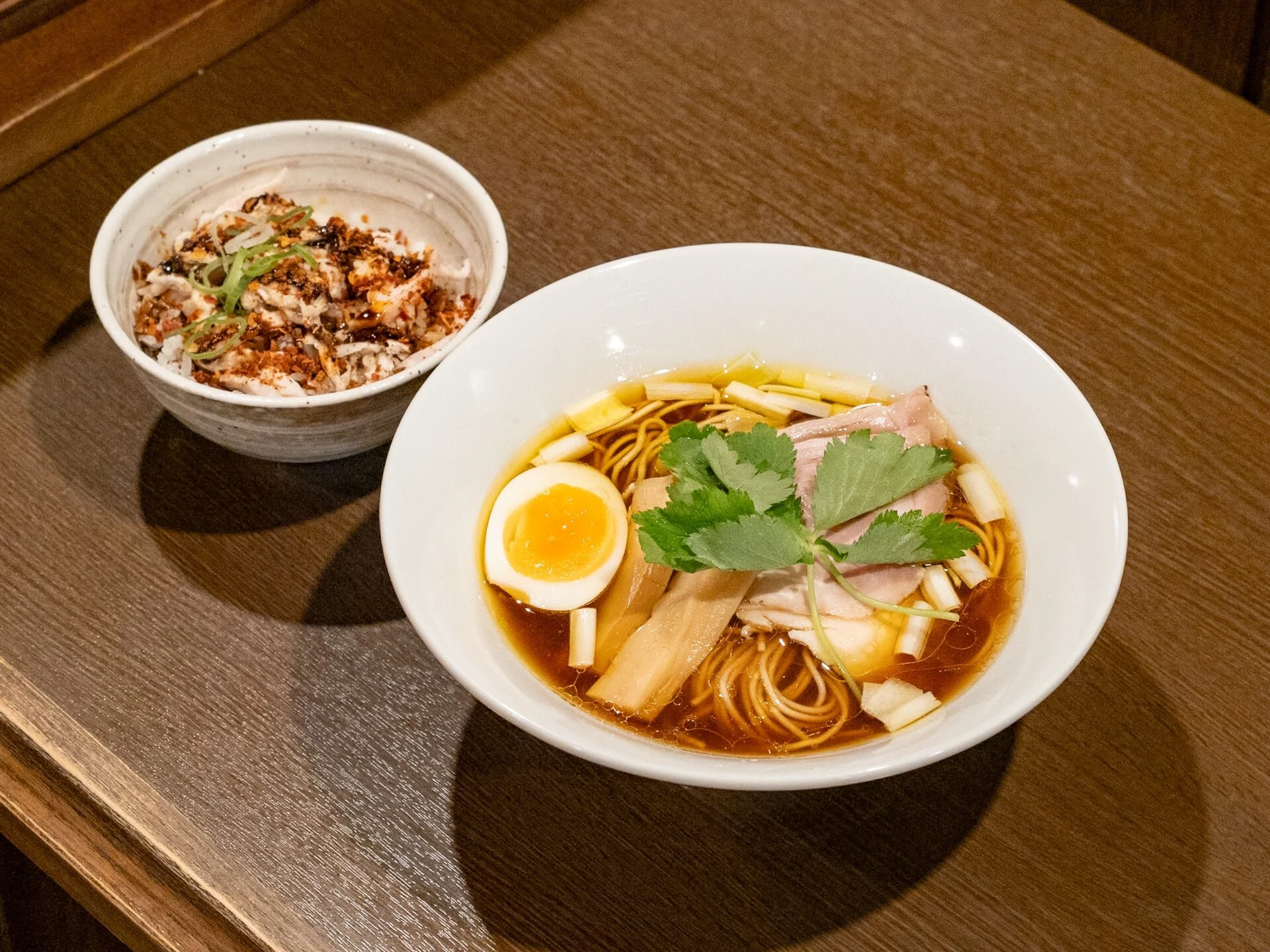
When the Okayama main store first opened, we offered two varieties: chicken Chinese noodles with raw soy sauce and chicken Chinese noodles with salt.
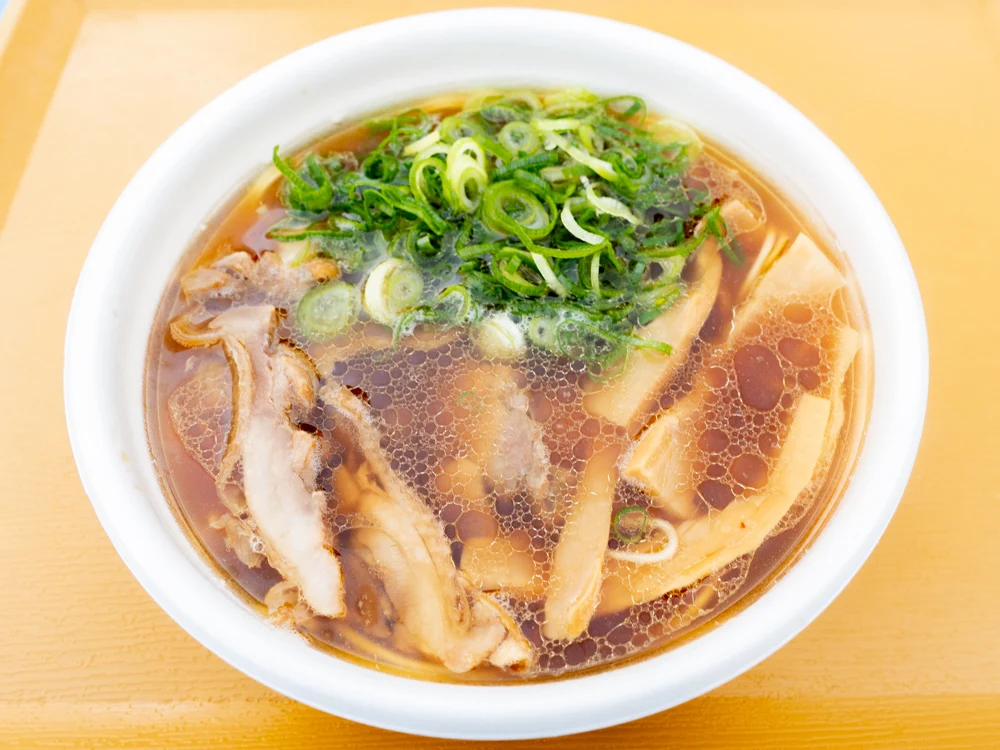
I originally wanted to make soy sauce ramen with a chicken base, and the first variety I developed was the raw soy sauce ramen. It is made to let you fully savor the soy sauce.
When we were preparing to open, I thought offering only soy sauce ramen would be a little limiting, so I developed the salt version. Its defining feature is that you can enjoy the chicken flavor directly. It actually contains quite a bit of chicken oil, so you can really taste its richness.
We introduced “Chicken Chinese Noodles: Clam” in the first year after the Okayama main store opened. “Clam” refers to bivalves.
Actually, even before opening, I had wanted to make ramen using shellfish broth someday. You can imagine what soy sauce or salt ramen will taste like, right?
The reason I developed the clam ramen was that I wanted to offer a new kind of ramen, something unfamiliar in Okayama that would make customers think, “I’ve never heard of that” or “I wonder what it tastes like.”
You can find shellfish-broth ramen here and there in big cities, but outside those areas, hardly anyone other than ramen enthusiasts knows about it.
Although the clam ramen uses shellfish broth, it is still chicken Chinese noodles, so the main broth is made from chicken bones. We combine it with broth from clams, Manila clams, and freshwater clams.
After that, we had a good selection of lighter ramen—raw soy sauce, salt, and clam—so I wanted a more impactful flavor and decided to make a spicy ramen. That became “Chicken Chinese Noodles: Spicy and Savory.”
There is a steady number of people who like spicy food, and the spicy-and-savory ramen has consistently been popular.
When the Okayama main store first opened, the raw soy sauce ramen was the most popular. After the clam ramen was introduced, its popularity gradually grew until it became the most popular.
Some people now associate Isshoan with clam ramen, and it has become one of our signature dishes.
Even though it has been overtaken by the clam ramen, soy sauce ramen remains a classic flavor and is still very popular.
The clam ramen is also the most popular at the Tenmaya Kurashiki location. Raw soy sauce ramen is the next most popular.
Ramen that feels like enjoying a full-course meal in one bowl
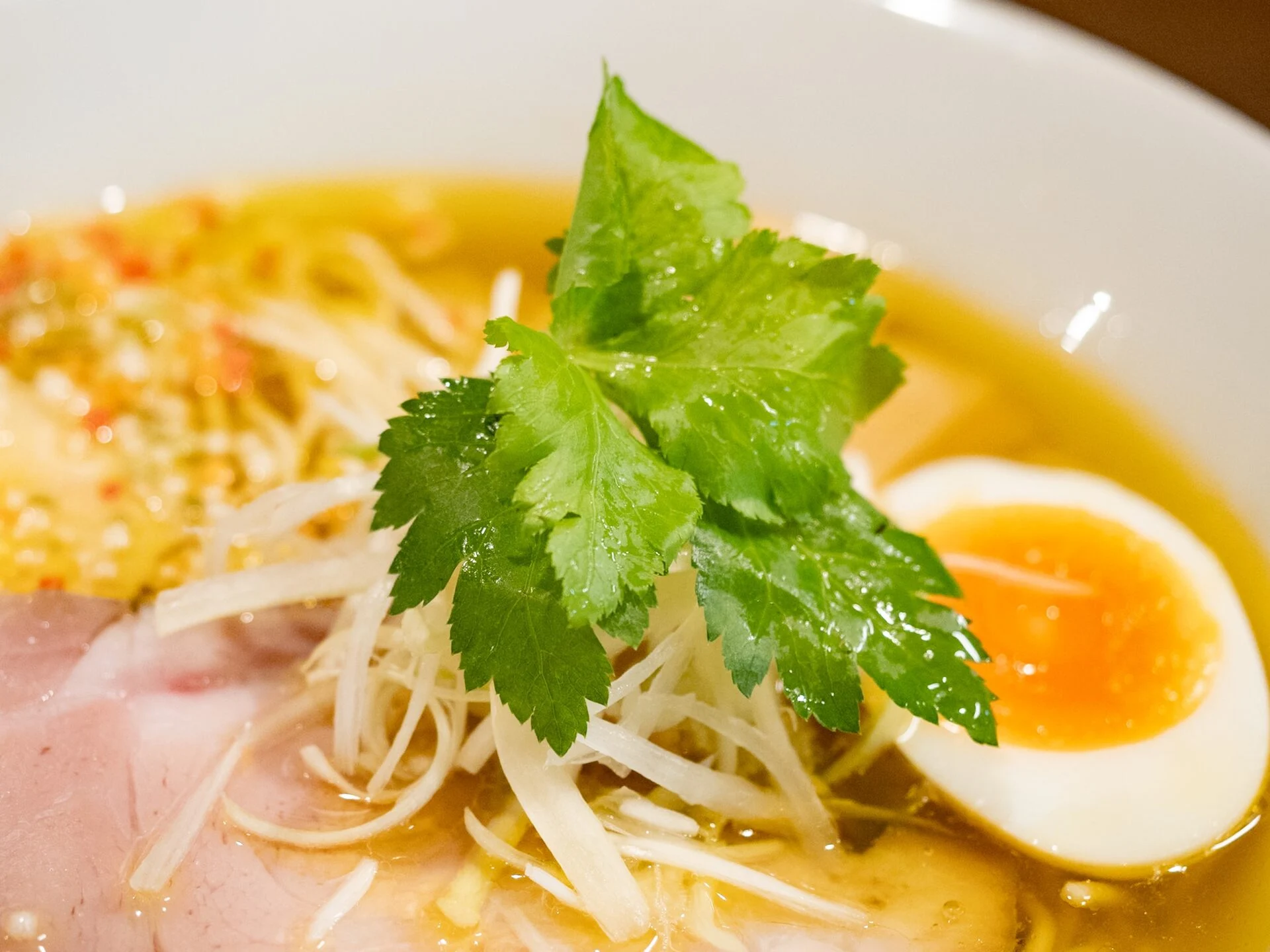
What do the four types of ramen have in common?
Ono
The main thing they have in common is that the broth is primarily made with chicken bones.
They also share some toppings. All four come with seasoned eggs, extra-thick menma, low-temperature-cooked pork and chicken chashu, green onions, and mitsuba.
In particular, mitsuba is an uncommon ramen topping in Okayama, and customers seem to see it as one of our distinctive features.
I started using mitsuba because I wanted something that would serve as the ramen’s “face”—something that would make people recognize at a glance that it was Ichiteran’s ramen. I tried adding mitsuba, and it worked quite well.
Mitsuba is strongly associated with Japanese cuisine, and I thought that just adding it would instantly give the dish a stylish look and make it feel like a higher-end meal.
Also, when you eat mitsuba, its aroma refreshes your palate, so you can enjoy the taste of the ramen all over again.
Another highlight is that you can enjoy both pork and chicken chashu.
The egg is another detail we pay special attention to. To me, an egg is like dessert. I wanted people to enjoy the ramen and finish with the egg.
You could say we want each bowl of ramen to feel like a complete course meal.
What did you focus on when creating the restaurant?
Ono
We focused on creating an atmosphere where even customers who had found ramen shops intimidating could feel comfortable coming in.
Thanks to that, we welcome women and older customers, groups often said to be hard to attract to ramen shops. Some people come on their own, too.
In recent years, we’ve also seen more customers from overseas at our Okayama main branch.
We aim to be a place where people of all ages and genders can easily drop in.
Considering the challenge of opening a ramen shop specializing in one style
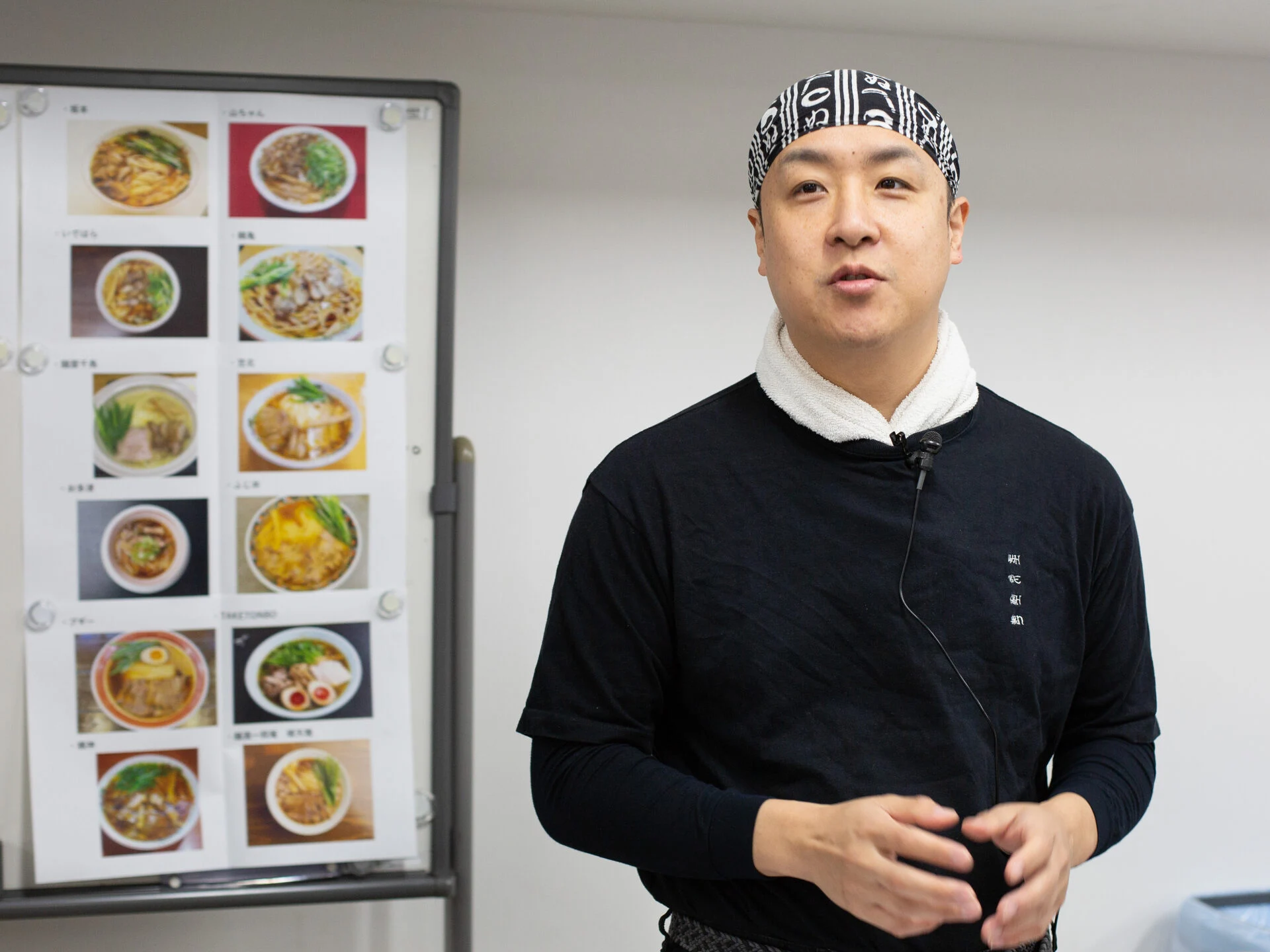
Please tell us about your plans for the future and anything you’d like to try.
Ono
I’d like to try opening a shop specializing in a different type of ramen, such as one focused on miso ramen or tsukemen.
Actually, I currently run a miso ramen shop out of a shared space in Hokancho (Okayama City). It’s only open irregularly, but it’s been more popular than I expected.
My first goal is to open an independent shop specializing in miso ramen.
Beyond that, I want to achieve my original goal of “bringing a new ramen to life in Okayama.” Thanks to our customers, we’re loved by many people. I’d like to become even more rooted in the local community.
Once we’ve established a solid base in Okayama, I hope we can open shops in neighboring prefectures, such as those in the Chugoku and Shikoku regions.
Men-shu Ichiteran, serving carefully crafted ramen, sake, and snacks
Men-shu Ichiteran Tenmaya Kurashiki is conveniently located inside the department store in front of the station.
Along with its carefully crafted ramen, the side dishes, sake, and snacks are also appealing.
Visit the highly regarded Men-shu Ichiteran and enjoy delicious ramen and more.
Men-shu Isshoan Tenmaya Kurashiki Store Information
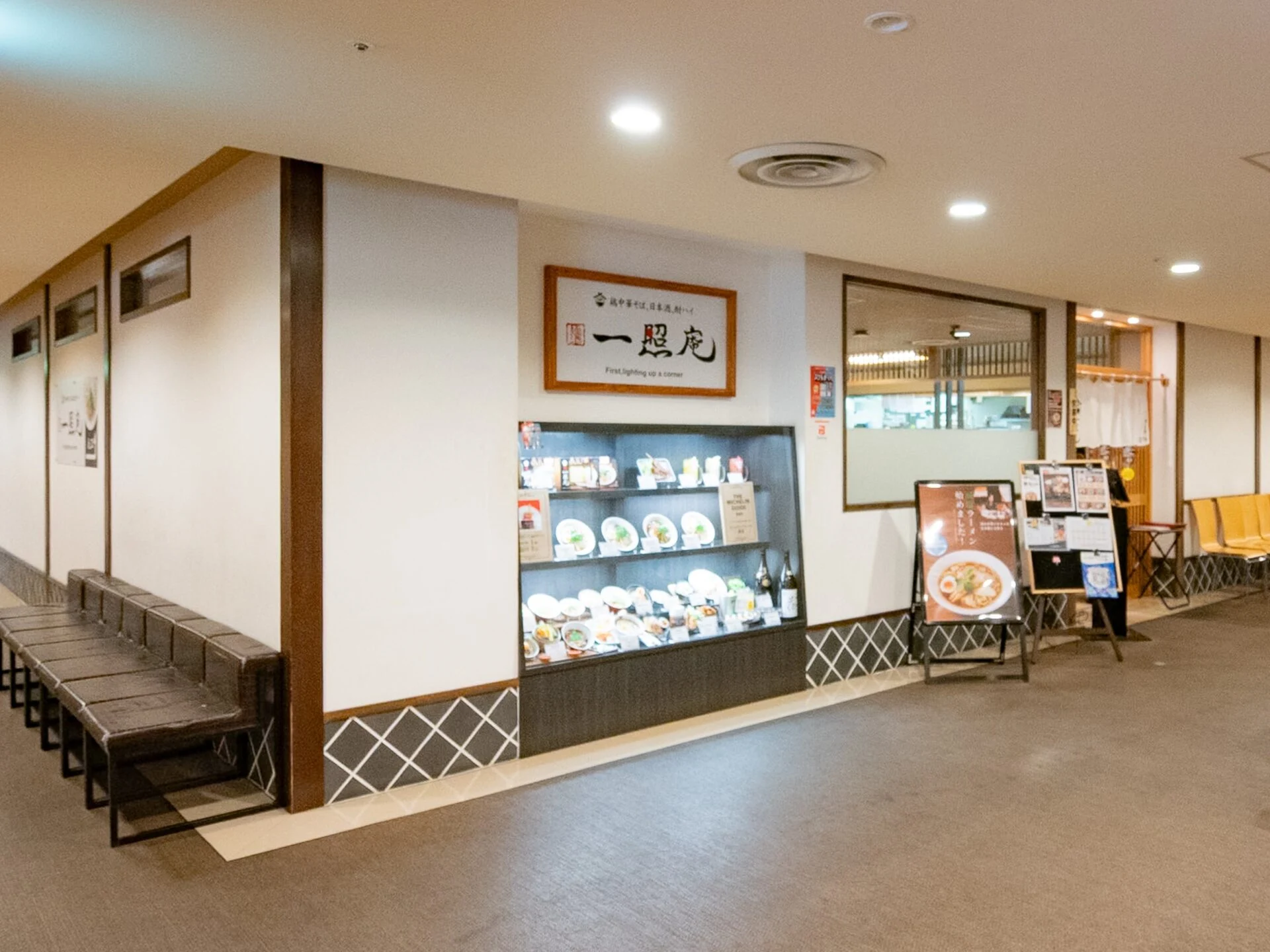
| Name | Men-shu Isshoan Tenmaya Kurashiki Store |
|---|---|
| Address | 1-7-1 Achi, Kurashiki City, Okayama Prefecture, 6th floor, Tenmaya Kurashiki |
| Contact | 086-426-2639 |
| Parking | None Parking available at affiliated lots for Tenmaya Kurashiki |
| Hours | 11:00 a.m.–10:00 p.m. (last order: 9:45 p.m.) |
| Regular closing day | Irregular Wednesdays |
| Payment methods |
|
| Reservations | Not accepted |
| Seating | 41 seats in total ・Counter: 7 seats ・Four-person tables: 4 ・Six-person tables: 3 |
| Smoking | Entirely non-smoking |
| Restrooms | Western-style restroom, accessible restroom |
| Families with children | Diaper-changing table Children’s tableware available Strollers permitted |
| Accessibility | Accessible restroom, elevator Wheelchair access |
| Website | “Men-shu Isshoan Kurashiki Store,” a ramen izakaya in Kurashiki City |

What would you like to know about Kurashiki?
Enter a word to search articles on this site