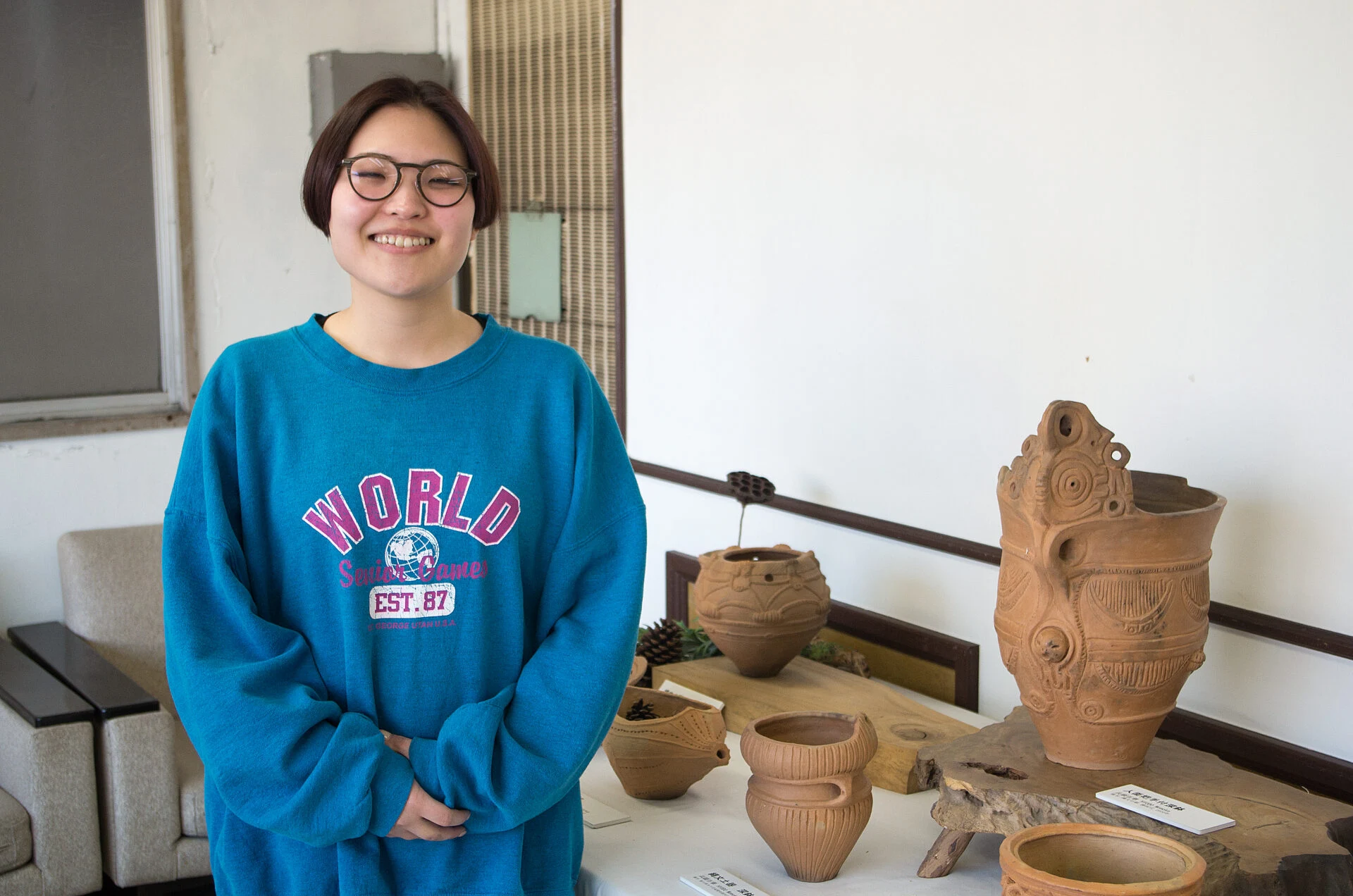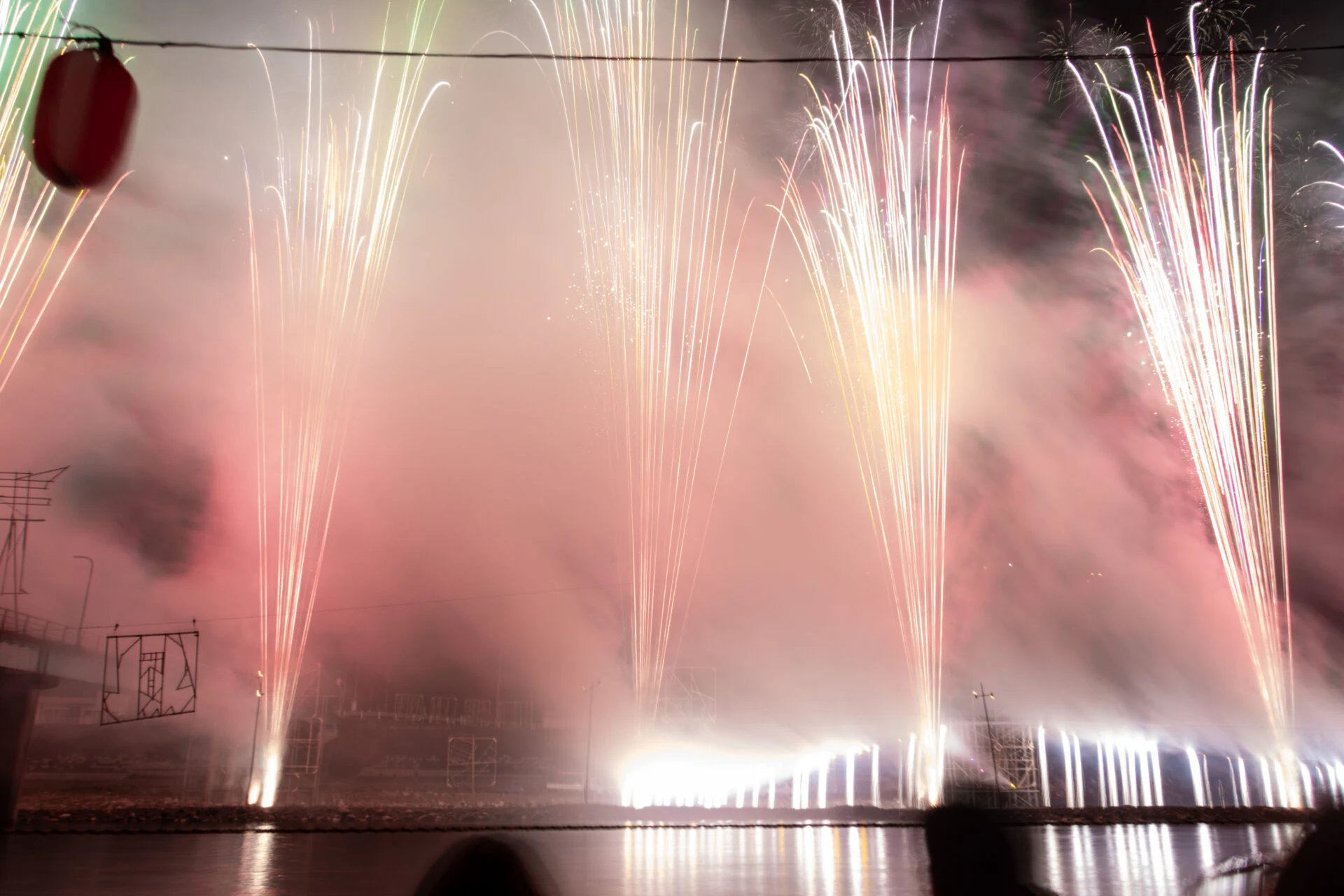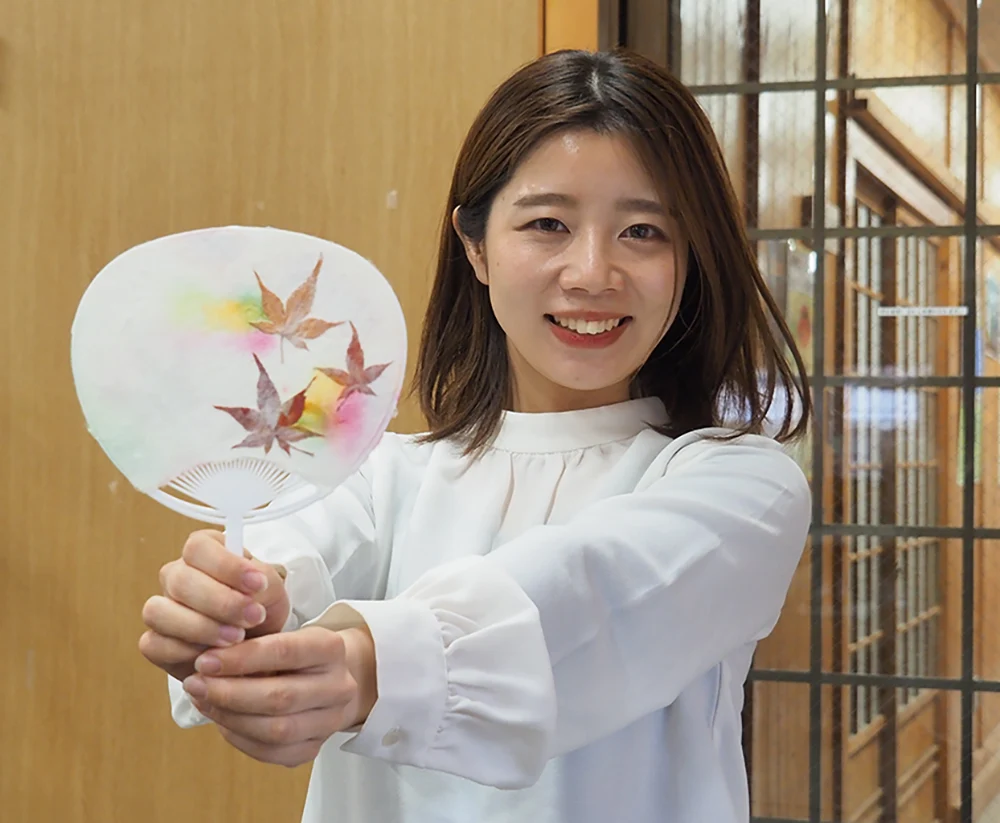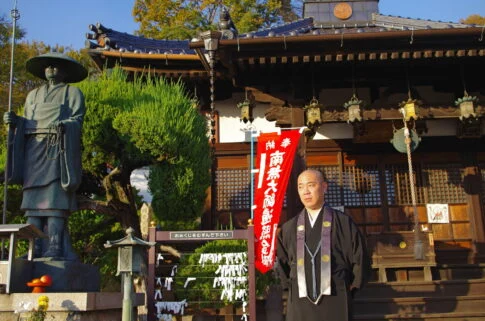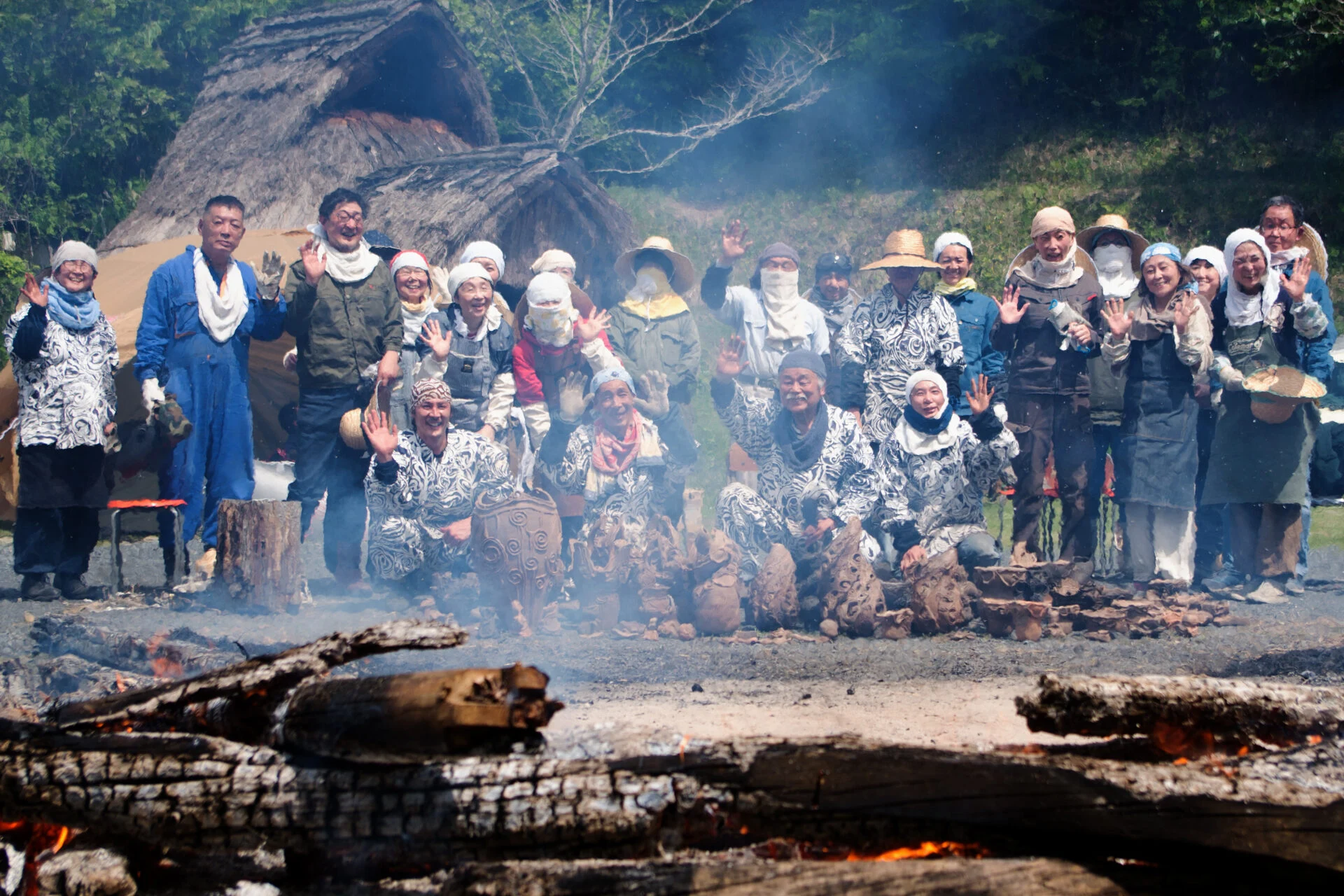
Jomon artist Hyodo Momoka is holding a Jomon clay bell and earthenware making workshop at the Jomon salon, and I participated in the field firing at the Ifurai Art Museum on April 28, 2024.
This is not just a fun festival but a ceremony filled with tension, where we can witness the revived Jomon field firing technique by Ifurai, who is also Hyodo's mentor.
What is the Jomon Field Firing Festival?
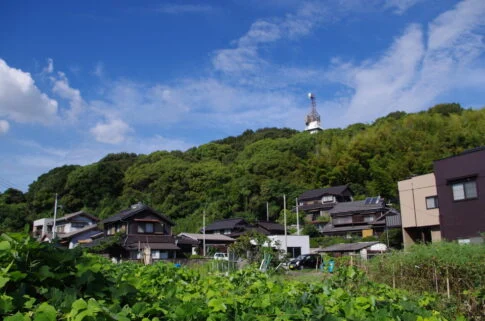
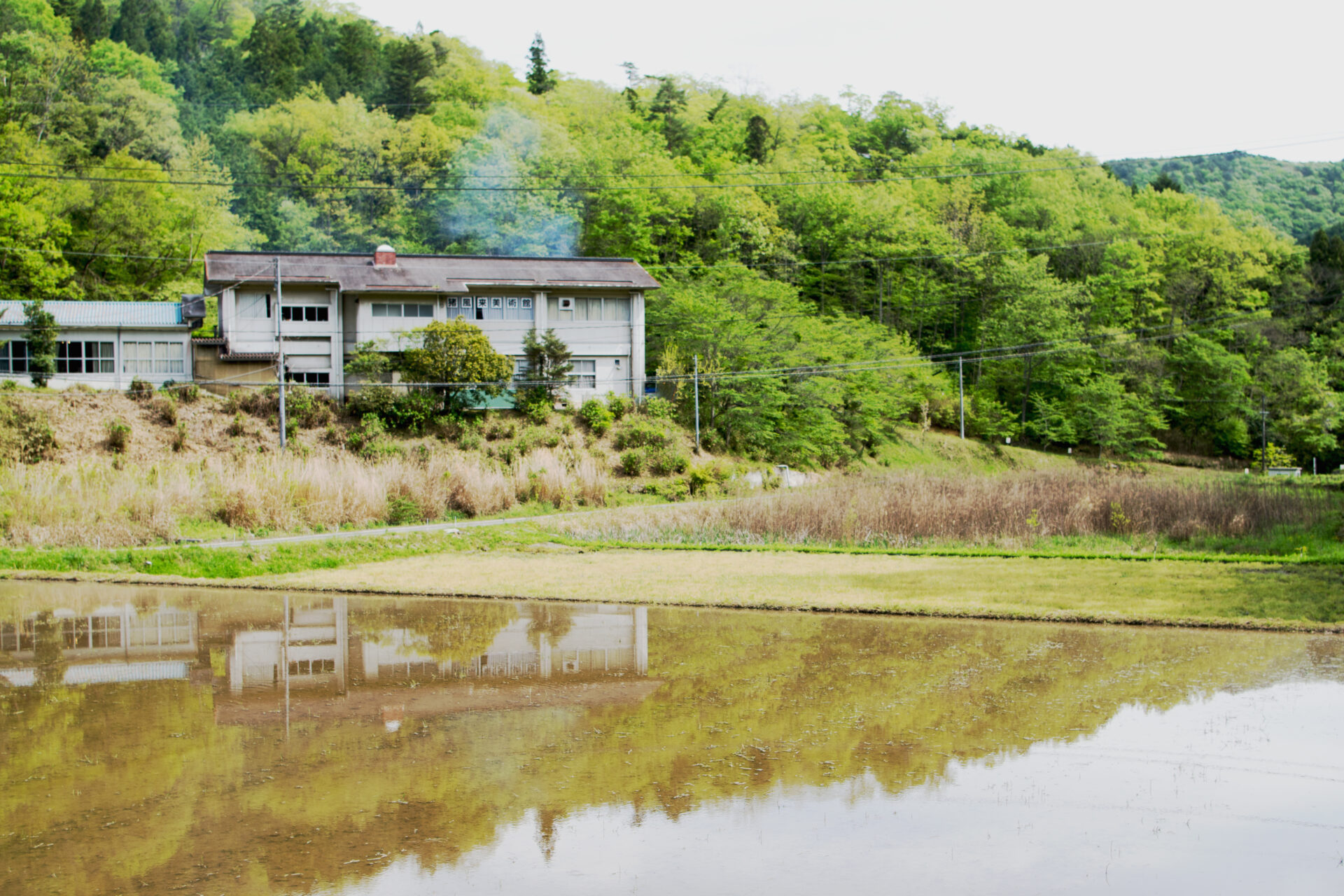
The Jomon Field Firing Festival is held twice a year, in spring (around April) and autumn (around October). It takes place in the square in front of the Ifurai Art Museum, located in the nature-rich mountainous area of Niimi City, where many Jomon artists showcase their works.
This year marks the 19th year since the museum opened and the 38th festival. After various processes, many works are fired over approximately 8 hours (from 7 AM to 3 PM).
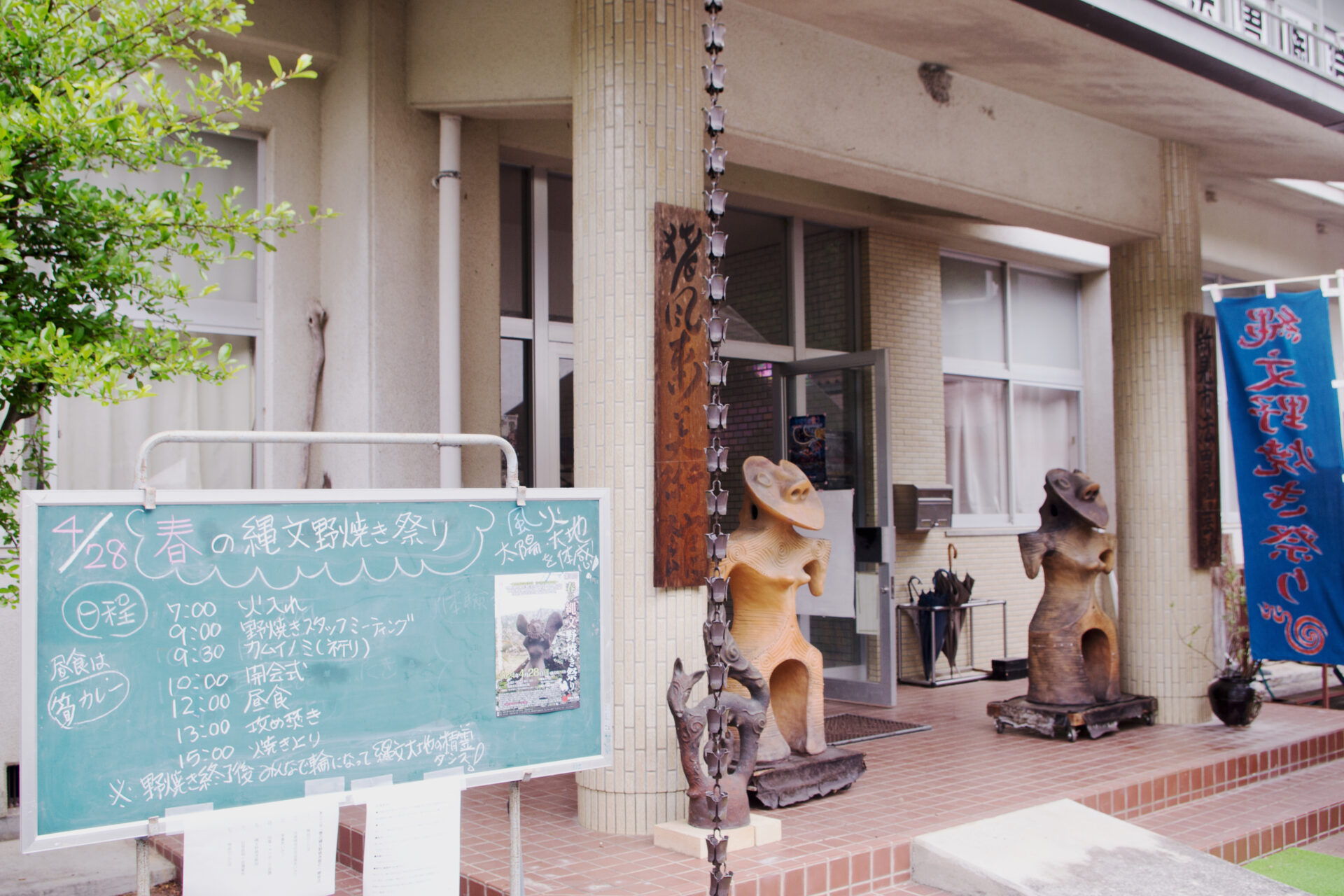
Schedule of the Jomon Field Firing Festival (tentative)
The schedule of the Jomon Field Firing Festival (tentative) is as follows.
Due to weather conditions, the timing of the completion of the Jomon pottery may vary slightly. The moisture of the ground and pottery due to rain, as well as the sun and wind on the day, will affect the firepower of the field firing, resulting in changes in the completion time.
| 7:00 AM | Fire Starting |
|---|---|
| 9:00 AM | Field Firing Staff Meeting |
| 9:30 AM | Kamui-nomi (Prayer) |
| 10:00 AM | Opening Ceremony |
| 12:00 PM | Lunch |
| 1:00 PM | Aggressive Firing |
| 3:00 PM | Completion of Firing Kamui-nomi (Prayer) |
| After Field Firing | Everyone gathers in a circle for the Jomon Earth Spirit Dance |
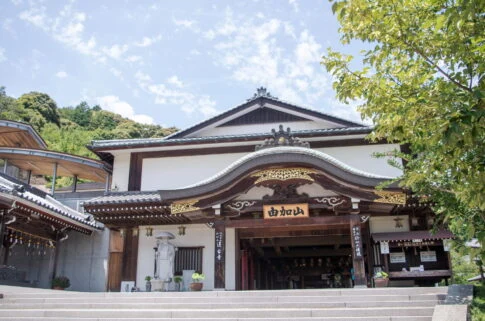
At the entrance of the Ifurai Art Museum, two large pairs of clay figurines welcome visitors. The schedule for the festival day is written on the blackboard to the left of the entrance. If you want to participate from the fire starting, please join us from 7 AM.
A Day at the Jomon Field Firing Festival
Let me introduce the flow of the day.
Fire Starting
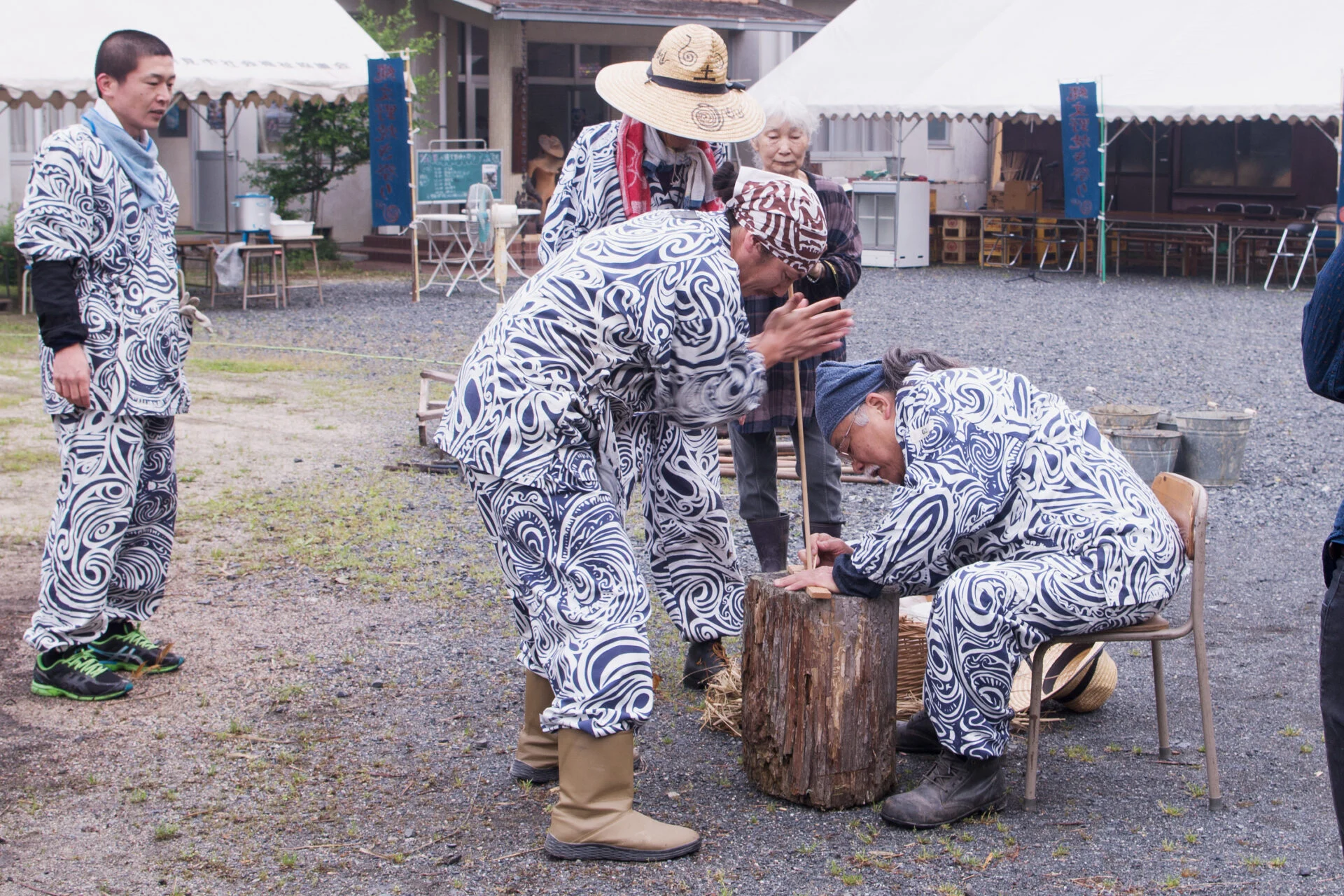
At 7 AM, the festival begins with starting the fire led by Ifurai and eight staff members. A wooden stick is rotated with both hands in a notch of a wooden board to create friction heat and produce an ember.
Next, we proceed to putting the ember into the field firing pit.
In Jomon field firing, the "field firing pit is considered a sacred place," and only Ifurai, the staff, and participants who applied in advance are allowed to enter.
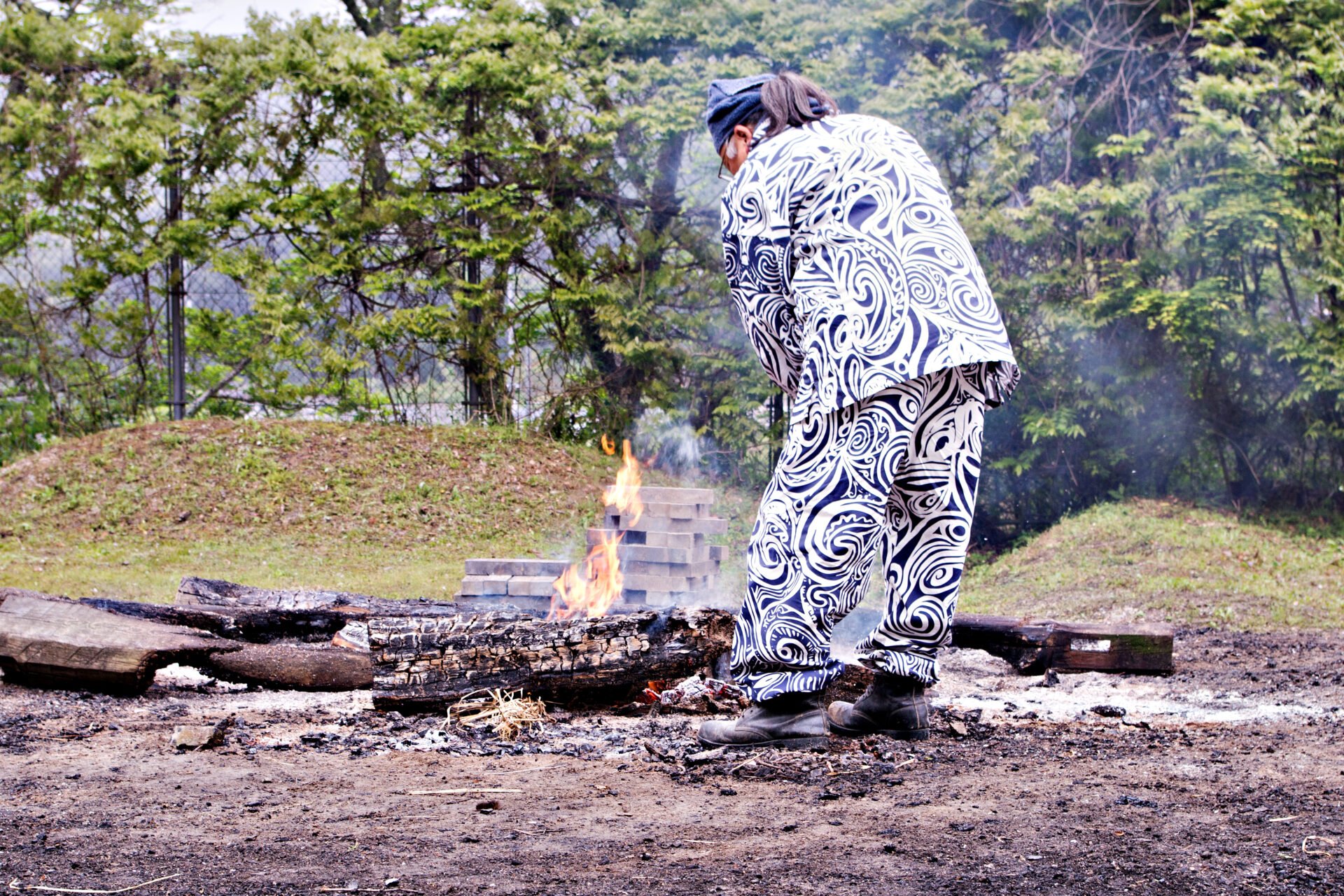
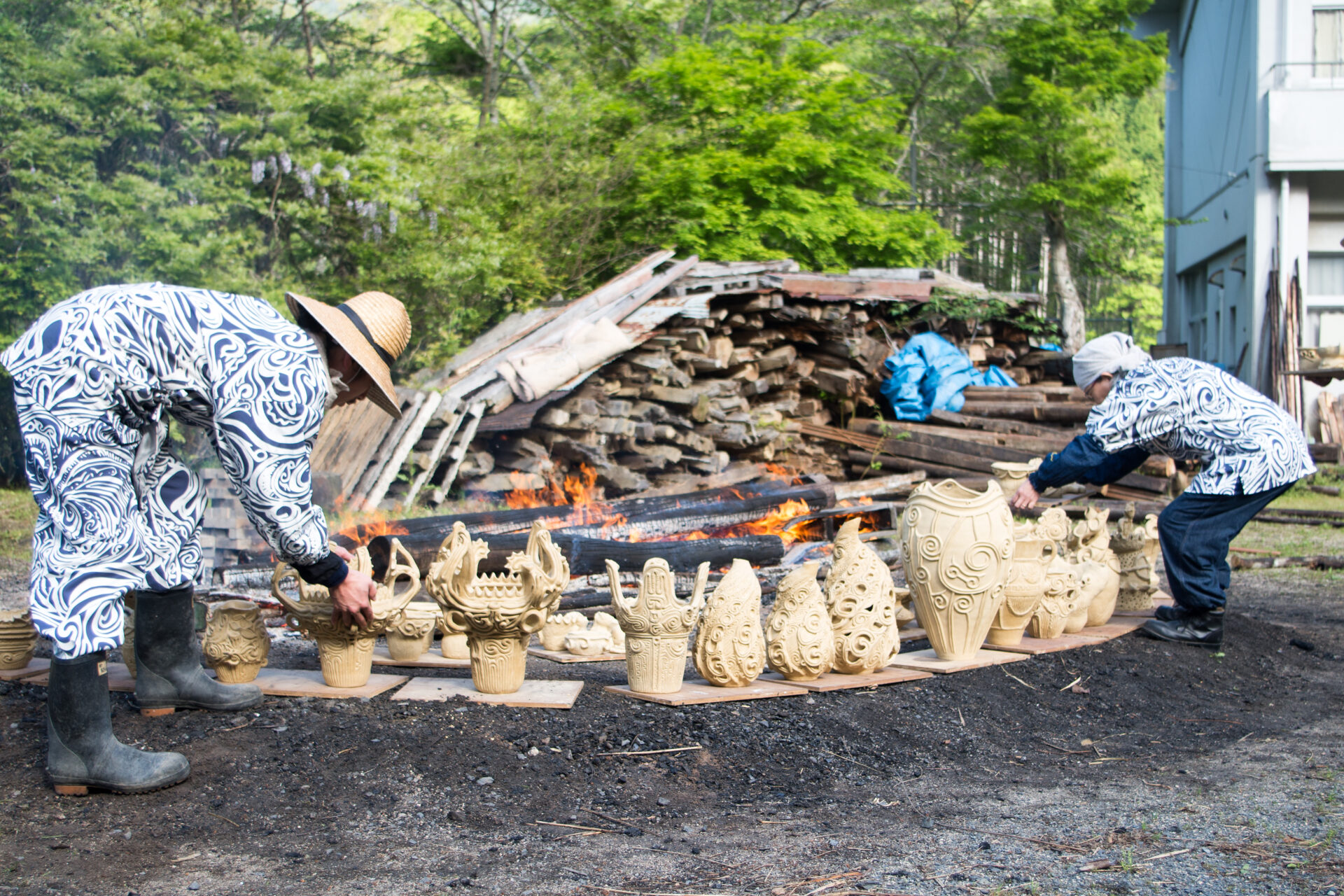
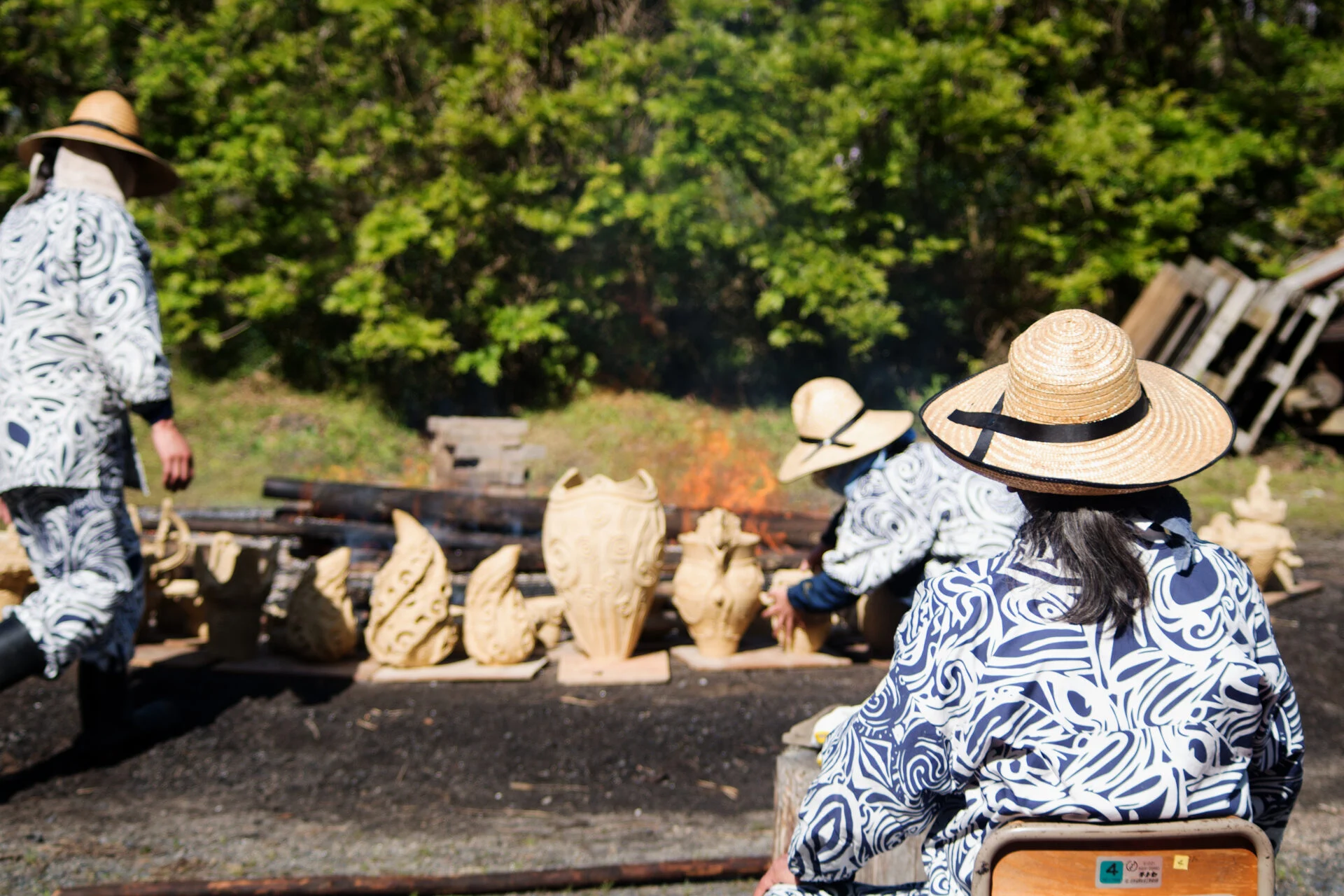
After the ember is placed, the pottery is arranged around the field firing pit, and the "strong firing" begins with low temperatures through a method called aburi-yaki (slow roasting).
Even if the pottery is sufficiently dried, moisture may remain inside. If pottery is strongly fired while moisture is still present, it can cause steam explosions, damaging the surrounding pottery.
Therefore, it is essential to gently warm the pottery with indirect heat and low firepower.
This is an important process where each piece of pottery is carefully rotated by hand to feel its warmth.
At this point, most of the pottery is still a whitish color, but according to Hyodo, the color of the pottery is used to judge how well it is fired and the temperature of the firepower, moving on to the next process accordingly.
Kamui-nomi (Prayer)
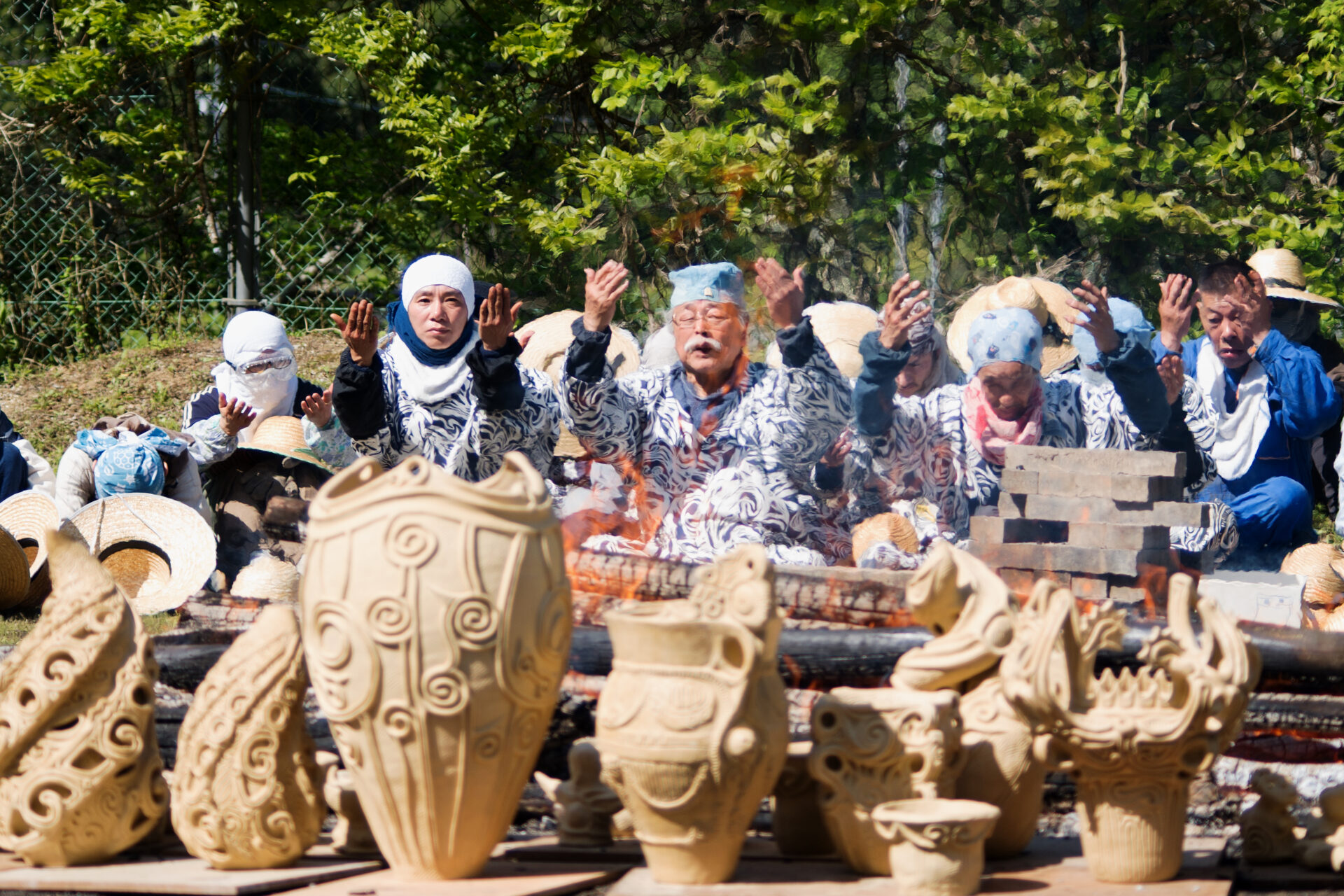
After the staff meeting, we move on to the Kamui-nomi (Prayer) ceremony. Ifurai learned the Ainu tradition of "Kamui (God)" and "Nomi (to pray)" directly from Hokkaido and sublimated it into the Kamui-nomi of Jomon field firing.
Dozens of staff members working on the field firing enter the pit and offer prayers facing east towards the rising sun.
During the Jomon Field Firing Festival,
"The field firing pit, a sacred place, is like the womb of the earth's flame. The pottery and clay figurines, gifts of the soul, are fired with the power of the sun, wind, and fire, receiving new souls. Jomon field firing is, in a sense, a ritual of midwifery,"
Ifurai explains the significance of field firing in an easy-to-understand manner.
Along with the works of many artists, the clay bells and other items created by the author and others are also being fired.
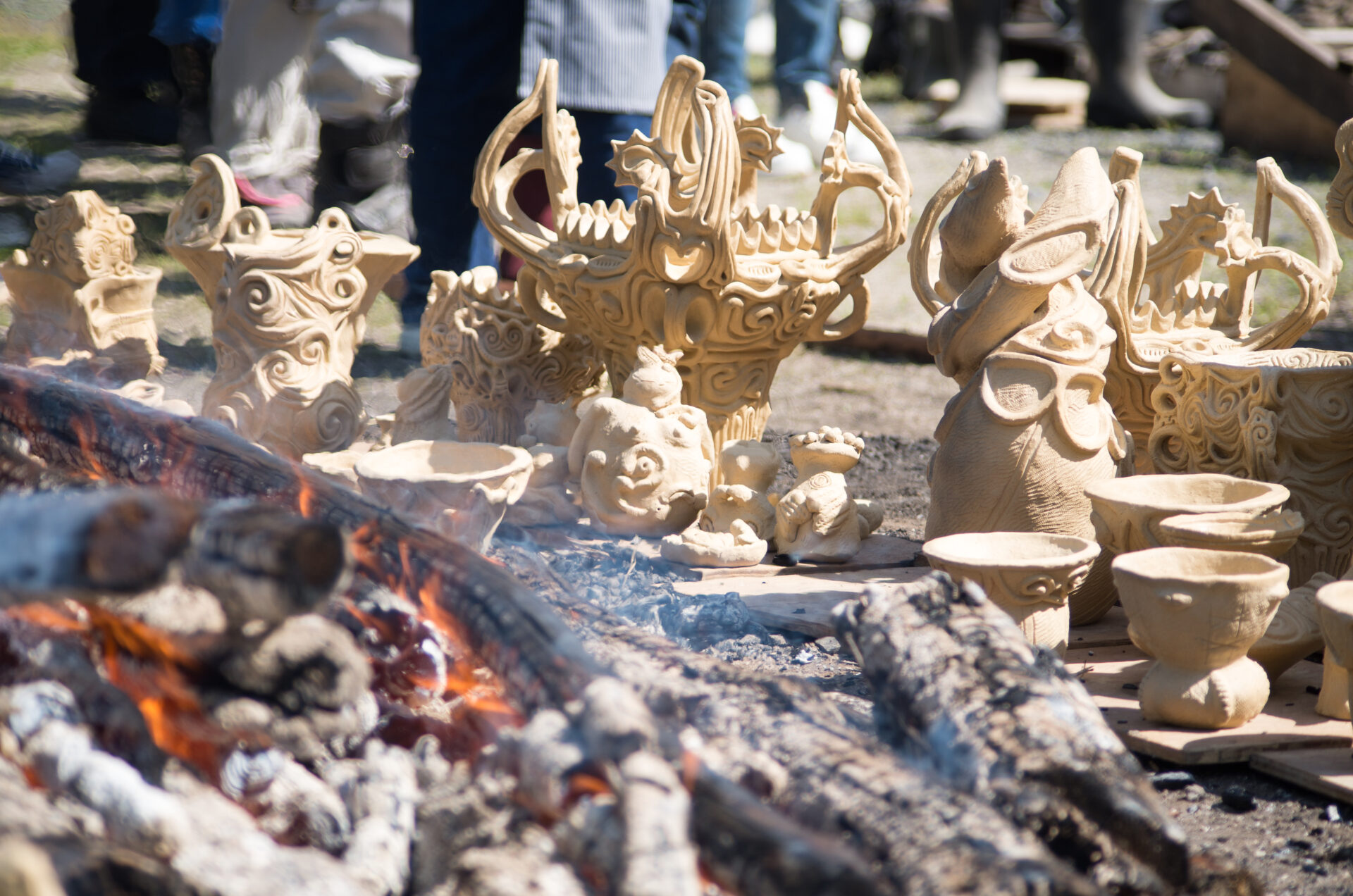
The technique of field firing is one that is gradually being lost. While over 50% of works worldwide break, Ifurai's Jomon field firing has revived a method that rarely fails. It is said that artists and scholars from abroad also visit to observe.
The field firing festival pays close attention to injuries, burns, and heatstroke during the firing process. It was impressive when Ifurai said, "Jomon field firing is not a spectacle; it is an activity that risks lives."
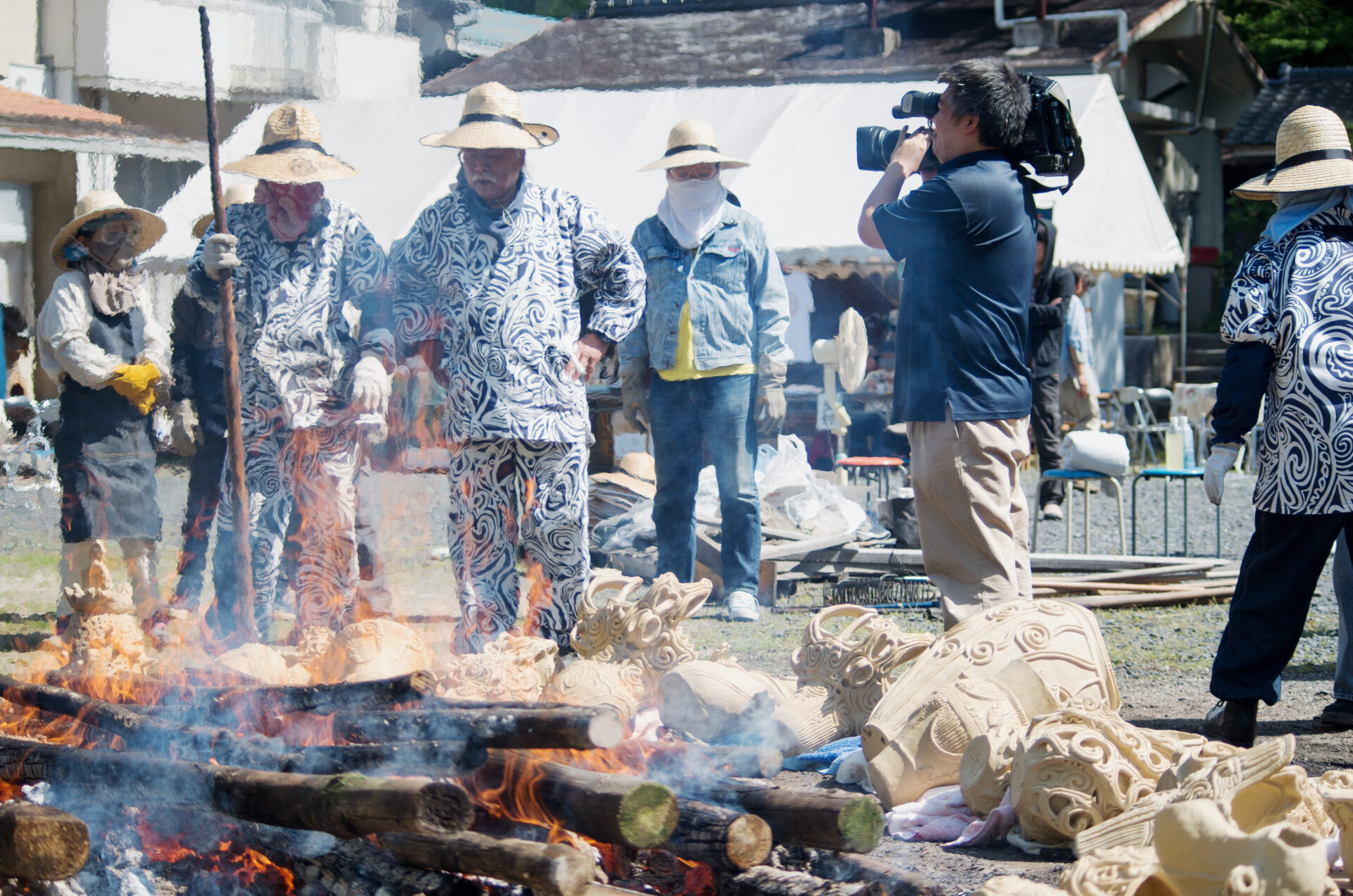
After completing the aburi-yaki, the center of the field firing pit is leveled in a square shape. All the works are then rearranged there. At this point, it can be seen that the pottery, which was whitish at the beginning of the firing, has changed to a beige color.
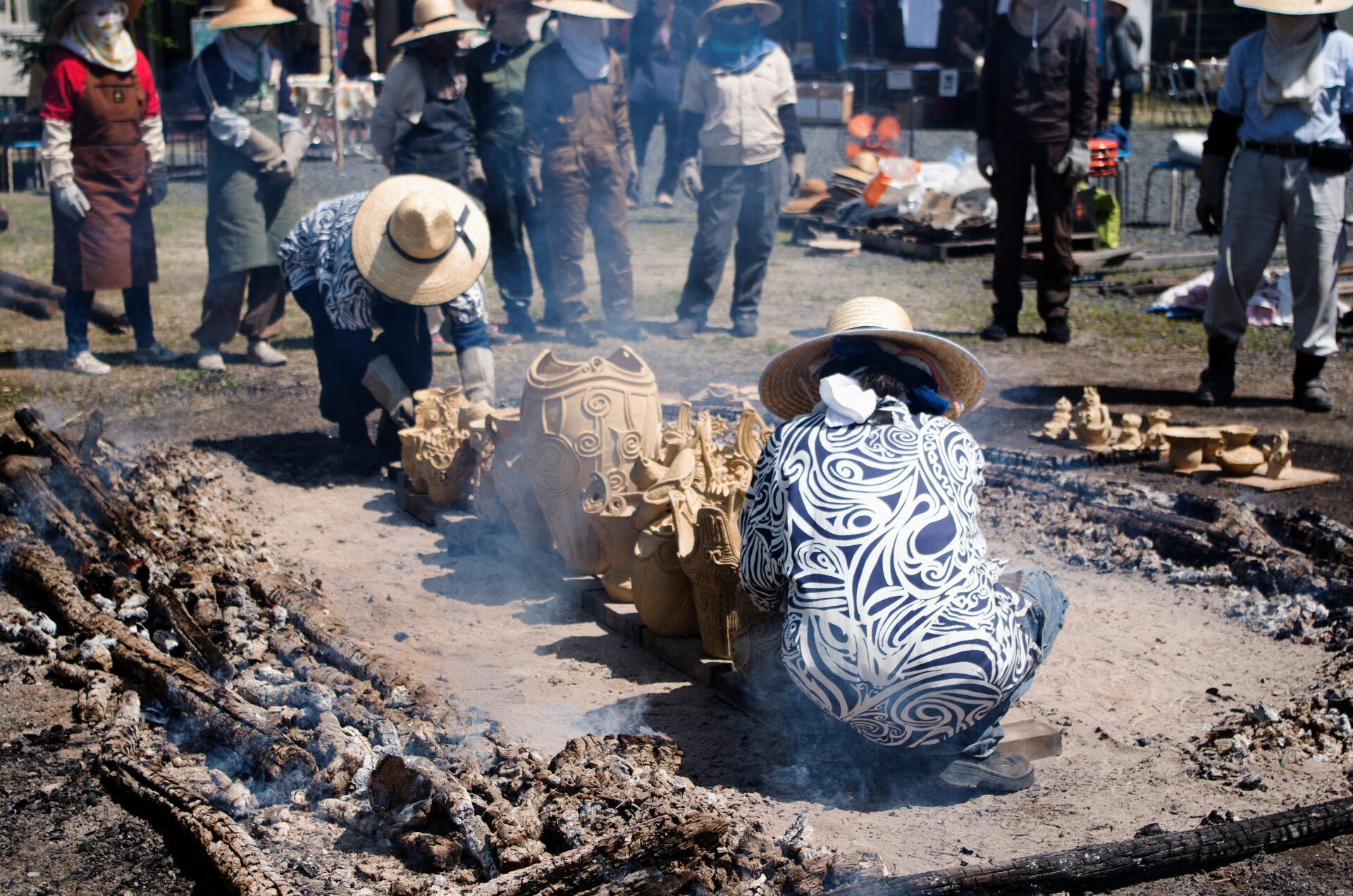
After arranging the pottery, wooden beams and waste materials collected from dismantled buildings are stacked in a hexagonal shape up to knee height to increase the firepower for firing the pottery.

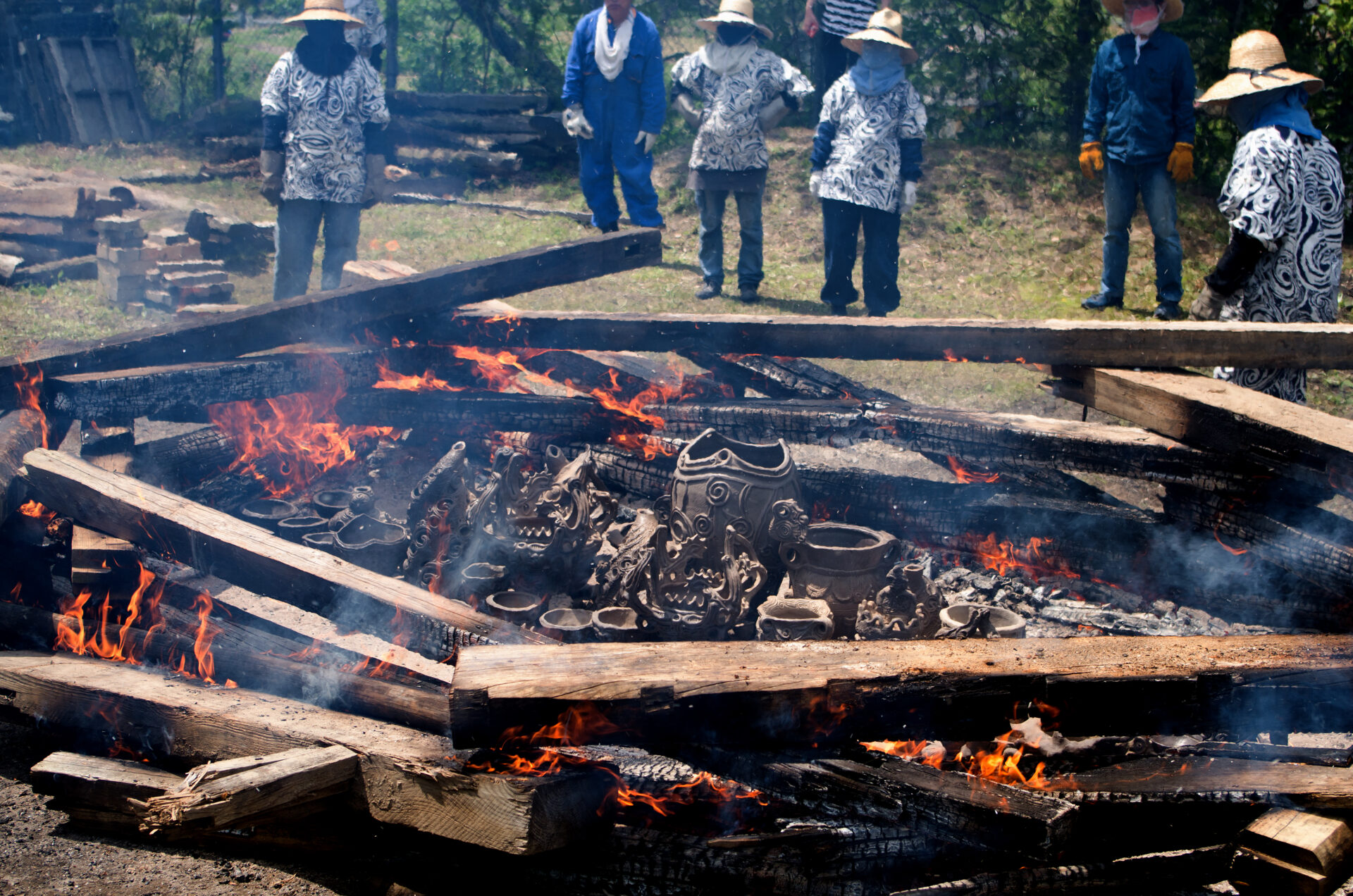
After more than an hour of firing, the pottery, which was beige, has changed to a deep black color.
Lunch
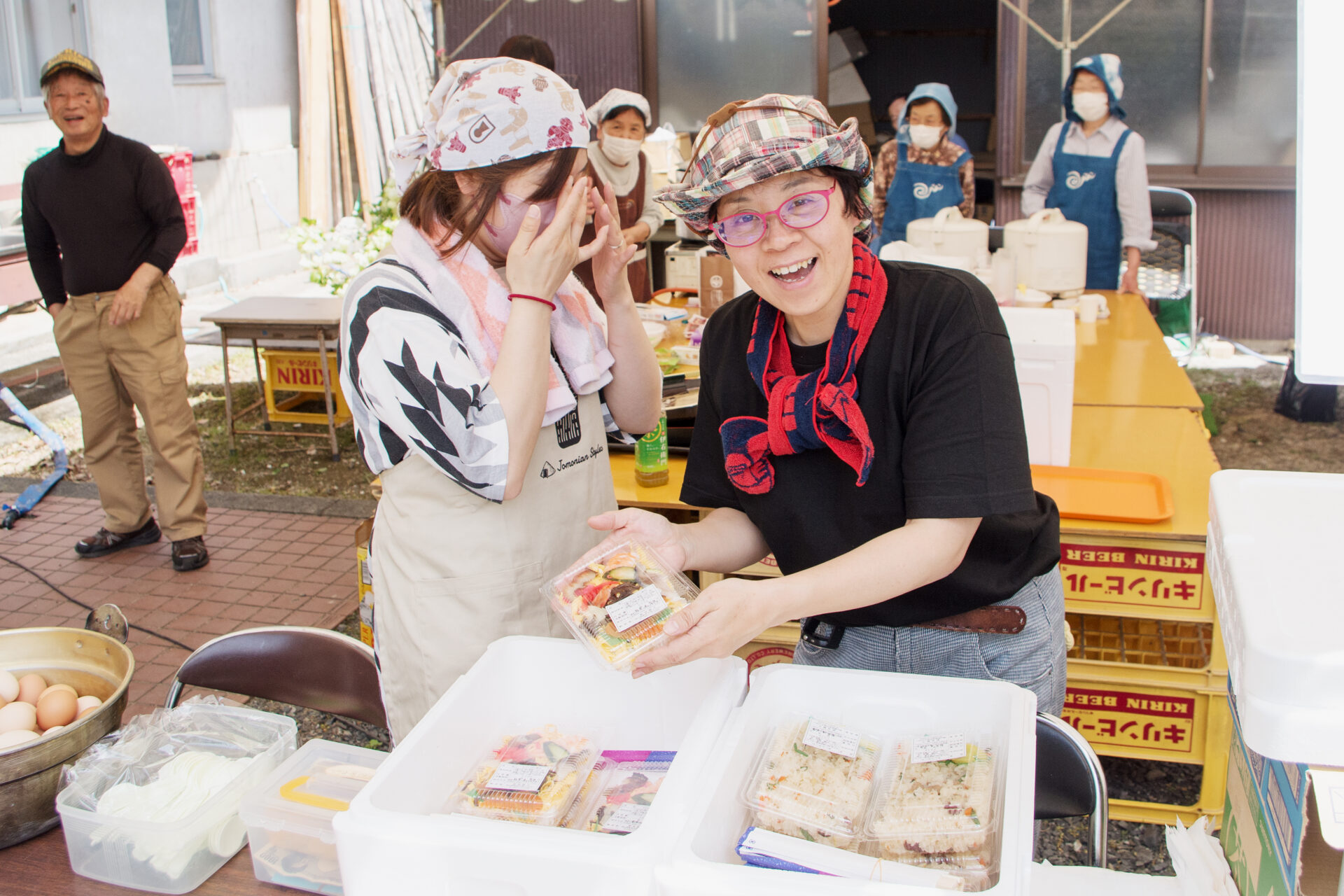
Now it's lunchtime. A sales corner by local Hoso-yaki enthusiasts is set up next to the museum entrance, selling Hoso special curry, Daisen okowa, bara-zushi, and various beverages.
Final Firing
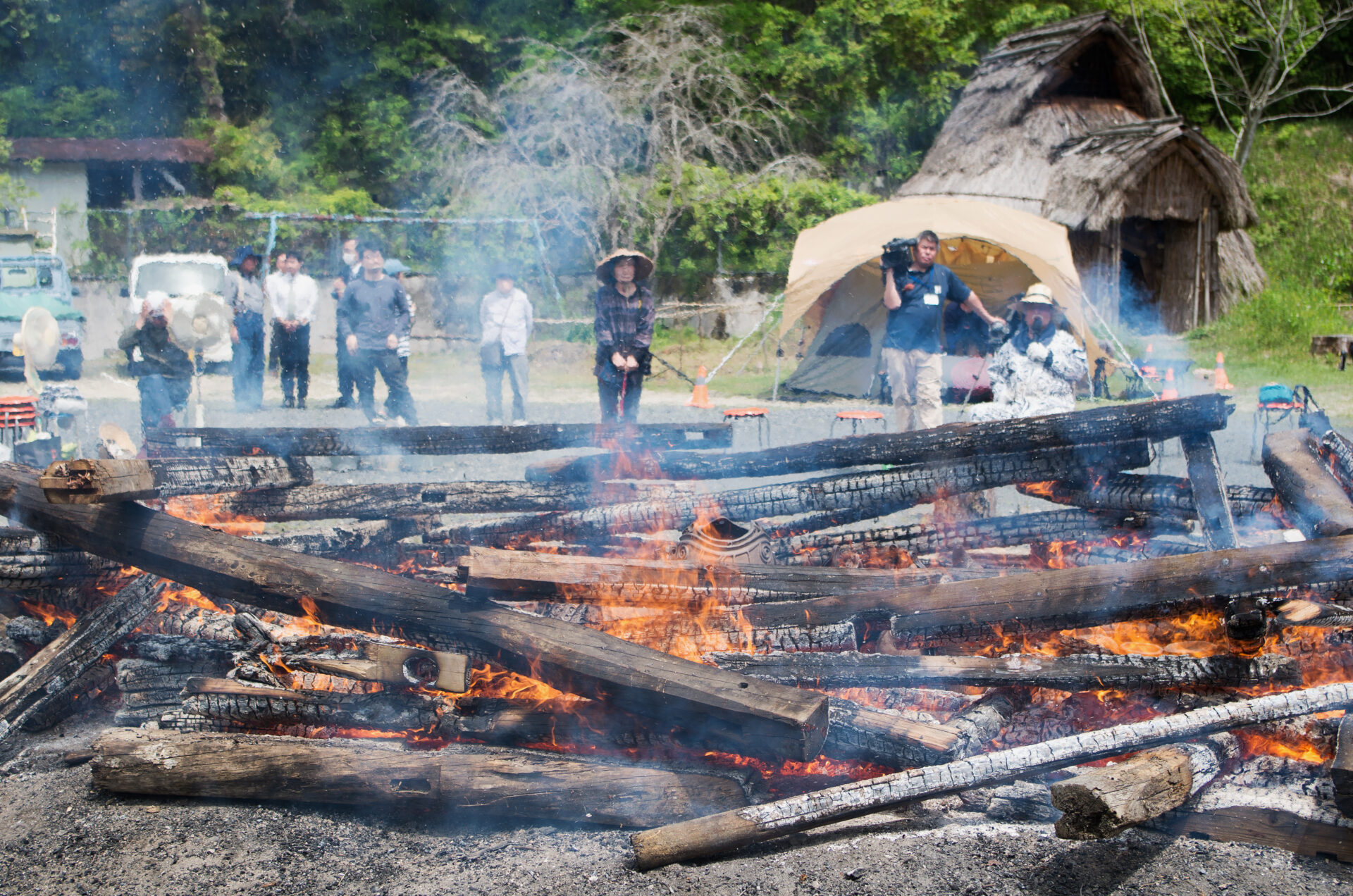
In the afternoon, wood is stacked to about waist height for further firing. Although the surrounding wood is burning and collapsing, the pottery visible in the center is unaffected and is being safely fired. The temperature at this point is said to be around 500 degrees. It is now time for the final process, the final firing.
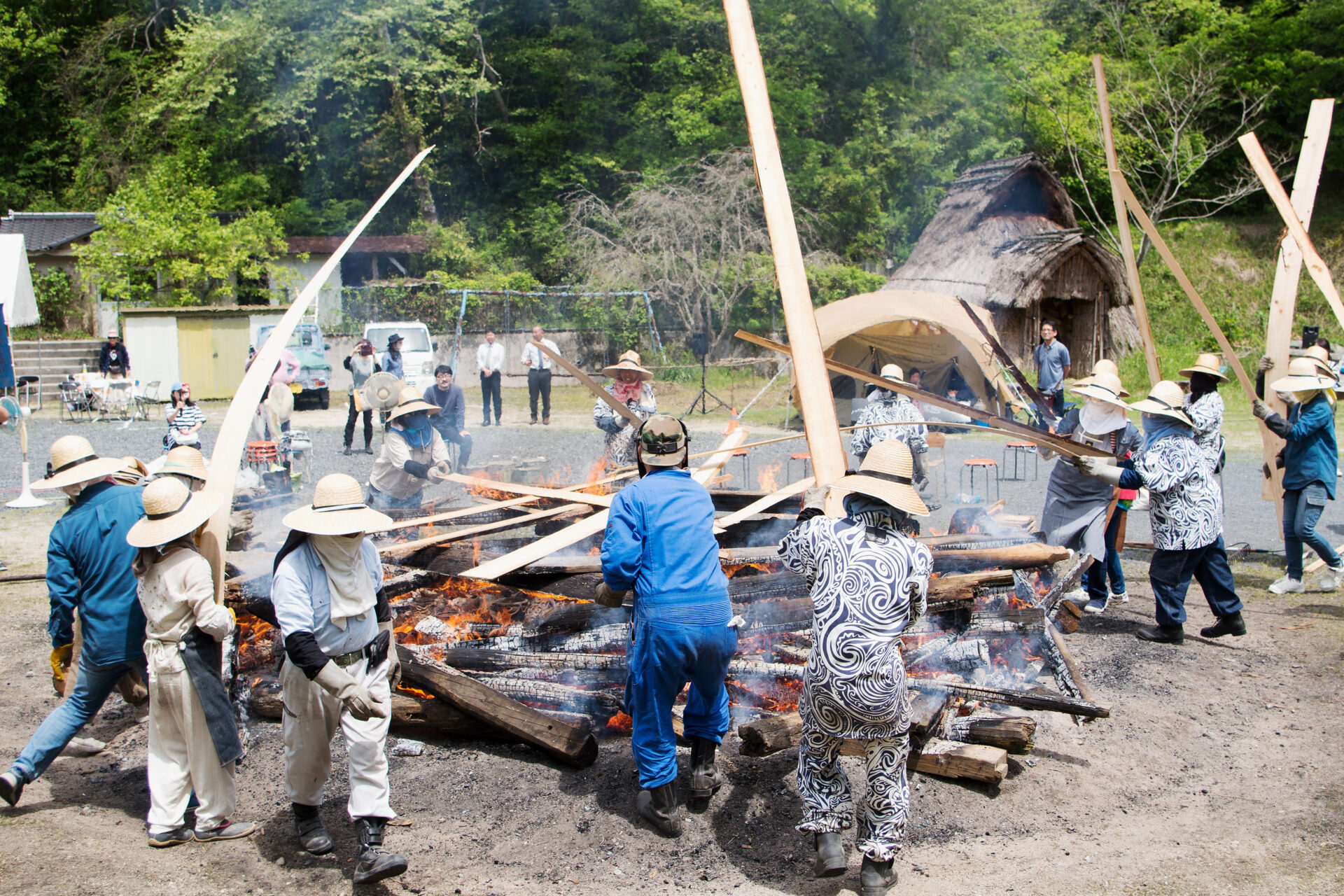
The staff continuously adds thin, easily combustible wood.
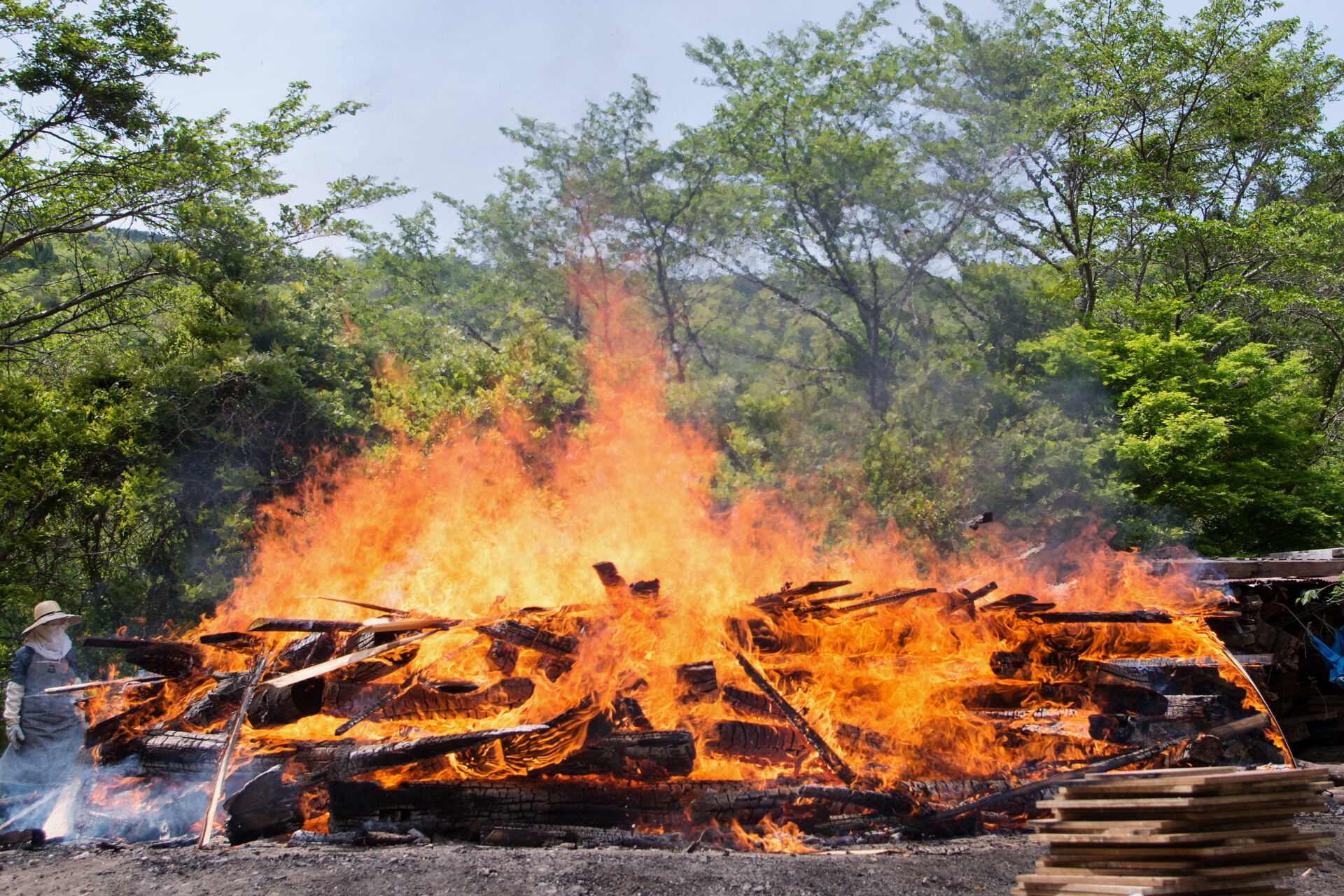
At this time, the heat felt on the skin is extraordinary, and it is very dangerous to approach even with wood in hand. The final temperature reaches 600 degrees, and the firing is completed in one go.
Every time I see this photo, I remember the heat I felt with my whole body and the fear I experienced from the fire.
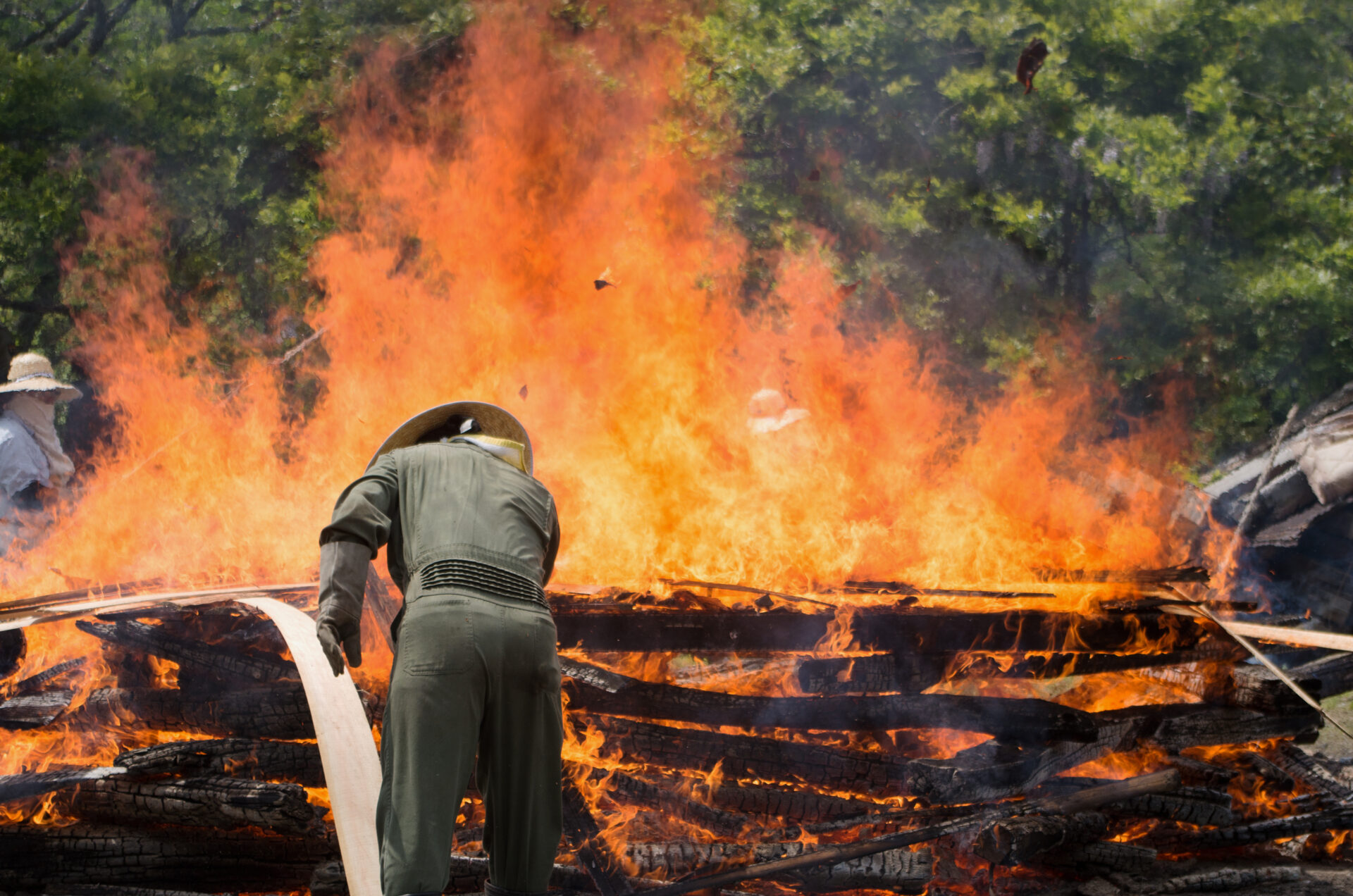
Climax of the final firing. I understand the words of Inofurai-san, who said, "This is not a spectacle. We are doing this with our lives on the line."
Completion of Firing
As the flames of the final firing subside, the pottery is completed. The appearance of the finished pottery can gradually be confirmed.
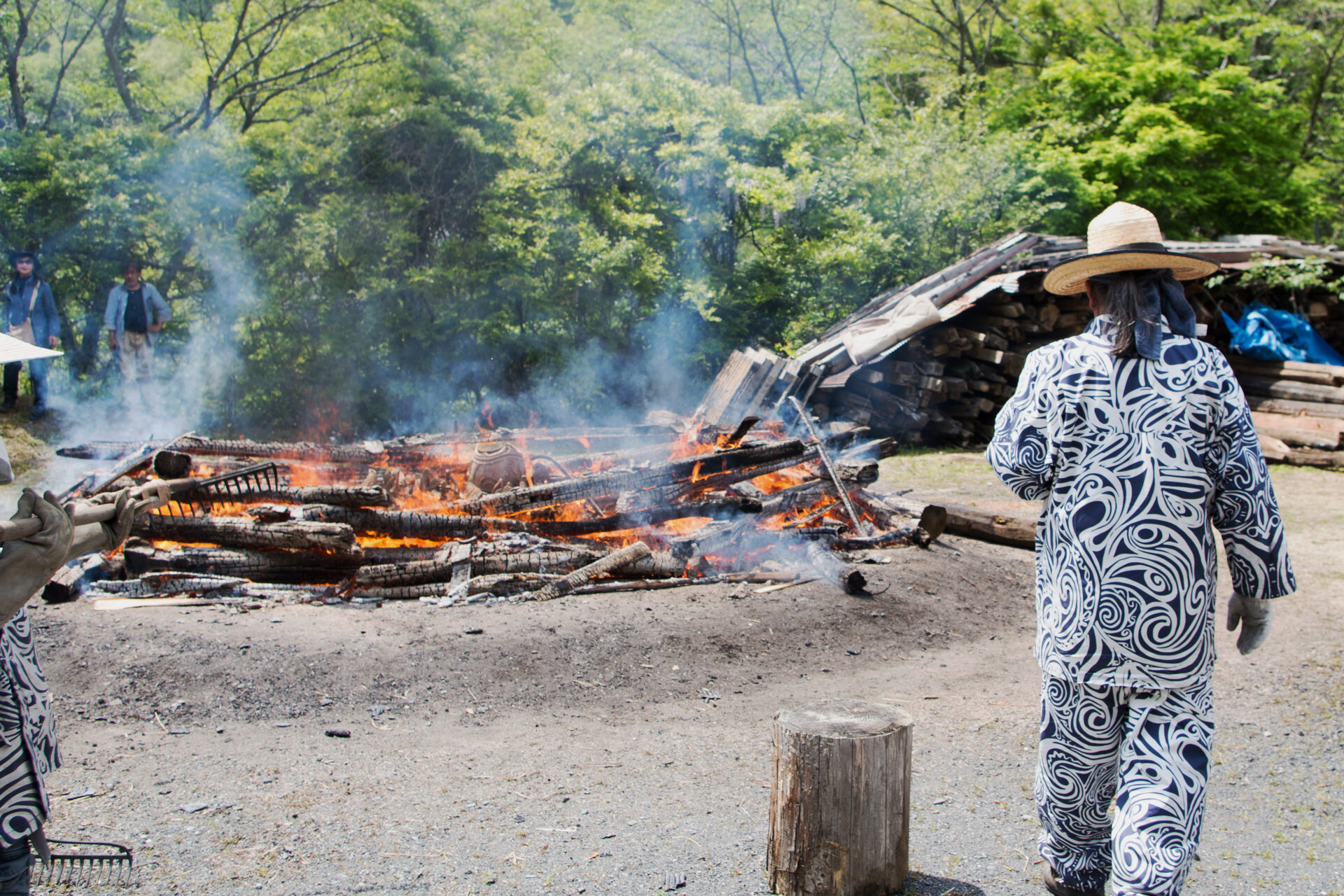
Due to the remaining burned wood around, the pottery is carefully removed to avoid damage.
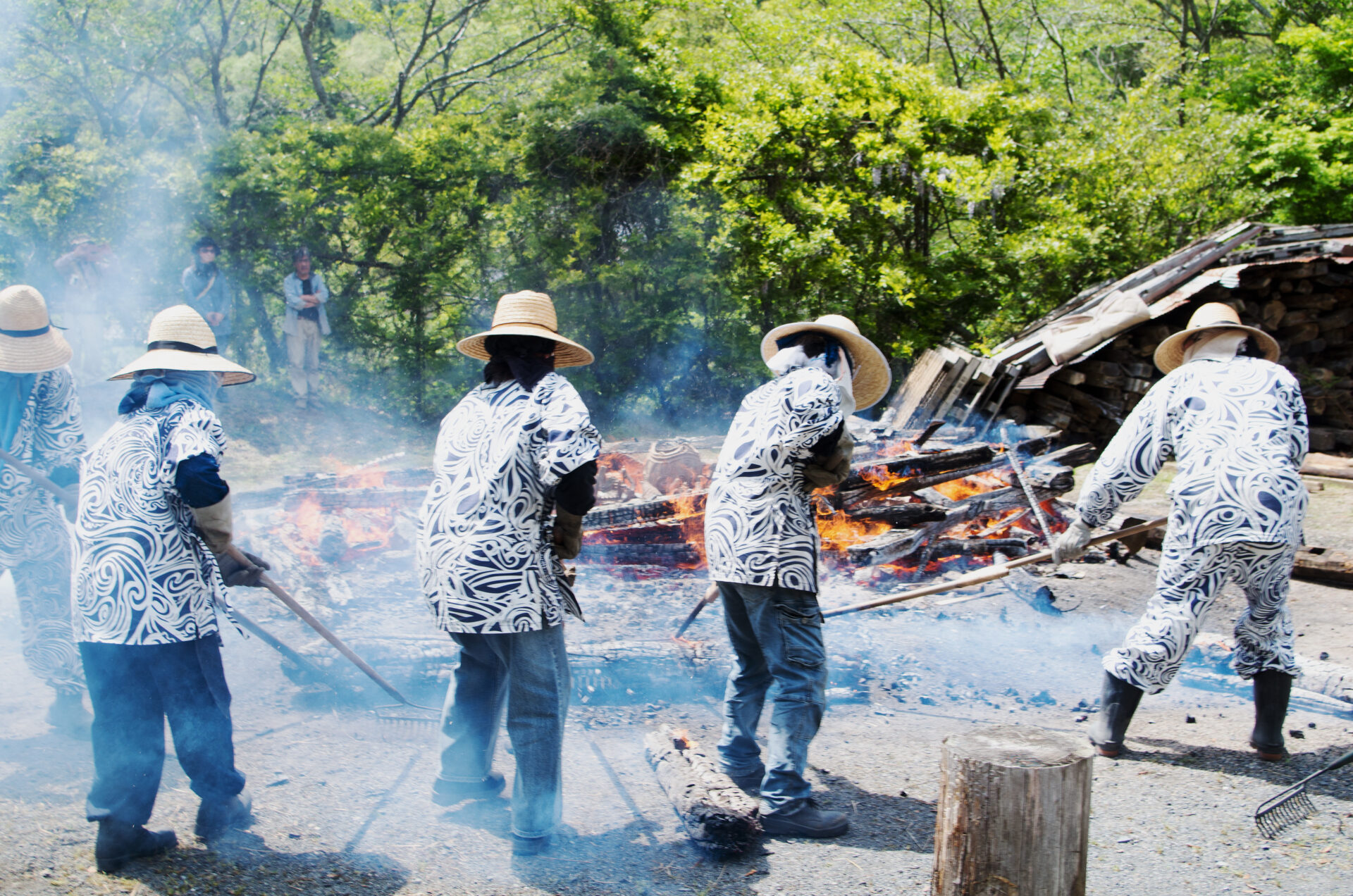
The red-fired pottery begins to appear. On this day of the Jomon outdoor firing, not a single piece of pottery broke, and it was successfully completed. The red color is even more beautiful than I had imagined.
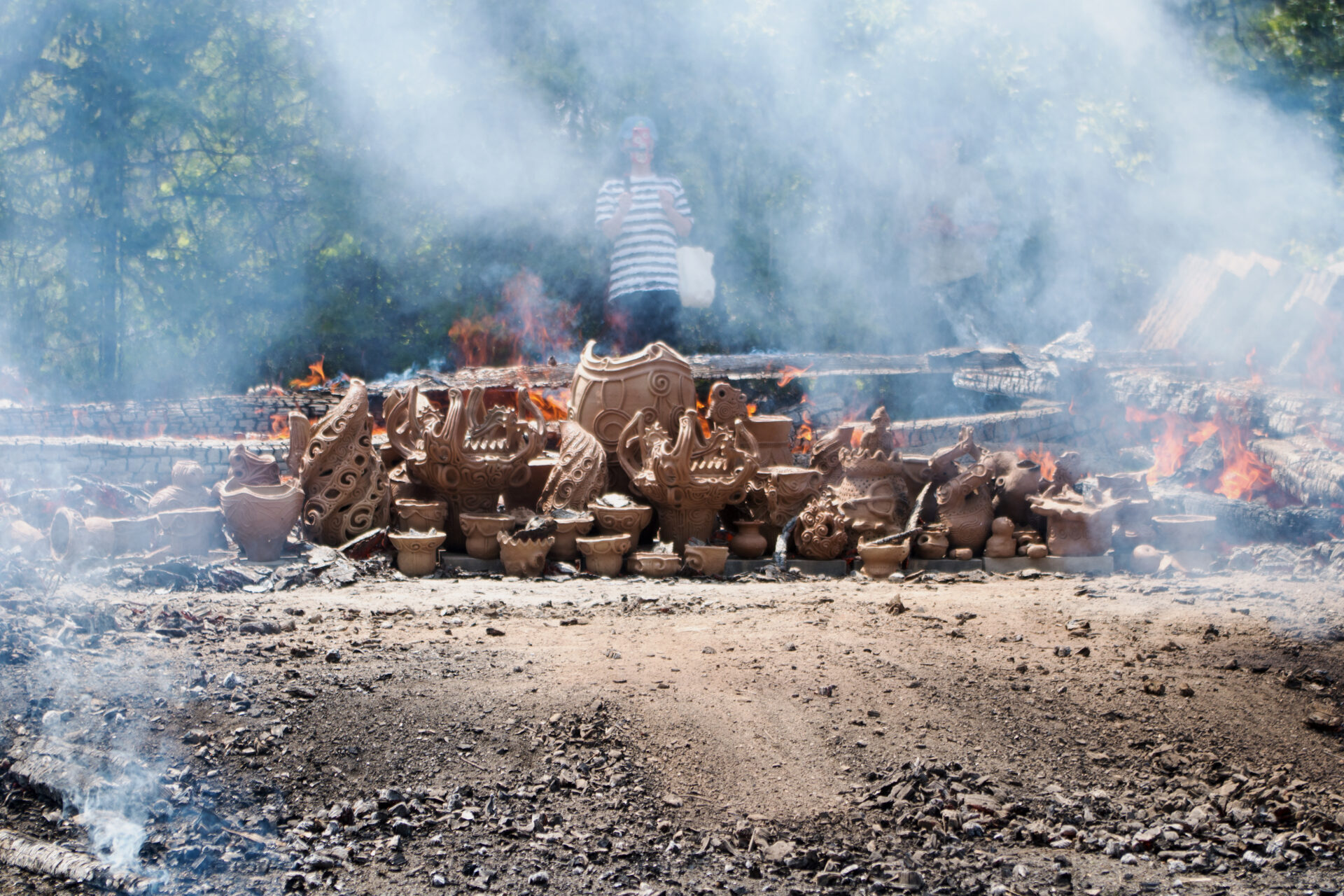
The finished pottery is carefully arranged in front of Inofurai-san to check the firing quality.
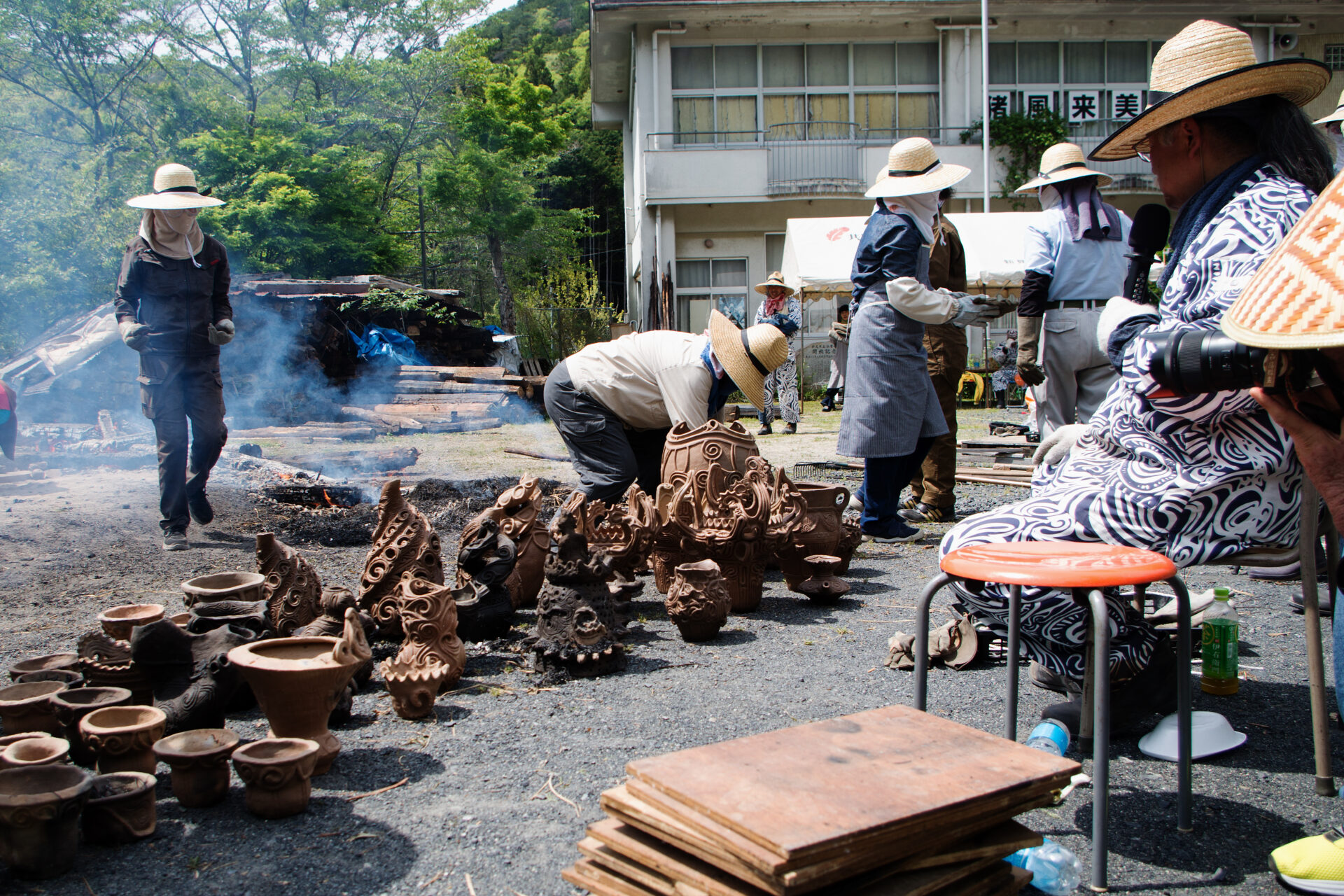
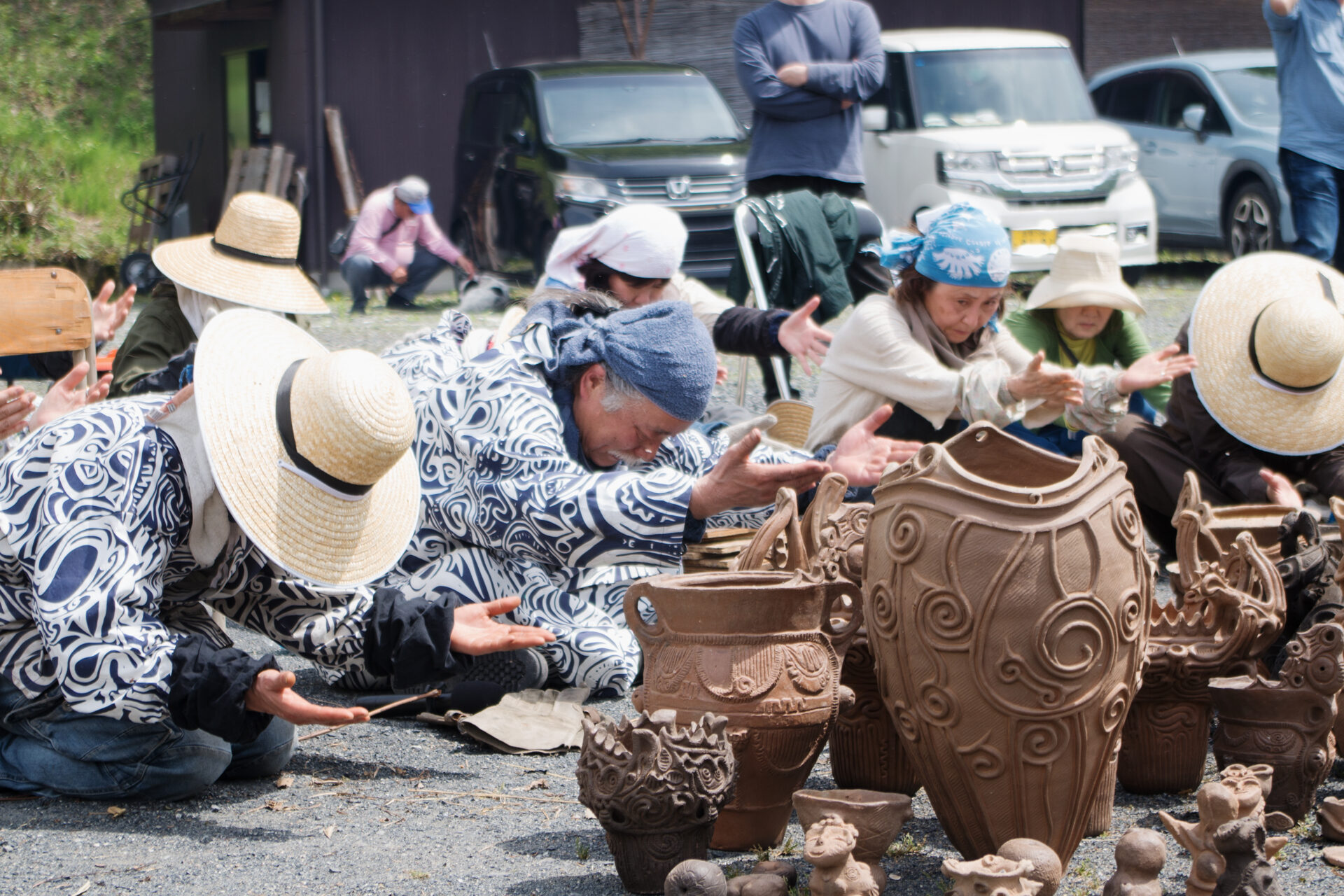
In front of the finished pottery, Inofurai-san and the staff perform a prayer called Kamui-nomi to express their gratitude.
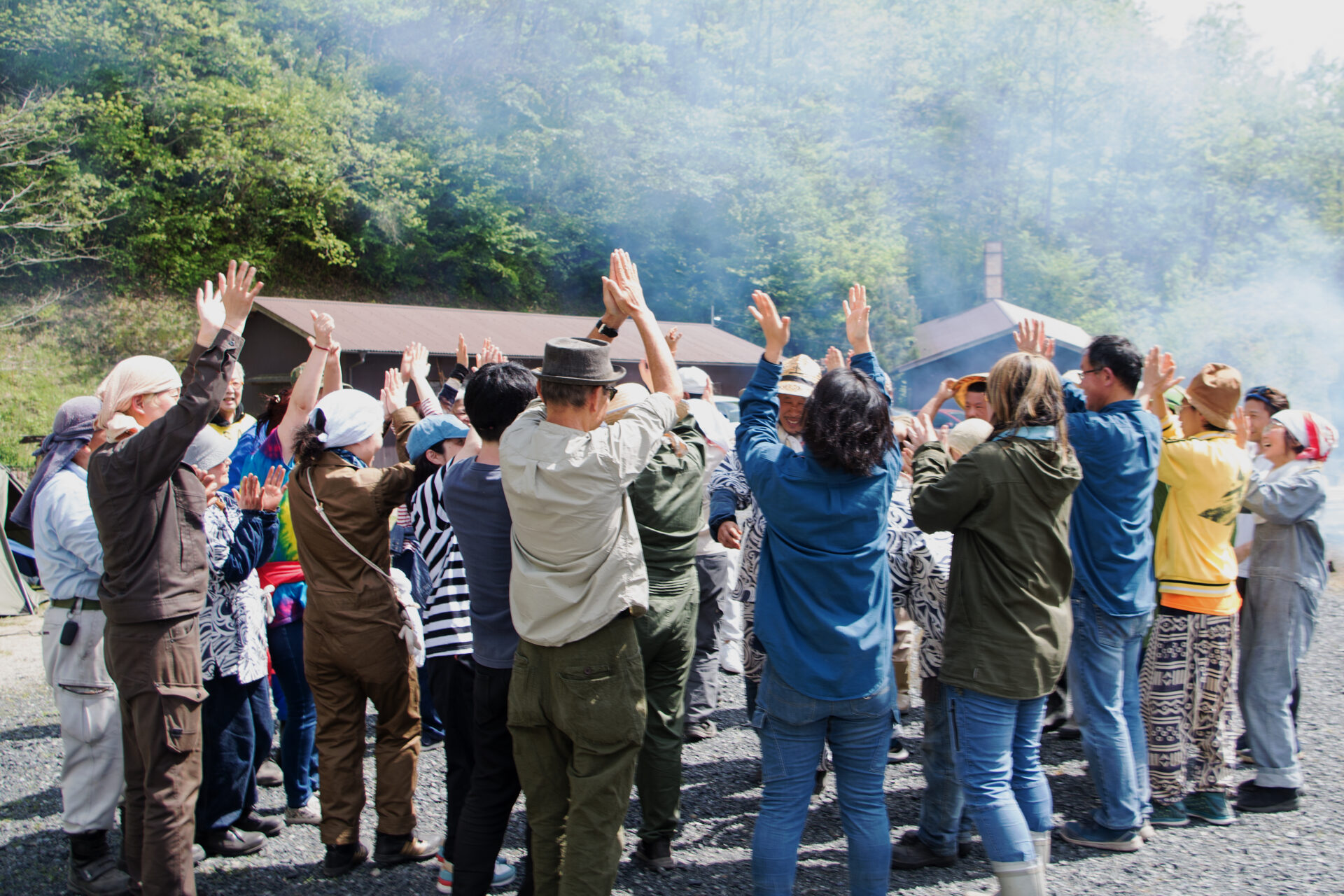
Finally, everyone, including the staff and participants, formed a circle and performed the Jomon Earth Spirit Dance. Of course, I also participated in the dance.
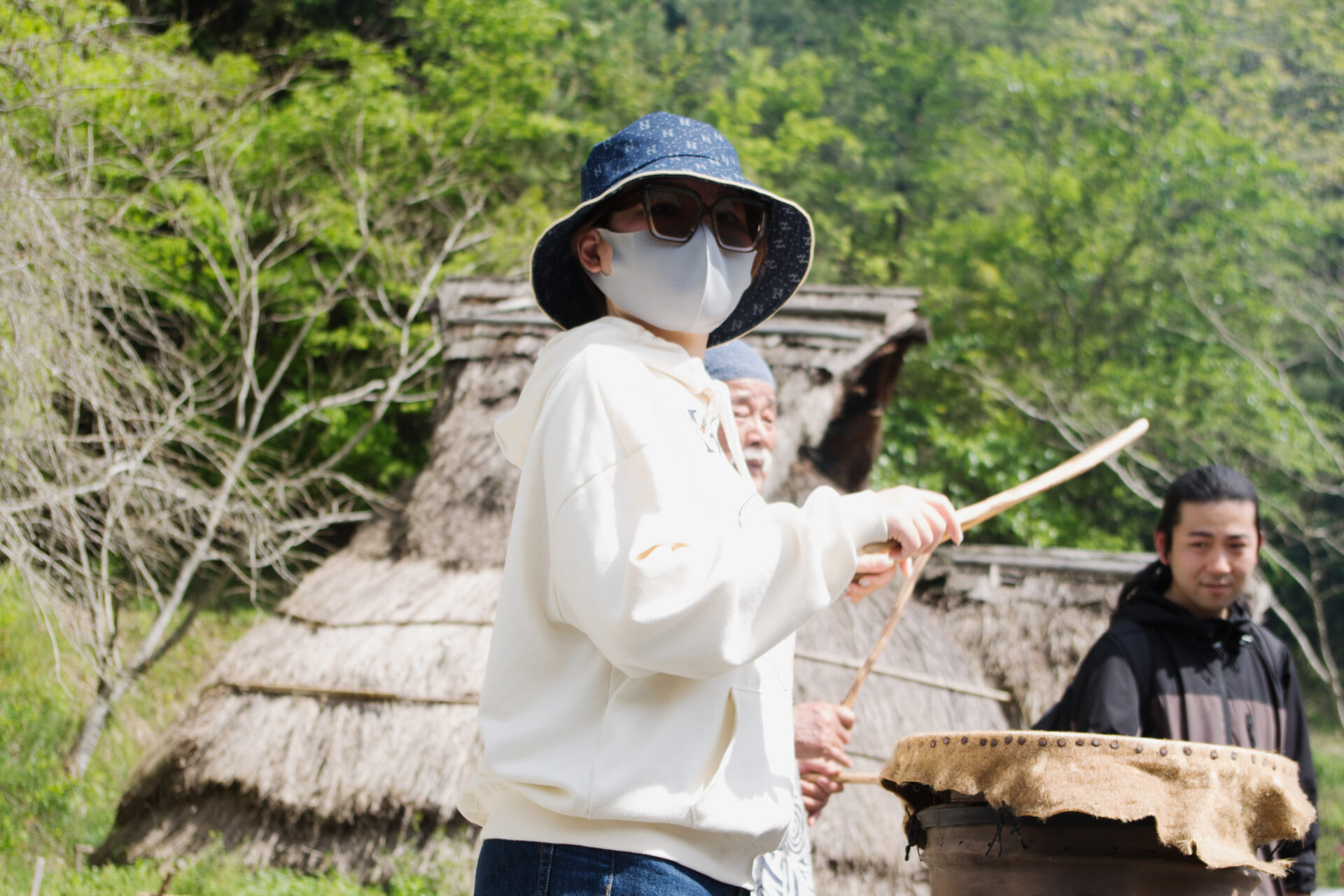
Hyodo-san also participated as a performer of the Jomon drum.
Conclusion
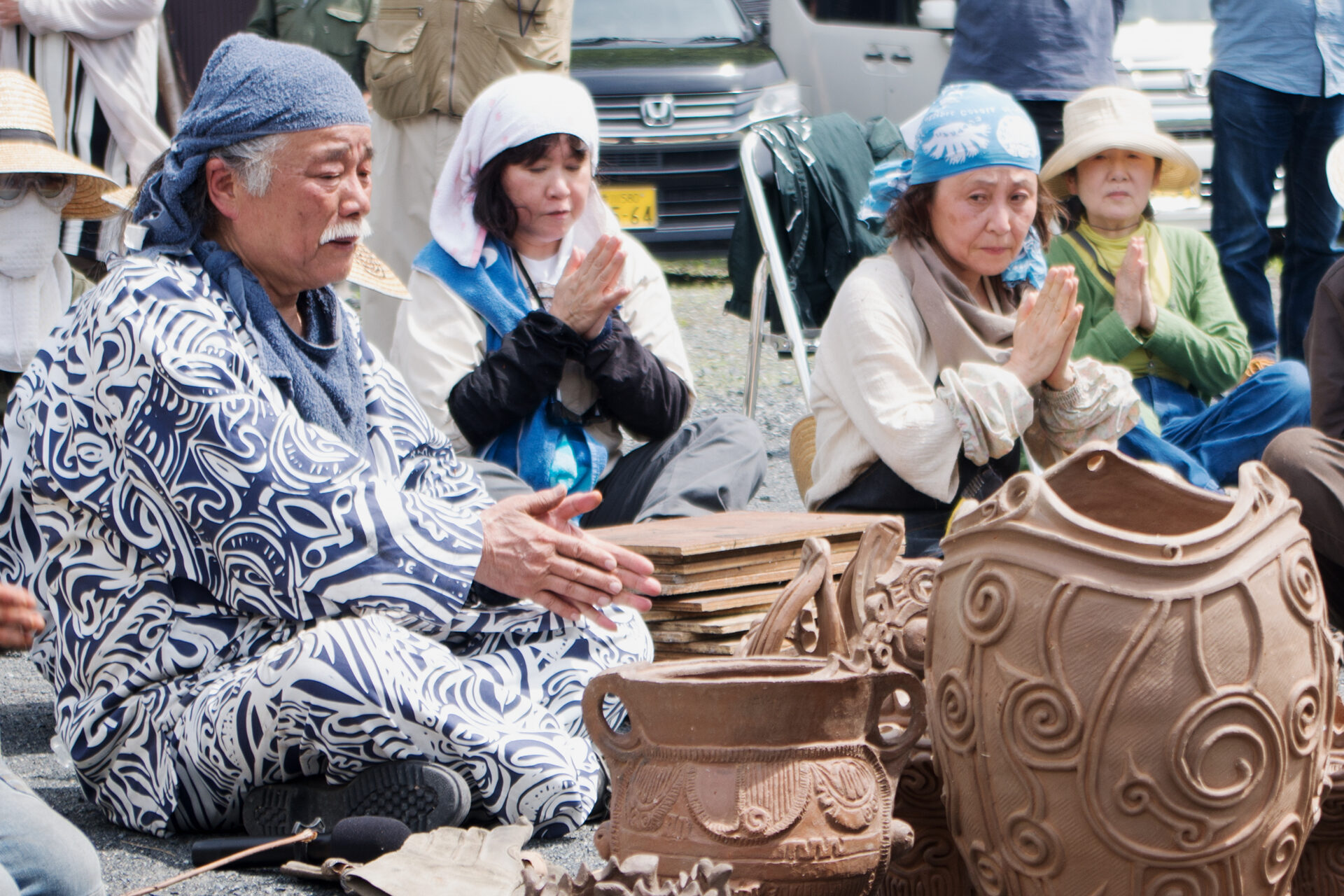
This festival, which has continued for 19 years, is like a ritual. Handling large fires while being close to danger, I encourage you to experience the Jomon outdoor firing festival, where not a single piece of pottery breaks.
Additionally, participating in the regular "Jomon Clay Bell and Clay Face Workshop" hosted by Hyodo Momoka and creating your own work before attending will enhance your enjoyment.
For recruitment information, please check Hyodo-san's Instagram.
Additional Information: About Parking
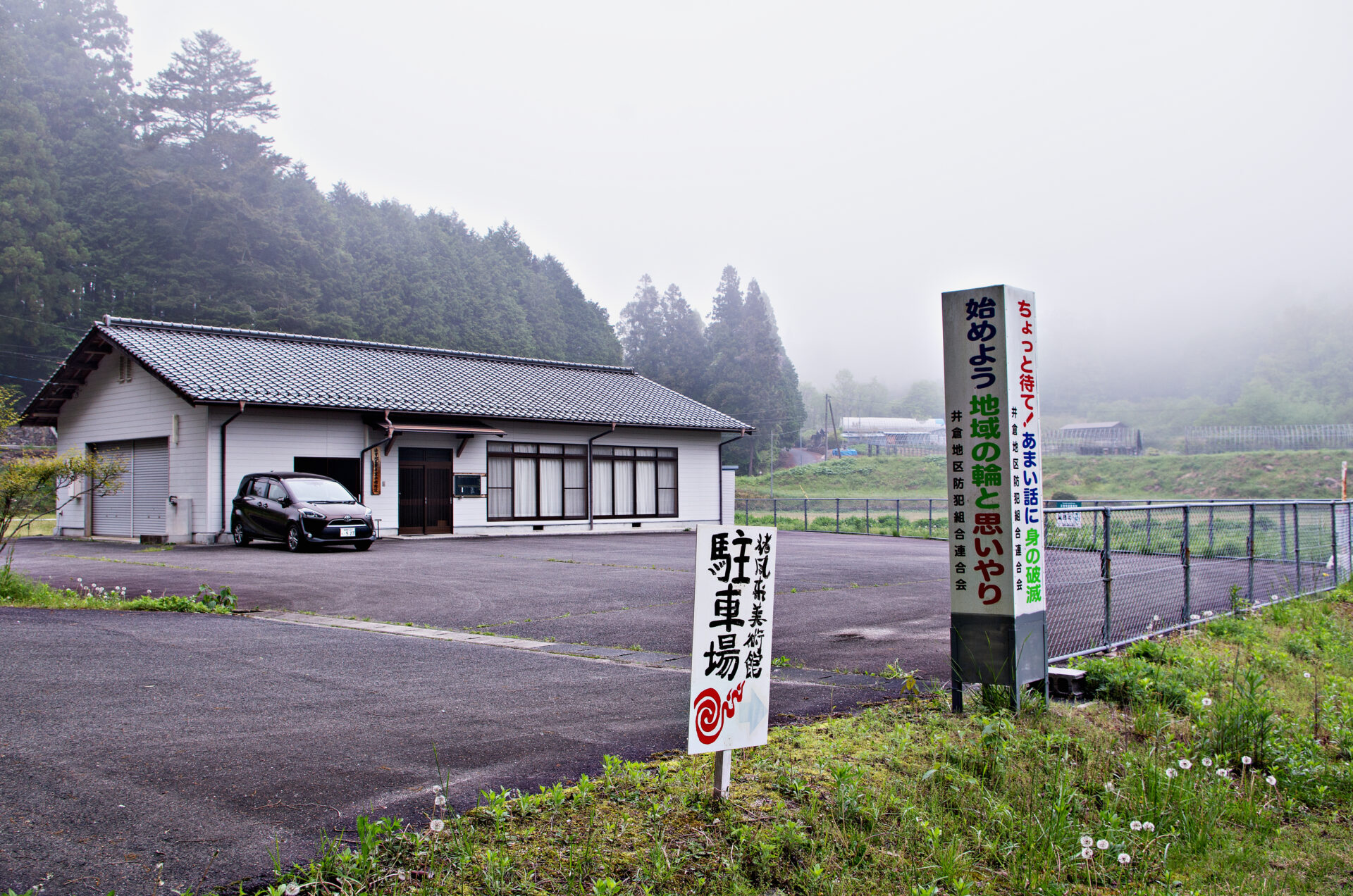
At the entrance of the Inofurai Museum, where the event is held, there is a parking guide posted. However, it can be a bit confusing for first-time visitors.
Therefore, as additional information, I will introduce the parking situation on the day of the event.
There are three parking spaces available around the venue.
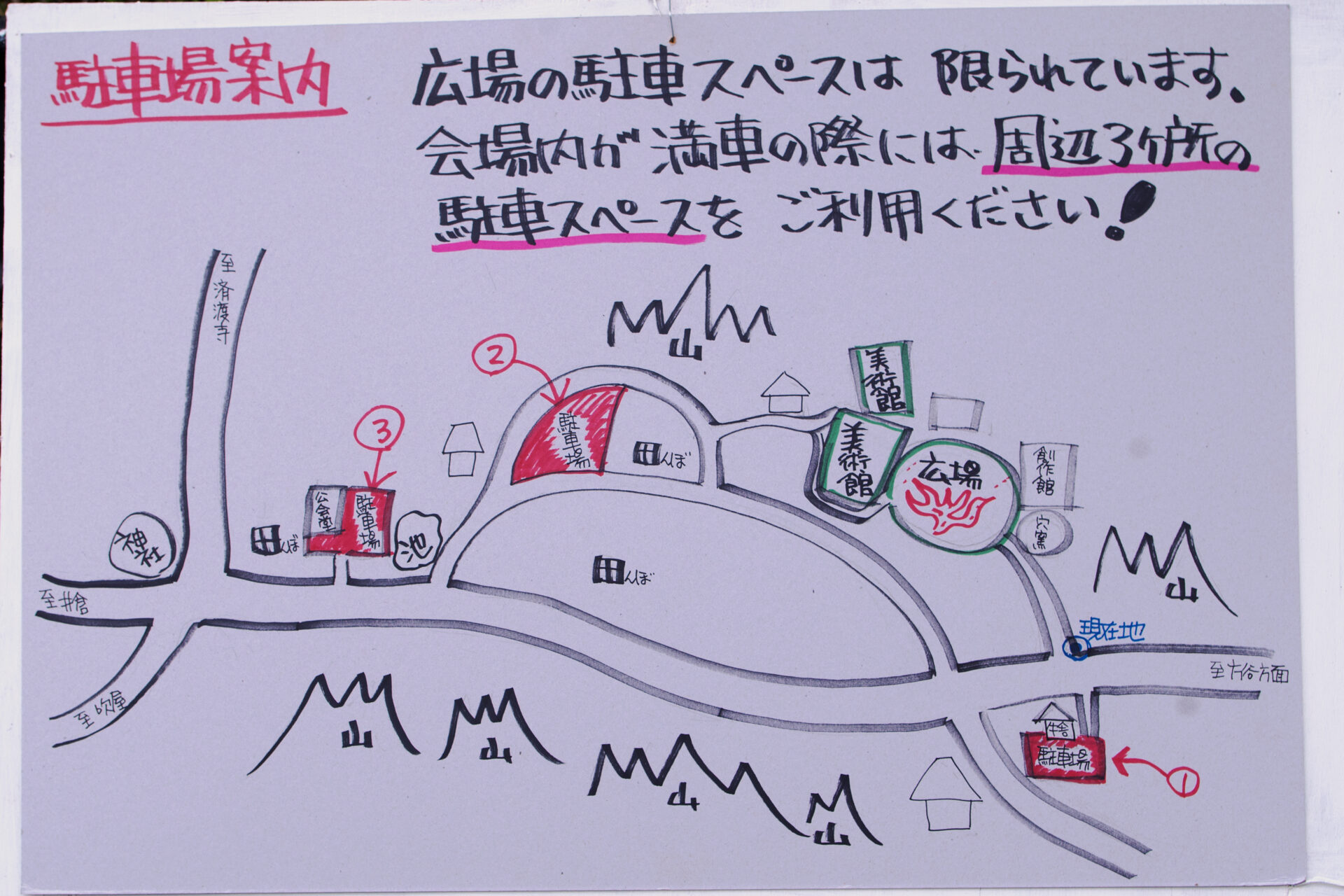
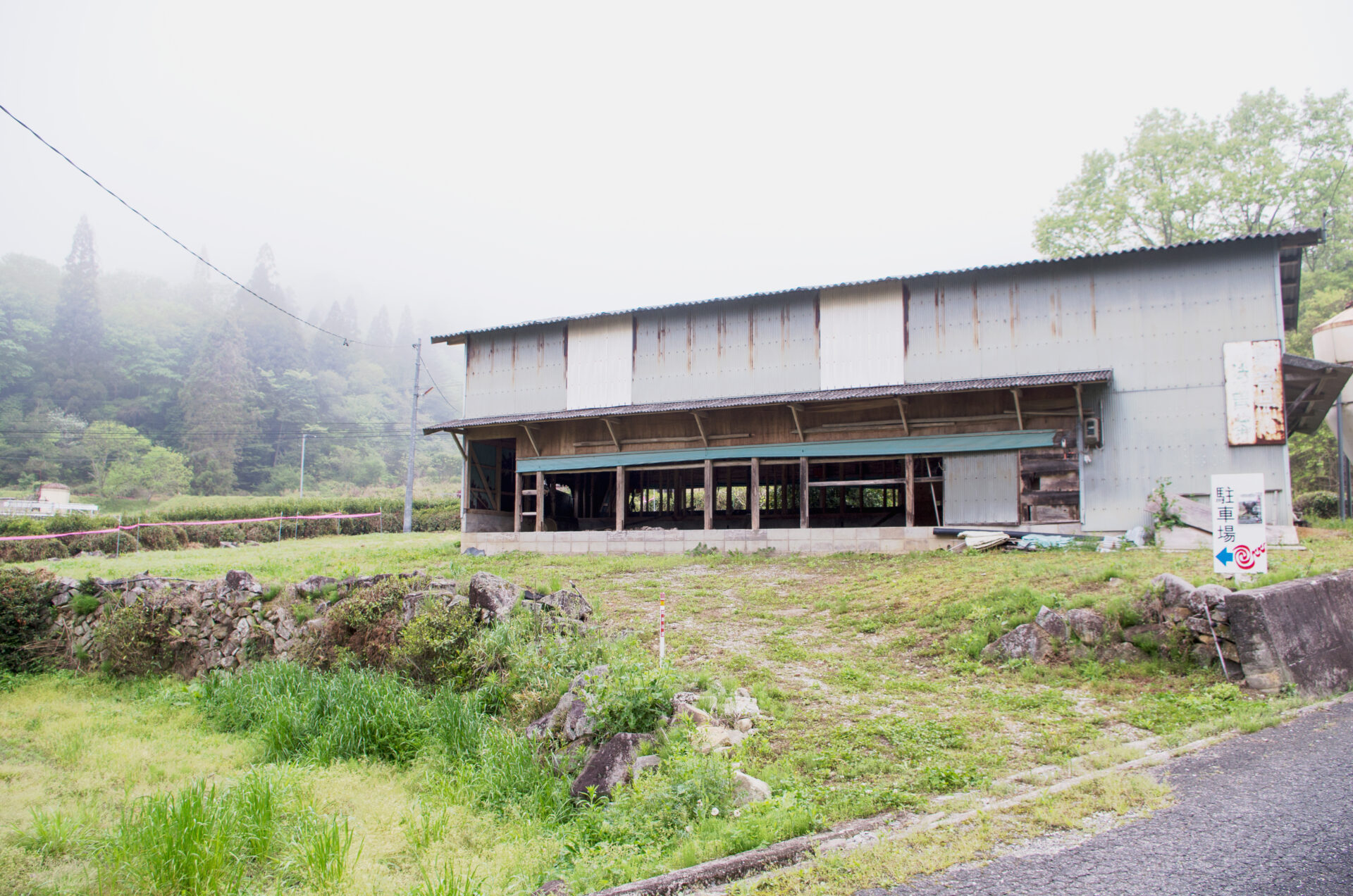
The barn visible in the photo is a landmark. Enter from the ramp in front, and the first parking lot will be to the left of the barn.
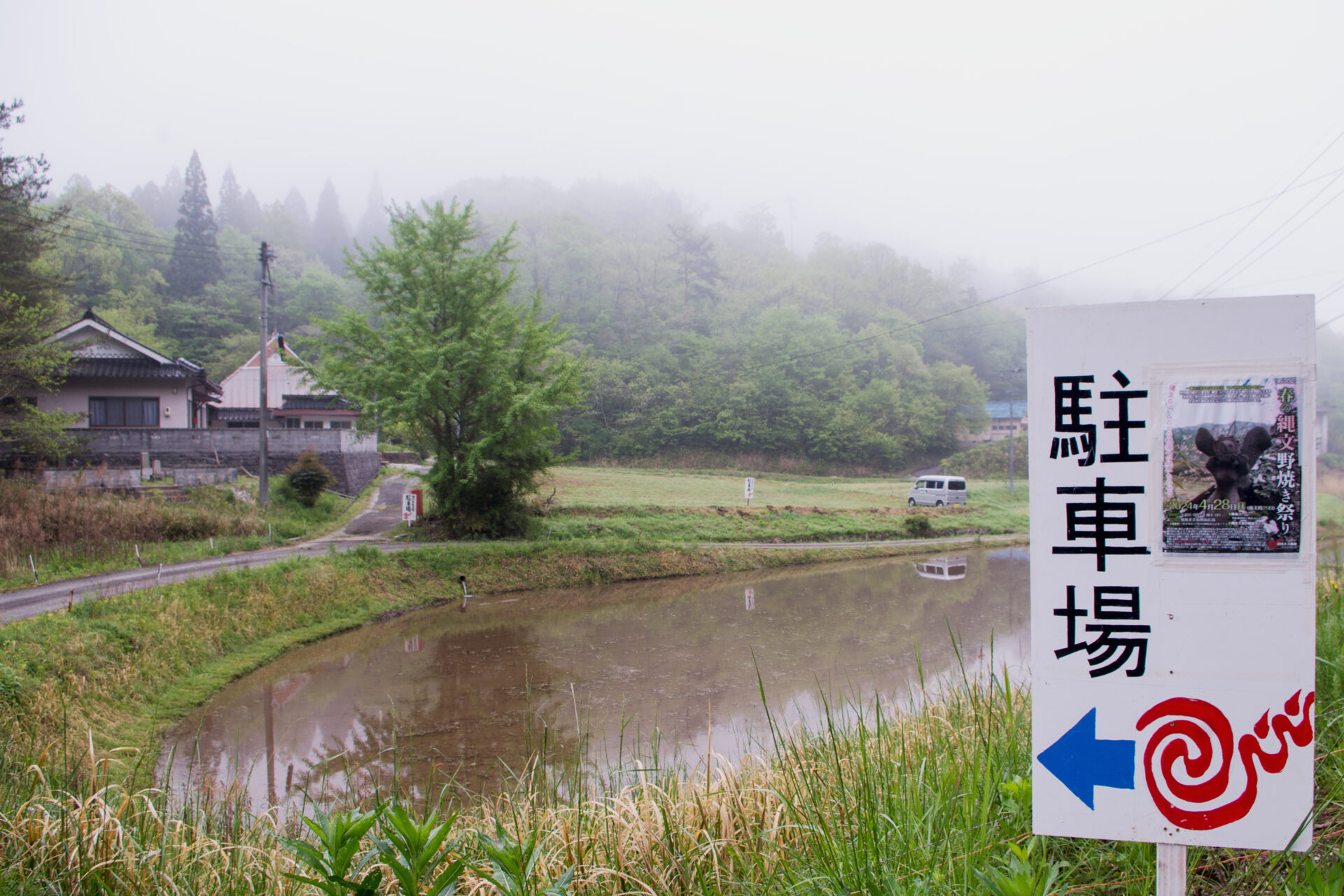
The second parking lot is located behind the rice fields. Please enter from the road on the left.
The third parking lot is the one at the local community center located at the back. It is the only parking lot that is asphalt-paved.
Data for the 38th Spring Jomon Field Burning Festival
| Name | 38th Spring Jomon Field Burning Festival |
|---|---|
| Date | Twice a year, in spring (around April) and autumn (around October) For applications, contact Mr. Hyodo via Instagram DM or at kamomo821@gmail.com * For details, please check Mr. Hyodo's Instagram and other sources. |
| Location | Inofurai Museum Front Square (609 Hoso, Niimi City, Okayama Prefecture) |
| Homepage | Mr. Hyodo's Instagram |