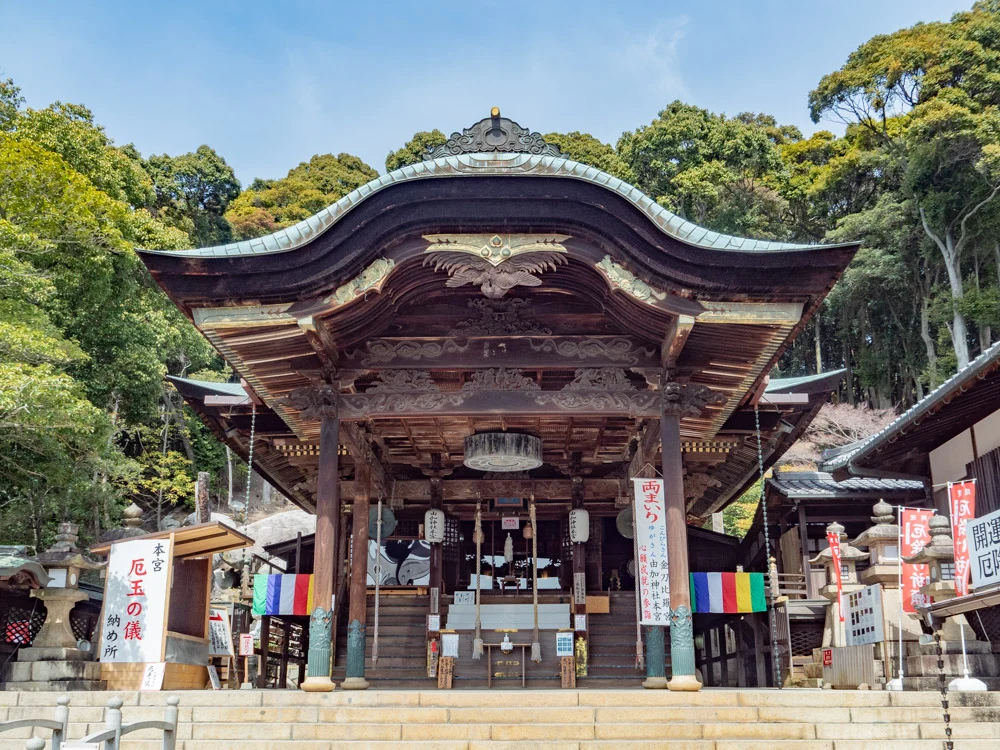
In the center of Kurashiki, there is a large shrine called Achi Shrine.
It is known as a tourist spot, and during the New Year’s visit and events, many people come to worship, making it a popular place.
However, there are times when you want to stroll around the precincts slowly and enjoy the quiet and mystical atmosphere unique to shrines.
In fact, there is a historic shrine rooted in the community just a ten-minute walk from JR Kurashiki Station.
That is Kasuga Shrine.
It is an old shrine built in the early Edo period and is one of the "Three Great Shrines of Old Kurashiki" alongside Achi Shrine and Ashidaka Shrine.
Although it is not large in scale, I would like to introduce Kasuga Shrine, which is loved by the local residents.
Kasuga Shrine is one of the "Three Great Shrines of Old Kurashiki"
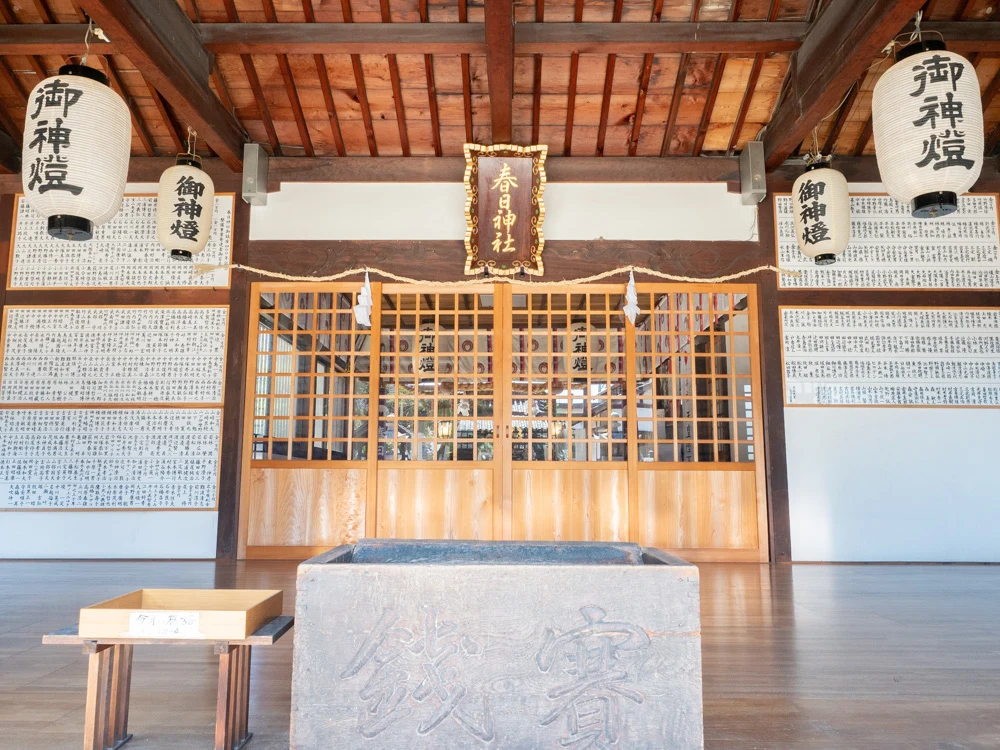
Kasuga Shrine is located in Hamacho, Kurashiki City, approximately 900 meters northeast of JR Kurashiki Station.
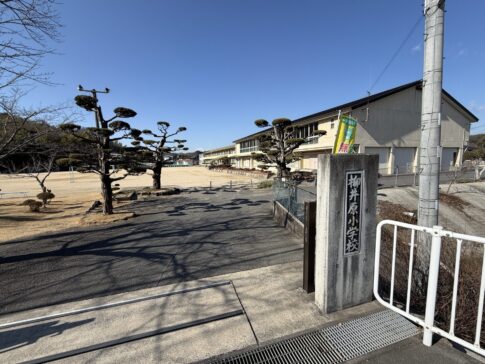
To the east, there is Kurashiki Municipal Masu Elementary School.
Kasuga Shrine is one of the Three Great Shrines of Old Kurashiki.
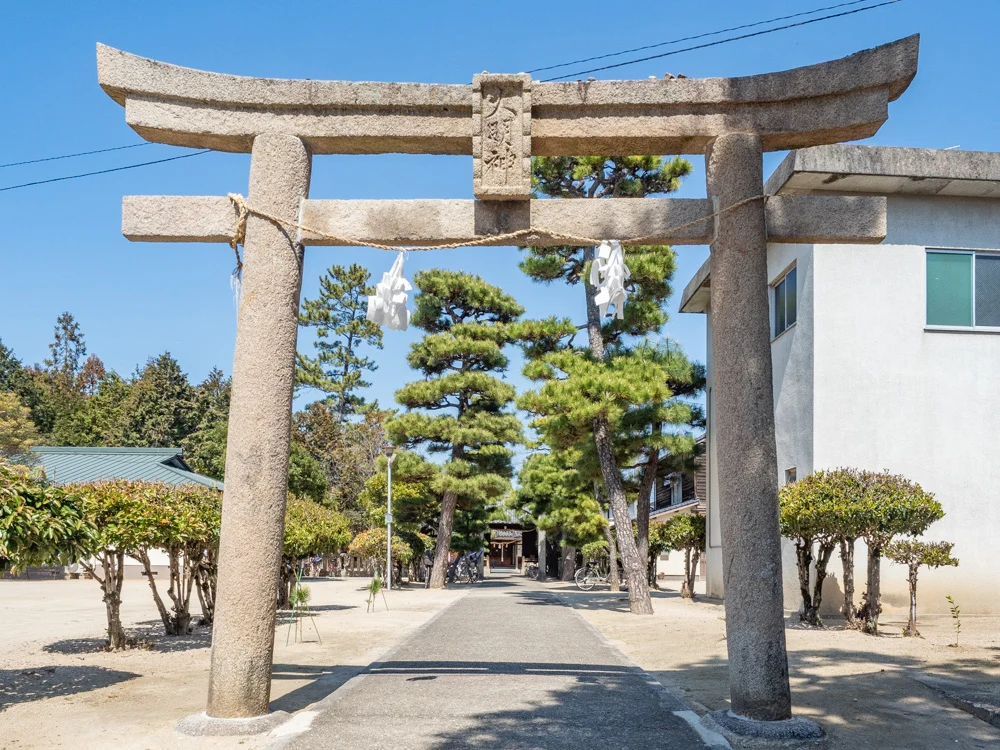
The Three Great Shrines of Old Kurashiki refer to three historic shrines that were established in 1927 (Showa 2) when the former Kurashiki City was formed before the current Kurashiki City was established in 1967 (Showa 42).

The former Kurashiki City was newly established as a new Kurashiki Town in 1927 when the towns of Kurashiki, Otaka, and Masu in the Tsukubo District merged equally, and it became Kurashiki City in the following year, 1928 (Showa 3).
The guardian shrines of the former three towns, Achi Shrine in Kurashiki, Ashidaka Shrine in Otaka, and Kasuga Shrine in Masu, came to be called the Three Great Shrines.
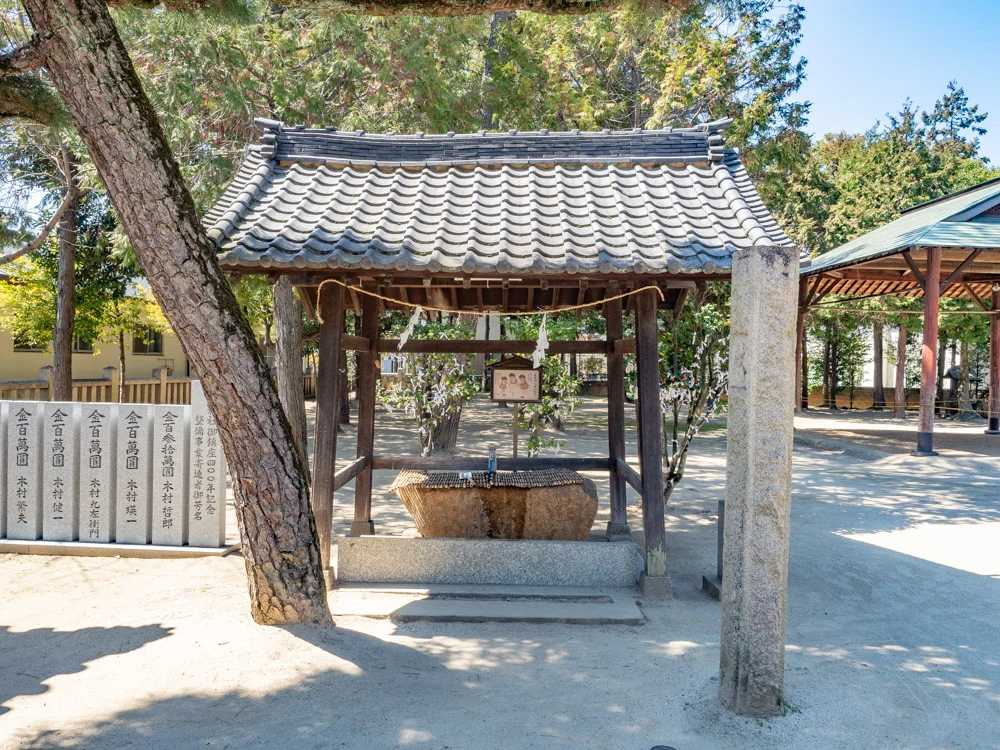
Kasuga Shrine was founded in the Genna era (1615–1624) of the early Edo period.
It is an old shrine with a history of over 400 years.
The deities enshrined at Kasuga Shrine are the following four gods.
| Amenokoyane no Mikoto (Kasuga Daimyojin) | The god of norito (ritual prayers). The ancestral god of the Nakatomi clan and the tutelary deity of the Fujiwara clan. |
|---|---|
| Hime no Okami | The wife of the main deity. Amenomitsutamateruhime no Mikoto. |
| Futsunushi no Mikoto | The god of swords. |
| Takemikazuchi no Mikoto | The god of swords. |
▼ Additionally, the festivals at Kasuga Shrine are as follows.
| Spring Festival | 3rd Saturday and Sunday of May |
|---|---|
| Summer Festival | 1st Saturday of August |
| Reitaisai | 3rd Saturday and Sunday of October |
Highlights of Kasuga Shrine
Let me introduce the highlights located within the precincts of Kasuga Shrine.
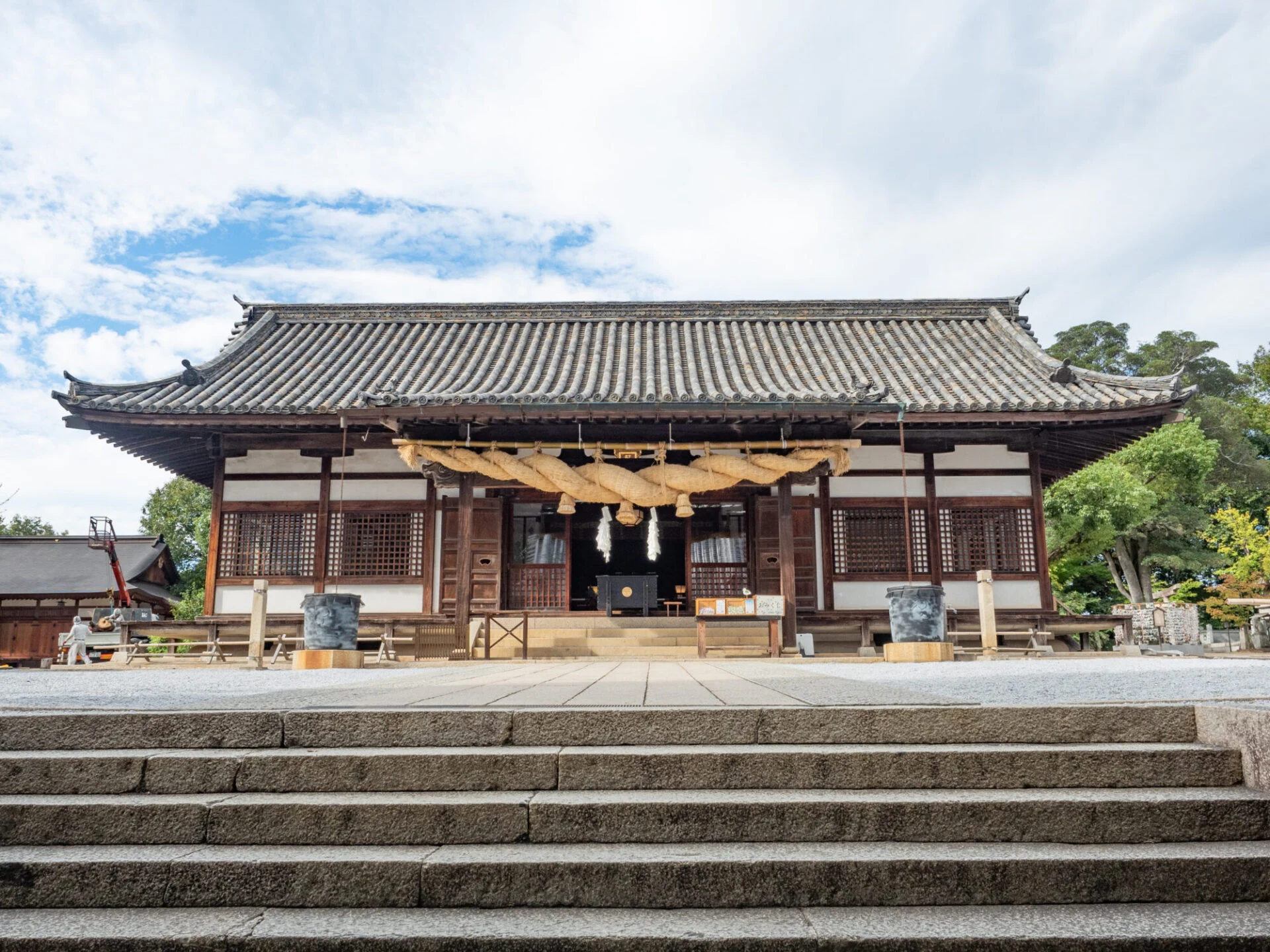
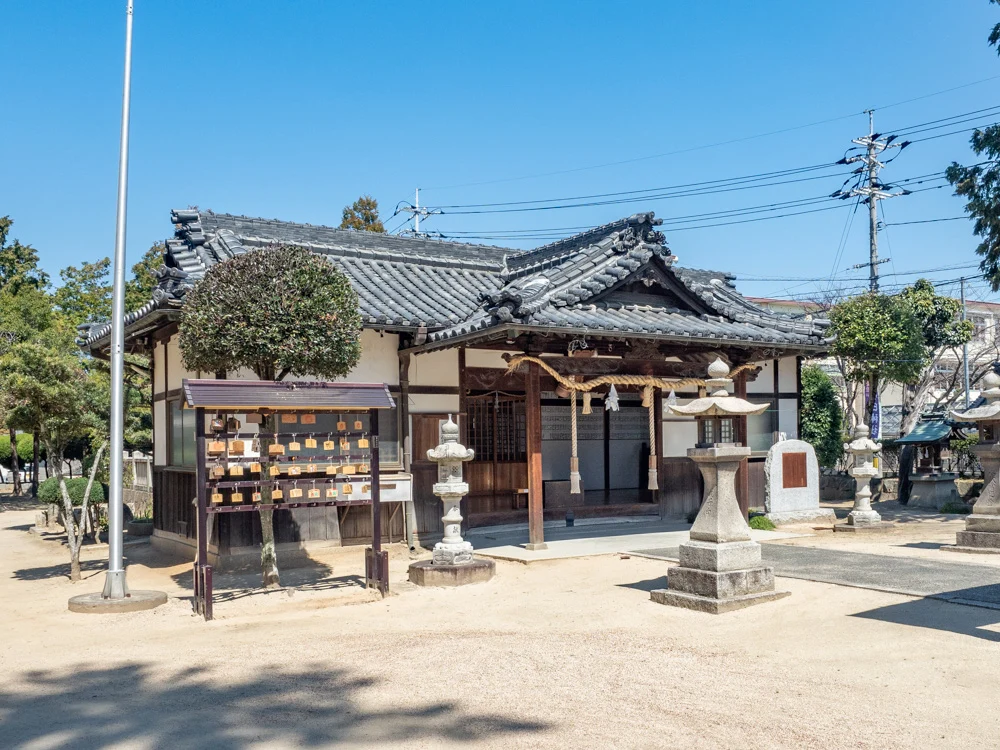
Honden and Haiden
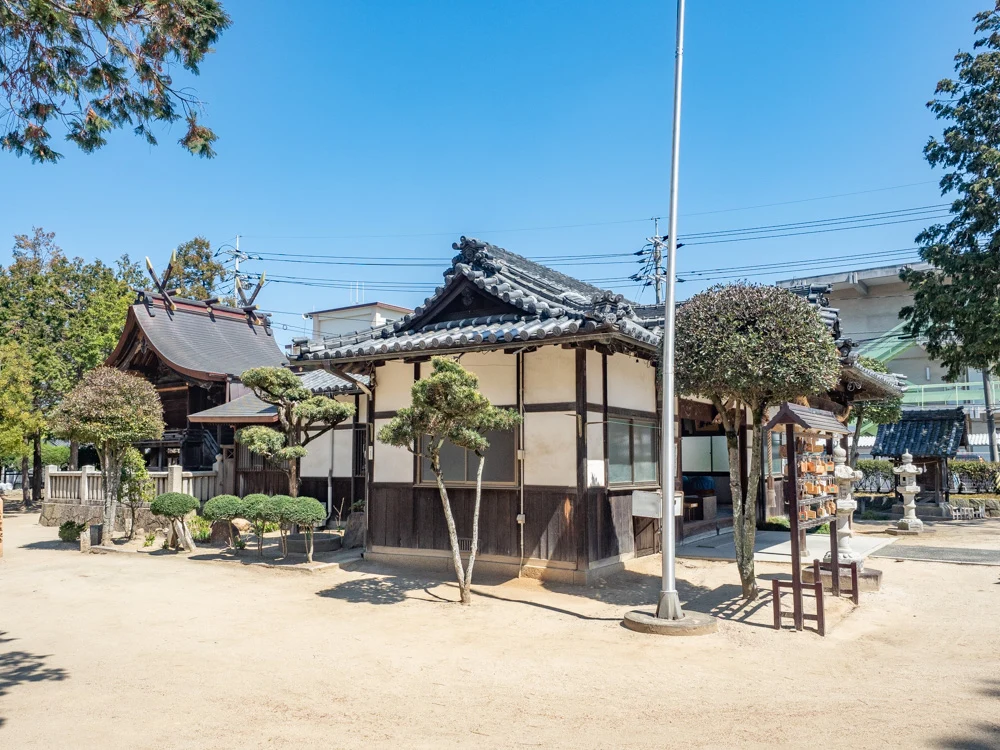
The building where the deity is worshipped is called Haiden, and the building where the deity is enshrined is called Honden.
In many shrines, the Haiden is often built right in front of the Honden, and Kasuga Shrine has the same structure.
▼ When you visit Kasuga Shrine, let’s first worship at the Haiden.
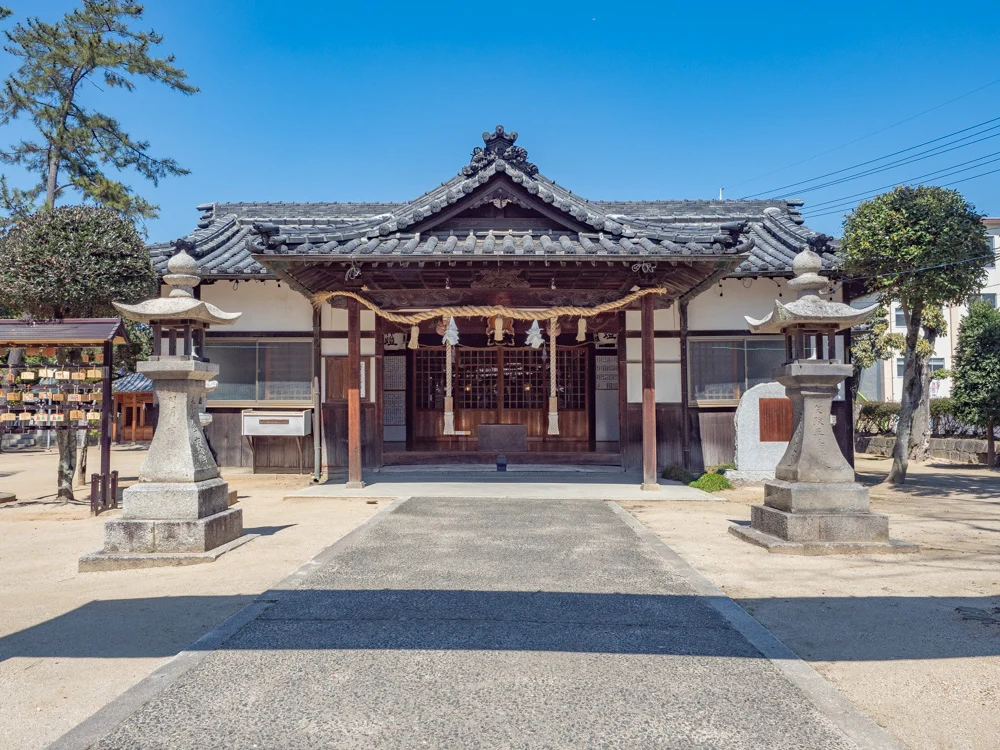
▼The main hall has a presence that evokes a sense of history, unlike the worship hall.
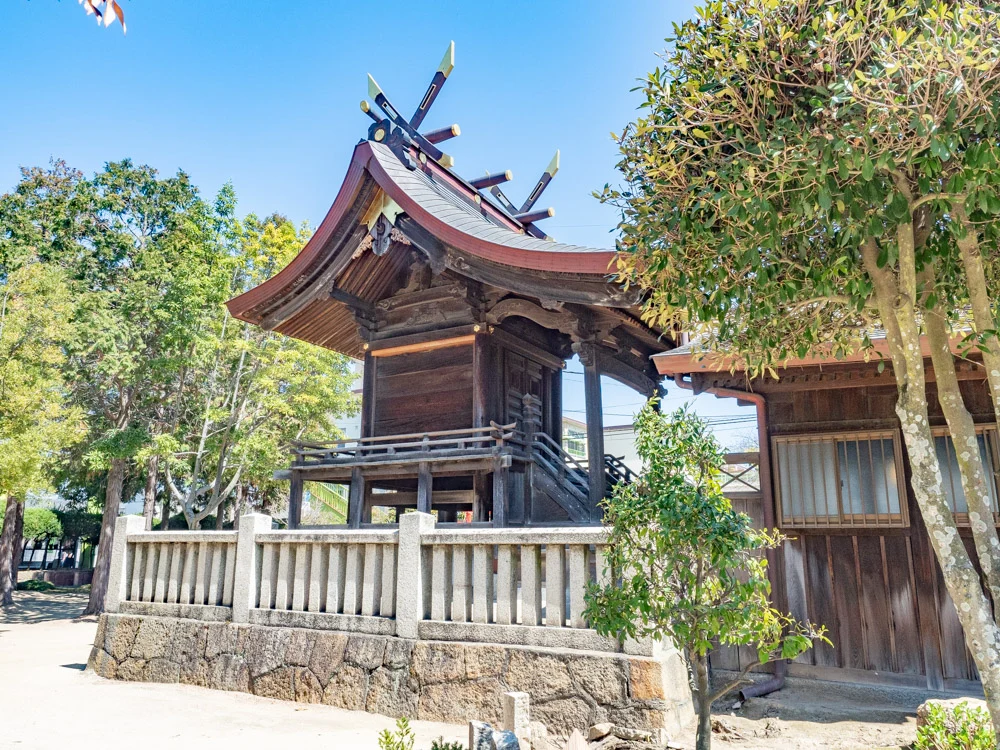

I could not confirm when the main hall was built, but it seems to have a long history.
Shato Hyogo
▼Next to the offering box in the worship hall, there is a paper that says "Shato Hyogo."

▼The chief priest writes messages for the parishioners and visitors every month.

The content changes every month, so please be sure to read it.
Also, the paper for the Shato Hyogo can be taken home.
Komainu and Stone Lantern
In front of the worship hall, there are Komainu and stone lanterns.
▼Komainu
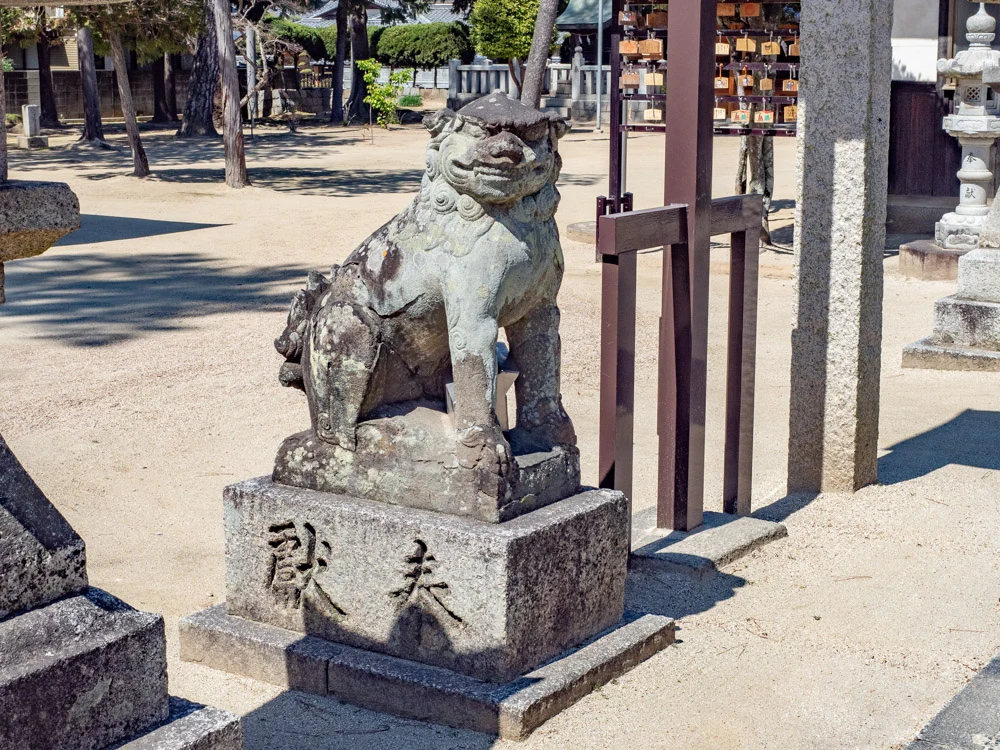

▼The characters on the pedestal are old and hard to read, but it was confirmed that it says "Bunka."
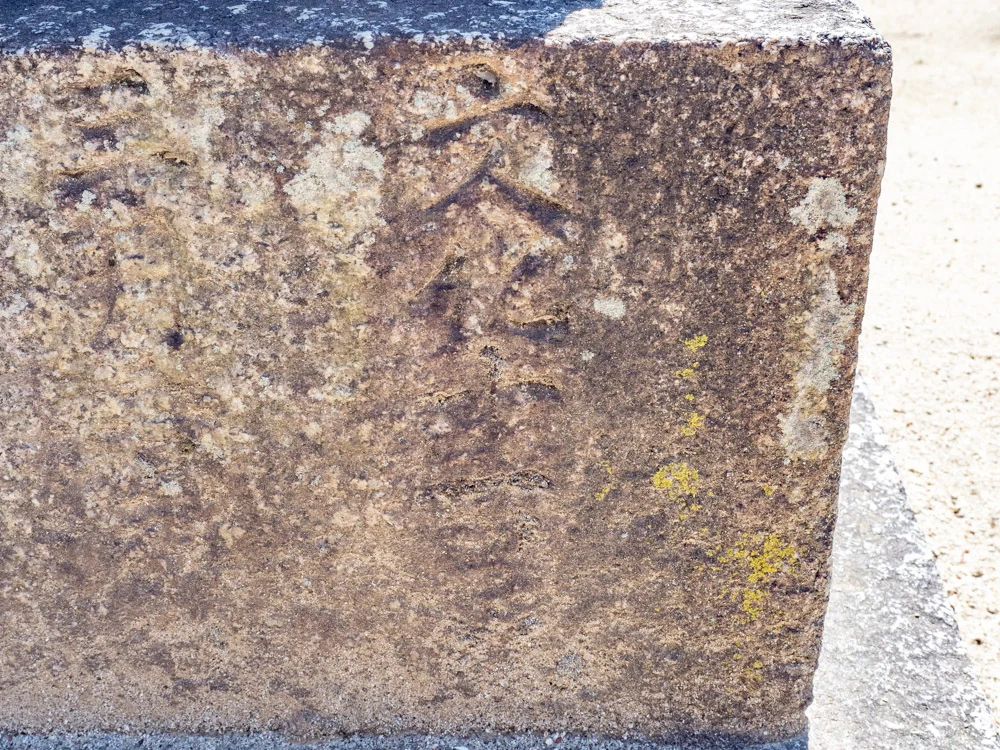
Bunka is from 1804 to 1818.
In other words, this Komainu is from the late Edo period.
▼Stone Lantern
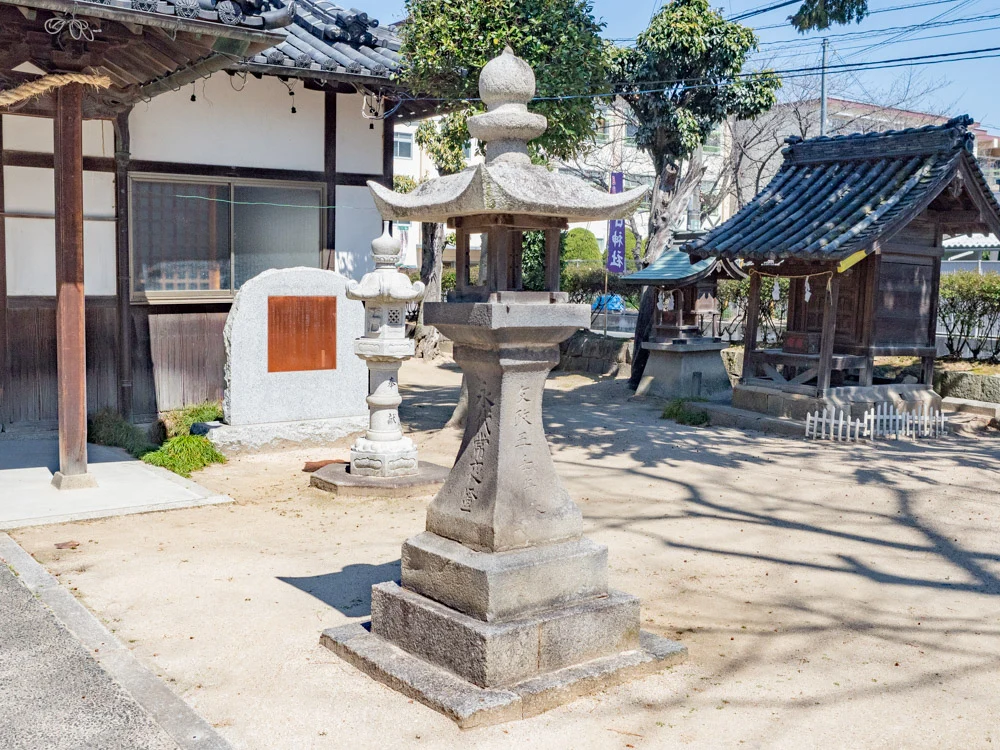
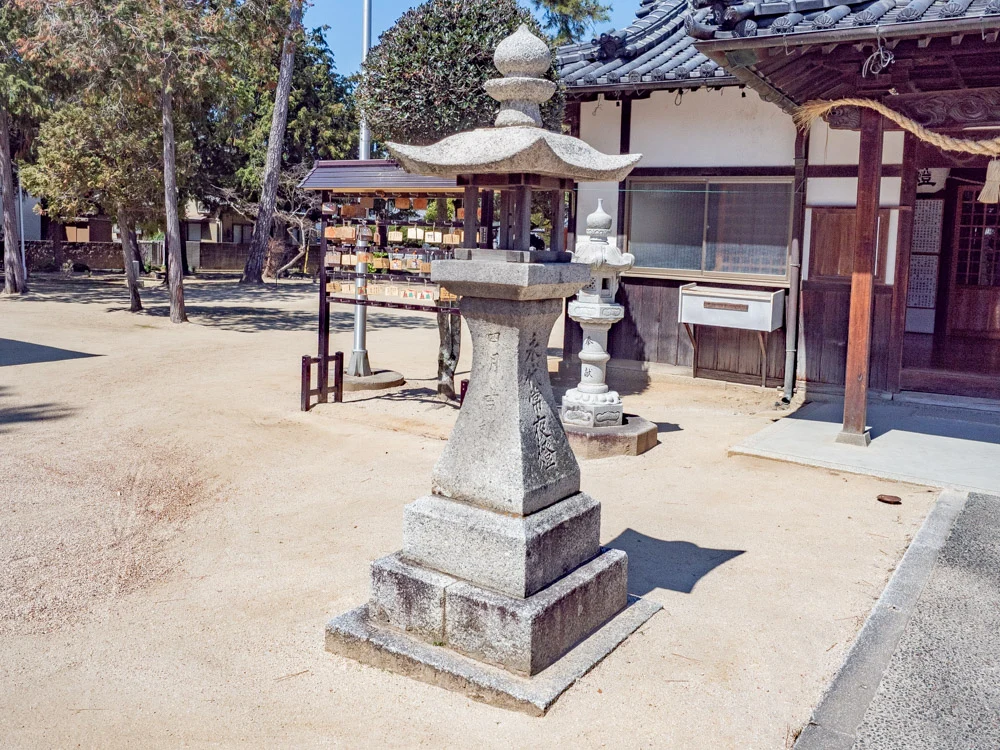
▼On the back of the stone lantern, it read "Hōreki 13" and "September."
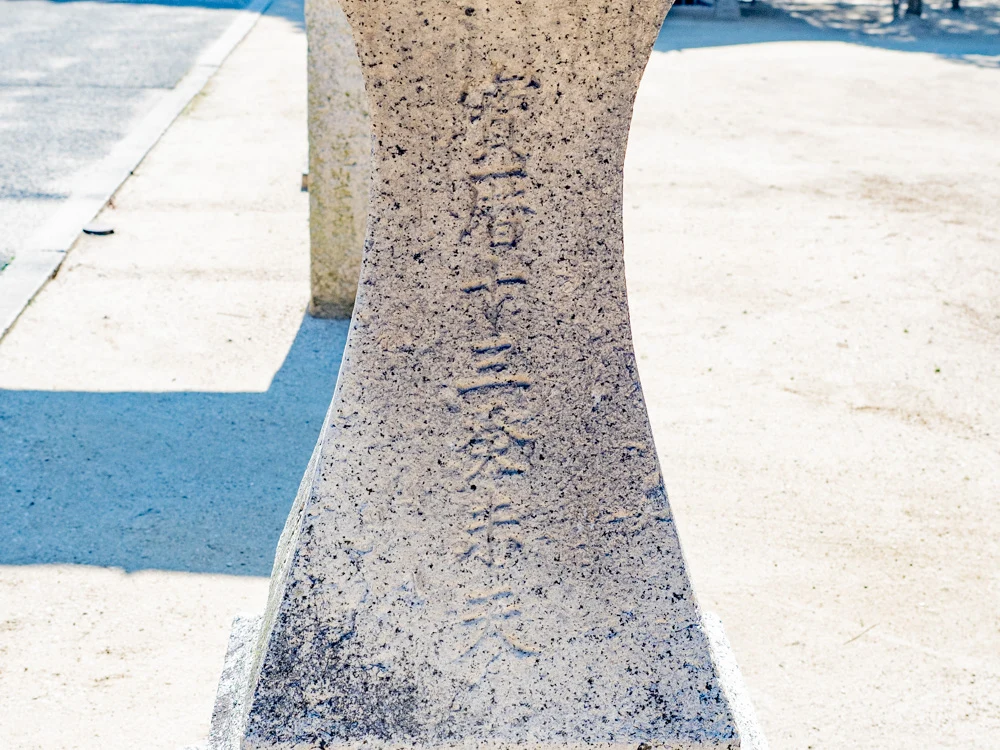
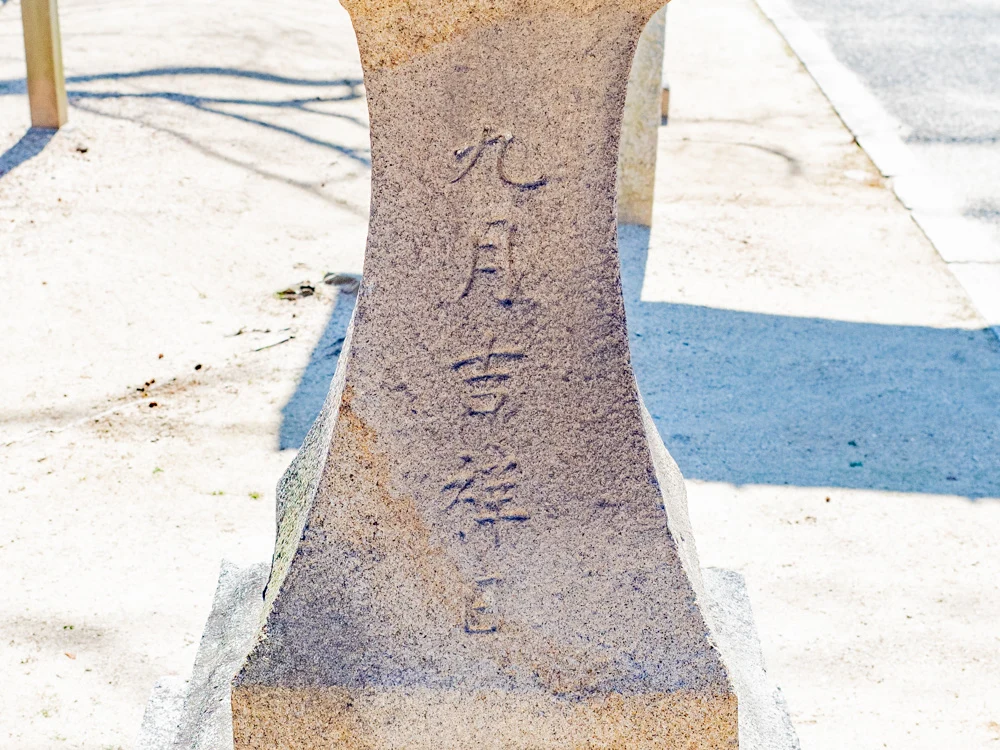
Hōreki 13, September corresponds to 1763.
This stone lantern was built in the mid-Edo period.
Zelkova Tree
▼On the north side of the shrine office, diagonally in front of the worship hall, there is a large zelkova tree that is considered a sacred tree.

It is believed to be quite old, with the thickest part of the trunk being 1.3 meters above the ground.
▼The thickness is 3.37 meters.
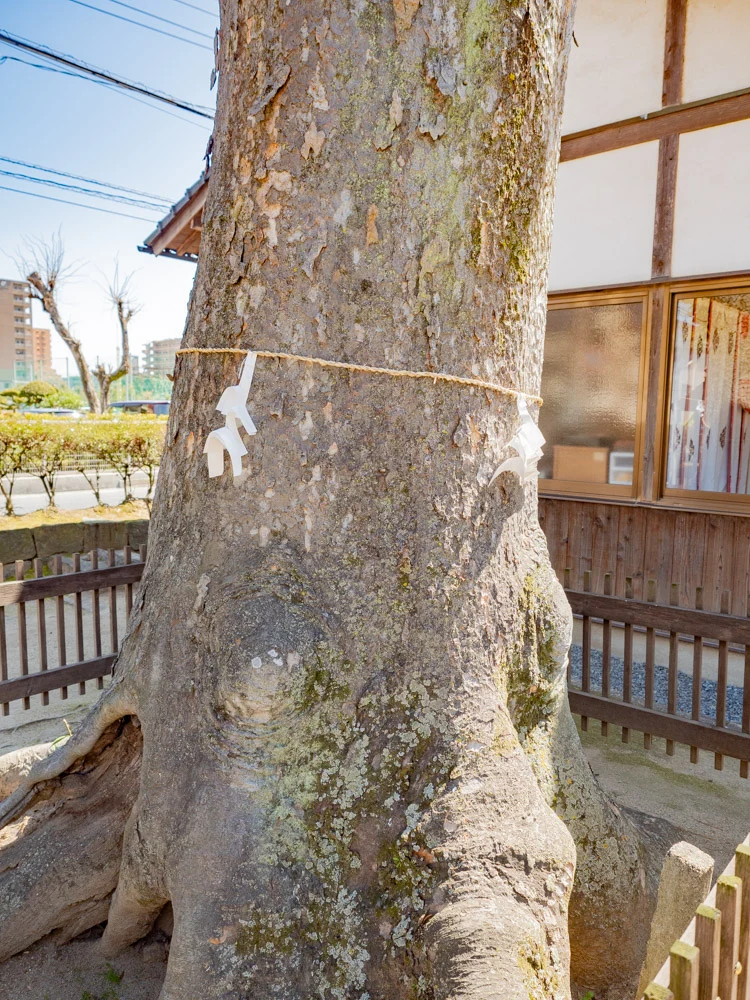
In March 1992, it was selected as one of the giant trees of Kurashiki City.
Sumo Ring
▼Diagonally in front of the worship hall, to the left, a large-roofed structure comes into view in the almost central part of the precincts.
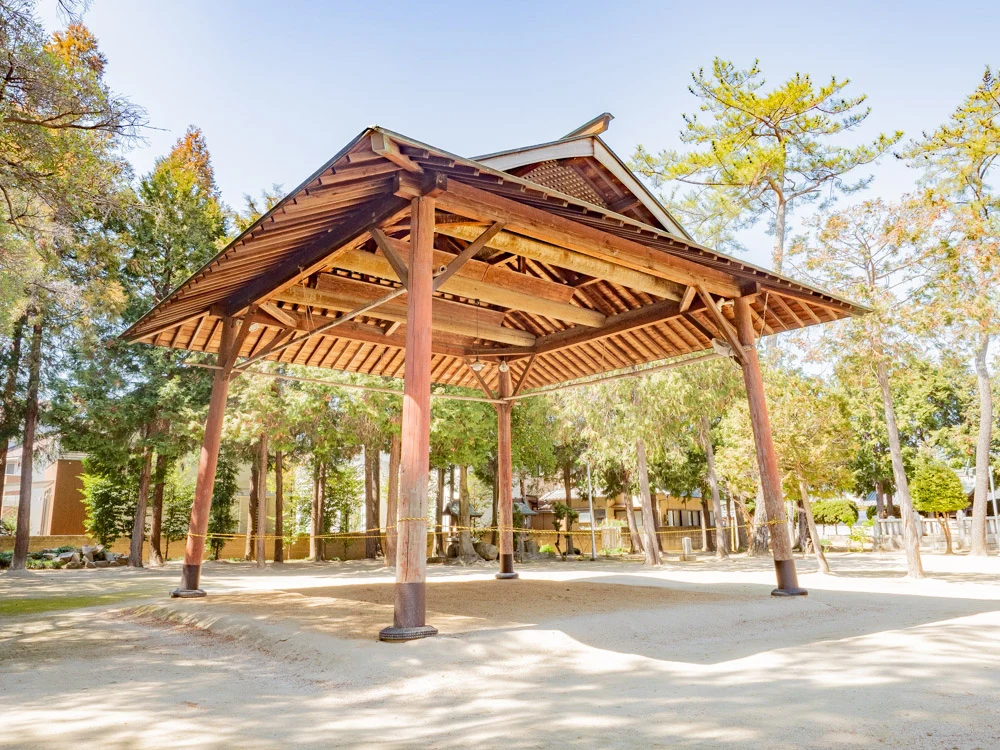
This is a sumo ring.
▼There was also a proper sandy area for the sumo ring.

Kasuga Shrine is famous for its children's sumo offering held every year.
Children's sumo offerings are held during the spring and autumn festivals, becoming a local tradition.
During the sumo offering, a ring is set up on the sandy area under the roof.
The current sumo ring was built in the late 1960s.
Shrine Buildings
Within the precincts of Kasuga Shrine, there are many shrine buildings (keidaisha) enshrined.
Shrine buildings are shrines that are enshrined within the precincts of another shrine.
▼Directly to the right of the worship hall, Ushi Shrine and Sarutahiko Shrine are enshrined side by side.

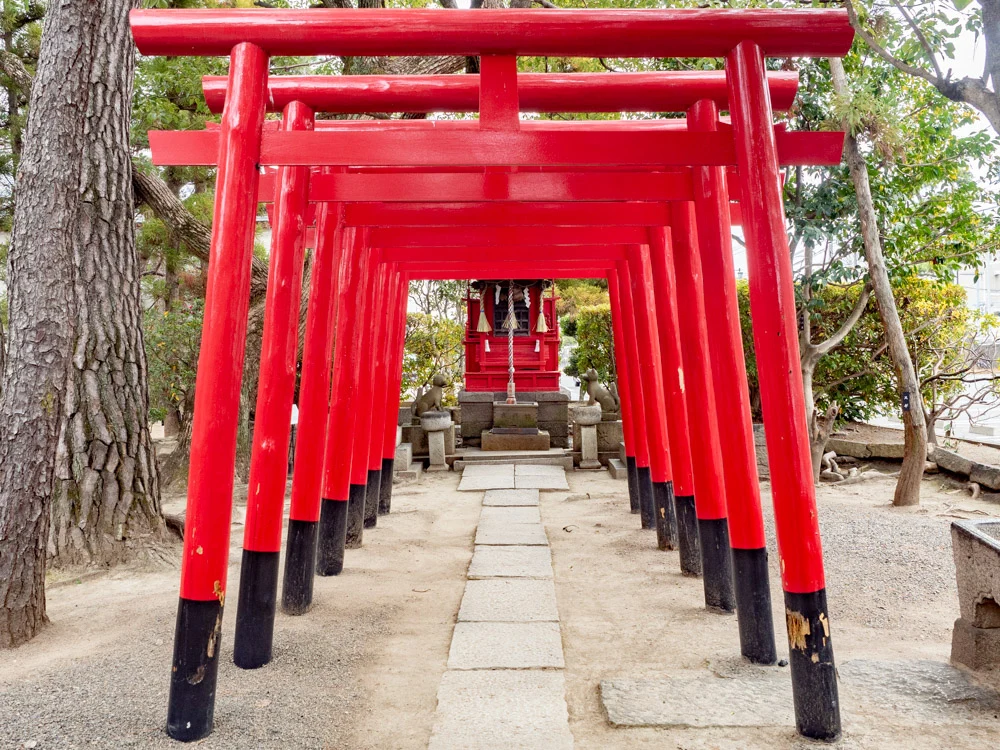
▼To the right and slightly behind the main hall is the Inari Shrine.
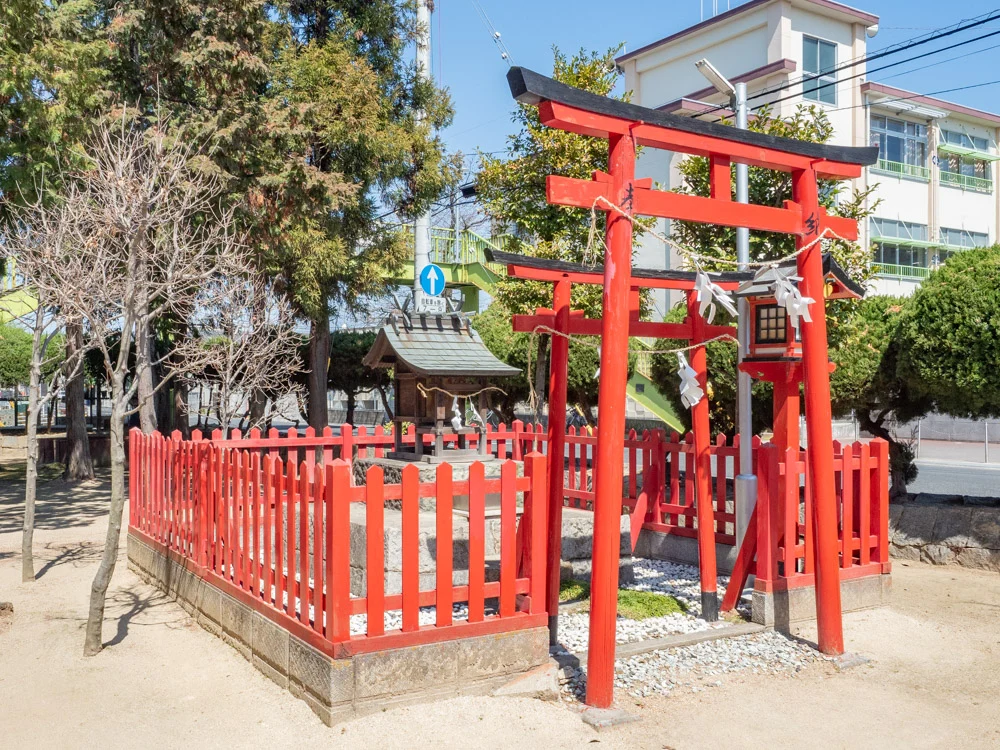
▼To the left and slightly behind the main hall is a Jijin shrine with a Jijin monument.

▼On the north side of the precincts, there is a shrine (yashiro) that enshrines seven deities.
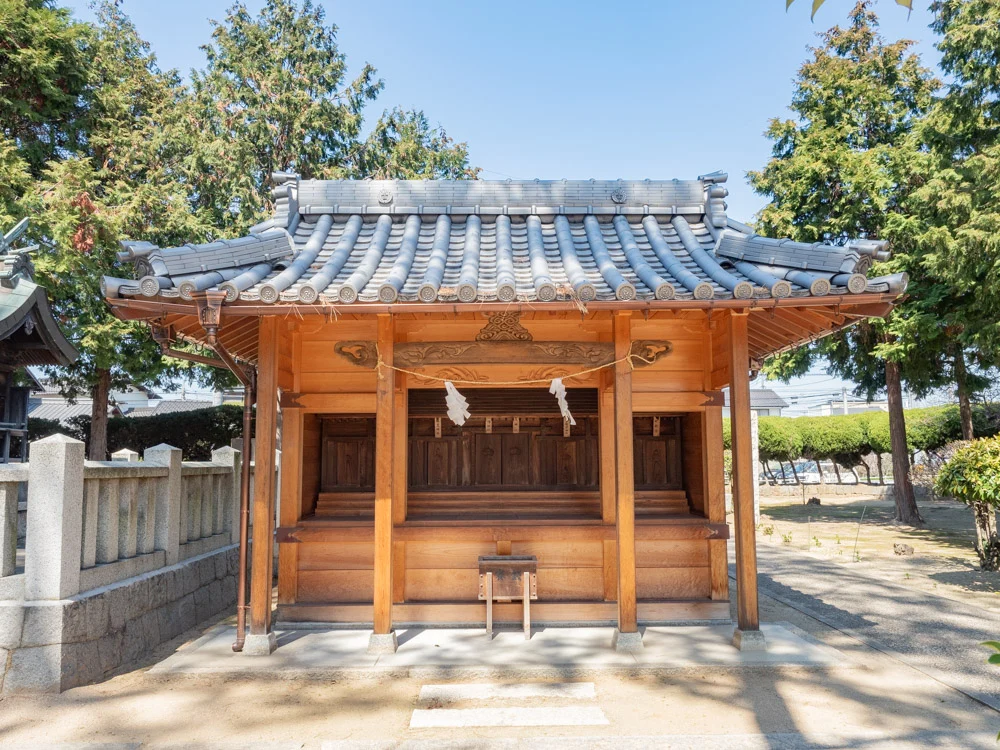
▼The deities enshrined, from left to right, are as follows.

- Ata Shrine
- Warei Shrine
- Hachiman Shrine
- Kou Shrine
- Kibitsu Shrine
- Juni Shrine
- Shichisha Shrine
The shrine is quite new.
▼To the left of the shrine enshrining the seven deities is the Wakamiya Shrine.
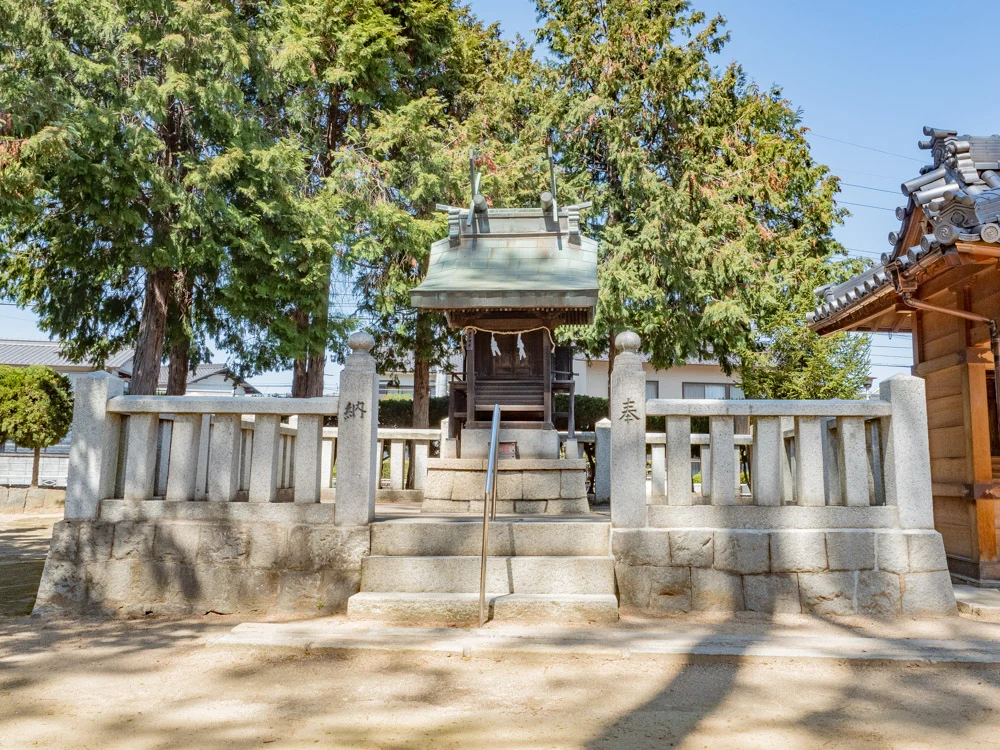
▼On the west side of the precincts, the Ten Shrine and Kuwaki Shrine are enshrined side by side.

Automatic Omikuji Machine
Passing through the Zuijin Gate, the shrine office is immediately to the right.
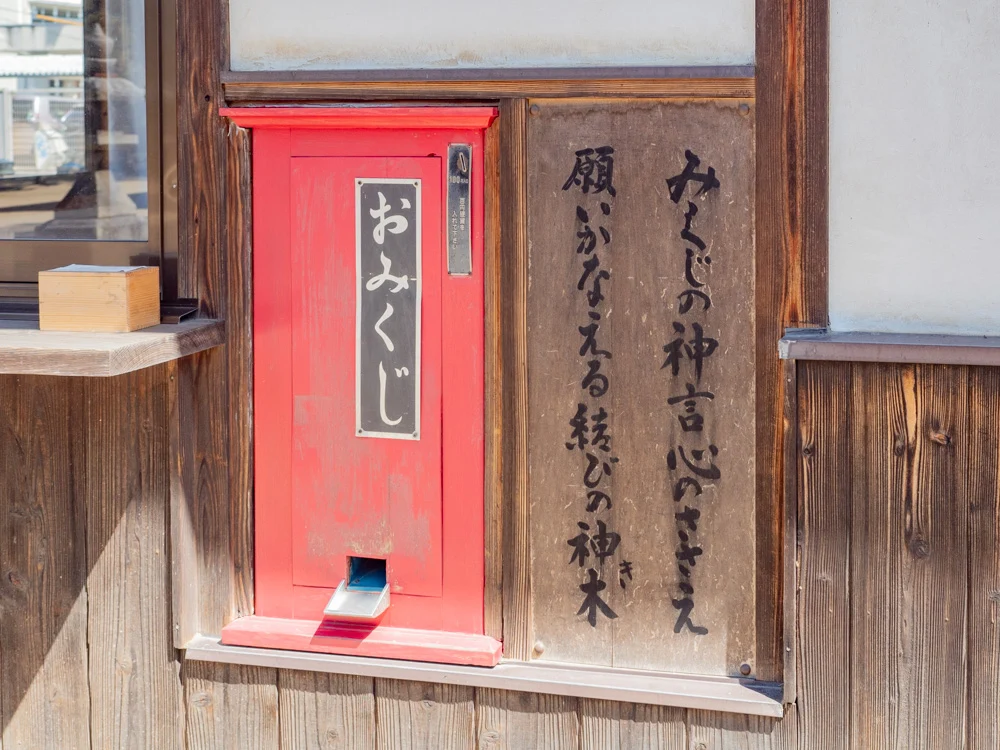
▼On the right wall of the reception window at the shrine office, there is a built-in automatic omikuji machine.
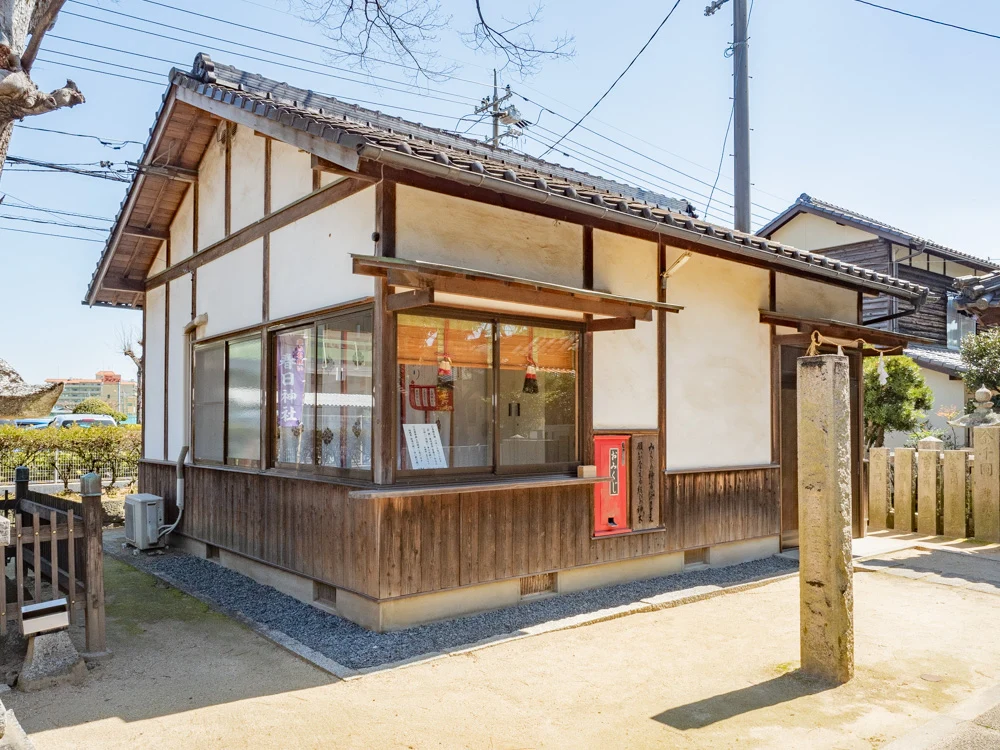
At Kasuga Shrine, although there is no resident priest, you can draw omikuji (fortune slips) at any time using the automatic omikuji machine.
▼By inserting a 100 yen coin into the coin slot at the top right, a fortune slip will come out from the bottom opening.
Kasuga Shrine's Goshuin
At Kasuga Shrine, you can receive a goshuin (shrine seal).

When you want to receive a goshuin, please go through the Suijin Gate and immediately to the right at the shrine office, tell the chief priest, "I would like to receive a goshuin."
Please note that the chief priest is not always present at Kasuga Shrine.
You cannot receive a goshuin when the chief priest is absent, so please be careful.
If you really want to receive a goshuin, try calling a few days before your visit to confirm.
When receiving a goshuin at Kasuga Shrine, please hand over a 300 yen initial offering (hatsuho-ryo).
History of Kasuga Shrine

Kasuga Shrine was established during the Genna era (1615–1624) in the early Edo period.
It is said to have been enshrined from Kasuga Shrine in Nara City.
The area around Hamacho, where Kasuga Shrine is located, used to be the sea, and Tsurugata Mountain was an island.
During the Sengoku period, when the lord of Bizen Okayama Castle, Ukita Hideie, governed the eastern part of Bitchu Province, the Ukita clan ordered the reclamation of the sea.

Around 1589, the Ukita clan constructed an embankment called "Ukita Tsutsumi" from Sakatsu in present-day Kurashiki City, passing west of Tsurugata Mountain to Funakuracho, and from Hashima to the center of Hayashima Town, reclaiming the land.
This was when Hamacho became land, and Tsurugata Mountain and Mukaiyama became connected to the mainland.
After that, the population gradually increased, and Kasuga Shrine was built in the early Edo period.
Conclusion

Compared to the other two of the three major shrines in old Kurashiki, Achi Shrine and Ashidaka Shrine, which have ancient histories, Kasuga Shrine may seem to have a shorter history.
However, even though it does not have a history dating back to ancient times, Kasuga Shrine is an old shrine with over 400 years of history.
Kasuga Shrine is the local guardian deity and is cherished by the local residents, as it hosts children's sumo wrestling events.
Why not visit and pay your respects at least once?
Data on Kasuga Shrine
| Name | Kasuga Shrine |
|---|---|
| Location | 1-4-1 Hamacho, Kurashiki City |
| Contact | 086-422-6158 |
| Parking | Available |
| Deities | Amaterasu Omikami, Hime-no-Okami, Ketsumushi-no-Kami, Takemikazuchi-no-Kami |
| Benefits | Success in life, passing exams, national stability, family safety, industrial prosperity |
| Goshuin (Initial offering) | Available (300 yen) ※ Not available when the chief priest is absent (please confirm in advance) |
| Visiting hours | Open for worship all day |
| Reception hours | Daytime only |
| Closed days | None |
| How to pay the worship fee and initial offering |
|
| Website | Kasuga Shrine | Okayama Prefecture Shrine Search | Okayama Prefectural Shrine Association |