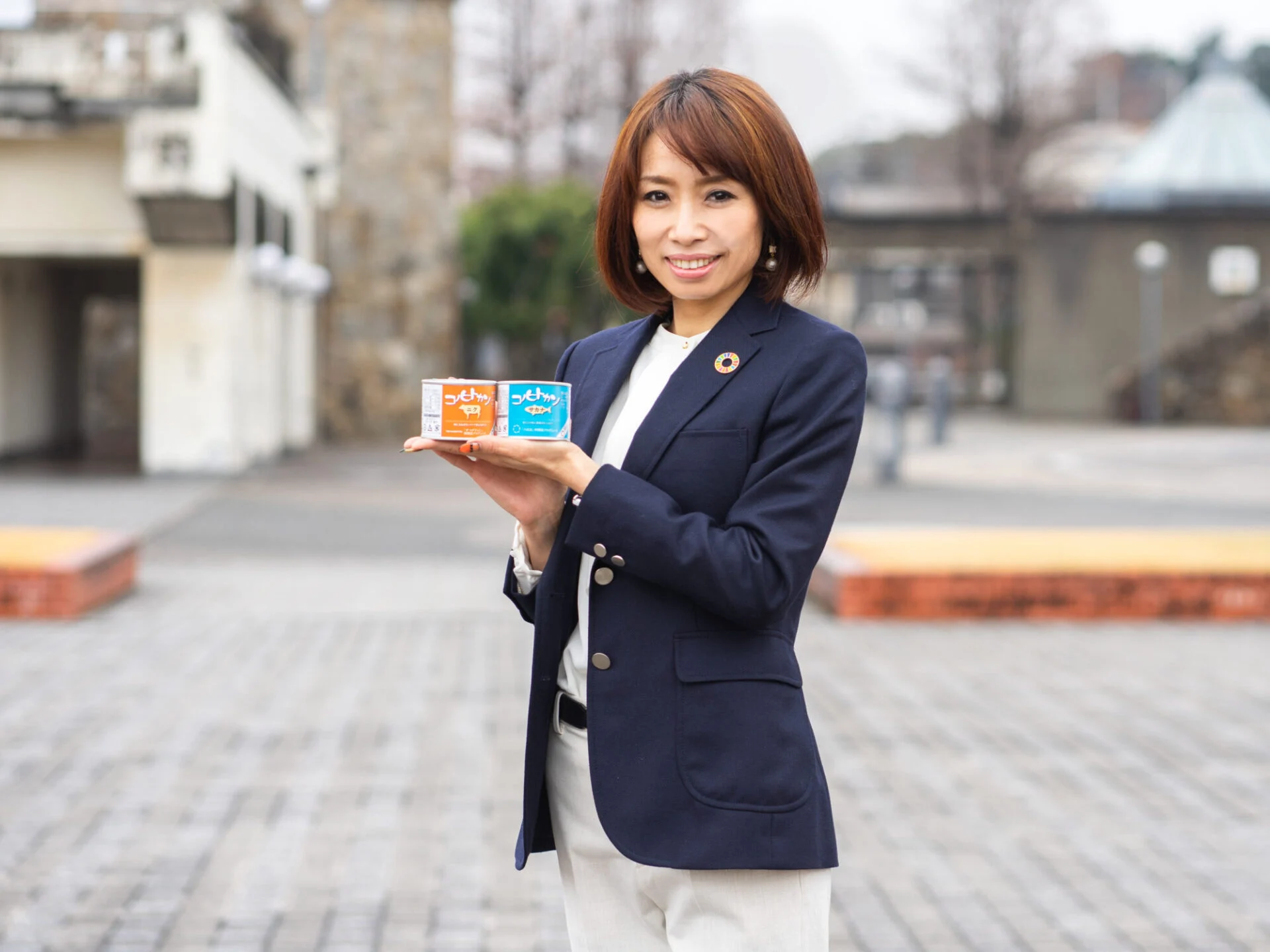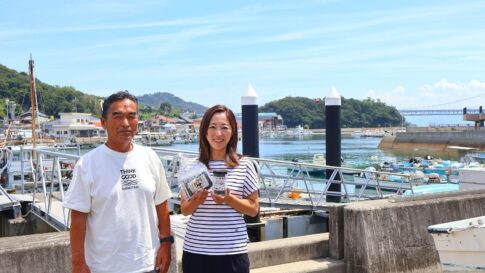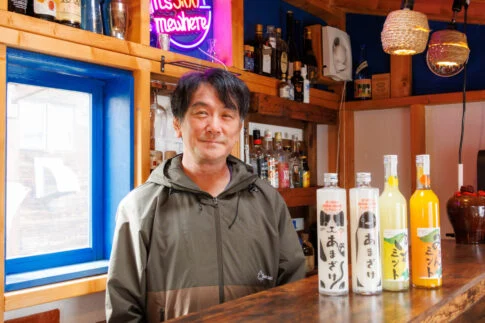
Interview with Miyoshi, the representative of Konohitokan, and designer Nishimori
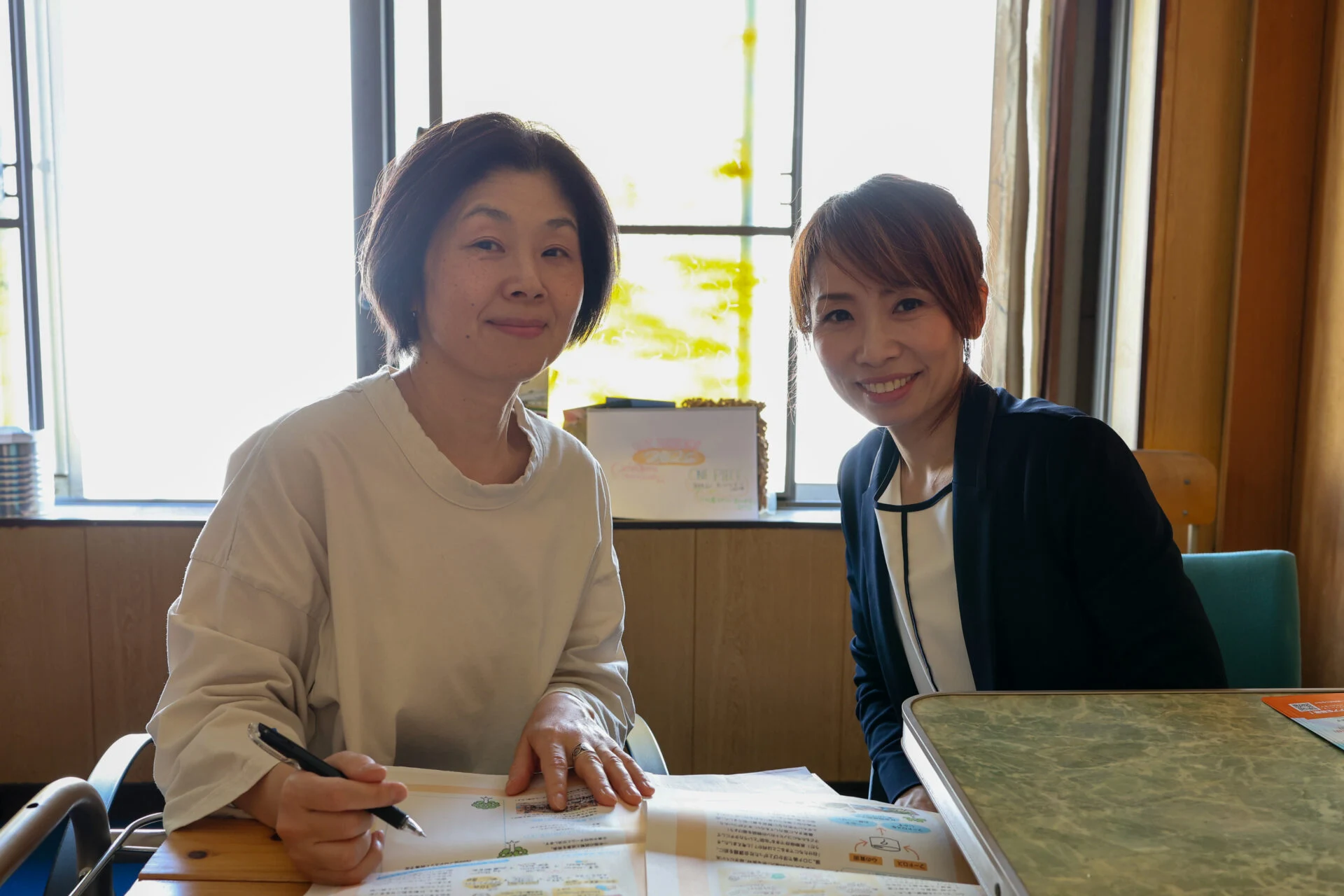
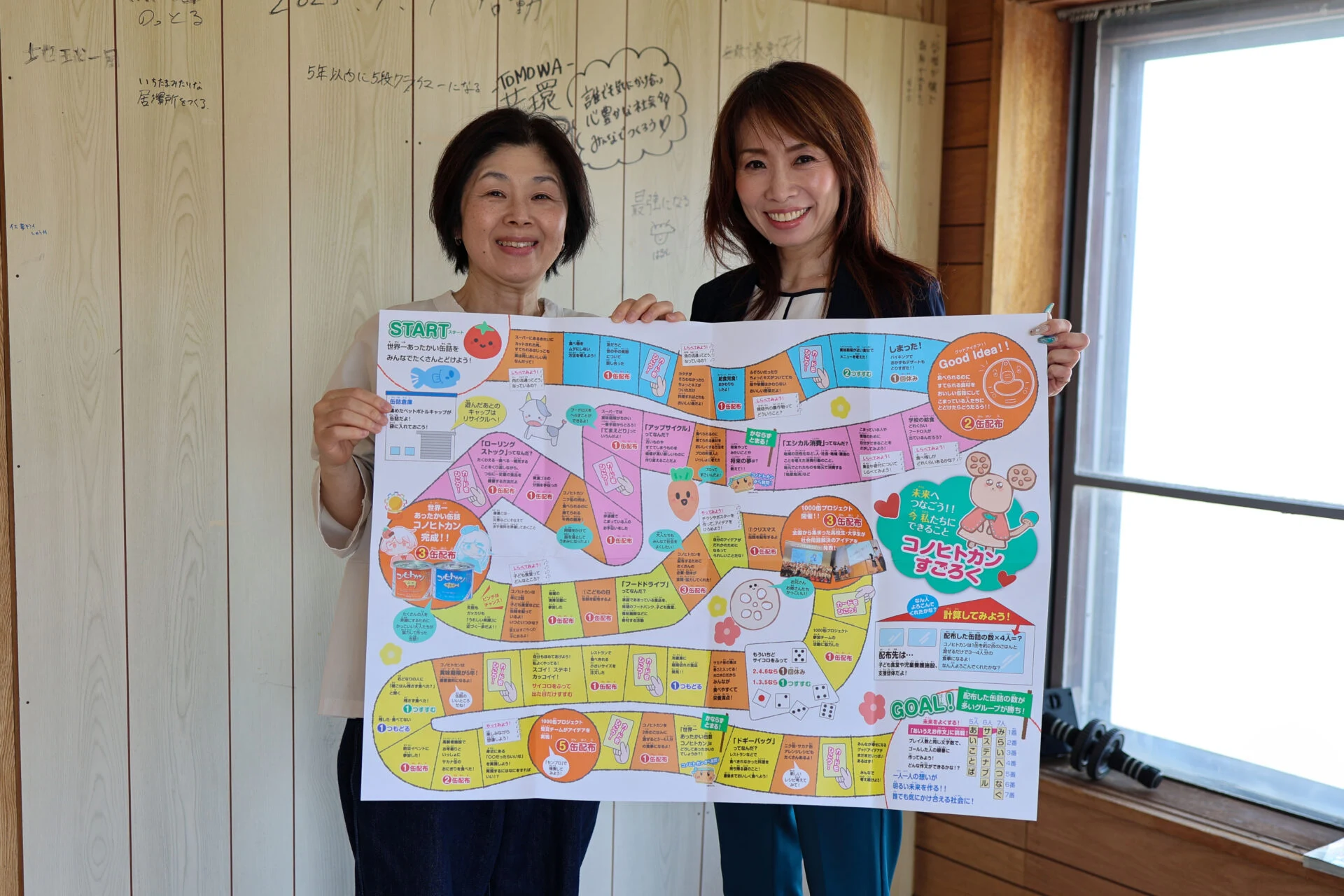
We spoke with Chihiro Miyoshi, the representative of Konohitokan, and designer Sono Nishimori about their thoughts on creating teaching materials.
Canned food and teaching materials were a set
What was the motivation behind wanting to create teaching materials?
Miyoshi
Actually, even before the establishment of Konohitokan, I had been thinking that I wanted to create canned food and teaching materials as a set. I wondered how to make the story of Konohitokan something that each person could take to heart.
When I thought about that, I realized that through teaching materials, I could convey not only food loss and poverty but also the feeling that "If there are people in need, let's reach out to them" to the children.
How did you feel when you heard about the teaching materials, Nishimori?
Nishimori
Since I heard about Konohitokan from Miyoshi in 2020, I felt a story in the activity itself and took notes.
I had been saying that it would be nice to turn that into a sugoroku (Japanese board game) someday, so when it came to creating the teaching materials this time, I felt that "the timing has finally come," and my heart was warmed. It felt strangely natural to connect.
Cards for exchanging everyday words
Is there anything you were particularly particular about in the sugoroku?
Nishimori
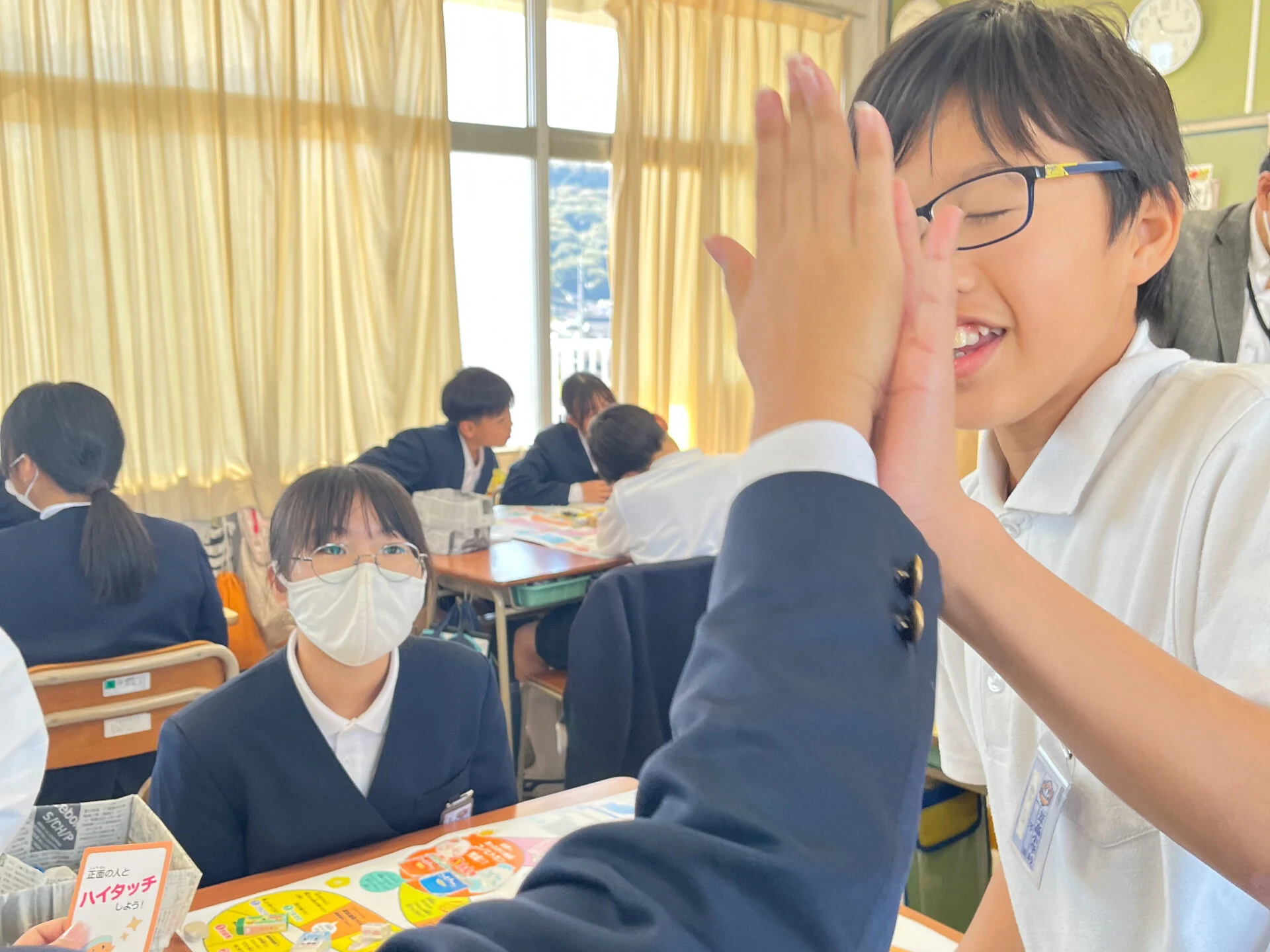
In the sugoroku, there is a scene where you draw cards, and I wanted to make sure that those cards included content for exchanging words with the person next to you or high-fiving. Especially now, when relationships between people tend to become thin, I wanted to value communication that feels like warmth.
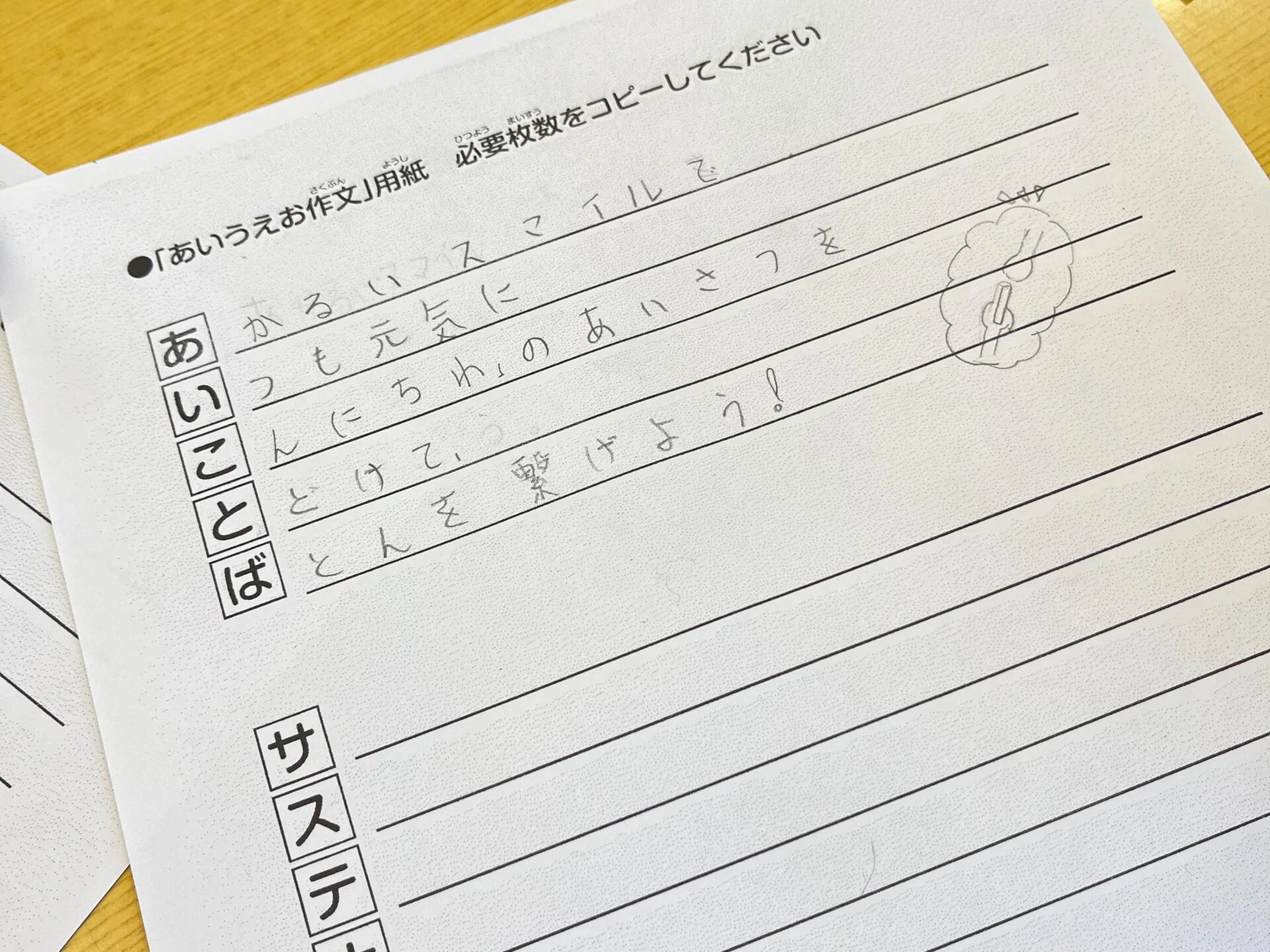
Also, I thought about whether children can properly say "thank you," "good morning," "good night," and "let's eat." It may seem like a small thing, but I wanted to include those everyday words as well.
Changes born in the children
After seeing how it was used in class, is there anything that left an impression on you?
Miyoshi
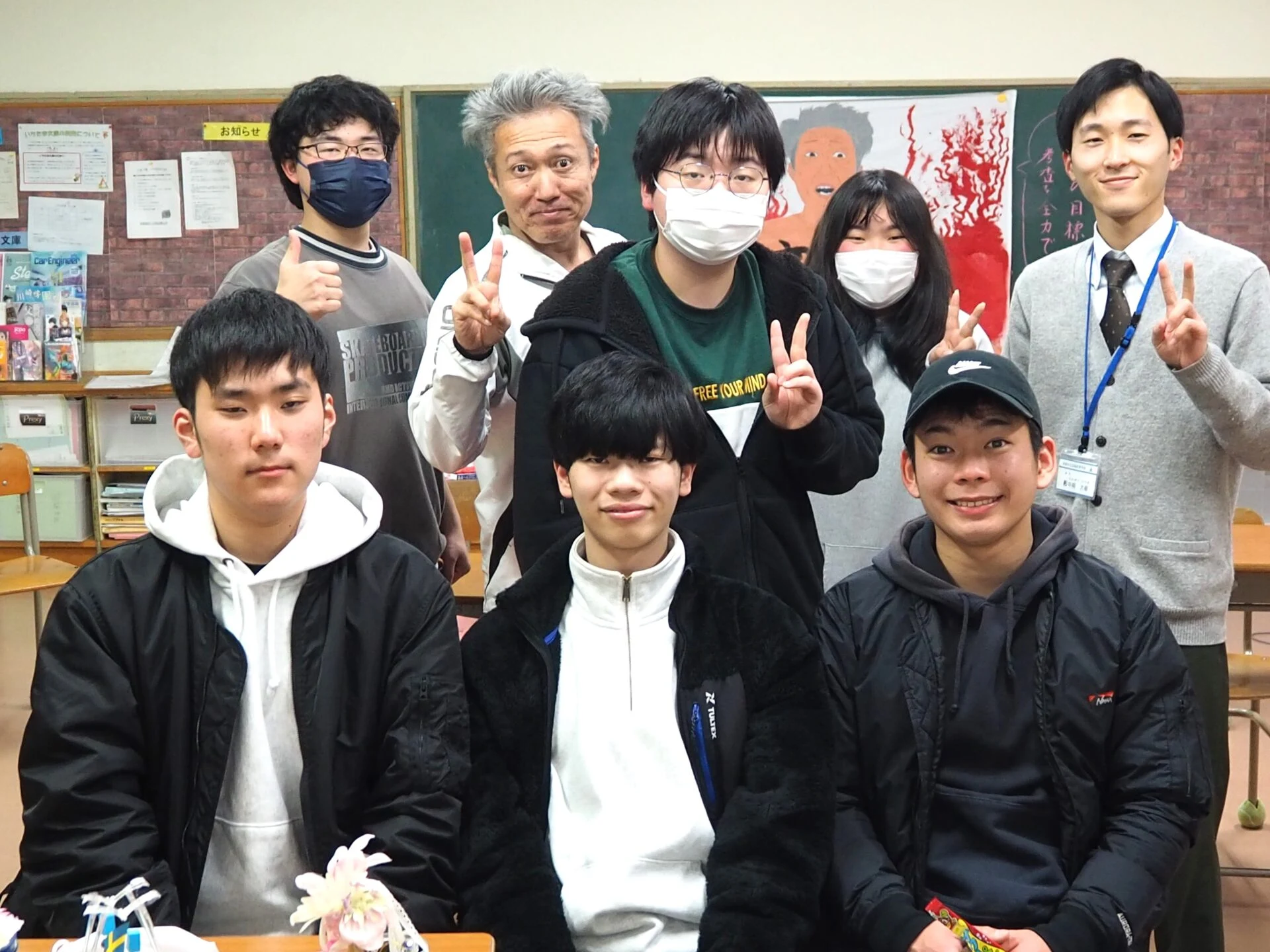
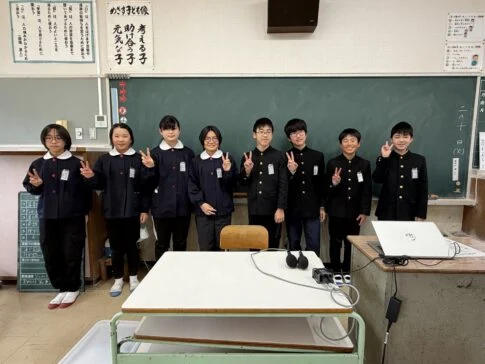
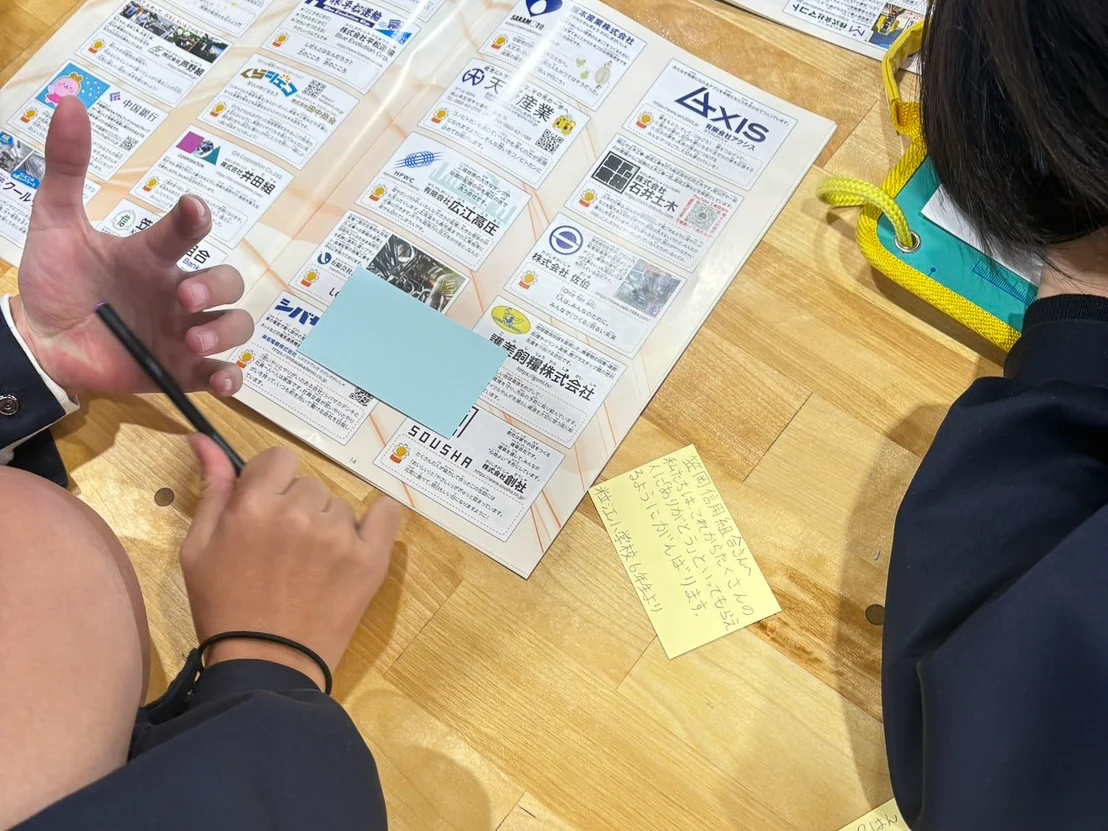
Even children who found it difficult to present during class could write in their own words when it came to letters. They read messages from supporting companies and wrote "thank you" and their dreams.
I felt that there are children who can convey their thoughts through writing, even if they are not good at speaking.
Nishimori
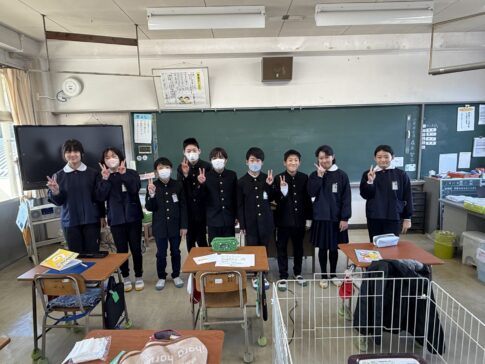
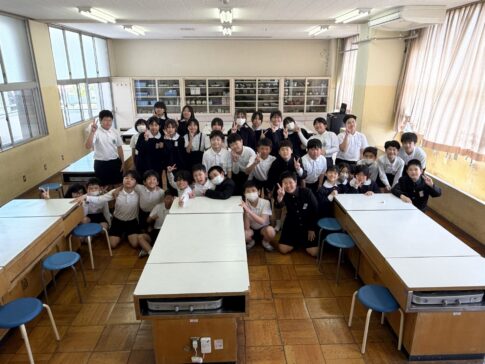
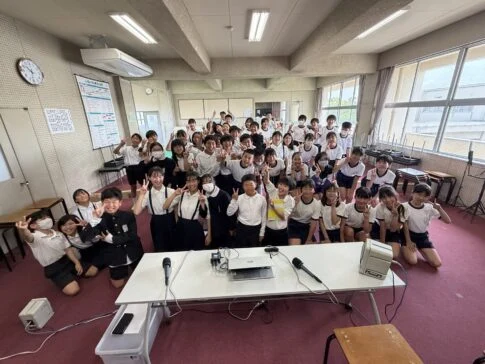
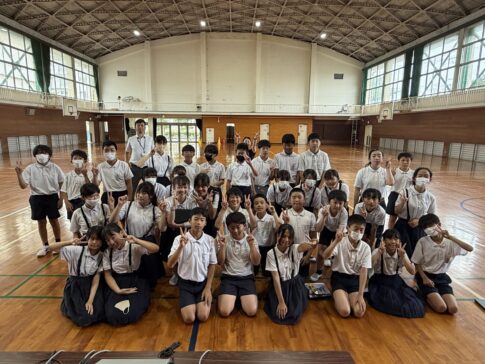
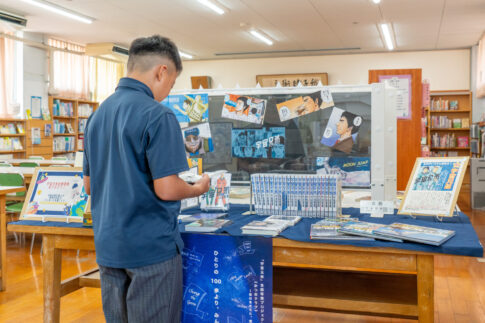
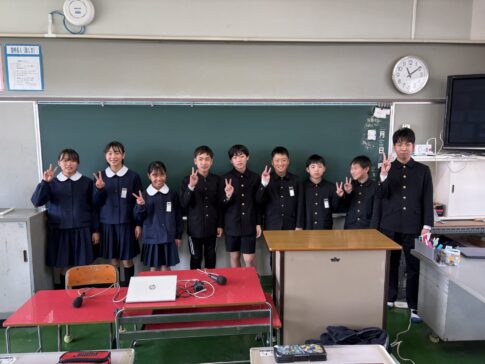
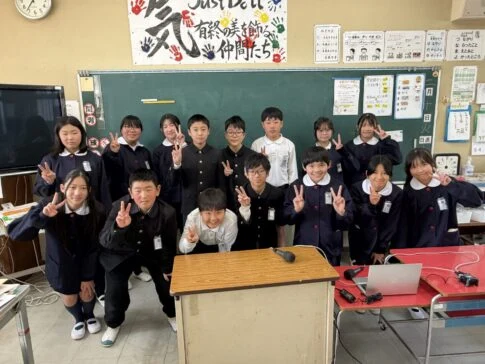
Seeing the children high-fiving while playing the sugoroku made me think, I'm glad we did this. In my usual design work, I rarely have the opportunity to see children using what I created, so it was very rewarding.
I want to deliver learning without correct answers
Finally, please tell us what you want to convey to the children.
Miyoshi
This teaching material is not something that teaches right or wrong.
I hope they can listen to their own heart's voice and think about how they feel right now. Within that, I would be happy if they realize that "I might be able to do something too" and take action.
Nishimori
I want them to value the feeling of something being interesting or curious.
The feelings of excitement or restlessness are actually very important, so I hope they remember those feelings.
Conclusion
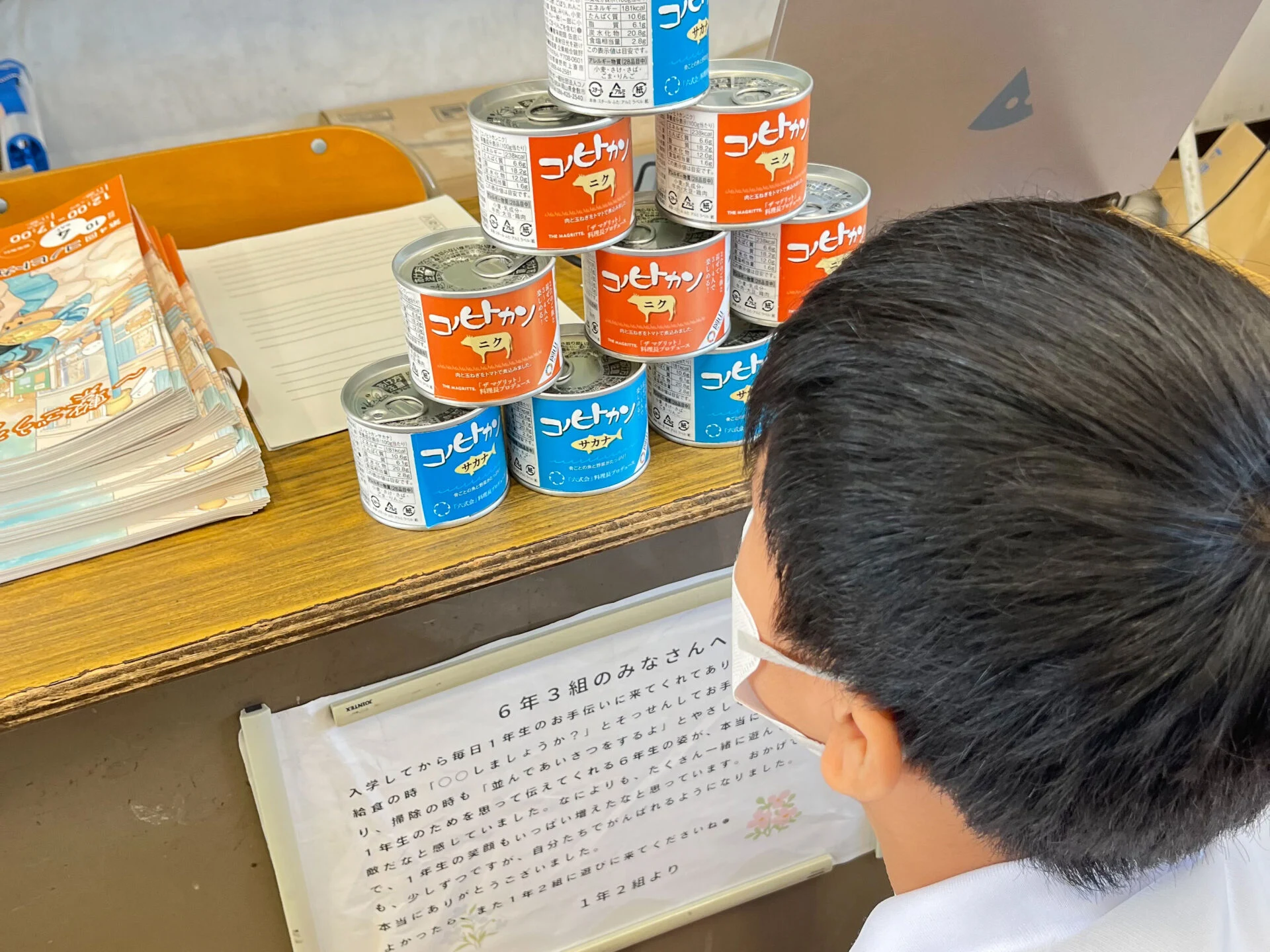
The desire to "create teaching materials" that had been nurtured since before the establishment of Konohitokan has finally taken shape through the hands of many people. The activities that began with delivering canned food are now leading to creating opportunities for children to think about social issues as their own through teaching materials.
In 2026, this initiative is expected to further develop as drill teaching materials. I look forward to seeing how it will unfold from here.
Data of Konohitokan, General Incorporated Association
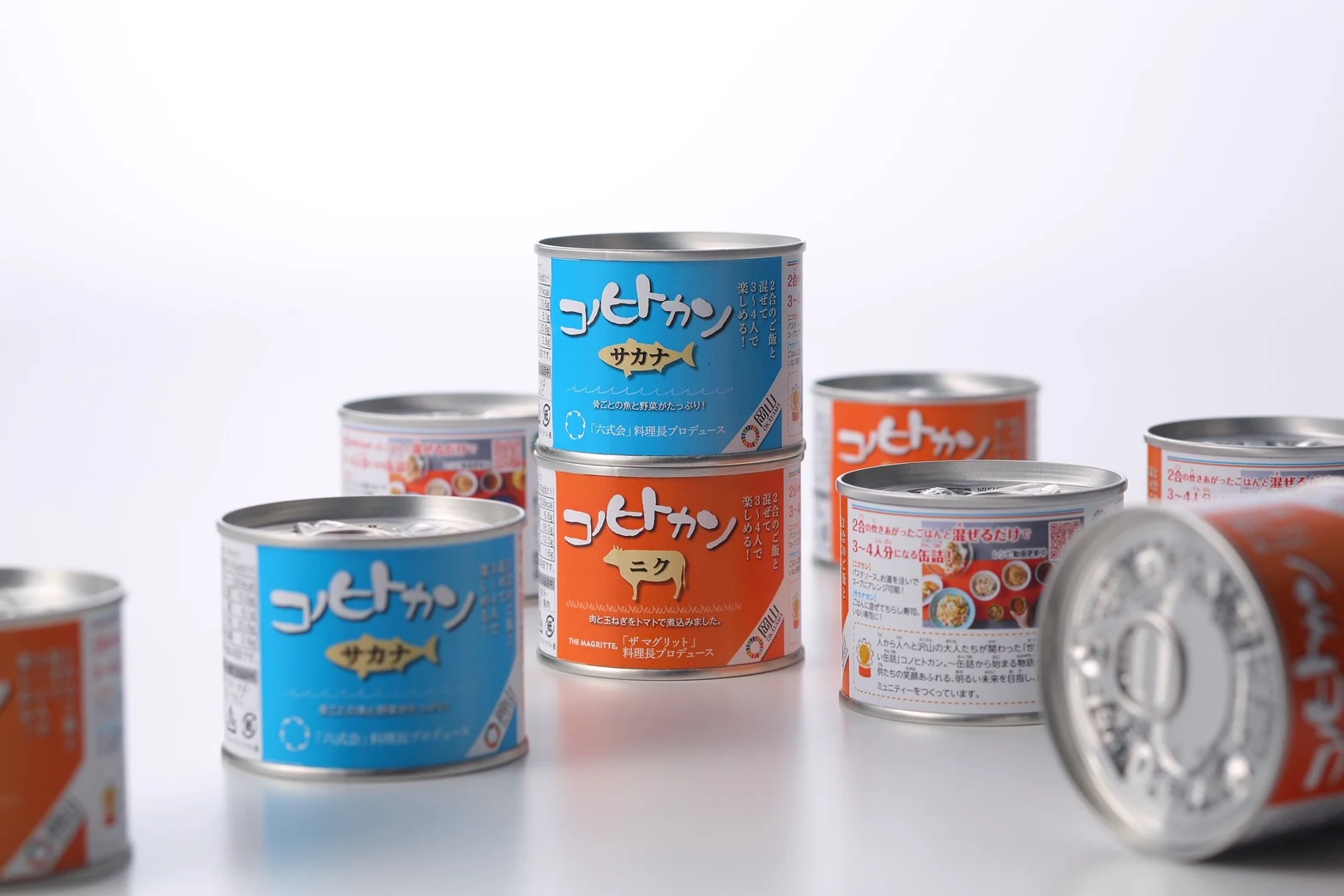
| Organization Name | Konohitokan, General Incorporated Association |
|---|---|
| Representative Name | Chihiro Miyoshi |
| Year Established | June 10, 2022 |
| Address | 1240-3 Sasao, Kurashiki City, Okayama Prefecture |
| Website | Konohitokan, General Incorporated Association |