According to a survey by the Ministry of Education, Culture, Sports, Science and Technology, about 3.2% of students enrolled in elementary and junior high schools are said to be chronically absent. In other words, that works out to one chronically absent student in every class.
There are children in Kurashiki City who cannot go to school or want to go but are unable to. One of the places where they can feel at home, operating under commission from Kurashiki City to provide a place for these children, is the “Place for Students Who Are Chronically Absent or at Risk of Becoming So,” held every Friday afternoon at Tsurajima Community Center.
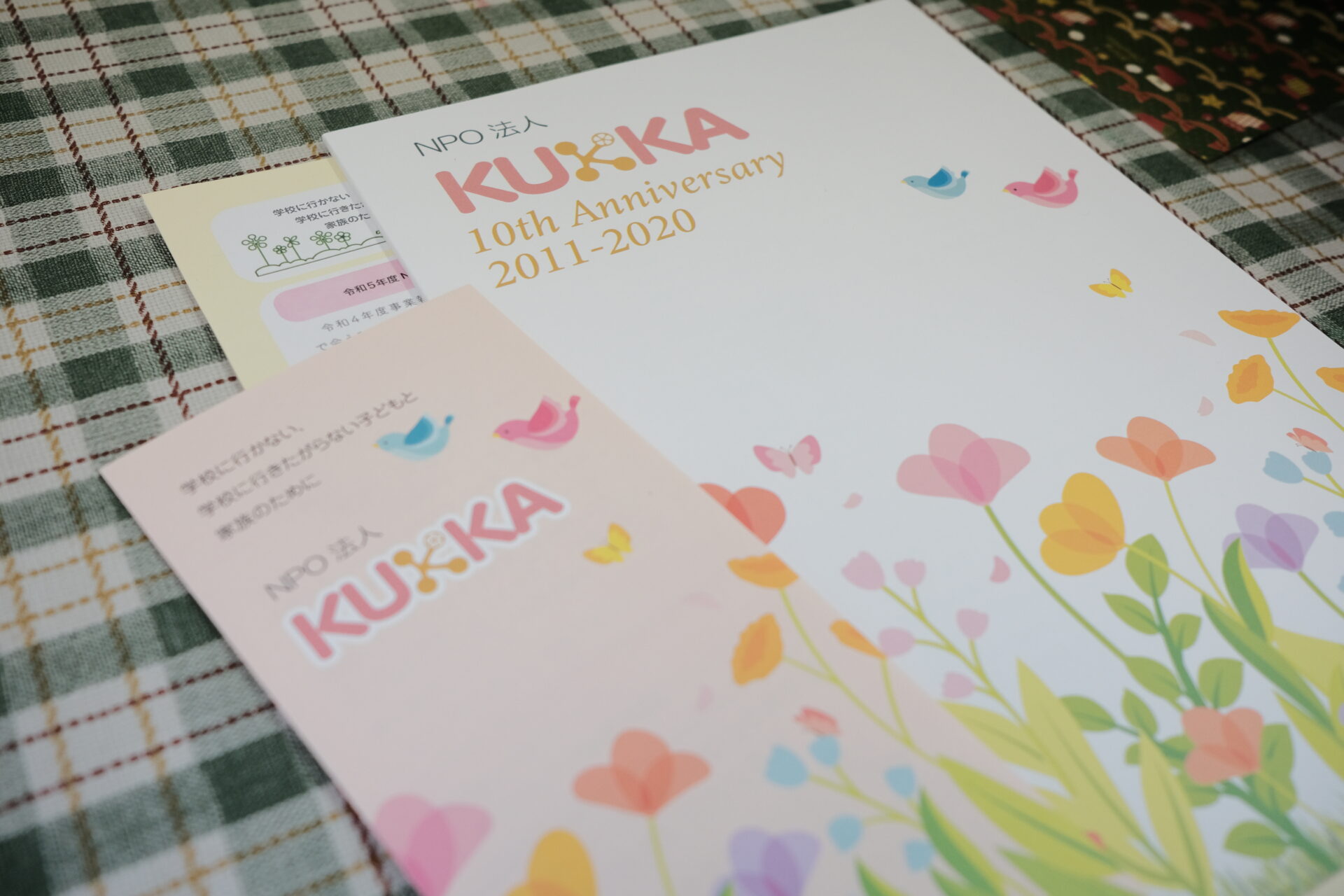
The “Place for Students Who Are Chronically Absent or at Risk of Becoming So” is a Kurashiki City program, held under contract with NPO KUKKA.
This article reports on the activities on one particular day.
The information presented was accurate when this article was published in January 2024. Please note that it may differ from current information.
A place for students who are chronically absent or at risk of becoming so
The “Place for Students Who Are Chronically Absent or at Risk of Becoming So” (hereafter, “the place”) is open every Friday from 2 p.m. to 6 p.m. on the third floor of Tsurajima Community Center in Kurashiki City.
It is a place where children who are chronically absent or at risk of becoming so can gather and spend time freely.
For children who usually have little contact with anyone outside their family, the place offers time to connect with others.
A parent gathering is also held on the second Friday of each month on the second floor of Tsurajima Community Center.
How they spend their time
One Friday in December.
When I arrived at the venue, I was welcomed by a staff member with a lovely smile.
As this was my first visit, I first read the organization’s information materials and registered as a volunteer. After that, I was shown around the venue.
While the place is open, the entire third-floor area of Tsurajima Community Center is reserved for its use. This means children who want to be active can use the hall, while those who want a quieter time can use the Japanese-style room, allowing each child to choose a place where they feel comfortable.
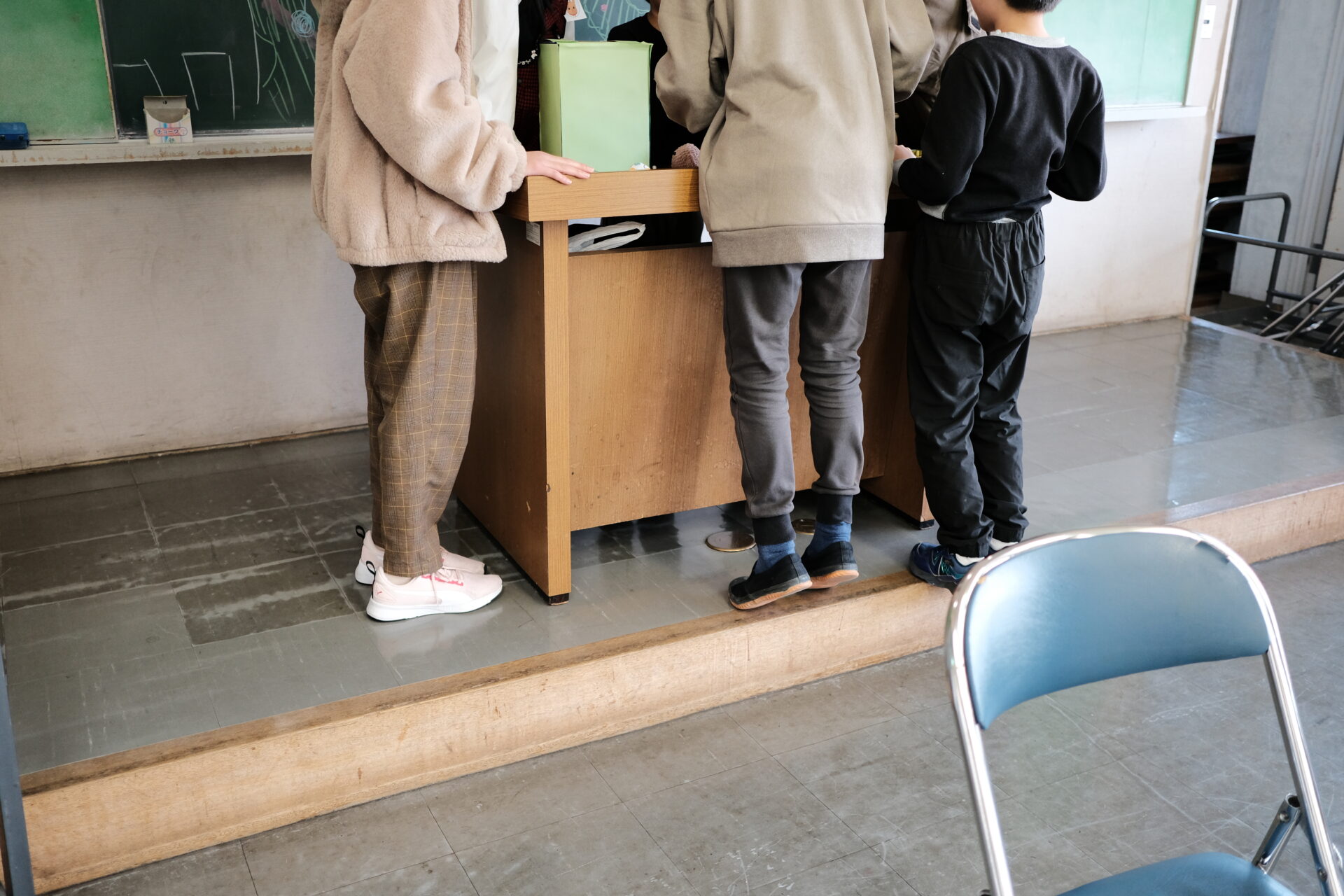
While I was listening to the staff member’s explanation, more and more children arrived.
Most of them greeted me cheerfully, though they looked at me curiously since we had just met.
Even though I was nervous, I found myself smiling naturally.
A place that “simply stays by your side”
Some children who are chronically absent from school and their parents have been hurt by thoughtless words in their everyday lives.
Volunteers and staff are asked not to try to obtain personal information or offer advice, but simply to “stay by their side.”
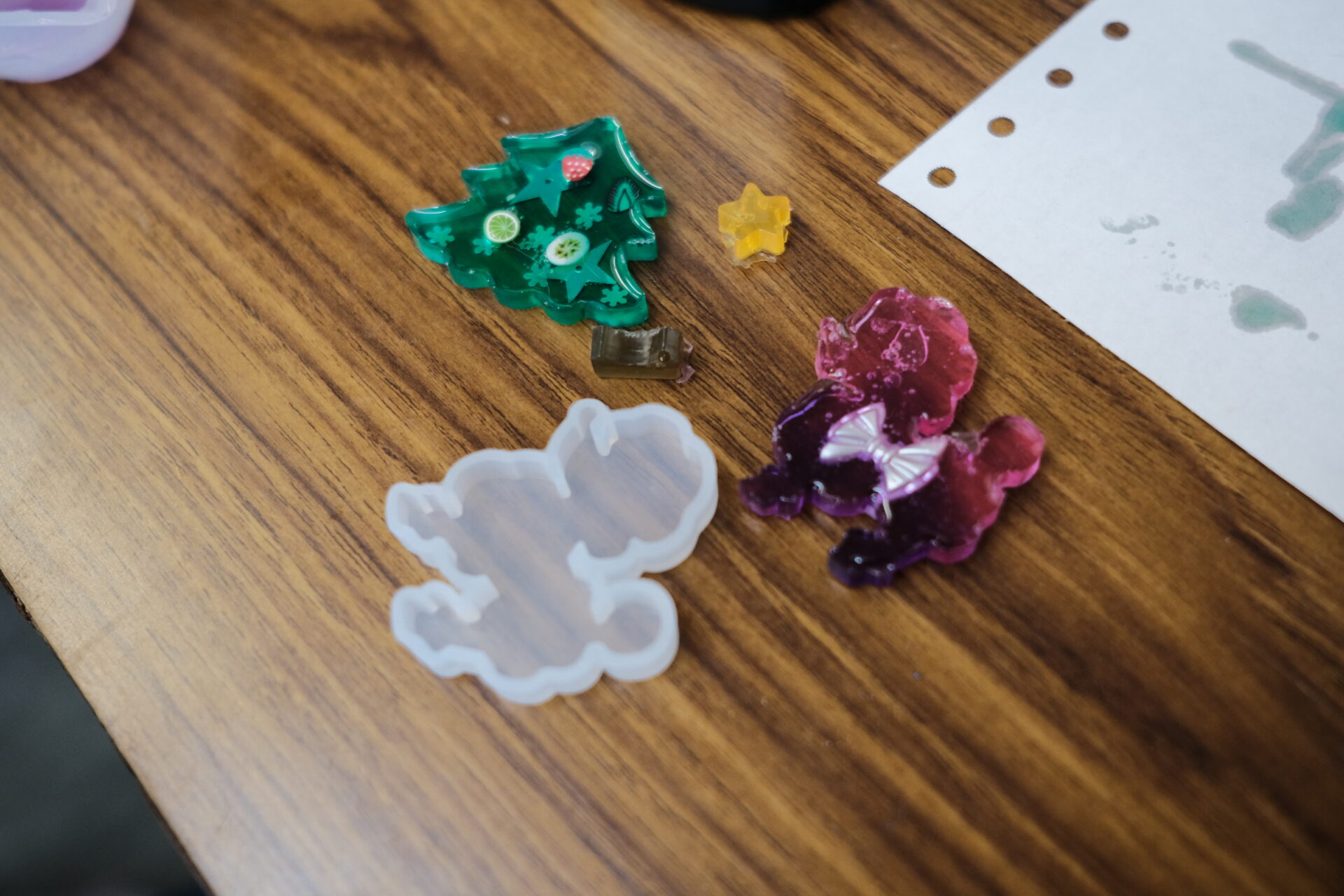
I toured the venue with a parent and child who were visiting the place for the first time that day.
At first, the child could not leave their mother’s side, but gradually found an activity they wanted to do and became absorbed in it.
Perhaps they felt reassured that “here, I can do what I want at my own pace.”
As they left, the child carefully held the item they had made. Their expression was just a little brighter than when they had arrived—but unmistakably so—and everyone seeing them off smiled with relief.
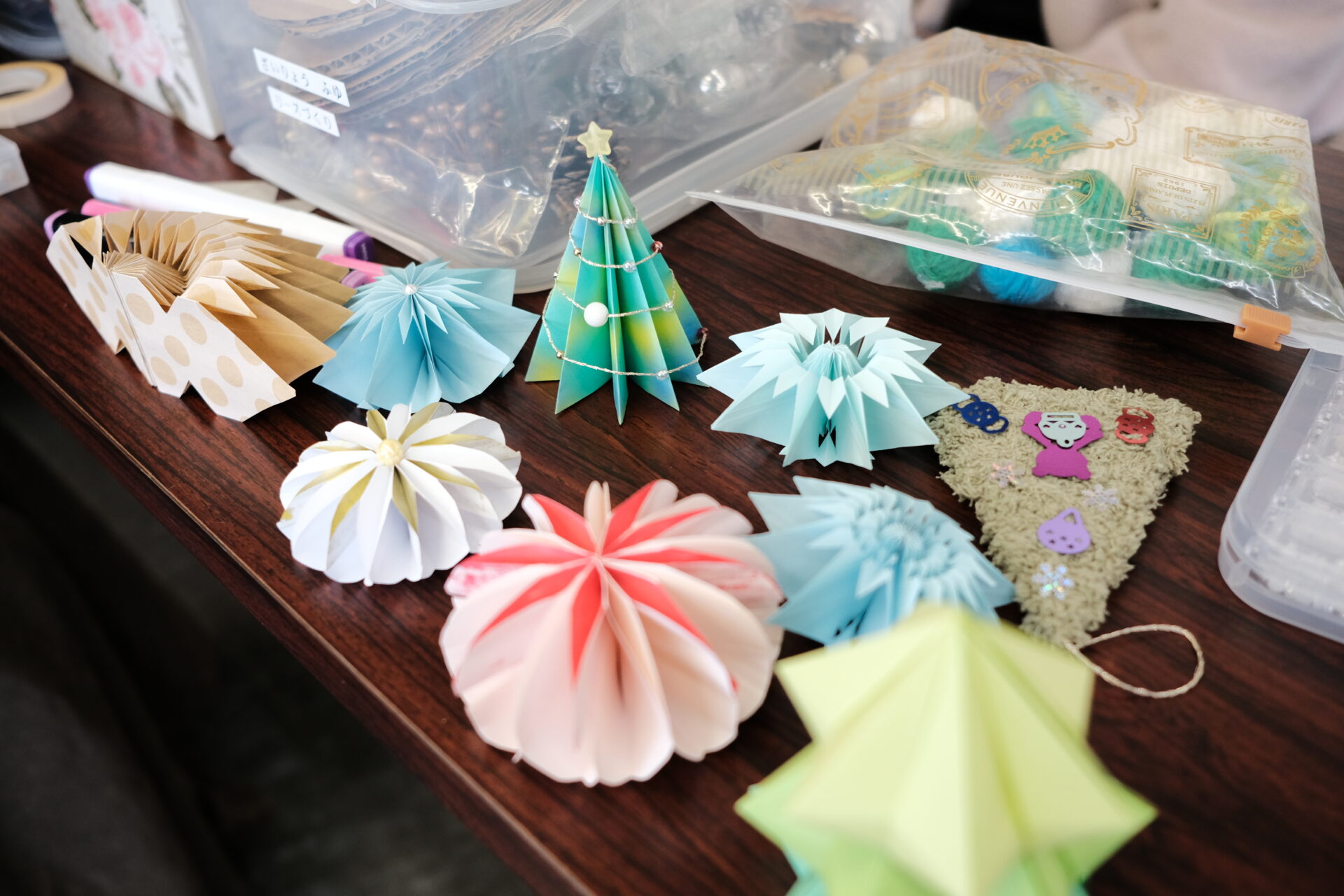
A sense of togetherness while everyone does what they enjoy
With Christmas approaching, a Christmas party was held in the hall from 4 p.m. that day.
Of course, joining the Christmas party was optional.
Around 3:30 p.m., the children began to get excited, saying, “The Christmas party is coming up soon.”
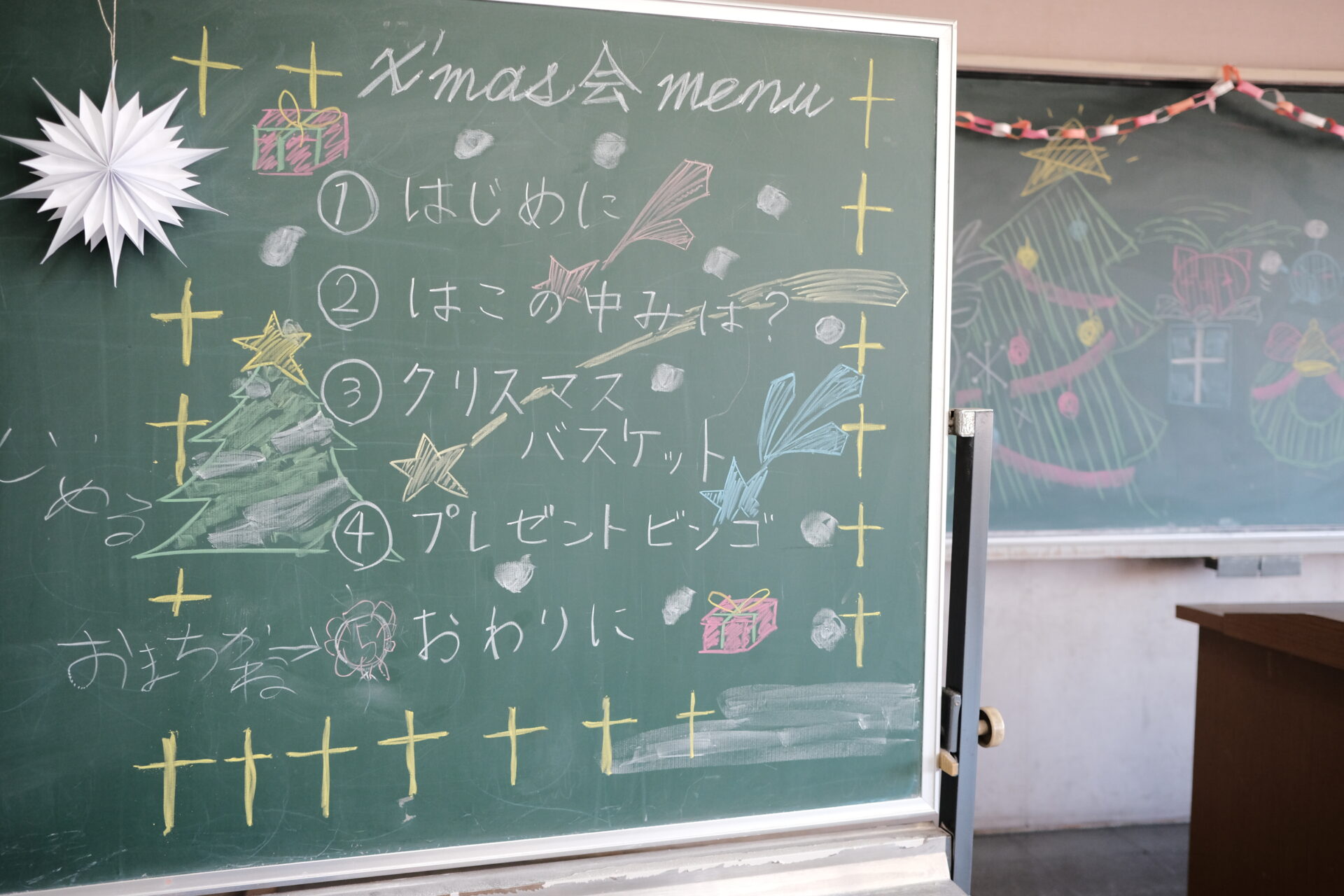
Seeing how the children were, a staff member began asking them individually, “Could you help us out?”
What stood out to me was that one girl who was asked to help clearly said no, saying, “I don’t think I can right now.” The staff member who had asked her smiled and replied, “I see. Well, I’ll ask you again when it starts later,” naturally accepting her choice.
Because she has a place where she can decide for herself what she wants to do and have that choice accepted, she can feel comfortable saying no. I thought the relationship between the staff member and the girl was wonderful.
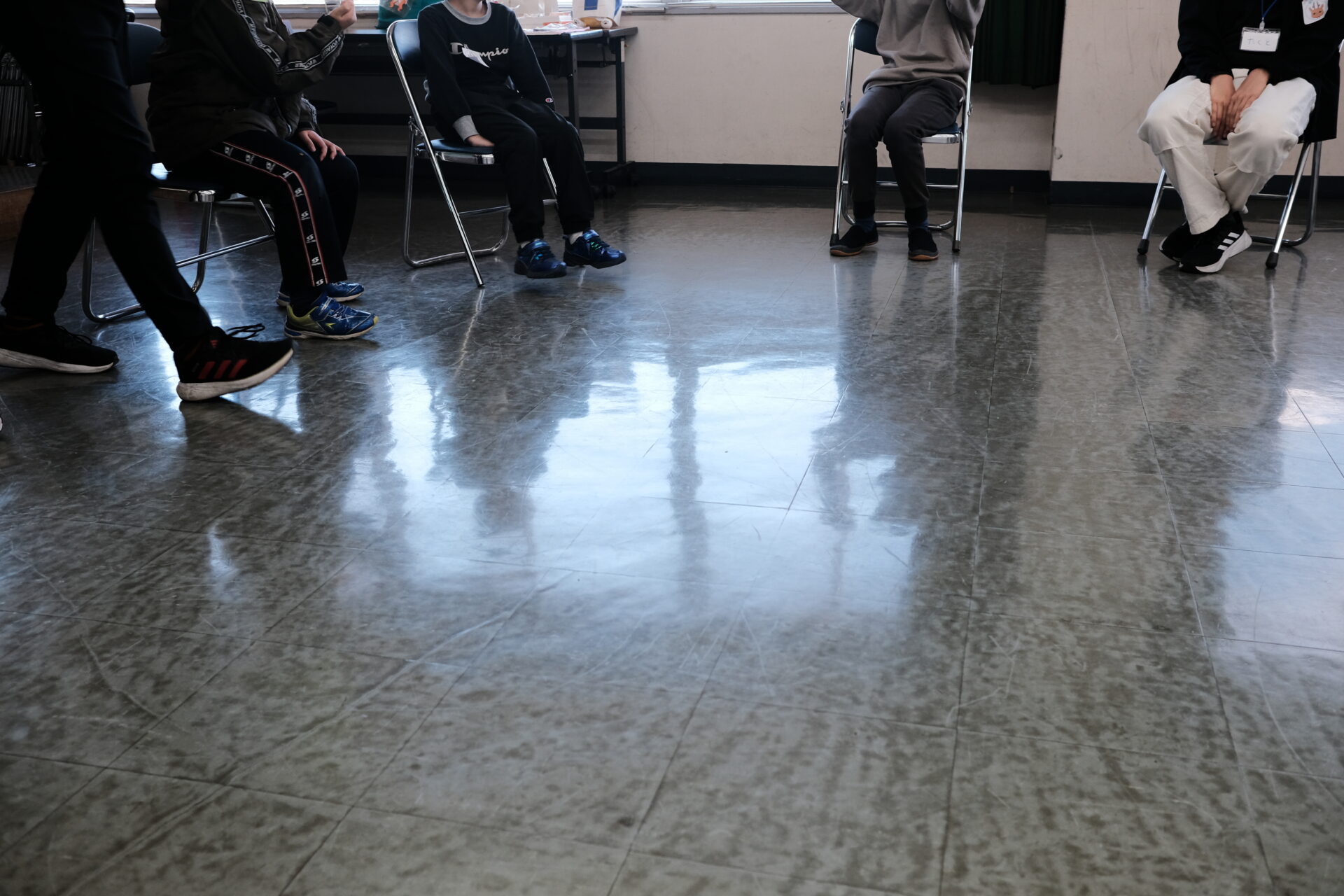
Even after the Christmas party began, the children each spent their time in their own way.
Some wanted to enjoy games together, others wanted to relax in the quiet Japanese-style room, and some were curious about the Christmas party but preferred to watch without joining in…
The staff spoke to each child individually to help them participate in a way that felt comfortable. Although everyone was doing what they enjoyed, there was a sense of togetherness in the air.
From the Writer
The day I visited the “Place for Students Who Are Chronically Absent or at Risk of Becoming So” was bitterly cold, with snow falling from the morning, but the third floor of Tsurajima Community Center was a warm space where the children could enjoy their activities freely.
I hope this place will continue to be there as an important place for children who do not go to school or want to go but cannot.
place for students who are chronically absent or at risk of becoming so Information

| Name | Place for Students Who Are Chronically Absent or at Risk of Becoming So |
|---|---|
| Days held | Every Friday, 2 p.m.–6 p.m. *Closed on days when the community center is closed, and if a Kurashiki City warning (strong winds, heavy rain, or flooding) is in effect at noon. |
| Location | 3rd floor, 497-1 Nishinoura, Tsurajima-cho, Kurashiki City, Okayama Prefecture |
| Admission (tax included) | Free |
| Website | Place for Students Who Are Chronically Absent or at Risk of Becoming So (NPO KUKKA) |



What would you like to know about Kurashiki?
Enter a word to search articles on this site