Kawasemi-tei, a rental inn that opened in May 2020, offers a stay without meals.
Located very close to the Bikan Historical Area, you can rent the entire two-story house renovated from a traditional Japanese house at a reasonable price.
The owner cheerfully expresses, "I love renovations," and you can feel their dedication in the appearance of the place.
The owner couple themselves applied plaster to the walls, creating a comfortable space.
The soft texture of the plaster walls and the warmth of the wood were impressive, making me feel relaxed.
Let me introduce the features of Kawasemi-tei, where you can stay as if you are living there.
A rental inn close to the Bikan Historical Area
Kawasemi-tei is a rental inn without meals.
It was renovated from a traditional Japanese house and opened in May 2020.
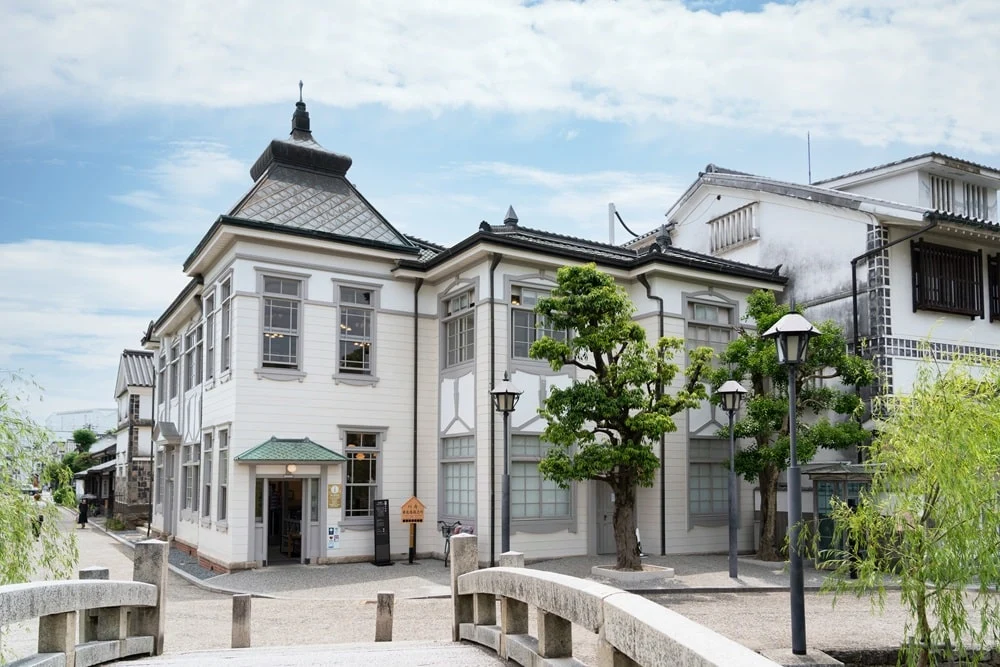
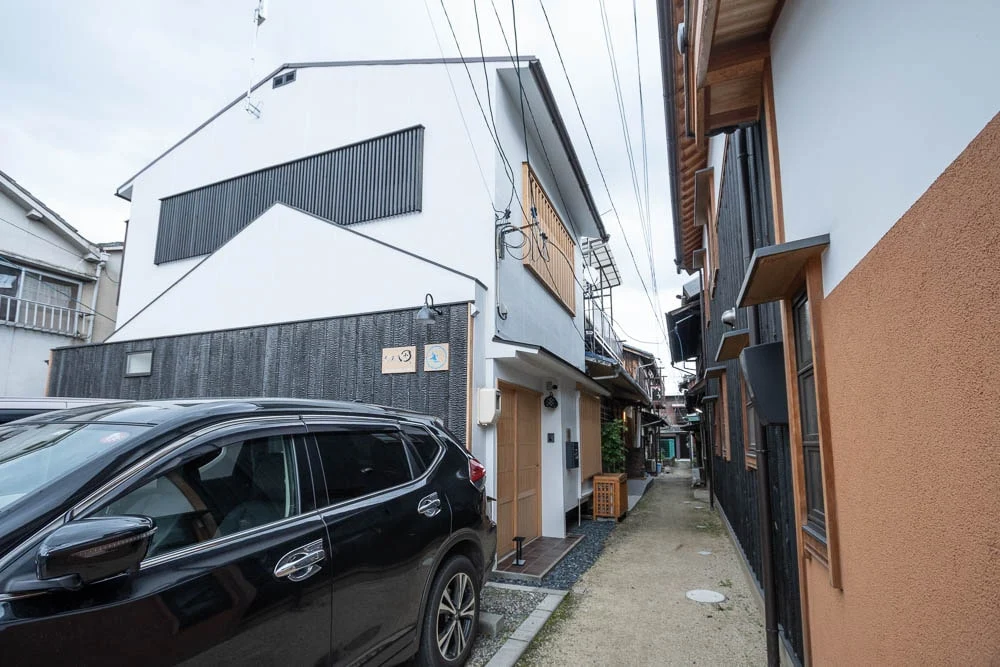
The location is about a 15-minute walk from JR Kurashiki Station and about a 5-minute walk from the Bikan Historical Area.
Despite being conveniently located for sightseeing, it is set slightly back from the main road, allowing for a relatively quiet stay.
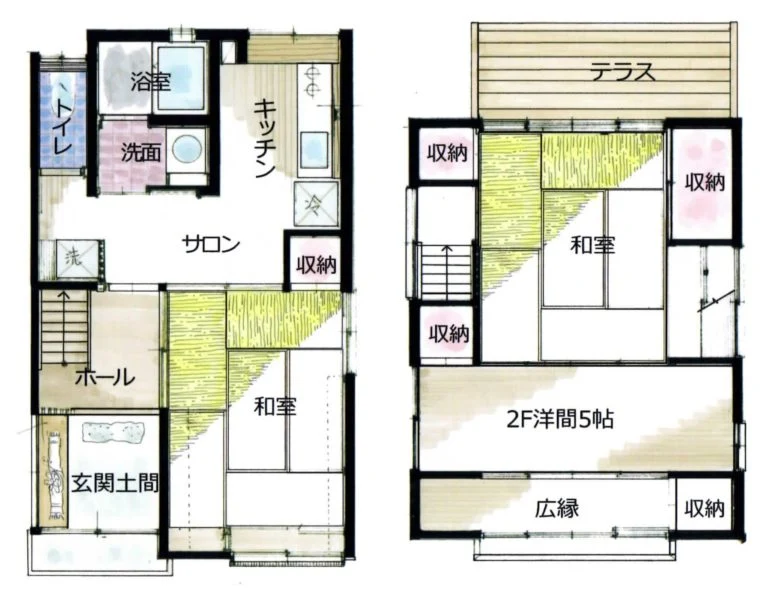
It is a two-story building with two Japanese-style rooms, one Western-style room, and a kitchen, making it attractive to have a spacious area all to yourself.
In addition to being a rental property, it has tatami rooms, so it should be comfortable for families with children.
Introducing the interior: a comfortable space that intentionally retains old elements
Kawasemi-tei, renovated from a traditional Japanese house.
I felt that "the balance of old and new makes it a comfortable and calming home."
The water areas have all been renovated with new materials, while old pillars and wooden doors, which have character, have been intentionally retained.
As someone who spent their childhood in Showa-era architecture, I felt nostalgic.
Let me introduce the interior of the house.
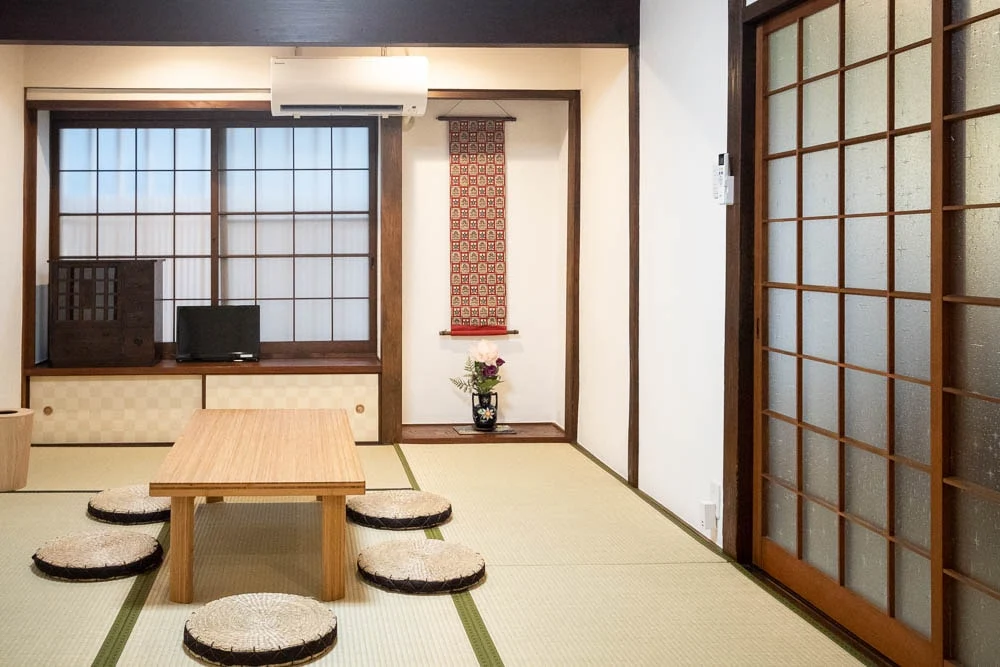
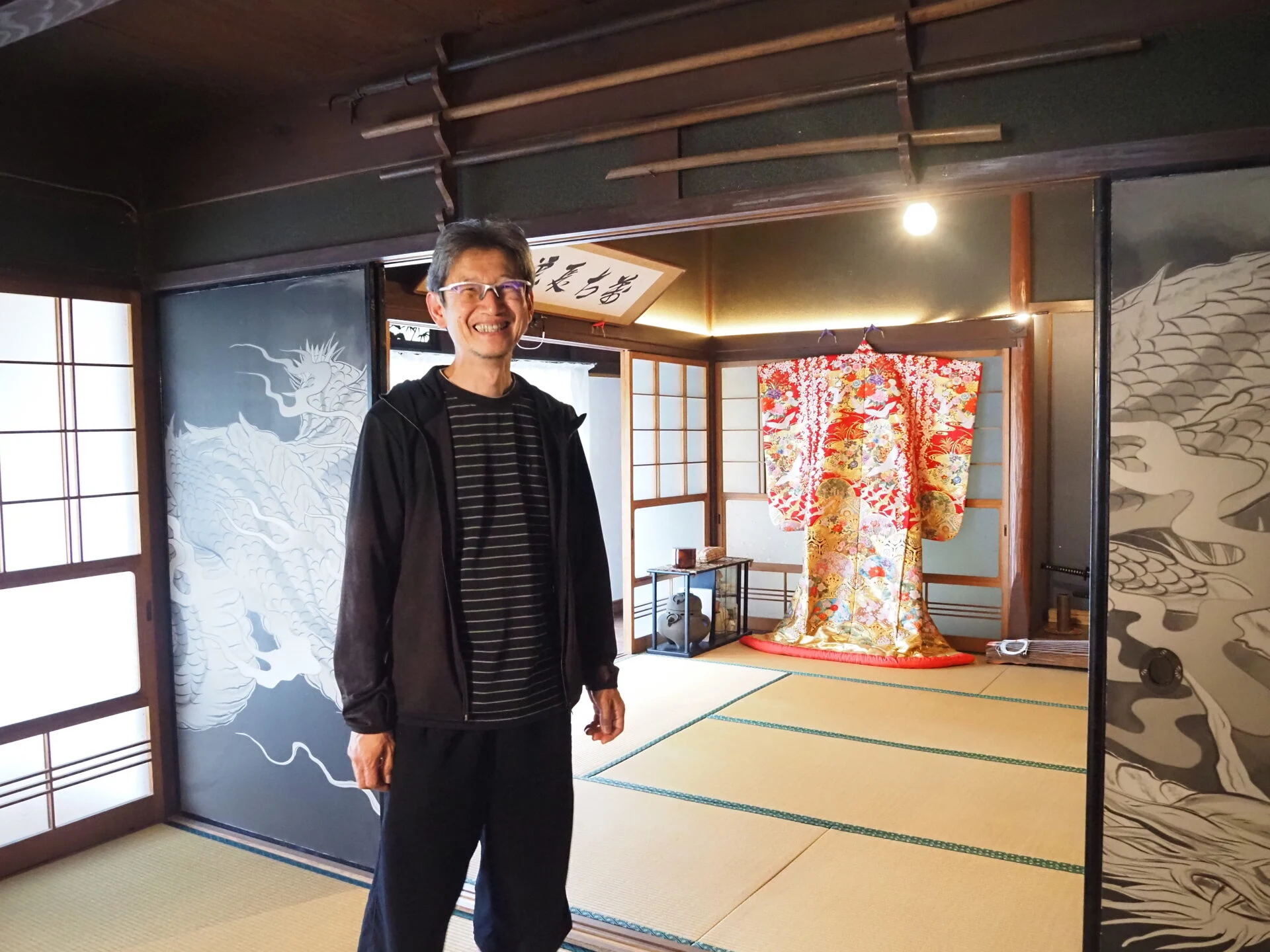
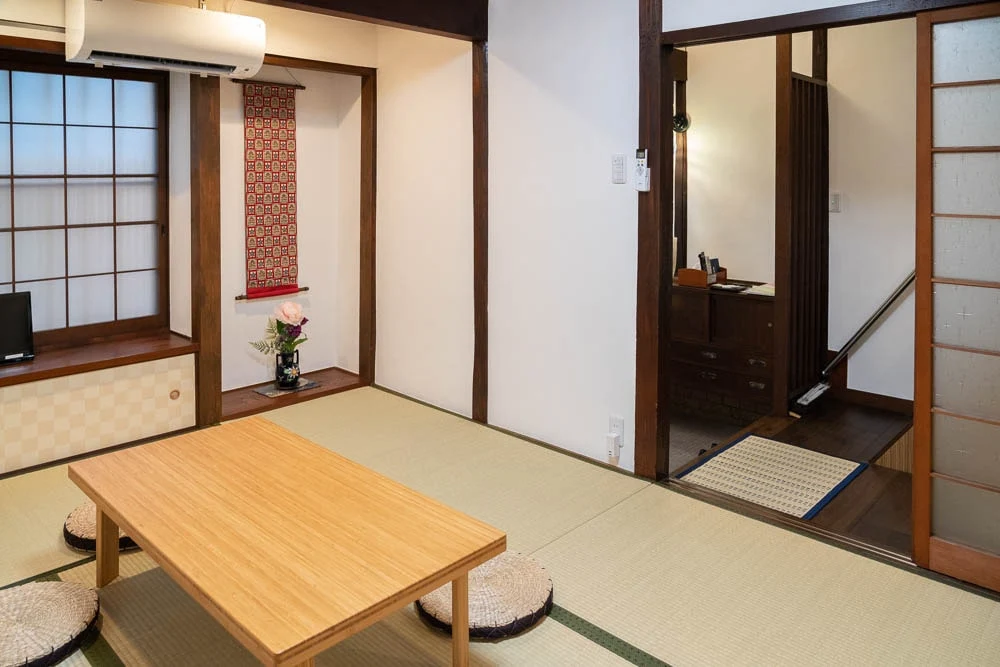
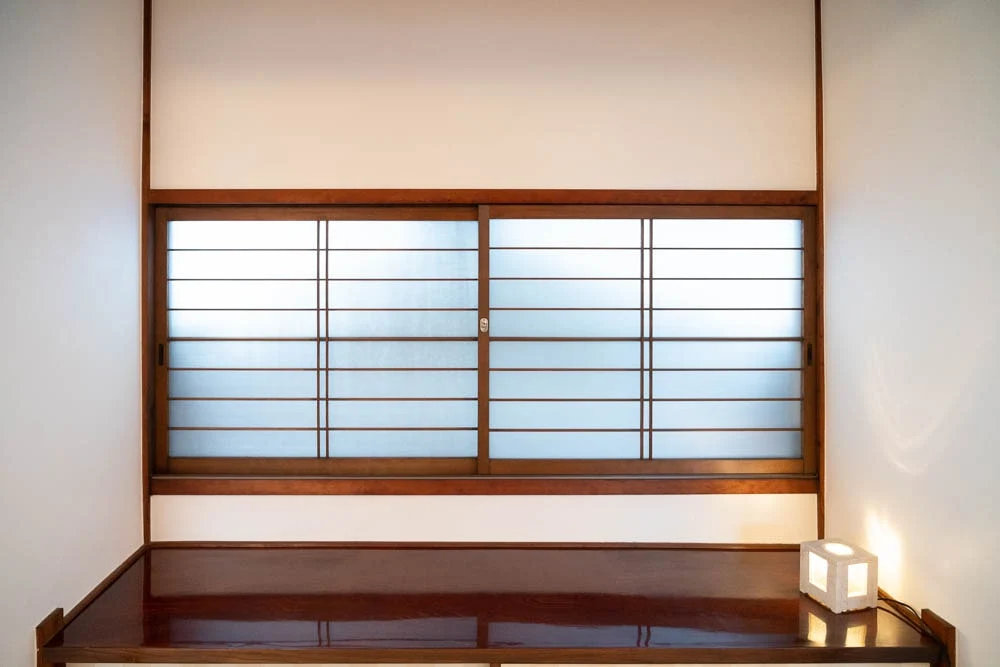
The living room is a Japanese-style room with a tokonoma (alcove) and tsukeshoin (attached writing desk), featuring solid wooden pillars.
Handmade scrolls using obi (sashes) and vases purchased from antique shops are used as interior decor, incorporating old tools.
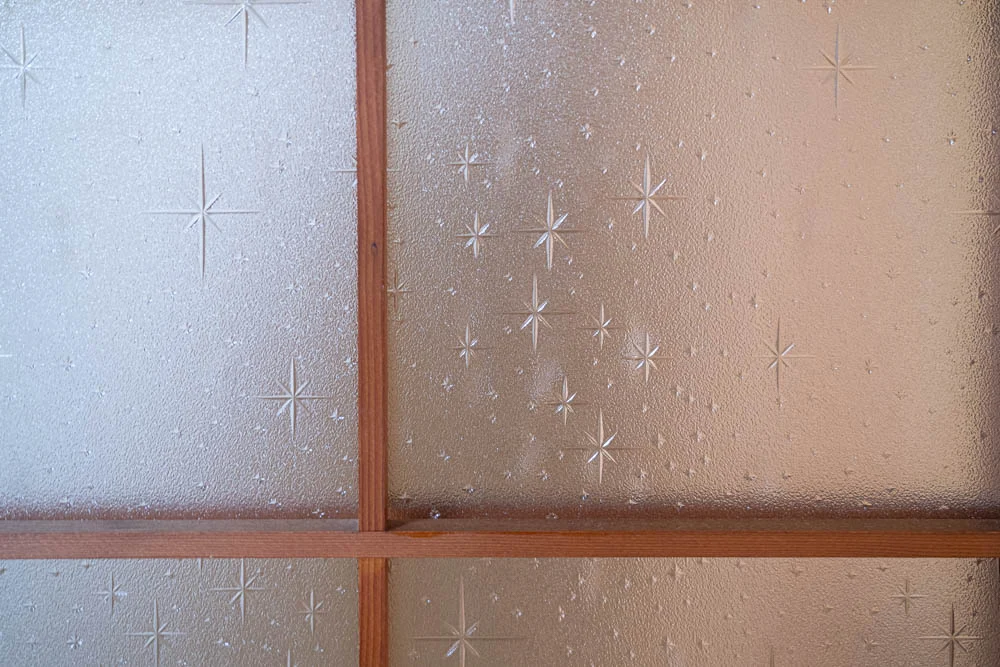
The now-rare patterned glass made during the Showa era adds a retro atmosphere.
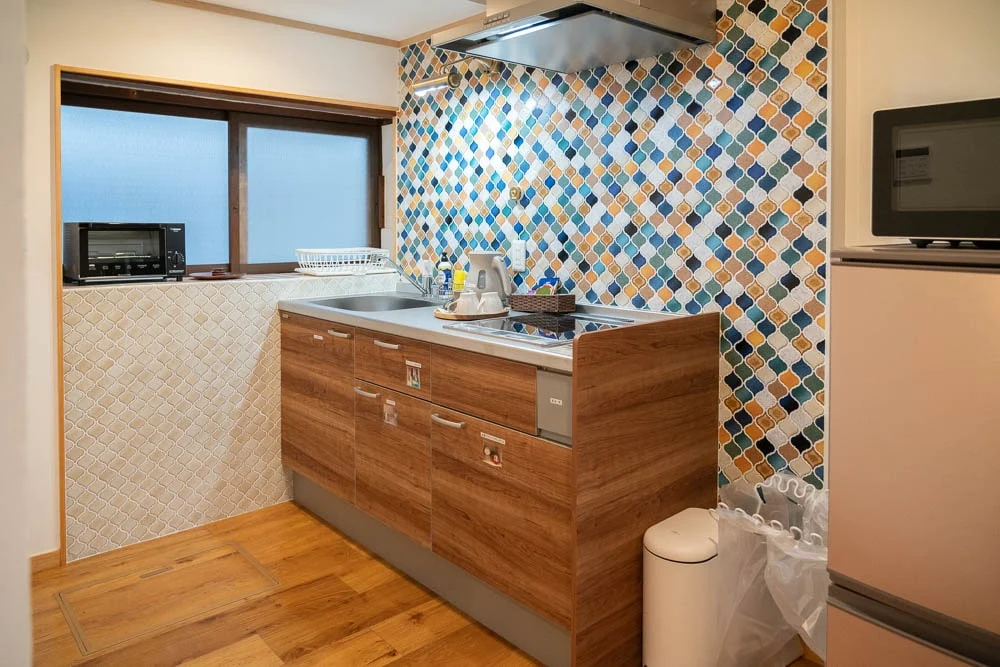
The kitchen, which is freely available for use, features stylish tiles.
The tiles are called "Corabel" from Nagoya Mosaic Industry Co., and they are the owner's favorite.
They have a retro feel and also evoke a sense of exoticism.
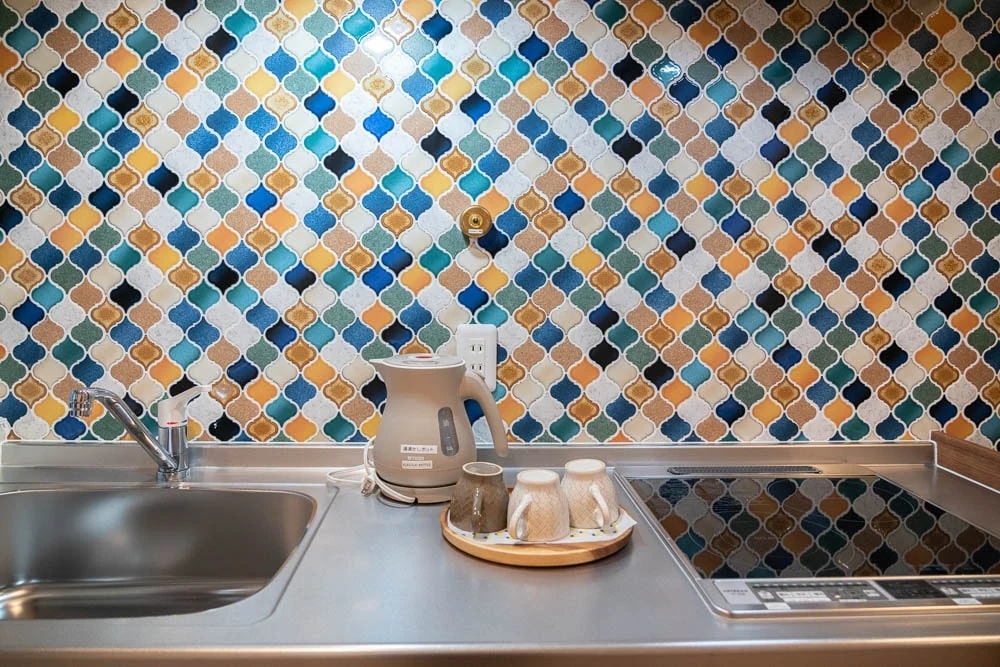
The kitchen has a two-burner IH stove.
A microwave, toaster, kettle, refrigerator, frying pan, tableware for six, salt, and salad oil are also provided.
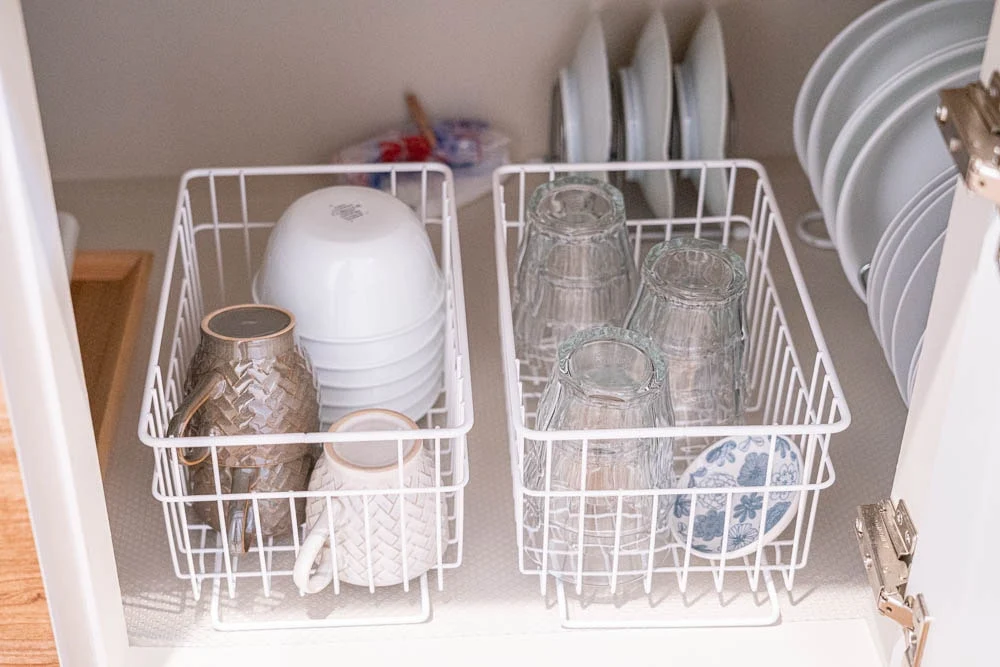
With the facilities for self-catering, long-term stays are also possible.
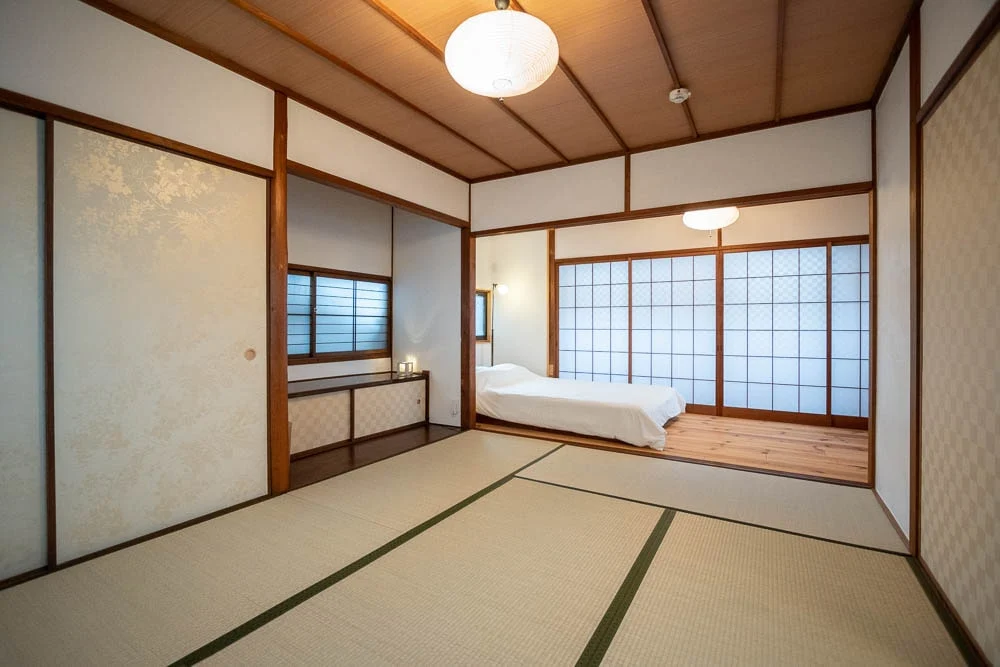
The second floor has a 6-tatami mat Japanese-style room and a 5-tatami mat Western-style room, which makes it feel spacious.
In the photos, the fusuma (sliding doors) between the Japanese and Western rooms are removed, but they can be separated with the fusuma.
Bedding consists of one double bed and four futons.
For example, when staying with six people, you can use the living room on the first floor to sleep two people in separate rooms, or you can lay out the futons closely and have all six sleep in the second-floor space.
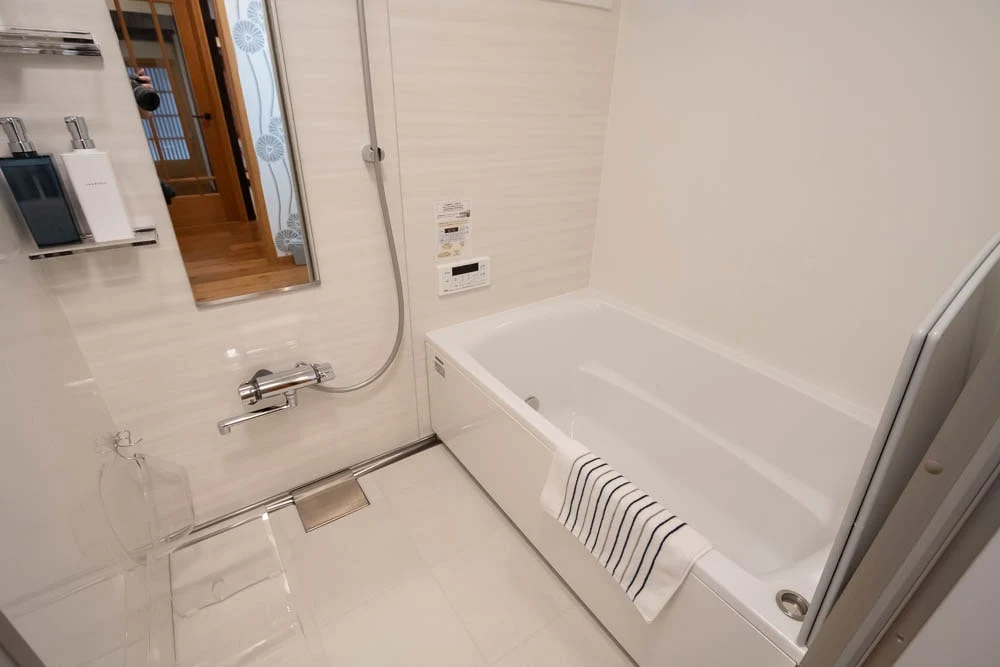
The bathroom, washbasin, and toilet are as convenient as new, making it very comfortable.
You can also freely use the washing machine.
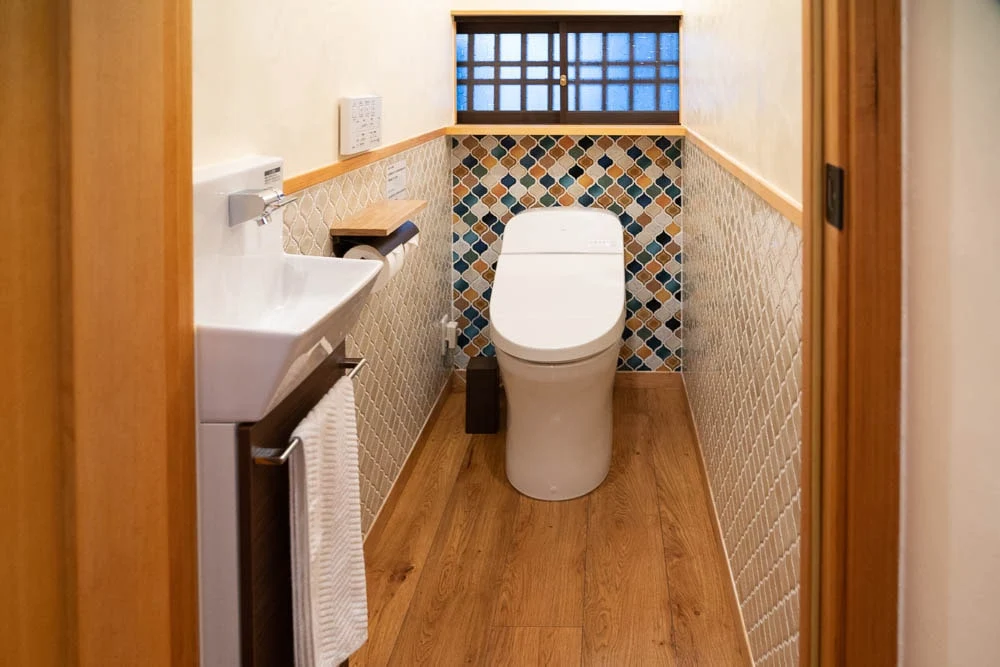
The toilet also features Corabel tiles.
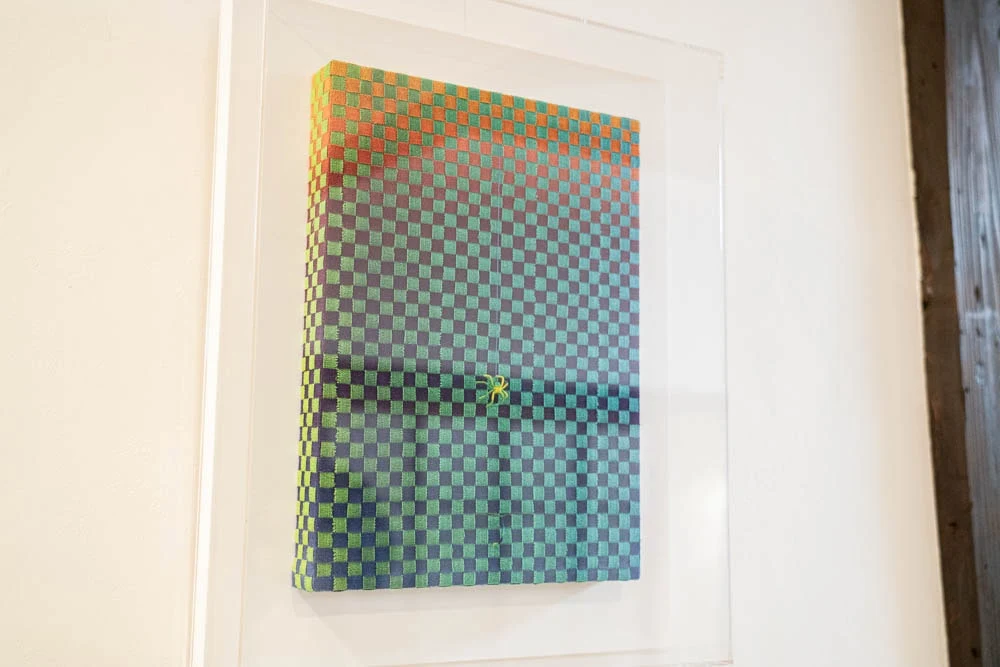
There were also works by contemporary textile artist Matsushima Chisa on display.
The works, featuring motifs such as the checkerboard pattern symbolizing prosperity, the spider said to capture good fortune, and the double leaves symbolizing the bonds of couples and families, are surely created with wishes embedded in them.
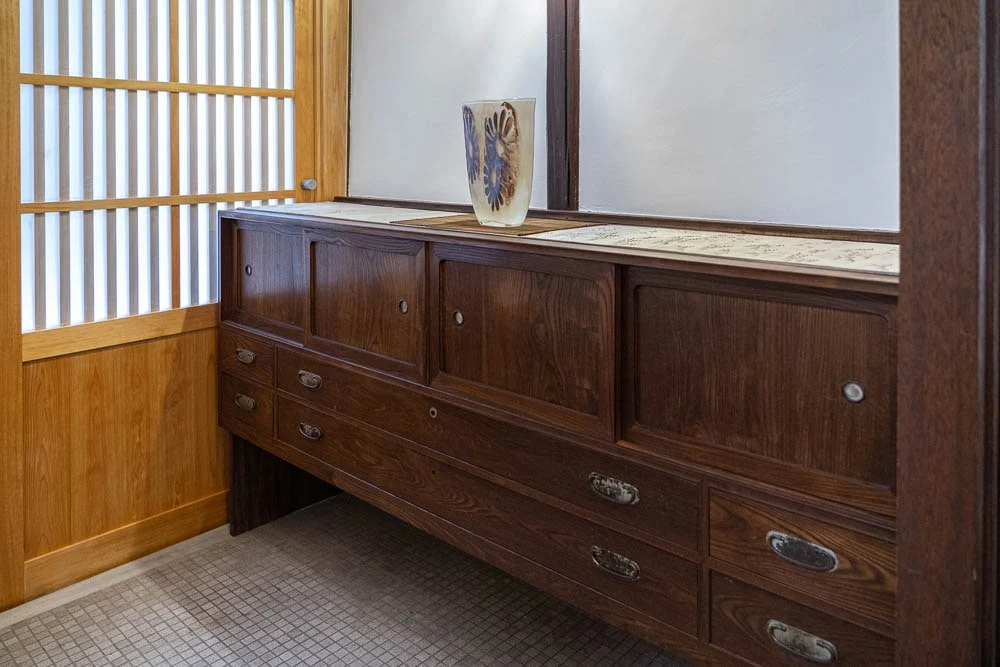
Since the house allows you to feel the culture of Japan in various places, I thought, "This would surely please tourists from overseas."
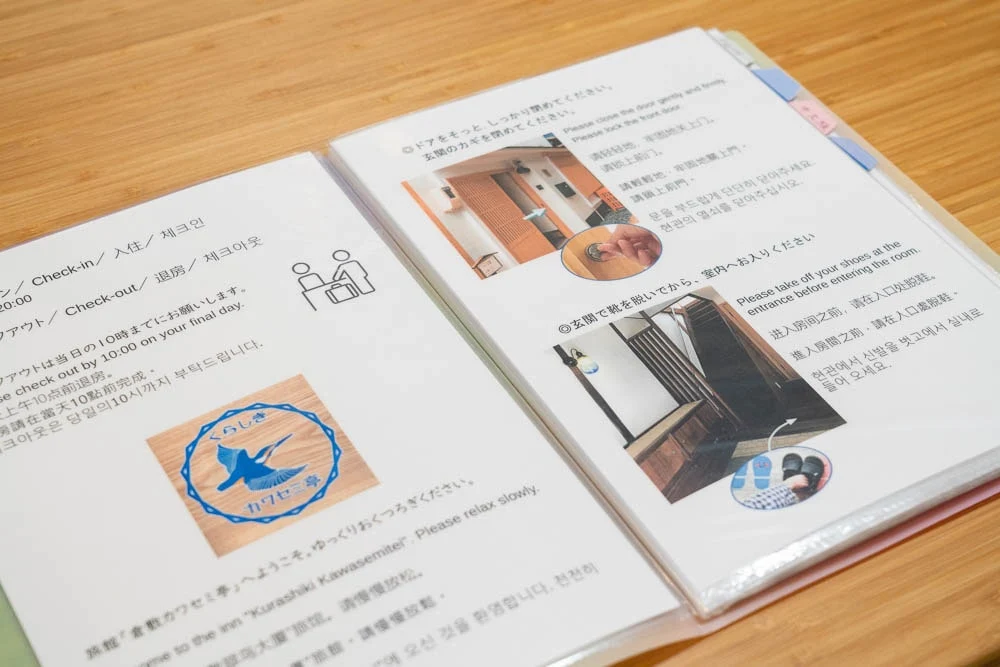
The accommodation guide is available in Japanese, English, Chinese, and Korean.
Commitment to natural materials
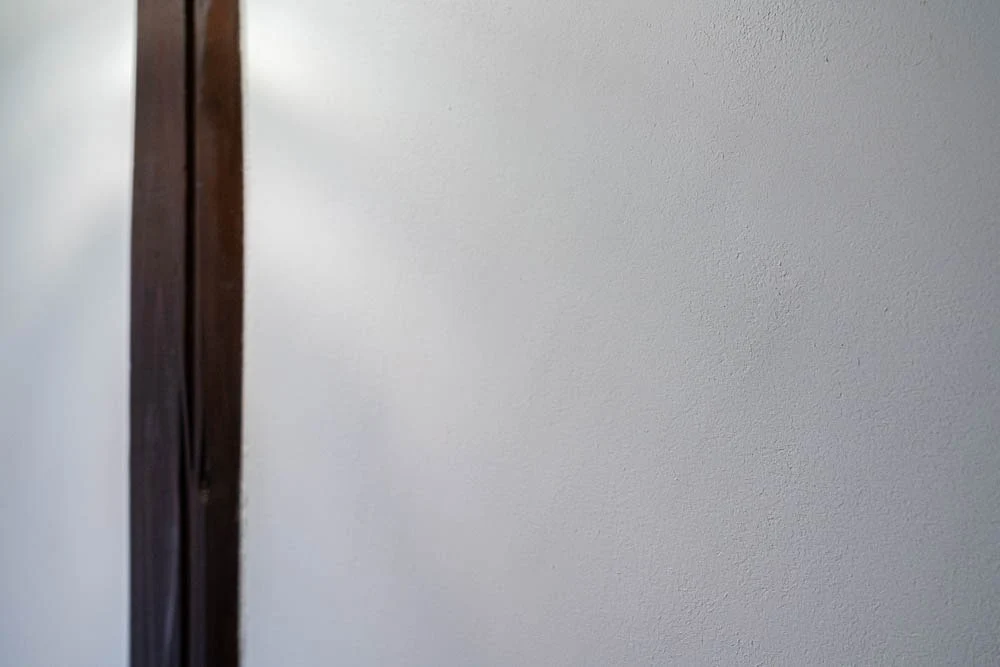
The building of Kawasemi-tei uses many natural materials.
Most of the walls are finished with plaster.
Compared to vinyl wallpaper, the construction process is more complex, but the warm texture of plaster is very appealing.
The ceiling on the first floor is said to be coated with natural persimmon tannin.
The entrance hall is lined with real oak wood.
Utilizing local products from Kurashiki
The interior incorporates items produced in Kurashiki.
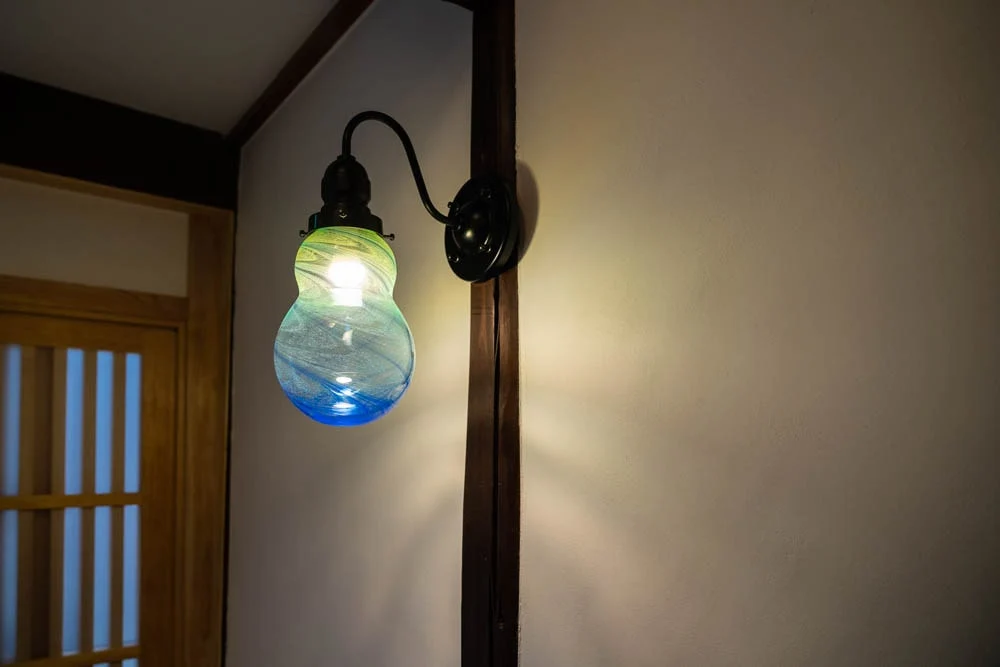
The entrance lamp shade is made of blown glass from "Gurasuta TOMO".
The refreshing colors reminiscent of the green willows and blue river in the Bikan Historical Area are beautiful.
The soft shadows spread across the wall.
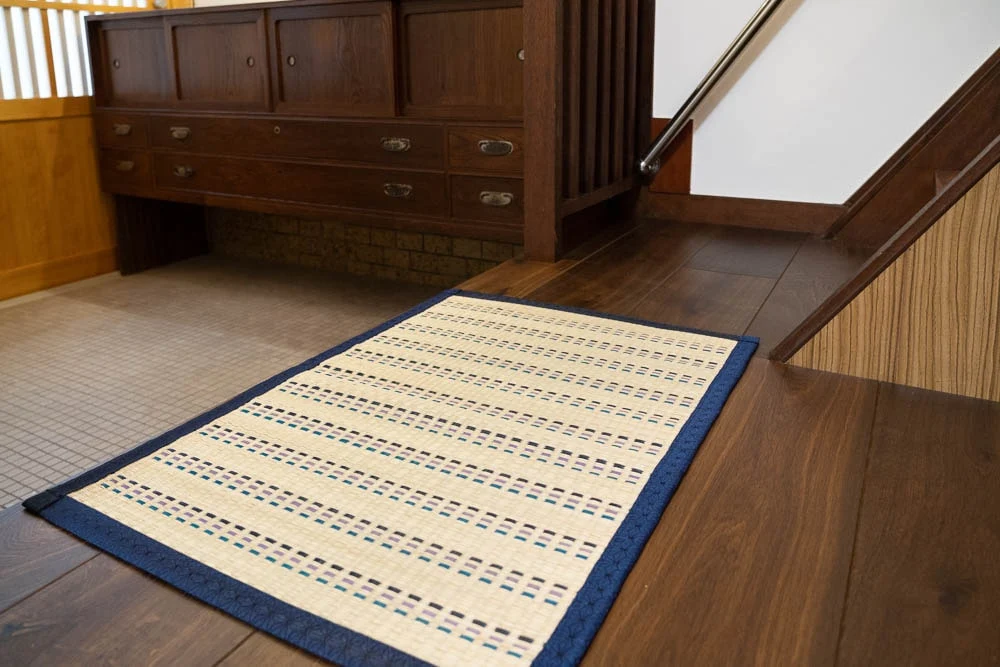
The flower mats from Kurashiki are used for placing suitcases and other items.
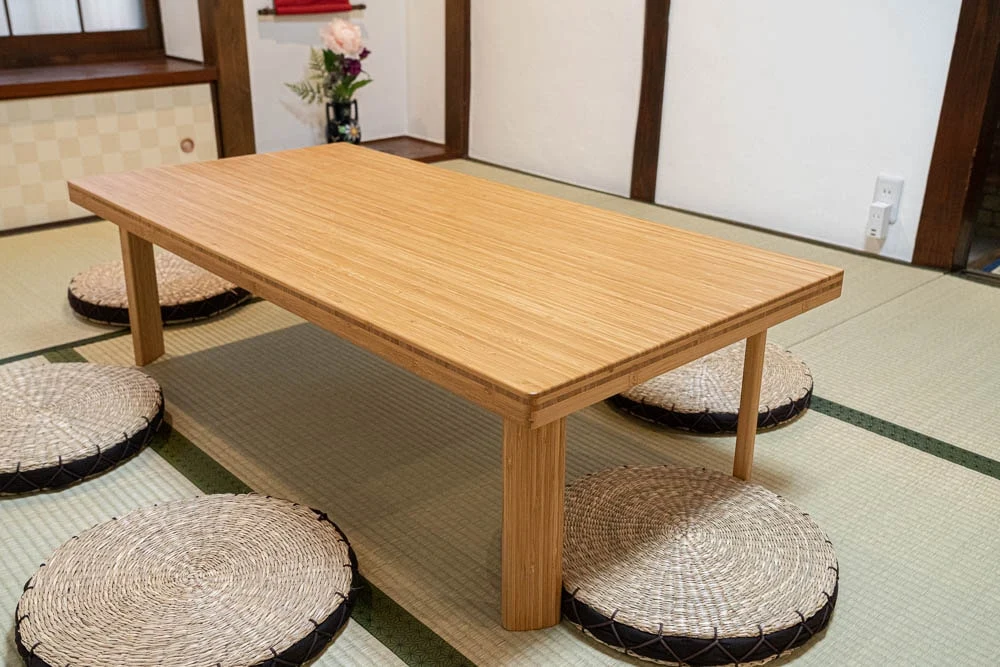
The table is made by TEORI located in Mabi.
I found the simple design and the beautiful texture of the eco-friendly bamboo appealing.
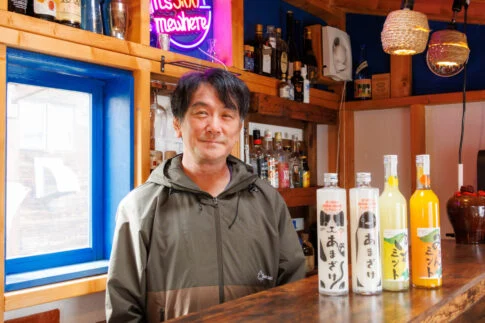
Next, I spoke with the owner of Kurashiki Kawasemi-tei, Tagami Kiyono.
Data on Kurashiki Kawasemi-tei
| Name | Kurashiki Kawasemi-tei |
|---|---|
| Location | 2-13-13 Chuo, Kurashiki City, Okayama Prefecture |
| Contact | 050-7119-8547 |
| Check-in | 3:00 PM - 8:00 PM |
| Check-out | By 10:00 AM |
| Payment Methods |
Advance payment via the official website is only by bank transfer |
| Facility Information | From 11,000 yen per night per person (available for 2 or more people, maximum of 6 people) *Prices may vary depending on the day of the week and season *Free for children under 3 years old who do not require bedding No smoking inside Independent toilet with washlet Room only (no meals) available Rooms with tatami mats No pets allowed |
| Bath | Independent bathroom With bathtub |
| Wi-Fi | Available |
| Parking | Available 1 car 1-minute walk from Kurashiki Kawasemi-tei *No parking in the lot next to the building |
| Website | Kurashiki Kawasemi-tei |