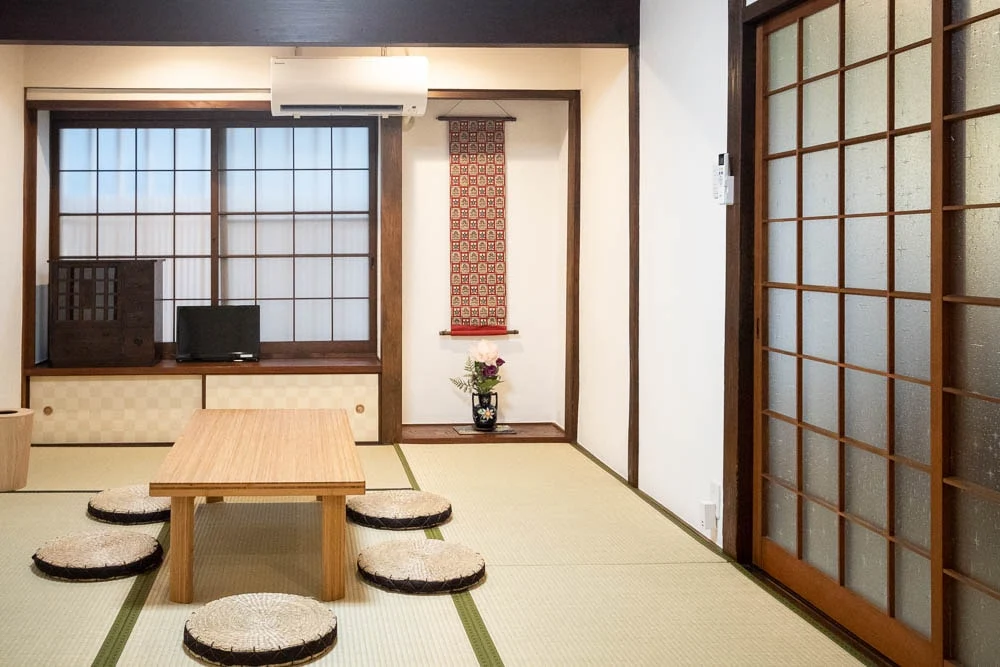
Interview with the owner of Kurashiki Kawasemi-tei
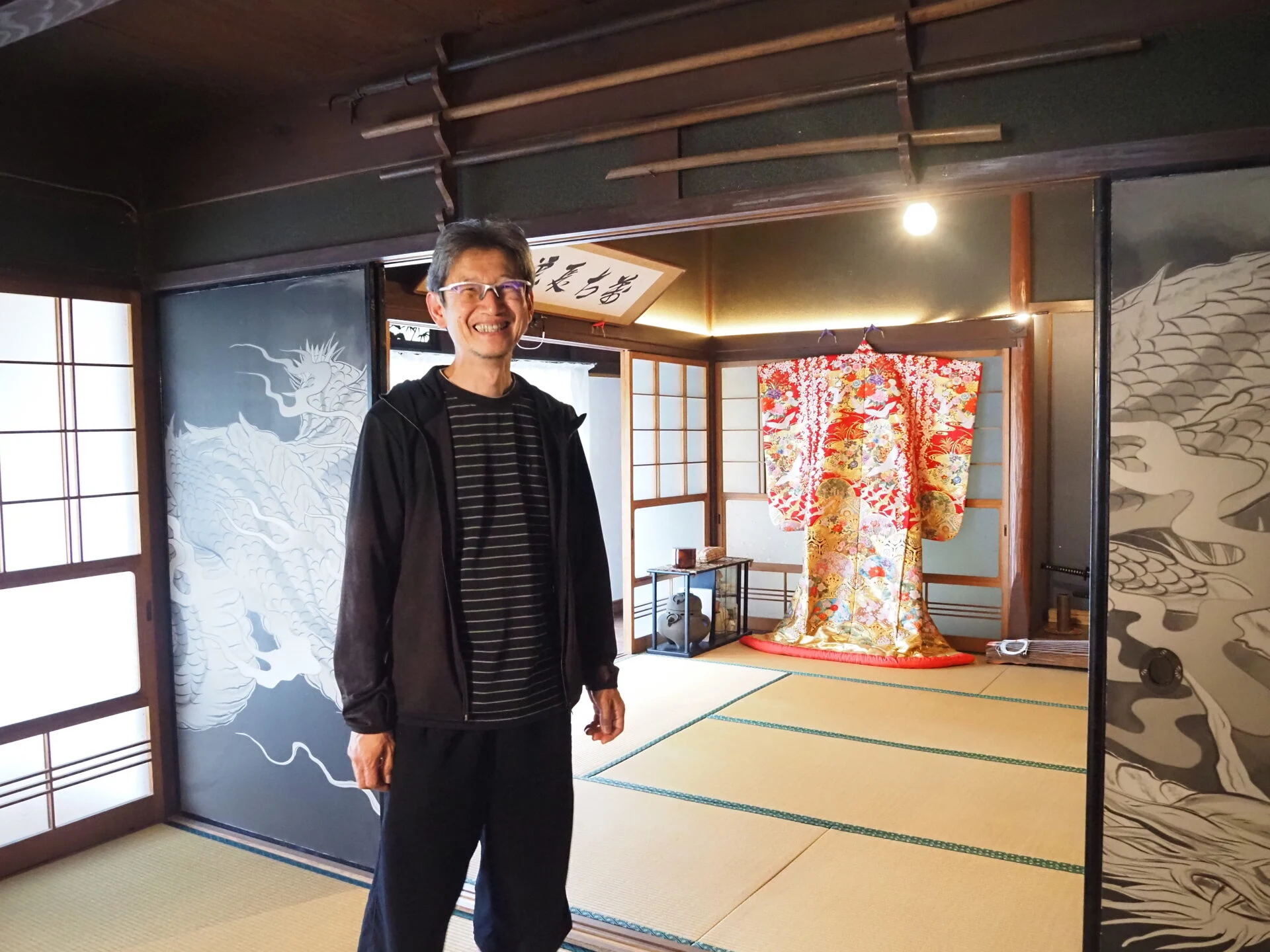
We spoke with Kiyono Tagami, the owner of Kurashiki Kawasemi-tei.
This interview features content from the initial coverage conducted in August 2020.
Reasons for starting Kurashiki Kawasemi-tei
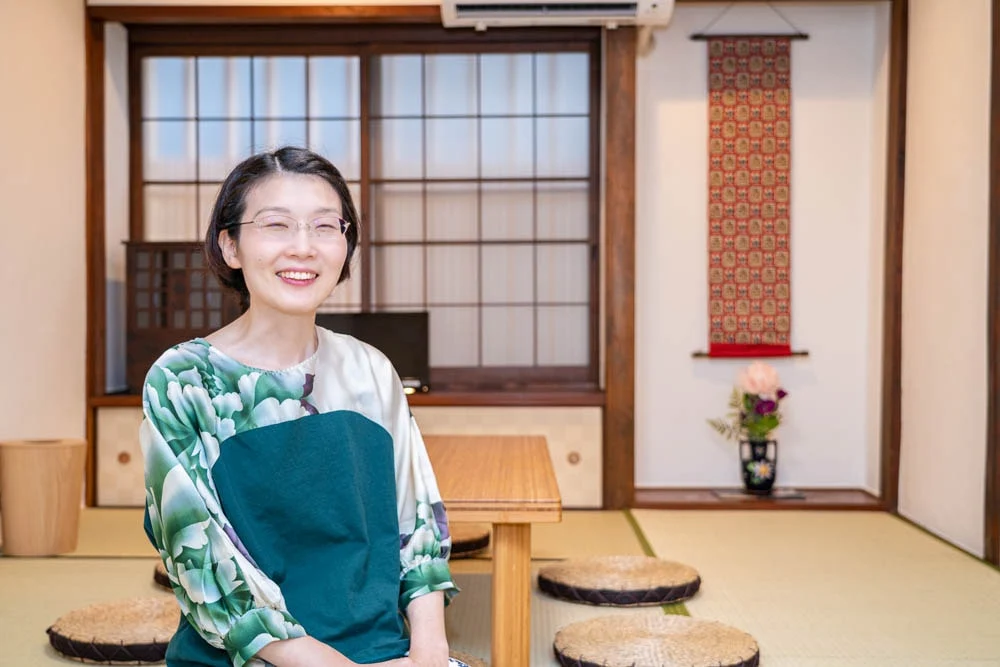
Why did you decide to use this house to start an inn?
Tagami
Originally, as a side business, my husband and I purchased an old house, renovated it, and rented it out.
We didn't just rely on craftsmen for the renovation; we also laid the flooring ourselves and finished the walls with plaster.
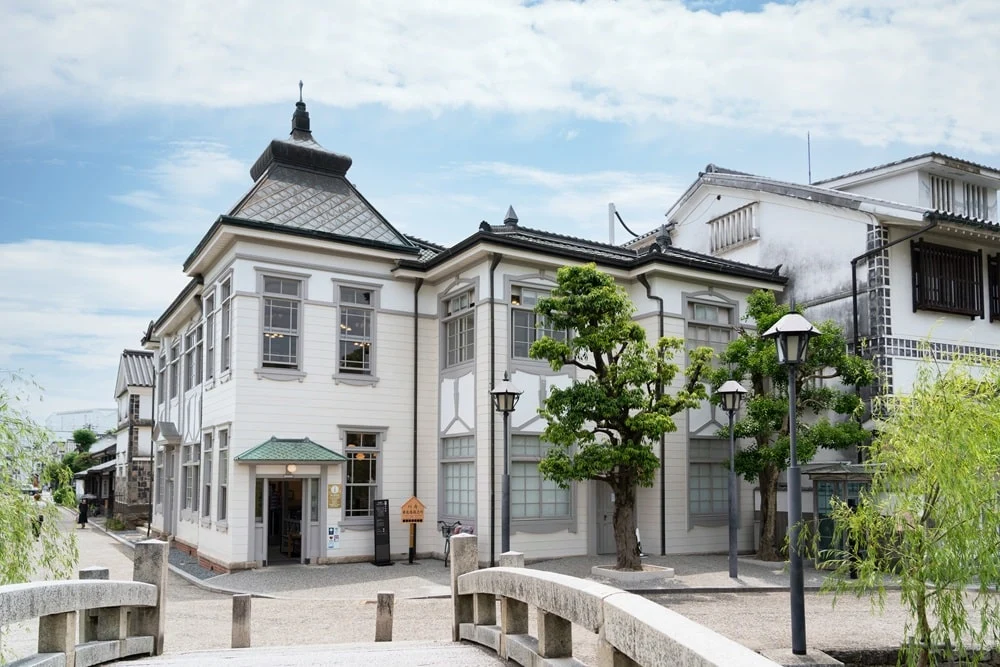
As part of that process, we found a house for sale in a prime location just a 5-minute walk from the Bikan Historical Area, so we purchased it.
Initially, we were considering renting it out like before, but the location was so attractive that we thought an inn would be better.
So, we decided to start the inn.
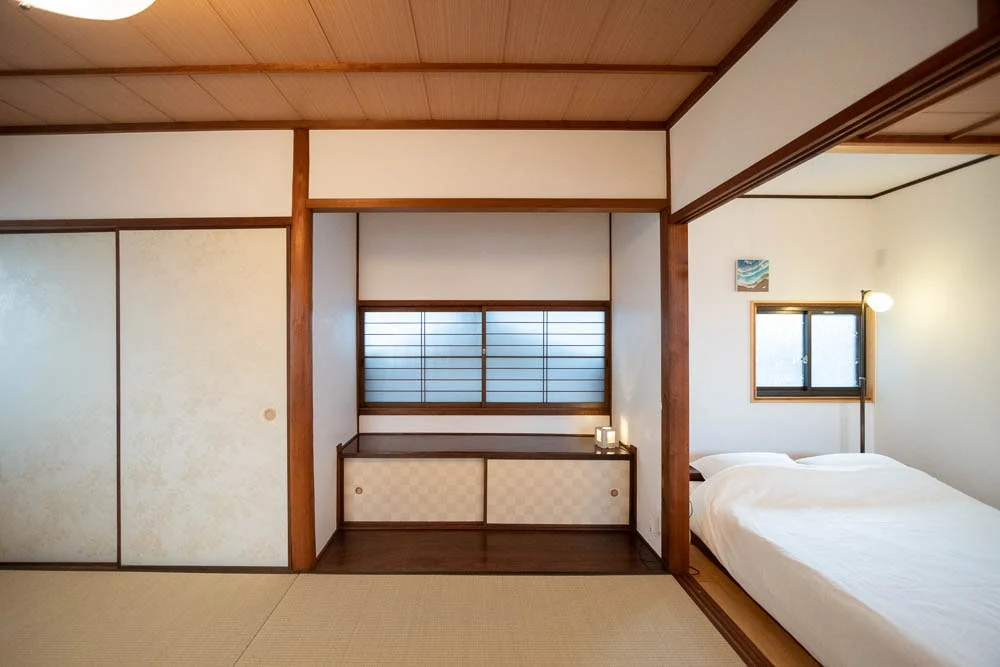
How many renovations have you done so far?
Tagami
Excluding my own home, this is the eighth.
The renovation of Kawasemi-tei was more enjoyable than renting out, as I could be more particular about it.
For example, the kitchen tiles were something I couldn't use for a rental due to cost.
With an inn, there are fewer cost restrictions, so I was able to incorporate what I wanted.
You love plastering, right? I have an admiration for it, but I have the impression that it's difficult to apply.
Tagami
I started after seeing a friend DIY plastering the walls of an old house where her grandmother lived.
At first, I worked while researching information on the internet.
After that, I became completely captivated by the charm of plaster and have been finishing the walls of my rental properties and my own home with it.
I attended a vocational training school for six months in the housing renovation department and had a little training in plastering, but I think my skills are still just that of an amateur.
However, I do think I've become faster and better at applying it.
At Kawasemi-tei, I applied a primer twice to ensure that the original walls would allow for the plaster to adhere well, and then applied the plaster as a base coat and a finish coat.
When I apply it, I get so absorbed that I can become completely focused.
Love for natural materials
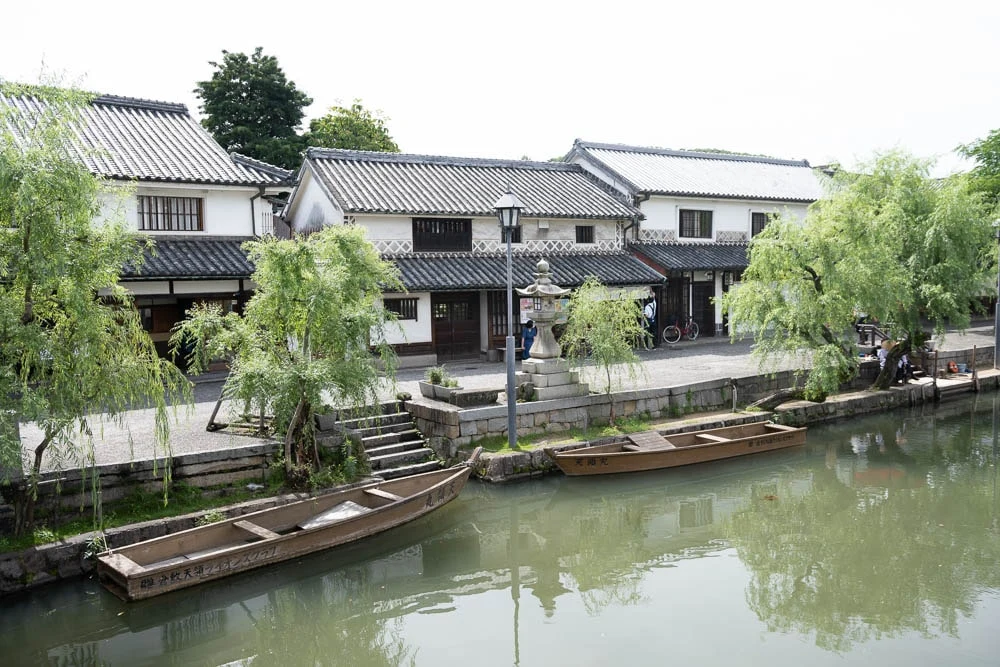
Have you been familiar with the Bikan Historical Area for a long time?
Tagami
I started living in Okayama Prefecture when I entered university and have been visiting since my student days.
The townscape is lovely, isn't it?
Before starting my rental business, I studied real estate, obtained a license as a real estate transaction agent, and have seen various buildings.
Having had many opportunities to see single-family homes, I became interested in wooden traditional construction.
As a result, I have a longing for the beautiful old houses that remain in the Bikan Historical Area.
What do you think are the attractive features of the buildings in the Bikan Historical Area?
Tagami
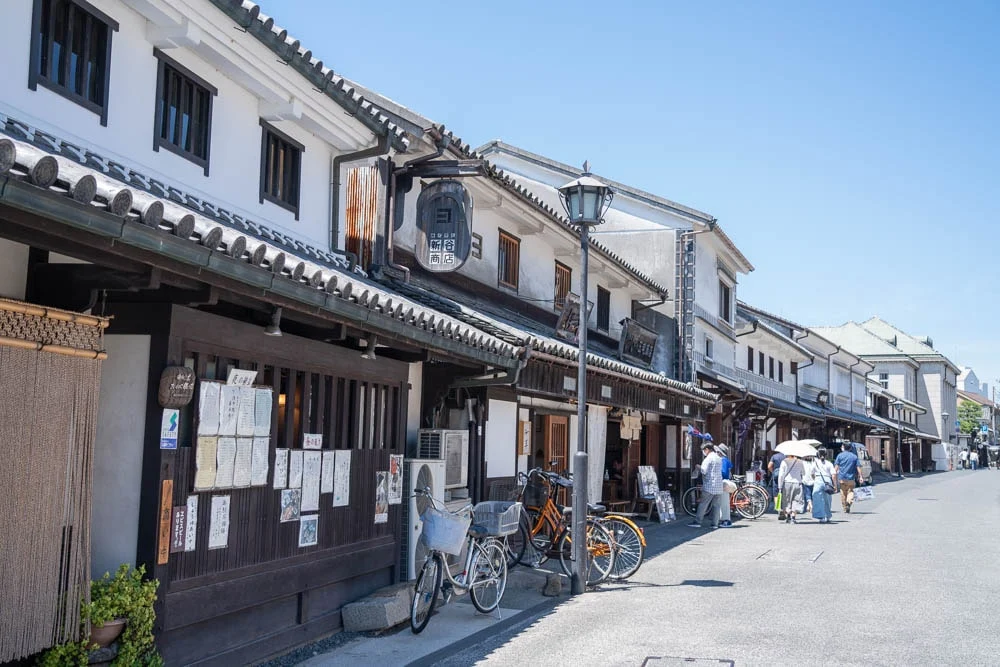
While the iridescent tiles and earthen walls are famous, that's not all.
Especially, the "woodwork" is wonderful.
I really love the approach of “making use of natural materials.”
Therefore, I don't like painting columns and fittings with paint.
Especially for interiors, I prefer to finish with natural oil-based paints.
The old buildings around the Bikan Historical Area, while not all of them, have very thick columns and beams, and the fittings are also beautiful, which I find attractive.
In recent new houses, it seems that many use engineered wood.
Engineered wood, made by gluing together dried wood, has many advantages, such as being less prone to warping and being able to create necessary sizes.
Which is better is a matter of personal preference, but I am a fan of solid wood.
When I see the thick beams and transoms in old houses, I can imagine, "Where did they get such thick, magnificent timber, and how did they transport it?" or "How long did it take to create such delicate craftsmanship?" which is part of their charm.
Additionally, many of the recent building materials are made of plastic, referred to as "new building materials."
Whether it's interior materials or adhesives, most are petroleum-based, and the walls are primarily covered with vinyl resin wallpaper glued on.
The floors are often made of plywood or cushion flooring glued together, and tatami mats are also made of Styrofoam or plastic.
Personally, I prefer plaster walls, which have moisture-regulating properties, and solid wood or tatami for the floors, as they feel good underfoot.
Also, since I recently replaced the tatami mats, when guests enter the entrance, they often comment, "It smells great of rush grass."
That's a very delightful moment.
However, it's not that new building materials are absolutely bad; we do use them at Kawasemi-tei as well.
Depending on the purpose, for example, the kitchen floor is made of water-resistant new building materials.
However, I try to use solid wood as much as possible.
Do you have any particular focus on the exterior appearance?
Tagami
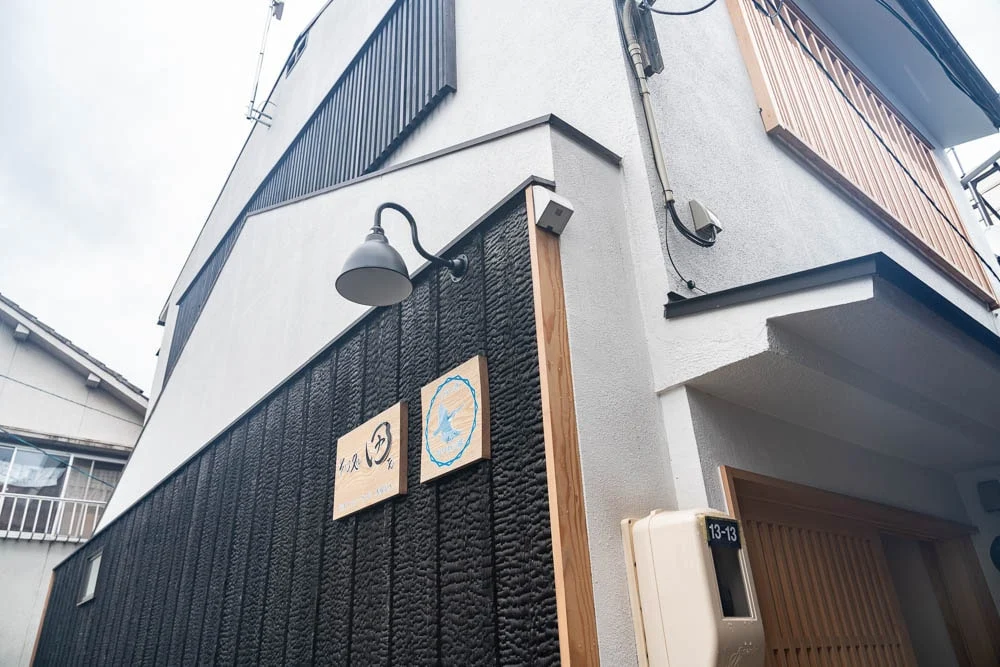
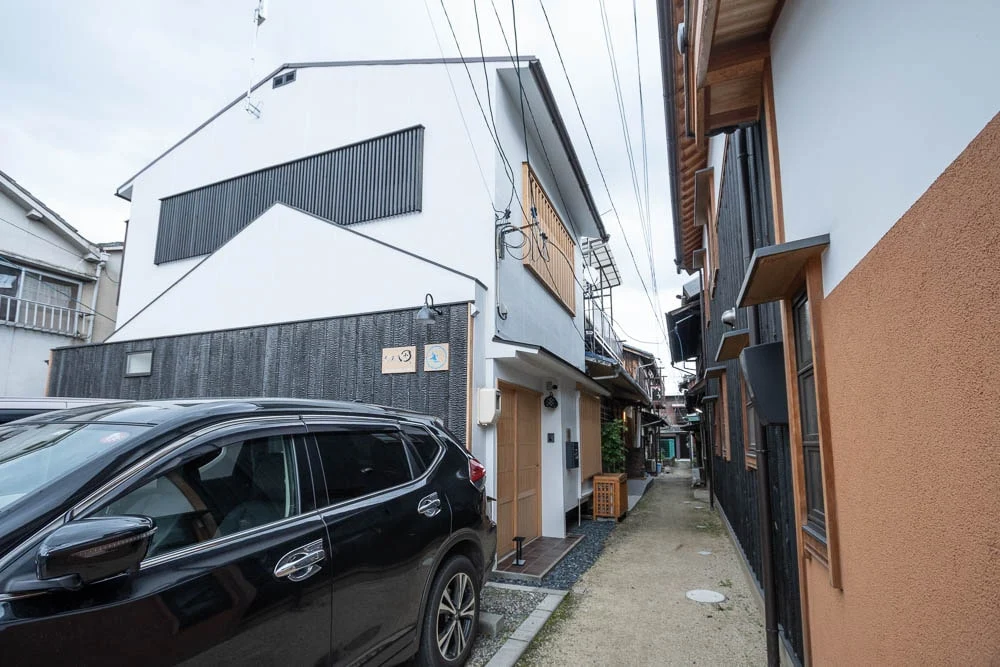
There is a wonderful house next door that was built by a famous local architect, and to create a sense of unity, I have used burnt cedar on the west wall.
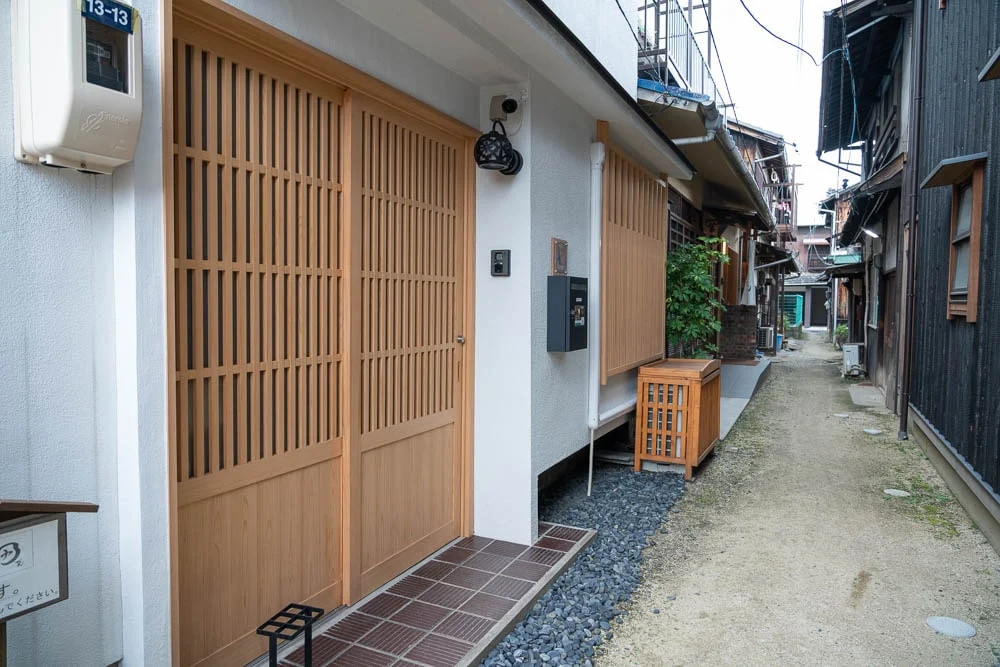
I thought it would be better to have an inn-like appearance, so I had the entrance made with sliding doors and fitted the first-floor windows with Kurashiki lattice, paying particular attention to the craftsmanship.
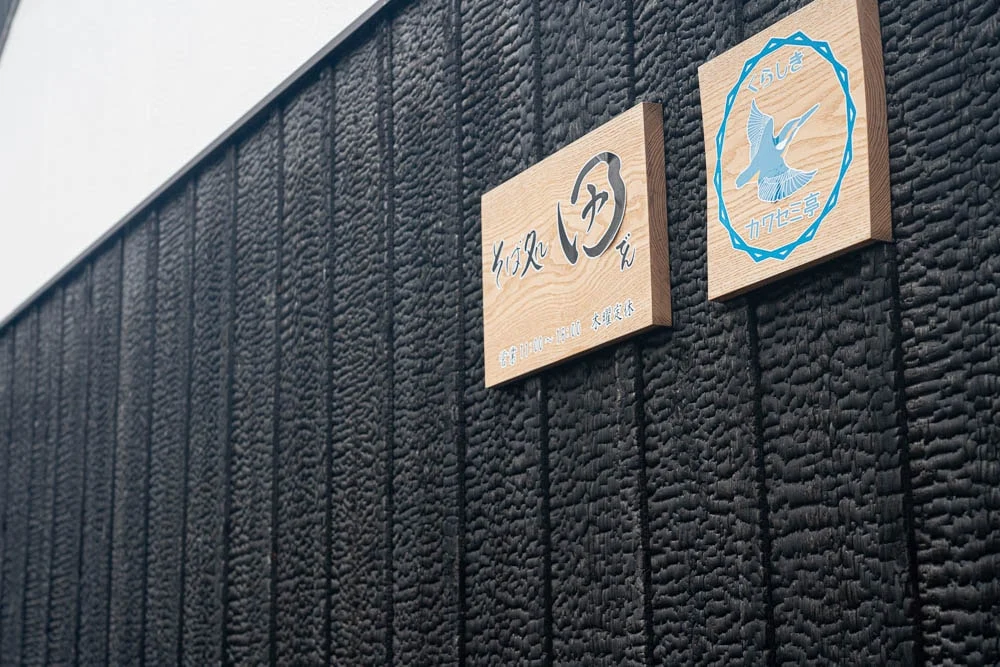
There are different types of burnt cedar, and it seems that recently, many are lightly burned on the surface with a burner.
However, the one used in this building is made using traditional methods, where three cedar boards are bound together in a triangular shape with rope, and fire is placed inside to carbonize them.
With the method of burning with a burner, the surface is only slightly charred, so the carbonized part falls off quickly.
With the traditional method, the thickness of the carbonized layer is different.
What are the characteristics of burnt cedar walls?
Tagami
They are resistant to degradation and have excellent durability.
Termites do not eat them, and they repel water.
Additionally, they are easy to maintain.
Plastic-based paint requires maintenance every ten years or so, but burnt cedar can last without maintenance (it is said to last about 30 to 50 years).
If a part of the cedar gets damaged, it can be replaced easily.
I was conscious of making sure that the appearance also fits the townscape of Kurashiki.
The benefits of a whole house rental
What aspects do customers particularly appreciate?
Tagami
It is certainly the fact that it is a whole house rental.
Currently (August 2020), due to the COVID-19 pandemic, many guests have chosen Kawasemi-tei because "they don't have to come into contact with other guests."
Guests only meet the staff at check-in, and there is no contact with other guests at all.
Is the accommodation plan only for room-only stays?
Tagami
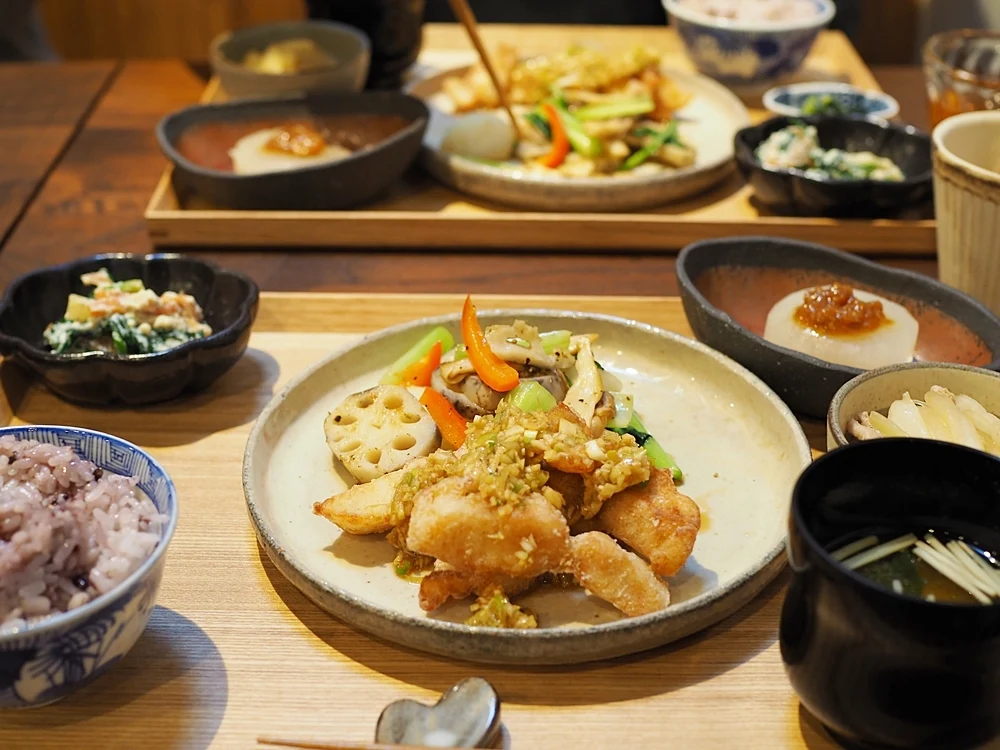
Yes. It is a room-only inn, so meals are not included.
There are many dining options near the Bikan Historical Area.
So, for example, I introduce places where you can eat Okayama's specialties, or in summer, I might say, "The peach juice from this shop is delicious and highly recommended for its cost!" providing guests with local information.
I hope to contribute to the community, albeit in a small way, aiming for a mutually beneficial relationship.
To be able to introduce guests to places, we also go out to eat ourselves.
I want to work together with the local people to promote Kurashiki.
The price of 11,000 yen per night for a whole house rental for one person (for 2 to 6 people) feels reasonable.
Tagami
Due to the impact of the COVID-19 pandemic, there are currently fewer travelers, but I strive to make it a place where guests can choose as much as possible.
We do the renovations ourselves where we can, and we offer accommodation at reasonable prices.
I don't know what the future holds, but currently, we only have one house, so we handle everything ourselves, including cleaning and washing and changing the linens.
I hope guests who prefer a room-only style will stay and explore Okayama and Kurashiki.
Stay in a warm single-family home
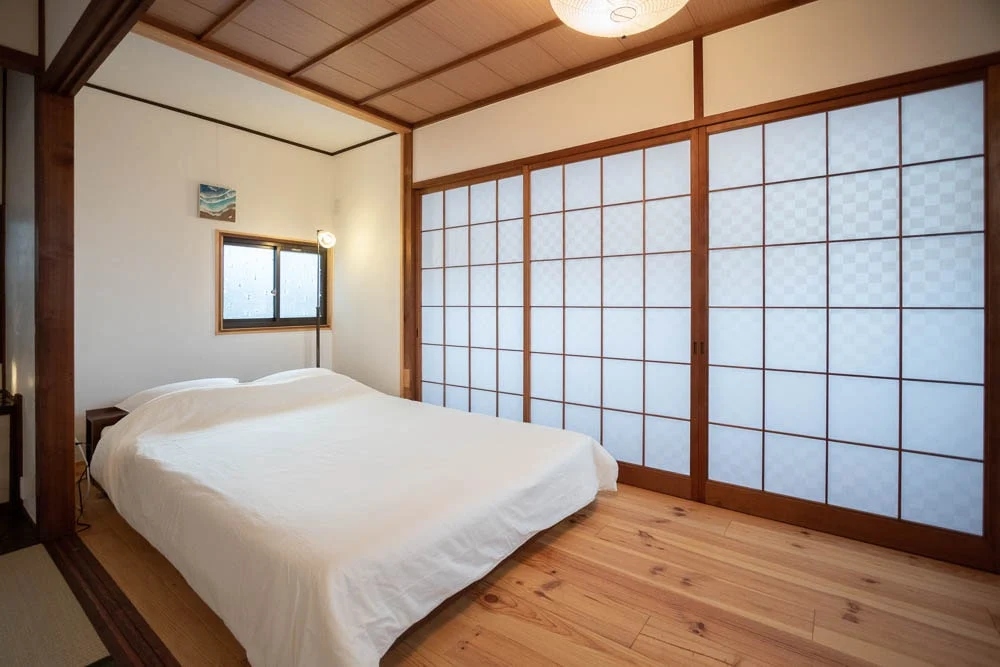
A ryokan filled with the owner's passion for the building.
It is perfect for those who want to find interesting dining options while traveling and enjoy their time at their own pace.
I also feel it is suitable for families with children, small group trips, and multi-generational travel.
Why not relax in a ryokan where you can feel the gentle scent of rush grass and the warmth of wood, and stay as if you live in Kurashiki?
Kurashiki Kawasemi-tei Data
| Name | Kurashiki Kawasemi-tei |
|---|---|
| Location | 2-13-13 Chuo, Kurashiki City, Okayama Prefecture |
| Contact | 050-7119-8547 |
| Check-in | 3:00 PM - 8:00 PM |
| Check-out | By 10:00 AM |
| Payment Methods |
Advance payment via the official website is only by bank transfer |
| Facility Information | 11,000 yen per night per person (available for 2 or more people, up to 6 people) * Prices may vary depending on the day of the week and season * Free for children under 3 years old who do not need bedding No smoking inside Independent toilet with washlet Room only (no meals) available Tatami mat room No pets allowed |
| Bath | Independent bathroom Bathtub available |
| Wi-Fi | Available |
| Parking | Available 1 car 1 minute walk from Kurashiki Kawasemi-tei * No parking in the parking lot next to the building |
| Website | Kurashiki Kawasemi-tei |