Have you often seen old folk house cafes featured in magazines and television programs?
I wonder if it's because I unconsciously have my antenna up, or if it's in the DNA of Japanese people... I can't help but be interested in old folk house cafes.
One of the cafes that piques my interest is the old folk house cafe "cafe Sai-sai."
When I looked it up on the map, I found that there are no famous spots around cafe Sai-sai, nor is it facing a main road, which made me curious, thinking, "Why is it in such a place?!"
If you're curious, you can't help but go!
I will thoroughly introduce the reasons and attractions of cafe Sai-sai's "Why here?"
A shop that seems to blend into the scenery, almost passing by
When visiting cafe Sai-sai for the first time, please be careful as there is no sign to mark it.
You might pass by without noticing.
"I wish there was a sign..."
Some may think so, but what if there was a prominent sign in a place lined with traditional houses?
Doesn't it seem uncharacteristic for an old folk house cafe to blend into the scenery?
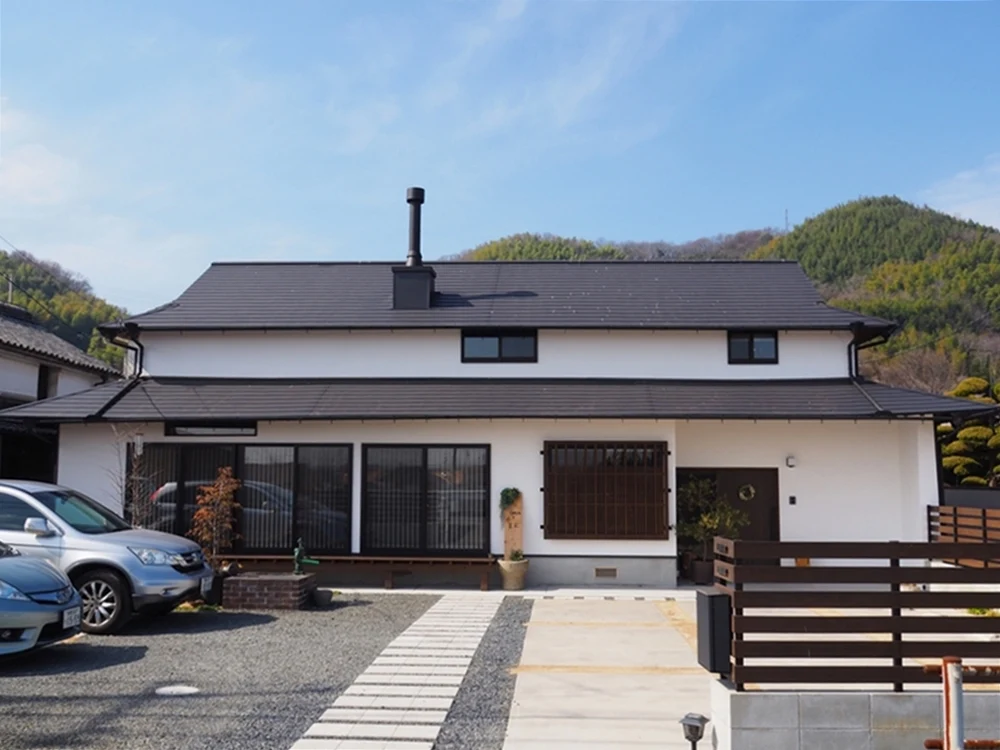
A clear landmark is the chimney. I will explain why there is a chimney later.
In front of the shop, about six cars can be parked facing each other with a stone pavement in between.
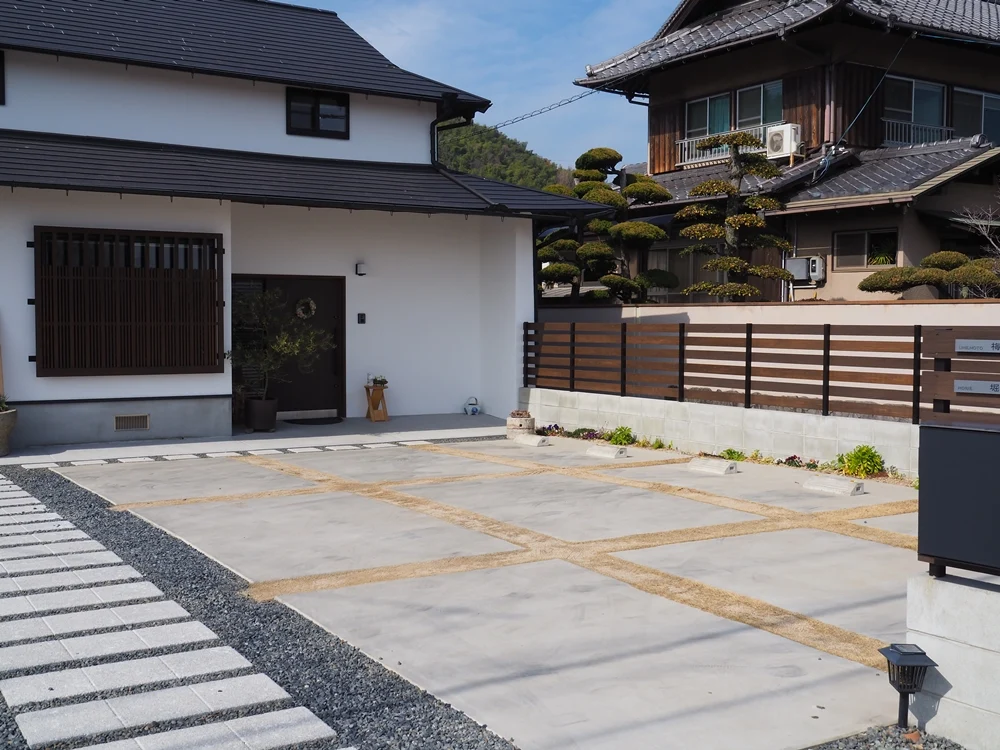
The building, renovated from over 100 years old, has a modern appearance.
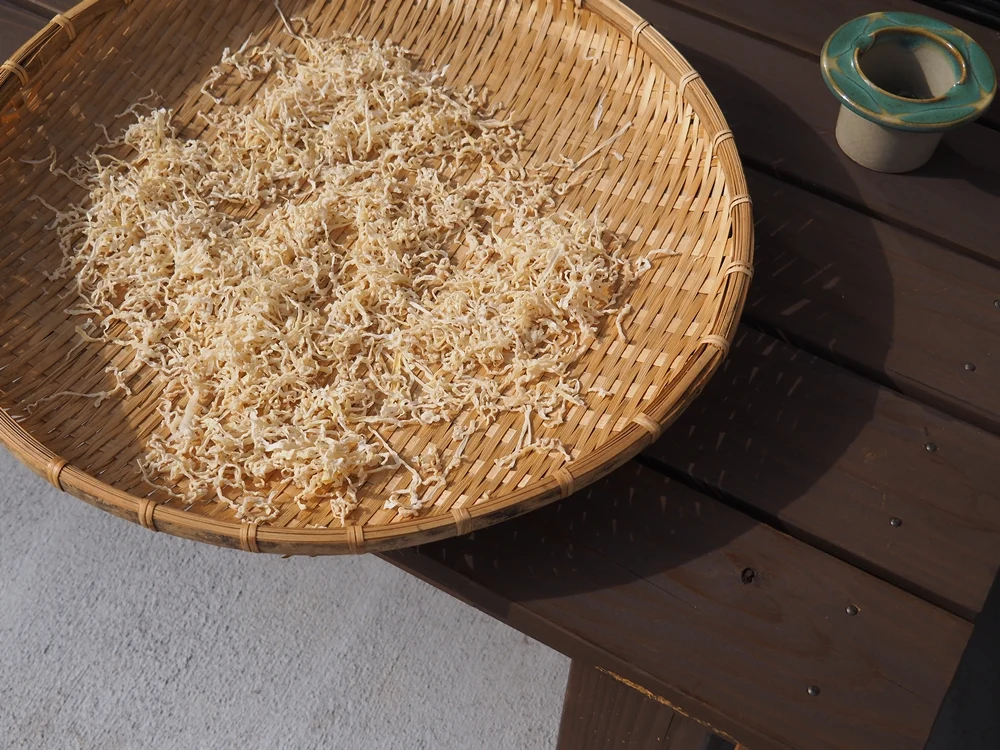
When I visited in January 2021, they were drying radishes under the eaves.
Seeing the radishes basking in the sunlight conveys that they are carefully prepared, doesn't it?
There is a well at the front (right next to the parking lot) and another at the back of the building.
The front well is made of stone and had no lid, so it was rebuilt with bricks, and a metal lid and hand pump were added.
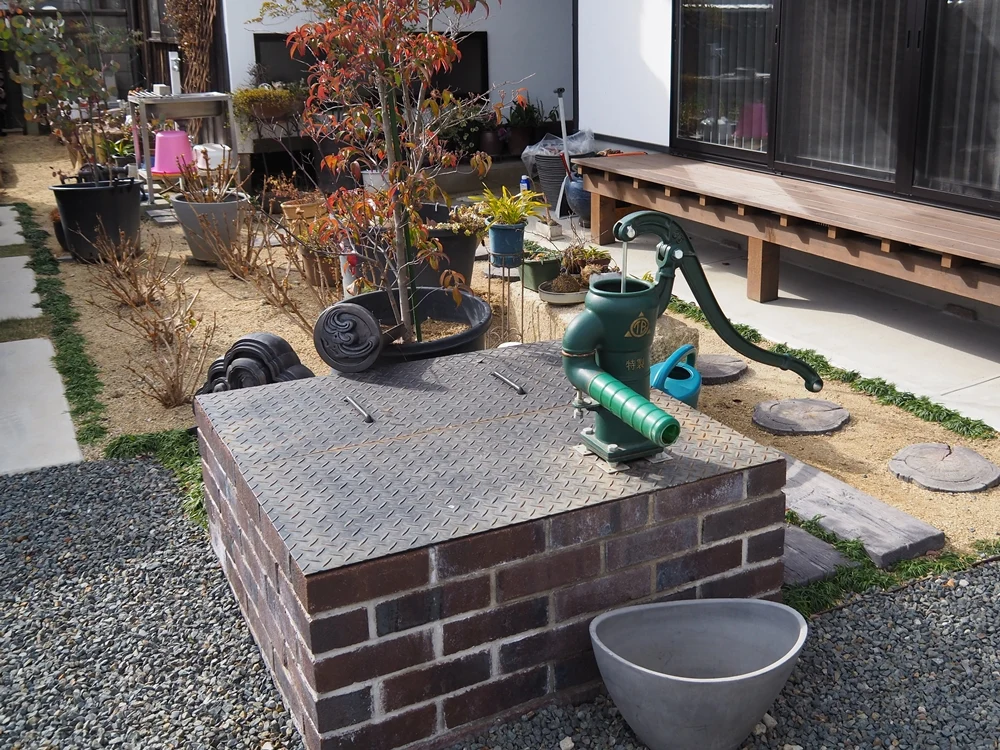
The water from the faucet in front of the barn is drawn from the front well.
Since it is well water, it is especially useful for watering in the summer.
Please note that a reservation is required by the day before when visiting cafe Sai-sai.
The interior does not disappoint! Full of charm down to the details
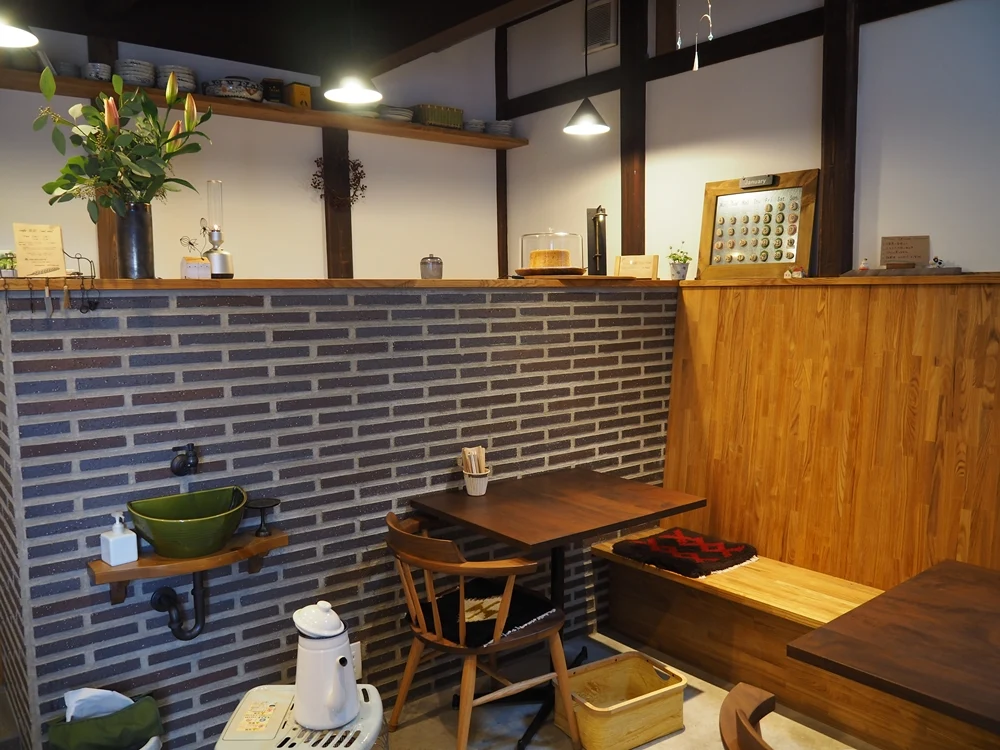
Now, let's go inside.
Inside, you can feel the essence of an old folk house.
The spacious dirt floor area has been converted into a cafe, with a total of four tables.
As of April 2023, due to measures against the spread of COVID-19, one table has been removed, leaving three tables in total.
The interior is a cozy space with a hidden gem feel.
Given the large building seen from the outside, the cafe space is compact, so some may have already caught on.
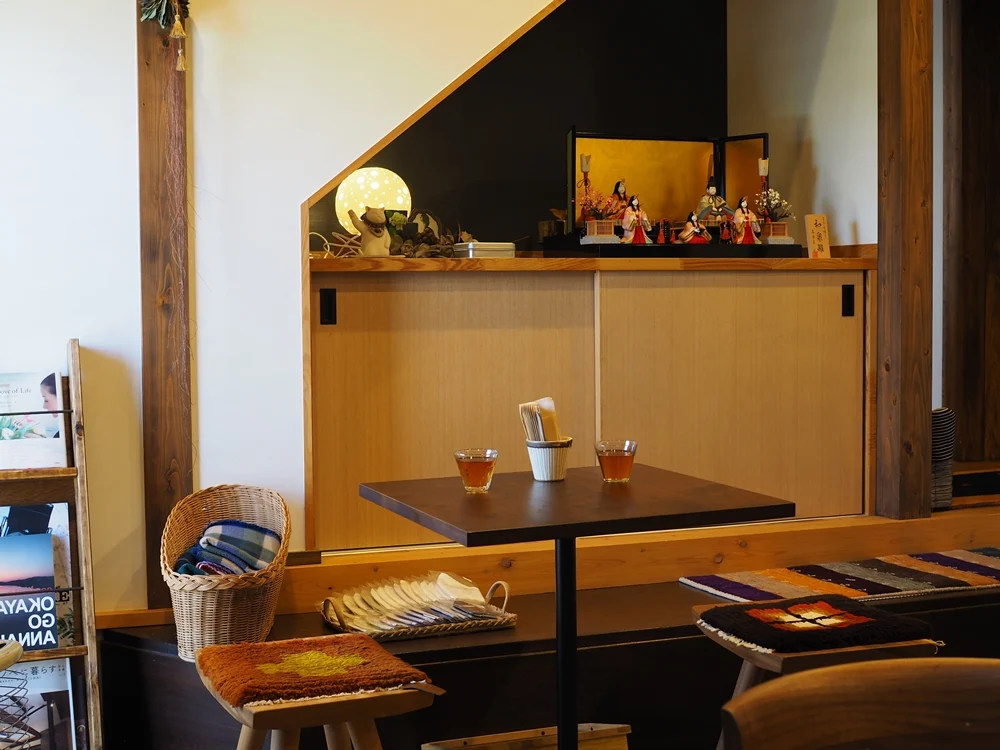
Yes, cafe Sai-sai opens part of the residence as a cafe.
The living area has a wood stove that warms the entire building.
The living space, kitchen, and even the second-floor bedroom are gently warmed by the warmth of the chimney.
Old folk houses may seem cold, but thanks to the insulation, it is comfortable.
The firewood for the stove is dried outside.
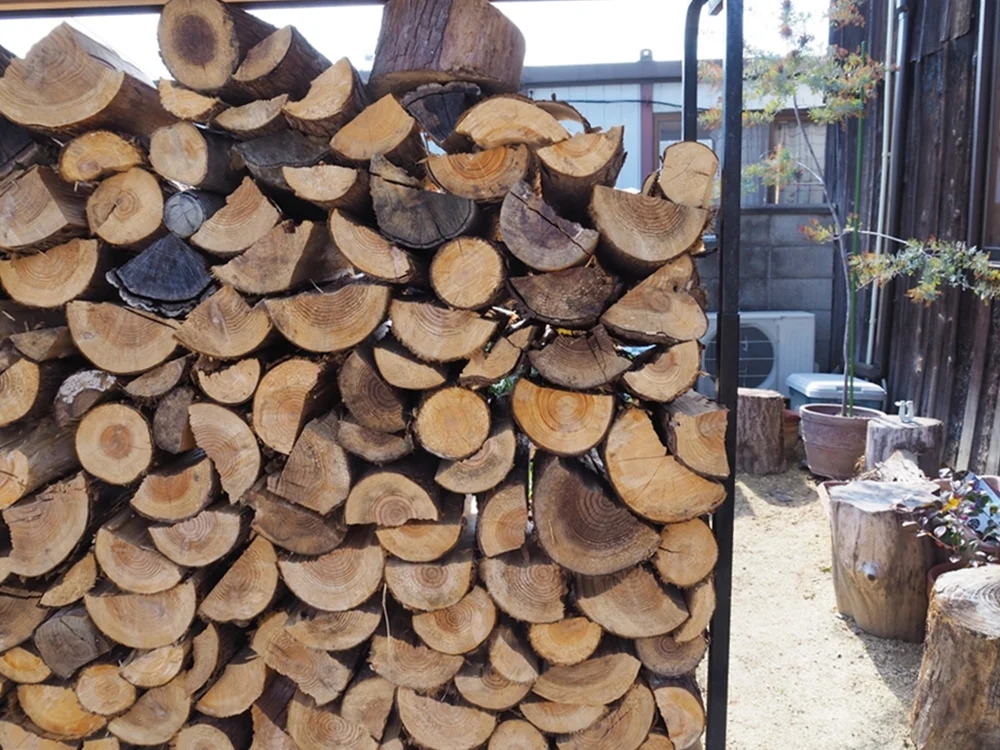
An old folk house with a wood stove is stylish, isn't it? I may not have the confidence to split firewood, but I would love to live there.
The cafe space is crafted with attention to detail.
▼ For example, this on the chair. Do you know what it is?
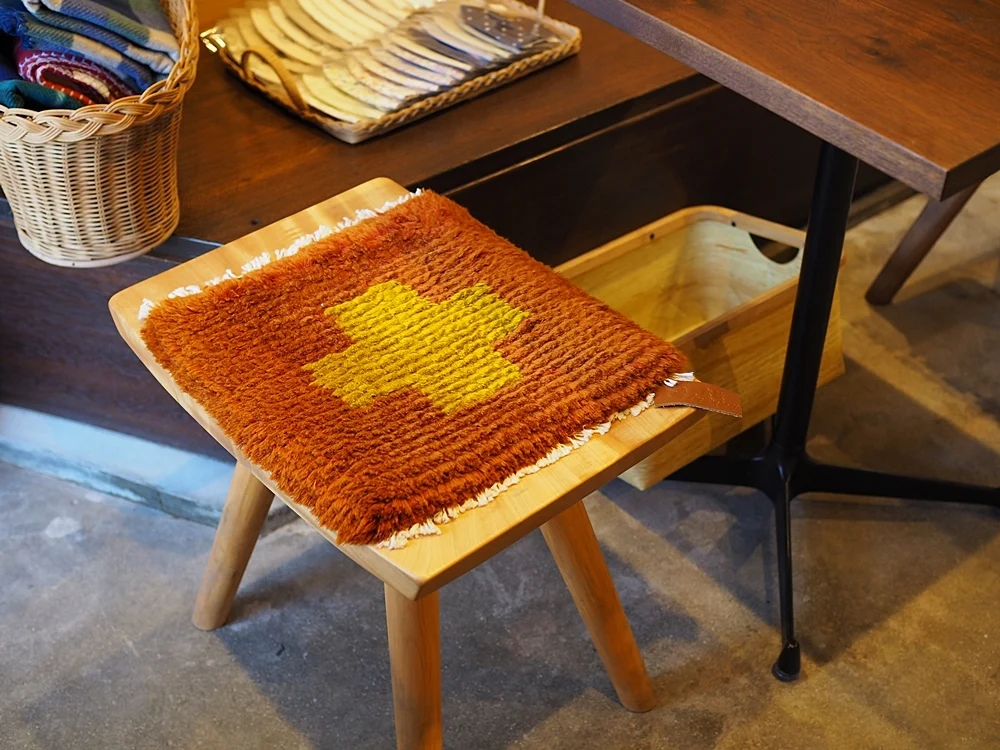
This is one of the hand-weaving techniques from Kurashiki called Kurashiki Knotting.
It is a textile created by Yoshinosuke Tonomura, who was passionate about the folk craft movement and served as the first director of the Kurashiki Museum of Folkcraft.
Kurashiki Knotting is woven by hand over time, rich in both design and practicality.
By the way, there is a place to learn Kurashiki Knotting in the Bikan Historical Area.
It is called the Kurashiki Honzome Teori Institute, where students from all over the country live together for a year while learning.
▼ The ornaments found throughout the shop are also cute and catch the eye.
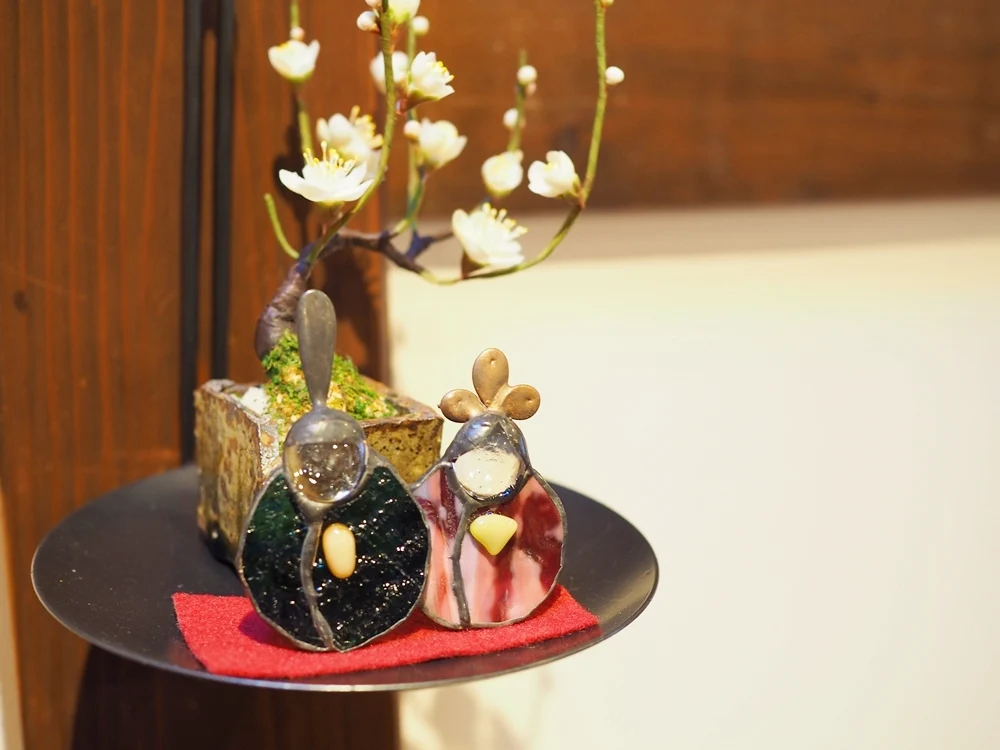
The lunch I will introduce later is full of seasonal vegetables, and you can feel the seasons from the ornaments to the meals.
From the field to the table, a vegetable-rich monthly lunch
January 2021 lunch
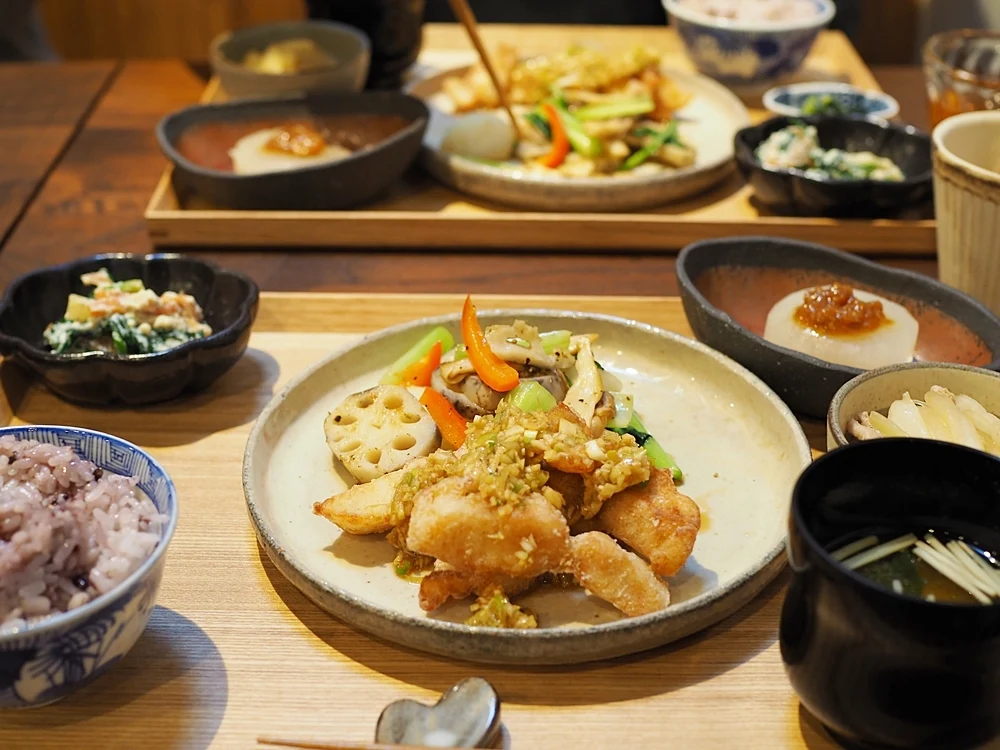
The menu changes monthly and consists of only one type.
In January 2021, the main dish was fish, featuring a crispy fried white fish topped with a sauce fragrant with ginger and green onions.
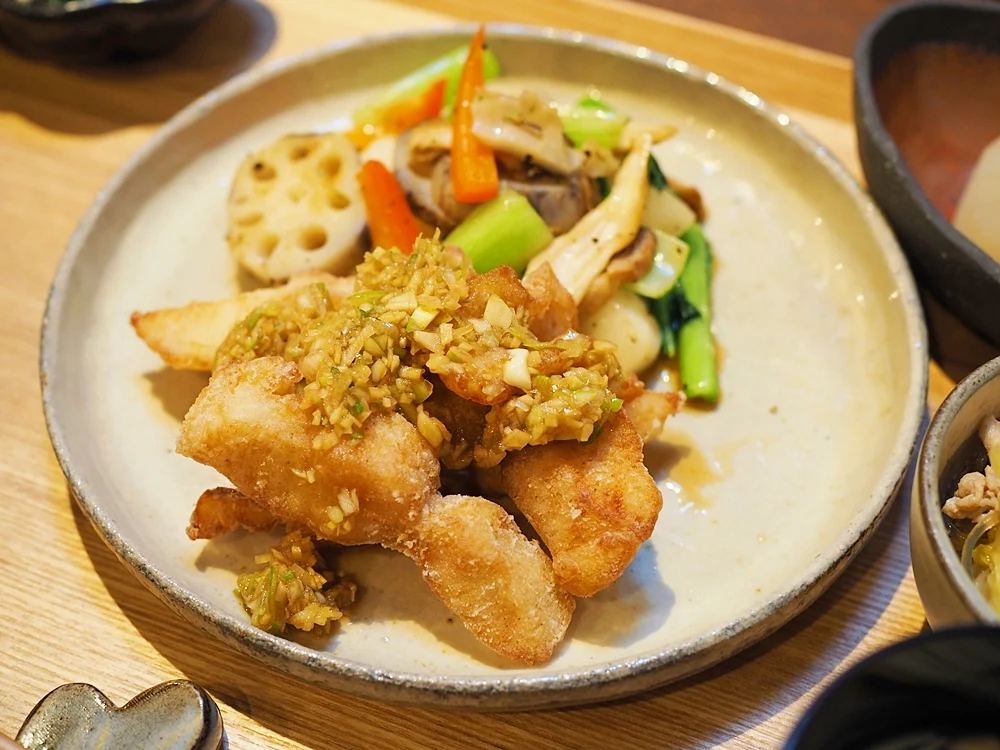
Lunch is 1,500 yen (tax included) and comes with a mini dessert and drink.
The menu is updated on the official Instagram.
February 2021 lunch
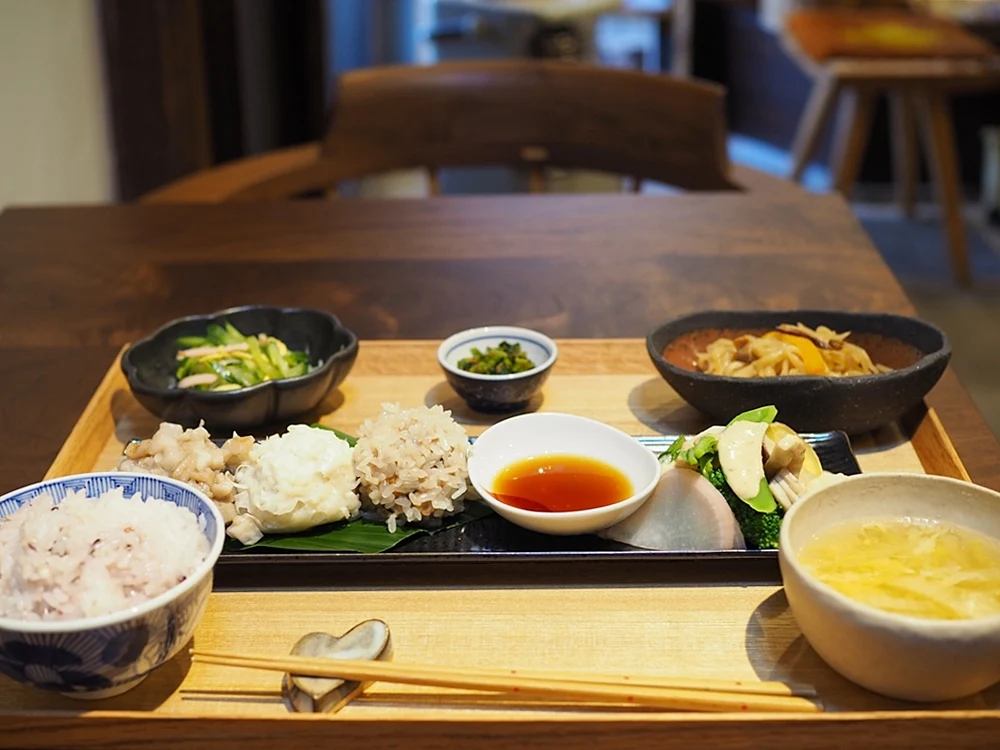
Here is the lunch for February, one month later. The content is completely different from January.
The main dish consists of three types of shumai.
The shumai are eaten with ponzu sauce.
▼ The shumai on the far left comes with large chunks of lotus root.
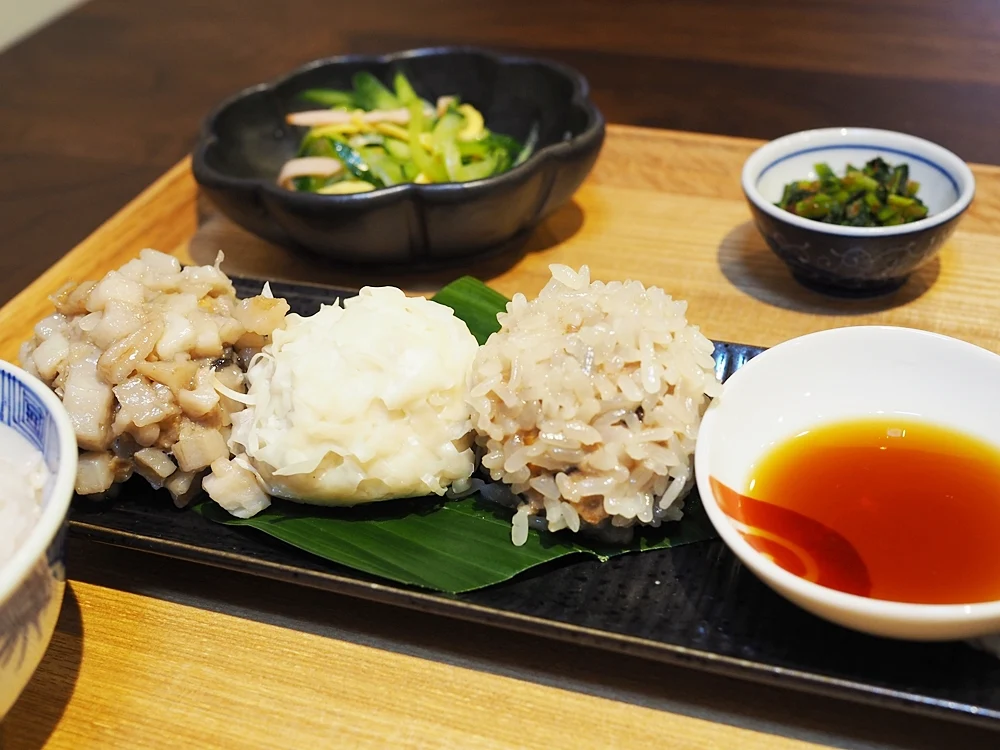
The crunchiness of the lotus root remains, making it a fun texture!
The shumai on the far right is wrapped in glutinous rice, making it chewy. In fact, the shumai on the left and right have the same filling.
With the umami of shiitake mushrooms, when you bite into it, the juices flow out. Even though the fillings are the same, the skins are completely different, resulting in different textures and flavors.
▼ The shumai in the middle is made with tofu, hanpen (fish cake), and squid as fillings. Since it uses soft ingredients, it is fluffy.
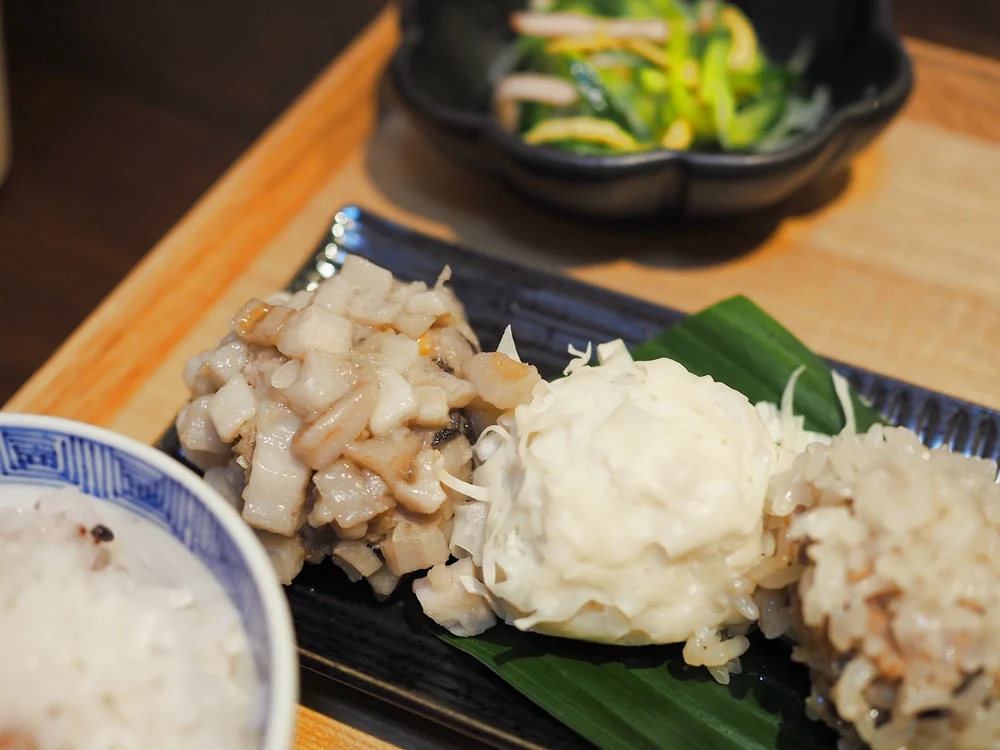
The outer layer is made by shredding the shumai skin and coating it.
I want to emphasize that it’s not just the main dish that is carefully prepared; each small bowl is also made with care.
▼ The cucumber in sweet and sour sauce is perfect with the shumai.
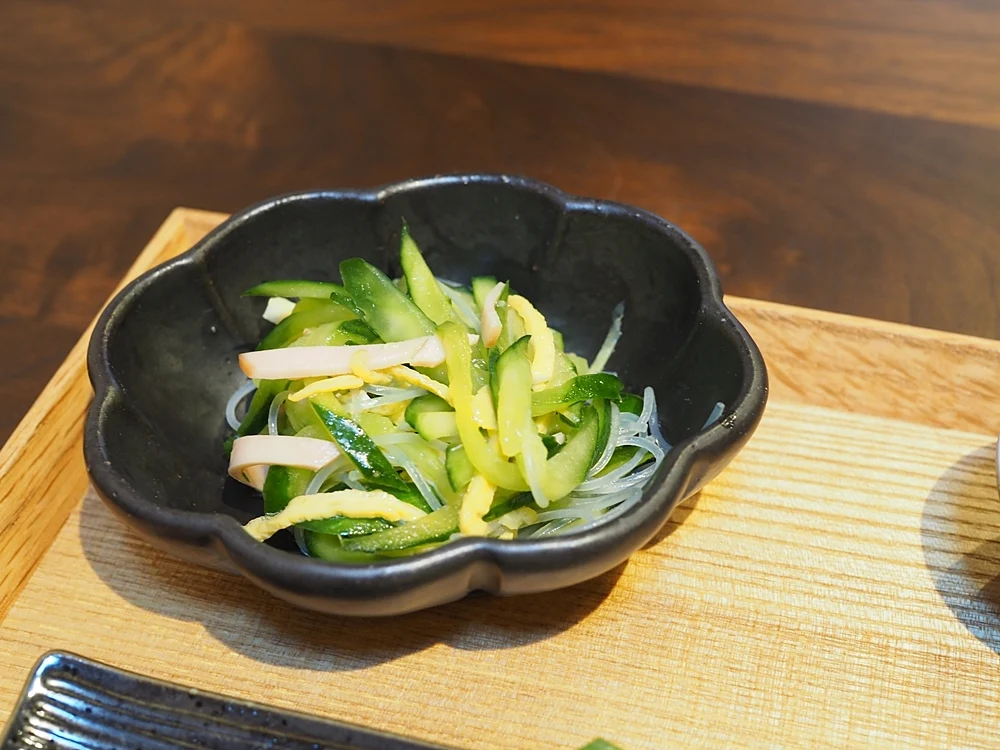
Don't you want a sweet and sour dish with spring rain when eating shumai?
▼This is pickled turnip leaves.
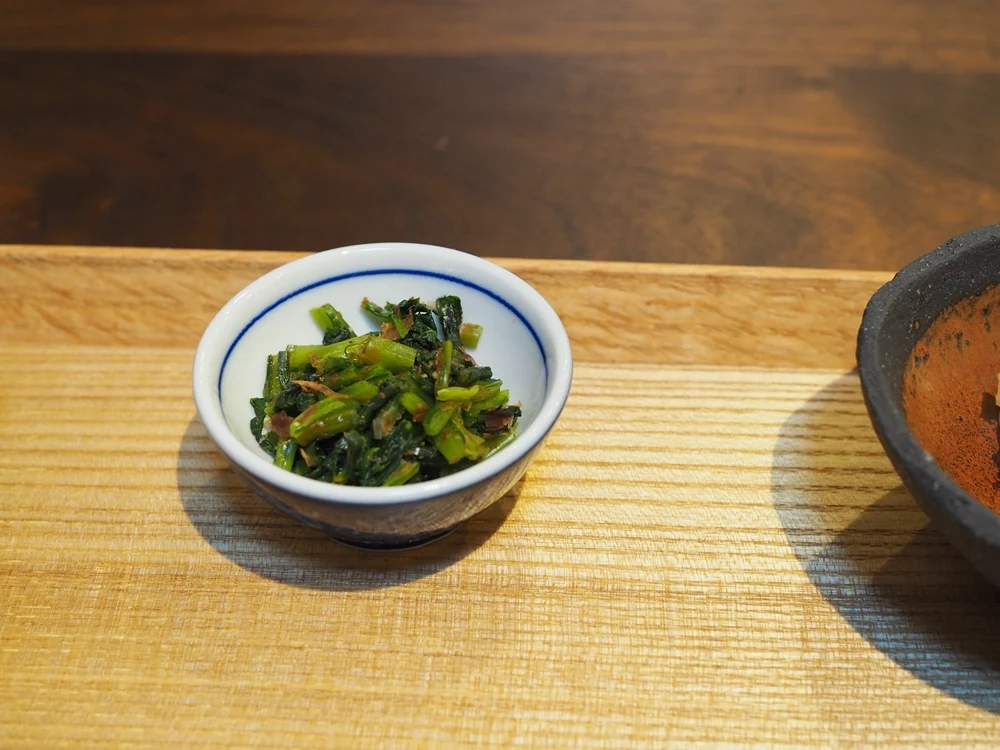
Although the leaves are often discarded, they can become such a wonderful dish. I ate it with multigrain rice.
▼The soup with Chinese cabbage and egg is made with chicken broth.
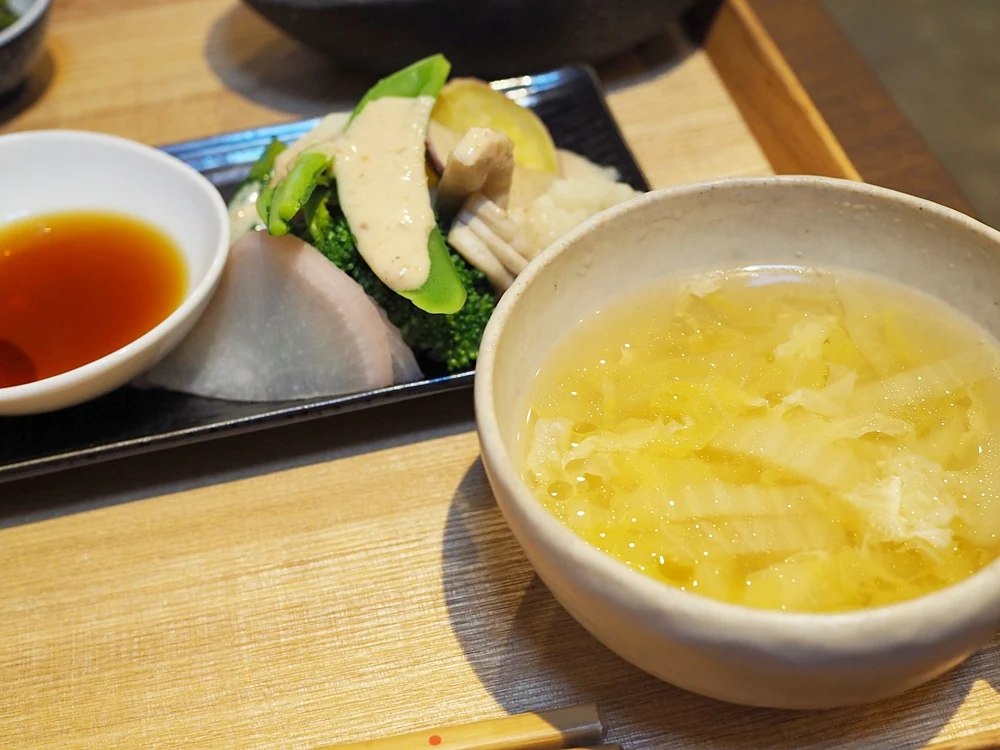
The Chinese cabbage was said to be received from a neighbor.
In a world where relationships with neighbors are becoming increasingly thin, just hearing "a gift from a neighbor" warms my heart.
▼The dried daikon and dried shiitake mushrooms are full of flavor.
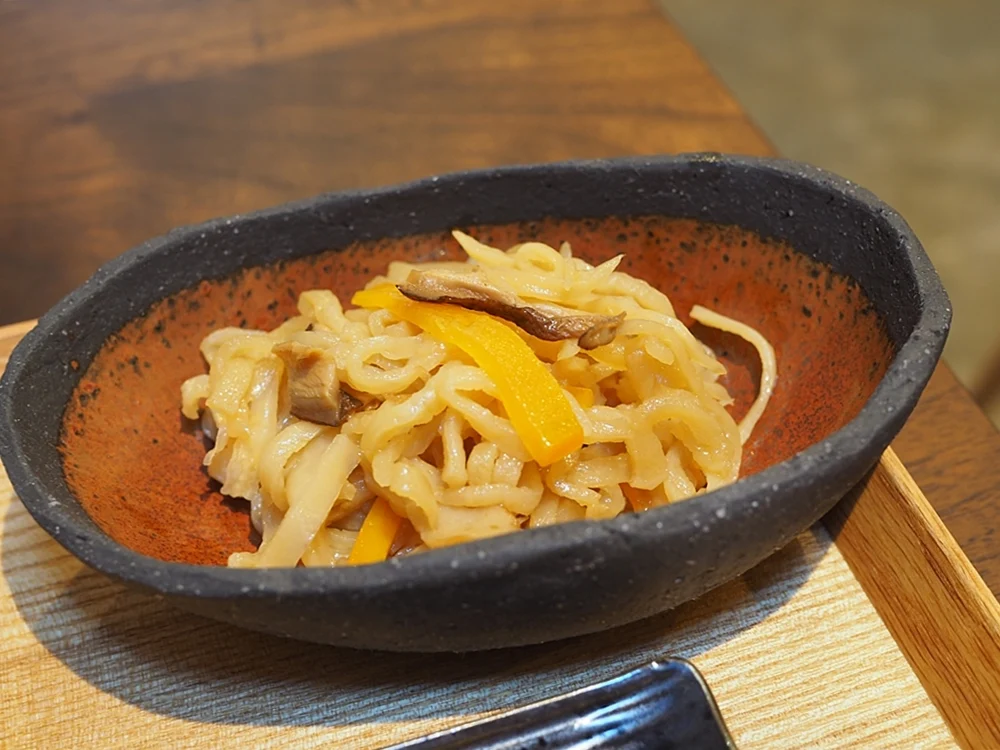
By stir-frying with oil, the flavors are well absorbed.
The dried daikon is from the daikon that was dried on the eaves, as mentioned earlier.
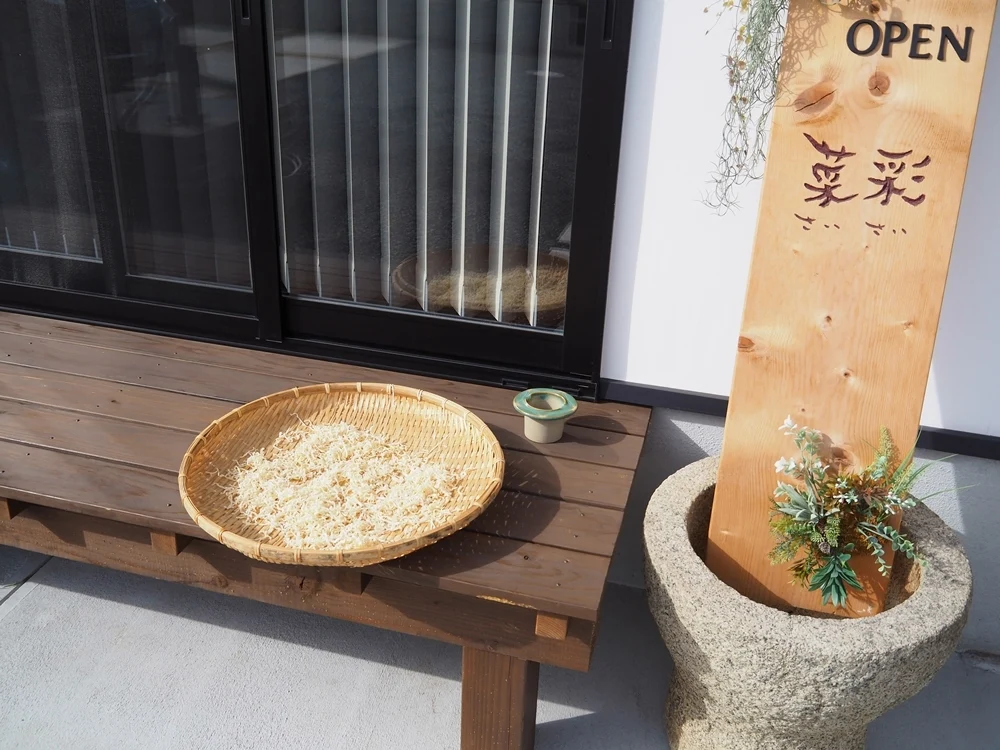
From the eaves to the plate.
The daikon was harvested from the shop's field.
After the meal, there are delightful drinks and sweets. You can choose between coffee and tea.
▼The sweets on the day I visited were tea chiffon cake and almond tofu.
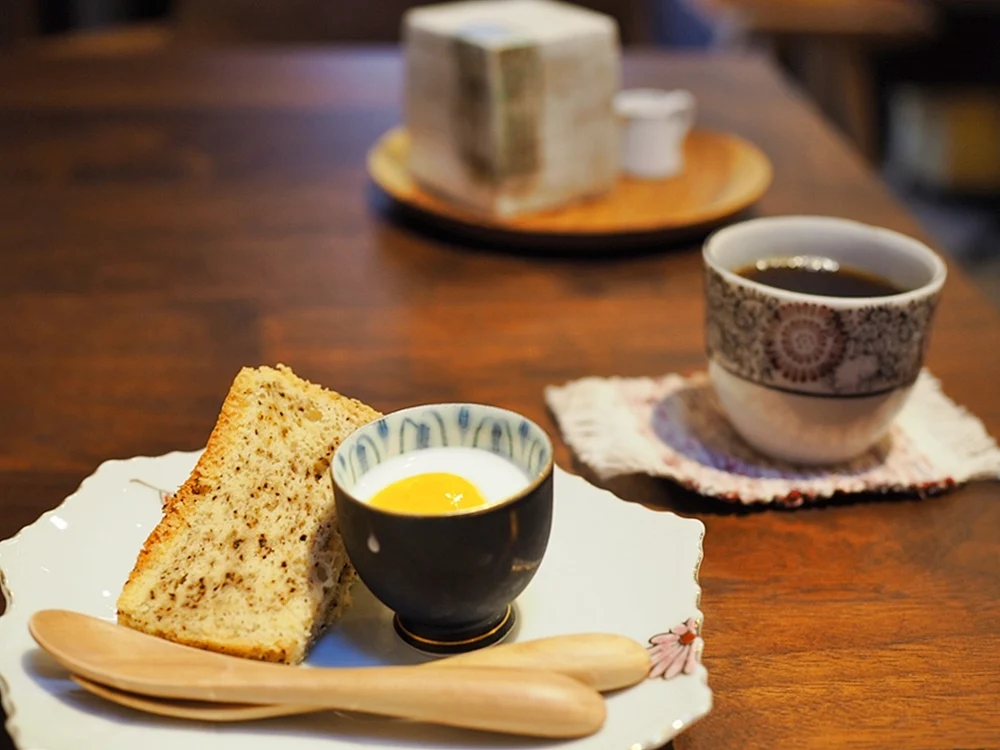
The yellow sauce is said to be kumquat. Isn't kumquat sauce rare?
The kumquat was also received from a neighbor.
The Japanese-style cups and plates were said to have been found in the storehouse during the renovation of the building.
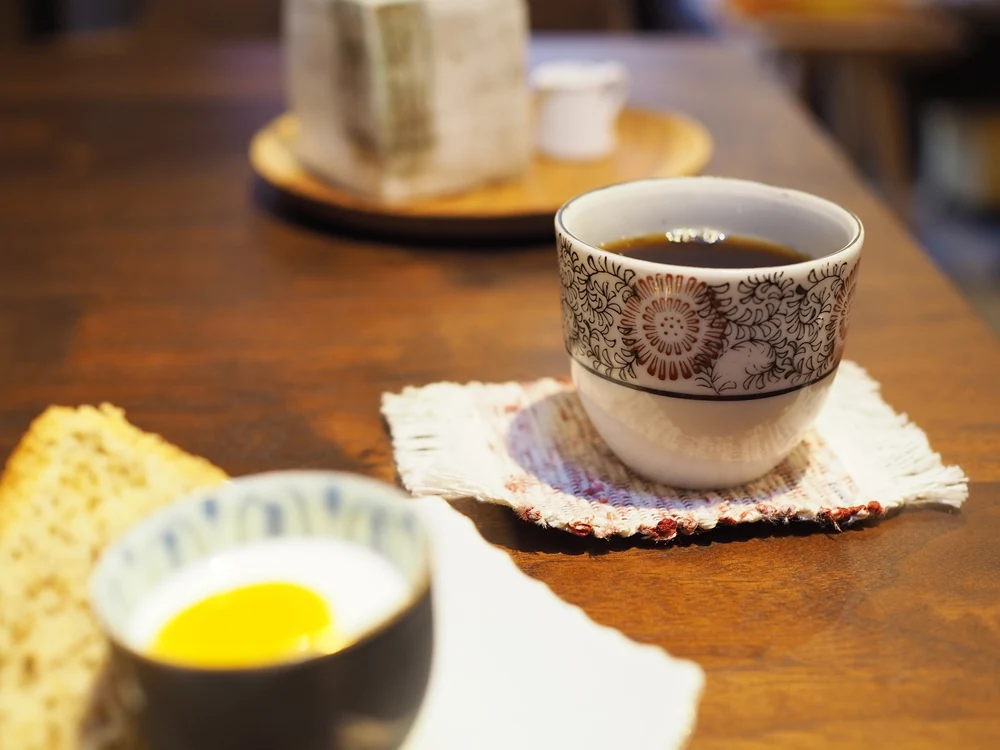
Isn't it wonderful that items that had been sleeping in the storehouse are being used again?
At cafe Naisai, you can also use the café only.
After lunch, it becomes café time. The hours are from 2:30 PM to 5:00 PM.
There are today's cakes and hot sandwiches.
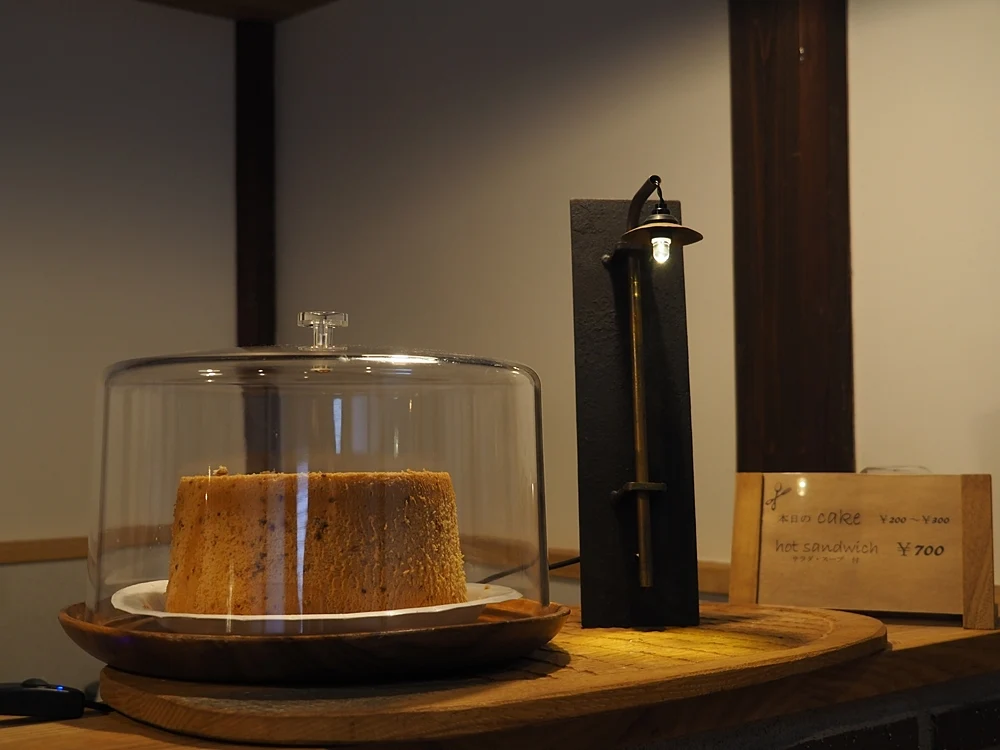
The cakes available on the day I visited were tea chiffon cake and tofu gateau chocolat, which were included with lunch.
At cafe Naisai, you can enjoy a body-friendly lunch using as many vegetables harvested from the field as possible.
I spoke with the owner, Umemoto, who runs cafe Naisai, about the charm of the shop that you can't understand just by eating.
cafe Naisai Data
| Name | cafe Naisai |
|---|---|
| Address | 3482 Kurosaki, Kurashiki City |
| Contact | 086-451-3078 |
| Parking | Available 6 cars |
| Business Hours | 11:30 AM to 5:00 PM, lunch is served in two parts at 11:30 AM and 1:00 PM. Café time is from 2:30 PM to 5:00 PM |
| Regular Holidays | Monday, Tuesday, Wednesday, Thursday, Sunday, and public holidays |
| Payment Methods |
|
| Reservation | Possible Reservation required by the day before |
| Seats | 8 seats ・Table seats (As of April 2023, one table is not in use due to measures against the spread of COVID-19) |
| Smoking | Completely non-smoking |
| Toilet | Western-style toilet |
| Website | Official Instagram |